


Maru Mahotsav 2026: Know Jaisalmer’s Rich Legacy & Culture

Three-day festival draws thousands of domestic and international tourists to experience Rajasthan’s vibrant traditions Jaisalmer: The Maru Mahotsav 2026, also known as Desert Festival, currently underway at Jaisalmer’s Shaheed Poonam Singh Stadium, has transformed the Golden City into a vibrant cultural hub, bringing together locals, artists, and tourists to celebrate the rich heritage of Rajasthan’s Thar Desert. The three-day festival, which commenced on January 30 and will conclude on February 1, showcases the colorful traditions, folk music, dance performances, and cultural contests that define the desert region’s unique identity. Set against the backdrop of Jaisalmer’s iconic golden sandstone architecture and vast dunes, the event has attracted visitors from across India and around the world. Cultural Competitions Crown New Winners The festival featured several prestigious cultural competitions on its opening day. Manish Panwar was crowned “Maru Shri 2026,” fulfilling what he described as a childhood dream. “I participated in the competition, and I have won… This was my childhood dream,” Panwar told ANI, visibly emotional about his achievement. Kusum Panwar from Bikaner won the coveted “Miss Moomal 2026” title, expressing her pride in representing Rajasthan’s cultural heritage. “This program is held to move our culture forward… I just wanted to participate in this,” she said, highlighting the festival’s role in preserving traditional values. Taj, who secured the “Mrs. Jaisalmer 2026” crown, shared her excitement: “I got very excited when my name was announced… I am very happy.” The competitions also included traditional events such as turban-tying contests and mustache competitions, reflecting the region’s distinctive cultural practices. A Global Cultural Attraction The Maru Mahotsav has emerged as a significant tourist attraction, drawing both domestic and international visitors. Lucia, a tourist from Brazil, expressed her delight at experiencing the desert celebrations. “This festival is amazing. We are very happy here,” she said, echoing the sentiments of numerous international attendees who have traveled to witness Jaisalmer’s cultural spectacle. Festival Highlights and Events The festival’s packed schedule offers something for everyone. Visitors have been treated to mesmerizing folk music and dance performances, including the traditional Ghoomar dance. Thrilling camel races and camel polo matches showcase the desert animal’s central role in regional culture and history. The Art & Craft Bazaar has been a major attraction, featuring traditional Rajasthani handicrafts, textiles, and artworks, allowing visitors to take home authentic pieces of desert culture. A Food Festival offers attendees the opportunity to savor authentic Rajasthani cuisine, from dal baati churma to ker sangri. Modern elements blend seamlessly with tradition at the festival. Evening performances have included a spectacular drone show, combining cutting-edge technology with traditional festivities. Cultural evenings feature performances by renowned artists, creating magical moments under the desert sky. Cultural Preservation and Tourism The Maru Mahotsav serves a dual purpose, preserving Rajasthan’s rich cultural heritage while boosting tourism in the region. The festival provides a platform for local artists and performers to showcase their talents, ensuring that traditional art forms continue to thrive in the modern era. The event also offers visitors unique experiences, such as folk art exhibitions at historic sites like Kuldhara and Khaba Fort, where the Mandana Art Exhibit displays intricate Rajasthani folk paintings. Musical performances at Khuri Sand Dunes create an authentic desert atmosphere, allowing tourists to experience the region’s musical heritage in its natural setting. Grand Finale Awaits As the festival approaches its conclusion on February 1, organizers have planned a spectacular grand finale. The final evening will feature a magnificent fireworks display that will illuminate the desert sky, providing a fitting end to the three-day celebration of Rajasthani culture. The Maru Mahotsav 2026 has once again proven that Jaisalmer remains one of India’s most captivating cultural destinations, where ancient traditions meet modern celebrations in the heart of the Thar Desert.
Guru Ravidas Jayanti 2026: Know History, Significance, Dates, and more
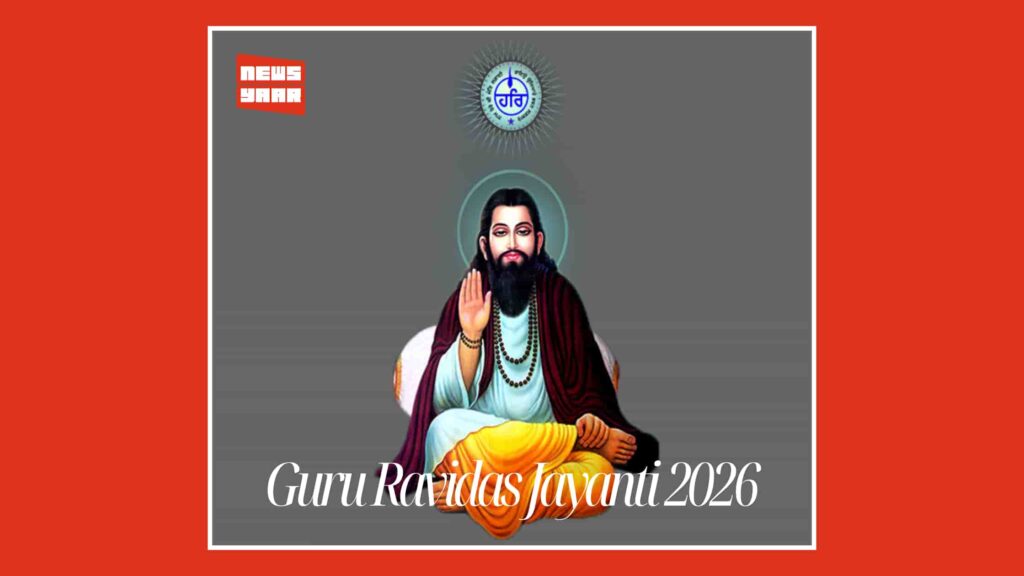
This year marks the 649th birth anniversary of Sant Guru Ravidas Ji, whose timeless teachings of equality and spiritual wisdom continue to inspire millions Guru Ravidas Jayanti 2026 was celebrated on Sunday, February 1, 2026, marking the 649th birth anniversary of Sant Guru Ravidas Ji, a revered 15th-century saint, poet, and social reformer whose vision of an egalitarian society remains profoundly relevant today. Date and Timings Celebrated annually on Magha Purnima, the full moon day of the Hindu month of Magha, the festival is observed with great devotion across India, particularly in Punjab, Uttar Pradesh, and Haryana. As per religious tradition, the festival is celebrated on the day the Purnima tithi begins, hence Guru Ravidas Jayanti falls on February 1, 2026. Who Was Guru Ravidas? Born in the village of Seer Goverdhanpur near Varanasi, Uttar Pradesh, Guru Ravidas emerged as a prominent figure in the Bhakti Movement, a spiritual revolution that emphasized personal devotion to the divine over rigid ritualistic practices. A contemporary of Saint Kabir, Guru Ravidas’s influence transcended social boundaries. He is believed to have been the spiritual guide to Meera Bai, the celebrated Rajput princess and devotional poetess. Despite being born into a community of leather workers, traditionally considered among the lowest in the caste hierarchy, Guru Ravidas rose above social discrimination through his spiritual wisdom and compassionate teachings. Philosophy and Teachings The cornerstone of Guru Ravidas’s philosophy was the rejection of the caste system and the promotion of human dignity and equality. He envisioned an ideal society called ‘Beghumpura’ (literally, “a city without sorrow”), a utopian realm free from suffering, fear, and discrimination, where all people could live with equal rights and dignity. His spiritual contributions are immortalized in the Guru Granth Sahib, the holy scripture of Sikhism, which contains 41 of his hymns. These verses emphasize that God resides in every heart and that true devotion is found not in caste or ritual, but in: Inner purity Compassion Selfless service (Sewa) Guru Ravidas’s teachings also emphasize simplicity, humility, and the unity of all humanity under one divine power. Significance of Guru Ravidas Jayanti Guru Ravidas Jayanti is not merely a religious festival but a celebration of social justice, equality, and human values. His message challenged the oppressive caste structures of medieval India and advocated for a society built on mutual respect and spiritual equality. In today’s world, his teachings serve as a powerful reminder to rise above discrimination based on caste, religion, wealth, or status. His vision of Beghumpura inspires movements for social reform and continues to guide those working toward a more just and compassionate society. How Is Guru Ravidas Jayanti Celebrated? Preparations for Guru Ravidas Jayanti 2026 are in full swing across the country, with elaborate arrangements being made, especially in Uttar Pradesh. In Varanasi Thousands of devotees gather at the Shri Guru Ravidas Janam Asthan Mandir in Varanasi, the birthplace of the saint. Key rituals include: Taking a holy dip in the Ganges River, believed to purify the soul Offering prayers and flowers at the temple Lighting diyas (oil lamps) at Sant Ravidas Park Nagar Kirtans (Processions) Vibrant processions are organized in cities across Punjab, Uttar Pradesh, Haryana, and other states. Devotees: Carry portraits and images of Guru Ravidas Sing devotional songs (bhajans) and perform kirtan Use traditional instruments to create a spiritually charged atmosphere Religious Gatherings In Gurdwaras and temples dedicated to the saint: Special prayer meetings are held The Amritbani Guru Ravidas Ji (a collection of his teachings) is recited Scholars deliver discourses on his philosophy and social contributions A Message for Modern Times As India prepares to celebrate Guru Ravidas Jayanti 2026, the occasion serves as a powerful reminder of the values that can unite society: compassion, equality, and spiritual devotion. In an era still grappling with social divisions, Guru Ravidas’s 649-year-old vision of Beghumpura offers a blueprint for a more harmonious and just world. His life exemplifies that true greatness lies not in one’s birth or social status, but in the purity of one’s heart and the service rendered to humanity. This Guru Ravidas Jayanti, devotees across the nation will gather to honor this extraordinary saint whose words continue to light the path toward a better tomorrow.
India Secures Record Investments at Davos 2026
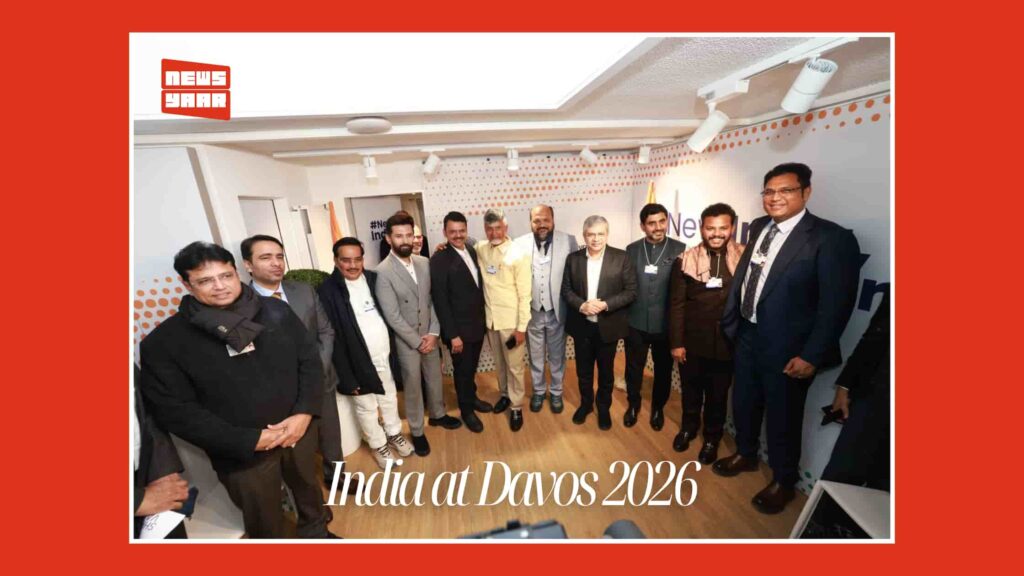
Nine States Present Unified Investment Vision at World Economic ForumIndia emerged as the preferred investment destination at the World Economic Forum 2026 held in Davos, Switzerland, with nine participating states securing commitments worth lakhs of crores across artificial intelligence, clean energy, manufacturing, and digital infrastructure. The states presented themselves as a single, integrated investment market, showcasing opportunities that position India firmly as a future-ready economic powerhouse. Gujarat, Maharashtra, Telangana, Karnataka, Uttar Pradesh, Andhra Pradesh, Kerala, Assam, and Jharkhand participated in the summit, with Assam and Jharkhand making their inaugural appearances. All states are integrated with the National Single Window System, a centralised digital platform designed to streamline investment approvals and clearances for global investors. India’s Strategic Objectives at Davos 2026 India’s presence at Davos 2026 represented a coordinated national strategy with several key objectives: Positioning India as a Unified Investment Destination: Rather than competing against each other, states presented complementary strengths, demonstrating policy alignment and infrastructure readiness across the country. Showcasing Digital Infrastructure Readiness: With the National Single Window System integration, India demonstrated its commitment to ease of doing business and rapid investment approvals. Accelerating Clean Energy Transition: States highlighted renewable energy commitments aligned with India’s net-zero targets, attracting global climate-focused investors. Building AI and Technology Leadership: Multiple states positioned themselves as AI-ready economies, competing for next-generation technology investments. Creating Employment at Scale: Investment commitments focused on job creation, with Maharashtra alone projecting over 40 lakh jobs from secured MoUs. Maharashtra Leads with ₹30 Lakh Crore Investment Pipeline Maharashtra Chief Minister Devendra Fadnavis announced MoUs worth ₹30 lakh crore, with 83 per cent involving foreign direct investment and 16 per cent in partnerships with foreign technologies. Companies from 18 countries are committed to investing in the state, potentially creating over 40 lakh jobs. Major investors include Lodha Developers, OpenAI, Iron Mountain, Princeton Data Group, Volkswagen, and Coca-Cola, with a primary focus on developing data centres. Lodha Developers pledged ₹1 lakh crore to develop a 2.5 GW Green Data Centre Park in the Mumbai Metropolitan Region, set to become one of India’s largest digital infrastructure hubs. Plans also include an AI innovation city near Navi Mumbai, a Global Capability Centre in Bandra Kurla Complex, and a ₹20,000 crore steel plant expansion in Gadchiroli. Technology and Clean Energy Drive State Commitments Telangana secured investments worth ₹30,000 crore, positioning itself as an AI-first economy. L’Oréal will establish an AI-powered Global Beauty Tech Hub in Hyderabad, while UPC Volt plans a 100 MW AI-ready data centre in Bharat Future City. The Rashmi Group committed ₹12,500 crore for a steel plant, and Schneider Electric India announced manufacturing capacity expansion. Uttar Pradesh signed MoUs exceeding ₹9,750 crore, coordinated by Invest UP. Key projects include SAEL Industries’ ₹8,000 crore waste-to-energy initiative, Sift Technologies’ ₹1,600 crore AI-ready data centres, and a ₹150 crore AI city in Noida focused on defence manufacturing. Assam has secured investment commitments worth Rs 1 lakh crore already, and it is only a base for the state in the global arena, Chief Minister Himanta Biswa Sarma said on Wednesday. Karnataka attracted interest from Nokia for Global Capability Centres and research facilities beyond Bengaluru, with discussions involving Cloudflare and aerospace companies Vast Space and Voyager Technologies. The RPSG Group invested in renewable energy projects in Vijapura and Ballari districts, supporting wind power manufacturing expansion. Kerala secured $14 billion (₹1.18 lakh crore) in commitments across renewable energy, skill development, tourism, medical services, and infrastructure. Andhra Pradesh partnered with RMZ Corporation for large-scale mixed-use, digital, industrial, and logistics infrastructure development. Jharkhand received Tata Steel’s ₹11,000 crore investment commitment for low-carbon steelmaking technologies and held discussions with Hitachi India on power and grid infrastructure. National Clean Energy Push India is rapidly expanding its clean electricity pipeline through large-scale solar and wind farms while upgrading grid infrastructure. The focus includes battery storage and hybrid storage options to meet 24×7 renewable power needs, increasing energy reliability across regions. Davos 2026 showcased India’s growing stature as a global investment destination. From state-led projects to nationwide green energy initiatives, the announcements reflect strong investor confidence in India’s policy stability, scale, and future-ready growth story, promising long-term economic growth, job creation, and deeper global integration. Why Davos 2026 Matters for India? Davos 2026 showcased India’s growing stature as a global investment destination. From state-led projects to nationwide green energy initiatives, the announcements reflect strong investor confidence in India’s policy stability, scale, and future-ready growth story, promising long-term economic growth, job creation, and deeper global integration. The success of India’s Davos 2026 participation will ultimately be measured not just in MoU values, but in actual project implementation, job creation, technology transfer, and contribution to India’s vision of becoming a developed nation by 2047. The unified approach by participating states, supported by central government infrastructure and policy frameworks, creates a strong foundation for translating commitments into tangible economic outcomes.
Kerala Literature Festival 2026: A Celebration of Ideas in an Age of Change

Kozhikode:As the world grapples with rapid political, social, and technological shifts, the Kerala Literature Festival (KLF) 2026 is set to offer a rare space for reflection, dialogue, and debate. Over the years, KLF has grown into a global literary landmark, known not just for books but for conversations that shape public thought.The 2026 edition is expected to bring together renowned authors, thinkers, journalists, and cultural voices from India and abroad. True to its spirit, the festival will explore themes ranging from free expression and identity to the climate crisis and the future of storytelling.What distinguishes KLF is its deep connection to Kerala’s intellectual traditions. Malayalam literature, regional storytelling, and indigenous voices continue to anchor the festival, ensuring global ideas remain rooted in local realities.With a growing emphasis on young writers, translation, and literature in the digital age, KLF 2026 is likely to focus on how stories evolve without losing their soul. More than a festival, KLF has become a cultural movement, one that celebrates dialogue, disagreement, and the enduring power of words.Key AttendeesNASA astronaut Sunita Williams delivered the keynote and inaugurated the event alongside Kerala Tourism Minister Mohammed Riyas, sharing insights on space resilience, leadership, and Earth’s fragility in packed sessions like “Dreams Reach Orbit.” Other luminaries included over 400 speakers from 17 countries, Nobel laureates, business leaders, authors, and activists. Besides Sunita Williams, prominent figures included Nobel Prize winners Abdulrazak Gurnah (Literature), Olga Tokarczuk (Literature), and Abhijit Banerjee (Economics).What to Expect at KLF 2026KLF 2026 will feature a mix of panel discussions, book launches, poetry readings, performances, film conversations, and interactive sessions. While global names draw attention, Malayalam literature and regional narratives will remain at the heart of the festival, reflecting Kerala’s deep-rooted intellectual and cultural traditions.A key focus this year is expected to be on youth participation, translation of regional works, and how literature adapts in the digital era. The festival’s open-access format continues to make it inclusive, allowing audiences from diverse backgrounds to engage directly with ideas and creators.Book Launches & AwardsA highlight was the launch of the Malayalam translation of Abhay K’s “Nalanda: How it Changed the World” by Benyamin, following a discussion on Nalanda’s legacy of Buddhism and debate.KLF announced shortlists for its Book of the Year Awards in fiction and nonfiction, with winners revealed during the festival; fiction included works like Vivek Shanbhag’s “Sakina’s Kiss,” while nonfiction featured Sunitha Krishnan’s memoir.Why KLF 2026 MattersAt a time when public discourse is increasingly polarised, KLF offers a rare space for thoughtful dialogue and disagreement. It celebrates literature not just as art, but as a tool for understanding society, questioning power, and imagining better futures.As Kozhikode prepares to host KLF 2026, the festival once again promises to be more than an event, it will be a meeting ground for ideas that shape culture, politics, and public thought.
Republic Day 2026: India Celebrates 77 Years of the Constitution with a Grand Display of Unity and Aspirations
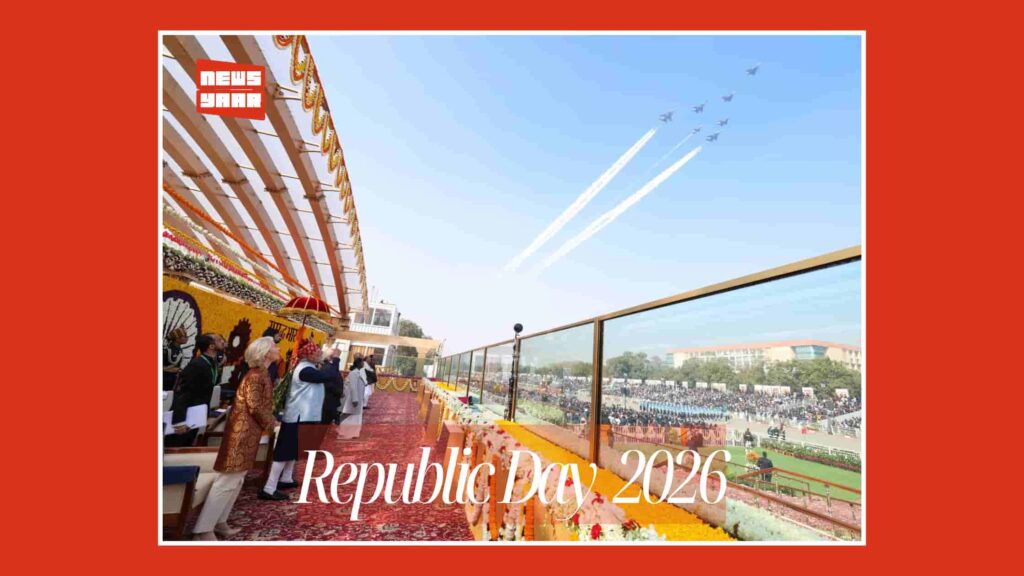
New Delhi: India celebrated its 77th Republic Day on January 26, 2026, with a majestic ceremonial parade at Kartavya Path, showcasing the country’s constitutional ethos, democratic resilience and evolving national priorities. The occasion marked 77 years since the Constitution of India came into force in 1950, laying the foundation of a republic built on justice, liberty, equality and fraternity.The celebrations were graced by the Republic Day Chief Guest, a distinguished head of state from a key strategic partner nation, underlining India’s growing global stature and its emphasis on international cooperation in a rapidly changing world.Chief GuestsThe celebrations were graced by two distinguished chief guests: President of the European Commission Ursula von der Leyen and President of the European Council António Costa, underscoring India’s strategic partnership with the European Union. Their presence highlighted international cooperation amid global challenges.Ceremonial Traditions and National HomageThe day commenced with the President of India unfurling the national flag, followed by the traditional 21-gun salute, symbolising the sovereignty of the republic. Earlier in the morning, Prime Minister Narendra Modi paid tribute to fallen soldiers at the National War Memorial, reaffirming the nation’s gratitude to the armed forces for their sacrifice and service.Parade Highlights: Military Might and Indigenous CapabilityThe Republic Day parade unfolded as a powerful demonstration of discipline, preparedness and national resolve. The parade featured marching contingents from the Army, Navy, Air Force, and paramilitary forces, including 18 contingents and 13 bands, with a new “phased battle array” format mimicking battlefield deployment for realism. A debut animal contingent from the Remount & Veterinary Corps showcased camels, ponies, raptors, and dogs.A major highlight was the display of indigenously developed defence platforms, reinforcing India’s push towards Aatmanirbhar Bharat in defence manufacturing. From advanced weapon systems to next-generation mobility platforms, the parade reflected India’s transition from an importer to a producer of defence technology.Tableaux: India’s Diversity, Development and VisionThe state and Union Territory tableaux remained among the most visually striking segments of Republic Day 2026. Each tableau told a distinct story, blending cultural heritage with development priorities.Thirty tableaux participated: 17 from states/UTs depicting culture, freedom struggle, and self-reliance (e.g., Uttar Pradesh, Maharashtra, Tamil Nadu), and 13 from ministries on defence, education reforms, skill development, and urban transformation. A special Ministry of Culture tableau celebrated “150 Years of Vande Mataram.”Themes ranged from traditional art forms and indigenous knowledge systems to modern infrastructure, digital governance, green energy initiatives and social welfare programmes. Together, the tableaux offered a snapshot of how India’s regions are preserving identity while embracing transformation.Notable Performances and Special SegmentsThis year’s celebrations placed special emphasis on youth and women-led participation. Performances highlighted achievements in science, innovation, education, sports and entrepreneurship, underscoring the role of the next generation in shaping India’s future.The growing presence of women in the armed forces and leadership roles stood out during the parade, symbolising changing social norms and expanding opportunities across sectors.Aerial Display & Sky ShowThe parade culminated in a spectacular flypast by the Indian Air Force, with fighter jets, transport aircraft and helicopters soaring across Kartavya Path. The tricolour smoke trails across the winter sky provided a dramatic finale, drawing applause from spectators and reinforcing national pride.The Indian Air Force flypast featured Rafale, Sukhoi, and Tejas jets in formations like “Trishul,” painting tricolour trails, followed by a spectacular fireworks and drone show finale.Republic Day Beyond CelebrationRepublic Day is more than a ceremonial occasion; it is a reaffirmation of India’s constitutional identity. As the world’s largest democracy, India’s Constitution continues to function as a living document, guiding governance while adapting to societal change.Leaders across political and institutional lines used the occasion to reiterate their commitment to constitutional values, democratic institutions and inclusive growth. Messages centred on balancing economic expansion with social justice, sustainability and technological advancement.A Nation Reflects and Looks AheadAcross the country, Republic Day was observed with flag-hoisting ceremonies, cultural programmes and community gatherings, allowing citizens to reconnect with the ideals that define the republic.As India steps into its 78th year as a republic, Republic Day 2026 reflected a nation confident in its achievements, conscious of its challenges, and committed to progress that leaves no one behind.Above all, the celebrations reaffirmed a timeless truth: India’s strength lies in its people and their enduring faith in the Constitution that binds the nation together.
Flamingo Aerospace, Russia’s UAC Partner to Manufacture Il-114-300 Regional Aircraft in India

In a significant development for India’s civil aviation and aerospace manufacturing ecosystem, Hyderabad-based Flamingo Aerospace has entered into a strategic partnership with Russia’s United Aircraft Corporation (UAC) to bring the Ilyushin Il-114-300 regional turboprop aircraft to India. The collaboration marks a major step toward strengthening India’s regional air connectivity while expanding indigenous aerospace manufacturing capabilities under the government’s Make in India and Atmanirbhar Bharat initiatives. The agreement was announced on the sidelines of Wings India 2026, the country’s premier civil aviation exhibition, held in Hyderabad, where senior representatives from Flamingo Aerospace and UAC formalised a framework cooperation and supply agreement. As per the initial arrangement, six Il-114-300 aircraft will be supplied, with deliveries expected to begin from 2028, followed by phased localisation and manufacturing activities in India. About the Il-114-300 Aircraft The Il-114-300 is a next-generation regional turboprop aircraft developed by Russia’s Ilyushin Aviation Complex under UAC. It is designed to carry up to 68 passengers and is optimised for short-haul and regional routes, particularly in areas with limited airport infrastructure. The aircraft is powered by TV7-117ST-01 turboprop engines, developed by the United Engine Corporation (UEC), and is capable of operating in extreme climatic conditions, ranging from sub-zero Arctic temperatures to hot and humid tropical environments. With its ability to take off and land on short and semi-prepared runways, the Il-114-300 is positioned as a strong contender for regional connectivity markets dominated by aircraft such as the ATR-72 and Dash-8. Industry experts note that the aircraft’s fuel efficiency, rugged design and lower operating costs make it particularly suitable for India’s tier-II and tier-III city routes, as well as remote and underserved regions. Details of the Flamingo–UAC Partnership Under the agreement, Flamingo Aerospace will initially procure six Il-114-300 aircraft from UAC. Beyond supply, the partnership outlines a long-term roadmap that includes: Assembly and localisation of aircraft components in India Establishment of Maintenance, Repair and Overhaul (MRO) facilities Development of a local supplier ecosystem for parts and systems Training of Indian engineers, technicians and pilots Potential expansion into full-scale manufacturing depending on market demand The phased approach is aimed at gradually transferring technology and industrial capability, positioning India as a regional hub for turboprop aircraft manufacturing and support services. Flamingo Aerospace: India’s Emerging Aviation Player Founded in 2022, Flamingo Aerospace is a private Indian aerospace and aviation company headquartered in Hyderabad, a growing centre for aerospace and defence manufacturing. The company focuses on regional aircraft programmes, aviation engineering services, MRO development and sustainable aviation solutions. Flamingo’s leadership has repeatedly emphasised the need for India to develop home-grown regional aircraft capabilities to support domestic aviation growth. With India now the third-largest domestic aviation market in the world, demand for efficient short-haul aircraft is expected to rise sharply over the next decade. The Il-114-300 programme aligns with Flamingo’s vision of creating an end-to-end aviation ecosystem, starting with aircraft acquisition and moving toward local manufacturing and lifecycle support. Strategic Importance for India’s Aviation Sector The Flamingo-UAC collaboration comes at a time when India is aggressively expanding regional air connectivity through schemes such as UDAN (Ude Desh ka Aam Naagrik). While India has witnessed rapid growth in metro-to-metro air travel, connectivity to smaller cities and remote regions remains limited. Regional turboprop aircraft like the Il-114-300 are seen as critical to bridging this gap, offering: Lower operating costs for airlines Ability to operate from smaller airports Improved connectivity to remote and hilly regions Support for tourism, trade and economic development Aviation analysts believe the introduction of an additional aircraft platform could also reduce dependence on a limited set of foreign suppliers, increase competition and provide airlines with more fleet options. Part of Broader Indo-Russian Civil Aviation Cooperation The Il-114-300 agreement complements a broader trend of expanding Indo-Russian cooperation in civil aviation. Earlier, Hindustan Aeronautics Limited (HAL) signed an agreement with UAC to manufacture the Sukhoi Superjet 100 (SJ-100) in India, signalling a diversification of aviation ties beyond defence aircraft. For Russia, partnerships with Indian firms offer access to one of the world’s fastest-growing aviation markets at a time when Western sanctions have constrained its traditional export channels. For India, these collaborations present opportunities to build industrial capability, acquire technology and create skilled jobs. Economic and Industrial Impact If fully realised, the Il-114-300 programme could generate significant economic benefits, including: Creation of high-skilled aerospace jobs Boost to India’s aerospace manufacturing supply chain Development of regional MRO hubs serving South Asia Strengthening of India’s position in the global aviation value chain Officials involved in the programme have indicated that future phases could include higher localisation levels, depending on airline interest and regulatory clearances. Looking Ahead While the agreement is currently at a framework stage, industry observers view it as a strategic entry point into regional aircraft manufacturing in India. The success of the programme will depend on certification timelines, airline orders, regulatory approvals and the pace of localisation. Nevertheless, the Flamingo Aerospace–UAC partnership represents a notable shift in India’s civil aviation landscape, reflecting growing confidence in domestic aerospace capability and a clear focus on regional connectivity as the next frontier of aviation growth. As India prepares for a sustained expansion in air travel, initiatives such as the Il-114-300 programme could play a crucial role in shaping a more inclusive, resilient and self-reliant aviation ecosystem.
Doomsday Clock Explained: Why Humanity Remains 90 Seconds from Midnight

The Doomsday Clock, a symbolic measure of humanity’s proximity to global catastrophe, remains set at 90 seconds to midnight, the closest it has ever been to the point representing irreversible disaster. Maintained by the Bulletin of the Atomic Scientists, the clock reflects the collective judgement of leading scientists, security experts and Nobel laureates on the state of existential threats facing the world.First unveiled in 1947, the Doomsday Clock was conceived by scientists who had worked on the Manhattan Project and later became deeply concerned about the consequences of nuclear weapons. What began as a warning about atomic warfare has since evolved into a broader indicator that incorporates multiple human-driven risks, including nuclear conflict, climate change, biological threats, disruptive technologies and geopolitical instability.Midnight on the clock does not represent a specific event or date. Instead, it symbolises a threshold beyond which civilisation could face irreversible damage. The clock’s movement toward or away from midnight is recalibrated periodically based on global developments, policy decisions and emerging scientific assessments.Why the Clock Is Still at 90 SecondsThe decision to keep the Doomsday Clock at 90 seconds to midnight reflects the Bulletin’s view that the global risk environment remains exceptionally dangerous, with no meaningful improvement across major threat categories.At the centre of this assessment lies the continued risk of nuclear confrontation. More than three decades after the end of the Cold War, nuclear weapons remain deeply embedded in global security doctrines. Approximately 12,000 nuclear warheads exist worldwide, many on high alert. The erosion of arms control frameworks, combined with heightened geopolitical tensions, has increased the risk of miscalculation, misunderstanding or unintended escalation.The ongoing conflict in Ukraine, now entering a prolonged phase with no clear resolution, has brought nuclear rhetoric back into mainstream strategic discourse. Relations between nuclear-armed states have grown more confrontational, while communication channels that once helped manage crises have weakened. Experts warn that even a limited nuclear exchange would have catastrophic humanitarian, environmental and economic consequences far beyond national borders.Climate Change as a Risk MultiplierClimate change is another central reason for the clock’s position. Scientists associated with the Bulletin consistently describe climate disruption as a threat multiplier, exacerbating existing political, economic and social stresses. Rising global temperatures, intensifying extreme weather events, melting glaciers and sea-level rise are no longer future projections but present realities.Despite international agreements and climate pledges, global greenhouse gas emissions continue at levels incompatible with limiting warming to safer thresholds. The failure to translate commitments into action has raised concerns that climate impacts could trigger large-scale displacement, food insecurity and conflict, further destabilising fragile regions.The Bulletin has emphasised that climate risks intersect with nuclear and geopolitical dangers, creating complex feedback loops that make crises harder to manage and resolve.Biological Risks and Global Health VulnerabilitiesThe COVID-19 pandemic reshaped global thinking around biological threats, exposing weaknesses in health systems, international coordination and crisis response mechanisms. While the immediate emergency has passed, experts caution that the world remains underprepared for future pandemics.Advances in biotechnology, while offering immense benefits, also raise concerns about accidental releases, laboratory safety and the potential misuse of biological agents. The Bulletin notes that insufficient global governance in this area increases the likelihood that biological risks could escalate rapidly before adequate countermeasures are deployed.Technology, AI and Unintended ConsequencesEmerging technologies, particularly artificial intelligence, have become an increasingly important factor in the Doomsday Clock’s assessment. Rapid advances in AI, autonomous systems and cyber capabilities are transforming economies and militaries alike, often faster than regulatory or ethical frameworks can adapt.Of particular concern is the integration of AI into military decision-making systems, where reduced human oversight could increase the risk of unintended escalation during crises. The spread of AI-driven misinformation and deepfake technologies has also undermined trust in institutions, media and democratic processes, contributing to political polarisation and instability.The Bulletin has warned that technological innovation without adequate safeguards could amplify existing threats rather than mitigate them.The Role of Geopolitics and Global FragmentationA defining feature of the current era is the fragmentation of global cooperation. Multilateral institutions face growing pressure, while geopolitical rivalries increasingly shape international engagement. Trade disputes, sanctions regimes and strategic competition have narrowed the space for collective problem-solving.The Doomsday Clock reflects this reality by highlighting not just the presence of risks, but the absence of effective global responses. According to the Bulletin, many of today’s dangers are exacerbated by mistrust between states and the prioritisation of short-term national interests over long-term global stability.A Warning, Not a PredictionCrucially, the Bulletin of the Atomic Scientists stresses that the Doomsday Clock is not a forecast of inevitable disaster. Rather, it is a warning signal intended to prompt reflection, debate and action. The clock’s hands have moved away from midnight in the past, most notably after the Cold War, demonstrating that political choices and international cooperation can reduce existential risk.The current setting at 90 seconds to midnight is meant to convey urgency. It reflects a judgement that humanity is operating with a dangerously narrow margin for error — but not that catastrophe is unavoidable.Why the Doomsday Clock Still Matters TodayIn an era of constant news cycles and competing crises, the Doomsday Clock endures because it offers a unified framework for understanding global risk. It reminds policymakers and the public alike that nuclear weapons, climate change, pandemics and disruptive technologies are interconnected challenges requiring coordinated responses.The Bulletin argues that humanity possesses the knowledge and resources needed to address these threats. What remains uncertain is whether there is sufficient political will to act decisively and collectively before risks escalate further.As the world navigates an increasingly complex and volatile landscape, the Doomsday Clock’s position serves as both a mirror and a message — reflecting the consequences of current choices and urging leaders to recognise that the future is still shaped by decisions made today.
National Tourism Day 2026: Celebrating India’s Cultural Heritage, Economic Growth and Youth Engagement
National Tourism Day is observed annually on January 25 in India to recognise the vital role tourism plays in the nation’s socio-economic development, cultural exchange and heritage conservation. In 2026, the country marked National Tourism Day with multi-theme programmes, state participation, youth-oriented activities, and initiatives to boost both domestic and international travel. Tourism is one of India’s fastest-growing economic sectors, contributing significantly to employment, foreign exchange earnings and community-led development. National Tourism Day highlights these dimensions while promoting travel awareness, sustainability and inclusive participation across regions and communities. Background: Why National Tourism Day Matters National Tourism Day commemorates the adoption of the National Tourism Policy in 2002, a landmark moment when the Government of India formally recognised tourism as a key driver of economic growth and cultural diplomacy. The policy aimed to expand tourism infrastructure, incentivise private sector participation, enhance employability, and position India as a global travel destination. Over the years, tourism has become a major employment generator, particularly in rural and semi-urban areas. The sector supports jobs across hospitality, transportation, cultural industries, handicrafts, heritage management, tour operations, adventure travel and wellness tourism. According to industry estimates, tourism contributes 7–9% of India’s GDP and supports millions of direct and indirect jobs across the country. Post-pandemic recovery and strategic initiatives have further elevated tourism as a priority sector in national development planning. National Tourism Day 2026: Themes and Programmes In 2026, National Tourism Day was marked with a series of coordinated events spanning heritage walks, cultural performances, seminars, youth forums, heritage site launches and promotional campaigns. The Ministry of Tourism’s multi-theme programme emphasised: Heritage Conservation and Cultural Tourism: Celebrating India’s rich history through curated events at iconic sites. Youth Engagement and Education: Special outreach to students and young travellers to encourage tourism careers and awareness of local heritage. Sustainable and Eco-Friendly Tourism: Promoting responsible travel practices that protect landscapes and support community livelihoods. Local and Regional Specialties: Showcasing food, handicrafts, folk art and customs from various states to highlight India’s diversity. The multi-theme approach, adopted by state tourism departments, aimed to both celebrate India’s diverse cultural tapestry and provide economic opportunities for local artists, guides, heritage managers and hospitality professionals. National and State Participation The Ministry of Tourism, Government of India, coordinates National Tourism Day events in collaboration with state tourism boards, cultural institutions, educational bodies and industry associations. State governments organise activities such as: Heritage Walks and Site Visits: Guided tours at forts, temples, museums and historical cities such as Agra, Jaipur, Varanasi and Hampi. Tourism Promotion Fairs: Exhibitions featuring travel destinations, culinary showcases, handicraft bazaars and local performances. Youth Outreach and Awareness Campaigns: Competitions, webinars and campus events to engage students in tourism-related careers. Community Tourism Projects: Initiatives to promote village tourism, eco-trails, homestays and local enterprise models. For 2026, Uttar Pradesh — home to several major heritage sites including the Taj Mahal — held a flagship programme with tribal dance performances, youth engagement forums, skill development workshops and discussions on sustainable destination management. Significance: Beyond Travel National Tourism Day carries multi-layered significance: Economic Significance: Tourism drives economic activity through direct services (hotels, transport, tour operators) and indirect value chains (farmers, artisans, retail, logistics). Growth in visitor numbers fosters investment in infrastructure and amenities. Cultural and Social Impact: Tourism promotes cultural exchange, enabling travellers to experience India’s linguistic, religious and artistic diversity. Heritage conservation initiatives often receive momentum through tourism interests, leading to improved preservation and community pride. Youth Empowerment: With a large youth population, India views tourism as a sector that can offer meaningful careers — from tour guiding and hospitality to digital marketing, event management and sustainable adventure tourism. Global Connectivity: National Tourism Day also underscores India’s place in global travel circuits. India offers unique attractions spanning ancient monuments, biodiversity hotspots, spiritual circuits, hill stations, desert landscapes, backwaters and festivals that draw millions of international travellers every year. Key Initiatives and Government Measures The Government of India has undertaken several strategic measures to enhance India’s tourism footprint: Increased Connectivity: Development of airports, regional air routes, rail connectivity and waterways to improve access to remote and emerging destinations. Incentives for Homestays and Eco-Tourism: Policies to support local tourism entrepreneurs with training, grants and marketing support. Digital Platforms: Initiatives like the Incredible India portal, mobile apps, virtual tours and digital campaigns that offer seamless travel planning and destination information. Skill Development: Collaborations with hospitality training institutes and universities to build tourism-related skills among youth. Safety and Accessibility: Enhancing traveller safety, accessibility for differently-abled tourists and women traveller support systems. Such initiatives reinforce National Tourism Day’s role as both a celebration and a policy milestone, aligning tourism with broader national goals of employment generation, cultural preservation and economic progress. Tourism Trends and Future Outlook India’s tourism sector continues to register strong indicators of growth. Domestic travel has seen sustained enthusiasm, while international arrivals have rebounded following the pandemic. Emerging trends include: Experiential and Adventure Tourism: Rising demand for trekking, wildlife circuits, river rafting and off-beat trails. Wellness and Spiritual Tourism: Increased interest in Ayurveda, yoga retreats and spiritual heritage circuits such as Char Dham and Buddhist heritage trails. Eco-Tourism and Community Tourism: Focus on sustainability, homestays and tourism that directly benefits local communities. Industry analysts expect that India’s tourism sector will continue to expand its contribution to GDP and employment, particularly with supportive government policies, improved infrastructure and global travel confidence. How National Tourism Day Inspires Travellers Travellers and tourism stakeholders view National Tourism Day as an invitation to explore India’s untapped destinationsand celebrate its living heritage. The day inspires individuals, families, students and professionals to discover cultural gems, engage in sustainable travel practices, and participate in livelihood opportunities tied to tourism. For students and young professionals, events offer exposure to career paths in areas such as tourism management, heritage interpretation, hospitality operations, travel technology, storytelling and destination branding. National Tourism Day 2026: A Milestone for Growth The celebration of National Tourism Day 2026 reaffirmed the sector’s potential to advance economic growth, promote cultural preservation and build a
India Energy Week 2026: Mapping India’s Energy Transition in a Fragmented World
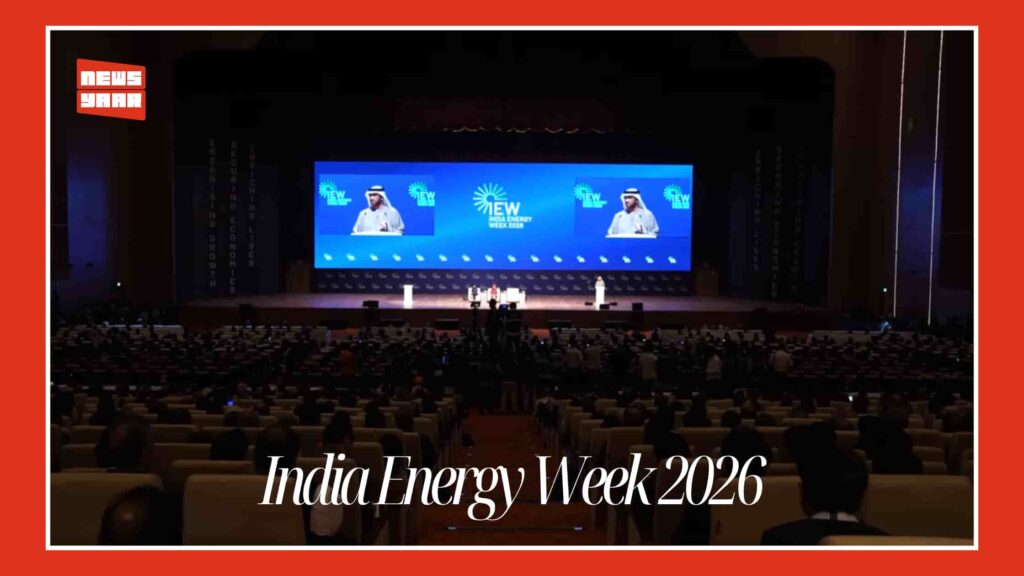
New Delhi: India Energy Week (IEW) 2026 emerged as a pivotal platform for India to articulate its energy priorities at a time when global energy systems are undergoing rapid transition amid geopolitical uncertainty, climate imperatives and shifting technology landscapes. Bringing together policymakers, industry leaders, innovators and global stakeholders, the event reinforced India’s ambition to position itself as a key driver of the global energy transition while safeguarding energy security and affordability.Held with a sharp focus on collaboration and execution, India Energy Week 2026 underscored the idea that India’s energy journey will be defined not by a single fuel or technology, but by a balanced, multi-pathway approach.Why India Energy Week MattersIndia Energy Week is designed as India’s flagship international energy forum, aimed at bridging dialogue between government, global energy companies, clean-tech innovators and investors. As one of the world’s fastest-growing energy consumers, India sits at the centre of global energy conversations, both as a market and as a solutions provider.With India targeting net-zero emissions by 2070, while simultaneously meeting the needs of a growing population and industrial base, the event plays a crucial role in aligning policy intent with industry execution. IEW 2026 continued this mandate by spotlighting policy clarity, investment opportunities and technological pathways across conventional and clean energy sectors.Central Themes and Focus AreasIndia Energy Week 2026 revolved around a few clear pillars:Energy Security in an Uncertain World: Discussions highlighted the need for diversified supply chains, domestic production and strategic reserves to shield economies from global disruptions.Accelerating the Clean Energy Transition: Renewable energy, green hydrogen, biofuels and energy storage were central to conversations, with India positioning itself as a scalable clean-energy hub rather than just a consumer of imported technologies.Technology, Innovation and Digitalisation: Artificial intelligence, smart grids and digital monitoring systems were presented as key enablers for improving efficiency, reducing losses and optimising energy distribution.Just and Inclusive Transition: Policymakers stressed that India’s energy shift must remain affordable and inclusive, ensuring that growth, employment and access are not compromised in the pursuit of sustainability.Key Highlights from India Energy Week 2026A major highlight of IEW 2026 was the strong participation from both domestic and global energy players across oil & gas, renewables, power, hydrogen and emerging technologies. The event featured:Policy Dialogues: Senior government representatives outlined India’s evolving energy roadmap, emphasising reforms, infrastructure expansion and investor-friendly frameworks.Investment Conversations: India showcased opportunities across upstream and downstream energy, renewable manufacturing, electric mobility and green hydrogen ecosystems, reinforcing confidence in long-term capital deployment.Hydrogen and Bioenergy Push: India’s ambitions under the National Green Hydrogen Mission were discussed in detail, alongside progress in ethanol blending and bioenergy adoption to reduce import dependence.Energy Transition Showcases: Technology exhibitions and innovation zones demonstrated advancements in storage solutions, clean fuels and digital energy platforms.Global and Domestic Voices on the Same StageIndia Energy Week 2026 featured participation from a wide range of stakeholders, including senior Indian ministers, global energy executives, international organisations and climate experts. The presence of global industry leaders reinforced India’s growing relevance in shaping future energy markets.International delegates engaged in dialogues on climate finance, technology transfer and collaborative innovation, while Indian public sector enterprises and private companies presented transition-ready business models aligned with sustainability goals.Strategic Significance for IndiaThe significance of India Energy Week 2026 lies in its timing and context. As global energy systems face volatility, from supply disruptions to policy shifts, India is positioning itself as a stable, predictable and scalable energy partner.The event highlighted India’s dual strength:Its ability to anchor traditional energy markets responsibly, andIts growing leadership in renewables and low-carbon solutions.By aligning policy, capital and innovation under one platform, IEW 2026 strengthened India’s narrative as a country that is not choosing between growth and sustainability, but integrating both.Looking Ahead: The Final Insights While India Energy Week 2026 focused heavily on ideas, partnerships and vision, the underlying message was clear: execution will define success. The emphasis on infrastructure readiness, regulatory clarity and market depth suggests a shift from aspirational announcements to delivery-oriented outcomes.As India advances towards becoming a $5 trillion economy, energy will remain at the core of its growth story. India Energy Week 2026 reaffirmed that India’s approach, pragmatic, inclusive and forward-looking, could well serve as a blueprint for other emerging economies navigating similar transitions.In a world searching for balanced energy solutions, India is increasingly positioning itself not just as a participant, but as a shaper of the global energy future.
Serendipity Arts Festival 2025 Marks a Decade With Its Most Expansive Edition Across Panjim

Panjim, Goa:As it completes ten years, the Serendipity Arts Festival (SAF) returns to Panjim with its largest, most ambitious and accessible edition yet, reaffirming its place as one of India’s most significant multidisciplinary cultural platforms. Running from December 12 to 21, 2025, the festival will feature over 250 projects, led by 35+ curators, spread across 12 venues across the Goan capital. What makes this tenth anniversary especially significant is that SAF’s celebrations began months before its official opening—spanning cities across India and even reaching overseas, signalling how far the Goa-born festival has travelled since its inception. A Year-Long Prelude to a Landmark Edition The tenth-year celebrations kicked off in May 2025 with a Mini Edition in Birmingham, UK, marking SAF’s growing global footprint. Over the following months, the festival made artistic interventions across the country: an evocative performance at Ahmedabad Cultural Week, a ghazal evening at Delhi’s Safdarjung Tomb, the much-loved River Raag sunset cruise in Varanasi, a curated celebration of Tamil culture in Chennai, and electronic B-Side Sessions in Gurugram. “These were not standalone events,” curators emphasised, “but preludes to a much larger artistic takeover.” Panjim as a Living, Breathing Cultural Canvas From riverfronts and promenades to beaches, parks, jetties and historic buildings, Panjim itself becomes the festival’s canvas. The Old GMC building at Campal—now dominated by artist Diptej Vernekar’s towering Narakasur installation, acts as SAF’s nerve centre, anchoring the festival’s visual identity. The festival officially opened with large-scale concerts by Clay Play and Palette(s) at The Arena, Nagali Hills Ground, with Motown Madness and The Revisit Project headlining subsequent nights. While music sets the tone, exhibitions and experiential venues open to the public from December 14, inviting visitors into a multi-sensorial, cross-cultural exploration of art, craft, performance, and food. SAF 2025’s performance programming spans continents and centuries, reconstructing Mumbai’s early jalsa music clubs, tracing divine feminine energies through Goddess Bhagavathy, revisiting 180 years of Marathi theatre, and reimagining puppetry traditions. Artists from across South Asia and beyond blur disciplinary boundaries, creating unexpected collaborations. Yet, Goa remains at the heart of the festival. Highlights include Goa’s Smallest Big Tradition: The Mini Narkasur Archive, the Terra-Grove terracotta pavilion crafted from kulhads at Miramar Beach by architect Vinu Daniels, and Not a Shore, Neither a Ship, But the Sea, an exhibition curated by Sahil Naik exploring Goa’s oceanic and maritime histories through intergenerational voices. Food as Memory, Culture and Performance Food takes centre stage as both art and archive. The Culinary Odyssey of Goa, curated by Odette Mascarenhas, traces the state’s layered culinary history, from Hindu artisans and Gaud Saraswat Brahmins to Muslim descendants of the Bijapur dynasty, Indo–Luso influences and Christian kitchens. Meanwhile, Goa is a Bebinca, curated by chef Manu Chandra with sensorial design by paChaak, offers an immersive dining experience where food, sound and memory unfold together. In a first since 2017, a docked barge at the Captain of Ports Jetty, Old Goa, has been transformed into a floating gallery, curated by Veerangana Solanki, encouraging slow, mindful engagement with art against the rhythm of the Mandovi river. Craft, Memory and the Museums of Making At the Old GMC Complex, exhibitions foreground craft as living knowledge. Hands, Tools, and the Living Thread, curated by Sandeep Sangaru, offers an intimate look into Kashmiri craft ateliers, presenting everyday tools, sketches and materials as carriers of generational wisdom. Complementary workshops introduce visitors to Namda felting, papier-mâché, and Kari-Kalamdani Naqqashi, led by master artisans. Other highlights include Home is Where the Heart Is, curated by Kristine Michael, exploring memory and migration through handmade materials, and Stepwells: Poetry in Craft, curated by Anjana Somany, which immerses audiences in the mythic and architectural worlds of Gujarat and Rajasthan’s stepwells. Designer Rashmi Varma’s Infinite Drape reimagines sari draping as an evolving, living craft, while The Voice of Fashion, SAF’s art partner, will host guided craft walkthroughs led by editor Shefalee Vasudev. An Inclusive Festival by Design Inclusivity remains central to SAF’s vision. Therefore I Am, curated by disability campaigner Salil Chaturvedi, features seven artists from across India working across media to document how disability shapes creative practice. The programme also includes performances in Indian Sign Language, bird-watching trails for blind audiences, operatic satire on Ambedkarite youth experiences, and Cinema for Every Sense, enabling blind and low-vision audiences to experience Hindi cinema through audio descriptions. With participation from leading artists, musicians, chefs, thinkers and craftspeople, Serendipity Arts Festival 2025 is not merely a celebration of a decade, it is a statement of intent, positioning Panjim as a global crossroads of art, culture and lived experience.