


The Cheesecake Factory Bakery Lands in Bengaluru: US Icon Targets 55 Outlets and ₹250 Crore Milestone
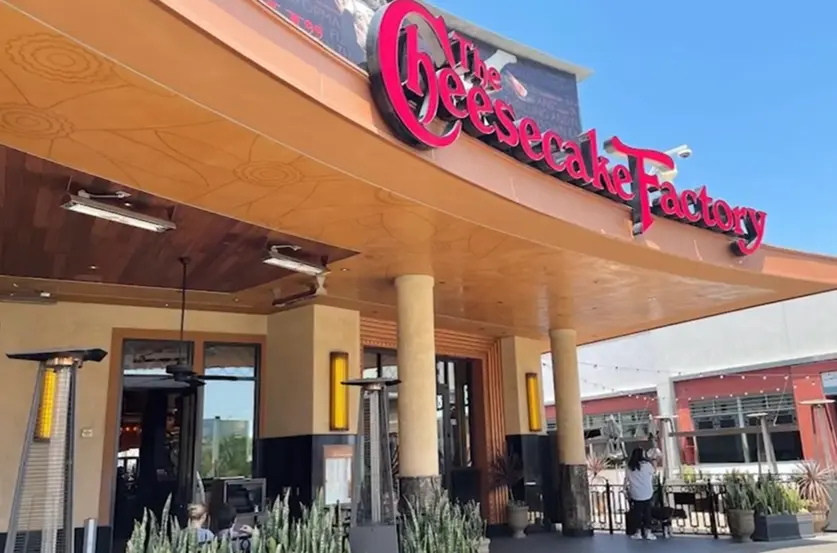
Bengaluru’s dessert lovers have a new indulgence spot. The Cheesecake Factory Bakery, the celebrated bakery arm of the iconic American restaurant chain, officially debuted in India with its first outlet in the city, partnering with local player The Gourmet Cafe. This QSR-style launch signals a smart pivot for global brands entering India’s booming premium cafe scene, blending authenticity with local tastes.Strategic Debut in India’s Desert BoomThe Cheesecake Factory, famous worldwide for its massive menu and 40+ cheesecake varieties (including Big Bang Theory fame via Penny’s waitress gig), now brings its bakery portfolio to India via a distribution deal, not a franchise. The Gourmet Cafe, founded by Masthan Adam, handles both B2B supply and B2C outlets, starting with this Bengaluru flagship.Positioned as a premium dessert specialist, outlets offer cheesecakes, bakery treats, coffee, and ice cream in differentiated portion sizes versus local rivals. Online sales target 20-30% of revenue, tapping India’s digital-savvy youth. Adam eyes metros first (Delhi, Mumbai), then tier-1s like Chandigarh, Kochi, Coimbatore, 6-10 premium stores per major market initially.Ambitious Expansion: 55 Stores, $60M BetThe roadmap: 55 outlets nationwide over 4-5 years, fueled by a $60 million investment (~₹500 crore). Projections: ₹200-250 crore revenue within five years, riding premium cafe growth (projected 15-20% CAGR amid rising disposable incomes).Authenticity reigns, cheesecakes baked in the USA, shipped frozen for consistency. India-first: An eggless cheesecake, approved specially for local palates (huge for vegetarian-heavy markets). Launch lineup: 14 flavors, expanding to 20-25 soon (classics like Original, Chocolate Mousse, plus innovations).Expansion PhaseTimelineFocus AreasStores PlannedPhase 1: LaunchNowBengaluru flagship1Phase 2: Metros1-2 yearsDelhi-NCR, Mumbai, Chennai, Hyderabad20-25Phase 3: Tier-1/23-5 yearsChandigarh, Kochi, Coimbatore, Pune, Ahmedabad30+Total Investment4-5 yearsNationwide QSR + B2B$60M (₹500 Cr)Revenue Goal5 yearsPremium desserts + coffee₹200-250 CrWhy Now? Premium Cafe Surge Meets Pop Culture PullIndia’s QSR cafe market hits ₹15,000 crore+, with premium desserts exploding—Starbucks, Cafe Coffee Day expansions prove demand. Cheesecake Factory Bakery skips full restaurants (high real estate costs) for agile QSR: Grab-and-go slices, whole cakes for events, coffee pairings.Bengaluru fits perfectly, Silicon Valley hub craves global flavors amid 10M+ millennials/Gen Z. Localization smart: Eggless option nods to 30-40% vegetarian population; smaller portions suit Indian sweet tooth without excess.What to Expect: Menu, Ambiance, PricingExpect velvet-rope vibes: Sleek QSR design with Instagrammable cheesecake displays. Core: 14 US-imported flavors (e.g., Godiva Chocolate, Dulce de Leche), bakery (brownies, cookies), ice creams, specialty coffee. Prices: Slice ₹250-400, whole cake ₹2,000-4,000—premium but value via unique tastes/sizes.Sustainability nod: Frozen shipping minimizes waste; local sourcing for coffee/non-cheesecake items.Challenges and TailwindsHurdles: High import costs, competition (Bird Box, Paul’s, local patisseries). Tailwinds: Brand recall (TV/streaming fame), rising cafe culture (urban India spends 10% F&B budget on desserts), e-com delivery tie-ups (Zomato/Swiggy).Gourmet Cafe’s edge: Proven scaling (multi-city cafes), Adam’s vision for “cheesecake specialization.” If it hits targets, could inspire more US chains (Dunkin’, Cinnabon) via bakery-first models.This Bengaluru launch isn’t just sweets, it’s a blueprint for global brands cracking India: Partner local, localize smart, scale via QSR. Cheesecake Factory Bakery eyes not slices, but a subcontinent-sized slice of the market. Sweet success awaits.
Delhi Embraces Benne: Mumbai’s Iconic Bangalore-Style Dosa Spot Benne Sparks Celeb Buzz
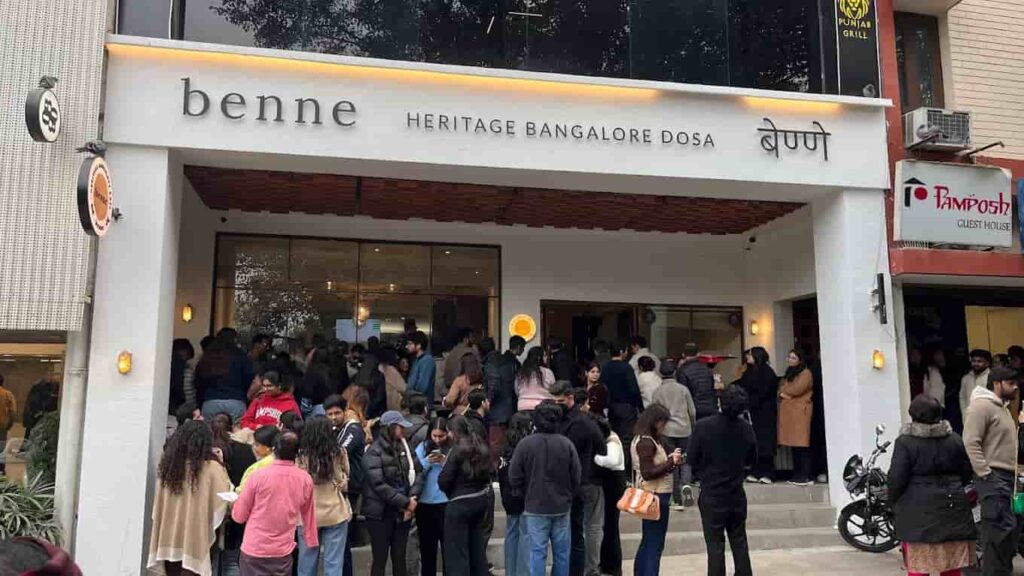
Mumbai’s beloved Benne—Heritage Bangalore Dosas, launched its first Delhi outlet on December 31, 2025, at GK M Block Market, drawing food lovers into long winter lines for crispy, butter-drenched dosas that evoke Bengaluru’s darshini culture. Just two weeks in, crowds brave Delhi’s chill and pollution, with college groups and families waiting hours for bites that have already hooked Bollywood stars like Anushka Sharma, Virat Kohli, Deepika Padukone, and Ranveer Singh.Origins: A Bengaluru Couple’s Nostalgic VentureFounded by Akhil Iyer (The Artist Collective) and Shriya Narayan, both Bengaluru natives who relocated to Mumbai, the Bandra/Khar original opened craving authentic “Benne dosa.” Distinct from Davangere’s watery, puffed-rice version, Benne uses IR8 dosa rice, poha, fenugreek, and chana dal for its signature crisp, golden edges slathered in butter. “It’s not just food; it’s childhood memory,” Akhil explains, with plans to add Davangere-style later. Cost: ₹350/head.Menu Must-Tries Fueling the HypeLimited but laser-focused on Karnataka classics:Benne Podi Dosa: Buttery crisp with spicy podi, coconut chutney, melts in the mouth.Ghee Podi Idli: Soft idlis tossed in ghee-podi mix.Bangalore Masala Dosa: Potato-filled, nostalgia-packed.Akki Roti: Rice flour flatbread.Filter Coffee (Hot/Iced): Strong South Indian kick.Iced Horlicks & Mysore Pak: Sweet closes.Celeb endorsements amplify: Dia Mirza raved on Day 1 (Mumbai); Deepika (Bangalore-raised) and Ranveer visited, solidifying “Bollywood’s breakfast spot” status.Star ItemWhy BuzzworthyBenne Podi DosaButter crisp; podi-chutney magicFilter CoffeeStrong, frothy; iced for DelhiMysore PakSoft-sweet; perfect dunkDelhi Launch: Instant SensationSouth Delhi’s GK M Block (exact address unconfirmed) mirrors Mumbai’s cozy vibe: Open morning-last call, queues from dawn. Groups of 8+ wait Saturdays; hype via social reels of sizzling platters. Expansion teases “Bangalore in the capital”; chilly mornings pair perfectly with hot dosas. Delhi’s dosa scene (South Indian giants aside) gets authentic darshini edge: No-frills, butter-forward, evoking Bengaluru’s hole-in-wall energy.Authentic Bengaluru Darshini MagicBengaluru natives Akhil Iyer and Shriya Narayan recreated “benne” (butter in Kannada) dosas using IR8 rice, poha, fenugreek, chana dal, crisp-edged, butter-slathered perfection distinct from Davangere’s watery batter. Nostalgic staples like ghee podi idli, filter coffee (hot/iced), Mysore Pak, akki roti evoke hole-in-wall darshinis: Standing-only, self-service, ₹350/head affordability. Delhiites crave this “piece of Bangalore” amid fusion South Indian overload.Celeb Endorsements Fuel FOMOBollywood stampede: Anushka Sharma/Virat Kohli, Deepika Padukone (Bangalore-raised)/Ranveer Singh, Dia Mirza (Day 1 Mumbai fan), social reels of stars licking fingers went mega-viral. Mumbai Bandra/Juhu success (umbrellas for queues!) primed Delhi hype; influencers/reviewers call it “Delhi NCR’s best dosa.”Social Media & Viral LoopsInstagram/TikTok frenzy: Sizzling dosa vids rack millions; “longest queue for dosa” challenges, unboxing reels amplify. Mumbai’s 30-60 min waits became legend; Delhi’s 2-hour lines (morning-last call) self-perpetuate via FOMO posts. Tiny 225 sq ft setup adds charm, no reservations, fun queue slips (e.g., “Sultanpalya Shakir”).Novelty in Delhi’s SceneCapital’s dosa wars get upended: Benne’s hyper-authentic, butter-forward simplicity stands out vs. glitzy chains. Winter pairing (hot dosas vs. chill) + expat nostalgia (Bengaluru migrants) = perfect storm. Expansion buzz (more outlets teased) sustains excitement; “must-visit before sell-out.”Why the Frenzy?Authenticity: Rare true Bengaluru “benne” (butter) style outside Karnataka/Mumbai.Celeb Pull: Virat-Anushka, Deepika-Ranveer sightings fuel FOMO.Nostalgia: Bengaluru expats/Delhiites crave podi-idli, filter coffee amid winter.Simplicity: Limited menu = perfection; ₹350 keeps it accessible.Challenges: Queues test patience; winter pollution adds grit. Yet, it’s spreading: Mumbai success proves scalable.Benne’s Delhi foray cements its mini-chain status, blending South Indian soul with urban hype. Food lovers: Brace for lines, this buttery invasion won’t slow.
India’s Best Restaurants Revealed at Condé Nast Traveller x District Top Restaurant Awards 2025
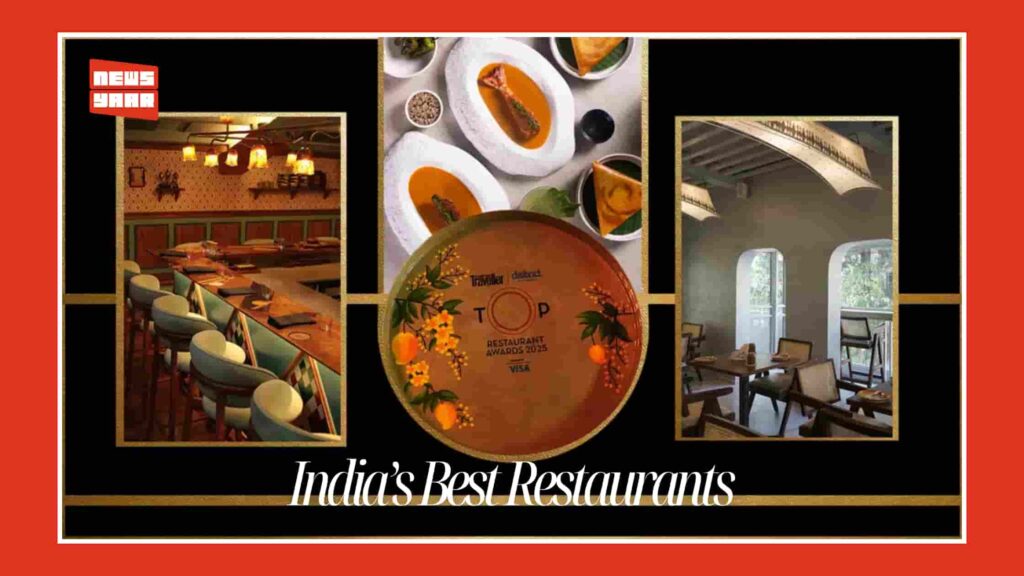
New Delhi / Mumbai: The Condé Nast Traveller x District Top Restaurant Awards 2025, powered by Visa, has unveiled its definitive list of India’s top 50 restaurants, spotlighting the culinary creativity, diversity and evolution of the nation’s dining landscape. Now in its sixth edition, the awards have become a trusted barometer of excellence in Indian gastronomy, celebrating chefs, restaurateurs and mixologists who are shaping the way the country eats and drinks today.Dominating the list once again, Mumbai claimed the largest share with 13 restaurants featured among the top 50, including the top three positions. Headlining the list at No. 1 is The Table, a restaurant renowned for its imaginative global cuisine and vibrant atmosphere that blends fine dining with approachability. Close behind at No. 2 is Masque, a Relais & Châteaux member known for its boundary-pushing tasting menus crafted from locally foraged and seasonal ingredients. At No. 3, Papa’s continues to captivate diners with its playful, avant-garde culinary experiences.Mumbai’s strong showing reflects how the city’s restaurant scene continues to evolve, blending international influences with deeply local sensibilities. From classics like The Bombay Canteen, which reimagines Indian staples with bold twists, to Izumi Bandra, which pioneered Japanese fine dining in the city, Mumbai’s offerings span a spectrum of tastes and styles.Bengaluru and Delhi NCR each secured nine entries on the list, demonstrating the strength and diversity of their dining cultures. Bengaluru’s contributions range from farm-to-table experimentation to elegant Italian and contemporary global fare, while Delhi’s scene continues to balance heritage and modernity across its vibrant restaurant landscape.Goa also made a strong impression with eight restaurants, reflecting the region’s growing reputation for beachside and fusion dining. Chennai and its surroundings contributed five notable establishments, and historic food cities like Kolkata added three, with other entries emerging from destinations including Kasauli, Jaipur and Shillong, signalling that culinary excellence is spreading beyond India’s major metropolitan centres.The selection process for the Top Restaurant Awards is rigorous and highly respected. A 100-member jury, comprising food critics, writers, chefs, bartenders, artists and industry tastemakers, evaluates restaurants through a multi-phase voting system, with advisory support from Deloitte. This ensures a well-rounded and credible ranking that reflects both industry insight and regional diversity.Winning a place on the top 50 list is seen as a career milestone by many restaurateurs. For some smaller or independent establishments, the recognition has not only elevated their profile but also drawn national and international attention to their culinary philosophies and regional flavours.The Condé Nast Traveller Top Restaurant Awards also serve as a snapshot of broader gastronomic trends in India. While established dining giants hold their esteem, the recognition of new and emerging venues underscores the dynamic nature of India’s food scene. According to a recent Condé Nast Traveller feature, a range of new restaurants opening in 2025 are already gaining traction and may shape next year’s conversations in Indian dining.As India’s culinary culture continues to diversify and mature, these awards underscore both the depth of local talent and the appetite for experiences that marry innovation with heritage. With cities like Mumbai, Bengaluru, Delhi and Goa leading the way, the 2025 ranking paints a picture of a vibrant, evolving gastronomic landscape that’s gaining ground on the global food map.Courtesy: @/Conde Nast Traveller India
Winter Special Popular Dishes and Drinks: Warm Flavours to Savor This Season
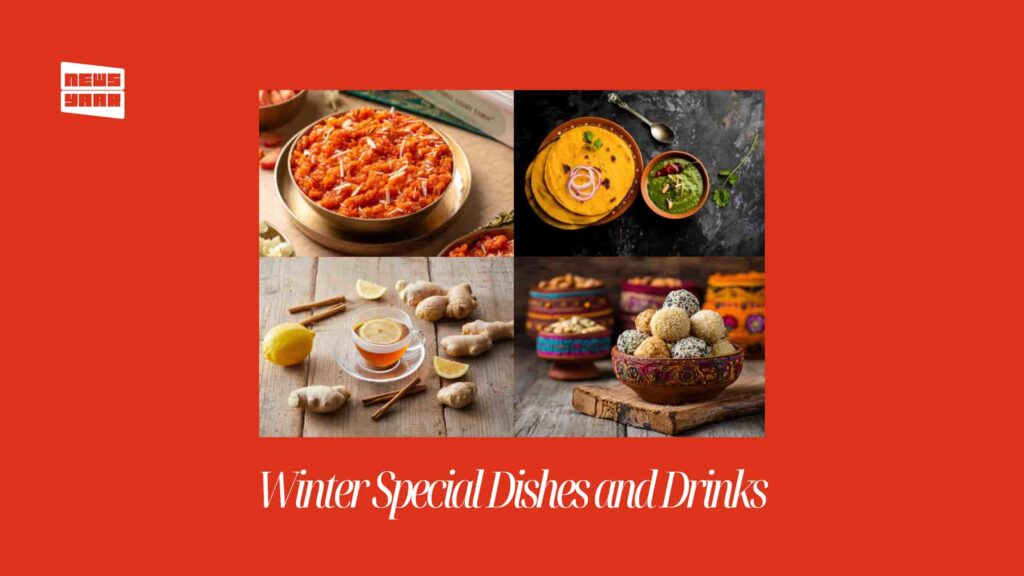
When winter arrives, our cravings change. The crisp air, foggy mornings and long evenings naturally draw us toward foods that offer warmth, comfort and a burst of seasonal flavour. Across India and around the world, cultures have developed a rich repertoire of winter special dishes and drinks that are not just nourishing for the body, but evocative of the season itself. These foods celebrate harvests, highlight local produce, and combine spice, sweetness and comfort in every bite. From hearty soups to sweet indulgences, from north Indian street favourites to global winter classics, here are the iconic winter dishes and drinks that define the season. Hearty and Soul-Warming Winter Dishes Sarson Ka Saag and Makki Ki Roti (North India) Nothing says winter in northern India like sarson ka saag paired with makki ki roti. Made from mustard greens and spices simmered to a velvety consistency, sarson ka saag is rich in iron and flavour. Served with hand-pressed maize flour flatbreads and a dollop of white butter, it’s rustic, earthy and deeply satisfying — a seasonal staple that has stood the test of time. Gajar Ka Halwa (Carrot Pudding) The beloved gajar ka halwa turns seasonal carrots into a sweet, aromatic delight. Slow-cooked with milk, sugar, cardamom and garnished with nuts, this dessert — often enjoyed warm — embodies winter comfort. Its bright orange hue and fragrant aroma have made it a winter icon across households and sweet shops alike. Moong Dal Halwa When the temperature drops, many households turn to moong dal halwa. This rich, slow-cooked dessert — made from split green gram, ghee, milk and sugar — is indulgent and deeply satisfying, often reserved for festivals and special occasions during the cool months. Roasted Winter Vegetables and Root Produce Winter’s harvest brings carrots, beets, cabbage, turnips, sweet potatoes and more. These root vegetables shine when roasted with spices and herbs. In many regions, simple medleys of seasonal vegetables roasted with mustard oil, garlic and local spices become weekly staples that lean healthy without sacrificing flavour. Global Winter Comfort Classics Tomato Soup and Grilled Cheese (West) A bowl of hot tomato soup paired with crisp, buttery grilled cheese is a globally recognised winter comfort duo. Slow-simmered tomatoes, a touch of cream, basil and cracked pepper offer warmth, while the cheesy sandwich adds texture and richness — ideal for chilly afternoons. French Onion Soup The heartiness of caramelised onions, fragrant herbs and layers of melted cheese atop a golden bread slice characterise the classic French onion soup. Its deep flavour and warmth make it a favourite in cafes around the world during winter. Pho (Vietnam) Winter is peak season for pho — a Vietnamese noodle soup with aromatic broth, rice noodles, herbs and protein (often beef or chicken). Sipped slowly, this steaming bowl brings balance and warmth with each spoonful of its fragrant broth. Street Food That Defines the Season Masala Chai and Pakoras (India) Winter streets across India are synonymous with masala chai and pakoras. A steaming cup of tea infused with ginger, cardamom, cloves and milk becomes even more irresistible when paired with crispy gram-flour fritters — made with onions, potatoes, spinach or paneer. The contrast of hot tea and crunchy pakoras is a ritual that defines Indian winters. Puchka / Pani Puri (With Seasonal Twist) In parts of East India, vendors enrich the classic puchka/pani puri experience in winter with spiced, tangy water and hearty fillings like roasted masala potatoes or moong sprouts — adding extra warmth to this fizzy, flavour-packed snack. Winter Drinks to Sip and Savor Ginger Tea (Adrak Chai) When winter bites, many reach for ginger tea first. Fresh ginger simmered with tea leaves, milk and a hint of jaggery or sugar does more than warm the body — it soothes the throat and boosts circulation. Ginger tea is as much about health as it is about comfort. Hot Chocolate A universal winter favourite, hot chocolate — made with rich cocoa, warm milk and a touch of sweetness — is incomparable on a cold evening. Topped with marshmallows or a sprinkle of cinnamon, it’s indulgence in a mug. Badam Milk In many Indian homes, winter calls for badam milk — a creamy, cardamom-infused drink enriched with almonds and saffron. Enjoyed warm, it’s both nourishing and luxurious, often served after dinner or as a festive winter drink. Mulled Wine (West) Across parts of Europe and beyond, mulled wine spices up the winter season. Red wine simmered with cinnamon, cloves, citrus and sugar becomes a fragrant, warming drink that embodies holiday warmth and conviviality. Regional Winter Specials Around India Til Ladoo and Sesame Sweets Winter is sesame season. In many parts of India, sweets made with til (sesame seeds) and jaggery — especially til ladoo — are prepared at home or sourced from local sweet shops during festivals such as Makar Sankranti. Rich in healthy fats and energy, these traditional sweets are closely associated with winter harvests and seasonal rituals. Pinniya (Punjab) In Punjab, winters are synonymous with pinniya, traditional homemade laddoos prepared using whole wheat flour or gram flour, desi ghee, jaggery or sugar, and a generous mix of dry fruits, edible gum (gond) and seeds. Made in bulk during the cold months, pinniya are valued for their warming properties and long shelf life. Often consumed with milk, they reflect Punjab’s winter food culture centred on nourishment, strength and seasonal abundance. Kozhukattai and Sweet Dumplings (South India) In southern India, winter festivities and temple occasions feature kozhukattai and other sweet dumplings made with rice flour, coconut and jaggery. Typically served warm, these delicacies are integral to family gatherings and religious celebrations during the season. Pahadi Dishes (North-East / Himalayan Regions) Across the Himalayan belt and parts of the North-East, winter diets rely on comforting, heat-retaining dishes such as thukpa, thenthuk and slow-cooked stews prepared with local herbs, vegetables and meats. These meals are designed to provide warmth and sustenance in cold, high-altitude conditions. Why Winter Food Matters Winter cuisine is rooted in culture, climate and community.