


FIFA World Cup 2026 in Crisis: Wars, Cartels, and Trade Fights Threaten Historic Tournament

The 2026 FIFA World Cup will be the biggest ever, with 48 teams, 104 matches from June 11 to July 19 across 16 cities in the US, Canada, and Mexico. But today, just months away, it’s facing huge problems. Wars in the Middle East, killings by drug gangs in Mexico, fights between the host countries, and even a funny award to US President Donald Trump are making things very hard. Let’s break it all down in simple terms.Trump’s Peace Prize and the Wars That FollowedIn December 2025, at the World Cup group draw, FIFA President Gianni Infantino gave Trump the first-ever FIFA Peace Prize. They called him a “dynamic leader” for talks that brought “dialogue, de-escalation, and stability.” A video praised him for four minutes. Trump put on the medal happily.But three months later, Trump started big wars. He and Israel launched airstrikes on Iran called Operation Epic Fury, killing Iran’s top leader, Ayatollah Khamenei. Iran fired missiles at Israel, Qatar, Saudi Arabia, and Iraq. Trump also hit ISIS in Nigeria on Christmas, sent troops to Venezuela to catch President Nicolás Maduro, threatened to take Greenland from Denmark, and joked about making Canada the 51st US state by calling PM Mark Carney “governor.”Now, FIFA’s peace award looks bad. The World Cup could be ruined if the war in the Middle East escalates. Iran qualified first from Asia and plans a base in Arizona, but now they’re at war with the US. Iran Soccer Federation president Mehdi Taj said: “We can’t hope for the World Cup after these attacks.”FIFA has not said anything about the prize or wars.Mexico’s Drug War Hits World Cup CitiesMexico hosts the opening match in Mexico City (Mexico vs South Africa) and games in Guadalajara and Monterrey. But violence exploded near Guadalajara. Mexican forces killed “El Mencho,” boss of the Jalisco New Generation cartel, with US help from Trump. At least 70 people died.Trump pushed Mexico’s President Claudia Sheinbaum to fight cartels. Now, Monterrey has inter-confederation playoffs on March 31: Iraq vs winner of Bolivia vs Suriname (semifinal March 26). Guadalajara hosts another playoff with New Caledonia, Jamaica, and DR Congo.FIFA’s Infantino said, “Mexico is great. Governments and police will keep it safe.” Some talk moved matches to Qatar’s Lusail stadium (the last final site), but Iran attacked Qatar too—their jets shot down Iranian planes.Iraq Wants Playoffs Delayed Because of WarIraq coach Graham Arnold asked FIFA to postpone the Monterrey game. Iran’s war closed Iraqi airspace; no players or staff can fly out. “It won’t be our best team. Iraq hasn’t been to the World Cup since 1986. This is our big dream,” he said from the UAE.Arnold suggests: Bolivia vs Suriname now; winner vs Iraq in the US a week before the World Cup. Iraq president Adnan Dirjal works non-stop. FIFA has no answer yet.Host Countries Fighting Over Trade—USMCA Ends Mid-TournamentThe “United Bid” was sold as three friends together, like old NAFTA. But the USMCA trade deal ends July 1, right in the middle of the World Cup. Trump calls it “irrelevant” and might let it die. He pressures Mexico on cartels (even military help), backs Canada’s Alberta to break away (vote October), and Canada PM Carney promises to “stand up to Trump.”Leaders met once at the draw: Trump, Sheinbaum, and Carney. Trump met FIFA boss Infantino 8 times. Money problems too:US: Cities pay alone, no big federal help. Shutdown stops FEMA grants. No big fan fests in Jersey City or Seattle.Mexico: Tax breaks for World Cup cities.Canada: Over $300M federal money, mostly to Toronto/Vancouver cities.FIFA has 1,000 staff in three countries (4,000 during the event) for security and plans. They train local teams.How the United Bid Started, and Why It’s BreakingIn 2016, US Soccer boss Sunil Gulati said: Join forces, US gets 75% games, win sure. Canada/Mexico agreed. Pitch: “Neighbors unite for inclusive World Cup.” Won in 2018 vs Morocco.What Happens Next for the World Cup?Playoffs: March 26-31 in Mexico, will they move?Iran/Iraq teams: Travel bans? Boycotts?Security: Cartels, wars, and drones worry US cities.Fans: 39 days, millions travel, flights, borders tense.FIFA says it’s one tournament, three cultures. But glue is thin. Soccer unites the world, or will wars win?World Cup 2026 tests if football beats real fights. Fans wait, pray for goals over bombs.
FIH Men’s & Women’s Pro League 2025–26: Format, Teams, Schedule and Global Significance

The 2025–26 FIH Pro League is one of the most prestigious international field hockey competitions in the world, bringing together the top national teams in both men’s and women’s categories. Organised by the International Hockey Federation, the tournament represents the seventh edition of the global league since its introduction in 2019.Often referred to as the “League of the Best,” the competition features the world’s top hockey nations competing in a season-long championship across multiple countries. The 2025–26 edition began on 9 December 2025 and is scheduled to conclude on 28 June 2026, with matches held at venues across Europe, Asia and Australia.The league plays a crucial role in international hockey because it not only showcases elite competition but also serves as an important pathway toward qualification for major tournaments such as the Hockey World Cup.What is the FIH Pro League?The FIH Pro League is an annual international field hockey tournament in which the top national teams compete in a league format throughout the season. The competition replaced the earlier FIH Hockey World League and was introduced to create a consistent global calendar for international hockey.The tournament involves both men’s and women’s competitions running simultaneously. Each participating team plays multiple matches across different venues worldwide, earning points that determine their final position in the standings.The league aims to increase global visibility for hockey, provide regular high-level international competition, and strengthen the sport’s commercial and broadcast appeal.Participating TeamsThe 2025–26 season features nine teams each in the men’s and women’s competitions. These teams represent the strongest hockey nations across different continents.Men’s TeamsThe participating men’s national teams include:ArgentinaAustraliaBelgiumEnglandGermanyIndiaNetherlandsSpainPakistanPakistan’s participation in this season is particularly significant, as it returned to the Pro League after earning promotion through the Hockey Nations Cup.Women’s TeamsThe women’s competition also features nine leading hockey nations competing across the season.These teams represent four major hockey confederations and bring together many of the world’s top-ranked players.Tournament FormatThe FIH Pro League follows a round-robin league format, where each team plays multiple matches against other participating teams throughout the season.For the 2025–26 season:Each team plays 16 matches during the tournament.Teams earn points based on match results.The team finishing with the highest points at the end of the season is crowned the league champion.Matches are organised in “blocks” during the year, where several teams gather at one venue to play a series of matches in what are sometimes described as mini-tournaments. This format helps manage international travel and scheduling across different continents.Key Venues and Host CitiesThe league is played across several major international hockey venues.For the 2025–26 season, matches are hosted in cities across multiple countries including:Rourkela (India)Hobart (Australia)Rotterdam (Netherlands)London (United Kingdom)Wavre (Belgium)Berlin (Germany)This global hosting model allows fans from different parts of the world to experience international hockey matches live.Match Rules and Points SystemThe FIH Pro League follows international hockey rules with some specific features related to the league format.Key rules include:A win in regulation time earns three points.If the match ends in a draw, teams proceed to a penalty shootout.The winner of the shootout earns two points, while the loser receives one point.This points system ensures that every match produces a decisive result and maintains competitive balance throughout the season.Importance for International HockeyThe Pro League has become a major pillar of international hockey competition.The tournament provides:Regular matches between the world’s best teamsHigh-quality exposure for players and teamsA global platform for promoting the sportOpportunities for fans to watch elite hockey throughout the yearAdditionally, performances in the league often influence international rankings and can impact qualification pathways for major tournaments.India’s Participation in the Pro LeagueIndia has been one of the key participants in the FIH Pro League since its early seasons. The Indian men’s hockey team has consistently competed against top nations such as Belgium, Australia and the Netherlands.
ICC Men’s T20 World Cup 2026: India’s Win Over Pakistan, Tight Group Standings and Why Today’s Zimbabwe vs Ireland Match Is Crucial
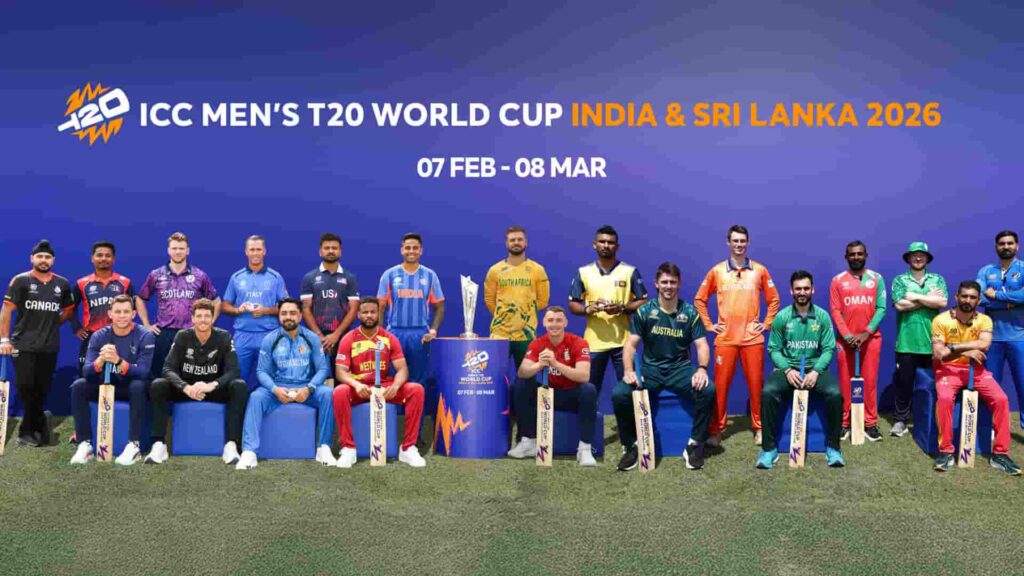
The group-stage race at the ICC Men’s T20 World Cup 2026 has intensified significantly following India’s high-profile victory over Pakistan, a result that not only delivered one of the tournament’s biggest moments so far but also reshaped qualification equations across the group. With multiple teams still in contention for the Super 8 stage, every fixture is now carrying heightened importance — including today’s clash between Zimbabwe and Ireland.India vs Pakistan: Tournament’s Biggest Highlight So FarThe India–Pakistan encounter stood out as the marquee fixture of the group stage, drawing global attention and immense pressure on both sides. India emerged victorious in the much-anticipated clash, securing two crucial points and strengthening their position in the group standings.Beyond the result itself, the win carried wider implications. India’s victory boosted their net run rate while simultaneously tightening the qualification path for Pakistan. In a group where several teams are separated by fine margins, the outcome of this single match has already begun influencing how teams approach their remaining fixtures.For India, the win provided momentum and breathing room, allowing them to consolidate their position as one of the frontrunners for Super 8 qualification. For Pakistan, however, the loss has complicated matters considerably, leaving them reliant not only on their own performances but also on results from other matches to stay alive in the tournament.Group Equation Tightens After Key ResultsAs the tournament progresses, the group table reflects a highly competitive landscape. No team can afford complacency, and net run rate has emerged as a decisive factor alongside points. Comprehensive wins, disciplined bowling performances, and controlled chases are now proving just as important as victories themselves.India’s result against Pakistan has effectively triggered a chain reaction, increasing the significance of every subsequent match — including fixtures involving teams placed lower on the table. With qualification still mathematically open for several sides, the group phase remains far from settled.Focus Shifts to Today’s Match: Zimbabwe vs IrelandAgainst this backdrop, today’s group-stage encounter between Zimbabwe and Ireland takes on added importance. While not traditionally viewed as a headline fixture, the match has major implications for the overall group standings and could directly impact the qualification scenarios for multiple teams.Zimbabwe have shown resilience and competitiveness in the tournament so far, keeping themselves firmly in the qualification conversation. A win today would significantly strengthen their chances of progressing, while also placing pressure on teams above them in the standings.Ireland, on the other hand, enter the contest aware that they cannot afford a slip at this stage. With points and net run rate both in play, a victory could keep their Super 8 hopes alive, while a loss would leave them needing favourable results elsewhere — a risky position in a tightly contested group.Why This Match Matters Beyond Two TeamsThe Zimbabwe vs Ireland clash is being closely watched not just by fans of the two sides, but also by teams like India and Pakistan, whose qualification paths are now intertwined with results across the group. In a tournament where margins are thin, the outcome — and the manner of victory — could influence final standings.As the ICC Men’s T20 World Cup 2026 moves deeper into the group stage, the narrative has shifted from early momentum to qualification mathematics. Every run scored, every over bowled, and every wicket taken is contributing to a larger picture that will determine which teams advance and which are left behind.With India’s win over Pakistan already setting the tone, today’s Zimbabwe vs Ireland match represents another pivotal moment in a World Cup where no result exists in isolation and the race to the Super 8 remains wide open.
Alex Honnold’s Historic Free Solo: Conquering Taipei 101
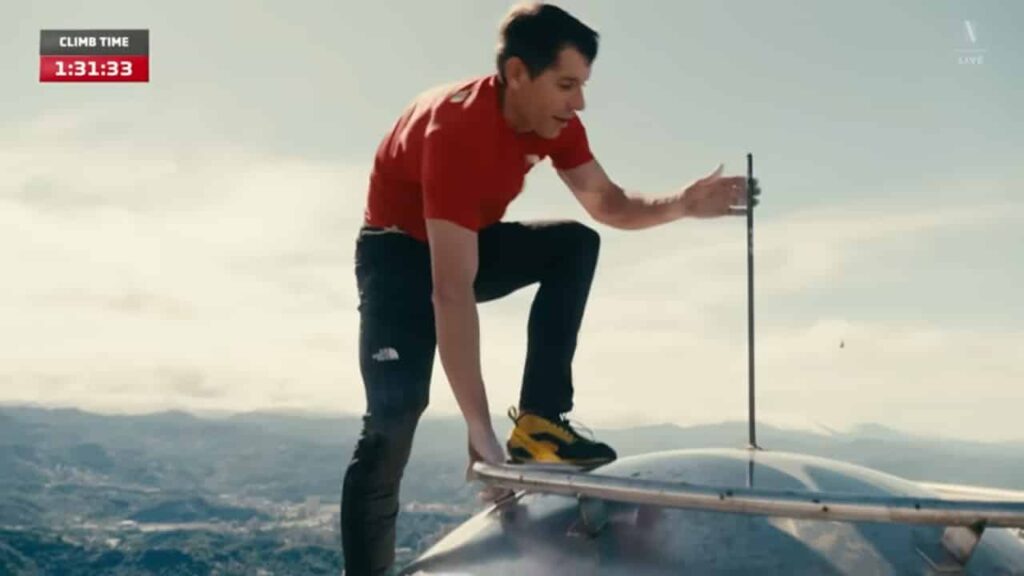
Alex Honnold has achieved a historic feat by free-soloing Taipei 101, one of Asia’s tallest skyscrapers, captivating global audiences with his ropeless ascent. The 40-year-old American climber scaled the 508-meter (1,667-foot) structure in Taiwan’s capital in just 92 minutes on a sunny Sunday morning, shattering the previous record.Climb DetailsHonnold began his ascent at around 9 a.m. local time after a one-day delay due to wet weather, gripping metal beams, ledges, and balconies on the bamboo-inspired steel-and-glass tower. He wore a red short-sleeve shirt, a chalk bag for grip, and no ropes, harnesses, or safety gear, true free soloing, relying solely on precision and endurance. At the top, he grinned, waved to cheering crowds below, and later called it “unbelievable,” noting the crowd’s energy made it intense but fun as he relaxed into the rhythm.Background and TrainingRenowned for his 2017 free solo of Yosemite’s 915-meter El Capitan, immortalized in the Oscar-winning Netflix documentary Free Solo, Honnold had eyed Taipei 101 for over a decade. The 101-story building, opened in 2004 with offices, a mall, and observatories, offers predictable holds like balconies every eight floors, testing stamina more than sheer technical difficulty. He trained for three months in Taipei, including rope-assisted runs amid sirens and drizzle, with city government approval.Record ComparisonHonnold’s time of 1 hour, 31 minutes, and 43 seconds more than halved the mark set by French climber Alain Robert, aka “Spiderman,” who topped out in over four hours in 2004 using ropes on the then-world’s tallest building. Robert, recovering from surgery amid wind and rain, praised Honnold’s preparation, saying there’s “not even a one-in-100-million chance” of failure.ClimberYearTimeEquipment UsedAlex Honnold20261:31:43None (free solo)Alain Robert20044+ hoursRopes and harnessLive Broadcast and ReactionsNetflix streamed the event live as Skyscraper Live, with a 10-second delay to cut away if needed, drawing massive viewership alongside a small on-site crowd and expert panel. Bets poured in on platforms like Polymarket for his success and timing. While fans erupted in cheers, some climbers criticized it as “voyeuristic” amid recent free-solo deaths, fearing commercialization over safety, though Honnold stayed calm, pausing to wave from balconies.Training FocusHonnold prepped for Taipei with urban-specific grips like box-pinch pull-ups for window edges and mental visualization amid city chaos, emphasizing fatigue from repeated moves. El Cap demanded broader rock mastery, thousands of practice laps, and handling route-specific cruxes like dynamic slabs. Climbers widely view El Cap as riskier and harder technically, though Taipei’s visibility amplified its mental toll.Legacy and ReflectionsThis marks the biggest urban free solo ever, blending Honnold’s mental prep, visualization, and self-talk, with the building’s forgiving design. Post-climb, he rappelled down with a harness, met his wife, and glowed about the thrill, solidifying his legend while sparking debates on risk in live sports.
Chennai Singams Clinch Thrilling ISPL Season 3 Title: A New Chapter for Tennis Ball Cricket

Mumbai, February 9, 2026 – ISPL Season 3 (2026) was held at a single venue: Lalbhai Contractor Stadium, Surat, and scripted history by lifting the Indian Street Premier League (ISPL) Season 3 trophy, defeating the defending champions, Tiigers of Kolkata, by 29 runs. The victory cements Singams’ status as champions while spotlighting the league’s mission to unearth street cricket talent from India’s gullies, blending T10 tennis ball action with star power. Openers Ketan Mhatre (30 off 16) and Jagannath Sarkar set an explosive tone, smashing 28 runs in the second over alone. Despite Saroj Pramanik’s 3/18, Sarfaraz Khan’s six and late hits from Ganesh and Sambhaji propelled Singams to 103/7. Kolkata’s chase faltered at 74/9, with Anurag Sarshar’s 3/17 and wickets from Sunil Kumar and Ankur Singh sealing the win. Sarkar, named MVP, pocketed a Porsche 911, cementing ISPL’s reputation for blockbuster individual prizes. ISPL Founders and Launch Timeline The Indian Street Premier League (ISPL) was founded through a core committee vision in 2023, sparked by a 2021 cricket talent hunt in Mumbai’s Dharavi slums aimed at uplifting underprivileged players via tennis ball cricket. Key Figures: Ashish Shelar (BCCI Treasurer): Primary visionary and initiator. Sachin Tendulkar: Core committee member, providing pivotal support and credibility. Amol Kale and Suraj Samat (League Commissioner): Founding committee partners. Ravi Shastri: Appointed chief mentor pre-launch. Official Launch: Season 1 debuted in March 2024 at Dadoji Kondadev Stadium, Thane, Maharashtra, marking ISPL’s professional bow with Tiigers of Kolkata as inaugural champions. The league formalized post-2023 planning, evolving from street trials to a T10 spectacle blending celebrity ownership (e.g., Salman Khan from 2025) and massive viewership. Season Highlights and Records Tiigers of Kolkata, inaugural winners (2024) and runners-up again after Majhi Mumbai’s Season 2 triumph (2025, owned by Amitabh Bachchan), dazzled with a record 149-run total and a 93-run win. Saif Ali (Tiigers) earned Best Batter (225 runs), Parveen Kumar (Falcon Risers Hyderabad) Best Bowler, and Prathamesh Thackeray (Ahmedabad Lions) Best Catch. Standouts included Krushna Gawali’s 74 (the highest individual score) and Vivek Shelar’s 145.2 kmph thunderbolt plus hat-trick. The Indian Street Premier League (ISPL) Season 3 (2026) features 8 teams, each backed by Bollywood celebrities and investors. Founded in 2024 post a Dharavi talent hunt, ISPL, played at Dadoji Kondadev Stadium initially, boasts 11 million Season 1 viewers and 500,000 attendees. Backed by Sachin Tendulkar (core committee), BCCI treasurer Ashish Shelar, Amol Kale, and commissioner Suraj Samat, with Ravi Shastri as chief mentor and Salman Khan as Delhi franchise owner/ambassador, Season 3 elevated the format. Teams and Ownership Glamour Six teams battled: Chennai Singams, Tiigers of Kolkata (Aksha Kamboj), Majhi Mumbai (Amitabh Bachchan), plus Ahmedabad Lions, Falcon Risers Hyderabad, and Srinagar. Celebrity stakes added buzz, Bachchan’s Mumbai lifted Season 2. Impact and Future ISPL spotlights underprivileged talent via tennis ball T10, fostering professional pathways. Season 3’s feats, from record totals to youth stars like 17-year-old Ankit Yadav (16 wickets), underscore its growth. Plans brew for a Middle East edition. Tigers’ owner praised the “legacy-driven” run, while Singams’ Sarkar shared the thrills of a Sachin Tendulkar victory lap. As street cricket goes mainstream, ISPL Season 3 proves T10’s electric appeal, watch for Season 4 announcements.
Olympic Winter Games 2026: Milano Cortina 2026 — A Historic Global Sporting Spectacle

The 2026 Winter Olympics, officially known as the XXV Olympic Winter Games and commonly branded as Milano Cortina 2026, is an international multi-sport winter event taking place in northern Italy from 6 February to 22 February 2026 with some competitions beginning as early as 4 February 2026. This edition marks a milestone in Olympic history — the first Winter Olympics co-hosted by two cities, Milan and Cortina d’Ampezzo, under a unified organisational framework. Host Selection and SignificanceItaly secured the Games following a successful joint bid by Milan and Cortina d’Ampezzo at the 134th International Olympic Committee (IOC) Session in June 2019, defeating a competing bid from Stockholm–Åre (Sweden). Milano Cortina 2026 represents the third Winter Olympics in Italy — following Cortina d’Ampezzo in 1956 and Turin in 2006 — and marks a renewed celebration of winter sport in a region long intertwined with alpine traditions and sporting heritage.The official motto of the Games is “IT’s Your Vibe”, reflecting a blend of Italian cultural energy, local identity and global sporting spirit.Dates and CeremoniesOfficial Dates: 6 February 2026 to 22 February 2026Opening Ceremony: 6 February 2026 at San Siro (Milano San Siro Olympic Stadium) in Milan, with performances celebrating Italian art and culture and featuring global artists.Closing Ceremony: 22 February 2026 at the Verona Arena, a historic Roman amphitheatre — the first Olympic closing ceremony held at a UNESCO World Heritage site.The opening ceremony celebrates unity and international cooperation, while the closing ceremony traditionally honours athletes, volunteers and the Olympic spirit.Participation and ScopeThe 2026 Winter Olympics is expected to be one of the most expansive in Winter Games history:Participating Nations: ~92 countries with representation under their national flags.Athletes: Around 2,900 competitors from around the world.Sports Disciplines: 16 winter sports across eight major categories.Medal Events: 116 medal events spread across ice and snow disciplines.The Games are anticipated to be the most geographically spread-out Winter Olympics ever staged, with competition venues spanning multiple regions of northern Italy — from metropolitan Milan to the alpine slopes of the Dolomites and valleys of Lombardy and Veneto.Competition Venues and SportsMilan:San Siro Stadium: Host of the Opening Ceremony.Milano Ice Skating Arena: Figure skating and short-track speed skating.Milano Ice Park / Speed Skating Stadium: Long-track speed skating and select ice hockey events.Milano Santagiulia Ice Hockey Arena: Ice hockey and Para ice hockey (future Paralympics).Cortina d’Ampezzo and Surroundings:Tofane Alpine Ski Centre: Women’s Alpine skiing.Cortina Sliding Centre: Bobsleigh, skeleton and luge.Cortina Para Snowboard Park: Para snowboard events.Other Alpine Locations:Bormio (Stelvio): Men’s Alpine skiing.Livigno: Freestyle skiing and snowboarding.Val di Fiemme / Predazzo and Tesero: Nordic combined, cross-country skiing, ski jumping and biathlon.This multi-venue approach brings seasonal sports to iconic alpine landscapes while integrating urban and mountain cultural settings.Sports and EventsThe 2026 Winter Olympics features:Alpine skiingBiathlonBobsleighCross-country skiingCurlingFigure skatingFreestyle skiingIce hockeyLugeNordic combinedShort track speed skatingSkeletonSki jumpingSnowboardingSpeed skatingSki mountaineering — making its Olympic debut at the Winter Games.A total of 116 Olympic medals are contested, showcasing both traditional and emerging winter sports disciplines.Historic and Cultural ContextThe 2026 Games highlight several historic and cultural facets:First co-hosted Winter Olympics by two cities, Milan and Cortina.Alpine heritage: Cortina d’Ampezzo previously hosted the Winter Olympics in 1956, reinforcing Italy’s legacy in winter sport.Olympic inclusion: The Games continue efforts to expand global representation, with nations such as Benin, Guinea-Bissau and the United Arab Emirates making their Winter Olympics debuts.Gender balance: Milano Cortina aims for near gender parity with record female participation.Opening Ceremony and Global EngagementThe Opening Ceremony in Milan at San Siro Stadium will feature artistic performances by international and Italian cultural figures, elaborate choreography, lighting of the Olympic flame and the Parade of Nations. The ceremony emphasizes unity and celebration of diversity, underlining the Olympic values of peace, fair play and cultural exchange.Medal Design and SymbolismThe official Olympic medals for Milano Cortina 2026 were unveiled in Venice prior to the Games. Produced by Italy’s state mint, they incorporate symbolic inscriptions and designs that celebrate the athlete’s journey and the spirit of competition.Challenges and Environmental ConsiderationsWhile the Games embody global sporting ideals, they have also faced scrutiny over environmental and infrastructural challenges. Critics have highlighted issues related to construction delays and extensive use of artificial snow, prompting broader discussions about sustainability, resource impact and the ecological footprint of large-scale sporting events.Why Milano Cortina 2026 MattersMilano Cortina 2026 stands as a major milestone in Winter Olympic history:It reinforces Italy’s global role in international sport through heritage, culture and modern event management.It expands the global winter sports landscape by introducing new events and drawing nations with emerging winter sport programmes.It highlights sustainability, inclusion and gender equality as core principles.As athletes compete across snow and ice for two weeks of world-class competition, Milano Cortina 2026 represents both a celebration of athletic excellence and a testament to the unifying power of sport in a complex world.Watch Live Ceremony: https://www.olympics.com/en/milano-cortina-2026/videos/opening-ceremony-ceremonies-milano-cortina-2026
Indian Archery Championships 2025: Historic Success, Full Results and Key Performances
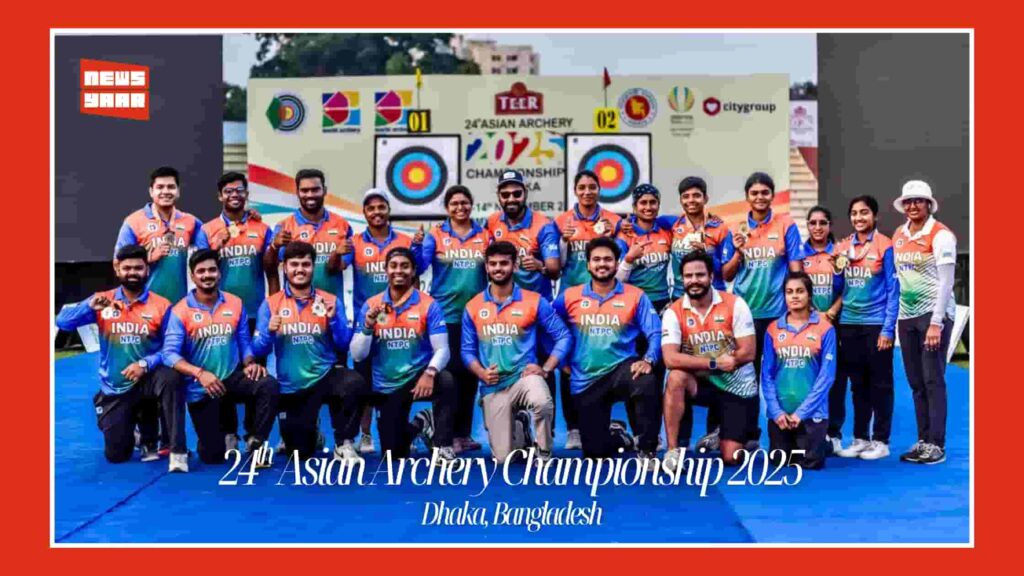
The year 2025 proved to be a landmark season for Indian archery across domestic and international competition, highlighted by commanding performances at the Asian Archery Championships 2025 in Dhaka, Bangladesh, strong showings in World Cup events and breakthrough achievements at national championships and para archery trials. Indian archers demonstrated depth, balance and historic breakthroughs across both recurve and compound disciplines, underscoring India’s emergence as a serious contender on the continental and global stage.Asian Archery Championships 2025: Historic Record PerformanceThe 24th Asian Archery Championships 2025, held from 8 to 14 November in Dhaka, was one of the most successful outings for India in the history of the sport. India topped the medal table with 10 medals — 6 gold, 3 silver and 1 bronze — surpassing perennial powerhouse South Korea, and announcing a new era of competitive strength.Indian success at the championships was spread across both recurve and compound categories, reflecting strong team depth and international competitiveness:Gold Medals (6): Included individual and team triumphs across recurve and compound events.Silver Medals (3): Strong performances in closely contested finals.Bronze Medal (1): Notable podium finishes amid tough competition.Prime Minister Narendra Modi publicly congratulated the Indian archery contingent for this historic performance, highlighting the individual and team achievements that contributed to India’s best ever result at the tournament.Recurve Highlights: Historic Individual and Team GoldsOne of the standout narratives from Dhaka was India’s recurve double gold, a feat never before achieved at the Asian Championships.On a memorable final day:Ankita Bhakat clinched the Women’s Recurve Individual Gold, stunning Paris 2024 Olympic silver medallist Nam Suhyeon of South Korea with a 7-3 victory in the final. Her composed performance included precise shooting under pressure, delivering key arrows at crucial moments.Dhiraj Bommadevara captured the Men’s Recurve Individual Gold, defeating compatriot Rahul 6-2 in an all-Indian final — marking the first time an Indian man has won this title.India’s recurve team also delivered a historic Men’s Team Gold, defeating a Korean side in a dramatic shoot-off to secure the title — the first Indian men’s team gold at the Asian Championships in nearly two decades.In the Women’s Recurve category, Sangeeta added to the tally by edging out veteran and former world number one Deepika Kumari 6-5 in a shoot-off to claim the bronze medal.These victories underscored the growing strength and competitive parity of Indian archers against traditional Asian powerhouses.Compound Success: Multiple Golds and Mixed Team TriumphsIndian compound archers were equally impressive:Jyothi Surekha Vennam continued her dominance in the women’s compound events, winning Gold in the Compound Women’s Individual final in an all-Indian contest against Prithika Pradeep, securing the podium sweep for India.The Compound Women’s Team — comprising Jyothi Surekha Vennam, Prithika Pradeep and Deepshikha — captured Gold, defeating Korea 236-234 in a closely contested final.The Compound Mixed Team of Abhishek Verma and Deepshikha added another Gold medal, beating Bangladesh 153-151 in the final.These results highlighted India’s commanding performance across compound categories, with the mixed team victory showcasing strong team chemistry and precision under pressure.National Championships and Domestic StandoutsAt the National Archery Championships 2025 held in Hyderabad, Indian archers delivered exceptional performances that further illuminated the strength of the domestic circuit. Among the most prominent was Ojas Pravin Deotale, India’s first compound world champion and Asian Games triple gold medallist, who matched a world record with a perfect score of 150 and 13 inner-ring X’s in a 15-arrow compound match, demonstrating world-class precision on home soil.Domestic results also saw strong showings from:Deepika Kumari, one of India’s most decorated archers and a multiple Olympian, who continued to remain a key figure in recurve competitions.Emerging talents who performed consistently in national circuit events, bolstering the pipeline of competitive archery talent across age groups and formats.These national championships play a crucial role in selection for international assignments and provide a competitive foundation for athletes advancing to continental and world stages.Para Archery MilestonesIndia also made strides in para archery in 2025. Sheetal Devi, a star in the para circuit born with phocomelia, achieved a historic milestone as the first Indian para archer selected for the able-bodied national compound team following trials in Sonipat. Her selection for the able-bodied squad for the Asian Cup underscored not just her extraordinary talent but also the growing opportunities and inclusivity within Indian archery.Youth and World Cup CompetitionsIndian archery’s momentum extended beyond Asia. At the World Archery Youth Championships, young archers continued to shine, contributing medals and valuable experience to their competitive resumes. Meanwhile, in World Cup circuits, archers such as Deepika Kumari and Parth Salunkhe continued to represent India with podium finishes, including bronze medals, reflecting sustained international competitiveness.Structural Growth: Archery Premier League and RecognitionIn 2025, the Archery Premier League (APL) — India’s first franchise-based archery competition — was recognised as the Emerging Professional Sports Event of the Year at the India Sports Awards. The tournament, featuring six franchise teams and both compound and recurve formats, was lauded for enhancing competition exposure and advancing performance standards among Indian archers.Why 2025 Was a Breakthrough YearCollectively, India’s performances in 2025 — from national championships to continental dominance — marked a watershed moment in the country’s archery narrative. India’s 10-medal haul at the Asian Archery Championships, including historic recurve gold medals and strong compound victories, reflected the depth, balance and maturity of the national archery setup.With world-class performers, emerging talents and strong team cohesion, India’s archery ecosystem is now well positioned for major international events in 2026, including World Cup stages, Asia Cup competitions and multi-sport games where archers will seek to build on this year’s achievements.
Ahmedabad To Host 2030 Commonwealth Games: Hosting Rights Confirmed
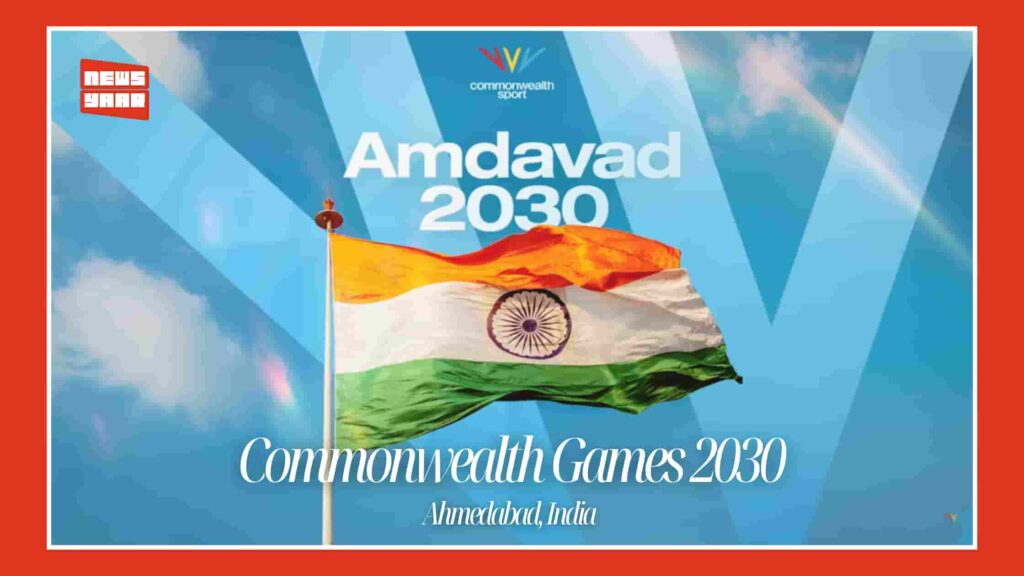
Ahmedabad / New Delhi: In a historic moment for Indian sport and global multi-sport events, Ahmedabad has been formally confirmed as the host city for the 2030 Commonwealth Games, marking the centenary edition of the Games and a significant milestone in India’s sporting ambitions. The decision was ratified at the Commonwealth Sport General Assembly in Glasgow, where delegates from 74 Commonwealth member nations and territories voted in favour of India’s bid.This will be the second time India hosts the Commonwealth Games after the 2010 edition in Delhi and the first time for the centenary Games, celebrating 100 years since the inaugural event in Hamilton, Canada in 1930. Ahmedabad’s selection over competing bids, including Nigeria’s Abuja, reflects strong confidence in India’s capacity to deliver a world-class edition of the Games.The 2030 Commonwealth Games, formally known as the XXIV Commonwealth Games, are scheduled to take place in October 2030 across Ahmedabad and surrounding areas, anchored by a cluster of world-class venues. The iconic Narendra Modi Stadium, the world’s largest cricket arena, will host the opening and closing ceremonies, while the Sardar Vallabhbhai Patel Sports Enclave (SVPSE) and the Naranpura Sports Complex are being developed to stage multiple competitions.Organisers have outlined a sports programme featuring approximately 15–17 disciplines, significantly expanded from the 10 sports at the preceding 2026 Games in Glasgow. Confirmed and proposed disciplines include athletics, para-athletics, swimming, para-swimming, table tennis and para table tennis, bowls and para bowls, weightlifting, para powerlifting, artistic gymnastics, netball, boxing, and more. Hosts may also propose up to two additional sports, including T20 cricket, which has been discussed as a potential inclusion.Infrastructure, Legacy and Economic ImpactPreparations are already gathering momentum. Key infrastructure projects, including the SVP Sports Enclave and Police Academy Sports Hub, are slated for completion by late 2028 or early 2029, supported by secured funding and a detailed delivery timeline. These complexes will house arenas, aquatic centres, training facilities, athlete villages and more, forming the backbone of a sustainable, long-term sports ecosystem for Ahmedabad and the state of Gujarat.Beyond competition venues, the Games are spurring upgrades to transport, accommodation and urban infrastructure. Ahmedabad’s airport expansion, surge in hotel development, and public transit improvements align with plans to create a lasting legacy that extends far beyond the 2030 event.Officials project the Games will also generate significant economic opportunities, including thousands of jobs, increased tourism, and heightened global visibility for India as a destination for major sporting events.From Commonwealth to Olympic HorizonHosting the centenary Games is seen not just as a sporting celebration but as a strategic leap toward India’s broader global sports ambitions, including a potential bid for the 2036 Summer Olympics. Commonwealth Sport President Dr. Donald Rukare described Ahmedabad’s selection as ushering in “a new golden era” for the Games, highlighting India’s “scale, youth, ambition, rich culture, and enormous sporting passion.”India’s successful bid reflects decades of investment in sport and infrastructure, signalling a readiness to host even larger multi-sport spectacles in the future. With its rich cultural heritage, enthusiastic sports fans and rapidly developing facilities, Ahmedabad 2030 is poised to be a defining moment not just for the Commonwealth Games, but for India’s place on the world sporting map.
Khelo India Winter Games 2026: Ladakh Takes Centre Stage as India Pushes Its Winter Sports Ambition
Leh:The Khelo India Winter Games (KIWG) 2026 marked another milestone in India’s growing winter sports journey, with Ladakh emerging as the country’s undisputed hub for ice and snow-based competitions. The sixth edition of the Games was inaugurated at the NDS Stadium Ice Hockey Rink in Leh, reinforcing the region’s status as a natural home for winter sports in India.Dates, Venues, and ScheduleThe Khelo India Winter Games 2026 are being held in January 2026, with competitions spread across key venues in Leh and the surrounding areas of Ladakh. The primary venues include:NDS Stadium Ice Hockey Rink, Leh – Ice hockey matchesLeh and Kargil regions – Ice skating and other winter disciplinesDesignated frozen lakes and rinks prepared specially for the GamesMatches are scheduled over multiple days, featuring league-stage encounters followed by knockout rounds, particularly in ice hockey, one of the marquee attractions of the tournament.Sports and Teams ParticipatingThe Games feature popular winter sports such as:Ice Hockey (Men & Women)Ice Skating (Short Track & Figure Skating)Snow-related disciplines, depending on weather conditionsTeams from Union Territories, states, and institutional teams like the Indian Army, ITBP, and other forces are participating. Regions with colder climates, such as Ladakh, Jammu & Kashmir, Himachal Pradesh, Uttarakhand, alongside teams from states like Telangana and Rajasthan, reflect the expanding footprint of winter sports across India.India’s Place in Global Winter SportsGlobally, winter sports dominate the sporting calendar in countries with long snow seasons. Nations like Canada, the United States, Russia, Norway, Sweden, Finland, Germany, Switzerland, Japan, and South Korea are traditional powerhouses. Major global competitions include the Winter Olympic Games, Winter Paralympics, IIHF Ice Hockey World Championships, and FIS Alpine Ski World Cup, drawing thousands of athletes and massive international audiences.Compared to these established winter-sport nations, India is still at a developing stage. Limited snowfall regions and infrastructure constraints have historically restricted growth. However, Ladakh, with its frozen lakes, natural ice rinks, and sub-zero winters, offers conditions comparable to international winter sports destinations.The infrastructure developed for KIWG, ice rinks, training facilities, and logistics, will remain as a legacy for future events. This is expected to help India gradually scale up participation in the Asian Winter Games and the Winter Olympics.As Ladakh continues to host the Games, India is signaling its intent to carve a space in the global winter sports ecosystem.
Hockey India League 2026: Season Overview, Standings, Playoffs and What to Know

The Hockey India League (HIL) 2026 — India’s premier professional field hockey competition — is in its 2025–26 season, featuring both men’s and women’s tournaments that have drawn strong domestic and international interest. After a hiatus of several years, the HIL’s return has reinvigorated professional hockey in the country, offering top-class competition and high-stakes league action across multiple locations. Season Structure and Timeline The 2025–26 HIL season comprises separate Men’s and Women’s tournaments staged under the governance of Hockey India, following a format that includes round-robin league play followed by playoffs for the men’s event. The Men’s Hockey India League 2026 began on 3 January 2026 at the Mayor Radhakrishnan Hockey Stadium in Chennai, with matches also scheduled at Jaipal Singh Stadium in Ranchi and the Kalinga Hockey Stadium in Bhubaneswar. The league phase continued through mid-January, leading up to the playoffs from 23 to 26 January 2026, with the final scheduled on 26 January 2026. A separate Women’s Hockey India League 2025–26 season was held earlier, starting 28 December 2025 and concluding with its final on 10 January 2026, exclusively at the Marang Gomke Jaipal Singh Astro Turf Hockey Stadium in Ranchi. Matches for both tournaments are being telecast live on Sony Sports Ten 1, Sony Sports Ten 3 and DD Sports in India, with online streaming available via Waves and the Hockey India League YouTube channel. Teams and Competitive Format In the Men’s HIL 2025–26, eight teams are competing in the round-robin league stage, where each team plays seven matches — one against every other side. The teams competing in the men’s league include: Vedanta Kalinga Lancers Ranchi Royals Hyderabad Toofans HIL GC JSW Soorma Hockey Club Accord Tamil Nadu Dragons Shrachi Bengal Tigers SG Pipers After all league matches, the top four teams advance to the playoffs stage, which includes an Eliminator, Qualifier 1, Qualifier 2, and the Final. League Stage Highlights and Standings The league phase produced a competitive standings table, with Vedanta Kalinga Lancers finishing at the top with 16 points after seven matches, followed by the Ranchi Royals with 12 points. Hyderabad Toofans, HIL GC and JSW Soorma Hockey Club were close behind, with the latter three finishing on 11 points each — the latter missing out on playoffs on goal difference. Other notable performances came from Accord Tamil Nadu Dragons, who finished with 10 points, Shrachi Bengal Tigers with 9 points, and SG Pipers at the bottom of the table with 4 points. Multiple matches during the league stage were significant: Vedanta Kalinga Lancers held an unbeaten run for much of the season, including a key victory against Hyderabad Toofans where Alexander Hendrickx netted the decisive goal. Shrachi Bengal Tigers, the defending champions from the previous season, also claimed notable wins, including an opening match success over JSW Soorma Hockey Club. An exciting mid-season result saw JSW Soorma Hockey Club secure a comfortable 3–1 victory against HIL GC, featuring a brace from captain Harmanpreet Singh and a goal from Gurjant Singh. In another intense league match, Soorma Hockey Club defeated SG Pipers 6–1 in their final round but fell short of qualifying for playoffs due to an insufficient goal margin needed to displace HIL GC. Playoffs: Schedule and Matchups With the league phase concluded, the playoffs are set to take place at Kalinga Hockey Stadium in Bhubaneswar: Eliminator: Hyderabad Toofans vs HIL GC — 23 January, 5:00 pm IST Qualifier 1: Vedanta Kalinga Lancers vs Ranchi Royals — 23 January, 7:30 pm IST Qualifier 2: Loser of Qualifier 1 vs Winner of Eliminator — 25 January, 7:30 pm IST Third-place playoff: Loser of Qualifier 2 vs Loser of Eliminator — 26 January, 5:00 pm IST Final: Winner of Qualifier 1 vs Winner of Qualifier 2 — 26 January, 7:30 pm IST The structure allows the top two from the league stage — Kalinga Lancers and Ranchi Royals — a direct path to the main knockout, while the Eliminator gives the third and fourth ranked teams a chance to progress. Women’s Hero Hockey India League 2025–26 The Women’s HIL earlier in January delivered competitive league action among four teams — typically featuring JSW Soorma Hockey Club, SG Pipers, Ranchi Royals and Bengal Tigers — with matches played in a double round-robin format followed by a final. In one highlighted fixture on 5 January 2026, JSW Soorma Hockey Club registered a 2–1 win over Ranchi Royals, with Penny Squibb and Olivia Shannon on the scoresheet, demonstrating the league’s strong international mix of players and tactical contests. While the women’s tournament accomplished its league stage and playoff fixtures by 10 January 2026, its success has contributed to growing interest in professional women’s hockey in India and expanded visibility for women’s franchise competition. Why HIL 2026 Matters The Hockey India League 2026 represents a comprehensive return of franchise-style professional hockey in India after a period of restructuring and revival, attracting world-class talent and offering Indian players a high-intensity competitive platform. It blends international players with elite domestic stars, helping raise the standard of play and nurturing talent ahead of global events like the World Cup and Olympics. With its current schedule culminating in high-stakes playoff fixtures in late January, the 2025–26 HIL season continues to capture fan attention, promoting hockey’s commercial growth and contributing to the sport’s sustained popularity across the region.