


Snowfall Returns to Bare Himalayas: Tourism Boom Brings Joy, Chaos, and Economic Lifeline
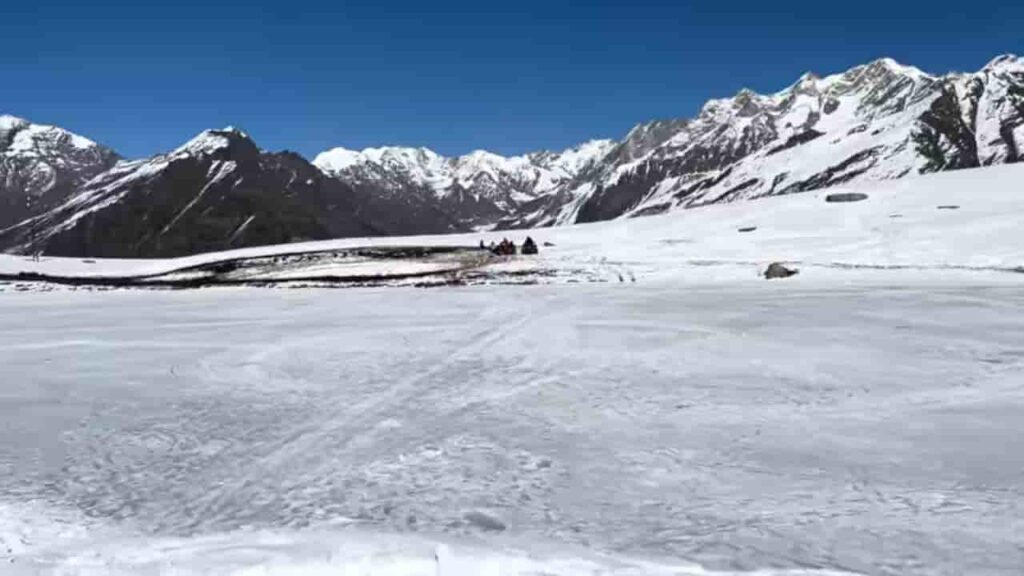
New Delhi – After months of barren peaks and a crippling “snow drought,” fresh western disturbances have blanketed Uttarakhand, Himachal Pradesh, and Jammu & Kashmir with snow, igniting jubilation among tourists and local businesses. From Auli’s ski slopes to Manali’s adventure hubs, the white resurgence is breathing life into mountain economies, but a sudden influx has exposed infrastructure gaps, traffic snarls, and administrative overstretch.The Himalayas, Asia’s “Third Pole,” stand starkly bare this winter, with vast swathes of peaks in Uttarakhand, Himachal Pradesh, and Jammu & Kashmir defying their snow-clad legacy. Satellite data and IMD reports confirm a severe “snow drought”, the lowest snow persistence in 23 years per ICIMOD’s 2025 update, threatening rivers, glaciers, and 2 billion downstream lives.December 2025’s 100% snowfall deficit in Uttarakhand and 99% in Himachal crushed tourism: Auli hotel occupancy plunged 80%, leaving taxi drivers and paragliding operators idle. Shimla and Gulmarg saw 50-70% cancellations as the “snowless selfies” trend went negative online. But IMD’s Feb 9-11 forecast delivered: 6-12 inches in higher reaches, reviving hopes. “Finally, the mountains look like mountains again,” cheered a Delhi visitor in Manali, where bookings spiked 300% overnight.Causes: Warming & VariabilityIPCC links this to global warming: warmer air favors rain over snow, quickens melt, shifts snowline upward. Western disturbances, key moisture carriers, were weak/irregular, delaying onset 30-40 days. Over five years, winters lag 1980-2020 averages, with mid-elevations (3,000-6,000m) hit hardest.Primary Drivers:Weak Western Disturbances: Extratropical storms from the Mediterranean deliver winter moisture but were irregular/weak in 2025-26, causing 100% deficits in Uttarakhand, 99% in Himachal. Delayed onset (30-40 days late) slashed accumulation.Rising Temperatures (Elevation-Dependent Warming): HKH warms 2-3x global average; warmer air holds more moisture, shifting precipitation from snow to rain, raising snowline, and accelerating melt.Snow Drought Types:Precipitation Deficit: Below-normal winter storms (e.g., Dec 2025: J&K -78%, Ladakh -63%).Snowmelt Drought: Normal precipitation but hot conditions cause rain/early melt.Long-Term Trends: ICIMOD: 23.6% snow persistence drop (23-year low); 4/5 recent winters below 1980-2020 norms. IPCC: Warming shortens cover, worsens by 2100.Compounding Factors: Greenhouse emissions amplify variability; mid-elevations are most vulnerable as small temp rises tip the snow-to-rain balance.Impacts & Effects Water Security: Snowmelt supplies 25% runoff to the Indus, Ganga, and Brahmaputra; glaciers add dry-season flow. Losses spike spring melt, then shortages, risking droughts for 1/4 of humanity’s basins.Glaciers: Uttarakhand’s may turn negative mass balance; HKH projected 75% loss by 2100.Hazards: Destabilized slopes fuel landslides, GLOFs, fires, Uttarakhand/Himachal fires rose amid dry winters.Economy/Tourism: Auli bookings crashed; Shimla/Manali snowless.Impacts of Reduced Himalayan Snow on Ganges and Indus RiversReduced snow in the Himalayas, exacerbated by warming and weak western disturbances, poses severe threats to the Ganges (Ganga) and Indus basins, which sustain 1.65-2 billion people.Short-Term Effects (Peak Melt Phase)Peak Flows Shift: Earlier snowmelt floods rivers prematurely (spring surge), raising flood risks in the Indo-Gangetic plains.Temporary Boost: Glacier/snow melt temporarily increases runoff (to 2050), but erratic.Long-Term Consequences (Post-2050)Declining Dry-Season Flow: Snow contributes 25% annual runoff; deficits (Indus: 30-50%, Ganga: 50-60% by 2100) slash baseflow, causing summer shortages for irrigation, drinking water, and hydropower.Ganga Basin: Upper Ganga snow persistence down 17%; earlier melt disrupts Gangotri/Ganges timing, hitting 500M+ farmers, ecosystems (forest biodiversity loss).Indus Basin: 23% snow drop; critical for Pakistan/India agriculture/hydropower; projected 20-30% flow reduction by 2100.Broader RisksDroughts/Water Stress: Shorter snow cover (5 fewer days/decade) worsens seasonal deficits.Agriculture: 129M farmers affected; reduced irrigation in kharif/rabi seasons.Hydropower/Ecosystems: Diminished reservoirs; biodiversity shifts, fires.Glacier Amplification: Combined with 75% HKH glacier loss by 2100.ICIMOD urges drought plans and transboundary cooperation.Economic Lifeline for Mountain CommunitiesSnowfall is the heartbeat of Himalayan tourism, fueling 70% of winter revenue in hill stations. Himachal’s adventure sector, skiing, snowmobiling, yak safaris, generates ₹5,000 crore annually, employing 2 million in hotels, homestays, taxis, and gear rentals. Uttarakhand’s Auli and Chopta saw ₹1,200 crore from the 2025 peak season alone. Local vendors selling woolens, momos, and hot chai thrive; pony rides and snowman-building add family fun.In Gulmarg, gondola rides resumed at full capacity, injecting cash into shepherds and handicraft sellers. “One good snow week equals a month’s earnings,” said a Manali hotelier. J&K’s Pahalgam reported 40% occupancy jump, easing post-conflict economic pressures. For women-led homestays and tribal artisans, it’s empowerment: snow draws cultural tourists craving authentic pahadi experiences.Joy Amid Chaos: The Double-Edged SnowfallTourists are ecstatic, families build snow forts, influencers capture reels, and adventure seekers hit slopes. “Pure magic after the drought scare,” posted a group from Punjab. But the rush creates mayhem: narrow Rohtang Pass jams with 5,000 vehicles daily; Auli’s lone cable car queues stretch hours. In Shimla, overbooked hotels turn away families, sparking online fury.Poor preparedness amplifies woes. Landslides from melt-snow mix block paths; inadequate parking floods meadows; waste piles up sans dustbins. Last year, Manali’s “snow chaos” saw 20-hour delays, oxygen shortages at high camps, and petty scams. Locals lament: “Tourists bring money but trash our paradise.”Both Sides: Boom vs. BurdenPro-tourism voices hail snow as salvation: “It saved our season,” says a Kasol trek operator. Businesses invested in snow chains, heated tents—paying off now. Environmentally, snow aids groundwater recharge, curbing wildfires.Critics warn of overload: fragile ecology suffers trampling, pollution spikes (diesel generators, plastic litter). Over-reliance risks bust-boom cycles; climate-vulnerable hills can’t sustain endless crowds. “Sustainable numbers, not mass frenzy,” urges a Nainital activist.Path Forward: Building ResilienceAuthorities must act decisively:Local Administration: Deploy traffic wardens, mobile toilets, waste squads; enforce carrying capacity (e.g., 2,000/day in Auli). Digital booking for parking/gondolas prevents no-shows.State Governments: Himachal/Uttarakhand invest ₹500 crore in snow-clearing machines, widened roads (Atal Setu-style tunnels), and eco-lodges. Promote off-peak treks and homestays via apps.Central Government/Ministries: MoT allocates ₹2,000 crore for infra (helicopter pads, EV charging at 5,000m). Skill 1 lakh youth in hospitality/glaciology tourism. NGT-monitored waste rules; drone surveillance for crowds.Collaborative Wins: Public-private PPPs for solar-powered resorts; train locals as guides. Incentives for green certifications attract high-end tourists, boosting per-head spend 3x.With smart planning, snow can sustain joy and jobs without chaos. As peaks gleam anew, balancing delight with duty will secure these economies for winters ahead.
Bikaner Camel Festival 2026: A Majestic Celebration of Desert Culture and Heritage
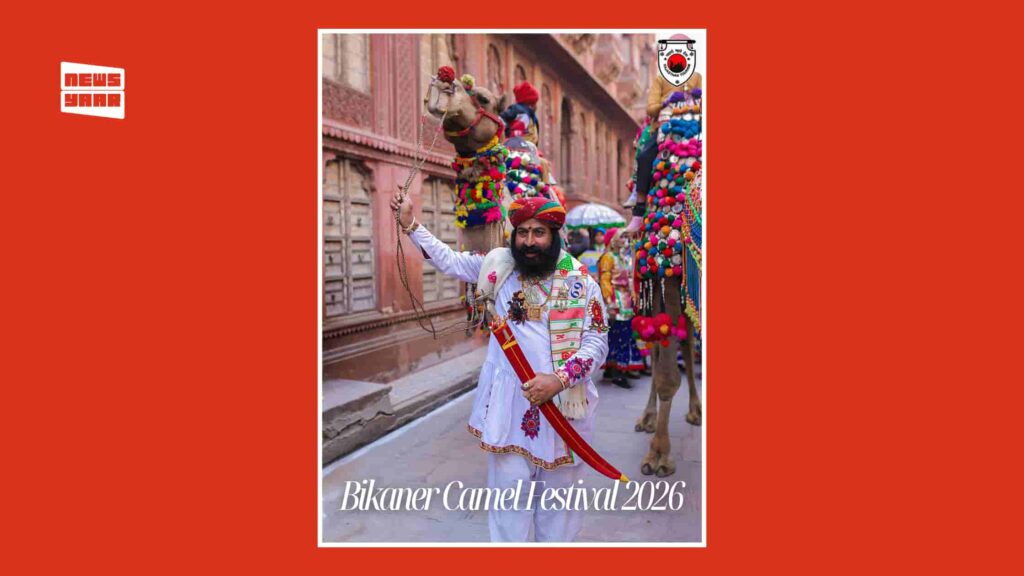
The Bikaner Camel Festival 2026 — one of Rajasthan’s most iconic cultural events — was held from January 9 to January 11, 2026, in Bikaner, Rajasthan, celebrating the camel as the enduring “Ship of the Desert” and a living emblem of the region’s history, community and traditions. Organised by the Rajasthan Tourism Department, the three-day festival drew enthusiastic participation from domestic and international visitors, camel breeders, cultural performers and artisans, transforming the historic desert city into a vibrant tapestry of colour, heritage and folk celebration. Dates, Venue and Significance Festival: Bikaner Camel Festival 2026 Dates: January 9–11, 2026 Location: Bikaner, Rajasthan — with key events across Junagarh Fort, Dr. Karni Singh Stadium, Camel Farm, Raisar Sand Dunes and Old City Grounds Organised by: Rajasthan Tourism Department Held annually in January, when the cool desert climate is ideal for outdoor festivities, the festival celebrates the deep bond between the desert communities and the camel, an animal that has sustained trade, transport and cultural continuity in the Thar region for centuries. Cultural Roots and Historical Context The camel is not merely a domestic animal in Rajasthan; it is symbolic of survival, resilience and identity in one of India’s most challenging landscapes. Historically, camel corps were esteemed for their role in regional defence and trade routes — from the terrain of the Thar Desert to campaigns beyond. Today, the festival honors this legacy through artistic expression, competitive displays and community celebrations. Highlights of the 2026 Edition The 2026 festival offered a rich blend of tradition, competition, culture, art and entertainment spread across three action-packed days: Day 1 — Friday, January 9: Heritage and Local Flavor The festivities kicked off with the “Hamari Virasat” Heritage Walk, a vibrant procession of beautifully decorated camels and handlers that wound through the historic lanes from Laxminath Temple to Rampuria Haveli in Bikaner’s Old City. Later in the day, the Bikaneri Food Festival celebrated the unique flavours of Rajasthan — from Bikaneri bhujia to rich thalis and local sweets — offering visitors an authentic taste of Thar cuisine. The afternoon featured Mr. Bikana and Miss Marwan contests at the Dr. Karni Singh Stadium, where participants showcased traditional attire and cultural pride. Day 2 — Saturday, January 10: Camel Artistry and Folk Nights The second day moved to the National Research Centre on Camel (NRCC), where visitors enjoyed a range of spectacular camel-centric events, including: Camel Fur Cutting Competitions — intricate designs trimmed into camel coats reflecting centuries-old artistry. Camel Dance Performances — animals moving rhythmically to traditional beats. The evening culminated in a Folk Night featuring traditional Rajasthani music and dance under the desert sky, amplifying the cultural heartbeat of the festival. Day 3 — Sunday, January 11: Desert Adventure & Finale The final day’s events took place against the scenic backdrop of the Raisar Sand Dunes, incorporating: Rural Sports Events such as tug-of-war and wrestling. Camel Races showcasing speed and agility. Camel Safaris that allowed visitors to experience the desert firsthand. Fire Dance Performances by the legendary Jasnath Sampradaya, a dramatic cultural feature as night fell. Camel Art, Craft and Celebration One of the festival’s signature attractions was the camel decoration and artistry on display. Handlers adorned the animals with bright tassels, mirrors, embroidered saddles, ornamental bridles and jingling bells — transforming camels into living works of traditional art and reflecting the folk creativity of desert communities. From camel races to folk music and dance, the festival also highlighted Rajasthani cultural heritage, featuring performers in vibrant regional attire, musicians using traditional instruments and displays of local handicrafts. Tourism, Experience and Local Engagement The festival has become a significant tourism magnet, drawing travellers eager to witness the unique spectacle of living desert culture. Many visitors combined the festival experience with tours of Bikaner’s historic attractions — including Junagarh Fort, Rampuria Haveli and the Camel Farm — and sampling regional cuisine. Local artisans and craftsmen also benefitted from the festival’s footfall, selling handicrafts, textiles, leather goods and souvenirs that showcase Rajasthan’s artistic traditions. Weather and Travel Tips Held in the heart of winter, the Camel Festival’s January dates offer pleasant daytime temperatures perfect for outdoor festivities, though nights in the desert can be cold, often dropping into single digits — so visitors are advised to carry warm clothing for evening events. Bikaner is well connected by rail and road, with Bikaner Junction providing train links to major cities, and Nal Airport serving domestic flights, making the festival accessible for travellers from across India and abroad. Cultural Significance and Legacy The Bikaner Camel Festival celebrates more than just animal beauty or competition — it honours the enduring partnership between humans and camels in one of India’s most challenging landscapes. The festival preserves traditional knowledge, supports rural economies and reinforces a sense of pride among herder communities who have stewarded this heritage over generations. By bringing together music, sport, food, art and ritual, the festival upholds a dynamic desert culture that continues to thrive in the 21st century, making it a standout event in Rajasthan’s rich calendar of fairs and festivals.
Amrit Udyan 2026 Opens: Rashtrapati Bhavan’s Floral Paradise Welcomes Visitors from February 3
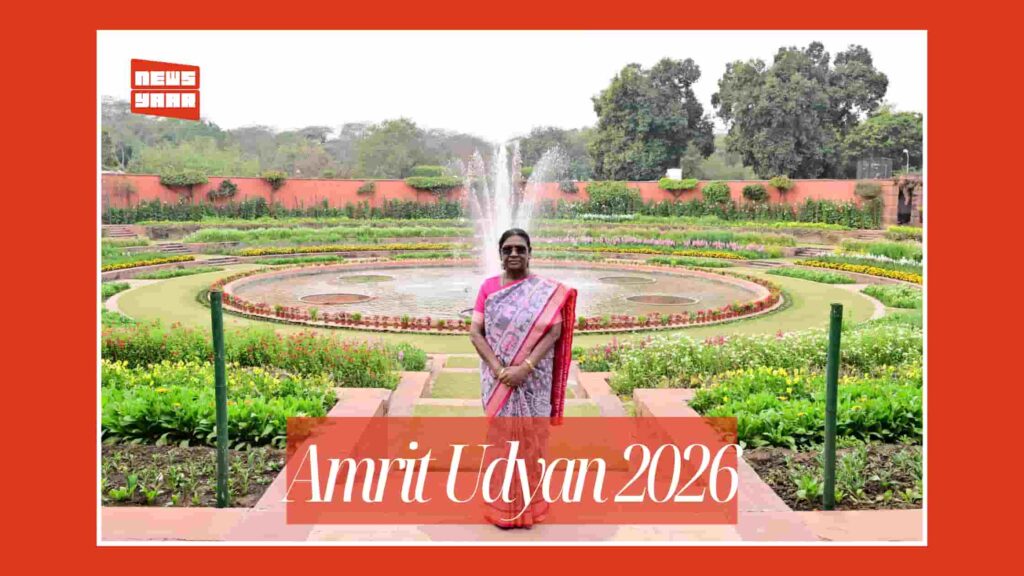
New Delhi, February 9, 2026 – President Droupadi Murmu inaugurated the Winter Annuals Edition of Amrit Udyan on February 1, throwing open the gates of Rashtrapati Bhavan’s iconic 15-acre gardens to the public from February 3 to March 31. Renamed from the historic Mughal Gardens, this “soul of Rashtrapati Bhavan” promises a breathtaking display of 85 flower species, including 145 rose varieties like ‘Bheem’, ‘Arjun’, and ‘Mother Teresa’, alongside tulips, the cascading Babbling Brook, and new reflexology paths in the Banyan Garden. Spanning East Lawn, Central Lawn, Long Garden, and Circular Garden, enhanced by additions like Herbal Garden, Tactile Garden, Bonsai Garden, and Arogya Vanam during Presidents APJ Abdul Kalam and Ram Nath Kovind’s tenures, Amrit Udyan blends Mughal symmetry with modern horticultural innovation. This year’s highlights include the landscaped Banyan Garden and a serene water stream, offering therapeutic walks amid nature’s splendor. Visitor Essentials: Timings, Booking, and Access Open Tuesday to Sunday, 10:00 AM to 6:00 PM (last entry 5:00-5:15 PM), the gardens close Mondays for maintenance and on March 4 for Holi. Entry is free, but mandatory online booking via https://visit.rashtrapatibhavan.gov.in/ ensures smooth access, with no on-the-spot registrations. Slots (hourly from 10 AM-4 PM) book up to six people per ticket and close at 10 AM the previous day; planning is advised. Entry/Exit: Gate No. 35, President’s Estate (near North Avenue). Shuttle buses run every 30 minutes from Central Secretariat Metro Station (9:30 AM-6:00 PM, last from the metro at 4:00 PM), marked “Shuttle Service for Amrit Udyan”. The self-guided route: Bal Vatika → Plumeria Garden → Banyan Garden → Bonsai Garden → Babbling Brook → Central Lawn → Long Garden → Circular Garden. Permitted items include mobiles, keys, purses, water bottles, baby milk bottles, and umbrellas. On-site amenities: drinking water, restrooms, and first aid. Special Access Days for Inclusivity March 3: Defence Personnel March 5: Senior Citizens March 10: Women and Tribal Women’s SHGs March 13: Divyangjan (persons with disabilities) Main Gardens in Amrit Udyan Amrit Udyan (formerly Mughal Gardens) at Rashtrapati Bhavan spans 15 acres with these core sections, enhanced over time: Central Lawn: Vast manicured expanse, central to the layout. Long Garden: Elongated walled stretch with water channels, roses, and bougainvillea. Circular Garden (Pearl/Sunken/Butterfly Garden): Amphitheater-style with ringed flower beds (stock, phlox, pansies, marigolds), lotus pond, bubble fountain, and nearby apiary. East Lawn: Original formal section with lotus fountains and stepped geometry. Bal Vatika: Children’s garden featuring a 225-year-old Sheesham tree, treehouse, and nature classroom. Bonsai Garden: Collection of miniature trees (some 80+ years old). Banyan Garden: Landscaped with reflexology paths. Plumeria Garden: Fragrant flowering section. Herbal Garden / Arogya Vanam: Medicinal plants and herbs. Tactile/Sensory Garden: Textured plants for touch. Musical Garden: Fountains synced to music. Spiritual Garden: Serene herbs from ancient texts. Visitor Route (self-guided): Bal Vatika → Plumeria → Banyan → Bonsai → Babbling Brook → Central Lawn → Long Garden → Circular Garden [prior article]. Key Flowers (2026 Highlights)85 species total, with 145 rose varieties like ‘Bheem’, ‘Arjun’, and ‘Mother Teresa’. Seasonal stars: tulips, daffodils, Asiatic/Oriental lilies, calendula, viola, alyssum, marigolds, phlox, pansies, stock, lotus. Musical Garden in Amrit Udyan: Unique Features The Musical Garden at Rashtrapati Bhavan’s Amrit Udyan stands out for its innovative fusion of music, science, and nature. Key Unique Elements: Inaugurated in 2006 by President APJ Abdul Kalam, transforming a former nursery into a high-tech sensory space. Dancing Fountains: Three large water fountains showcase digital electronics, electromagnetism, hydrodynamics, and hydrostatics, synchronized perfectly with music via computerized controllers. Tunes and Lights: Plays classical Indian instruments (shehnai, veena) and patriotic songs like Vande Mataram, with colorful lights shifting from white to red for a magical effect. Surroundings: Nestled amid tennis courts, biodiversity park, Bonsai Garden, and Herbal Garden; often frequented by peacocks, adding natural liveliness. Interactive Science: Exemplifies “human creativity through contact between music and science,” breaking the gardens’ tranquility with rhythmic water shows. Beyond the Gardens: Full Rashtrapati Bhavan Experience Pair your visit with Rashtrapati Bhavan tours, the Museum, or Saturday’s Change-of-Guard Ceremony (Forecourt). Combine tickets for a full day exploring India’s presidential heritage. Amrit Udyan isn’t just flora, it’s a living testament to India’s gardening legacy, drawing lakhs annually. Deputy Press Secretary Navika Gupta and garden in-charge Avneesh Banswal highlighted this season’s vibrant blooms during media previews, urging families to book early. As Delhi’s winter blooms, don’t miss this free oasis of tranquility amid urban hustle, perfect for photos, picnics, and peace. Video credit: YT@/President of India Video credit: YT@/President of India
Halda Festival: A Traditional Himalayan Celebration of Community, Culture and New Beginnings
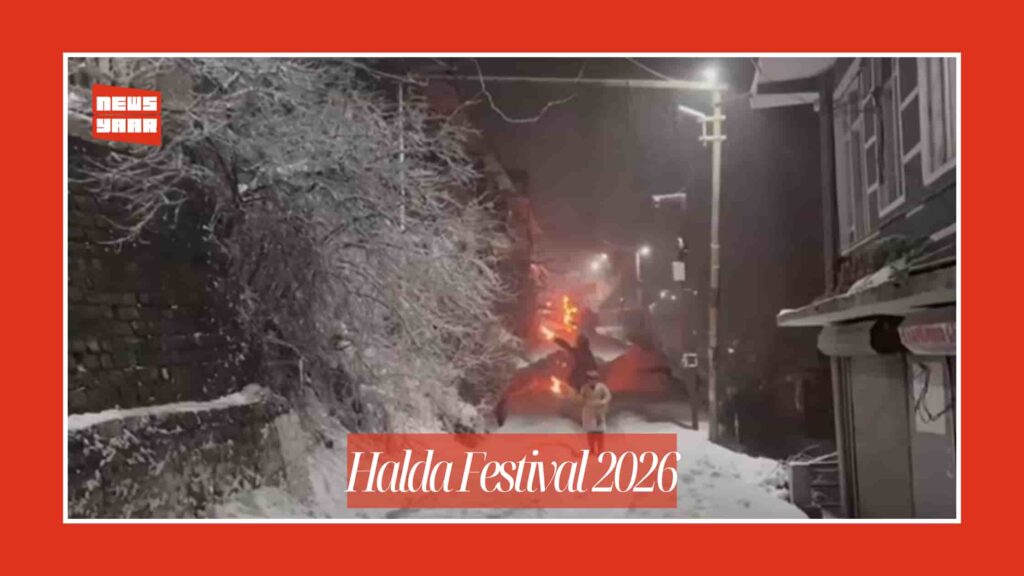
The Halda Festival is an ancient cultural festival observed in the Lahaul-Spiti district of Himachal Pradesh, celebrated each year in January to mark the New Year, strengthen community bonds and seek blessings for prosperity, good harvests and protection against misfortune. The festival holds deep significance for the tribal communities of the region, blending rituals, folklore, music, dance, community gatherings and symbolic fire ceremonies that have been preserved across generations. When and Where It Happens Unlike many fixed-date festivals, the precise dates of the Halda Festival are determined by local spiritual leaders — the Lamas — each year based on traditional observances. The celebrations typically occur during the second and third weeks of January, when Lahaul Valley communities come together to perform age-old customs amid the region’s snowy winter landscape. The festival is especially prominent in the Gahar, Chandra and Pattan valleys of Lahaul-Spiti, which lie along the Chandra and Bhaga river systems. These valleys become vibrant centres of traditional activity as residents participate in Halda’s rituals and social celebrations. In 2026, local administrations and community leaders prepared for the festival’s start around mid-January, with areas like Koksar and Sissu temporarily closing to tourism and non-residents so the festival could proceed without disruption to sacred practices. Origins and Cultural Significance Halda is rooted in the Indigenous Himalayan traditions of the Lahaul-Spiti region, where harsh winters, geographic isolation and agrarian cycles have shaped the cultural calendar over centuries. It is generally understood as a New Year’s festival, a time when communities come together at the peak of winter to renew social ties, offer devotions and symbolically seek protection and abundance for the coming year. The festival is dedicated to Shashikar Apa, a Goddess of Wealth in the local Lamaistic pantheon, revered for bestowing prosperity and well-being upon the community. Families invoke her blessings in traditional rituals and collective gatherings. Rituals, Customs and Celebrations At the heart of Halda is a set of distinctive rituals, most of which revolve around fire, community gatherings and symbolic offerings: Lighting the Halda Torch: Each family cuts branches of pencil cedar (a local conifer) and binds them into bundles called “Halda” — essentially large, hand-made torches. On the festival day, these torches are lit to form a ceremonial fire, which serves as a focal point for community prayers, rituals and collective gatherings in homes or village spaces. Families often prepare a number of torches corresponding to male members in the household, underscoring the personalised and family-centric nature of the ritual. Once lit, residents gather around the fire to sing traditional songs, perform rituals and share food and stories. Music, Dance and Folklore: Halda is marked by vibrant folk music, communal dancing and song, which reflect the cultural heritage of the valley peoples. One of the most distinctive traditional performances is the Asur Dance, presented in some villages (such as Khangsar in the Chandra Valley) on the concluding day. This performance involves dancers wearing masks representing demons (Asur) — a symbolic ritual rooted in local folklore about warding off evil forces. Ritual Offerings and Community Prayers: Residents perform prayers to local deities and ancestral spirits to ensure prosperity, protection and a good agricultural season ahead, even as the stark winter persists. These rites are considered vital for maintaining spiritual harmony and community cohesion. Festive Atmosphere and Social Elements Though the festival is deeply traditional and spiritual, Halda also resembles a period of communal unity and social celebration. Despite the extreme cold and snow that blankets Lahaul in January, people gather to share food, socialize, and celebrate their shared culture. Visitors from other parts of Himachal Pradesh and neighbouring regions often attend the festivities, drawn by the music, dance and unique rituals. In contrast to more commercialised national festivals, Halda remains largely a community-driven cultural observance, with emphasis on shared participation and continuity of local heritage rather than tourism-focused activities. Social and Symbolic Importance The Halda Festival serves several deep cultural and social purposes: Preservation of Indigenous Traditions: Its rituals, music and community practices are a living repository of the traditional values, mythologies and spiritual outlook of the mountain people. Community Solidarity: The collective lighting of the Halda fire, shared songs and communal dances reinforce social unity, mutual support and intergenerational bonds at a time when isolation and harsh climate can strain everyday life. Seasonal Transition Symbolism: Held mid-winter, the festival symbolically marks a moment of hope, renewal and cultural resilience, anticipating the return of spring and the season of growth. Why Halda Festival Matters In an era of rapid cultural change and globalization, the Halda Festival represents a vibrant thread of continuity for Lahaul-Spiti’s unique cultural identity. It preserves ancient rituals, promotes collective memory and sustains traditions that have been passed down through generations. By anchoring community life and seasonal cycles, Halda helps ensure that local customs remain alive even as younger generations navigate the pressures of modern life. For cultural scholars, anthropologists and travellers interested in Himalayan heritage, Halda offers insight into how festival practices, spiritual symbolism and communal cohesion intersect in one of India’s most remote and resilient regions. How to Experience Halda While Halda remains primarily a local observance rooted in tribal and village communities, those wishing to witness aspects of the festival should respect its traditional and spiritual context. Visitors are encouraged to engage respectfully with local practices, understand community norms and appreciate the symbolic significance of rituals rather than treat the festival as mere spectacle.
Pravasi Bharatiya Divas 2026: Celebrating the Diaspora’s Enduring Bond with India
Pravasi Bharatiya Divas (PBD), observed annually on January 9, honors the pivotal contributions of the Indian diaspora to India’s progress, marking Mahatma Gandhi’s return from South Africa in 1915 after 21 years, a moment that fueled India’s independence movement. While 2026 marks a non-convention year following the 18th biennial PBD Convention in Bhubaneswar, Odisha (January 8-10, 2025), themed “Diaspora’s Contribution to a Viksit Bharat,” global events and local initiatives continue to strengthen ties with over 35 million Non-Resident Indians (NRIs) and Persons of Indian Origin (PIOs) across 200+ countries.Launched in 2003 by the Government of India, PBD has evolved into a flagship platform since 2015 in its biennial convention format, promoting engagement amid India’s position as home to the world’s largest diaspora. Valued at more than 35 million strong, this community drives diplomacy, trade, technology transfer, and cultural exchange, channeling over USD 120 billion in annual remittances, making India the global top recipient.Objectives and ImpactPBD 2026 emphasizes reconnecting overseas Indians with their roots while leveraging their potential for national growth. Key goals include building trust through direct interactions with Indian leaders and policymakers, encouraging investments in startups, infrastructure, healthcare, and education, and promoting skill-sharing from global experiences. It preserves Indian culture, languages, and traditions among second- and third-generation diaspora members while recognizing achievements through the Pravasi Bharatiya Samman Awards.The impact resonates deeply: it bolsters the diaspora’s global identity, enhances economic participation, and provides grievance redressal forums. By honoring their role in nation-building, PBD motivates sustained contributions, from business ventures to cultural preservation, positioning the diaspora as a bridge for a “Viksit Bharat” (Developed India).Dubai’s Vibrant CelebrationIn the UAE, home to one of the largest Indian communities, the Indian Business and Professional Council (IBPC) Dubai, alongside the Consulate General of India, hosted a standout cultural and thought-leadership evening blending World Hindi Day and PBD observances. The event drew Pravasi Bharatiya Award recipients like IBPC Chairman Siddharth Balachandran and veteran leader Vasu Shroff, highlighting Dubai’s stature as a hub for Indian professional excellence and exchange.Balachandran underscored the UAE’s diverse Indian tapestry, advocating for appreciation of regional languages alongside Arabic to foster coexistence. IBPC Vice Chairman Sunil Sinha stressed language in heritage preservation, while Consul Sunil Kumar urged youth involvement in cultural safeguarding. Dr. Sahitya Chaturvedi, IBPC Secretary General, addressed in Sanskrit, sharing his passion for linguistic promotion. The evening featured poetry recitals, an IBPC member Kavi Sammelan, and musical tributes to Hindi poetry, capturing the diaspora’s vibrant spirit.Looking AheadAs a non-convention year, 2026 relies on embassy-led events worldwide for reflection and dialogue, with the next major gathering slated for the 19th PBD in 2027. Smaller regional interactions may emerge, though official Ministry of External Affairs details remain pending. Amid cricket’s dominance and emerging sports like cycling (e.g., Pune Grand Tour), PBD uniquely spotlights the diaspora’s quiet power in remittances, innovation, and soft diplomacy.This observance reaffirms India’s strategic embrace of its global family, turning historical homecomings into modern partnerships for progress.
Wings India 2026: Celebrating Aviation Excellence and Cultural Unity in the Skies
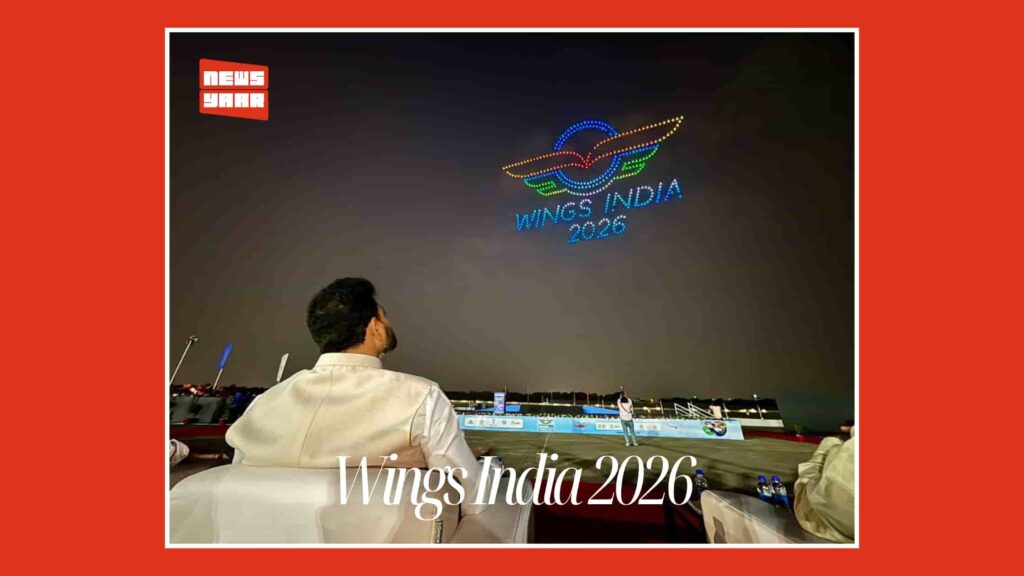
Gujarat wins top aviation award as Air India Express showcases India’s rich heritage through music and art Hyderabad: The Wings India 2026 aviation expo, held at Begumpet Airport from January 28-31, has emerged as more than just an industry gathering—it’s a celebration of how aviation connects cultures, builds communities, and drives economic progress across the nation. The four-day event brought together thousands of aviation professionals, exhibitors, and enthusiasts from around the world, highlighting India’s position as one of the fastest-growing aviation markets globally. From cutting-edge technology exhibits to cultural performances on the tarmac, the expo demonstrated that modern aviation is about more than just moving people—it’s about creating meaningful connections. Gujarat Soars High with Prestigious Recognition Gujarat received the coveted ‘Best State for Promotion of Aviation Ecosystem’ award, presented by Union Minister for Civil Aviation Shri K. Ram Mohan Naidu. The state shared this honor with Telangana and Uttarakhand, recognizing their exceptional contributions to India’s aviation sector. KL Bachani, Gujarat’s Civil Aviation Commissioner, attributed the achievement to Chief Minister Bhupendra Patel’s visionary leadership and the state’s focus on world-class infrastructure. “This honor reflects Gujarat’s commitment to making air travel more accessible for citizens while driving economic growth,” Bachani said. The award acknowledges Gujarat’s impressive progress in aviation infrastructure, including maintenance, repair, and overhaul (MRO) facilities and the aircraft leasing sector. This marks Gujarat’s third consecutive recognition at Wings India, having previously won awards in 2022 and 2024, demonstrating sustained excellence in aviation development. When Aviation Meets Art: Air India Express’s Cultural Showcase One of the most memorable moments at Wings India 2026 was Air India Express’s spectacular cultural performance featuring legendary singer Usha Uthup. The unique event took place on the airport tarmac beside the airline’s stunning first line-fit Boeing 737-8 aircraft, VT-RNT, adorned with livery inspired by traditional Parsi Gara embroidery. Uthup performed alongside talented artists from eleven Indian states: Andhra Pradesh, Assam, Delhi, Gujarat, Jammu & Kashmir, Karnataka, Kerala, Maharashtra, Odisha, Punjab, and Tamil Nadu. The performance created a vibrant tapestry of India’s diverse cultural heritage against the backdrop of modern aviation. “Music is a language that connects people across cultures and geographies,” Uthup said. “Performing at Wings India as the country’s cultural ambassador makes this truly special.” Aviation with Heart: Connecting People, Not Just Places Siddhartha Butalia, Chief Marketing Officer of Air India Express, emphasized the deeper purpose behind aviation. “In an increasingly digitally connected world, the true value of travel lies in real, immersive experiences and meaningful human connections,” he explained. The airline also received the prestigious ‘Domestic Connectivity’ award from the Ministry of Civil Aviation, recognizing its efforts to expand air travel access across India. This follows their ‘Sustainability Champions’ recognition at Wings India 2024. Air India Express’s ‘Tales of India’ initiative showcases India’s artistic heritage through aircraft liveries featuring indigenous designs like Kalamkari, Bandhani, Jamawar, Warli, and Phulkari. Their ‘Gourmair’ in-flight dining extends this cultural celebration to regional cuisines, featuring special menus for festivals like Onam, Navratri, and Diwali. The new Boeing 737-8 aircraft features ergonomically designed seats, fast-charging power outlets, on-board ovens for hot meals, spacious overhead bins, and Boeing’s Sky Interior with soothing mood lighting, proving that comfort and culture can fly together. Building Tomorrow’s Skies Today Wings India 2026 demonstrated that India’s aviation sector is not just about economic growth; it’s about inclusivity, sustainability, and preserving cultural identity while embracing innovation. As states like Gujarat lead infrastructure development and airlines like Air India Express celebrate regional diversity, Indian aviation is truly paving the future from design to deployment. The event reinforced that when aviation connects people meaningfully, everyone wins, from passengers experiencing rich cultural journeys to states driving economic development through better connectivity.
Maru Mahotsav 2026: Know Jaisalmer’s Rich Legacy & Culture
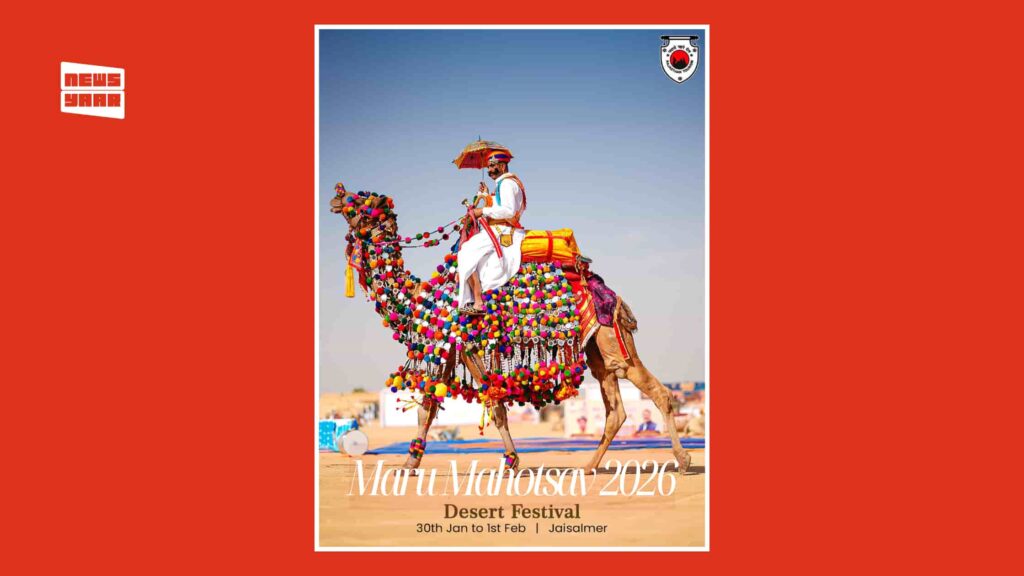
Three-day festival draws thousands of domestic and international tourists to experience Rajasthan’s vibrant traditions Jaisalmer: The Maru Mahotsav 2026, also known as Desert Festival, currently underway at Jaisalmer’s Shaheed Poonam Singh Stadium, has transformed the Golden City into a vibrant cultural hub, bringing together locals, artists, and tourists to celebrate the rich heritage of Rajasthan’s Thar Desert. The three-day festival, which commenced on January 30 and will conclude on February 1, showcases the colorful traditions, folk music, dance performances, and cultural contests that define the desert region’s unique identity. Set against the backdrop of Jaisalmer’s iconic golden sandstone architecture and vast dunes, the event has attracted visitors from across India and around the world. Cultural Competitions Crown New Winners The festival featured several prestigious cultural competitions on its opening day. Manish Panwar was crowned “Maru Shri 2026,” fulfilling what he described as a childhood dream. “I participated in the competition, and I have won… This was my childhood dream,” Panwar told ANI, visibly emotional about his achievement. Kusum Panwar from Bikaner won the coveted “Miss Moomal 2026” title, expressing her pride in representing Rajasthan’s cultural heritage. “This program is held to move our culture forward… I just wanted to participate in this,” she said, highlighting the festival’s role in preserving traditional values. Taj, who secured the “Mrs. Jaisalmer 2026” crown, shared her excitement: “I got very excited when my name was announced… I am very happy.” The competitions also included traditional events such as turban-tying contests and mustache competitions, reflecting the region’s distinctive cultural practices. A Global Cultural Attraction The Maru Mahotsav has emerged as a significant tourist attraction, drawing both domestic and international visitors. Lucia, a tourist from Brazil, expressed her delight at experiencing the desert celebrations. “This festival is amazing. We are very happy here,” she said, echoing the sentiments of numerous international attendees who have traveled to witness Jaisalmer’s cultural spectacle. Festival Highlights and Events The festival’s packed schedule offers something for everyone. Visitors have been treated to mesmerizing folk music and dance performances, including the traditional Ghoomar dance. Thrilling camel races and camel polo matches showcase the desert animal’s central role in regional culture and history. The Art & Craft Bazaar has been a major attraction, featuring traditional Rajasthani handicrafts, textiles, and artworks, allowing visitors to take home authentic pieces of desert culture. A Food Festival offers attendees the opportunity to savor authentic Rajasthani cuisine, from dal baati churma to ker sangri. Modern elements blend seamlessly with tradition at the festival. Evening performances have included a spectacular drone show, combining cutting-edge technology with traditional festivities. Cultural evenings feature performances by renowned artists, creating magical moments under the desert sky. Cultural Preservation and Tourism The Maru Mahotsav serves a dual purpose, preserving Rajasthan’s rich cultural heritage while boosting tourism in the region. The festival provides a platform for local artists and performers to showcase their talents, ensuring that traditional art forms continue to thrive in the modern era. The event also offers visitors unique experiences, such as folk art exhibitions at historic sites like Kuldhara and Khaba Fort, where the Mandana Art Exhibit displays intricate Rajasthani folk paintings. Musical performances at Khuri Sand Dunes create an authentic desert atmosphere, allowing tourists to experience the region’s musical heritage in its natural setting. Grand Finale Awaits As the festival approaches its conclusion on February 1, organizers have planned a spectacular grand finale. The final evening will feature a magnificent fireworks display that will illuminate the desert sky, providing a fitting end to the three-day celebration of Rajasthani culture. The Maru Mahotsav 2026 has once again proven that Jaisalmer remains one of India’s most captivating cultural destinations, where ancient traditions meet modern celebrations in the heart of the Thar Desert.
National Tourism Day 2026: Celebrating India’s Cultural Heritage, Economic Growth and Youth Engagement
National Tourism Day is observed annually on January 25 in India to recognise the vital role tourism plays in the nation’s socio-economic development, cultural exchange and heritage conservation. In 2026, the country marked National Tourism Day with multi-theme programmes, state participation, youth-oriented activities, and initiatives to boost both domestic and international travel. Tourism is one of India’s fastest-growing economic sectors, contributing significantly to employment, foreign exchange earnings and community-led development. National Tourism Day highlights these dimensions while promoting travel awareness, sustainability and inclusive participation across regions and communities. Background: Why National Tourism Day Matters National Tourism Day commemorates the adoption of the National Tourism Policy in 2002, a landmark moment when the Government of India formally recognised tourism as a key driver of economic growth and cultural diplomacy. The policy aimed to expand tourism infrastructure, incentivise private sector participation, enhance employability, and position India as a global travel destination. Over the years, tourism has become a major employment generator, particularly in rural and semi-urban areas. The sector supports jobs across hospitality, transportation, cultural industries, handicrafts, heritage management, tour operations, adventure travel and wellness tourism. According to industry estimates, tourism contributes 7–9% of India’s GDP and supports millions of direct and indirect jobs across the country. Post-pandemic recovery and strategic initiatives have further elevated tourism as a priority sector in national development planning. National Tourism Day 2026: Themes and Programmes In 2026, National Tourism Day was marked with a series of coordinated events spanning heritage walks, cultural performances, seminars, youth forums, heritage site launches and promotional campaigns. The Ministry of Tourism’s multi-theme programme emphasised: Heritage Conservation and Cultural Tourism: Celebrating India’s rich history through curated events at iconic sites. Youth Engagement and Education: Special outreach to students and young travellers to encourage tourism careers and awareness of local heritage. Sustainable and Eco-Friendly Tourism: Promoting responsible travel practices that protect landscapes and support community livelihoods. Local and Regional Specialties: Showcasing food, handicrafts, folk art and customs from various states to highlight India’s diversity. The multi-theme approach, adopted by state tourism departments, aimed to both celebrate India’s diverse cultural tapestry and provide economic opportunities for local artists, guides, heritage managers and hospitality professionals. National and State Participation The Ministry of Tourism, Government of India, coordinates National Tourism Day events in collaboration with state tourism boards, cultural institutions, educational bodies and industry associations. State governments organise activities such as: Heritage Walks and Site Visits: Guided tours at forts, temples, museums and historical cities such as Agra, Jaipur, Varanasi and Hampi. Tourism Promotion Fairs: Exhibitions featuring travel destinations, culinary showcases, handicraft bazaars and local performances. Youth Outreach and Awareness Campaigns: Competitions, webinars and campus events to engage students in tourism-related careers. Community Tourism Projects: Initiatives to promote village tourism, eco-trails, homestays and local enterprise models. For 2026, Uttar Pradesh — home to several major heritage sites including the Taj Mahal — held a flagship programme with tribal dance performances, youth engagement forums, skill development workshops and discussions on sustainable destination management. Significance: Beyond Travel National Tourism Day carries multi-layered significance: Economic Significance: Tourism drives economic activity through direct services (hotels, transport, tour operators) and indirect value chains (farmers, artisans, retail, logistics). Growth in visitor numbers fosters investment in infrastructure and amenities. Cultural and Social Impact: Tourism promotes cultural exchange, enabling travellers to experience India’s linguistic, religious and artistic diversity. Heritage conservation initiatives often receive momentum through tourism interests, leading to improved preservation and community pride. Youth Empowerment: With a large youth population, India views tourism as a sector that can offer meaningful careers — from tour guiding and hospitality to digital marketing, event management and sustainable adventure tourism. Global Connectivity: National Tourism Day also underscores India’s place in global travel circuits. India offers unique attractions spanning ancient monuments, biodiversity hotspots, spiritual circuits, hill stations, desert landscapes, backwaters and festivals that draw millions of international travellers every year. Key Initiatives and Government Measures The Government of India has undertaken several strategic measures to enhance India’s tourism footprint: Increased Connectivity: Development of airports, regional air routes, rail connectivity and waterways to improve access to remote and emerging destinations. Incentives for Homestays and Eco-Tourism: Policies to support local tourism entrepreneurs with training, grants and marketing support. Digital Platforms: Initiatives like the Incredible India portal, mobile apps, virtual tours and digital campaigns that offer seamless travel planning and destination information. Skill Development: Collaborations with hospitality training institutes and universities to build tourism-related skills among youth. Safety and Accessibility: Enhancing traveller safety, accessibility for differently-abled tourists and women traveller support systems. Such initiatives reinforce National Tourism Day’s role as both a celebration and a policy milestone, aligning tourism with broader national goals of employment generation, cultural preservation and economic progress. Tourism Trends and Future Outlook India’s tourism sector continues to register strong indicators of growth. Domestic travel has seen sustained enthusiasm, while international arrivals have rebounded following the pandemic. Emerging trends include: Experiential and Adventure Tourism: Rising demand for trekking, wildlife circuits, river rafting and off-beat trails. Wellness and Spiritual Tourism: Increased interest in Ayurveda, yoga retreats and spiritual heritage circuits such as Char Dham and Buddhist heritage trails. Eco-Tourism and Community Tourism: Focus on sustainability, homestays and tourism that directly benefits local communities. Industry analysts expect that India’s tourism sector will continue to expand its contribution to GDP and employment, particularly with supportive government policies, improved infrastructure and global travel confidence. How National Tourism Day Inspires Travellers Travellers and tourism stakeholders view National Tourism Day as an invitation to explore India’s untapped destinationsand celebrate its living heritage. The day inspires individuals, families, students and professionals to discover cultural gems, engage in sustainable travel practices, and participate in livelihood opportunities tied to tourism. For students and young professionals, events offer exposure to career paths in areas such as tourism management, heritage interpretation, hospitality operations, travel technology, storytelling and destination branding. National Tourism Day 2026: A Milestone for Growth The celebration of National Tourism Day 2026 reaffirmed the sector’s potential to advance economic growth, promote cultural preservation and build a
Indian Passport Climbs the Ladder in 2026, but Global Travel Reality Remains Mixed
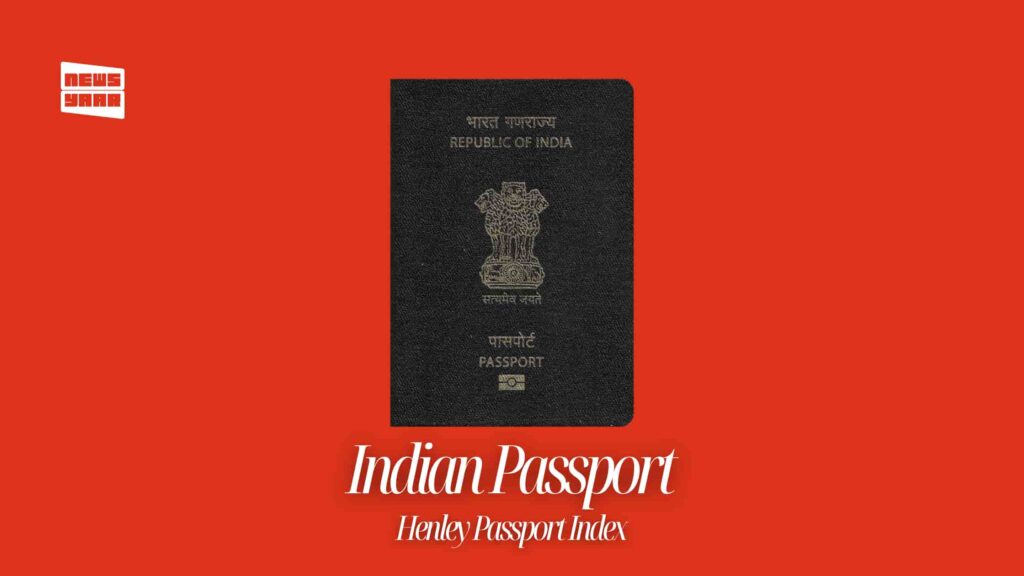
Indian passport holders have a reason to feel cautiously optimistic in 2026. According to the latest Henley Passport Index, India’s passport has registered an improvement in global rankings, signalling a gradual rise in international mobility for Indian travellers. However, beneath the headline gain lies a more nuanced reality that travellers must keep in mind while planning overseas journeys.The Henley Passport Index 2026 has placed India at the 80th position, a jump of five ranks from last year’s 85th spot. The index, which ranks passports based on the number of destinations their holders can access without a prior visa, reflects how freely citizens of a country can travel across borders. In practical terms, Indian passport holders can now access 55 destinations without securing a visa in advance. This includes countries offering visa-free entry, visa-on-arrival, or electronic travel authorisation (ETA).The upward movement suggests incremental progress in India’s global travel standing, driven partly by diplomatic engagements, bilateral agreements, and the growing international presence of Indian travellers. For frequent flyers and first-time international tourists alike, this translates into slightly more flexibility and reduced paperwork for select destinations.However, the improvement in ranking does not tell the full story. Despite climbing the index, the number of destinations offering hassle-free access to Indian passport holders remains limited compared to many other countries. In fact, while the rank has improved, access to key regions such as Europe’s Schengen Area, the United States, the United Kingdom, and several East Asian nations continues to require traditional visas, often involving lengthy processing times, extensive documentation, and high costs.This contrast highlights an important point: rankings can improve even when overall access remains constrained. The Henley Index is relative in nature, meaning India’s rise may also reflect changes in other countries’ visa policies rather than a dramatic expansion of visa-free access for Indians.For Indian travellers, the list of accessible destinations is still dominated by countries in Southeast Asia, Africa, the Caribbean, and parts of the Middle East. While these destinations offer rich cultural and travel experiences, many popular business, education, and tourism hubs remain out of easy reach without prior approvals.Travel industry experts say the ranking improvement is symbolically significant but should not be overstated. “A higher rank improves perception, but on the ground, Indian travellers still need to plan well in advance for most long-haul or premium destinations,” said a senior travel consultant based in Delhi. He added that visa rejections, appointment delays, and rising visa fees continue to be common concerns.At the same time, the gradual rise reflects India’s growing global footprint. As one of the world’s fastest-growing major economies and a key player in international diplomacy, India has been actively engaging with countries to simplify travel frameworks. Industry observers believe that sustained diplomatic efforts, along with reciprocal visa arrangements, could further enhance passport strength in the coming years.For now, Indian passport holders can take heart in the positive movement, while remaining realistic. The 2026 ranking underscores progress, but also serves as a reminder that global mobility for Indians is still a work in progress, one that requires both policy-level negotiations and patient travel planning.As international travel rebounds and geopolitical equations evolve, the Indian passport’s journey up the global ladder is likely to continue, albeit gradually.
Official Start of Passenger Flights from Navi Mumbai International Airport: A New Era for Regional Aviation
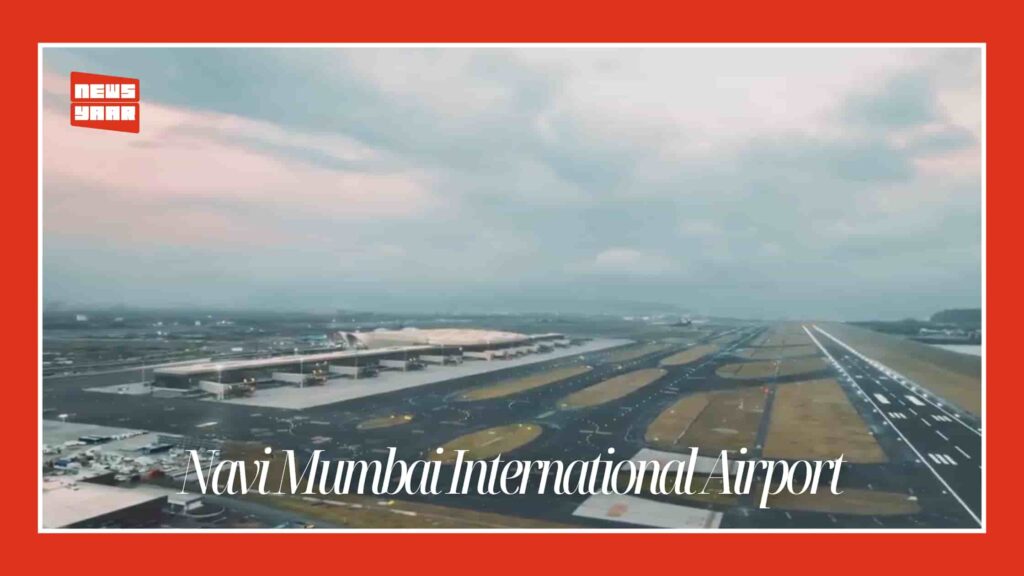
Navi Mumbai / Mumbai: The long-awaited Navi Mumbai International Airport (NMIA) has officially opened its passenger flight operations, marking a major milestone in India’s civil aviation landscape. Backed by the Adani Group, the new international gateway welcomed its first commercial travellers on Thursday, signalling the beginning of full-scale flight services from the strategically located airport.In its first 19 days of operations, NMIA recorded over 100,000 passengers, highlighting strong early demand and adding momentum to the region’s aviation growth. The early passenger traffic underscores the confidence that travellers, airlines and the broader aviation ecosystem place in the new facility as a major alternative to the congested Chhatrapati Shivaji Maharaj International Airport (CSMIA).The commissioning of NMIA comes as part of a broader effort to ease pressure on Mumbai’s primary airport, long plagued by capacity constraints. Located in Ulwa, Navi Mumbai, the new airport is expected to handle both domestic and international flights, offering enhanced connectivity and reducing congestion in one of India’s busiest airspaces. Passenger Experience and Early Reception Early reports from passengers travelling through NMIA have been overwhelmingly positive. Commuters pointed to the airport’s spacious terminals, streamlined check-in processes and clear signage as key improvements over older facilities. Many highlighted the convenience of the airport’s location for those living in Navi Mumbai and surrounding areas, with easier access than the traditional Mumbai airport.“We had no idea the airport was this smooth and comfortable,” said one traveller who flew out on a weekday morning. “Check-in was quick, security was efficient, and everything felt brand new.” Airline Operations and Flight Routes Several domestic carriers have already begun scheduling flights from NMIA, connecting key metros and regional hubs.As flight operations continue to ramp up, airlines are expected to expand their route portfolios based on demand. Industry analysts suggest that the airport’s growth could attract international carriers in the near future once regulatory clearances and bilateral agreements are in place.The operational launch of NMIA is not only an aviation milestone but also a boost for the broader Maharashtra economy. The airport is expected to catalyse job creation in sectors ranging from hospitality and logistics to retail and ground services. Local businesses have welcomed the development, anticipating increased footfall and commercial opportunities in the region.Infrastructure planners also foresee improvements in last-mile connectivity, including dedicated access roads, metro extensions and bus networks that will link NMIA efficiently with central Mumbai and other areas. Looking Ahead As passenger flights officially take off from the Navi Mumbai International Airport, the aviation sector and travelling public alike are watching closely to see how the new facility evolves.With strong initial numbers and a strategic location, NMIA is poised to become a key node in India’s rapidly growing aviation network, offering relief to existing hubs while setting new benchmarks for passenger comfort and operational excellence.