

India AI Impact Summit 2026: Detailed Agenda for Global AI Action in New Delhi
New Delhi, February 9, 2026 – India gears up for the India AI Impact Summit 2026, set for February 16-20 at Bharat Mandapam, Pragati Maidan, New Delhi, the primary venue for the India AI Impact Summit 2026, which will host the main events on February 19-20.Hosted by the Ministry of Electronics and Information Technology (MeitY), this first Global South edition, billed by Union Minister Ashwini Vaishnaw as the “largest yet,” transitions AI discourse from vision to verifiable impact under the “Three Sutras”: People, Planet, and Progress.Some sources mention a broader program across February 16-20, potentially using additional Delhi venues like Sushma Swaraj Bhawan for side events, sessions, or exhibitions. Bharat Mandapam, one of India’s largest convention centers, was upgraded by NDMC for this flagship gathering. Chief Guests and Stellar LineupPrime Minister Narendra Modi serves as the Chief Guest, inaugurating on February 16 with a keynote and hosting a leaders’ dinner. Expected heads of government include representatives from Singapore, the UAE, and Brazil (15-20 total), plus 50+ ministers. Key speakers feature Google’s Sundar Pichai, Anthropic’s Dario Amodei, Microsoft’s Satya Nadella, and Indian luminaries like Nandan Nilekani (Infosys co-founder) and Ola’s Bhavish Aggarwal. Over 40 CEOs from Reliance, TCS, and global firms join, along with a Chinese delegation, signaling a thaw in collaboration. Event Schedule and Dialogues Feb 16: Inauguration, Modi address, CEO roundtable.Feb 17-18: Plenary sessions and seven “Chakras” (working groups) on core topics.Feb 19: Startup showcase (500+ ventures), AI model launches, bilateral dialogues.Feb 20: Closing with actionable declarations.Expect 500+ parallel sessions, hackathons, and exhibitions. Dialogues include G20-style tracks on AI ethics, public-private partnerships, and Global South priorities. Participating Governments in India AI Impact Summit 2026 The summit, hosted by India’s Ministry of Electronics and Information Technology (MeitY) under the IndiaAI Mission, expects involvement from over 100 countries. Key highlights:High-Level Representation: 15-20 heads of government and 50+ ministers confirmed, including from Singapore, UAE, Brazil, and others.China: Delegation attending after India’s formal invitation, signaling AI collaboration.Preceding Hosts: Builds on summits by UK (2023 Bletchley), South Korea (2024 Seoul), France (2025 Paris).Collaborators: NITI Aayog (India’s policy think tank), state governments like Uttarakhand (pre-summit host), and international bodies (ITU, World Economic Forum).Global Engagement: Multinational working groups across Chakras, with US, UK, EU, and ASEAN nations active in prep consultations. Key Topics and Seven ChakrasThe India AI Impact Summit 2026 is structured around three foundational “Sutras” (People, Planet, Progress) that guide its discussions, with seven interconnected “Chakras” (working groups) translating these into specific, actionable themes.Core SutrasPeople: Focuses on human-centric AI, including safeguarding rights, enhancing access to services (e.g., healthcare, education), building user trust, workforce reskilling amid job impacts, and ensuring equitable benefits across societies.Planet: Addresses sustainable AI deployment, such as energy-efficient models, responsible resource use (e.g., reducing GPU/data center power demands), and AI applications for climate action, environmental monitoring, and resilience.Progress: Emphasizes inclusive innovation, capacity-building, productivity gains in sectors like agriculture and manufacturing, economic growth, and bridging the AI divide for the Global South. Seven Chakras (Key Discussion Topics)These working groups, involving 100+ countries, cover:AI governance and ethical frameworks.Trust and safety protocols for AI models (e.g., bias mitigation, transparency).AI’s impact on work and future jobs.Sector-specific applications (healthcare, agriculture, industry).Innovation and scalable solutions.Sustainability and environmental integration.Equitable access, inclusion, and development outcomes.Sessions will also spotlight IndiaAI Mission launches, startup innovations, and global standards, prioritizing “on-ground” results over regulations. What to Expect in India AI Summit?MeitY leads with partners like NITI Aayog, NASSCOM, World Economic Forum, and ITU. Corporate backers include Google, Microsoft, NVIDIA (GPU focus), and Indian firms like Tata and Adani (data centers). Governments from US, UK, EU, and ASEAN collaborate. Attendees (10,000+), policymakers, researchers, startups, NGOs, can expect networking zones, live demos (e.g., edge AI), policy labs, and a “Global AI Talent Fair.” Launches include indigenous foundational models under the Rs 10,370 crore IndiaAI Mission. India’s Strategic Push Amid HurdlesEchoing Bletchley (2023), Seoul (2024), and Paris (2025), India’s summit prioritizes “on-ground” wins for 1.4 billion people, as per Secretary S. Krishnan. AI could add $500B to GDP (NASSCOM), but challenges like GPU imports persist—eased by US trade deals and data center tax holidays to 2047. Budget 2026-27 tweaks fund nuclear-powered AI infra, as Vaishnaw eyes energy self-reliance.Vaishnaw hailed “phenomenal” global buy-in, with NDMC upgrading venues. Beyond talks, expect MoUs on compute sharing, talent visas, and sustainable AI pacts, positioning India as an AI diplomacy hub.This summit promises not just dialogue, but deliverables: inclusive, green AI for humanity’s progress.Video credit: YT@/Digital India
UGC Equity Rules Ignite Campus Fury: Protests, Court Stay, and a Divided Nation
On a chilly January morning in 2026, 22-year-old Amit Mishra from Ballia led 60 fellow students on a 3-km march across Lucknow University, from the faculty of law to gate number 3. Their banners bore no party logos, just raw demands for “Equity for All.” This scene, amid policy’s collision with identity, captures the explosive backlash against the University Grants Commission (Promotion of Equity in Higher Education Institutions) Regulations, 2026, notified January 13. Aimed at curbing caste-based discrimination, especially against SCs, STs, OBCs, disabled persons, and women, the rules have sparked protests, a Supreme Court stay, and fierce political divides. Notified to repeal 2012 guidelines and align with the National Education Policy 2020’s equity focus, the regulations mandate Equity Committees, Equal Opportunity Centres, helplines, Campus Level Committees, and even “Equity Squads” for campus vigilance. They define discrimination broadly, covering religion, race, gender, caste, birthplace, and disability, but spotlight caste-based harm against reserved categories. Institutions must enforce these under the head’s oversight, with appeals to an Ombudsperson. Born from 2019 PILs by mothers of Rohith Vemula (died 2016) and Payal Tadvi, students alleging caste harassment, the rules address a 118% surge in UGC-reported complaints over five years. Campus Clashes Erupt Delhi University’s North Campus boiled over on Wednesday as general-category students breached police barricades near the Vice-Chancellor’s office, placards screaming “Kaala Kanoon Vaapas Lo,” “Equity for All, Not for Few.” Protester Satvik Sharma decried vague definitions and misuse risks, vowing to Parliament if unmet. Akhilesh Tiwari slammed the exclusion of general students from redressal, demanding natural justice amendments over the 2013 grievance system. Patna’s Dinkar Golambar turned chaotic: Hundreds from All Bihar Students Union and Savarna Ekta Manch burned effigies, announcing a February 1 Bharat Bandh. Leaders like Vishal Kumar cried upper-caste targeting, “Unity or destruction!”, while Suryadev Kumar called it divisive caste politics. UP protests echoed with “Bantenge Toh Katenge,” Lucknow and Kanpur seeing head-shaving vows; even a BJP Kisan Morcha office-bearer and Bareilly magistrate resigned in Rae Bareli. Sangh Parivar student wings protested at UGC offices; Karni Sena joined the bandh call. SFI countered with pro-rules marches, citing systemic bias. Court Steps In, Politics Splits January 29, Chief Justice Surya Kant and Justice Joymalya Bagchi stayed implementation, calling rules “prima facie vague,” misuse-prone, and overly caste-focused, excluding ragging, ignoring non-caste bias. Notices issued to UGC and government for March 19 replies; bench urged eminent jurists’ review. Petitions claim violations of Articles 14, 15(1), 21, seeking caste-neutral access. Tamil Nadu CM M.K. Stalin hailed it as “welcome” against “deep-rooted discrimination,” linking to SC/ST suicides and south/Kashmiri attacks, but flagged weak independence (heads chair committees). He urged strengthening, evoking Mandal resistance. CPI(M) backed expansion to IITs/IIMs; BSP’s Mayawati, Shiv Sena (UBT)’s Priyanka Chaturvedi welcomed stay for upper-caste inclusion. BJP’s Dharmendra Pradhan assured no misuse. Deeper Flaws Exposed Critics decry admin-controlled squads as “moral policing,” no systemic policy checks, and stakeholder ambiguity, faculty/staff covered but Ombudsperson student-only. Pro-rules voices see exclusionary protection as vital; opponents, a general-category witch hunt. Pre-election timing fuels suspicions. From streets to the Supreme Court, this “masterclass or mug’s game” tests equity’s meaning. As February 1 looms, India’s campuses teeter, Will the judicial system refine or dismantle?
18th Rozgar Mela: Massive Government Job Drive Connects Youth With Employment Opportunities
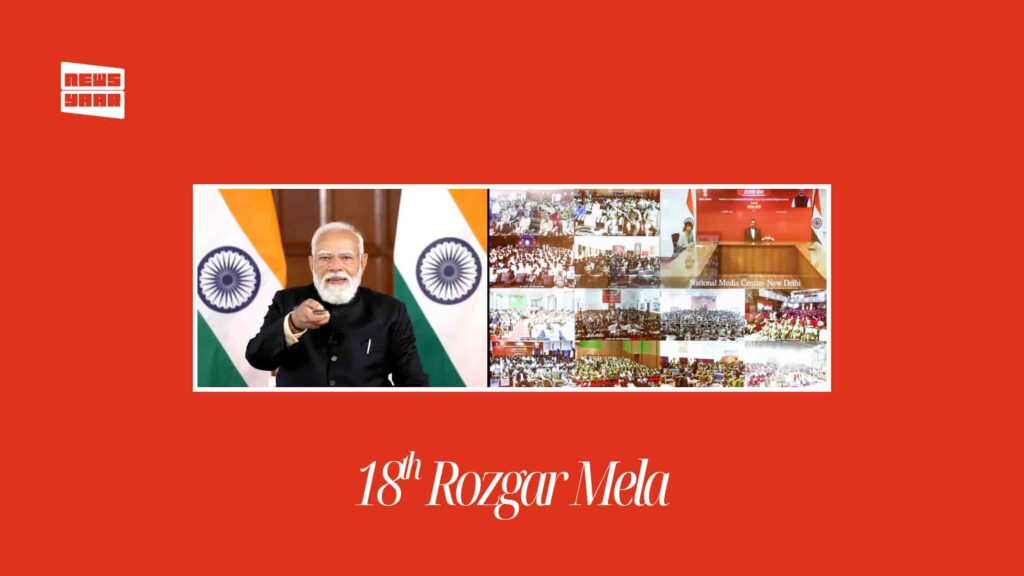
The 18th Rozgar Mela, one of India’s largest ongoing employment initiatives, was held on 24 January 2026 with events organised simultaneously across the country to provide job opportunities and appointment letters to young Indians. The flagship programme — aimed at accelerating government recruitment and linking the nation’s youth with jobs across ministries, departments and public sector units — witnessed widespread participation and engagement from newly appointed candidates. Prime Minister Narendra Modi addressed the 18th Rozgar Mela via video conferencing from New Delhi, speaking to appointees gathered at 45 locations nationwide. In his address, he described the initiative as a significant milestone for India’s youth and reiterated the government’s focus on employment creation, skill development and economic opportunity expansion for young Indians. When and Where It HappenedThe 18th Rozgar Mela took place on 24 January 2026, coinciding with a period of national significance that includes Parakram Diwas (on 23 January), National Voters’ Day (25 January) and the Republic Day celebrations on 26 January. The event was organised at 45 locations across India, allowing candidates from diverse regions to receive appointment letters and engage in related activities. The main address was delivered from New Delhi by the Prime Minister, while physical distribution of letters and events were held at designated Rozgar Mela venues in states across the country, including West Bengal, Nagaland, and other regions. Some centres, such as the Assam Rifles Training Centre in Dimapur, Nagaland, issued appointment letters to newly recruited candidates, reflecting the decentralised nature of the event. Key Highlights and Appointment DistributionOver 61,000 appointment letters were distributed to candidates selected for government jobs across ministries, departments and organisations, including departments such as Home Affairs, Health and Family Welfare, Higher Education, Financial Services, and others. The appointment letters were handed over through a combination of physical distribution at Rozgar Mela venuesand virtual interaction, connecting recipients across different states with the Prime Minister’s address. The event marks one of the largest single distributions of appointment letters under the Rozgar Mela scheme, with many of the new appointees beginning their careers in government service immediately following the mela. Reports from individual centres — such as Digberia in West Bengal — indicated that thousands of appointment letters were issued locally to freshly recruited personnel, including those selected for service in Central Armed Police Forces (CAPFs) and other government wings. Prime Minister’s Address and Core MessagesIn his address, Prime Minister Narendra Modi highlighted the symbolic importance of the Rozgar Mela and framed the distribution of appointment letters as an “invitation to nation building” for the youth. He noted that the year 2026 had begun with new opportunities and happiness for many young Indians who were now entering government service through the mela. The Prime Minister emphasised that connecting youth with skills and employment remains a priority of the government and that the Rozgar Mela had evolved into a key institutional mechanism over recent years, issuing over 11 lakh appointment letters since its inception as a mission-mode recruitment drive. In his remarks, the Prime Minister also positioned the Rozgar Mela within a larger economic and developmental narrative, highlighting India’s rapidly growing startup ecosystem, expanding opportunities in sectors such as animation, digital media and electronics, and the role of trade and mobility agreements in opening new opportunities for Indian youth globally. He pointed to India’s demographic advantage as one of the youngest countries in the world and underlined the government’s consistent efforts to create employment both domestically and internationally, reinforcing the event’s relevance as part of the broader agenda of economic empowerment and youth inclusion. Broader Impact of Rozgar MelasSince its launch, the Rozgar Mela programme has been a significant tool for mission-mode recruitment by the Centre, working to accelerate government hiring and ensure transparent, timely delivery of appointment letters. According to government figures, the Rozgar Mela initiative has facilitated the distribution of appointment letters in excess of 11 lakh across multiple editions, helping to place youth in positions within central ministries, departments and public sector undertakings nationwide. Union officials and youth representatives have lauded the Rozgar Mela as a platform that not only invites career opportunities but also encourages the next generation of public servants to contribute meaningfully to national development. Many candidates expressed gratitude and optimism after receiving their appointment letters, highlighting the personal and professional significance of the event. A Platform for Empowerment and National ServiceThe 18th Rozgar Mela reinforced its identity as a platform for youth employment generation, providing young Indians with direct entry points into government service while aligning with broader national goals of skill development, economic growth and public service excellence. By bringing thousands of new recruits into government employment, the event underscored the government’s commitment to expanding opportunities for work and career advancement for the nation’s youth. Looking ahead, future editions of the Rozgar Mela will continue to be watched closely as an indicator of the government’s progress in achieving large-scale, transparent employment generation across sectors and regions, particularly at a time when job creation remains a central public policy objective.
New Delhi Book Fair 2026: A Literary Celebration Bringing Readers and Writers Together
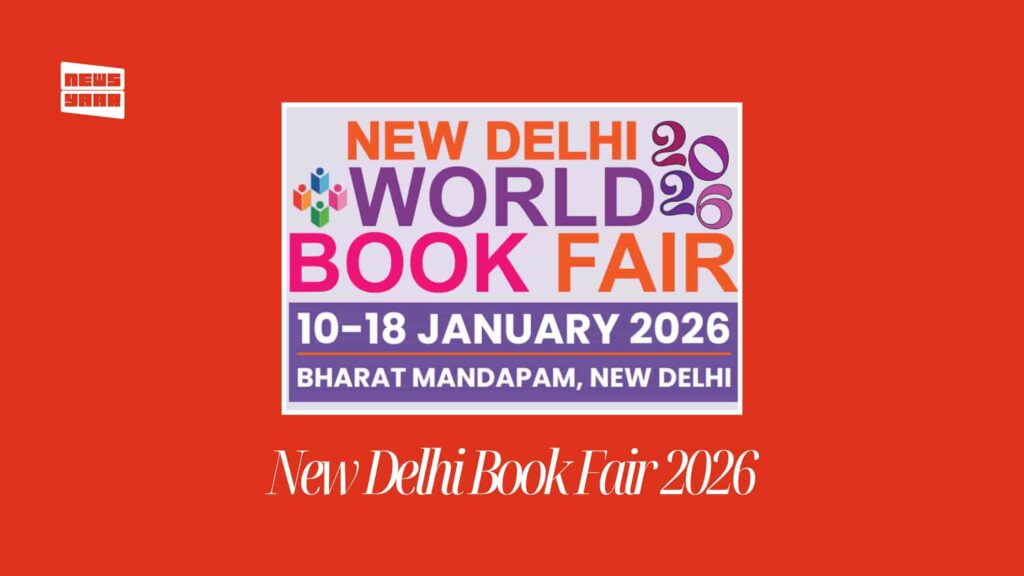
The Delhi Book Fair once again transformed the national capital into a vibrant hub of literature, ideas, and storytelling. Known as one of India’s most loved literary events, the fair attracted book lovers, authors, publishers, and students from across the country, reaffirming Delhi’s place as a cultural and intellectual centre. Event Details Dates: January 10–18, 2026 (9 days) Venue: Bharat Mandapam (Halls 2–6), Pragati Maidan, New Delhi Timings: 11:00 AM – 8:00 PM daily Entry: Free for all visitors Stepping into the fair felt like entering a world woven from stories, ideas, and imagination. The event showcased an incredible variety of books across genres, from fiction and non-fiction to academic texts, children’s books, self-help, and regional language publications, catering to readers of all ages and interests.An iconic venue, the fair offered a rich mix of books across genres, ranging from fiction, non-fiction, academic texts, children’s literature, self-help, and regional language publications. A Paradise for Book Lovers Walking into the Delhi Book Fair felt like stepping into a world made entirely of stories. Hundreds of stalls showcased books in English, Hindi, and several Indian languages, ensuring there was something for every reader. From bestselling novels and classic literature to competitive exam guides and research material, the fair catered to readers of all ages.Special sections dedicated to children remained a major attraction, with colourful books, comics, and activity corners encouraging young minds to develop a love for reading. Authors, Discussions, and Cultural Exchange Beyond book shopping, the Delhi Book Fair served as a platform for author interactions, panel discussions, and book launches. Renowned writers, emerging voices, and publishers engaged in conversations around literature, education, publishing trends, and the future of reading in a digital age.These sessions provided readers with a chance to connect directly with authors, understand their creative journeys, and gain insights into the evolving literary landscape.In a time when online content dominates, the fair stood as a reminder of the lasting value of printed books and structured learning. Keeping the Reading Culture Alive Despite the rise of e-books and digital platforms, the Delhi Book Fair highlighted that the charm of physical books remains strong. The event brought together people from diverse backgrounds, united by a shared love for reading, learning, and storytelling.Publishers also offered attractive discounts, making books more accessible and encouraging readers to build personal libraries. Delhi Book Fair: More Than Just an Event The Delhi Book Fair is not just about buying books; it is about celebrating ideas, creativity, and knowledge. It continues to inspire curiosity, promote literacy, and strengthen India’s reading culture.As the fair concludes, it leaves behind shelves full of new books and minds filled with fresh perspectives, proving once again that stories still matter, and always will.
PM Modi’s Inspiring Speech on National Youth Day at Viksit Bharat Young Leaders Dialogue 2026
PM Modi addresses Young Indians on National Youth Day. It is officially celebrated on 12th January every year.PM delivered the speech on concluding session of Viksit Bharat Young Leaders Dialogue 2026, a public event that was organised especially for the Youths of the nation. Video credit: @Youtube/Narendra Modi
New Labour Codes 2025: Opportunity or Outcry?
On 21 November 2025, India’s labour landscape changed forever: the government replaced 29 older laws with four comprehensive new labour codes, covering wages, industrial relations, social security, and workplace safety.What does that mean for workers? For many, it sounded like a win, especially for contract and fixed-term workers, who, under the updated rules, now qualify for gratuity after just one year of service, instead of the previous five.Add to that expanded definitions for “wage” (so allowances count more), protections for health, social security, and more inclusive job norms, and it seems like a long-awaited step toward modern labour reform. For many gig, contract, and temporary workers, long excluded from benefits, this appears to be a landmark shift. Suddenly, some of the perks traditionally reserved only for permanent staff are extended to a much larger pool. It is social security made more inclusive.The Political Backlash: Protests Outside ParliamentBut this reform didn’t sail smoothly. The moment the new codes were notified, alarm bells rang for many union leaders and opposition parties. On December 2, MPs, including Sonia Gandhi and Mallikarjun Kharge, staged a protest outside the Parliament complex, raising placards and slogans demanding that he new laws be rolled back.Their argument? These codes benefit corporations more than workers, allowing easier layoffs, diluting job security, and undermining collective bargaining rights. Trade unions across the country echo similar fears: what if “flexibility” becomes “exploitation”? What if temporary jobs, previously light on benefits, become even more vulnerable under the cloak of new definitions and frequent hiring-firing cycles? For them, this isn’t reform, it’s a disguised rollback of worker rights. Between Reform and Risk: What’s the Verdict?The new labour codes walk a tightrope. On one side, there’s a needed push toward inclusivity, protection for informal workers, and flexibility for modern businesses. On the other, a legitimate fear that under relaxed labour norms, job security and worker welfare might take a back seat.For contract workers, the cut in gratuity eligibility from five years to one is a game-changer. For millions of India’s unorganised workforce, it might mean a combination of dignity and safety. But for many unions and opposition leaders, the same laws signal a slippery slope.As politics rages on and protests echo through Parliament corridors, the real test will be in implementation, whether the laws reflect worker protection or corporate convenience. For now, the 2025 labour reforms remain India’s most ambitious overhaul in decades: hopeful for some, controversial for many, and undoubtedly the biggest labour conversation in recent memory.Video credit: DD News