


Delhi–Meerut RRTS Fully Operational: India’s First Regional Rapid Transit Corridor Becomes a Reality
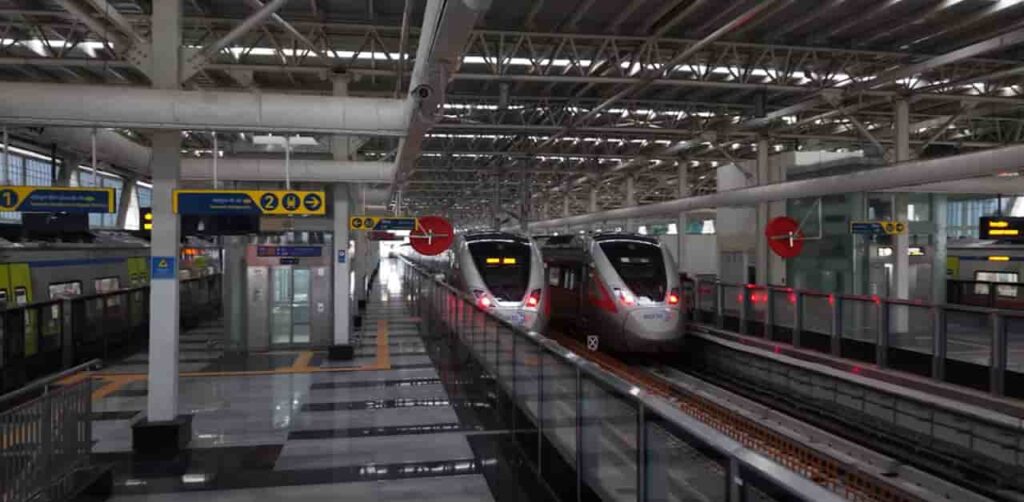
In a major milestone for India’s urban transport infrastructure, the full stretch of the Delhi–Meerut Regional Rapid Transit System (RRTS) has now been opened for public operations. Developed by the National Capital Region Transport Corporation (NCRTC), the corridor marks the country’s first semi-high-speed regional rail system, designed to significantly reduce travel time between Delhi and key cities in western Uttar Pradesh.The corridor connects Delhi, Ghaziabad, and Meerut, transforming daily commuting across the National Capital Region into a faster, more efficient experience.A High-Speed Alternative to Road TravelThe Delhi–Meerut RRTS corridor spans approximately 82 kilometres, making it one of the most advanced regional rail projects in the country. With trains designed to operate at a maximum speed of 180 km/h and an operational speed of around 160 km/h, the system drastically cuts down travel time.Commuters can now travel between Delhi and Meerut in less than one hour, compared to the earlier duration of over two to three hours by road, depending on traffic conditions. This is expected to ease congestion on highways and reduce dependence on private vehicles.Modern Stations and InfrastructureThe corridor includes over 20 strategically located stations, covering major residential, commercial, and transit hubs along the route. Key stations include:Sarai Kale Khan (Delhi)Anand ViharGhaziabadModinagarMeerut SouthMeerut CentralThese stations are equipped with modern facilities such as:Platform screen doorsAutomated ticketing systemsEscalators and elevatorsSeamless integration with metro and bus networksThe infrastructure has been designed keeping in mind accessibility, safety, and passenger comfort.Advanced Technology and Passenger ExperienceThe RRTS introduces a new standard of rail travel in India, combining speed with technology-driven convenience.Trains on the corridor are fully air-conditioned and feature:Ergonomic seatingDedicated luggage spaceOnboard information systemsWi-Fi connectivityCCTV surveillance for securityA separate premium coach has also been introduced, offering business-class-like seating and additional comfort for passengers willing to pay a higher fare.Integration with Urban Transport NetworksOne of the key advantages of the RRTS is its integration with existing urban transit systems. Stations such as Anand Vihar and Sarai Kale Khan connect with metro lines, railway stations, and bus terminals, enabling seamless last-mile connectivity.This multimodal approach is expected to encourage greater use of public transport and reduce traffic congestion in the region.Economic and Regional ImpactThe full operationalisation of the Delhi–Meerut RRTS corridor is expected to have far-reaching economic implications.Improved connectivity will:Boost real estate development along the corridorFacilitate faster movement of workforce between citiesEncourage business expansion beyond DelhiSupport balanced regional development in NCRCities like Ghaziabad and Meerut are likely to witness increased investment and urban growth as commuting becomes more convenient.Environmental BenefitsBy providing a fast and reliable alternative to road travel, the RRTS is also expected to contribute to environmental sustainability.Reduced vehicular traffic will lead to:Lower carbon emissionsDecreased fuel consumptionImproved air quality in the NCR regionThe project aligns with India’s broader goals of promoting sustainable and green mobility solutions.A New Era of Regional ConnectivityThe Delhi–Meerut RRTS is the first of several planned corridors under the regional rapid transit system network. Its successful implementation sets a benchmark for similar projects connecting other parts of the National Capital Region.With high-speed travel, modern infrastructure, and seamless connectivity, the corridor represents a significant leap in how intercity commuting is approached in India—bringing cities closer while improving quality of life for millions of daily commuters.
Government Announces 7 New Bullet Train Corridors in India: A Transformative Push for High-Speed Connectivity
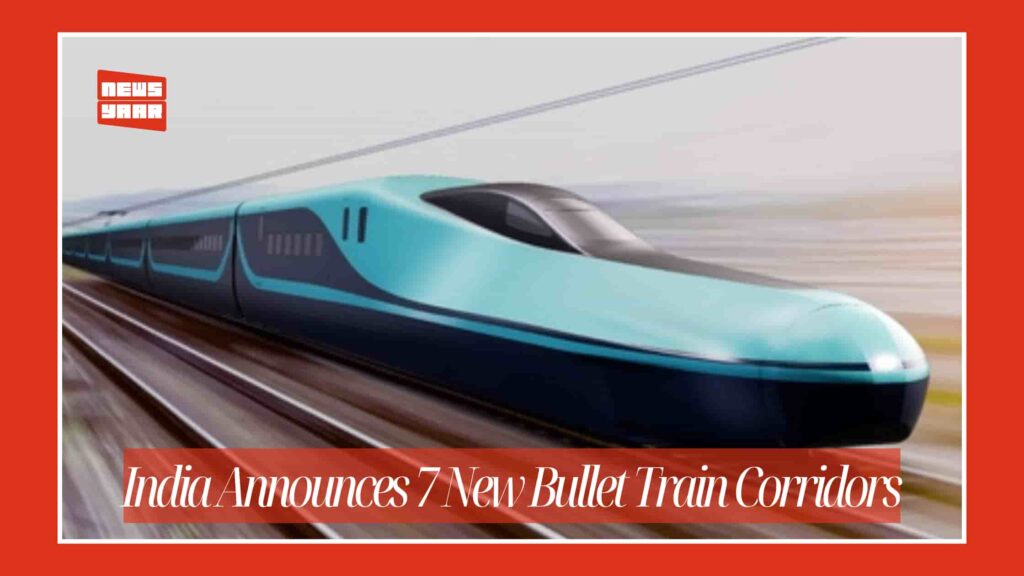
In a landmark expansion of India’s rail infrastructure, the Government of India has announced the development of seven new high-speed rail corridors — popularly referred to as bullet train routes — as part of the Union Budget 2026–27. The ambitious initiative aims to transform inter-city travel by significantly reducing travel times, boosting economic growth and enhancing connectivity between major urban and economic hubs across the country.Announcement and Policy ContextUnion Finance Minister Nirmala Sitharaman unveiled the corridors during her Budget 2026–27 speech in Parliament, categorising them as “growth connectors” that will promote environmentally sustainable passenger transport systems across India’s rail network. These high-speed corridors complement the Mumbai–Ahmedabad High-Speed Rail Corridor (MAHSR) — India’s first bullet train project — and build on the government’s broader infrastructure and mobility agenda.Railway Minister Ashwini Vaishnaw has confirmed that detailed preparations are underway, with Detailed Project Reports (DPRs) being finalized and pre-construction activities initiated through the National High Speed Rail Corporation Limited (NHSRCL). The government is focused on fast-tracking implementation and standardising high-speed rail system development nationwide.Proposed Bullet Train Corridors: Routes and ConnectivityThe announcement includes seven high-speed rail corridors that will link key cities and regions across India. These corridors are expected to span nearly 4,000 km and strategically connect major economic, industrial and cultural centres. The routes identified are:Mumbai–Pune High-Speed Rail Corridor — strengthening connectivity within Maharashtra’s economic belt.Pune–Hyderabad High-Speed Rail Corridor — linking western and southern economic hubs.Hyderabad–Bengaluru High-Speed Rail Corridor — a major southern technology and industry link.Hyderabad–Chennai High-Speed Rail Corridor — connecting southern metros with coastal economic zones.Chennai–Bengaluru High-Speed Rail Corridor — improving travel between two major southern cities.Delhi–Varanasi High-Speed Rail Corridor — enhancing northern connectivity with Uttar Pradesh’s cultural capital.Varanasi–Siliguri High-Speed Rail Corridor — extending high-speed reach toward eastern India and gateway regions.Collectively, these corridors aim to connect financial hubs, technology clusters, manufacturing centres and emerging cities with modern high-speed rail infrastructure.Strategic Goals and Economic RationaleGovernment officials have described the new corridors as not just transport projects but growth engines that will:Reduce travel times drastically between key city pairs (for example, a bullet train between Mumbai and Pune could reduce travel to under an hour), enhancing convenience and productivity.Stimulate regional economic development by creating linked urban-industrial corridors that attract investment, tourism and job creation.Support environmental sustainability by offering cleaner and more energy-efficient alternatives to road and air travel.Drive technology and manufacturing growth by enabling high-speed rail ecosystem development, including engineering, signalling, rolling stock and systems integration.Union Minister Ashwini Vaishnaw has emphasised that the initiative will contribute toward India becoming 100 per cent self-reliant (Atmanirbhar) in high-speed rail technologies, with a focus on leveraging indigenous manufacturing and innovation wherever feasible.Implementation and TimelineWhile the Mumbai–Ahmedabad corridor is already under construction and expected to begin phased operations starting 2027 for the Surat–Bilimora section and full completion by 2029, the new seven corridors are in the pre-construction and planning stage.Officials have indicated that preparation of DPRs, alignment finalisation, land acquisition and contract documentation will be prioritised over the coming months, with work expected to begin once these foundational studies are complete. Dedicated field teams for each corridor will support expedited project execution.Broader Impact on Indian Railways and MobilityThe seven new bullet train corridors represent a shift toward world-class rail mobility in India, aligning with global best practices in high-speed transportation. Once operational, these corridors are expected to:Enhance national connectivity across key economic belts in the west, south, north and east.Reduce congestion on existing air and road networks by providing faster, reliable alternatives.Boost tourism by enabling easy access to major cultural and heritage destinations.Encourage urban transformation through transit-oriented development along high-speed rail alignments.Looking Ahead: A New Era of Rail TravelThe announcement of seven additional bullet train corridors marks a transformational phase for Indian Railways, moving the nation closer to a widespread high-speed rail network that complements existing infrastructure and accelerates economic integration. By linking metropolitan centres and regional hubs with modern, efficient rail travel, the government aims to redefine mobility in India and position the country as a global leader in high-speed rail development.Summary of the New Bullet Train CorridorsRouteRegionStrategic RoleMumbai–PuneWestEconomic mobility in MaharashtraPune–HyderabadWest–SouthIndustrial and technology linkageHyderabad–BengaluruSouthConnects major IT & innovation hubsHyderabad–ChennaiSouthCoastal economic corridorChennai–BengaluruSouthSouthern metro connectivityDelhi–VaranasiNorthLinks capital with cultural heartlandVaranasi–SiliguriNorth–EastGateway to eastern region
Adani, Leonardo Sign Strategic Deal for Helicopter Manufacturing in India

In a significant development for India’s defence and aerospace sector, Adani Defence & Aerospace, the defence arm of India’s Adani Group, and Leonardo, the Italian aerospace and defence giant, have signed a strategic Memorandum of Understanding (MoU) to establish a comprehensive helicopter manufacturing ecosystem in India. The partnership, announced in early February 2026, represents a milestone in the country’s bid to enhance indigenous manufacturing capabilities, support national security requirements and reduce dependence on imports for military rotorcraft. Overview of the Agreement The MoU was signed in New Delhi by Ashish Rajvanshi, CEO of Adani Defence & Aerospace, and Stefano Villanti, Senior Vice President – Helicopters at Leonardo, in the presence of senior officials including India’s Defence Secretary Rajesh Kumar Singh and Director General of Acquisition, A. Anbarasu. The agreement lays the foundation for collaborative efforts to develop, manufacture, sustain and support a range of helicopter platforms in India. Under the pact, both parties will work to build an integrated helicopter production base that encompasses not just manufacturing, but also assembly, maintenance, repair and overhaul (MRO) capabilities, pilot training infrastructure and a phased transfer of technology to Indian industry. Focus on Key Helicopter Platforms The partnership is expected to centre initially on the production of Leonardo’s AW169M and AW109 TrekkerM helicopter models — platforms designed for multi-role utility in military, parapublic, law enforcement and support missions. These models are chosen for their versatility, modern avionics and suitability for diverse operational environments. The strategic intent is to position India as a hub for helicopter manufacturing in the Asia-Pacific region, with future potential expansion into civil applications once the defence ecosystem is established. Market analysts believe that India’s armed forces may require more than 1,000 helicopters over the coming decade, making this collaboration timely for meeting long-term demand while promoting domestic capabilities. Strategic Importance and Government Alignment The Indo-Italian partnership aligns closely with the Government of India’s “Make in India” and “Aatmanirbhar Bharat” (self-reliant India) initiatives, which seek to strengthen the domestic defence industrial base, attract foreign direct investment and develop advanced technological and manufacturing expertise within the country. By facilitating technology transfer, indigenous production and high-skill job creation, the collaboration is expected to contribute to broader policy goals of reducing import dependency in critical defence platforms while improving operational readiness and supply chain resilience for the Indian Armed Forces. Economic and Industrial Impact Industry observers note that the agreement could catalyse growth in India’s aerospace sector by: Creating an integrated manufacturing ecosystem for helicopters and related aerospace products Fostering technology transfer and skill development for Indian engineers and technicians Boosting local supply chains and components manufacturing **Generating high-value employment opportunities across engineering, production and MRO segments Supporting ancillary industries such as avionics, composite materials and specialised tooling The collaboration also has potential spill-over effects into civil aviation and emergency services, where helicopter platforms play a key role in operations such as medical evacuation, disaster relief, law enforcement support and search-and-rescue missions. Context: Rising Demand for Helicopters India’s demand for helicopters spans both military and civilian needs. The Indian armed forces regularly modernise and expand their rotary-wing fleets to address border security, rapid deployment, logistics and humanitarian tasks. Meanwhile, civil sectors including tourism, offshore operations and corporate transport increasingly require reliable and versatile helicopter platforms, driving overall growth in the rotorcraft market. Broader Aerospace Strategy of Adani Defence & Aerospace This strategic tie-up with Leonardo complements other moves by Adani Defence & Aerospace to broaden its footprint in India’s aerospace landscape. For instance, the company recently signed a separate MoU with Brazilian aerospace firm Embraer to explore the establishment of an integrated regional transport aircraft manufacturing ecosystem, aiming to set up assembly lines and develop supply chain and pilot training infrastructure in support of India’s broader aviation ambitions. These partnerships reflect Adani’s evolving role in advancing India’s capabilities in both fixed-wing and rotary-wing aviation manufacturing — a sector historically dominated by public-sector enterprises and foreign imports. Industry and Market Reaction The announcement has been met with cautious optimism in industry circles and on financial markets. Shares of Leonardo saw a modest uptick following the news, signalling investor confidence in the strategic growth potential of expanded manufacturing operations in India. Analysts have highlighted that structured collaborations between Indian private industry and global aerospace leaders could accelerate the development of high-end manufacturing competencies domestically. Challenges and Future Prospects While the MoU lays a strategic roadmap, experts note that detailed implementation will require further clarity on timelines, investment commitments, facility locations and regulatory approvals. Establishing an end-to-end helicopter manufacturing ecosystem — from component production to final assembly and life-cycle support — is capital-intensive and requires strong coordination between industry partners, government bodies and defence stakeholders. Nevertheless, the Adani-Leonardo partnership is widely seen as a transformational step in India’s defence manufacturing strategy, reinforcing the country’s march towards self-reliance and technological maturity in aerospace.
Adani–Embraer Tie-Up Signals a New Chapter in India’s Commercial Aircraft Manufacturing

India is set to make a landmark entry into commercial aircraft manufacturing as the Adani Group partners with Brazilian aerospace major Embraer to assemble regional passenger jets in the country. This development marks the first time India will host a final assembly line for commercial fixed-wing aircraft, placing it among a select group of nations with such advanced aerospace capabilities. The collaboration is widely seen as a significant boost to the government’s Make in India programme and a major step towards building a self-reliant aviation ecosystem.Under the partnership, Embraer’s widely used regional jets, designed for short- to medium-haul routes and seating between 70 and 146 passengers, will be assembled in India through a final assembly line operated by Adani Aerospace. While details regarding the exact location, investment size, and production timeline have not yet been formally announced, industry sources indicate that a comprehensive announcement is expected at the Hyderabad Air Show scheduled later in January 2026. Once operational, the facility will enable aircraft to be assembled, tested, and delivered from Indian soil.The timing of the partnership is particularly significant given India’s rapidly expanding aviation market. India is currently the world’s fastest-growing civil aviation market, with domestic airlines having placed orders for more than 1,800 aircraft to meet rising passenger demand. Until now, the country has depended almost entirely on global manufacturers for commercial aircraft imports. The establishment of a final assembly line is expected to reduce this dependence, generate skilled employment, and catalyse the growth of an indigenous aerospace manufacturing ecosystem.Government officials have indicated that policy support and fiscal incentives may be extended to airlines that place orders for aircraft assembled in India. Such incentives are likely to be structured on a declining basis as order volumes increase, helping the programme gain early traction while encouraging long-term sustainability. The success of this initiative is also expected to strengthen India’s case as a viable global manufacturing hub for high-value aviation products.Beyond commercial aircraft assembly, the Adani Group is positioning itself as a comprehensive aviation services provider. The group has already announced plans to expand into aircraft engine maintenance, repair and overhaul (MRO) services, as well as passenger-to-freighter conversions. By consolidating its aviation assets, including Indamer and Air Works, Adani aims to create a large integrated MRO platform serving both civilian and defence customers. This broader approach is expected to complement the aircraft assembly line by supporting lifecycle services and long-term operational needs.For Embraer, the partnership represents a strategic expansion in one of its fastest-growing markets. The Brazilian manufacturer has operated in India since 2005 and currently has close to 50 aircraft in the country serving the Indian Air Force, government agencies, business jet operators and regional airline Star Air. In October 2025, Embraer strengthened its commitment by opening an office in New Delhi to support its commercial aviation, defence, services and emerging urban air mobility segments.Industry experts believe the Adani–Embraer collaboration could have wider implications for the global aviation industry. By demonstrating the viability of commercial aircraft assembly in India, the project may encourage larger manufacturers such as Airbus and Boeing to consider setting up similar facilities in the country. If successful, the initiative could redefine India’s role in the global aerospace value chain and mark the beginning of a new era in domestic aircraft manufacturing.
INSV Kaundinya: India’s Engine-Less Ancient-Style Ship on Historic Voyage to Oman

India’s Indian Naval Sailing Vessel INSV Kaundinya, a traditionally built engineless ship, is currently on a historic transoceanic voyage from Porbandar in Gujarat to Muscat in Oman. This journey, retracing ancient Indian Ocean trade routes, highlights India’s efforts to revive and celebrate its centuries-old maritime heritage. What Is INSV Kaundinya? INSV Kaundinya is a stitched-plank sailing vessel constructed using an ancient Indian shipbuilding technique that dates back at least to the early centuries of the Common Era. Unlike modern ships powered by engines and metal fastenings, the vessel relies entirely on wind and sails and is built by stitching wooden planks together using coir rope made from coconut fibre, sealed with natural resins, cotton and oils to make it seaworthy. The design draws inspiration from depictions of ships in Ajanta cave paintings and descriptions found in ancient texts. These historic visual sources guided naval architects and traditional craftsmen in recreating the ship, even in the absence of surviving blueprints. How Was the Ship Built? The INSV Kaundinya project was initiated through a collaboration between the Indian Ministry of Culture, the Indian Navy, and Goa-based shipbuilders Hodi Innovations, with support from academic institutions like IIT Madras for scientific validation and hydrodynamic testing. Construction milestones include: Keel laid: September 12, 2023 Launch: February 2025 Formal induction into Indian Navy: May 21, 2025 at the Karwar naval base in Karnataka Commissioning ceremony: Attended by senior officials and cultural leaders, the induction underscored both maritime heritage and national pride. INSV Kaundinya measures around 19.6 metres in length and 6.5 metres in width, with a draft of about 3.33 metres. The ship’s hull incorporates motifs from India’s ancient maritime traditions, including symbolic figures and design elements that reflect civilisational seafaring legacy. The Maiden Overseas Voyage: Porbandar to Muscat The ship embarked on its maiden transoceanic voyage on December 29, 2025, departing from Porbandar in Gujarat— a historic port on India’s western coast. Crewed by approximately 15 sailors and four officers, the vessel retraced an ancient maritime corridor that once connected India with Oman and other parts of West Asia. INSV Kaundinya’s skipper for the expedition is Commander Vikas Sheoran, with Commander Y Hemant Kumarserving as Officer-in-Charge, having been involved with the project since its early stages. The journey took about 17 days at sea, with the ship navigating solely by wind and sail power across the Arabian Sea. On January 14, 2026, INSV Kaundinya reached Muscat, Oman, where it was welcomed at the Port Sultan Qaboos by officials from both countries. Significance of the Voyage The voyage of INSV Kaundinya is more than a naval expedition. It symbolizes: India’s rich maritime heritage and centuries-old seafaring traditions Revival of ancient shipbuilding techniques in a modern context A diplomatic and cultural link between India and Oman, celebrating shared historical ties spanning thousands of years Reinforcement of regional cooperation and maritime diplomacy in the Indian Ocean region The expedition also coincides with the 70th anniversary of diplomatic relations between India and Oman, highlighting deepening cooperation in maritime and cultural domains. Cultural and Historical Context The vessel’s name — Kaundinya — evokes the legendary Indian mariner Kaundinya, believed to have sailed to Southeast Asia in the early centuries of the Common Era. According to historical accounts from Southeast Asia, Kaundinya’s voyage and subsequent marriage to a local princess helped establish early Indianised kingdoms in regions such as present-day Cambodia and Vietnam, underscoring India’s ancient maritime connectivity. The design of the ship itself draws on shipbuilding knowledge evident in ancient art and archaeological references, including mural paintings and iconographic sources from India’s early history. Modern Enhancements for an Ancient Vessel While INSV Kaundinya follows traditional construction methods, modern technologies have been integrated for safety and communication. For instance, the ship uses Eutelsat OneWeb satellite communications to maintain connectivity with land-based teams and share updates during its voyage — a blend of ancient technique and contemporary innovation. What Comes Next After completing necessary maintenance in Oman, the vessel is expected to begin its return journey to India. The Indian Navy has indicated that this historic expedition will not only contribute to cultural diplomacy but also provide insights into ancient navigation methods and inspire future maritime heritage projects.
Official Start of Passenger Flights from Navi Mumbai International Airport: A New Era for Regional Aviation
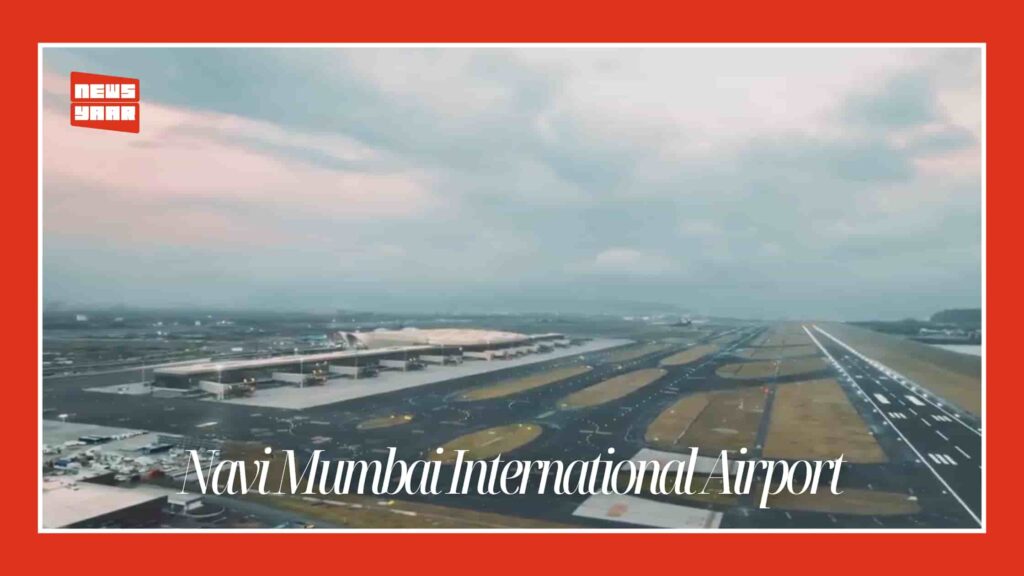
Navi Mumbai / Mumbai: The long-awaited Navi Mumbai International Airport (NMIA) has officially opened its passenger flight operations, marking a major milestone in India’s civil aviation landscape. Backed by the Adani Group, the new international gateway welcomed its first commercial travellers on Thursday, signalling the beginning of full-scale flight services from the strategically located airport.In its first 19 days of operations, NMIA recorded over 100,000 passengers, highlighting strong early demand and adding momentum to the region’s aviation growth. The early passenger traffic underscores the confidence that travellers, airlines and the broader aviation ecosystem place in the new facility as a major alternative to the congested Chhatrapati Shivaji Maharaj International Airport (CSMIA).The commissioning of NMIA comes as part of a broader effort to ease pressure on Mumbai’s primary airport, long plagued by capacity constraints. Located in Ulwa, Navi Mumbai, the new airport is expected to handle both domestic and international flights, offering enhanced connectivity and reducing congestion in one of India’s busiest airspaces. Passenger Experience and Early Reception Early reports from passengers travelling through NMIA have been overwhelmingly positive. Commuters pointed to the airport’s spacious terminals, streamlined check-in processes and clear signage as key improvements over older facilities. Many highlighted the convenience of the airport’s location for those living in Navi Mumbai and surrounding areas, with easier access than the traditional Mumbai airport.“We had no idea the airport was this smooth and comfortable,” said one traveller who flew out on a weekday morning. “Check-in was quick, security was efficient, and everything felt brand new.” Airline Operations and Flight Routes Several domestic carriers have already begun scheduling flights from NMIA, connecting key metros and regional hubs.As flight operations continue to ramp up, airlines are expected to expand their route portfolios based on demand. Industry analysts suggest that the airport’s growth could attract international carriers in the near future once regulatory clearances and bilateral agreements are in place.The operational launch of NMIA is not only an aviation milestone but also a boost for the broader Maharashtra economy. The airport is expected to catalyse job creation in sectors ranging from hospitality and logistics to retail and ground services. Local businesses have welcomed the development, anticipating increased footfall and commercial opportunities in the region.Infrastructure planners also foresee improvements in last-mile connectivity, including dedicated access roads, metro extensions and bus networks that will link NMIA efficiently with central Mumbai and other areas. Looking Ahead As passenger flights officially take off from the Navi Mumbai International Airport, the aviation sector and travelling public alike are watching closely to see how the new facility evolves.With strong initial numbers and a strategic location, NMIA is poised to become a key node in India’s rapidly growing aviation network, offering relief to existing hubs while setting new benchmarks for passenger comfort and operational excellence.
Bharat Taxi Launched: Government-Backed Cooperative Cab Platform Aims to Disrupt Ride-Hailing Market
The Government of India has extended institutional support to Bharat Taxi, a cooperative-owned digital mobility platform that seeks to offer an alternative to private ride-hailing aggregators by placing drivers at the centre of ownership and operations. Launched under the vision of “Sahakar se Samriddhi”, Bharat Taxi is being positioned as India’s first large-scale, cooperative-led cab service, focused on transparent pricing, fair earnings for drivers and affordable transport for commuters. What Is Bharat Taxi and Who Runs It Bharat Taxi operates under Sahakar Taxi Cooperative Limited, a Multi-State Cooperative Society registered under the Multi-State Cooperative Societies Act, 2002. Unlike conventional cab platforms, drivers on Bharat Taxi are not just service providers but cooperative members with ownership stakes. The initiative is supported by major national cooperative institutions, including the National Cooperative Development Corporation, NABARD, IFFCO, KRIBHCO, Amul, NAFED, the National Dairy Development Board and the National Cooperative Export Limited. While the government is not involved in daily operations, it is actively promoting the cooperative framework behind the platform. A Driver-First Alternative to Aggregator Models Bharat Taxi has been conceived as a community-owned alternative to commission-based ride-hailing services. The platform follows a zero-commission model, allowing drivers to retain the full fare earned from each ride. Under the cooperative structure, driver-members are expected to benefit from collective decision-making, profit-sharing mechanisms and long-term financial participation, moving away from high platform fees that have been a longstanding concern in the sector. For passengers, the platform promises safe, reliable and cost-effective mobility with upfront fare visibility and reduced dependence on surge pricing. Pilot Launch and Expansion Plans The service has been pilot-launched in Delhi–National Capital Region and parts of Gujarat’s Saurashtra region. Based on feedback and operational readiness, Bharat Taxi is expected to expand to major cities including Mumbai, Bengaluru, Chennai, Hyderabad and Kolkata, followed by tier-2 cities and semi-urban areas. The government has indicated that the platform is intended to strengthen last-mile and point-to-point connectivity, especially in regions where ride-hailing services remain inconsistent or limited. Booking, App and Accessibility Features Bharat Taxi is accessible through a mobile application available on both Android and iOS platforms. Users can register using their mobile number and book city rides, intercity travel and metro-linked services. The app includes features aimed at accessibility, allowing users to indicate specific needs, including disabilities, during registration. Real-time tracking, emergency support and customer assistance are expected to be part of the platform’s core offerings. Fare Structure and Transparency One of the key selling points of Bharat Taxi is its pricing model. The platform aims to offer transparent, upfront fares with minimal fluctuation during peak hours. While fares are expected to remain competitive with existing services like Ola and Uber, the emphasis is on predictability rather than aggressive discounting. For drivers, the absence of commission is expected to translate into higher take-home earnings and improved financial stability. Why Bharat Taxi Matters Bharat Taxi represents a significant policy experiment in applying cooperative principles to the digital economy. By extending the cooperative movement into urban mobility, the initiative aligns with broader government goals of inclusive growth, fair competition and sustainable livelihoods. If scaled successfully, Bharat Taxi could reshape how technology-enabled public services are delivered, proving that platform-based businesses do not have to rely solely on investor-driven models. The Road Ahead As India’s urban transport needs continue to grow, Bharat Taxi’s success will depend on execution, service quality and user trust. The coming months will be crucial in determining whether the cooperative-led model can compete effectively in a market dominated by private aggregators. For now, Bharat Taxi marks a notable shift in India’s mobility landscape, one that blends technology with community ownership and signals a new direction for platform-based public services.
First Vande Bharat Sleeper Train to Run Between Guwahati and Howrah: Route, Features, Speed and Fare

India has launched its first Vande Bharat sleeper train, marking a major milestone in the modernisation of long-distance rail travel. The new service will operate between Guwahati and Howrah, providing an overnight, high-speed connection between the Northeast and eastern India.Prime Minister Narendra Modi flagged off the sleeper variant of the Vande Bharat train from Malda Town in West Bengal, while the return Guwahati–Howrah service was inaugurated virtually. The launch signals the expansion of the Vande Bharat network beyond short daytime routes into long-haul overnight travel.Guwahati–Howrah Vande Bharat Sleeper Train RouteThe Vande Bharat sleeper train connects Howrah in West Bengal with Kamakhya Junction in Guwahati, one of the most important railway hubs in Assam. Designed as an overnight service, the train aims to offer faster, safer and more comfortable travel on a busy inter-state corridor.According to official estimates, the new service is expected to reduce travel time by nearly two and a half hours compared to existing trains on the route.Speed and Operational CapacityThe sleeper Vande Bharat train has been engineered for a top speed of 180 kilometres per hour. However, its operational speed is expected to range between 120 and 130 kilometres per hour, in line with current track conditions and safety protocols.Despite this, railway officials say the train will significantly improve journey efficiency and punctuality on the Guwahati–Howrah sector.Designed for Overnight ComfortUnlike the earlier Vande Bharat chair car services, this train has been specifically developed for long overnight journeys. It is fully air-conditioned and offers three classes of accommodation.Passenger comfort has been prioritised through ergonomically designed berths and a modern suspension system that ensures a smoother ride. Updated linens and improved onboard hygiene systems have also been introduced to enhance the travel experience.Safety and Automation FeaturesThe train is equipped with advanced safety systems, including the indigenous Kavach automatic train protection technology. Comprehensive onboard surveillance systems have been installed to improve passenger security.In addition, automated sliding doors remain closed while the train is in motion and open only when it reaches a station, adding an extra layer of safety and efficiency.Local Cuisine on BoardCatering services are included in the ticket price and have been designed to reflect regional food preferences. Passengers travelling from Guwahati to Howrah will be served Assamese cuisine, while those on the return journey can expect Bengali dishes.The initiative mirrors airline-style meal services and aims to offer passengers a more personalised travel experience.Ticket Fare and ClassesThe Guwahati–Howrah Vande Bharat sleeper train offers three classes of travel. Expected one-way fares are:3AC: Around Rs 2,3002AC: Approximately Rs 3,0001AC: Close to Rs 3,600The pricing positions the train in the premium segment while remaining competitive with existing long-distance rail services.Boost to Connectivity and TourismRailway authorities believe the introduction of the Vande Bharat sleeper train will strengthen connectivity between West Bengal and Assam. Faster overnight travel is expected to benefit business travellers, tourists and pilgrims, while also supporting economic activity across the region.With this launch, Indian Railways has indicated that sleeper variants of the Vande Bharat platform will play a key role in the future of long-distance rail travel in the country.Video credit: YT@/NaMo
India Greenlights 3 New Airlines: Transforming Domestic Aviation

India’s aviation landscape is up for a major shake-up with the Ministry of Civil Aviation granting no-objection certificates (NOCs) to three new domestic carriers, Shankh Air, Al Hind Air, and FlyExpress, signaling steps toward increased competition, enhanced regional connectivity, and more affordable travel options in 2026.The approvals come amid growing calls to diversify the aviation market, which has long been dominated by IndiGo and the Air India Group, together controlling more than 90 % of domestic flights. Recent operational disruptions at one of the country’s largest carriers underscored the risks of such concentration and prompted regulators to clear the way for fresh capacity. Shankh Air: Uttar Pradesh’s New Player Shankh Air is expected to be one of the first among the three to begin operations, with plans to launch flight services in early 2026. Based in Uttar Pradesh, the airline aims to connect north and central Indian cities, initially linking Lucknow with major metros such as Delhi and Mumbai while expanding to Varanasi, Gorakhpur, and other destinations.The carrier, led by founder Shravan Kumar Vishwakarma, plans to start with an initial fleet of Airbus aircraft and gradually expand, including potential international operations by the late 2020s. Its mission underscores making air travel more accessible to middle-class and first-time flyers while strengthening intrastate connectivity. Al Hind Air: Regional Focus from Kerala Al Hind Air, headquartered in Kozhikode, Kerala, will initially operate as a regional commuter airline under the UDAN scheme. With a focus on connecting smaller cities and underserved markets in southern India, it plans to begin services using ATR turboprop aircraft.The airline emerges from the established Alhind Group, which brings travel and tourism sector experience to its aviation venture. While it has faced early financial strain, including unpaid leave for some staff, the carrier is advancing toward operational readiness pending its Air Operator Certificate (AOC). FlyExpress: Low-Cost Connectivity & Cargo Potential FlyExpress, a Hyderabad-based startup, has also received its NOC and intends to serve both passengers and freight across India’s regional markets as a low-cost carrier.It joins the other two new entrants in targeting a balance between affordability and broader market access. What’s Ahead for Indian Aviation? While securing NOCs is an important regulatory milestone, these airlines must still complete technical requirements, including proving flights, crew training, and DGCA-issued Air Operator Certificates, before selling commercial tickets.If successful, the trio could destabilize the market dominance, competitive pricing, boost connectivity to Tier-II and Tier-III cities, and make flying more accessible for millions of Indians. As they take shape in 2026, the aviation sector will be watching closely to see whether this trio can break into a market long held by a few major carriers.