


India Energy Week 2026: Mapping India’s Energy Transition in a Fragmented World
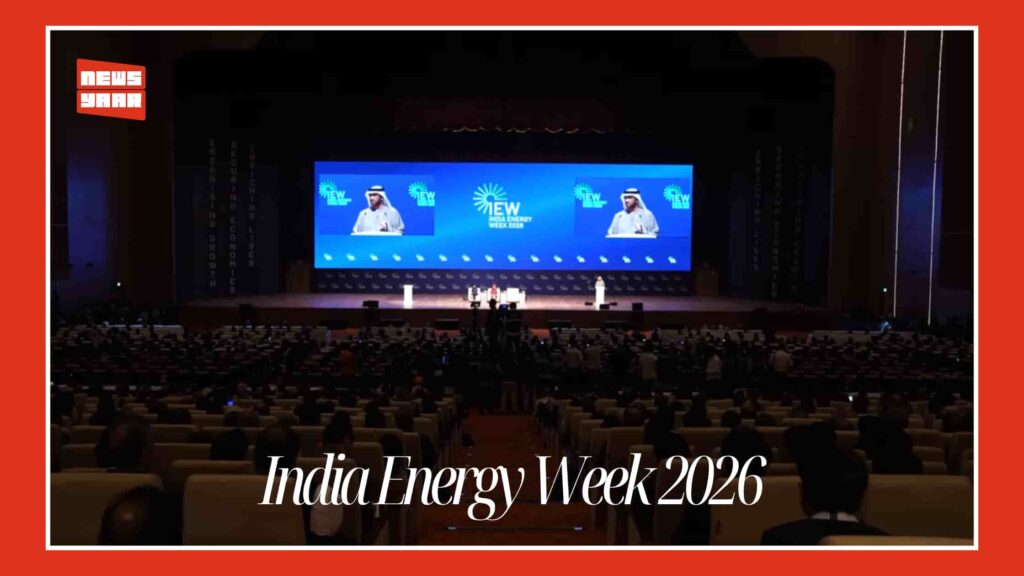
New Delhi: India Energy Week (IEW) 2026 emerged as a pivotal platform for India to articulate its energy priorities at a time when global energy systems are undergoing rapid transition amid geopolitical uncertainty, climate imperatives and shifting technology landscapes. Bringing together policymakers, industry leaders, innovators and global stakeholders, the event reinforced India’s ambition to position itself as a key driver of the global energy transition while safeguarding energy security and affordability.Held with a sharp focus on collaboration and execution, India Energy Week 2026 underscored the idea that India’s energy journey will be defined not by a single fuel or technology, but by a balanced, multi-pathway approach.Why India Energy Week MattersIndia Energy Week is designed as India’s flagship international energy forum, aimed at bridging dialogue between government, global energy companies, clean-tech innovators and investors. As one of the world’s fastest-growing energy consumers, India sits at the centre of global energy conversations, both as a market and as a solutions provider.With India targeting net-zero emissions by 2070, while simultaneously meeting the needs of a growing population and industrial base, the event plays a crucial role in aligning policy intent with industry execution. IEW 2026 continued this mandate by spotlighting policy clarity, investment opportunities and technological pathways across conventional and clean energy sectors.Central Themes and Focus AreasIndia Energy Week 2026 revolved around a few clear pillars:Energy Security in an Uncertain World: Discussions highlighted the need for diversified supply chains, domestic production and strategic reserves to shield economies from global disruptions.Accelerating the Clean Energy Transition: Renewable energy, green hydrogen, biofuels and energy storage were central to conversations, with India positioning itself as a scalable clean-energy hub rather than just a consumer of imported technologies.Technology, Innovation and Digitalisation: Artificial intelligence, smart grids and digital monitoring systems were presented as key enablers for improving efficiency, reducing losses and optimising energy distribution.Just and Inclusive Transition: Policymakers stressed that India’s energy shift must remain affordable and inclusive, ensuring that growth, employment and access are not compromised in the pursuit of sustainability.Key Highlights from India Energy Week 2026A major highlight of IEW 2026 was the strong participation from both domestic and global energy players across oil & gas, renewables, power, hydrogen and emerging technologies. The event featured:Policy Dialogues: Senior government representatives outlined India’s evolving energy roadmap, emphasising reforms, infrastructure expansion and investor-friendly frameworks.Investment Conversations: India showcased opportunities across upstream and downstream energy, renewable manufacturing, electric mobility and green hydrogen ecosystems, reinforcing confidence in long-term capital deployment.Hydrogen and Bioenergy Push: India’s ambitions under the National Green Hydrogen Mission were discussed in detail, alongside progress in ethanol blending and bioenergy adoption to reduce import dependence.Energy Transition Showcases: Technology exhibitions and innovation zones demonstrated advancements in storage solutions, clean fuels and digital energy platforms.Global and Domestic Voices on the Same StageIndia Energy Week 2026 featured participation from a wide range of stakeholders, including senior Indian ministers, global energy executives, international organisations and climate experts. The presence of global industry leaders reinforced India’s growing relevance in shaping future energy markets.International delegates engaged in dialogues on climate finance, technology transfer and collaborative innovation, while Indian public sector enterprises and private companies presented transition-ready business models aligned with sustainability goals.Strategic Significance for IndiaThe significance of India Energy Week 2026 lies in its timing and context. As global energy systems face volatility, from supply disruptions to policy shifts, India is positioning itself as a stable, predictable and scalable energy partner.The event highlighted India’s dual strength:Its ability to anchor traditional energy markets responsibly, andIts growing leadership in renewables and low-carbon solutions.By aligning policy, capital and innovation under one platform, IEW 2026 strengthened India’s narrative as a country that is not choosing between growth and sustainability, but integrating both.Looking Ahead: The Final Insights While India Energy Week 2026 focused heavily on ideas, partnerships and vision, the underlying message was clear: execution will define success. The emphasis on infrastructure readiness, regulatory clarity and market depth suggests a shift from aspirational announcements to delivery-oriented outcomes.As India advances towards becoming a $5 trillion economy, energy will remain at the core of its growth story. India Energy Week 2026 reaffirmed that India’s approach, pragmatic, inclusive and forward-looking, could well serve as a blueprint for other emerging economies navigating similar transitions.In a world searching for balanced energy solutions, India is increasingly positioning itself not just as a participant, but as a shaper of the global energy future.
Economic Survey 2025–26: Know the key highlights of Stable Growth& Inflation
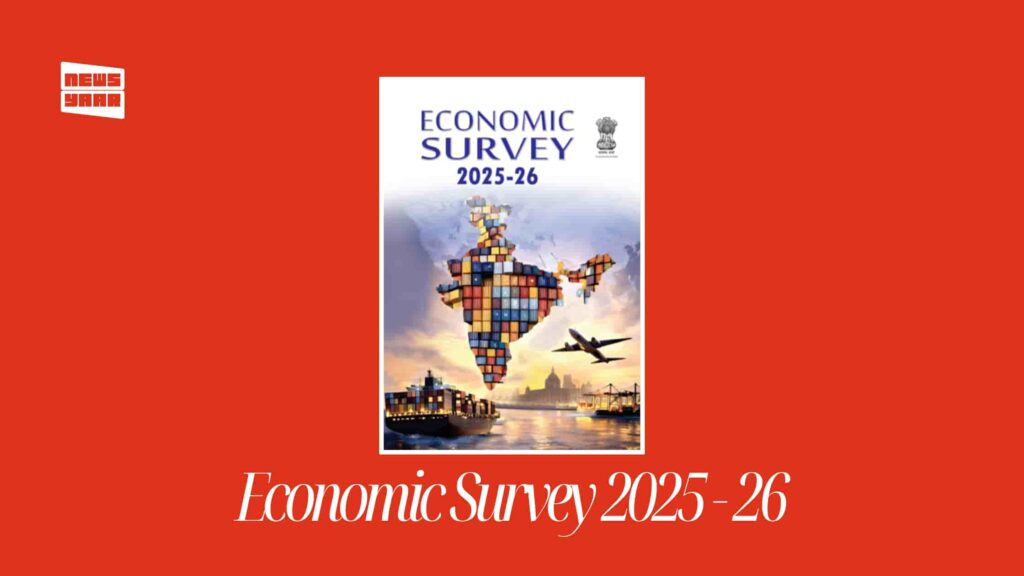
New Delhi:The Economic Survey 2025–26, tabled in Parliament on January 29 ahead of the Union Budget, presents a picture of an Indian economy that remains resilient amid global uncertainty, while urging policymakers and businesses to proceed with caution rather than pessimism. Prepared by the Department of Economic Affairs under Chief Economic Adviser (CEA) V. Anantha Nageswaran, the document sets the tone for the government’s economic thinking going into FY27. At its core, the Survey projects real GDP growth in the range of 6.8% to 7.2% for FY27, signalling steady momentum despite a challenging external environment marked by trade tensions, tariff pressures, and geopolitical risks. Growth Outlook: Steady, but Not Without Risks According to the Survey, India’s domestic economy is on a stable footing, supported by strong macro fundamentals. For FY26, growth is estimated at 7.4% as per the first advance estimates. Looking ahead, the government expects India to remain one of the fastest-growing major economies globally. The Survey notes that while domestic drivers such as consumption resilience, public investment, and improving private investment intentions continue to support growth, global conditions remain fragile. Trade conflicts, particularly tariff-related disruptions, could weigh on exports and investor sentiment intermittently. Importantly, the Survey introduces a nuanced stance: growth prospects are steady, but policymakers must maintain buffers and credibility. As the document puts it, the outlook requires “caution, but not pessimism.” Inflation: At Historic Lows, With Firming Ahead One of the most notable takeaways from the Economic Survey is the sharp moderation in inflation. Retail inflation has remained well below the Reserve Bank of India’s target of 4%, aided by food price corrections and improved supply conditions. The RBI has estimated CPI inflation at 2% for FY26, with projections of 0.6% for the December quarter and 2.9% for the March quarter. While inflation is expected to firm up gradually in FY27, it is likely to remain within the targeted range. Healthier balance sheets across households, firms, and banks, combined with controlled inflation, have helped preserve macroeconomic stability, the Survey notes. Global Context: Headwinds Persist The Survey flags a dim medium-term outlook for the global economy, citing modest growth, lingering geopolitical tensions, and risks related to global financial markets. It warns that if the much-hyped AI boom fails to deliver productivity gains, it could trigger corrections in asset markets. Despite these risks, India’s economy has demonstrated resilience. Total exports, including goods and services, reached a record $825.3 billion in FY25, even as merchandise exports faced tariff-related pressures, particularly from the United States. Investment, Reforms, and Deregulation The Economic Survey places renewed emphasis on systematic deregulation as the next phase of reforms under what it calls Ease of Doing Business 2.0. It argues that small, targeted deregulation efforts can trigger a “butterfly effect”, leading to entrepreneurship, investment, and innovation. Public capital expenditure continues to play a critical role, with Centre-led infrastructure spending acting as a key growth driver. At the same time, private investment intentions are improving, though the Survey stresses the need for regulatory certainty to translate intent into execution. Social Sectors and Emerging Themes Beyond macroeconomics, the Survey reviews progress across employment, health, education and agriculture. It reiterates the importance of skill development as services now account for over 55% of India’s Gross Value Added. The document also raises concerns over excessive social media use among younger populations, suggesting that age-based access limits may need consideration. On artificial intelligence, the Survey proposes the creation of an AI Economic Council to calibrate the pace of adoption and balance innovation with societal risks. Setting the Stage for Budget 2026 Presented just days before the Union Budget, the Economic Survey serves as a crucial backdrop for upcoming fiscal decisions. It highlights FY26 as an “unusually challenging year,” but frames FY27 as a year of adjustment, where firms and households adapt to regulatory changes and global shifts. In sum, the Economic Survey 2025–26 paints a picture of an economy that is resilient, reform-oriented and cautiously optimistic, positioning India to navigate uncertainty without losing growth momentum.
India-EU Free Trade Agreement Explained: What It Means for Trade, Economy and Strategic Partnerships
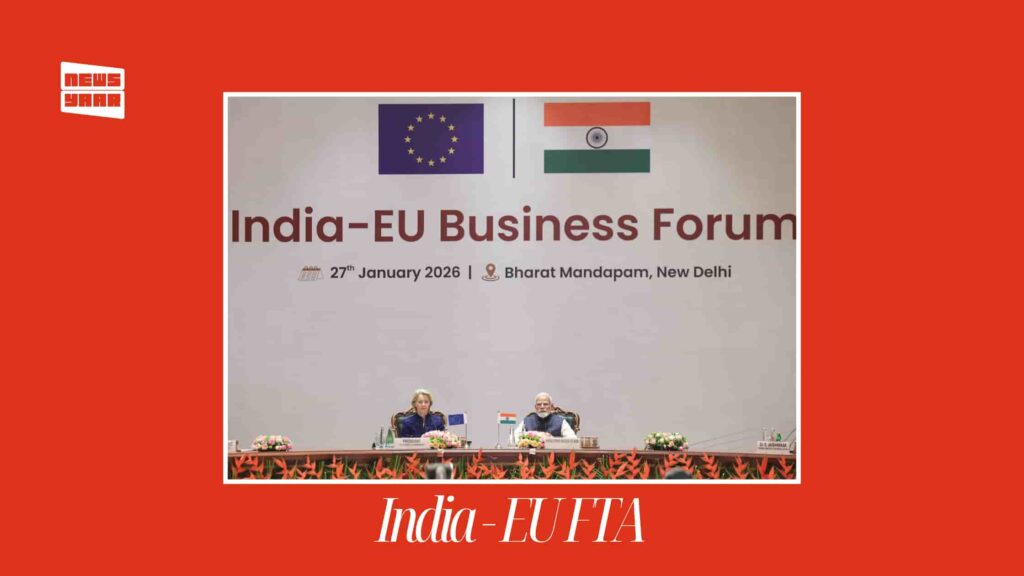
India and the European Union (EU) are advancing free trade agreement (FTA) negotiations aimed at expanding economic ties between one of the world’s fastest-growing major economies and the bloc comprising 27 European nations. The India-EU FTA, also known as the EU-India Trade and Investment Agreement (TIA), is expected to be one of the most significant trade pacts of the decade, with potential to reshape global trade flows, boost exports, and deepen strategic cooperation between two large economic partners. What Is the India-EU FTA? The India-EU Free Trade Agreement is a planned comprehensive trade deal designed to facilitate the reduction or elimination of tariffs, address non-tariff barriers, and expand market access for goods and services between India and the EU. Unlike a simple tariff agreement, the FTA also aims to cover investment protection, digital trade, intellectual property, rules of origin, services, government procurement and sustainable development — making it a high-ambition, high-standards agreement. Negotiations for the trade pact have been ongoing for over a decade, reflecting both the complexity of aligning regulatory frameworks and the growing economic significance of the India-EU relationship. While some rounds of talks were stalled or slowed due to differences on specific issues, recent developments indicate renewed momentum and a political commitment from both sides to conclude the deal. Why the India-EU FTA Is Important An India-EU FTA holds strategic economic importance for both partners: Expanding Trade and Market Access:The EU is among India’s largest trading partners, with two-way trade exceeding $130 billion in recent years. Economic modelling suggests that a successful FTA could significantly raise the volume of bilateral trade by eliminating tariffs on key products such as textiles, automobiles, engineering goods, pharmaceuticals, chemicals and agricultural products. Export Competitiveness and Targets:India has set ambitious export targets — including achieving $14 trillion in exports by 2030. An FTA with the EU could provide preferential market access that boosts India’s export competitiveness in key sectors, helping it approach those targets sooner. Reductions in tariff barriers and streamlined standards would make Indian goods more competitive in European markets. Investment and Economic Cooperation:Beyond goods, the FTA could strengthen services trade and investment flows, particularly in sectors where India has global strength, such as IT and professional services. It also presents opportunities for EU investors in India’s manufacturing, infrastructure and clean energy sectors. Strategic and Geopolitical Alignment:The India-EU FTA is also seen through a geopolitical lens, strengthening economic ties at a time when global trade dynamics are shifting. Deeper integration with the EU can provide India diversification from traditional trade partners and reduce dependence on any single market. Key Issues and Areas of Negotiation Negotiating an ambitious trade deal between two large economies involves complex discussions. Key areas under negotiation include: Tariff Reductions and Market Access:India is seeking lower tariffs on goods such as automobiles and textiles, while the EU is pushing for tariff cuts on agricultural products, dairy and alcoholic beverages. The pace and scope of tariff liberalisation remain a central challenge. Services and Regulatory Cooperation:The EU places significant emphasis on services trade, including professional services, digital trade and data flows. India continues to seek greater access for its services exports while ensuring data protection and regulatory balance. Rules of Origin and Supply Chains:Both sides aim to include clear and predictable rules of origin, which determine how products qualify for preferential tariff treatment under the FTA. This is critical for supply chain integration and ensuring that Indian and EU manufacturers can benefit from the agreement. Sustainable Development and Labour Standards:The EU typically includes provisions on environmental protection, labour rights and sustainability in its trade agreements. India has pushed for similar commitments but within its developmental context, seeking flexibility on implementation timelines. Agriculture and Food Products:Agricultural market access has been a contentious area, with the EU seeking greater access for its dairy and other farm products, while India aims to safeguard the interests of its agricultural producers and small farmers. Impact on Indian Economy and Industries If successfully concluded, the India-EU FTA could produce a range of economic impacts: Boost to Exports:Reduced tariffs and smoother market access could help Indian exporters increase shipments of textiles, pharmaceuticals, chemicals, automotive components, machinery and engineering goods — sectors that have already registered strong growth in recent years. Improved Competitiveness:By aligning standards and reducing trade costs, the FTA could help Indian industries become more competitive globally, attracting foreign investment and encouraging technology transfer. Services Sector Growth:India’s services sector, particularly IT and business process management services, is expected to gain from improved access to EU markets. The agreement could address regulatory barriers that currently limit the full potential of services exports. Investment Flows:With clear investment protections and dispute resolution mechanisms, an FTA could drive greater EU investment into Indian sectors such as renewable energy, infrastructure, healthcare and manufacturing — sectors critical to India’s economic transformation. Regional and Global Implications The India-EU FTA has strategic implications beyond immediate bilateral trade: Diversification of Trade Relations:For India, the pact offers diversification in a global context where trade tensions and supply chain vulnerabilities have increased interest in forging deeper partnerships outside traditional markets. Competitive Response:Neighbouring countries and trading blocs are closely watching the negotiations. In some cases, like Pakistan, there is concern that closer India-EU economic ties could shift regional trade dynamics and erode competitive advantages in certain areas. Alignment with Global Standards:By negotiating with the EU — a bloc known for high regulatory standards — India could accelerate its own reforms in areas such as intellectual property, digital trade, quality standards and sustainability frameworks. What Comes Next Discussions on the India-EU FTA have gained pace in recent months, with officials from both sides underscoring the importance of reaching an agreement that is “balanced, comprehensive and forward-looking.” While the timeline remains uncertain and depends on resolving differences in key areas, sources indicate that negotiators are working toward finalising an outline that could pave the way for conclusion in the coming years. Both policymakers and businesses are closely monitoring developments. Indian industry bodies have urged the government to secure a
PM Modi Receives the UAE President at the Airport
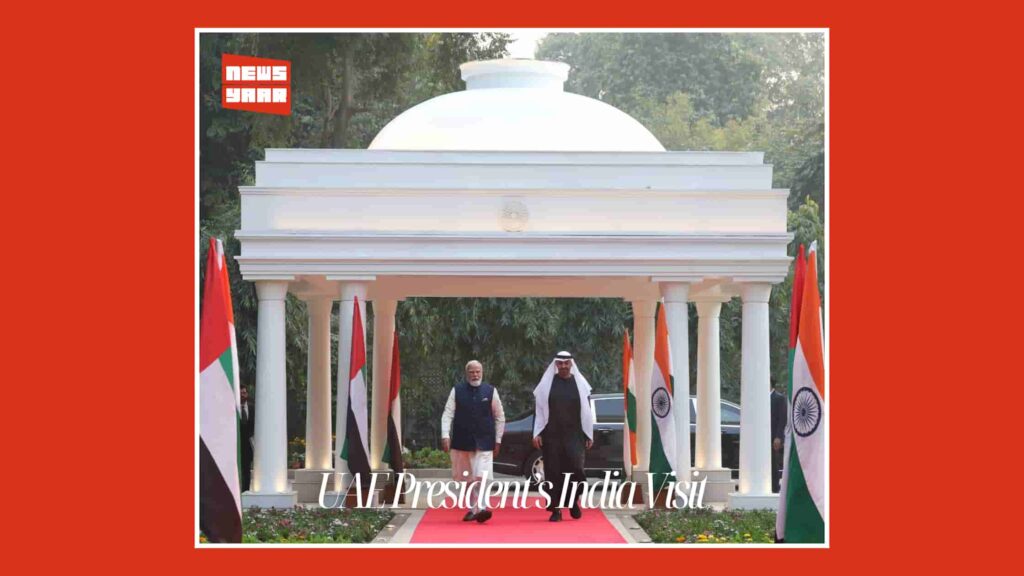
New Delhi: United Arab Emirates President Sheikh Mohamed bin Zayed Al Nahyan concluded a high-profile official visit to India on January 19, 2026, reinforcing the growing strategic partnership between New Delhi and Abu Dhabi. In a rare and symbolic gesture, Prime Minister Narendra Modi personally received the UAE President at the airport, underscoring the importance India attaches to its relationship with the Gulf nation.This marked Sheikh Mohamed bin Zayed’s third official visit to India since assuming office as UAE President and his fifth visit to the country over the past decade. The visit highlighted the sustained political engagement between the two countries and reflected the UAE’s view of India as a key strategic partner in Asia.During the visit, the two leaders held comprehensive talks covering trade, investment, energy security, defence cooperation, technology, and regional geopolitics. Several agreements and memoranda of understanding (MoUs) were signed to further strengthen bilateral cooperation. These included frameworks to expand collaboration in renewable energy, food security, digital infrastructure, fintech, and defence manufacturing, aligning with India’s “Make in India” and self-reliance goals while offering new opportunities for UAE investors.A major focus of the discussions was economic cooperation under the Comprehensive Economic Partnership Agreement (CEPA), which has significantly boosted bilateral trade since its implementation. Both sides reviewed progress under CEPA and agreed to work toward further increasing non-oil trade, easing market access, and encouraging private-sector partnerships. The use of local currency settlement mechanisms and the bilateral investment treaty were also highlighted as key enablers of smoother financial flows and long-term investment confidence.From India’s perspective, the outcomes of the visit strengthen energy security through long-term supply arrangements and increased cooperation in clean energy and green hydrogen. The UAE’s continued interest in investing in Indian infrastructure, ports, logistics, and technology startups was seen as a strong vote of confidence in India’s growth story.For the UAE, deeper engagement with India supports its strategy of economic diversification and strengthens its footprint in one of the world’s fastest-growing major economies. Enhanced cooperation in food corridors, technology, and innovation helps Abu Dhabi secure supply chains while expanding its global economic influence.The leaders also exchanged views on regional and global issues, including developments in West Asia, maritime security, and global economic uncertainty. Both sides reaffirmed their commitment to stability, dialogue, and cooperation in an increasingly complex geopolitical environment.Beyond agreements, the visit carried strong symbolic value. Prime Minister Modi’s decision to personally welcome Sheikh Mohamed bin Zayed sent a clear message of trust, warmth, and strategic alignment. It also reflected the personal rapport between the two leaders, which has played a significant role in elevating India–UAE ties over the years.As the UAE President departed India, the visit was widely seen as a reaffirmation of a mature and forward-looking partnership, one that goes beyond transactional ties to focus on long-term strategic, economic, and people-centric cooperation.
World Economic Forum 2026: Global Leaders Converge in Davos Amid Major Economic and Geopolitical Challenges
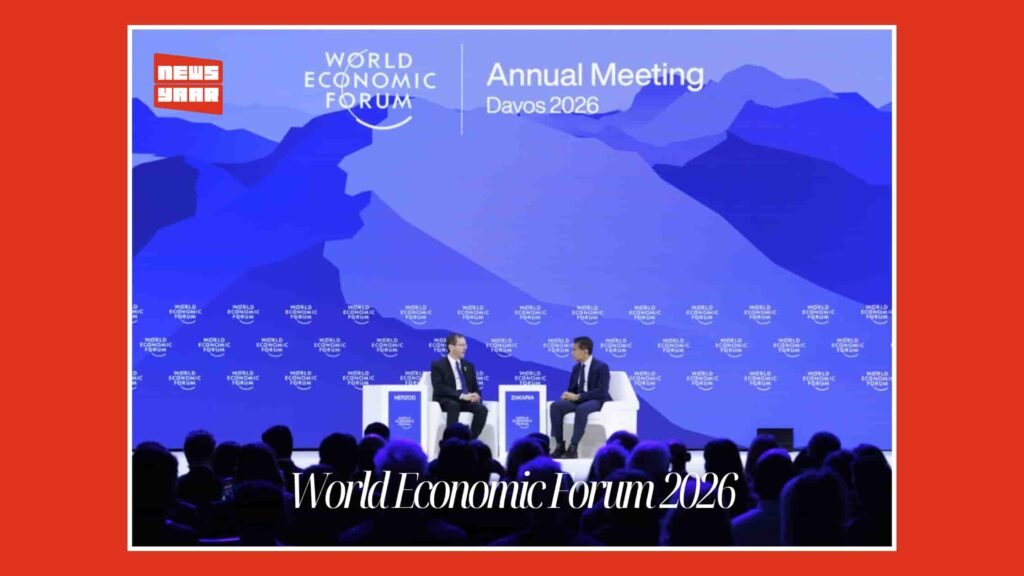
The World Economic Forum (WEF) Annual Meeting 2026 took place from January 19 to 23 in Davos-Klosters, Switzerland, bringing together leaders from government, business, international organisations and civil society to discuss the most pressing global issues of the moment. Now in its 56th year, the forum — commonly referred to simply as “Davos” — is a flagship platform for public-private cooperation on economic policy, technology governance, sustainability and global security.The meeting’s official theme, “A Spirit of Dialogue,” underscored a widely recognised need for renewed cooperation in an era marked by geopolitical tensions, slowing economic growth, technological disruption and environmental risk. Organisers, delegates and analysts alike framed the discussions around the idea that dialogue — even amid disagreement — is essential for addressing interconnected global challenges. Scale of Participation and Global Profile The WEF 2026 drew thousands of participants from over 100 countries, including government ministers, heads of state, central bankers, chief executives of major corporations, academics and representatives of international institutions. The meeting’s scale and diversity reflect its enduring role as a central venue for high-level engagement on global policy priorities.Among the most notable attendees was United States President Donald Trump, whose presence drew significant media attention and marked a return to Davos for a leader of his stature. Delegations also included major European figures, leaders from Asia, Africa and Latin America, and senior representatives from international organisations and think tanks. Economic Priorities and Global Growth Concerns Economic issues formed a core pillar of the 2026 agenda. Discussions highlighted uneven global growth, persistent inflationary pressures and heightened uncertainty in financial markets. Organisers and speakers emphasised that sluggish expansions in major economies, coupled with high debt levels, pose risks to stability and investment confidence.According to WEF research and policy discussions at Davos, cooperation on economic policy, trade facilitation and investment frameworks remains essential to navigate these headwinds. Investments in human capital, innovation and sustainable growth models were also highlighted as central to unlocking new sources of economic opportunity. Technology, Innovation and Governance Technological advancement — particularly artificial intelligence (AI) — was a prominent topic throughout the meeting. Delegates debated how to harness innovation responsibly while addressing associated risks such as workforce displacement, data protection, ethical use cases and the broader social impact of AI deployment.Speakers noted the absence of globally coordinated regulatory frameworks for emerging technologies, emphasising the need for international dialogue to manage both the opportunities and risks of rapid digital transformation. Geopolitics and International Security Geopolitical tensions and international security issues shaped several panels and bilateral discussions. The ongoing conflict in Ukraine, instability in parts of the Middle East, and great-power competition in regions such as the Indo-Pacific were recurring themes.In this context, world leaders discussed the importance of resilient supply chains, energy security and strategic partnerships while acknowledging that geopolitical fragmentation continues to complicate efforts toward shared economic and diplomatic goals.A particularly high-profile moment at the forum involved exchanges around NATO and Arctic security, with debates over territorial issues such as the strategic role of Greenland drawing media attention and highlighting how security concerns intersect with economic and environmental priorities. Climate, Sustainability and Emerging Risks Climate change and sustainable development remained central to Davos discussions, but delegates acknowledged the gap between global climate commitments and action on the ground. Energy transition strategies, climate finance for developing economies and nature-based risk frameworks were all debated, often in conjunction with economic policy and innovation priorities.A distinctive focus this year was on water systems and planetary stability, with experts warning that imbalances in the global water cycle — including drought, flood extremes and freshwater scarcity — require urgent collective action. These discussions, sometimes referred to as part of the “Blue Davos” agenda, highlighted water as a foundational element of global resilience. Outcomes and Forward Agenda Unlike treaty negotiations or binding international agreements, the World Economic Forum does not issue enforceable resolutions. Instead, its role is to shape the global conversation, build networks of cooperation and catalyse voluntary initiatives. At the conclusion of the 2026 meeting, several partnerships, memoranda of understanding and investment dialogues were announced, particularly in areas such as clean energy, digital infrastructure and sustainable finance.For example, global and regional delegations highlighted collaborative efforts to expand green growth and industrial innovation, reflecting businesses and states seeking resilient growth pathways amid global uncertainty.Beyond formal sessions, the informal interactions in Davos — from bilateral talks between heads of state to private sector strategy meetings — often influence policy choices throughout the year. These engagements are frequently cited by governments and corporations as contributing to priority setting and risk assessment in economic and geopolitical planning. Why World Economic Forum 2026 Matters The World Economic Forum Annual Meeting remains significant because it brings together diverse decision-makers at a time when coordination on global issues has become more fragmented. As geopolitical tensions rise and economic risks persist, forums like Davos offer a rare structured environment where dialogues between competing interests can occur.In 2026, the emphasis on dialogue — even amid disagreement on trade, security, technology and climate policy — reflected a shared recognition that global challenges cannot be addressed in isolation. While the outcomes of Davos are not always immediately visible, the convergence of leaders and ideas continues to shape international conversations and influence public and private sector strategies in the months and years that follow.
Davos 2026: World Economic Forum Annual Meeting Begins in Switzerland
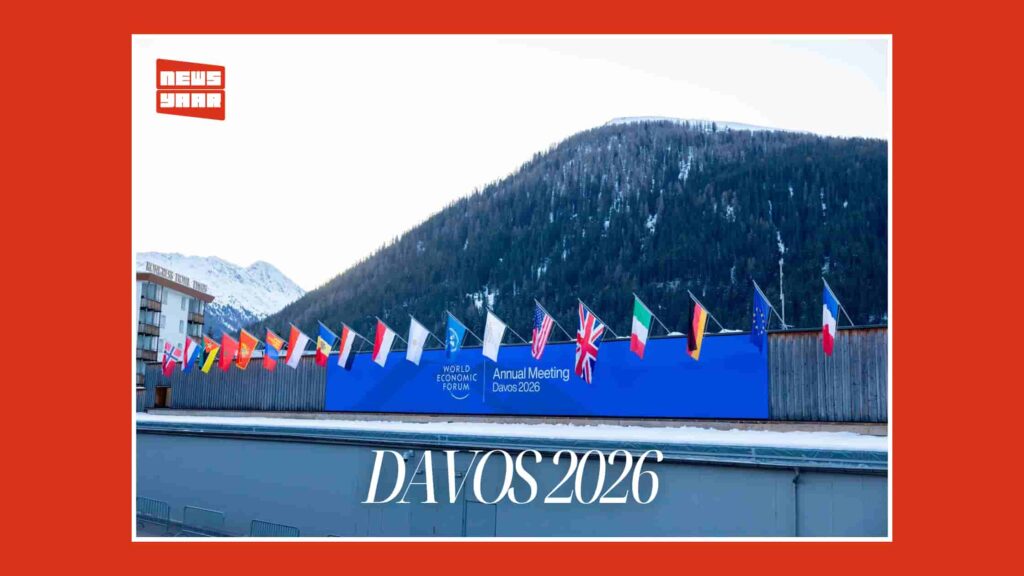
The 56th Annual Meeting of the World Economic Forum (WEF) — widely known as Davos 2026 — is underway in the Alpine resort town of Davos-Klosters, Switzerland, bringing together a wide spectrum of global leaders from government, business, civil society, academia and civil organisations. The Annual Meeting is the flagship event of the Forum and serves as a strategic platform for dialogue and collaboration on pressing global issues. The summit is scheduled to take place from 19 January to 23 January 2026. Venue, Dates and Participation Event: World Economic Forum Annual Meeting 2026 Location: Davos-Klosters, Switzerland Dates: 19–23 January 2026 Expected Participants: Around 3,000 leaders from over 130 countries, including heads of state and government, global CEOs, chief policymakers, experts and representatives from civil society and academia. This year’s edition of Davos is notable for its scale and diversity of participation. Organisers expect around 400 top political leaders, including approximately 65 heads of state and government, nearly 850 chief executives and chairs, and close to 100 leading unicorn founders and technology innovators attending sessions across multiple themes. Theme and Agenda: ‘A Spirit of Dialogue’ The overarching theme for Davos 2026 is “A Spirit of Dialogue”, reflecting the Forum’s emphasis on multilateral communication, cooperation and trust building among diverse global stakeholders. The theme underscores the need for open discussion at a time of heightened geopolitical fragmentation, technological disruption and economic uncertainty. Under this theme, sessions are structured to address a set of interconnected global priorities, including cooperation in a more contested world, unlocking new sources of inclusive growth, investing in people and workforce transformation, deploying innovation at scale and responsibly, and building prosperity within planetary boundaries. These priorities reflect both current and long-term global challenges spanning geopolitics, economies, technology, health and sustainability. Key Sessions and Public Engagement While most sessions at Davos are invitation-only, a subset of discussions is available to the public through Open Forum Davos 2026, which runs from 19 to 22 January 2026 under the sub-theme “Visions of 2050: Tomorrow Starts Now”. These sessions encompass topics such as the future of space exploration, quantum science, food systems, medicine, and climate-affected mountain regions. Most of these sessions are livestreamed for global audiences. The Annual Meeting also features a robust media and analyst presence, with over 400 journalists and reporters on site to cover proceedings, announcements, panel discussions and bilateral talks. Who’s Attending and What’s on the Radar Davos has attracted an unusually wide spectrum of influential attendees in 2026. Among expected speakers and delegates are top political leaders from major economies, including leaders from the United States, Europe and emerging markets, as well as CEOs from global corporations. According to reports, U.S. President Donald Trump is attending the World Economic Forum Annual Meeting 2026 and is leading a large U.S. delegation, reflecting the political significance of this year’s agenda. In addition to geopolitical representation, major industry figures — particularly from technology, finance and energy sectors — are participating in discussions on the future of AI, finance, sustainability and industrial transformation. Corporate engagement also includes private sector panels, roundtables and multi-stakeholder dialogues. Key Issues and Global Context Davos 2026 comes at a time of complex global challenges. A range of issues are dominating discussions. Economic uncertainty, marked by slowing global growth, rising tariff pressures and evolving trade dynamics, remains a key concern for policymakers and business leaders. Technology and innovation debates are focused on harnessing artificial intelligence, digital transformation and frontier technologies responsibly, especially given their implications for jobs, productivity and equity. Climate and sustainability priorities, including climate risk management, carbon pricing, clean energy transitions and resilient infrastructure, feature prominently across agenda sessions. Global health preparedness is also part of the discourse, with discussions highlighting the need for stronger pandemic readiness and more resilient health systems in light of recent global health crises. Geopolitical dynamics continue to shape conversations at Davos, with leaders engaging in dialogue on security challenges, regional conflicts and cooperation frameworks that influence global stability and economic integration. Format and Structure The Annual Meeting employs a mix of session formats including keynote addresses, panel discussions, private roundtables, bilateral meetings, press briefings, and networking forums. Participants can engage in both structured agenda sessions and more informal exchanges across designated WEF venues in Davos-Klosters. Numerous country-specific and sector-focused meetings also take place on the sidelines, facilitating high-level public-private partnerships. How to Follow While much of the Davos experience remains invitation-only, the World Economic Forum is livestreaming select sessions and providing official summaries, press briefings and digital updates through its website and social media platforms using hashtags such as #WEF26. This enables global audiences to follow key discussions and outcomes from the meeting. The World Economic Forum Annual Meeting 2026 in Davos, Switzerland (19–23 January 2026) convenes world leaders, policymakers and business influencers to address pressing global challenges under the theme “A Spirit of Dialogue.” With nearly 3,000 participants from over 130 countries, the summit focuses on cooperation, innovation, inclusive growth, future technologies, climate resilience and social investment, positioning Davos 2026 as a pivotal platform shaping global economic and geopolitical discourse in the year ahead.
Report says, India beats Japan to become world’s 4th largest economy
In a milestone moment for the Indian economy, official data and projections indicate that India has surpassed Japan to become the world’s fourth-largest economy, a result of strong growth momentum, robust domestic demand, and strategic economic reforms. With a nominal Gross Domestic Product (GDP) estimated at around USD 4.18 trillion in 2025, India is now ranked fourth globally, trailing only the United States, China, and Germany in size.The shift in rankings reflects decades of economic transformation driven by liberalisation, digital and manufacturing reforms, and one of the world’s most dynamic young labour forces. India’s rise in the global economic order has been steady, moving from the eleventh largest economy in 1990 to the fifth in recent years, ahead of major developed countries such as the United Kingdom before overtaking Japan.According to government releases and international forecasts, the Indian economy’s recent performance has been marked by accelerating GDP growth. Official figures show that India’s real GDP expanded by 8.2 per cent in the second quarter of the 2025–26 fiscal year, up from 7.8 per cent in the previous quarter and 7.4 per cent in the final quarter of 2024–25, led by resilient domestic consumption and expanding services and industrial activity.The government’s year-end economic review highlighted that with a GDP valued at USD 4.18 trillion, India has overtaken Japan and is poised to move into the third spot globally in the next 2.5 to 3 years if current growth continues. Projections suggest India’s GDP could reach as high as USD 7.3 trillion by 2030, potentially placing it above Germany and reinforcing its position as a dominant economic power.India’s ascent has drawn wide attention from business leaders and economists. Industry figures such as Anand Mahindra noted that overtaking Japan, long considered an economic powerhouse, is “no small achievement,” underlining the country’s rapid rise driven by entrepreneurial energy and large-scale reforms. He also stressed that while the milestone is significant, continued focus on per capita income and inclusive development will be critical for sustained progress.The achievement also reflects broader global economic shifts. Japan’s economy has faced challenges from demographic decline and slower growth rates, while India’s younger population, expanding middle class, and increasing integration into global trade and technology supply chains have helped boost its economic trajectory. International agencies, including the International Monetary Fund (IMF), World Bank, and rating agencies like Moody’s and Fitch, have projected continued GDP growth for India over the next several years.Despite this success, some analysts caution that headline GDP figures do not fully capture underlying economic welfare, such as per capita income, where India still lags significantly behind Japan. They argue that while India’s total economic output now ranks fourth, focus on quality of growth, productivity improvements, and equitable income distribution remains essential.For now, India’s leap past Japan into the fourth position underscores a transformative economic journey and a rapidly evolving role in global economic leadership. As India continues to expand its industrial base, innovate in technology and services, and enhance global trade relations, its trajectory toward becoming one of the world’s top three economies appears increasingly plausible.
Adani–Embraer Tie-Up Signals a New Chapter in India’s Commercial Aircraft Manufacturing

India is set to make a landmark entry into commercial aircraft manufacturing as the Adani Group partners with Brazilian aerospace major Embraer to assemble regional passenger jets in the country. This development marks the first time India will host a final assembly line for commercial fixed-wing aircraft, placing it among a select group of nations with such advanced aerospace capabilities. The collaboration is widely seen as a significant boost to the government’s Make in India programme and a major step towards building a self-reliant aviation ecosystem.Under the partnership, Embraer’s widely used regional jets, designed for short- to medium-haul routes and seating between 70 and 146 passengers, will be assembled in India through a final assembly line operated by Adani Aerospace. While details regarding the exact location, investment size, and production timeline have not yet been formally announced, industry sources indicate that a comprehensive announcement is expected at the Hyderabad Air Show scheduled later in January 2026. Once operational, the facility will enable aircraft to be assembled, tested, and delivered from Indian soil.The timing of the partnership is particularly significant given India’s rapidly expanding aviation market. India is currently the world’s fastest-growing civil aviation market, with domestic airlines having placed orders for more than 1,800 aircraft to meet rising passenger demand. Until now, the country has depended almost entirely on global manufacturers for commercial aircraft imports. The establishment of a final assembly line is expected to reduce this dependence, generate skilled employment, and catalyse the growth of an indigenous aerospace manufacturing ecosystem.Government officials have indicated that policy support and fiscal incentives may be extended to airlines that place orders for aircraft assembled in India. Such incentives are likely to be structured on a declining basis as order volumes increase, helping the programme gain early traction while encouraging long-term sustainability. The success of this initiative is also expected to strengthen India’s case as a viable global manufacturing hub for high-value aviation products.Beyond commercial aircraft assembly, the Adani Group is positioning itself as a comprehensive aviation services provider. The group has already announced plans to expand into aircraft engine maintenance, repair and overhaul (MRO) services, as well as passenger-to-freighter conversions. By consolidating its aviation assets, including Indamer and Air Works, Adani aims to create a large integrated MRO platform serving both civilian and defence customers. This broader approach is expected to complement the aircraft assembly line by supporting lifecycle services and long-term operational needs.For Embraer, the partnership represents a strategic expansion in one of its fastest-growing markets. The Brazilian manufacturer has operated in India since 2005 and currently has close to 50 aircraft in the country serving the Indian Air Force, government agencies, business jet operators and regional airline Star Air. In October 2025, Embraer strengthened its commitment by opening an office in New Delhi to support its commercial aviation, defence, services and emerging urban air mobility segments.Industry experts believe the Adani–Embraer collaboration could have wider implications for the global aviation industry. By demonstrating the viability of commercial aircraft assembly in India, the project may encourage larger manufacturers such as Airbus and Boeing to consider setting up similar facilities in the country. If successful, the initiative could redefine India’s role in the global aerospace value chain and mark the beginning of a new era in domestic aircraft manufacturing.
National Startup Day 2026: India Celebrates a Decade of Entrepreneurial Transformation
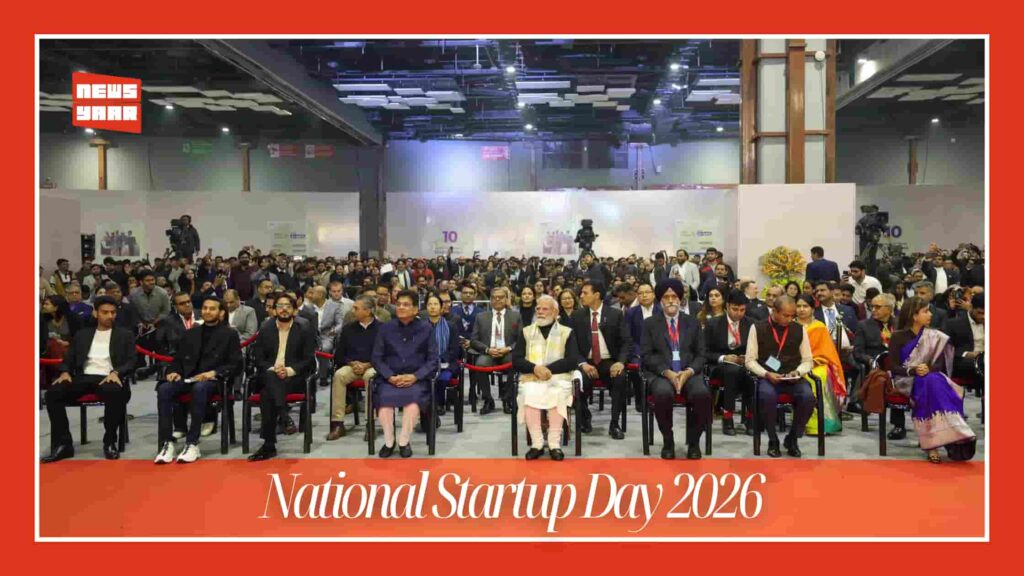
New Delhi, 16 January 2026: India marked National Startup Day 2026 with grand celebrations highlighting ten years of the government’s Startup India initiative and its transformative impact on the nation’s innovation landscape. The event drew founders, investors, policymakers, and ecosystem leaders from across the country to reflect on the journey of entrepreneurship and chart the path ahead.At a flagship event held in New Delhi, Prime Minister Narendra Modi joined startup founders and industry stakeholders to commemorate the milestone. Addressing the gathering, he emphasized the courage and innovative spirit of India’s youth, calling startups engines of economic growth and societal change. His remarks underscored how risk–taking and problem-solving have become mainstream within the entrepreneurial community.Over the past decade since the launch of Startup India, more than 200,000 startups have been recognised across sectors such as technology, healthcare, climate solutions, logistics, fintech, and education. These ventures have collectively generated millions of jobs and helped India emerge as one of the world’s largest and most dynamic startup ecosystems.The celebrations showcased a broad shift in the startup narrative—from chasing rapid valuations to focusing on sustainable growth and real-world impact. Industry experts highlighted that Indian startups are increasingly building deep-tech and AI-driven solutions tailored to local challenges, with a rising emphasis on climate tech, healthcare innovation, and sovereign AI platforms.A notable trend highlighted during the day was the geographical diversification of entrepreneurship. Recent data suggests that over half of registered startups now originate from Tier-2 and Tier-3 cities, signalling a decentralisation of innovation beyond traditional metropolitan hubs.Panel discussions and keynote sessions throughout the event brought to light how startups are contributing to India’s economic resilience, job creation, and technological advancement. Speakers also discussed policy priorities for the next decade, including a renewed push into manufacturing, deep-tech research, and global market expansion.Celebrations were not limited to New Delhi alone. Across states and regions, local startup communities hosted meetups, pitch events, and mentoring sessions, reinforcing a nationwide commitment to empowering entrepreneurs.As National Startup Day 2026 concluded, the startup ecosystem stood not only proud of its achievements over the last ten years but also energized for future challenges, firmly anchored in innovation, inclusivity, and impact.
Vibrant Gujarat Global Summit 2026: Rajkot to Host Regional Conference Focusing on Saurashtra–Kutch Growth
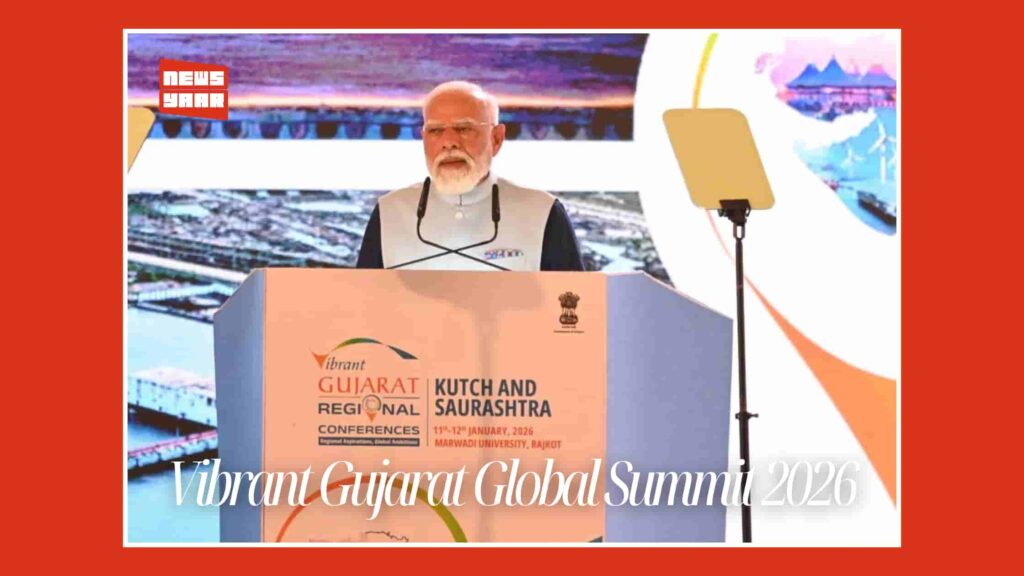
The Vibrant Gujarat initiative, one of India’s most influential investment and policy platforms, will continue its next phase in 2026 through region-specific conferences, with Rajkot hosting the Vibrant Gujarat Regional Conference (VGRC) for the Saurashtra–Kutch region. The move marks a strategic shift towards decentralised economic development, taking the Vibrant Gujarat vision beyond mega summits and closer to regional industry clusters.While the Vibrant Gujarat Global Summit is scheduled to return in 2027, the 2026 regional conferences are designed to strengthen grassroots industrial growth, attract targeted investments and align regional strengths with national development priorities.Dates and VenueEvent: Vibrant Gujarat Regional Conference (Saurashtra–Kutch)Dates: January 11 and 12, 2026Exhibition Duration: January 11 to January 15, 2026Venue: Marwadi University, Rajkot, GujaratRajkot, a major industrial and commercial hub of Saurashtra, has been chosen for its strong presence in engineering goods, auto components, ceramics, MSMEs and export-oriented manufacturing.What Is the Vibrant Gujarat Regional Conference?The Vibrant Gujarat Regional Conference is an extension of the state’s flagship Vibrant Gujarat Global Summit, launched to promote region-specific investment, sector-based policy discussions and local entrepreneurship.Unlike the larger biennial global summit held in Gandhinagar, the regional conferences focus on:District-level industrial strengthsLocal infrastructure and logisticsMSMEs, startups and traditional industriesEmployment generation and skill developmentThe Rajkot edition will specifically address economic opportunities and challenges in Saurashtra and Kutch, two regions with high industrial potential and strategic coastal advantages.Key Focus Areas and SectorsThe 2026 Rajkot conference will focus on both traditional industries and emerging sectors critical to Gujarat’s long-term growth strategy.Core Industry SectorsEngineering and auto componentsCeramics and manufacturing clustersAgro-processing and food industriesPorts, logistics and maritime tradePetrochemicals and mineralsEmerging and Priority SectorsRenewable energy and green manufacturingGreen hydrogen and clean fuel projectsDefence manufacturing and innovationStartups, MSMEs and entrepreneurshipSkill development and employment-linked industriesTourism and cultural economyThe discussions are aligned with India’s long-term development roadmap, including the Viksit Bharat @2047 vision.Key Events and HighlightsThe Vibrant Gujarat Regional Conference 2026 will feature a range of policy, business and networking platforms:Inaugural session and leadership addresses, including participation from senior central and state government leadersSector-specific conferences and panel discussions focusing on investment opportunities, policy reforms and technology adoptionReverse Buyer–Seller Meets, enabling direct interaction between domestic producers and international buyersVibrant Gujarat Regional Exhibition, showcasing industrial innovation, products and services across key sectorsUdyami Mela, aimed at promoting startups, MSMEs, women entrepreneurs and government schemesThe exhibition will run for five days, providing extended engagement opportunities for investors, businesses and the general public.Investment Outlook and Regional ImpactThe Rajkot conference is expected to play a significant role in:Attracting fresh domestic and foreign investmentsStrengthening Gujarat’s manufacturing and export ecosystemPromoting sustainable and green industrial practicesExpanding employment opportunities in Saurashtra and KutchPositioning the region as a multi-sector industrial and logistics hubPrevious regional conferences under the Vibrant Gujarat banner have resulted in substantial investment commitments and long-term industrial planning at the district level.Who Should AttendThe event is relevant for:Indian and global investorsIndustry leaders and exportersStartups and MSMEsPolicy makers and government officialsEntrepreneurs and business associationsProfessionals interested in Gujarat’s industrial and economic roadmapParticipation details and registrations are available through the official Vibrant Gujarat platforms.Why the 2026 Rajkot Conference MattersBy hosting the Vibrant Gujarat Regional Conference in Rajkot, the Gujarat government is reinforcing its approach of balanced regional development, ensuring that growth opportunities extend beyond major urban centres.The 2026 edition positions Saurashtra–Kutch as a critical contributor to Gujarat’s and India’s economic future, combining industrial strength, coastal advantage, innovation and sustainability.Video credit: YT@/NaMo