


Thalapathy to Thalaivar: The Extraordinary Journey of Vijay, Tamil Nadu’s New Chief Minister
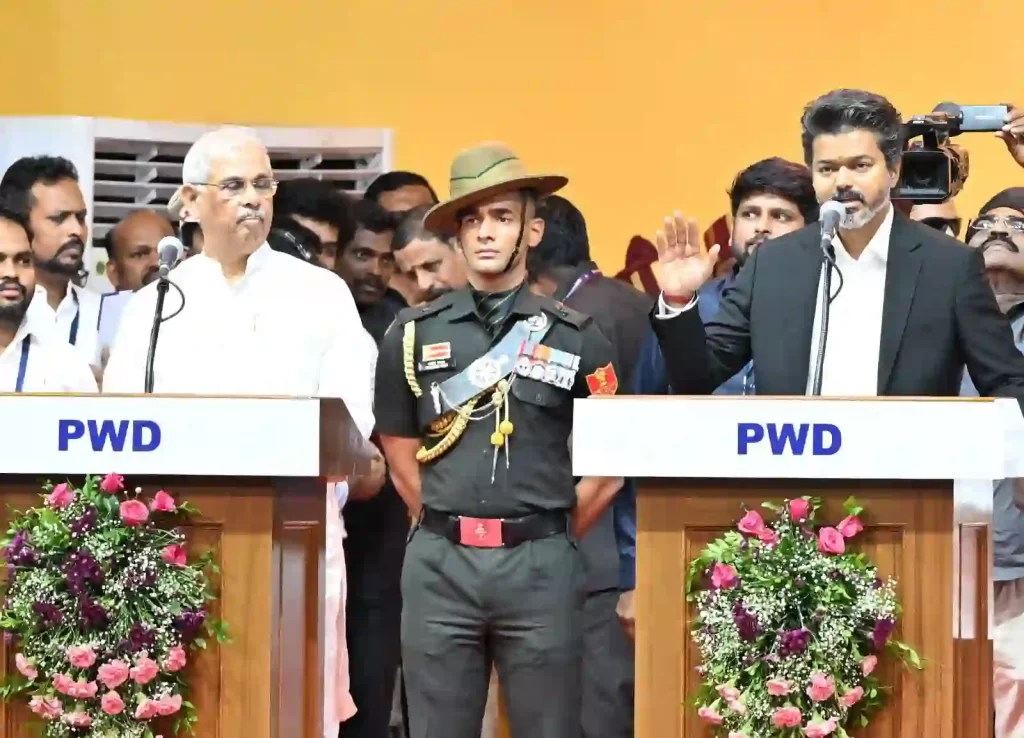
A Moment Sixty Years in the MakingAt the sprawling Jawaharlal Nehru Stadium in Chennai, on the morning of May 10, 2026, Joseph Vijay Chandrasekhar raised his right hand and took the oath of office as the ninth Chief Minister of Tamil Nadu. In the stands, tens of thousands of supporters who call themselves Thalapathy fans — a word that means commander, leader, one who stands at the front — watched the man they had followed from cinema hall to cinema hall for three decades step into the most consequential role of his life.He is 51 years old. He has made 69 films. He has never previously held elected office, never managed a government department, never sat in a cabinet meeting. He has, on the other hand, commanded the loyalty of one of the most organised fan networks in India for the better part of thirty years. He drew on every inch of that loyalty — and then built something entirely beyond it — to produce one of the most startling political debuts in the history of any Indian state.Vijay is the first leader outside the DMK and AIADMK camps to head the Tamil Nadu government since 1967. For 59 years, power in this state alternated between two Dravidian parties with near-mechanical regularity, each with roots in a political and social movement that had shaped Tamil identity for generations. Both of them are now in the opposition. Neither of them saw it coming.The Beginning: A Child of Cinema, Shaped by LossChandrasekaran Joseph Vijay was born on June 22, 1974, in Madras, Tamil Nadu. His father, S. A. Chandrasekhar, is a film director and his mother, Shoba Chandrasekhar, is a playback singer and vocalist.Cinema, then, was not something Vijay chose. It was the air he breathed from birth. He began as a child star with a role in Vetri in 1984, directed by his father. He continued to act in S. A. Chandrasekhar’s films through the 1980s, and was launched as a lead actor in the commercially unsuccessful Naalaiya Theerpu in 1992, also directed by his father.Before any of that, however, came a loss that those close to him say shaped his character more than anything else. Vijay had a sister, Vidhya, who died when she was two years old. In a family so defined by warmth and creative expression, that absence was not something that closed over easily. People who know him well say it gave him an empathy he has carried into every phase of his life — a quality his films would later translate into a screen persona that felt less like performance and more like genuine feeling.Vijay did his schooling initially at Fathima School, Kodambakkam, and later at Balalok School, Virugambakkam. He pursued a bachelor’s degree in visual communication from Loyola College, Chennai, but dropped out early to focus on his acting career.The Actor: From Romantic Hero to People’s ChampionThe Vijay who arrived in Tamil cinema in the early-to-mid 1990s was not immediately what people imagined he would become. He rose to fame with romance films such as Poove Unakkaga in 1996, Love Today in 1997, Kadhalukku Mariyadhai in 1997, and Thullatha Manamum Thullum in 1999, before transitioning into an action star with Thirumalai in 2003, Ghilli in 2004, and Pokkiri in 2007.The transformation that Thirumalai triggered was decisive. Thirumalai was pivotal to Vijay’s transformation from the romantic hero into an action star embodying a grittier screen persona. Ghilli followed, and Ghilli was not merely a hit — it was a cultural event. Its mass scenes generated the kind of theatrical response, the whistles, the standing ovations mid-scene, that Tamil cinema reserves only for its greatest stars.From that point, the question was never whether Vijay would become a superstar. It was what kind of superstar he would become. He answered that across the next two decades by making a very deliberate choice: to use his screen presence for something beyond entertainment.In the 2010s Vijay refined his “angry young man” image with socially conscious roles in Thalaivaa in 2013, Thuppakki in 2012, Kaththi in 2014, Mersal in 2017, Bairavaa in 2017, and Bigil in 2019. Kaththi took on corporate exploitation of farmers and drew an official complaint from a pesticide company. Mersal directly attacked government health policy and demonetisation, prompting the BJP to demand scenes be deleted, making it a national news story. Sarkar in 2018 depicted a businessman running for office after confronting electoral fraud — a storyline that, in retrospect, reads less like fiction and more like a blueprint.From the 2010s onward, he starred in major commercial successes including Thuppakki in 2012, Kaththi in 2014, Mersal in 2017, Sarkar in 2018, Master in 2021, Leo in 2023, and The Greatest of All Time in 2024, several of which rank among the highest-grossing Tamil films.By the time his final film, Jana Nayagan, meaning People’s Leader, was released, the title was not a creative choice. It was a cinematic preamble to a political life. The screen dimmed; the work began.The Political Stirring: Years Before the Party Was FormedThe conventional narrative of Vijay’s entry into politics begins in February 2024, when he formally announced Tamilaga Vettri Kazhagam. That narrative misses the fifteen years that preceded it.In 2009, his fan club Vijay Makkal Iyakkam was launched, and his forum actively supported Jayalalithaa-led AIADMK in the 2011 assembly elections in Tamil Nadu. In March 2011, his father S. A. Chandrasekhar met Jayalalithaa and extended support to her. It can be said that in a way Makkal Iyakkam proved to be a stepping stone for the further political journey Vijay.The Iyakkam ran blood donation camps, disaster relief operations, and educational support drives. During the 2015 Chennai floods, the network was among the first organised volunteer groups distributing aid. During Covid-19, Vijay personally funded meals and essential supplies for migrant workers and vulnerable communities. This was not a film star looking for good press. It was the systematic construction of a ground-level social infrastructure — the kind political parties spend decades and hundreds
Suvendu Adhikari Sworn In as West Bengal’s First BJP Chief Minister
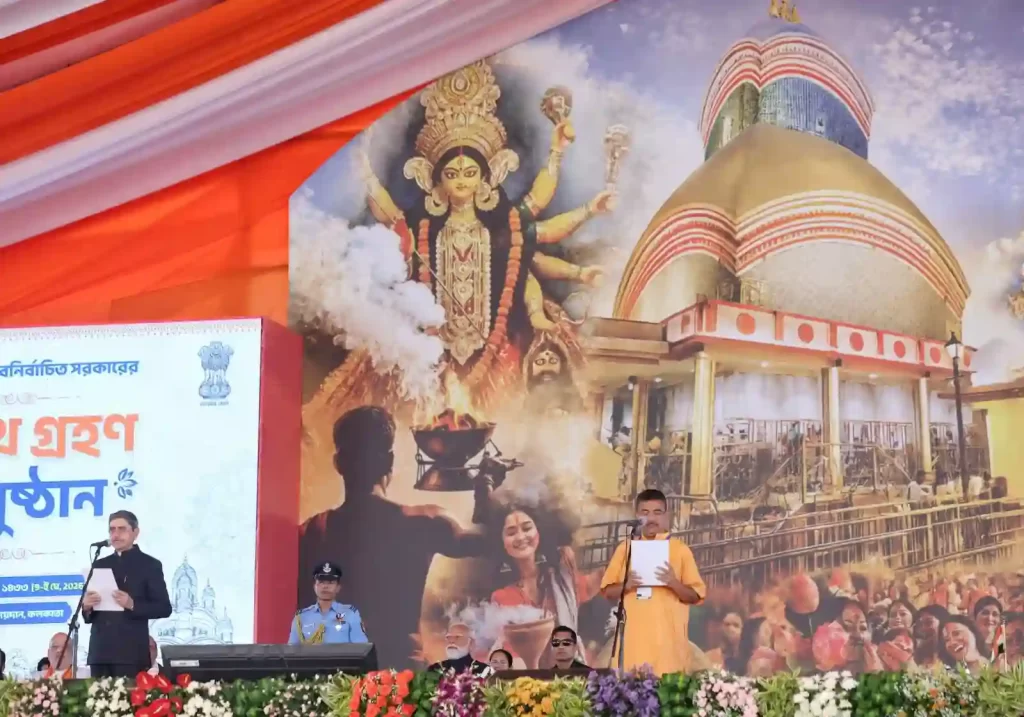
Suvendu Adhikari took the oath as the Chief Minister of West Bengal on May 9, 2026. This marked a historic moment for the state. The Bharatiya Janata Party (BJP) won 207 out of 294 assembly seats in the recent elections. This landslide victory ended the 15-year rule of Mamata Banerjee’s Trinamool Congress (TMC). Prime Minister Narendra Modi and Home Minister Amit Shah attended the swearing-in ceremony at Kolkata’s Brigade Parade Ground. Governor R. N. Ravi administered the oath. Five other BJP MLAs, Dilip Ghosh, Agnimitra Paul, Ashok Kirtania, Kshudiram Tudu, and Nisith Pramanik, also took oath as ministers.Adhikari’s rise ends TMC’s long dominance in West Bengal. Once a close ally of Mamata Banerjee, he switched to the BJP in 2020. His combative style and grassroots work helped the BJP break into the state’s politics. Supporters see him as a local hero who turned the tide. Critics call him divisive due to past remarks. Now, he leads a polarized state with big promises and tough challenges ahead.Early Life and Family Roots in PoliticsSuvendu Adhikari was born in 1970 in Purba Medinipur district. He comes from one of West Bengal’s most powerful political families. His father, Sisir Adhikari, served as a veteran Member of Parliament. The family built strong networks across coastal Bengal. Relatives held many elected posts over the years. This base gave Suvendu an early edge in politics.He started his career with the Congress party. Later, he joined TMC when it fought the Left Front government. Adhikari quickly rose through the ranks. He became known for his organizational skills and sharp political instincts. His family’s influence and personal drive made him a key player in local politics.Rise to Fame: The Nandigram Turning PointAdhikari’s big break came in 2007 in Nandigram. Farmers there protested a proposed chemical hub project by the Left Front government. The land acquisition plan sparked violent clashes. Adhikari organized much of the ground movement. He rallied villagers and led the resistance. The protests weakened the Left’s grip on power.This agitation paved the way for TMC’s 2011 victory. Mamata Banerjee swept to power, ending 34 years of Left rule. Adhikari emerged as a hero from Nandigram. He earned a reputation as Bengal’s top political organizer. Banerjee saw him as her trusted lieutenant. He won elections and held key posts in TMC, including transport minister.Fallout with TMC and Bold Switch to BJPTies with Banerjee soured over time. A 2016 Narada sting operation hurt his image. Videos showed TMC leaders, including Adhikari, allegedly taking cash from a fake investor. He denied the charges and questioned the footage’s authenticity. The scandal strained relations within TMC.By 2020, cracks widened. Adhikari resigned from TMC and joined BJP. It was a dramatic defection just before the 2021 assembly polls. He contested from Nandigram against Banerjee herself. In a nail-biter, Adhikari won by 1,956 votes. Though BJP lost the state, his personal win made him Banerjee’s main rival. It boosted his stature in the party.In 2026, he repeated the feat. BJP swept the polls. Adhikari defeated Banerjee in her Bhabanipur stronghold while retaining Nandigram. This double victory symbolized BJP’s takeover of TMC bastions.Key Role in BJP’s Historic Landslide VictoryAdhikari played a central role in BJP’s Bengal breakthrough. The party was marginal in the state for decades. TMC held a strong grip with welfare schemes and muscle power. Adhikari changed that with aggressive campaigning. He tapped into local issues like jobs, development, and alleged TMC corruption.His street-level networks mobilized voters in rural and coastal areas. Adhikari led charges against TMC’s “syndicate raj” and cut-money culture. He focused on Hindu consolidation in key seats. BJP promised industrial revival and safety from violence. Adhikari’s wins in Nandigram and Bhabanipur broke TMC’s psychological hold.The 207 seats gave BJP a clear majority. Adhikari became leader of the legislature party on May 8. His elevation shows PM Modi’s trust. Adhikari credits the victory to “people’s mandate against TMC misrule.” He vows to end “goonda raj” and bring “double-engine growth” with Delhi’s help.Controversies and Criticism Along the WayAdhikari’s journey faced storms. Critics accuse him of communal rhetoric. In 2021, the Election Commission warned him for calling Banerjee “Begum” and linking her win to a “mini-Pakistan.” In 2025, he said BJP would “throw out Muslim MLAs physically” if it won. TMC called it hate speech. He faced assembly suspension.He also alleged TMC medical camps pushed “birth control” to cut Hindu numbers. Opponents labeled it conspiratorial. Post-poll violence added tension. Days before swearing-in, Adhikari’s aide was shot dead near his home. BJP blamed TMC workers. Police probe unidentified attackers. These issues paint him as a polarizing figure.Vision for West Bengal: Jobs, Growth, and StabilityAdhikari promises big changes. His vision centers on “Viksit Bengal” by 2047. Key goals include attracting investment, creating youth jobs, and boosting industry. West Bengal lags in private investment. He plans “single-window clearance” for businesses. Focus areas: manufacturing, IT, and tourism.His eyes reviving stalled projects like Singur and Nayagram. Agriculture gets priority with better irrigation and markets. Women’s safety and law and order top the list. Adhikari pledges zero tolerance for violence. He wants to end political clashes that plague polls.Cultural revival features too. Promote Bengal’s heritage while integrating with national schemes. “Poribortan” (change) was the BJP’s slogan. Adhikari says it means jobs over doles, development over division.Challenges Ahead as New CMAdhikari faces tough tests. The state economy struggles. Unemployment haunts youth. Factories fled under TMC due to red tape and unions. Investors fear unrest. He must balance the Hindutva base with inclusive governance.Political rivals won’t fade. TMC remains strong in pockets. Mamata Banerjee vows opposition fight. Post-poll violence lingers. Healing divides need care. Adhikari must shift from agitator to administrator. Deliver results fast or risk backlash.Neutral bureaucracy and judiciary cooperation matter. Center-state ties help, but local execution decides.Road Ahead: From Firebrand to State BuilderAdhikari’s journey from TMC boy to BJP CM inspires supporters. At 56, he leads West Bengal’s first non-Left, non-TMC government since 1977. Modi walked him to the stage, signaling strong backing. Ministers like Dilip Ghosh add
Assembly Election Results 2026: Five States, Four Verdicts, One Seismic Political Shift
IntroductionThe verdict is in. The five simultaneous assembly elections held across India in April 2026 — in Assam, Kerala, Tamil Nadu, West Bengal, and the Union Territory of Puducherry — delivered their final results on counting day, May 4, 2026, and the political map of India looks meaningfully different today from what it did a month ago.Three of the five contests produced changes of government. Two of the three changes were historic by any measure. In West Bengal, 15 years of Trinamool Congress rule ended as the BJP swept to a majority of 206 seats in one of the most dramatic transfers of power any Indian state has witnessed since the early 1980s. In Tamil Nadu, a film star’s two-year-old party destroyed the 59-year dominance of the Dravidian duopoly, producing the state’s first-ever hung assembly. In Kerala, the Congress-led United Democratic Front routed a two-term Left government and returned to power with its best result since 1977. Assam and Puducherry returned their incumbents with comfortable margins.Together, the five results carry consequences for Indian politics that will be felt well beyond state boundaries, with the 2029 general election now firmly in view.West Bengal: The Fall of a 15-Year FortressThe ResultThe BJP won 206 seats in the 294-member West Bengal Legislative Assembly, clearing the 148-seat majority mark by a margin of 58 seats. The Trinamool Congress, which had governed the state continuously since 2011, was reduced to 76 seats — a collapse from the 213 seats it had won in 2021. Congress and the Left together won the remaining seats.The Election Commission ordered a repoll in the Falta constituency due to EVM tampering, scheduled for May 21, with results on May 24. One seat, Falta in South 24 Parganas, has results pending.What HappenedMamata Banerjee won her own Bhabanipur constituency, surviving a challenge from Suvendu Adhikari in a closely watched count that saw multiple lead reversals through the day before she eventually held on by a margin of 7,184 votes. Adhir Ranjan Chowdhury, the veteran Congress leader, lost from his traditional Baharampur stronghold, one of the starkest individual reversals of the day.The voter turnout was a record 92.6 percent across both phases. That extraordinary participation figure produced a result that defied most pre-election predictions of a close contest. The BJP crossed the majority mark in early counting and never looked back.The BJP’s Salt Lake headquarters in Kolkata broke into celebrations well before the afternoon counts were completed. The Election Commission, anticipating violence, banned all victory processions and rallies across the state following the result. Despite that ban, incidents of unrest were reported in multiple districts, with a TMC office vandalized and set alight in the Barabani constituency as counting trends turned heavily against the ruling party.A VVPAT slip controversy had emerged the night before counting, when hundreds of printed slips were found discarded near a roadside in the Subhashnagar area of Madhyamgram, from booth number 29 of the Noapara constituency. The incident prompted demands for an inquiry but did not delay counting.Why It HappenedAnti-incumbency after 15 years in power was the structural force underlying the result. Several compounding factors sharpened its impact. A recruitment scandal in government examinations, concerns about law and order, and questions about job creation had eroded public confidence during the incumbent government’s final two years. The Special Intensive Revision of electoral rolls, which resulted in the deletion of 91 lakh voters from West Bengal’s rolls, became the most politically charged controversy of the campaign, with the TMC accusing the BJP of engineering the exercise and the BJP counter-alleging that the TMC’s opposition to SIR was motivated by its dependence on undocumented voters. The controversy turned citizenship and identity into the dominant electoral themes, replacing the governance record debate that the TMC had wanted to fight on.Why It MattersWest Bengal holds 42 Lok Sabha seats. It is one of the largest states in India by parliamentary representation, and the BJP has historically underperformed in its Lok Sabha tally relative to its assembly vote share in the state. A government in Kolkata changes that structural equation ahead of 2029 in a way nothing else could.Tamil Nadu: The End of a 59-Year Dynasty — and a Hung AssemblyThe ResultTamil Nadu produced the most extraordinary result of the five elections. The final seat count in the 234-member assembly was:Tamilaga Vettri Kazhagam (TVK): 108 seatsDMK-led Secular Progressive Alliance (SPA): 73 seats (DMK: 59, INC: 5, others: 9)NDA led by AIADMK: 53 seats (AIADMK: 47, BJP: 1, others: 5)The majority mark is 118. No party or alliance crossed it. Tamil Nadu produced a hung assembly for the first time in its history.TVK, a party formed in February 2024 and contesting its first election, emerged as the single largest party. It beat both the DMK and AIADMK alliances in seat count but fell 10 seats short of forming a government on its own.Government FormationFollowing the declaration of results, Vijay invited the Indian National Congress to join a coalition government. Congress, which had won only 5 seats as part of the DMK-led SPA, accepted the invitation and formally left the DMK-led Secular Progressive Alliance, entering a new TVK-INC alliance. On May 6, 2026, Vijay met the Governor of Tamil Nadu, Rajendra Vishwanath Arlekar, and staked claim to form the government. He is expected to be sworn in as Chief Minister in the coming days.The Individual StoryThe personal stories from the counting day deserve particular mention. Vijay himself won both constituencies he contested, Perambur and Tiruchirappalli East, making him the clear face of government formation. Outgoing Chief Minister M. K. Stalin lost his Kolathur seat, which he had won three times consecutively. Deputy CM Udhayanidhi Stalin also lost his constituency. Fifteen ministers from the outgoing DMK cabinet were defeated. AIADMK general secretary Edappadi K. Palaniswami, however, retained his Edappadi seat with the widest winning margin in the state.Why It HappenedAnalysts identified several factors. TVK successfully targeted the youth vote, women voters, urban voters, and first-time voters across caste and religious lines. Anti-incumbency against the DMK government, widely
India’s Upcoming State Elections 2026: High Stakes Showdowns Across Key States
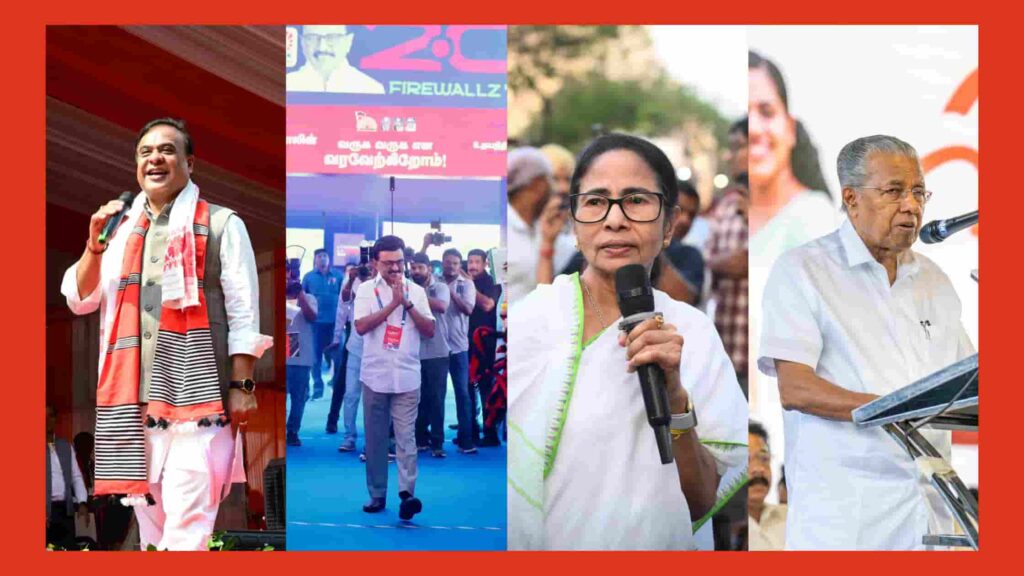
As 2026 unfolds as a major electoral year in India, several state assemblies are set to go to polls, with political parties gearing up for high-profile battles that will shape regional and national political dynamics ahead of the 2029 general elections. The Election Commission of India has already intensified preparations, including voter-roll revisions and finalisation of electoral lists, as competition rises among alliances and regional players.Key States and Territories Headed to the PollsFive major state and union territory elections are scheduled in March–April 2026, with official dates expected to be announced by the Election Commission in mid-March. These elections are critical tests for both national and regional parties.Assam — All 126 seats of the Legislative Assembly will be contested on completion of the incumbent government’s term.Tamil Nadu — Polling is expected for all 234 assembly seats before the current assembly’s term ends in May.West Bengal — Elections for the 294-member Legislative Assembly are due in March–April, with the term ending in May.Kerala — The assembly polls will take place after the final electoral roll of 2.69 crore voters was released, reflecting sustained preparations.Puducherry — The Union Territory’s 30 assembly seats will also be in contention, completing the cycle of polls in these regions.Assam 2026: Ruling NDA Faces Consolidated OppositionThe Assam Legislative Assembly election is expected to be held in March–April 2026 for all 126 seats, with the incumbent National Democratic Alliance (NDA) led by Chief Minister Himanta Biswa Sarma seeking a fresh mandate.The NDA — comprising the Bharatiya Janata Party (BJP), Asom Gana Parishad (AGP), United People’s Party Liberal (UPPL) and Bodoland People’s Front (BPF) — has shown relative unity ahead of the polls, with party leaders asserting strong confidence. Opposition groupings, led by the Indian National Congress and regional allies (such as the All India United Democratic Front), are contesting seat-sharing arrangements and campaign strategies to consolidate anti-incumbency sentiment.Assam’s election context is shaped by issues of development, identity politics, border security and infrastructure spending, with parties highlighting governance records and local socio-economic priorities to appeal to voters.Tamil Nadu: Major Showdown Between AlliancesThe 2026 Tamil Nadu Assembly election will see all 234 assembly seats contested as the incumbent Dravida Munnetra Kazhagam-led Secular Progressive Alliance government, led by M. K. Stalin, seeks re-election. The principal challengers will be the National Democratic Alliance (NDA), driven by a All India Anna Dravida Munnetra Kazhagam-BJP alliance, and various regional fronts.Seat-sharing discussions are underway months ahead of the polls, with significant negotiations involving major allies such as the Manithaneya Makkal Katchi and other partners.Tamil Nadu’s electorate of over 56.7 million voters will decide on governance related to economic growth, social welfare, infrastructure, education and employment issues.West Bengal: TMC, BJP and Opposition Contest in a High-Profile PollWest Bengal is poised for a closely watched assembly election for all 294 seats, likely to be held between March and April 2026. While detailed polling dates are awaited, the polls are expected to be a litmus test of regional party strength against national contenders.The All India Trinamool Congress (TMC) continues to consolidate support amidst challenges from the NDA and other opposition parties. The election outcome in West Bengal will play a crucial role in demonstrating political momentum for various alliances ahead of national elections.Kerala: Assembly Polls With Nuanced Electoral DynamicsKerala’s assembly polls, set for April–May 2026, will see all 140 legislative seats contested. The election environment has been shaped by demographic shifts, as reflected in Kerala’s newly published voter list of over 2.69 crore electors, with women outnumbering men and inclusive representation of third gender and persons with disabilities.Political parties are focusing on traditional issues of social welfare, employment and public services, with rising discussions around state identity and cultural assertions ahead of the elections. Political observers note that regional alliances and local narratives will be significant in shaping voter preferences.Puducherry: Assembly Race in a Union TerritoryPuducherry’s assembly polls, involving 30 seats, are also scheduled for 2026, marking a critical electoral contest in the Union Territory. The small but strategically important electorate has often seen closely contested elections between national and regional fronts.Voter List Revision and PreparationsAcross these states, the Election Commission has undertaken final media roll updates and voter list preparations to ensure clean and updated electoral rolls ahead of the polls. For example, voter list revisions in Tamil Nadu resulted in significant updates to the final electoral roll, impacting millions of names.Rajya Sabha Elections and Legislative ImplicationsIn addition to assembly polls, the **biennial elections to the Rajya Sabha will be held on March 16, 2026, to fill 37 seats across ten states whose members’ terms expire in April. The schedule includes notification on February 26, nomination deadlines on March 5, scrutiny on March 6 and counting on March 16.This phase of Rajya Sabha elections is expected to influence parliamentary arithmetic and party strength in the Upper House ahead of future legislative sessions.Political Stakes and Broader ImpactThe 2026 state elections are critical for political parties as they seek to secure influence ahead of the general elections, projected for 2029. States like Assam, Tamil Nadu, West Bengal, Kerala and Puducherry are not only regional power centres but also reflect broader national narratives around governance, development and coalition politics.Parties are deploying extensive campaign strategies, alliance negotiations and policy platforms tailored to local priorities. Analysts indicate that the outcomes of these polls will not just determine regional governance but also shape political momentum, alliances and discourse on national priorities in the coming years.
Manipur Gets New Chief Minister: Yumnam Khemchand Singh Takes Oath, Pledges Peace and Stability After President’s Rule
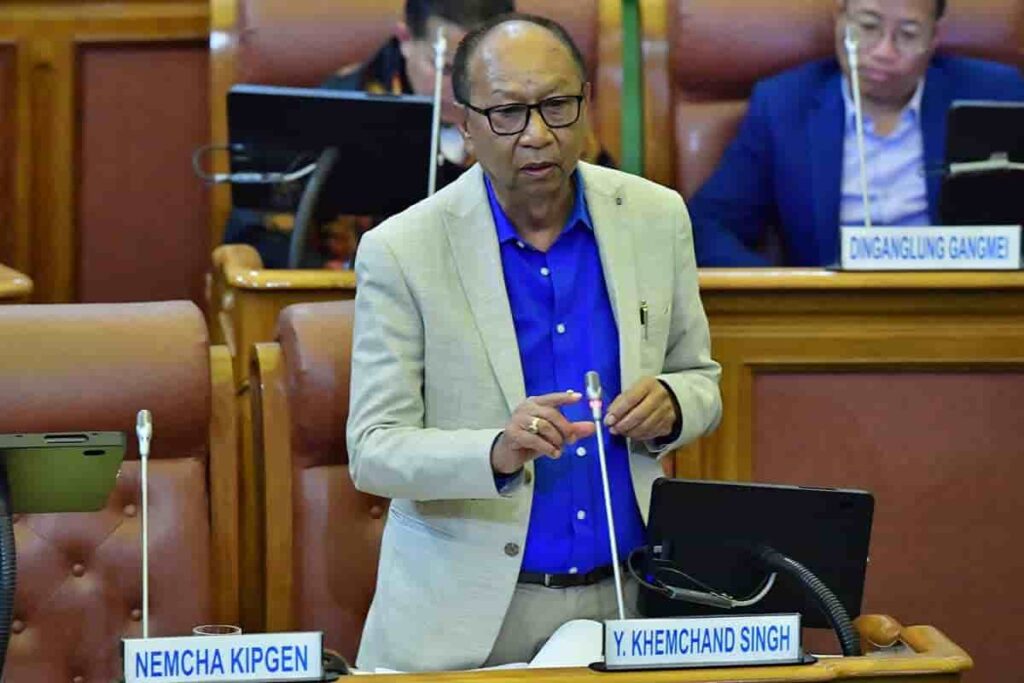
Imphal: Manipur returned to elected governance on February 4, 2026, with Yumnam Khemchand Singh taking oath as the Chief Minister of Manipur, formally ending months of President’s Rule in the state. The swearing-in marked a politically significant moment for Manipur, which has witnessed prolonged instability and administrative uncertainty.The oath of office and secrecy was administered by Governor Anusuiya Uikey at a ceremony in Imphal, attended by senior political leaders, legislators, officials and party representatives. The ceremony symbolised the restoration of democratic authority in the northeastern state after a period of direct central administration.President’s Rule Ends After Political UncertaintyPresident’s Rule was imposed in Manipur in 2025 after no political formation was able to demonstrate a stable majority in the 60-member Manipur Legislative Assembly. The prolonged deadlock followed political realignments after the 2022 Assembly elections, leading to governance being carried out directly by the Centre under Article 356 of the Constitution.Following renewed consultations and shifts in legislative support, Yumnam Khemchand Singh was invited to form the government after he staked claim with the backing of a majority of MLAs, crossing the required 31-member majority mark.With the swearing-in on February 4, President’s Rule was officially revoked, restoring legislative and executive authority to an elected government.‘Peace Is the First Priority’: Chief Minister’s MessageIn his first remarks after assuming office, Chief Minister Yumnam Khemchand Singh placed peace and stability at the centre of his government’s agenda, reflecting the gravity of the situation Manipur has faced in recent years.Singh emphasised that restoring peace and normalcy would be the topmost priority of his administration, stating that development and progress are not possible without social harmony. He called upon all sections of society to work together, stressing dialogue, cooperation and restraint.“The people of Manipur want peace. Without peace, there can be no development,” Singh said, underlining his commitment to maintaining law and order while addressing the concerns of all communities.He also assured that his government would govern in an inclusive manner and would take every step necessary to rebuild trust between citizens and institutions.Political Background and Leadership ProfileA senior leader of the Bharatiya Janata Party (BJP), Yumnam Khemchand Singh has been an experienced political figure in Manipur, with years of involvement in organisational and legislative roles. Known for his grassroots connect, Singh has played a key role in navigating complex political situations within the state.His elevation to the chief minister’s post comes at a time when Manipur requires firm leadership capable of balancing security, reconciliation and governance. Party leaders have described his appointment as a step towards stability and continuity.Governance Challenges AheadThe new government assumes office amid significant challenges. Apart from restoring political stability, Singh’s administration is expected to focus on:Maintaining law and order and ensuring peaceful coexistence across communitiesRebuilding administrative momentum after months of President’s RuleRestarting stalled development projects and infrastructure initiativesStrengthening welfare delivery, healthcare, education and employmentWorking closely with the Centre on security and development mattersObservers note that early decisions taken by the new government will be crucial in shaping public confidence.Political Reactions and Public SentimentThe swearing-in was welcomed by leaders of the ruling coalition, who described the end of President’s Rule as a return to democratic normalcy. Opposition parties acknowledged the transition while urging the new government to prioritise transparency, accountability and peace.Civil society organisations and residents expressed cautious optimism, with many hoping that the emphasis on peace would translate into sustained stability and improved governance.Why This Transition MattersThe appointment of Yumnam Khemchand Singh as Chief Minister marks a decisive moment for Manipur. Beyond the political change, it signals an attempt to move past uncertainty and focus on reconciliation, governance and development.As the state moves forward, Singh’s repeated emphasis on peace sets the tone for his administration. How effectively his government balances security concerns with inclusive governance will determine Manipur’s political and social trajectory in the months ahead.
New Mayors Take Charge in Mumbai, Pune, and 27 Other Maharashtra Cities
In a big win for the ruling Bharatiya Janata Party (BJP), the party has grabbed 20 out of 28 mayoral posts in Maharashtra’s municipal corporations. This comes after elections in 29 cities, with results from 28 announced so far. The BJP also won 17 deputy mayor posts. Only Bhiwandi Nizampur waits, its mayor poll is on February 20. This sweep shows the BJP’s strong hold in urban areas after winning most seats in the January 2026 civic polls. The polls covered 29 municipal corporations (MCs), including big ones like Mumbai (BMC), Pune, Nagpur, Thane, Nashik, and Pimpri-Chinchwad. BJP-led Mahayuti alliance (BJP + Shinde Shiv Sena + Ajit NCP) took control of 25 MCs, including cash-rich BMC. BJP alone won 1,425 of 2,869 seats statewide—a clear majority in many places. How the Mayor Elections Went Mayors are picked from elected corporators. In 28 MCs, BJP got 20 mayors (71%). Others: Shiv Sena (Shinde faction) 3, Shiv Sena UBT 1, Congress 1, NCP 1, Bahujan Vikas Aghadi (BVA) 1, Samajwadi Party 1 (Malegaon). For deputy mayors: BJP 17, Shiv Sena 4, Congress 2, and 1 each for NCP, UBT, BVA, RPI(A), Yuva Swabhiman, Samajwadi Party. Key wins: Mumbai (BMC): Mayor Ritu Tawde (BJP). BJP got 89/227 seats, alliance 118 (majority 114). Ends Thackeray’s rule after 25 years. Pune: Mayor Manjusha Nagpure (BJP). BJP won 110+ seats alone—unopposed in spots. Focus on roads, water. Nagpur: Mayor Samir Rajurkar (BJP), Deputy Rajendra Janjal (Shiv Sena-Shinde). BJP took ~100/150 wards. RSS base stays solid; general quota. Thane: Mayor Nita Thakre (BJP), Deputy Vilas Shinde? (Shiv Sena-Shinde). BJP majority (70+ seats); SC reservation, but alliance win. Thakre family rivalry (BJP vs UBT). Nashik: Mayor Himagauri Adke-Aher (BJP), Deputy Manoj Chaudhary (Shiv Sena-Shinde). BJP 72/122 seats; women’s general quota. Minister Girish Mahajan backs; Kumbh prep ahead. Bhiwandi (90 seats, majority 46) has 10 mayoral candidates, 7 for deputy, tense contest ahead. Reservation Lottery Sparks Row On February 19 (or Thursday per reports), the Urban Development Department ran a lottery for mayor seats in all 29 MCs. Based on the 2011 census quotas: 1 ST, 3 SC (2 women SC), 8 OBC (4 women), 17 General (9 women).Mumbai, Navi Mumbai, Mira-Bhayandar, and Nagpur are among 15 cities getting women mayors. Shiv Sena (UBT) cried foul, calling it “rigged” to favour rulers. They said the draw helpedthe BJP-Shinde picks. BJP dismissed it as sour grapes after poll loss. Nagpur: BJP’s Samir Rajurkar as Mayor Mayor: Samir Rajurkar (BJP). Deputy Mayor: Rajendra Janjal (Shiv Sena-Shinde faction). Details: BJP swept the Nagpur Municipal Corporation (NMC) with around 100 of 150 wards. Rajurkar, a seasoned BJP leader, was elected unopposed or with alliance support. Nagpur (orange city, RSS base) remains a BJP stronghold. Reservations favored general category; the process was smooth. Thane: BJP’s Nita Thakre as Mayor Mayor: Nita Thakre (BJP). Deputy Mayor: Process ongoing or Vilas Shinde (Shiv Sena-Shinde). Details: Thane MC was reserved for the SC category, but the BJP’s majority (over 70 seats) secured it. Thakre, a BJP corporator, takes charge amid Mahayuti control. Thakre brothers’ rivalry (BJP vs UBT) played out, with the BJP winning big. Nashik: BJP’s Himagauri Adke (or Deepmala Kale?) as Frontrunner Mayor: Himagauri Adke-Aher (BJP, likely; reports mention Deepmala Kale or process). Deputy Mayor: Manoj Chaudhary (Shiv Sena-Shinde). Details: Nashik MC is reserved for the general woman category. BJP won 72 of 122 seats, a clear majority. Adke-Aher (ex-standing committee chair) leads the race, backed by Minister Girish Mahajan. Names like Deepali Kulkarni floated; final call soon. BJP eyes Kumbh Mela prep. Background: Civic Polls Shake-Up Polls held January 15, 2026 (results Jan 16), first in 9 years for BMC, delayed by court cases. Turnout 46-50%. BJP’s solo strategy in Pune paid off; Thackeray brothers allied vs BJP-Shinde but lost BMC. AIMIM grabbed 125 seats, mostly in Mumbai. Mahayuti won 25/29 MCs; BJP chief Chandrashekhar Bawankule hailed it “historic.” State Election Commission data: BJP 1,372-1,425 seats statewide; Shiv Sena 394, Congress 315, UBT 149. What It Means BJP’s urban dominance boosts CM Devendra Fadnavis ahead of state polls. Funds control (BMC’s ₹60,000 crore budget) means more development push—roads, water, waste. Opposition warns of “one-party rule.” New mayors face trash piles, flooding, and slums, but the BJP eyes quick wins. For Pune’s Manjusha Nagpure (elected unopposed?), It’s development time.
Modi Calls Nitin Nabin His ‘Boss’ as New BJP President Takes Charge
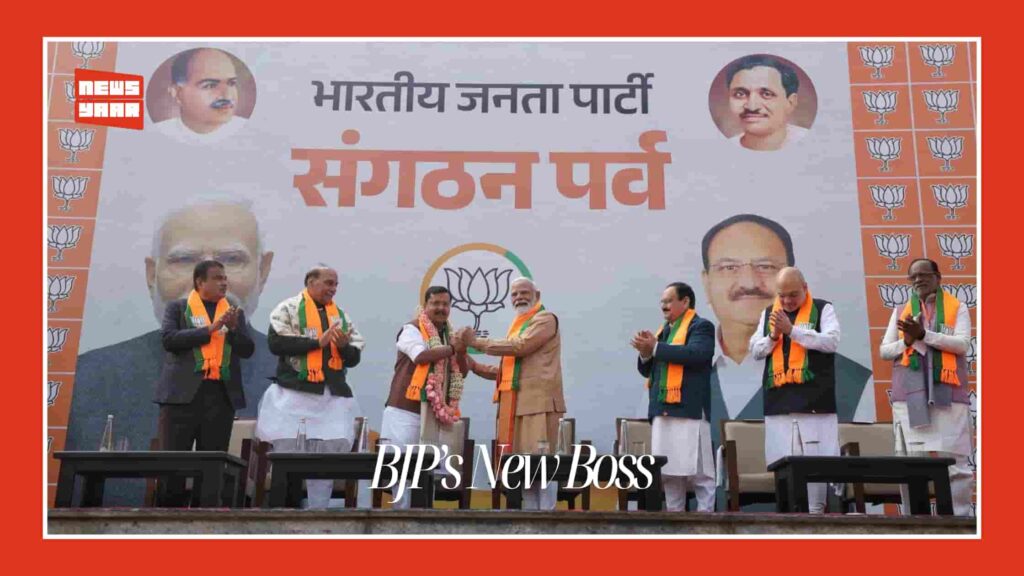
New Delhi:In a moment rich with symbolism and political messaging, Prime Minister Narendra Modi on Tuesday formally welcomed Nitin Nabin as the new national president of the Bharatiya Janata Party (BJP), declaring that in party matters, the newly appointed chief would be his “boss”. The remark, made at a felicitation event on January 20, 2026, with the BJP’s emphasis on organisational discipline and a clear separation between the party and the government.Nitin Nabin, 45, officially assumed charge in the presence of senior party leaders and Prime Minister Modi, marking the beginning of a new phase for the BJP’s organisational leadership. Addressing party workers, Modi said he had presented an account of his own work to the new president, adding with a touch of humour that he now awaited Nabin’s “guidance” and confidential report.“When it comes to party matters, honourable Nitin Nabin ji is my boss. I am a worker,” Modi said, drawing applause from the audience. The Prime Minister had made a similar statement in 2019 alongside then BJP president Amit Shah, reiterating a long-standing message within the party that the organisation functions independently of the government.Highlighting Nabin’s generational outlook, Modi pointed to the new president’s ability to bridge tradition and modernity. He remarked that while he himself grew up listening to news on the radio, Nabin represents a generation comfortable with technology and artificial intelligence, an implicit nod to the BJP’s evolving political strategies in a digital age.Nitin Nabin was officially declared the BJP national president on January 19, following the completion of an extensive internal organisational election process. According to party sources, 37 nominations were filed in his support, all of which were found valid.While the event largely focused on organisational unity, Modi also touched upon broader political issues. He reiterated the BJP’s position on national security, stating that infiltrators posed a serious threat to the country and must be identified and deported. He stressed the importance of learning from the mistakes of other political parties, a veiled reference to the Congress, and urged BJP workers to remain disciplined and connected to grassroots concerns.As Nitin Nabin steps into his new role, he faces the challenge of steering the BJP through complex electoral terrain and internal expectations. His relatively young age and organisational mandate signal a leadership style that blends experience with adaptability, qualities the party believes are essential for navigating the evolving political landscape.The transition, marked by Modi’s symbolic deference, reinforces the BJP’s core message: strong leadership thrives on organisational clarity, collective responsibility, and disciplined separation between party and power.
Mumbai BMC Election Results 2026: BJP Breaks Shiv Sena Stronghold, Fragmented Mandate Sets New Political Tone
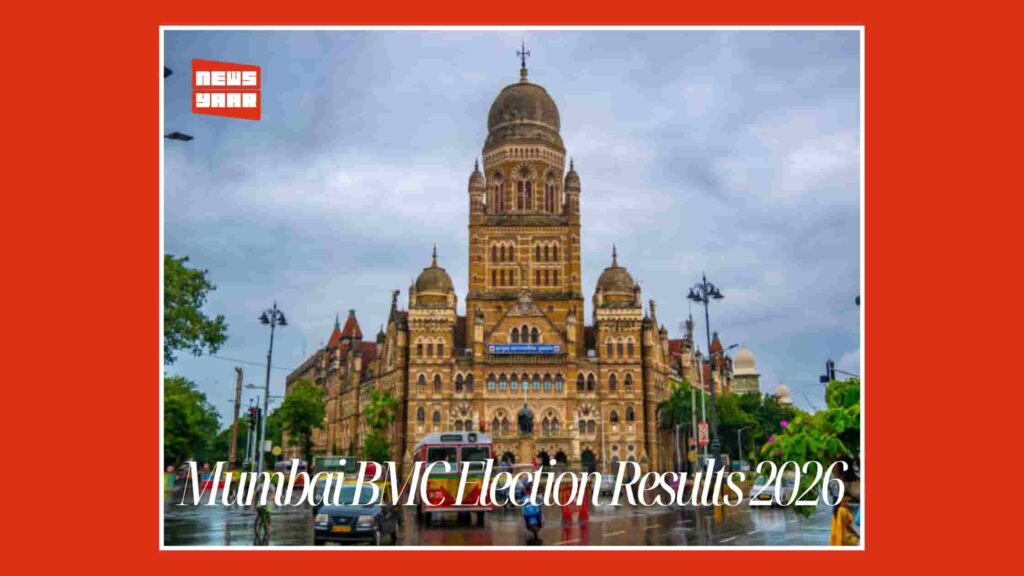
The results of the Brihanmumbai Municipal Corporation (BMC) elections 2026, declared late Friday night, have reconfigured civic politics in Mumbai after years of uncertainty. In a contest marked by shifting alliances and urban development themes, the Bharatiya Janata Party (BJP)-led Mahayuti alliance has emerged as the largest bloc in India’s richest municipal body, ending decades of dominance by the undivided Shiv Sena and reshaping the city’s political landscape. What Is the BMC and Why This Election Matters The Brihanmumbai Municipal Corporation is the administrative body responsible for civic services in Mumbai, including roads, hospitals, sanitation, water supply, and urban infrastructure. With an annual budget of over Rs 74,400 crore, it plays a crucial role in daily life for millions and sets the tone for urban policy in the Mumbai Metropolitan Region. This election was especially significant because it was the first held after a four-year delay and the first civic poll since the Shiv Sena split in 2022, which divided the party into the Eknath Shinde-led faction allied with the BJP and the Uddhav Balasaheb Thackeray-led Shiv Sena (UBT). Final Results: Seat Share and Winning Parties No single party secured an outright majority in the 227-ward BMC, but results show a clear lead for the Mahayuti alliance. Party-wise tally in BMC 2026: Bharatiya Janata Party (BJP): 89 seats Shiv Sena (Shinde faction): 29 seats Shiv Sena (UBT): 65 seats Congress: 24 seats AIMIM: 8 seats MNS: 6 seats Nationalist Congress Party (NCP): 3 seats Samajwadi Party: 2 seats NCP (SP): 1 seat(Majority mark in BMC: 114) With the BJP–Shinde Sena alliance jointly leading in 118 wards, they are well-positioned to form the next civic administration. Key Ward Victories and Local Players Several notable victories across the city shaped the electoral narrative. Highlights include: Ward 2 (BJP): Tejaswini Ghosalkar Ward 214 (BJP): Ajay Patil Ward 123 (UBT): Sunil More Ward 182 (UBT): Milind Vaidya Ward 183 (Congress): Asha Kale These wins reflect how both national and local issues influenced voter decisions across diverse Mumbai neighbourhoods. Political Reactions After the Results Leaders from all major camps offered their perspectives soon after results were declared. Maharashtra Chief Minister Devendra Fadnavis highlighted the alliance’s performance as a reflection of public trust in governance. According to him, the BJP’s share — around 45% vote share — demonstrated a broad urban mandate for development-oriented politics. From the opposition, Shiv Sena (UBT) leader Sanjay Raut said the results showed continued support for the Thackeray brand in many traditional areas, even as the party lost its institutional hold. Why This Is a Turning Point for Mumbai BMC has historically been a bastion of regional identity politics, with the Shiv Sena’s rise intertwined with the ‘Marathi asmita’ narrative — emphasising local pride and mobilisation around regional interests. However, this election suggests a shift toward urban governance themes such as infrastructure, flood management, civic service delivery, and development outcomes, rather than purely identity-based politics. Analysts note that the BJP’s success is the result of a “triple engine” strategy, combining support from the Centre, state leadership, and local organisational strength to appeal to voters focused on performance and delivery. Broader Maharashtra Civic Sweep and Urban Impact The BMC outcome was part of a wider civic sweep by the BJP-led alliance across Maharashtra. The party has secured dominant positions in multiple municipal corporations, including Pune and Pimpri-Chinchwad, further weakening rival factions and establishing itself as the leading force in urban local bodies ahead of future state and national contests. What Comes Next: Leadership and Governance With the alliance poised to control the BMC, the focus now shifts to: Election of the Mayor Formation of key standing committees (finance, public works, health) Early policy signals on infrastructure upgrades, monsoon preparedness, housing redevelopment and sanitation The new administration faces a range of civic challenges that will test its governance approach amidst high public expectations. In Brief BMC election 2026 held after a four-year gap ended long-standing political patterns in Mumbai. The BJP-Shinde Sena alliance crossed the majority mark with 118 wards. Shiv Sena (UBT) held on to 65 seats, showing resilience in core areas. Congress, AIMIM, MNS and smaller parties maintained pockets of influence. Urban governance and development issues appeared to outweigh traditional identity politics.
Nitin Nabin Appointed BJP National Working President in Major Leadership Move
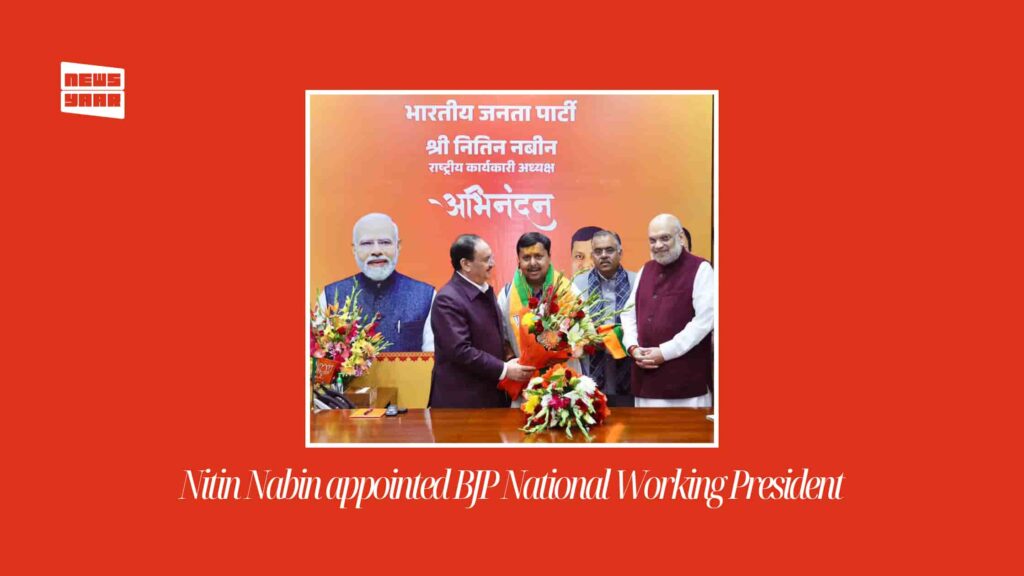
In a significant organisational shift, the Bharatiya Janata Party (BJP) has appointed Nitin Nabin as its National Working President, marking a key moment in the party’s leadership strategy as India approaches a politically important period.The appointment was made by the BJP Parliamentary Board on 14 December 2025, and Nabin formally assumed charge at the party’s headquarters in New Delhi in the presence of senior leaders, including Home Minister Amit Shah and outgoing national president J.P. Nadda. A Generational Change in BJP LeadershipAt 45 years of age, Nitin Nabin becomes one of the youngest leaders to hold the post of National Working President, signalling a deliberate generational shift within the party’s top ranks. The BJP has described the appointment as recognition of his long organisational experience and grassroots work.Nabin is a five-term MLA from the Bankipur Assembly constituency in Patna and has held multiple ministerial portfolios in the Bihar government, including road construction and urban development.Shortly after taking on his national role, he resigned from his Bihar cabinet positions, adhering to the BJP’s “one person, one post” policy, reinforcing his full-time commitment to the party organisation. Political Outreach and Organisational WorkSince his appointment, Nitin Nabin has embarked on an active outreach programme. He was recently seen leading a large roadshow in Patna, where thousands of party workers and supporters greeted him with slogans and flower showers, highlighting his strong support base in his home state.He has also travelled to Assam as part of the BJP’s national campaign to strengthen grassroots engagement under the party’s “Mera Booth Sabse Majboot” initiative, a key organisational push ahead of upcoming state elections.New Delhi Moves and StatusIn New Delhi, Nitin Nabin has also been allocated a government bungalow in the prestigious Lutyens’ Delhi area, underlining his elevated status within the party and the central leadership’s support.His visibility has risen sharply, with meetings reported with senior political figures and government dignitaries. Within a short span in his new role, he has been actively engaging with party workers and planning organisational strategy for future electoral battles.Future Prospects and Party DirectionPolitical analysts see Nitin Nabin’s appointment as part of the BJP’s broader strategy to strengthen organisational coherence and nurture younger leadership ahead of major elections.There is also speculation that he could be elevated further within the party structure in early 2026, potentially positioning him as a future BJP national president.As Nabin settles into the role, party insiders say his blend of experience, organisational work, and ground presence will be central to the BJP’s efforts to reinforce its political footprint across India.
Special Intensive Revision: Why Electoral Rolls Are Being Rechecked
Every democracy depends on a simple but powerful foundation: the right list of voters. To protect that foundation, election authorities periodically undertake an exercise known as the Special Intensive Revision (SIR) of the electoral rolls process that may appear routine on paper but carries deep significance for free and fair elections.Unlike regular updates, which happen continuously through the year, a Special Intensive Revision is a focused, time-bound effort to comprehensively verify and correct voter lists in a particular area. It is usually undertaken ahead of major elections or when concerns arise about inaccuracies, duplication, or demographic changes that may affect electoral integrity.At its core, SIR is about accuracy and inclusion. Over time, electoral rolls naturally become outdated. People move homes, migrate for work, change names, or pass away. New voters turn 18 and become eligible, while others may no longer meet the criteria to remain on the list. If these changes are not addressed systematically, voter rolls risk becoming cluttered with errorspotentially disenfranchising genuine voters or allowing misuse.The Special Intensive Revision seeks to address this by going beyond desk-based corrections. Booth Level Officers (BLOs) are often tasked with physical verification, visiting households to confirm voter details. Citizens are encouraged to check their entries, submit claims for inclusion, request corrections, or file objections against incorrect listings. Draft rolls are published, feedback is invited, and final rolls are prepared only after this public scrutiny.This participatory nature is what makes SIR especially important. It places responsibility not just on election officials, but also on voters themselves. A clean electoral roll is not created in isolation relies on citizens taking the time to verify their information and report inaccuracies.In recent years, SIR exercises have gained added relevance due to increased urban migration and rapid population shifts. Cities expand, rural populations relocate, and entire neighbourhoods transform within a few years. Without intensive revision, voter lists may fail to reflect these realities, leading to confusion on polling day and, in some cases, allegations of unfair practices.Technology has also reshaped how SIR is conducted. Digital databases, online forms, and mobile applications have made it easier for voters to check their status and submit requests. However, physical verification remains a critical component, particularly in areas with limited digital access. The balance between technology and on-ground outreach ensures that no voter is left out due to the digital divide.Critics sometimes raise concerns that intensive revisions could lead to wrongful deletions if not handled carefully. Election authorities, therefore, emphasise transparency and due process. Deletions are not meant to be arbitrary; they follow clear guidelines, documented verification, and opportunities for appeal. The goal is correction, not exclusion.From a democratic standpoint, SIR serves as a preventive measure. Clean electoral rolls reduce disputes, build trust in the election process, and strengthen the credibility of outcomes. When voters see their details accurately reflected, confidence in the system grows. When political parties operate with the same verified data, the playing field becomes more level.Ultimately, the Special Intensive Revision is not just an administrative exercise; it is a democratic safeguard. It reminds citizens that voting rights come with civic responsibility, and that democracy requires regular maintenance, not blind faith.As elections approach in different parts of the country, SIR exercises will continue to play a quiet but crucial role behind the scenes. Their success depends on meticulous execution by officials and active participation by voters. In that partnership lies the assurance that every legitimate voice is counted and counted correctly.Video credit: Election Commission of India