


Mahmood Akram and the Claim of Knowing 400 Languages: A Story of Linguistic Brilliance and Debate
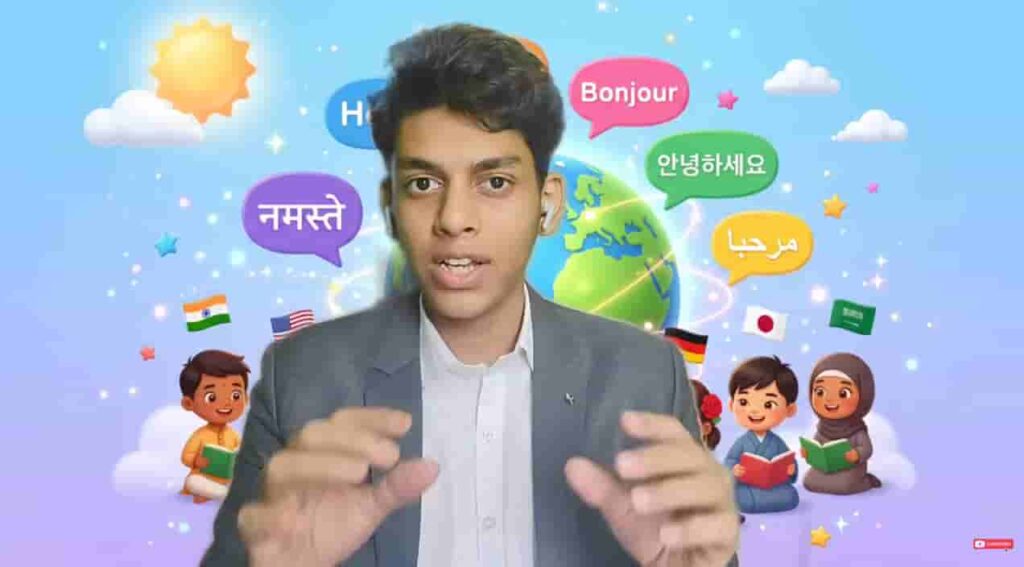
In an age where multilingualism is increasingly valued, the story of Mahmood Akram has drawn widespread attention for an extraordinary claim—that of knowing and understanding nearly 400 languages. The claim, which has circulated across media reports and public discussions, has positioned Akram as a remarkable figure in the world of linguistics, while also sparking conversations about the limits of human language acquisition.The Claim and Public RecognitionMahmood Akram, often described as a polyglot with exceptional linguistic abilities, has reportedly demonstrated knowledge of hundreds of languages spanning different regions, scripts, and linguistic families. His abilities have been showcased through interviews, public appearances, and interactions where he has conversed or responded in multiple languages.The claim of knowing around 400 languages has been widely shared, bringing him into the spotlight as one of the most linguistically gifted individuals in recent times. It has also led to comparisons with historically known polyglots and language scholars.Understanding What “Knowing a Language” MeansA key aspect of the discussion around Mahmood Akram’s abilities is the definition of what it means to “know” a language. Linguists often distinguish between different levels of proficiency, such as:Basic conversational abilityReading and writing skillsFluency and native-like commandAcademic or professional masteryIn the context of extreme multilingualism, it is possible for an individual to have varying levels of familiarity across a large number of languages. This may include the ability to recognise scripts, understand basic vocabulary, or hold simple conversations rather than full fluency in all.The Science Behind PolyglotsThe phenomenon of polyglots—individuals who can speak multiple languages—has long fascinated researchers. Experts in Linguistics note that learning languages becomes easier with exposure, practice, and familiarity with language patterns.Some of the factors that contribute to high-level multilingual ability include:Strong memory and pattern recognitionEarly exposure to multiple languagesConsistent practice and immersionInterest in language structures and culturesWhile mastering a handful of languages is achievable for many, claims of mastering hundreds push the boundaries of what is typically considered possible.Comparisons with Historical PolyglotsThroughout history, several individuals have gained recognition for their multilingual abilities. Figures such as Giuseppe Mezzofanti, a 19th-century cardinal known for his knowledge of dozens of languages, are often cited in discussions about extreme polyglots.However, even among the most well-documented cases, claims rarely reach the scale of hundreds of languages at high proficiency. This makes Mahmood Akram’s claim both fascinating and subject to scrutiny.Public Fascination and SkepticismThe story of Mahmood Akram has captured public imagination, particularly in a globalised world where language skills are seen as a gateway to opportunities and cultural exchange.At the same time, experts and observers have pointed out the need for careful evaluation of such claims. Verifying proficiency across hundreds of languages is a complex process that would require structured assessment, documentation, and expert validation.This has led to a mix of admiration and skepticism surrounding the claim, with many viewing it as an example of extraordinary talent, while others call for clearer evidence and standardised benchmarks.The Broader SignificanceRegardless of the exact number of languages known, the attention surrounding Mahmood Akram highlights the importance of language learning in today’s interconnected world. Multilingual individuals play a key role in bridging cultural gaps, facilitating communication, and preserving linguistic diversity.The story also underscores the human fascination with exceptional abilities and the limits of cognitive potential.A Story That Continues to EvolveAs discussions around Mahmood Akram’s linguistic abilities continue, his story remains one of intrigue and debate. Whether viewed as a record-breaking achievement or an extraordinary claim requiring further validation, it has undeniably brought renewed focus to the field of language learning and the remarkable capabilities of the human mind.The narrative serves as a reminder that language is not just a tool for communication, but also a reflection of cultural richness—and for some, a lifelong pursuit that pushes the boundaries of what seems possible.
Pariksha Pe Charcha 2026: 9th Edition — PM Modi Engages Students, Teachers and Parents Nationwide
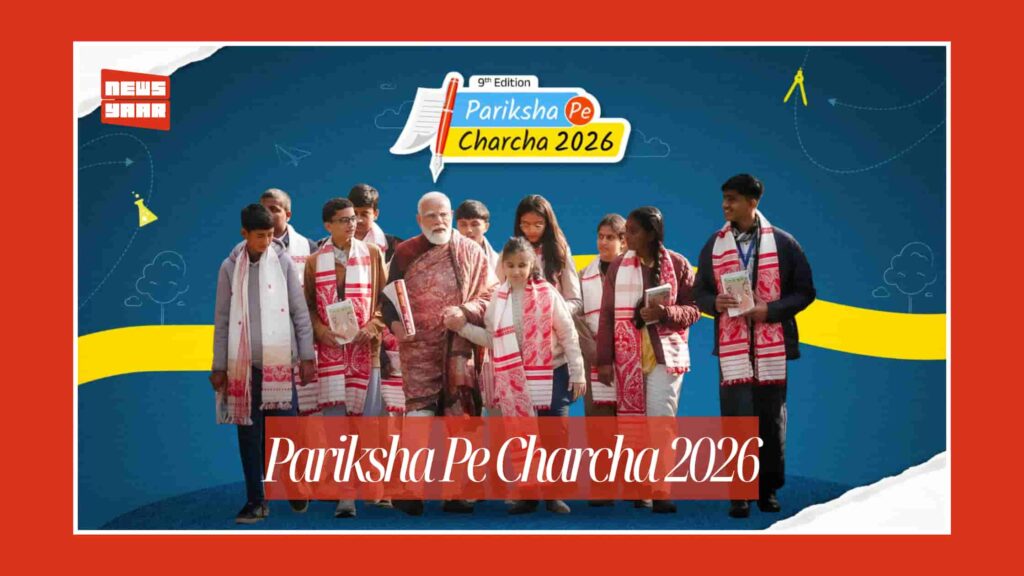
The 9th edition of Pariksha Pe Charcha (PPC) — India’s annual interactive session between Prime Minister Narendra Modi and students, parents and teachers — was held on Friday, February 6, 2026. The event, broadcast live across television and digital platforms, marked a flagship national initiative that addresses examination stress, learning strategies, mental well-being and life skills for learners in the run-up to major board and competitive exams.Organised by the Department of School Education and Literacy under the Ministry of Education, PPC has evolved into one of the most widely followed educational outreach programmes in the country, reaching millions of students across urban and rural India.What Is Pariksha Pe Charcha?Pariksha Pe Charcha — literally “Discussion on Examinations” — is an annual interactive dialogue in which the Prime Minister addresses the concerns of students, parents and teachers about exams, study practices, stress management and future aspirations. First launched in 2018, the initiative aims to transform examination stress into a celebration of learning, encourage confidence and promote a balanced approach to academic life.Over the years, PPC has become a popular platform that reinforces mental well-being and purposeful learning, extending its relevance beyond just study tips to include broader life skills such as time management, resilience, discipline and digital awareness.Date, Format and ParticipationEvent: Pariksha Pe Charcha 2026Edition: 9thDate of Main Interaction: 6 February 2026Organiser: Department of School Education and Literacy, Ministry of Education, Government of IndiaMode: Live broadcast and digital streaming across Doordarshan channels (DD National, DD News, DD India), All India Radio, MyGov.in, official Ministry of Education channels, YouTube, Facebook Live and other portals.The event was conducted in a hybrid and pan-India format, with interactive segments connecting the Prime Minister to learners in multiple cities including Delhi, Coimbatore (Tamil Nadu), Raipur (Chhattisgarh), Devmogra (Gujarat) and Guwahati (Assam), reflecting the nationwide reach of the initiative.Registration and Nationwide ParticipationThe registration process for Pariksha Pe Charcha 2026 opened on 1 December 2025 on the MyGov portal, where students, teachers and parents could apply to participate and submit questions. The registration window closed on 11 January 2026.This year’s edition witnessed a record turnout, with over 4.5 crore registrations from students, parents and teachers. In addition, more than 2.26 crore people participated in associated school-based activities such as debates, quizzes and workshops, taking the overall engagement to approximately 6.76 crore participants nationwide.Educational institutions organised preparatory and follow-up activities such as quizzes, storytelling sessions, motivational talks and awareness programmes as part of the broader run-up to PPC, reinforcing its impact beyond the live broadcast.Key Themes and MessagesDuring the 2026 interaction, Prime Minister Modi addressed a wide range of topics relevant to students’ academic journeys and personal development. The session did not focus solely on examination techniques, but also on holistic growth, well-being and future opportunities:1. Exam Preparation and Strategic LearningPM Modi advised students on effective preparation techniques that emphasised consistent effort, understanding concepts and time management rather than last-minute preparation. He spoke about the importance of building a solid daily routine, disciplined revision and active engagement with study material.2. Stress Management and Mental Well-BeingA central thread of PPC 2026 was the discussion on exam anxiety and stress. The Prime Minister encouraged learners to view exams as milestones in learning rather than stress points, and urged them to maintain a calm, confident mindset. He highlighted practices such as regular breaks, physical exercise, sleep hygiene and supportive family environments to support mental well-being.3. Responsible Use of Technology and Artificial Intelligence (AI)A significant topic for 2026 was the role of technology and AI in education. PM Modi emphasised that students should use AI as a guidance tool to enhance learning, creativity and problem-solving, but warned against over-dependence that might erode independent thinking and effort. He reiterated that discipline, focus and human judgment remain critical to academic success.4. Career Choices and Personal GrowthResponding to student and parent queries about career decisions, the Prime Minister advised learners to explore fields based on their interests, strengths and passions, rather than merely following popular trends. He encouraged self-awareness and thoughtful exploration before choosing professional pathways, highlighting that personal satisfaction and purposeful work contribute to long-term success.5. Broader Life Skills and ValuesBeyond exams, the session touched on broader skills such as leadership, time management, emotional balance, discipline and community contribution — urging students to approach life with curiosity, resilience and empathy. In addressing parents, PM Modi called for supportive, pressure-free environments that allow children to thrive without excessive stress.Interactive Format and Question SelectionStudents and teachers submitted questions through official platforms ahead of the event, allowing the Prime Minister to respond to real concerns from multiple regions and educational backgrounds. The hybrid format enabled live participation from multiple locations, enabling similar levels of engagement across geographic and linguistic diversity.School events and live-streaming sessions, such as those organised in Kamrup Metropolitan district in Assam, facilitated shared viewing experiences, underscoring PPC’s role in fostering community dialogue and collective motivation ahead of examinations.Public and Media EngagementPariksha Pe Charcha continues to attract broad media attention, with national and regional channels covering the event extensively. News outlets provided live coverage, summaries, thematic highlights and expert analysis, ensuring the session’s key messages reached students who were unable to participate live. Social media platforms were abuzz with clips, quotes, study tips and reflections, making PPC both a live conversation and a catalyst for follow-up discussions in classrooms and homes.Why Pariksha Pe Charcha MattersPariksha Pe Charcha has grown into a signature national initiative for several reasons:Nationwide Accessibility: Through free broadcasts on television, radio and digital platforms, PPC ensures that students from all parts of India, including remote and rural areas, can participate.Holistic Focus: The programme combines study tips with guidance on mental health, balanced lifestyles and future readiness, making it relevant beyond examinations.Youth Engagement: By directly involving students in dialogue with the Prime Minister, PPC encourages active engagement, questions and shared learning.Community Impact: Schools and families use PPC as a springboard for broader discussions on stress, career planning and educational values.Scale and Reach: The 2026 edition’s millions-strong participation reflects the event’s evolution into a pan-India
UGC Equity Rules Ignite Campus Fury: Protests, Court Stay, and a Divided Nation
On a chilly January morning in 2026, 22-year-old Amit Mishra from Ballia led 60 fellow students on a 3-km march across Lucknow University, from the faculty of law to gate number 3. Their banners bore no party logos, just raw demands for “Equity for All.” This scene, amid policy’s collision with identity, captures the explosive backlash against the University Grants Commission (Promotion of Equity in Higher Education Institutions) Regulations, 2026, notified January 13. Aimed at curbing caste-based discrimination, especially against SCs, STs, OBCs, disabled persons, and women, the rules have sparked protests, a Supreme Court stay, and fierce political divides. Notified to repeal 2012 guidelines and align with the National Education Policy 2020’s equity focus, the regulations mandate Equity Committees, Equal Opportunity Centres, helplines, Campus Level Committees, and even “Equity Squads” for campus vigilance. They define discrimination broadly, covering religion, race, gender, caste, birthplace, and disability, but spotlight caste-based harm against reserved categories. Institutions must enforce these under the head’s oversight, with appeals to an Ombudsperson. Born from 2019 PILs by mothers of Rohith Vemula (died 2016) and Payal Tadvi, students alleging caste harassment, the rules address a 118% surge in UGC-reported complaints over five years. Campus Clashes Erupt Delhi University’s North Campus boiled over on Wednesday as general-category students breached police barricades near the Vice-Chancellor’s office, placards screaming “Kaala Kanoon Vaapas Lo,” “Equity for All, Not for Few.” Protester Satvik Sharma decried vague definitions and misuse risks, vowing to Parliament if unmet. Akhilesh Tiwari slammed the exclusion of general students from redressal, demanding natural justice amendments over the 2013 grievance system. Patna’s Dinkar Golambar turned chaotic: Hundreds from All Bihar Students Union and Savarna Ekta Manch burned effigies, announcing a February 1 Bharat Bandh. Leaders like Vishal Kumar cried upper-caste targeting, “Unity or destruction!”, while Suryadev Kumar called it divisive caste politics. UP protests echoed with “Bantenge Toh Katenge,” Lucknow and Kanpur seeing head-shaving vows; even a BJP Kisan Morcha office-bearer and Bareilly magistrate resigned in Rae Bareli. Sangh Parivar student wings protested at UGC offices; Karni Sena joined the bandh call. SFI countered with pro-rules marches, citing systemic bias. Court Steps In, Politics Splits January 29, Chief Justice Surya Kant and Justice Joymalya Bagchi stayed implementation, calling rules “prima facie vague,” misuse-prone, and overly caste-focused, excluding ragging, ignoring non-caste bias. Notices issued to UGC and government for March 19 replies; bench urged eminent jurists’ review. Petitions claim violations of Articles 14, 15(1), 21, seeking caste-neutral access. Tamil Nadu CM M.K. Stalin hailed it as “welcome” against “deep-rooted discrimination,” linking to SC/ST suicides and south/Kashmiri attacks, but flagged weak independence (heads chair committees). He urged strengthening, evoking Mandal resistance. CPI(M) backed expansion to IITs/IIMs; BSP’s Mayawati, Shiv Sena (UBT)’s Priyanka Chaturvedi welcomed stay for upper-caste inclusion. BJP’s Dharmendra Pradhan assured no misuse. Deeper Flaws Exposed Critics decry admin-controlled squads as “moral policing,” no systemic policy checks, and stakeholder ambiguity, faculty/staff covered but Ombudsperson student-only. Pro-rules voices see exclusionary protection as vital; opponents, a general-category witch hunt. Pre-election timing fuels suspicions. From streets to the Supreme Court, this “masterclass or mug’s game” tests equity’s meaning. As February 1 looms, India’s campuses teeter, Will the judicial system refine or dismantle?
18th Rozgar Mela: Massive Government Job Drive Connects Youth With Employment Opportunities
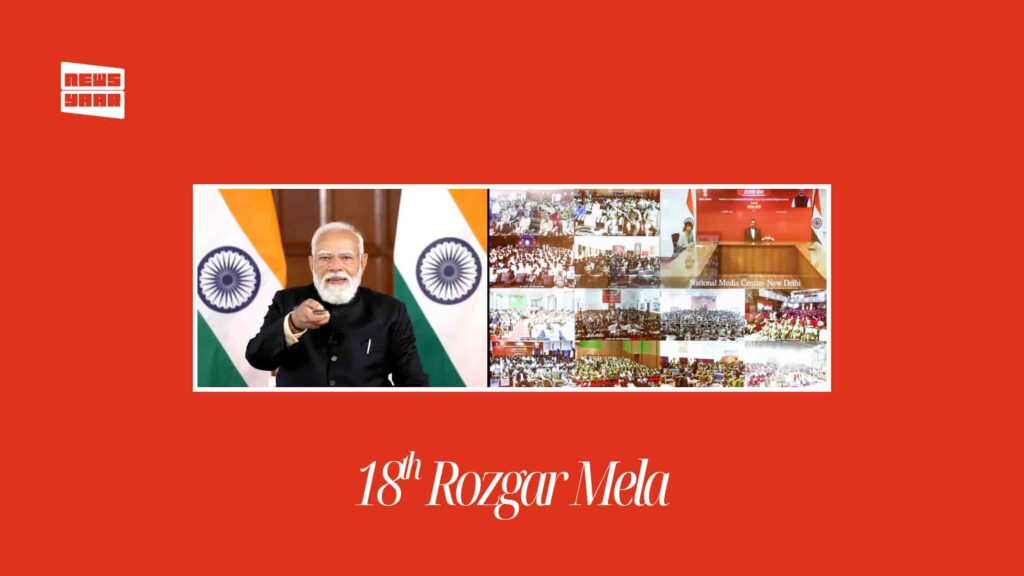
The 18th Rozgar Mela, one of India’s largest ongoing employment initiatives, was held on 24 January 2026 with events organised simultaneously across the country to provide job opportunities and appointment letters to young Indians. The flagship programme — aimed at accelerating government recruitment and linking the nation’s youth with jobs across ministries, departments and public sector units — witnessed widespread participation and engagement from newly appointed candidates. Prime Minister Narendra Modi addressed the 18th Rozgar Mela via video conferencing from New Delhi, speaking to appointees gathered at 45 locations nationwide. In his address, he described the initiative as a significant milestone for India’s youth and reiterated the government’s focus on employment creation, skill development and economic opportunity expansion for young Indians. When and Where It HappenedThe 18th Rozgar Mela took place on 24 January 2026, coinciding with a period of national significance that includes Parakram Diwas (on 23 January), National Voters’ Day (25 January) and the Republic Day celebrations on 26 January. The event was organised at 45 locations across India, allowing candidates from diverse regions to receive appointment letters and engage in related activities. The main address was delivered from New Delhi by the Prime Minister, while physical distribution of letters and events were held at designated Rozgar Mela venues in states across the country, including West Bengal, Nagaland, and other regions. Some centres, such as the Assam Rifles Training Centre in Dimapur, Nagaland, issued appointment letters to newly recruited candidates, reflecting the decentralised nature of the event. Key Highlights and Appointment DistributionOver 61,000 appointment letters were distributed to candidates selected for government jobs across ministries, departments and organisations, including departments such as Home Affairs, Health and Family Welfare, Higher Education, Financial Services, and others. The appointment letters were handed over through a combination of physical distribution at Rozgar Mela venuesand virtual interaction, connecting recipients across different states with the Prime Minister’s address. The event marks one of the largest single distributions of appointment letters under the Rozgar Mela scheme, with many of the new appointees beginning their careers in government service immediately following the mela. Reports from individual centres — such as Digberia in West Bengal — indicated that thousands of appointment letters were issued locally to freshly recruited personnel, including those selected for service in Central Armed Police Forces (CAPFs) and other government wings. Prime Minister’s Address and Core MessagesIn his address, Prime Minister Narendra Modi highlighted the symbolic importance of the Rozgar Mela and framed the distribution of appointment letters as an “invitation to nation building” for the youth. He noted that the year 2026 had begun with new opportunities and happiness for many young Indians who were now entering government service through the mela. The Prime Minister emphasised that connecting youth with skills and employment remains a priority of the government and that the Rozgar Mela had evolved into a key institutional mechanism over recent years, issuing over 11 lakh appointment letters since its inception as a mission-mode recruitment drive. In his remarks, the Prime Minister also positioned the Rozgar Mela within a larger economic and developmental narrative, highlighting India’s rapidly growing startup ecosystem, expanding opportunities in sectors such as animation, digital media and electronics, and the role of trade and mobility agreements in opening new opportunities for Indian youth globally. He pointed to India’s demographic advantage as one of the youngest countries in the world and underlined the government’s consistent efforts to create employment both domestically and internationally, reinforcing the event’s relevance as part of the broader agenda of economic empowerment and youth inclusion. Broader Impact of Rozgar MelasSince its launch, the Rozgar Mela programme has been a significant tool for mission-mode recruitment by the Centre, working to accelerate government hiring and ensure transparent, timely delivery of appointment letters. According to government figures, the Rozgar Mela initiative has facilitated the distribution of appointment letters in excess of 11 lakh across multiple editions, helping to place youth in positions within central ministries, departments and public sector undertakings nationwide. Union officials and youth representatives have lauded the Rozgar Mela as a platform that not only invites career opportunities but also encourages the next generation of public servants to contribute meaningfully to national development. Many candidates expressed gratitude and optimism after receiving their appointment letters, highlighting the personal and professional significance of the event. A Platform for Empowerment and National ServiceThe 18th Rozgar Mela reinforced its identity as a platform for youth employment generation, providing young Indians with direct entry points into government service while aligning with broader national goals of skill development, economic growth and public service excellence. By bringing thousands of new recruits into government employment, the event underscored the government’s commitment to expanding opportunities for work and career advancement for the nation’s youth. Looking ahead, future editions of the Rozgar Mela will continue to be watched closely as an indicator of the government’s progress in achieving large-scale, transparent employment generation across sectors and regions, particularly at a time when job creation remains a central public policy objective.
New Delhi Book Fair 2026: A Literary Celebration Bringing Readers and Writers Together
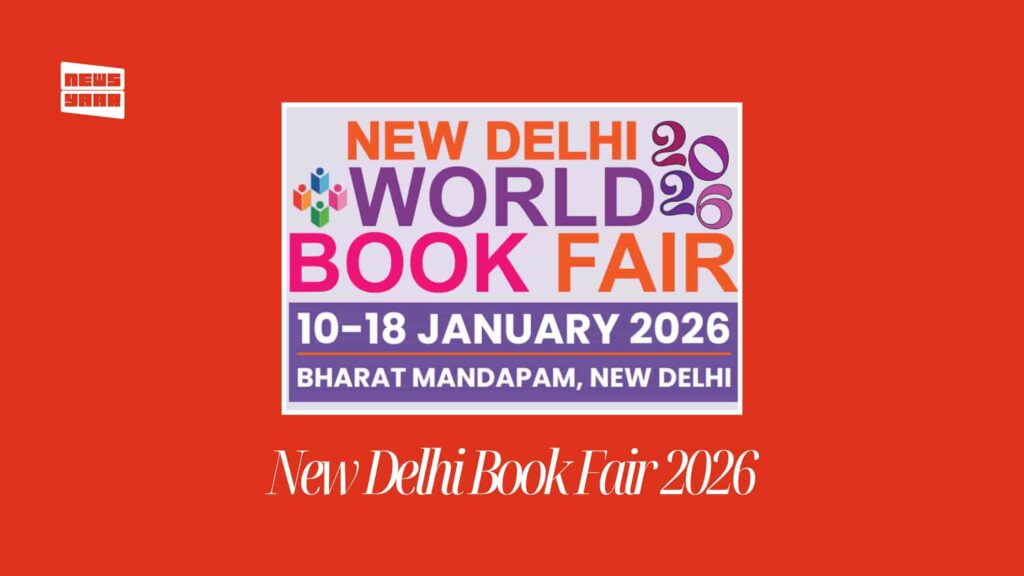
The Delhi Book Fair once again transformed the national capital into a vibrant hub of literature, ideas, and storytelling. Known as one of India’s most loved literary events, the fair attracted book lovers, authors, publishers, and students from across the country, reaffirming Delhi’s place as a cultural and intellectual centre. Event Details Dates: January 10–18, 2026 (9 days) Venue: Bharat Mandapam (Halls 2–6), Pragati Maidan, New Delhi Timings: 11:00 AM – 8:00 PM daily Entry: Free for all visitors Stepping into the fair felt like entering a world woven from stories, ideas, and imagination. The event showcased an incredible variety of books across genres, from fiction and non-fiction to academic texts, children’s books, self-help, and regional language publications, catering to readers of all ages and interests.An iconic venue, the fair offered a rich mix of books across genres, ranging from fiction, non-fiction, academic texts, children’s literature, self-help, and regional language publications. A Paradise for Book Lovers Walking into the Delhi Book Fair felt like stepping into a world made entirely of stories. Hundreds of stalls showcased books in English, Hindi, and several Indian languages, ensuring there was something for every reader. From bestselling novels and classic literature to competitive exam guides and research material, the fair catered to readers of all ages.Special sections dedicated to children remained a major attraction, with colourful books, comics, and activity corners encouraging young minds to develop a love for reading. Authors, Discussions, and Cultural Exchange Beyond book shopping, the Delhi Book Fair served as a platform for author interactions, panel discussions, and book launches. Renowned writers, emerging voices, and publishers engaged in conversations around literature, education, publishing trends, and the future of reading in a digital age.These sessions provided readers with a chance to connect directly with authors, understand their creative journeys, and gain insights into the evolving literary landscape.In a time when online content dominates, the fair stood as a reminder of the lasting value of printed books and structured learning. Keeping the Reading Culture Alive Despite the rise of e-books and digital platforms, the Delhi Book Fair highlighted that the charm of physical books remains strong. The event brought together people from diverse backgrounds, united by a shared love for reading, learning, and storytelling.Publishers also offered attractive discounts, making books more accessible and encouraging readers to build personal libraries. Delhi Book Fair: More Than Just an Event The Delhi Book Fair is not just about buying books; it is about celebrating ideas, creativity, and knowledge. It continues to inspire curiosity, promote literacy, and strengthen India’s reading culture.As the fair concludes, it leaves behind shelves full of new books and minds filled with fresh perspectives, proving once again that stories still matter, and always will.