


Suvendu Adhikari Sworn In as West Bengal’s First BJP Chief Minister
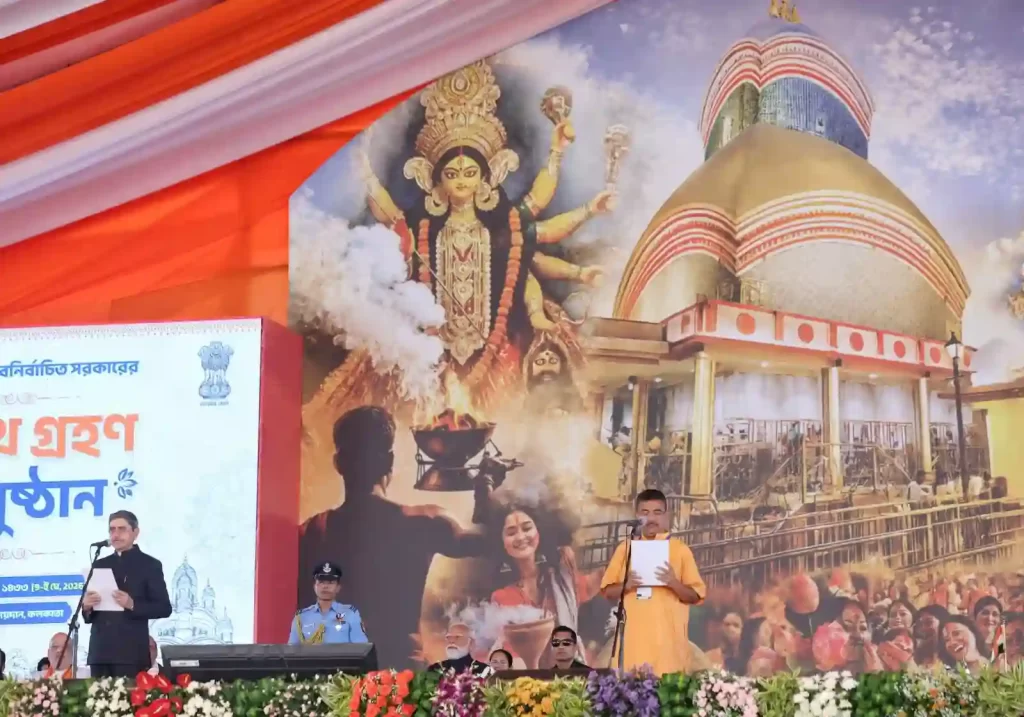
Suvendu Adhikari took the oath as the Chief Minister of West Bengal on May 9, 2026. This marked a historic moment for the state. The Bharatiya Janata Party (BJP) won 207 out of 294 assembly seats in the recent elections. This landslide victory ended the 15-year rule of Mamata Banerjee’s Trinamool Congress (TMC). Prime Minister Narendra Modi and Home Minister Amit Shah attended the swearing-in ceremony at Kolkata’s Brigade Parade Ground. Governor R. N. Ravi administered the oath. Five other BJP MLAs, Dilip Ghosh, Agnimitra Paul, Ashok Kirtania, Kshudiram Tudu, and Nisith Pramanik, also took oath as ministers.Adhikari’s rise ends TMC’s long dominance in West Bengal. Once a close ally of Mamata Banerjee, he switched to the BJP in 2020. His combative style and grassroots work helped the BJP break into the state’s politics. Supporters see him as a local hero who turned the tide. Critics call him divisive due to past remarks. Now, he leads a polarized state with big promises and tough challenges ahead.Early Life and Family Roots in PoliticsSuvendu Adhikari was born in 1970 in Purba Medinipur district. He comes from one of West Bengal’s most powerful political families. His father, Sisir Adhikari, served as a veteran Member of Parliament. The family built strong networks across coastal Bengal. Relatives held many elected posts over the years. This base gave Suvendu an early edge in politics.He started his career with the Congress party. Later, he joined TMC when it fought the Left Front government. Adhikari quickly rose through the ranks. He became known for his organizational skills and sharp political instincts. His family’s influence and personal drive made him a key player in local politics.Rise to Fame: The Nandigram Turning PointAdhikari’s big break came in 2007 in Nandigram. Farmers there protested a proposed chemical hub project by the Left Front government. The land acquisition plan sparked violent clashes. Adhikari organized much of the ground movement. He rallied villagers and led the resistance. The protests weakened the Left’s grip on power.This agitation paved the way for TMC’s 2011 victory. Mamata Banerjee swept to power, ending 34 years of Left rule. Adhikari emerged as a hero from Nandigram. He earned a reputation as Bengal’s top political organizer. Banerjee saw him as her trusted lieutenant. He won elections and held key posts in TMC, including transport minister.Fallout with TMC and Bold Switch to BJPTies with Banerjee soured over time. A 2016 Narada sting operation hurt his image. Videos showed TMC leaders, including Adhikari, allegedly taking cash from a fake investor. He denied the charges and questioned the footage’s authenticity. The scandal strained relations within TMC.By 2020, cracks widened. Adhikari resigned from TMC and joined BJP. It was a dramatic defection just before the 2021 assembly polls. He contested from Nandigram against Banerjee herself. In a nail-biter, Adhikari won by 1,956 votes. Though BJP lost the state, his personal win made him Banerjee’s main rival. It boosted his stature in the party.In 2026, he repeated the feat. BJP swept the polls. Adhikari defeated Banerjee in her Bhabanipur stronghold while retaining Nandigram. This double victory symbolized BJP’s takeover of TMC bastions.Key Role in BJP’s Historic Landslide VictoryAdhikari played a central role in BJP’s Bengal breakthrough. The party was marginal in the state for decades. TMC held a strong grip with welfare schemes and muscle power. Adhikari changed that with aggressive campaigning. He tapped into local issues like jobs, development, and alleged TMC corruption.His street-level networks mobilized voters in rural and coastal areas. Adhikari led charges against TMC’s “syndicate raj” and cut-money culture. He focused on Hindu consolidation in key seats. BJP promised industrial revival and safety from violence. Adhikari’s wins in Nandigram and Bhabanipur broke TMC’s psychological hold.The 207 seats gave BJP a clear majority. Adhikari became leader of the legislature party on May 8. His elevation shows PM Modi’s trust. Adhikari credits the victory to “people’s mandate against TMC misrule.” He vows to end “goonda raj” and bring “double-engine growth” with Delhi’s help.Controversies and Criticism Along the WayAdhikari’s journey faced storms. Critics accuse him of communal rhetoric. In 2021, the Election Commission warned him for calling Banerjee “Begum” and linking her win to a “mini-Pakistan.” In 2025, he said BJP would “throw out Muslim MLAs physically” if it won. TMC called it hate speech. He faced assembly suspension.He also alleged TMC medical camps pushed “birth control” to cut Hindu numbers. Opponents labeled it conspiratorial. Post-poll violence added tension. Days before swearing-in, Adhikari’s aide was shot dead near his home. BJP blamed TMC workers. Police probe unidentified attackers. These issues paint him as a polarizing figure.Vision for West Bengal: Jobs, Growth, and StabilityAdhikari promises big changes. His vision centers on “Viksit Bengal” by 2047. Key goals include attracting investment, creating youth jobs, and boosting industry. West Bengal lags in private investment. He plans “single-window clearance” for businesses. Focus areas: manufacturing, IT, and tourism.His eyes reviving stalled projects like Singur and Nayagram. Agriculture gets priority with better irrigation and markets. Women’s safety and law and order top the list. Adhikari pledges zero tolerance for violence. He wants to end political clashes that plague polls.Cultural revival features too. Promote Bengal’s heritage while integrating with national schemes. “Poribortan” (change) was the BJP’s slogan. Adhikari says it means jobs over doles, development over division.Challenges Ahead as New CMAdhikari faces tough tests. The state economy struggles. Unemployment haunts youth. Factories fled under TMC due to red tape and unions. Investors fear unrest. He must balance the Hindutva base with inclusive governance.Political rivals won’t fade. TMC remains strong in pockets. Mamata Banerjee vows opposition fight. Post-poll violence lingers. Healing divides need care. Adhikari must shift from agitator to administrator. Deliver results fast or risk backlash.Neutral bureaucracy and judiciary cooperation matter. Center-state ties help, but local execution decides.Road Ahead: From Firebrand to State BuilderAdhikari’s journey from TMC boy to BJP CM inspires supporters. At 56, he leads West Bengal’s first non-Left, non-TMC government since 1977. Modi walked him to the stage, signaling strong backing. Ministers like Dilip Ghosh add
Assembly Election Results 2026: Five States, Four Verdicts, One Seismic Political Shift
IntroductionThe verdict is in. The five simultaneous assembly elections held across India in April 2026 — in Assam, Kerala, Tamil Nadu, West Bengal, and the Union Territory of Puducherry — delivered their final results on counting day, May 4, 2026, and the political map of India looks meaningfully different today from what it did a month ago.Three of the five contests produced changes of government. Two of the three changes were historic by any measure. In West Bengal, 15 years of Trinamool Congress rule ended as the BJP swept to a majority of 206 seats in one of the most dramatic transfers of power any Indian state has witnessed since the early 1980s. In Tamil Nadu, a film star’s two-year-old party destroyed the 59-year dominance of the Dravidian duopoly, producing the state’s first-ever hung assembly. In Kerala, the Congress-led United Democratic Front routed a two-term Left government and returned to power with its best result since 1977. Assam and Puducherry returned their incumbents with comfortable margins.Together, the five results carry consequences for Indian politics that will be felt well beyond state boundaries, with the 2029 general election now firmly in view.West Bengal: The Fall of a 15-Year FortressThe ResultThe BJP won 206 seats in the 294-member West Bengal Legislative Assembly, clearing the 148-seat majority mark by a margin of 58 seats. The Trinamool Congress, which had governed the state continuously since 2011, was reduced to 76 seats — a collapse from the 213 seats it had won in 2021. Congress and the Left together won the remaining seats.The Election Commission ordered a repoll in the Falta constituency due to EVM tampering, scheduled for May 21, with results on May 24. One seat, Falta in South 24 Parganas, has results pending.What HappenedMamata Banerjee won her own Bhabanipur constituency, surviving a challenge from Suvendu Adhikari in a closely watched count that saw multiple lead reversals through the day before she eventually held on by a margin of 7,184 votes. Adhir Ranjan Chowdhury, the veteran Congress leader, lost from his traditional Baharampur stronghold, one of the starkest individual reversals of the day.The voter turnout was a record 92.6 percent across both phases. That extraordinary participation figure produced a result that defied most pre-election predictions of a close contest. The BJP crossed the majority mark in early counting and never looked back.The BJP’s Salt Lake headquarters in Kolkata broke into celebrations well before the afternoon counts were completed. The Election Commission, anticipating violence, banned all victory processions and rallies across the state following the result. Despite that ban, incidents of unrest were reported in multiple districts, with a TMC office vandalized and set alight in the Barabani constituency as counting trends turned heavily against the ruling party.A VVPAT slip controversy had emerged the night before counting, when hundreds of printed slips were found discarded near a roadside in the Subhashnagar area of Madhyamgram, from booth number 29 of the Noapara constituency. The incident prompted demands for an inquiry but did not delay counting.Why It HappenedAnti-incumbency after 15 years in power was the structural force underlying the result. Several compounding factors sharpened its impact. A recruitment scandal in government examinations, concerns about law and order, and questions about job creation had eroded public confidence during the incumbent government’s final two years. The Special Intensive Revision of electoral rolls, which resulted in the deletion of 91 lakh voters from West Bengal’s rolls, became the most politically charged controversy of the campaign, with the TMC accusing the BJP of engineering the exercise and the BJP counter-alleging that the TMC’s opposition to SIR was motivated by its dependence on undocumented voters. The controversy turned citizenship and identity into the dominant electoral themes, replacing the governance record debate that the TMC had wanted to fight on.Why It MattersWest Bengal holds 42 Lok Sabha seats. It is one of the largest states in India by parliamentary representation, and the BJP has historically underperformed in its Lok Sabha tally relative to its assembly vote share in the state. A government in Kolkata changes that structural equation ahead of 2029 in a way nothing else could.Tamil Nadu: The End of a 59-Year Dynasty — and a Hung AssemblyThe ResultTamil Nadu produced the most extraordinary result of the five elections. The final seat count in the 234-member assembly was:Tamilaga Vettri Kazhagam (TVK): 108 seatsDMK-led Secular Progressive Alliance (SPA): 73 seats (DMK: 59, INC: 5, others: 9)NDA led by AIADMK: 53 seats (AIADMK: 47, BJP: 1, others: 5)The majority mark is 118. No party or alliance crossed it. Tamil Nadu produced a hung assembly for the first time in its history.TVK, a party formed in February 2024 and contesting its first election, emerged as the single largest party. It beat both the DMK and AIADMK alliances in seat count but fell 10 seats short of forming a government on its own.Government FormationFollowing the declaration of results, Vijay invited the Indian National Congress to join a coalition government. Congress, which had won only 5 seats as part of the DMK-led SPA, accepted the invitation and formally left the DMK-led Secular Progressive Alliance, entering a new TVK-INC alliance. On May 6, 2026, Vijay met the Governor of Tamil Nadu, Rajendra Vishwanath Arlekar, and staked claim to form the government. He is expected to be sworn in as Chief Minister in the coming days.The Individual StoryThe personal stories from the counting day deserve particular mention. Vijay himself won both constituencies he contested, Perambur and Tiruchirappalli East, making him the clear face of government formation. Outgoing Chief Minister M. K. Stalin lost his Kolathur seat, which he had won three times consecutively. Deputy CM Udhayanidhi Stalin also lost his constituency. Fifteen ministers from the outgoing DMK cabinet were defeated. AIADMK general secretary Edappadi K. Palaniswami, however, retained his Edappadi seat with the widest winning margin in the state.Why It HappenedAnalysts identified several factors. TVK successfully targeted the youth vote, women voters, urban voters, and first-time voters across caste and religious lines. Anti-incumbency against the DMK government, widely
Met Gala 2026 Celebrates Costume Art with Bold Stars and Epic Looks

The Met Gala 2026 took place on Monday, May 4, 2026, at the Metropolitan Museum of Art in New York City. This glamorous event raised funds for the museum’s Costume Institute. Stars from music, film, sports, and fashion gathered on the red carpet. The theme was “Costume Art,” tied to a new exhibit of the same name. Guests interpreted the dress code “Fashion is Art” with creative outfits. Co-chairs Beyoncé, Nicole Kidman, Venus Williams, and Anna Wintour led the night. The steps looked like mossy bricks in a lush garden, setting a dramatic scene.Broadway star Joshua Henry opened the carpet with a lively performance. He sang “I Wanna Dance With Somebody” with a band and dancers. The energy matched the night’s artistic vibe. The exhibit opens to the public on May 10 and runs until January 10, 2027. It fills the new 12,000-square-foot Condé Nast Galleries. Hundreds of pieces mix fashion, art, and sculpture. They explore the dressed body across history, from ancient times to today. Curator Andrew Bolton calls it a celebration of the body’s beauty, flaws, and diversity. Sections cover the naked body, abstract body, aging body, and pregnant body. Designers like Rei Kawakubo and Riccardo Tisci feature prominently.Star-Studded Co-Chairs Set the ToneBeyoncé returned after 10 years, stunning in a custom Olivier Rousteing gown. It featured an embellished skeleton design with a giant feathered cape in cream and dust blue. She wore a diamond crown as “Queen Bey.” Beyoncé arrived with husband Jay-Z and daughter Blue Ivy, who at 14 became one of the youngest guests ever. She told reporters it felt great to be back with her family. Nicole Kidman, Venus Williams, and Anna Wintour co-chaired, too. Wintour wore a feathery custom Chanel look. It marked her first Gala since stepping down as American Vogue’s editor-in-chief. She has co-chaired nearly every year since 1995.Host committee members included Anthony Vaccarello and Zoë Kravitz. Other big names were Sabrina Carpenter, Doja Cat, Naomi Osaka, Madonna, Rihanna, and Bad Bunny. Serena Williams, Katy Perry, Heidi Klum, and Cardi B turned heads. Some went bold, referencing famous artists or artworks. Rihanna arrived fashionably late with A$AP Rocky, closing the carpet as tradition demands. She sparkled in a custom Maison Margiela gown by Glenn Martens, covered in thousands of jewels and beads. Rocky wore a custom Chanel with a pink coat and black satin lapels. Naomi Osaka stunned in a Robert Wun white sculptural dress. It had exaggerated shoulders, red feathers, a matching headpiece, and two-toned red gloves. A similar piece sits in the exhibit. Katy Perry and Heidi Klum went nearly unrecognizable with theme-driven transformations.Sabrina Carpenter, Kylie Jenner, Hailey Bieber, Kendall Jenner, Gigi Hadid, and Margot Robbie posed dramatically. Cher, SZA, and Bad Bunny brought unique flair. Indian attendees shone too. Filmmaker Karan Johar debuted, earning a witty Amul ad tribute. Isha Ambani wore a structured gold tissue sari by Gaurav Gupta, styled by Anaita Shroff Adjania. It evoked Raja Ravi Varma’s paintings, like Padmini, the Lotus Lady. The pallu arched over her head like a sculpture. A mango purse nodded to Varma’s “Woman Holding a Fruit.” Critics debated the look of Bhavitha Mandava’s Chanel outfit, but the night buzzed with creativity.Exhibit Blends Fashion and Fine Art”Costume Art” pairs clothing with art from the Met’s vast collection. It spans 5,000 years, showing how dress adorns, protects, and depicts the body. Garments by Mariano Fortuny and Charles James mix with sculptures and portraits. Custom mannequins highlight diverse bodies often ignored in fashion. The new galleries, designed by Paterson Rich Office, sit near the Great Hall. Condé Montrose Nast sponsors it. Past exhibits like “Sleeping Beauties” (2024) and “Superfine: Tailoring Black Style” (2025) drew millions. This one promises fresh talks on body, art, and style.The Gala raised millions for the Institute. Cameras captured every step, but no photos inside. Live streams from Vogue and others covered arrivals. It remains fashion’s biggest night, blending spectacle, culture, and charity.Indian Stars Bring Ravi Varma VibesRaja Ravi Varma’s influence appeared strongly. Known as the Father of Modern Indian Art, his sari-clad women shaped how India sees femininity. His lithographs spread globally. Isha Ambani’s look fixed the drape in suspension, like his poised figures. Fashion nods to his archive in cinema and ads. Karan Johar’s debut added Bollywood flair. Amul’s topical ad celebrated him with humor. Indian presence grows each year, mixing heritage with high fashion.The 2026 Met Gala proved fashion equals art. Stars turned the carpet into a canvas. From Beyoncé’s skeleton queen to Ambani’s sculpted sari, creativity ruled. The exhibit invites deeper looks at the dressed body. Fashion’s Oscars delivered again, leaving us eager for next year.
PRAHAAR: India’s Iron Fist Against Terror – New National Policy Promises a Safer Tomorrow
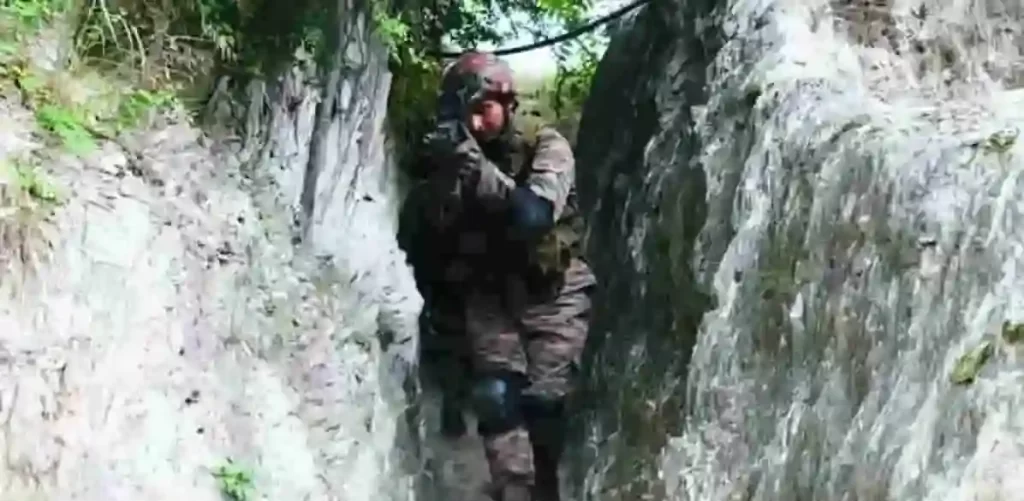
India has just rolled out its first-ever National Counter-Terrorism Policy and Strategy, called PRAHAAR, a bold “strike” against the shadows of terror that have haunted our nation for decades. Unveiled by the Ministry of Home Affairs (MHA) and now live on their website, this eight-page blueprint marks a game-changer. It’s not just words on paper; it’s a clear promise of zero tolerance for terrorism in any shape or form, be it bombs, bullets, drones, or dark web plots. No excuses, no links to religion or nationality, just pure resolve to protect every Indian. In a world where enemies hide behind borders, screens, and crime gangs, PRAHAAR stands tall on seven simple pillars that cover everything from stopping attacks before they happen to helping communities bounce back stronger. Picture it like a shield and sword: prevent the strike, hit back hard if needed, build stronger teams, respect rights, cut off terror’s roots, team up globally, and heal together. This comes at a time when India faces sneaky new dangers, state-backed attacks from across borders, ISIS sleeper cells, crypto-funded plots, and even cyber hacks from criminal groups and rival nations. As of March 2026, with rising drone threats in Jammu & Kashmir and Punjab, this policy feels like a much-needed wake-up call.What is PRAHAAR? The Seven Pillars Explained SimplyPRAHAAR isn’t a fancy acronym for show, each letter means real action. Here’s the breakdown in everyday terms:P – Prevention of Terror AttacksStop bad guys before they move. The heart is the Multi Agency Centre (MAC) and Joint Task Force on Intelligence (JTFI), think of them as India’s terror radar. They share tips in real-time: police, intelligence, NSG, NIA all talk instantly. Borders get high-tech eyes – cameras, sensors for land, sea, air. Critical spots like power plants, railways, airports, ports, army bases, space centres, and nuclear sites now have extra layers of watch. No more blind spots.R – Response: Quick and FairIf terror strikes, no panic, just action. Local police are first on scene, backed by state anti-terror teams and the elite National Security Guard (NSG) for big blasts or hijacks. NIA leads probes for fast arrests and court wins, high conviction rates to scare off others. It’s about speed without chaos.A – Aggregating Capacities (Building Stronger Teams)India’s 1,000+ police forces need upgrades. PRAHAAR pushes modern gear, training from the Bureau of Police Research & Development (BPR&D), and same-rule playbooks for every state. No weak links – from villages to cities, everyone’s ready.H – Human Rights and Rule of LawPower with fairness. All ops follow laws like the Unlawful Activities (Prevention) Act (UAPA) and new criminal codes. Courts from the district level to the Supreme Court keep checks. No shortcuts, rights protected, even for the guilty.A – Attenuating Conditions for Terrorism (Cut the Roots)Fight ideas, not just bombs. Target radical youth with community talks, NGO help, moderate religious leaders, and youth programs. Prisons get deradicalization. Fix poverty and grudges that breed hate – make vulnerability a thing of the past.A – Aligning International EffortsIndia alone can’t win. Push Mutual Legal Assistance Treaties (MLATs) and extraditions. No safe homes for terrorists abroad. Work at the UN for global blacklists, choke funding, and fight tech misuse like encrypted apps.R – Recovery and Resilience (Whole-of-Society)After attacks, rebuild fast. Government teams with businesses, NGOs, locals for quick fix – mental health aid, economic help, better readiness drills. Everyone pitches in.This framework draws from India’s hard lessons, Mumbai 26/11, Pulwama, Pathankot, turning pain into prevention.The Growing Threats: Why Now?Terror isn’t standing still, and PRAHAAR calls it out plain:Cross-Border and State-Sponsored: Pakistan-backed groups still try to infiltrate. Drones drop arms/explosives in J&K, Punjab.Global Jihad: Al-Qaeda, ISIS build sleeper cells, inspire lone wolves via online poison.Crime-Terror Link: Smugglers, arms dealers, and drug mafias fund and arm terrorists.Tech Terror: Social media radicalizes kids, dark web sells weapons, crypto hides money. Cyber attacks hit power grids and banks.CBRNED Risks: Bad guys eye chemicals, bombs, nukes, bio-agents – super scary stuff.As of March 2026, MHA notes rising foreign hacker tries and nation-state cyber ops. PRAHAAR says: invest in AI, drones, and blockchain trackers to stay ahead.The Road Ahead: Challenges and HopesMHA admits gaps, state units need cash/tech, probes drag in small cases, rural radical watch is weak. PRAHAAR fixes this: yearly reviews, new laws, state templates. By 2027, expect NSG hubs everywhere, AI terror-spotters, and global pacts.This isn’t just policy, it’s a promise. In a nation scarred by blasts and bullets, PRAHAAR whispers: no more. From kids in schools to elders in villages, safety first. India’s fight against terror just got a name, a plan, and an unbreakable will.
Mumbai-Pune Missing Link Now Open: World’s Widest Tunnel Ends Ghat Nightmares
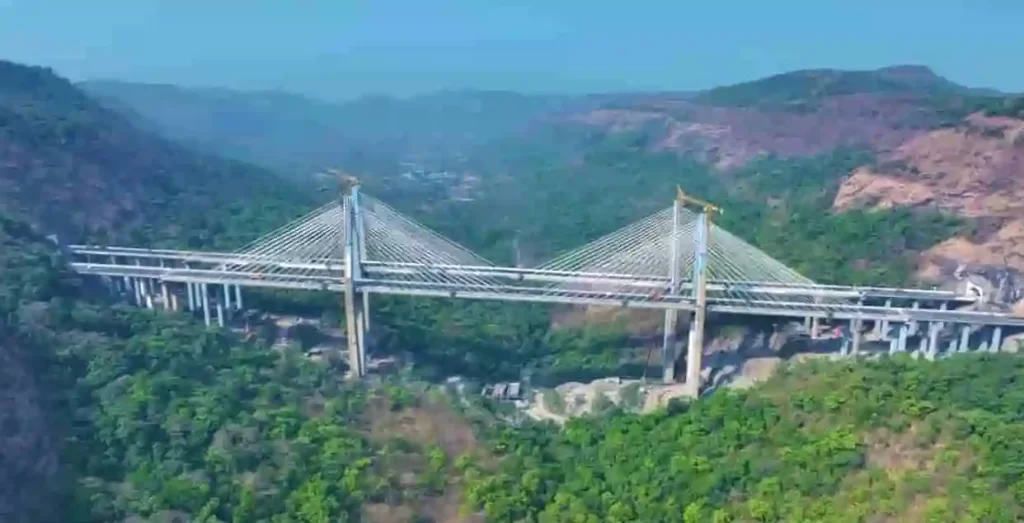
The Mumbai-Pune Expressway’s Missing Link opened on May 2, 2026. This 13.3-km engineering marvel now carries traffic smoothly. It skips the dangerous Khandala Ghat with its hairpin turns and traffic jams. The Maharashtra State Road Development Corporation (MSRDC) finished the project just in time for Maharashtra Day. Deputy Chief Minister Eknath Shinde cut the ribbon. Vehicles now zip through in 25-30 minutes less time. Safe speeds reach 120 km/h. The main tunnel holds a Guinness World Record as the widest highway tunnel on the planet. The old ghat section tortured drivers for years. Trucks clogged narrow lanes. Families slept in cars overnight. Ambulances crawled slowly. Landslides hit during monsoons. The new link brings huge relief. It starts at Khalapur toll plaza on the Mumbai side. It ends at Kusgaon near Lonavala and Sinhagad Institute. Total distance shortens by 6 km. Over 50,000 vehicles use the expressway daily. This bypass makes travel faster and safer for everyone.Stunning Engineering: Tunnels, Bridges, and Safety FeaturesThe Missing Link blends cuts, tunnels, viaducts, and flyovers. It features eight lanes with full access control. No more slow trucks in the way.Twin Tunnels Shine BrightTunnel 1 stretches 8.7 km long. Its internal width measures 23.5 meters. This makes it the world’s widest highway tunnel. Guinness confirmed the record after inspectors visited. Tunnel 2 runs 1.67 km. Both handle bidirectional traffic. Each side has four lanes plus shoulders and emergency areas. Fire-proof walls protect users. Jet fans ventilate air. CCTV watches every spot. SOS phones sit every 500 meters. Teams finished electrical and mechanical testing right before opening.Cable-Stayed Bridge Steals the ShowThis bridge spans 650 to 950 meters. Its deck sits 100-125 meters high. The pylon towers 183 meters total. It withstands winds up to 250 km/h. Workers erected the girder in March 2026. They completed 98% of the deck slab. It’s now Maharashtra’s tallest bridge of this type.Other Key PartsA 900-meter viaduct rises 60 meters high. Cut-and-cover tunnels ease tight spots. Flyovers speed up joins. Toll plazas at Khalapur, Talegaon, and Shedung got wider. Hazardous cargo bans keep tunnels safe. No heavy trucks or gas tankers allowed inside.ComponentLength/SizeStatus (May 2026)Key FactMain Tunnel8.7 km, 23.5m wideFully OpenGuinness World RecordEscape Tunnel1.67 kmFully OpenTop Safety FeatureCable Bridge650-950m, 183m tallFully OpenTallest in MaharashtraViaduct900mFully Open60m HighOverall Project13.3 km100% CompleteOpen Since May 1Long Road of Delays Ends in TriumphPlanning started in 2018 with a budget of Rs 6,695 crore. Delays piled up from weather, tough terrain, and COVID. Targets slipped from March 2024 to January 2025, then September and December 2025. Finally, April 30 marked civil works done. Trials followed quickly. MSRDC pushed 2,000 workers hard. Over 1,500 focused on tunnels alone. They worked round the clock.Recent chaos sped things up. Ram Navami traffic jams and tanker flips trapped thousands. MNS chief Raj Thackeray criticized slow work. Deputy CM Shinde ordered emergency plans. MSRDC MD Anilkumar Gaikwad promised action. “Civil works wrap by April 30; trials follow,” he said. The team delivered.Toll collection starts in 2030 for 15 years. It recovers costs over time. Slight toll hikes come with the expressway upgrade. Drivers agree the value beats the price.Relief Replaces Ghat Horror StoriesThe 19.8-km Khopoli-Khandala Ghat had 24 sharp bends. Narrow lanes mixed cars and trucks. Monsoon landslides closed roads often. Kids missed school. Patients reached hospitals late. Ambulances fought for space. One tanker crash blocked traffic for 32 hours. Families ran out of food and water.Now, the Missing Link changes everything. No more ghat climbs. Straighter inland paths replace twists. Safer barriers and lighting guide drivers. Higher speeds cut travel time. Pune-bound lanes opened first. Mumbai-bound finished the final 6 meters on time. Families cheer the smooth ride.Part of Maharashtra’s Road BoomThis project fits Deputy CM Devendra Fadnavis’ big infra plans. The Samruddhi Mahamarg sets records too. MSRDC leads India’s road revolution. The Missing Link connects futures. It saves time, cuts accidents, and boosts business. Trucks move goods faster. Tourists reach Lonavala easy. Daily commuters gain hours weekly.Two days after opening, drivers share joy online. No jams. Quick trips. Safe paths. The ghat nightmare fades. Concrete and steel reclaimed lives. Maharashtra celebrates a new era of fast, safe travel. The world’s widest tunnel proves Indian engineering rules the road.
Strait of Hormuz Crisis: Why This Narrow Waterway Controls Global Oil and Sparks Economic Chaos
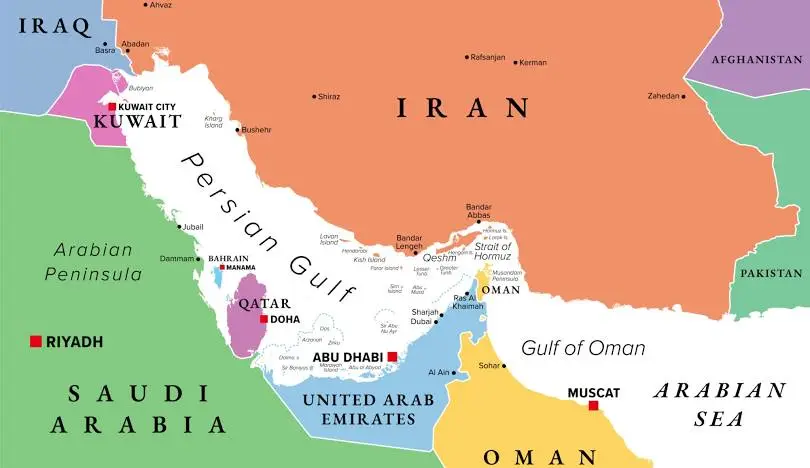
A tense new threat hangs over world trade. Iran has warned it will “set fire” to any ships passing through the Strait of Hormuz and block all oil exports from the region. This comes after US and Israeli strikes on Iran starting February 28, 2026. Already, oil prices have jumped, ships are avoiding the area, and experts fear big problems for countries like India, China, and Japan. Let’s explain this vital sea route in simple terms, what it is, why it matters, and what happens if it closes.What is the Strait of Hormuz?The Strait of Hormuz is a narrow waterway between Iran (north) and Oman/UAE (south). At its narrowest, it’s just 33 km (21 miles) wide, with shipping lanes only about 3 km (2 miles) each way. It connects the Persian Gulf to the Arabian Sea and the open ocean.Size: Deep enough for giant oil tankers; the busiest oil chokepoint in the world.Daily traffic: Around 3,000 ships per month; 20 million barrels of oil per day (20% of global supply).Value: Nearly $600 billion in oil/gas trade yearly.Big producers like Saudi Arabia, Iraq, Kuwait, Qatar, the UAE, and Iran send oil here. Most goes to Asia (84% crude oil).Why is It So Important for World Trade?This strait is like a busy highway for energy, with no good shortcuts. Without it:Global oil: 20-27% of all seaborne oil (14-20 million barrels/day). LNG (gas): 20% of world supply, mostly Qatar to Europe/Asia.Other goods: 1/3 of global fertilizer trade (hits farming/food prices).Top destinations (2024-2025 data):CountryOil ShareWhy It HurtsChina5.4M b/d (27%)90% of Iran’s oil goes here; factories are slow. India1.6-2.1M b/dHalf of India’s oil imports; fuel/food prices rise. Japan/S. Korea1.6-2.1M eachPower plants, cars affected. Europe/USSmaller but key LNGGas bills up. Saudi leads exports: 5.5M b/d (38%). Iran: 1.7M b/d ($67B/year)Current Crisis: Threats, Attacks, and Shipping StoppedIran’s General Sardar Jabbari said no “single drop of oil” leaves. After US/Israel missiles sank Iranian warships and hit tankers:Ships flee: Hapag-Lloyd/CMA CGM paused transits; 150+ tankers stranded.Prices soar: Brent crude hit $82/bbl (up 10%); could reach $100+ if blocked long.reuters+1Ports shut: Dubai’s Jebel Ali fire from missile debris.Insurance skyrockets: Supertanker to China: $400K (doubled).UKMTO warns of “miscalculation” near military ships. Flows dropped to 4M b/d (from 16-20M).How Could Iran Close It—and Can They?UN rules give coastal control up to 12 nautical miles, covering the strait fully (Iran/Oman waters).Iran’s options:Mine: Fast boats/subs drop them, hard to clear.Missiles/drones: From IRGC navy boats/subs.Attacks: On tankers/warships.But risky: US Navy could strike back (1980s “Tanker War” escorts won). Trump vows to destroy Iran’s navy.Economic Impact: Higher Prices EverywhereShort block: Oil $80-90/bbl. Month-long: $100+; gas surges 130%.Consumers: Petrol, diesel, heating 20-50%.India/Asia: Factories slow; inflation hits food/transport.Gulf hurt too: Saudi/UAE lose exports (economies rely 70% on oil).Ripple effect: Airlines, plastics, fertilizers cost more—global goods pricier.OPEC+: Boost 206K b/d April, but tiny vs 20M gap.Worst case: Sunk tanker = eco-disaster, months closed.What Happens Next?Short-term: Ships wait; prices are high for days/weeks.India: Stockpiles activated; seeks other suppliers.Global: OPEC output up, but war drags = recession risk.The Strait of Hormuz isn’t just water; it’s the world’s energy lifeline. Iran’s threat tests whether one narrow gap can choke global trade. Eyes on ships, missiles, and oil pumps.
Four Stars of Destiny: The Autobiography of General Manoj Mukund Naravane
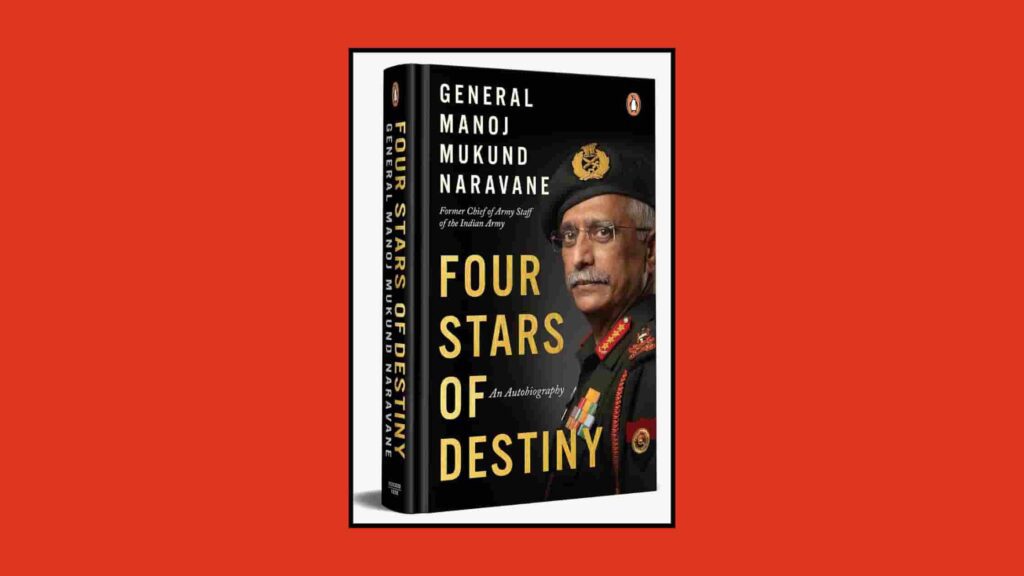
Four Stars of Destiny is the autobiography of Manoj Mukund Naravane, the former Chief of the Indian Army. The book offers a detailed account of Naravane’s personal life, military career, leadership experiences, and the strategic challenges he faced during his decades of service in the armed forces. The memoir traces his journey from his early years and training as a young cadet to eventually becoming the 28th Chief of the Indian Army, a position he held from December 2019 to April 2022.The book is considered an important narrative of modern Indian military leadership, providing readers with insights into the functioning of the Indian Army, strategic decision-making at the highest levels, and the complexities of managing national security challenges in the twenty-first century.About the AuthorGeneral Manoj Mukund Naravane was born on 22 April 1960 in Pune, Maharashtra. He comes from a family with a background in public service—his father served as an officer in the Indian Air Force while his mother worked with All India Radio. Naravane received his education in Pune before joining the National Defence Academy and later the Indian Military Academy, where he began his professional military journey.He was commissioned into the 7th Battalion of the Sikh Light Infantry in June 1980, beginning a career that would span more than four decades. Over the years, he served in a wide range of operational, command, and staff roles across India and abroad. His service included counter-insurgency operations in Jammu and Kashmir and the Northeast, as well as participation in the Indian Peace Keeping Force in Sri Lanka.These experiences shaped his leadership style and strategic understanding, themes that are extensively discussed in his autobiography.Journey from Cadet to Army ChiefA central theme of Four Stars of Destiny is Naravane’s professional journey through the ranks of the Indian Army. The memoir describes how discipline, training, and operational experience helped shape his character and leadership philosophy.The book recounts his early days as a young officer and his exposure to challenging military environments. It highlights how officers are trained to make difficult decisions under pressure while maintaining responsibility for the lives of their soldiers.Naravane gradually rose through the ranks, commanding various units and formations and holding several senior positions in the Indian Army. His leadership roles included command of an infantry brigade, senior operational responsibilities in counter-insurgency areas, and high-level appointments in the defence establishment.Eventually, he rose to become the Chief of the Army Staff, the highest position in the Indian Army. His tenure as army chief coincided with several significant national security developments and military challenges.Insights into Military LeadershipOne of the key aspects of the memoir is its discussion of leadership and decision-making in the armed forces. Naravane reflects on the values of discipline, professionalism, and responsibility that define military leadership.Through personal anecdotes and experiences, he explains how officers must balance strategic planning with ground-level realities. The book also explores the importance of teamwork, trust within the chain of command, and the ethical responsibilities associated with leadership in the military.The memoir also offers lessons on management and leadership that extend beyond the armed forces, showing how military principles such as preparedness, resilience, and clarity of command can be applied in other professional fields as well.Key Military Events Discussed in the BookFour Stars of Destiny also provides an insider’s perspective on several important security developments that took place during Naravane’s career.Among the most significant is the India-China military standoff in eastern Ladakh in 2020, one of the most serious confrontations between the two countries since the 1962 war. The memoir discusses the strategic decisions taken by the Indian military leadership during the crisis and the measures implemented to manage tensions along the Line of Actual Control (LAC).The book also touches upon other policy and organisational changes within the armed forces, including reforms related to recruitment and military preparedness.Publication and ControversyAlthough the memoir was originally scheduled for publication in 2024 by Penguin Random House India, its release has been delayed due to the review process required for books written by former senior military officials.In India, manuscripts written by senior defence personnel often undergo scrutiny by the Ministry of Defence before publication to ensure that sensitive information related to national security is not disclosed.The book also became the subject of political debate in Parliament after excerpts from the manuscript were cited during discussions on national security issues. This controversy brought renewed public attention to the memoir even before its official release.Significance of the MemoirDespite the publication delays, Four Stars of Destiny has generated considerable interest among readers, military analysts, and policymakers. The memoir is expected to provide valuable insights into the workings of India’s military leadership and the challenges faced by the armed forces in an evolving geopolitical environment.More than just a record of personal achievements, the book is also seen as a reflection on the values and responsibilities associated with serving in the armed forces. It highlights how decades of dedication, discipline, and leadership can shape both an individual career and the broader institution of the military.ConclusionFour Stars of Destiny stands as an important account of the life and career of General Manoj Mukund Naravane. By narrating his journey from a young cadet to the head of the Indian Army, the autobiography provides readers with a deeper understanding of military service, leadership, and national security.The memoir not only documents a distinguished military career but also offers lessons on perseverance, duty, and leadership—qualities that remain central to the ethos of the Indian armed forces.
Israel–America and Iran War: Global Impact on Trade, Travel, Economy and Lives at Risk
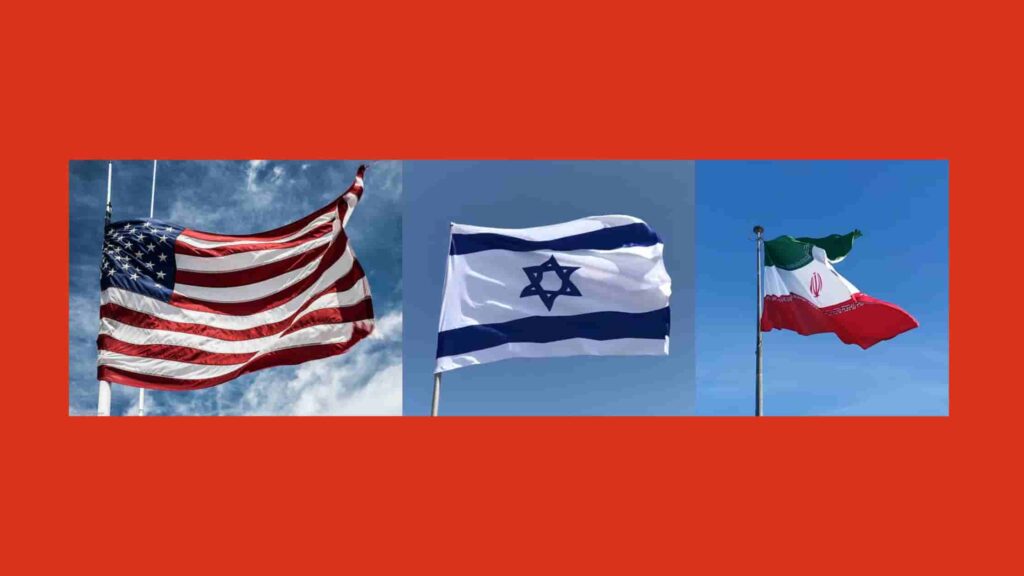
The escalating conflict involving Israel, the United States, and Iran has rapidly transformed into one of the most serious geopolitical crises of the 21st century. What began as targeted military operations has now evolved into a broader regional confrontation with global consequences. The war has not only destabilised the Middle East but has also created significant ripple effects across global trade, financial markets, aviation routes, energy supply chains, and international security.A turning point in the conflict came with the death of Iran’s Supreme Leader, Ayatollah Ali Khamenei, which dramatically intensified the geopolitical situation and reshaped the power dynamics within Iran and across the Middle East.Background of the ConflictTensions between Iran, Israel, and the United States have existed for decades, primarily due to ideological differences, nuclear ambitions, and regional power struggles. Israel has consistently viewed Iran’s nuclear and missile programmes as an existential threat to its national security, while Iran has strongly opposed U.S. military presence and Israeli influence in the region.These tensions reached a breaking point when coordinated military strikes were carried out against Iranian targets. The operation targeted strategic facilities, military installations, and high-level leadership structures in Iran. The strikes were designed to weaken Iran’s military capabilities and disrupt its command network.However, instead of de-escalating tensions, the attacks triggered large-scale retaliation from Iran, rapidly expanding the conflict across the Middle East.Death of Ali Khamenei and Its ImpactOne of the most dramatic developments in the war was the death of Iran’s Supreme Leader Ali Khamenei, who had ruled the Islamic Republic since 1989. He was killed during a targeted strike on Iranian leadership facilities during the early phase of the conflict.Khamenei was the most powerful figure in Iran’s political and religious system. As Supreme Leader, he held ultimate authority over the armed forces, intelligence agencies, judiciary, and major political decisions of the country. His influence shaped Iran’s domestic governance as well as its foreign policy for more than three decades.His death sent shockwaves through Iran and the wider Middle East. The Iranian government declared national mourning and vowed strong retaliation against Israel and the United States. The Islamic Revolutionary Guard Corps (IRGC) intensified military operations and pledged to continue resistance against what it described as foreign aggression.The assassination of a sitting supreme leader during wartime is extremely rare in modern international politics. Instead of weakening Iran’s political system, the event strengthened nationalist sentiment within the country and intensified calls for retaliation.Leadership Transition in IranFollowing Khamenei’s death, Iran’s Assembly of Experts appointed Mojtaba Khamenei, the son of the late leader, as the new Supreme Leader. This marked a controversial and historic transition, as the leadership appeared to move toward a dynastic style of succession within the Islamic Republic.Mojtaba Khamenei had long been considered an influential figure behind the scenes in Iranian politics, particularly within religious and military circles. However, his appointment sparked debate both inside and outside Iran regarding the future direction of the country’s political system.The leadership transition has also influenced the ongoing war, as the new leadership seeks to demonstrate strength and maintain internal stability while confronting external military pressure.Escalation of Military ConflictFollowing the initial strikes and leadership assassination, Iran launched large-scale missile and drone attacks targeting Israeli territory and American military installations across the region. Military bases in the Persian Gulf, naval facilities, and intelligence infrastructure became potential targets.The conflict also spread beyond Iran and Israel. Tensions intensified in neighbouring regions, including Lebanon, Syria, and the Persian Gulf, raising fears of a wider regional war involving multiple countries.Air defence systems across the Middle East were activated, and military forces in several countries were placed on high alert.Impact on Global Energy MarketsOne of the most immediate consequences of the war has been disruption to global energy markets. The Middle East remains one of the world’s most critical energy-producing regions, and any instability in this area directly affects global oil supply.A major concern during the conflict has been the security of the Strait of Hormuz, a narrow waterway through which nearly one-fifth of the world’s oil supply passes. Any threat to shipping in this region has the potential to disrupt global energy flows.As tensions increased, oil prices surged significantly due to fears of supply disruptions. Higher energy prices have direct implications for transportation, manufacturing, agriculture, and electricity generation around the world.Countries that rely heavily on imported oil are particularly vulnerable to such price shocks.Disruption of Global Trade and ShippingThe war has also affected international trade routes. The Middle East serves as a critical junction connecting Asia, Europe, and Africa, making it central to global shipping and logistics.Increased military activity and security risks in maritime corridors have forced shipping companies to reroute vessels or delay operations. Insurance costs for ships travelling through the region have also risen sharply due to heightened risk.Because the majority of global trade is transported by sea, disruptions in these strategic routes can quickly affect supply chains worldwide. Industries dependent on global shipping—including electronics, manufacturing, energy, and agriculture—are already facing logistical challenges.Economic Consequences WorldwideThe conflict has also created volatility in global financial markets. Investors often react strongly to geopolitical uncertainty, leading to fluctuations in stock markets and currency values.Rising energy prices are likely to contribute to inflation in many economies. Higher fuel costs affect transportation, manufacturing, and food production, which ultimately increases the cost of living for consumers.Economists have warned that prolonged geopolitical tensions could slow global economic growth while simultaneously increasing inflationary pressure.Developing economies may face the most severe challenges because they rely heavily on imported energy and international trade.Impact on Aviation and International TravelThe war has also disrupted global aviation routes. Much of the airspace above the Middle East lies along major flight corridors connecting Europe, Asia, and Africa.Airlines have had to reroute flights to avoid conflict zones, which increases flight durations and fuel costs. In some cases, flights have been cancelled or delayed due to security concerns.Travel advisories have been issued by multiple governments warning citizens about travelling to conflict-affected regions. Tourism industries across several Middle Eastern countries have already begun experiencing economic
PM Modi’s Mann Ki Baat E-133 | 26th April, 2026
PM Modi’s Mann Ki Baat E-133 | 26th April, 2026 Video: YT/@NaMo
TVK and Actor Vijay: How a New Political Entry Challenged DMK Ahead of Tamil Nadu Elections
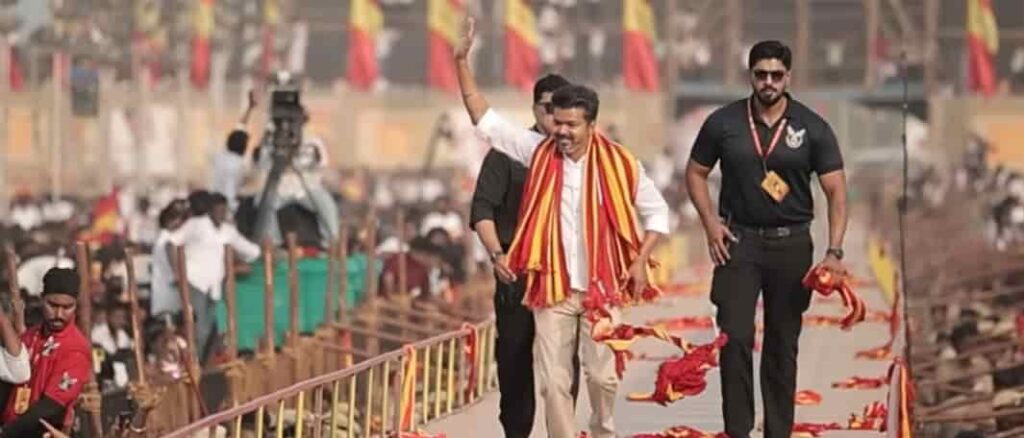
The political landscape of Tamil Nadu saw a noticeable shift after actor Vijay formally entered active politics with the launch of his party, Tamilaga Vettri Kazhagam (TVK). His entry came at a time when the state’s politics had largely been dominated by established players like the ruling Dravida Munnetra Kazhagam (DMK) led by Chief Minister M. K. Stalin.While the DMK continued to hold a strong organisational and electoral position, Vijay’s political move introduced a fresh layer of competition, particularly among younger voters and first-time participants in the electoral process.From Cinema Influence to Political MobilisationVijay’s transition into politics did not come abruptly. Over the years, his fan clubs had actively participated in social work, gradually building a grassroots presence across Tamil Nadu. This network later became the foundation for TVK’s early organisational structure.When Tamilaga Vettri Kazhagam was formally announced, it marked a shift from indirect public influence to structured political participation. Vijay positioned the party around governance issues, accountability, and people-centric policies, attempting to create a distinct space separate from traditional Dravidian party narratives.How TVK Positioned Itself Against the DMKInstead of direct confrontation in its initial phase, TVK adopted a measured approach in shaping its political messaging. Vijay raised concerns around governance efficiency, employment opportunities, and the need for greater transparency, which indirectly placed the party in contrast with the ruling DMK government.The focus remained on:Youth employment and skill developmentEducation and equitable accessAdministrative accountabilityAnti-corruption positioningThis approach allowed TVK to build a narrative without immediately engaging in aggressive political attacks.Youth Connect and Grassroots EnergyOne of the most defining aspects of Vijay’s political entry was the scale of youth engagement it generated. His popularity translated into strong mobilisation, particularly in urban and semi-urban regions.Fan clubs, which had earlier functioned as cultural and social groups, were reorganised into local-level political units. This gave TVK an initial advantage in terms of visibility and outreach, especially on digital platforms where Vijay already had a strong following.The party’s messaging resonated with a section of voters looking for alternatives outside the traditional political framework.The DMK’s Continued DominanceDespite the emergence of TVK, the DMK retained its stronghold, backed by a well-established cadre system, governance record, and welfare-driven policies. Under M. K. Stalin’s leadership, the party continued to emphasise its development initiatives and administrative stability.Rather than reacting aggressively to Vijay’s entry, the DMK maintained its focus on governance and voter outreach, relying on its long-standing political base.Challenges Faced by TVKWhile Vijay’s entry generated significant attention, translating popularity into electoral success remained a complex task.TVK faced key challenges such as:Converting fan following into consistent voter supportBuilding a structured party organisation across constituenciesEstablishing policy depth beyond campaign messagingCompeting with deeply rooted political networksThese factors highlighted the difference between public popularity and electoral viability in a state with a strong political legacy.A Shift in Political ConversationEven without immediate electoral outcomes, Vijay’s political entry influenced the broader political discourse in Tamil Nadu. It brought renewed focus on youth participation, governance expectations, and the role of new-age leadership in state politics.The presence of TVK added a third dimension to what had traditionally been a bipolar contest, making the political environment more competitive and dynamic.Vijay’s move from cinema to politics, through Tamilaga Vettri Kazhagam, did not just introduce a new party—it reshaped conversations around leadership, representation, and voter expectations in Tamil Nadu. While the DMK continued to hold its ground, the emergence of TVK ensured that the political landscape was no longer as predictable as before, setting the stage for a more contested and evolving electoral environment.