


Snowfall Returns to Bare Himalayas: Tourism Boom Brings Joy, Chaos, and Economic Lifeline
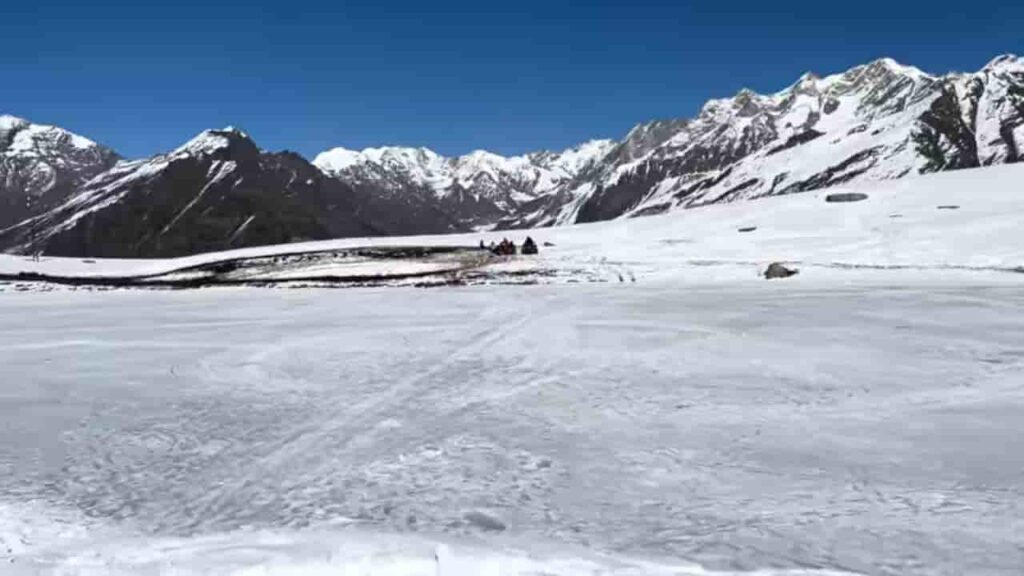
New Delhi – After months of barren peaks and a crippling “snow drought,” fresh western disturbances have blanketed Uttarakhand, Himachal Pradesh, and Jammu & Kashmir with snow, igniting jubilation among tourists and local businesses. From Auli’s ski slopes to Manali’s adventure hubs, the white resurgence is breathing life into mountain economies, but a sudden influx has exposed infrastructure gaps, traffic snarls, and administrative overstretch.The Himalayas, Asia’s “Third Pole,” stand starkly bare this winter, with vast swathes of peaks in Uttarakhand, Himachal Pradesh, and Jammu & Kashmir defying their snow-clad legacy. Satellite data and IMD reports confirm a severe “snow drought”, the lowest snow persistence in 23 years per ICIMOD’s 2025 update, threatening rivers, glaciers, and 2 billion downstream lives.December 2025’s 100% snowfall deficit in Uttarakhand and 99% in Himachal crushed tourism: Auli hotel occupancy plunged 80%, leaving taxi drivers and paragliding operators idle. Shimla and Gulmarg saw 50-70% cancellations as the “snowless selfies” trend went negative online. But IMD’s Feb 9-11 forecast delivered: 6-12 inches in higher reaches, reviving hopes. “Finally, the mountains look like mountains again,” cheered a Delhi visitor in Manali, where bookings spiked 300% overnight.Causes: Warming & VariabilityIPCC links this to global warming: warmer air favors rain over snow, quickens melt, shifts snowline upward. Western disturbances, key moisture carriers, were weak/irregular, delaying onset 30-40 days. Over five years, winters lag 1980-2020 averages, with mid-elevations (3,000-6,000m) hit hardest.Primary Drivers:Weak Western Disturbances: Extratropical storms from the Mediterranean deliver winter moisture but were irregular/weak in 2025-26, causing 100% deficits in Uttarakhand, 99% in Himachal. Delayed onset (30-40 days late) slashed accumulation.Rising Temperatures (Elevation-Dependent Warming): HKH warms 2-3x global average; warmer air holds more moisture, shifting precipitation from snow to rain, raising snowline, and accelerating melt.Snow Drought Types:Precipitation Deficit: Below-normal winter storms (e.g., Dec 2025: J&K -78%, Ladakh -63%).Snowmelt Drought: Normal precipitation but hot conditions cause rain/early melt.Long-Term Trends: ICIMOD: 23.6% snow persistence drop (23-year low); 4/5 recent winters below 1980-2020 norms. IPCC: Warming shortens cover, worsens by 2100.Compounding Factors: Greenhouse emissions amplify variability; mid-elevations are most vulnerable as small temp rises tip the snow-to-rain balance.Impacts & Effects Water Security: Snowmelt supplies 25% runoff to the Indus, Ganga, and Brahmaputra; glaciers add dry-season flow. Losses spike spring melt, then shortages, risking droughts for 1/4 of humanity’s basins.Glaciers: Uttarakhand’s may turn negative mass balance; HKH projected 75% loss by 2100.Hazards: Destabilized slopes fuel landslides, GLOFs, fires, Uttarakhand/Himachal fires rose amid dry winters.Economy/Tourism: Auli bookings crashed; Shimla/Manali snowless.Impacts of Reduced Himalayan Snow on Ganges and Indus RiversReduced snow in the Himalayas, exacerbated by warming and weak western disturbances, poses severe threats to the Ganges (Ganga) and Indus basins, which sustain 1.65-2 billion people.Short-Term Effects (Peak Melt Phase)Peak Flows Shift: Earlier snowmelt floods rivers prematurely (spring surge), raising flood risks in the Indo-Gangetic plains.Temporary Boost: Glacier/snow melt temporarily increases runoff (to 2050), but erratic.Long-Term Consequences (Post-2050)Declining Dry-Season Flow: Snow contributes 25% annual runoff; deficits (Indus: 30-50%, Ganga: 50-60% by 2100) slash baseflow, causing summer shortages for irrigation, drinking water, and hydropower.Ganga Basin: Upper Ganga snow persistence down 17%; earlier melt disrupts Gangotri/Ganges timing, hitting 500M+ farmers, ecosystems (forest biodiversity loss).Indus Basin: 23% snow drop; critical for Pakistan/India agriculture/hydropower; projected 20-30% flow reduction by 2100.Broader RisksDroughts/Water Stress: Shorter snow cover (5 fewer days/decade) worsens seasonal deficits.Agriculture: 129M farmers affected; reduced irrigation in kharif/rabi seasons.Hydropower/Ecosystems: Diminished reservoirs; biodiversity shifts, fires.Glacier Amplification: Combined with 75% HKH glacier loss by 2100.ICIMOD urges drought plans and transboundary cooperation.Economic Lifeline for Mountain CommunitiesSnowfall is the heartbeat of Himalayan tourism, fueling 70% of winter revenue in hill stations. Himachal’s adventure sector, skiing, snowmobiling, yak safaris, generates ₹5,000 crore annually, employing 2 million in hotels, homestays, taxis, and gear rentals. Uttarakhand’s Auli and Chopta saw ₹1,200 crore from the 2025 peak season alone. Local vendors selling woolens, momos, and hot chai thrive; pony rides and snowman-building add family fun.In Gulmarg, gondola rides resumed at full capacity, injecting cash into shepherds and handicraft sellers. “One good snow week equals a month’s earnings,” said a Manali hotelier. J&K’s Pahalgam reported 40% occupancy jump, easing post-conflict economic pressures. For women-led homestays and tribal artisans, it’s empowerment: snow draws cultural tourists craving authentic pahadi experiences.Joy Amid Chaos: The Double-Edged SnowfallTourists are ecstatic, families build snow forts, influencers capture reels, and adventure seekers hit slopes. “Pure magic after the drought scare,” posted a group from Punjab. But the rush creates mayhem: narrow Rohtang Pass jams with 5,000 vehicles daily; Auli’s lone cable car queues stretch hours. In Shimla, overbooked hotels turn away families, sparking online fury.Poor preparedness amplifies woes. Landslides from melt-snow mix block paths; inadequate parking floods meadows; waste piles up sans dustbins. Last year, Manali’s “snow chaos” saw 20-hour delays, oxygen shortages at high camps, and petty scams. Locals lament: “Tourists bring money but trash our paradise.”Both Sides: Boom vs. BurdenPro-tourism voices hail snow as salvation: “It saved our season,” says a Kasol trek operator. Businesses invested in snow chains, heated tents—paying off now. Environmentally, snow aids groundwater recharge, curbing wildfires.Critics warn of overload: fragile ecology suffers trampling, pollution spikes (diesel generators, plastic litter). Over-reliance risks bust-boom cycles; climate-vulnerable hills can’t sustain endless crowds. “Sustainable numbers, not mass frenzy,” urges a Nainital activist.Path Forward: Building ResilienceAuthorities must act decisively:Local Administration: Deploy traffic wardens, mobile toilets, waste squads; enforce carrying capacity (e.g., 2,000/day in Auli). Digital booking for parking/gondolas prevents no-shows.State Governments: Himachal/Uttarakhand invest ₹500 crore in snow-clearing machines, widened roads (Atal Setu-style tunnels), and eco-lodges. Promote off-peak treks and homestays via apps.Central Government/Ministries: MoT allocates ₹2,000 crore for infra (helicopter pads, EV charging at 5,000m). Skill 1 lakh youth in hospitality/glaciology tourism. NGT-monitored waste rules; drone surveillance for crowds.Collaborative Wins: Public-private PPPs for solar-powered resorts; train locals as guides. Incentives for green certifications attract high-end tourists, boosting per-head spend 3x.With smart planning, snow can sustain joy and jobs without chaos. As peaks gleam anew, balancing delight with duty will secure these economies for winters ahead.
Maru Mahotsav 2026: Know Jaisalmer’s Rich Legacy & Culture
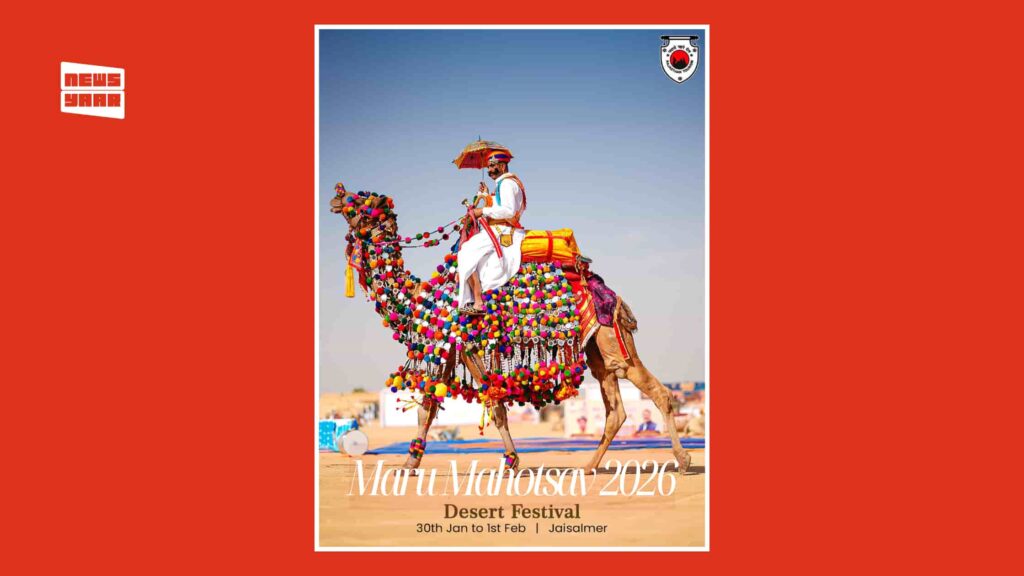
Three-day festival draws thousands of domestic and international tourists to experience Rajasthan’s vibrant traditions Jaisalmer: The Maru Mahotsav 2026, also known as Desert Festival, currently underway at Jaisalmer’s Shaheed Poonam Singh Stadium, has transformed the Golden City into a vibrant cultural hub, bringing together locals, artists, and tourists to celebrate the rich heritage of Rajasthan’s Thar Desert. The three-day festival, which commenced on January 30 and will conclude on February 1, showcases the colorful traditions, folk music, dance performances, and cultural contests that define the desert region’s unique identity. Set against the backdrop of Jaisalmer’s iconic golden sandstone architecture and vast dunes, the event has attracted visitors from across India and around the world. Cultural Competitions Crown New Winners The festival featured several prestigious cultural competitions on its opening day. Manish Panwar was crowned “Maru Shri 2026,” fulfilling what he described as a childhood dream. “I participated in the competition, and I have won… This was my childhood dream,” Panwar told ANI, visibly emotional about his achievement. Kusum Panwar from Bikaner won the coveted “Miss Moomal 2026” title, expressing her pride in representing Rajasthan’s cultural heritage. “This program is held to move our culture forward… I just wanted to participate in this,” she said, highlighting the festival’s role in preserving traditional values. Taj, who secured the “Mrs. Jaisalmer 2026” crown, shared her excitement: “I got very excited when my name was announced… I am very happy.” The competitions also included traditional events such as turban-tying contests and mustache competitions, reflecting the region’s distinctive cultural practices. A Global Cultural Attraction The Maru Mahotsav has emerged as a significant tourist attraction, drawing both domestic and international visitors. Lucia, a tourist from Brazil, expressed her delight at experiencing the desert celebrations. “This festival is amazing. We are very happy here,” she said, echoing the sentiments of numerous international attendees who have traveled to witness Jaisalmer’s cultural spectacle. Festival Highlights and Events The festival’s packed schedule offers something for everyone. Visitors have been treated to mesmerizing folk music and dance performances, including the traditional Ghoomar dance. Thrilling camel races and camel polo matches showcase the desert animal’s central role in regional culture and history. The Art & Craft Bazaar has been a major attraction, featuring traditional Rajasthani handicrafts, textiles, and artworks, allowing visitors to take home authentic pieces of desert culture. A Food Festival offers attendees the opportunity to savor authentic Rajasthani cuisine, from dal baati churma to ker sangri. Modern elements blend seamlessly with tradition at the festival. Evening performances have included a spectacular drone show, combining cutting-edge technology with traditional festivities. Cultural evenings feature performances by renowned artists, creating magical moments under the desert sky. Cultural Preservation and Tourism The Maru Mahotsav serves a dual purpose, preserving Rajasthan’s rich cultural heritage while boosting tourism in the region. The festival provides a platform for local artists and performers to showcase their talents, ensuring that traditional art forms continue to thrive in the modern era. The event also offers visitors unique experiences, such as folk art exhibitions at historic sites like Kuldhara and Khaba Fort, where the Mandana Art Exhibit displays intricate Rajasthani folk paintings. Musical performances at Khuri Sand Dunes create an authentic desert atmosphere, allowing tourists to experience the region’s musical heritage in its natural setting. Grand Finale Awaits As the festival approaches its conclusion on February 1, organizers have planned a spectacular grand finale. The final evening will feature a magnificent fireworks display that will illuminate the desert sky, providing a fitting end to the three-day celebration of Rajasthani culture. The Maru Mahotsav 2026 has once again proven that Jaisalmer remains one of India’s most captivating cultural destinations, where ancient traditions meet modern celebrations in the heart of the Thar Desert.
National Tourism Day 2026: Celebrating India’s Cultural Heritage, Economic Growth and Youth Engagement
National Tourism Day is observed annually on January 25 in India to recognise the vital role tourism plays in the nation’s socio-economic development, cultural exchange and heritage conservation. In 2026, the country marked National Tourism Day with multi-theme programmes, state participation, youth-oriented activities, and initiatives to boost both domestic and international travel. Tourism is one of India’s fastest-growing economic sectors, contributing significantly to employment, foreign exchange earnings and community-led development. National Tourism Day highlights these dimensions while promoting travel awareness, sustainability and inclusive participation across regions and communities. Background: Why National Tourism Day Matters National Tourism Day commemorates the adoption of the National Tourism Policy in 2002, a landmark moment when the Government of India formally recognised tourism as a key driver of economic growth and cultural diplomacy. The policy aimed to expand tourism infrastructure, incentivise private sector participation, enhance employability, and position India as a global travel destination. Over the years, tourism has become a major employment generator, particularly in rural and semi-urban areas. The sector supports jobs across hospitality, transportation, cultural industries, handicrafts, heritage management, tour operations, adventure travel and wellness tourism. According to industry estimates, tourism contributes 7–9% of India’s GDP and supports millions of direct and indirect jobs across the country. Post-pandemic recovery and strategic initiatives have further elevated tourism as a priority sector in national development planning. National Tourism Day 2026: Themes and Programmes In 2026, National Tourism Day was marked with a series of coordinated events spanning heritage walks, cultural performances, seminars, youth forums, heritage site launches and promotional campaigns. The Ministry of Tourism’s multi-theme programme emphasised: Heritage Conservation and Cultural Tourism: Celebrating India’s rich history through curated events at iconic sites. Youth Engagement and Education: Special outreach to students and young travellers to encourage tourism careers and awareness of local heritage. Sustainable and Eco-Friendly Tourism: Promoting responsible travel practices that protect landscapes and support community livelihoods. Local and Regional Specialties: Showcasing food, handicrafts, folk art and customs from various states to highlight India’s diversity. The multi-theme approach, adopted by state tourism departments, aimed to both celebrate India’s diverse cultural tapestry and provide economic opportunities for local artists, guides, heritage managers and hospitality professionals. National and State Participation The Ministry of Tourism, Government of India, coordinates National Tourism Day events in collaboration with state tourism boards, cultural institutions, educational bodies and industry associations. State governments organise activities such as: Heritage Walks and Site Visits: Guided tours at forts, temples, museums and historical cities such as Agra, Jaipur, Varanasi and Hampi. Tourism Promotion Fairs: Exhibitions featuring travel destinations, culinary showcases, handicraft bazaars and local performances. Youth Outreach and Awareness Campaigns: Competitions, webinars and campus events to engage students in tourism-related careers. Community Tourism Projects: Initiatives to promote village tourism, eco-trails, homestays and local enterprise models. For 2026, Uttar Pradesh — home to several major heritage sites including the Taj Mahal — held a flagship programme with tribal dance performances, youth engagement forums, skill development workshops and discussions on sustainable destination management. Significance: Beyond Travel National Tourism Day carries multi-layered significance: Economic Significance: Tourism drives economic activity through direct services (hotels, transport, tour operators) and indirect value chains (farmers, artisans, retail, logistics). Growth in visitor numbers fosters investment in infrastructure and amenities. Cultural and Social Impact: Tourism promotes cultural exchange, enabling travellers to experience India’s linguistic, religious and artistic diversity. Heritage conservation initiatives often receive momentum through tourism interests, leading to improved preservation and community pride. Youth Empowerment: With a large youth population, India views tourism as a sector that can offer meaningful careers — from tour guiding and hospitality to digital marketing, event management and sustainable adventure tourism. Global Connectivity: National Tourism Day also underscores India’s place in global travel circuits. India offers unique attractions spanning ancient monuments, biodiversity hotspots, spiritual circuits, hill stations, desert landscapes, backwaters and festivals that draw millions of international travellers every year. Key Initiatives and Government Measures The Government of India has undertaken several strategic measures to enhance India’s tourism footprint: Increased Connectivity: Development of airports, regional air routes, rail connectivity and waterways to improve access to remote and emerging destinations. Incentives for Homestays and Eco-Tourism: Policies to support local tourism entrepreneurs with training, grants and marketing support. Digital Platforms: Initiatives like the Incredible India portal, mobile apps, virtual tours and digital campaigns that offer seamless travel planning and destination information. Skill Development: Collaborations with hospitality training institutes and universities to build tourism-related skills among youth. Safety and Accessibility: Enhancing traveller safety, accessibility for differently-abled tourists and women traveller support systems. Such initiatives reinforce National Tourism Day’s role as both a celebration and a policy milestone, aligning tourism with broader national goals of employment generation, cultural preservation and economic progress. Tourism Trends and Future Outlook India’s tourism sector continues to register strong indicators of growth. Domestic travel has seen sustained enthusiasm, while international arrivals have rebounded following the pandemic. Emerging trends include: Experiential and Adventure Tourism: Rising demand for trekking, wildlife circuits, river rafting and off-beat trails. Wellness and Spiritual Tourism: Increased interest in Ayurveda, yoga retreats and spiritual heritage circuits such as Char Dham and Buddhist heritage trails. Eco-Tourism and Community Tourism: Focus on sustainability, homestays and tourism that directly benefits local communities. Industry analysts expect that India’s tourism sector will continue to expand its contribution to GDP and employment, particularly with supportive government policies, improved infrastructure and global travel confidence. How National Tourism Day Inspires Travellers Travellers and tourism stakeholders view National Tourism Day as an invitation to explore India’s untapped destinationsand celebrate its living heritage. The day inspires individuals, families, students and professionals to discover cultural gems, engage in sustainable travel practices, and participate in livelihood opportunities tied to tourism. For students and young professionals, events offer exposure to career paths in areas such as tourism management, heritage interpretation, hospitality operations, travel technology, storytelling and destination branding. National Tourism Day 2026: A Milestone for Growth The celebration of National Tourism Day 2026 reaffirmed the sector’s potential to advance economic growth, promote cultural preservation and build a
Udaipur Turns Wedding Capital as Netra Mantena–Vamsi Gadiraju’s Lavish Nuptials Take Over Social Media

Udaipur: For three days, Udaipur wasn’t just the City of Lakes, it was the epicentre of India’s most talked-about wedding. The wedding of Netra Mantena and Vamsi Gadiraju transformed the historic Rajasthani city into a high-profile celebration zone, drawing massive attention on social media and setting new benchmarks for destination weddings in India.From celebrity performances and royal venues to viral dance reels, the Mantena–Gadiraju wedding dominated Instagram and YouTube feeds, momentarily eclipsing memories of other high-profile celebrity weddings. What began as a private family celebration quickly turned into a nationwide spectacle, with every function unfolding like a curated visual extravaganza.While the wedding brought them into the public spotlight, the families behind the celebration are no strangers to success. Netra Mantena is the daughter of NRI pharmaceutical entrepreneur Rama Raju Mantena, Chairman and CEO of Ingenus Pharmaceuticals. Originally from Vijayawada, Andhra Pradesh, Mantena built his business across the US, Switzerland and India after moving abroad in the 1980s.The groom, Vamsi Gadiraju, is a tech entrepreneur and the co-founder and Chief Technology Officer of Superorder, a platform that enables multi-location restaurants to manage delivery and takeaway operations more efficiently. In 2024, Gadiraju and his co-founder, Raghav Poddar, earned a spot on the prestigious Forbes 30 Under 30 list under the Food and Drink category.The destination wedding unfolded entirely in Udaipur, with the city witnessing heightened security arrangements, restricted access around key tourist zones, and luxury hotels booked exclusively for guests. Reports suggested limited access to Lake Pichola during the celebrations, underlining the scale of the event.Chartered flights ferried guests, while traditional folk performances blended seamlessly with modern entertainment, offering a fusion of royal heritage and contemporary luxury.The wedding festivities were hosted across some of Udaipur’s most iconic landmarks. The main wedding ceremony took place at Jagmandir Island Palace, the 17th-century marble palace located in the middle of Lake Pichola. The sangeet was hosted at Zenana Mahal within the City Palace complex, while the haldi ceremony unfolded at the opulent Taj Lake Palace.The celebrations continued with grand party nights at The Leela Palace, which also hosted the reception. Each venue showcased elaborate décor inspired by royal aesthetics, adding to the fairytale-like appeal of the celebrations.Clips of choreographed dance performances, celebrity sightings and behind-the-scenes moments flooded social platforms, turning the wedding into a viral phenomenon. Industry observers note that the event reflects a growing trend of ultra-luxury destination weddings in India that blend heritage venues with global-scale production.As the celebrations concluded, the Mantena–Gadiraju wedding left behind more than memories, it set social media abuzz, boosted Udaipur’s image as a global wedding destination, and reaffirmed India’s enduring love for grand, larger-than-life weddings.
Rann Utsav: What It Is, Why It Is Celebrated and Everything You Need to Know About Gujarat’s White Desert Festival
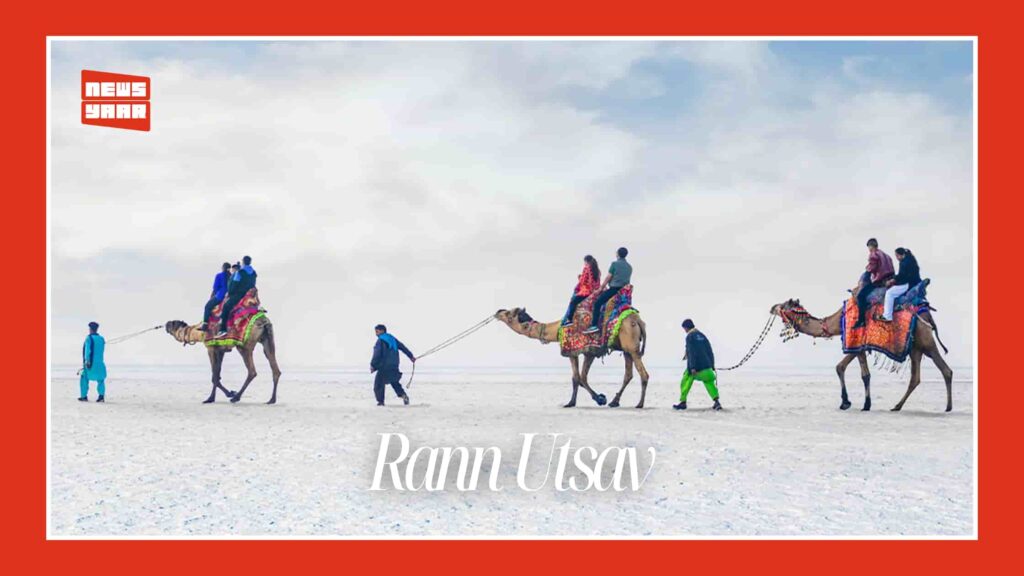
Rann Utsav is Gujarat’s iconic cultural and tourism festival held annually at the Great Rann of Kutch, one of India’s most extraordinary natural landscapes. Organised by the Gujarat Tourism Department, the festival celebrates the region’s rich heritage, crafts, music, food and desert life, while transforming the vast white salt desert into a globally recognised travel destination. For those unfamiliar with it, Rann Utsav is not just an event—it is a season-long cultural experience that brings together art, community and landscape in a setting found nowhere else in the country. What Is Rann Utsav and Why Is It Celebrated? The Great Rann of Kutch remains largely inaccessible during the monsoon season, but from winter onwards, the dried salt flats reveal a surreal white expanse. Rann Utsav was conceptualised to showcase this natural phenomenon while promoting Kutchi culture, rural livelihoods and sustainable tourism. The festival highlights local artisans, folk performers and traditional communities, allowing visitors to experience Gujarat’s cultural diversity beyond urban centres. Over the years, Rann Utsav has emerged as a symbol of India’s living heritage, blending tourism with cultural preservation. Rann Utsav Dates and Duration Rann Utsav is generally held from November to February, lasting nearly three to four months during the winter season. The official dates are announced by Gujarat Tourism every year, allowing travellers to plan visits across weekends, holidays and full moon nights. The long duration helps manage tourist flow while offering flexibility for visitors. Where Rann Utsav Takes Place The festival is hosted near Dhordo village, located about 80 kilometres from Bhuj. Dhordo serves as the main festival site and accommodation hub for visitors attending Rann Utsav. In recognition of its community-led tourism model, Dhordo village received the ‘Best Tourism Village’ award from the United Nations World Tourism Organization (UNWTO), highlighting India’s growing focus on sustainable and inclusive rural tourism. How to Reach Rann Utsav By Air:The nearest airport is Bhuj Airport, connected to major Indian cities like Ahmedabad, Mumbai and Delhi. Dhordo is approximately 80 km from Bhuj. By Rail:Bhuj Railway Station is the closest railhead, with regular trains from Ahmedabad and other cities. By Road:Bhuj is well connected via highways. From Bhuj, visitors can reach the Rann Utsav site by taxi, private vehicle or Gujarat Tourism transport services. Theme and Cultural Experience Each edition of Rann Utsav focuses on celebrating Kutchi traditions, including folk art, handicrafts and indigenous lifestyles. While the core theme remains cultural heritage, the festival also emphasises sustainability, community participation and responsible tourism. Entertainment, Music and Cultural Shows Key attractions include: Folk dance and music performances from Kutch and other regions of Gujarat Evening cultural shows under the open desert sky Live music events and traditional storytelling sessions Craft exhibitions featuring embroidery, mirror work, textiles and pottery Adventure, Fun and Desert Activities Rann Utsav offers a mix of leisure and adventure experiences: Camel rides and camel cart journeys across the white desert Desert safaris and guided exploration walks Adventure activities like ATV rides and paramotoring (subject to availability) Photography opportunities during sunrise, sunset and full moon nights Food and Culinary Experience Visitors can enjoy authentic Kutchi and Gujarati cuisine, along with multi-cuisine options. The festival promotes local flavours while catering to diverse tastes, making food an integral part of the experience. Accommodation and Stay Options The Rann Utsav Tent City at Dhordo offers multiple accommodation categories, combining comfort with traditional aesthetics. Hotels and guesthouses in Bhuj are also available for travellers preferring off-site stays. Places to Visit Around Rann Utsav A visit to Rann Utsav can be combined with nearby attractions in Kutch: Kala Dungar (Black Hill): The highest point in Kutch with panoramic views of the White Rann Dholavira: A UNESCO World Heritage Site and an important Harappan civilisation settlement Bhuj: Known for museums, palaces, temples and local markets Mandvi Beach: A coastal destination with historic shipyards and beach views Kutch Desert Wildlife Sanctuary: Famous for migratory birds during winter Why Rann Utsav Is Important for India’s Cultural Tourism Rann Utsav plays a crucial role in promoting India’s cultural tourism, rural livelihoods and heritage preservation. It has created sustainable income opportunities for local communities, artisans and performers, while placing Kutch on the global tourism map. The international recognition of Dhordo village further underlines how community participation and cultural pride can drive responsible tourism. In Summary Rann Utsav is not just a festival, but a window into India’s desert heritage, community spirit and artistic traditions. From the shimmering salt plains of the White Rann to the cultural richness of Dhordo village, the festival offers an experience that blends tourism with tradition. As India continues to highlight sustainable and inclusive travel, Rann Utsav stands out as a model of how cultural celebrations can preserve heritage while shaping modern tourism narratives.