


Amazon Opens Its Second-Largest Office in Asia with 12-Storey Campus in North Bengaluru
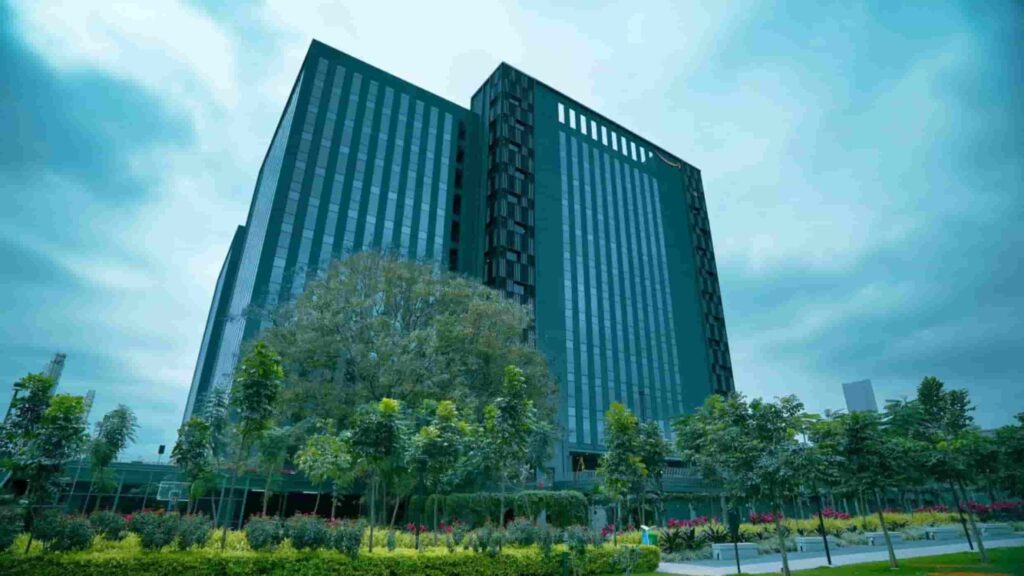
Global technology and e-commerce company Amazon has inaugurated its second-largest office in Asia in North Bengaluru, marking another major milestone in the company’s long-term expansion in India. The new corporate campus reflects Amazon’s continued investment in the country’s technology ecosystem and highlights Bengaluru’s position as one of the world’s leading technology hubs.The newly opened office spans 1.1 million square feet and consists of a 12-storey building, making it one of the largest corporate campuses operated by the company in the Asia-Pacific region. The facility is designed to accommodate more than 7,000 employees working across various business divisions including e-commerce, technology, operations, payments, and seller services.The campus was officially inaugurated on 23 February 2026 in the presence of Karnataka’s Minister for Large and Medium Industries and Infrastructure Development, Dr. M. B. Patil, along with senior leaders from Amazon India.Location and Campus SizeThe new Amazon office is located in North Bengaluru, near the rapidly developing technology corridor close to the airport region. The campus stands on a five-acre site located about 15 kilometres from Kempegowda International Airport, making it strategically accessible for employees and business partners.With its 1.1 million square-foot built-up area, the facility ranks as Amazon’s second-largest office building in Asia and one of its largest single-building corporate offices globally.The campus is part of Amazon’s broader strategy to expand its operational and technological presence in India, where the company has been building large infrastructure facilities for more than two decades.A Major Hub for Amazon’s India OperationsThe new Bengaluru campus will serve as a major hub for several of Amazon’s key business functions in India. Employees working in technology development, e-commerce operations, payments, logistics, and seller services will operate from this facility.Amazon India’s leadership has emphasised that Bengaluru has played a central role in the company’s journey in the country. Over the years, the city has hosted some of Amazon’s earliest technology and innovation teams.Samir Kumar, Country Manager of Amazon India, stated that India remains a long-term priority for the company and that Bengaluru continues to be a critical centre for talent, innovation, and global operations.Modern Workplace InfrastructureThe campus has been designed with a modern workplace philosophy that prioritises collaboration, flexibility, and employee well-being. The building includes multiple meeting rooms, collaboration zones, breakout spaces, and event areas to encourage teamwork and innovation.Several recreational and wellness facilities have also been incorporated into the campus. These include:Basketball and pickleball courtsOutdoor landscaped spacesAmphitheatres and community gathering areasRecreation zones for employeesLarge cafeterias serving diverse cuisines across two floorsThe design approach aims to create a workplace that supports both productivity and work-life balance for thousands of employees working in the building.Sustainability and Future-Ready DesignAmazon’s new campus also reflects the company’s broader sustainability commitments. The building has been designed with features intended to support energy efficiency, environmental sustainability, and responsible resource usage.Large corporate campuses like this are increasingly designed to reduce carbon footprints, improve indoor air quality, and promote sustainable operations.The campus is also aligned with Amazon’s global environmental initiative known as The Climate Pledge, through which the company aims to achieve net-zero carbon emissions by 2040.Amazon’s Investment in IndiaThe opening of this large office campus also highlights the scale of Amazon’s investment in the Indian market. Since entering India, the company has invested over 40 billion dollars in the country, and it has committed an additional 35 billion dollars in investment by 2030.India has become one of Amazon’s most important global markets, not only for e-commerce but also for technology development, cloud services, logistics, and digital payments.Large corporate campuses like the one in Bengaluru are intended to support this long-term expansion strategy while strengthening the company’s innovation capabilities in the region.Bengaluru as a Global Technology HubThe decision to establish such a large office in Bengaluru also reflects the city’s status as a global centre for technology and innovation. Often referred to as India’s “Silicon Valley,” Bengaluru hosts thousands of technology companies, research centres, and startups.The presence of global companies such as Amazon, along with major technology firms, has helped transform the city into one of the world’s largest technology talent hubs.Government officials have also highlighted that investments like Amazon’s new campus contribute significantly to the local economy by creating high-skilled jobs, strengthening the technology ecosystem, and supporting the growth of India’s digital economy.Economic and Employment ImpactThe new campus is expected to generate significant employment opportunities and strengthen the technology ecosystem in Bengaluru. With space for over 7,000 employees, the facility will host professionals working in engineering, operations, business strategy, logistics management, and digital services.In addition to direct employment, large corporate campuses often create indirect economic benefits by supporting local businesses, service providers, and infrastructure development in surrounding areas.Experts believe that investments of this scale also reinforce India’s role as a major centre for global technology development.ConclusionAmazon’s new 12-storey corporate campus in North Bengaluru represents one of the largest office developments by a technology company in India. As the company’s second-largest office in Asia, the facility underscores Amazon’s continued commitment to expanding its operations in the country.With thousands of employees expected to work from the campus and with modern infrastructure designed for collaboration and innovation, the new office is likely to play an important role in Amazon’s global operations in the years ahead.The project also highlights the growing importance of Bengaluru as a global technology hub and reflects India’s increasing role in the international digital economy.
Prime Minister Modi’s Israel Visit: Strategic Engagement Amid Regional Uncertainty
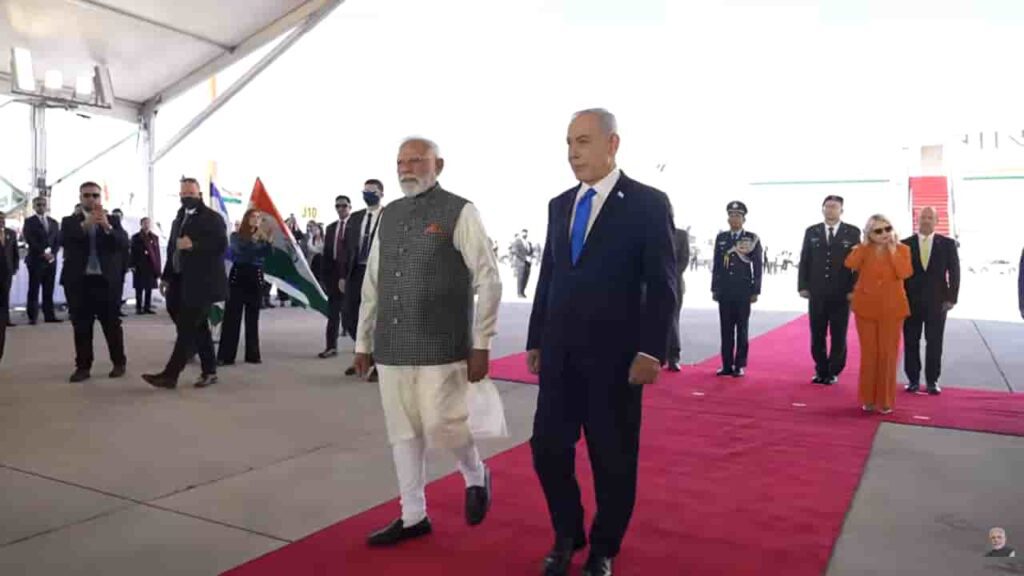
Prime Minister Narendra Modi undertook a two-day official visit to Israel, marking a significant moment in India–Israel relations at a time of heightened geopolitical volatility in West Asia. The visit, described by official sources as historic, was aimed at consolidating India’s long-standing strategic partnership with Israel while navigating the complex regional and global environment shaping Middle Eastern politics.The visit underscored India’s commitment to sustained engagement with Israel across defence, technology, agriculture, innovation and economic cooperation, even as regional conflicts and shifting alliances pose diplomatic headwinds.Context and Timing of the VisitPrime Minister Modi’s Israel visit comes at a sensitive juncture for the region. West Asia continues to witness prolonged instability, with security concerns, evolving power equations and humanitarian challenges dominating the geopolitical landscape. Against this backdrop, India’s outreach to Israel reflects a calibrated diplomatic approach that balances strategic interests with regional stability and global responsibilities.India and Israel share a relationship that has evolved steadily since the establishment of full diplomatic ties in 1992. Over the years, cooperation has expanded from defence procurement to joint research, innovation-driven partnerships and people-centric development projects. The current visit builds on this foundation while acknowledging the realities of a strained regional environment.High-Level Engagements and Bilateral TalksDuring the visit, Prime Minister Modi held extensive talks with Benjamin Netanyahu, focusing on deepening the India–Israel strategic partnership. The discussions reviewed the full spectrum of bilateral cooperation, including defence and security, economic engagement, technological collaboration, water management and agricultural innovation.Both leaders reaffirmed their commitment to strengthening institutional mechanisms that support cooperation in critical and emerging sectors. Emphasis was placed on sustaining momentum in joint initiatives that align with India’s development priorities and Israel’s technological expertise.Defence and Strategic CooperationDefence cooperation remains a central pillar of India–Israel relations. Israel is among India’s key defence partners, particularly in areas such as surveillance systems, missile defence technologies, unmanned aerial vehicles and advanced electronics.During the talks, the two sides reviewed ongoing defence collaboration and explored avenues for deeper cooperation under India’s ‘Make in India’ and ‘Atmanirbhar Bharat’ initiatives. Officials highlighted the importance of co-development, technology transfer and long-term industrial partnerships rather than transactional procurement.The visit reaffirmed mutual interest in enhancing defence industrial ties while ensuring that cooperation remains aligned with international norms and India’s strategic autonomy.Technology, Innovation and Economic CooperationA major focus of the visit was expanding collaboration in technology and innovation, areas where India and Israel share strong complementarities. Israel’s globally recognised startup ecosystem and India’s scale in digital adoption and manufacturing offer significant opportunities for joint growth.Discussions covered cooperation in fields such as artificial intelligence, cybersecurity, digital public infrastructure, healthcare technologies and sustainable innovation. Both sides acknowledged the growing role of startups, research institutions and private enterprises in driving the next phase of bilateral engagement.Economic ties were also reviewed, with leaders noting the steady expansion of bilateral trade and investment. Efforts are underway to diversify trade baskets and encourage partnerships in manufacturing, services and high-technology sectors.Agriculture and Water ManagementAgriculture and water management — long-standing areas of India–Israel cooperation — featured prominently during the visit. Israel’s expertise in drip irrigation, water recycling and arid-zone farming has contributed significantly to India’s agricultural productivity initiatives over the years.The two sides discussed strengthening cooperation through Centres of Excellence across Indian states, capacity-building programmes and joint research initiatives focused on climate-resilient agriculture.Geopolitical Considerations and India’s Balanced ApproachPrime Minister Modi’s Israel visit unfolded amid ongoing geopolitical tensions in West Asia, a factor acknowledged in diplomatic discussions. India reiterated its principled position of supporting peace, dialogue and stability in the region while maintaining constructive relations with all key stakeholders.India’s engagement with Israel is part of a broader West Asia strategy that also encompasses strong ties with Arab nations, Iran and other regional actors. Officials emphasised that India’s foreign policy is guided by national interest, strategic autonomy and respect for sovereignty, rather than bloc-based alignments.People-to-People Ties and Cultural EngagementBeyond strategic and economic discussions, the visit also highlighted the importance of people-to-people ties. The Indian diaspora in Israel, academic exchanges and cultural interactions continue to add depth to bilateral relations.Educational cooperation, student mobility and cultural dialogue were identified as areas with potential for further expansion, particularly among younger generations.Significance of the VisitPrime Minister Modi’s Israel visit is significant not merely for the agreements discussed or reviewed, but for its broader diplomatic message. It signals continuity in India–Israel relations, resilience in engagement despite regional uncertainties, and a forward-looking approach to cooperation in technology-driven and innovation-led sectors.At a time when global geopolitics is marked by uncertainty and realignment, the visit reinforces India’s intent to remain an active, reliable and independent partner on the world stage.The Road AheadThe outcomes of the visit are expected to translate into strengthened institutional cooperation, faster implementation of joint projects and expanded engagement between businesses, research institutions and innovation ecosystems in both countries.As India and Israel look ahead, their partnership is likely to continue evolving — shaped by shared strategic interests, technological collaboration and a mutual commitment to long-term cooperation in an increasingly complex global environment.
Tata Motors Inaugurates ₹9,000 Crore JLR Manufacturing Plant in Tamil Nadu: A Major Boost to India’s Auto Sector

In a significant milestone for India’s automotive manufacturing landscape, Tata Motors today inaugurated its new Jaguar Land Rover (JLR) car manufacturing plant in Ranipet, Tamil Nadu. The state-of-the-art facility, developed at an investment of ₹9,000 crore, is expected to dramatically enhance India’s role in global automotive production, strengthen exports, create thousands of skilled jobs and deepen the country’s integration into premium vehicle supply chains.The inauguration was presided over by key dignitaries from the government and industry, highlighting the strategic importance of the facility not only for Tamil Nadu’s industrial ecosystem but also for India’s ambitions in high-end manufacturing and global value chains.A Strategic Expansion in India’s Premium EV and Auto Manufacturing HubThe new JLR manufacturing plant in Ranipet — located near Chennai — represents one of the largest foreign direct investments in India’s automotive sector in recent years. Spread over a sprawling industrial campus, the facility will initially focus on the assembly of Jaguar and Land Rover vehicles for both domestic sales and global exports.This manufacturing expansion aligns with Tata Motors’ broader objective of scaling its electrified offerings and premium portfolio, including future electric vehicle (EV) platforms under the JLR marque. Observers note that India’s position as a cost-competitive and skilled manufacturing destination was a key factor in Tata Motors’ decision to invest heavily in the Ranipet facility.Production, Technology and Employment ImpactWith world-class assembly lines and advanced manufacturing processes, the Ranipet plant is equipped to produce multiple variants of Jaguar and Land Rover vehicles with high levels of localisation. Over time, the facility plans to incorporate EV production capabilities, battery integration and digital manufacturing systems that leverage automation and industry 4.0 technologies.The new plant is projected to generate thousands of direct and indirect jobs, supporting local supply chains, component manufacturers, logistics service providers and associated sectors. Chief executives from Tata Motors highlighted that the Ranipet facility would be a key centre of excellence for JLR operations globally, integrating India more deeply into the premium automotive production network.Government and Industry ReactionsAcross government and industry forums, the plant’s inauguration was widely welcomed as a major boost to manufacturing confidence in India. Officials from the Union Ministry of Heavy Industries, the Tamil Nadu State Government and Tata Motors leadership emphasised the role of stable policy frameworks, infrastructure readiness and skilled workforce availability in attracting such large-scale investments.Tamil Nadu’s Industries Minister described the plant as a ‘transformational investment’ for the region, citing its long-term potential to anchor a premium automotive cluster and drive technology-intensive jobs.Exports, EV Focus and Global IntegrationWhile initial production will serve domestic demand, a significant portion of output from the Ranipet facility is earmarked for international markets. Tata Motors has outlined plans to progressively increase export volumes, particularly for models in the Land Rover and Jaguar portfolio that meet evolving global emission standards and premium quality benchmarks.In line with India’s ambitions in electric mobility, the plant is being equipped to adapt for future EV production. Industry analysts see this as crucial, given the accelerating global transition toward electrification and the premium segment’s growing focus on electric and hybrid powertrains.The Ranipet facility also positions Tata Motors to capture advantages from existing and emerging trade agreements, strengthen supply chain resilience and reduce lead times for regional markets in Asia, Europe and beyond.Investment, Infrastructure and Economic GrowthThe ₹9,000 crore investment underlines Tata Motors’ confidence in India’s manufacturing ecosystem. The facility is expected to catalyse ancillary investments in local component suppliers, tooling and engineering firms, and technology partners, further multiplying economic impact in the state.Tamil Nadu — already a leading auto manufacturing hub — stands to benefit from the plant through infrastructure upgrades, increased employment opportunities and expanded participation in global automotive networks.Manufacturing Excellence and Skill DevelopmentThe Ranipet plant has been designed with a strong emphasis on sustainability, safety and digital integration. Tata Motors has announced plans to work with local technical institutes and training partners to develop skilled workforces capable of operating advanced manufacturing systems — reinforcing the company’s commitment to building human capital alongside physical infrastructure.Why This MattersThe inauguration of the JLR manufacturing facility in Ranipet carries significance on multiple fronts:It represents one of the largest recent automotive investments in India, especially in the premium vehicle segment.It reinforces India’s credentials as a global manufacturing hub, especially for high-end vehicles and future electric models.It underlines the success of policies that support large industrial investment, infrastructure readiness and skilled workforce development.It is expected to create significant employment and economic spillovers, particularly in the automotive value chain.Looking AheadAs production ramps up and export volumes grow, the Ranipet JLR plant is expected to become a cornerstone of Tata Motors’ global operations. Its success may also encourage further large-scale investments from automakers seeking to leverage India’s competitive strengths in manufacturing, skilled labour and regional connectivity.In the rapidly evolving automotive landscape, the Ranipet facility stands as a testament to India’s growing influence in advanced manufacturing — particularly in segments once seen as the exclusive domain of developed economies.
Estonia President’s Official Visit to India: A Milestone in Bilateral Engagement
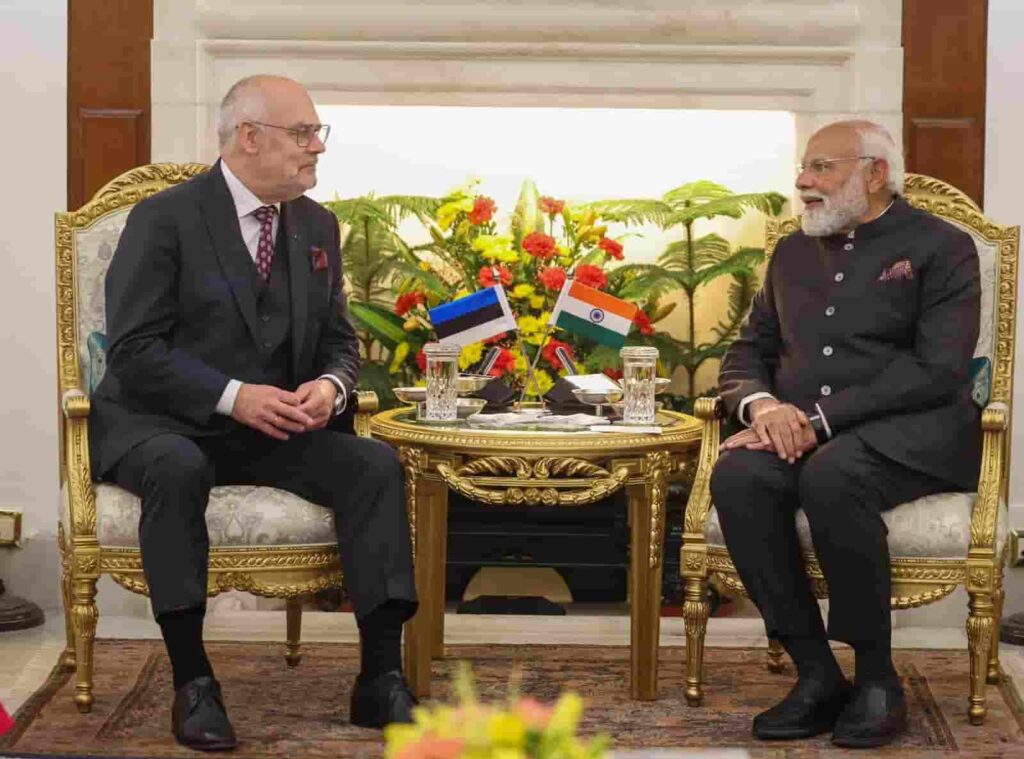
President Alar Karis, the Head of State of Estonia, concluded a significant official visit to India on February 19, 2026, underscoring deepening ties between the two countries across diplomacy, trade, digital cooperation, education and cultural exchange. The discussions and engagements during the visit reflected shared democratic values, mutual interest in technology-led growth and a growing emphasis on people-to-people links.This visit marked a high-profile diplomatic engagement that elevated relations between India and Estonia — both of which are democracies with strong commitments to digital innovation, open governance and strategic multilateral cooperation.Official Welcoming and High-Level MeetingsPresident Alar Karis was received at Rashtrapati Bhavan by President of India Smt. Droupadi Murmu, in a ceremony that reaffirmed the importance both nations place on their bilateral relationship. The ceremonial reception, followed by formal talks, set the tone for substantive discussions on a broad agenda of cooperation.In their meeting, President Murmu and President Karis reviewed ongoing collaboration, expressed satisfaction with the growing momentum of bilateral ties, and identified new avenues for future engagement. Both leaders spoke of shared democratic principles, respect for sovereignty, and the potential for deeper cooperation in emerging sectors.Strategic and Technology CooperationEstonia is known globally for its success in digital governance, cybersecurity and e-services, and these areas took centre stage during the visit. India and Estonia discussed cooperation in:Digital infrastructure and e-governance modelsCybersecurity partnershipsData governance frameworksDigital economy initiativesIndia shared its experience with large-scale programs such as Aadhaar and DigiLocker, while Estonia showcased best practices from its e-Estonia ecosystem — widely regarded as one of the most advanced digital societies in the world.Both sides expressed interest in knowledge exchange and joint initiatives that could benefit public service delivery, innovation pipelines and digital skill development.Economic and Trade EngagementBilateral trade and economic cooperation were key components of the discussions. While overall trade volume between India and Estonia has remained modest compared to India’s larger European partners, both nations affirmed a desire to broaden commercial links.Estonian companies operating in fields such as information technology, clean energy solutions, precision engineering and logistics services were identified as potential partners for deeper engagement with Indian enterprises. Similarly, Indian firms were encouraged to explore opportunities in the Estonian market, particularly in high-technology and service sectors.Both countries agreed on the need to further institutionalise trade facilitation mechanisms, reduce barriers and foster business dialogue through joint economic forums.Education, Culture and People-to-People LinksThe Presidents highlighted the importance of educational and cultural exchanges as core pillars of bilateral engagement. India and Estonia reaffirmed their commitment to expanding academic collaborations, student mobility programs and cultural showcases that deepen understanding between their citizens.Emphasis was placed on supporting:University partnershipsResearch collaboration in science and technologyStudent exchange schemesCultural festivals and artistic collaborationsThese initiatives were seen as vital for building stronger long-term ties, especially among young professionals, innovators and academics.Multilateral Cooperation and Shared ValuesIndia and Estonia also explored cooperation at the United Nations and other multilateral forums. Both countries reiterated their commitment to democratic norms, rule of law, peaceful resolution of disputes and inclusive development.There was agreement on enhancing joint efforts on global issues such as climate change, sustainable development, digital governance norms, and secure cyberspace regulations.Joint Statement and Future RoadmapAt the conclusion of the visit, both leaders issued a joint statement reaffirming their intent to broaden cooperation across multiple domains, including:Digital transformation and cybersecurityEconomic and trade linkagesEducation and cultural exchangeMultilateral engagement and strategic dialogueThe statement also expressed mutual respect for each other’s development models and acknowledged the importance of continued high-level visits and institutional dialogue mechanisms.Significance of the VisitPresident Karis’s visit to India in February 2026 carries strategic significance on several fronts. India’s engagement with Estonia — a small but highly innovative member of the European Union — reflects New Delhi’s broader approach to building partnerships based on shared technological and governance priorities rather than solely on scale.For Estonia, strengthening ties with India provides enhanced access to one of the world’s fastest-growing major economies and offers opportunities to participate in collaborative initiatives in technology, education and strategic innovation. Estonia’s expertise in digital governance was highlighted as a complementary asset to India’s own digital transformation journey.The visit also reaffirmed that India’s foreign policy priorities extend beyond traditional geopolitical partnerships to include innovative, technology-driven countries positioned for long-term global impact.As bilateral engagement moves forward, both sides signalled their intention to operationalise the discussions through focussed working groups, expert exchanges and public-private cooperation platforms that translate high-level commitments into actionable outcomes.President Karis’s visit, therefore, stands out not merely as ceremonial diplomacy but as a visit that helped articulate a forward-looking India-Estonia partnership in the digital age — one rooted in shared values, mutual respect and practical collaboration.
Spanish President Pedro Sánchez’s Official Visit to India: Strengthening Strategic Partnership
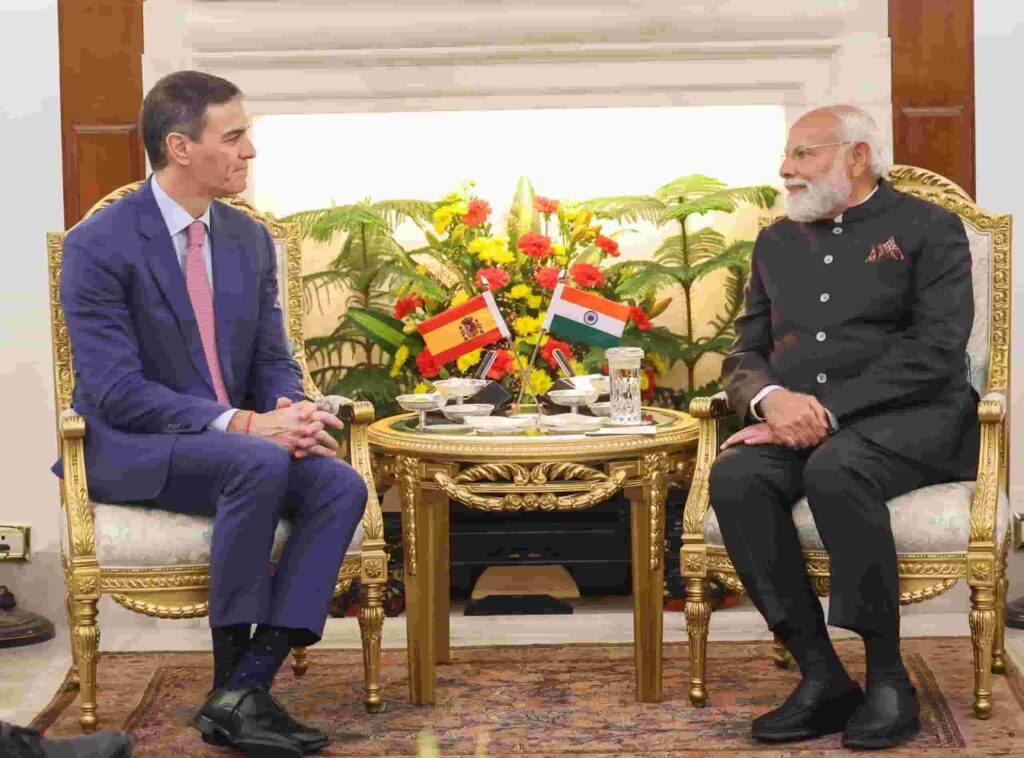
Spanish President Pedro Sánchez — President of the Government of Spain — paid an official visit to India from October 27 to 29, 2024, in a significant diplomatic engagement aimed at reinforcing bilateral ties across strategic, economic, technological and cultural domains. The visit, marked by high-level interactions with senior Indian leadership including Prime Minister Narendra Modi, underscored the evolving partnership between the two democracies in the contexts of trade, innovation, climate cooperation and global governance.This visit was the first by a Spanish head of government to India in nearly a decade, reflecting a renewed momentum in bilateral engagement driven by converging geopolitical priorities, deepening economic interdependence and shared commitments to multilateral cooperation.Arrival and Official EngagementsPresident Sánchez arrived in India on October 27, 2024, ahead of his participation in the AI Impact Summit hosted in New Delhi — an event that convened global leaders, industry experts and policymakers to discuss the future of artificial intelligence (AI), regulation frameworks and its socio-economic potential. Spanish participation in the summit signalled Spain’s interest in India’s emerging digital and technological leadership.On arrival, President Sánchez was received by senior Indian officials and engaged immediately in discussions that set the tone for substantive bilateral dialogues over the next three days.High-Level Meetings with Indian LeadershipA central component of the visit was the official meeting between President Sánchez and Prime Minister Narendra Modi at [official venue – e.g., Hyderabad House / Raisina Hill precinct]. The leaders held wide-ranging talks on issues of bilateral and global importance, reaffirming a shared vision for cooperation based on democratic values, economic partnership and sustainable development.Both leaders emphasised strengthening strategic dialogue mechanisms and enhancing cooperation in key sectors such as defence, manufacturing, green technologies, digital economy and renewable energy. They underscored the importance of elevating the India–Spain relationship into a comprehensive strategic partnership, reflecting growing political trust and mutual respect.Economic and Trade PrioritiesEconomic cooperation formed a major pillar of the visit. With bilateral trade between India and Spain having expanded over the years, both sides reiterated their intent to deepen economic engagement. Discussions focused on:Expanding trade in goods and servicesEnhanced cooperation in advanced manufacturing and innovation ecosystemsInvestment facilitation and market access for strategic sectorsTechnology partnerships in areas such as AI, mobility, health tech and clean energy solutionsPresident Sánchez and Indian counterparts acknowledged that both economies benefit from complementary industrial strengths — Spain’s advanced manufacturing and engineering capabilities and India’s growing services and technology base. They expressed optimism that targeted collaborations could accelerate investment flows and create employment opportunities in both countries.AI Impact Summit ParticipationPresident Sánchez’s participation at the AI Impact Summit underscored both nations’ interest in shaping global discourse on artificial intelligence. In his address, the Spanish leader emphasised the need for ethical, human-centric AI frameworks, equitable access to technological benefits, robust data protection standards and collaboration across nations in AI governance. The summit provided a platform for exchange of ideas on how emerging technologies can be responsibly deployed for societal benefit.Spanish delegations also engaged with Indian industry leaders, startups, research institutions and academic observers during the summit, fostering cross-border collaborations in cutting-edge research and innovation ecosystems.Defence, Security and Strategic CooperationDefence cooperation featured prominently in the discussions. Spain and India reviewed existing defence ties and explored expanded collaboration in key areas such as aerospace, naval systems, dual-use technologies and defence manufacturing partnerships. Both sides expressed interest in boosting joint research initiatives and expanding defence trade under frameworks that promote technology sharing and co-development.Security cooperation, particularly in areas such as counter-terrorism, cybersecurity and maritime security, was also prioritised. The leaders reiterated the importance of multilateral cooperation in addressing global security challenges, including in forums such as the United Nations and other international platforms.Climate Change, Renewable Energy and SustainabilityClimate action and sustainable development emerged as another key theme. India and Spain committed to enhancing cooperation on climate resilience, renewable energy deployment and green hydrogen ecosystems. Spain’s experience in wind and solar technologies aligns with India’s ambitious green energy transition targets, including the expansion of renewable capacity and sustainable urbanisation initiatives.Both sides also reaffirmed their support for multilateral climate goals under the Paris Agreement and emphasised collaborative approaches to climate finance, clean technology transfer and sustainable infrastructure development.Cultural and People-to-People ExchangesDuring his visit, President Sánchez highlighted the cultural bonds between India and Spain, noting that people-to-people ties — including tourism, academic exchange, arts and cultural collaborations — form a vital dimension of the bilateral relationship. Spain’s historical heritage and contemporary cultural vibrancy continue to find resonance with Indian audiences, even as Indian art, literature and cinema increasingly gain prominence in Spanish cultural spaces.Joint Communiqué and Future CooperationAt the conclusion of the visit, both countries released a joint communiqué outlining agreed priorities and a roadmap for future cooperation. Key commitments included:Regular high-level political consultationsEnhanced trade and investment facilitation measuresCooperative initiatives in technology, defence, climate and sustainable developmentStrengthened academic, cultural and scientific exchangesSignificance and ImpactPresident Pedro Sánchez’s visit to India in late 2024 marked a multipartite reaffirmation of the India–Spain relationship at a time of global geopolitical realignment. The emphasis on technology cooperation — particularly through Spain’s active role at the AI Impact Summit — hinted at a widening scope of cooperation beyond traditional diplomatic and defence dimensions.For India, deepening ties with Spain — a European Union member with strong global integration — adds momentum to its broader engagement strategy with Europe, aligning with India’s goals of diversifying partnerships in trade, innovation, and sustainable development.For Spain, stronger engagement with India opens pathways for Spanish companies in India’s fast-growing markets and reinforces Madrid’s diplomatic reach in Asia. Both nations signalled that their cooperation would be pragmatic, forward-looking and anchored in mutual interests.The visit has, therefore, been widely seen as a milestone moment in India–Spain ties — steering the relationship from transactional engagement toward a broader strategic partnership that spans economics, technology, culture and global governance cooperation.
Russia Develops Experimental Cancer Vaccine, Early Trials Show Promise

Russia has announced the development of an experimental cancer vaccine, marking a significant step in its ongoing efforts to advance personalised cancer treatment through immunotherapy. The vaccine, which is still in the research and clinical trial stage, has been developed by scientific institutions operating under Russia’s state-run medical research framework and is being positioned as a therapeutic vaccine, not a preventive one. According to Russian health authorities, the vaccine is designed to stimulate the patient’s immune system to recognise and attack cancer cells, rather than prevent the onset of cancer. This places it within the rapidly growing global field of cancer immunotherapy, where treatments are tailored to the biological profile of an individual’s tumour. What Makes the Vaccine Different Unlike conventional vaccines used against infectious diseases, Russia’s cancer vaccine is personalised. It is developed using messenger RNA (mRNA) technology, a platform that delivers genetic instructions to the body’s cells, enabling the immune system to identify tumour-specific antigens and mount a targeted response against cancer cells. Russian researchers have stated that the vaccine is created after genetic sequencing of a patient’s tumour, allowing the formulation to be customised for each individual. This approach aims to improve treatment precision while reducing damage to healthy cells — a longstanding challenge in traditional cancer therapies such as chemotherapy and radiation. The project is being led by institutions under the Federal Medical Biological Agency (FMBA), with collaboration from leading molecular biology and oncology research centres in Russia. Stage of Development and Trials Russian officials have clarified that the vaccine has completed pre-clinical testing and has entered early-phase human trials, primarily focused on assessing safety and immune response rather than long-term efficacy or cure rates. Preliminary observations from these early trials suggest that the vaccine has triggered immune activation against cancer cells, with researchers reporting an absence of severe adverse effects among participants. However, experts stress that Phase I trials are not designed to establish effectiveness, and broader conclusions can only be drawn after larger Phase II and Phase III trials. As of now, comprehensive peer-reviewed clinical data has not been published in international medical journals, and the vaccine has not received regulatory approval for widespread clinical use either within Russia or internationally. Not a “Cancer Cure” Medical experts and health authorities have cautioned against describing the development as a cure for cancer. Cancer is not a single disease but a complex group of conditions, and therapeutic vaccines are generally intended to slow disease progression, prevent recurrence, or improve survival outcomes, often in combination with other treatments. Independent analysts have pointed out that while early results are encouraging, claims circulating on social media suggesting “100 per cent effectiveness” are scientifically inaccurate and misleading. Regulatory approval will depend on long-term trial outcomes, reproducibility of results and transparent data validation. International Interest and Future Plans Despite its early stage, the announcement has drawn international attention, with some countries reportedly expressing interest in observing or participating in further clinical evaluation once larger trials are initiated. Russian health authorities have indicated that, subject to successful trial outcomes and regulatory clearance, limited clinical use could be expanded in the coming years, particularly for cancers where existing treatments show limited effectiveness. Why This Development Matters Globally, cancer remains one of the leading causes of death, and the pursuit of personalised, less toxic treatments is a major priority for medical research. Therapeutic cancer vaccines, especially those using mRNA technology, are seen as a promising frontier because they aim to harness the body’s own immune defences rather than relying solely on invasive treatments. Russia’s progress reflects a broader global shift towards precision medicine, where treatments are increasingly tailored to individual patients rather than applied uniformly. The Road Ahead For now, Russia’s cancer vaccine remains an experimental medical innovation, not a commercially available treatment. Scientists and clinicians agree that extensive clinical trials, peer-reviewed data and international regulatory scrutinywill be critical before the vaccine can be considered a reliable addition to cancer care. While the early findings offer cautious optimism, experts emphasise that rigorous science, not headlines, will determine whether the vaccine ultimately changes cancer treatment outcomes.
India–Chile Trade Deal: Deepening Economic Engagement Between South Asia and South America
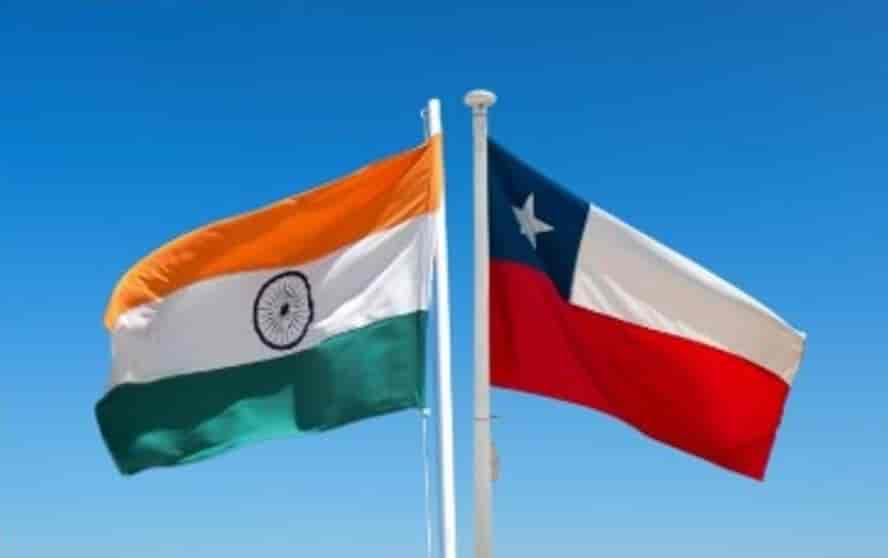
India and Chile have nurtured a stable and steadily expanding trade relationship over the past two decades, anchored in the India–Chile Preferential Trade Agreement (PTA) and moving toward a more comprehensive economic partnership. The evolving framework of cooperation reflects both countries’ strategic interests in expanding market access, diversifying export baskets, and strengthening bilateral economic integration within a globalised trade environment. Historical Background: From Framework to Preferential TradeThe roots of formal trade cooperation between India and Chile date back to the Framework Agreement on Economic Cooperation signed in January 2005, which laid the foundation for deeper commercial ties. Following this, after four rounds of negotiations, the India–Chile Preferential Trade Agreement (PTA) was finalised and signed on March 8, 2006 and came into force in India on September 11, 2007 and in Chile on August 17, 2007. The PTA was subsequently notified to the World Trade Organization (WTO) in January 2009, underlining its legitimacy and integration into global trade rules. Under the original 2006 PTA, both countries agreed to provide fixed tariff preferences on a selected list of goods to encourage bilateral trade. India initially offered tariff concessions ranging from 10% to 50% on 178 tariff lines at the detailed eight-digit product level to Chile, while Chile reciprocated with concessions on 296 tariff lines, some of which carried preferences of up to 100%. Expansion and Current Trade RegimeRecognising the need to broaden the agreement’s scope, India and Chile agreed in 2016 to expand the PTA, which came into effect on May 16, 2017, after ratification by both sides. Under the expanded framework:Chile offered preferential duty reductions on 1,798 goods — with margins of preference (MoP) between 30% and 100% — granting Indian exporters enhanced access to the Chilean market.India reciprocated with tariff concessions on 1,031 products at the eight-digit classification level, providing MoPs between 10% and 100% on items ranging from processed foods and raw materials to industrial and manufacturing inputs. The expanded PTA covers sectors such as agriculture and allied goods, chemicals, pharmaceuticals, textiles and apparel, machinery and equipment, processed foods, leather products, and various industrial commodities. This broader coverage has significantly improved market access for Indian businesses and diversified the range of products traded between the two countries. Trade Flows and Economic SignificanceChile is one of India’s key trading partners in Latin America, ranking among the top destinations for Indian exports and sources of imports. According to data for the fiscal year 2023–24, bilateral trade between India and Chile reached approximately US$2.45 billion, with India exporting goods worth about US$1.1 billion and importing nearly US$1.35 billion, reflecting a modest trade deficit for India. Chile’s top exports to India include copper ore and concentrates, iodine, lithium compounds, molybdenum ores, and chemicals, while Indian exports to Chile comprise transport equipment, pharmaceuticals, textiles, engineering goods, plastic and leather products, and handicrafts. Trade experts note that the India–Chile trade relationship remains well-balanced compared with other Latin American partners and continues to deepen despite global economic fluctuations. The diversity of export and import baskets illustrates the complementary aspects of both economies, offering opportunities for further expansion. Towards a Comprehensive Economic PartnershipWhile the PTA has provided a stable framework for tariff concessions, policymakers in both countries have recognised that a broader and more robust trade agreement could unlock greater economic potential. To this end, India and Chile have embarked on negotiations for a Comprehensive Economic Partnership Agreement (CEPA), which aims to expand beyond tariff reductions to cover emerging areas of bilateral cooperation.In May 2025, India and Chile signed the Terms of Reference (ToR) for CEPA, signalling their intent to elevate the trade relationship to a full-fledged free trade agreement (FTA). The CEPA negotiations build upon the existing PTA and foresee expanded cooperation in key sectors such as digital services, investment promotion and protection, small and medium enterprises (MSMEs), critical minerals, and broader goods and services trade. The first round of CEPA talks was concluded in May 2025, followed by subsequent negotiation rounds aimed at finalising the agreement text. Both sides have identified that including digital services and critical minerals — particularly Chile’s rich reserves of lithium and copper — could add significant strategic value to the CEPA framework, benefiting sectors such as clean energy, electronics and high-technology industries. Strategic and Geopolitical DimensionsThe India–Chile trade engagement is more than a commercial arrangement. Chile is a founding member of the Pacific Alliance, and India is an observer member, positioning the PTA and prospective CEPA as gateways to deeper engagement with broader Latin American markets. Strengthening trade ties with Chile aligns with India’s global economic outreach strategy, which seeks to diversify export markets, attract foreign investment, and secure supply chains for critical resources. For Indian exporters, Chile offers access to a strategically located South American market with strong linkages to other regional economies. For Chile, India presents opportunities in one of the fastest-growing large economies, with demand for products ranging from pharmaceuticals to engineering goods and textiles.Challenges and Future ProspectsWhile the expanded PTA has facilitated greater market access, the trade relationship still faces challenges such as addressing non-tariff barriers, improving logistics integration, and enhancing investment flows. The CEPA negotiations are seen as a necessary next step, aiming to resolve such issues and elevate economic cooperation to a more comprehensive level.Both governments have expressed optimism that a concluded CEPA will not only expand bilateral trade volumes but also attract greater investment in sectors such as information technology, renewable energy, critical minerals, and services, while supporting MSMEs, innovation ecosystems, and job growth in both countries. Conclusion: A Growing PartnershipThe India–Chile trade deal — rooted in a preferential trade agreement since 2007 and evolving towards a Comprehensive Economic Partnership Agreement — represents a significant chapter in India’s trade diplomacy with Latin America. Through phased tariff concessions, portfolio diversification, and ongoing negotiations to deepen economic cooperation, the two countries are forging a trade relationship that blends traditional commerce with emerging sectoral opportunities.As negotiations continue and potential CEPA outcomes take shape, the India–Chile economic partnership stands poised to expand not only in value but also in strategic scope, reflecting a shared vision of inclusive,
Brazil President Lula in India: A Friendly Visit for Talks on AI, Trade, and More
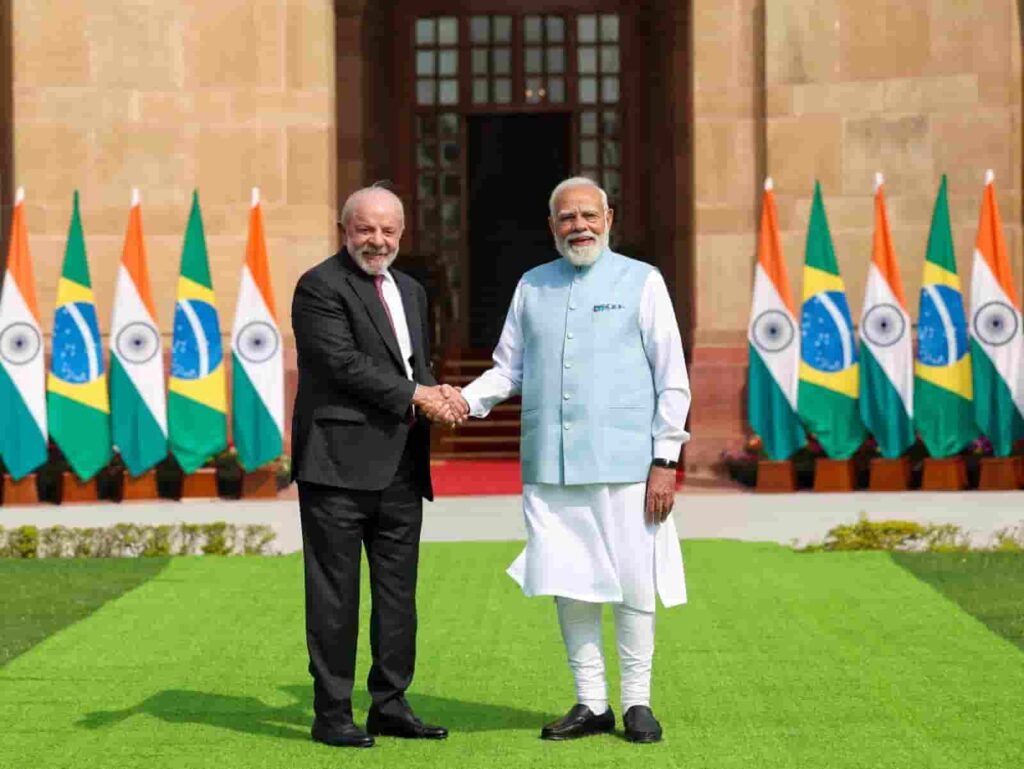
Brazil’s President Luiz Inácio Lula da Silva landed in New Delhi on February 18, 2026, for a five-day state visit. He said “Namaste, India!” on social media and shared a video of his warm traditional welcome. This is his sixth trip to India, invited by Prime Minister Narendra Modi. Lula will stay until February 22. The visit focuses on stronger ties between the two countries, with key events like the AI Impact Summit and meetings with top Indian leaders. Lula got a nice welcome at the airport from Minister of State for External Affairs Pabitra Margherita. He is here with about 14 ministers and many top CEOs from Brazilian companies. They will meet Indian leaders and join a Business Forum to talk business. India and Brazil already trade a lot, $15 billion in 2025. Brazil is India’s biggest trade partner in Latin America. What Will Happen During the Visit The visit has a full schedule. On February 19-20, Lula will join the 2nd AI Impact Summit. This event brings leaders together to discuss how AI can help countries grow fairly. India and Brazil both care about smartly using tech. President Droupadi Murmu will meet Lula and host a banquet for him. Vice President C.P. Radhakrishnan and External Affairs Minister S. Jaishankar will also call on him. The big meeting is on February 21. Prime Minister Modi will sit down with Lula to review all parts of their relationship. They will talk about trade, defense, energy, farming, health, and new areas like AI and space. Modi will host lunch for Lula. The leaders will also share ideas on world issues like UN changes, climate change, terrorism, and problems facing the Global South. Strong Ties Between India and Brazil India and Brazil have been close friends since 1948. They became Strategic Partners in 2006. Both are big democracies with shared values. They work together in BRICS, where India is the chair right now. Trade is growing fast. Brazil sells things like soybeans and oil to India. India sends pharma, chemicals, and auto parts to Brazil. They cooperate in defense, green energy, critical minerals for batteries, and Digital Public Infrastructure, like India’s UPI. Both push for UN reforms and fight climate change. Lula first came to India in 2004 as a Republic Day guest. He was here last for the G20 in 2023. Modi visited Brazil in July 2025, the first Indian PM’s state visit there in 57 years. They met again at the G20 in November 2025. Why This Visit Matters This trip will help both countries plan. Business leaders want more deals in trade and investment. Ministers will talk on energy, health, and tech. The CEOs’ forum shows how companies from both sides see big chances. Lula said the visit is about “strengthening ties, deepening partnerships, and discussing AI’s future.” For India, it boosts the BRICS and the Global South work. Brazil gets a stronger link to Asia’s top economy. People-to-people links are good too, yoga in Brazil, Brazilian culture in India. Both leaders want more cooperation on big world problems.
Anthropic’s Claude Cowork Plug-ins Spark ‘SaaSpocalypse’: Global Tech Sell-Off Hits Indian IT Hard

Global tech markets plunged into chaos following Anthropic’s January 30, 2026, launch of 11 open-source plug-ins for its Claude Cowork agent, igniting fears that agentic AI could obliterate traditional SaaS models and disrupt India’s IT services giants. Indian IT stocks like Infosys (down 8%), TCS (6.46%), HCLTech (5.76%), Wipro, and Tech Mahindra cratered, erasing over ₹5.7 lakh crore in market cap as the Nifty IT index dropped 19% in eight sessions, its worst since 2020.The Trigger: Claude Cowork’s Game-Changing Plug-insAnthropic, founded in 2021 by ex-OpenAI leaders Dario and Daniela Amodei, shifted AI from chatbots to autonomous “coworkers.” These no-code plug-ins bundle skills, connectors, and sub-agents for enterprise roles, autonomously planning, executing, and validating multi-step tasks like document processing, cross-verification, and adaptive strategies. Key offerings target:Plug-in CategoryCore FunctionsLegalContract review, NDA analysis, compliance checks, risk flagging.SalesProspect research, deal prep, process tracking.FinanceFinancial modelling, metrics tracking.Data/Marketing/ProductQuery/visualise datasets, campaign planning, and roadmap prioritisation.Others (Productivity, Support, Biology)Task/calendar management, issue triage, and literature analysis.This “vibe coding” lets users describe intent in plain English, bypassing specialised software from Salesforce, ServiceNow, or Adobe—threatening recurring subscriptions that fueled SaaS profits.Market Carnage: Wall Street to Dalal StreetUS: Nasdaq fell 1.4-2.4%; Goldman Sachs software basket 6%; S&P 500 -0.84%. Adobe (-7.31%), Cognizant (-10.14%), Thomson Reuters (-15.67%), Gartner (-20.87%), Equifax (-12.11%), ServiceNow/Salesforce (~7%) shed $ 300 B in market cap. Even Nvidia/Meta dipped 2-3%.India: Infosys ADR -5.56% (Nasdaq); TCS mcap below ₹10 lakh crore (2020 levels); Nifty IT -3-6% daily. Sensex dragged 100+ points.Termed ‘SaaSpocalypse’: Jefferies warns AI agents compress software categories into one interface, turning tools into utilities.Palantir’s CTO noted AI slashing SAP migrations from years to weeks, amplifying panic over billable hours in legal research, compliance, and due diligence, bread-and-butter for Indian IT juniors.Indian IT Sector: Existential Threat or Overreaction?India’s IT behemoths thrived on outsourcing data processing, analysis, and support—now AI-vulnerable. Economic Survey 2025-26 flagged risks: concentrated AI data/compute erodes India’s edge if adaptation lags. Mustafa Suleyman-like warnings predict 12-month white-collar hits (lawyers, accountants, coders).Bear Case: Agentic AI automates L1 support, reporting, testing—hollowing low-end services; clients rethink headcount-heavy models.Bull Rebuttals:JPMorgan sees “compelling value” in Infosys/TCS; correction temporary.Cognizant CEO Ravi Kumar: Enterprises need integrators for AI-human bridges; no “plug-and-play” magic.Zoho’s Sridhar Vembu: Domain expertise trumps AI; SaaS woes predated agents.Happiest Minds’ Ashok Soota: Disruption expands IT roles in transformation.Experts (Pareekh Jain, Prasad Valavade): Incremental impact; humans essential for governance, legacy integration, high-stakes decisions. Legal AI needs oversight (Adv. Varun Singh).Broader Implications and Road AheadSalesforce’s 1,000 AI-driven layoffs signal restructuring. Anthropic’s Dario Amodei reassures startups: “Claude powers AI-native firms.” Indian firms pivot to AI orchestration, but face pricing pressure (fixed-fee vs. hours). JPMorgan urges buying the dip; long-term, IT survives as AI embedders.As of February 17, 2026, markets stabilise slightly, but the AI shift, from assistant to executor, reshapes software economics. Indian IT must accelerate: reskill, embed AI in processes, or risk obsolescence. The ‘SaaSpocalypse’ may be hype, but evolution is inevitable.
Fractal Analytics IPO Debuts Muted: Shares List at 2.7% Discount, Close Day 1 Down 6% Amid AI Hype Fade

Mumbai, February 16, 2026 – AI-driven analytics firm Fractal Analytics made a tepid stock market entry today, listing at ₹876 on NSE (2.7% below the ₹900 IPO price) and flat at ₹900 on BSE, before closing the first day down 6%, signaling investor caution despite 2.66x oversubscription. With a listed market cap of ₹15,061 crore, the debut underscores market demand for execution proof over “AI buzz,” as grey market premium (GMP) flipped negative at -₹10 (-1.11%).IPO Snapshot and Subscription BreakdownThe ₹1,526 crore IPO (Dec 9-11, 2025; price band ₹857-900; lot size 16 shares) drew solid institutional interest (4.05x) but tepid retail/non-institutional bids (~1x). Allotment finalized Feb 12; trading commenced Feb 16 post-approvals. Promoters: Srikanth Velamakanni, Pranay Agrawal, Chetana Kumar, Narendra Kumar Agrawal, Rupa Krishnan Agrawal. GMP swung from +₹180 high to -₹10 low, forecasting ₹890 listing, mirroring sentiment.Key MetricDetailsIssue Size₹1,526 croreSubscription2.66x overallListing (NSE/BSE)₹876 / ₹900GMP (Feb 16)-₹10 (-1.11%)Mkt Cap (Listing)₹15,061 crorePost-listing P/E: 65.6x FY25 profits (down from 67.37x at IPO); 109.1x annualized H1 FY26, premium to Nifty 50 (~22x), pricing in growth but vulnerable to misses.Funds Utilization: Growth Bets with RisksNet proceeds target:Prepay Fractal USA borrowings.Laptops, new India offices, R&D/sales/marketing via Fractal Alpha.Inorganic growth (≤25% cap), general purposes (≤35% total).Unappraised by banks; three-year deployment. No variation without shareholder nod (special resolution). Risks: Delays, overruns, alternative funding needs (debt/accruals).Key Risks from RHP: Execution HurdlesFractal flagged multiple red flags:Operations: All 24 offices leased (non-renewal risk); 78.2% PPE insured (gaps/exclusions).Growth: Regulatory delays, hiring woes; client concentration (top 10: 54.2% Fractal.ai revenue); US reliance (64.9%).Financials: Employee costs 72.2% revenue (H1 FY26); cash lags possible.Compliance/Tax: Anti-bribery/sanctions exposure; Finance Bill 2025 uncertainties; LTCG 12.5% (>₹1.25L, >12mo hold), STCG 20%.Governance: Concentrated post-IPO holding (Apax, OLMO, TPG, promoters); PFIC risk for US investors; internal controls critical.Anchor lock-ins: 50% till Mar 13, 2026; rest May 12—potential volatility triggers.What to Watch: Investor TriggersQ4 FY26 Results: Validate FY25 ₹220.6 crore profit; margin stability amid people costs.Client Metrics: 122 MWCs (Sep 2025); sticky revenue vs. headcount bloat.Cash Flows: Receivables quality in a project-heavy model.Peers: Premium tech-services+AI valuation; execution > narrative.Analysts eye partial profit-taking for allottees; long-term hold if margins/client base expand. Fractal’s AI analytics pitch met reality check, market demands quarterly proof amid fading hype. Track live at indmoney.com/ipo/fractal-analytics-ipo.Valuation: Premium Pricing, Execution SqueezeListing P/E 65.6x FY25 (109x H1 FY26 annualized), steep vs. Nifty (~22x), peers. ROCE 13%; per-unit spend ₹0.93/Rs earned FY25. GMP crash (-₹10) reflects fading AI buzz; 2.66x subscription (QIBs 4x, retail ~1x) shows selective appetite. Mkt cap ₹15,061 Cr at list; anchor lock-ins (Mar/May 2026) loom as supply risks.Bull vs. Bear: Balanced RisksBulls: AI platforms scale margins (45.9% gross); enterprise wins (Google, Wells Fargo); IPO funds inorganic growth (25% cap), offices, R&D. Services-to-subs shift boosts repeatability.Bears: People-heavy (72% costs); unappraised proceeds; leased ops (24 sites); tax/compliance/PFIC risks; no cash flow details signal receivables lag potential. Q4 FY26 must sustain margins amid salary inflation.Investor PlaybookTraders: Eye ₹900 resistance; sell on lock-in spikes.6-12 Months: Hold if Q4 confirms profit stability, client diversification.Long-Term: Bet on AI embedment if subs >20% mix, US demand holds.Partial exits prudent; track cash flows, top-client stability over hype. Fractal’s story hinges on proving scalable profitability, not just “AI-first” labels, in a crowded analytics field.