


Jaipur Literature Festival 2026 Reinforces Jaipur’s Global Cultural Identity
The Jaipur Literature Festival (JLF) 2026 concluded earlier this month, reaffirming its status as the world’s largest free literary gathering and one of India’s most influential cultural events. Held at the historic Diggi Palace in Jaipur, the five-day festival brought together authors, poets, thinkers, artists and performers from across the world, transforming the Pink City into a vibrant hub of ideas, debate and artistic expression. Over the years, JLF has grown beyond a literary festival into a cultural phenomenon, and its 2026 edition once again reflected that evolution by blending literature with music, dance, storytelling and public discourse. When and Where JLF 2026 Took Place The Jaipur Literature Festival 2026 was held from January 15 to January 19, 2026, at Diggi Palace, a heritage venue in the heart of Jaipur. The centrally located venue allowed easy access for both domestic and international visitors and offered a unique setting where historical architecture met contemporary dialogue. What Is the Jaipur Literature Festival? Founded in 2006, the Jaipur Literature Festival is an annual celebration of books, ideas and free speech. Known for its open-access format, the festival brings together voices from diverse backgrounds including fiction and non-fiction writers, historians, journalists, poets, philosophers, economists, policymakers and artists. JLF has earned global recognition for encouraging open debate, cultural exchange and intellectual engagement while remaining accessible to the general public. Key Highlights of JLF 2026 The 2026 edition featured a packed programme of panel discussions, book launches, readings and conversations covering themes such as global politics, history, climate change, gender, technology, identity and contemporary society. Prominent Indian and international authors shared stages with emerging voices, creating a balance between established thought leadership and new perspectives. One of the defining features of JLF 2026 was its emphasis on cross-cultural dialogue. Sessions explored the intersection of literature with global events, regional narratives and evolving social realities. Music, Dance and Cultural Performances Beyond literature, JLF 2026 offered an immersive cultural experience. The Jaipur Music Stage attracted large crowds with performances by celebrated Indian and international artists. From folk and classical music to contemporary fusion and independent bands, the music programme added a festive dimension to the event. Dance performances, spoken-word poetry and visual storytelling further enriched the festival, making it appealing not just to readers but to cultural enthusiasts and tourists alike. Tourism and Economic Impact The festival significantly boosted tourism in Jaipur, with hotels, local markets and heritage sites witnessing increased footfall throughout the event. Visitors combined festival attendance with sightseeing, exploring Jaipur’s forts, bazaars and culinary offerings. Cultural tourism linked to JLF continues to play an important role in promoting Rajasthan as a destination for heritage-driven experiences, especially among international travellers. How Visitors Reached Jaipur Jaipur is well connected by air, rail and road, making it easily accessible for festival attendees. By Air: Jaipur International Airport connects the city with major Indian cities and select international destinations. By Rail: Jaipur Junction serves as a major railhead with frequent trains from Delhi, Mumbai, Kolkata and other metros. By Road: National highways and state transport buses connect Jaipur with Delhi, Agra, Udaipur and other key cities. Local transport options including cabs, autos and app-based services made commuting to Diggi Palace convenient during the festival. Why JLF Matters The Jaipur Literature Festival continues to stand out for its commitment to free expression, inclusivity and cultural dialogue. At a time when public discourse globally is often polarised, JLF provides a rare platform for nuanced conversations and respectful exchange of ideas. As one participating author noted during the festival, “Jaipur remains one of the few places where literature still feels like a public celebration rather than a closed-door conversation.” Conclusion As Jaipur Literature Festival 2026 came to a close, it left behind more than just packed auditoriums and headline sessions. The festival once again demonstrated how literature, music and culture can coexist as powerful tools of connection, drawing people across borders, languages and generations. By turning Jaipur into a living canvas of ideas and creativity, JLF 2026 reinforced the city’s position as a global cultural destination and highlighted the enduring relevance of literature in shaping conversations that extend far beyond the festival grounds.
Tata Mumbai Marathon 2026: Date, Winners, Route, Celebrities, Elite Runners and Why the Race Matters
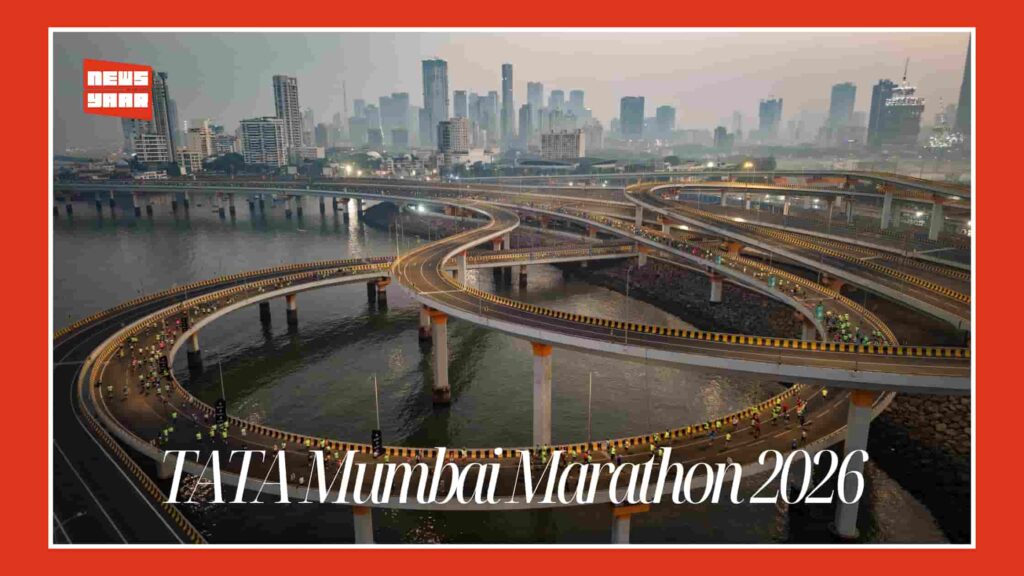
The Tata Mumbai Marathon 2026, one of Asia’s largest and most prestigious road races, was held on January 18, 2026, transforming Mumbai’s streets into a celebration of endurance, inclusivity and city pride. Thousands of runners from India and abroad participated across multiple categories, while elite athletes, celebrities and civic leaders reinforced the marathon’s position as a landmark sporting and cultural event. Organised by Procam International in association with the Tata Group, the Mumbai Marathon continues to be a key fixture on the global long-distance running calendar and a flagship event in India’s sports ecosystem. Tata Mumbai Marathon 2026: Race Categories and Distances The 2026 edition featured a wide range of race formats, allowing participation from professional athletes as well as first-time runners: 42.195 km Full Marathon (Elite & Open Category) 21.097 km Half Marathon 10 km Timed Run 5 km Run for All Senior Citizens’ Run This structure ensured that the Tata Mumbai Marathon remained both highly competitive and mass-participative, a defining feature of the event since its inception. Mumbai Marathon 2026 Route, Venue and Course Highlights The race commenced in the early hours near Chhatrapati Shivaji Maharaj Terminus (CSMT), with the route spanning some of Mumbai’s most recognisable landmarks. Runners passed through Marine Drive, Nariman Point and key arterial roads, experiencing a course that blends urban intensity with coastal beauty. The early morning schedule and sea-facing stretches helped maintain favourable running conditions, while strict traffic and safety protocols ensured smooth execution across the city. Elite Race at Tata Mumbai Marathon 2026: International and Indian Athletes The elite field at the Tata Mumbai Marathon 2026 featured top runners from Kenya, Ethiopia and other East African nations, continuing their strong presence in global distance running. Indian athletes also made their mark, with Kartik Karkera emerging as a notable performer in the men’s elite race. His effort was widely viewed as a significant step for Indian long-distance running, highlighting growing domestic competitiveness against established international runners. The elite races delivered tactical battles, fast pacing and strong finishes, reinforcing Mumbai Marathon’s standing as a serious international athletic contest. Celebrities at Tata Mumbai Marathon 2026: Aamir Khan Joins the Run Bollywood actor Aamir Khan joined thousands of runners on the streets of Mumbai, lending star presence to the event. Speaking during the marathon, Khan described the experience as a reflection of Mumbai’s resilience and collective spirit, praising participants for their enthusiasm and discipline. Celebrity participation has become an important element of the Mumbai Marathon, helping bridge the gap between elite sport and popular culture while motivating wider public participation. Sponsors and Support System: Bisleri and Event Infrastructure Bisleri, the Official Hydration Partner for Tata Mumbai Marathon 2026, ensured uninterrupted hydration support across the route. The event also featured: Medical aid and emergency response teams Volunteer-managed hydration and energy stations Live entertainment zones On-ground crowd and traffic coordination These measures played a crucial role in maintaining runner safety and enhancing the overall experience. Public Participation and Social Impact of Mumbai Marathon 2026 Beyond competition, the Tata Mumbai Marathon continues to function as a social movement. Corporate teams, schools, NGOs, fitness groups and charity runners participated in large numbers, using the platform to raise awareness for causes ranging from health and education to environmental sustainability. The Run for All and Senior Citizens’ Run segments underlined the marathon’s inclusive philosophy, making it accessible to participants across age groups and fitness levels. Tourism, Culture and the Mumbai Experience For international and out-of-city participants, the marathon doubled as a gateway to exploring Mumbai. Many runners extended their visits to experience the city’s heritage sites, coastal promenades and diverse cuisine. Spectators along the route added to the festive atmosphere with music, cheering zones and local flavour, turning the race into a city-wide celebration rather than a closed sporting event. Why the Tata Mumbai Marathon Is Important for India The Tata Mumbai Marathon plays a vital role in India’s sporting and civic landscape by: Promoting fitness and long-distance running culture Providing a global platform for Indian athletes Supporting charitable fundraising initiatives Strengthening Mumbai’s international sporting profile Encouraging community participation and inclusivity Its consistent growth reflects India’s increasing engagement with endurance sports and large-scale civic events. Conclusion The Tata Mumbai Marathon 2026 once again demonstrated why it is regarded as one of Asia’s premier road races. By seamlessly blending elite competition, mass participation, celebrity engagement and social purpose, the event captured the essence of Mumbai — energetic, resilient and inclusive. As runners crossed finish lines against the backdrop of the city’s skyline, the marathon reaffirmed its place not just as a sporting event, but as a symbol of India’s evolving fitness culture and global sporting ambition.
Udaipur Turns Wedding Capital as Netra Mantena–Vamsi Gadiraju’s Lavish Nuptials Take Over Social Media
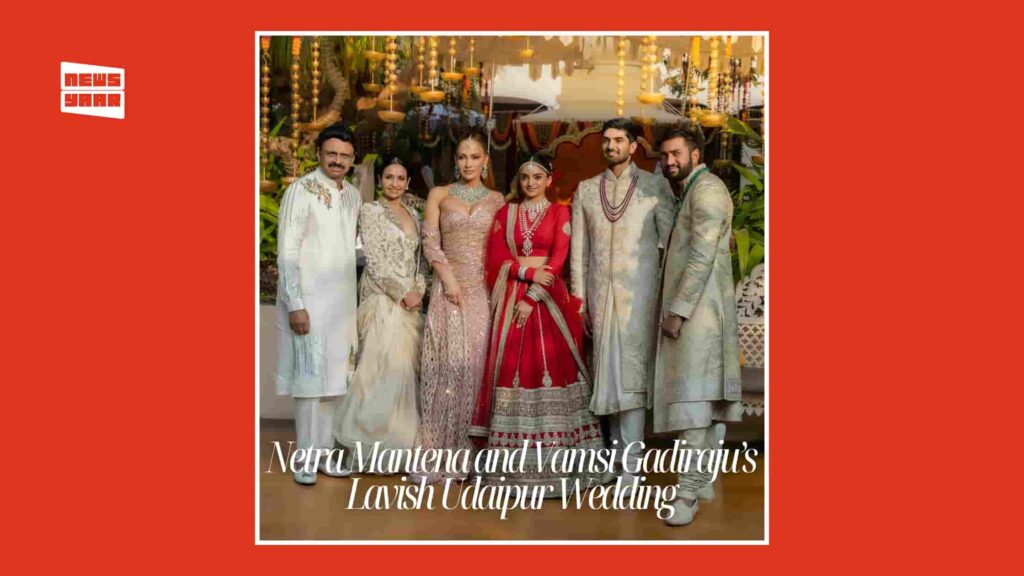
Udaipur: For three days, Udaipur wasn’t just the City of Lakes, it was the epicentre of India’s most talked-about wedding. The wedding of Netra Mantena and Vamsi Gadiraju transformed the historic Rajasthani city into a high-profile celebration zone, drawing massive attention on social media and setting new benchmarks for destination weddings in India.From celebrity performances and royal venues to viral dance reels, the Mantena–Gadiraju wedding dominated Instagram and YouTube feeds, momentarily eclipsing memories of other high-profile celebrity weddings. What began as a private family celebration quickly turned into a nationwide spectacle, with every function unfolding like a curated visual extravaganza.While the wedding brought them into the public spotlight, the families behind the celebration are no strangers to success. Netra Mantena is the daughter of NRI pharmaceutical entrepreneur Rama Raju Mantena, Chairman and CEO of Ingenus Pharmaceuticals. Originally from Vijayawada, Andhra Pradesh, Mantena built his business across the US, Switzerland and India after moving abroad in the 1980s.The groom, Vamsi Gadiraju, is a tech entrepreneur and the co-founder and Chief Technology Officer of Superorder, a platform that enables multi-location restaurants to manage delivery and takeaway operations more efficiently. In 2024, Gadiraju and his co-founder, Raghav Poddar, earned a spot on the prestigious Forbes 30 Under 30 list under the Food and Drink category.The destination wedding unfolded entirely in Udaipur, with the city witnessing heightened security arrangements, restricted access around key tourist zones, and luxury hotels booked exclusively for guests. Reports suggested limited access to Lake Pichola during the celebrations, underlining the scale of the event.Chartered flights ferried guests, while traditional folk performances blended seamlessly with modern entertainment, offering a fusion of royal heritage and contemporary luxury.The wedding festivities were hosted across some of Udaipur’s most iconic landmarks. The main wedding ceremony took place at Jagmandir Island Palace, the 17th-century marble palace located in the middle of Lake Pichola. The sangeet was hosted at Zenana Mahal within the City Palace complex, while the haldi ceremony unfolded at the opulent Taj Lake Palace.The celebrations continued with grand party nights at The Leela Palace, which also hosted the reception. Each venue showcased elaborate décor inspired by royal aesthetics, adding to the fairytale-like appeal of the celebrations.Clips of choreographed dance performances, celebrity sightings and behind-the-scenes moments flooded social platforms, turning the wedding into a viral phenomenon. Industry observers note that the event reflects a growing trend of ultra-luxury destination weddings in India that blend heritage venues with global-scale production.As the celebrations concluded, the Mantena–Gadiraju wedding left behind more than memories, it set social media abuzz, boosted Udaipur’s image as a global wedding destination, and reaffirmed India’s enduring love for grand, larger-than-life weddings.
Rann Utsav: What It Is, Why It Is Celebrated and Everything You Need to Know About Gujarat’s White Desert Festival
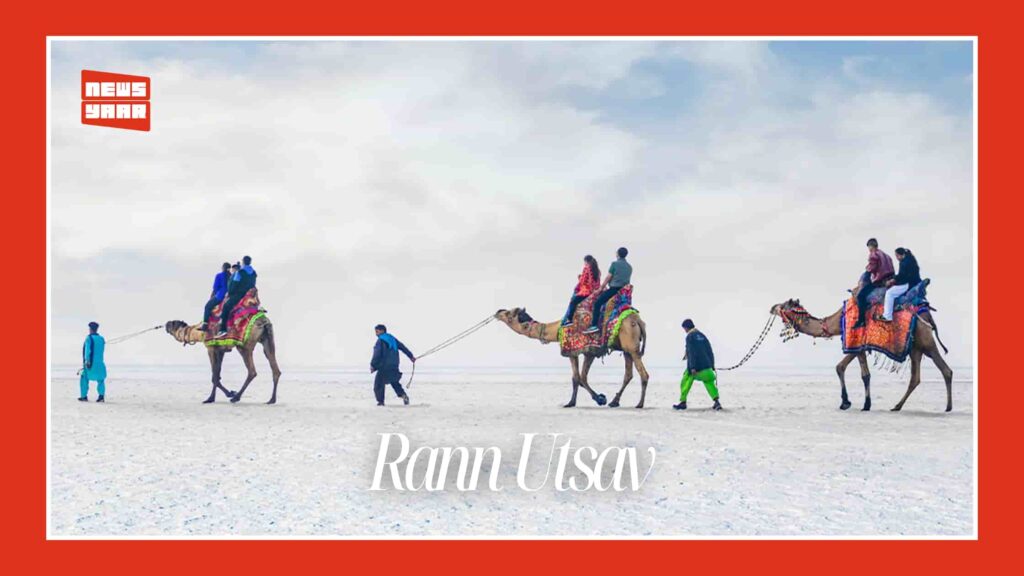
Rann Utsav is Gujarat’s iconic cultural and tourism festival held annually at the Great Rann of Kutch, one of India’s most extraordinary natural landscapes. Organised by the Gujarat Tourism Department, the festival celebrates the region’s rich heritage, crafts, music, food and desert life, while transforming the vast white salt desert into a globally recognised travel destination. For those unfamiliar with it, Rann Utsav is not just an event—it is a season-long cultural experience that brings together art, community and landscape in a setting found nowhere else in the country. What Is Rann Utsav and Why Is It Celebrated? The Great Rann of Kutch remains largely inaccessible during the monsoon season, but from winter onwards, the dried salt flats reveal a surreal white expanse. Rann Utsav was conceptualised to showcase this natural phenomenon while promoting Kutchi culture, rural livelihoods and sustainable tourism. The festival highlights local artisans, folk performers and traditional communities, allowing visitors to experience Gujarat’s cultural diversity beyond urban centres. Over the years, Rann Utsav has emerged as a symbol of India’s living heritage, blending tourism with cultural preservation. Rann Utsav Dates and Duration Rann Utsav is generally held from November to February, lasting nearly three to four months during the winter season. The official dates are announced by Gujarat Tourism every year, allowing travellers to plan visits across weekends, holidays and full moon nights. The long duration helps manage tourist flow while offering flexibility for visitors. Where Rann Utsav Takes Place The festival is hosted near Dhordo village, located about 80 kilometres from Bhuj. Dhordo serves as the main festival site and accommodation hub for visitors attending Rann Utsav. In recognition of its community-led tourism model, Dhordo village received the ‘Best Tourism Village’ award from the United Nations World Tourism Organization (UNWTO), highlighting India’s growing focus on sustainable and inclusive rural tourism. How to Reach Rann Utsav By Air:The nearest airport is Bhuj Airport, connected to major Indian cities like Ahmedabad, Mumbai and Delhi. Dhordo is approximately 80 km from Bhuj. By Rail:Bhuj Railway Station is the closest railhead, with regular trains from Ahmedabad and other cities. By Road:Bhuj is well connected via highways. From Bhuj, visitors can reach the Rann Utsav site by taxi, private vehicle or Gujarat Tourism transport services. Theme and Cultural Experience Each edition of Rann Utsav focuses on celebrating Kutchi traditions, including folk art, handicrafts and indigenous lifestyles. While the core theme remains cultural heritage, the festival also emphasises sustainability, community participation and responsible tourism. Entertainment, Music and Cultural Shows Key attractions include: Folk dance and music performances from Kutch and other regions of Gujarat Evening cultural shows under the open desert sky Live music events and traditional storytelling sessions Craft exhibitions featuring embroidery, mirror work, textiles and pottery Adventure, Fun and Desert Activities Rann Utsav offers a mix of leisure and adventure experiences: Camel rides and camel cart journeys across the white desert Desert safaris and guided exploration walks Adventure activities like ATV rides and paramotoring (subject to availability) Photography opportunities during sunrise, sunset and full moon nights Food and Culinary Experience Visitors can enjoy authentic Kutchi and Gujarati cuisine, along with multi-cuisine options. The festival promotes local flavours while catering to diverse tastes, making food an integral part of the experience. Accommodation and Stay Options The Rann Utsav Tent City at Dhordo offers multiple accommodation categories, combining comfort with traditional aesthetics. Hotels and guesthouses in Bhuj are also available for travellers preferring off-site stays. Places to Visit Around Rann Utsav A visit to Rann Utsav can be combined with nearby attractions in Kutch: Kala Dungar (Black Hill): The highest point in Kutch with panoramic views of the White Rann Dholavira: A UNESCO World Heritage Site and an important Harappan civilisation settlement Bhuj: Known for museums, palaces, temples and local markets Mandvi Beach: A coastal destination with historic shipyards and beach views Kutch Desert Wildlife Sanctuary: Famous for migratory birds during winter Why Rann Utsav Is Important for India’s Cultural Tourism Rann Utsav plays a crucial role in promoting India’s cultural tourism, rural livelihoods and heritage preservation. It has created sustainable income opportunities for local communities, artisans and performers, while placing Kutch on the global tourism map. The international recognition of Dhordo village further underlines how community participation and cultural pride can drive responsible tourism. In Summary Rann Utsav is not just a festival, but a window into India’s desert heritage, community spirit and artistic traditions. From the shimmering salt plains of the White Rann to the cultural richness of Dhordo village, the festival offers an experience that blends tourism with tradition. As India continues to highlight sustainable and inclusive travel, Rann Utsav stands out as a model of how cultural celebrations can preserve heritage while shaping modern tourism narratives.
New Delhi Book Fair 2026: A Literary Celebration Bringing Readers and Writers Together
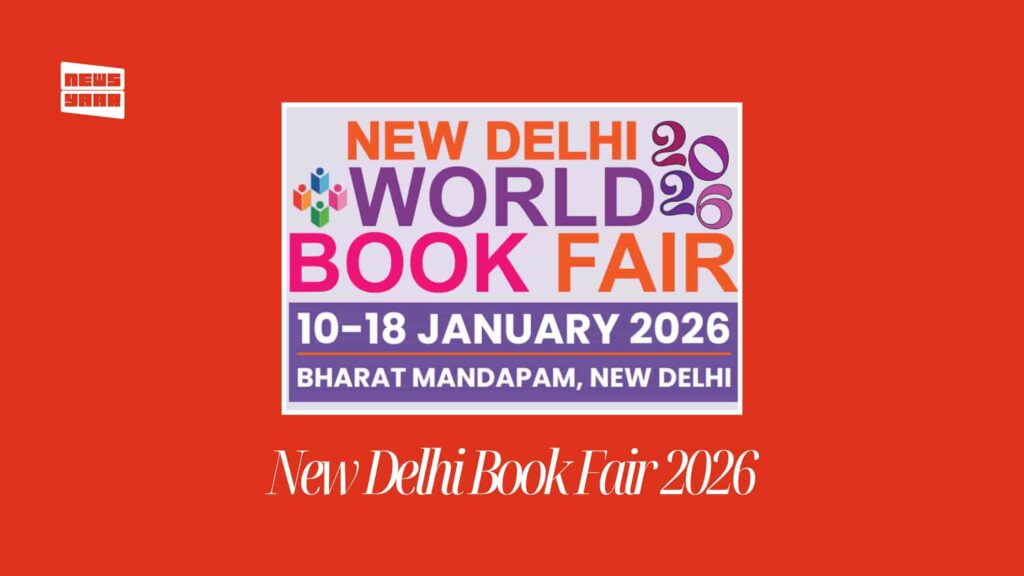
The Delhi Book Fair once again transformed the national capital into a vibrant hub of literature, ideas, and storytelling. Known as one of India’s most loved literary events, the fair attracted book lovers, authors, publishers, and students from across the country, reaffirming Delhi’s place as a cultural and intellectual centre. Event Details Dates: January 10–18, 2026 (9 days) Venue: Bharat Mandapam (Halls 2–6), Pragati Maidan, New Delhi Timings: 11:00 AM – 8:00 PM daily Entry: Free for all visitors Stepping into the fair felt like entering a world woven from stories, ideas, and imagination. The event showcased an incredible variety of books across genres, from fiction and non-fiction to academic texts, children’s books, self-help, and regional language publications, catering to readers of all ages and interests.An iconic venue, the fair offered a rich mix of books across genres, ranging from fiction, non-fiction, academic texts, children’s literature, self-help, and regional language publications. A Paradise for Book Lovers Walking into the Delhi Book Fair felt like stepping into a world made entirely of stories. Hundreds of stalls showcased books in English, Hindi, and several Indian languages, ensuring there was something for every reader. From bestselling novels and classic literature to competitive exam guides and research material, the fair catered to readers of all ages.Special sections dedicated to children remained a major attraction, with colourful books, comics, and activity corners encouraging young minds to develop a love for reading. Authors, Discussions, and Cultural Exchange Beyond book shopping, the Delhi Book Fair served as a platform for author interactions, panel discussions, and book launches. Renowned writers, emerging voices, and publishers engaged in conversations around literature, education, publishing trends, and the future of reading in a digital age.These sessions provided readers with a chance to connect directly with authors, understand their creative journeys, and gain insights into the evolving literary landscape.In a time when online content dominates, the fair stood as a reminder of the lasting value of printed books and structured learning. Keeping the Reading Culture Alive Despite the rise of e-books and digital platforms, the Delhi Book Fair highlighted that the charm of physical books remains strong. The event brought together people from diverse backgrounds, united by a shared love for reading, learning, and storytelling.Publishers also offered attractive discounts, making books more accessible and encouraging readers to build personal libraries. Delhi Book Fair: More Than Just an Event The Delhi Book Fair is not just about buying books; it is about celebrating ideas, creativity, and knowledge. It continues to inspire curiosity, promote literacy, and strengthen India’s reading culture.As the fair concludes, it leaves behind shelves full of new books and minds filled with fresh perspectives, proving once again that stories still matter, and always will.
CES 2026: From Dexterous Robots to Smart Living, A Glimpse Into the Future of Technology
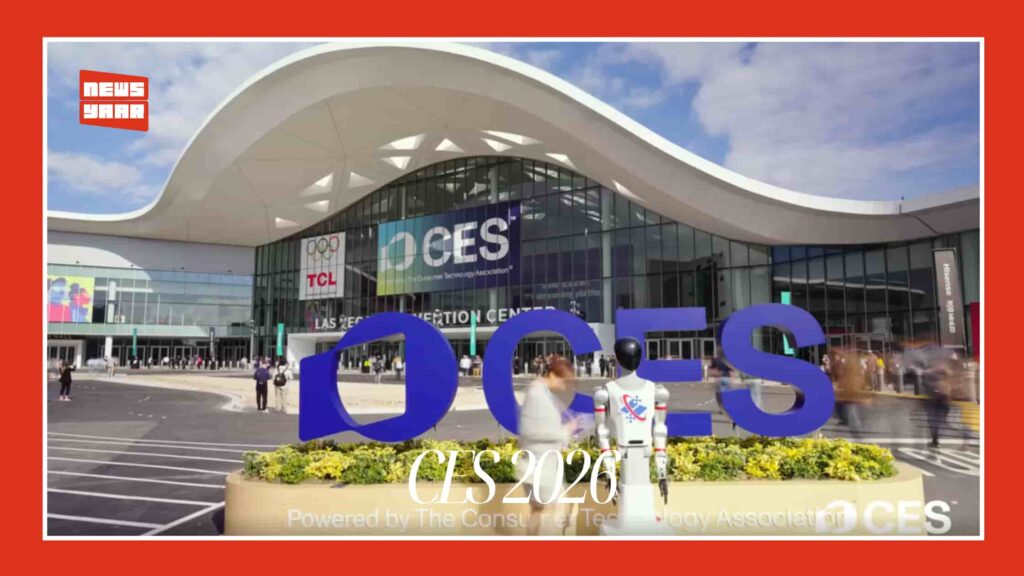
The Consumer Electronics Show (CES) 2026 once again proved why it is considered the world’s biggest stage for innovation. Held in Las Vegas, the annual tech showcase brought together global technology leaders, startups, and innovators to present ideas that could shape how people live, work, and interact with machines in the coming years.This year’s edition marked a clear shift in focus, from flashy concepts to practical, usable technologies that address real-world needs.Robots Get Smarter, Not Just TallerOne of the most talked-about highlights of CES 2026 was the rapid evolution of robotic technology. Unlike earlier years that focused on full humanoid robots, this time the spotlight was on dexterous robotic hands.These advanced systems demonstrated delicate tasks such as folding laundry, playing musical instruments, and even origami, showing how precision and control have improved significantly.Experts noted a strong presence from South Korean and Chinese companies, signalling growing competition in the robotics sector. The progress suggests robots are moving closer to assisting humans in homes, healthcare, and manufacturing environments.AI Takes Centre Stage Across CategoriesArtificial Intelligence was everywhere at CES 2026, not just as a feature, but as the foundation of innovation. From AI-powered home ecosystems to health monitoring devices, companies showcased how machine learning is being integrated seamlessly into daily life.HealthTech innovations stood out, including wearable devices that track vital signs, AI-driven wellness tools, and smart systems designed to improve long-term health outcomes. Industry experts estimate that AI-driven healthcare could become a multi-trillion-dollar market in the coming years.Smarter Homes, Cleaner LivingSmart home technology saw major upgrades at CES 2026. Brands showcased AI-powered cleaning systems, automated home management platforms, and energy-efficient appliances designed to reduce human effort while improving sustainability.Several companies also showcased whole-home ecosystems, where lighting, security, climate control, and cleaning devices communicate with each other through a single intelligent platform. This signals a future where homes don’t just respond, but anticipate needs.Displays, Gadgets, and the Rise of E-PaperDisplay technology also evolved, with innovations in e-paper and flexible screens drawing attention. Lightweight, energy-efficient displays are expected to redefine how information is consumed, especially in portable devices and smart signage.Meanwhile, consumer gadgets, from compact chargers to next-generation laptops, balanced futuristic design with immediate usability, reflecting a trend toward tech that consumers can adopt right away.CES 2026 Sets the Tone for the Year AheadCES 2026 highlighted a clear message: technology is becoming more human-centric. Instead of focusing solely on speed or power, innovation is now centred on usability, accessibility, and meaningful impact.As industries continue to adopt AI, robotics, and smart systems, CES 2026 has set the tone for a future where technology quietly blends into everyday life, making it smarter, simpler, and more connected than ever before.
Makar Sankranti 2026: Know the Importance of the Festival
Makar Sankranti, one of India’s most widely celebrated harvest festivals, will be observed on January 14, 2026.Unlike many Hindu festivals that follow the lunar calendar, Makar Sankranti is based on the solar cycle, making its date largely fixed every year. The festival marks a significant event and holds deep cultural, spiritual, and agricultural importance across the country. Why Makar Sankranti Is Celebrated? Makar Sankranti signifies the Sun’s transition into the zodiac sign Capricorn (Makara). This movement marks the beginning of Uttarayan, the sun’s northward journey, which is considered highly auspicious in Hindu tradition.According to ancient beliefs, the period of Uttarayan symbolises light, positivity, and spiritual progress, while the previous phase, Dakshinayan, is associated with darkness and inactivity.The festival also marks the end of the winter solstice and the gradual lengthening of days, bringing warmth and renewed energy. Farmers across India celebrate it as a harvest festival, thanking nature for its bounty and welcoming a new agricultural cycle. Cultural Significance Across India Makar Sankranti is celebrated under different names in different regions, reflecting India’s cultural diversity.In Punjab, it is celebrated as Lohri, marked by bonfires and folk songs. Tamil Nadu observes it as Pongal, a four-day harvest festival. In Assam, it is known as Magh Bihu, while Gujarat celebrates with vibrant kite-flying festivals that fill the sky with colour.Despite regional variations, the essence of the festival remains the same: gratitude, renewal, and togetherness. Rituals and Traditions One of the most common rituals associated with Makar Sankranti is taking a holy dip in rivers such as the Ganga, Yamuna, and Godavari. It is believed that bathing on this day cleanses sins and brings spiritual merit.Another key tradition is the exchange of til (sesame) and jaggery sweets, symbolising unity, warmth, and harmony. The phrase “til-gud ghya ani god-god bola” reflects the spirit of speaking kindly and maintaining sweet relationships. Spiritual and Health Importance Makar Sankranti is not only spiritually significant but also aligned with seasonal health practices. Sesame seeds and jaggery, commonly consumed during this time, help generate warmth in the body and strengthen immunity during winter.Spiritually, the festival encourages people to move away from negativity and embrace discipline, charity, and self-reflection. Donating food, clothes, and essentials to the needy is considered highly auspicious. A Festival of Hope and Positivity As Makar Sankranti 2026 approaches, the festival serves as a reminder of the balance between nature, faith, and human life.It celebrates new beginnings, collective joy, and the timeless bond between tradition and daily living, making it one of the most meaningful festivals in India’s cultural calendar.
Messi gets a Luxury Watch: Anant Ambani Richard Mille Watch Moment Goes Viral Online
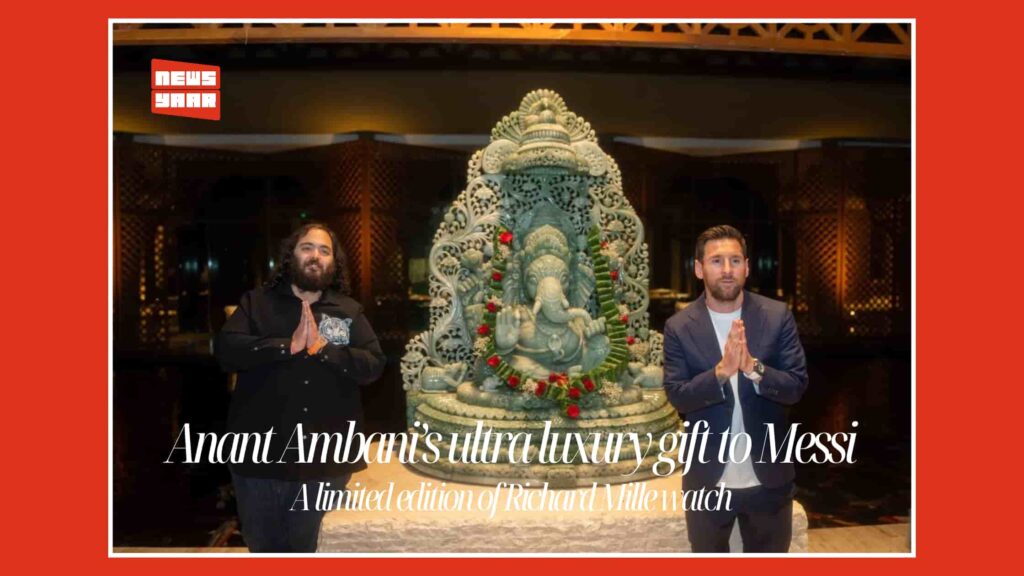
In a moment that blended global sport, luxury, and Indian business legacy, Anant Ambani’s reported gift of an ultra-luxury Richard Mille watch to football legend Lionel Messi has set social media and lifestyle circles abuzz.The gesture, understated yet powerful, reflects the growing intersection of sports icons and global elite branding.Lionel Messi, widely regarded as one of the greatest footballers of all time, is no stranger to luxury watches. However, the Richard Mille timepiece gifted to him stands apart, not just for its craftsmanship but also for what it represents. Richard Mille watches are known for their aerospace-grade materials and limited production, making them symbols of exclusivity rather than mere accessories.The watch reportedly belongs to Richard Mille’s ultra-high-end collection, a brand long associated with elite athletes including Rafael Nadal, Lewis Hamilton, and Charles Leclerc.Messi himself has often been seen wearing rare timepieces, but this particular gift has drawn attention due to its association with Anant Ambani, the youngest son of industrialist Mukesh Ambani.Online Reactions to the News Online reactions to the news have been swift and divided, while many admire the elegance of the exchange, others see it as a reflection of how luxury brands and elite personalities operate in a shared ecosystem of influence. Regardless, the moment has undeniably captured attention worldwide.Sources close to the development suggest the gift was a mark of admiration and mutual respect, highlighting Messi’s impact on global sport and his inspirational journey from Rosario to football immortality.The Ambani family has frequently been associated with major international sporting events, athletes, and cultural icons, reinforcing India’s rising presence on the global luxury and influence map.In an era where gestures often speak louder than statements, this exchange between Anant Ambani and Lionel Messi stands as a symbol of global connection, where sport, luxury, and legacy converge seamlessly.