


World Hindi Day: Connect Cultures Across Continents
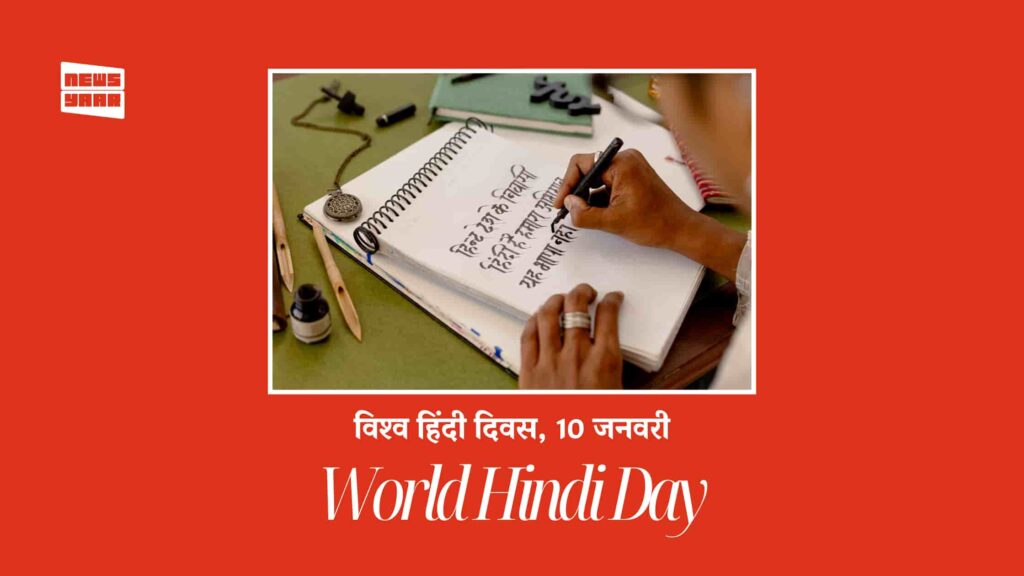
January 10 marks World Hindi Day, a global celebration of one of the world’s most widely spoken languages and a symbol of India’s cultural identity. The Preface World Hindi Day, observed every year on January 10, is dedicated to promoting the Hindi language at an international level.Unlike Hindi Diwas, which is celebrated in India on September 14, World Hindi Day focuses on strengthening Hindi’s presence beyond India’s borders and encouraging its use as a medium of global communication.Hindi is spoken by over 600 million people worldwide, either as a first or second language. Over the years, it has grown beyond a regional language to become a cultural bridge connecting communities across continents. How Did World Hindi Day Begin? The origins of World Hindi Day can be traced back to the First World Hindi Conference, held in Nagpur on January 10, 1975. The conference brought together scholars, writers and language experts from across the world to discuss the global future of Hindi.To commemorate this historic event and to underline the importance of Hindi on the international stage, the Government of India officially declared January 10 as World Hindi Day in 2006. Since then, it has been observed annually to expand the language’s global reach. Where and How Is It Celebrated? World Hindi Day is celebrated not only in India but also across Indian embassies, cultural centres and universities worldwide.Countries with significant Indian diaspora populations, such as Mauritius, Fiji, Suriname, Trinidad and Tobago, Nepal, the United States and the United Kingdom mark the day with seminars, literary events, poetry readings and cultural programmes.Digital platforms have also played a key role in recent years, allowing Hindi writers and speakers from different countries to connect and participate in global discussions. Final Insights The day highlights Hindi’s role as a unifying language that carries India’s history, philosophy, literature and social values.As the world becomes more interconnected, World Hindi Day reinforces the idea that language is not just a means of communication, but a powerful carrier of culture, thought and shared heritage.
New York Gets Indian-Origin Mayor Zohran Mamdani: A Historic Moment in Global Politics
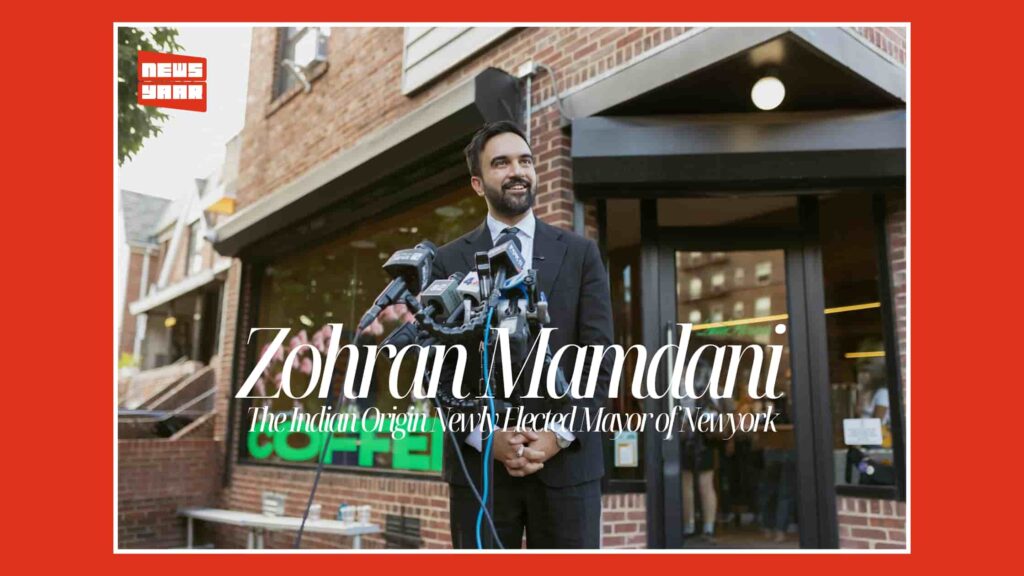
In a historic political shift that has captured international attention, Zohran Kwame Mamdani has been sworn in as the 112th mayor of New York City, becoming the first Indian-origin, South Asian, and Muslim leader to hold the post in one of the world’s most influential cities.Mamdani, aged 34, officially took the oath on January 1, 2026, succeeding Eric Adams after an electrifying election victory in November 2025. His swearing-in ceremony took place in a symbolic location. At this historic Old City Hall subway station, he took the oath on two Qur’ans, including one belonging to his grandfather, highlighting both his faith and multicultural identity.Born in Kampala, Uganda, in 1991 to Indian heritage parents, acclaimed filmmaker Mira Nair and academic Mahmood Mamdani, Zohran moved to the United States as a child and grew up in New York City. He attended top local schools before graduating from Bowdoin College. Mamdani began his political career in the New York State Assembly, representing Queens, and quickly established a reputation as a progressive and community-focused leader.Mamdani’s election is seen as a major milestone for representation and diversity in American politics. As both the first Muslim and first South Asian mayor of New York City, his victory resonates far beyond municipal boundaries, symbolizing how multicultural identities are increasingly shaping the political landscapes of major Western democracies.His campaign platform focused heavily on critical issues such as affordability, public transit, and social infrastructure. Promises included fare-free city buses, universal public childcare, expanded affordable housing, and city-run grocery stores, initiatives aimed at addressing the deep economic challenges facing millions of city residents. Public response to Mamdani’s progressive agenda It turned out to be mixed. While a recent poll showed that a majority of New Yorkers support his democratic socialist policies, concerns remain among some voters about the financial feasibility of his ambitious reforms and potential budget deficits.Cultural celebrations followed his inauguration, including a block party near City Hall and Punjabi music echoing through parts of the city, reflecting pride in his heritage and the diverse identity of New York itself.As Mamdani begins his term, the world watches to see whether his blend of progressive policy, grassroots leadership, and global heritage will chart a new path for urban governance in the 21st century and what his success might mean for emerging leaders from diverse backgrounds.Video credit: Zohran Mamdani’s Youtube