


Indian Passport Climbs the Ladder in 2026, but Global Travel Reality Remains Mixed
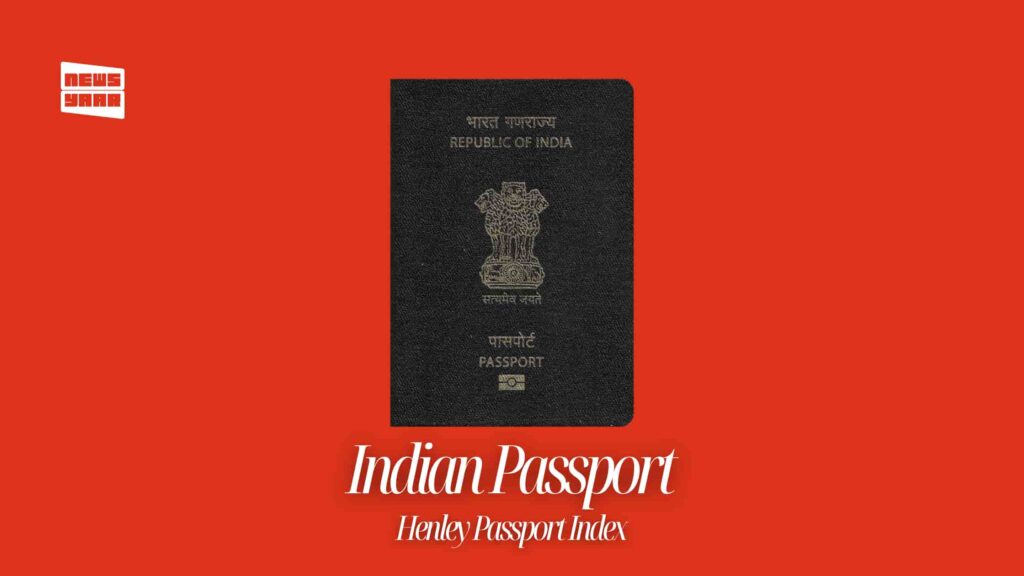
Indian passport holders have a reason to feel cautiously optimistic in 2026. According to the latest Henley Passport Index, India’s passport has registered an improvement in global rankings, signalling a gradual rise in international mobility for Indian travellers. However, beneath the headline gain lies a more nuanced reality that travellers must keep in mind while planning overseas journeys.The Henley Passport Index 2026 has placed India at the 80th position, a jump of five ranks from last year’s 85th spot. The index, which ranks passports based on the number of destinations their holders can access without a prior visa, reflects how freely citizens of a country can travel across borders. In practical terms, Indian passport holders can now access 55 destinations without securing a visa in advance. This includes countries offering visa-free entry, visa-on-arrival, or electronic travel authorisation (ETA).The upward movement suggests incremental progress in India’s global travel standing, driven partly by diplomatic engagements, bilateral agreements, and the growing international presence of Indian travellers. For frequent flyers and first-time international tourists alike, this translates into slightly more flexibility and reduced paperwork for select destinations.However, the improvement in ranking does not tell the full story. Despite climbing the index, the number of destinations offering hassle-free access to Indian passport holders remains limited compared to many other countries. In fact, while the rank has improved, access to key regions such as Europe’s Schengen Area, the United States, the United Kingdom, and several East Asian nations continues to require traditional visas, often involving lengthy processing times, extensive documentation, and high costs.This contrast highlights an important point: rankings can improve even when overall access remains constrained. The Henley Index is relative in nature, meaning India’s rise may also reflect changes in other countries’ visa policies rather than a dramatic expansion of visa-free access for Indians.For Indian travellers, the list of accessible destinations is still dominated by countries in Southeast Asia, Africa, the Caribbean, and parts of the Middle East. While these destinations offer rich cultural and travel experiences, many popular business, education, and tourism hubs remain out of easy reach without prior approvals.Travel industry experts say the ranking improvement is symbolically significant but should not be overstated. “A higher rank improves perception, but on the ground, Indian travellers still need to plan well in advance for most long-haul or premium destinations,” said a senior travel consultant based in Delhi. He added that visa rejections, appointment delays, and rising visa fees continue to be common concerns.At the same time, the gradual rise reflects India’s growing global footprint. As one of the world’s fastest-growing major economies and a key player in international diplomacy, India has been actively engaging with countries to simplify travel frameworks. Industry observers believe that sustained diplomatic efforts, along with reciprocal visa arrangements, could further enhance passport strength in the coming years.For now, Indian passport holders can take heart in the positive movement, while remaining realistic. The 2026 ranking underscores progress, but also serves as a reminder that global mobility for Indians is still a work in progress, one that requires both policy-level negotiations and patient travel planning.As international travel rebounds and geopolitical equations evolve, the Indian passport’s journey up the global ladder is likely to continue, albeit gradually.
International Theatre Festival of Kerala 2026: Thrissur Set to Transform into a Global Stage for Theatre

The 16th International Theatre Festival of Kerala (ITFoK) is set to take place from 25 January to 1 February 2026 in Thrissur city, Kerala, reaffirming its position as one of India’s most significant international cultural events. Organised by the Kerala Sangeetha Nataka Akademi under the Cultural Department of the Government of Kerala, the festival will bring together theatre practitioners, scholars and audiences from across the world to celebrate performance, dialogue and storytelling in its many forms.The week-long festival will be hosted across multiple venues in Thrissur, with the Kerala Sangeetha Nataka Akademi complex serving as the focal point. Key performance spaces will include the Murali Outdoor Theatre, K. T. Muhammed Regional Theatre, and other designated cultural venues across the city, transforming Thrissur into a vibrant, open stage for global theatre.Dates, Theme and StructureEvent: International Theatre Festival of Kerala (ITFoK) 2026 Edition: 16th Dates: 25 January to 1 February 2026 Venue: Thrissur, Kerala Organiser: Kerala Sangeetha Nataka Akademi, Government of KeralaThe 2026 edition will be presented under the theme “Voices in the Silence”, a concept that reflects theatre’s enduring ability to articulate unspoken realities through movement, dialogue, visual language and performance. The theme highlights ITFoK’s emphasis on theatre as both artistic expression and social commentary, especially in a time marked by global uncertainty, conflict and transformation.Performances and International ParticipationITFoK 2026 will feature 23 plays across approximately 46 performances, showcasing a carefully curated mix of international and Indian productions. Theatre groups from Argentina, Brazil, Armenia, Palestine, Slovakia, Spain, Japan and Denmark are scheduled to participate, presenting works that span classical theatre, contemporary experimentation and cross-cultural collaboration.Indian theatre will be represented by productions from Kerala, Rajasthan, Assam, Maharashtra and Tamil Nadu, offering audiences exposure to diverse linguistic traditions, regional aesthetics and evolving performance practices. The programme aims to place Indian theatre in dialogue with global narratives, encouraging comparative engagement and artistic exchange.Several international productions are expected to address themes such as identity, memory, political conflict, displacement and social change, reinforcing ITFoK’s reputation as a festival that privileges substance, experimentation and intellectual depth.Organisation and AccessibilitySince its inception in 2008, the International Theatre Festival of Kerala has grown into one of Asia’s most respected theatre festivals. The event is fully organised and curated by the Kerala Sangeetha Nataka Akademi, with institutional support from the state’s cultural machinery.For the 2026 edition, organisers have expanded the number of plays compared to previous years, reflecting renewed focus on diversity and scale. In addition to stage performances, the festival will also include cultural interactions, informal discussions and academic engagements, fostering dialogue between artists, scholars and audiences.While tickets are required for major performances, several associated programmes and discussions will remain open to the public, ensuring wider access and community participation.Cultural Importance of ITFoKThe International Theatre Festival of Kerala occupies a distinctive place in India’s cultural landscape. It functions not merely as a performance showcase, but as a space for cultural diplomacy, artistic exchange and critical reflection. By bringing global theatre traditions to a regional Indian audience, ITFoK contributes to expanding cultural literacy and deepening engagement with contemporary global issues.The festival also reinforces Thrissur’s identity as a cultural capital of Kerala, complementing the city’s long-standing association with classical arts, festivals and literary traditions. Each edition attracts theatre enthusiasts, students and visitors from across India, adding to the city’s cultural and intellectual vibrancy.Looking AheadAs ITFoK 2026 prepares to open on 25 January, expectations are high for a festival that continues to push the boundaries of performance while remaining rooted in dialogue and inclusivity. With its expanded programme, strong international presence and thematic focus on unheard voices, the festival is poised to reaffirm its relevance in both Indian and global theatre circuits.By sustaining conversations across borders, languages and artistic traditions, the International Theatre Festival of Kerala continues to position theatre as a living, evolving medium — one that reflects society, questions power and invites audiences to engage more deeply with the world around them.
Bagurumba Dwhou 2026 in Guwahati: A Historic Celebration of Bodo Culture
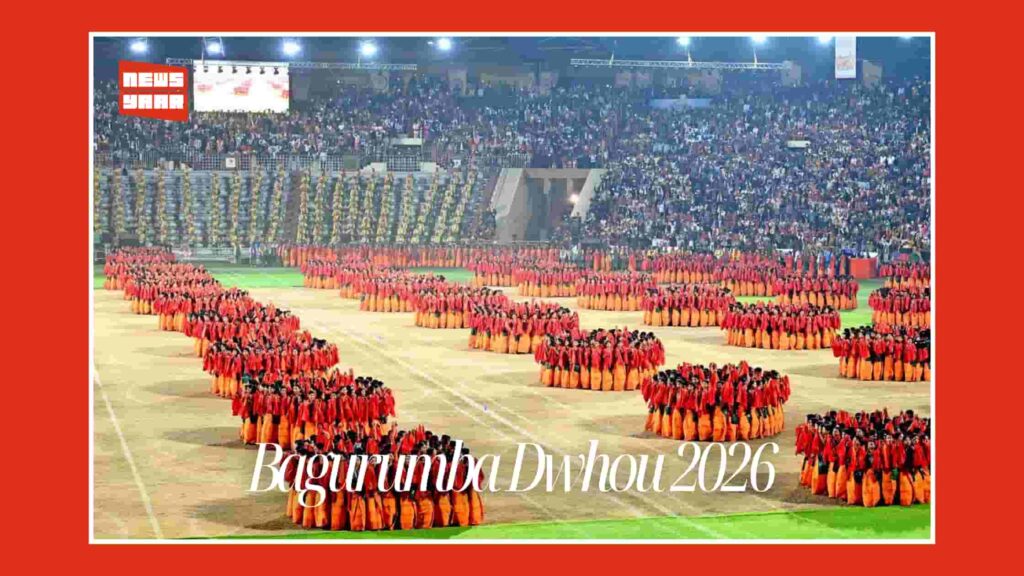
Guwahati played host to one of the most significant cultural events in recent memory on January 17, 2026, when the Bagurumba Dwhou 2026 programme brought together more than 10,000 artistes from across Assam to perform the iconic Bagurumba dance of the Bodo community in a large-scale presentation at the Arjun Bhogeswar Baruah Sports Complex, Sarusajai, Guwahati. The event was held in the presence of Prime Minister Narendra Modi, senior state leaders and cultural representatives, marking a landmark moment for the recognition and celebration of indigenous heritage. What Is Bagurumba Dwhou? Bagurumba is a traditional folk dance of the Bodo community, one of Assam’s oldest and most culturally rich indigenous groups. Often referred to as the “butterfly dance,” this art form draws inspiration from nature — its gentle, flowing movements mimic butterflies, birds, leaves and flowers — and symbolises peace, fertility, joy and collective harmony. Traditionally performed by young Bodo women, with men providing musical accompaniment on instruments such as the kham (drum) and sifung (flute), Bagurumba features dancers in vibrant, hand-woven attire including Dokhona, Jwmgra and Aronai. The term Dwhou in the event’s name refers to a wave or surge, and in this context signifies a grand, synchronised display that takes the traditional dance to an unprecedented scale. Date, Venue and Programme Details Date: January 17, 2026 Venue: Arjun Bhogeswar Baruah Sports Complex (Sarusajai Stadium), Guwahati, Assam The event was preceded by extensive preparations and rehearsals that began in early January, involving hundreds of master trainers and thousands of dancers from across 23 districts of Assam. Participants were brought to Guwahati in the days leading up to the event, with rehearsals starting from January 12 to ensure a coordinated and visually compelling performance. Scale and Artistic Participation Bagurumba Dwhou 2026 was remarkable for its scale. Organisers confirmed that over 10,000 Bodo artistes took part in a single, synchronised performance of Bagurumba, making it one of the largest cultural gatherings of its kind. The dancers represented all 81 Legislative Assembly constituencies across Assam, reflecting the dance’s pan-state cultural reach and unifying spirit. Musical accompaniment was provided by traditional instruments including: Kham (drum) Sifung (bamboo flute) Serja Jatha and Japshring These instruments added rhythmic depth to the choreography and underscored the event’s authenticity and traditional roots. Prime Minister’s Participation and Remarks Prime Minister Narendra Modi attended Bagurumba Dwhou 2026 as part of his official visit to Assam, which also included infrastructure inaugurations and other cultural programmes. On the sidelines of the event, he actively participated, including trying his hand at traditional musical instruments and being felicitated by organisers and artists. In his address, the Prime Minister described the performance as a vibrant celebration of Bodo identity and Assam’s rich cultural heritage. He emphasised that Bagurumba Dwhou was not just a dance festival but a medium to honour the longstanding traditions of the Bodo community and remember its eminent leaders. He paid tribute to figures such as Bodofa Upendra Nath Brahma, Gurudev Kalicharan Brahma, Rupnath Brahma and others, noting their roles in social reform, cultural renaissance and political awakening. The Prime Minister observed that efforts to promote Assamese and Bodo art forms have helped bring the region’s cultural expressions to national and global prominence, noting social media traction and national viewership of the event. Cultural Significance and Tourism Potential Officials and cultural advocates highlighted Bagurumba Dwhou 2026 as a milestone in Assam’s cultural narrative. According to Assam’s Cultural Affairs Minister, the mass performance was executed with structured training involving 25 experts and 400 master trainers, who prepared the dancers for the synchronised choreography that awaited them on the main stage. The event was expected to attract a large audience, with around 14,000 entry passes distributed and arrangements made for LED screens outside the stadium to accommodate additional viewers. Beyond its immediate spectacle, Bagurumba Dwhou 2026 was promoted as a potential draw for cultural tourism. By showcasing one of Assam’s most distinctive traditional art forms on a massive platform, organisers hoped to boost interest in the state’s broader heritage offerings, further enriching tourism prospects. Broader Context of Cultural Promotion The Bagurumba Dwhou follows other major cultural showcases supported by central and state efforts, such as large-scale Bihu and Jhumoir performances in recent years. These have been part of a broader initiative to position Assam’s diverse dance traditions — from the globally recognised Bihu to indigenous forms like Jhumoir and Bagurumba — as symbols of cultural identity and pride. What Bagurumba Represents Bagurumba is more than a dance; it is a visual representation of the Bodo community’s deep connection to nature, harmony and collective joy. Its choreography evokes natural elements — fluttering butterflies, rolling leaves, flowing rivers — and symbolises themes of peace, fertility and community cohesion. While traditionally associated with festivals like Bwisagu (Bodo New Year) and Domasi, the 2026 Dwhou elevated the form from local festivities to a nationwide cultural spectacle. Looking Ahead Bagurumba Dwhou 2026 set a new benchmark for cultural showcases in Assam, demonstrating how traditional art forms can be celebrated at scale and introduced to broader audiences. With global interest in the dance increasing — partly driven by social media engagement and official promotion — the event is likely to spur further presentations of indigenous performing arts from the Northeast.
Guwahati’s New Airport Terminal Marks a Turning Point for Assam and the Northeast
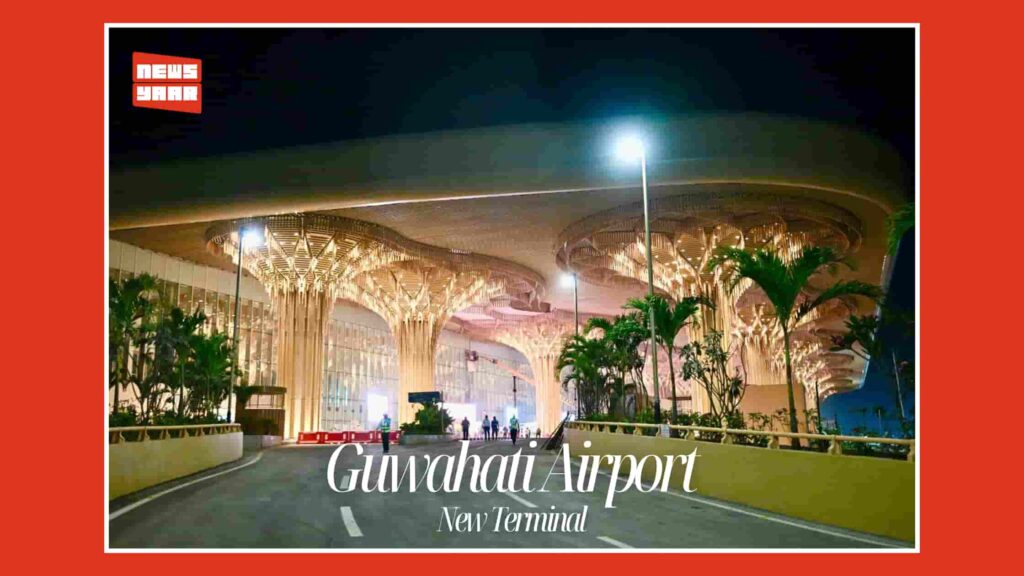
The inauguration of the new terminal at Lokpriya Gopinath Bordoloi International Airport (LGBIA) in Guwahati marks one of the most significant infrastructure upgrades in Assam in recent years, expanding the airport’s capacity and reinforcing its role as the Northeast’s primary aviation gateway. The terminal was inaugurated by Prime Minister Narendra Modi and is designed to handle over 13 million passengers annually, nearly doubling the airport’s earlier capacity of around 6 million passengers per year. Built at an estimated cost of Rs 1,200 crore, the expansion reflects a broader push to modernise transport infrastructure across eastern and northeastern India. What Has Changed at LGBIA The new terminal adds substantial scale and modern facilities to the airport: Terminal area expanded to approximately 167,000 square metres Designed to handle both domestic and international passengers Equipped with 64 check-in counters, automated baggage handling systems and expanded security lanes Integrated energy-efficient systems and passenger-friendly layouts to reduce congestion during peak travel hours With the upgrade, LGBIA now ranks among the larger airports in eastern India, both in terms of passenger handling and operational capacity. A Cultural Statement Alongside Infrastructure Unlike many airport expansions that focus purely on efficiency, Guwahati’s new terminal places visible emphasis on regional identity. Architectural elements draw from Assamese culture, with bamboo-inspired design features, local motifs and open spaces that reflect the state’s natural landscape. The installation of an 80-foot statue of Lokpriya Gopinath Bordoloi, Assam’s first Chief Minister, further anchors the project in historical and cultural context. The symbolism is deliberate — positioning the airport not only as a transport hub, but as a representation of Assam’s legacy and aspirations. Why the Expansion Was Necessary Passenger traffic at Guwahati airport has grown steadily over the past decade, driven by: Rising tourism to Assam and neighbouring states Increased business travel linked to infrastructure and energy projects Growing defence and logistics movement in the region Despite this growth, the airport’s infrastructure struggled to keep pace, often leading to congestion and delays. The new terminal addresses these constraints and prepares LGBIA for future demand, particularly as air connectivity to smaller northeastern cities improves. Strategic Importance Beyond Assam LGBIA functions as the main aviation hub for the entire Northeast, serving travellers from Arunachal Pradesh, Meghalaya, Nagaland, Mizoram and parts of Manipur. Improved capacity and passenger experience in Guwahati directly impact accessibility for the wider region. The airport also plays a role in India’s Act East policy, strengthening connectivity with Southeast Asia through potential international routes. Enhanced infrastructure makes Guwahati better positioned to support future cross-border travel and trade. Economic Impact and Future Plans The expansion is expected to generate ripple effects across multiple sectors: Tourism and hospitality, with increased visitor footfall Cargo and perishables transport, supporting regional agriculture and exports Employment in airport operations, ground handling and allied services Additionally, plans for a Maintenance, Repair and Overhaul (MRO) facility at Guwahati signal long-term ambitions to develop aviation-related services in the region, reducing dependence on metro cities for aircraft servicing. Why This Matters Now Guwahati’s new airport terminal arrives at a moment when the Northeast is no longer on the margins of India’s growth story. Infrastructure investment, regional stability and economic activity have reached a point where connectivity is no longer optional — it is essential. This expansion is not simply about accommodating more passengers. It reflects a broader recognition that Assam and the Northeast require infrastructure that matches their strategic, economic and cultural significance. As air travel continues to shape how regions connect with the rest of the country and the world, Lokpriya Gopinath Bordoloi International Airport stands as a clear signal that the Northeast’s gateway is finally being built at scale.
Davos 2026: World Economic Forum Annual Meeting Begins in Switzerland

The 56th Annual Meeting of the World Economic Forum (WEF) — widely known as Davos 2026 — is underway in the Alpine resort town of Davos-Klosters, Switzerland, bringing together a wide spectrum of global leaders from government, business, civil society, academia and civil organisations. The Annual Meeting is the flagship event of the Forum and serves as a strategic platform for dialogue and collaboration on pressing global issues. The summit is scheduled to take place from 19 January to 23 January 2026. Venue, Dates and Participation Event: World Economic Forum Annual Meeting 2026 Location: Davos-Klosters, Switzerland Dates: 19–23 January 2026 Expected Participants: Around 3,000 leaders from over 130 countries, including heads of state and government, global CEOs, chief policymakers, experts and representatives from civil society and academia. This year’s edition of Davos is notable for its scale and diversity of participation. Organisers expect around 400 top political leaders, including approximately 65 heads of state and government, nearly 850 chief executives and chairs, and close to 100 leading unicorn founders and technology innovators attending sessions across multiple themes. Theme and Agenda: ‘A Spirit of Dialogue’ The overarching theme for Davos 2026 is “A Spirit of Dialogue”, reflecting the Forum’s emphasis on multilateral communication, cooperation and trust building among diverse global stakeholders. The theme underscores the need for open discussion at a time of heightened geopolitical fragmentation, technological disruption and economic uncertainty. Under this theme, sessions are structured to address a set of interconnected global priorities, including cooperation in a more contested world, unlocking new sources of inclusive growth, investing in people and workforce transformation, deploying innovation at scale and responsibly, and building prosperity within planetary boundaries. These priorities reflect both current and long-term global challenges spanning geopolitics, economies, technology, health and sustainability. Key Sessions and Public Engagement While most sessions at Davos are invitation-only, a subset of discussions is available to the public through Open Forum Davos 2026, which runs from 19 to 22 January 2026 under the sub-theme “Visions of 2050: Tomorrow Starts Now”. These sessions encompass topics such as the future of space exploration, quantum science, food systems, medicine, and climate-affected mountain regions. Most of these sessions are livestreamed for global audiences. The Annual Meeting also features a robust media and analyst presence, with over 400 journalists and reporters on site to cover proceedings, announcements, panel discussions and bilateral talks. Who’s Attending and What’s on the Radar Davos has attracted an unusually wide spectrum of influential attendees in 2026. Among expected speakers and delegates are top political leaders from major economies, including leaders from the United States, Europe and emerging markets, as well as CEOs from global corporations. According to reports, U.S. President Donald Trump is attending the World Economic Forum Annual Meeting 2026 and is leading a large U.S. delegation, reflecting the political significance of this year’s agenda. In addition to geopolitical representation, major industry figures — particularly from technology, finance and energy sectors — are participating in discussions on the future of AI, finance, sustainability and industrial transformation. Corporate engagement also includes private sector panels, roundtables and multi-stakeholder dialogues. Key Issues and Global Context Davos 2026 comes at a time of complex global challenges. A range of issues are dominating discussions. Economic uncertainty, marked by slowing global growth, rising tariff pressures and evolving trade dynamics, remains a key concern for policymakers and business leaders. Technology and innovation debates are focused on harnessing artificial intelligence, digital transformation and frontier technologies responsibly, especially given their implications for jobs, productivity and equity. Climate and sustainability priorities, including climate risk management, carbon pricing, clean energy transitions and resilient infrastructure, feature prominently across agenda sessions. Global health preparedness is also part of the discourse, with discussions highlighting the need for stronger pandemic readiness and more resilient health systems in light of recent global health crises. Geopolitical dynamics continue to shape conversations at Davos, with leaders engaging in dialogue on security challenges, regional conflicts and cooperation frameworks that influence global stability and economic integration. Format and Structure The Annual Meeting employs a mix of session formats including keynote addresses, panel discussions, private roundtables, bilateral meetings, press briefings, and networking forums. Participants can engage in both structured agenda sessions and more informal exchanges across designated WEF venues in Davos-Klosters. Numerous country-specific and sector-focused meetings also take place on the sidelines, facilitating high-level public-private partnerships. How to Follow While much of the Davos experience remains invitation-only, the World Economic Forum is livestreaming select sessions and providing official summaries, press briefings and digital updates through its website and social media platforms using hashtags such as #WEF26. This enables global audiences to follow key discussions and outcomes from the meeting. The World Economic Forum Annual Meeting 2026 in Davos, Switzerland (19–23 January 2026) convenes world leaders, policymakers and business influencers to address pressing global challenges under the theme “A Spirit of Dialogue.” With nearly 3,000 participants from over 130 countries, the summit focuses on cooperation, innovation, inclusive growth, future technologies, climate resilience and social investment, positioning Davos 2026 as a pivotal platform shaping global economic and geopolitical discourse in the year ahead.
Tata Mumbai Marathon 2026: Date, Winners, Route, Celebrities, Elite Runners and Why the Race Matters
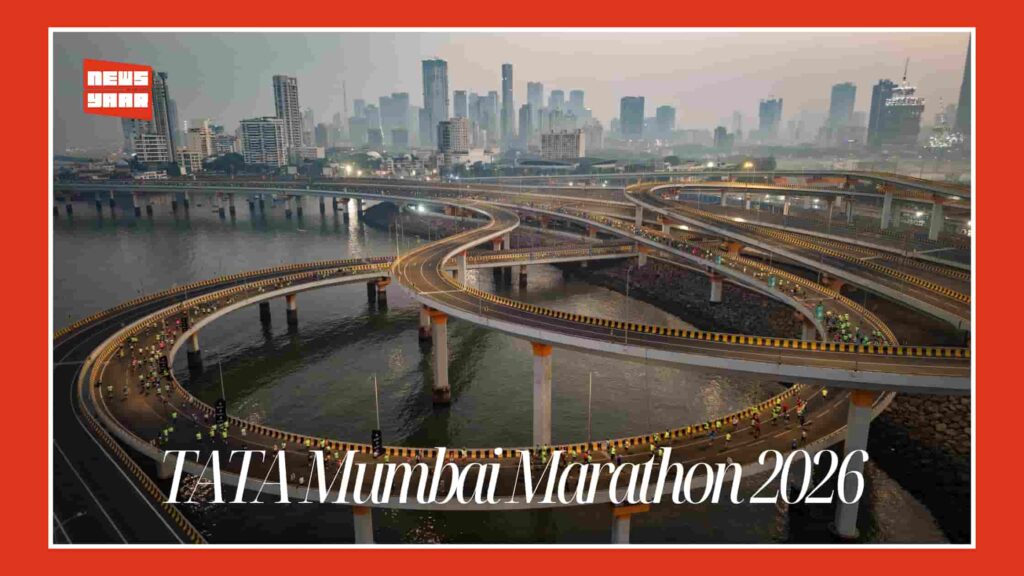
The Tata Mumbai Marathon 2026, one of Asia’s largest and most prestigious road races, was held on January 18, 2026, transforming Mumbai’s streets into a celebration of endurance, inclusivity and city pride. Thousands of runners from India and abroad participated across multiple categories, while elite athletes, celebrities and civic leaders reinforced the marathon’s position as a landmark sporting and cultural event. Organised by Procam International in association with the Tata Group, the Mumbai Marathon continues to be a key fixture on the global long-distance running calendar and a flagship event in India’s sports ecosystem. Tata Mumbai Marathon 2026: Race Categories and Distances The 2026 edition featured a wide range of race formats, allowing participation from professional athletes as well as first-time runners: 42.195 km Full Marathon (Elite & Open Category) 21.097 km Half Marathon 10 km Timed Run 5 km Run for All Senior Citizens’ Run This structure ensured that the Tata Mumbai Marathon remained both highly competitive and mass-participative, a defining feature of the event since its inception. Mumbai Marathon 2026 Route, Venue and Course Highlights The race commenced in the early hours near Chhatrapati Shivaji Maharaj Terminus (CSMT), with the route spanning some of Mumbai’s most recognisable landmarks. Runners passed through Marine Drive, Nariman Point and key arterial roads, experiencing a course that blends urban intensity with coastal beauty. The early morning schedule and sea-facing stretches helped maintain favourable running conditions, while strict traffic and safety protocols ensured smooth execution across the city. Elite Race at Tata Mumbai Marathon 2026: International and Indian Athletes The elite field at the Tata Mumbai Marathon 2026 featured top runners from Kenya, Ethiopia and other East African nations, continuing their strong presence in global distance running. Indian athletes also made their mark, with Kartik Karkera emerging as a notable performer in the men’s elite race. His effort was widely viewed as a significant step for Indian long-distance running, highlighting growing domestic competitiveness against established international runners. The elite races delivered tactical battles, fast pacing and strong finishes, reinforcing Mumbai Marathon’s standing as a serious international athletic contest. Celebrities at Tata Mumbai Marathon 2026: Aamir Khan Joins the Run Bollywood actor Aamir Khan joined thousands of runners on the streets of Mumbai, lending star presence to the event. Speaking during the marathon, Khan described the experience as a reflection of Mumbai’s resilience and collective spirit, praising participants for their enthusiasm and discipline. Celebrity participation has become an important element of the Mumbai Marathon, helping bridge the gap between elite sport and popular culture while motivating wider public participation. Sponsors and Support System: Bisleri and Event Infrastructure Bisleri, the Official Hydration Partner for Tata Mumbai Marathon 2026, ensured uninterrupted hydration support across the route. The event also featured: Medical aid and emergency response teams Volunteer-managed hydration and energy stations Live entertainment zones On-ground crowd and traffic coordination These measures played a crucial role in maintaining runner safety and enhancing the overall experience. Public Participation and Social Impact of Mumbai Marathon 2026 Beyond competition, the Tata Mumbai Marathon continues to function as a social movement. Corporate teams, schools, NGOs, fitness groups and charity runners participated in large numbers, using the platform to raise awareness for causes ranging from health and education to environmental sustainability. The Run for All and Senior Citizens’ Run segments underlined the marathon’s inclusive philosophy, making it accessible to participants across age groups and fitness levels. Tourism, Culture and the Mumbai Experience For international and out-of-city participants, the marathon doubled as a gateway to exploring Mumbai. Many runners extended their visits to experience the city’s heritage sites, coastal promenades and diverse cuisine. Spectators along the route added to the festive atmosphere with music, cheering zones and local flavour, turning the race into a city-wide celebration rather than a closed sporting event. Why the Tata Mumbai Marathon Is Important for India The Tata Mumbai Marathon plays a vital role in India’s sporting and civic landscape by: Promoting fitness and long-distance running culture Providing a global platform for Indian athletes Supporting charitable fundraising initiatives Strengthening Mumbai’s international sporting profile Encouraging community participation and inclusivity Its consistent growth reflects India’s increasing engagement with endurance sports and large-scale civic events. Conclusion The Tata Mumbai Marathon 2026 once again demonstrated why it is regarded as one of Asia’s premier road races. By seamlessly blending elite competition, mass participation, celebrity engagement and social purpose, the event captured the essence of Mumbai — energetic, resilient and inclusive. As runners crossed finish lines against the backdrop of the city’s skyline, the marathon reaffirmed its place not just as a sporting event, but as a symbol of India’s evolving fitness culture and global sporting ambition.
Vibrant Gujarat Global Summit 2026: Rajkot to Host Regional Conference Focusing on Saurashtra–Kutch Growth
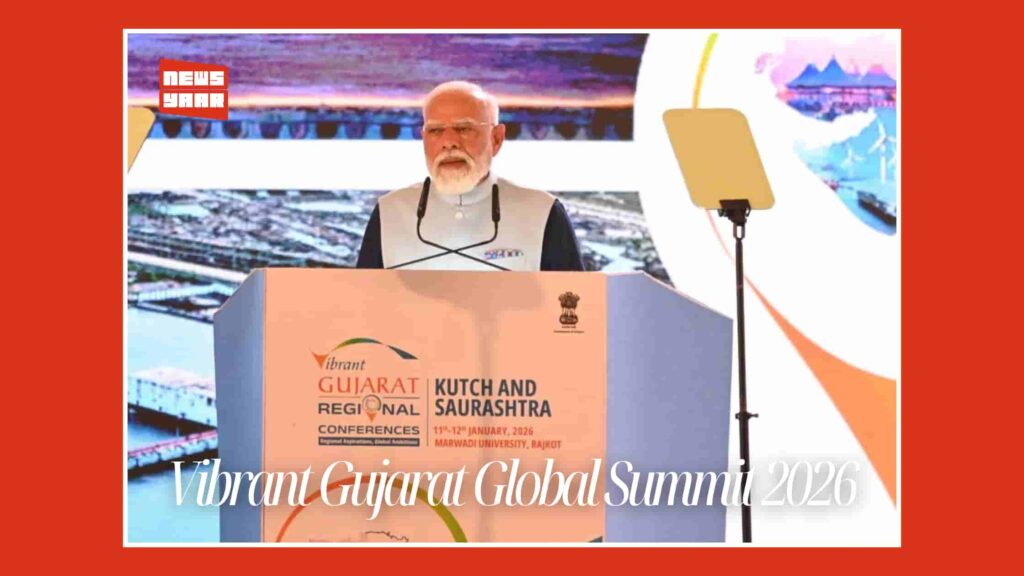
The Vibrant Gujarat initiative, one of India’s most influential investment and policy platforms, will continue its next phase in 2026 through region-specific conferences, with Rajkot hosting the Vibrant Gujarat Regional Conference (VGRC) for the Saurashtra–Kutch region. The move marks a strategic shift towards decentralised economic development, taking the Vibrant Gujarat vision beyond mega summits and closer to regional industry clusters.While the Vibrant Gujarat Global Summit is scheduled to return in 2027, the 2026 regional conferences are designed to strengthen grassroots industrial growth, attract targeted investments and align regional strengths with national development priorities.Dates and VenueEvent: Vibrant Gujarat Regional Conference (Saurashtra–Kutch)Dates: January 11 and 12, 2026Exhibition Duration: January 11 to January 15, 2026Venue: Marwadi University, Rajkot, GujaratRajkot, a major industrial and commercial hub of Saurashtra, has been chosen for its strong presence in engineering goods, auto components, ceramics, MSMEs and export-oriented manufacturing.What Is the Vibrant Gujarat Regional Conference?The Vibrant Gujarat Regional Conference is an extension of the state’s flagship Vibrant Gujarat Global Summit, launched to promote region-specific investment, sector-based policy discussions and local entrepreneurship.Unlike the larger biennial global summit held in Gandhinagar, the regional conferences focus on:District-level industrial strengthsLocal infrastructure and logisticsMSMEs, startups and traditional industriesEmployment generation and skill developmentThe Rajkot edition will specifically address economic opportunities and challenges in Saurashtra and Kutch, two regions with high industrial potential and strategic coastal advantages.Key Focus Areas and SectorsThe 2026 Rajkot conference will focus on both traditional industries and emerging sectors critical to Gujarat’s long-term growth strategy.Core Industry SectorsEngineering and auto componentsCeramics and manufacturing clustersAgro-processing and food industriesPorts, logistics and maritime tradePetrochemicals and mineralsEmerging and Priority SectorsRenewable energy and green manufacturingGreen hydrogen and clean fuel projectsDefence manufacturing and innovationStartups, MSMEs and entrepreneurshipSkill development and employment-linked industriesTourism and cultural economyThe discussions are aligned with India’s long-term development roadmap, including the Viksit Bharat @2047 vision.Key Events and HighlightsThe Vibrant Gujarat Regional Conference 2026 will feature a range of policy, business and networking platforms:Inaugural session and leadership addresses, including participation from senior central and state government leadersSector-specific conferences and panel discussions focusing on investment opportunities, policy reforms and technology adoptionReverse Buyer–Seller Meets, enabling direct interaction between domestic producers and international buyersVibrant Gujarat Regional Exhibition, showcasing industrial innovation, products and services across key sectorsUdyami Mela, aimed at promoting startups, MSMEs, women entrepreneurs and government schemesThe exhibition will run for five days, providing extended engagement opportunities for investors, businesses and the general public.Investment Outlook and Regional ImpactThe Rajkot conference is expected to play a significant role in:Attracting fresh domestic and foreign investmentsStrengthening Gujarat’s manufacturing and export ecosystemPromoting sustainable and green industrial practicesExpanding employment opportunities in Saurashtra and KutchPositioning the region as a multi-sector industrial and logistics hubPrevious regional conferences under the Vibrant Gujarat banner have resulted in substantial investment commitments and long-term industrial planning at the district level.Who Should AttendThe event is relevant for:Indian and global investorsIndustry leaders and exportersStartups and MSMEsPolicy makers and government officialsEntrepreneurs and business associationsProfessionals interested in Gujarat’s industrial and economic roadmapParticipation details and registrations are available through the official Vibrant Gujarat platforms.Why the 2026 Rajkot Conference MattersBy hosting the Vibrant Gujarat Regional Conference in Rajkot, the Gujarat government is reinforcing its approach of balanced regional development, ensuring that growth opportunities extend beyond major urban centres.The 2026 edition positions Saurashtra–Kutch as a critical contributor to Gujarat’s and India’s economic future, combining industrial strength, coastal advantage, innovation and sustainability.Video credit: YT@/NaMo
Official Start of Passenger Flights from Navi Mumbai International Airport: A New Era for Regional Aviation
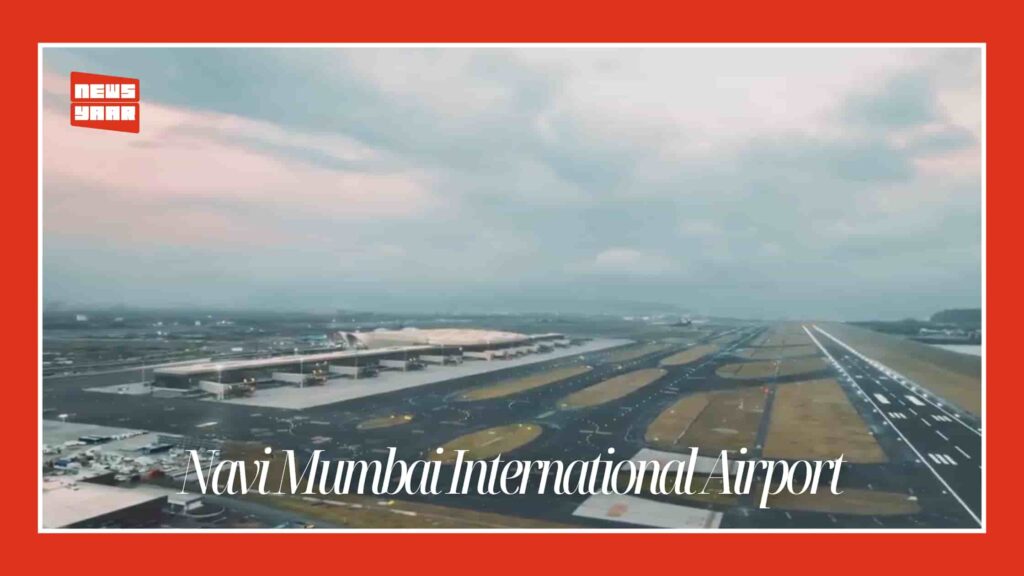
Navi Mumbai / Mumbai: The long-awaited Navi Mumbai International Airport (NMIA) has officially opened its passenger flight operations, marking a major milestone in India’s civil aviation landscape. Backed by the Adani Group, the new international gateway welcomed its first commercial travellers on Thursday, signalling the beginning of full-scale flight services from the strategically located airport.In its first 19 days of operations, NMIA recorded over 100,000 passengers, highlighting strong early demand and adding momentum to the region’s aviation growth. The early passenger traffic underscores the confidence that travellers, airlines and the broader aviation ecosystem place in the new facility as a major alternative to the congested Chhatrapati Shivaji Maharaj International Airport (CSMIA).The commissioning of NMIA comes as part of a broader effort to ease pressure on Mumbai’s primary airport, long plagued by capacity constraints. Located in Ulwa, Navi Mumbai, the new airport is expected to handle both domestic and international flights, offering enhanced connectivity and reducing congestion in one of India’s busiest airspaces. Passenger Experience and Early Reception Early reports from passengers travelling through NMIA have been overwhelmingly positive. Commuters pointed to the airport’s spacious terminals, streamlined check-in processes and clear signage as key improvements over older facilities. Many highlighted the convenience of the airport’s location for those living in Navi Mumbai and surrounding areas, with easier access than the traditional Mumbai airport.“We had no idea the airport was this smooth and comfortable,” said one traveller who flew out on a weekday morning. “Check-in was quick, security was efficient, and everything felt brand new.” Airline Operations and Flight Routes Several domestic carriers have already begun scheduling flights from NMIA, connecting key metros and regional hubs.As flight operations continue to ramp up, airlines are expected to expand their route portfolios based on demand. Industry analysts suggest that the airport’s growth could attract international carriers in the near future once regulatory clearances and bilateral agreements are in place.The operational launch of NMIA is not only an aviation milestone but also a boost for the broader Maharashtra economy. The airport is expected to catalyse job creation in sectors ranging from hospitality and logistics to retail and ground services. Local businesses have welcomed the development, anticipating increased footfall and commercial opportunities in the region.Infrastructure planners also foresee improvements in last-mile connectivity, including dedicated access roads, metro extensions and bus networks that will link NMIA efficiently with central Mumbai and other areas. Looking Ahead As passenger flights officially take off from the Navi Mumbai International Airport, the aviation sector and travelling public alike are watching closely to see how the new facility evolves.With strong initial numbers and a strategic location, NMIA is poised to become a key node in India’s rapidly growing aviation network, offering relief to existing hubs while setting new benchmarks for passenger comfort and operational excellence.
Udaipur Turns Wedding Capital as Netra Mantena–Vamsi Gadiraju’s Lavish Nuptials Take Over Social Media

Udaipur: For three days, Udaipur wasn’t just the City of Lakes, it was the epicentre of India’s most talked-about wedding. The wedding of Netra Mantena and Vamsi Gadiraju transformed the historic Rajasthani city into a high-profile celebration zone, drawing massive attention on social media and setting new benchmarks for destination weddings in India.From celebrity performances and royal venues to viral dance reels, the Mantena–Gadiraju wedding dominated Instagram and YouTube feeds, momentarily eclipsing memories of other high-profile celebrity weddings. What began as a private family celebration quickly turned into a nationwide spectacle, with every function unfolding like a curated visual extravaganza.While the wedding brought them into the public spotlight, the families behind the celebration are no strangers to success. Netra Mantena is the daughter of NRI pharmaceutical entrepreneur Rama Raju Mantena, Chairman and CEO of Ingenus Pharmaceuticals. Originally from Vijayawada, Andhra Pradesh, Mantena built his business across the US, Switzerland and India after moving abroad in the 1980s.The groom, Vamsi Gadiraju, is a tech entrepreneur and the co-founder and Chief Technology Officer of Superorder, a platform that enables multi-location restaurants to manage delivery and takeaway operations more efficiently. In 2024, Gadiraju and his co-founder, Raghav Poddar, earned a spot on the prestigious Forbes 30 Under 30 list under the Food and Drink category.The destination wedding unfolded entirely in Udaipur, with the city witnessing heightened security arrangements, restricted access around key tourist zones, and luxury hotels booked exclusively for guests. Reports suggested limited access to Lake Pichola during the celebrations, underlining the scale of the event.Chartered flights ferried guests, while traditional folk performances blended seamlessly with modern entertainment, offering a fusion of royal heritage and contemporary luxury.The wedding festivities were hosted across some of Udaipur’s most iconic landmarks. The main wedding ceremony took place at Jagmandir Island Palace, the 17th-century marble palace located in the middle of Lake Pichola. The sangeet was hosted at Zenana Mahal within the City Palace complex, while the haldi ceremony unfolded at the opulent Taj Lake Palace.The celebrations continued with grand party nights at The Leela Palace, which also hosted the reception. Each venue showcased elaborate décor inspired by royal aesthetics, adding to the fairytale-like appeal of the celebrations.Clips of choreographed dance performances, celebrity sightings and behind-the-scenes moments flooded social platforms, turning the wedding into a viral phenomenon. Industry observers note that the event reflects a growing trend of ultra-luxury destination weddings in India that blend heritage venues with global-scale production.As the celebrations concluded, the Mantena–Gadiraju wedding left behind more than memories, it set social media abuzz, boosted Udaipur’s image as a global wedding destination, and reaffirmed India’s enduring love for grand, larger-than-life weddings.
Jallikattu 2026: Dates, Venues, Significance and How to Experience Tamil Nadu’s Bull-Taming Celebration

Jallikattu, a centuries-old bull-taming event deeply rooted in Tamil Nadu’s cultural fabric, is among India’s most iconic traditional sports. Celebrated as part of the Pongal harvest festival in January, Jallikattu blends sport, heritage and community identity, drawing enthusiastic participation from rural areas and spectators from across the state and beyond. What Is Jallikattu and Why It MattersJallikattu (also known as Sallikkattu or Manjuvirattu) is a traditional sport in which a bull, often of native breeds such as Pulikulam or Kangayam, is released into an open arena. Participants, known as tamers, attempt to grasp the bull’s hump and hold on long enough to bring the animal to a stop or cross a designated finish line. The sport is symbolic of valour, rural tradition and cattle conservation, traditionally practised in southern Tamil Nadu as part of Pongal celebrations. The sport also functions as a way for farming communities to maintain and honour native bull breeds, which are culturally and economically significant in agrarian life. When It Happens: Dates and DurationJallikattu events are typically held during the Pongal festival, which falls in mid-January each year. The main events are organised on Mattu Pongal day — the third day of the four-day Pongal celebration — with some competitions taking place before and after this date as part of the broader season. In recent seasons:The first Jallikattu of the year has been held as early as January 3 in districts such as Pudukottai. Major competitions like those in Avaniyapuram, Palamedu and Alanganallur are usually held between January 14 and 16, coinciding with Pongal festivities. Major Venues Where Jallikattu Is HeldJallikattu is organised in several traditional hotspots, particularly in southern Tamil Nadu:Avaniyapuram (Madurai district): One of the first and most popular stages of Jallikattu — often held on Pongal day — attracting hundreds of participants and thousands of spectators each year. Palamedu: Another historic venue with intense local participation. Alanganallur: Considered among the most famous Jallikattu arenas in the state with large crowd turnout. Suriyur (Trichy district): A permanent Jallikattu arena inaugurated recently to host this traditional sport during the season. Thatchankurichi (Pudukottai district): Hosts one of the opening events of the season, drawing participants from several districts. How to Reach and Experience JallikattuAir Travel:The nearest major airport for most Jallikattu venues is Madurai Airport (IXM), well connected to major Indian cities including Chennai, Bengaluru and Hyderabad. Rail Travel:Madurai Junction is the closest major railway station to Avaniyapuram, Palamedu and Alanganallur, with regular trains from key cities across India. Road Connectivity:Tamil Nadu’s road network links other districts such as Pudukottai, Tiruchirappalli and Theni to the Jallikattu venues. State buses, private taxis and shared vehicles are common options during the festival. What to Expect at the EventTraditional Spectacle:Each Jallikattu event begins with bulls being released from a designated enclosure (called vadivasal) into a field where tamers attempt to hold onto the animal’s hump or ride them. Success entails stopping or controlling the bull, which requires strength, skill and experience. Registration and Safety:Bull tamers and owners usually register with district authorities ahead of events, and bulls undergo veterinary checks to ensure fitness for participation. Medical and veterinary teams are typically stationed at arenas to handle injuries. Prizes and Recognition:In past years, winners have received significant prizes — including cars for top tamers and tractors or other awards for the best bulls — reflecting the prestige associated with the sport. Spectator Culture:Thousands of spectators, including local devotees and cultural tourists, gather at these arenas. Large crowds, local music and festive foods are part of the overall experience.Cultural and Historical SignificanceJallikattu’s origins date back over two millennia, with references to bull-taming activities in ancient Tamil literature. The sport is traditionally linked to the harvest festival of Pongal, where people express gratitude for agricultural bounty and honour livestock, which are central to rural livelihoods. Beyond sport, Jallikattu symbolizes community pride, bravery and rural identity. Despite controversies over animal welfare and safety in the past, it retains deep cultural resonance in Tamil Nadu and forms an integral part of the Pongal narrative.Visitor Tips and SafetyPlan Travel Early: January is peak season; book transport and accommodation well in advance.Stay Informed: Specific dates and registrations vary by district; check local administration notifications for schedules.Safety Precautions: While festive, Jallikattu involves large animals and crowds. Follow directions from officials and avoid entering restricted areas in arenas.Cultural Respect: The event is traditionally tied to local customs and community pride — respectful behaviour enhances the experience.In SummaryJallikattu is more than a sporting spectacle — it is a living tradition celebrated against the backdrop of harvest gratitude and local identity during the Pongal festival in Tamil Nadu. Combining cultural heritage, fierce competition and community participation, it offers an unforgettable experience for participants and spectators alike. With major venues such as Avaniyapuram, Palamedu and Alanganallur hosting events each January, the sport continues to draw attention both within India and abroad as an enduring symbol of Tamil rural culture.Video credit: YT@/Vikatan TV