


UGC Equity Rules Ignite Campus Fury: Protests, Court Stay, and a Divided Nation
On a chilly January morning in 2026, 22-year-old Amit Mishra from Ballia led 60 fellow students on a 3-km march across Lucknow University, from the faculty of law to gate number 3. Their banners bore no party logos, just raw demands for “Equity for All.” This scene, amid policy’s collision with identity, captures the explosive backlash against the University Grants Commission (Promotion of Equity in Higher Education Institutions) Regulations, 2026, notified January 13. Aimed at curbing caste-based discrimination, especially against SCs, STs, OBCs, disabled persons, and women, the rules have sparked protests, a Supreme Court stay, and fierce political divides. Notified to repeal 2012 guidelines and align with the National Education Policy 2020’s equity focus, the regulations mandate Equity Committees, Equal Opportunity Centres, helplines, Campus Level Committees, and even “Equity Squads” for campus vigilance. They define discrimination broadly, covering religion, race, gender, caste, birthplace, and disability, but spotlight caste-based harm against reserved categories. Institutions must enforce these under the head’s oversight, with appeals to an Ombudsperson. Born from 2019 PILs by mothers of Rohith Vemula (died 2016) and Payal Tadvi, students alleging caste harassment, the rules address a 118% surge in UGC-reported complaints over five years. Campus Clashes Erupt Delhi University’s North Campus boiled over on Wednesday as general-category students breached police barricades near the Vice-Chancellor’s office, placards screaming “Kaala Kanoon Vaapas Lo,” “Equity for All, Not for Few.” Protester Satvik Sharma decried vague definitions and misuse risks, vowing to Parliament if unmet. Akhilesh Tiwari slammed the exclusion of general students from redressal, demanding natural justice amendments over the 2013 grievance system. Patna’s Dinkar Golambar turned chaotic: Hundreds from All Bihar Students Union and Savarna Ekta Manch burned effigies, announcing a February 1 Bharat Bandh. Leaders like Vishal Kumar cried upper-caste targeting, “Unity or destruction!”, while Suryadev Kumar called it divisive caste politics. UP protests echoed with “Bantenge Toh Katenge,” Lucknow and Kanpur seeing head-shaving vows; even a BJP Kisan Morcha office-bearer and Bareilly magistrate resigned in Rae Bareli. Sangh Parivar student wings protested at UGC offices; Karni Sena joined the bandh call. SFI countered with pro-rules marches, citing systemic bias. Court Steps In, Politics Splits January 29, Chief Justice Surya Kant and Justice Joymalya Bagchi stayed implementation, calling rules “prima facie vague,” misuse-prone, and overly caste-focused, excluding ragging, ignoring non-caste bias. Notices issued to UGC and government for March 19 replies; bench urged eminent jurists’ review. Petitions claim violations of Articles 14, 15(1), 21, seeking caste-neutral access. Tamil Nadu CM M.K. Stalin hailed it as “welcome” against “deep-rooted discrimination,” linking to SC/ST suicides and south/Kashmiri attacks, but flagged weak independence (heads chair committees). He urged strengthening, evoking Mandal resistance. CPI(M) backed expansion to IITs/IIMs; BSP’s Mayawati, Shiv Sena (UBT)’s Priyanka Chaturvedi welcomed stay for upper-caste inclusion. BJP’s Dharmendra Pradhan assured no misuse. Deeper Flaws Exposed Critics decry admin-controlled squads as “moral policing,” no systemic policy checks, and stakeholder ambiguity, faculty/staff covered but Ombudsperson student-only. Pro-rules voices see exclusionary protection as vital; opponents, a general-category witch hunt. Pre-election timing fuels suspicions. From streets to the Supreme Court, this “masterclass or mug’s game” tests equity’s meaning. As February 1 looms, India’s campuses teeter, Will the judicial system refine or dismantle?
New Delhi Book Fair 2026: A Literary Celebration Bringing Readers and Writers Together
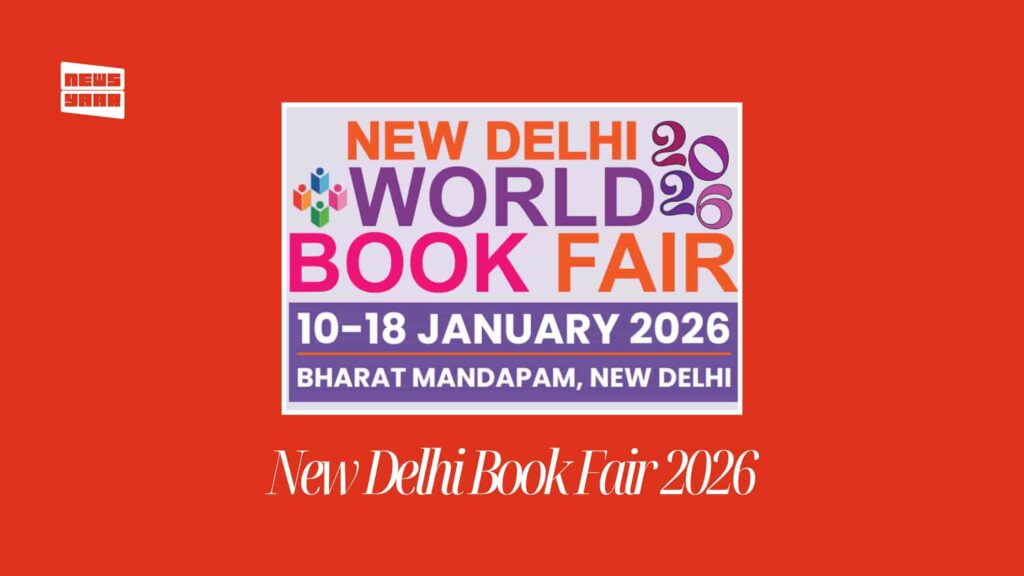
The Delhi Book Fair once again transformed the national capital into a vibrant hub of literature, ideas, and storytelling. Known as one of India’s most loved literary events, the fair attracted book lovers, authors, publishers, and students from across the country, reaffirming Delhi’s place as a cultural and intellectual centre. Event Details Dates: January 10–18, 2026 (9 days) Venue: Bharat Mandapam (Halls 2–6), Pragati Maidan, New Delhi Timings: 11:00 AM – 8:00 PM daily Entry: Free for all visitors Stepping into the fair felt like entering a world woven from stories, ideas, and imagination. The event showcased an incredible variety of books across genres, from fiction and non-fiction to academic texts, children’s books, self-help, and regional language publications, catering to readers of all ages and interests.An iconic venue, the fair offered a rich mix of books across genres, ranging from fiction, non-fiction, academic texts, children’s literature, self-help, and regional language publications. A Paradise for Book Lovers Walking into the Delhi Book Fair felt like stepping into a world made entirely of stories. Hundreds of stalls showcased books in English, Hindi, and several Indian languages, ensuring there was something for every reader. From bestselling novels and classic literature to competitive exam guides and research material, the fair catered to readers of all ages.Special sections dedicated to children remained a major attraction, with colourful books, comics, and activity corners encouraging young minds to develop a love for reading. Authors, Discussions, and Cultural Exchange Beyond book shopping, the Delhi Book Fair served as a platform for author interactions, panel discussions, and book launches. Renowned writers, emerging voices, and publishers engaged in conversations around literature, education, publishing trends, and the future of reading in a digital age.These sessions provided readers with a chance to connect directly with authors, understand their creative journeys, and gain insights into the evolving literary landscape.In a time when online content dominates, the fair stood as a reminder of the lasting value of printed books and structured learning. Keeping the Reading Culture Alive Despite the rise of e-books and digital platforms, the Delhi Book Fair highlighted that the charm of physical books remains strong. The event brought together people from diverse backgrounds, united by a shared love for reading, learning, and storytelling.Publishers also offered attractive discounts, making books more accessible and encouraging readers to build personal libraries. Delhi Book Fair: More Than Just an Event The Delhi Book Fair is not just about buying books; it is about celebrating ideas, creativity, and knowledge. It continues to inspire curiosity, promote literacy, and strengthen India’s reading culture.As the fair concludes, it leaves behind shelves full of new books and minds filled with fresh perspectives, proving once again that stories still matter, and always will.