


The Dreamy Udaipur Wedding of Vijay Deverakonda and Rashmika Mandanna

Some love stories quietly unfold away from the spotlight and then suddenly bloom into something magical. That is exactly how the romance between Vijay Deverakonda and Rashmika Mandanna captured millions of hearts. After years of rumours, friendship, and an undeniable on-screen chemistry that fans adored, the beloved couple finally tied the knot in a dreamy destination wedding in the royal city of Udaipur on 26 February 2026.The wedding, fondly called the “VIROSH wedding” by fans (a combination of Vijay and Rashmika), became one of the most talked-about celebrity unions of the year. Set against the romantic backdrop of Rajasthan’s palaces and lakes, the ceremony was intimate yet breathtakingly elegant.A Love Story Years in the MakingThe journey of Vijay and Rashmika began on film sets. The two actors first starred together in the blockbuster Telugu film Geetha Govindam and later reunited for Dear Comrade. Their on-screen chemistry quickly turned them into one of the most loved pairs in Indian cinema.Over the years, rumours about their relationship frequently surfaced, but both actors kept their personal lives private. Their bond, however, was always visible in interviews, public appearances, and social media interactions.In October 2025, the couple reportedly got engaged in a private ceremony in Hyderabad attended by close family members.After months of anticipation from fans, they announced their wedding plans with a heartfelt note, calling their union “The Wedding of VIROSH.”A Royal Destination Wedding in UdaipurChoosing Udaipur as their wedding destination added a touch of timeless romance to the celebrations. Known as the “City of Lakes,” Udaipur has become one of India’s most popular locations for grand celebrity weddings.The couple hosted their wedding festivities at a luxurious heritage resort in the city, surrounded by scenic hills, palaces, and serene lake views. The venue was booked exclusively for their celebrations, ensuring privacy for the couple and their families.Unlike many extravagant celebrity weddings filled with hundreds of guests, Vijay and Rashmika opted for a close-knit and intimate ceremony, attended mainly by family members, close friends, and a few colleagues from the film industry.Wedding Festivities: Days of CelebrationThe celebrations began two days before the wedding and were filled with music, laughter, and heartfelt moments.Pre-Wedding CelebrationsThe wedding festivities kicked off on February 24 with fun activities for family and friends. Guests enjoyed poolside gatherings, intimate dinners, and playful events that reflected the couple’s fun-loving personalities.One of the highlights of the pre-wedding events was a friendly cricket match playfully named the “VIROSH Premier League.”Friends of the groom also performed energetic dance numbers during the sangeet night, many of them dancing to Vijay’s popular film songs.Haldi and MehendiThe Haldi ceremony took place on the morning before the wedding. The atmosphere was cheerful and colourful as family members applied turmeric paste to the bride and groom, blessing them for their new life together.Later in the evening, the Mehendi ceremony brought even more colour to the celebrations. Rashmika’s hands were adorned with intricate henna designs while guests enjoyed music and traditional performances.Decorations for these events included delicate paper flowers and personalised décor featuring the couple’s affectionate nicknames.A Wedding That Honoured Two CulturesOne of the most beautiful aspects of the ceremony was how it honoured the cultural roots of both families.The wedding included two traditional ceremonies: A Telugu Hindu ceremony reflecting Vijay’s heritage • A Kodava ceremony honouring Rashmika’s roots from CoorgThe rituals symbolised the union of two cultures and two families.During the ceremony, several meaningful traditions were performed, including the sacred ritual where the couple places cumin and jaggery paste on each other’s heads—a ritual symbolising the inseparable bond between husband and wife.The Bride and Groom’s Stunning Wedding LooksRashmika Mandanna looked radiant as a bride in a richly embroidered traditional saree featuring shades of rust, red, and gold. The outfit was designed with intricate temple motifs and antique gold embroidery that reflected Indian craftsmanship.She paired the saree with heavy temple jewellery and a traditional veil, completing a look that was both regal and graceful.Vijay Deverakonda matched her elegance in a classic ivory dhoti ensemble paired with a vermilion angavastram. His outfit reflected traditional South Indian wedding attire while maintaining a royal aesthetic.Together, the couple looked every bit like royalty on their big day.Emotional Family MomentsLike every wedding, the ceremony was filled with emotional moments.One touching highlight was when Vijay’s mother welcomed Rashmika into the family by presenting her with heirloom bangles, symbolising acceptance and blessings for the new bride.Guests described the atmosphere as warm, emotional, and filled with joy as the couple exchanged vows and began their new journey together.The Grand Reception in HyderabadAlthough the wedding in Udaipur was private, the couple planned a grand reception in Hyderabad on March 4, 2026, where friends from the film industry, political leaders, and celebrities gathered to celebrate the newlyweds.The reception quickly became a glamorous event attended by prominent personalities from the Telugu film industry and beyond.Fans also got their first glimpse of the couple together after the wedding during public appearances and meet-and-greet events.The Internet’s Favorite CouplePhotos from the wedding spread rapidly across social media, with fans celebrating the union of the beloved couple.Their wedding pictures became some of the most liked celebrity posts online, with fans showering the pair with love and blessings.For years, fans had affectionately called them “VIROSH,” and the wedding felt like the happy ending everyone had been waiting for.A New Chapter BeginsAfter years of friendship, partnership, and unwavering support for each other’s careers, Vijay Deverakonda and Rashmika Mandanna finally began a new chapter as husband and wife.Their wedding was not just a grand celebrity celebration but a heartfelt union that blended love, culture, tradition, and simplicity.From the lakes of Udaipur to the hearts of millions of fans across the world, the VIROSH wedding became a moment of pure celebration—a reminder that sometimes the most beautiful love stories are the ones that quietly grow over time before blossoming into something unforgettable.
Snowfall Returns to Bare Himalayas: Tourism Boom Brings Joy, Chaos, and Economic Lifeline
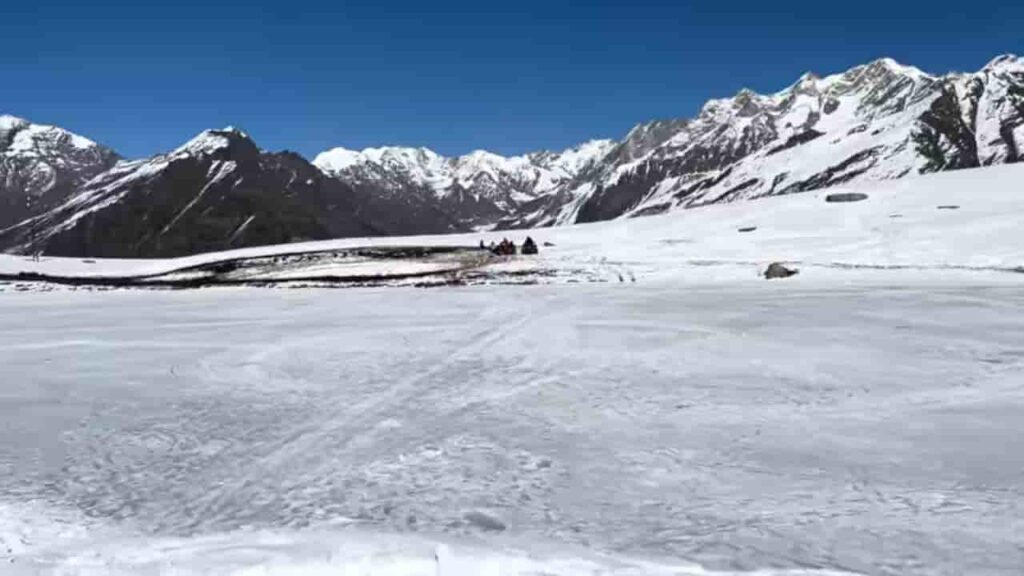
New Delhi – After months of barren peaks and a crippling “snow drought,” fresh western disturbances have blanketed Uttarakhand, Himachal Pradesh, and Jammu & Kashmir with snow, igniting jubilation among tourists and local businesses. From Auli’s ski slopes to Manali’s adventure hubs, the white resurgence is breathing life into mountain economies, but a sudden influx has exposed infrastructure gaps, traffic snarls, and administrative overstretch.The Himalayas, Asia’s “Third Pole,” stand starkly bare this winter, with vast swathes of peaks in Uttarakhand, Himachal Pradesh, and Jammu & Kashmir defying their snow-clad legacy. Satellite data and IMD reports confirm a severe “snow drought”, the lowest snow persistence in 23 years per ICIMOD’s 2025 update, threatening rivers, glaciers, and 2 billion downstream lives.December 2025’s 100% snowfall deficit in Uttarakhand and 99% in Himachal crushed tourism: Auli hotel occupancy plunged 80%, leaving taxi drivers and paragliding operators idle. Shimla and Gulmarg saw 50-70% cancellations as the “snowless selfies” trend went negative online. But IMD’s Feb 9-11 forecast delivered: 6-12 inches in higher reaches, reviving hopes. “Finally, the mountains look like mountains again,” cheered a Delhi visitor in Manali, where bookings spiked 300% overnight.Causes: Warming & VariabilityIPCC links this to global warming: warmer air favors rain over snow, quickens melt, shifts snowline upward. Western disturbances, key moisture carriers, were weak/irregular, delaying onset 30-40 days. Over five years, winters lag 1980-2020 averages, with mid-elevations (3,000-6,000m) hit hardest.Primary Drivers:Weak Western Disturbances: Extratropical storms from the Mediterranean deliver winter moisture but were irregular/weak in 2025-26, causing 100% deficits in Uttarakhand, 99% in Himachal. Delayed onset (30-40 days late) slashed accumulation.Rising Temperatures (Elevation-Dependent Warming): HKH warms 2-3x global average; warmer air holds more moisture, shifting precipitation from snow to rain, raising snowline, and accelerating melt.Snow Drought Types:Precipitation Deficit: Below-normal winter storms (e.g., Dec 2025: J&K -78%, Ladakh -63%).Snowmelt Drought: Normal precipitation but hot conditions cause rain/early melt.Long-Term Trends: ICIMOD: 23.6% snow persistence drop (23-year low); 4/5 recent winters below 1980-2020 norms. IPCC: Warming shortens cover, worsens by 2100.Compounding Factors: Greenhouse emissions amplify variability; mid-elevations are most vulnerable as small temp rises tip the snow-to-rain balance.Impacts & Effects Water Security: Snowmelt supplies 25% runoff to the Indus, Ganga, and Brahmaputra; glaciers add dry-season flow. Losses spike spring melt, then shortages, risking droughts for 1/4 of humanity’s basins.Glaciers: Uttarakhand’s may turn negative mass balance; HKH projected 75% loss by 2100.Hazards: Destabilized slopes fuel landslides, GLOFs, fires, Uttarakhand/Himachal fires rose amid dry winters.Economy/Tourism: Auli bookings crashed; Shimla/Manali snowless.Impacts of Reduced Himalayan Snow on Ganges and Indus RiversReduced snow in the Himalayas, exacerbated by warming and weak western disturbances, poses severe threats to the Ganges (Ganga) and Indus basins, which sustain 1.65-2 billion people.Short-Term Effects (Peak Melt Phase)Peak Flows Shift: Earlier snowmelt floods rivers prematurely (spring surge), raising flood risks in the Indo-Gangetic plains.Temporary Boost: Glacier/snow melt temporarily increases runoff (to 2050), but erratic.Long-Term Consequences (Post-2050)Declining Dry-Season Flow: Snow contributes 25% annual runoff; deficits (Indus: 30-50%, Ganga: 50-60% by 2100) slash baseflow, causing summer shortages for irrigation, drinking water, and hydropower.Ganga Basin: Upper Ganga snow persistence down 17%; earlier melt disrupts Gangotri/Ganges timing, hitting 500M+ farmers, ecosystems (forest biodiversity loss).Indus Basin: 23% snow drop; critical for Pakistan/India agriculture/hydropower; projected 20-30% flow reduction by 2100.Broader RisksDroughts/Water Stress: Shorter snow cover (5 fewer days/decade) worsens seasonal deficits.Agriculture: 129M farmers affected; reduced irrigation in kharif/rabi seasons.Hydropower/Ecosystems: Diminished reservoirs; biodiversity shifts, fires.Glacier Amplification: Combined with 75% HKH glacier loss by 2100.ICIMOD urges drought plans and transboundary cooperation.Economic Lifeline for Mountain CommunitiesSnowfall is the heartbeat of Himalayan tourism, fueling 70% of winter revenue in hill stations. Himachal’s adventure sector, skiing, snowmobiling, yak safaris, generates ₹5,000 crore annually, employing 2 million in hotels, homestays, taxis, and gear rentals. Uttarakhand’s Auli and Chopta saw ₹1,200 crore from the 2025 peak season alone. Local vendors selling woolens, momos, and hot chai thrive; pony rides and snowman-building add family fun.In Gulmarg, gondola rides resumed at full capacity, injecting cash into shepherds and handicraft sellers. “One good snow week equals a month’s earnings,” said a Manali hotelier. J&K’s Pahalgam reported 40% occupancy jump, easing post-conflict economic pressures. For women-led homestays and tribal artisans, it’s empowerment: snow draws cultural tourists craving authentic pahadi experiences.Joy Amid Chaos: The Double-Edged SnowfallTourists are ecstatic, families build snow forts, influencers capture reels, and adventure seekers hit slopes. “Pure magic after the drought scare,” posted a group from Punjab. But the rush creates mayhem: narrow Rohtang Pass jams with 5,000 vehicles daily; Auli’s lone cable car queues stretch hours. In Shimla, overbooked hotels turn away families, sparking online fury.Poor preparedness amplifies woes. Landslides from melt-snow mix block paths; inadequate parking floods meadows; waste piles up sans dustbins. Last year, Manali’s “snow chaos” saw 20-hour delays, oxygen shortages at high camps, and petty scams. Locals lament: “Tourists bring money but trash our paradise.”Both Sides: Boom vs. BurdenPro-tourism voices hail snow as salvation: “It saved our season,” says a Kasol trek operator. Businesses invested in snow chains, heated tents—paying off now. Environmentally, snow aids groundwater recharge, curbing wildfires.Critics warn of overload: fragile ecology suffers trampling, pollution spikes (diesel generators, plastic litter). Over-reliance risks bust-boom cycles; climate-vulnerable hills can’t sustain endless crowds. “Sustainable numbers, not mass frenzy,” urges a Nainital activist.Path Forward: Building ResilienceAuthorities must act decisively:Local Administration: Deploy traffic wardens, mobile toilets, waste squads; enforce carrying capacity (e.g., 2,000/day in Auli). Digital booking for parking/gondolas prevents no-shows.State Governments: Himachal/Uttarakhand invest ₹500 crore in snow-clearing machines, widened roads (Atal Setu-style tunnels), and eco-lodges. Promote off-peak treks and homestays via apps.Central Government/Ministries: MoT allocates ₹2,000 crore for infra (helicopter pads, EV charging at 5,000m). Skill 1 lakh youth in hospitality/glaciology tourism. NGT-monitored waste rules; drone surveillance for crowds.Collaborative Wins: Public-private PPPs for solar-powered resorts; train locals as guides. Incentives for green certifications attract high-end tourists, boosting per-head spend 3x.With smart planning, snow can sustain joy and jobs without chaos. As peaks gleam anew, balancing delight with duty will secure these economies for winters ahead.
Bikaner Camel Festival 2026: A Majestic Celebration of Desert Culture and Heritage

The Bikaner Camel Festival 2026 — one of Rajasthan’s most iconic cultural events — was held from January 9 to January 11, 2026, in Bikaner, Rajasthan, celebrating the camel as the enduring “Ship of the Desert” and a living emblem of the region’s history, community and traditions. Organised by the Rajasthan Tourism Department, the three-day festival drew enthusiastic participation from domestic and international visitors, camel breeders, cultural performers and artisans, transforming the historic desert city into a vibrant tapestry of colour, heritage and folk celebration. Dates, Venue and Significance Festival: Bikaner Camel Festival 2026 Dates: January 9–11, 2026 Location: Bikaner, Rajasthan — with key events across Junagarh Fort, Dr. Karni Singh Stadium, Camel Farm, Raisar Sand Dunes and Old City Grounds Organised by: Rajasthan Tourism Department Held annually in January, when the cool desert climate is ideal for outdoor festivities, the festival celebrates the deep bond between the desert communities and the camel, an animal that has sustained trade, transport and cultural continuity in the Thar region for centuries. Cultural Roots and Historical Context The camel is not merely a domestic animal in Rajasthan; it is symbolic of survival, resilience and identity in one of India’s most challenging landscapes. Historically, camel corps were esteemed for their role in regional defence and trade routes — from the terrain of the Thar Desert to campaigns beyond. Today, the festival honors this legacy through artistic expression, competitive displays and community celebrations. Highlights of the 2026 Edition The 2026 festival offered a rich blend of tradition, competition, culture, art and entertainment spread across three action-packed days: Day 1 — Friday, January 9: Heritage and Local Flavor The festivities kicked off with the “Hamari Virasat” Heritage Walk, a vibrant procession of beautifully decorated camels and handlers that wound through the historic lanes from Laxminath Temple to Rampuria Haveli in Bikaner’s Old City. Later in the day, the Bikaneri Food Festival celebrated the unique flavours of Rajasthan — from Bikaneri bhujia to rich thalis and local sweets — offering visitors an authentic taste of Thar cuisine. The afternoon featured Mr. Bikana and Miss Marwan contests at the Dr. Karni Singh Stadium, where participants showcased traditional attire and cultural pride. Day 2 — Saturday, January 10: Camel Artistry and Folk Nights The second day moved to the National Research Centre on Camel (NRCC), where visitors enjoyed a range of spectacular camel-centric events, including: Camel Fur Cutting Competitions — intricate designs trimmed into camel coats reflecting centuries-old artistry. Camel Dance Performances — animals moving rhythmically to traditional beats. The evening culminated in a Folk Night featuring traditional Rajasthani music and dance under the desert sky, amplifying the cultural heartbeat of the festival. Day 3 — Sunday, January 11: Desert Adventure & Finale The final day’s events took place against the scenic backdrop of the Raisar Sand Dunes, incorporating: Rural Sports Events such as tug-of-war and wrestling. Camel Races showcasing speed and agility. Camel Safaris that allowed visitors to experience the desert firsthand. Fire Dance Performances by the legendary Jasnath Sampradaya, a dramatic cultural feature as night fell. Camel Art, Craft and Celebration One of the festival’s signature attractions was the camel decoration and artistry on display. Handlers adorned the animals with bright tassels, mirrors, embroidered saddles, ornamental bridles and jingling bells — transforming camels into living works of traditional art and reflecting the folk creativity of desert communities. From camel races to folk music and dance, the festival also highlighted Rajasthani cultural heritage, featuring performers in vibrant regional attire, musicians using traditional instruments and displays of local handicrafts. Tourism, Experience and Local Engagement The festival has become a significant tourism magnet, drawing travellers eager to witness the unique spectacle of living desert culture. Many visitors combined the festival experience with tours of Bikaner’s historic attractions — including Junagarh Fort, Rampuria Haveli and the Camel Farm — and sampling regional cuisine. Local artisans and craftsmen also benefitted from the festival’s footfall, selling handicrafts, textiles, leather goods and souvenirs that showcase Rajasthan’s artistic traditions. Weather and Travel Tips Held in the heart of winter, the Camel Festival’s January dates offer pleasant daytime temperatures perfect for outdoor festivities, though nights in the desert can be cold, often dropping into single digits — so visitors are advised to carry warm clothing for evening events. Bikaner is well connected by rail and road, with Bikaner Junction providing train links to major cities, and Nal Airport serving domestic flights, making the festival accessible for travellers from across India and abroad. Cultural Significance and Legacy The Bikaner Camel Festival celebrates more than just animal beauty or competition — it honours the enduring partnership between humans and camels in one of India’s most challenging landscapes. The festival preserves traditional knowledge, supports rural economies and reinforces a sense of pride among herder communities who have stewarded this heritage over generations. By bringing together music, sport, food, art and ritual, the festival upholds a dynamic desert culture that continues to thrive in the 21st century, making it a standout event in Rajasthan’s rich calendar of fairs and festivals.
National Tourism Day 2026: Celebrating India’s Cultural Heritage, Economic Growth and Youth Engagement
National Tourism Day is observed annually on January 25 in India to recognise the vital role tourism plays in the nation’s socio-economic development, cultural exchange and heritage conservation. In 2026, the country marked National Tourism Day with multi-theme programmes, state participation, youth-oriented activities, and initiatives to boost both domestic and international travel. Tourism is one of India’s fastest-growing economic sectors, contributing significantly to employment, foreign exchange earnings and community-led development. National Tourism Day highlights these dimensions while promoting travel awareness, sustainability and inclusive participation across regions and communities. Background: Why National Tourism Day Matters National Tourism Day commemorates the adoption of the National Tourism Policy in 2002, a landmark moment when the Government of India formally recognised tourism as a key driver of economic growth and cultural diplomacy. The policy aimed to expand tourism infrastructure, incentivise private sector participation, enhance employability, and position India as a global travel destination. Over the years, tourism has become a major employment generator, particularly in rural and semi-urban areas. The sector supports jobs across hospitality, transportation, cultural industries, handicrafts, heritage management, tour operations, adventure travel and wellness tourism. According to industry estimates, tourism contributes 7–9% of India’s GDP and supports millions of direct and indirect jobs across the country. Post-pandemic recovery and strategic initiatives have further elevated tourism as a priority sector in national development planning. National Tourism Day 2026: Themes and Programmes In 2026, National Tourism Day was marked with a series of coordinated events spanning heritage walks, cultural performances, seminars, youth forums, heritage site launches and promotional campaigns. The Ministry of Tourism’s multi-theme programme emphasised: Heritage Conservation and Cultural Tourism: Celebrating India’s rich history through curated events at iconic sites. Youth Engagement and Education: Special outreach to students and young travellers to encourage tourism careers and awareness of local heritage. Sustainable and Eco-Friendly Tourism: Promoting responsible travel practices that protect landscapes and support community livelihoods. Local and Regional Specialties: Showcasing food, handicrafts, folk art and customs from various states to highlight India’s diversity. The multi-theme approach, adopted by state tourism departments, aimed to both celebrate India’s diverse cultural tapestry and provide economic opportunities for local artists, guides, heritage managers and hospitality professionals. National and State Participation The Ministry of Tourism, Government of India, coordinates National Tourism Day events in collaboration with state tourism boards, cultural institutions, educational bodies and industry associations. State governments organise activities such as: Heritage Walks and Site Visits: Guided tours at forts, temples, museums and historical cities such as Agra, Jaipur, Varanasi and Hampi. Tourism Promotion Fairs: Exhibitions featuring travel destinations, culinary showcases, handicraft bazaars and local performances. Youth Outreach and Awareness Campaigns: Competitions, webinars and campus events to engage students in tourism-related careers. Community Tourism Projects: Initiatives to promote village tourism, eco-trails, homestays and local enterprise models. For 2026, Uttar Pradesh — home to several major heritage sites including the Taj Mahal — held a flagship programme with tribal dance performances, youth engagement forums, skill development workshops and discussions on sustainable destination management. Significance: Beyond Travel National Tourism Day carries multi-layered significance: Economic Significance: Tourism drives economic activity through direct services (hotels, transport, tour operators) and indirect value chains (farmers, artisans, retail, logistics). Growth in visitor numbers fosters investment in infrastructure and amenities. Cultural and Social Impact: Tourism promotes cultural exchange, enabling travellers to experience India’s linguistic, religious and artistic diversity. Heritage conservation initiatives often receive momentum through tourism interests, leading to improved preservation and community pride. Youth Empowerment: With a large youth population, India views tourism as a sector that can offer meaningful careers — from tour guiding and hospitality to digital marketing, event management and sustainable adventure tourism. Global Connectivity: National Tourism Day also underscores India’s place in global travel circuits. India offers unique attractions spanning ancient monuments, biodiversity hotspots, spiritual circuits, hill stations, desert landscapes, backwaters and festivals that draw millions of international travellers every year. Key Initiatives and Government Measures The Government of India has undertaken several strategic measures to enhance India’s tourism footprint: Increased Connectivity: Development of airports, regional air routes, rail connectivity and waterways to improve access to remote and emerging destinations. Incentives for Homestays and Eco-Tourism: Policies to support local tourism entrepreneurs with training, grants and marketing support. Digital Platforms: Initiatives like the Incredible India portal, mobile apps, virtual tours and digital campaigns that offer seamless travel planning and destination information. Skill Development: Collaborations with hospitality training institutes and universities to build tourism-related skills among youth. Safety and Accessibility: Enhancing traveller safety, accessibility for differently-abled tourists and women traveller support systems. Such initiatives reinforce National Tourism Day’s role as both a celebration and a policy milestone, aligning tourism with broader national goals of employment generation, cultural preservation and economic progress. Tourism Trends and Future Outlook India’s tourism sector continues to register strong indicators of growth. Domestic travel has seen sustained enthusiasm, while international arrivals have rebounded following the pandemic. Emerging trends include: Experiential and Adventure Tourism: Rising demand for trekking, wildlife circuits, river rafting and off-beat trails. Wellness and Spiritual Tourism: Increased interest in Ayurveda, yoga retreats and spiritual heritage circuits such as Char Dham and Buddhist heritage trails. Eco-Tourism and Community Tourism: Focus on sustainability, homestays and tourism that directly benefits local communities. Industry analysts expect that India’s tourism sector will continue to expand its contribution to GDP and employment, particularly with supportive government policies, improved infrastructure and global travel confidence. How National Tourism Day Inspires Travellers Travellers and tourism stakeholders view National Tourism Day as an invitation to explore India’s untapped destinationsand celebrate its living heritage. The day inspires individuals, families, students and professionals to discover cultural gems, engage in sustainable travel practices, and participate in livelihood opportunities tied to tourism. For students and young professionals, events offer exposure to career paths in areas such as tourism management, heritage interpretation, hospitality operations, travel technology, storytelling and destination branding. National Tourism Day 2026: A Milestone for Growth The celebration of National Tourism Day 2026 reaffirmed the sector’s potential to advance economic growth, promote cultural preservation and build a
Indian Passport Climbs the Ladder in 2026, but Global Travel Reality Remains Mixed
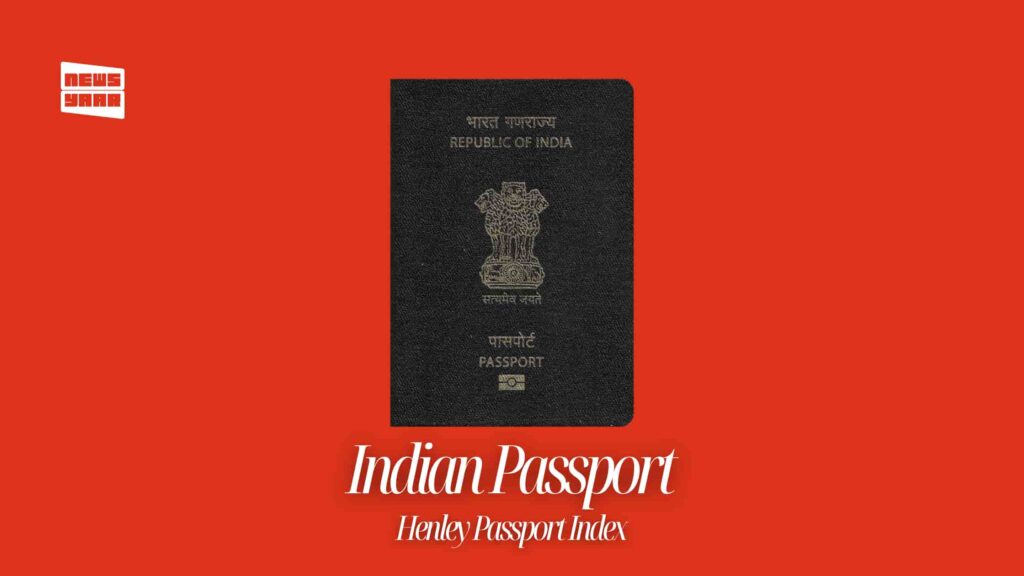
Indian passport holders have a reason to feel cautiously optimistic in 2026. According to the latest Henley Passport Index, India’s passport has registered an improvement in global rankings, signalling a gradual rise in international mobility for Indian travellers. However, beneath the headline gain lies a more nuanced reality that travellers must keep in mind while planning overseas journeys.The Henley Passport Index 2026 has placed India at the 80th position, a jump of five ranks from last year’s 85th spot. The index, which ranks passports based on the number of destinations their holders can access without a prior visa, reflects how freely citizens of a country can travel across borders. In practical terms, Indian passport holders can now access 55 destinations without securing a visa in advance. This includes countries offering visa-free entry, visa-on-arrival, or electronic travel authorisation (ETA).The upward movement suggests incremental progress in India’s global travel standing, driven partly by diplomatic engagements, bilateral agreements, and the growing international presence of Indian travellers. For frequent flyers and first-time international tourists alike, this translates into slightly more flexibility and reduced paperwork for select destinations.However, the improvement in ranking does not tell the full story. Despite climbing the index, the number of destinations offering hassle-free access to Indian passport holders remains limited compared to many other countries. In fact, while the rank has improved, access to key regions such as Europe’s Schengen Area, the United States, the United Kingdom, and several East Asian nations continues to require traditional visas, often involving lengthy processing times, extensive documentation, and high costs.This contrast highlights an important point: rankings can improve even when overall access remains constrained. The Henley Index is relative in nature, meaning India’s rise may also reflect changes in other countries’ visa policies rather than a dramatic expansion of visa-free access for Indians.For Indian travellers, the list of accessible destinations is still dominated by countries in Southeast Asia, Africa, the Caribbean, and parts of the Middle East. While these destinations offer rich cultural and travel experiences, many popular business, education, and tourism hubs remain out of easy reach without prior approvals.Travel industry experts say the ranking improvement is symbolically significant but should not be overstated. “A higher rank improves perception, but on the ground, Indian travellers still need to plan well in advance for most long-haul or premium destinations,” said a senior travel consultant based in Delhi. He added that visa rejections, appointment delays, and rising visa fees continue to be common concerns.At the same time, the gradual rise reflects India’s growing global footprint. As one of the world’s fastest-growing major economies and a key player in international diplomacy, India has been actively engaging with countries to simplify travel frameworks. Industry observers believe that sustained diplomatic efforts, along with reciprocal visa arrangements, could further enhance passport strength in the coming years.For now, Indian passport holders can take heart in the positive movement, while remaining realistic. The 2026 ranking underscores progress, but also serves as a reminder that global mobility for Indians is still a work in progress, one that requires both policy-level negotiations and patient travel planning.As international travel rebounds and geopolitical equations evolve, the Indian passport’s journey up the global ladder is likely to continue, albeit gradually.
International Theatre Festival of Kerala 2026: Thrissur Set to Transform into a Global Stage for Theatre

The 16th International Theatre Festival of Kerala (ITFoK) is set to take place from 25 January to 1 February 2026 in Thrissur city, Kerala, reaffirming its position as one of India’s most significant international cultural events. Organised by the Kerala Sangeetha Nataka Akademi under the Cultural Department of the Government of Kerala, the festival will bring together theatre practitioners, scholars and audiences from across the world to celebrate performance, dialogue and storytelling in its many forms.The week-long festival will be hosted across multiple venues in Thrissur, with the Kerala Sangeetha Nataka Akademi complex serving as the focal point. Key performance spaces will include the Murali Outdoor Theatre, K. T. Muhammed Regional Theatre, and other designated cultural venues across the city, transforming Thrissur into a vibrant, open stage for global theatre.Dates, Theme and StructureEvent: International Theatre Festival of Kerala (ITFoK) 2026 Edition: 16th Dates: 25 January to 1 February 2026 Venue: Thrissur, Kerala Organiser: Kerala Sangeetha Nataka Akademi, Government of KeralaThe 2026 edition will be presented under the theme “Voices in the Silence”, a concept that reflects theatre’s enduring ability to articulate unspoken realities through movement, dialogue, visual language and performance. The theme highlights ITFoK’s emphasis on theatre as both artistic expression and social commentary, especially in a time marked by global uncertainty, conflict and transformation.Performances and International ParticipationITFoK 2026 will feature 23 plays across approximately 46 performances, showcasing a carefully curated mix of international and Indian productions. Theatre groups from Argentina, Brazil, Armenia, Palestine, Slovakia, Spain, Japan and Denmark are scheduled to participate, presenting works that span classical theatre, contemporary experimentation and cross-cultural collaboration.Indian theatre will be represented by productions from Kerala, Rajasthan, Assam, Maharashtra and Tamil Nadu, offering audiences exposure to diverse linguistic traditions, regional aesthetics and evolving performance practices. The programme aims to place Indian theatre in dialogue with global narratives, encouraging comparative engagement and artistic exchange.Several international productions are expected to address themes such as identity, memory, political conflict, displacement and social change, reinforcing ITFoK’s reputation as a festival that privileges substance, experimentation and intellectual depth.Organisation and AccessibilitySince its inception in 2008, the International Theatre Festival of Kerala has grown into one of Asia’s most respected theatre festivals. The event is fully organised and curated by the Kerala Sangeetha Nataka Akademi, with institutional support from the state’s cultural machinery.For the 2026 edition, organisers have expanded the number of plays compared to previous years, reflecting renewed focus on diversity and scale. In addition to stage performances, the festival will also include cultural interactions, informal discussions and academic engagements, fostering dialogue between artists, scholars and audiences.While tickets are required for major performances, several associated programmes and discussions will remain open to the public, ensuring wider access and community participation.Cultural Importance of ITFoKThe International Theatre Festival of Kerala occupies a distinctive place in India’s cultural landscape. It functions not merely as a performance showcase, but as a space for cultural diplomacy, artistic exchange and critical reflection. By bringing global theatre traditions to a regional Indian audience, ITFoK contributes to expanding cultural literacy and deepening engagement with contemporary global issues.The festival also reinforces Thrissur’s identity as a cultural capital of Kerala, complementing the city’s long-standing association with classical arts, festivals and literary traditions. Each edition attracts theatre enthusiasts, students and visitors from across India, adding to the city’s cultural and intellectual vibrancy.Looking AheadAs ITFoK 2026 prepares to open on 25 January, expectations are high for a festival that continues to push the boundaries of performance while remaining rooted in dialogue and inclusivity. With its expanded programme, strong international presence and thematic focus on unheard voices, the festival is poised to reaffirm its relevance in both Indian and global theatre circuits.By sustaining conversations across borders, languages and artistic traditions, the International Theatre Festival of Kerala continues to position theatre as a living, evolving medium — one that reflects society, questions power and invites audiences to engage more deeply with the world around them.
National Startup Day 2026: India Celebrates a Decade of Entrepreneurial Transformation
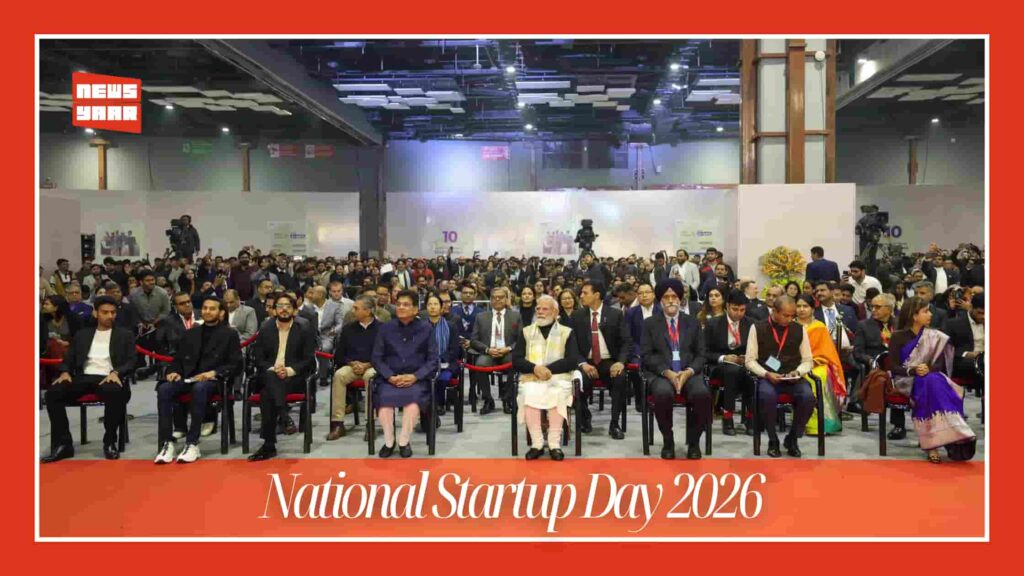
New Delhi, 16 January 2026: India marked National Startup Day 2026 with grand celebrations highlighting ten years of the government’s Startup India initiative and its transformative impact on the nation’s innovation landscape. The event drew founders, investors, policymakers, and ecosystem leaders from across the country to reflect on the journey of entrepreneurship and chart the path ahead.At a flagship event held in New Delhi, Prime Minister Narendra Modi joined startup founders and industry stakeholders to commemorate the milestone. Addressing the gathering, he emphasized the courage and innovative spirit of India’s youth, calling startups engines of economic growth and societal change. His remarks underscored how risk–taking and problem-solving have become mainstream within the entrepreneurial community.Over the past decade since the launch of Startup India, more than 200,000 startups have been recognised across sectors such as technology, healthcare, climate solutions, logistics, fintech, and education. These ventures have collectively generated millions of jobs and helped India emerge as one of the world’s largest and most dynamic startup ecosystems.The celebrations showcased a broad shift in the startup narrative—from chasing rapid valuations to focusing on sustainable growth and real-world impact. Industry experts highlighted that Indian startups are increasingly building deep-tech and AI-driven solutions tailored to local challenges, with a rising emphasis on climate tech, healthcare innovation, and sovereign AI platforms.A notable trend highlighted during the day was the geographical diversification of entrepreneurship. Recent data suggests that over half of registered startups now originate from Tier-2 and Tier-3 cities, signalling a decentralisation of innovation beyond traditional metropolitan hubs.Panel discussions and keynote sessions throughout the event brought to light how startups are contributing to India’s economic resilience, job creation, and technological advancement. Speakers also discussed policy priorities for the next decade, including a renewed push into manufacturing, deep-tech research, and global market expansion.Celebrations were not limited to New Delhi alone. Across states and regions, local startup communities hosted meetups, pitch events, and mentoring sessions, reinforcing a nationwide commitment to empowering entrepreneurs.As National Startup Day 2026 concluded, the startup ecosystem stood not only proud of its achievements over the last ten years but also energized for future challenges, firmly anchored in innovation, inclusivity, and impact.
Vibrant Gujarat Global Summit 2026: Rajkot to Host Regional Conference Focusing on Saurashtra–Kutch Growth
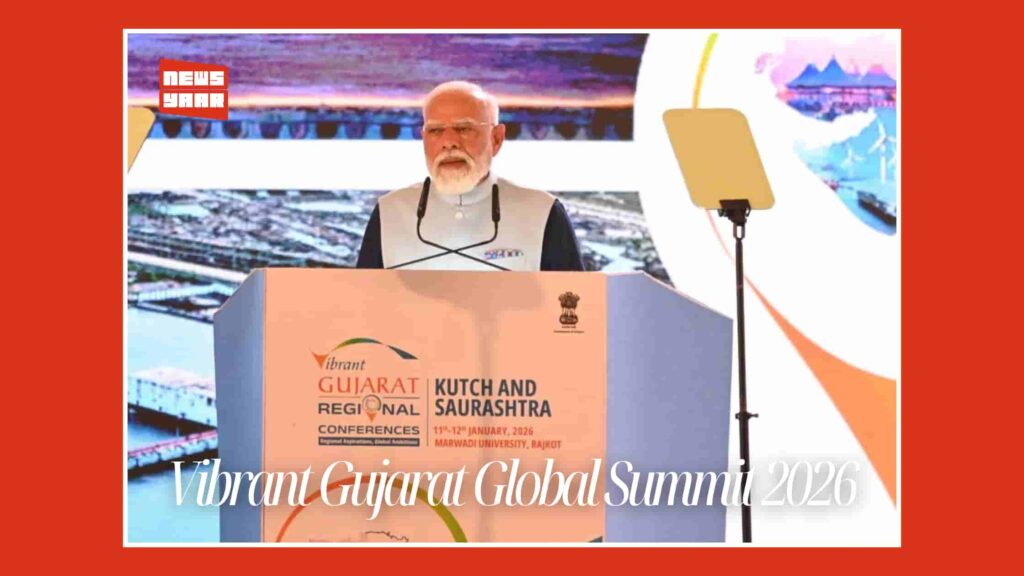
The Vibrant Gujarat initiative, one of India’s most influential investment and policy platforms, will continue its next phase in 2026 through region-specific conferences, with Rajkot hosting the Vibrant Gujarat Regional Conference (VGRC) for the Saurashtra–Kutch region. The move marks a strategic shift towards decentralised economic development, taking the Vibrant Gujarat vision beyond mega summits and closer to regional industry clusters.While the Vibrant Gujarat Global Summit is scheduled to return in 2027, the 2026 regional conferences are designed to strengthen grassroots industrial growth, attract targeted investments and align regional strengths with national development priorities.Dates and VenueEvent: Vibrant Gujarat Regional Conference (Saurashtra–Kutch)Dates: January 11 and 12, 2026Exhibition Duration: January 11 to January 15, 2026Venue: Marwadi University, Rajkot, GujaratRajkot, a major industrial and commercial hub of Saurashtra, has been chosen for its strong presence in engineering goods, auto components, ceramics, MSMEs and export-oriented manufacturing.What Is the Vibrant Gujarat Regional Conference?The Vibrant Gujarat Regional Conference is an extension of the state’s flagship Vibrant Gujarat Global Summit, launched to promote region-specific investment, sector-based policy discussions and local entrepreneurship.Unlike the larger biennial global summit held in Gandhinagar, the regional conferences focus on:District-level industrial strengthsLocal infrastructure and logisticsMSMEs, startups and traditional industriesEmployment generation and skill developmentThe Rajkot edition will specifically address economic opportunities and challenges in Saurashtra and Kutch, two regions with high industrial potential and strategic coastal advantages.Key Focus Areas and SectorsThe 2026 Rajkot conference will focus on both traditional industries and emerging sectors critical to Gujarat’s long-term growth strategy.Core Industry SectorsEngineering and auto componentsCeramics and manufacturing clustersAgro-processing and food industriesPorts, logistics and maritime tradePetrochemicals and mineralsEmerging and Priority SectorsRenewable energy and green manufacturingGreen hydrogen and clean fuel projectsDefence manufacturing and innovationStartups, MSMEs and entrepreneurshipSkill development and employment-linked industriesTourism and cultural economyThe discussions are aligned with India’s long-term development roadmap, including the Viksit Bharat @2047 vision.Key Events and HighlightsThe Vibrant Gujarat Regional Conference 2026 will feature a range of policy, business and networking platforms:Inaugural session and leadership addresses, including participation from senior central and state government leadersSector-specific conferences and panel discussions focusing on investment opportunities, policy reforms and technology adoptionReverse Buyer–Seller Meets, enabling direct interaction between domestic producers and international buyersVibrant Gujarat Regional Exhibition, showcasing industrial innovation, products and services across key sectorsUdyami Mela, aimed at promoting startups, MSMEs, women entrepreneurs and government schemesThe exhibition will run for five days, providing extended engagement opportunities for investors, businesses and the general public.Investment Outlook and Regional ImpactThe Rajkot conference is expected to play a significant role in:Attracting fresh domestic and foreign investmentsStrengthening Gujarat’s manufacturing and export ecosystemPromoting sustainable and green industrial practicesExpanding employment opportunities in Saurashtra and KutchPositioning the region as a multi-sector industrial and logistics hubPrevious regional conferences under the Vibrant Gujarat banner have resulted in substantial investment commitments and long-term industrial planning at the district level.Who Should AttendThe event is relevant for:Indian and global investorsIndustry leaders and exportersStartups and MSMEsPolicy makers and government officialsEntrepreneurs and business associationsProfessionals interested in Gujarat’s industrial and economic roadmapParticipation details and registrations are available through the official Vibrant Gujarat platforms.Why the 2026 Rajkot Conference MattersBy hosting the Vibrant Gujarat Regional Conference in Rajkot, the Gujarat government is reinforcing its approach of balanced regional development, ensuring that growth opportunities extend beyond major urban centres.The 2026 edition positions Saurashtra–Kutch as a critical contributor to Gujarat’s and India’s economic future, combining industrial strength, coastal advantage, innovation and sustainability.Video credit: YT@/NaMo
Official Start of Passenger Flights from Navi Mumbai International Airport: A New Era for Regional Aviation
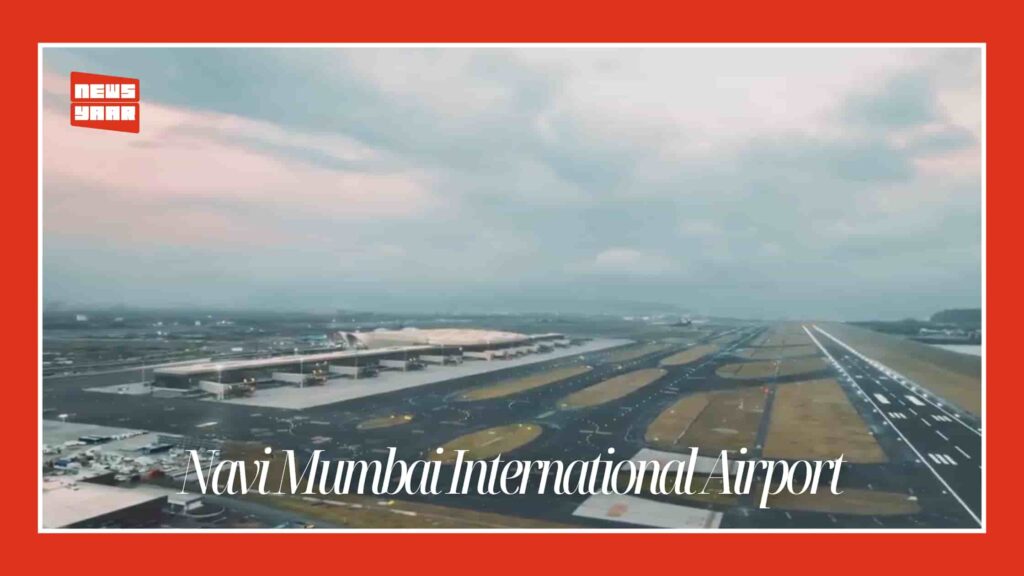
Navi Mumbai / Mumbai: The long-awaited Navi Mumbai International Airport (NMIA) has officially opened its passenger flight operations, marking a major milestone in India’s civil aviation landscape. Backed by the Adani Group, the new international gateway welcomed its first commercial travellers on Thursday, signalling the beginning of full-scale flight services from the strategically located airport.In its first 19 days of operations, NMIA recorded over 100,000 passengers, highlighting strong early demand and adding momentum to the region’s aviation growth. The early passenger traffic underscores the confidence that travellers, airlines and the broader aviation ecosystem place in the new facility as a major alternative to the congested Chhatrapati Shivaji Maharaj International Airport (CSMIA).The commissioning of NMIA comes as part of a broader effort to ease pressure on Mumbai’s primary airport, long plagued by capacity constraints. Located in Ulwa, Navi Mumbai, the new airport is expected to handle both domestic and international flights, offering enhanced connectivity and reducing congestion in one of India’s busiest airspaces. Passenger Experience and Early Reception Early reports from passengers travelling through NMIA have been overwhelmingly positive. Commuters pointed to the airport’s spacious terminals, streamlined check-in processes and clear signage as key improvements over older facilities. Many highlighted the convenience of the airport’s location for those living in Navi Mumbai and surrounding areas, with easier access than the traditional Mumbai airport.“We had no idea the airport was this smooth and comfortable,” said one traveller who flew out on a weekday morning. “Check-in was quick, security was efficient, and everything felt brand new.” Airline Operations and Flight Routes Several domestic carriers have already begun scheduling flights from NMIA, connecting key metros and regional hubs.As flight operations continue to ramp up, airlines are expected to expand their route portfolios based on demand. Industry analysts suggest that the airport’s growth could attract international carriers in the near future once regulatory clearances and bilateral agreements are in place.The operational launch of NMIA is not only an aviation milestone but also a boost for the broader Maharashtra economy. The airport is expected to catalyse job creation in sectors ranging from hospitality and logistics to retail and ground services. Local businesses have welcomed the development, anticipating increased footfall and commercial opportunities in the region.Infrastructure planners also foresee improvements in last-mile connectivity, including dedicated access roads, metro extensions and bus networks that will link NMIA efficiently with central Mumbai and other areas. Looking Ahead As passenger flights officially take off from the Navi Mumbai International Airport, the aviation sector and travelling public alike are watching closely to see how the new facility evolves.With strong initial numbers and a strategic location, NMIA is poised to become a key node in India’s rapidly growing aviation network, offering relief to existing hubs while setting new benchmarks for passenger comfort and operational excellence.
Rajasthan DigiFest 2026: Jaipur to Host Regional AI Impact Conference Ahead of India AI Summit
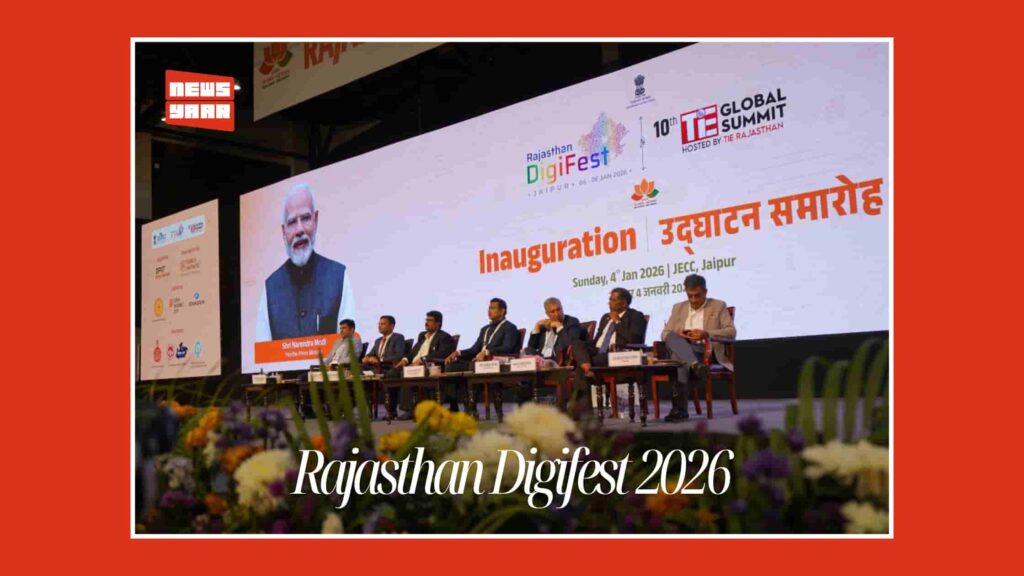
Jaipur is set to become a major hub for artificial intelligence discussions as Rajasthan hosts the Regional AI Impact Conference 2026 on January 6, marking a significant step in India’s journey towards AI-driven governance and innovation.The conference will be held as part of Rajasthan DigiFest 2026, in collaboration with the TiE Global Summit 2026, and will serve as a crucial regional engagement leading up to the India AI Impact Summit 2026, scheduled for February this year.The high-profile event will witness the presence of Union Minister for Electronics and Information Technology Ashwini Vaishnaw and Minister of State for Electronics and Information Technology Jitin Prasada, underlining the Centre’s strong focus on accelerating AI adoption across states and sectors.A Platform for AI-Led Governance and GrowthAccording to the Ministry of Electronics and Information Technology (MeitY), the Regional AI Impact Conference in Jaipur will act as a key platform to explore how Artificial Intelligence can transform governance systems, boost economic growth, encourage innovation, and support inclusive development. The discussions are expected to focus on both policy and practice, highlighting how AI can be effectively integrated into public administration and service delivery.One of the central themes of the conference will be AI for Public Service Delivery and Governance, examining the role of emerging technologies in improving efficiency, transparency, and citizen engagement. Sessions will also address Ethical and Responsible AI, reflecting growing concerns around data privacy, algorithmic bias, and accountability in AI-driven systems.As AI continues to reshape the global workforce, the conference will feature dedicated discussions on AI and the Future of Employment and Skills. Policymakers and industry experts are expected to deliberate on reskilling, upskilling, and preparing India’s workforce for technology-driven changes.AI Conversations Extend to GuwahatiParallel to the Jaipur conference, Guwahati will host a Human Capital Working Group Meeting over the next two days. The meeting will be chaired by Prof. T. G. Sitharam, Chair of the Human Capital Working Group, and will bring together senior policymakers, academic leaders, industry experts, and practitioners.The discussions in Guwahati will focus on the future of education, skilling, and workforce readiness in the age of Artificial Intelligence, complementing the broader objectives of the AI Impact Conference. Together, these engagements underline the government’s emphasis on aligning technology advancement with human capital development.Building Momentum Towards India AI Impact Summit 2026The Regional AI Impact Conference under Rajasthan DigiFest 2026 is part of a nationwide series of dialogues aimed at building momentum for the India AI Impact Summit 2026. By bringing AI conversations closer to regional ecosystems, the initiative seeks to ensure that technological growth remains inclusive, balanced, and aligned with India’s development priorities.With Jaipur hosting this significant gathering, Rajasthan is positioning itself as an active participant in India’s AI transformation, reinforcing its role in shaping the country’s digital and innovation-led future.Video credit: YT@/DoIT&C Government of RajasthanVideo credit: YT@/DoIT&C Government of Rajasthan