


Chai Over Cocktails: Bhajan Beats and Sober Raves Redefine South Asian Nightlife
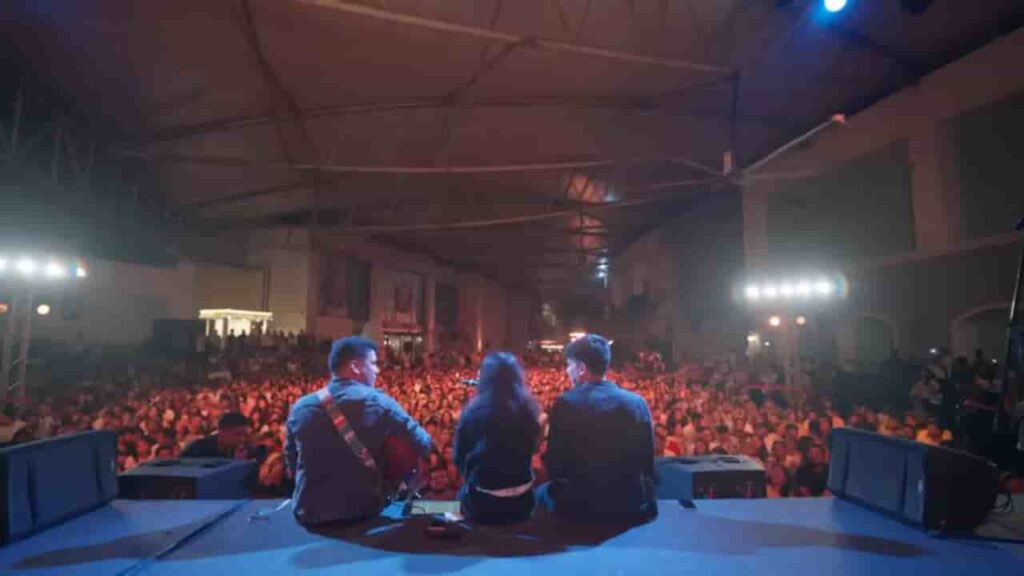
From chai-fueled dance floors in Karachi to devotional DJ drops in Delhi, Gen Z across South Asia is ditching hangovers for halos in a nightlife revolution. This sober, spiritual wave, blending ancient chants with modern beats, is drawing thousands, offering community without chaos and vibes with values.Bhajan Clubbing Takes India by StormIn Visakhapatnam, over 2,000 young fans packed a recent event, grooving to kirtan remixed with electronic percussion, no booze, just pure energy from “Om Namah Shivaya” and Hanuman Chalisa beats. Delhi’s Indira Gandhi Sports Complex hosted the city’s biggest bash in December 2025, with 3,000 attendees under strobes chanting for Shiva, Ram, and Krishna in a three-hour “satsang 2.0.” From Mumbai’s Kallol Café to Lucknow’s Rangreza Festival on Maha Shivaratri, where hundreds fasted and danced to dholak-infused bhajans, the trend is exploding, ticketed, lit-up, and viral on reels.Karachi’s Sober Raves Glow UpPakistan’s scene thrives in regulated spots like sports clubs and cafes, where neon-lit padel courts double as dance floors and events wrap at 10 p.m. sharp under cameras and drones. Women-only nights at places like Third Culture Coffee pack in crowds for desi remixes, fostering safety and shareable joy, tickets at 3,000-7,000 PKR signal real demand. Soft drinks sales surged 27% from 2020-2025, fueling this alcohol-free shift aligned with cultural norms.Trend LocationKey FeaturesCrowd Size (Recent Events)India (Delhi/Vizag)Bhajans + EDM, chai stations2,000-3,000KarachiTechno/des mixes, padel breaksHundreds per venueWhy Gen Z Vibes with ItExperts like psychologist Raksha Rajesh call it “neurological relief”, repetitive chants calm overstimulation from digital life, while psychiatrist Dr. Ashima Ranjan links it to mental health wins: no regrets, genuine bonds, and vagus nerve boosts. Sociologist Gulshan Sihag dubs it “cultural hybridity,” remixing jagratas and Garba for Instagram poets craving rootedness amid chaos. Globally sober-leaning youth find perfect sync here: faith-fueled fun in India, boundary-honoring parties in Pakistan.Past Events for ContextRecent Vizag shows include a January 25, 2026, Art of Living-organized night and a post-2,500-attendee recap hinting at more “bhakti meets beats” sessions soon. No exact venues or tickets listed yet, check local organizers like Bhavika Patel or Instagram for updates as March nears.Known VenuesMoon Bar and Kitchen, VIP Road: Hosted a BhaZen Clubbing debut with DJ sets and devotional beats; RSVPs via 9587192999 for entry.Beach Road: Featured highlights from a major session, drawing crowds for open-air chanting and dancing.Event TrendsPast gatherings linked to Art of Living and Nirvana Station Band suggest indoor sports arenas or large halls for the 2,000+ crowds, with chai stations replacing bars, no fixed “home base” yet, as pop-ups rotate for safety and buzz. A Shared South Asian ShiftFrom DU students picking bhajan dates over dinners, inspired by Virat Kohli reels, to Karachi’s safe, early-end raves, this is presence over escapism. Bhajan clubbing events are gaining popularity in the Vizag area, with specific upcoming dates confirmed for nearby districts. Organizers plan expansions following recent successes drawing thousands.Confirmed DatesVizianagaram District: March 21, 2026 – A state-wide expansion event featuring high-energy bhajans by Nirvana Station Band, blending traditional chants like “Om Namah Shivaya” with electronic beats and prasadam.Visakhapatnam (Vizag): May 2026 – Another major gathering anticipated, building on the viral February event that packed 2,000+ youth.
Grammy Awards 2026: Historic Wins, Major Moments and Full Winners List
The 68th Annual Grammy Awards — the most prestigious honours in the global music industry — were held on February 1, 2026, at the Crypto.com Arena in Los Angeles, California, celebrating outstanding achievements in music released between August 31, 2024, and August 30, 2025. The ceremony was broadcast live on CBS and streamed on Paramount+, marking the final year on these platforms before the broadcast moves to new partners under a long-term agreement beginning in 2027. South African comedian Trevor Noah hosted the event for the sixth and final time, closing a defining chapter in Grammy hosting history. The Grammys are presented annually by the Recording Academy, recognising excellence in recordings, performances, compositions and technical artistry across widespread genres. This year’s event drew major global attention for its historic milestones, genre diversity and broad musical representation spanning rap, pop, Latin, R&B, rock, country and international music. Big Night, Big Winners: Major Awards and Historic FirstsOne of the most notable outcomes of the 2026 ceremony was the Album of the Year award going to Bad Bunny for Debí Tirar Más Fotos, marking the first time a primarily Spanish-language album has won the Grammys’ most coveted prize. The triumph was widely viewed as a cultural milestone, illustrating the expanding global influence of Latin urban music. Record of the Year, which honours the performance and production of a single recording, went to “luther” by Kendrick Lamar and SZA, highlighting one of the year’s most acclaimed songs. Song of the Year, awarded to songwriters, was won by Billie Eilish and Finneas O’Connell for “Wildflower”. Meanwhile, Olivia Dean was named Best New Artist, acknowledging a breakthrough year in her career. Leadership in Nominations and AwardsRap powerhouse Kendrick Lamar led all nominees with nine nominations heading into the night, tying with artists such as Lady Gaga, Jack Antonoff and producer Cirkut in multiple categories. Lamar went on to capture five Grammy wins, the most of any artist at the ceremony, including Best Rap Album for GNX and a second consecutive win for Record of the Year. His victories also extended his standing as the most awarded rapper in Grammy history, surpassing previous record holders through sustained artistic excellence. Full Winners Snapshot: Major CategoriesWhile the Grammys encompass 95 categories covering both popular and specialised areas, the following represents a condensed overview of key awards and winners from the 2026 ceremony:Album of the Year — Debí Tirar Más Fotos (Bad Bunny)Record of the Year — “luther” (Kendrick Lamar & SZA)Song of the Year — “Wildflower” (Billie Eilish & Finneas)Best New Artist — Olivia DeanBest Pop Vocal Album — Mayhem (Lady Gaga)Best Pop Solo Performance — “Messy” (Lola Young)Best Pop Duo/Group Performance — “Defying Gravity” (Cynthia Erivo & Ariana Grande)Best Rap Album — GNX (Kendrick Lamar)Best R&B Album — MUTT (Leon Thomas)Best Rock Album — Songs of a Lost World (The Cure)Best Country Solo Performance — “Bad As I Used to Be” (Chris Stapleton)Best African Music Performance — “Water” (Tyla)(Other winners and full lists are available from Recording Academy sources.) Diverse Recognition Across GenresThe 2026 Grammys celebrated genre diversity and global music influence. Lady Gaga secured wins in both Best Pop Vocal Album and Best Dance Pop Recording for Abracadabra, while artists like Tyler, The Creator and Turnstile were recognised in rock and alternative categories. R&B and hip-hop saw standout wins for Kehlani and Leon Thomas, reinforcing the continued crossover appeal of those genres. Latin, African and reggae music also featured in winners’ circles, reflecting the Recording Academy’s broader emphasis on inclusivity within music’s evolving landscape. Notable moments also emerged outside typical categories; the documentary Music by John Williams, produced by Steven Spielberg and collaborators, earned a win for Best Music Film, crowning him an EGOT recipient — an artist who has collectively won an Emmy, Grammy, Oscar and Tony Award. Additionally, the song “Golden” from KPop Demon Hunters captured Best Song Written for Visual Media, marking a landmark moment for Korean pop integration into major Grammy recognition. Performances, Red Carpet and Broader Cultural ImpactThe 2026 ceremony featured a lineup of performances and presentations spanning multiple music styles and eras. High-profile artists such as Lady Gaga, Justin Bieber, Sabrina Carpenter and others took to the stage, bridging mainstream pop with experimental and genre-blending sounds. The red carpet was equally vibrant, with nominees and attendees showcasing fashion and expression that added to the cultural resonance of the event. While the Grammys are inherently competitive, the 2026 edition was marked by artist statements and moments that transcended music alone, with some performers using their acceptance speeches to touch on social commentary and advocacy, underlining the intersection of art and contemporary issues.Why the 2026 Grammys MatterThe 68th Annual Grammy Awards reaffirmed the ceremony’s position as a bellwether for global music trends, celebrating both commercial success and artistic innovation. From Bad Bunny’s historic Spanish-language Album of the Year to Kendrick Lamar’s record-setting achievements, the event highlighted the industry’s dynamic evolution and the broadening reach of diverse musical voices.As the music world looks ahead, the 2026 Grammys will be remembered for its blend of historic wins, genre-crossing recognition and cultural expression — a testament to the ever-expanding landscape of global music.Video credit: YT@/Recording Academy / GRAMMYsVideo credit: YT@/Recording Academy / GRAMMYs
Oscar Nominations 2026 Announced: ‘Sinners’ Makes History With Record 16 Nods
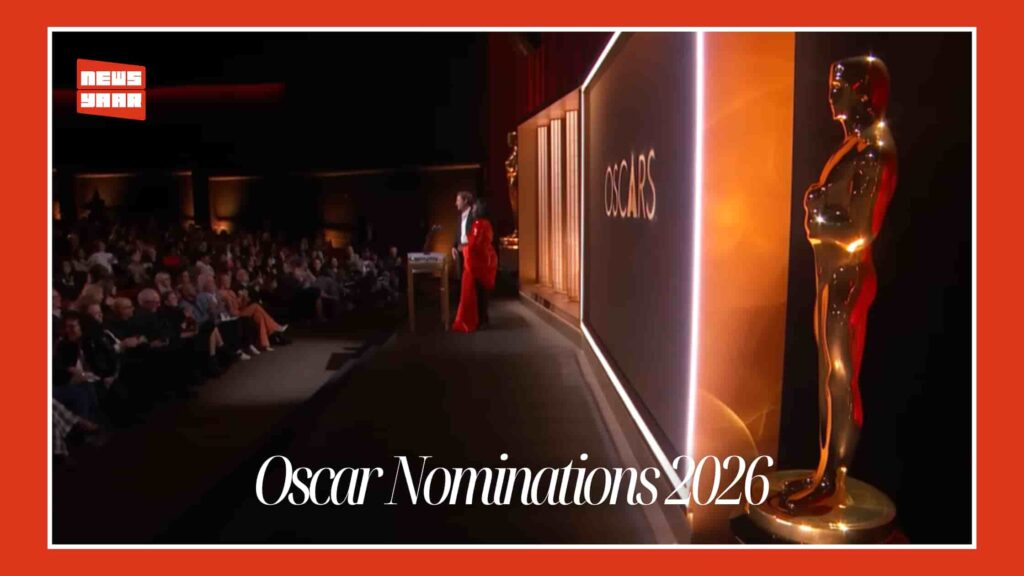
Beverly Hills: The nominations for the 98th Academy Awards were officially announced on Thursday, January 22, 2026, setting the stage for one of the most competitive Oscar races in recent memory. Actors Lewis Pullman and Danielle Brooks revealed the nominees early morning in Beverly Hills, California. The Academy Awards ceremony will take place on March 15, 2026, and will be hosted by Conan O’Brien, airing live on ABC and streaming on Hulu. ‘Sinners’ Dominates the 2026 Oscar Race Ryan Coogler’s ambitious horror drama Sinners emerged as the biggest standout, securing a record-breaking 16 nominations, the highest ever for a single film. Set in 1930s Mississippi, the film stars Michael B. Jordan in a dual role as twins Smoke and Stack, earning him his first-ever Oscar nomination. The film received nominations across major categories, including Best Picture, Best Director, Best Original Screenplay, and multiple acting and technical categories, cementing its place as the frontrunner this year. Close behind is One Battle After Another, which picked up 13 nominations, including Best Picture and Best Actor for Leonardo DiCaprio. First-Time Nominees Shine The 2026 nominations also spotlight a strong wave of first-time acting nominees. Among them are Jacob Elordi (Frankenstein), Delroy Lindo and Wunmi Mosaku (Sinners), Teyana Taylor (One Battle After Another), and several cast members from the Norwegian drama Sentimental Value, including Elle Fanning, Renate Reinsve, and Stellan Skarsgård. Key Oscar Nominations 2026 Best Picture Bugonia F1 Frankenstein Hamnet Marty Supreme One Battle After Another The Secret Agent Sentimental Value Sinners Train Dreams Best Actor (Leading Role) Timothée Chalamet – Marty Supreme Leonardo DiCaprio – One Battle After Another Ethan Hawke – Blue Moon Michael B. Jordan – Sinners Wagner Moura – The Secret Agent Best Actress (Leading Role) Jessie Buckley – Hamnet Rose Byrne – If I Had Legs I’d Kick You Kate Hudson – Song Sung Blue Renate Reinsve – Sentimental Value Emma Stone – Bugonia Best Director Chloé Zhao – Hamnet Josh Safdie – Marty Supreme Paul Thomas Anderson – One Battle After Another Joachim Trier – Sentimental Value Ryan Coogler – Sinners Best Animated Feature Arco Elio KPop Demon Hunters Little Amélie or the Character of Rain Zootopia 2 Best International Feature Film The Secret Agent (Brazil) It Was Just an Accident (France) Sentimental Value (Norway) Sirāt (Spain) The Voice of Hind Rajab (Tunisia) Technical Excellence and Global Storytelling Films like Avatar: Fire and Ash, Frankenstein, and F1 dominated technical categories such as visual effects, sound, costume design, and production design. Meanwhile, documentaries tackling global politics, war, and social change found strong representation in both feature and short documentary categories. Looking Ahead to Oscar Night With blockbuster franchises, intimate international dramas, and politically charged narratives competing side by side, the 2026 Oscars promise a ceremony that reflects both cinematic ambition and cultural relevance. As the countdown to March 15 begins, all eyes will be on whether Sinners can convert its historic nominations into equally historic wins, or if a dark horse emerges on Hollywood’s biggest night.
AP Dhillon’s “One of One India Tour” Sweeps the Country, Turning Concerts into Cultural Events
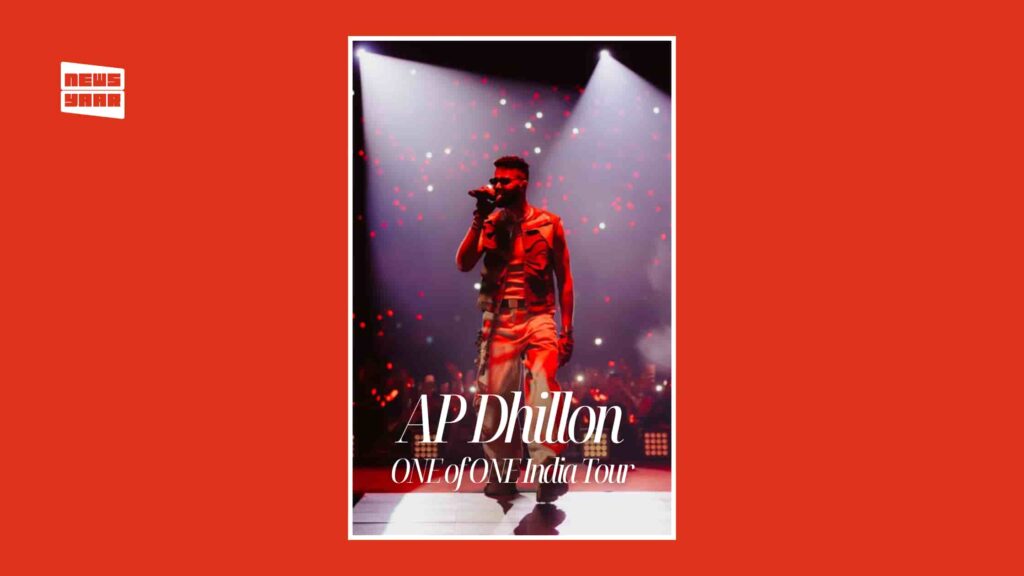
Punjabi-Canadian global star AP Dhillon wrapped up his ambitious “One of One India Tour” after a multi-city run that cut across regions, languages and fan cultures, reaffirming his status as one of the most influential live performers in India’s contemporary music scene. Spanning metros and emerging cultural hubs alike, the tour transformed concert venues into shared spaces of music, identity and youthful expression.More than a string of sold-out shows, the tour unfolded as a pan-India cultural movement, reflecting how Dhillon’s sound — rooted in Punjabi music yet shaped by global hip-hop and R&B — has found resonance far beyond linguistic boundaries. A Nationwide Tour with City-Specific Energy The One of One India Tour 2025–26 covered multiple states and major cities, each responding to Dhillon’s music in its own distinct way.In Mumbai, one of the tour’s most high-profile stops, the concert drew a dense mix of music lovers, industry figures and celebrities. Actress Tara Sutaria’s presence at the Mumbai show added to the buzz, underlining the tour’s crossover appeal beyond music circles. The city’s crowd responded with near-constant sing-alongs, turning tracks like Excuses and Insane into collective anthems.Delhi-NCR witnessed one of the loudest receptions of the tour, with fans arriving hours early and filling the venue to capacity. The capital’s stop stood out for its raw energy and intense fan interaction, with Dhillon frequently pausing to acknowledge placards, flags and fan chants.In Bengaluru, the show reflected the city’s cosmopolitan character, attracting a diverse audience that mirrored Dhillon’s global following. The performance leaned heavily into production finesse — lighting, visuals and sound — creating an immersive experience that resonated strongly with the city’s young, tech-savvy crowd.Hyderabad and Pune saw packed venues as well, reinforcing Dhillon’s growing footprint in India’s non-traditional Punjabi music markets. Fans in these cities responded enthusiastically to both his chartbusters and newer material, underscoring how his appeal has moved well beyond niche audiences.The eastern leg of the tour, particularly Kolkata, stood out for its emotional intensity. Fans from neighbouring states travelled to attend the show, turning it into a regional gathering. Dhillon’s engagement with the crowd here became one of the most shared moments on social media during the tour.The tour concluded in Jaipur, where the finale took on a celebratory tone. The Rajasthan capital witnessed one of the tour’s most talked-about moments when Indian cricketer Abhishek Sharma made a surprise appearance on stage, blending sport and music fandom into a single spectacle and amplifying the concert’s cultural reach.Other cities on the tour included Ahmedabad, Chandigarh and select regional hubs, each adding to the tour’s geographic and cultural spread. Music, Performance and Fan Connection At the heart of the tour was Dhillon’s ability to convert studio hits into high-impact live experiences. Setlists featured fan favourites such as Brown Munde, Summer High, Dil Nu and With You, delivered through tightly choreographed lighting, sharp visuals and controlled stagecraft.Yet what truly distinguished the tour was its fan engagement. Dhillon repeatedly acknowledged the role of Indian audiences in shaping his career, often addressing crowds directly and responding to fan-led chants and moments. This mutual exchange — rather than a one-way performance — gave the concerts a sense of intimacy despite their scale. Digital Buzz and Cultural Visibility The One of One India Tour dominated social media timelines throughout its run. Clips from Mumbai, Delhi, Kolkata and Jaipur trended across platforms, while fan-shot videos, outfit recreations and live reactions extended the tour’s impact far beyond the venues themselves.This digital amplification reinforced Dhillon’s role in normalising Punjabi-led global pop culture within India’s mainstream youth ecosystem, where language barriers increasingly matter less than authenticity and sound. Economic and Cultural Ripple Effect Beyond music, the tour contributed to local event economies, driving footfall for hotels, transport services and nightlife in host cities. For many fans, concerts became weekend travel plans, blending music with urban exploration.Culturally, the tour highlighted how contemporary Indian audiences are embracing artists who operate at the intersection of diaspora identity and homegrown culture, signalling a shift in how Indian pop culture defines success and relevance. A Defining Chapter in AP Dhillon’s India Story By the time the final notes rang out in Jaipur, the One of One India Tour had firmly established itself as more than a promotional run. It stood as a statement of scale, influence and connection — a reminder that live music, when executed with intent, can still create moments that feel personal even in packed arenas. As AP Dhillon looks ahead to new music and future global tours, the India leg of One of One will be remembered as a defining chapter — one that captured a country singing back, city after city, in its own voice.