

‘Laalo’ Makes History: First Gujarati Film to Cross ₹100 Crore Globally, Redefines Regional Cinema Success
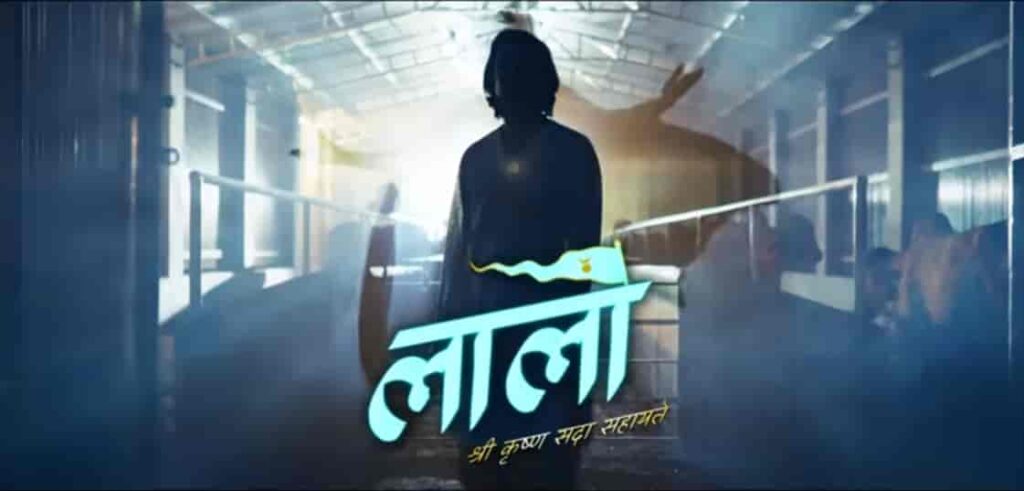
In a landmark achievement for regional Indian cinema, the Gujarati film Laalo has become the first Gujarati movie to surpass ₹100 crore in global box office collections, rewriting the commercial playbook for cinema produced outside the Hindi, Telugu and Tamil film industries. The film’s extraordinary performance — driven by audience enthusiasm, extended theatrical runs and strong word-of-mouth — signals a new chapter in the emergence of Gujarati cinema as a formidable player on the commercial map.Released with modest expectations and a limited budget of around ₹50 lakh, Laalo has earned more than ₹100 crore worldwide, delivering what industry sources describe as an “unprecedented return on investment” and a record-breaking return rate exceeding 16,000 percent. The film’s rise from a low-cost production to a blockbuster underscores the transformative potential of compelling storytelling and strategic audience engagement.Origins and ProductionLaalo was produced on a shoestring budget, typical of many regional films that often prioritise storytelling over scale. Despite financial constraints, the creative team focused on authenticity, cultural specificity and narrative depth. That emphasis helped Laalo resonate deeply with audiences across urban, semi-urban and rural centres — a feat rarely achieved by Gujarati films at this scale.The film also benefited from a distribution strategy that extended well beyond the Gujarati heartland. While its initial release centered on Gujarat and adjacent markets, strong demand from the diaspora and regional film enthusiasts prompted distributors to expand screenings to other Indian states and select overseas markets, including the United States, UK and Gulf countries — regions with significant Gujarati-speaking populations.Box Office BreakthroughLaalo’s journey from a ₹50 lakh budget to ₹100 crore in global collections has become one of the most talked-about stories in Indian cinema. The box-office trajectory was fuelled by:Extended theatrical runs, with the film continuing to draw audiences weeks after releaseMassive word-of-mouth, amplified through social media and community viewing culturesExpanding screen counts domestically and internationally, beyond traditional Gujarati cinema circuitsIndustry analysts highlight that Laalo’s return on investment — more than 16,000 percent — is unprecedented not only in regional cinema but across Indian film industries. Such high ROI underscores both the film’s commercial viability and the untapped market potential for regionally rooted stories that connect with viewers beyond language barriers.Why Audiences Embraced ‘Laalo’The film’s success is not just numerical — it reflects a deeper connection with audiences. Several factors contributed to Laalo’s resonance: Authentic Cultural Narrative: The storyline and character arcs were rooted in regional ethos while addressing themes relatable to broader Indian sensibilities. This balance allowed non-Gujarati viewers to engage with the material without feeling excluded. Strong Word-of-Mouth: Early viewers — particularly community audiences in Gujarat — shared overwhelmingly positive feedback on social media platforms, contributing to sustained interest and repeat viewership. Strategic Release Expansion: Responding to demand from the Gujarati diaspora, distributors widened the film’s reach to key international markets, ensuring that overseas collections became a meaningful part of the film’s total gross. Community Support: The film became a cultural talking point within Gujarati communities nationwide, inspiring group outings, family viewings and promotional support at the grassroots level.Industry and Critical ReactionFilm trade experts and local industry stakeholders were quick to note Laalo’s commercial impact. Many see its performance as a transformative moment for Gujarati cinema’s economic prospects.“The success of Laalo is not just about numbers — it’s about inspiring confidence in investors, distributors and creators,” said a regional film trade analyst. “When a film made on ₹50 lakh can perform like a major studio release, it changes industry calculus.”Critics also gave credit to the film’s ability to balance entertainment with cultural specificity. Reviews highlighted the film’s emotional core and accessible storytelling, noting that Laalo managed to be both regionally authentic and widely appealing.Impact on Gujarati Cinema and BeyondThe success of Laalo has several important implications:Commercial Confidence: Investors and producers are now more likely to back Gujarati projects with higher budgets and wider release plans, expecting viable returns.Distribution Shifts: The industry may see a push for broader distribution networks for regional films, including screenings in non-Gujarati regions.Inspirational Benchmark: Filmmakers in other regional languages may view Laalo’s success as proof that local narratives can become national and international commercial hits.Rise of Regional Content: As audiences seek diverse content, regional films with strong storytelling have a clear opportunity to capture significant market share.Cultural SignificanceBeyond the box office, Laalo has cultural significance. It reflects a broader shift in Indian cinema where regional stories are no longer confined to local markets but are increasingly embraced by diverse audiences. The film’s success amplifies the idea that strong narratives — especially those anchored in distinctive social or cultural textures — can transcend language and geography.For the Gujarati film fraternity, Laalo has become a symbol of possibility — proof that movies rooted in regional identity can make a lasting impact both commercially and critically.Looking AheadEncouraged by Laalo’s unprecedented success, filmmakers and industry stakeholders are recalibrating expectations for regional cinema. Projects with strong scripts, relatable themes and smart distribution strategies are now viewed as capable of competing with mainstream offerings.The milestone achieved by Laalo may well be remembered as the moment Gujarati cinema stepped confidently onto the national stage, reshaping perceptions of what regional films can accomplish at the box office and beyond.
Sunidhi Chauhan I Am Home India Tour 2025 – 26: Here’s Everything You Need to Know
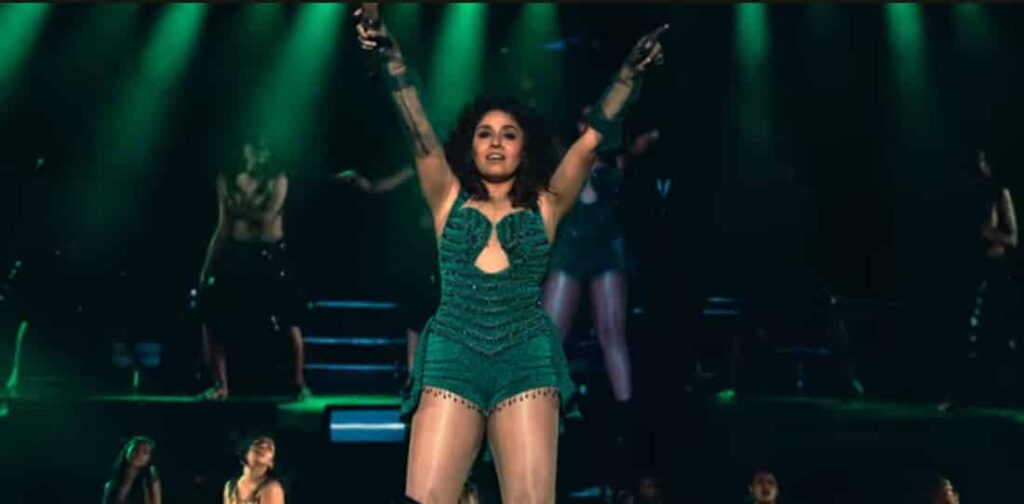
Sunidhi Chauhan’s “I Am Home India Tour 2025-26” electrifies stages across 11 cities, blending her powerhouse vocals with Bollywood hits in a high-energy homecoming after global triumphs. This multi-city spectacle, powered by Mastercard and organized by BAE (ABP Network’s live arm), promises immersive live experiences via District by Zomato tickets.Sunidhi’s Storied CareerIndian playback sensation Sunidhi Chauhan, with over 50 million records sold worldwide, debuted at 13 and exploded with “Ruki Ruki Si Zindagi” from Mast (1999). She’s bagged 3 Filmfare Awards (12 nominations), 2 IIFA, 2 Star Screen, and Zee Cine honors for hits like “Dhoom Machale Dhoom,” “Desi Girl,” “Sheila Ki Jawani,” “Kamli,” “Chhaliya,” and “Beedi Jalaile.” Judging Indian Idol (two seasons) and The Voice India, she’s mentored stars while collaborating globally; 2008’s superhits earned her GR8! FLO Women Award.”I Am Home” Tour LegacyLaunched internationally in 2023, the series sold out Dubai’s Coca-Cola Arena, London’s Wembley (OVO Arena), and Singapore, as well as US spots like Long Beach Convention Center and Hard Rock Live Hollywood. It traces her journey via classics and fresh takes, famed for vibrant energy, live bands, choreography, and bass-heavy immersion.India Tour 2025-26: Full ScheduleKicking off Mumbai (20,000+ crowd, celebs like Imtiaz Ali, Zakir Khan, Nushrratt Bharuccha, Sunil Grover; Alisha Chinai guest), the 11-city run spans Dec 2025–Mar 2026. Three-hour sets mix anthems, ballads, and regional surprises.CityDateVenue (if announced)MumbaiDec 24, 2025Hall No. 6, Nesco Center DelhiDec 27, 2025JLN Stadium (Gate 14) BengaluruJan 17, 2026TBA AhmedabadJan 31, 2026TBA (Gujarati garba hit) ChennaiFeb 7, 2026TBA JaipurFeb 14, 2026TBA ChandigarhFeb 21, 2026TBA IndoreFeb 28, 2026TBA LucknowMar 7, 2026TBA KolkataMar 14, 2026TBA Confirmed Special GuestsSunidhi Chauhan’s “I Am Home India Tour 2025-26” has featured surprise special guests in early shows, elevating the high-energy Bollywood sets. So far, only Mumbai and Ahmedabad have confirmed performers amid the ongoing 11-city run.Mumbai (Dec 24, 2025, Nesco Center): Veteran singer Alisha Chinai made a surprise appearance, performing nostalgic hits like “Tinka Tinka” and “Aaj Ki Raat.” The 20,000+ crowd, including celebs (Imtiaz Ali, Zakir Khan, Nushrratt Bharuccha, Sunil Grover, Avinash Tiwary, Dhvani Bhanushali, Asees Kaur, Salim Merchant), went wild; Alisha later shared her joy on social media.Ahmedabad (Jan 31, 2026): No formal onstage guests, but Gujarati stars Puja Joshi and Geetaben Rabari grooved front-row to Sunidhi’s viral rendition of “Mahisagar ni Aare Dhol Vaage Se,” sparking spontaneous garba, clip exploded online.Official Booking Steps (District by Zomato)Tickets for Sunidhi Chauhan’s “I Am Home India Tour 2025-26” are available exclusively through the District by Zomato platform, with some resellers offering alternatives.Follow these simple steps for most cities (Delhi, Bengaluru, Lucknow, etc.):Download the District by Zomato app (iOS/Android) or visit district.in/events/sunidhi-chauhan/artist.Log in with your phone number, email, or Google/Zomato account; select your city if prompted.Search “Sunidhi Chauhan I Am Home” or pick your city/date from the tour page.Choose seats/tier (e.g., ₹1,500–₹10,000+; varies by city), add-ons like food/drink packages.Complete payment (UPI, cards, wallets); e-tickets emailed instantly—show QR at venue.Presales (e.g., HDFC/Mastercard) may apply early; general sale live since Oct 30, 2025. Expect quick sell-outs post-Mumbai buzz.Tips and AvailabilityAs of Feb 2026, early shows (Mumbai Dec 24, Delhi Dec 27, Bengaluru Jan 17, Ahmedabad Jan 31) likely sold out; later ones (Chennai Feb 7, Jaipur Feb 14, Chandigarh Feb 21, Indore Feb 28, Lucknow Mar 7, Kolkata Mar 14) still have tickets from ₹1,500. Venues serve food/beverages/alcohol on-site. Refunds rare, buy from official sources to avoid fakes.What to Expect?Electric vibes: Nostalgic Bollywood medleys, dance numbers, emotional highs, regional nods (e.g., Ahmedabad’s “Mahisagar ni Aare,” garba dance with Puja Joshi/Geetaben Rabari cheers). Full production, unfiltered Sunidhi, “unstoppable, untamed”, redefining live entertainment via BAE’s “experience-first” ethos.
Chai Over Cocktails: Bhajan Beats and Sober Raves Redefine South Asian Nightlife
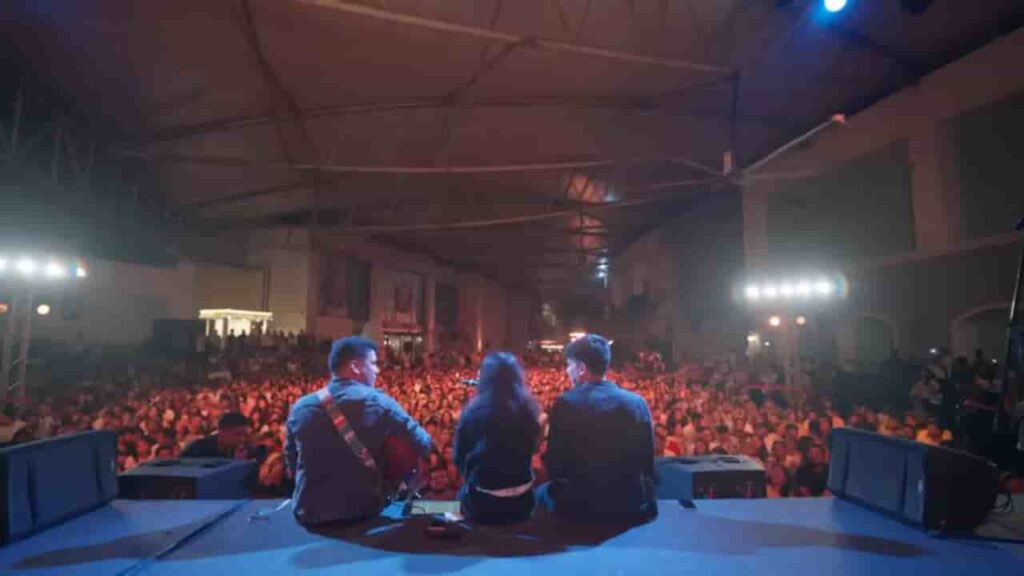
From chai-fueled dance floors in Karachi to devotional DJ drops in Delhi, Gen Z across South Asia is ditching hangovers for halos in a nightlife revolution. This sober, spiritual wave, blending ancient chants with modern beats, is drawing thousands, offering community without chaos and vibes with values.Bhajan Clubbing Takes India by StormIn Visakhapatnam, over 2,000 young fans packed a recent event, grooving to kirtan remixed with electronic percussion, no booze, just pure energy from “Om Namah Shivaya” and Hanuman Chalisa beats. Delhi’s Indira Gandhi Sports Complex hosted the city’s biggest bash in December 2025, with 3,000 attendees under strobes chanting for Shiva, Ram, and Krishna in a three-hour “satsang 2.0.” From Mumbai’s Kallol Café to Lucknow’s Rangreza Festival on Maha Shivaratri, where hundreds fasted and danced to dholak-infused bhajans, the trend is exploding, ticketed, lit-up, and viral on reels.Karachi’s Sober Raves Glow UpPakistan’s scene thrives in regulated spots like sports clubs and cafes, where neon-lit padel courts double as dance floors and events wrap at 10 p.m. sharp under cameras and drones. Women-only nights at places like Third Culture Coffee pack in crowds for desi remixes, fostering safety and shareable joy, tickets at 3,000-7,000 PKR signal real demand. Soft drinks sales surged 27% from 2020-2025, fueling this alcohol-free shift aligned with cultural norms.Trend LocationKey FeaturesCrowd Size (Recent Events)India (Delhi/Vizag)Bhajans + EDM, chai stations2,000-3,000KarachiTechno/des mixes, padel breaksHundreds per venueWhy Gen Z Vibes with ItExperts like psychologist Raksha Rajesh call it “neurological relief”, repetitive chants calm overstimulation from digital life, while psychiatrist Dr. Ashima Ranjan links it to mental health wins: no regrets, genuine bonds, and vagus nerve boosts. Sociologist Gulshan Sihag dubs it “cultural hybridity,” remixing jagratas and Garba for Instagram poets craving rootedness amid chaos. Globally sober-leaning youth find perfect sync here: faith-fueled fun in India, boundary-honoring parties in Pakistan.Past Events for ContextRecent Vizag shows include a January 25, 2026, Art of Living-organized night and a post-2,500-attendee recap hinting at more “bhakti meets beats” sessions soon. No exact venues or tickets listed yet, check local organizers like Bhavika Patel or Instagram for updates as March nears.Known VenuesMoon Bar and Kitchen, VIP Road: Hosted a BhaZen Clubbing debut with DJ sets and devotional beats; RSVPs via 9587192999 for entry.Beach Road: Featured highlights from a major session, drawing crowds for open-air chanting and dancing.Event TrendsPast gatherings linked to Art of Living and Nirvana Station Band suggest indoor sports arenas or large halls for the 2,000+ crowds, with chai stations replacing bars, no fixed “home base” yet, as pop-ups rotate for safety and buzz. A Shared South Asian ShiftFrom DU students picking bhajan dates over dinners, inspired by Virat Kohli reels, to Karachi’s safe, early-end raves, this is presence over escapism. Bhajan clubbing events are gaining popularity in the Vizag area, with specific upcoming dates confirmed for nearby districts. Organizers plan expansions following recent successes drawing thousands.Confirmed DatesVizianagaram District: March 21, 2026 – A state-wide expansion event featuring high-energy bhajans by Nirvana Station Band, blending traditional chants like “Om Namah Shivaya” with electronic beats and prasadam.Visakhapatnam (Vizag): May 2026 – Another major gathering anticipated, building on the viral February event that packed 2,000+ youth.
Valley of Words (VoW), Dehradun: India’s Himalayan Literary & Arts Festival
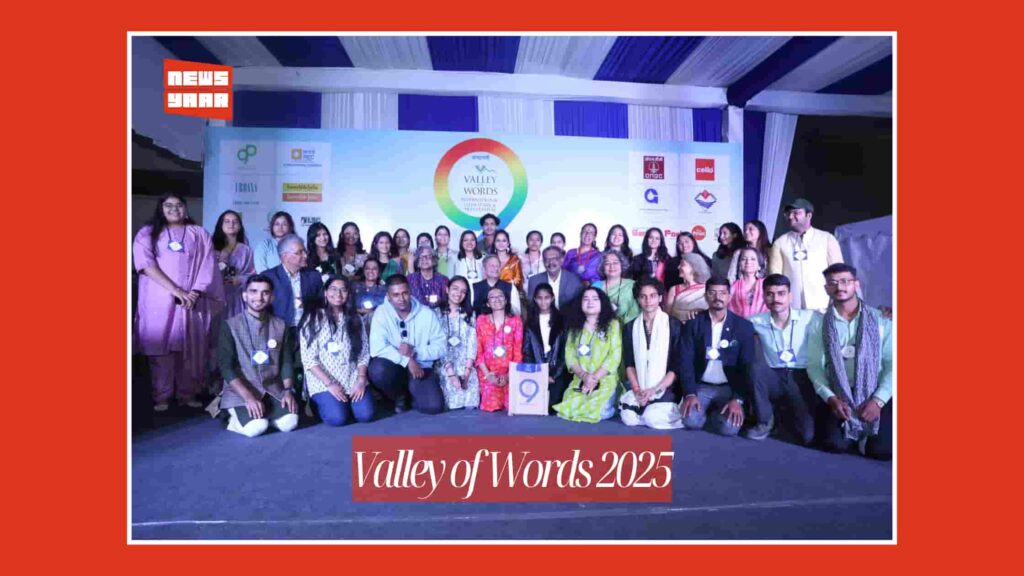
Dehradun, Uttarakhand — Situated in the foothills of the Himalayas, the Valley of Words (VoW) has emerged as one of India’s most distinctive and engaging literature and arts festivals, blending storytelling, artistic expression, debate and critical thought into a rich cultural tapestry that resonates across generations. Launched in 2017 as a not-for-profit, volunteer-driven initiative of The Valley of Words Foundation Trust, the festival has steadily grown into a pan-Indian celebration of literature, arts, ideas and dialogue that draws writers, artists, performers, scholars, students and readers from across the country and beyond. Origins, Mission and Vision Valley of Words — also known as VoW Shabdavali — is rooted in the belief that words matter and that literature and art have the power to challenge assumptions, broaden perspectives, stimulate empathy and foster critical thinking. The festival’s mission emphasises engaging diverse audiences — particularly students and youth — in dynamic conversations that encourage curiosity, creativity and intergenerational exchange, inviting participants to explore ideas that transcend boundaries of language, culture and discipline. Over the last decade, VoW’s programming has embraced a wide spectrum of voices, encompassing fiction, non-fiction, poetry, translation, philosophy, culture, sustainability, history, theatre, music and visual arts. Through this inclusive approach, the festival has become a platform where literature and life intersect — offering spaces where artistic imagination meets social reflection and community engagement. Flagship Festival and Literary Gathering The heart of the Valley of Words initiative is its annual international literature and arts festival in Dehradun, typically held in October each year, though the organisation also hosts year-round events, workshops and thematic sessions to sustain literary engagement throughout the calendar. The festival attracts acclaimed authors, poets, translators, journalists, critics, artists, civil society figures and students for a series of discussions, debates, performances and creative exchanges. The most recent full edition — the 9th Valley of Words International Literature & Arts Festival — took place on October 25–26, 2025, at Hotel Madhuban, Dehradun, commemorating two and a half decades of Uttarakhand’s statehood and underscoring the region’s rich cultural heritage. It was inaugurated by Uttarakhand Governor Lt Gen Gurmit Singh (Retd), who highlighted the festival’s role in elevating regional creativity while fostering national and global cultural dialogue. Festival Features and Programming The Valley of Words festival is not merely a sequence of book readings; it is a multi-faceted cultural experience where ideas, art and performance come together. Its programming typically includes: Panel discussions and conversations on literature, public policy, culture, identity and contemporary issues Poetry readings and storytelling sessions featuring voices in English, Hindi and other Indian languages Book launches, author dialogues and translation forums that explore how stories travel across linguistic and cultural borders Workshops and masterclasses for aspiring writers, translators and students Art exhibitions and showcase events highlighting visual arts, craft and sustainable creatives Music, theatre and performance arts that amplify literary themes through rhythm, movement and performative expression Youth participation initiatives, including debates and interactive forums designed to nurture critical thinking and creative expression among young audiences. A unique feature of VoW has been its exhibitions and curated spaces such as Iti Kriti (sustainable arts and crafts), Iti Smriti (ethical memorabilia) and Iti Lekh (book bazaars and curated reading lists), which blend artistic exploration with cultural dialogue. REC-VoW Book Awards and Literary Recognition A highlight of the festival is the REC-VoW Book Awards, a nationally recognised literary honour that celebrates excellence across genres, languages and age groups. In 2025, more than 600 nominations from over 75 publishing houses were received, and eight authors across categories including English Fiction, Hindi Fiction, Translation, Children’s & Young Adult Literature were selected as winners to be felicitated during the festival. Each award includes a prestigious citation and a cash prize of ₹1 lakh, underscoring the festival’s commitment to recognising and promoting creative excellence in India’s diverse literary landscape. Cultural Impact and Community Engagement Valley of Words stands out for its commitment to inclusive cultural dialogue, ensuring that discussions are accessible not only to literary connoisseurs but also to students, educators, artists and community members. With sessions that often cut across age, language and disciplinary lines, the festival creates an environment where debate, reflection and artistic exchange are central. Beyond its annual flagship event, VoW conducts year-round outreach programmes, including debates, author-at-work sessions, café dialogues and digital engagements, helping sustain an active literary community in Dehradun and beyond. Over 10,000 students join VoW debate platforms annually, and the festival has cumulatively hosted over 365 sessions across multiple years, reflecting its depth and reach. Why Valley of Words Matters In an era of rapid digital consumption and compressed attention, the Valley of Words festival reminds audiences of the transformative power of deep listening, thoughtful dialogue and story-driven inquiry. By bringing together voices from across India and the world, VoW facilitates cross-cultural understanding, intellectual engagement and creative expression — essentials for a society that seeks to think deeply about its past, present and future. The festival’s location in the Himalayan foothills of Dehradun — a city known for its natural beauty, academic institutions and cultural diversity — further enriches the experience, creating a space where ideas can be explored in peace, reflection and community camaraderie. Looking Ahead As Valley of Words continues to grow in stature and scope, organisers are expanding its footprint with satellite events in other cities, thematic literature initiatives and collaborations with educational institutions, cultural organisations and international partners. For lovers of literature and art, the festival remains a must-attend annual gathering, where stories are celebrated, ideas take flight, and the written word continues to shape collective imagination.
Kalinga Literary Festival 2026: Four Days of Ideas, Culture and Literary Confluence in Bhubaneswar
Bhubaneswar, Odisha — January 8–11, 2026: The 12th edition of the Kalinga Literary Festival (KLF) concluded in Bhubaneswar with an expansive celebration of literature, culture and intellectual dialogue, bringing together hundreds of authors, thinkers, poets, translators, artists and public intellectuals from India and abroad. Organised by the Kalinga Literary Festival Pvt. Ltd. under the stewardship of Founder & Director Rashmi Ranjan Parida, the annual gathering has grown into one of India’s most significant literary platforms, bridging regional narratives with global conversations.A Festival with Global Reach and Cultural DepthHeld across multiple venues within Mayfair Lagoon, Bhubaneswar, the four-day festival positioned itself at the intersection of literature, culture, public policy, technology and civilisational thought. With the overarching theme “Stories That Shape Humanity: Translating Worlds, Transforming Futures,” KLF 2026 emphasised translation, narrative power, cross-cultural exchange and the contemporary relevance of storytelling — inviting audiences to explore how literature interacts with identity, technology, democracy, sustainability and performance arts.This edition was also notable for its integration of the 10th Kalinga Art Festival, showcasing visual and performative arts alongside literary dialogues, making the event a richly layered cultural experience.Inauguration and Distinguished GuestsThe festival’s inauguration on January 8, 2026 featured an impressive array of dignitaries and cultural figures:Shri Kanak Vardhan Singh Deo, Deputy Chief Minister of Odisha — Chief GuestDr. Upali Pannilage, Minister of Rural Development, Sri Lanka — Guest of HonourShri Harivansh Narayan Singh, Deputy Chairman, Rajya Sabha — Guest of HonourShri Suryabanshi Suraj, Minister of Culture & Sports, OdishaAmbassador Philip Green OAM, Australia’s High Commissioner to IndiaShri Sujeet Kumar, MP, OdishaDr. Binod Chaudhury, Nepalese industrialist & philanthropistShri Sudarshan Sahoo, Padma Vibhushan awardeeDr. Pratibha Ray, Padma Bhushan awardeeMs. Tanaya Patnaik, Executive Director, Sambad GroupShri Ashok Kumar Bal served as CEO & Patron of KLF, welcoming attendees, while Rashmi Ranjan Parida outlined the vision and cultural significance of the festival.Extensive Speaker Line-up and Influential VoicesKLF 2026 featured a distinguished roster of more than 400 speakers, blending international award-winning figures with prominent Indian writers, artists, commentators and thought leaders. Some of the notable speakers and contributors included:Padma Shri Malini Awasthi – celebrated Indian folk singer and cultural ambassador, anchoring performances that blended literature with music.Daisy Rockwell – award-winning artist, writer and translator whose translations have won international honours.Banu Mushtaq – International Booker Prize winner.Deepa Bhasthi – Booker Prize–winning author and cultural critic.Ram Madhav – strategic thinker, author and political voice.Acharya Prashant – spiritual leader and speaker drawing large audiences.Sudhir Mishra – acclaimed filmmaker engaging on cinema and narrative culture.Tuhin A. Sinha – author and political commentator.Arun Lal – former Indian cricketer and writer, presenting on life, sport and narrative history.Amit Lodha – IPS officer and author known for Bihar Diaries.Priya Arora, Sushil Doshi, Dr. Sajjan Singh Yadav, Swati Pandey, Madhuchhanda Bal and many more talents spanning journalism, poetry, translation, essay, art and cultural criticism.This eclectic mix ensured a multi-disciplinary engagement, encouraging dialogue beyond literature into public policy, society, technology, gender, sustainability and more.Sessions and Programmes: Diverse Ideas in ConversationAcross its four days, KLF 2026 facilitated a rich array of formats — panel discussions, interviews, conversational salons, poetry readings, translation forums, and masterclasses. Highlights included:International Storytelling Panels that explored how translation bridges voices across cultures and languagesGender, Identity & Feminism Discussions led by writers and scholars investigating contemporary literary narrativesPolitics, Democracy & Public Policy Conversations with authors and commentators analysing India’s socio-political frameworkWriting for the Future & AI Forums where evolving technologies and literature intersectedCinema and Story Culture Sessions illuminating how narrative art forms shape public imaginationPoetry and Multilingual Workshops celebrating Indian languages alongside world literaturesThe festival also dedicated space to regional literary traditions, including a focus on Odia literature, storytelling practices, and poetry across borders, acknowledging the cultural depth of India’s myriad languages.Awards, Art and RecognitionAt the opening ceremony, several prestigious honours were conferred in recognition of literary achievement and cultural contribution:International Living Legend Award: Dr. Binod ChaudharyKalinga Literary Award: Shri Achyutananda PatiKalinga International Literary Award: Daisy RockwellKalinga Literary Award (Youth): Ranjana NiraulaOdisha Living Legend Awards: Pandit Harmohan Khuntia, Shri Govardhan DoraSpecial awards including the KLF-Penguin Review Project and KLF-Sambad Book Review AwardsThese recognitions underscored the festival’s commitment to honouring excellence across genres, generations and geographies.Cultural Fusion: Music, Performance, and EngagementBeyond discussions, KLF 2026 integrated music and performance arts. Evening programmes featured performances by Padma Shri Malini Awasthi and other artists, weaving literary themes with folk and classical traditions — a reminder that literature and performance often co-create cultural memory.The festival’s inclusive format also embraced workshops, heritage walks and book launches, turning Bhubaneswar into a vibrant hub of ideas and creative exchange for readers, students and practitioners alike.Why KLF 2026 Holds Special SignificanceThe Kalinga Literary Festival has, over the years, transformed from a regional gathering into a global literary forum where ideas intersect with lived experience and cultural imagination. Rooted in Odisha’s civilisational heritage, KLF continues to expand its reach internationally, with initiatives and editions planned beyond India’s borders, reconnecting ancient cultural ties with contemporary creative discourse.As founder Rashmi Ranjan Parida articulated, the festival reflects a belief that stories do more than entertain — they shape empathy, influence thought and help societies imagine better futures.With its rich programming, diverse voices and deep engagement with literary and cultural themes, KLF 2026 has once again cemented its role as a cornerstone event in India’s literary calendar. The festival not only created spaces for dialogue but also fostered cross-cultural appreciation, making Bhubaneswar a focal point for global conversations on literature and ideas.
SS Rajamouli’s Varanasi: Inside the Making of India’s Most Anticipated Cinematic Epic
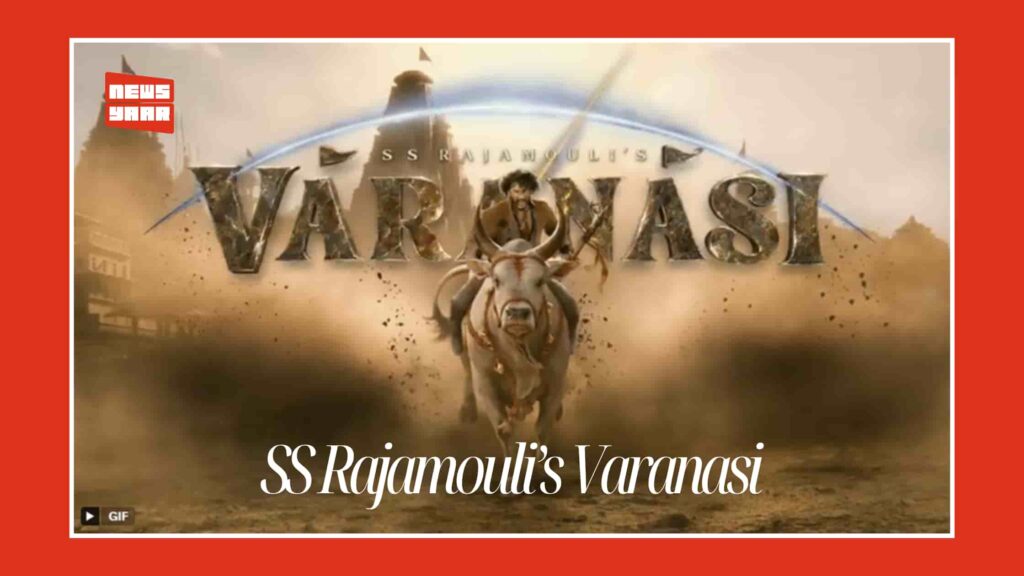
When filmmaker S.S. Rajamouli announces a new project, it is no longer treated as just another film launch — it becomes a national and global cinema event. His upcoming film, widely known as Varanasi (also referred to in industry circles as SSMB29), has already generated extraordinary anticipation, years ahead of its release. The excitement stems not only from its scale, but from the creative forces, thematic ambition and cultural resonance that underpin the project.The Film and Its Creative BackgroundVaranasi is directed by S.S. Rajamouli, India’s most internationally recognised filmmaker, whose previous works Baahubali and RRR redefined the global perception of Indian cinema. The story is written by V. Vijayendra Prasad, Rajamouli’s father and long-time collaborator, known for crafting mythologically rooted narratives that blend emotion, scale and philosophical depth.The film is produced by K.L. Narayana under Sri Durga Arts, with S.S. Karthikeya also attached as producer. Music is composed by M.M. Keeravani, whose long association with Rajamouli culminated in an Academy Award for Naatu Naatu. This core creative team — often described as Rajamouli’s “inner circle” — has consistently delivered landmark cinema, making expectations for Varanasi exceptionally high.Why the Title ‘Varanasi’ MattersThe title itself carries immense symbolic weight. Varanasi, one of the world’s oldest continuously inhabited cities, is deeply embedded in India’s spiritual, philosophical and civilisational consciousness. Often described as a city where life, death, time and faith intersect, Varanasi provides fertile ground for storytelling that transcends linear narratives.While the makers have remained deliberately guarded about plot specifics, official material and early promotional cues indicate that the film draws heavily from Indian mythology, metaphysics and the idea of time as a cyclical force rather than a linear one. This aligns closely with Rajamouli’s filmmaking philosophy — using spectacle not as an end in itself, but as a vessel for larger cultural and emotional ideas.Mahesh Babu in the Lead: A Career-Defining RoleAt the centre of Varanasi is Mahesh Babu, one of Telugu cinema’s biggest stars, making his first collaboration with Rajamouli. This casting alone has amplified anticipation to unprecedented levels. Known for his restrained screen presence and mass appeal, Mahesh Babu is expected to be presented in a radically transformed avatar.According to official descriptions, he plays Rudra, a character whose journey forms the backbone of the narrative. While the exact contours of the role remain undisclosed, Rajamouli has indicated that the character arc is unlike anything Mahesh Babu has portrayed before — both physically and emotionally. Industry observers widely view this as a potential turning point in the actor’s career, positioning him firmly on a global stage.A Global Cast and Pan-Indian VisionAdding to the film’s reach is the inclusion of Priyanka Chopra Jonas, marking her return to Indian cinema in a major theatrical project. Her casting reinforces the film’s global ambition and cross-cultural appeal. Prithviraj Sukumaran is also part of the ensemble, reportedly in a pivotal role, further strengthening the film’s pan-Indian credentials.Rajamouli has consistently emphasised that Varanasi is not confined to a single industry or linguistic identity. The film is being mounted as a pan-Indian and international release, with plans for multiple language versions to ensure broad accessibility.Scale, Technology and Cinematic AmbitionFrom a production standpoint, Varanasi is among the most ambitious Indian films ever attempted. The project is being designed for large-format theatrical experiences, with the makers openly discussing premium visual presentation and immersive storytelling. Extensive pre-production work, advanced visual effects planning and long-term scheduling reflect Rajamouli’s methodical approach to scale.Rather than relying purely on spectacle, the filmmaker has repeatedly stated that technology will serve the story — a principle that has defined his previous successes.Why the Hype Is UnmatchedThe anticipation around Varanasi is driven by several converging factors:Rajamouli’s global credibility following the international success of RRRA mythologically rooted narrative anchored in one of India’s most symbolically powerful citiesMahesh Babu’s transformation in a role crafted specifically for a global audienceA creative team with a proven track record of delivering culturally resonant blockbustersLong-term planning and secrecy, which has only fuelled public curiosityEarly promotional events and visual teasasers have already drawn massive crowds and online engagement, indicating that audience interest is not limited to traditional fan bases.More Than a FilmVaranasi is shaping up to be more than a cinematic release — it represents a broader moment in Indian cinema’s evolution. By blending mythology, philosophy, action and global storytelling grammar, Rajamouli appears poised to once again challenge how Indian stories are told and received worldwide.As production progresses and details gradually emerge, Varanasi continues to stand at the intersection of expectation and ambition — a film that many believe could redefine the scale, scope and global positioning of Indian cinema in the years to come.Video credit: YT@/T-SeriesVideo credit: YT@/T-Series
Delhi Literature Festival 2026: Three Days of Ideas, Culture and Dialogue in the Capital
The 14th edition of the Delhi Literature Festival (DLF) 2026 — one of India’s most vibrant annual literary events — was held from 6 February to 8 February 2026 at the Indira Gandhi National Centre for the Arts (IGNCA) Amphitheatre on Janpath in New Delhi. Spread over three days, the festival served as a confluence of literature, culture, art and public discourse, featuring a rich programme of author interactions, panel discussions, book launches, poetry sessions, performances and special thematic conversations. It is recognised as a key platform for nurturing literary talent, promoting creative expression, and fostering dialogue between writers, thinkers and readers. Origins and Purpose of the Festival First launched in 2013, the Delhi Literature Festival was conceived with the aim of celebrating India’s varied literary heritage and providing an inclusive space for thought leadership and cultural exchange. Over the years it has evolved into a major winter literary gathering that attracts authors, poets, journalists, policy experts, academics, cultural practitioners and enthusiastic readers from across India and abroad. The festival’s programming spans panel discussions, book readings, creative writing workshops, theatre and music performances, poetry recitals, debates, live interviews and thematic sessions that explore literature in its many forms. The festival emphasises the interplay between literature and public life, encouraging discussions that reflect the complexities of contemporary Indian society while also showcasing artistic and narrative innovation. It draws inspiration from Delhi’s long tradition as a cultural and intellectual hub, making it an ideal venue for literary exchange. Dates, Venue and Organisation Festival Name: Delhi Literature Festival 2026 Edition: 14th Dates: 6 February – 8 February 2026 Venue: Indira Gandhi National Centre for the Arts (IGNCA) Amphitheatre, Janpath, New Delhi Organisers: Delhi Literature Festival Organising Committee with support from cultural partners and sponsors The festival was open to the public with free registration, reinforcing its mission to make literature and cultural dialogue accessible to all sections of society. Theme and Programming The 2026 edition was held under the broad theme of “Literature, Culture and Prosperity”, acknowledging the role of literary engagement in shaping cultural understanding, public debate and intellectual flourishing. The festival’s sessions were designed to showcase diverse perspectives while exploring how stories and ideas connect to broader social, artistic and philosophical contexts. Programming was spread across the three days and included a balance of formal discussions and interactive sessions: Panel Discussions and Conversations: Authors, poets, literary critics and scholars participated in in-depth discussions on topics ranging from contemporary fiction and narrative style to cultural heritage, social issues and the future of publishing. Thematic Sessions: Special thematic talks gave voice to pressing subjects at the intersection of literature and society, such as the evolving role of storytelling in a digital era, the political dimensions of writing, and creative responses to cultural change. Cybercrime Awareness Session: Reflecting the festival’s engagement with contemporary realities beyond traditional literary boundaries, a notable session focused on cybercrime awareness, particularly the rise of “digital arrest” scams and online financial fraud. The session featured Nishant Kumar, Director of the Indian Cybercrime Coordination Centre (I4C), in conversation with RJ Purkhaa Tak, underscoring the importance of digital literacy and public vigilance in a rapidly evolving technological environment. Book Launches and Author Interactions: Several book launches and author meet-and-greet sessions were held, allowing readers to engage directly with writers and learn about their creative processes and recent work. Poetry and Performance: Poetry readings and live performances highlighted the expressive dimensions of language and narrative, bringing together established and emerging voices in verse and spoken word. Notable Participants and Voices While the official speakers’ list for DLF 2026 included a range of distinguished authors, thinkers, journalists and artists from across India, some sessions stood out for their depth and public engagement: Literary figures and cultural commentators Journalists and media personalities Policy experts and public intellectuals Emerging writers and poets The festival provided an important space for cross-generational dialogue, with established voices engaging with rising talent and new ideas. Public Engagement and Support The Delhi Literature Festival is supported by cultural organisations, literary associations, sponsor partners and volunteers who contribute to its efficient organisation and outreach. By offering free or accessible entry and a diverse programme, the festival has cultivated a broad audience, including students, professionals, senior citizens and families. Session formats were designed to encourage audience participation through question-and-answer segments, open debates and interactive workshops, making it not just a platform for listening but also for engaging. Why the Festival Matters The Delhi Literature Festival holds a unique place in India’s cultural calendar for several reasons: Promotion of Creative Expression: It celebrates literary creativity in its widest sense — from fiction and poetry to essays and public discourse — and supports writers in sharing their work beyond conventional publishing spaces. Cross-Disciplinary Dialogue: By incorporating contemporary issues such as digital literacy, technology and social questions into its programming, the festival underscores the relevance of literature to everyday public life. Audience Inclusivity: Free and open sessions attract a diverse audience, encouraging an active reading and discussion culture among people from different regions, age groups and backgrounds. Platform for Emerging Voices: Workshops, open mic formats and interactive panels provide opportunities for emerging writers and young thinkers to connect with established figures and build literary communities. Legacy and Future Outlook Since its inception in 2013, the Delhi Literature Festival has grown in influence and scope, becoming a hallmark of India’s literary landscape. The 2026 edition reinforced its commitment to evolving with the times — integrating contemporary subjects, forging new partnerships and encouraging participatory public engagement. As it looks forward to future editions, the festival continues to embrace literature as a space for cultural exchange, critical thinking and collective imagination, reaffirming the enduring power of ideas and storytelling in shaping society.
Hyderabad Literary Festival 2026: A Confluence of Culture, Ideas and Storytelling
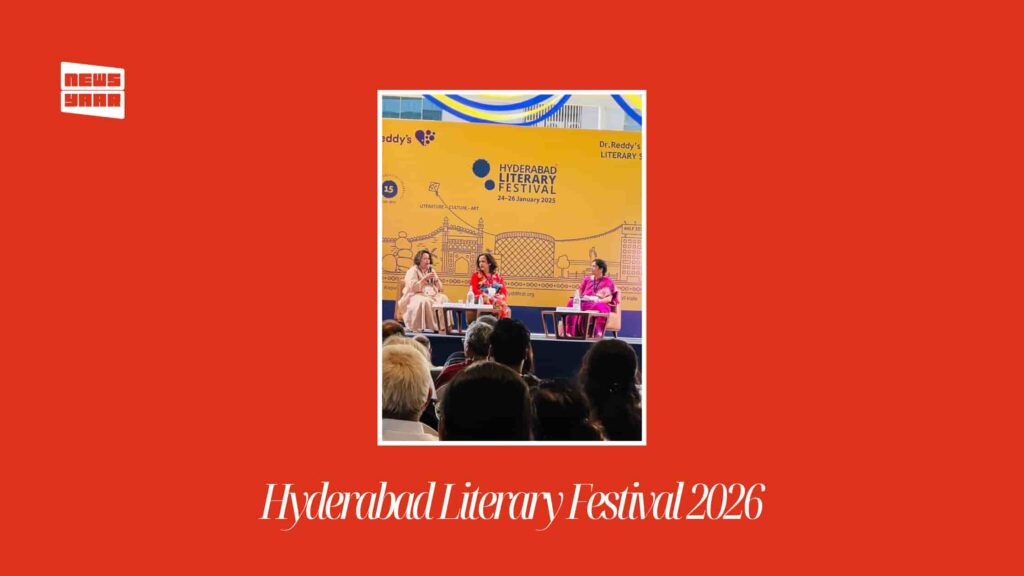
The Hyderabad Literary Festival 2026 — one of South India’s most dynamic and inclusive literary events — was held from January 24 to January 26, 2026, in Hyderabad, Telangana. The annual festival brought together authors, poets, journalists, scholars, artists, translators and readers for three days of conversations, performances, workshops and community engagement revolving around literature, culture, cinema, history, social issues and the arts. The festival’s programming underscored its commitment to diversity, regional voices, multilingual storytelling and public dialogue. Organised by the Hyderabad Literary Trust, the festival has become a cornerstone of the city’s cultural calendar. It invites audiences not only from Hyderabad and other Indian states but also from abroad, positioning the city as a vibrant literary hub that celebrates both regional and global narratives. About the Festival The Hyderabad Literary Festival (HLF) is an annual event initiated with the purpose of promoting reading and writing, nurturing literary talent, fostering cross-cultural exchange, and creating an inclusive space where ideas and stories flourish. Since its inception, the festival has expanded in scale and scope, integrating a wide range of programmes including panel discussions, one-on-one conversations, book launches, poetry recitals, theatre presentations, film screenings, children’s literature sessions and writing workshops. The festival’s charter emphasises multilingual engagement, reflecting Hyderabad’s cosmopolitan ethos. Sessions at the festival are conducted in English as well as other Indian languages — particularly Telugu, Urdu and Hindi — ensuring accessibility for diverse audiences and literary communities. Dates and Venue (2026 Edition) Festival Name: Hyderabad Literary Festival 2026 Edition: Annual literary festival Dates: January 24–26, 2026 Location: Hyderabad (multiple cultural venues across the city) Organiser: Hyderabad Literary Trust For 2026, the festival took place at several venues in Hyderabad, including auditoriums, public libraries, literary centres and cultural institutions. These spaces enabled both curated programmes and interactive audience participation, accommodating literary events for all age groups. Key Highlights of HLF 2026 The 2026 edition of the Hyderabad Literary Festival featured an eclectic mix of sessions and activities. Major highlights included: Conversations with Renowned Authors: Established and emerging writers participated in in-depth discussions about their work, creative processes and the broader role of literature in society. Themes ranged from fiction and poetry to biography and reportage. Panel Discussions on Contemporary Issues: Festival sessions examined pressing social, political and cultural topics, including freedom of expression, climate narratives, migration and identity, digital media’s impact on storytelling, and historical memory. Regional Language Focus: True to its ethos of multilingual inclusivity, HLF 2026 amplified regional language voices — with sessions in Telugu, Urdu and Hindi alongside English. These included poetry recitals, translations showcases and dialogues on local literary traditions. Book Launches and Author Meet-and-Greets: Several new titles were launched during the festival, giving audiences the opportunity to interact with authors directly, participate in Q&A sessions and engage with creative communities. Workshops and Masterclasses: The festival offered a series of workshops aimed at aspiring writers, poets and students. Topics included creative writing techniques, translation skills, narrative structure, publishing insights and editorial craft. Children’s Literature Programme: With dedicated sessions for young readers, storytelling hours, interactive activities and workshops tailored for children and teenagers, the festival encouraged early literary engagement and fostered a reading culture among youth. Performances and Cultural Presentations: Poetry slams, theatre presentations and musical performances complemented the literary offerings, demonstrating how literature intersects with other art forms and live expression. Notable Participants and Voices While the festival featured a wide array of contributors, some notable participants in 2026 included: Indian authors and poets whose works have shaped contemporary discourse Regional language writers celebrated for their contributions to Telugu, Urdu and Hindi literature Journalists and cultural commentators addressing social change and media landscapes Academics and critics offering analytical perspectives on national and global themes Children’s authors and educators engaging young audiences through interactive sessions The diversity of participants underscored HLF’s commitment to providing platforms for both established voices and emerging talent. Why the Festival Matters The Hyderabad Literary Festival matters for a number of reasons: Promotion of Reading Culture: By drawing together writers, readers and cultural enthusiasts, the festival fosters a vibrant environment that encourages reading and literary appreciation across age groups. Multilingual and Inclusive Engagement: HLF’s focus on sessions in multiple languages acknowledges India’s rich linguistic landscape and promotes inclusivity in literary dialogue. Cultural and Intellectual Exchange: With discussions that cross disciplines — from literature and philosophy to social justice and technology — the festival stimulates intellectual exchange and public engagement with complex ideas. Support for Emerging Writers: Workshops, masterclasses and interactive forums provide emerging writers with mentorship opportunities and peer learning experiences, supporting the next generation of creative voices. City as Cultural Hub: For Hyderabad, the festival reinforces the city’s reputation as a thriving centre for culture, arts and literary expression. It contributes to the city’s cultural identity and encourages tourism, academic discourse and community participation. Audience Experience and Participation The 2026 festival welcomed readers, students, families, scholars and visitors from different parts of India. The inclusive programming ensured that sessions were accessible to a wide audience, with free or affordable tickets for select events and open-air activities designed to appeal to casual attendees and serious literature enthusiasts alike. Local institutions — including universities, cultural organisations and libraries — collaborated with the festival to support community outreach, extend programming into public spaces and integrate educational events into school and college schedules. Looking Forward As the Hyderabad Literary Festival continues to grow, its future promises enhanced engagement with national and international literary communities, deeper collaborations across cultures and greater emphasis on digital outreach and hybrid participation. By championing storytelling in all its forms, HLF remains a vital platform for ideas, identity and cultural dialogue in contemporary India.
Grammy Awards 2026: Historic Wins, Major Moments and Full Winners List
The 68th Annual Grammy Awards — the most prestigious honours in the global music industry — were held on February 1, 2026, at the Crypto.com Arena in Los Angeles, California, celebrating outstanding achievements in music released between August 31, 2024, and August 30, 2025. The ceremony was broadcast live on CBS and streamed on Paramount+, marking the final year on these platforms before the broadcast moves to new partners under a long-term agreement beginning in 2027. South African comedian Trevor Noah hosted the event for the sixth and final time, closing a defining chapter in Grammy hosting history. The Grammys are presented annually by the Recording Academy, recognising excellence in recordings, performances, compositions and technical artistry across widespread genres. This year’s event drew major global attention for its historic milestones, genre diversity and broad musical representation spanning rap, pop, Latin, R&B, rock, country and international music. Big Night, Big Winners: Major Awards and Historic FirstsOne of the most notable outcomes of the 2026 ceremony was the Album of the Year award going to Bad Bunny for Debí Tirar Más Fotos, marking the first time a primarily Spanish-language album has won the Grammys’ most coveted prize. The triumph was widely viewed as a cultural milestone, illustrating the expanding global influence of Latin urban music. Record of the Year, which honours the performance and production of a single recording, went to “luther” by Kendrick Lamar and SZA, highlighting one of the year’s most acclaimed songs. Song of the Year, awarded to songwriters, was won by Billie Eilish and Finneas O’Connell for “Wildflower”. Meanwhile, Olivia Dean was named Best New Artist, acknowledging a breakthrough year in her career. Leadership in Nominations and AwardsRap powerhouse Kendrick Lamar led all nominees with nine nominations heading into the night, tying with artists such as Lady Gaga, Jack Antonoff and producer Cirkut in multiple categories. Lamar went on to capture five Grammy wins, the most of any artist at the ceremony, including Best Rap Album for GNX and a second consecutive win for Record of the Year. His victories also extended his standing as the most awarded rapper in Grammy history, surpassing previous record holders through sustained artistic excellence. Full Winners Snapshot: Major CategoriesWhile the Grammys encompass 95 categories covering both popular and specialised areas, the following represents a condensed overview of key awards and winners from the 2026 ceremony:Album of the Year — Debí Tirar Más Fotos (Bad Bunny)Record of the Year — “luther” (Kendrick Lamar & SZA)Song of the Year — “Wildflower” (Billie Eilish & Finneas)Best New Artist — Olivia DeanBest Pop Vocal Album — Mayhem (Lady Gaga)Best Pop Solo Performance — “Messy” (Lola Young)Best Pop Duo/Group Performance — “Defying Gravity” (Cynthia Erivo & Ariana Grande)Best Rap Album — GNX (Kendrick Lamar)Best R&B Album — MUTT (Leon Thomas)Best Rock Album — Songs of a Lost World (The Cure)Best Country Solo Performance — “Bad As I Used to Be” (Chris Stapleton)Best African Music Performance — “Water” (Tyla)(Other winners and full lists are available from Recording Academy sources.) Diverse Recognition Across GenresThe 2026 Grammys celebrated genre diversity and global music influence. Lady Gaga secured wins in both Best Pop Vocal Album and Best Dance Pop Recording for Abracadabra, while artists like Tyler, The Creator and Turnstile were recognised in rock and alternative categories. R&B and hip-hop saw standout wins for Kehlani and Leon Thomas, reinforcing the continued crossover appeal of those genres. Latin, African and reggae music also featured in winners’ circles, reflecting the Recording Academy’s broader emphasis on inclusivity within music’s evolving landscape. Notable moments also emerged outside typical categories; the documentary Music by John Williams, produced by Steven Spielberg and collaborators, earned a win for Best Music Film, crowning him an EGOT recipient — an artist who has collectively won an Emmy, Grammy, Oscar and Tony Award. Additionally, the song “Golden” from KPop Demon Hunters captured Best Song Written for Visual Media, marking a landmark moment for Korean pop integration into major Grammy recognition. Performances, Red Carpet and Broader Cultural ImpactThe 2026 ceremony featured a lineup of performances and presentations spanning multiple music styles and eras. High-profile artists such as Lady Gaga, Justin Bieber, Sabrina Carpenter and others took to the stage, bridging mainstream pop with experimental and genre-blending sounds. The red carpet was equally vibrant, with nominees and attendees showcasing fashion and expression that added to the cultural resonance of the event. While the Grammys are inherently competitive, the 2026 edition was marked by artist statements and moments that transcended music alone, with some performers using their acceptance speeches to touch on social commentary and advocacy, underlining the intersection of art and contemporary issues.Why the 2026 Grammys MatterThe 68th Annual Grammy Awards reaffirmed the ceremony’s position as a bellwether for global music trends, celebrating both commercial success and artistic innovation. From Bad Bunny’s historic Spanish-language Album of the Year to Kendrick Lamar’s record-setting achievements, the event highlighted the industry’s dynamic evolution and the broadening reach of diverse musical voices.As the music world looks ahead, the 2026 Grammys will be remembered for its blend of historic wins, genre-crossing recognition and cultural expression — a testament to the ever-expanding landscape of global music.Video credit: YT@/Recording Academy / GRAMMYsVideo credit: YT@/Recording Academy / GRAMMYs
The Hindu Lit For Life 2026: 14th Edition Brings Literature and Public Discourse to Chennai
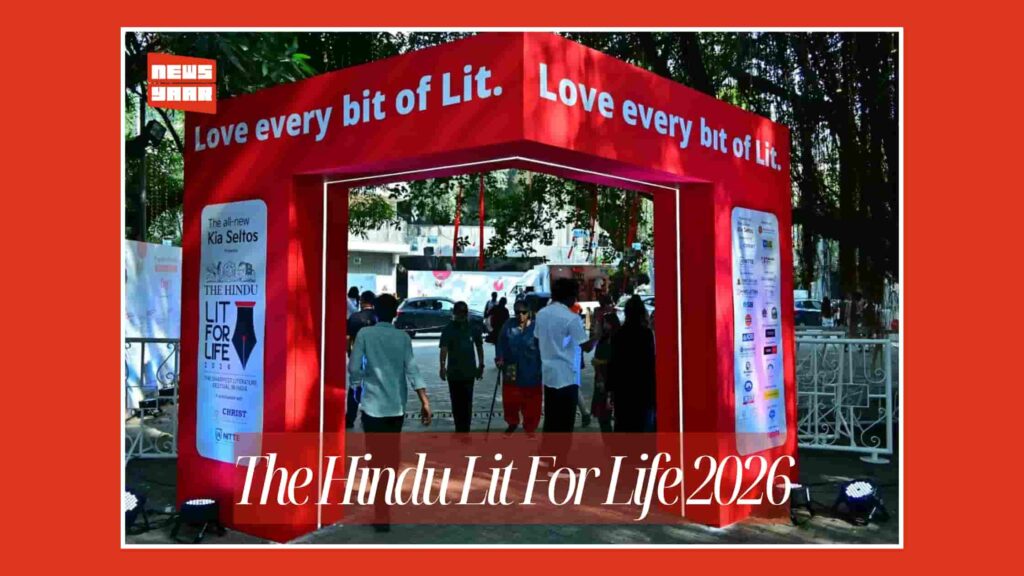
The 14th edition of The Hindu Lit For Life Festival 2026 will be held on January 17 and 18, 2026, at the Sir Mutha Venkatasubba Rao Concert Hall, located within the Music Academy complex in Chennai. Organised by The Hindu Group, the annual literary festival continues its long-standing tradition of bringing together leading writers, thinkers, journalists, artists and public intellectuals for conversations on literature, culture, politics and contemporary society. Over the years, Lit For Life has established itself as one of India’s most respected literary platforms, known for its focus on ideas, public dialogue and intellectual engagement rather than purely commercial book promotion. The 2026 edition marks the festival’s 14th year, reinforcing its position as a key fixture on India’s cultural calendar. About the Festival The Hindu Lit For Life was launched in 2013 as a space for meaningful literary and cultural conversations. Curated and hosted by The Hindu, the festival reflects the publication’s editorial ethos of informed debate, critical thinking and public interest journalism. Each year, the festival brings together voices from diverse fields — literature, politics, cinema, history, journalism, science and the arts — encouraging dialogue across disciplines and perspectives. The Chennai edition has traditionally been a central pillar of the festival, drawing audiences ranging from students and academics to avid readers and cultural practitioners. Dates, Venue and Format Event: The Hindu Lit For Life 2026 Edition: 14th Dates: January 17–18, 2026 Venue: Sir Mutha Venkatasubba Rao Concert Hall, Music Academy, Chennai Organiser: The Hindu Group The festival will feature panel discussions, author interactions, keynote conversations, poetry readings and thematic sessions, spread across two full days. Sessions are designed to encourage audience participation, with ample scope for questions and discussion. Themes and Focus Areas Lit For Life 2026 will focus on the evolving role of literature and ideas in a rapidly changing world. Discussions will span themes such as: Literature and democracy Media, truth and public trust Writing across languages and cultures Memory, history and identity Gender, society and representation The intersection of literature, cinema and popular culture The festival’s programming aims to connect literary discourse with real-world concerns, making it relevant not only to writers and scholars but also to a wider public audience. Speakers and Participants As in previous years, the 2026 edition is expected to feature a diverse lineup of prominent Indian and international writers, journalists, academics and cultural figures. The Hindu traditionally curates sessions that bring together contrasting viewpoints, encouraging nuanced debate rather than consensus-driven discussion. Detailed speaker line-ups and session schedules are released closer to the event. Why Lit For Life Matters At a time when public discourse is increasingly fragmented, The Hindu Lit For Life serves as an important forum for thoughtful, evidence-based conversations. The festival provides space for long-form discussion, critical engagement and intellectual exchange — values that are often underrepresented in fast-paced digital media environments. By hosting the festival in Chennai, a city with a deep literary and cultural legacy, The Hindu reinforces the importance of regional cultural hubs in shaping national conversations. Public Engagement and Accessibility The festival is open to the public, with entry passes available through official channels. Over the years, Lit For Life has attracted a wide demographic — from college students and first-time readers to senior academics and cultural professionals — making it one of the more inclusive literary events in the country. Select sessions are also typically covered extensively by The Hindu, ensuring wider access through news reports, interviews and digital content. Looking Ahead As The Hindu Lit For Life enters its 14th edition, it continues to evolve while staying rooted in its core mission — fostering informed dialogue through literature and ideas. The 2026 edition is expected to further strengthen the festival’s role as a space where literature engages directly with the social, political and cultural questions of the present.