


Halda Festival: A Traditional Himalayan Celebration of Community, Culture and New Beginnings
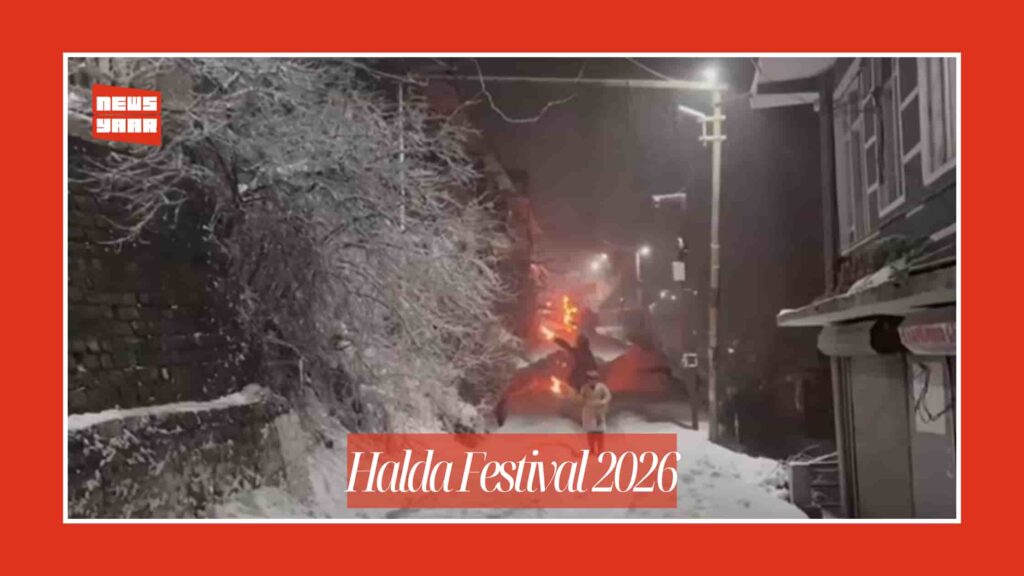
The Halda Festival is an ancient cultural festival observed in the Lahaul-Spiti district of Himachal Pradesh, celebrated each year in January to mark the New Year, strengthen community bonds and seek blessings for prosperity, good harvests and protection against misfortune. The festival holds deep significance for the tribal communities of the region, blending rituals, folklore, music, dance, community gatherings and symbolic fire ceremonies that have been preserved across generations. When and Where It Happens Unlike many fixed-date festivals, the precise dates of the Halda Festival are determined by local spiritual leaders — the Lamas — each year based on traditional observances. The celebrations typically occur during the second and third weeks of January, when Lahaul Valley communities come together to perform age-old customs amid the region’s snowy winter landscape. The festival is especially prominent in the Gahar, Chandra and Pattan valleys of Lahaul-Spiti, which lie along the Chandra and Bhaga river systems. These valleys become vibrant centres of traditional activity as residents participate in Halda’s rituals and social celebrations. In 2026, local administrations and community leaders prepared for the festival’s start around mid-January, with areas like Koksar and Sissu temporarily closing to tourism and non-residents so the festival could proceed without disruption to sacred practices. Origins and Cultural Significance Halda is rooted in the Indigenous Himalayan traditions of the Lahaul-Spiti region, where harsh winters, geographic isolation and agrarian cycles have shaped the cultural calendar over centuries. It is generally understood as a New Year’s festival, a time when communities come together at the peak of winter to renew social ties, offer devotions and symbolically seek protection and abundance for the coming year. The festival is dedicated to Shashikar Apa, a Goddess of Wealth in the local Lamaistic pantheon, revered for bestowing prosperity and well-being upon the community. Families invoke her blessings in traditional rituals and collective gatherings. Rituals, Customs and Celebrations At the heart of Halda is a set of distinctive rituals, most of which revolve around fire, community gatherings and symbolic offerings: Lighting the Halda Torch: Each family cuts branches of pencil cedar (a local conifer) and binds them into bundles called “Halda” — essentially large, hand-made torches. On the festival day, these torches are lit to form a ceremonial fire, which serves as a focal point for community prayers, rituals and collective gatherings in homes or village spaces. Families often prepare a number of torches corresponding to male members in the household, underscoring the personalised and family-centric nature of the ritual. Once lit, residents gather around the fire to sing traditional songs, perform rituals and share food and stories. Music, Dance and Folklore: Halda is marked by vibrant folk music, communal dancing and song, which reflect the cultural heritage of the valley peoples. One of the most distinctive traditional performances is the Asur Dance, presented in some villages (such as Khangsar in the Chandra Valley) on the concluding day. This performance involves dancers wearing masks representing demons (Asur) — a symbolic ritual rooted in local folklore about warding off evil forces. Ritual Offerings and Community Prayers: Residents perform prayers to local deities and ancestral spirits to ensure prosperity, protection and a good agricultural season ahead, even as the stark winter persists. These rites are considered vital for maintaining spiritual harmony and community cohesion. Festive Atmosphere and Social Elements Though the festival is deeply traditional and spiritual, Halda also resembles a period of communal unity and social celebration. Despite the extreme cold and snow that blankets Lahaul in January, people gather to share food, socialize, and celebrate their shared culture. Visitors from other parts of Himachal Pradesh and neighbouring regions often attend the festivities, drawn by the music, dance and unique rituals. In contrast to more commercialised national festivals, Halda remains largely a community-driven cultural observance, with emphasis on shared participation and continuity of local heritage rather than tourism-focused activities. Social and Symbolic Importance The Halda Festival serves several deep cultural and social purposes: Preservation of Indigenous Traditions: Its rituals, music and community practices are a living repository of the traditional values, mythologies and spiritual outlook of the mountain people. Community Solidarity: The collective lighting of the Halda fire, shared songs and communal dances reinforce social unity, mutual support and intergenerational bonds at a time when isolation and harsh climate can strain everyday life. Seasonal Transition Symbolism: Held mid-winter, the festival symbolically marks a moment of hope, renewal and cultural resilience, anticipating the return of spring and the season of growth. Why Halda Festival Matters In an era of rapid cultural change and globalization, the Halda Festival represents a vibrant thread of continuity for Lahaul-Spiti’s unique cultural identity. It preserves ancient rituals, promotes collective memory and sustains traditions that have been passed down through generations. By anchoring community life and seasonal cycles, Halda helps ensure that local customs remain alive even as younger generations navigate the pressures of modern life. For cultural scholars, anthropologists and travellers interested in Himalayan heritage, Halda offers insight into how festival practices, spiritual symbolism and communal cohesion intersect in one of India’s most remote and resilient regions. How to Experience Halda While Halda remains primarily a local observance rooted in tribal and village communities, those wishing to witness aspects of the festival should respect its traditional and spiritual context. Visitors are encouraged to engage respectfully with local practices, understand community norms and appreciate the symbolic significance of rituals rather than treat the festival as mere spectacle.
Delhi Literature Festival 2026: Three Days of Ideas, Culture and Dialogue in the Capital
The 14th edition of the Delhi Literature Festival (DLF) 2026 — one of India’s most vibrant annual literary events — was held from 6 February to 8 February 2026 at the Indira Gandhi National Centre for the Arts (IGNCA) Amphitheatre on Janpath in New Delhi. Spread over three days, the festival served as a confluence of literature, culture, art and public discourse, featuring a rich programme of author interactions, panel discussions, book launches, poetry sessions, performances and special thematic conversations. It is recognised as a key platform for nurturing literary talent, promoting creative expression, and fostering dialogue between writers, thinkers and readers. Origins and Purpose of the Festival First launched in 2013, the Delhi Literature Festival was conceived with the aim of celebrating India’s varied literary heritage and providing an inclusive space for thought leadership and cultural exchange. Over the years it has evolved into a major winter literary gathering that attracts authors, poets, journalists, policy experts, academics, cultural practitioners and enthusiastic readers from across India and abroad. The festival’s programming spans panel discussions, book readings, creative writing workshops, theatre and music performances, poetry recitals, debates, live interviews and thematic sessions that explore literature in its many forms. The festival emphasises the interplay between literature and public life, encouraging discussions that reflect the complexities of contemporary Indian society while also showcasing artistic and narrative innovation. It draws inspiration from Delhi’s long tradition as a cultural and intellectual hub, making it an ideal venue for literary exchange. Dates, Venue and Organisation Festival Name: Delhi Literature Festival 2026 Edition: 14th Dates: 6 February – 8 February 2026 Venue: Indira Gandhi National Centre for the Arts (IGNCA) Amphitheatre, Janpath, New Delhi Organisers: Delhi Literature Festival Organising Committee with support from cultural partners and sponsors The festival was open to the public with free registration, reinforcing its mission to make literature and cultural dialogue accessible to all sections of society. Theme and Programming The 2026 edition was held under the broad theme of “Literature, Culture and Prosperity”, acknowledging the role of literary engagement in shaping cultural understanding, public debate and intellectual flourishing. The festival’s sessions were designed to showcase diverse perspectives while exploring how stories and ideas connect to broader social, artistic and philosophical contexts. Programming was spread across the three days and included a balance of formal discussions and interactive sessions: Panel Discussions and Conversations: Authors, poets, literary critics and scholars participated in in-depth discussions on topics ranging from contemporary fiction and narrative style to cultural heritage, social issues and the future of publishing. Thematic Sessions: Special thematic talks gave voice to pressing subjects at the intersection of literature and society, such as the evolving role of storytelling in a digital era, the political dimensions of writing, and creative responses to cultural change. Cybercrime Awareness Session: Reflecting the festival’s engagement with contemporary realities beyond traditional literary boundaries, a notable session focused on cybercrime awareness, particularly the rise of “digital arrest” scams and online financial fraud. The session featured Nishant Kumar, Director of the Indian Cybercrime Coordination Centre (I4C), in conversation with RJ Purkhaa Tak, underscoring the importance of digital literacy and public vigilance in a rapidly evolving technological environment. Book Launches and Author Interactions: Several book launches and author meet-and-greet sessions were held, allowing readers to engage directly with writers and learn about their creative processes and recent work. Poetry and Performance: Poetry readings and live performances highlighted the expressive dimensions of language and narrative, bringing together established and emerging voices in verse and spoken word. Notable Participants and Voices While the official speakers’ list for DLF 2026 included a range of distinguished authors, thinkers, journalists and artists from across India, some sessions stood out for their depth and public engagement: Literary figures and cultural commentators Journalists and media personalities Policy experts and public intellectuals Emerging writers and poets The festival provided an important space for cross-generational dialogue, with established voices engaging with rising talent and new ideas. Public Engagement and Support The Delhi Literature Festival is supported by cultural organisations, literary associations, sponsor partners and volunteers who contribute to its efficient organisation and outreach. By offering free or accessible entry and a diverse programme, the festival has cultivated a broad audience, including students, professionals, senior citizens and families. Session formats were designed to encourage audience participation through question-and-answer segments, open debates and interactive workshops, making it not just a platform for listening but also for engaging. Why the Festival Matters The Delhi Literature Festival holds a unique place in India’s cultural calendar for several reasons: Promotion of Creative Expression: It celebrates literary creativity in its widest sense — from fiction and poetry to essays and public discourse — and supports writers in sharing their work beyond conventional publishing spaces. Cross-Disciplinary Dialogue: By incorporating contemporary issues such as digital literacy, technology and social questions into its programming, the festival underscores the relevance of literature to everyday public life. Audience Inclusivity: Free and open sessions attract a diverse audience, encouraging an active reading and discussion culture among people from different regions, age groups and backgrounds. Platform for Emerging Voices: Workshops, open mic formats and interactive panels provide opportunities for emerging writers and young thinkers to connect with established figures and build literary communities. Legacy and Future Outlook Since its inception in 2013, the Delhi Literature Festival has grown in influence and scope, becoming a hallmark of India’s literary landscape. The 2026 edition reinforced its commitment to evolving with the times — integrating contemporary subjects, forging new partnerships and encouraging participatory public engagement. As it looks forward to future editions, the festival continues to embrace literature as a space for cultural exchange, critical thinking and collective imagination, reaffirming the enduring power of ideas and storytelling in shaping society.
Hyderabad Literary Festival 2026: A Confluence of Culture, Ideas and Storytelling
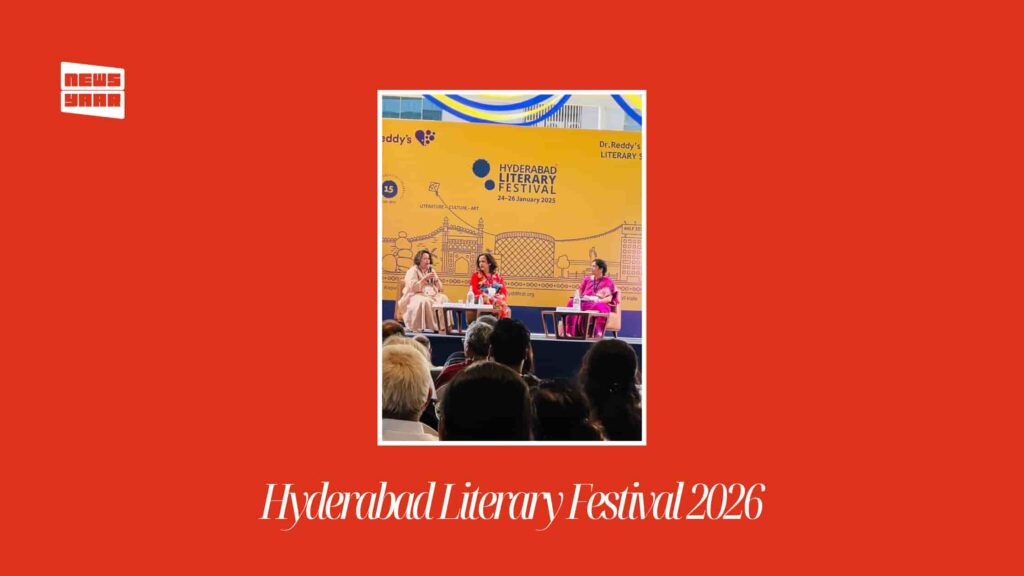
The Hyderabad Literary Festival 2026 — one of South India’s most dynamic and inclusive literary events — was held from January 24 to January 26, 2026, in Hyderabad, Telangana. The annual festival brought together authors, poets, journalists, scholars, artists, translators and readers for three days of conversations, performances, workshops and community engagement revolving around literature, culture, cinema, history, social issues and the arts. The festival’s programming underscored its commitment to diversity, regional voices, multilingual storytelling and public dialogue. Organised by the Hyderabad Literary Trust, the festival has become a cornerstone of the city’s cultural calendar. It invites audiences not only from Hyderabad and other Indian states but also from abroad, positioning the city as a vibrant literary hub that celebrates both regional and global narratives. About the Festival The Hyderabad Literary Festival (HLF) is an annual event initiated with the purpose of promoting reading and writing, nurturing literary talent, fostering cross-cultural exchange, and creating an inclusive space where ideas and stories flourish. Since its inception, the festival has expanded in scale and scope, integrating a wide range of programmes including panel discussions, one-on-one conversations, book launches, poetry recitals, theatre presentations, film screenings, children’s literature sessions and writing workshops. The festival’s charter emphasises multilingual engagement, reflecting Hyderabad’s cosmopolitan ethos. Sessions at the festival are conducted in English as well as other Indian languages — particularly Telugu, Urdu and Hindi — ensuring accessibility for diverse audiences and literary communities. Dates and Venue (2026 Edition) Festival Name: Hyderabad Literary Festival 2026 Edition: Annual literary festival Dates: January 24–26, 2026 Location: Hyderabad (multiple cultural venues across the city) Organiser: Hyderabad Literary Trust For 2026, the festival took place at several venues in Hyderabad, including auditoriums, public libraries, literary centres and cultural institutions. These spaces enabled both curated programmes and interactive audience participation, accommodating literary events for all age groups. Key Highlights of HLF 2026 The 2026 edition of the Hyderabad Literary Festival featured an eclectic mix of sessions and activities. Major highlights included: Conversations with Renowned Authors: Established and emerging writers participated in in-depth discussions about their work, creative processes and the broader role of literature in society. Themes ranged from fiction and poetry to biography and reportage. Panel Discussions on Contemporary Issues: Festival sessions examined pressing social, political and cultural topics, including freedom of expression, climate narratives, migration and identity, digital media’s impact on storytelling, and historical memory. Regional Language Focus: True to its ethos of multilingual inclusivity, HLF 2026 amplified regional language voices — with sessions in Telugu, Urdu and Hindi alongside English. These included poetry recitals, translations showcases and dialogues on local literary traditions. Book Launches and Author Meet-and-Greets: Several new titles were launched during the festival, giving audiences the opportunity to interact with authors directly, participate in Q&A sessions and engage with creative communities. Workshops and Masterclasses: The festival offered a series of workshops aimed at aspiring writers, poets and students. Topics included creative writing techniques, translation skills, narrative structure, publishing insights and editorial craft. Children’s Literature Programme: With dedicated sessions for young readers, storytelling hours, interactive activities and workshops tailored for children and teenagers, the festival encouraged early literary engagement and fostered a reading culture among youth. Performances and Cultural Presentations: Poetry slams, theatre presentations and musical performances complemented the literary offerings, demonstrating how literature intersects with other art forms and live expression. Notable Participants and Voices While the festival featured a wide array of contributors, some notable participants in 2026 included: Indian authors and poets whose works have shaped contemporary discourse Regional language writers celebrated for their contributions to Telugu, Urdu and Hindi literature Journalists and cultural commentators addressing social change and media landscapes Academics and critics offering analytical perspectives on national and global themes Children’s authors and educators engaging young audiences through interactive sessions The diversity of participants underscored HLF’s commitment to providing platforms for both established voices and emerging talent. Why the Festival Matters The Hyderabad Literary Festival matters for a number of reasons: Promotion of Reading Culture: By drawing together writers, readers and cultural enthusiasts, the festival fosters a vibrant environment that encourages reading and literary appreciation across age groups. Multilingual and Inclusive Engagement: HLF’s focus on sessions in multiple languages acknowledges India’s rich linguistic landscape and promotes inclusivity in literary dialogue. Cultural and Intellectual Exchange: With discussions that cross disciplines — from literature and philosophy to social justice and technology — the festival stimulates intellectual exchange and public engagement with complex ideas. Support for Emerging Writers: Workshops, masterclasses and interactive forums provide emerging writers with mentorship opportunities and peer learning experiences, supporting the next generation of creative voices. City as Cultural Hub: For Hyderabad, the festival reinforces the city’s reputation as a thriving centre for culture, arts and literary expression. It contributes to the city’s cultural identity and encourages tourism, academic discourse and community participation. Audience Experience and Participation The 2026 festival welcomed readers, students, families, scholars and visitors from different parts of India. The inclusive programming ensured that sessions were accessible to a wide audience, with free or affordable tickets for select events and open-air activities designed to appeal to casual attendees and serious literature enthusiasts alike. Local institutions — including universities, cultural organisations and libraries — collaborated with the festival to support community outreach, extend programming into public spaces and integrate educational events into school and college schedules. Looking Forward As the Hyderabad Literary Festival continues to grow, its future promises enhanced engagement with national and international literary communities, deeper collaborations across cultures and greater emphasis on digital outreach and hybrid participation. By championing storytelling in all its forms, HLF remains a vital platform for ideas, identity and cultural dialogue in contemporary India.
Pariksha Pe Charcha 2026: 9th Edition — PM Modi Engages Students, Teachers and Parents Nationwide
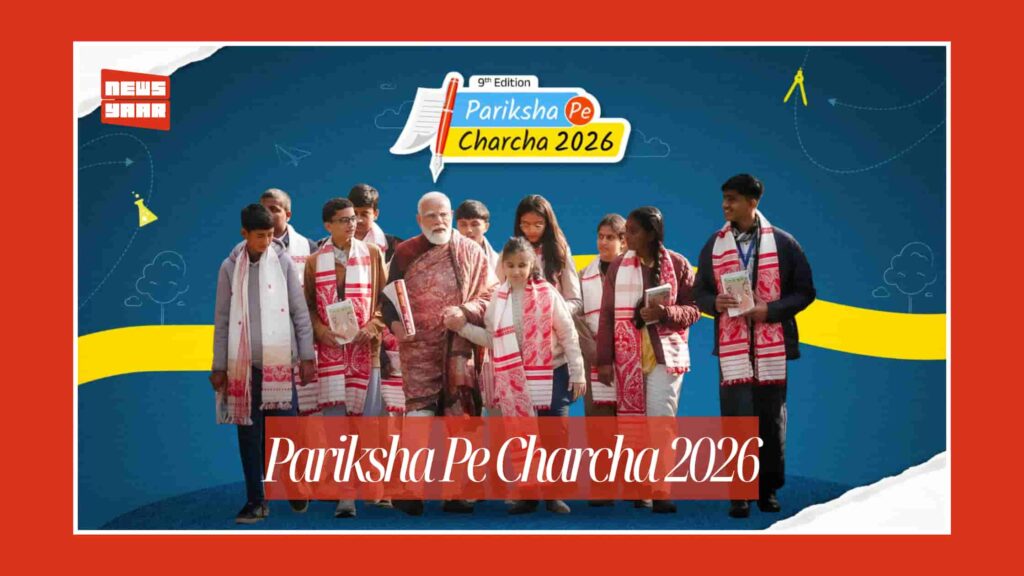
The 9th edition of Pariksha Pe Charcha (PPC) — India’s annual interactive session between Prime Minister Narendra Modi and students, parents and teachers — was held on Friday, February 6, 2026. The event, broadcast live across television and digital platforms, marked a flagship national initiative that addresses examination stress, learning strategies, mental well-being and life skills for learners in the run-up to major board and competitive exams.Organised by the Department of School Education and Literacy under the Ministry of Education, PPC has evolved into one of the most widely followed educational outreach programmes in the country, reaching millions of students across urban and rural India.What Is Pariksha Pe Charcha?Pariksha Pe Charcha — literally “Discussion on Examinations” — is an annual interactive dialogue in which the Prime Minister addresses the concerns of students, parents and teachers about exams, study practices, stress management and future aspirations. First launched in 2018, the initiative aims to transform examination stress into a celebration of learning, encourage confidence and promote a balanced approach to academic life.Over the years, PPC has become a popular platform that reinforces mental well-being and purposeful learning, extending its relevance beyond just study tips to include broader life skills such as time management, resilience, discipline and digital awareness.Date, Format and ParticipationEvent: Pariksha Pe Charcha 2026Edition: 9thDate of Main Interaction: 6 February 2026Organiser: Department of School Education and Literacy, Ministry of Education, Government of IndiaMode: Live broadcast and digital streaming across Doordarshan channels (DD National, DD News, DD India), All India Radio, MyGov.in, official Ministry of Education channels, YouTube, Facebook Live and other portals.The event was conducted in a hybrid and pan-India format, with interactive segments connecting the Prime Minister to learners in multiple cities including Delhi, Coimbatore (Tamil Nadu), Raipur (Chhattisgarh), Devmogra (Gujarat) and Guwahati (Assam), reflecting the nationwide reach of the initiative.Registration and Nationwide ParticipationThe registration process for Pariksha Pe Charcha 2026 opened on 1 December 2025 on the MyGov portal, where students, teachers and parents could apply to participate and submit questions. The registration window closed on 11 January 2026.This year’s edition witnessed a record turnout, with over 4.5 crore registrations from students, parents and teachers. In addition, more than 2.26 crore people participated in associated school-based activities such as debates, quizzes and workshops, taking the overall engagement to approximately 6.76 crore participants nationwide.Educational institutions organised preparatory and follow-up activities such as quizzes, storytelling sessions, motivational talks and awareness programmes as part of the broader run-up to PPC, reinforcing its impact beyond the live broadcast.Key Themes and MessagesDuring the 2026 interaction, Prime Minister Modi addressed a wide range of topics relevant to students’ academic journeys and personal development. The session did not focus solely on examination techniques, but also on holistic growth, well-being and future opportunities:1. Exam Preparation and Strategic LearningPM Modi advised students on effective preparation techniques that emphasised consistent effort, understanding concepts and time management rather than last-minute preparation. He spoke about the importance of building a solid daily routine, disciplined revision and active engagement with study material.2. Stress Management and Mental Well-BeingA central thread of PPC 2026 was the discussion on exam anxiety and stress. The Prime Minister encouraged learners to view exams as milestones in learning rather than stress points, and urged them to maintain a calm, confident mindset. He highlighted practices such as regular breaks, physical exercise, sleep hygiene and supportive family environments to support mental well-being.3. Responsible Use of Technology and Artificial Intelligence (AI)A significant topic for 2026 was the role of technology and AI in education. PM Modi emphasised that students should use AI as a guidance tool to enhance learning, creativity and problem-solving, but warned against over-dependence that might erode independent thinking and effort. He reiterated that discipline, focus and human judgment remain critical to academic success.4. Career Choices and Personal GrowthResponding to student and parent queries about career decisions, the Prime Minister advised learners to explore fields based on their interests, strengths and passions, rather than merely following popular trends. He encouraged self-awareness and thoughtful exploration before choosing professional pathways, highlighting that personal satisfaction and purposeful work contribute to long-term success.5. Broader Life Skills and ValuesBeyond exams, the session touched on broader skills such as leadership, time management, emotional balance, discipline and community contribution — urging students to approach life with curiosity, resilience and empathy. In addressing parents, PM Modi called for supportive, pressure-free environments that allow children to thrive without excessive stress.Interactive Format and Question SelectionStudents and teachers submitted questions through official platforms ahead of the event, allowing the Prime Minister to respond to real concerns from multiple regions and educational backgrounds. The hybrid format enabled live participation from multiple locations, enabling similar levels of engagement across geographic and linguistic diversity.School events and live-streaming sessions, such as those organised in Kamrup Metropolitan district in Assam, facilitated shared viewing experiences, underscoring PPC’s role in fostering community dialogue and collective motivation ahead of examinations.Public and Media EngagementPariksha Pe Charcha continues to attract broad media attention, with national and regional channels covering the event extensively. News outlets provided live coverage, summaries, thematic highlights and expert analysis, ensuring the session’s key messages reached students who were unable to participate live. Social media platforms were abuzz with clips, quotes, study tips and reflections, making PPC both a live conversation and a catalyst for follow-up discussions in classrooms and homes.Why Pariksha Pe Charcha MattersPariksha Pe Charcha has grown into a signature national initiative for several reasons:Nationwide Accessibility: Through free broadcasts on television, radio and digital platforms, PPC ensures that students from all parts of India, including remote and rural areas, can participate.Holistic Focus: The programme combines study tips with guidance on mental health, balanced lifestyles and future readiness, making it relevant beyond examinations.Youth Engagement: By directly involving students in dialogue with the Prime Minister, PPC encourages active engagement, questions and shared learning.Community Impact: Schools and families use PPC as a springboard for broader discussions on stress, career planning and educational values.Scale and Reach: The 2026 edition’s millions-strong participation reflects the event’s evolution into a pan-India
Grammy Awards 2026: Historic Wins, Major Moments and Full Winners List
The 68th Annual Grammy Awards — the most prestigious honours in the global music industry — were held on February 1, 2026, at the Crypto.com Arena in Los Angeles, California, celebrating outstanding achievements in music released between August 31, 2024, and August 30, 2025. The ceremony was broadcast live on CBS and streamed on Paramount+, marking the final year on these platforms before the broadcast moves to new partners under a long-term agreement beginning in 2027. South African comedian Trevor Noah hosted the event for the sixth and final time, closing a defining chapter in Grammy hosting history. The Grammys are presented annually by the Recording Academy, recognising excellence in recordings, performances, compositions and technical artistry across widespread genres. This year’s event drew major global attention for its historic milestones, genre diversity and broad musical representation spanning rap, pop, Latin, R&B, rock, country and international music. Big Night, Big Winners: Major Awards and Historic FirstsOne of the most notable outcomes of the 2026 ceremony was the Album of the Year award going to Bad Bunny for Debí Tirar Más Fotos, marking the first time a primarily Spanish-language album has won the Grammys’ most coveted prize. The triumph was widely viewed as a cultural milestone, illustrating the expanding global influence of Latin urban music. Record of the Year, which honours the performance and production of a single recording, went to “luther” by Kendrick Lamar and SZA, highlighting one of the year’s most acclaimed songs. Song of the Year, awarded to songwriters, was won by Billie Eilish and Finneas O’Connell for “Wildflower”. Meanwhile, Olivia Dean was named Best New Artist, acknowledging a breakthrough year in her career. Leadership in Nominations and AwardsRap powerhouse Kendrick Lamar led all nominees with nine nominations heading into the night, tying with artists such as Lady Gaga, Jack Antonoff and producer Cirkut in multiple categories. Lamar went on to capture five Grammy wins, the most of any artist at the ceremony, including Best Rap Album for GNX and a second consecutive win for Record of the Year. His victories also extended his standing as the most awarded rapper in Grammy history, surpassing previous record holders through sustained artistic excellence. Full Winners Snapshot: Major CategoriesWhile the Grammys encompass 95 categories covering both popular and specialised areas, the following represents a condensed overview of key awards and winners from the 2026 ceremony:Album of the Year — Debí Tirar Más Fotos (Bad Bunny)Record of the Year — “luther” (Kendrick Lamar & SZA)Song of the Year — “Wildflower” (Billie Eilish & Finneas)Best New Artist — Olivia DeanBest Pop Vocal Album — Mayhem (Lady Gaga)Best Pop Solo Performance — “Messy” (Lola Young)Best Pop Duo/Group Performance — “Defying Gravity” (Cynthia Erivo & Ariana Grande)Best Rap Album — GNX (Kendrick Lamar)Best R&B Album — MUTT (Leon Thomas)Best Rock Album — Songs of a Lost World (The Cure)Best Country Solo Performance — “Bad As I Used to Be” (Chris Stapleton)Best African Music Performance — “Water” (Tyla)(Other winners and full lists are available from Recording Academy sources.) Diverse Recognition Across GenresThe 2026 Grammys celebrated genre diversity and global music influence. Lady Gaga secured wins in both Best Pop Vocal Album and Best Dance Pop Recording for Abracadabra, while artists like Tyler, The Creator and Turnstile were recognised in rock and alternative categories. R&B and hip-hop saw standout wins for Kehlani and Leon Thomas, reinforcing the continued crossover appeal of those genres. Latin, African and reggae music also featured in winners’ circles, reflecting the Recording Academy’s broader emphasis on inclusivity within music’s evolving landscape. Notable moments also emerged outside typical categories; the documentary Music by John Williams, produced by Steven Spielberg and collaborators, earned a win for Best Music Film, crowning him an EGOT recipient — an artist who has collectively won an Emmy, Grammy, Oscar and Tony Award. Additionally, the song “Golden” from KPop Demon Hunters captured Best Song Written for Visual Media, marking a landmark moment for Korean pop integration into major Grammy recognition. Performances, Red Carpet and Broader Cultural ImpactThe 2026 ceremony featured a lineup of performances and presentations spanning multiple music styles and eras. High-profile artists such as Lady Gaga, Justin Bieber, Sabrina Carpenter and others took to the stage, bridging mainstream pop with experimental and genre-blending sounds. The red carpet was equally vibrant, with nominees and attendees showcasing fashion and expression that added to the cultural resonance of the event. While the Grammys are inherently competitive, the 2026 edition was marked by artist statements and moments that transcended music alone, with some performers using their acceptance speeches to touch on social commentary and advocacy, underlining the intersection of art and contemporary issues.Why the 2026 Grammys MatterThe 68th Annual Grammy Awards reaffirmed the ceremony’s position as a bellwether for global music trends, celebrating both commercial success and artistic innovation. From Bad Bunny’s historic Spanish-language Album of the Year to Kendrick Lamar’s record-setting achievements, the event highlighted the industry’s dynamic evolution and the broadening reach of diverse musical voices.As the music world looks ahead, the 2026 Grammys will be remembered for its blend of historic wins, genre-crossing recognition and cultural expression — a testament to the ever-expanding landscape of global music.Video credit: YT@/Recording Academy / GRAMMYsVideo credit: YT@/Recording Academy / GRAMMYs
Pravasi Bharatiya Divas 2026: Celebrating the Diaspora’s Enduring Bond with India
Pravasi Bharatiya Divas (PBD), observed annually on January 9, honors the pivotal contributions of the Indian diaspora to India’s progress, marking Mahatma Gandhi’s return from South Africa in 1915 after 21 years, a moment that fueled India’s independence movement. While 2026 marks a non-convention year following the 18th biennial PBD Convention in Bhubaneswar, Odisha (January 8-10, 2025), themed “Diaspora’s Contribution to a Viksit Bharat,” global events and local initiatives continue to strengthen ties with over 35 million Non-Resident Indians (NRIs) and Persons of Indian Origin (PIOs) across 200+ countries.Launched in 2003 by the Government of India, PBD has evolved into a flagship platform since 2015 in its biennial convention format, promoting engagement amid India’s position as home to the world’s largest diaspora. Valued at more than 35 million strong, this community drives diplomacy, trade, technology transfer, and cultural exchange, channeling over USD 120 billion in annual remittances, making India the global top recipient.Objectives and ImpactPBD 2026 emphasizes reconnecting overseas Indians with their roots while leveraging their potential for national growth. Key goals include building trust through direct interactions with Indian leaders and policymakers, encouraging investments in startups, infrastructure, healthcare, and education, and promoting skill-sharing from global experiences. It preserves Indian culture, languages, and traditions among second- and third-generation diaspora members while recognizing achievements through the Pravasi Bharatiya Samman Awards.The impact resonates deeply: it bolsters the diaspora’s global identity, enhances economic participation, and provides grievance redressal forums. By honoring their role in nation-building, PBD motivates sustained contributions, from business ventures to cultural preservation, positioning the diaspora as a bridge for a “Viksit Bharat” (Developed India).Dubai’s Vibrant CelebrationIn the UAE, home to one of the largest Indian communities, the Indian Business and Professional Council (IBPC) Dubai, alongside the Consulate General of India, hosted a standout cultural and thought-leadership evening blending World Hindi Day and PBD observances. The event drew Pravasi Bharatiya Award recipients like IBPC Chairman Siddharth Balachandran and veteran leader Vasu Shroff, highlighting Dubai’s stature as a hub for Indian professional excellence and exchange.Balachandran underscored the UAE’s diverse Indian tapestry, advocating for appreciation of regional languages alongside Arabic to foster coexistence. IBPC Vice Chairman Sunil Sinha stressed language in heritage preservation, while Consul Sunil Kumar urged youth involvement in cultural safeguarding. Dr. Sahitya Chaturvedi, IBPC Secretary General, addressed in Sanskrit, sharing his passion for linguistic promotion. The evening featured poetry recitals, an IBPC member Kavi Sammelan, and musical tributes to Hindi poetry, capturing the diaspora’s vibrant spirit.Looking AheadAs a non-convention year, 2026 relies on embassy-led events worldwide for reflection and dialogue, with the next major gathering slated for the 19th PBD in 2027. Smaller regional interactions may emerge, though official Ministry of External Affairs details remain pending. Amid cricket’s dominance and emerging sports like cycling (e.g., Pune Grand Tour), PBD uniquely spotlights the diaspora’s quiet power in remittances, innovation, and soft diplomacy.This observance reaffirms India’s strategic embrace of its global family, turning historical homecomings into modern partnerships for progress.
The Hindu Lit For Life 2026: 14th Edition Brings Literature and Public Discourse to Chennai
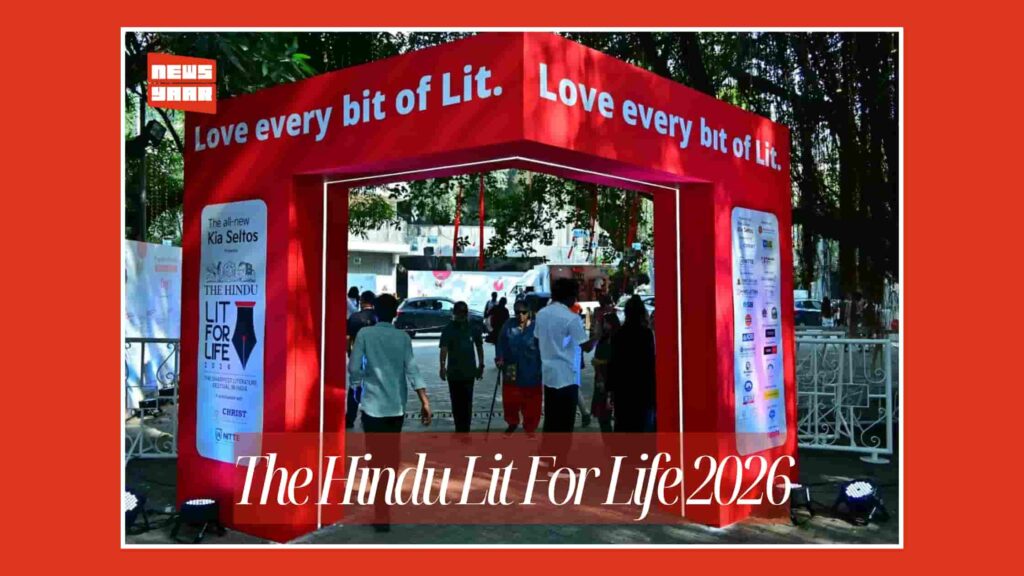
The 14th edition of The Hindu Lit For Life Festival 2026 will be held on January 17 and 18, 2026, at the Sir Mutha Venkatasubba Rao Concert Hall, located within the Music Academy complex in Chennai. Organised by The Hindu Group, the annual literary festival continues its long-standing tradition of bringing together leading writers, thinkers, journalists, artists and public intellectuals for conversations on literature, culture, politics and contemporary society. Over the years, Lit For Life has established itself as one of India’s most respected literary platforms, known for its focus on ideas, public dialogue and intellectual engagement rather than purely commercial book promotion. The 2026 edition marks the festival’s 14th year, reinforcing its position as a key fixture on India’s cultural calendar. About the Festival The Hindu Lit For Life was launched in 2013 as a space for meaningful literary and cultural conversations. Curated and hosted by The Hindu, the festival reflects the publication’s editorial ethos of informed debate, critical thinking and public interest journalism. Each year, the festival brings together voices from diverse fields — literature, politics, cinema, history, journalism, science and the arts — encouraging dialogue across disciplines and perspectives. The Chennai edition has traditionally been a central pillar of the festival, drawing audiences ranging from students and academics to avid readers and cultural practitioners. Dates, Venue and Format Event: The Hindu Lit For Life 2026 Edition: 14th Dates: January 17–18, 2026 Venue: Sir Mutha Venkatasubba Rao Concert Hall, Music Academy, Chennai Organiser: The Hindu Group The festival will feature panel discussions, author interactions, keynote conversations, poetry readings and thematic sessions, spread across two full days. Sessions are designed to encourage audience participation, with ample scope for questions and discussion. Themes and Focus Areas Lit For Life 2026 will focus on the evolving role of literature and ideas in a rapidly changing world. Discussions will span themes such as: Literature and democracy Media, truth and public trust Writing across languages and cultures Memory, history and identity Gender, society and representation The intersection of literature, cinema and popular culture The festival’s programming aims to connect literary discourse with real-world concerns, making it relevant not only to writers and scholars but also to a wider public audience. Speakers and Participants As in previous years, the 2026 edition is expected to feature a diverse lineup of prominent Indian and international writers, journalists, academics and cultural figures. The Hindu traditionally curates sessions that bring together contrasting viewpoints, encouraging nuanced debate rather than consensus-driven discussion. Detailed speaker line-ups and session schedules are released closer to the event. Why Lit For Life Matters At a time when public discourse is increasingly fragmented, The Hindu Lit For Life serves as an important forum for thoughtful, evidence-based conversations. The festival provides space for long-form discussion, critical engagement and intellectual exchange — values that are often underrepresented in fast-paced digital media environments. By hosting the festival in Chennai, a city with a deep literary and cultural legacy, The Hindu reinforces the importance of regional cultural hubs in shaping national conversations. Public Engagement and Accessibility The festival is open to the public, with entry passes available through official channels. Over the years, Lit For Life has attracted a wide demographic — from college students and first-time readers to senior academics and cultural professionals — making it one of the more inclusive literary events in the country. Select sessions are also typically covered extensively by The Hindu, ensuring wider access through news reports, interviews and digital content. Looking Ahead As The Hindu Lit For Life enters its 14th edition, it continues to evolve while staying rooted in its core mission — fostering informed dialogue through literature and ideas. The 2026 edition is expected to further strengthen the festival’s role as a space where literature engages directly with the social, political and cultural questions of the present.
Mathrubhumi International Festival of Letters (MBIFL) 2026: A Global Platform for Literature, Ideas and Cultural Dialogue
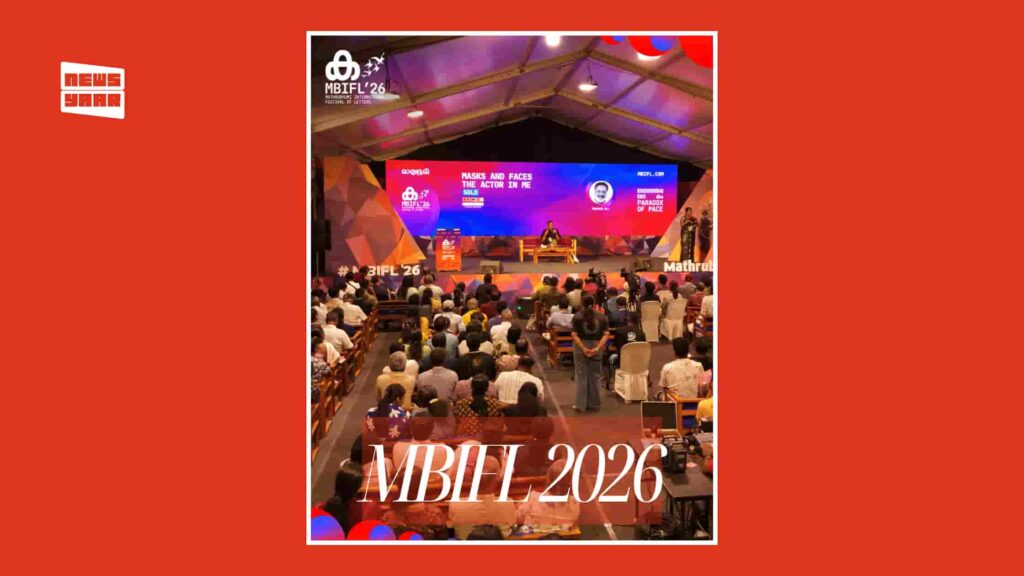
The Mathrubhumi International Festival of Letters (MBIFL) is one of India’s most prominent literary and cultural festivals, conceived as a forum where literature intersects with ideas, society, politics, art and contemporary global discourse. Since its inception, the festival has positioned itself not merely as a celebration of books, but as a festival of conversations, bringing together writers, thinkers, artists, translators, journalists and readers from across India and the world. Organisers and Vision MBIFL is organised by the Mathrubhumi Group, one of India’s oldest and most respected media and publishing houses, with a legacy rooted deeply in Kerala’s literary and socio-political history. Founded in 1923, Mathrubhumi has played a formative role in shaping public discourse in India through journalism, publishing and cultural initiatives. The festival is curated and managed by Mathrubhumi Books and Mathrubhumi Event Division, with the objective of creating a global intellectual space rooted in Indian linguistic and cultural traditions. The organisers have consistently emphasised inclusivity, multilingualism and critical dialogue as the core pillars of the festival. By hosting MBIFL annually in Kozhikode — a city historically known for its openness, trade links and literary heritage — the organisers aim to position Kerala as a global destination for literary exchange and cultural thought. What the Festival Represents Unlike conventional literature festivals focused primarily on book launches or author readings, MBIFL is designed as an idea-driven platform. The festival foregrounds: Literature as a tool for social and political reflection Dialogue between Indian languages and global literatures Translation as cultural mediation rather than mere linguistic conversion Intersections between literature, history, science, cinema, philosophy, environment and democracy The festival actively brings together voices from diverse backgrounds, ensuring representation across geographies, languages, disciplines and generations. MBIFL 2026: 7th Edition — Dates, Venue and Structure The 7th edition of the Mathrubhumi International Festival of Letters (MBIFL 2026) was held from January 29 to February 1, 2026, in Kozhikode (Calicut), Kerala. Spanning four days, the festival featured an extensive programme of discussions, author interactions, panel sessions, workshops and performances hosted across multiple venues in the city. These included auditoriums, cultural centres, academic institutions and public spaces, enabling broad public access. Key Highlights of MBIFL 2026 Global Participation:The 2026 edition featured a strong international presence, with writers, scholars and cultural commentators from Asia, Europe, Africa and the Americas participating alongside leading Indian authors and intellectuals. Multilingual Focus:A defining highlight of MBIFL 2026 was its continued emphasis on Indian languages, particularly Malayalam, alongside English and other global languages. Several sessions focused on translation, linguistic identity and the future of regional literatures in a globalised world. Thematic Conversations:The festival curated discussions around themes such as: Literature and democracy Memory, history and identity Climate change and ecological narratives Migration, borders and belonging The evolving role of storytelling in the digital age These sessions brought together novelists, poets, historians, journalists and activists, encouraging cross-disciplinary dialogue. Translation and Cultural Exchange:Special sessions were dedicated to translation as both a creative and political act, examining how stories move across languages and cultures and how translation shapes global literary circulation. Youth and Student Engagement:MBIFL 2026 placed strong emphasis on engaging young readers and writers through interactive workshops, campus-linked programmes and student-focused discussions, strengthening the festival’s outreach beyond elite literary circles. Performative and Artistic Elements:In addition to discussions, the festival featured poetry readings, literary performances and cultural presentations that blended literature with music, theatre and oral storytelling traditions. Public Access and Media Engagement Many sessions at MBIFL 2026 were open to the public, reinforcing the festival’s democratic ethos. Select discussions were also livestreamed, allowing national and international audiences to engage with the festival remotely. The event attracted significant attention from national and regional media, literary publications and cultural platforms, underlining its growing importance in India’s cultural calendar. Cultural Significance and Impact Over the years, MBIFL has emerged as a key cultural institution that bridges regional and global literary ecosystems. Its impact extends beyond the festival days, influencing reading cultures, translation initiatives and intellectual debates within and beyond Kerala. For Kozhikode, the festival has become a defining annual event, boosting cultural tourism and reinforcing the city’s identity as a centre of ideas, literature and dialogue. Why MBIFL Matters The Mathrubhumi International Festival of Letters stands out because it treats literature not as an isolated art form, but as a living, questioning practice deeply connected to society. In an era marked by polarisation and information overload, MBIFL’s insistence on dialogue, nuance and critical engagement gives it renewed relevance. The 7th edition in 2026 reaffirmed the festival’s role as a space where stories, ideas and languages meet — not to compete, but to converse.
Beating Retreat 2026: A Grand Musical Finale to India’s Republic Day Celebrations
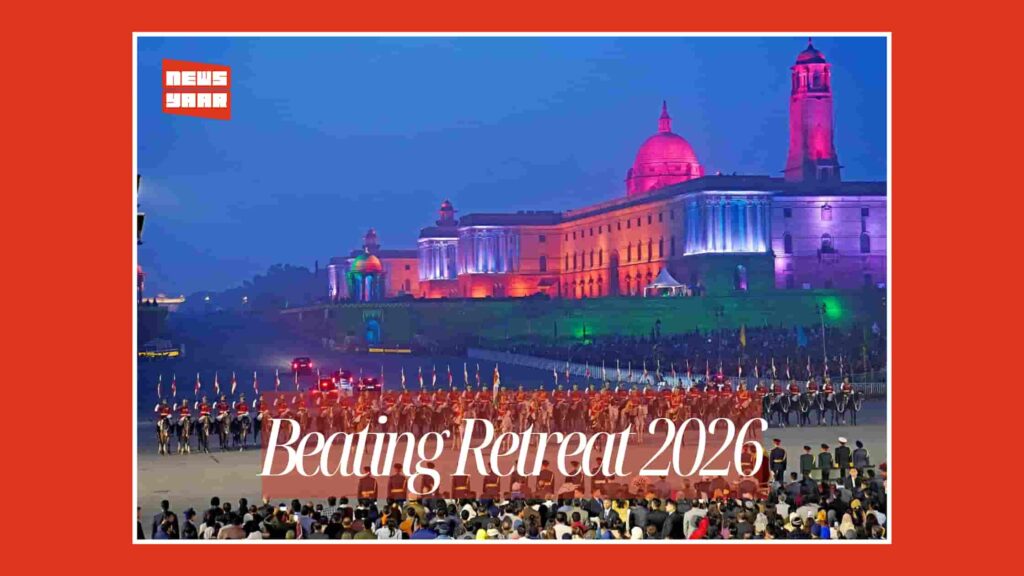
The Beating Retreat ceremony — a time-honoured tradition that marks the official conclusion of India’s Republic Day festivities — was held on the evening of January 29, 2026, at Vijay Chowk in New Delhi. The event, presided over by President Droupadi Murmu in her capacity as Supreme Commander of the Indian Armed Forces, brought to a close several days of national celebration through a stirring display of military music, ceremonial precision and patriotic sentiment. The ceremony was also attended by Prime Minister Narendra Modi, Vice President Jagdeep Dhankhar, senior government officials and distinguished guests. Beating Retreat is held three days after Republic Day (26 January) and traditionally marks the end of India’s four-day long Republic Day celebrations that begin with the Parade on Kartavya Path and culminate in this distinctive evening event. What Beating Retreat Is and Its OriginsThe term “Beating Retreat” originates from a 17th-century military practice in England, when drums and bugles were sounded at sunset to signal troops to retire from the battlefield or return to their quarters for the night. Over time, this evolved into a ceremonial tradition involving massed military bands and formal musical routines. In India, the Beating Retreat ceremony was first introduced in 1955 during the state visit of Queen Elizabeth II and Prince Philip, with efforts led by officers of the Indian Army’s Ceremonial and Welfare Directorate. Since then, it has become a formal annual event integral to Republic Day observances, symbolising both military discipline and national unity. Ceremony Format and Key ElementsBeating Retreat is celebrated against the backdrop of Vijay Chowk — the historic ceremonial venue flanked by the North and South Blocks of the Central Secretariat and the Rashtrapati Bhavan. The ceremony typically begins as the sun begins to set:When the President arrives, she is escorted by the President’s Bodyguard (PBG), a cavalry unit of the Indian Army, and receives a ceremonial salute. This is followed by the playing of the Indian National Anthem (Jana Gana Mana) by the massed bands and the unfurling of the National Flag. The musical programme features performances by a mass formation of bands drawn from multiple services and organisations — including the Indian Army, Indian Navy, Indian Air Force, pipe bands of the Army, Central Armed Police Forces (CAPF) and the Delhi Police bands. These ensembles play a blend of traditional military marches, Indian patriotic tunes and Western compositions. As the sky darkens, bands perform in synchronisation, demonstrating precision drills, compound marches and coordinated formations that reflect the discipline and heritage of India’s armed forces. Many of the musical arrangements incorporate both Western and Indian instruments, honouring the diversity of India’s cultural and military music traditions. A signature moment of the ceremony is the lowering of the National Flag at sunset. This is traditionally accompanied by a bugle call signalling retreat, followed by the martial strains of patriotic tunes such as “Saare Jahan Se Accha” and, in many years, the poignant hymn “Abide With Me”, which has been a fixture at the ceremony due to its historical association with Mahatma Gandhi. Beating Retreat 2026: Highlights and SignificanceThe 2026 ceremony showcased the unity and precision of India’s military and paramilitary bands in a beautifully choreographed musical presentation. As the Republic Day festivities drew to a close, the event reaffirmed the discipline, dedication and professionalism of India’s defence and security forces.Prime Minister Narendra Modi, while attending the ceremony, underscored its importance as a symbol of India’s rich military heritage and traditions, reflecting the nation’s pride in its armed forces and cultural unity. The Beating Retreat ceremony is widely recognised not merely as a military protocol but as a cultural homage to the values enshrined in India’s Constitution — unity, diversity, courage and disciplined service to the nation. It is both a tribute to the armed forces and a reminder of the republic’s democratic ethos.Cultural and Public EngagementFor many citizens and visitors, Beating Retreat represents the emotional climax of Republic Day celebrations, bringing together music, history and ceremonial dignity. The event is open to the public through limited ticketing and live broadcasts, and is followed by celebratory lighting displays across key government buildings in New Delhi, including the North and South Blocks and Rashtrapati Bhavan, enhancing the spectacle for attendees. Authorities in the capital also implement traffic and security arrangements in areas surrounding Vijay Chowk, Kartavya Path and Rafi Marg to ensure public safety and smooth conduct of the ceremony. Why Beating Retreat MattersBeating Retreat holds a unique place in India’s national calendar. Beyond crowd applause and musical grandeur, it encapsulates centuries-old military tradition adapted to contemporary national celebrations. The ceremony bridges historical practice with modern patriotic expression, reinforcing respect for service and sacrifice among citizens.Held every year on January 29, the Beating Retreat does more than end a series of Republic Day events; it symbolises the transition from formal celebration back to the regular rhythms of civic life, leaving an enduring impression of national pride and unity.
Bagurumba Dwhou 2026 in Guwahati: A Historic Celebration of Bodo Culture
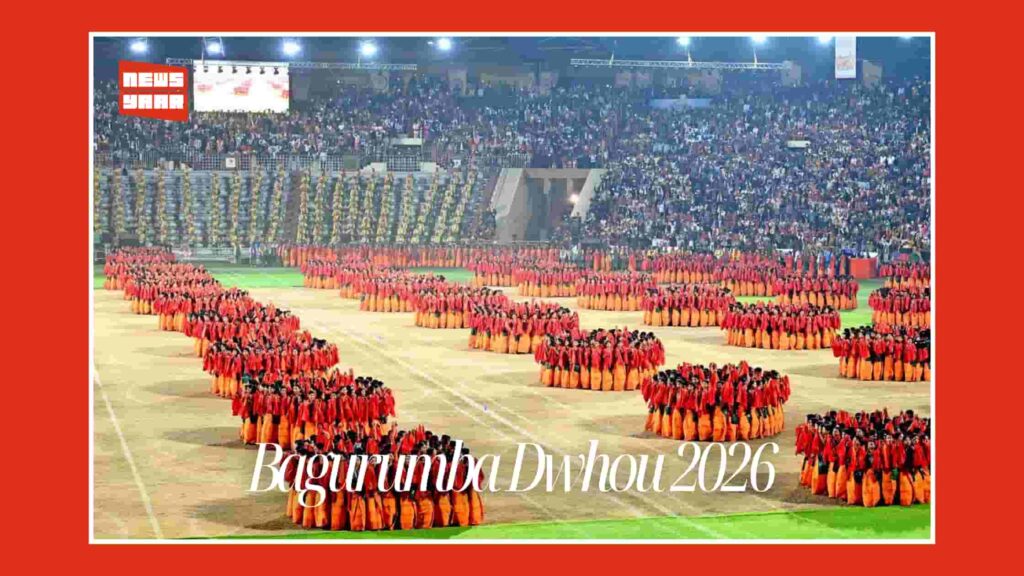
Guwahati played host to one of the most significant cultural events in recent memory on January 17, 2026, when the Bagurumba Dwhou 2026 programme brought together more than 10,000 artistes from across Assam to perform the iconic Bagurumba dance of the Bodo community in a large-scale presentation at the Arjun Bhogeswar Baruah Sports Complex, Sarusajai, Guwahati. The event was held in the presence of Prime Minister Narendra Modi, senior state leaders and cultural representatives, marking a landmark moment for the recognition and celebration of indigenous heritage. What Is Bagurumba Dwhou? Bagurumba is a traditional folk dance of the Bodo community, one of Assam’s oldest and most culturally rich indigenous groups. Often referred to as the “butterfly dance,” this art form draws inspiration from nature — its gentle, flowing movements mimic butterflies, birds, leaves and flowers — and symbolises peace, fertility, joy and collective harmony. Traditionally performed by young Bodo women, with men providing musical accompaniment on instruments such as the kham (drum) and sifung (flute), Bagurumba features dancers in vibrant, hand-woven attire including Dokhona, Jwmgra and Aronai. The term Dwhou in the event’s name refers to a wave or surge, and in this context signifies a grand, synchronised display that takes the traditional dance to an unprecedented scale. Date, Venue and Programme Details Date: January 17, 2026 Venue: Arjun Bhogeswar Baruah Sports Complex (Sarusajai Stadium), Guwahati, Assam The event was preceded by extensive preparations and rehearsals that began in early January, involving hundreds of master trainers and thousands of dancers from across 23 districts of Assam. Participants were brought to Guwahati in the days leading up to the event, with rehearsals starting from January 12 to ensure a coordinated and visually compelling performance. Scale and Artistic Participation Bagurumba Dwhou 2026 was remarkable for its scale. Organisers confirmed that over 10,000 Bodo artistes took part in a single, synchronised performance of Bagurumba, making it one of the largest cultural gatherings of its kind. The dancers represented all 81 Legislative Assembly constituencies across Assam, reflecting the dance’s pan-state cultural reach and unifying spirit. Musical accompaniment was provided by traditional instruments including: Kham (drum) Sifung (bamboo flute) Serja Jatha and Japshring These instruments added rhythmic depth to the choreography and underscored the event’s authenticity and traditional roots. Prime Minister’s Participation and Remarks Prime Minister Narendra Modi attended Bagurumba Dwhou 2026 as part of his official visit to Assam, which also included infrastructure inaugurations and other cultural programmes. On the sidelines of the event, he actively participated, including trying his hand at traditional musical instruments and being felicitated by organisers and artists. In his address, the Prime Minister described the performance as a vibrant celebration of Bodo identity and Assam’s rich cultural heritage. He emphasised that Bagurumba Dwhou was not just a dance festival but a medium to honour the longstanding traditions of the Bodo community and remember its eminent leaders. He paid tribute to figures such as Bodofa Upendra Nath Brahma, Gurudev Kalicharan Brahma, Rupnath Brahma and others, noting their roles in social reform, cultural renaissance and political awakening. The Prime Minister observed that efforts to promote Assamese and Bodo art forms have helped bring the region’s cultural expressions to national and global prominence, noting social media traction and national viewership of the event. Cultural Significance and Tourism Potential Officials and cultural advocates highlighted Bagurumba Dwhou 2026 as a milestone in Assam’s cultural narrative. According to Assam’s Cultural Affairs Minister, the mass performance was executed with structured training involving 25 experts and 400 master trainers, who prepared the dancers for the synchronised choreography that awaited them on the main stage. The event was expected to attract a large audience, with around 14,000 entry passes distributed and arrangements made for LED screens outside the stadium to accommodate additional viewers. Beyond its immediate spectacle, Bagurumba Dwhou 2026 was promoted as a potential draw for cultural tourism. By showcasing one of Assam’s most distinctive traditional art forms on a massive platform, organisers hoped to boost interest in the state’s broader heritage offerings, further enriching tourism prospects. Broader Context of Cultural Promotion The Bagurumba Dwhou follows other major cultural showcases supported by central and state efforts, such as large-scale Bihu and Jhumoir performances in recent years. These have been part of a broader initiative to position Assam’s diverse dance traditions — from the globally recognised Bihu to indigenous forms like Jhumoir and Bagurumba — as symbols of cultural identity and pride. What Bagurumba Represents Bagurumba is more than a dance; it is a visual representation of the Bodo community’s deep connection to nature, harmony and collective joy. Its choreography evokes natural elements — fluttering butterflies, rolling leaves, flowing rivers — and symbolises themes of peace, fertility and community cohesion. While traditionally associated with festivals like Bwisagu (Bodo New Year) and Domasi, the 2026 Dwhou elevated the form from local festivities to a nationwide cultural spectacle. Looking Ahead Bagurumba Dwhou 2026 set a new benchmark for cultural showcases in Assam, demonstrating how traditional art forms can be celebrated at scale and introduced to broader audiences. With global interest in the dance increasing — partly driven by social media engagement and official promotion — the event is likely to spur further presentations of indigenous performing arts from the Northeast.