


PM Modi Inaugurates Rashtra Prerna Sthal in Lucknow: Atal Bihari Vajpayee’s 101st Birth Anniversary
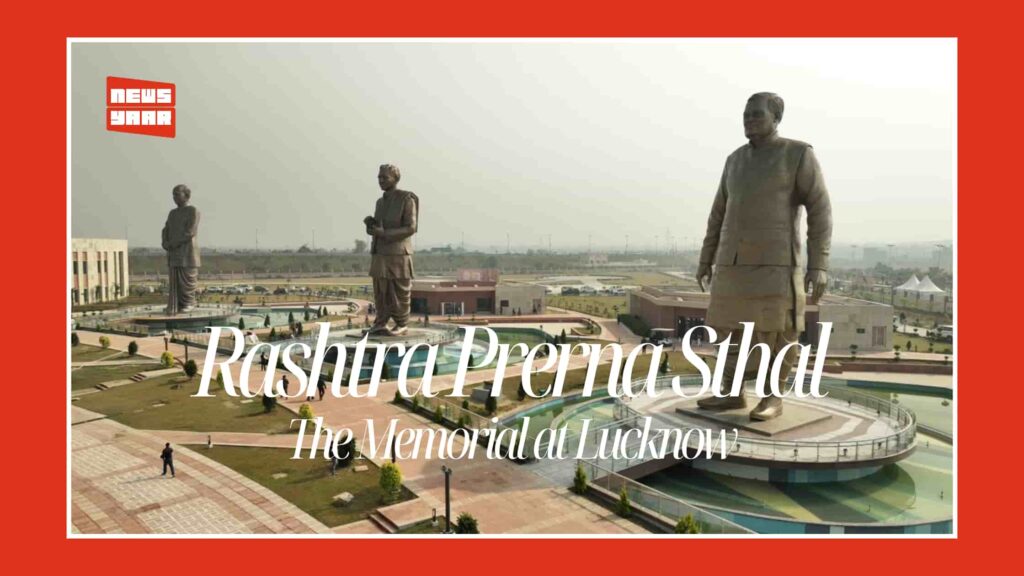
Prime Minister Narendra Modi inaugurated the Rashtra Prerna Sthal in Lucknow, Uttar Pradesh, on Wednesday, a national memorial dedicated to the life, ideals, and legacy of former Prime Minister Atal Bihari Vajpayee. The inauguration coincided with Vajpayee’s 101st birth anniversary, marking December 25 as a day of national remembrance and inspiration.Symbol of Unity, Self-Respect and ServiceAddressing the gathering, the Prime Minister said the Rashtra Prerna Sthal symbolises a vision that guided India towards self-respect, unity, and service. He emphasised that the spirit of Sabka Prayas, collective effort, would play a crucial role in achieving the goal of a developed India.Extending Christmas greetings to the people of India and the world, the Prime Minister acknowledged that millions of Christian families a-cross the country were celebrating the festival. He expressed hope that the occasion would bring happiness, peace, and goodwill to all.Highlighting the significance of December 25, Prime Minister Modi paid tribute to several eminent personalities born on this day, including Bharat Ratna Atal Bihari Vajpayee, Bharat Ratna Mahamana Madan Mohan Malaviya, and Maharaja Bijli Pasi. He said their contributions strengthened India’s unity, cultural identity, and nation-building efforts.The Prime Minister noted that the Rashtra Prerna Sthal has been developed on land that previously housed a massive garbage dump spanning over 30 acres. Over the past three years, the area has been completely cleared and transformed into a modern national memorial. He congratulated the workers, planners, and the Uttar Pradesh government for converting a neglected site into a space of inspiration and national pride.Ideals That Continue to Guide the NationRemembering to the contributions of Dr Syama Prasad Mookerjee, Pandit Deendayal Upadhyaya, and Atal Bihari Vajpayee, the Prime Minister said their ideals continue to guide the nation. He recalled Dr Mookerjee’s role in strengthening India’s unity and said the abrogation of Article 370 ensured the full implementation of the Constitution in Jammu and Kashmir.He further highlighted Pandit Deendayal Upadhyaya’s philosophy of Antyodaya, stating that it has been strengthened through the saturation of welfare schemes to ensure benefits reach every eligible citizen without discrimination. Over the past decade, crores of people have received houses, toilets, tap water connections, electricity, free ration, and healthcare, he said.The Prime Minister also spoke about the expansion of social security coverage, which has increased from around 25 crore beneficiaries before 2014 to nearly 95 crore people today. He cited schemes such as the Pradhan Mantri Jeevan Jyoti Bima Yojana and Pradhan Mantri Suraksha Bima Yojana as key contributors.Recalling Atal Bihari Vajpayee’s tenure, the Prime Minister credited his government with laying the foundation for digital identity, telecom reforms, highway expansion, and metro connectivity. He noted that India is now the world’s second-largest mobile phone manufacturer, with Uttar Pradesh emerging as the leading manufacturing state.Final insights Highlighting Uttar Pradesh’s transformation, he said the state is now known for development, infrastructure, and tourism, with projects such as expressways, defence manufacturing corridors, and the Ram Mandir in Ayodhya shaping its new identity.The event was attended by Uttar Pradesh Governor Anandiben Patel, Chief Minister Yogi Adityanath, Union Ministers Rajnath Singh and Pankaj Chaudhary, along with other dignitaries.Video credit: Narendra Modi
IndiGo’s December 2025 Meltdown: What Really Happened?
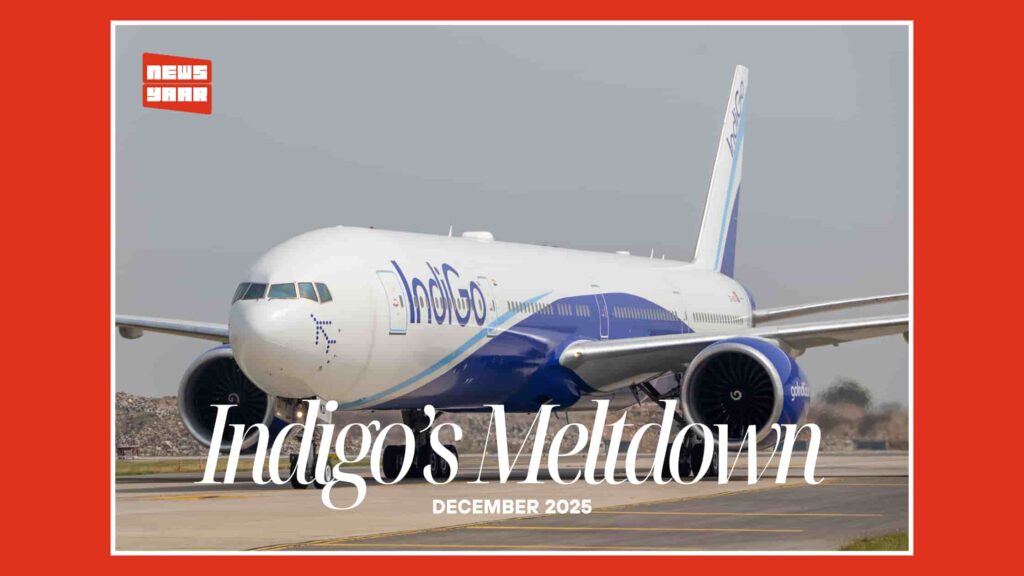
In early December 2025, IndiGo, India’s biggest budget airline, faced one of the worst aviation breakdowns the country has seen in years. Starting around December 2, thousands of flights were cancelled across major cities. Airports were filled with stranded passengers, long queues, and growing frustration. What looked like a crisis was actually the result of a deeper planning failure.Why Did Everything Collapse?The core issue began with new rules introduced by the Directorate General of Civil Aviation (DGCA). These updated regulations required airlines to:Strictly limit pilot flying hoursGive longer rest breaks between flightsReduce fatigue risks, especially on late-night schedulesWhile these rules had been planned for months, it appears IndiGo didn’t reorganise its crew schedules, standby pilots, or rosters in time.The result?Many flights simply had no pilot or co-pilot who was legally eligible to fly. Without meeting DGCA requirements, IndiGo was forced to cancel entire sets of flights, creating a ripple effect across the network.IndiGo flies over 2,200 flights daily, including many night operations. So even a small scheduling disruption hit the airline on a massive scale.The Passenger Impact: A Domino Effect Across IndiaWhat began as a few hundred cancellations quickly escalated. On some of the worst days:550–560 flights were cancelled within hoursBengaluru alone saw around 150 flight cancellationsDelhi, Mumbai, Hyderabad, and Kolkata experienced severe chaosPassengers experienced:Sudden last-minute cancellationsExtremely long lines at help desksDelayed or misplaced luggageStruggles to find alternate flights during the busy winter and wedding seasonHow IndiGo Tried to RecoverFacing public anger, media pressure, and regulatory scrutiny, IndiGo moved into crisis-recovery mode. They claimed rapid improvements:About 1,800 flights were operating again within daysOn-time performance slowly improvedThey released ₹827 crore in refunds to affected passengersBaggage delays and customer complaints were prioritisedMost routes were restored by mid-DecemberThe airline also deployed additional staff to manage queues and customer support.Final Words IndiGo’s December 2025 crisis wasn’t a one-day glitch; it was a major systems failure. Safety rules triggered the disruption, but weak internal preparation turned it into a nationwide travel meltdown. Strong safety regulations must be matched with strong operational readiness. Otherwise, passengers end up paying the price.