


Dubai’s World Governments Summit 2026: Global Leaders Shape Tomorrow’s Governance
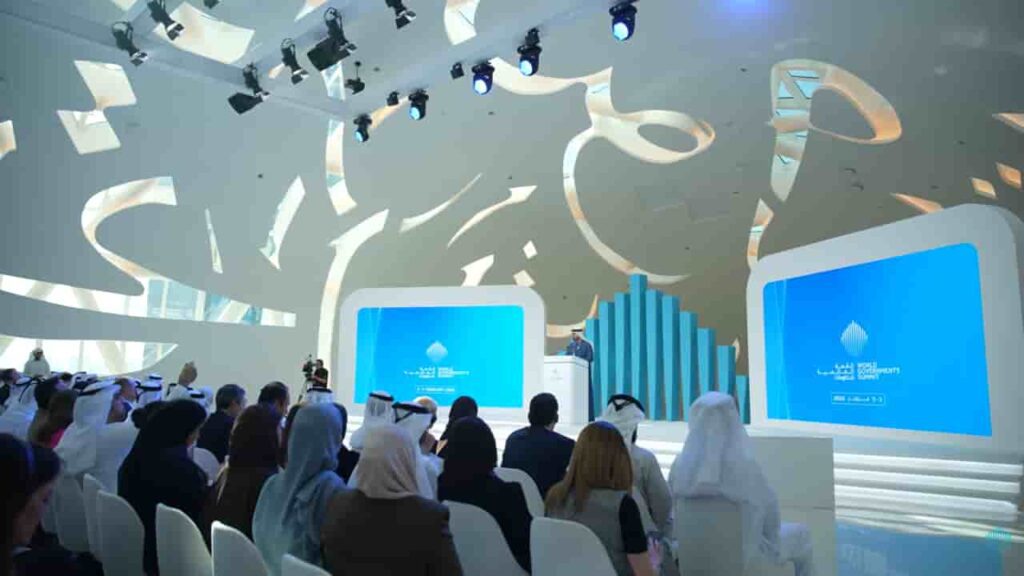
Dubai hosted the landmark World Governments Summit (WGS) 2026 from February 3-5, drawing record crowds under the theme “Shaping Future Governments.” Over 6,000 leaders from 150+ countries gathered for 320+ sessions, creating solutions for AI, sustainability, and resilient economies.Record-Breaking ParticipationThe summit featured more than 35 heads of state, 500+ ministers, and 450+ experts, including delegations from the IMF, IFC, and World Bank. It marked the largest international turnout in WGS history, with 100+ organizations collaborating on 24 specialized forums. Key forums included the New Silk Road Forum, IFC’s Latin America & Caribbean Investment Forum, the 10th International Cooperation Conference with the Association of Caribbean States, and the Future of Economy Forum.Debuting outside Shanghai, the World Laureates Summit (WLS) united Nobel, Turing, and Fields Medal winners like Michael Levitt (2013 Chemistry Nobel), Kip Thorne (2017 Physics Nobel), and John Hopcroft (1986 Turing Award) to tackle global challenges.Star-Studded Speakers LineupCategoryExamplesPresidents/PMsJoko Widodo (Indonesia), William Ruto (Kenya), Mostafa Madbouly (Egypt), Masrour Barzani (Kurdistan Region), Macky Sall (former Senegal)Global Org LeadersNgozi Okonjo-Iweala (WTO), Ajay Banga (World Bank), Catherine Russell (UNICEF), Haitham Al Ghais (OPEC)Tech/BusinessElon Musk, Alexander Karp (Palantir), Klaus SchwabOtherSanjay Gupta (CNN), Idris Elba, Aaron Ciechanover (Nobel Laureate)Speakers spanned presidents, CEOs, and laureates. Heads of government included Indonesia’s Joko Widodo, Kenya’s William Ruto, Egypt’s Mostafa Madbouly, Kurdistan Region’s Masrour Barzani, and the Maldives’ Mohamed Muizzu.Global organization heads: WTO’s Ngozi Okonjo-Iweala, World Bank’s Ajay Banga, UNICEF’s Catherine Russell, OPEC’s Haitham Al Ghais, and NDB’s Dilma Rousseff.Tech and business icons: Elon Musk (Tesla, SpaceX, X), Palantir’s Alexander Karp, WEF’s Klaus Schwab, CNN’s Sanjay Gupta, actor Idris Elba, PepsiCo’s Aamer Sheikh, and Nobel chemist Aaron Ciechanover.Others: Former Senegal President Macky Sall, Cuba’s Manuel Cruz, Sierra Leone’s David Sengeh, Indonesia’s Asman Abnur, Warwick economist Andrew Oswald, and NEA’s William Magwood IV.PwC’s Strategic RolePwC continued as Knowledge Partner, spotlighting the Best Minister Award and Global Ministers Survey. Executives joined closed-door roundtables: Hani Ashkar on Apple’s “AI in Manufacturing” (Day 1), Laurent Depolla on Agility’s “Partnerships for a Sustainable, Intelligent Economy” (Day 2), and Khaled Bin Braik on “The Future of HR in the Era of AI” (Day 3). PwC launched three reports: Anchoring Degrees, Accelerating Skills, Policies Towards a Stackable, Skills-First Ecosystem, Smart Trade Diplomacy, Transport and Logistics Alliances in a Multipolar World, and Harnessing AI to Build Whole-of-Society Resilience, A Blueprint for Governments of the Future.Outcomes and ImpactDiscussions emphasized international cooperation, innovative policies, and empowering next-gen governments amid economic and tech shifts. WLS outcomes were announced on-site, highlighting science-driven fixes for pressing issues.The event reinforced Dubai’s hub status, blending policy discourse with actionable insights for resilient societies.
NGT Greenlights Great Nicobar Mega-Project: Strategic Lifeline or Ecological Gamble?
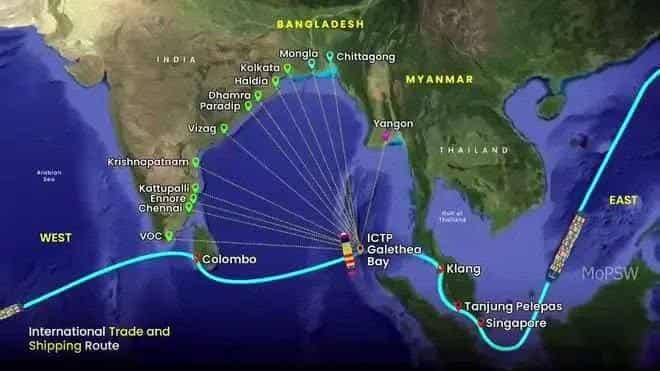
In a landmark ruling, the National Green Tribunal (NGT) on February 16, 2026, upheld environmental clearances for the ₹81,000-92,000 crore Great Nicobar Island development, dismissing petitions citing “strategic importance” and “adequate safeguards,” paving the way for India’s ambitious Bay of Bengal hub amid fierce eco-debates.Project Blueprint: Four Pillars of TransformationSpanning 166 sq km on the 910 sq km island (India’s southernmost at Indira Point), led by Andaman and Nicobar Islands Integrated Development Corp Ltd (ANIIDCO) and NITI Aayog:Dual-Use Airport: Greenfield civil-military strip east of Galathea Bay (4.2 sq km, displacing 379 families); runway north-south over the sea for surveillance near the Six Degree Channel, cutting Port Blair response time by 500+ km; eyes Singapore/Vietnam routes.Transshipment Port: Galathea Bay ICTP challenges Colombo’s monopoly; Leatherback turtle nesting site concerns flagged.Integrated Township: Residential/commercial/tourism/logistics/defense zones; power plant (450 MVA gas-solar).Population Boom: From 6,500 to 3.25L by 2040, 13-15L by 2075, 1L+ jobs projected.NGT bench (Justice Prakash Shrivastava) relied on HPC (ex-secy Leena Nandan) findings: No ICRZ violations, strict compliance mandated.Strategic Imperative in Indo-Pacific Chessboard9km from Sumatra, hugging Malacca Strait trade lanes (80% of India’s oil), Great Nicobar bolsters QUAD/Andaman chain vs. China’s String of Pearls. Dual-use airport enables fighter ops, quick IOR response; port slashes foreign transshipment reliance (₹50,000 cr savings/yr est.). Eco-tourism/scientific hubs eyed, with DPR noting minimal low-alt hill flights.Key Directives on Construction & CoastlineNo Erosion or Shoreline Changes: All activities, including foreshore development, must prevent erosion or adverse coastal alterations across project areas and nearby islands.Preserve Sandy Beaches: Absolute protection for turtle/bird nesting sites, no loss permitted, recognizing their role as natural barriers.Wildlife & Species ProtectionEnvironmental clearance conditions explicitly shield:Leatherback sea turtles (Galathea Bay nesting).Nicobar megapode, saltwater crocodiles, robber crabs, Nicobar macaques, and endemic birds.Long-term monitoring is required for forests, coral reefs, and water quality.Compliance & Tribal MeasuresBinding EC Conditions: Government must enforce all original safeguards without violation at any stage, HPC verified adequacy.Tribal Safeguards: Resettlement honoring pre-tsunami patterns; restricted construction access; include Tribal Councils (Great/Little Nicobar) per Forest Rights Act 2006.Ongoing OversightIndependent ecological audits are mandated.Violations trigger penalties/remediation.NGT emphasized these as non-negotiable for the ₹81,000 cr airport/port/township push on 130 sq km forest land.Ecological & Social StormForest/Wildlife Hit: 130 sq km diversion (14% island), ~1M trees felled; Great Nicobar Biosphere Reserve impacts, Shompen/Nicobarese tribes (84 sq km land) at risk.Critics Cry Foul: Petitions highlighted turtle bays, river deltas; NGT deems safeguards (e.g., no CRZ breaches) sufficient.Population Pressure: 6.5L by 2050 strains fragile marine/forest ecosystems.ANIIDCO insists on mitigation: Site grading, sea-path flights. NGT: “Strategic needs outweigh; monitor compliance.NGT safeguards for the Great Nicobar project aim to protect the vulnerable Shompen tribe—a Particularly Vulnerable Tribal Group (PVTG) of ~200 semi-nomadic hunter-gatherers—primarily by enforcing spatial, surveillance, and legal isolation from project activities, though critics argue enforcement gaps persist.Core Spatial & Access ProtectionsNo Habitat Disturbance: Project explicitly bans encroachment into Shompen settlements, core zones (Galathea/Alexandrina Rivers), or traditional foraging areas—130 sq km forest diversion excludes their 84 sq km reserve.greentribunal+1Geo-Fencing & Surveillance: Towers and restricted entry zones encircle tribal habitats to prevent outsider contact, minimizing disease transmission risks (past epidemics decimated PVTGs like Jarawas).Oversight & Welfare MandatesDepartment of Tribal Welfare (DTW) Lead: Monitors safety, provisions (non-invasive food at Campbell Bay hospital), and rights under Andaman & Nicobar (Protection of Aboriginal Tribes) Regulation 1956, no exploitation of reserve resources by non-tribals.NCST Consultation: Article 338A(9) compliance verified; Forest Rights Act 2006 gram sabha inclusion for PVTGs, though implementation historically lags (“Nil” FRA progress reported).Isolation Protocols: No permanent non-tribal/Govt residences in reserve; temporary camps only for welfare/research; cross-infection barriers in healthcare.Legal & Compliance BackboneNGT/HPC upheld 2022 EC conditions as “adequate”: Independent audits, penalties for violations, tribal council involvement (Great/Little Nicobar). Pre-tsunami resettlement patterns honored; Shompen rights (hunting under Wildlife Act amendment) preserved.Lingering ConcernsAnthropologists warn of indirect threats (fragmented forests, population influx to 3L+ by 2040, disrupting semi-nomadic life); NGT mandates monitoring but lacks PVTG-specific veto power, compliance now pivotal for ~181 Shompen across 56 households.Path ForwardClears legal logjam post-2022 EC; HPC revisited 2023 concerns. Investments (₹1L cr+) promise jobs/hotels but hinge on tribal consent, monitoring.As “India’s Hong Kong,” Great Nicobar eyes global tourism map, balancing security surge with island fragility.
Tata Motors Inaugurates ₹9,000 Crore JLR Manufacturing Plant in Tamil Nadu: A Major Boost to India’s Auto Sector

In a significant milestone for India’s automotive manufacturing landscape, Tata Motors today inaugurated its new Jaguar Land Rover (JLR) car manufacturing plant in Ranipet, Tamil Nadu. The state-of-the-art facility, developed at an investment of ₹9,000 crore, is expected to dramatically enhance India’s role in global automotive production, strengthen exports, create thousands of skilled jobs and deepen the country’s integration into premium vehicle supply chains.The inauguration was presided over by key dignitaries from the government and industry, highlighting the strategic importance of the facility not only for Tamil Nadu’s industrial ecosystem but also for India’s ambitions in high-end manufacturing and global value chains.A Strategic Expansion in India’s Premium EV and Auto Manufacturing HubThe new JLR manufacturing plant in Ranipet — located near Chennai — represents one of the largest foreign direct investments in India’s automotive sector in recent years. Spread over a sprawling industrial campus, the facility will initially focus on the assembly of Jaguar and Land Rover vehicles for both domestic sales and global exports.This manufacturing expansion aligns with Tata Motors’ broader objective of scaling its electrified offerings and premium portfolio, including future electric vehicle (EV) platforms under the JLR marque. Observers note that India’s position as a cost-competitive and skilled manufacturing destination was a key factor in Tata Motors’ decision to invest heavily in the Ranipet facility.Production, Technology and Employment ImpactWith world-class assembly lines and advanced manufacturing processes, the Ranipet plant is equipped to produce multiple variants of Jaguar and Land Rover vehicles with high levels of localisation. Over time, the facility plans to incorporate EV production capabilities, battery integration and digital manufacturing systems that leverage automation and industry 4.0 technologies.The new plant is projected to generate thousands of direct and indirect jobs, supporting local supply chains, component manufacturers, logistics service providers and associated sectors. Chief executives from Tata Motors highlighted that the Ranipet facility would be a key centre of excellence for JLR operations globally, integrating India more deeply into the premium automotive production network.Government and Industry ReactionsAcross government and industry forums, the plant’s inauguration was widely welcomed as a major boost to manufacturing confidence in India. Officials from the Union Ministry of Heavy Industries, the Tamil Nadu State Government and Tata Motors leadership emphasised the role of stable policy frameworks, infrastructure readiness and skilled workforce availability in attracting such large-scale investments.Tamil Nadu’s Industries Minister described the plant as a ‘transformational investment’ for the region, citing its long-term potential to anchor a premium automotive cluster and drive technology-intensive jobs.Exports, EV Focus and Global IntegrationWhile initial production will serve domestic demand, a significant portion of output from the Ranipet facility is earmarked for international markets. Tata Motors has outlined plans to progressively increase export volumes, particularly for models in the Land Rover and Jaguar portfolio that meet evolving global emission standards and premium quality benchmarks.In line with India’s ambitions in electric mobility, the plant is being equipped to adapt for future EV production. Industry analysts see this as crucial, given the accelerating global transition toward electrification and the premium segment’s growing focus on electric and hybrid powertrains.The Ranipet facility also positions Tata Motors to capture advantages from existing and emerging trade agreements, strengthen supply chain resilience and reduce lead times for regional markets in Asia, Europe and beyond.Investment, Infrastructure and Economic GrowthThe ₹9,000 crore investment underlines Tata Motors’ confidence in India’s manufacturing ecosystem. The facility is expected to catalyse ancillary investments in local component suppliers, tooling and engineering firms, and technology partners, further multiplying economic impact in the state.Tamil Nadu — already a leading auto manufacturing hub — stands to benefit from the plant through infrastructure upgrades, increased employment opportunities and expanded participation in global automotive networks.Manufacturing Excellence and Skill DevelopmentThe Ranipet plant has been designed with a strong emphasis on sustainability, safety and digital integration. Tata Motors has announced plans to work with local technical institutes and training partners to develop skilled workforces capable of operating advanced manufacturing systems — reinforcing the company’s commitment to building human capital alongside physical infrastructure.Why This MattersThe inauguration of the JLR manufacturing facility in Ranipet carries significance on multiple fronts:It represents one of the largest recent automotive investments in India, especially in the premium vehicle segment.It reinforces India’s credentials as a global manufacturing hub, especially for high-end vehicles and future electric models.It underlines the success of policies that support large industrial investment, infrastructure readiness and skilled workforce development.It is expected to create significant employment and economic spillovers, particularly in the automotive value chain.Looking AheadAs production ramps up and export volumes grow, the Ranipet JLR plant is expected to become a cornerstone of Tata Motors’ global operations. Its success may also encourage further large-scale investments from automakers seeking to leverage India’s competitive strengths in manufacturing, skilled labour and regional connectivity.In the rapidly evolving automotive landscape, the Ranipet facility stands as a testament to India’s growing influence in advanced manufacturing — particularly in segments once seen as the exclusive domain of developed economies.
Estonia President’s Official Visit to India: A Milestone in Bilateral Engagement
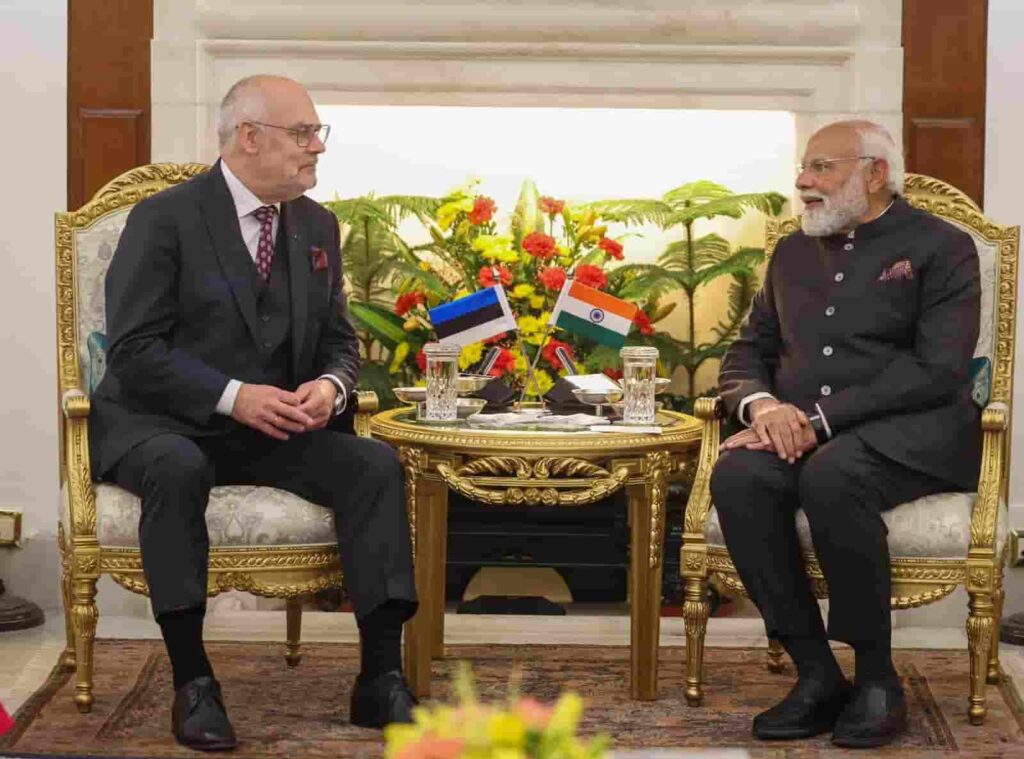
President Alar Karis, the Head of State of Estonia, concluded a significant official visit to India on February 19, 2026, underscoring deepening ties between the two countries across diplomacy, trade, digital cooperation, education and cultural exchange. The discussions and engagements during the visit reflected shared democratic values, mutual interest in technology-led growth and a growing emphasis on people-to-people links.This visit marked a high-profile diplomatic engagement that elevated relations between India and Estonia — both of which are democracies with strong commitments to digital innovation, open governance and strategic multilateral cooperation.Official Welcoming and High-Level MeetingsPresident Alar Karis was received at Rashtrapati Bhavan by President of India Smt. Droupadi Murmu, in a ceremony that reaffirmed the importance both nations place on their bilateral relationship. The ceremonial reception, followed by formal talks, set the tone for substantive discussions on a broad agenda of cooperation.In their meeting, President Murmu and President Karis reviewed ongoing collaboration, expressed satisfaction with the growing momentum of bilateral ties, and identified new avenues for future engagement. Both leaders spoke of shared democratic principles, respect for sovereignty, and the potential for deeper cooperation in emerging sectors.Strategic and Technology CooperationEstonia is known globally for its success in digital governance, cybersecurity and e-services, and these areas took centre stage during the visit. India and Estonia discussed cooperation in:Digital infrastructure and e-governance modelsCybersecurity partnershipsData governance frameworksDigital economy initiativesIndia shared its experience with large-scale programs such as Aadhaar and DigiLocker, while Estonia showcased best practices from its e-Estonia ecosystem — widely regarded as one of the most advanced digital societies in the world.Both sides expressed interest in knowledge exchange and joint initiatives that could benefit public service delivery, innovation pipelines and digital skill development.Economic and Trade EngagementBilateral trade and economic cooperation were key components of the discussions. While overall trade volume between India and Estonia has remained modest compared to India’s larger European partners, both nations affirmed a desire to broaden commercial links.Estonian companies operating in fields such as information technology, clean energy solutions, precision engineering and logistics services were identified as potential partners for deeper engagement with Indian enterprises. Similarly, Indian firms were encouraged to explore opportunities in the Estonian market, particularly in high-technology and service sectors.Both countries agreed on the need to further institutionalise trade facilitation mechanisms, reduce barriers and foster business dialogue through joint economic forums.Education, Culture and People-to-People LinksThe Presidents highlighted the importance of educational and cultural exchanges as core pillars of bilateral engagement. India and Estonia reaffirmed their commitment to expanding academic collaborations, student mobility programs and cultural showcases that deepen understanding between their citizens.Emphasis was placed on supporting:University partnershipsResearch collaboration in science and technologyStudent exchange schemesCultural festivals and artistic collaborationsThese initiatives were seen as vital for building stronger long-term ties, especially among young professionals, innovators and academics.Multilateral Cooperation and Shared ValuesIndia and Estonia also explored cooperation at the United Nations and other multilateral forums. Both countries reiterated their commitment to democratic norms, rule of law, peaceful resolution of disputes and inclusive development.There was agreement on enhancing joint efforts on global issues such as climate change, sustainable development, digital governance norms, and secure cyberspace regulations.Joint Statement and Future RoadmapAt the conclusion of the visit, both leaders issued a joint statement reaffirming their intent to broaden cooperation across multiple domains, including:Digital transformation and cybersecurityEconomic and trade linkagesEducation and cultural exchangeMultilateral engagement and strategic dialogueThe statement also expressed mutual respect for each other’s development models and acknowledged the importance of continued high-level visits and institutional dialogue mechanisms.Significance of the VisitPresident Karis’s visit to India in February 2026 carries strategic significance on several fronts. India’s engagement with Estonia — a small but highly innovative member of the European Union — reflects New Delhi’s broader approach to building partnerships based on shared technological and governance priorities rather than solely on scale.For Estonia, strengthening ties with India provides enhanced access to one of the world’s fastest-growing major economies and offers opportunities to participate in collaborative initiatives in technology, education and strategic innovation. Estonia’s expertise in digital governance was highlighted as a complementary asset to India’s own digital transformation journey.The visit also reaffirmed that India’s foreign policy priorities extend beyond traditional geopolitical partnerships to include innovative, technology-driven countries positioned for long-term global impact.As bilateral engagement moves forward, both sides signalled their intention to operationalise the discussions through focussed working groups, expert exchanges and public-private cooperation platforms that translate high-level commitments into actionable outcomes.President Karis’s visit, therefore, stands out not merely as ceremonial diplomacy but as a visit that helped articulate a forward-looking India-Estonia partnership in the digital age — one rooted in shared values, mutual respect and practical collaboration.
Spanish President Pedro Sánchez’s Official Visit to India: Strengthening Strategic Partnership
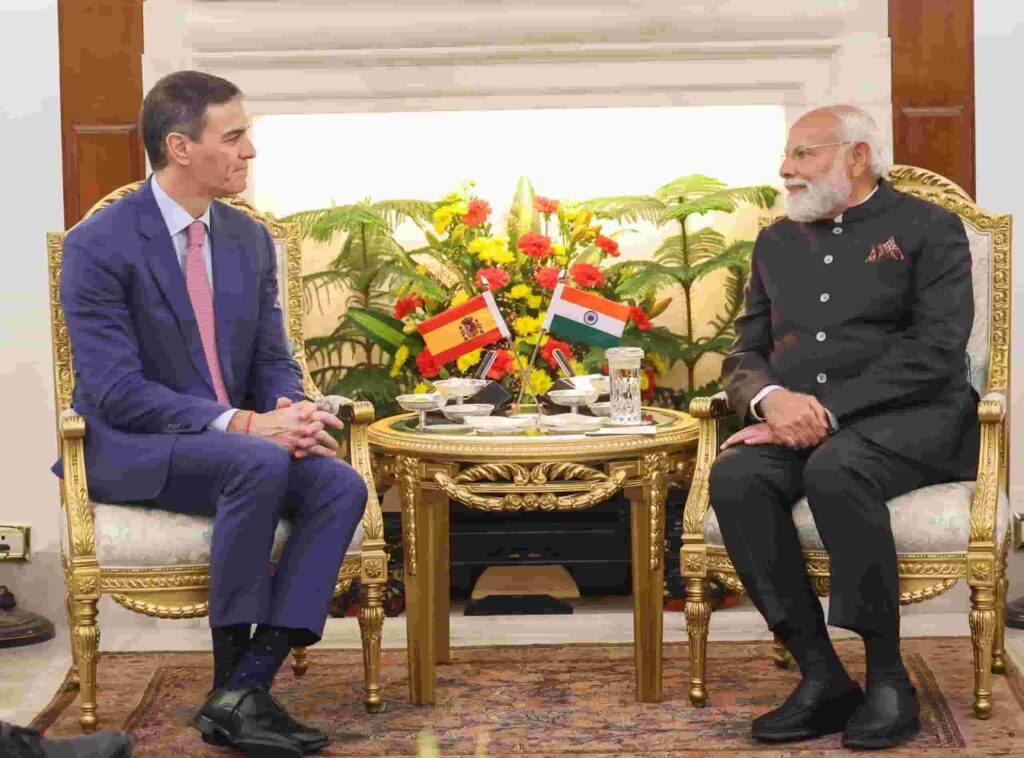
Spanish President Pedro Sánchez — President of the Government of Spain — paid an official visit to India from October 27 to 29, 2024, in a significant diplomatic engagement aimed at reinforcing bilateral ties across strategic, economic, technological and cultural domains. The visit, marked by high-level interactions with senior Indian leadership including Prime Minister Narendra Modi, underscored the evolving partnership between the two democracies in the contexts of trade, innovation, climate cooperation and global governance.This visit was the first by a Spanish head of government to India in nearly a decade, reflecting a renewed momentum in bilateral engagement driven by converging geopolitical priorities, deepening economic interdependence and shared commitments to multilateral cooperation.Arrival and Official EngagementsPresident Sánchez arrived in India on October 27, 2024, ahead of his participation in the AI Impact Summit hosted in New Delhi — an event that convened global leaders, industry experts and policymakers to discuss the future of artificial intelligence (AI), regulation frameworks and its socio-economic potential. Spanish participation in the summit signalled Spain’s interest in India’s emerging digital and technological leadership.On arrival, President Sánchez was received by senior Indian officials and engaged immediately in discussions that set the tone for substantive bilateral dialogues over the next three days.High-Level Meetings with Indian LeadershipA central component of the visit was the official meeting between President Sánchez and Prime Minister Narendra Modi at [official venue – e.g., Hyderabad House / Raisina Hill precinct]. The leaders held wide-ranging talks on issues of bilateral and global importance, reaffirming a shared vision for cooperation based on democratic values, economic partnership and sustainable development.Both leaders emphasised strengthening strategic dialogue mechanisms and enhancing cooperation in key sectors such as defence, manufacturing, green technologies, digital economy and renewable energy. They underscored the importance of elevating the India–Spain relationship into a comprehensive strategic partnership, reflecting growing political trust and mutual respect.Economic and Trade PrioritiesEconomic cooperation formed a major pillar of the visit. With bilateral trade between India and Spain having expanded over the years, both sides reiterated their intent to deepen economic engagement. Discussions focused on:Expanding trade in goods and servicesEnhanced cooperation in advanced manufacturing and innovation ecosystemsInvestment facilitation and market access for strategic sectorsTechnology partnerships in areas such as AI, mobility, health tech and clean energy solutionsPresident Sánchez and Indian counterparts acknowledged that both economies benefit from complementary industrial strengths — Spain’s advanced manufacturing and engineering capabilities and India’s growing services and technology base. They expressed optimism that targeted collaborations could accelerate investment flows and create employment opportunities in both countries.AI Impact Summit ParticipationPresident Sánchez’s participation at the AI Impact Summit underscored both nations’ interest in shaping global discourse on artificial intelligence. In his address, the Spanish leader emphasised the need for ethical, human-centric AI frameworks, equitable access to technological benefits, robust data protection standards and collaboration across nations in AI governance. The summit provided a platform for exchange of ideas on how emerging technologies can be responsibly deployed for societal benefit.Spanish delegations also engaged with Indian industry leaders, startups, research institutions and academic observers during the summit, fostering cross-border collaborations in cutting-edge research and innovation ecosystems.Defence, Security and Strategic CooperationDefence cooperation featured prominently in the discussions. Spain and India reviewed existing defence ties and explored expanded collaboration in key areas such as aerospace, naval systems, dual-use technologies and defence manufacturing partnerships. Both sides expressed interest in boosting joint research initiatives and expanding defence trade under frameworks that promote technology sharing and co-development.Security cooperation, particularly in areas such as counter-terrorism, cybersecurity and maritime security, was also prioritised. The leaders reiterated the importance of multilateral cooperation in addressing global security challenges, including in forums such as the United Nations and other international platforms.Climate Change, Renewable Energy and SustainabilityClimate action and sustainable development emerged as another key theme. India and Spain committed to enhancing cooperation on climate resilience, renewable energy deployment and green hydrogen ecosystems. Spain’s experience in wind and solar technologies aligns with India’s ambitious green energy transition targets, including the expansion of renewable capacity and sustainable urbanisation initiatives.Both sides also reaffirmed their support for multilateral climate goals under the Paris Agreement and emphasised collaborative approaches to climate finance, clean technology transfer and sustainable infrastructure development.Cultural and People-to-People ExchangesDuring his visit, President Sánchez highlighted the cultural bonds between India and Spain, noting that people-to-people ties — including tourism, academic exchange, arts and cultural collaborations — form a vital dimension of the bilateral relationship. Spain’s historical heritage and contemporary cultural vibrancy continue to find resonance with Indian audiences, even as Indian art, literature and cinema increasingly gain prominence in Spanish cultural spaces.Joint Communiqué and Future CooperationAt the conclusion of the visit, both countries released a joint communiqué outlining agreed priorities and a roadmap for future cooperation. Key commitments included:Regular high-level political consultationsEnhanced trade and investment facilitation measuresCooperative initiatives in technology, defence, climate and sustainable developmentStrengthened academic, cultural and scientific exchangesSignificance and ImpactPresident Pedro Sánchez’s visit to India in late 2024 marked a multipartite reaffirmation of the India–Spain relationship at a time of global geopolitical realignment. The emphasis on technology cooperation — particularly through Spain’s active role at the AI Impact Summit — hinted at a widening scope of cooperation beyond traditional diplomatic and defence dimensions.For India, deepening ties with Spain — a European Union member with strong global integration — adds momentum to its broader engagement strategy with Europe, aligning with India’s goals of diversifying partnerships in trade, innovation, and sustainable development.For Spain, stronger engagement with India opens pathways for Spanish companies in India’s fast-growing markets and reinforces Madrid’s diplomatic reach in Asia. Both nations signalled that their cooperation would be pragmatic, forward-looking and anchored in mutual interests.The visit has, therefore, been widely seen as a milestone moment in India–Spain ties — steering the relationship from transactional engagement toward a broader strategic partnership that spans economics, technology, culture and global governance cooperation.
India–Chile Trade Deal: Deepening Economic Engagement Between South Asia and South America
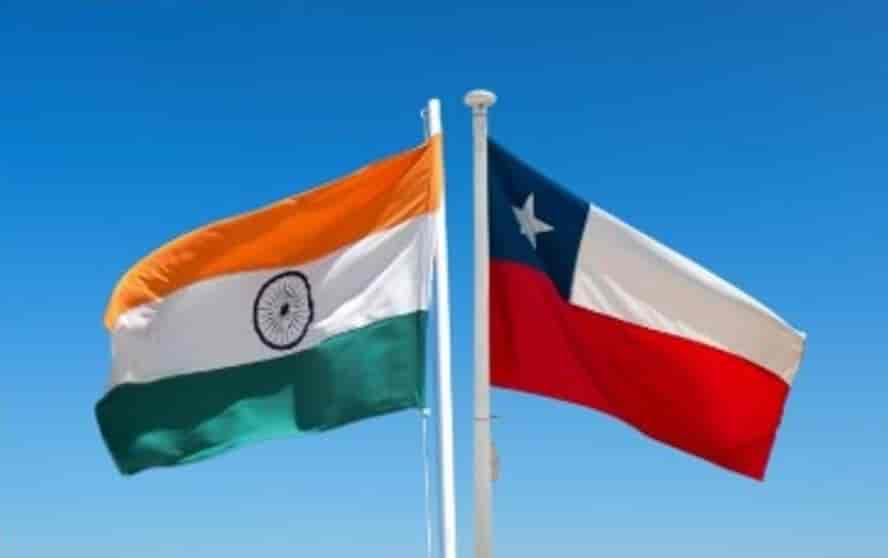
India and Chile have nurtured a stable and steadily expanding trade relationship over the past two decades, anchored in the India–Chile Preferential Trade Agreement (PTA) and moving toward a more comprehensive economic partnership. The evolving framework of cooperation reflects both countries’ strategic interests in expanding market access, diversifying export baskets, and strengthening bilateral economic integration within a globalised trade environment. Historical Background: From Framework to Preferential TradeThe roots of formal trade cooperation between India and Chile date back to the Framework Agreement on Economic Cooperation signed in January 2005, which laid the foundation for deeper commercial ties. Following this, after four rounds of negotiations, the India–Chile Preferential Trade Agreement (PTA) was finalised and signed on March 8, 2006 and came into force in India on September 11, 2007 and in Chile on August 17, 2007. The PTA was subsequently notified to the World Trade Organization (WTO) in January 2009, underlining its legitimacy and integration into global trade rules. Under the original 2006 PTA, both countries agreed to provide fixed tariff preferences on a selected list of goods to encourage bilateral trade. India initially offered tariff concessions ranging from 10% to 50% on 178 tariff lines at the detailed eight-digit product level to Chile, while Chile reciprocated with concessions on 296 tariff lines, some of which carried preferences of up to 100%. Expansion and Current Trade RegimeRecognising the need to broaden the agreement’s scope, India and Chile agreed in 2016 to expand the PTA, which came into effect on May 16, 2017, after ratification by both sides. Under the expanded framework:Chile offered preferential duty reductions on 1,798 goods — with margins of preference (MoP) between 30% and 100% — granting Indian exporters enhanced access to the Chilean market.India reciprocated with tariff concessions on 1,031 products at the eight-digit classification level, providing MoPs between 10% and 100% on items ranging from processed foods and raw materials to industrial and manufacturing inputs. The expanded PTA covers sectors such as agriculture and allied goods, chemicals, pharmaceuticals, textiles and apparel, machinery and equipment, processed foods, leather products, and various industrial commodities. This broader coverage has significantly improved market access for Indian businesses and diversified the range of products traded between the two countries. Trade Flows and Economic SignificanceChile is one of India’s key trading partners in Latin America, ranking among the top destinations for Indian exports and sources of imports. According to data for the fiscal year 2023–24, bilateral trade between India and Chile reached approximately US$2.45 billion, with India exporting goods worth about US$1.1 billion and importing nearly US$1.35 billion, reflecting a modest trade deficit for India. Chile’s top exports to India include copper ore and concentrates, iodine, lithium compounds, molybdenum ores, and chemicals, while Indian exports to Chile comprise transport equipment, pharmaceuticals, textiles, engineering goods, plastic and leather products, and handicrafts. Trade experts note that the India–Chile trade relationship remains well-balanced compared with other Latin American partners and continues to deepen despite global economic fluctuations. The diversity of export and import baskets illustrates the complementary aspects of both economies, offering opportunities for further expansion. Towards a Comprehensive Economic PartnershipWhile the PTA has provided a stable framework for tariff concessions, policymakers in both countries have recognised that a broader and more robust trade agreement could unlock greater economic potential. To this end, India and Chile have embarked on negotiations for a Comprehensive Economic Partnership Agreement (CEPA), which aims to expand beyond tariff reductions to cover emerging areas of bilateral cooperation.In May 2025, India and Chile signed the Terms of Reference (ToR) for CEPA, signalling their intent to elevate the trade relationship to a full-fledged free trade agreement (FTA). The CEPA negotiations build upon the existing PTA and foresee expanded cooperation in key sectors such as digital services, investment promotion and protection, small and medium enterprises (MSMEs), critical minerals, and broader goods and services trade. The first round of CEPA talks was concluded in May 2025, followed by subsequent negotiation rounds aimed at finalising the agreement text. Both sides have identified that including digital services and critical minerals — particularly Chile’s rich reserves of lithium and copper — could add significant strategic value to the CEPA framework, benefiting sectors such as clean energy, electronics and high-technology industries. Strategic and Geopolitical DimensionsThe India–Chile trade engagement is more than a commercial arrangement. Chile is a founding member of the Pacific Alliance, and India is an observer member, positioning the PTA and prospective CEPA as gateways to deeper engagement with broader Latin American markets. Strengthening trade ties with Chile aligns with India’s global economic outreach strategy, which seeks to diversify export markets, attract foreign investment, and secure supply chains for critical resources. For Indian exporters, Chile offers access to a strategically located South American market with strong linkages to other regional economies. For Chile, India presents opportunities in one of the fastest-growing large economies, with demand for products ranging from pharmaceuticals to engineering goods and textiles.Challenges and Future ProspectsWhile the expanded PTA has facilitated greater market access, the trade relationship still faces challenges such as addressing non-tariff barriers, improving logistics integration, and enhancing investment flows. The CEPA negotiations are seen as a necessary next step, aiming to resolve such issues and elevate economic cooperation to a more comprehensive level.Both governments have expressed optimism that a concluded CEPA will not only expand bilateral trade volumes but also attract greater investment in sectors such as information technology, renewable energy, critical minerals, and services, while supporting MSMEs, innovation ecosystems, and job growth in both countries. Conclusion: A Growing PartnershipThe India–Chile trade deal — rooted in a preferential trade agreement since 2007 and evolving towards a Comprehensive Economic Partnership Agreement — represents a significant chapter in India’s trade diplomacy with Latin America. Through phased tariff concessions, portfolio diversification, and ongoing negotiations to deepen economic cooperation, the two countries are forging a trade relationship that blends traditional commerce with emerging sectoral opportunities.As negotiations continue and potential CEPA outcomes take shape, the India–Chile economic partnership stands poised to expand not only in value but also in strategic scope, reflecting a shared vision of inclusive,
Brazil President Lula in India: A Friendly Visit for Talks on AI, Trade, and More
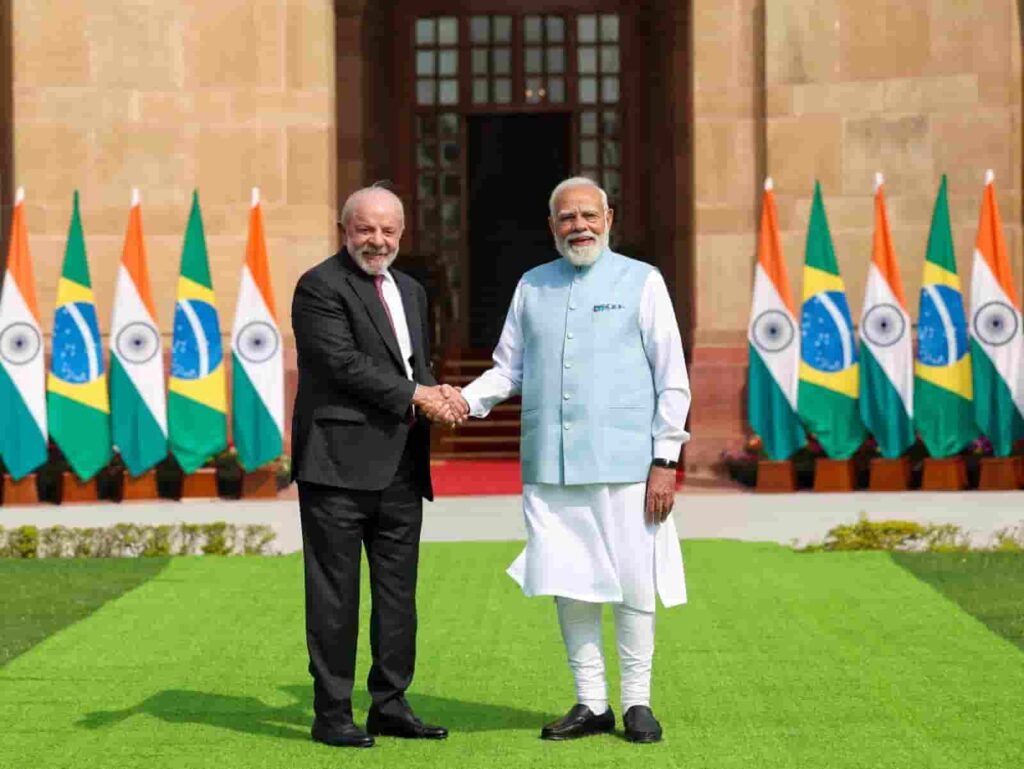
Brazil’s President Luiz Inácio Lula da Silva landed in New Delhi on February 18, 2026, for a five-day state visit. He said “Namaste, India!” on social media and shared a video of his warm traditional welcome. This is his sixth trip to India, invited by Prime Minister Narendra Modi. Lula will stay until February 22. The visit focuses on stronger ties between the two countries, with key events like the AI Impact Summit and meetings with top Indian leaders. Lula got a nice welcome at the airport from Minister of State for External Affairs Pabitra Margherita. He is here with about 14 ministers and many top CEOs from Brazilian companies. They will meet Indian leaders and join a Business Forum to talk business. India and Brazil already trade a lot, $15 billion in 2025. Brazil is India’s biggest trade partner in Latin America. What Will Happen During the Visit The visit has a full schedule. On February 19-20, Lula will join the 2nd AI Impact Summit. This event brings leaders together to discuss how AI can help countries grow fairly. India and Brazil both care about smartly using tech. President Droupadi Murmu will meet Lula and host a banquet for him. Vice President C.P. Radhakrishnan and External Affairs Minister S. Jaishankar will also call on him. The big meeting is on February 21. Prime Minister Modi will sit down with Lula to review all parts of their relationship. They will talk about trade, defense, energy, farming, health, and new areas like AI and space. Modi will host lunch for Lula. The leaders will also share ideas on world issues like UN changes, climate change, terrorism, and problems facing the Global South. Strong Ties Between India and Brazil India and Brazil have been close friends since 1948. They became Strategic Partners in 2006. Both are big democracies with shared values. They work together in BRICS, where India is the chair right now. Trade is growing fast. Brazil sells things like soybeans and oil to India. India sends pharma, chemicals, and auto parts to Brazil. They cooperate in defense, green energy, critical minerals for batteries, and Digital Public Infrastructure, like India’s UPI. Both push for UN reforms and fight climate change. Lula first came to India in 2004 as a Republic Day guest. He was here last for the G20 in 2023. Modi visited Brazil in July 2025, the first Indian PM’s state visit there in 57 years. They met again at the G20 in November 2025. Why This Visit Matters This trip will help both countries plan. Business leaders want more deals in trade and investment. Ministers will talk on energy, health, and tech. The CEOs’ forum shows how companies from both sides see big chances. Lula said the visit is about “strengthening ties, deepening partnerships, and discussing AI’s future.” For India, it boosts the BRICS and the Global South work. Brazil gets a stronger link to Asia’s top economy. People-to-people links are good too, yoga in Brazil, Brazilian culture in India. Both leaders want more cooperation on big world problems.
India AI Impact Summit 2026: Detailed Agenda for Global AI Action in New Delhi
New Delhi, February 9, 2026 – India gears up for the India AI Impact Summit 2026, set for February 16-20 at Bharat Mandapam, Pragati Maidan, New Delhi, the primary venue for the India AI Impact Summit 2026, which will host the main events on February 19-20.Hosted by the Ministry of Electronics and Information Technology (MeitY), this first Global South edition, billed by Union Minister Ashwini Vaishnaw as the “largest yet,” transitions AI discourse from vision to verifiable impact under the “Three Sutras”: People, Planet, and Progress.Some sources mention a broader program across February 16-20, potentially using additional Delhi venues like Sushma Swaraj Bhawan for side events, sessions, or exhibitions. Bharat Mandapam, one of India’s largest convention centers, was upgraded by NDMC for this flagship gathering. Chief Guests and Stellar LineupPrime Minister Narendra Modi serves as the Chief Guest, inaugurating on February 16 with a keynote and hosting a leaders’ dinner. Expected heads of government include representatives from Singapore, the UAE, and Brazil (15-20 total), plus 50+ ministers. Key speakers feature Google’s Sundar Pichai, Anthropic’s Dario Amodei, Microsoft’s Satya Nadella, and Indian luminaries like Nandan Nilekani (Infosys co-founder) and Ola’s Bhavish Aggarwal. Over 40 CEOs from Reliance, TCS, and global firms join, along with a Chinese delegation, signaling a thaw in collaboration. Event Schedule and Dialogues Feb 16: Inauguration, Modi address, CEO roundtable.Feb 17-18: Plenary sessions and seven “Chakras” (working groups) on core topics.Feb 19: Startup showcase (500+ ventures), AI model launches, bilateral dialogues.Feb 20: Closing with actionable declarations.Expect 500+ parallel sessions, hackathons, and exhibitions. Dialogues include G20-style tracks on AI ethics, public-private partnerships, and Global South priorities. Participating Governments in India AI Impact Summit 2026 The summit, hosted by India’s Ministry of Electronics and Information Technology (MeitY) under the IndiaAI Mission, expects involvement from over 100 countries. Key highlights:High-Level Representation: 15-20 heads of government and 50+ ministers confirmed, including from Singapore, UAE, Brazil, and others.China: Delegation attending after India’s formal invitation, signaling AI collaboration.Preceding Hosts: Builds on summits by UK (2023 Bletchley), South Korea (2024 Seoul), France (2025 Paris).Collaborators: NITI Aayog (India’s policy think tank), state governments like Uttarakhand (pre-summit host), and international bodies (ITU, World Economic Forum).Global Engagement: Multinational working groups across Chakras, with US, UK, EU, and ASEAN nations active in prep consultations. Key Topics and Seven ChakrasThe India AI Impact Summit 2026 is structured around three foundational “Sutras” (People, Planet, Progress) that guide its discussions, with seven interconnected “Chakras” (working groups) translating these into specific, actionable themes.Core SutrasPeople: Focuses on human-centric AI, including safeguarding rights, enhancing access to services (e.g., healthcare, education), building user trust, workforce reskilling amid job impacts, and ensuring equitable benefits across societies.Planet: Addresses sustainable AI deployment, such as energy-efficient models, responsible resource use (e.g., reducing GPU/data center power demands), and AI applications for climate action, environmental monitoring, and resilience.Progress: Emphasizes inclusive innovation, capacity-building, productivity gains in sectors like agriculture and manufacturing, economic growth, and bridging the AI divide for the Global South. Seven Chakras (Key Discussion Topics)These working groups, involving 100+ countries, cover:AI governance and ethical frameworks.Trust and safety protocols for AI models (e.g., bias mitigation, transparency).AI’s impact on work and future jobs.Sector-specific applications (healthcare, agriculture, industry).Innovation and scalable solutions.Sustainability and environmental integration.Equitable access, inclusion, and development outcomes.Sessions will also spotlight IndiaAI Mission launches, startup innovations, and global standards, prioritizing “on-ground” results over regulations. What to Expect in India AI Summit?MeitY leads with partners like NITI Aayog, NASSCOM, World Economic Forum, and ITU. Corporate backers include Google, Microsoft, NVIDIA (GPU focus), and Indian firms like Tata and Adani (data centers). Governments from US, UK, EU, and ASEAN collaborate. Attendees (10,000+), policymakers, researchers, startups, NGOs, can expect networking zones, live demos (e.g., edge AI), policy labs, and a “Global AI Talent Fair.” Launches include indigenous foundational models under the Rs 10,370 crore IndiaAI Mission. India’s Strategic Push Amid HurdlesEchoing Bletchley (2023), Seoul (2024), and Paris (2025), India’s summit prioritizes “on-ground” wins for 1.4 billion people, as per Secretary S. Krishnan. AI could add $500B to GDP (NASSCOM), but challenges like GPU imports persist—eased by US trade deals and data center tax holidays to 2047. Budget 2026-27 tweaks fund nuclear-powered AI infra, as Vaishnaw eyes energy self-reliance.Vaishnaw hailed “phenomenal” global buy-in, with NDMC upgrading venues. Beyond talks, expect MoUs on compute sharing, talent visas, and sustainable AI pacts, positioning India as an AI diplomacy hub.This summit promises not just dialogue, but deliverables: inclusive, green AI for humanity’s progress.Video credit: YT@/Digital India
India-US Trade Deal 2026: Comprehensive Framework, Key Terms and Strategic Implications
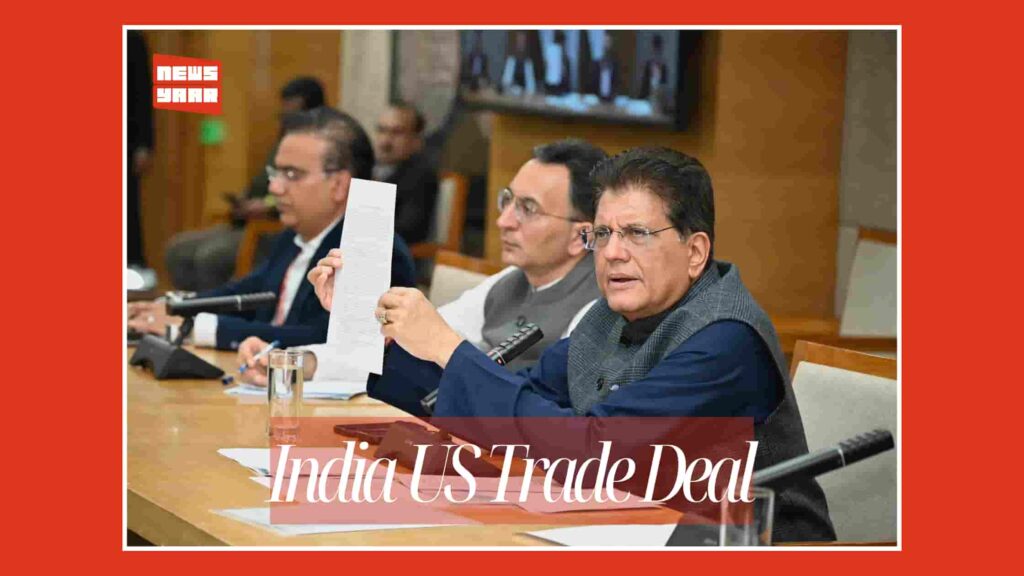
India and the United States have announced a framework for an interim trade agreement aimed at deepening economic ties, expanding market access, and strengthening bilateral cooperation on trade and investment. The trade deal represents progress in long-running negotiations between the two largest democracies and is viewed by New Delhi and Washington as a step toward a broader Bilateral Trade Agreement (BTA). The framework was unveiled following discussions between Prime Minister Narendra Modi and U.S. President Donald J. Trump, who first launched formal talks on a comprehensive India-U.S. trade arrangement in February 2025. Interim Framework OverviewUnder the interim framework, both countries have agreed to substantial tariff reductions and preferential market access commitments, while also embedding safeguards for politically sensitive and strategic sectors in their respective economies. The agreement stops short of a full free-trade agreement but sets out structured commitments that could be built upon in future negotiations. According to the joint statement issued by India and the U.S., the interim agreement emphasises mutual and reciprocal market access, rule-based trade enhancement, and sustained cooperation in areas of economic interest. It also commits both sides to work on non-tariff barriers to facilitate smoother trade flows. Tariff Reductions and Market AccessOne of the central features of the deal is reduction of mutually imposed tariffs on a wide range of goods:The United States will reduce its **reciprocal tariffs on Indian exports to 18 per cent from previous levels that reached up to 50 per cent on certain products, significantly improving access to the U.S. market. Tariffs will also be entirely eliminated for select Indian exports, including generic pharmaceuticals, gems and diamonds, and aircraft parts. India has agreed to eliminate or reduce tariffs on all U.S. industrial goods and a broad spectrum of American food and agricultural products, including dried distillers’ grains (DDGs), red sorghum for animal feed, tree nuts, fresh and processed fruits, soybean oil, wine and spirits. The reciprocal tariff arrangement is expected to open up significant opportunities for Indian exporters in traditional and emerging sectors, while also making a range of American products more competitive within India’s markets.Agriculture and Sensitive Sector ProtectionsA major concern throughout negotiations has been safeguarding India’s agricultural and rural economy, which supports a vast portion of the population. Commerce and Industry Minister Piyush Goyal has repeatedly emphasised that the deal will fully protect sensitive agricultural and dairy products from tariff concessions. Products explicitly shielded include:Staple crops such as maize, wheat, rice and soyaDairy and poultry products including milk, cheese and meatOther items critical to rural livelihoods such as ethanol (fuel), tobacco and certain vegetablesThese protections are intended to prevent adverse impacts on the livelihoods of farmers, smallholder producers and rural communities, who form the backbone of India’s agricultural economy. At the same time, India has offered zero-duty access for its farm products entering the U.S. market, including items such as spices, tea, coffee, coconut and coconut oil, cashew nuts, certain fruits like mangoes, bananas and pineapples, bakery products and vegetable waxes. This is expected to enhance export earnings for agricultural producers and MSMEs. Sectoral Gains and Strategic OutcomesThe interim framework includes sectoral provisions designed to boost trade and cooperation across diverse industries:Pharmaceuticals and Medical Devices: Zero tariffs on generic drugs and improved regulatory alignment are expected to bolster India’s strong position in the U.S. pharmaceutical market. Aerospace and Defence: Eliminating tariffs on aircraft parts and securing Section 232 exemptions are expected to benefit aerospace trade and support defence and commercial aircraft manufacturing. Manufacturing and ICT Goods: Commitments to address non-tariff barriers and streamline standards are expected to facilitate trade in information and communication technology (ICT) products and select machinery. Auto Components and Heavy Industry: The agreement anticipates tariff rate quotas for auto parts and preferential access for certain manufactured goods, enhancing industrial trade cooperation. Combined, these measures aim to reduce supply chain friction, attract investment, and support India’s Make in Indiainitiative by integrating domestic production more closely with global value chains.Energy and Long-term Procurement CommitmentsAs part of the broader economic engagement, India has signalled intentions to import approximately USD 500 billion worth of goods from the United States over the next five years. These imports include energy products such as crude oil, liquefied natural gas (LNG) and liquefied petroleum gas (LPG), along with aircraft and aircraft parts, technology products, precious metals and coking coal. These procurement commitments align with India’s strategy of diversifying its energy sources and deepening strategic economic ties with the U.S. . Expected Economic ImpactCommerce Minister Goyal has described the interim framework as a “historic and equitable agreement” that could potentially open a US$ 30 trillion market for Indian exporters. This expanded access is expected to deliver significant benefits for micro, small and medium enterprises (MSMEs), artisans, agricultural producers and women- and youth-led businesses by removing tariff barriers in the U.S. market. Key economic gains envisaged include:Boost to Indian exports in textiles, leather and footwear, plastic and rubber products, organic chemicals, home decor, artisanal goods and select machinery. Increased competitiveness for Indian pharmaceutical and aerospace sectors through zero tariff access. Enhancement of India’s MSME ecosystem through sustained preferential access and reduced non-tariff barriers. Political and Analytical PerspectivesThe trade framework has drawn both support and criticism within India. Proponents highlight its potential to create jobs, expand market reach for diverse sectors and attract foreign direct investment. Several state leaders have welcomed the deal as a step forward for economic growth and industrial development. Critics — including farmer unions and opposition figures — argue that the framework lacks sufficient detail and may expose certain sectors to unfair competition, particularly if tariff reductions are asymmetric. Concerns have been raised about the long-term impact on domestic agriculture and industrial policies. Why the Deal MattersThe interim India-U.S. trade deal is significant on multiple fronts:It marks a milestone in trade relations between the world’s two largest democracies, anchoring economic cooperation alongside strategic and defense ties. It represents a shift in India’s trade policy, balancing openness with protection for sensitive sectors while pursuing broader market access. For the United States, it strengthens economic engagement with a high-growth market and supports bilateral cooperation on technology, supply chains and industrial standards. The interim framework is
Wings India 2026: Celebrating Aviation Excellence and Cultural Unity in the Skies
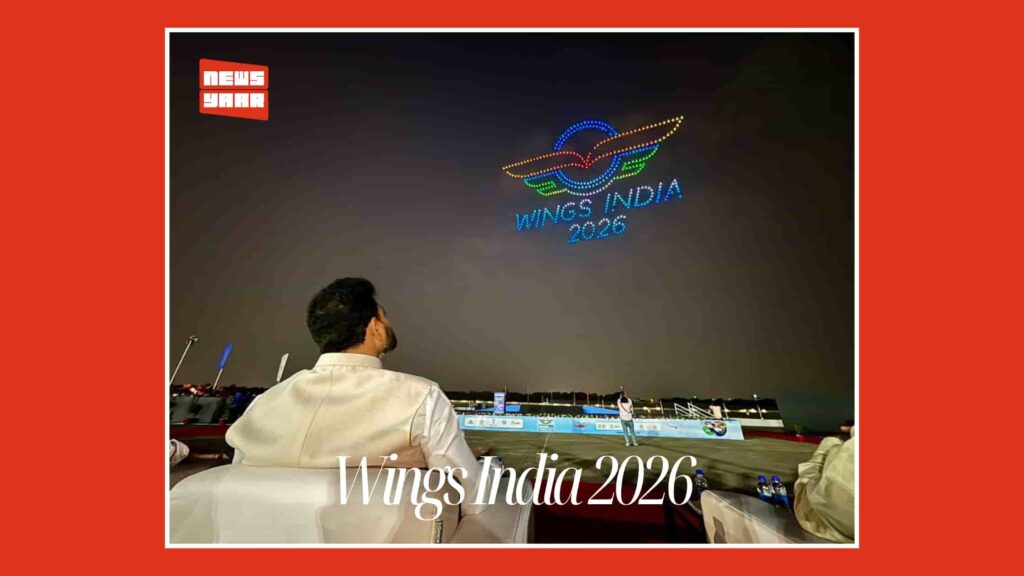
Gujarat wins top aviation award as Air India Express showcases India’s rich heritage through music and art Hyderabad: The Wings India 2026 aviation expo, held at Begumpet Airport from January 28-31, has emerged as more than just an industry gathering—it’s a celebration of how aviation connects cultures, builds communities, and drives economic progress across the nation. The four-day event brought together thousands of aviation professionals, exhibitors, and enthusiasts from around the world, highlighting India’s position as one of the fastest-growing aviation markets globally. From cutting-edge technology exhibits to cultural performances on the tarmac, the expo demonstrated that modern aviation is about more than just moving people—it’s about creating meaningful connections. Gujarat Soars High with Prestigious Recognition Gujarat received the coveted ‘Best State for Promotion of Aviation Ecosystem’ award, presented by Union Minister for Civil Aviation Shri K. Ram Mohan Naidu. The state shared this honor with Telangana and Uttarakhand, recognizing their exceptional contributions to India’s aviation sector. KL Bachani, Gujarat’s Civil Aviation Commissioner, attributed the achievement to Chief Minister Bhupendra Patel’s visionary leadership and the state’s focus on world-class infrastructure. “This honor reflects Gujarat’s commitment to making air travel more accessible for citizens while driving economic growth,” Bachani said. The award acknowledges Gujarat’s impressive progress in aviation infrastructure, including maintenance, repair, and overhaul (MRO) facilities and the aircraft leasing sector. This marks Gujarat’s third consecutive recognition at Wings India, having previously won awards in 2022 and 2024, demonstrating sustained excellence in aviation development. When Aviation Meets Art: Air India Express’s Cultural Showcase One of the most memorable moments at Wings India 2026 was Air India Express’s spectacular cultural performance featuring legendary singer Usha Uthup. The unique event took place on the airport tarmac beside the airline’s stunning first line-fit Boeing 737-8 aircraft, VT-RNT, adorned with livery inspired by traditional Parsi Gara embroidery. Uthup performed alongside talented artists from eleven Indian states: Andhra Pradesh, Assam, Delhi, Gujarat, Jammu & Kashmir, Karnataka, Kerala, Maharashtra, Odisha, Punjab, and Tamil Nadu. The performance created a vibrant tapestry of India’s diverse cultural heritage against the backdrop of modern aviation. “Music is a language that connects people across cultures and geographies,” Uthup said. “Performing at Wings India as the country’s cultural ambassador makes this truly special.” Aviation with Heart: Connecting People, Not Just Places Siddhartha Butalia, Chief Marketing Officer of Air India Express, emphasized the deeper purpose behind aviation. “In an increasingly digitally connected world, the true value of travel lies in real, immersive experiences and meaningful human connections,” he explained. The airline also received the prestigious ‘Domestic Connectivity’ award from the Ministry of Civil Aviation, recognizing its efforts to expand air travel access across India. This follows their ‘Sustainability Champions’ recognition at Wings India 2024. Air India Express’s ‘Tales of India’ initiative showcases India’s artistic heritage through aircraft liveries featuring indigenous designs like Kalamkari, Bandhani, Jamawar, Warli, and Phulkari. Their ‘Gourmair’ in-flight dining extends this cultural celebration to regional cuisines, featuring special menus for festivals like Onam, Navratri, and Diwali. The new Boeing 737-8 aircraft features ergonomically designed seats, fast-charging power outlets, on-board ovens for hot meals, spacious overhead bins, and Boeing’s Sky Interior with soothing mood lighting, proving that comfort and culture can fly together. Building Tomorrow’s Skies Today Wings India 2026 demonstrated that India’s aviation sector is not just about economic growth; it’s about inclusivity, sustainability, and preserving cultural identity while embracing innovation. As states like Gujarat lead infrastructure development and airlines like Air India Express celebrate regional diversity, Indian aviation is truly paving the future from design to deployment. The event reinforced that when aviation connects people meaningfully, everyone wins, from passengers experiencing rich cultural journeys to states driving economic development through better connectivity.