


Guru Ravidas Jayanti 2026: Know History, Significance, Dates, and more
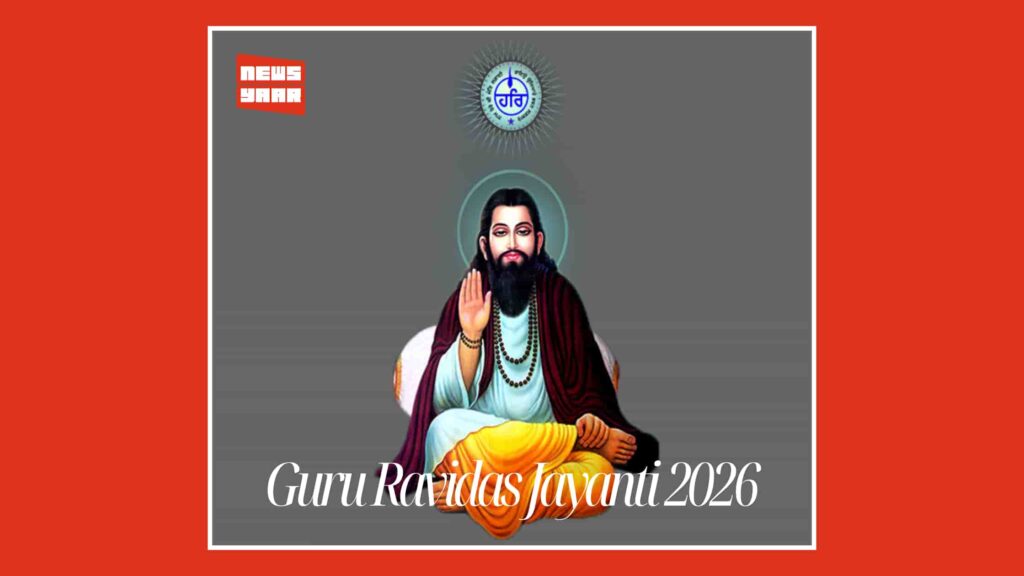
This year marks the 649th birth anniversary of Sant Guru Ravidas Ji, whose timeless teachings of equality and spiritual wisdom continue to inspire millions Guru Ravidas Jayanti 2026 was celebrated on Sunday, February 1, 2026, marking the 649th birth anniversary of Sant Guru Ravidas Ji, a revered 15th-century saint, poet, and social reformer whose vision of an egalitarian society remains profoundly relevant today. Date and Timings Celebrated annually on Magha Purnima, the full moon day of the Hindu month of Magha, the festival is observed with great devotion across India, particularly in Punjab, Uttar Pradesh, and Haryana. As per religious tradition, the festival is celebrated on the day the Purnima tithi begins, hence Guru Ravidas Jayanti falls on February 1, 2026. Who Was Guru Ravidas? Born in the village of Seer Goverdhanpur near Varanasi, Uttar Pradesh, Guru Ravidas emerged as a prominent figure in the Bhakti Movement, a spiritual revolution that emphasized personal devotion to the divine over rigid ritualistic practices. A contemporary of Saint Kabir, Guru Ravidas’s influence transcended social boundaries. He is believed to have been the spiritual guide to Meera Bai, the celebrated Rajput princess and devotional poetess. Despite being born into a community of leather workers, traditionally considered among the lowest in the caste hierarchy, Guru Ravidas rose above social discrimination through his spiritual wisdom and compassionate teachings. Philosophy and Teachings The cornerstone of Guru Ravidas’s philosophy was the rejection of the caste system and the promotion of human dignity and equality. He envisioned an ideal society called ‘Beghumpura’ (literally, “a city without sorrow”), a utopian realm free from suffering, fear, and discrimination, where all people could live with equal rights and dignity. His spiritual contributions are immortalized in the Guru Granth Sahib, the holy scripture of Sikhism, which contains 41 of his hymns. These verses emphasize that God resides in every heart and that true devotion is found not in caste or ritual, but in: Inner purity Compassion Selfless service (Sewa) Guru Ravidas’s teachings also emphasize simplicity, humility, and the unity of all humanity under one divine power. Significance of Guru Ravidas Jayanti Guru Ravidas Jayanti is not merely a religious festival but a celebration of social justice, equality, and human values. His message challenged the oppressive caste structures of medieval India and advocated for a society built on mutual respect and spiritual equality. In today’s world, his teachings serve as a powerful reminder to rise above discrimination based on caste, religion, wealth, or status. His vision of Beghumpura inspires movements for social reform and continues to guide those working toward a more just and compassionate society. How Is Guru Ravidas Jayanti Celebrated? Preparations for Guru Ravidas Jayanti 2026 are in full swing across the country, with elaborate arrangements being made, especially in Uttar Pradesh. In Varanasi Thousands of devotees gather at the Shri Guru Ravidas Janam Asthan Mandir in Varanasi, the birthplace of the saint. Key rituals include: Taking a holy dip in the Ganges River, believed to purify the soul Offering prayers and flowers at the temple Lighting diyas (oil lamps) at Sant Ravidas Park Nagar Kirtans (Processions) Vibrant processions are organized in cities across Punjab, Uttar Pradesh, Haryana, and other states. Devotees: Carry portraits and images of Guru Ravidas Sing devotional songs (bhajans) and perform kirtan Use traditional instruments to create a spiritually charged atmosphere Religious Gatherings In Gurdwaras and temples dedicated to the saint: Special prayer meetings are held The Amritbani Guru Ravidas Ji (a collection of his teachings) is recited Scholars deliver discourses on his philosophy and social contributions A Message for Modern Times As India prepares to celebrate Guru Ravidas Jayanti 2026, the occasion serves as a powerful reminder of the values that can unite society: compassion, equality, and spiritual devotion. In an era still grappling with social divisions, Guru Ravidas’s 649-year-old vision of Beghumpura offers a blueprint for a more harmonious and just world. His life exemplifies that true greatness lies not in one’s birth or social status, but in the purity of one’s heart and the service rendered to humanity. This Guru Ravidas Jayanti, devotees across the nation will gather to honor this extraordinary saint whose words continue to light the path toward a better tomorrow.
Padma Awards 2026: Full List, Backgrounds and Significance of Recipients
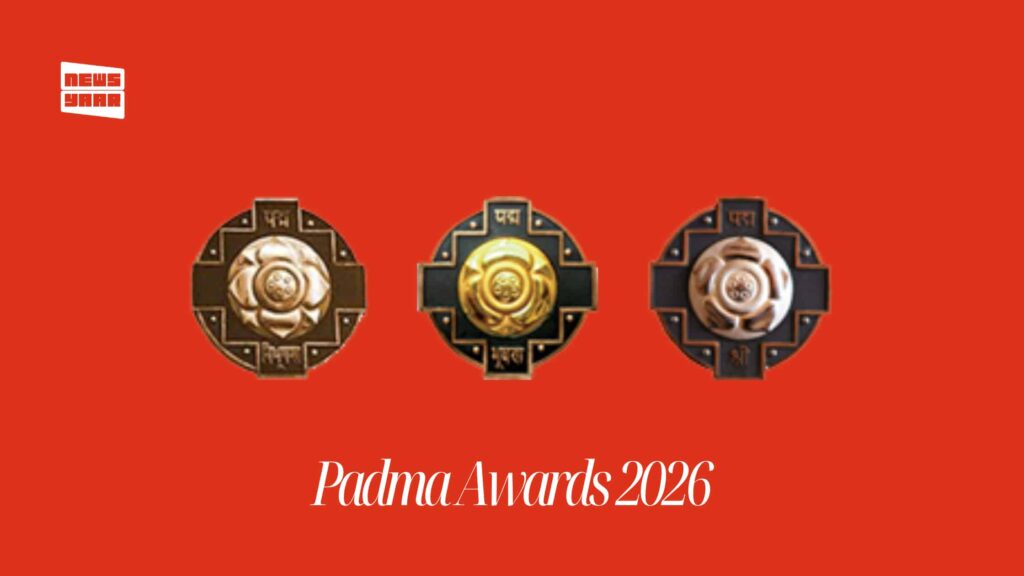
On January 25, 2026, the Government of India announced the Padma Awards 2026, one of the nation’s highest civilian honours, recognising individuals who have made exceptional contributions across public life and diverse fields. The list was released on the eve of the 77th Republic Day, continuing a tradition of celebrating excellence and service that enriches the social, cultural and developmental fabric of India. The awards, which were instituted in 1954, are conferred by the President of India, and are announced annually on Republic Day (26 January). They are classified into three broad categories — Padma Vibhushan, Padma Bhushanand Padma Shri — ranked in descending order of prestige, after the Bharat Ratna, India’s highest civilian award. For 2026, a total of 131 Padma Awards were approved, comprising 5 Padma Vibhushan, 13 Padma Bhushan and 113 Padma Shri awards. Among the awardees are notable figures from art and cinema, public affairs, sports, science, social service, education, medicine and literature. The list includes 19 women, six foreign/NRI/PIO/OCI recipients, and 16 posthumous awards. Padma Vibhushan 2026: Exceptional and Distinguished ServiceThe Padma Vibhushan is the second-highest civilian award of India, presented for “exceptional and distinguished service” in any field. Dharmendra Singh Deol (Posthumous) – ArtVeteran Bollywood actor Dharmendra, often called the “He-Man” of Indian cinema, was honoured posthumously for his unparalleled legacy in Hindi film, spanning over six decades with more than 300 films that shaped Indian popular culture. K T Thomas – Public AffairsJustice K T Thomas served on the Supreme Court of India from 1995 to 2002 and was instrumental in major judicial decisions and legal reforms that shaped Indian constitutional jurisprudence. N Rajam – ArtRenowned violinist N Rajam is celebrated for bridging Hindustani and Carnatic classical music traditions. A former professor and cultural ambassador, her global influence on Indian classical music spans decades. P Narayanan – Literature and EducationWriter and journalist P Narayanan has made enduring contributions to literature and education, particularly through his editorial leadership and influence in regional and national discourse. V S Achuthanandan (Posthumous) – Public AffairsVeteran Kerala political leader V S Achuthanandan was honoured posthumously for his long public service and leadership in social and political arenas, especially in governance, transparency and anti-corruption efforts. Padma Bhushan 2026: Distinguished Service of High OrderThe Padma Bhushan recognises “distinguished service of high order” in any field, and this year’s list reflects contributions in arts, public affairs, commerce, sport and medicine. Alka Yagnik (Art) – Legendary playback singer whose voice defined generations of Bollywood music and delivered countless chart-topping songs. Bhagat Singh Koshyari (Public Affairs) – Former Uttarakhand Chief Minister and Maharashtra Governor, recognised for his political and administrative service. Kallipatti Ramasamy Palaniswamy (Public Affairs) – Noted leader from Tamil Nadu contributing to public life and governance. Mammootty (Art) – Malayalam cinema icon with a distinguished acting career spanning decades, honoured for his contribution to Indian film. Nori Dattatreyudu (Medicine) – Eminent cancer specialist, internationally recognised for his work in oncology. Piyush Pandey (Posthumous) (Art & Media) – Influential advertising veteran and creative mind whose work shaped Indian media and communication. S K M Maeilanandhan (Trade & Industry) – Entrepreneur and industry leader known for his business acumen and contributions to economic growth. Shatavadhani R Ganesh (Literature & Education) – Celebrated scholar known for literary mastery and cultural scholarship. Shibu Soren (Posthumous) (Public Affairs) – Founder of Jharkhand Mukti Morcha and key figure in the state’s formation movement, recognised posthumously. Uday Kotak (Trade & Industry) – Prominent banker and financial institution builder, founder of Kotak Mahindra Bank. V K Malhotra (Posthumous) (Public Affairs) – Veteran political leader honoured for lifelong service. Vellappally Natesan (Social Service) – Community leader and social service advocate from Kerala. Vijay Amritraj (Sports & International) – Tennis legend and global sports ambassador, acknowledged for enhancing India’s presence in international sport. Padma Shri 2026: Distinguished Service Across FieldsThe Padma Shri is the fourth-highest civilian honour in India, recognising “distinguished service in any field”. This year, 113 individuals received the Padma Shri, covering disciplines such as arts, sports, public service, science, literature, education, medicine, social work and agriculture. Notable awardees include:Rohit Sharma (Sports) – Captain of the Indian men’s cricket team and globally recognised for leading India to ICC titles. Harmanpreet Kaur (Sports) – Captain of the Indian women’s cricket team, instrumental in India’s international success. Savita Punia (Sports) – Star Indian hockey goalkeeper with standout international performances. R. Madhavan (Art) – Versatile actor and filmmaker known for acclaimed performances across Indian cinema. Anke Gowda (Literature & Education) – Former bus conductor who built India’s largest free-access librarywith over two million books, recognised for lifelong dedication to knowledge and literacy. Naresh Chandra Dev Varma (Literature & Education) – Tripuri writer known for contributions to Kokborok literature. Praveen Kumar (Sports) – Paralympic gold medallist whose achievements inspired national pride. The full Padma Shri roster includes awardees from every region of India, representing innovations and service in areas such as agriculture, archaeology, healthcare, traditional arts, community welfare and scientific research, highlighting the diversity and depth of Indian talent. Significance and National ImpactThe Padma Awards underscore India’s appreciation for individuals whose work exemplifies excellence, integrity and service. While Padma Vibhushan and Padma Bhushan honour lifetime achievement and high-order service, the Padma Shri celebrates impactful contributions at national and grassroots levels. These awards not only recognise famous personalities but also highlight unsung heroes whose work fosters community development, preserves culture, advances science, and uplifts society. The 2026 list, with its balance of legendary figures, scholars, sports icons, social changemakers and grassroots achievers, illustrates the expanding scope of national recognition. From cinema legends and artistic luminaries to pioneering scientists, educators and community builders, the Padma Awards 2026 reflect India’s evolving narrative of excellence — one that honours both institutional achievements and everyday courage.
Bharat Ratna Karpoori Thakur Birth Anniversary: Nation Remembers Champion of Social Justice
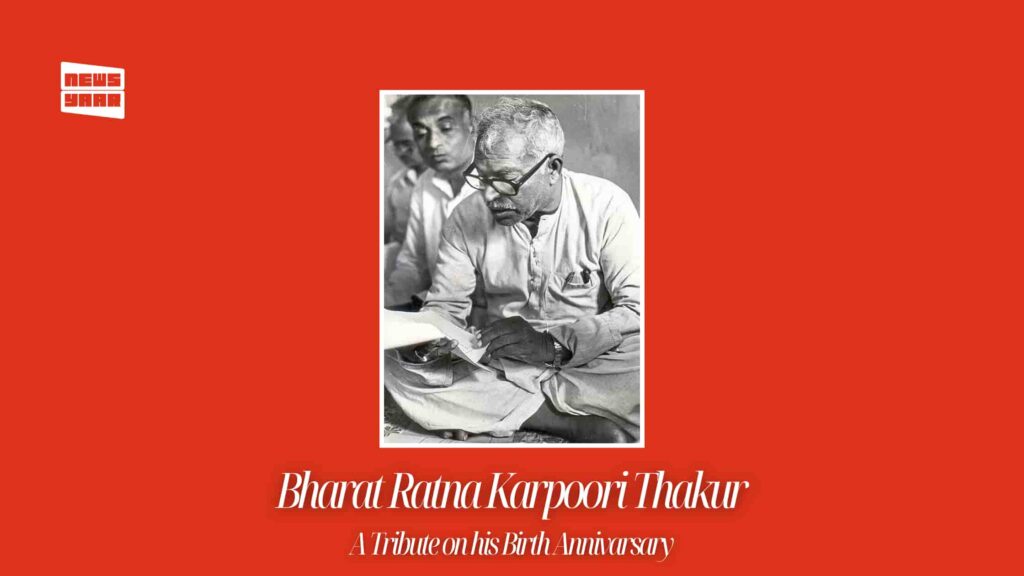
Tributes were paid across Bihar and the country on the birth anniversary of Bharat Ratna Karpoori Thakur, one of India’s most influential socialist leaders and a key architect of social justice politics in the Hindi heartland. Political leaders, social organisations and citizens remembered Thakur’s enduring contribution to inclusive governance, backward class empowerment and ethical public life. Born on January 24, 1924, in Samastipur district of Bihar, Karpoori Thakur rose from modest beginnings to become one of the most respected mass leaders of the state. His political life was shaped by the freedom movement, socialist ideology and a deep commitment to the upliftment of marginalised communities. He passed away in 1988, but his legacy continues to influence India’s political and social discourse decades later. On the occasion of his birth anniversary, leaders cutting across party lines highlighted Thakur’s role in institutionalising social justice policies at a time when such ideas faced strong resistance. Prime Minister Narendra Modi led the national tributes, recalling Thakur’s simplicity, integrity and lifelong dedication to the poor and backward classes. In a message, the Prime Minister described him as a visionary leader who devoted his life to empowering the marginalised and strengthening democratic values. Bihar Chief Minister Nitish Kumar, along with several senior state leaders, paid floral tributes at Karpoori Thakur’s memorial and emphasised that his policies laid the foundation for social equality in the state. Similar commemorative events were held in Patna, Samastipur and other parts of Bihar, with public meetings recalling his governance model and personal conduct in public office. Karpoori Thakur served as the Chief Minister of Bihar twice — first from 1970 to 1971 and again from 1977 to 1979. His tenure is particularly remembered for the implementation of reservations for backward classes in government jobs at the state level, a move that preceded and later informed national-level policy debates on affirmative action. His decision to include extremely backward classes within the reservation framework was considered path-breaking and remains central to Bihar’s social justice structure today. Often referred to as “Jan Nayak” (people’s leader), Karpoori Thakur was known for his austere lifestyle and incorruptible reputation. Despite holding high office, he lived simply and maintained close contact with grassroots workers and ordinary citizens. His refusal to accumulate personal wealth and his insistence on clean politics set him apart in an era marked by increasing political competition and power struggles. In recognition of his exceptional contribution to public life and social equity, the Government of India conferred the Bharat Ratna — the country’s highest civilian award — on Karpoori Thakur posthumously in 2024. The honour was widely seen as long overdue and was welcomed across the political spectrum, particularly by leaders and communities who regard Thakur as a symbol of empowerment and dignity. Political analysts note that Karpoori Thakur’s relevance has only grown over time, especially as debates around social justice, representation and inclusive growth continue to shape Indian politics. His emphasis on education, reservation, linguistic accessibility in administration and decentralised governance remains influential, particularly in Bihar and neighbouring states. As the nation marks his birth anniversary, Karpoori Thakur is remembered not only as a former chief minister or socialist leader, but as a statesman whose ideas were rooted in equity, humility and democratic participation. His life and work continue to serve as a moral and political reference point in contemporary India, reinforcing the values of social justice and public service.