


PM Modi’s Mann Ki Baat E-133 | 26th April, 2026
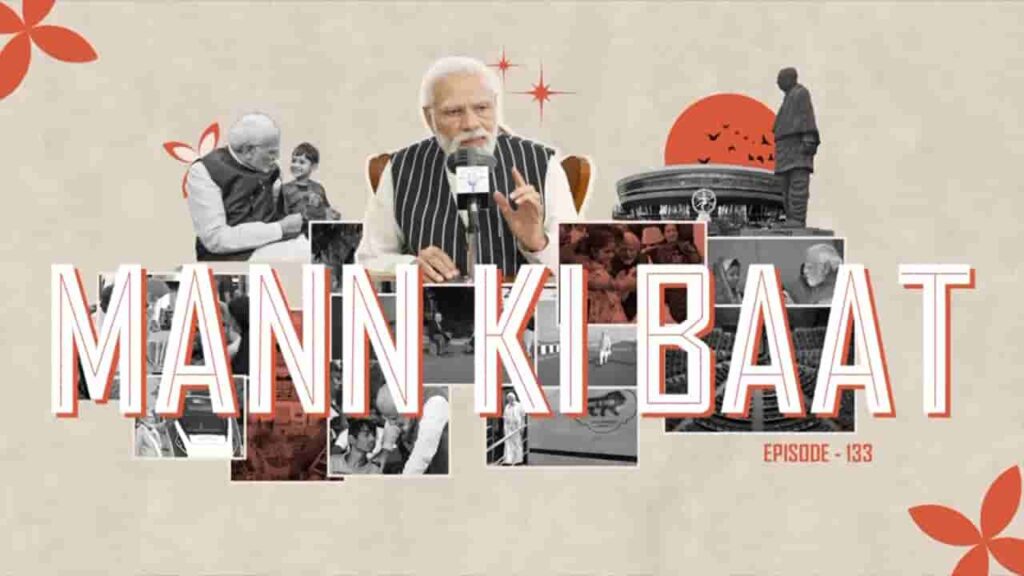
PM Modi’s Mann Ki Baat E-133 | 26th April, 2026 Video: YT/@NaMo
Alex Honnold’s Historic Free Solo: Conquering Taipei 101
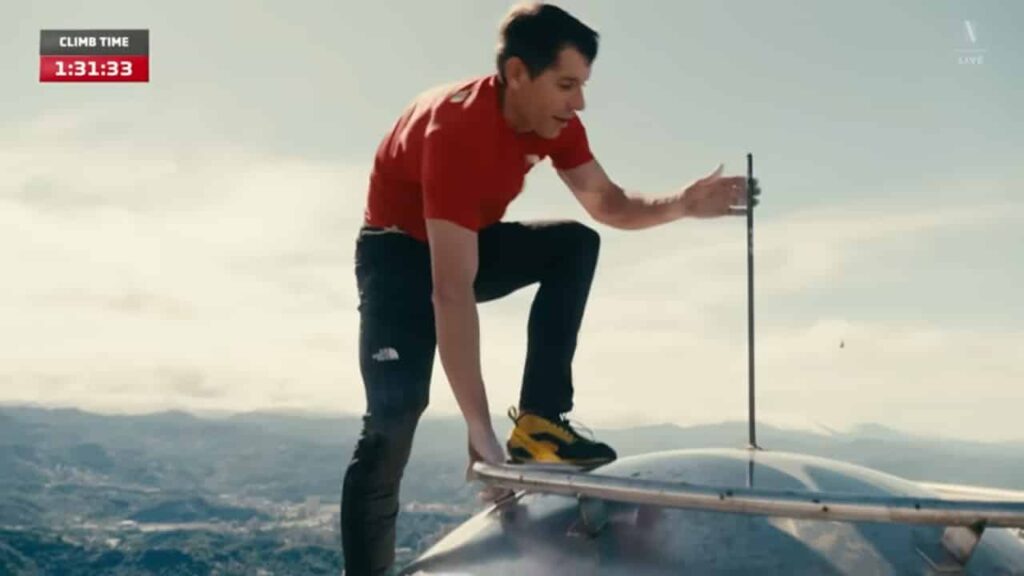
Alex Honnold has achieved a historic feat by free-soloing Taipei 101, one of Asia’s tallest skyscrapers, captivating global audiences with his ropeless ascent. The 40-year-old American climber scaled the 508-meter (1,667-foot) structure in Taiwan’s capital in just 92 minutes on a sunny Sunday morning, shattering the previous record.Climb DetailsHonnold began his ascent at around 9 a.m. local time after a one-day delay due to wet weather, gripping metal beams, ledges, and balconies on the bamboo-inspired steel-and-glass tower. He wore a red short-sleeve shirt, a chalk bag for grip, and no ropes, harnesses, or safety gear, true free soloing, relying solely on precision and endurance. At the top, he grinned, waved to cheering crowds below, and later called it “unbelievable,” noting the crowd’s energy made it intense but fun as he relaxed into the rhythm.Background and TrainingRenowned for his 2017 free solo of Yosemite’s 915-meter El Capitan, immortalized in the Oscar-winning Netflix documentary Free Solo, Honnold had eyed Taipei 101 for over a decade. The 101-story building, opened in 2004 with offices, a mall, and observatories, offers predictable holds like balconies every eight floors, testing stamina more than sheer technical difficulty. He trained for three months in Taipei, including rope-assisted runs amid sirens and drizzle, with city government approval.Record ComparisonHonnold’s time of 1 hour, 31 minutes, and 43 seconds more than halved the mark set by French climber Alain Robert, aka “Spiderman,” who topped out in over four hours in 2004 using ropes on the then-world’s tallest building. Robert, recovering from surgery amid wind and rain, praised Honnold’s preparation, saying there’s “not even a one-in-100-million chance” of failure.ClimberYearTimeEquipment UsedAlex Honnold20261:31:43None (free solo)Alain Robert20044+ hoursRopes and harnessLive Broadcast and ReactionsNetflix streamed the event live as Skyscraper Live, with a 10-second delay to cut away if needed, drawing massive viewership alongside a small on-site crowd and expert panel. Bets poured in on platforms like Polymarket for his success and timing. While fans erupted in cheers, some climbers criticized it as “voyeuristic” amid recent free-solo deaths, fearing commercialization over safety, though Honnold stayed calm, pausing to wave from balconies.Training FocusHonnold prepped for Taipei with urban-specific grips like box-pinch pull-ups for window edges and mental visualization amid city chaos, emphasizing fatigue from repeated moves. El Cap demanded broader rock mastery, thousands of practice laps, and handling route-specific cruxes like dynamic slabs. Climbers widely view El Cap as riskier and harder technically, though Taipei’s visibility amplified its mental toll.Legacy and ReflectionsThis marks the biggest urban free solo ever, blending Honnold’s mental prep, visualization, and self-talk, with the building’s forgiving design. Post-climb, he rappelled down with a harness, met his wife, and glowed about the thrill, solidifying his legend while sparking debates on risk in live sports.
Kerala’s ‘Kumbh Mela’ Revival at Thirunavaya: Spiritual Spectacle or Contested Rebranding?
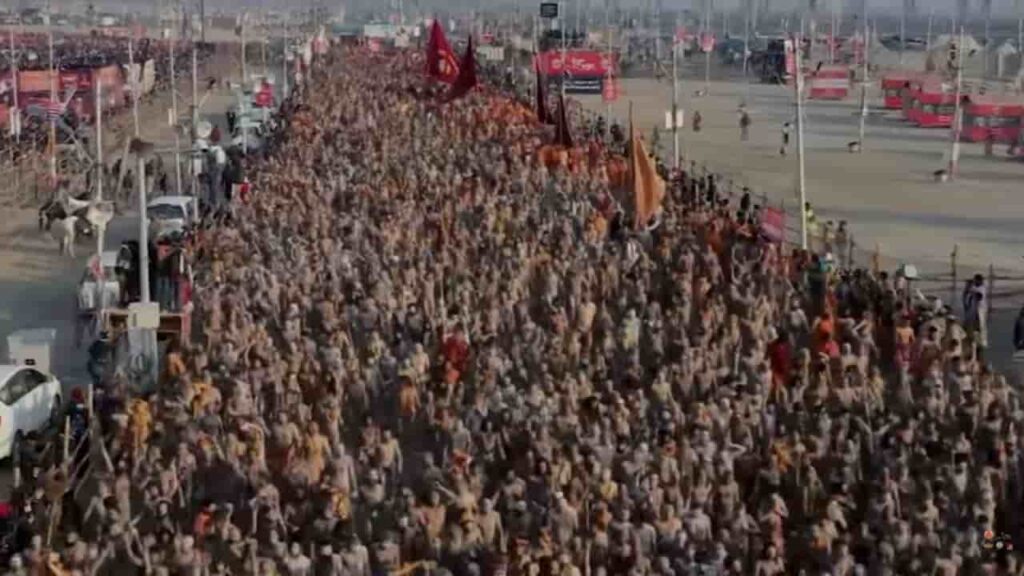
Thirunavaya’s Bharathapuzha (Nila) riverbanks hosted the Mahamagha Mahotsavam, dubbed Kerala’s Kumbh Mela, from January 18 to February 3, 2026, drawing over 3.5 lakh daily devotees at its peak. Organized by Varanasi’s Juna Akhada with Mohanji Foundation and Mata Amritanandamayi Math, the 17-day event peaked February 2-3 with Naga sanyasis’ arrival, blending Vedic dips, Nila aarti by Varanasi priests, and tribal rites, but sparked debate over history, politics, and ecology.Event Highlights and RitualsHeld at Trimurti Sangama (Brahma-Vishnu-Shiva temples triangle), the festival revived rituals absent for ~250-270 years:Holy Dips (Snana Mahotsavam): Believed to energize souls, equivalent to Ganga baths.Nila Aarti: 15-member Varanasi team’s evening fire rituals, evoking Kashi ghats.Inclusivity: Vedic yajnas, tantra, Paniya/Kattunayakan tribal practices alongside Brahmin rites; discourses, bhajans.Processions: Mahameru Rath Yatra from Tamil Nadu’s Trimurtimala; Naga sanyasis’ dips/meditations.Special trains stopped at Kuttipuram/Tirur; crowds from Kerala, Tamil Nadu, Andhra, and North India. Logistics: Parking/security robust; stays in Kottakkal/Perinthalmanna (accommodation scarce onsite).Phase/DateHighlights & SignificanceJan 18: Inaugural SnanaFestival launch; initial mass dips, poojas at Navamukunda Temple.Jan 19-22: Rathayatra PeriodChariot arrival; heightened dips amid processions, yajnas.Feb 2: Naga Sanyasi ArrivalAsh-smeared avadhoots’ ritual dips via special trains (Kuttipuram/Tirur stops); awe-inspiring for devotees.Feb 3: Mahamagha CulminationFinal peak snana; grand aarti, homams, festival close; max crowds for soul purification.Brahma Muhurta (4-5:30 AM) is ideal for dips; post-bath charity/meditation amplified merits. No exact parallels to Prayagraj’s Paush Purnima/Mauni Amavasya, but Feb 3 evoked “king of snans” vibe.Key Leaders and RolesThirunavaya’s Mahamagha event (Jan 18–Feb 3, 2026) drew key figures from Juna Akhada, Kerala mathas, and reformist lineages, blending north-south traditions. Led by Varanasi’s Juna Akhada with Mohanji Foundation and Mata Amritanandamayi Math, attendees included Naga sanyasis, Aghori babas, and matha heads for dips, aartis, and poojas.Leader/TitleAffiliation/RoleHighlightsMahamandaleshwar Swami Anandavanam BharatiJuna Akhada (Sabhapati); ex-SFI/journalist turned Mahamandaleshwar (2025 Maha Kumbh).Led inaugural Magha Snana (Jan 19); presided over all rituals; public face promoting “Kerala Kumbh.” Mata Amritanandamayi (Amma)Chief Patron (Mata Amritanandamayi Math).Symbolic patron since 2018 revivals; inclusivity focus. Acharya Mahamandaleshwar Avadheshananda Giri Ji MaharajJuna Akhada Supreme Head; Co-Chief Patron.Oversaw organizational revival.Swami Satyananda SaraswatiFoundation Managing Trustee; Shriramdas Mission National Gen Secy.Inaugural presence (Jan 18). Sri Shakti Shantanananda MaharshiShriramdas Mission; with Swami Satyananda.Day 1 ceremonies. Mooppil Swamis (Kerala Shankara Mathas)Thrissur Thekke (Vasudevananda Brahmanandabhuti), Kasaragod Idaneer (Sachidananda Bharathi), Thrissur Naduvil (Achyuta Bharathi), Thanur Thrikkaikattu (Narayana Brahmananda Theertha), Ilamura (Parthasarathy Bharathi).Special poojas (Jan 30); sanctified event. Acharyan Arun PrabhakarjiGayatri Gurukulam.Led Vedic chanting for Magha Snana. Ivarmatham Ramesh KorappathjiVedic ritual leader.Shmashana Shraddha (Jan 18). Naga Sanyasis & Aghori BabasJuna Akhada ashrams (Kashi/Varanasi).Arrived Feb 2 for dips/meditations; mystic draw.Additional ContextInaugural Dignitaries: Kerala Governor Rajendra Vishwanath Arlekar (Chief Guest, Dharmadhwaja hoisting Jan 19); Zamorin rep K.C. Dileep Raja Arikkara, Sudheer Namboothiri.Reformist Homage: Honored Adi Shankaracharya, Sree Narayana Guru, Chattampi Swamikal, Ayyankali, Ayya Vaikunda Swamikal, Swami Chinmayananda, Nijananda/Satchidananda Saraswati—inclusivity across sects.Coordination: Swami Chidanandapuri (earlier patron); BJP leaders/Seva Bharati volunteers supported.These figures amplified the event’s pan-Hindu appeal, drawing 3.5 lakh/day peaks despite historical debates.Historical Context: Mamankam vs. Kumbh RebrandRooted in medieval Mamankam (Maha-Makham, every 12 years till 1755), a Chera-era trade/political arena where Zamorin-Valluvakonathiri clashed via chaver suicide squads. Sites: Nilapadu Thara (Zamorin throne), Manikkinar well, Changampally Kalari. Legends tie to Parashurama’s yajna at Thavunur.Organizers (Sabhapati Swami Anandavanam Bharati, ex-SFI/journalist turned Mahamandaleshwar) frame as prehistoric Magha Mela revival—Bṛhaspati-led, post-Palazhi Mathanam myth. But historians diverge:Supporters (VV Haridas): River festival akin to Kumbh; Mamakam=Magha Utsavam.Critics (Rajan Gurukkal, KN Ganesh): Distinct—nakshatra (Makam) vs. Jupiter-Sun rāśi alignments; martial/multicultural (Muslim Kozhikotu Koya on platform, Mappila guards/traders), not purely religious. No Kerala Kumbh tradition; Hindutva overlay erases secular history.Revival attempts: 2016 (Thirur Dinesh), 2018+ (Swami Chidanandapuri, Amma); 2025 Juna Akhada scale-up. 2028 promises a fuller 12-year cycle.Controversies: Hindutva, Politics, EcologyRebranding Critique: Historians (Shibi Thekkeyil, PK Michael Tharakan) call it Hindutva appropriation, Brahminical north-Indian narrative overwriting Dravidian/secular Mamankam in Muslim-majority Malappuram (75%+ local Muslims). RSS visitors’ eyes “Hindu unity.”Permissions Clash: Jan 2026 stop-memo (river conservation/safety) resolved via Collector; TN denied TN-Kerala rathayatra stops—framed as anti-Hindu bias by Swami (communal remarks on LDF/UDF vs. Muslim events).Environmental Alarm: Drought-prone Bharathapuzha (dries summers; coliform pollution, sand-mining); NGOs (Re-Echo, Friends of Bharathapuzha) fear crowds exacerbate scarcity (444 water projects dependent). CPCB post-2025 Prayagraj report warns of pilgrim impacts. Organizers counter: Tradition reveres nature.State aid: Police (hundreds), Haritha Sena (waste), KSRTC buses, despite BJP gripes.Broader ImplicationsIn poll-bound Kerala, the event fuses local lore with pan-Indian Hindu revivalism, attracting lakhs yet polarizing: Devotees hail spiritual homecoming; critics see imported north-Indian violence/majoritarianism. As Bharathapuzha’s ecology strains, balancing faith and sustainability looms large for 2028’s sequel.
Pariksha Pe Charcha 2026: 9th Edition — PM Modi Engages Students, Teachers and Parents Nationwide

The 9th edition of Pariksha Pe Charcha (PPC) — India’s annual interactive session between Prime Minister Narendra Modi and students, parents and teachers — was held on Friday, February 6, 2026. The event, broadcast live across television and digital platforms, marked a flagship national initiative that addresses examination stress, learning strategies, mental well-being and life skills for learners in the run-up to major board and competitive exams.Organised by the Department of School Education and Literacy under the Ministry of Education, PPC has evolved into one of the most widely followed educational outreach programmes in the country, reaching millions of students across urban and rural India.What Is Pariksha Pe Charcha?Pariksha Pe Charcha — literally “Discussion on Examinations” — is an annual interactive dialogue in which the Prime Minister addresses the concerns of students, parents and teachers about exams, study practices, stress management and future aspirations. First launched in 2018, the initiative aims to transform examination stress into a celebration of learning, encourage confidence and promote a balanced approach to academic life.Over the years, PPC has become a popular platform that reinforces mental well-being and purposeful learning, extending its relevance beyond just study tips to include broader life skills such as time management, resilience, discipline and digital awareness.Date, Format and ParticipationEvent: Pariksha Pe Charcha 2026Edition: 9thDate of Main Interaction: 6 February 2026Organiser: Department of School Education and Literacy, Ministry of Education, Government of IndiaMode: Live broadcast and digital streaming across Doordarshan channels (DD National, DD News, DD India), All India Radio, MyGov.in, official Ministry of Education channels, YouTube, Facebook Live and other portals.The event was conducted in a hybrid and pan-India format, with interactive segments connecting the Prime Minister to learners in multiple cities including Delhi, Coimbatore (Tamil Nadu), Raipur (Chhattisgarh), Devmogra (Gujarat) and Guwahati (Assam), reflecting the nationwide reach of the initiative.Registration and Nationwide ParticipationThe registration process for Pariksha Pe Charcha 2026 opened on 1 December 2025 on the MyGov portal, where students, teachers and parents could apply to participate and submit questions. The registration window closed on 11 January 2026.This year’s edition witnessed a record turnout, with over 4.5 crore registrations from students, parents and teachers. In addition, more than 2.26 crore people participated in associated school-based activities such as debates, quizzes and workshops, taking the overall engagement to approximately 6.76 crore participants nationwide.Educational institutions organised preparatory and follow-up activities such as quizzes, storytelling sessions, motivational talks and awareness programmes as part of the broader run-up to PPC, reinforcing its impact beyond the live broadcast.Key Themes and MessagesDuring the 2026 interaction, Prime Minister Modi addressed a wide range of topics relevant to students’ academic journeys and personal development. The session did not focus solely on examination techniques, but also on holistic growth, well-being and future opportunities:1. Exam Preparation and Strategic LearningPM Modi advised students on effective preparation techniques that emphasised consistent effort, understanding concepts and time management rather than last-minute preparation. He spoke about the importance of building a solid daily routine, disciplined revision and active engagement with study material.2. Stress Management and Mental Well-BeingA central thread of PPC 2026 was the discussion on exam anxiety and stress. The Prime Minister encouraged learners to view exams as milestones in learning rather than stress points, and urged them to maintain a calm, confident mindset. He highlighted practices such as regular breaks, physical exercise, sleep hygiene and supportive family environments to support mental well-being.3. Responsible Use of Technology and Artificial Intelligence (AI)A significant topic for 2026 was the role of technology and AI in education. PM Modi emphasised that students should use AI as a guidance tool to enhance learning, creativity and problem-solving, but warned against over-dependence that might erode independent thinking and effort. He reiterated that discipline, focus and human judgment remain critical to academic success.4. Career Choices and Personal GrowthResponding to student and parent queries about career decisions, the Prime Minister advised learners to explore fields based on their interests, strengths and passions, rather than merely following popular trends. He encouraged self-awareness and thoughtful exploration before choosing professional pathways, highlighting that personal satisfaction and purposeful work contribute to long-term success.5. Broader Life Skills and ValuesBeyond exams, the session touched on broader skills such as leadership, time management, emotional balance, discipline and community contribution — urging students to approach life with curiosity, resilience and empathy. In addressing parents, PM Modi called for supportive, pressure-free environments that allow children to thrive without excessive stress.Interactive Format and Question SelectionStudents and teachers submitted questions through official platforms ahead of the event, allowing the Prime Minister to respond to real concerns from multiple regions and educational backgrounds. The hybrid format enabled live participation from multiple locations, enabling similar levels of engagement across geographic and linguistic diversity.School events and live-streaming sessions, such as those organised in Kamrup Metropolitan district in Assam, facilitated shared viewing experiences, underscoring PPC’s role in fostering community dialogue and collective motivation ahead of examinations.Public and Media EngagementPariksha Pe Charcha continues to attract broad media attention, with national and regional channels covering the event extensively. News outlets provided live coverage, summaries, thematic highlights and expert analysis, ensuring the session’s key messages reached students who were unable to participate live. Social media platforms were abuzz with clips, quotes, study tips and reflections, making PPC both a live conversation and a catalyst for follow-up discussions in classrooms and homes.Why Pariksha Pe Charcha MattersPariksha Pe Charcha has grown into a signature national initiative for several reasons:Nationwide Accessibility: Through free broadcasts on television, radio and digital platforms, PPC ensures that students from all parts of India, including remote and rural areas, can participate.Holistic Focus: The programme combines study tips with guidance on mental health, balanced lifestyles and future readiness, making it relevant beyond examinations.Youth Engagement: By directly involving students in dialogue with the Prime Minister, PPC encourages active engagement, questions and shared learning.Community Impact: Schools and families use PPC as a springboard for broader discussions on stress, career planning and educational values.Scale and Reach: The 2026 edition’s millions-strong participation reflects the event’s evolution into a pan-India
Padma Awards 2026: Full List, Backgrounds and Significance of Recipients
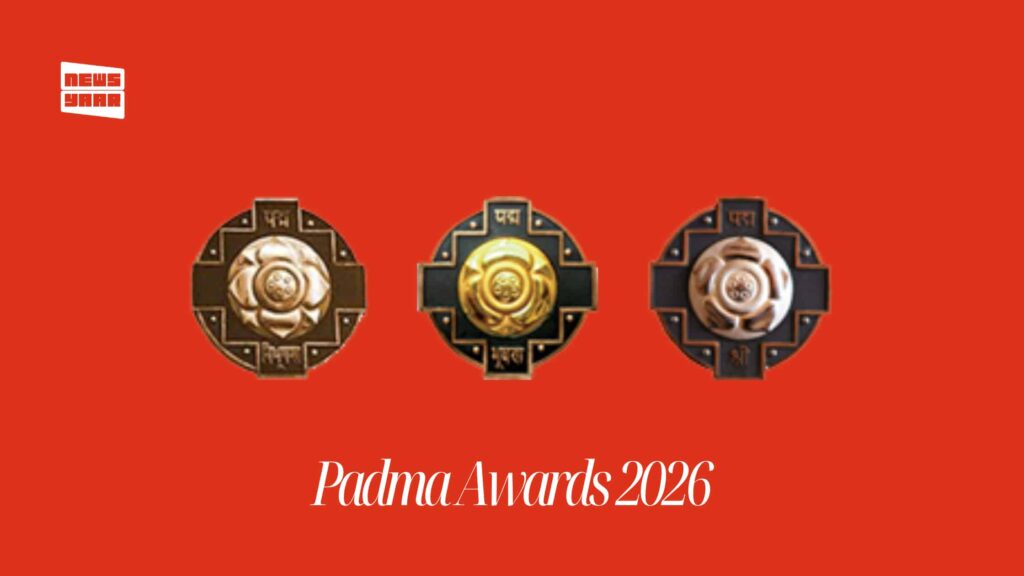
On January 25, 2026, the Government of India announced the Padma Awards 2026, one of the nation’s highest civilian honours, recognising individuals who have made exceptional contributions across public life and diverse fields. The list was released on the eve of the 77th Republic Day, continuing a tradition of celebrating excellence and service that enriches the social, cultural and developmental fabric of India. The awards, which were instituted in 1954, are conferred by the President of India, and are announced annually on Republic Day (26 January). They are classified into three broad categories — Padma Vibhushan, Padma Bhushanand Padma Shri — ranked in descending order of prestige, after the Bharat Ratna, India’s highest civilian award. For 2026, a total of 131 Padma Awards were approved, comprising 5 Padma Vibhushan, 13 Padma Bhushan and 113 Padma Shri awards. Among the awardees are notable figures from art and cinema, public affairs, sports, science, social service, education, medicine and literature. The list includes 19 women, six foreign/NRI/PIO/OCI recipients, and 16 posthumous awards. Padma Vibhushan 2026: Exceptional and Distinguished ServiceThe Padma Vibhushan is the second-highest civilian award of India, presented for “exceptional and distinguished service” in any field. Dharmendra Singh Deol (Posthumous) – ArtVeteran Bollywood actor Dharmendra, often called the “He-Man” of Indian cinema, was honoured posthumously for his unparalleled legacy in Hindi film, spanning over six decades with more than 300 films that shaped Indian popular culture. K T Thomas – Public AffairsJustice K T Thomas served on the Supreme Court of India from 1995 to 2002 and was instrumental in major judicial decisions and legal reforms that shaped Indian constitutional jurisprudence. N Rajam – ArtRenowned violinist N Rajam is celebrated for bridging Hindustani and Carnatic classical music traditions. A former professor and cultural ambassador, her global influence on Indian classical music spans decades. P Narayanan – Literature and EducationWriter and journalist P Narayanan has made enduring contributions to literature and education, particularly through his editorial leadership and influence in regional and national discourse. V S Achuthanandan (Posthumous) – Public AffairsVeteran Kerala political leader V S Achuthanandan was honoured posthumously for his long public service and leadership in social and political arenas, especially in governance, transparency and anti-corruption efforts. Padma Bhushan 2026: Distinguished Service of High OrderThe Padma Bhushan recognises “distinguished service of high order” in any field, and this year’s list reflects contributions in arts, public affairs, commerce, sport and medicine. Alka Yagnik (Art) – Legendary playback singer whose voice defined generations of Bollywood music and delivered countless chart-topping songs. Bhagat Singh Koshyari (Public Affairs) – Former Uttarakhand Chief Minister and Maharashtra Governor, recognised for his political and administrative service. Kallipatti Ramasamy Palaniswamy (Public Affairs) – Noted leader from Tamil Nadu contributing to public life and governance. Mammootty (Art) – Malayalam cinema icon with a distinguished acting career spanning decades, honoured for his contribution to Indian film. Nori Dattatreyudu (Medicine) – Eminent cancer specialist, internationally recognised for his work in oncology. Piyush Pandey (Posthumous) (Art & Media) – Influential advertising veteran and creative mind whose work shaped Indian media and communication. S K M Maeilanandhan (Trade & Industry) – Entrepreneur and industry leader known for his business acumen and contributions to economic growth. Shatavadhani R Ganesh (Literature & Education) – Celebrated scholar known for literary mastery and cultural scholarship. Shibu Soren (Posthumous) (Public Affairs) – Founder of Jharkhand Mukti Morcha and key figure in the state’s formation movement, recognised posthumously. Uday Kotak (Trade & Industry) – Prominent banker and financial institution builder, founder of Kotak Mahindra Bank. V K Malhotra (Posthumous) (Public Affairs) – Veteran political leader honoured for lifelong service. Vellappally Natesan (Social Service) – Community leader and social service advocate from Kerala. Vijay Amritraj (Sports & International) – Tennis legend and global sports ambassador, acknowledged for enhancing India’s presence in international sport. Padma Shri 2026: Distinguished Service Across FieldsThe Padma Shri is the fourth-highest civilian honour in India, recognising “distinguished service in any field”. This year, 113 individuals received the Padma Shri, covering disciplines such as arts, sports, public service, science, literature, education, medicine, social work and agriculture. Notable awardees include:Rohit Sharma (Sports) – Captain of the Indian men’s cricket team and globally recognised for leading India to ICC titles. Harmanpreet Kaur (Sports) – Captain of the Indian women’s cricket team, instrumental in India’s international success. Savita Punia (Sports) – Star Indian hockey goalkeeper with standout international performances. R. Madhavan (Art) – Versatile actor and filmmaker known for acclaimed performances across Indian cinema. Anke Gowda (Literature & Education) – Former bus conductor who built India’s largest free-access librarywith over two million books, recognised for lifelong dedication to knowledge and literacy. Naresh Chandra Dev Varma (Literature & Education) – Tripuri writer known for contributions to Kokborok literature. Praveen Kumar (Sports) – Paralympic gold medallist whose achievements inspired national pride. The full Padma Shri roster includes awardees from every region of India, representing innovations and service in areas such as agriculture, archaeology, healthcare, traditional arts, community welfare and scientific research, highlighting the diversity and depth of Indian talent. Significance and National ImpactThe Padma Awards underscore India’s appreciation for individuals whose work exemplifies excellence, integrity and service. While Padma Vibhushan and Padma Bhushan honour lifetime achievement and high-order service, the Padma Shri celebrates impactful contributions at national and grassroots levels. These awards not only recognise famous personalities but also highlight unsung heroes whose work fosters community development, preserves culture, advances science, and uplifts society. The 2026 list, with its balance of legendary figures, scholars, sports icons, social changemakers and grassroots achievers, illustrates the expanding scope of national recognition. From cinema legends and artistic luminaries to pioneering scientists, educators and community builders, the Padma Awards 2026 reflect India’s evolving narrative of excellence — one that honours both institutional achievements and everyday courage.
Parakram Diwas 2026: Remembering Netaji Subhas Chandra Bose and the Spirit of Fearless Nationalism
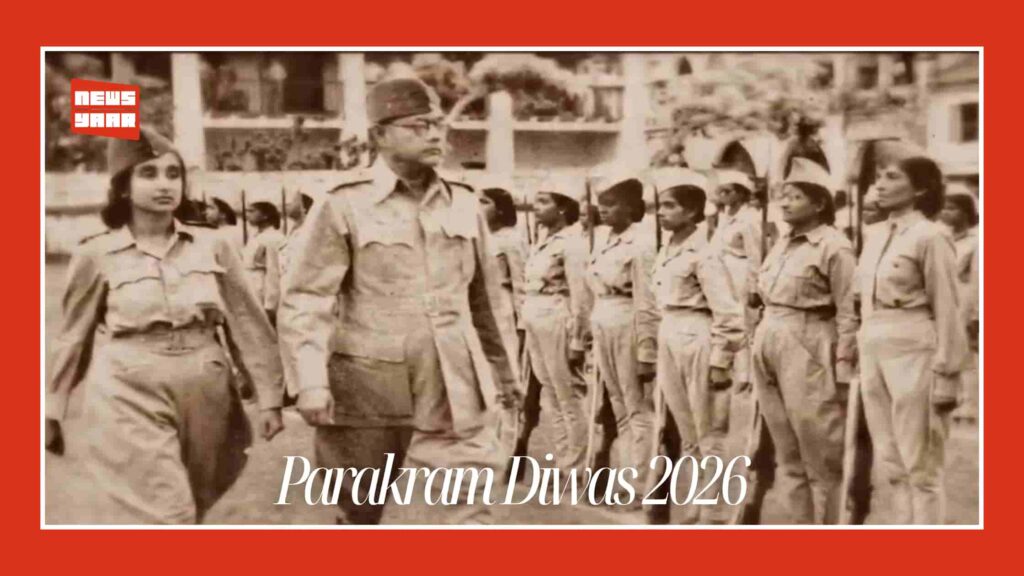
Parakram Diwas, observed every year on January 23, marks the birth anniversary of Netaji Subhas Chandra Bose, one of India’s most formidable freedom fighters. As India commemorates Parakram Diwas 2026, the day serves not merely as a tribute to a historical figure but as a reminder of an uncompromising vision of freedom, courage, and self-reliance that continues to resonate with the nation. Born on January 23, 1897, in Cuttack, Odisha, Subhas Chandra Bose was a brilliant student who topped the Indian Civil Services (ICS) examination in England. Yet, in an act that defined his life, he resigned from the prestigious service to dedicate himself entirely to India’s freedom struggle. His decision reflected a core belief: freedom could not be negotiated; it had to be seized. Unlike many leaders of his time, Bose believed that political independence required direct action, not prolonged compromise. His ideological differences with the Indian National Congress leadership eventually led him to chart his own path, driven by urgency and revolutionary resolve. The Formation of the Indian National Army (INA) Netaji’s most defining contribution was the revival and leadership of the Indian National Army (Azad Hind Fauj). With the iconic call of “Give me blood, and I will give you freedom,” Bose mobilised thousands of Indians across Southeast Asia to take up arms against British rule. The INA was not merely a military force, it was a symbol of defiance. It challenged the myth of British invincibility and ignited a powerful sense of national pride among Indians, including those serving within the British Indian Army. Historians widely agree that the INA trials played a significant role in accelerating the British decision to leave India. The word “Parakram” means courage, valour, and decisive action, qualities Bose embodied throughout his life. Parakram Diwas was officially instituted by the Government of India to honour these values and inspire citizens, especially the youth, to act with conviction in nation-building. In 2026, as India navigates complex global challenges, economic uncertainty, technological transformation, and geopolitical shifts, Netaji’s ideas on self-reliance, unity, and national confidence feel strikingly relevant. His emphasis on discipline, leadership, and sacrifice offers a counterpoint to complacency and apathy. Bose’s vision extended beyond the mere end of colonial rule. He envisioned a strong, socially just, and industrially advanced India, where freedom translated into dignity for every citizen. His advocacy for women’s participation in the freedom struggle, exemplified by the Rani of Jhansi Regiment, was far ahead of its time. Even today, his ideas provoke thought, about leadership that demands accountability, patriotism that requires action, and freedom that comes with responsibility. Parakram Diwas 2026: A Call to Reflect and Act Parakram Diwas is not just about remembering Netaji Subhas Chandra Bose; it is about questioning ourselves. Are we bold enough to stand by our principles? Are we willing to act when circumstances demand courage? As India observes Parakram Diwas 2026, Netaji’s life stands as a reminder that history is shaped not by comfort, but by conviction. His legacy urges the nation to move forward, not cautiously, but courageously.
NASA Astronaut Sunita Williams Retires After Nearly Three Decades of Spaceflight Service
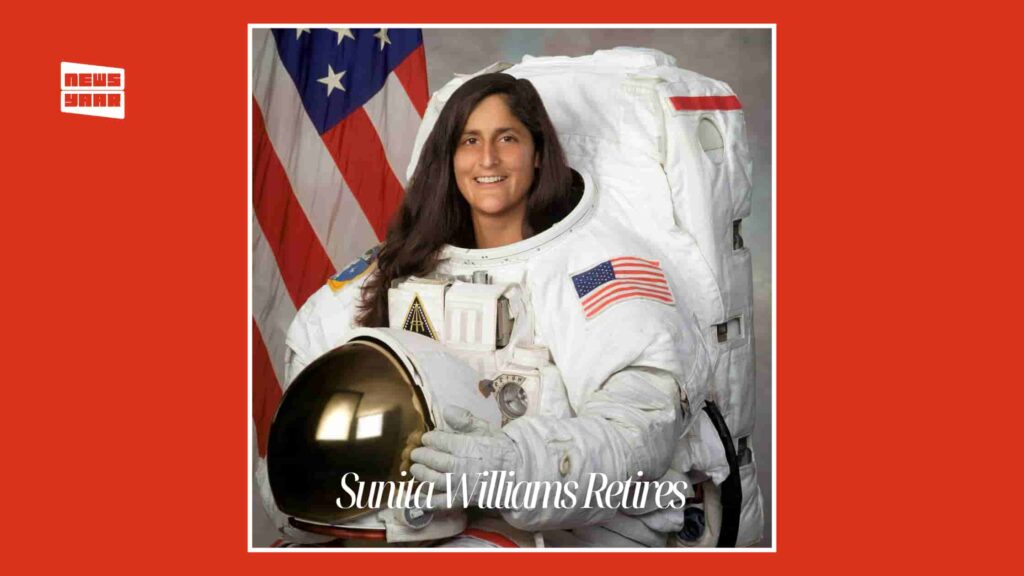
NASA astronaut Sunita “Suni” Williams has formally retired after a distinguished 27-year career with the United States space agency, closing a chapter that spans some of the most significant phases of modern human spaceflight — from the Space Shuttle programme to the International Space Station (ISS) and the emergence of commercial crew missions. NASA announced her retirement in late 2025, acknowledging Williams’ extensive contributions to space exploration, mission leadership, astronaut training and long-duration human spaceflight operations. Early Life and Professional Background Born on September 19, 1965, Sunita Williams is of Indian-Slovenian descent and grew up in the United States. She graduated from the United States Naval Academy with a degree in physical science and later earned a master’s degree in engineering management from the Florida Institute of Technology. Before joining NASA, Williams served as a commissioned officer in the US Navy, where she became a helicopter pilot and later a test pilot, flying more than 30 aircraft types. Her operational and technical experience in aviation played a key role in her selection as an astronaut. Selection as NASA Astronaut Williams was selected as part of NASA’s 1998 astronaut class, one of the agency’s most competitive intakes. She underwent extensive training in spacecraft systems, robotics, spacewalks, Russian language and survival operations — a reflection of NASA’s increasingly international mission structure at the time. Her training coincided with the early assembly years of the International Space Station, positioning her at the forefront of long-duration orbital missions. Space Missions and Time in Orbit Over the course of her career, Williams flew on three space missions, spending a cumulative 608 days in space, making her one of NASA’s most experienced astronauts in terms of time spent in orbit. Her first spaceflight came in 2006 aboard Space Shuttle Discovery (STS-116), where she joined Expedition 14 and later Expedition 15 aboard the ISS. During this mission, she played a major role in station construction and systems maintenance. Williams returned to the ISS in 2012 as part of Expedition 32, later assuming command during Expedition 33, becoming one of the few astronauts — and one of the few women — to lead the orbiting laboratory. Record-Breaking Spacewalks One of Williams’ most notable achievements was her contribution to extravehicular activity (EVA). She conducted nine spacewalks, accumulating over 62 hours outside the ISS — a record for the most spacewalk time logged by a woman astronaut at the time. Her spacewalks involved complex tasks such as station assembly, repair of external systems, installation of scientific instruments and upgrades to power and cooling infrastructure critical to ISS operations. Leadership and Scientific Contributions As Commander of the ISS, Williams was responsible for crew safety, operational coordination, scientific mission execution and liaison with ground teams across multiple countries. Her tenure coincided with an intensive research phase aboard the station, with experiments spanning human physiology, material science, fluid dynamics and Earth observation. NASA officials have consistently cited her leadership style, operational discipline and technical proficiency as instrumental in sustaining continuous human presence aboard the ISS. Role in Commercial Crew and Training In the latter part of her career, Williams supported NASA’s transition toward commercial crew programmes, contributing to astronaut training, mission evaluations and operational readiness planning. Her experience across different spacecraft platforms made her a valuable resource during this transitional period. She was also involved in mentoring younger astronauts and supporting mission simulations, ensuring continuity of institutional knowledge within NASA’s astronaut corps. Retirement and Post-Service Benefits Williams retired at the age of 60, making her eligible for federal retirement benefits based on years of service. According to public disclosures, retired NASA astronauts receive pensions under standard US federal employee retirement systems, along with healthcare and post-service benefits. While she has not announced formal post-retirement plans, retired astronauts often continue contributing through education, public engagement, advisory roles, research collaborations and private-sector aerospace initiatives. Legacy and Impact Sunita Williams’ retirement marks the end of a career that bridged multiple eras of US space exploration. Her achievements place her among the most accomplished astronauts in NASA history, particularly in the areas of long-duration missions, spacewalk operations and international cooperation aboard the ISS. Her career has also held symbolic importance for aspiring scientists and engineers worldwide, particularly in India and among the global Indian diaspora, where her achievements have long been followed with pride. As NASA prepares for future missions to the Moon, Mars and beyond, Williams’ contributions remain embedded in the operational foundations of long-duration human spaceflight.
Bharat Ratna Karpoori Thakur Birth Anniversary: Nation Remembers Champion of Social Justice
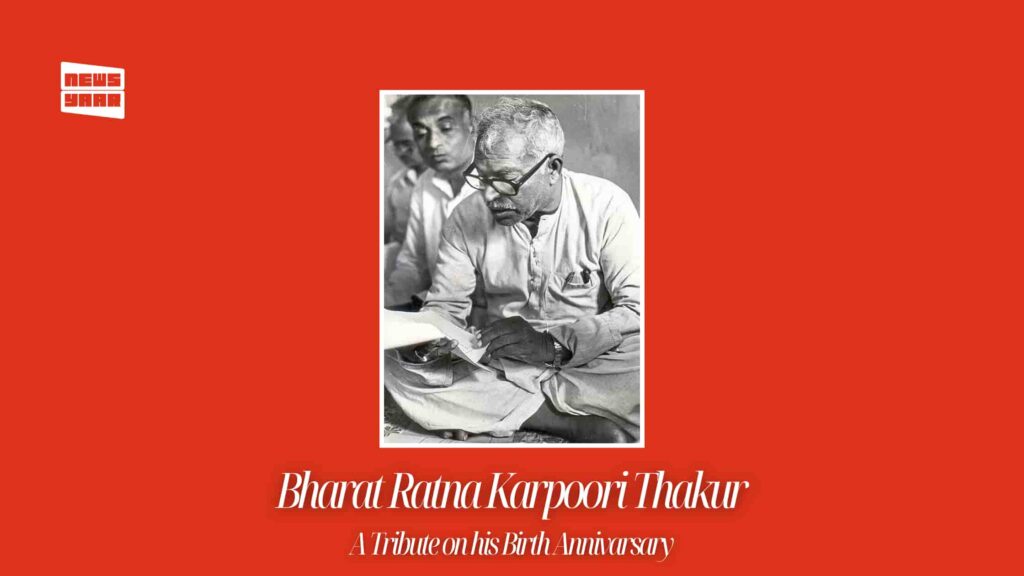
Tributes were paid across Bihar and the country on the birth anniversary of Bharat Ratna Karpoori Thakur, one of India’s most influential socialist leaders and a key architect of social justice politics in the Hindi heartland. Political leaders, social organisations and citizens remembered Thakur’s enduring contribution to inclusive governance, backward class empowerment and ethical public life. Born on January 24, 1924, in Samastipur district of Bihar, Karpoori Thakur rose from modest beginnings to become one of the most respected mass leaders of the state. His political life was shaped by the freedom movement, socialist ideology and a deep commitment to the upliftment of marginalised communities. He passed away in 1988, but his legacy continues to influence India’s political and social discourse decades later. On the occasion of his birth anniversary, leaders cutting across party lines highlighted Thakur’s role in institutionalising social justice policies at a time when such ideas faced strong resistance. Prime Minister Narendra Modi led the national tributes, recalling Thakur’s simplicity, integrity and lifelong dedication to the poor and backward classes. In a message, the Prime Minister described him as a visionary leader who devoted his life to empowering the marginalised and strengthening democratic values. Bihar Chief Minister Nitish Kumar, along with several senior state leaders, paid floral tributes at Karpoori Thakur’s memorial and emphasised that his policies laid the foundation for social equality in the state. Similar commemorative events were held in Patna, Samastipur and other parts of Bihar, with public meetings recalling his governance model and personal conduct in public office. Karpoori Thakur served as the Chief Minister of Bihar twice — first from 1970 to 1971 and again from 1977 to 1979. His tenure is particularly remembered for the implementation of reservations for backward classes in government jobs at the state level, a move that preceded and later informed national-level policy debates on affirmative action. His decision to include extremely backward classes within the reservation framework was considered path-breaking and remains central to Bihar’s social justice structure today. Often referred to as “Jan Nayak” (people’s leader), Karpoori Thakur was known for his austere lifestyle and incorruptible reputation. Despite holding high office, he lived simply and maintained close contact with grassroots workers and ordinary citizens. His refusal to accumulate personal wealth and his insistence on clean politics set him apart in an era marked by increasing political competition and power struggles. In recognition of his exceptional contribution to public life and social equity, the Government of India conferred the Bharat Ratna — the country’s highest civilian award — on Karpoori Thakur posthumously in 2024. The honour was widely seen as long overdue and was welcomed across the political spectrum, particularly by leaders and communities who regard Thakur as a symbol of empowerment and dignity. Political analysts note that Karpoori Thakur’s relevance has only grown over time, especially as debates around social justice, representation and inclusive growth continue to shape Indian politics. His emphasis on education, reservation, linguistic accessibility in administration and decentralised governance remains influential, particularly in Bihar and neighbouring states. As the nation marks his birth anniversary, Karpoori Thakur is remembered not only as a former chief minister or socialist leader, but as a statesman whose ideas were rooted in equity, humility and democratic participation. His life and work continue to serve as a moral and political reference point in contemporary India, reinforcing the values of social justice and public service.
PM Modi’s Mann Ki Baat – Episode: 130th
GOVERNMENTPM Modi’s Mann Ki Baat – Episode: 130th Newsyaar January 25, 2026 6:15 pm https://www.youtube.com/watch?v=ehO3BjjTQgM&t=28sVideo credit: YT@/NaMo My dear countrymen, Namaskar. This is the first ‘Mann Ki Baat’ of the year 2026. Tomorrow, on the 26th of January, we shall all celebrate our Republic Day. Our Constitution came into effect on this very day. This day; the 26th of January, gives us an opportunity to pay homage to the founding fathers of our Constitution. Today, the 25th of January, is also a very significant day. Today is National Voter’s Day… Matadata Diwas. A voter is the soul of democracy. Friends, Usually, when someone turns 18, becomes a voter, it is considered a normal milestone in life. However, this occasion is actually a major milestone in any Indian’s life. Therefore, it is very important that we celebrate becoming a voter in our country. Just as we wish and celebrate birthdays… similarly, whenever a young person becomes a voter for the first time, the entire neighbourhood, village, or city should come together to congratulate them and distribute sweets. That would raise awareness about voting and strengthen the feeling of how important it is to be a voter. Friends, I would like to express my deep appreciation to all those people in the country who are involved in the electoral process and work at the grassroots level to keep our democracy vibrant. Today, on ‘Voter’s Day’, I would once again urge my young friends to register themselves as voters upon turning 18. This will fulfil the sense of duty that the Constitution expects of every citizen and will also strengthen India’s democracy. My dear countrymen, These days I am seeing an interesting trend on social media. People are reliving their memories of the year 2016. In the same spirit, today I too would like to share one of my memories with you. Ten years ago, in January 2016, we embarked upon an ambitious journey. We had realised then, that even if it were a small one, it was very important for the future of the country for the young generation. At that time, some people could not understand what it was all about, after all! Friends, the journey I am referring to is the journey of Start-up India. The heroes of this amazing journey are our young friends. The innovations they came up with by stepping out of their comfort zones are being recorded in history. Friends, Today India has turned into the third largest Start-ups ecosystem in the world. These Start-ups are out of the box; they are working in sectors that were unimaginable even 10 years ago. AI, Space, Nuclear Energy, Semiconductors, Mobility, Green Hydrogen, Biotechnology… you name it and you’ll find one Indian Start-up or the other working in that sector. I salute all my young friends who are associated with one Start-up or the other or want to start one of their own. Friends, Today through ‘Mann Ki Baat’, I want to urge my countrymen; especially the youth associated with industry and Start-ups. India’s economy is progressing rapidly. The world is watching India. At such a juncture, we all shoulder a huge responsibility. That responsibility is to emphasize on quality. The era of ‘it just happens… it works… it will go through somehow’ is over. Come, let us prioritize quality with all our might this year. Let our only mantra be quality, quality and only quality. Better quality today than what it was yesterday. Let us resolve to improve the quality of whatever we manufacture. Be it our textiles, technology or electronics… even packaging; the connotation of an Indian product should become – ‘top quality’. Come, let us make excellence our benchmark. Let us resolve that there will be no laxity on quality, nor will there be any compromise on quality. And I had expressed from Red Fort – ‘Zero Defect Zero Effect’. Only by doing this shall we be able to accelerate the journey towards a ‘Viksit Bharat’. My dear countrymen, The people of our country are very innovative. Seeking solutions to problems is part of our countrymen’s nature. Some do this through start-ups; while others try to find a solution through the collective strength of society. One such effort has emerged in Azamgarh, Uttar Pradesh. The People there have lent life anew to the Tamsa River that flows through this place. The Tamsa is not just a river; it’s a Live continuum of our cultural and spiritual heritage. This river, which crosses Ayodhya and merges with the Ganga, was once the axis of life for the people of this region. However, on account of pollution, its uninterrupted flow was obstructed. Silt, garbage and filth had blocked the flow of this river. After that, the people here started a campaign to give it a new lease of life. The river was cleaned, and shady, fruit-bearing trees were planted along its banks. Local people engaged themselves at the task with a sense of duty… and through everyone’s efforts, the river was revived. Friends, A similar endeavour of public participation has also been witnessed in Ananthapur, Andhra Pradesh. This is a region that has been grappling with a severe drought. The soil here is red and sandy, which is why people face water shortages. Many areas here do not receive rain over long periods. People sometimes even compare Anantapur to a desert drought.Friends, to address this problem, locals resolved to clean the reservoirs. After that, with the support of the administration, the ‘Ananta Neeru Sanrakshanam Project’ was launched. Under this effort, more than 10 reservoirs have been revived. These reservoirs are filling with water now. Simultaneously, more than 7,000 trees have been planted. This means that along with water conservation, the green cover in Anantapur has also increased. Children now, can also enjoy swimming here. In a way, the entire ecosystem here has been revitalized. Friends, Whether it’s Azamgarh, Ananthapur,
Modi Calls Nitin Nabin His ‘Boss’ as New BJP President Takes Charge
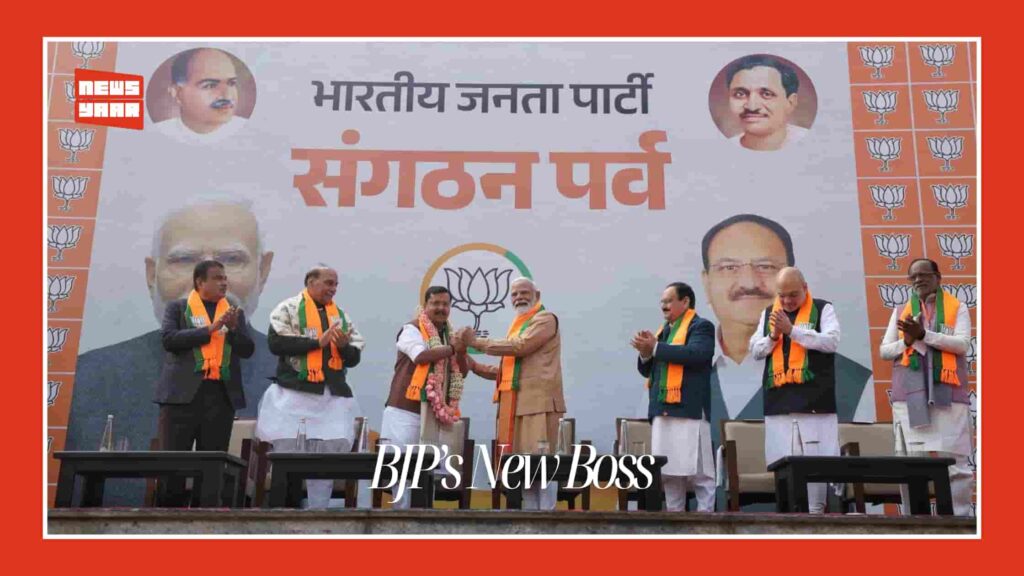
New Delhi:In a moment rich with symbolism and political messaging, Prime Minister Narendra Modi on Tuesday formally welcomed Nitin Nabin as the new national president of the Bharatiya Janata Party (BJP), declaring that in party matters, the newly appointed chief would be his “boss”. The remark, made at a felicitation event on January 20, 2026, with the BJP’s emphasis on organisational discipline and a clear separation between the party and the government.Nitin Nabin, 45, officially assumed charge in the presence of senior party leaders and Prime Minister Modi, marking the beginning of a new phase for the BJP’s organisational leadership. Addressing party workers, Modi said he had presented an account of his own work to the new president, adding with a touch of humour that he now awaited Nabin’s “guidance” and confidential report.“When it comes to party matters, honourable Nitin Nabin ji is my boss. I am a worker,” Modi said, drawing applause from the audience. The Prime Minister had made a similar statement in 2019 alongside then BJP president Amit Shah, reiterating a long-standing message within the party that the organisation functions independently of the government.Highlighting Nabin’s generational outlook, Modi pointed to the new president’s ability to bridge tradition and modernity. He remarked that while he himself grew up listening to news on the radio, Nabin represents a generation comfortable with technology and artificial intelligence, an implicit nod to the BJP’s evolving political strategies in a digital age.Nitin Nabin was officially declared the BJP national president on January 19, following the completion of an extensive internal organisational election process. According to party sources, 37 nominations were filed in his support, all of which were found valid.While the event largely focused on organisational unity, Modi also touched upon broader political issues. He reiterated the BJP’s position on national security, stating that infiltrators posed a serious threat to the country and must be identified and deported. He stressed the importance of learning from the mistakes of other political parties, a veiled reference to the Congress, and urged BJP workers to remain disciplined and connected to grassroots concerns.As Nitin Nabin steps into his new role, he faces the challenge of steering the BJP through complex electoral terrain and internal expectations. His relatively young age and organisational mandate signal a leadership style that blends experience with adaptability, qualities the party believes are essential for navigating the evolving political landscape.The transition, marked by Modi’s symbolic deference, reinforces the BJP’s core message: strong leadership thrives on organisational clarity, collective responsibility, and disciplined separation between party and power.