


Tata Motors Inaugurates ₹9,000 Crore JLR Manufacturing Plant in Tamil Nadu: A Major Boost to India’s Auto Sector

In a significant milestone for India’s automotive manufacturing landscape, Tata Motors today inaugurated its new Jaguar Land Rover (JLR) car manufacturing plant in Ranipet, Tamil Nadu. The state-of-the-art facility, developed at an investment of ₹9,000 crore, is expected to dramatically enhance India’s role in global automotive production, strengthen exports, create thousands of skilled jobs and deepen the country’s integration into premium vehicle supply chains.The inauguration was presided over by key dignitaries from the government and industry, highlighting the strategic importance of the facility not only for Tamil Nadu’s industrial ecosystem but also for India’s ambitions in high-end manufacturing and global value chains.A Strategic Expansion in India’s Premium EV and Auto Manufacturing HubThe new JLR manufacturing plant in Ranipet — located near Chennai — represents one of the largest foreign direct investments in India’s automotive sector in recent years. Spread over a sprawling industrial campus, the facility will initially focus on the assembly of Jaguar and Land Rover vehicles for both domestic sales and global exports.This manufacturing expansion aligns with Tata Motors’ broader objective of scaling its electrified offerings and premium portfolio, including future electric vehicle (EV) platforms under the JLR marque. Observers note that India’s position as a cost-competitive and skilled manufacturing destination was a key factor in Tata Motors’ decision to invest heavily in the Ranipet facility.Production, Technology and Employment ImpactWith world-class assembly lines and advanced manufacturing processes, the Ranipet plant is equipped to produce multiple variants of Jaguar and Land Rover vehicles with high levels of localisation. Over time, the facility plans to incorporate EV production capabilities, battery integration and digital manufacturing systems that leverage automation and industry 4.0 technologies.The new plant is projected to generate thousands of direct and indirect jobs, supporting local supply chains, component manufacturers, logistics service providers and associated sectors. Chief executives from Tata Motors highlighted that the Ranipet facility would be a key centre of excellence for JLR operations globally, integrating India more deeply into the premium automotive production network.Government and Industry ReactionsAcross government and industry forums, the plant’s inauguration was widely welcomed as a major boost to manufacturing confidence in India. Officials from the Union Ministry of Heavy Industries, the Tamil Nadu State Government and Tata Motors leadership emphasised the role of stable policy frameworks, infrastructure readiness and skilled workforce availability in attracting such large-scale investments.Tamil Nadu’s Industries Minister described the plant as a ‘transformational investment’ for the region, citing its long-term potential to anchor a premium automotive cluster and drive technology-intensive jobs.Exports, EV Focus and Global IntegrationWhile initial production will serve domestic demand, a significant portion of output from the Ranipet facility is earmarked for international markets. Tata Motors has outlined plans to progressively increase export volumes, particularly for models in the Land Rover and Jaguar portfolio that meet evolving global emission standards and premium quality benchmarks.In line with India’s ambitions in electric mobility, the plant is being equipped to adapt for future EV production. Industry analysts see this as crucial, given the accelerating global transition toward electrification and the premium segment’s growing focus on electric and hybrid powertrains.The Ranipet facility also positions Tata Motors to capture advantages from existing and emerging trade agreements, strengthen supply chain resilience and reduce lead times for regional markets in Asia, Europe and beyond.Investment, Infrastructure and Economic GrowthThe ₹9,000 crore investment underlines Tata Motors’ confidence in India’s manufacturing ecosystem. The facility is expected to catalyse ancillary investments in local component suppliers, tooling and engineering firms, and technology partners, further multiplying economic impact in the state.Tamil Nadu — already a leading auto manufacturing hub — stands to benefit from the plant through infrastructure upgrades, increased employment opportunities and expanded participation in global automotive networks.Manufacturing Excellence and Skill DevelopmentThe Ranipet plant has been designed with a strong emphasis on sustainability, safety and digital integration. Tata Motors has announced plans to work with local technical institutes and training partners to develop skilled workforces capable of operating advanced manufacturing systems — reinforcing the company’s commitment to building human capital alongside physical infrastructure.Why This MattersThe inauguration of the JLR manufacturing facility in Ranipet carries significance on multiple fronts:It represents one of the largest recent automotive investments in India, especially in the premium vehicle segment.It reinforces India’s credentials as a global manufacturing hub, especially for high-end vehicles and future electric models.It underlines the success of policies that support large industrial investment, infrastructure readiness and skilled workforce development.It is expected to create significant employment and economic spillovers, particularly in the automotive value chain.Looking AheadAs production ramps up and export volumes grow, the Ranipet JLR plant is expected to become a cornerstone of Tata Motors’ global operations. Its success may also encourage further large-scale investments from automakers seeking to leverage India’s competitive strengths in manufacturing, skilled labour and regional connectivity.In the rapidly evolving automotive landscape, the Ranipet facility stands as a testament to India’s growing influence in advanced manufacturing — particularly in segments once seen as the exclusive domain of developed economies.
Estonia President’s Official Visit to India: A Milestone in Bilateral Engagement
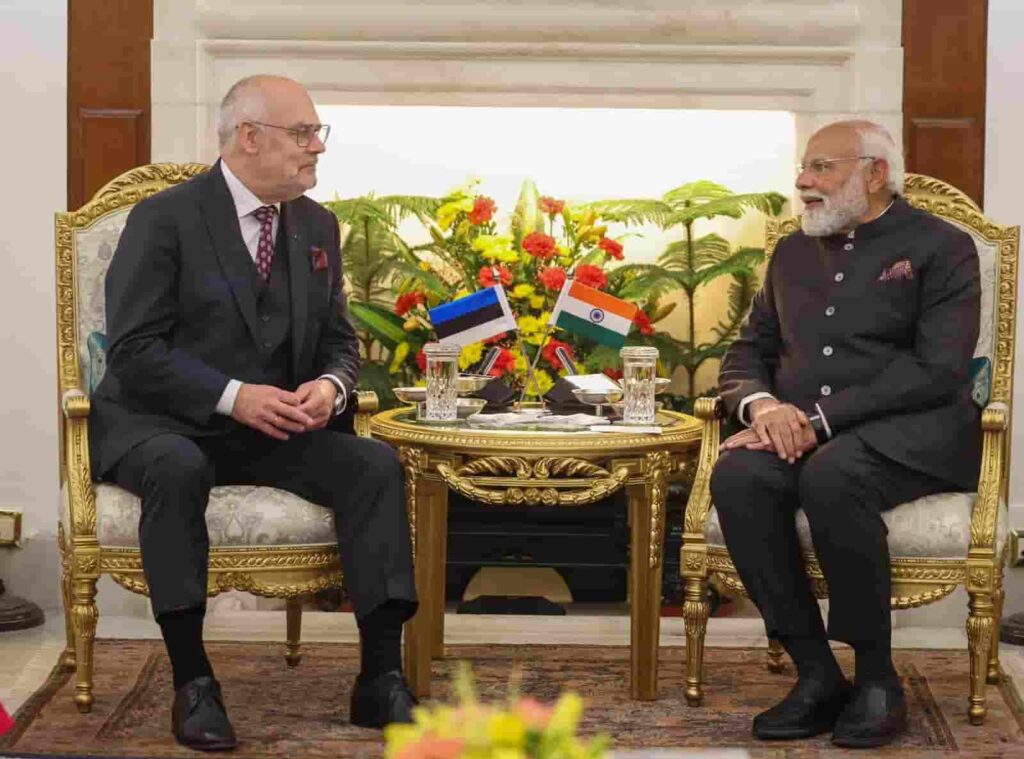
President Alar Karis, the Head of State of Estonia, concluded a significant official visit to India on February 19, 2026, underscoring deepening ties between the two countries across diplomacy, trade, digital cooperation, education and cultural exchange. The discussions and engagements during the visit reflected shared democratic values, mutual interest in technology-led growth and a growing emphasis on people-to-people links.This visit marked a high-profile diplomatic engagement that elevated relations between India and Estonia — both of which are democracies with strong commitments to digital innovation, open governance and strategic multilateral cooperation.Official Welcoming and High-Level MeetingsPresident Alar Karis was received at Rashtrapati Bhavan by President of India Smt. Droupadi Murmu, in a ceremony that reaffirmed the importance both nations place on their bilateral relationship. The ceremonial reception, followed by formal talks, set the tone for substantive discussions on a broad agenda of cooperation.In their meeting, President Murmu and President Karis reviewed ongoing collaboration, expressed satisfaction with the growing momentum of bilateral ties, and identified new avenues for future engagement. Both leaders spoke of shared democratic principles, respect for sovereignty, and the potential for deeper cooperation in emerging sectors.Strategic and Technology CooperationEstonia is known globally for its success in digital governance, cybersecurity and e-services, and these areas took centre stage during the visit. India and Estonia discussed cooperation in:Digital infrastructure and e-governance modelsCybersecurity partnershipsData governance frameworksDigital economy initiativesIndia shared its experience with large-scale programs such as Aadhaar and DigiLocker, while Estonia showcased best practices from its e-Estonia ecosystem — widely regarded as one of the most advanced digital societies in the world.Both sides expressed interest in knowledge exchange and joint initiatives that could benefit public service delivery, innovation pipelines and digital skill development.Economic and Trade EngagementBilateral trade and economic cooperation were key components of the discussions. While overall trade volume between India and Estonia has remained modest compared to India’s larger European partners, both nations affirmed a desire to broaden commercial links.Estonian companies operating in fields such as information technology, clean energy solutions, precision engineering and logistics services were identified as potential partners for deeper engagement with Indian enterprises. Similarly, Indian firms were encouraged to explore opportunities in the Estonian market, particularly in high-technology and service sectors.Both countries agreed on the need to further institutionalise trade facilitation mechanisms, reduce barriers and foster business dialogue through joint economic forums.Education, Culture and People-to-People LinksThe Presidents highlighted the importance of educational and cultural exchanges as core pillars of bilateral engagement. India and Estonia reaffirmed their commitment to expanding academic collaborations, student mobility programs and cultural showcases that deepen understanding between their citizens.Emphasis was placed on supporting:University partnershipsResearch collaboration in science and technologyStudent exchange schemesCultural festivals and artistic collaborationsThese initiatives were seen as vital for building stronger long-term ties, especially among young professionals, innovators and academics.Multilateral Cooperation and Shared ValuesIndia and Estonia also explored cooperation at the United Nations and other multilateral forums. Both countries reiterated their commitment to democratic norms, rule of law, peaceful resolution of disputes and inclusive development.There was agreement on enhancing joint efforts on global issues such as climate change, sustainable development, digital governance norms, and secure cyberspace regulations.Joint Statement and Future RoadmapAt the conclusion of the visit, both leaders issued a joint statement reaffirming their intent to broaden cooperation across multiple domains, including:Digital transformation and cybersecurityEconomic and trade linkagesEducation and cultural exchangeMultilateral engagement and strategic dialogueThe statement also expressed mutual respect for each other’s development models and acknowledged the importance of continued high-level visits and institutional dialogue mechanisms.Significance of the VisitPresident Karis’s visit to India in February 2026 carries strategic significance on several fronts. India’s engagement with Estonia — a small but highly innovative member of the European Union — reflects New Delhi’s broader approach to building partnerships based on shared technological and governance priorities rather than solely on scale.For Estonia, strengthening ties with India provides enhanced access to one of the world’s fastest-growing major economies and offers opportunities to participate in collaborative initiatives in technology, education and strategic innovation. Estonia’s expertise in digital governance was highlighted as a complementary asset to India’s own digital transformation journey.The visit also reaffirmed that India’s foreign policy priorities extend beyond traditional geopolitical partnerships to include innovative, technology-driven countries positioned for long-term global impact.As bilateral engagement moves forward, both sides signalled their intention to operationalise the discussions through focussed working groups, expert exchanges and public-private cooperation platforms that translate high-level commitments into actionable outcomes.President Karis’s visit, therefore, stands out not merely as ceremonial diplomacy but as a visit that helped articulate a forward-looking India-Estonia partnership in the digital age — one rooted in shared values, mutual respect and practical collaboration.
Spanish President Pedro Sánchez’s Official Visit to India: Strengthening Strategic Partnership
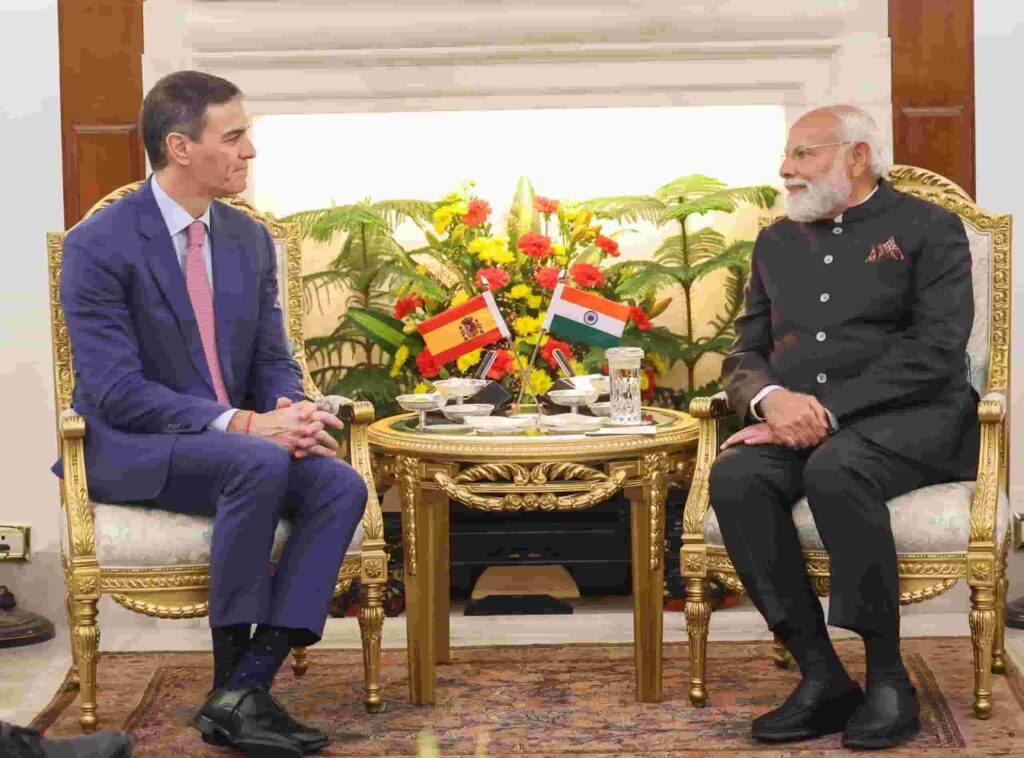
Spanish President Pedro Sánchez — President of the Government of Spain — paid an official visit to India from October 27 to 29, 2024, in a significant diplomatic engagement aimed at reinforcing bilateral ties across strategic, economic, technological and cultural domains. The visit, marked by high-level interactions with senior Indian leadership including Prime Minister Narendra Modi, underscored the evolving partnership between the two democracies in the contexts of trade, innovation, climate cooperation and global governance.This visit was the first by a Spanish head of government to India in nearly a decade, reflecting a renewed momentum in bilateral engagement driven by converging geopolitical priorities, deepening economic interdependence and shared commitments to multilateral cooperation.Arrival and Official EngagementsPresident Sánchez arrived in India on October 27, 2024, ahead of his participation in the AI Impact Summit hosted in New Delhi — an event that convened global leaders, industry experts and policymakers to discuss the future of artificial intelligence (AI), regulation frameworks and its socio-economic potential. Spanish participation in the summit signalled Spain’s interest in India’s emerging digital and technological leadership.On arrival, President Sánchez was received by senior Indian officials and engaged immediately in discussions that set the tone for substantive bilateral dialogues over the next three days.High-Level Meetings with Indian LeadershipA central component of the visit was the official meeting between President Sánchez and Prime Minister Narendra Modi at [official venue – e.g., Hyderabad House / Raisina Hill precinct]. The leaders held wide-ranging talks on issues of bilateral and global importance, reaffirming a shared vision for cooperation based on democratic values, economic partnership and sustainable development.Both leaders emphasised strengthening strategic dialogue mechanisms and enhancing cooperation in key sectors such as defence, manufacturing, green technologies, digital economy and renewable energy. They underscored the importance of elevating the India–Spain relationship into a comprehensive strategic partnership, reflecting growing political trust and mutual respect.Economic and Trade PrioritiesEconomic cooperation formed a major pillar of the visit. With bilateral trade between India and Spain having expanded over the years, both sides reiterated their intent to deepen economic engagement. Discussions focused on:Expanding trade in goods and servicesEnhanced cooperation in advanced manufacturing and innovation ecosystemsInvestment facilitation and market access for strategic sectorsTechnology partnerships in areas such as AI, mobility, health tech and clean energy solutionsPresident Sánchez and Indian counterparts acknowledged that both economies benefit from complementary industrial strengths — Spain’s advanced manufacturing and engineering capabilities and India’s growing services and technology base. They expressed optimism that targeted collaborations could accelerate investment flows and create employment opportunities in both countries.AI Impact Summit ParticipationPresident Sánchez’s participation at the AI Impact Summit underscored both nations’ interest in shaping global discourse on artificial intelligence. In his address, the Spanish leader emphasised the need for ethical, human-centric AI frameworks, equitable access to technological benefits, robust data protection standards and collaboration across nations in AI governance. The summit provided a platform for exchange of ideas on how emerging technologies can be responsibly deployed for societal benefit.Spanish delegations also engaged with Indian industry leaders, startups, research institutions and academic observers during the summit, fostering cross-border collaborations in cutting-edge research and innovation ecosystems.Defence, Security and Strategic CooperationDefence cooperation featured prominently in the discussions. Spain and India reviewed existing defence ties and explored expanded collaboration in key areas such as aerospace, naval systems, dual-use technologies and defence manufacturing partnerships. Both sides expressed interest in boosting joint research initiatives and expanding defence trade under frameworks that promote technology sharing and co-development.Security cooperation, particularly in areas such as counter-terrorism, cybersecurity and maritime security, was also prioritised. The leaders reiterated the importance of multilateral cooperation in addressing global security challenges, including in forums such as the United Nations and other international platforms.Climate Change, Renewable Energy and SustainabilityClimate action and sustainable development emerged as another key theme. India and Spain committed to enhancing cooperation on climate resilience, renewable energy deployment and green hydrogen ecosystems. Spain’s experience in wind and solar technologies aligns with India’s ambitious green energy transition targets, including the expansion of renewable capacity and sustainable urbanisation initiatives.Both sides also reaffirmed their support for multilateral climate goals under the Paris Agreement and emphasised collaborative approaches to climate finance, clean technology transfer and sustainable infrastructure development.Cultural and People-to-People ExchangesDuring his visit, President Sánchez highlighted the cultural bonds between India and Spain, noting that people-to-people ties — including tourism, academic exchange, arts and cultural collaborations — form a vital dimension of the bilateral relationship. Spain’s historical heritage and contemporary cultural vibrancy continue to find resonance with Indian audiences, even as Indian art, literature and cinema increasingly gain prominence in Spanish cultural spaces.Joint Communiqué and Future CooperationAt the conclusion of the visit, both countries released a joint communiqué outlining agreed priorities and a roadmap for future cooperation. Key commitments included:Regular high-level political consultationsEnhanced trade and investment facilitation measuresCooperative initiatives in technology, defence, climate and sustainable developmentStrengthened academic, cultural and scientific exchangesSignificance and ImpactPresident Pedro Sánchez’s visit to India in late 2024 marked a multipartite reaffirmation of the India–Spain relationship at a time of global geopolitical realignment. The emphasis on technology cooperation — particularly through Spain’s active role at the AI Impact Summit — hinted at a widening scope of cooperation beyond traditional diplomatic and defence dimensions.For India, deepening ties with Spain — a European Union member with strong global integration — adds momentum to its broader engagement strategy with Europe, aligning with India’s goals of diversifying partnerships in trade, innovation, and sustainable development.For Spain, stronger engagement with India opens pathways for Spanish companies in India’s fast-growing markets and reinforces Madrid’s diplomatic reach in Asia. Both nations signalled that their cooperation would be pragmatic, forward-looking and anchored in mutual interests.The visit has, therefore, been widely seen as a milestone moment in India–Spain ties — steering the relationship from transactional engagement toward a broader strategic partnership that spans economics, technology, culture and global governance cooperation.
India–Chile Trade Deal: Deepening Economic Engagement Between South Asia and South America
India and Chile have nurtured a stable and steadily expanding trade relationship over the past two decades, anchored in the India–Chile Preferential Trade Agreement (PTA) and moving toward a more comprehensive economic partnership. The evolving framework of cooperation reflects both countries’ strategic interests in expanding market access, diversifying export baskets, and strengthening bilateral economic integration within a globalised trade environment. Historical Background: From Framework to Preferential TradeThe roots of formal trade cooperation between India and Chile date back to the Framework Agreement on Economic Cooperation signed in January 2005, which laid the foundation for deeper commercial ties. Following this, after four rounds of negotiations, the India–Chile Preferential Trade Agreement (PTA) was finalised and signed on March 8, 2006 and came into force in India on September 11, 2007 and in Chile on August 17, 2007. The PTA was subsequently notified to the World Trade Organization (WTO) in January 2009, underlining its legitimacy and integration into global trade rules. Under the original 2006 PTA, both countries agreed to provide fixed tariff preferences on a selected list of goods to encourage bilateral trade. India initially offered tariff concessions ranging from 10% to 50% on 178 tariff lines at the detailed eight-digit product level to Chile, while Chile reciprocated with concessions on 296 tariff lines, some of which carried preferences of up to 100%. Expansion and Current Trade RegimeRecognising the need to broaden the agreement’s scope, India and Chile agreed in 2016 to expand the PTA, which came into effect on May 16, 2017, after ratification by both sides. Under the expanded framework:Chile offered preferential duty reductions on 1,798 goods — with margins of preference (MoP) between 30% and 100% — granting Indian exporters enhanced access to the Chilean market.India reciprocated with tariff concessions on 1,031 products at the eight-digit classification level, providing MoPs between 10% and 100% on items ranging from processed foods and raw materials to industrial and manufacturing inputs. The expanded PTA covers sectors such as agriculture and allied goods, chemicals, pharmaceuticals, textiles and apparel, machinery and equipment, processed foods, leather products, and various industrial commodities. This broader coverage has significantly improved market access for Indian businesses and diversified the range of products traded between the two countries. Trade Flows and Economic SignificanceChile is one of India’s key trading partners in Latin America, ranking among the top destinations for Indian exports and sources of imports. According to data for the fiscal year 2023–24, bilateral trade between India and Chile reached approximately US$2.45 billion, with India exporting goods worth about US$1.1 billion and importing nearly US$1.35 billion, reflecting a modest trade deficit for India. Chile’s top exports to India include copper ore and concentrates, iodine, lithium compounds, molybdenum ores, and chemicals, while Indian exports to Chile comprise transport equipment, pharmaceuticals, textiles, engineering goods, plastic and leather products, and handicrafts. Trade experts note that the India–Chile trade relationship remains well-balanced compared with other Latin American partners and continues to deepen despite global economic fluctuations. The diversity of export and import baskets illustrates the complementary aspects of both economies, offering opportunities for further expansion. Towards a Comprehensive Economic PartnershipWhile the PTA has provided a stable framework for tariff concessions, policymakers in both countries have recognised that a broader and more robust trade agreement could unlock greater economic potential. To this end, India and Chile have embarked on negotiations for a Comprehensive Economic Partnership Agreement (CEPA), which aims to expand beyond tariff reductions to cover emerging areas of bilateral cooperation.In May 2025, India and Chile signed the Terms of Reference (ToR) for CEPA, signalling their intent to elevate the trade relationship to a full-fledged free trade agreement (FTA). The CEPA negotiations build upon the existing PTA and foresee expanded cooperation in key sectors such as digital services, investment promotion and protection, small and medium enterprises (MSMEs), critical minerals, and broader goods and services trade. The first round of CEPA talks was concluded in May 2025, followed by subsequent negotiation rounds aimed at finalising the agreement text. Both sides have identified that including digital services and critical minerals — particularly Chile’s rich reserves of lithium and copper — could add significant strategic value to the CEPA framework, benefiting sectors such as clean energy, electronics and high-technology industries. Strategic and Geopolitical DimensionsThe India–Chile trade engagement is more than a commercial arrangement. Chile is a founding member of the Pacific Alliance, and India is an observer member, positioning the PTA and prospective CEPA as gateways to deeper engagement with broader Latin American markets. Strengthening trade ties with Chile aligns with India’s global economic outreach strategy, which seeks to diversify export markets, attract foreign investment, and secure supply chains for critical resources. For Indian exporters, Chile offers access to a strategically located South American market with strong linkages to other regional economies. For Chile, India presents opportunities in one of the fastest-growing large economies, with demand for products ranging from pharmaceuticals to engineering goods and textiles.Challenges and Future ProspectsWhile the expanded PTA has facilitated greater market access, the trade relationship still faces challenges such as addressing non-tariff barriers, improving logistics integration, and enhancing investment flows. The CEPA negotiations are seen as a necessary next step, aiming to resolve such issues and elevate economic cooperation to a more comprehensive level.Both governments have expressed optimism that a concluded CEPA will not only expand bilateral trade volumes but also attract greater investment in sectors such as information technology, renewable energy, critical minerals, and services, while supporting MSMEs, innovation ecosystems, and job growth in both countries. Conclusion: A Growing PartnershipThe India–Chile trade deal — rooted in a preferential trade agreement since 2007 and evolving towards a Comprehensive Economic Partnership Agreement — represents a significant chapter in India’s trade diplomacy with Latin America. Through phased tariff concessions, portfolio diversification, and ongoing negotiations to deepen economic cooperation, the two countries are forging a trade relationship that blends traditional commerce with emerging sectoral opportunities.As negotiations continue and potential CEPA outcomes take shape, the India–Chile economic partnership stands poised to expand not only in value but also in strategic scope, reflecting a shared vision of inclusive,
Brazil President Lula in India: A Friendly Visit for Talks on AI, Trade, and More
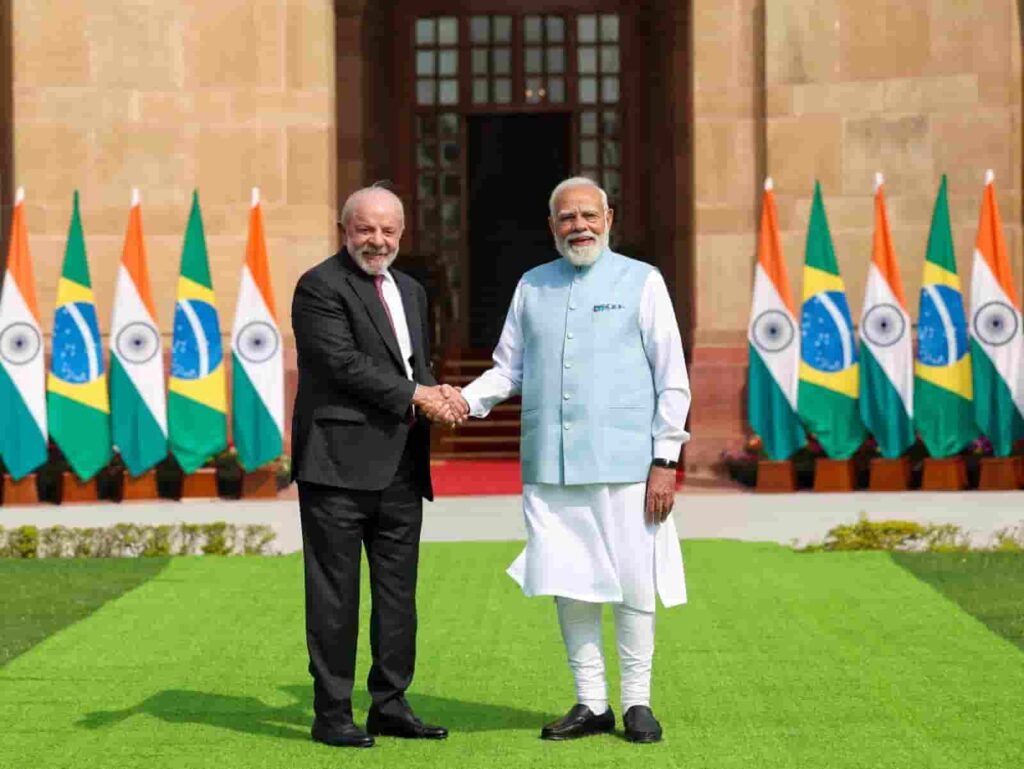
Brazil’s President Luiz Inácio Lula da Silva landed in New Delhi on February 18, 2026, for a five-day state visit. He said “Namaste, India!” on social media and shared a video of his warm traditional welcome. This is his sixth trip to India, invited by Prime Minister Narendra Modi. Lula will stay until February 22. The visit focuses on stronger ties between the two countries, with key events like the AI Impact Summit and meetings with top Indian leaders. Lula got a nice welcome at the airport from Minister of State for External Affairs Pabitra Margherita. He is here with about 14 ministers and many top CEOs from Brazilian companies. They will meet Indian leaders and join a Business Forum to talk business. India and Brazil already trade a lot, $15 billion in 2025. Brazil is India’s biggest trade partner in Latin America. What Will Happen During the Visit The visit has a full schedule. On February 19-20, Lula will join the 2nd AI Impact Summit. This event brings leaders together to discuss how AI can help countries grow fairly. India and Brazil both care about smartly using tech. President Droupadi Murmu will meet Lula and host a banquet for him. Vice President C.P. Radhakrishnan and External Affairs Minister S. Jaishankar will also call on him. The big meeting is on February 21. Prime Minister Modi will sit down with Lula to review all parts of their relationship. They will talk about trade, defense, energy, farming, health, and new areas like AI and space. Modi will host lunch for Lula. The leaders will also share ideas on world issues like UN changes, climate change, terrorism, and problems facing the Global South. Strong Ties Between India and Brazil India and Brazil have been close friends since 1948. They became Strategic Partners in 2006. Both are big democracies with shared values. They work together in BRICS, where India is the chair right now. Trade is growing fast. Brazil sells things like soybeans and oil to India. India sends pharma, chemicals, and auto parts to Brazil. They cooperate in defense, green energy, critical minerals for batteries, and Digital Public Infrastructure, like India’s UPI. Both push for UN reforms and fight climate change. Lula first came to India in 2004 as a Republic Day guest. He was here last for the G20 in 2023. Modi visited Brazil in July 2025, the first Indian PM’s state visit there in 57 years. They met again at the G20 in November 2025. Why This Visit Matters This trip will help both countries plan. Business leaders want more deals in trade and investment. Ministers will talk on energy, health, and tech. The CEOs’ forum shows how companies from both sides see big chances. Lula said the visit is about “strengthening ties, deepening partnerships, and discussing AI’s future.” For India, it boosts the BRICS and the Global South work. Brazil gets a stronger link to Asia’s top economy. People-to-people links are good too, yoga in Brazil, Brazilian culture in India. Both leaders want more cooperation on big world problems.
India AI Impact Summit 2026: Detailed Agenda for Global AI Action in New Delhi
New Delhi, February 9, 2026 – India gears up for the India AI Impact Summit 2026, set for February 16-20 at Bharat Mandapam, Pragati Maidan, New Delhi, the primary venue for the India AI Impact Summit 2026, which will host the main events on February 19-20.Hosted by the Ministry of Electronics and Information Technology (MeitY), this first Global South edition, billed by Union Minister Ashwini Vaishnaw as the “largest yet,” transitions AI discourse from vision to verifiable impact under the “Three Sutras”: People, Planet, and Progress.Some sources mention a broader program across February 16-20, potentially using additional Delhi venues like Sushma Swaraj Bhawan for side events, sessions, or exhibitions. Bharat Mandapam, one of India’s largest convention centers, was upgraded by NDMC for this flagship gathering. Chief Guests and Stellar LineupPrime Minister Narendra Modi serves as the Chief Guest, inaugurating on February 16 with a keynote and hosting a leaders’ dinner. Expected heads of government include representatives from Singapore, the UAE, and Brazil (15-20 total), plus 50+ ministers. Key speakers feature Google’s Sundar Pichai, Anthropic’s Dario Amodei, Microsoft’s Satya Nadella, and Indian luminaries like Nandan Nilekani (Infosys co-founder) and Ola’s Bhavish Aggarwal. Over 40 CEOs from Reliance, TCS, and global firms join, along with a Chinese delegation, signaling a thaw in collaboration. Event Schedule and Dialogues Feb 16: Inauguration, Modi address, CEO roundtable.Feb 17-18: Plenary sessions and seven “Chakras” (working groups) on core topics.Feb 19: Startup showcase (500+ ventures), AI model launches, bilateral dialogues.Feb 20: Closing with actionable declarations.Expect 500+ parallel sessions, hackathons, and exhibitions. Dialogues include G20-style tracks on AI ethics, public-private partnerships, and Global South priorities. Participating Governments in India AI Impact Summit 2026 The summit, hosted by India’s Ministry of Electronics and Information Technology (MeitY) under the IndiaAI Mission, expects involvement from over 100 countries. Key highlights:High-Level Representation: 15-20 heads of government and 50+ ministers confirmed, including from Singapore, UAE, Brazil, and others.China: Delegation attending after India’s formal invitation, signaling AI collaboration.Preceding Hosts: Builds on summits by UK (2023 Bletchley), South Korea (2024 Seoul), France (2025 Paris).Collaborators: NITI Aayog (India’s policy think tank), state governments like Uttarakhand (pre-summit host), and international bodies (ITU, World Economic Forum).Global Engagement: Multinational working groups across Chakras, with US, UK, EU, and ASEAN nations active in prep consultations. Key Topics and Seven ChakrasThe India AI Impact Summit 2026 is structured around three foundational “Sutras” (People, Planet, Progress) that guide its discussions, with seven interconnected “Chakras” (working groups) translating these into specific, actionable themes.Core SutrasPeople: Focuses on human-centric AI, including safeguarding rights, enhancing access to services (e.g., healthcare, education), building user trust, workforce reskilling amid job impacts, and ensuring equitable benefits across societies.Planet: Addresses sustainable AI deployment, such as energy-efficient models, responsible resource use (e.g., reducing GPU/data center power demands), and AI applications for climate action, environmental monitoring, and resilience.Progress: Emphasizes inclusive innovation, capacity-building, productivity gains in sectors like agriculture and manufacturing, economic growth, and bridging the AI divide for the Global South. Seven Chakras (Key Discussion Topics)These working groups, involving 100+ countries, cover:AI governance and ethical frameworks.Trust and safety protocols for AI models (e.g., bias mitigation, transparency).AI’s impact on work and future jobs.Sector-specific applications (healthcare, agriculture, industry).Innovation and scalable solutions.Sustainability and environmental integration.Equitable access, inclusion, and development outcomes.Sessions will also spotlight IndiaAI Mission launches, startup innovations, and global standards, prioritizing “on-ground” results over regulations. What to Expect in India AI Summit?MeitY leads with partners like NITI Aayog, NASSCOM, World Economic Forum, and ITU. Corporate backers include Google, Microsoft, NVIDIA (GPU focus), and Indian firms like Tata and Adani (data centers). Governments from US, UK, EU, and ASEAN collaborate. Attendees (10,000+), policymakers, researchers, startups, NGOs, can expect networking zones, live demos (e.g., edge AI), policy labs, and a “Global AI Talent Fair.” Launches include indigenous foundational models under the Rs 10,370 crore IndiaAI Mission. India’s Strategic Push Amid HurdlesEchoing Bletchley (2023), Seoul (2024), and Paris (2025), India’s summit prioritizes “on-ground” wins for 1.4 billion people, as per Secretary S. Krishnan. AI could add $500B to GDP (NASSCOM), but challenges like GPU imports persist—eased by US trade deals and data center tax holidays to 2047. Budget 2026-27 tweaks fund nuclear-powered AI infra, as Vaishnaw eyes energy self-reliance.Vaishnaw hailed “phenomenal” global buy-in, with NDMC upgrading venues. Beyond talks, expect MoUs on compute sharing, talent visas, and sustainable AI pacts, positioning India as an AI diplomacy hub.This summit promises not just dialogue, but deliverables: inclusive, green AI for humanity’s progress.Video credit: YT@/Digital India
DRDO’s GaN Chip Breakthrough: A Strategic Leap in India’s Defence Technology
India’s Defence Research and Development Organisation (DRDO) has achieved a transformative milestone in defence electronics with the successful development of indigenous Gallium Nitride (GaN) semiconductor chips — a feat that marks a decisive shift in the country’s technological autonomy and strategic capability. This achievement, emerging from years of sustained research and innovation, places India alongside a select group of countries with advanced compound semiconductor capabilities and strengthens its defence industrial base amid evolving global security dynamics.What Are GaN Chips and Why They MatterGallium Nitride (GaN) chips represent a class of compound semiconductors that outperform traditional silicon-based technologies in power efficiency, thermal tolerance and high-frequency performance. Unlike silicon, GaN can operate at much higher power densities and elevated temperatures, making it ideal for defence systems where reliability under extreme conditions is critical. These characteristics are especially valuable in active electronically scanned array (AESA) radars, missile seekers, electronic warfare systems, communication arrays and surveillance sensors, which demand compact, high-power, high-frequency performance.Experts characterise compound semiconductor technologies like GaN and Silicon Carbide (SiC) as “thoroughbred racehorses” of modern defence electronics — systems that deliver superior range, resolution and signal fidelity in comparison with legacy counterparts.From Technology Denial to Indigenous MasteryThe journey toward GaN mastery in India began as a response to foreign technology denial regimes that restricted access to high-end semiconductor technologies during sensitive defence procurements. A notable example occurred during negotiations for the Rafale fighter jet acquisition, when France declined to transfer restricted chip-level technologies under offset requirements. Rather than accept continued dependence, Indian scientists initiated a long-term indigenous development effort led by DRDO labs.Two principal research centres spearheaded this effort:Solid State Physics Laboratory (SSPL), Delhi — focusing on material growth, device physics and compound semiconductor device design.Gallium Arsenide Enabling Technology Centre (GAETEC), Hyderabad — concentrating on compound chip fabrication, testing and integration.By late 2025 and into 2026, DRDO scientists had successfully decoded and implemented GaN technology at the level of monolithic microwave integrated circuits (MMICs) and high-power GaN High Electron Mobility Transistors (HEMTs), a critical achievement for defence electronic systems.Strategic and Operational ImplicationsThe GaN breakthrough is not merely a laboratory milestone — it has direct implications for India’s defence preparedness, sensor infrastructure and future combat platforms:Enhanced Radar and AESA Systems: GaN-based radar modules allow systems to transmit and receive much higher power with reduced heat loss, improving detection range, resolution and reliability — vital for surveillance and targeting.Missile Seekers and Electronic Warfare: GaN chips’ high-frequency handling and thermal tolerance make them suitable for compact, resilient radar seekers and EW systems used in both air-to-air and surface-to-air engagements.Communication and Satellite Systems: GaN’s superior power efficiency enhances satellite payloads and communication terminals, especially where size, weight and power constraints are critical.The integration of GaN in defence electronics also supports self-reliance in mission-critical technology, reducing dependency on imports and external suppliers. DRDO leadership has emphasised this capability as a strategic buffer against supply disruptions and export control regimes in times of geopolitical tension.Broader Technological ContextGaN development is part of a broader global emphasis on third-generation semiconductor technologies, which include GaN and SiC. These technologies are rapidly shaping defence, telecommunications, electric vehicles, power electronics and 5G infrastructure due to their ability to handle extreme operating conditions and high efficiencies.India’s achievement places it in an elite cohort of nations — including the United States, France, Russia, Germany, South Korea and China — actively pursuing sovereign GaN semiconductor capabilities.Expert Perspectives and Domestic Innovation EcosystemOfficials within DRDO, including Suma Varughese — Director General of Micro Electronic Devices and Computational Systems — have highlighted that GaN chips are not incremental advancements but foundational enablers for next-generation defence systems. These chips allow systems such as AESA radars to deliver significantly greater range and resolution, while electronic warfare setups benefit from enhanced power management and frequency agility.The GaN initiative also bolsters India’s indigenous semiconductor ecosystem, encouraging domestic research institutions, startups and industry partners to participate in high-end chip design and fabrication research.Integration into Defence PlatformsWhile the GaN chips themselves are an achievement, the ongoing work involves incorporating them into operational systems. DRDO’s progress in GaN technology aligns with advancements in long-range radars, missile guidance systems and next-generation avionics, where compound semiconductors enable performance far beyond what silicon technology can offer.Indigenous GaN technology is expected to play a key role in future sensor suites for platforms such as radar networks and upgraded fighter aircraft systems, enhancing India’s air domain awareness and electronic warfare capabilities.Strategic Autonomy and Future ProspectsFrom a strategic standpoint, achieving GaN chip capability is a milestone in India’s pursuit of technological sovereignty. DRDO’s advancements underscore a wider national effort toward self-reliance in defence technology, consistent with the government’s “Aatmanirbhar Bharat” (self-reliant India) vision.Officials estimate that mastering and iterating next-generation semiconductor technologies — including further refinement of GaN and related systems — will be a multi-year endeavour. However, the successful development of indigenous GaN chips demonstrates India’s capacity to innovate at the highest technical levels, insulating its defence industry from external constraint and positioning it for leadership in future electronic warfare technologies.Why This Breakthrough MattersThe indigenous GaN chip triumph represents more than a single technical achievement; it embodies a shift in India’s defence technology trajectory — from dependence on foreign suppliers to authentic self-sufficiency in core electronic systems. As warfare becomes increasingly reliant on advanced sensors, radar systems and digital electronics, the mastery of GaN technology equips India with tools essential for next-generation defence capabilities, operational autonomy and strategic deterrence in the evolving security environment.
PM Narendra Modi’s Malaysia Visit: Strengthening Strategic Partnership, Economic Cooperation and Cultural Ties
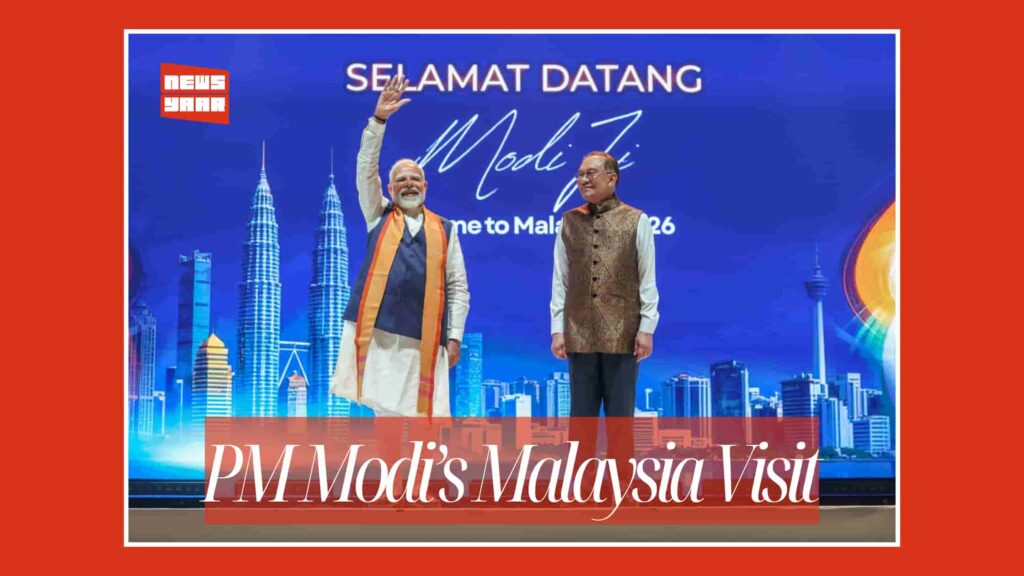
Prime Minister Narendra Modi concluded a substantive and forward-looking official visit to Malaysia, reinforcing a deepening partnership between the two nations across political, economic, security and cultural spheres. The visit — the first by an Indian Prime Minister to Malaysia in several years — was marked by high-level engagements, the signing of multiple agreements and robust discussions on shared priorities in the Indo-Pacific context, trade expansion, connectivity and people-to-people linkages.The Malaysian leg of PM Modi’s trip underscored New Delhi’s commitment to cultivating regional cooperation in Southeast Asia, building on historical ties rooted in shared democratic values, cultural exchange and economic complementarities.High-Level Bilateral Talks and Strategic DialogueAt the heart of the visit were comprehensive talks between PM Narendra Modi and Malaysian Prime Minister Anwar Ibrahim. The leaders reaffirmed their commitment to elevating the bilateral relationship to a strategic partnership reflective of converging interests in peace, security and prosperity in the region.Discussions focused on a broad agenda, including deeper cooperation in defence and security, counter-terrorism efforts, cyber security collaboration, climate resilience, digital transformation and health systems strengthening. Both leaders emphasised the importance of safeguarding freedom of navigation, upholding international law and advancing regional stability in the face of evolving global challenges.PM Modi and PM Anwar also exchanged views on enhancing cooperation within multilateral frameworks, including the United Nations, ASEAN (Association of Southeast Asian Nations) and the Indian Ocean Rim Association (IORA), highlighting India and Malaysia’s shared interest in promoting a rules-based global order.A Comprehensive Package of AgreementsA key highlight of the visit was the signing of six significant bilateral agreements and memoranda of understanding (MoUs), expanding collaboration across strategic sectors:MoU on Economic Partnership – aimed at boosting bilateral trade, investment flows and cooperation in priority sectors such as technology, manufacturing and services.Agreement on Defence Cooperation – providing a framework for joint exercises, training, information sharing and capacity building in defence and security.MoU on Connectivity – facilitating improved air, sea and digital linkages to enhance mobility for business, tourism and cultural exchange.Agreement on Energy Cooperation – focusing on renewable energy collaboration, energy security and technical exchange in clean technologies.MoU on Innovation and Digital Transformation – promoting cooperation in emerging technologies, digital governance and start-up ecosystems.Cultural Exchange Protocol – designed to further deepen people-to-people connections and collaboration in arts, education, language and heritage preservation. These agreements reflect a multi-sectoral expansion of the bilateral agenda, providing a structured roadmap for cooperation in areas critical to growth, innovation and regional integration.Economic Engagement and Trade PromotionEconomic cooperation formed a central pillar of the visit. India and Malaysia committed to further strengthening trade relations, which have grown steadily over the past decade. Both sides resolved to work toward removing structural bottlenecks, diversifying trade baskets and enhancing business connectivity.PM Modi highlighted India’s interest in attracting greater Malaysian investment in sectors such as infrastructure, semiconductors, digital technologies and renewable energy. Similarly, Malaysia expressed its intent to expand investment in India’s manufacturing and services sectors.Both leaders also discussed operationalising joint initiatives to support micro, small and medium enterprises (MSMEs), harnessing complementarities between India’s growing innovation ecosystem and Malaysia’s advanced industrial base.Shared Values and Cultural LinkagesA particularly resonant aspect of the visit was the emphasis on shared cultural heritage. PM Modi and PM Anwar reflected on the longstanding historical connections between India and Malaysia, rooted in centuries of trade, migration and cultural exchange.In a visible celebration of this shared legacy, PM Modi spoke warmly about India and Malaysia’s mutual affection for Tamil culture, which has enduring influence in both societies — in language, literature, arts and performance traditions. Recognition of these cultural affinities served as a reminder that the bilateral partnership extends beyond geo-political imperatives to deep human and historical bonds.Diaspora and People-to-People BondsThe Indian diaspora in Malaysia, one of the largest overseas Indian communities, was an explicit focus of PM Modi’s engagements. The Prime Minister interacted with diaspora representatives, acknowledging their contributions to Malaysia’s economic and social fabric while affirming India’s continued commitment to their welfare and aspirations.Both sides agreed to enhance cooperation in education, skill development, cultural exchange programmes and youth engagement to encourage future generations to build meaningful cross-border linkages.Defence, Security and Regional CooperationDefence cooperation discussions highlighted shared concerns regarding emerging security challenges in the Indo-Pacific. Both India and Malaysia reaffirmed their commitment to enhancing interoperability through joint training, maritime exercises and information exchange mechanisms.In addition, the leaders discussed counter-terrorism cooperation, focusing on intelligence sharing, capacity building and collaborative frameworks to prevent radicalisation, cyber threats and transnational criminal activities.Climate Action and Sustainable DevelopmentIn line with global climate imperatives, the visit also spotlighted cooperation on climate resilience and sustainable development. India and Malaysia reiterated their commitment to implementing the Paris Agreement goals and enhancing collaboration in renewable energy, sustainable urbanisation, water management and disaster response mechanisms.Both nations agreed to share best practices in technology deployment for climate mitigation and adaptation, recognising the shared vulnerabilities of the Asian region to climate change impacts.Joint Statement and Forward AgendaIn the joint statement issued at the conclusion of the visit, India and Malaysia articulated a shared vision for a robust, equitable and forward-looking partnership. The statement highlighted mutual respect for sovereignty, adherence to international law, and cooperation in multilateral platforms.Both countries resolved to pursue deeper engagement through structured policy dialogues, frequent exchanges at ministerial and working group levels and proactive collaboration in regional and global forums.Media, Public Reception and Global AttentionPM Modi’s visit received widespread media coverage in both India and Malaysia, with detailed reporting on bilateral talks, public events and ceremonial functions. Analysts from strategic affairs institutes and media houses underscored the visit’s significance in the broader context of contemporary geopolitics, especially in the evolving Indo-Pacific order.Indian media emphasised the correlation between enhanced India-Malaysia cooperation and India’s broader Act East Policy, which seeks to deepen ties with Southeast Asian nations for mutual economic, cultural and strategic benefit.Why This Visit MattersThis official visit is significant on multiple counts:It reinforces a mature bilateral partnership rooted in mutual respect and shared interests across strategic, economic and cultural domains.The agreements inked — especially in defence, energy, connectivity
India-US Trade Deal 2026: Comprehensive Framework, Key Terms and Strategic Implications
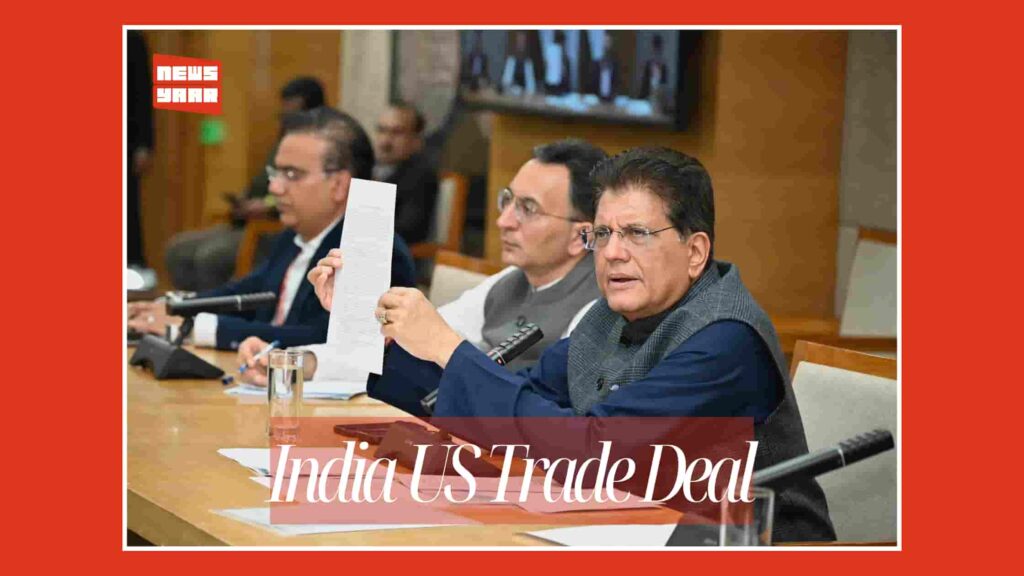
India and the United States have announced a framework for an interim trade agreement aimed at deepening economic ties, expanding market access, and strengthening bilateral cooperation on trade and investment. The trade deal represents progress in long-running negotiations between the two largest democracies and is viewed by New Delhi and Washington as a step toward a broader Bilateral Trade Agreement (BTA). The framework was unveiled following discussions between Prime Minister Narendra Modi and U.S. President Donald J. Trump, who first launched formal talks on a comprehensive India-U.S. trade arrangement in February 2025. Interim Framework OverviewUnder the interim framework, both countries have agreed to substantial tariff reductions and preferential market access commitments, while also embedding safeguards for politically sensitive and strategic sectors in their respective economies. The agreement stops short of a full free-trade agreement but sets out structured commitments that could be built upon in future negotiations. According to the joint statement issued by India and the U.S., the interim agreement emphasises mutual and reciprocal market access, rule-based trade enhancement, and sustained cooperation in areas of economic interest. It also commits both sides to work on non-tariff barriers to facilitate smoother trade flows. Tariff Reductions and Market AccessOne of the central features of the deal is reduction of mutually imposed tariffs on a wide range of goods:The United States will reduce its **reciprocal tariffs on Indian exports to 18 per cent from previous levels that reached up to 50 per cent on certain products, significantly improving access to the U.S. market. Tariffs will also be entirely eliminated for select Indian exports, including generic pharmaceuticals, gems and diamonds, and aircraft parts. India has agreed to eliminate or reduce tariffs on all U.S. industrial goods and a broad spectrum of American food and agricultural products, including dried distillers’ grains (DDGs), red sorghum for animal feed, tree nuts, fresh and processed fruits, soybean oil, wine and spirits. The reciprocal tariff arrangement is expected to open up significant opportunities for Indian exporters in traditional and emerging sectors, while also making a range of American products more competitive within India’s markets.Agriculture and Sensitive Sector ProtectionsA major concern throughout negotiations has been safeguarding India’s agricultural and rural economy, which supports a vast portion of the population. Commerce and Industry Minister Piyush Goyal has repeatedly emphasised that the deal will fully protect sensitive agricultural and dairy products from tariff concessions. Products explicitly shielded include:Staple crops such as maize, wheat, rice and soyaDairy and poultry products including milk, cheese and meatOther items critical to rural livelihoods such as ethanol (fuel), tobacco and certain vegetablesThese protections are intended to prevent adverse impacts on the livelihoods of farmers, smallholder producers and rural communities, who form the backbone of India’s agricultural economy. At the same time, India has offered zero-duty access for its farm products entering the U.S. market, including items such as spices, tea, coffee, coconut and coconut oil, cashew nuts, certain fruits like mangoes, bananas and pineapples, bakery products and vegetable waxes. This is expected to enhance export earnings for agricultural producers and MSMEs. Sectoral Gains and Strategic OutcomesThe interim framework includes sectoral provisions designed to boost trade and cooperation across diverse industries:Pharmaceuticals and Medical Devices: Zero tariffs on generic drugs and improved regulatory alignment are expected to bolster India’s strong position in the U.S. pharmaceutical market. Aerospace and Defence: Eliminating tariffs on aircraft parts and securing Section 232 exemptions are expected to benefit aerospace trade and support defence and commercial aircraft manufacturing. Manufacturing and ICT Goods: Commitments to address non-tariff barriers and streamline standards are expected to facilitate trade in information and communication technology (ICT) products and select machinery. Auto Components and Heavy Industry: The agreement anticipates tariff rate quotas for auto parts and preferential access for certain manufactured goods, enhancing industrial trade cooperation. Combined, these measures aim to reduce supply chain friction, attract investment, and support India’s Make in Indiainitiative by integrating domestic production more closely with global value chains.Energy and Long-term Procurement CommitmentsAs part of the broader economic engagement, India has signalled intentions to import approximately USD 500 billion worth of goods from the United States over the next five years. These imports include energy products such as crude oil, liquefied natural gas (LNG) and liquefied petroleum gas (LPG), along with aircraft and aircraft parts, technology products, precious metals and coking coal. These procurement commitments align with India’s strategy of diversifying its energy sources and deepening strategic economic ties with the U.S. . Expected Economic ImpactCommerce Minister Goyal has described the interim framework as a “historic and equitable agreement” that could potentially open a US$ 30 trillion market for Indian exporters. This expanded access is expected to deliver significant benefits for micro, small and medium enterprises (MSMEs), artisans, agricultural producers and women- and youth-led businesses by removing tariff barriers in the U.S. market. Key economic gains envisaged include:Boost to Indian exports in textiles, leather and footwear, plastic and rubber products, organic chemicals, home decor, artisanal goods and select machinery. Increased competitiveness for Indian pharmaceutical and aerospace sectors through zero tariff access. Enhancement of India’s MSME ecosystem through sustained preferential access and reduced non-tariff barriers. Political and Analytical PerspectivesThe trade framework has drawn both support and criticism within India. Proponents highlight its potential to create jobs, expand market reach for diverse sectors and attract foreign direct investment. Several state leaders have welcomed the deal as a step forward for economic growth and industrial development. Critics — including farmer unions and opposition figures — argue that the framework lacks sufficient detail and may expose certain sectors to unfair competition, particularly if tariff reductions are asymmetric. Concerns have been raised about the long-term impact on domestic agriculture and industrial policies. Why the Deal MattersThe interim India-U.S. trade deal is significant on multiple fronts:It marks a milestone in trade relations between the world’s two largest democracies, anchoring economic cooperation alongside strategic and defense ties. It represents a shift in India’s trade policy, balancing openness with protection for sensitive sectors while pursuing broader market access. For the United States, it strengthens economic engagement with a high-growth market and supports bilateral cooperation on technology, supply chains and industrial standards. The interim framework is
UGC Equity Rules Ignite Campus Fury: Protests, Court Stay, and a Divided Nation
On a chilly January morning in 2026, 22-year-old Amit Mishra from Ballia led 60 fellow students on a 3-km march across Lucknow University, from the faculty of law to gate number 3. Their banners bore no party logos, just raw demands for “Equity for All.” This scene, amid policy’s collision with identity, captures the explosive backlash against the University Grants Commission (Promotion of Equity in Higher Education Institutions) Regulations, 2026, notified January 13. Aimed at curbing caste-based discrimination, especially against SCs, STs, OBCs, disabled persons, and women, the rules have sparked protests, a Supreme Court stay, and fierce political divides. Notified to repeal 2012 guidelines and align with the National Education Policy 2020’s equity focus, the regulations mandate Equity Committees, Equal Opportunity Centres, helplines, Campus Level Committees, and even “Equity Squads” for campus vigilance. They define discrimination broadly, covering religion, race, gender, caste, birthplace, and disability, but spotlight caste-based harm against reserved categories. Institutions must enforce these under the head’s oversight, with appeals to an Ombudsperson. Born from 2019 PILs by mothers of Rohith Vemula (died 2016) and Payal Tadvi, students alleging caste harassment, the rules address a 118% surge in UGC-reported complaints over five years. Campus Clashes Erupt Delhi University’s North Campus boiled over on Wednesday as general-category students breached police barricades near the Vice-Chancellor’s office, placards screaming “Kaala Kanoon Vaapas Lo,” “Equity for All, Not for Few.” Protester Satvik Sharma decried vague definitions and misuse risks, vowing to Parliament if unmet. Akhilesh Tiwari slammed the exclusion of general students from redressal, demanding natural justice amendments over the 2013 grievance system. Patna’s Dinkar Golambar turned chaotic: Hundreds from All Bihar Students Union and Savarna Ekta Manch burned effigies, announcing a February 1 Bharat Bandh. Leaders like Vishal Kumar cried upper-caste targeting, “Unity or destruction!”, while Suryadev Kumar called it divisive caste politics. UP protests echoed with “Bantenge Toh Katenge,” Lucknow and Kanpur seeing head-shaving vows; even a BJP Kisan Morcha office-bearer and Bareilly magistrate resigned in Rae Bareli. Sangh Parivar student wings protested at UGC offices; Karni Sena joined the bandh call. SFI countered with pro-rules marches, citing systemic bias. Court Steps In, Politics Splits January 29, Chief Justice Surya Kant and Justice Joymalya Bagchi stayed implementation, calling rules “prima facie vague,” misuse-prone, and overly caste-focused, excluding ragging, ignoring non-caste bias. Notices issued to UGC and government for March 19 replies; bench urged eminent jurists’ review. Petitions claim violations of Articles 14, 15(1), 21, seeking caste-neutral access. Tamil Nadu CM M.K. Stalin hailed it as “welcome” against “deep-rooted discrimination,” linking to SC/ST suicides and south/Kashmiri attacks, but flagged weak independence (heads chair committees). He urged strengthening, evoking Mandal resistance. CPI(M) backed expansion to IITs/IIMs; BSP’s Mayawati, Shiv Sena (UBT)’s Priyanka Chaturvedi welcomed stay for upper-caste inclusion. BJP’s Dharmendra Pradhan assured no misuse. Deeper Flaws Exposed Critics decry admin-controlled squads as “moral policing,” no systemic policy checks, and stakeholder ambiguity, faculty/staff covered but Ombudsperson student-only. Pro-rules voices see exclusionary protection as vital; opponents, a general-category witch hunt. Pre-election timing fuels suspicions. From streets to the Supreme Court, this “masterclass or mug’s game” tests equity’s meaning. As February 1 looms, India’s campuses teeter, Will the judicial system refine or dismantle?