


Amrit Udyan 2026 Opens: Rashtrapati Bhavan’s Floral Paradise Welcomes Visitors from February 3
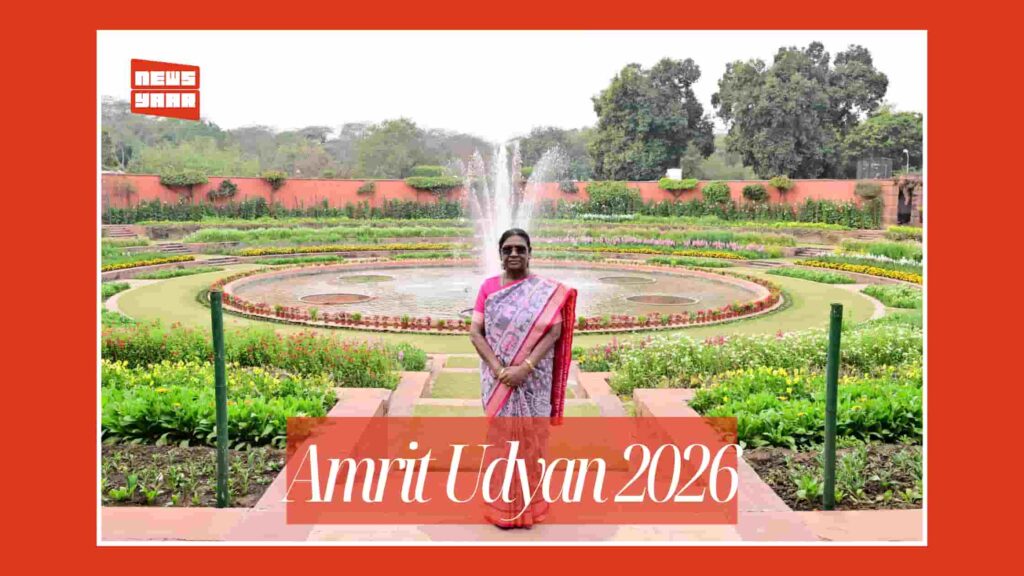
New Delhi, February 9, 2026 – President Droupadi Murmu inaugurated the Winter Annuals Edition of Amrit Udyan on February 1, throwing open the gates of Rashtrapati Bhavan’s iconic 15-acre gardens to the public from February 3 to March 31. Renamed from the historic Mughal Gardens, this “soul of Rashtrapati Bhavan” promises a breathtaking display of 85 flower species, including 145 rose varieties like ‘Bheem’, ‘Arjun’, and ‘Mother Teresa’, alongside tulips, the cascading Babbling Brook, and new reflexology paths in the Banyan Garden. Spanning East Lawn, Central Lawn, Long Garden, and Circular Garden, enhanced by additions like Herbal Garden, Tactile Garden, Bonsai Garden, and Arogya Vanam during Presidents APJ Abdul Kalam and Ram Nath Kovind’s tenures, Amrit Udyan blends Mughal symmetry with modern horticultural innovation. This year’s highlights include the landscaped Banyan Garden and a serene water stream, offering therapeutic walks amid nature’s splendor. Visitor Essentials: Timings, Booking, and Access Open Tuesday to Sunday, 10:00 AM to 6:00 PM (last entry 5:00-5:15 PM), the gardens close Mondays for maintenance and on March 4 for Holi. Entry is free, but mandatory online booking via https://visit.rashtrapatibhavan.gov.in/ ensures smooth access, with no on-the-spot registrations. Slots (hourly from 10 AM-4 PM) book up to six people per ticket and close at 10 AM the previous day; planning is advised. Entry/Exit: Gate No. 35, President’s Estate (near North Avenue). Shuttle buses run every 30 minutes from Central Secretariat Metro Station (9:30 AM-6:00 PM, last from the metro at 4:00 PM), marked “Shuttle Service for Amrit Udyan”. The self-guided route: Bal Vatika → Plumeria Garden → Banyan Garden → Bonsai Garden → Babbling Brook → Central Lawn → Long Garden → Circular Garden. Permitted items include mobiles, keys, purses, water bottles, baby milk bottles, and umbrellas. On-site amenities: drinking water, restrooms, and first aid. Special Access Days for Inclusivity March 3: Defence Personnel March 5: Senior Citizens March 10: Women and Tribal Women’s SHGs March 13: Divyangjan (persons with disabilities) Main Gardens in Amrit Udyan Amrit Udyan (formerly Mughal Gardens) at Rashtrapati Bhavan spans 15 acres with these core sections, enhanced over time: Central Lawn: Vast manicured expanse, central to the layout. Long Garden: Elongated walled stretch with water channels, roses, and bougainvillea. Circular Garden (Pearl/Sunken/Butterfly Garden): Amphitheater-style with ringed flower beds (stock, phlox, pansies, marigolds), lotus pond, bubble fountain, and nearby apiary. East Lawn: Original formal section with lotus fountains and stepped geometry. Bal Vatika: Children’s garden featuring a 225-year-old Sheesham tree, treehouse, and nature classroom. Bonsai Garden: Collection of miniature trees (some 80+ years old). Banyan Garden: Landscaped with reflexology paths. Plumeria Garden: Fragrant flowering section. Herbal Garden / Arogya Vanam: Medicinal plants and herbs. Tactile/Sensory Garden: Textured plants for touch. Musical Garden: Fountains synced to music. Spiritual Garden: Serene herbs from ancient texts. Visitor Route (self-guided): Bal Vatika → Plumeria → Banyan → Bonsai → Babbling Brook → Central Lawn → Long Garden → Circular Garden [prior article]. Key Flowers (2026 Highlights)85 species total, with 145 rose varieties like ‘Bheem’, ‘Arjun’, and ‘Mother Teresa’. Seasonal stars: tulips, daffodils, Asiatic/Oriental lilies, calendula, viola, alyssum, marigolds, phlox, pansies, stock, lotus. Musical Garden in Amrit Udyan: Unique Features The Musical Garden at Rashtrapati Bhavan’s Amrit Udyan stands out for its innovative fusion of music, science, and nature. Key Unique Elements: Inaugurated in 2006 by President APJ Abdul Kalam, transforming a former nursery into a high-tech sensory space. Dancing Fountains: Three large water fountains showcase digital electronics, electromagnetism, hydrodynamics, and hydrostatics, synchronized perfectly with music via computerized controllers. Tunes and Lights: Plays classical Indian instruments (shehnai, veena) and patriotic songs like Vande Mataram, with colorful lights shifting from white to red for a magical effect. Surroundings: Nestled amid tennis courts, biodiversity park, Bonsai Garden, and Herbal Garden; often frequented by peacocks, adding natural liveliness. Interactive Science: Exemplifies “human creativity through contact between music and science,” breaking the gardens’ tranquility with rhythmic water shows. Beyond the Gardens: Full Rashtrapati Bhavan Experience Pair your visit with Rashtrapati Bhavan tours, the Museum, or Saturday’s Change-of-Guard Ceremony (Forecourt). Combine tickets for a full day exploring India’s presidential heritage. Amrit Udyan isn’t just flora, it’s a living testament to India’s gardening legacy, drawing lakhs annually. Deputy Press Secretary Navika Gupta and garden in-charge Avneesh Banswal highlighted this season’s vibrant blooms during media previews, urging families to book early. As Delhi’s winter blooms, don’t miss this free oasis of tranquility amid urban hustle, perfect for photos, picnics, and peace. Video credit: YT@/President of India Video credit: YT@/President of India
Jallikattu 2026: Dates, Venues, Significance and How to Experience Tamil Nadu’s Bull-Taming Celebration
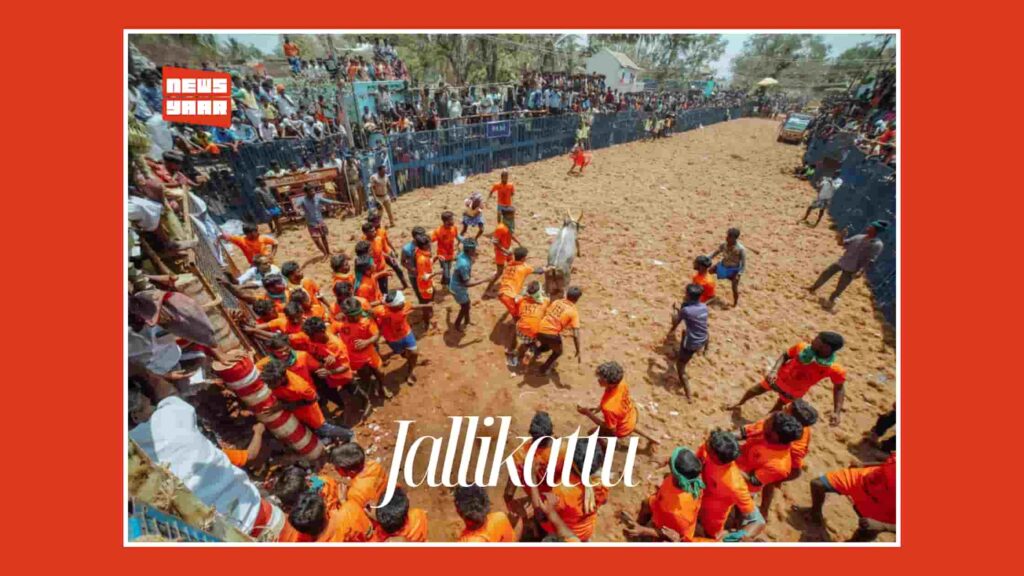
Jallikattu, a centuries-old bull-taming event deeply rooted in Tamil Nadu’s cultural fabric, is among India’s most iconic traditional sports. Celebrated as part of the Pongal harvest festival in January, Jallikattu blends sport, heritage and community identity, drawing enthusiastic participation from rural areas and spectators from across the state and beyond. What Is Jallikattu and Why It MattersJallikattu (also known as Sallikkattu or Manjuvirattu) is a traditional sport in which a bull, often of native breeds such as Pulikulam or Kangayam, is released into an open arena. Participants, known as tamers, attempt to grasp the bull’s hump and hold on long enough to bring the animal to a stop or cross a designated finish line. The sport is symbolic of valour, rural tradition and cattle conservation, traditionally practised in southern Tamil Nadu as part of Pongal celebrations. The sport also functions as a way for farming communities to maintain and honour native bull breeds, which are culturally and economically significant in agrarian life. When It Happens: Dates and DurationJallikattu events are typically held during the Pongal festival, which falls in mid-January each year. The main events are organised on Mattu Pongal day — the third day of the four-day Pongal celebration — with some competitions taking place before and after this date as part of the broader season. In recent seasons:The first Jallikattu of the year has been held as early as January 3 in districts such as Pudukottai. Major competitions like those in Avaniyapuram, Palamedu and Alanganallur are usually held between January 14 and 16, coinciding with Pongal festivities. Major Venues Where Jallikattu Is HeldJallikattu is organised in several traditional hotspots, particularly in southern Tamil Nadu:Avaniyapuram (Madurai district): One of the first and most popular stages of Jallikattu — often held on Pongal day — attracting hundreds of participants and thousands of spectators each year. Palamedu: Another historic venue with intense local participation. Alanganallur: Considered among the most famous Jallikattu arenas in the state with large crowd turnout. Suriyur (Trichy district): A permanent Jallikattu arena inaugurated recently to host this traditional sport during the season. Thatchankurichi (Pudukottai district): Hosts one of the opening events of the season, drawing participants from several districts. How to Reach and Experience JallikattuAir Travel:The nearest major airport for most Jallikattu venues is Madurai Airport (IXM), well connected to major Indian cities including Chennai, Bengaluru and Hyderabad. Rail Travel:Madurai Junction is the closest major railway station to Avaniyapuram, Palamedu and Alanganallur, with regular trains from key cities across India. Road Connectivity:Tamil Nadu’s road network links other districts such as Pudukottai, Tiruchirappalli and Theni to the Jallikattu venues. State buses, private taxis and shared vehicles are common options during the festival. What to Expect at the EventTraditional Spectacle:Each Jallikattu event begins with bulls being released from a designated enclosure (called vadivasal) into a field where tamers attempt to hold onto the animal’s hump or ride them. Success entails stopping or controlling the bull, which requires strength, skill and experience. Registration and Safety:Bull tamers and owners usually register with district authorities ahead of events, and bulls undergo veterinary checks to ensure fitness for participation. Medical and veterinary teams are typically stationed at arenas to handle injuries. Prizes and Recognition:In past years, winners have received significant prizes — including cars for top tamers and tractors or other awards for the best bulls — reflecting the prestige associated with the sport. Spectator Culture:Thousands of spectators, including local devotees and cultural tourists, gather at these arenas. Large crowds, local music and festive foods are part of the overall experience.Cultural and Historical SignificanceJallikattu’s origins date back over two millennia, with references to bull-taming activities in ancient Tamil literature. The sport is traditionally linked to the harvest festival of Pongal, where people express gratitude for agricultural bounty and honour livestock, which are central to rural livelihoods. Beyond sport, Jallikattu symbolizes community pride, bravery and rural identity. Despite controversies over animal welfare and safety in the past, it retains deep cultural resonance in Tamil Nadu and forms an integral part of the Pongal narrative.Visitor Tips and SafetyPlan Travel Early: January is peak season; book transport and accommodation well in advance.Stay Informed: Specific dates and registrations vary by district; check local administration notifications for schedules.Safety Precautions: While festive, Jallikattu involves large animals and crowds. Follow directions from officials and avoid entering restricted areas in arenas.Cultural Respect: The event is traditionally tied to local customs and community pride — respectful behaviour enhances the experience.In SummaryJallikattu is more than a sporting spectacle — it is a living tradition celebrated against the backdrop of harvest gratitude and local identity during the Pongal festival in Tamil Nadu. Combining cultural heritage, fierce competition and community participation, it offers an unforgettable experience for participants and spectators alike. With major venues such as Avaniyapuram, Palamedu and Alanganallur hosting events each January, the sport continues to draw attention both within India and abroad as an enduring symbol of Tamil rural culture.Video credit: YT@/Vikatan TV
Bharat Taxi Launched: Government-Backed Cooperative Cab Platform Aims to Disrupt Ride-Hailing Market
The Government of India has extended institutional support to Bharat Taxi, a cooperative-owned digital mobility platform that seeks to offer an alternative to private ride-hailing aggregators by placing drivers at the centre of ownership and operations. Launched under the vision of “Sahakar se Samriddhi”, Bharat Taxi is being positioned as India’s first large-scale, cooperative-led cab service, focused on transparent pricing, fair earnings for drivers and affordable transport for commuters. What Is Bharat Taxi and Who Runs It Bharat Taxi operates under Sahakar Taxi Cooperative Limited, a Multi-State Cooperative Society registered under the Multi-State Cooperative Societies Act, 2002. Unlike conventional cab platforms, drivers on Bharat Taxi are not just service providers but cooperative members with ownership stakes. The initiative is supported by major national cooperative institutions, including the National Cooperative Development Corporation, NABARD, IFFCO, KRIBHCO, Amul, NAFED, the National Dairy Development Board and the National Cooperative Export Limited. While the government is not involved in daily operations, it is actively promoting the cooperative framework behind the platform. A Driver-First Alternative to Aggregator Models Bharat Taxi has been conceived as a community-owned alternative to commission-based ride-hailing services. The platform follows a zero-commission model, allowing drivers to retain the full fare earned from each ride. Under the cooperative structure, driver-members are expected to benefit from collective decision-making, profit-sharing mechanisms and long-term financial participation, moving away from high platform fees that have been a longstanding concern in the sector. For passengers, the platform promises safe, reliable and cost-effective mobility with upfront fare visibility and reduced dependence on surge pricing. Pilot Launch and Expansion Plans The service has been pilot-launched in Delhi–National Capital Region and parts of Gujarat’s Saurashtra region. Based on feedback and operational readiness, Bharat Taxi is expected to expand to major cities including Mumbai, Bengaluru, Chennai, Hyderabad and Kolkata, followed by tier-2 cities and semi-urban areas. The government has indicated that the platform is intended to strengthen last-mile and point-to-point connectivity, especially in regions where ride-hailing services remain inconsistent or limited. Booking, App and Accessibility Features Bharat Taxi is accessible through a mobile application available on both Android and iOS platforms. Users can register using their mobile number and book city rides, intercity travel and metro-linked services. The app includes features aimed at accessibility, allowing users to indicate specific needs, including disabilities, during registration. Real-time tracking, emergency support and customer assistance are expected to be part of the platform’s core offerings. Fare Structure and Transparency One of the key selling points of Bharat Taxi is its pricing model. The platform aims to offer transparent, upfront fares with minimal fluctuation during peak hours. While fares are expected to remain competitive with existing services like Ola and Uber, the emphasis is on predictability rather than aggressive discounting. For drivers, the absence of commission is expected to translate into higher take-home earnings and improved financial stability. Why Bharat Taxi Matters Bharat Taxi represents a significant policy experiment in applying cooperative principles to the digital economy. By extending the cooperative movement into urban mobility, the initiative aligns with broader government goals of inclusive growth, fair competition and sustainable livelihoods. If scaled successfully, Bharat Taxi could reshape how technology-enabled public services are delivered, proving that platform-based businesses do not have to rely solely on investor-driven models. The Road Ahead As India’s urban transport needs continue to grow, Bharat Taxi’s success will depend on execution, service quality and user trust. The coming months will be crucial in determining whether the cooperative-led model can compete effectively in a market dominated by private aggregators. For now, Bharat Taxi marks a notable shift in India’s mobility landscape, one that blends technology with community ownership and signals a new direction for platform-based public services.
Rann Utsav: What It Is, Why It Is Celebrated and Everything You Need to Know About Gujarat’s White Desert Festival
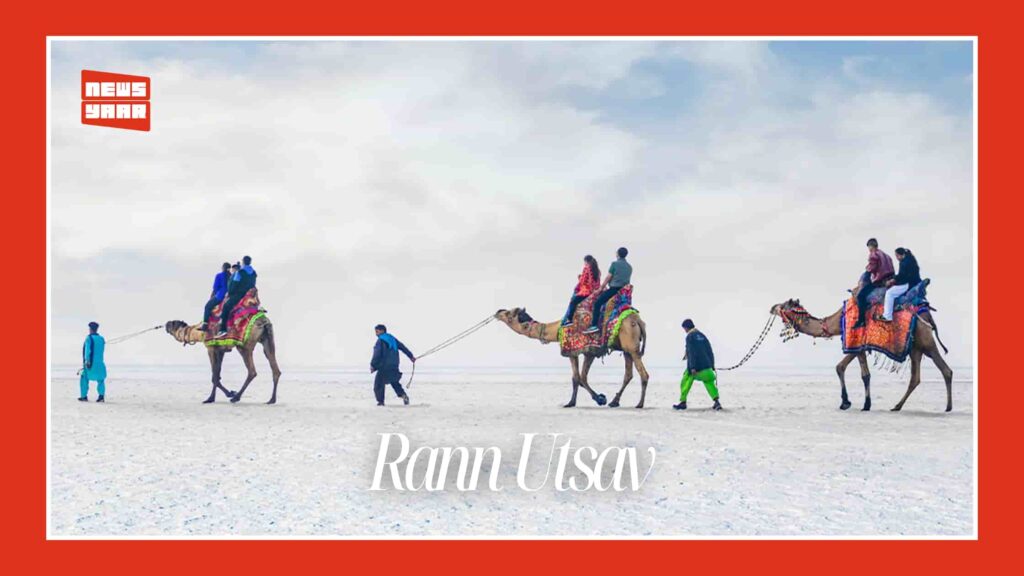
Rann Utsav is Gujarat’s iconic cultural and tourism festival held annually at the Great Rann of Kutch, one of India’s most extraordinary natural landscapes. Organised by the Gujarat Tourism Department, the festival celebrates the region’s rich heritage, crafts, music, food and desert life, while transforming the vast white salt desert into a globally recognised travel destination. For those unfamiliar with it, Rann Utsav is not just an event—it is a season-long cultural experience that brings together art, community and landscape in a setting found nowhere else in the country. What Is Rann Utsav and Why Is It Celebrated? The Great Rann of Kutch remains largely inaccessible during the monsoon season, but from winter onwards, the dried salt flats reveal a surreal white expanse. Rann Utsav was conceptualised to showcase this natural phenomenon while promoting Kutchi culture, rural livelihoods and sustainable tourism. The festival highlights local artisans, folk performers and traditional communities, allowing visitors to experience Gujarat’s cultural diversity beyond urban centres. Over the years, Rann Utsav has emerged as a symbol of India’s living heritage, blending tourism with cultural preservation. Rann Utsav Dates and Duration Rann Utsav is generally held from November to February, lasting nearly three to four months during the winter season. The official dates are announced by Gujarat Tourism every year, allowing travellers to plan visits across weekends, holidays and full moon nights. The long duration helps manage tourist flow while offering flexibility for visitors. Where Rann Utsav Takes Place The festival is hosted near Dhordo village, located about 80 kilometres from Bhuj. Dhordo serves as the main festival site and accommodation hub for visitors attending Rann Utsav. In recognition of its community-led tourism model, Dhordo village received the ‘Best Tourism Village’ award from the United Nations World Tourism Organization (UNWTO), highlighting India’s growing focus on sustainable and inclusive rural tourism. How to Reach Rann Utsav By Air:The nearest airport is Bhuj Airport, connected to major Indian cities like Ahmedabad, Mumbai and Delhi. Dhordo is approximately 80 km from Bhuj. By Rail:Bhuj Railway Station is the closest railhead, with regular trains from Ahmedabad and other cities. By Road:Bhuj is well connected via highways. From Bhuj, visitors can reach the Rann Utsav site by taxi, private vehicle or Gujarat Tourism transport services. Theme and Cultural Experience Each edition of Rann Utsav focuses on celebrating Kutchi traditions, including folk art, handicrafts and indigenous lifestyles. While the core theme remains cultural heritage, the festival also emphasises sustainability, community participation and responsible tourism. Entertainment, Music and Cultural Shows Key attractions include: Folk dance and music performances from Kutch and other regions of Gujarat Evening cultural shows under the open desert sky Live music events and traditional storytelling sessions Craft exhibitions featuring embroidery, mirror work, textiles and pottery Adventure, Fun and Desert Activities Rann Utsav offers a mix of leisure and adventure experiences: Camel rides and camel cart journeys across the white desert Desert safaris and guided exploration walks Adventure activities like ATV rides and paramotoring (subject to availability) Photography opportunities during sunrise, sunset and full moon nights Food and Culinary Experience Visitors can enjoy authentic Kutchi and Gujarati cuisine, along with multi-cuisine options. The festival promotes local flavours while catering to diverse tastes, making food an integral part of the experience. Accommodation and Stay Options The Rann Utsav Tent City at Dhordo offers multiple accommodation categories, combining comfort with traditional aesthetics. Hotels and guesthouses in Bhuj are also available for travellers preferring off-site stays. Places to Visit Around Rann Utsav A visit to Rann Utsav can be combined with nearby attractions in Kutch: Kala Dungar (Black Hill): The highest point in Kutch with panoramic views of the White Rann Dholavira: A UNESCO World Heritage Site and an important Harappan civilisation settlement Bhuj: Known for museums, palaces, temples and local markets Mandvi Beach: A coastal destination with historic shipyards and beach views Kutch Desert Wildlife Sanctuary: Famous for migratory birds during winter Why Rann Utsav Is Important for India’s Cultural Tourism Rann Utsav plays a crucial role in promoting India’s cultural tourism, rural livelihoods and heritage preservation. It has created sustainable income opportunities for local communities, artisans and performers, while placing Kutch on the global tourism map. The international recognition of Dhordo village further underlines how community participation and cultural pride can drive responsible tourism. In Summary Rann Utsav is not just a festival, but a window into India’s desert heritage, community spirit and artistic traditions. From the shimmering salt plains of the White Rann to the cultural richness of Dhordo village, the festival offers an experience that blends tourism with tradition. As India continues to highlight sustainable and inclusive travel, Rann Utsav stands out as a model of how cultural celebrations can preserve heritage while shaping modern tourism narratives.
Magh Mela 2026: A Floating City of Faith Takes Shape at Prayagraj
Prayagraj once again transforms into a living canvas of devotion, discipline, and tradition as Magh Mela 2026 unfolds along the sacred banks of the Triveni Sangam. What sets this year’s Magh Mela apart is not just the scale of participation but the quiet yet powerful stories emerging from within this month-long spiritual congregation. A City That Appears Overnight One of the most striking sights at Magh Mela 2026 is the temporary city that rises almost overnight. Thousands of tents, pontoon bridges, electric poles, and water pipelines form a fully functional settlement on the riverbed.This seasonal city accommodates saints, Kalpvasis, pilgrims, and visitors, operating with roads, hospitals, security posts, and community kitchens, all designed to vanish once the Mela concludes. Officials say this year’s infrastructure is more eco-conscious, with improved waste management, river protection measures, and plastic-free zones near the Sangam. Kalpvasis: Living a Month of Renunciation At the heart of Magh Mela are the Kalpvasis, devotees who observe strict vows for the entire month of Magh. Living on minimal possessions, sleeping on the ground, and eating simple food, they dedicate their days to prayer, scripture reading, and ritual bathing.Interestingly, Magh Mela 2026 has seen a rise in young Kalpvasis, including students and working professionals seeking spiritual discipline amid modern chaos. Many describe it as a “mental detox” from digital life. Spiritual Discourse Meets Modern Curiosity This year’s Mela has also become a space where ancient philosophy meets modern inquiry. Spiritual discourses by saints and scholars are drawing not only devotees but also researchers, photographers, and international visitors curious about India’s living traditions.Drone visuals of sunrise snan rituals and the glowing Sangam aarti have gone viral, bringing global attention to the quieter yet profound nature of Magh Mela compared to the Kumbh. Faith, Food, and Folk Traditions Beyond rituals, Magh Mela remains a cultural experience. Community kitchens serve hot khichdi, roti,s and tea to thousands daily. Folk singers narrate mythological stories, while small stalls sell handmade diyas, rudraksha beads, and religious texts.Despite the simplicity, there is a strong sense of order and mutual respect, a reminder of how faith can organise society without excess. Safety and Administration in Focus Authorities have deployed enhanced river patrols, medical camps, and crowd-monitoring systems. With lakhs expected over the coming weeks, officials stress that safety, sanitation, and accessibility remain top priorities. More Than a Gathering Magh Mela 2026 is not just about ritual bathing or religious observance. It is a rare social phenomenon where discipline, devotion, and community coexist, quietly proving that faith, when lived sincerely, still has the power to shape collective life in modern India.
A Millennium of Faith and Civilisational Pride at the Somnath Swabhiman Parv 2026
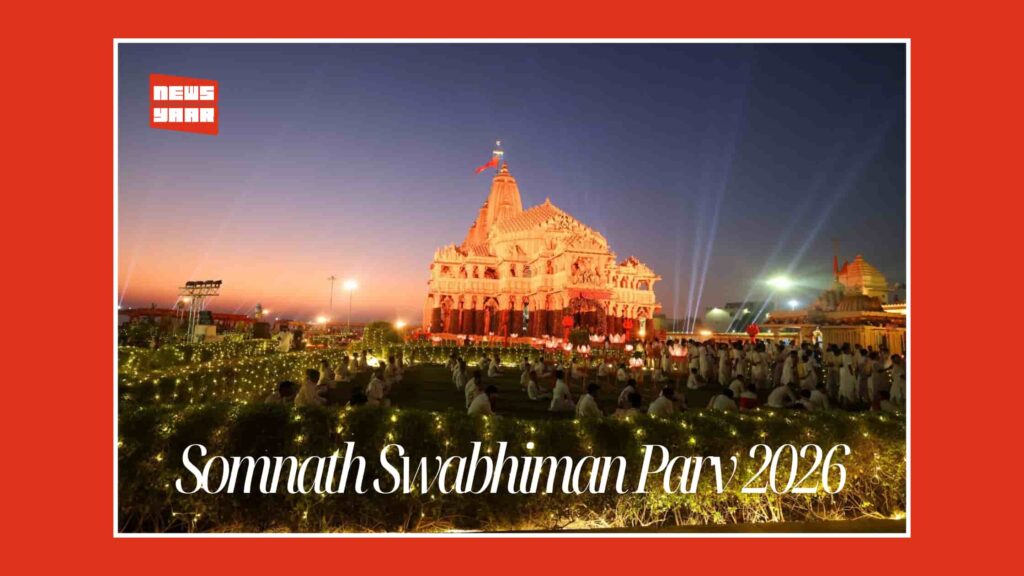
Somnath (Gujarat): The coastal town of Somnath is witnessing a grand national celebration as the Somnath Swabhiman Parv unfolds this year, honouring 1,000 years of unbroken faith and resilience tied to the iconic Somnath Temple.Observed from January 8–11, 2026, the event commemorates both a millennium since the first recorded attack on the temple and 75 years since its post-Independence reconstruction. It has drawn devotees, dignitaries and citizens from across India to reflect on India’s spiritual heritage and civilisational strength.Historic Significance Behind the CelebrationThe Somnath Swabhiman Parv marks a historic milestone in the temple’s long journey. In January 1026, the temple was attacked by Mahmud of Ghazni, initiating a series of invasions over centuries that repeatedly destroyed and tested this sacred shrine.Despite these challenges, the Somnath Temple was rebuilt numerous times, becoming a powerful symbol of Indian civilisation’s depth and resilience. This enduring spirit is central to the Parv’s celebrations, with organisers emphasising not the devastation of the past but the unbroken continuity of faith.The year 2026 is doubly significant because it also marks 75 years since the temple’s reconstruction was completed and opened to the public in 1951, following India’s independence. This intertwines the celebration with modern India’s journey of nation-building and cultural revival.Prime Minister Leads National ObservancePrime Minister Narendra Modi visited Somnath to participate in the Swabhiman Parv, highlighting the temple’s role as a symbol of civilisational courage and cultural pride.During his three-day visit, he took part in traditional rituals, offered prayers and addressed gatherings that reflected on the temple’s significance as a cornerstone of India’s spiritual identity. Modi also underscored that the Parv honours those who preserved the heritage and spirit of Somnath across the centuries.Spiritual and Cultural Activities Across the ParvThe four-day Parv featured a range of devotional and cultural events designed to engage visitors and deepen public appreciation of the temple’s legacy. A notable highlight was the 72-hour Akhand Omkar chanting, a continuous recitation symbolising unity and collective devotion. The temple town also hosted devotional music performances, cultural programmes, and spiritual discourses, creating an atmosphere of reflection and reverence.The celebrations have been so well-received that the Gujarat government extended the Parv until January 15, enabling more devotees to participate in the festivities and anniversary observances.A Symbol of Faith and National IdentityMore than a festival, the Somnath Swabhiman Parv is being viewed as a collective affirmation of India’s civilisational strength, spiritual continuity and cultural pride.As visitors from across the nation continue to join in the celebrations, the Parv reaffirms Somnath’s place not only as a revered pilgrimage site but also as a testament to the enduring faith and resilience that have defined the region across centuries.Video credit: YT@/NaMoVideo credit: YT@/NaMoVideo credit: YT@/NaMo
Madhavi Latha: The Engineer Behind the World’s Highest Rail Bridge
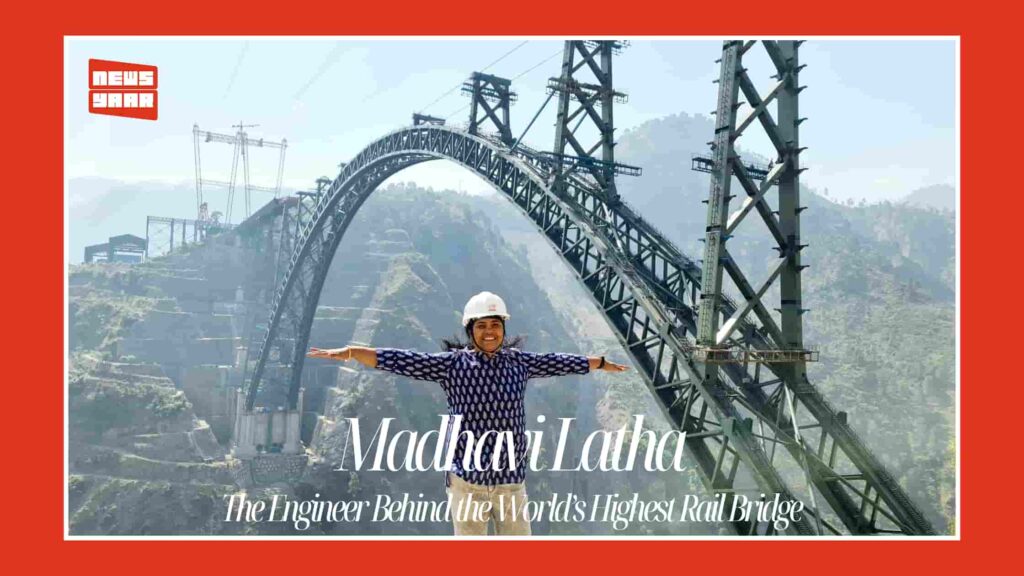
When the Chenab Rail Bridge, the world’s highest railway bridge, stands tall amid the rugged Himalayas, it represents more than an engineering marvel. It tells the story of Dr. G. Madhavi Latha, the engineer whose expertise and vision played a pivotal role in turning an impossible idea into reality. She has also been awarded the NDTV Science Icon of the Year Award.Towering at 359 metres above the Chenab River in Jammu and Kashmir, the bridge is higher than the Eiffel Tower and is one of India’s most ambitious infrastructure projects. Designed to withstand extreme winds, earthquakes, and challenging geological conditions, the Chenab Bridge is a symbol of modern India’s engineering strength, and Dr. Madhavi Latha was at the heart of it.A professor at IIT Madras, Dr. Madhavi Latha, served as the geotechnical consultant for the project. Her role was crucial: the bridge stands in a highly seismic zone with fragile rock formations and unpredictable terrain. Traditional construction methods were not enough. Innovative geotechnical solutions were required to stabilise slopes, design foundations, and ensure long-term safety in one of the most hostile environments imaginable.Dr. Latha and her team worked extensively on slope stabilisation, foundation design, and rock reinforcement, addressing landslide risks and geological uncertainties. What made the challenge even greater was the remoteness of the site, harsh weather conditions, and limited accessibility. Despite these obstacles, her scientific approach and practical problem-solving ensured that the bridge could safely support high-speed trains while enduring nature’s extremes.Beyond its technical brilliance, Dr. Madhavi Latha’s contribution carries deep symbolic value. In a field traditionally dominated by men, her leadership and expertise have made her an inspiration for young engineers across India. She has often spoken about how the project demanded patience, collaboration, and unwavering commitment, qualities as critical as technical knowledge.The Chenab Rail Bridge is a vital link in the Udhampur–Srinagar–Baramulla Rail Line (USBRL) project, aimed at improving connectivity, mobility, and development in Jammu and Kashmir. Its completion marks a major milestone in India’s infrastructure journey.Dr. Madhavi Latha’s story reminds us that behind every iconic structure lies human effort, intellect, and resilience. As trains begin to cross the world’s highest rail bridge, they carry with them not just passengers, but the legacy of an engineer who redefined what was possible.
PM Modi Inaugurates Rashtra Prerna Sthal in Lucknow: Atal Bihari Vajpayee’s 101st Birth Anniversary
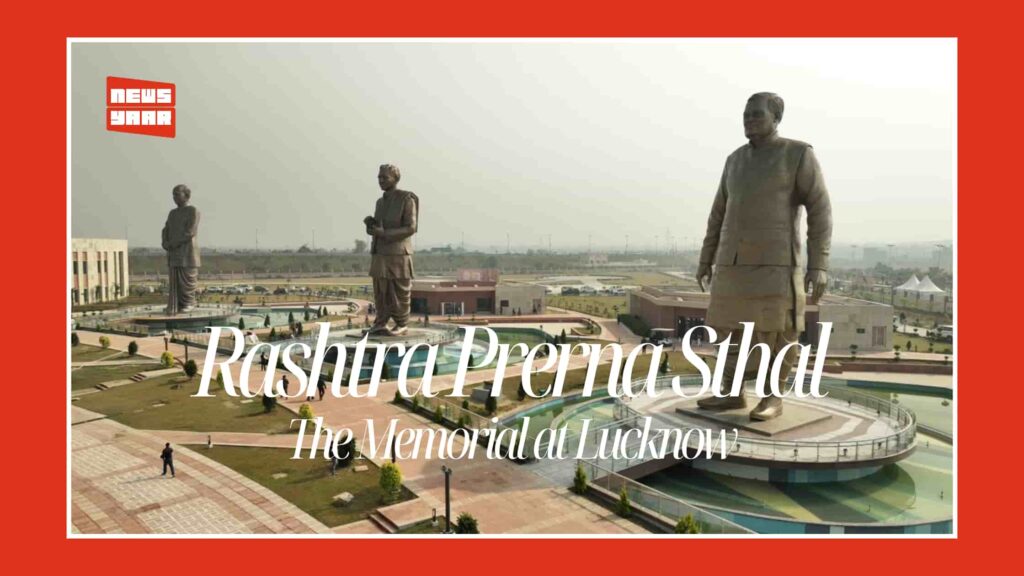
Prime Minister Narendra Modi inaugurated the Rashtra Prerna Sthal in Lucknow, Uttar Pradesh, on Wednesday, a national memorial dedicated to the life, ideals, and legacy of former Prime Minister Atal Bihari Vajpayee. The inauguration coincided with Vajpayee’s 101st birth anniversary, marking December 25 as a day of national remembrance and inspiration.Symbol of Unity, Self-Respect and ServiceAddressing the gathering, the Prime Minister said the Rashtra Prerna Sthal symbolises a vision that guided India towards self-respect, unity, and service. He emphasised that the spirit of Sabka Prayas, collective effort, would play a crucial role in achieving the goal of a developed India.Extending Christmas greetings to the people of India and the world, the Prime Minister acknowledged that millions of Christian families a-cross the country were celebrating the festival. He expressed hope that the occasion would bring happiness, peace, and goodwill to all.Highlighting the significance of December 25, Prime Minister Modi paid tribute to several eminent personalities born on this day, including Bharat Ratna Atal Bihari Vajpayee, Bharat Ratna Mahamana Madan Mohan Malaviya, and Maharaja Bijli Pasi. He said their contributions strengthened India’s unity, cultural identity, and nation-building efforts.The Prime Minister noted that the Rashtra Prerna Sthal has been developed on land that previously housed a massive garbage dump spanning over 30 acres. Over the past three years, the area has been completely cleared and transformed into a modern national memorial. He congratulated the workers, planners, and the Uttar Pradesh government for converting a neglected site into a space of inspiration and national pride.Ideals That Continue to Guide the NationRemembering to the contributions of Dr Syama Prasad Mookerjee, Pandit Deendayal Upadhyaya, and Atal Bihari Vajpayee, the Prime Minister said their ideals continue to guide the nation. He recalled Dr Mookerjee’s role in strengthening India’s unity and said the abrogation of Article 370 ensured the full implementation of the Constitution in Jammu and Kashmir.He further highlighted Pandit Deendayal Upadhyaya’s philosophy of Antyodaya, stating that it has been strengthened through the saturation of welfare schemes to ensure benefits reach every eligible citizen without discrimination. Over the past decade, crores of people have received houses, toilets, tap water connections, electricity, free ration, and healthcare, he said.The Prime Minister also spoke about the expansion of social security coverage, which has increased from around 25 crore beneficiaries before 2014 to nearly 95 crore people today. He cited schemes such as the Pradhan Mantri Jeevan Jyoti Bima Yojana and Pradhan Mantri Suraksha Bima Yojana as key contributors.Recalling Atal Bihari Vajpayee’s tenure, the Prime Minister credited his government with laying the foundation for digital identity, telecom reforms, highway expansion, and metro connectivity. He noted that India is now the world’s second-largest mobile phone manufacturer, with Uttar Pradesh emerging as the leading manufacturing state.Final insights Highlighting Uttar Pradesh’s transformation, he said the state is now known for development, infrastructure, and tourism, with projects such as expressways, defence manufacturing corridors, and the Ram Mandir in Ayodhya shaping its new identity.The event was attended by Uttar Pradesh Governor Anandiben Patel, Chief Minister Yogi Adityanath, Union Ministers Rajnath Singh and Pankaj Chaudhary, along with other dignitaries.Video credit: Narendra Modi