


The Cheesecake Factory Bakery Lands in Bengaluru: US Icon Targets 55 Outlets and ₹250 Crore Milestone

Bengaluru’s dessert lovers have a new indulgence spot. The Cheesecake Factory Bakery, the celebrated bakery arm of the iconic American restaurant chain, officially debuted in India with its first outlet in the city, partnering with local player The Gourmet Cafe. This QSR-style launch signals a smart pivot for global brands entering India’s booming premium cafe scene, blending authenticity with local tastes.Strategic Debut in India’s Desert BoomThe Cheesecake Factory, famous worldwide for its massive menu and 40+ cheesecake varieties (including Big Bang Theory fame via Penny’s waitress gig), now brings its bakery portfolio to India via a distribution deal, not a franchise. The Gourmet Cafe, founded by Masthan Adam, handles both B2B supply and B2C outlets, starting with this Bengaluru flagship.Positioned as a premium dessert specialist, outlets offer cheesecakes, bakery treats, coffee, and ice cream in differentiated portion sizes versus local rivals. Online sales target 20-30% of revenue, tapping India’s digital-savvy youth. Adam eyes metros first (Delhi, Mumbai), then tier-1s like Chandigarh, Kochi, Coimbatore, 6-10 premium stores per major market initially.Ambitious Expansion: 55 Stores, $60M BetThe roadmap: 55 outlets nationwide over 4-5 years, fueled by a $60 million investment (~₹500 crore). Projections: ₹200-250 crore revenue within five years, riding premium cafe growth (projected 15-20% CAGR amid rising disposable incomes).Authenticity reigns, cheesecakes baked in the USA, shipped frozen for consistency. India-first: An eggless cheesecake, approved specially for local palates (huge for vegetarian-heavy markets). Launch lineup: 14 flavors, expanding to 20-25 soon (classics like Original, Chocolate Mousse, plus innovations).Expansion PhaseTimelineFocus AreasStores PlannedPhase 1: LaunchNowBengaluru flagship1Phase 2: Metros1-2 yearsDelhi-NCR, Mumbai, Chennai, Hyderabad20-25Phase 3: Tier-1/23-5 yearsChandigarh, Kochi, Coimbatore, Pune, Ahmedabad30+Total Investment4-5 yearsNationwide QSR + B2B$60M (₹500 Cr)Revenue Goal5 yearsPremium desserts + coffee₹200-250 CrWhy Now? Premium Cafe Surge Meets Pop Culture PullIndia’s QSR cafe market hits ₹15,000 crore+, with premium desserts exploding—Starbucks, Cafe Coffee Day expansions prove demand. Cheesecake Factory Bakery skips full restaurants (high real estate costs) for agile QSR: Grab-and-go slices, whole cakes for events, coffee pairings.Bengaluru fits perfectly, Silicon Valley hub craves global flavors amid 10M+ millennials/Gen Z. Localization smart: Eggless option nods to 30-40% vegetarian population; smaller portions suit Indian sweet tooth without excess.What to Expect: Menu, Ambiance, PricingExpect velvet-rope vibes: Sleek QSR design with Instagrammable cheesecake displays. Core: 14 US-imported flavors (e.g., Godiva Chocolate, Dulce de Leche), bakery (brownies, cookies), ice creams, specialty coffee. Prices: Slice ₹250-400, whole cake ₹2,000-4,000—premium but value via unique tastes/sizes.Sustainability nod: Frozen shipping minimizes waste; local sourcing for coffee/non-cheesecake items.Challenges and TailwindsHurdles: High import costs, competition (Bird Box, Paul’s, local patisseries). Tailwinds: Brand recall (TV/streaming fame), rising cafe culture (urban India spends 10% F&B budget on desserts), e-com delivery tie-ups (Zomato/Swiggy).Gourmet Cafe’s edge: Proven scaling (multi-city cafes), Adam’s vision for “cheesecake specialization.” If it hits targets, could inspire more US chains (Dunkin’, Cinnabon) via bakery-first models.This Bengaluru launch isn’t just sweets, it’s a blueprint for global brands cracking India: Partner local, localize smart, scale via QSR. Cheesecake Factory Bakery eyes not slices, but a subcontinent-sized slice of the market. Sweet success awaits.
Winter Special Popular Dishes and Drinks: Warm Flavours to Savor This Season
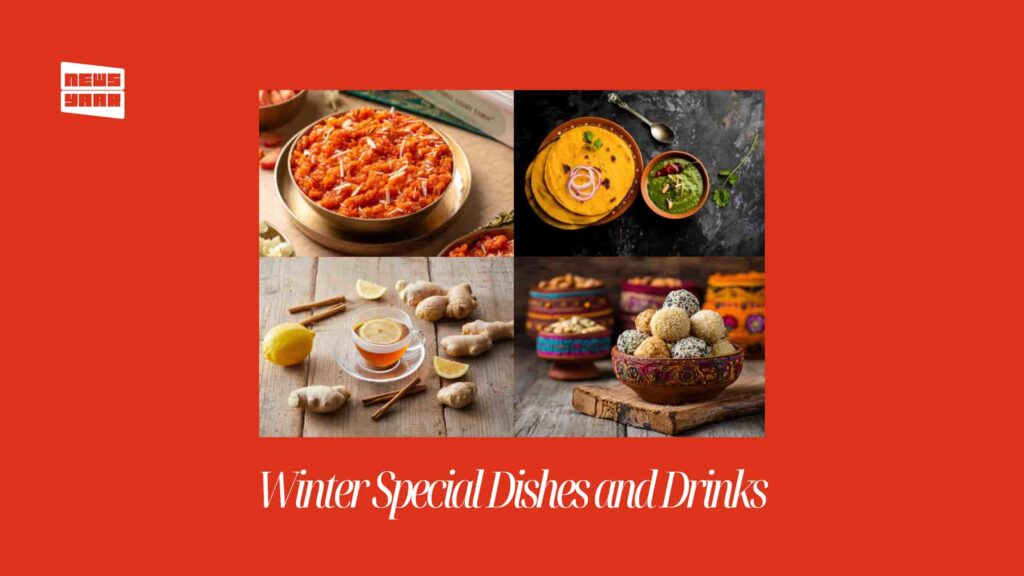
When winter arrives, our cravings change. The crisp air, foggy mornings and long evenings naturally draw us toward foods that offer warmth, comfort and a burst of seasonal flavour. Across India and around the world, cultures have developed a rich repertoire of winter special dishes and drinks that are not just nourishing for the body, but evocative of the season itself. These foods celebrate harvests, highlight local produce, and combine spice, sweetness and comfort in every bite. From hearty soups to sweet indulgences, from north Indian street favourites to global winter classics, here are the iconic winter dishes and drinks that define the season. Hearty and Soul-Warming Winter Dishes Sarson Ka Saag and Makki Ki Roti (North India) Nothing says winter in northern India like sarson ka saag paired with makki ki roti. Made from mustard greens and spices simmered to a velvety consistency, sarson ka saag is rich in iron and flavour. Served with hand-pressed maize flour flatbreads and a dollop of white butter, it’s rustic, earthy and deeply satisfying — a seasonal staple that has stood the test of time. Gajar Ka Halwa (Carrot Pudding) The beloved gajar ka halwa turns seasonal carrots into a sweet, aromatic delight. Slow-cooked with milk, sugar, cardamom and garnished with nuts, this dessert — often enjoyed warm — embodies winter comfort. Its bright orange hue and fragrant aroma have made it a winter icon across households and sweet shops alike. Moong Dal Halwa When the temperature drops, many households turn to moong dal halwa. This rich, slow-cooked dessert — made from split green gram, ghee, milk and sugar — is indulgent and deeply satisfying, often reserved for festivals and special occasions during the cool months. Roasted Winter Vegetables and Root Produce Winter’s harvest brings carrots, beets, cabbage, turnips, sweet potatoes and more. These root vegetables shine when roasted with spices and herbs. In many regions, simple medleys of seasonal vegetables roasted with mustard oil, garlic and local spices become weekly staples that lean healthy without sacrificing flavour. Global Winter Comfort Classics Tomato Soup and Grilled Cheese (West) A bowl of hot tomato soup paired with crisp, buttery grilled cheese is a globally recognised winter comfort duo. Slow-simmered tomatoes, a touch of cream, basil and cracked pepper offer warmth, while the cheesy sandwich adds texture and richness — ideal for chilly afternoons. French Onion Soup The heartiness of caramelised onions, fragrant herbs and layers of melted cheese atop a golden bread slice characterise the classic French onion soup. Its deep flavour and warmth make it a favourite in cafes around the world during winter. Pho (Vietnam) Winter is peak season for pho — a Vietnamese noodle soup with aromatic broth, rice noodles, herbs and protein (often beef or chicken). Sipped slowly, this steaming bowl brings balance and warmth with each spoonful of its fragrant broth. Street Food That Defines the Season Masala Chai and Pakoras (India) Winter streets across India are synonymous with masala chai and pakoras. A steaming cup of tea infused with ginger, cardamom, cloves and milk becomes even more irresistible when paired with crispy gram-flour fritters — made with onions, potatoes, spinach or paneer. The contrast of hot tea and crunchy pakoras is a ritual that defines Indian winters. Puchka / Pani Puri (With Seasonal Twist) In parts of East India, vendors enrich the classic puchka/pani puri experience in winter with spiced, tangy water and hearty fillings like roasted masala potatoes or moong sprouts — adding extra warmth to this fizzy, flavour-packed snack. Winter Drinks to Sip and Savor Ginger Tea (Adrak Chai) When winter bites, many reach for ginger tea first. Fresh ginger simmered with tea leaves, milk and a hint of jaggery or sugar does more than warm the body — it soothes the throat and boosts circulation. Ginger tea is as much about health as it is about comfort. Hot Chocolate A universal winter favourite, hot chocolate — made with rich cocoa, warm milk and a touch of sweetness — is incomparable on a cold evening. Topped with marshmallows or a sprinkle of cinnamon, it’s indulgence in a mug. Badam Milk In many Indian homes, winter calls for badam milk — a creamy, cardamom-infused drink enriched with almonds and saffron. Enjoyed warm, it’s both nourishing and luxurious, often served after dinner or as a festive winter drink. Mulled Wine (West) Across parts of Europe and beyond, mulled wine spices up the winter season. Red wine simmered with cinnamon, cloves, citrus and sugar becomes a fragrant, warming drink that embodies holiday warmth and conviviality. Regional Winter Specials Around India Til Ladoo and Sesame Sweets Winter is sesame season. In many parts of India, sweets made with til (sesame seeds) and jaggery — especially til ladoo — are prepared at home or sourced from local sweet shops during festivals such as Makar Sankranti. Rich in healthy fats and energy, these traditional sweets are closely associated with winter harvests and seasonal rituals. Pinniya (Punjab) In Punjab, winters are synonymous with pinniya, traditional homemade laddoos prepared using whole wheat flour or gram flour, desi ghee, jaggery or sugar, and a generous mix of dry fruits, edible gum (gond) and seeds. Made in bulk during the cold months, pinniya are valued for their warming properties and long shelf life. Often consumed with milk, they reflect Punjab’s winter food culture centred on nourishment, strength and seasonal abundance. Kozhukattai and Sweet Dumplings (South India) In southern India, winter festivities and temple occasions feature kozhukattai and other sweet dumplings made with rice flour, coconut and jaggery. Typically served warm, these delicacies are integral to family gatherings and religious celebrations during the season. Pahadi Dishes (North-East / Himalayan Regions) Across the Himalayan belt and parts of the North-East, winter diets rely on comforting, heat-retaining dishes such as thukpa, thenthuk and slow-cooked stews prepared with local herbs, vegetables and meats. These meals are designed to provide warmth and sustenance in cold, high-altitude conditions. Why Winter Food Matters Winter cuisine is rooted in culture, climate and community.
Rann Utsav: What It Is, Why It Is Celebrated and Everything You Need to Know About Gujarat’s White Desert Festival
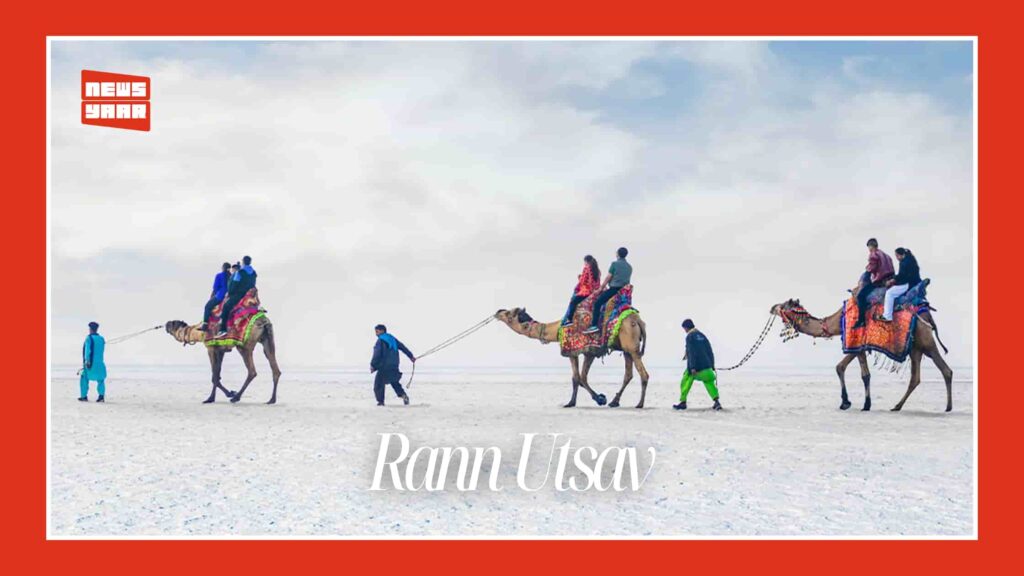
Rann Utsav is Gujarat’s iconic cultural and tourism festival held annually at the Great Rann of Kutch, one of India’s most extraordinary natural landscapes. Organised by the Gujarat Tourism Department, the festival celebrates the region’s rich heritage, crafts, music, food and desert life, while transforming the vast white salt desert into a globally recognised travel destination. For those unfamiliar with it, Rann Utsav is not just an event—it is a season-long cultural experience that brings together art, community and landscape in a setting found nowhere else in the country. What Is Rann Utsav and Why Is It Celebrated? The Great Rann of Kutch remains largely inaccessible during the monsoon season, but from winter onwards, the dried salt flats reveal a surreal white expanse. Rann Utsav was conceptualised to showcase this natural phenomenon while promoting Kutchi culture, rural livelihoods and sustainable tourism. The festival highlights local artisans, folk performers and traditional communities, allowing visitors to experience Gujarat’s cultural diversity beyond urban centres. Over the years, Rann Utsav has emerged as a symbol of India’s living heritage, blending tourism with cultural preservation. Rann Utsav Dates and Duration Rann Utsav is generally held from November to February, lasting nearly three to four months during the winter season. The official dates are announced by Gujarat Tourism every year, allowing travellers to plan visits across weekends, holidays and full moon nights. The long duration helps manage tourist flow while offering flexibility for visitors. Where Rann Utsav Takes Place The festival is hosted near Dhordo village, located about 80 kilometres from Bhuj. Dhordo serves as the main festival site and accommodation hub for visitors attending Rann Utsav. In recognition of its community-led tourism model, Dhordo village received the ‘Best Tourism Village’ award from the United Nations World Tourism Organization (UNWTO), highlighting India’s growing focus on sustainable and inclusive rural tourism. How to Reach Rann Utsav By Air:The nearest airport is Bhuj Airport, connected to major Indian cities like Ahmedabad, Mumbai and Delhi. Dhordo is approximately 80 km from Bhuj. By Rail:Bhuj Railway Station is the closest railhead, with regular trains from Ahmedabad and other cities. By Road:Bhuj is well connected via highways. From Bhuj, visitors can reach the Rann Utsav site by taxi, private vehicle or Gujarat Tourism transport services. Theme and Cultural Experience Each edition of Rann Utsav focuses on celebrating Kutchi traditions, including folk art, handicrafts and indigenous lifestyles. While the core theme remains cultural heritage, the festival also emphasises sustainability, community participation and responsible tourism. Entertainment, Music and Cultural Shows Key attractions include: Folk dance and music performances from Kutch and other regions of Gujarat Evening cultural shows under the open desert sky Live music events and traditional storytelling sessions Craft exhibitions featuring embroidery, mirror work, textiles and pottery Adventure, Fun and Desert Activities Rann Utsav offers a mix of leisure and adventure experiences: Camel rides and camel cart journeys across the white desert Desert safaris and guided exploration walks Adventure activities like ATV rides and paramotoring (subject to availability) Photography opportunities during sunrise, sunset and full moon nights Food and Culinary Experience Visitors can enjoy authentic Kutchi and Gujarati cuisine, along with multi-cuisine options. The festival promotes local flavours while catering to diverse tastes, making food an integral part of the experience. Accommodation and Stay Options The Rann Utsav Tent City at Dhordo offers multiple accommodation categories, combining comfort with traditional aesthetics. Hotels and guesthouses in Bhuj are also available for travellers preferring off-site stays. Places to Visit Around Rann Utsav A visit to Rann Utsav can be combined with nearby attractions in Kutch: Kala Dungar (Black Hill): The highest point in Kutch with panoramic views of the White Rann Dholavira: A UNESCO World Heritage Site and an important Harappan civilisation settlement Bhuj: Known for museums, palaces, temples and local markets Mandvi Beach: A coastal destination with historic shipyards and beach views Kutch Desert Wildlife Sanctuary: Famous for migratory birds during winter Why Rann Utsav Is Important for India’s Cultural Tourism Rann Utsav plays a crucial role in promoting India’s cultural tourism, rural livelihoods and heritage preservation. It has created sustainable income opportunities for local communities, artisans and performers, while placing Kutch on the global tourism map. The international recognition of Dhordo village further underlines how community participation and cultural pride can drive responsible tourism. In Summary Rann Utsav is not just a festival, but a window into India’s desert heritage, community spirit and artistic traditions. From the shimmering salt plains of the White Rann to the cultural richness of Dhordo village, the festival offers an experience that blends tourism with tradition. As India continues to highlight sustainable and inclusive travel, Rann Utsav stands out as a model of how cultural celebrations can preserve heritage while shaping modern tourism narratives.
Pongal 2026: India Celebrates the Festival of Harvest with Tradition, Gratitude, and Unity
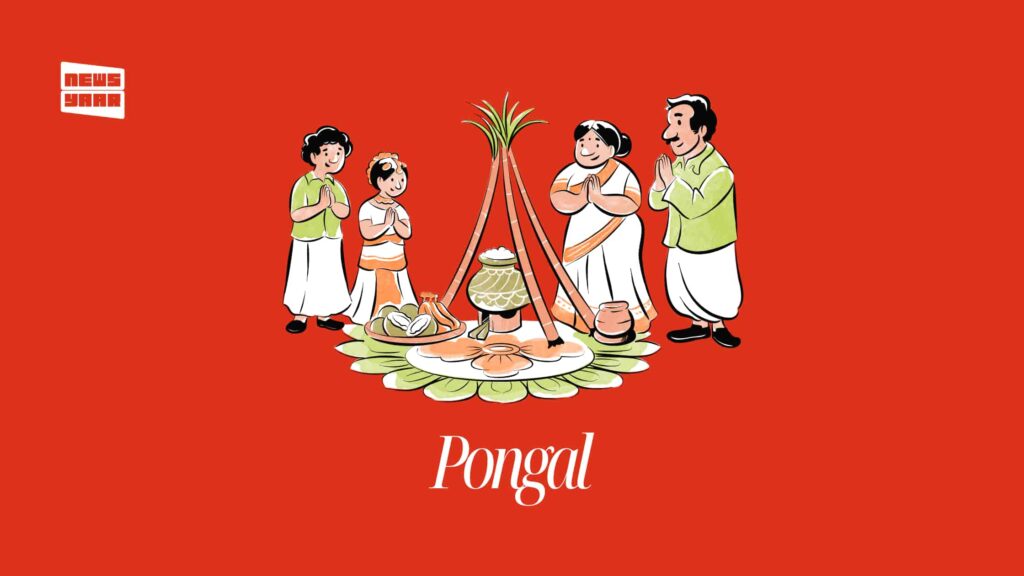
As the sun begins its northward journey, Tamil Nadu and Tamil communities across the globe come alive with joy, devotion, and cultural pride to celebrate Pongal 2026, one of India’s most significant harvest festivals. Observed annually in mid-January, Pongal marks gratitude to nature, farmers, cattle, and the Sun God for a bountiful harvest.Pongal 2026 will be celebrated over four days, each holding deep cultural and spiritual meaning.The festival begins with Bhogi Pongal, symbolising renewal and the discarding of old possessions to welcome positivity and prosperity. Homes are cleaned, bonfires are lit, and families prepare for new beginnings.The main day, Thai Pongal, is dedicated to Surya Dev (the Sun God). Families gather early in the morning to prepare the traditional sweet dish “Pongal” made from freshly harvested rice, jaggery, milk, and lentils.As the milk overflows from the pot, cries of “Pongalo Pongal!” echo through homes, symbolising abundance and good fortune. Colourful kolams (rangoli) adorn entrances, reflecting happiness and creativity.The third day, Mattu Pongal, honors cattle, recognizing their vital role in agriculture and rural life. Cows and bulls are bathed, decorated with flowers, and worshipped. In many villages, traditional events like Jallikattu add excitement, drawing large crowds and tourists.The celebrations conclude with Kaanum Pongal, a day for social bonding. Families visit relatives, enjoy outdoor picnics, and strengthen community ties. In 2026, urban celebrations are expected to blend tradition with modernity, featuring cultural programs, eco-friendly festivities, and digital greetings.Pongal 2026 also highlights sustainability and respect for nature. Many communities are choosing organic decorations, traditional cooking methods, and locally sourced ingredients, aligning the festival with environmental awareness.Beyond Tamil Nadu, Pongal is celebrated by the Tamil diaspora worldwide, from Sri Lanka and Malaysia to the US, UK, and Canada, making it a global cultural event.As Pongal 2026 arrives, it serves as a reminder of gratitude, hard work, and harmony between humans and nature, values that remain timeless in a rapidly changing world
International Kite Festival 2026: All You Need To Know

Ahmedabad transforms into a city of colours every January as it hosts the International Kite Festival, one of Gujarat’s most iconic cultural events. Celebrated alongside Uttarayan (Makar Sankranti), the festival draws kite flyers, artists, and tourists from across India and the world, turning the sky into a vibrant canvas.The International Kite Festival is held annually on January 14 and is organised by the Gujarat Tourism Department. The main events take place along the Sabarmati Riverfront and other designated venues across Ahmedabad. What began as a local harvest celebration has now grown into a globally recognised cultural festival.Participants from countries like Japan, Brazil, France, Italy, the UK, and the USA bring uniquely designed kites, showcasing creativity, craftsmanship, and cultural diversity.Why Ahmedabad Becomes the Kite Capital?During Uttarayan, almost every rooftop in Ahmedabad turns into a kite-flying arena. Families, friends, and neighbours gather from early morning till sunset, competing to cut each other’s kites while shouting the famous phrase, “Kai Po Che!”The festival symbolises the end of winter and the arrival of longer, sunnier days, making it a time of joy, hope, and renewal. For Gujaratis, kite flying is not just a pastime but a deeply rooted tradition passed down through generations.One of the biggest attractions is the display of giant kites, artistic designs, and night kite flying, also known as tukkals. These illuminated kites light up the evening sky and add a magical touch to the celebrations.Cultural performances, music, dance, and local food stalls enhance the festive atmosphere. Traditional Gujarati dishes like undhiyu, jalebi, and chikki are an essential part of the experience.Global Participation and Tourism BoostThe International Kite Festival plays a major role in promoting cultural exchange and tourism. International participants not only showcase their kite-flying skills but also engage with local traditions, making the event a meeting point of global cultures.Hotels, local markets, and tourism services see a significant boost during the festival, contributing to Ahmedabad’s economy.More Than a FestivalBeyond colours and competition, the International Kite Festival reflects the spirit of community, creativity, and celebration. It brings people together under one sky, reminding everyone of the joy found in simple traditions.As kites fly high above Ahmedabad, the festival continues to celebrate freedom, culture, and the timeless charm of Uttarayan, making it an unforgettable experience year after year.Video credit: @YT/NarendraModi
Lohri 2026: What You Need to Know About Punjab’s Lohri
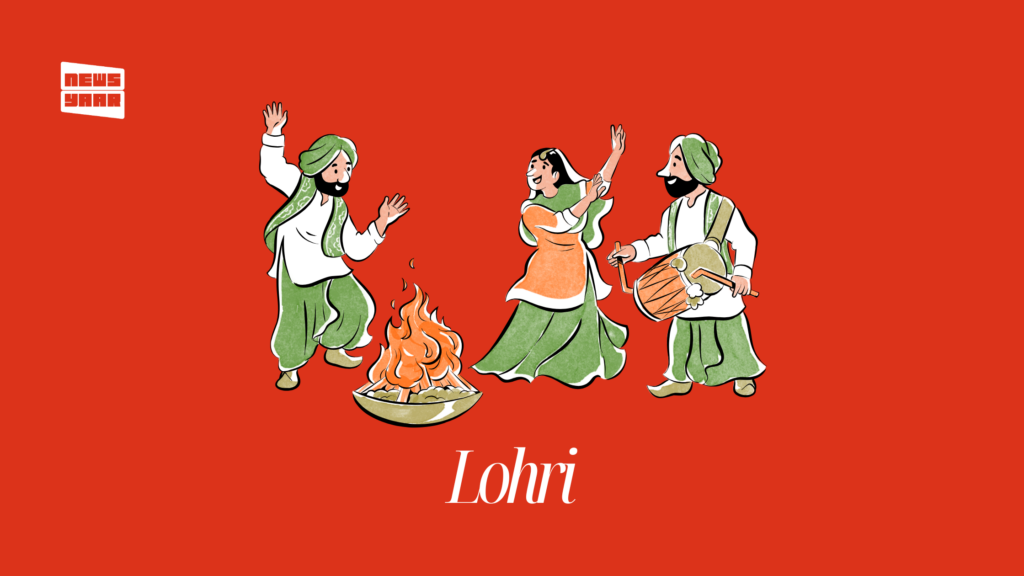
Lohri is one of the most vibrant and culturally rich festivals of North India, especially celebrated with great enthusiasm in Punjab, Haryana, Himachal Pradesh, and parts of Delhi.Observed every year on January 13, Lohri marks the end of winter and the arrival of longer days. Deeply rooted in Punjabi traditions, the festival is a celebration of warmth, harvest, community bonding, and gratitude. Why is Lohri celebrated? Lohri is closely associated with the harvest of rabi crops, particularly sugarcane and wheat. For farmers, it is a time to thank nature for a good harvest and pray for prosperity in the coming season.The festival also coincides with the solar movement before Makar Sankranti, symbolising the transition from cold, dark days to brighter and warmer times.Historically, Lohri is linked to folklore and legends, most notably the tale of Dulla Bhatti, remembered for helping young girls during difficult times. Folk songs sung around the bonfire often mention his bravery, keeping oral traditions alive across generations. The Bonfire: Heart of Lohri Celebrations The bonfire is the centrepiece of Lohri celebrations. Families and communities gather around it in the evening, offering rewri, gajak, peanuts, popcorn, and til to the fire. This ritual symbolises gratitude to the Sun God and the elements of nature.People walk around the fire, sing traditional songs, and offer prayers for happiness, good health, and abundance. The warmth of the fire reflects the spirit of togetherness that defines Lohri. Punjabi Traditions and Cultural Celebrations Lohri is incomplete without Punjabi folk music and dance. Men perform bhangra, while women dance gidda, dressed in colourful traditional attire. The beats of the dhol set the mood for celebration, turning villages and cities into lively cultural spaces.The festival holds special significance for newlyweds and newborns, as their first Lohri is celebrated with extra joy and rituals, symbolising new beginnings and blessings. More Than a Festival Lohri is more than just a seasonal celebration; it is a reflection of Punjabi identity, resilience, and joy. It brings people together, strengthens social bonds, and keeps cultural heritage alive in a rapidly modernising world.As Lohri approaches, the festival continues to remind communities of the importance of gratitude, unity, and celebrating life’s simple joys.
Makar Sankranti 2026: Know the Importance of the Festival
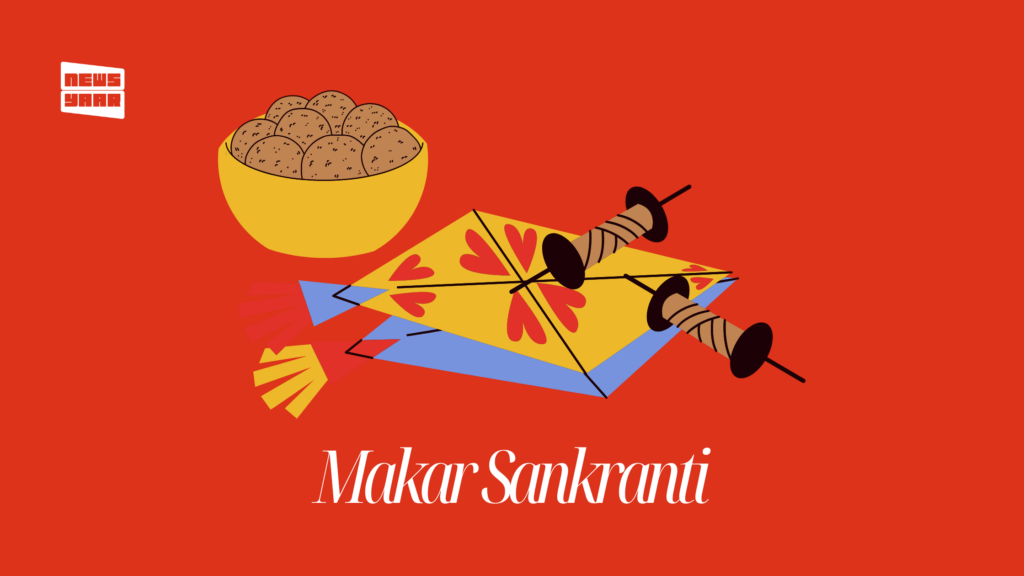
Makar Sankranti, one of India’s most widely celebrated harvest festivals, will be observed on January 14, 2026.Unlike many Hindu festivals that follow the lunar calendar, Makar Sankranti is based on the solar cycle, making its date largely fixed every year. The festival marks a significant event and holds deep cultural, spiritual, and agricultural importance across the country. Why Makar Sankranti Is Celebrated? Makar Sankranti signifies the Sun’s transition into the zodiac sign Capricorn (Makara). This movement marks the beginning of Uttarayan, the sun’s northward journey, which is considered highly auspicious in Hindu tradition.According to ancient beliefs, the period of Uttarayan symbolises light, positivity, and spiritual progress, while the previous phase, Dakshinayan, is associated with darkness and inactivity.The festival also marks the end of the winter solstice and the gradual lengthening of days, bringing warmth and renewed energy. Farmers across India celebrate it as a harvest festival, thanking nature for its bounty and welcoming a new agricultural cycle. Cultural Significance Across India Makar Sankranti is celebrated under different names in different regions, reflecting India’s cultural diversity.In Punjab, it is celebrated as Lohri, marked by bonfires and folk songs. Tamil Nadu observes it as Pongal, a four-day harvest festival. In Assam, it is known as Magh Bihu, while Gujarat celebrates with vibrant kite-flying festivals that fill the sky with colour.Despite regional variations, the essence of the festival remains the same: gratitude, renewal, and togetherness. Rituals and Traditions One of the most common rituals associated with Makar Sankranti is taking a holy dip in rivers such as the Ganga, Yamuna, and Godavari. It is believed that bathing on this day cleanses sins and brings spiritual merit.Another key tradition is the exchange of til (sesame) and jaggery sweets, symbolising unity, warmth, and harmony. The phrase “til-gud ghya ani god-god bola” reflects the spirit of speaking kindly and maintaining sweet relationships. Spiritual and Health Importance Makar Sankranti is not only spiritually significant but also aligned with seasonal health practices. Sesame seeds and jaggery, commonly consumed during this time, help generate warmth in the body and strengthen immunity during winter.Spiritually, the festival encourages people to move away from negativity and embrace discipline, charity, and self-reflection. Donating food, clothes, and essentials to the needy is considered highly auspicious. A Festival of Hope and Positivity As Makar Sankranti 2026 approaches, the festival serves as a reminder of the balance between nature, faith, and human life.It celebrates new beginnings, collective joy, and the timeless bond between tradition and daily living, making it one of the most meaningful festivals in India’s cultural calendar.