


Tata Mumbai Marathon 2026: Date, Winners, Route, Celebrities, Elite Runners and Why the Race Matters
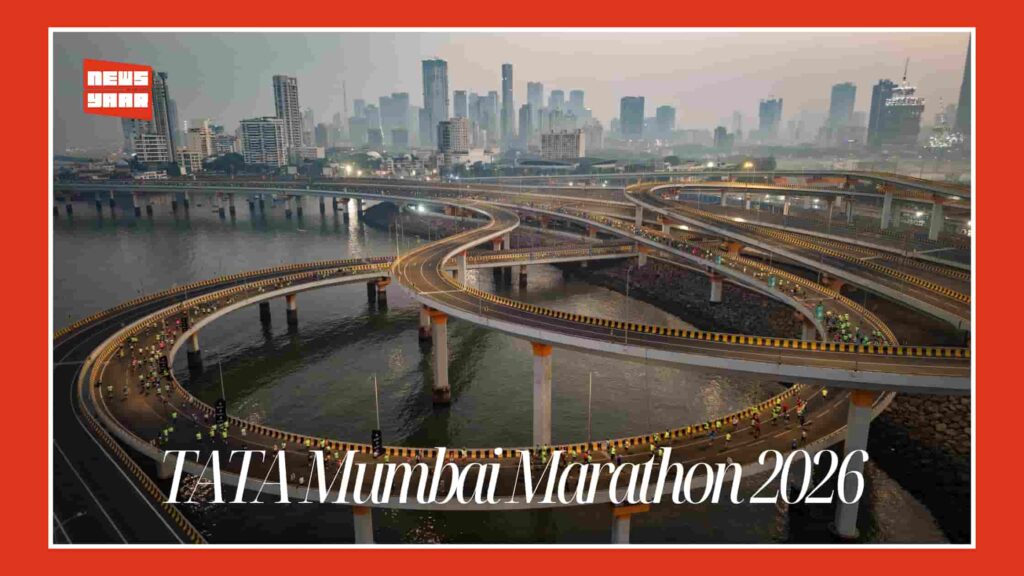
The Tata Mumbai Marathon 2026, one of Asia’s largest and most prestigious road races, was held on January 18, 2026, transforming Mumbai’s streets into a celebration of endurance, inclusivity and city pride. Thousands of runners from India and abroad participated across multiple categories, while elite athletes, celebrities and civic leaders reinforced the marathon’s position as a landmark sporting and cultural event. Organised by Procam International in association with the Tata Group, the Mumbai Marathon continues to be a key fixture on the global long-distance running calendar and a flagship event in India’s sports ecosystem. Tata Mumbai Marathon 2026: Race Categories and Distances The 2026 edition featured a wide range of race formats, allowing participation from professional athletes as well as first-time runners: 42.195 km Full Marathon (Elite & Open Category) 21.097 km Half Marathon 10 km Timed Run 5 km Run for All Senior Citizens’ Run This structure ensured that the Tata Mumbai Marathon remained both highly competitive and mass-participative, a defining feature of the event since its inception. Mumbai Marathon 2026 Route, Venue and Course Highlights The race commenced in the early hours near Chhatrapati Shivaji Maharaj Terminus (CSMT), with the route spanning some of Mumbai’s most recognisable landmarks. Runners passed through Marine Drive, Nariman Point and key arterial roads, experiencing a course that blends urban intensity with coastal beauty. The early morning schedule and sea-facing stretches helped maintain favourable running conditions, while strict traffic and safety protocols ensured smooth execution across the city. Elite Race at Tata Mumbai Marathon 2026: International and Indian Athletes The elite field at the Tata Mumbai Marathon 2026 featured top runners from Kenya, Ethiopia and other East African nations, continuing their strong presence in global distance running. Indian athletes also made their mark, with Kartik Karkera emerging as a notable performer in the men’s elite race. His effort was widely viewed as a significant step for Indian long-distance running, highlighting growing domestic competitiveness against established international runners. The elite races delivered tactical battles, fast pacing and strong finishes, reinforcing Mumbai Marathon’s standing as a serious international athletic contest. Celebrities at Tata Mumbai Marathon 2026: Aamir Khan Joins the Run Bollywood actor Aamir Khan joined thousands of runners on the streets of Mumbai, lending star presence to the event. Speaking during the marathon, Khan described the experience as a reflection of Mumbai’s resilience and collective spirit, praising participants for their enthusiasm and discipline. Celebrity participation has become an important element of the Mumbai Marathon, helping bridge the gap between elite sport and popular culture while motivating wider public participation. Sponsors and Support System: Bisleri and Event Infrastructure Bisleri, the Official Hydration Partner for Tata Mumbai Marathon 2026, ensured uninterrupted hydration support across the route. The event also featured: Medical aid and emergency response teams Volunteer-managed hydration and energy stations Live entertainment zones On-ground crowd and traffic coordination These measures played a crucial role in maintaining runner safety and enhancing the overall experience. Public Participation and Social Impact of Mumbai Marathon 2026 Beyond competition, the Tata Mumbai Marathon continues to function as a social movement. Corporate teams, schools, NGOs, fitness groups and charity runners participated in large numbers, using the platform to raise awareness for causes ranging from health and education to environmental sustainability. The Run for All and Senior Citizens’ Run segments underlined the marathon’s inclusive philosophy, making it accessible to participants across age groups and fitness levels. Tourism, Culture and the Mumbai Experience For international and out-of-city participants, the marathon doubled as a gateway to exploring Mumbai. Many runners extended their visits to experience the city’s heritage sites, coastal promenades and diverse cuisine. Spectators along the route added to the festive atmosphere with music, cheering zones and local flavour, turning the race into a city-wide celebration rather than a closed sporting event. Why the Tata Mumbai Marathon Is Important for India The Tata Mumbai Marathon plays a vital role in India’s sporting and civic landscape by: Promoting fitness and long-distance running culture Providing a global platform for Indian athletes Supporting charitable fundraising initiatives Strengthening Mumbai’s international sporting profile Encouraging community participation and inclusivity Its consistent growth reflects India’s increasing engagement with endurance sports and large-scale civic events. Conclusion The Tata Mumbai Marathon 2026 once again demonstrated why it is regarded as one of Asia’s premier road races. By seamlessly blending elite competition, mass participation, celebrity engagement and social purpose, the event captured the essence of Mumbai — energetic, resilient and inclusive. As runners crossed finish lines against the backdrop of the city’s skyline, the marathon reaffirmed its place not just as a sporting event, but as a symbol of India’s evolving fitness culture and global sporting ambition.
Women’s Premier League 2026: A Tipping Point for Women’s Cricket in India
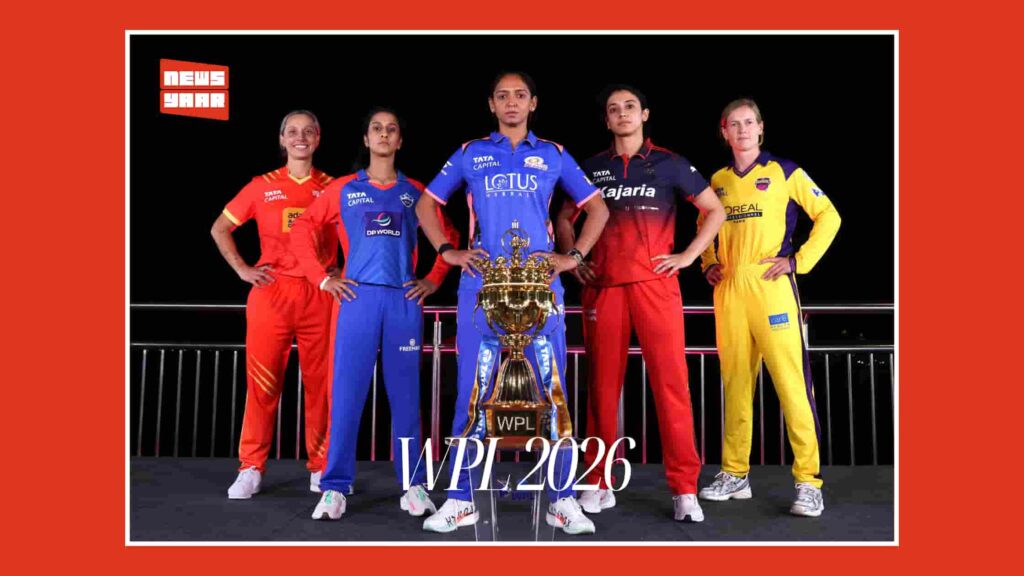
The Women’s Premier League (WPL) 2026 has emerged as one of the most compelling sporting narratives of the year, combining competitive cricket on the field with strong commercial momentum off it. Organised by the Board of Control for Cricket in India (BCCI), the fourth edition of the franchise-based Twenty20 tournament kicked off on January 9 and will run until February 5, 2026, with matches spread across Navi Mumbai and Vadodara in a double round-robin format followed by playoffs.The league features five teams, Mumbai Indians Women, Royal Challengers Bengaluru Women, Delhi Capitals Women, UP Warriorz, and Gujarat Giants, all vying for supremacy in a tightly contested season. The defending champions, Mumbai Indians, have set the benchmark with title victories in two of the three previous editions, while Royal Challengers Bengaluru (RCB) has consistently been a frontrunner, lifting the trophy in 2024.On the field, WPL 2026 has delivered a mix of exhilarating performances and strategic battles. RCB continued its dominant run with four consecutive wins in the early stages, including a comprehensive victory over Delhi Capitals, powered by captain Smriti Mandhana’s leadership and stellar all-round performances. Meanwhile, UP Warriorz clinched back-to-back wins, highlighted by strong contributions from international stars like Meg Lanning and Phoebe Litchfield, signalling a resurgence after a slow start.Off the pitch, WPL 2026 is marking its presence as a commercially viable and culturally significant league. According to industry reports, sponsorship revenue for the season is projected to exceed ₹130 crore, reflecting rising brand confidence in women’s cricket as a premium entertainment product.Innovative collaborations are also taking shape. For instance, UP Warriorz’s tie-up with online gaming brand PartyCasino has highlighted the growing trend of purpose-led partnerships, promoting social impact initiatives alongside sporting excellence.WPL’s influence extends beyond the marquee fixtures, driving grassroots engagement and talent development. Recent trials in Indore saw over 100 young fast bowlers participate in the WPL Speed Queen event, showcasing the rising interest in structured pathways for women’s cricket at junior levels. Selectors and franchise scouts used the event to identify promising players in the Under-19 and Under-23 categories, reinforcing WPL’s role as a feeder system for future stars.With all teams now positioned for the crucial second half of the league stage, attention is firmly on qualification scenarios and playoff implications as the tournament heads into the business end. While RCB and Mumbai Indians aim to maintain consistency, Delhi Capitals, UP Warriorz and Gujarat Giants are plotting breakthroughs that could redefine the competitive balance of the league.As WPL 2026 progresses towards its climactic finale in Vadodara on February 5, it is fast becoming clear that the league is not just a sporting competition, it is a platform that champions women’s sport, nurtures talent at scale and strengthens the business case for women’s cricket in India and beyond.
New Zealand Tour of India 2026: Full Schedule, Results, Highlights and What It Means
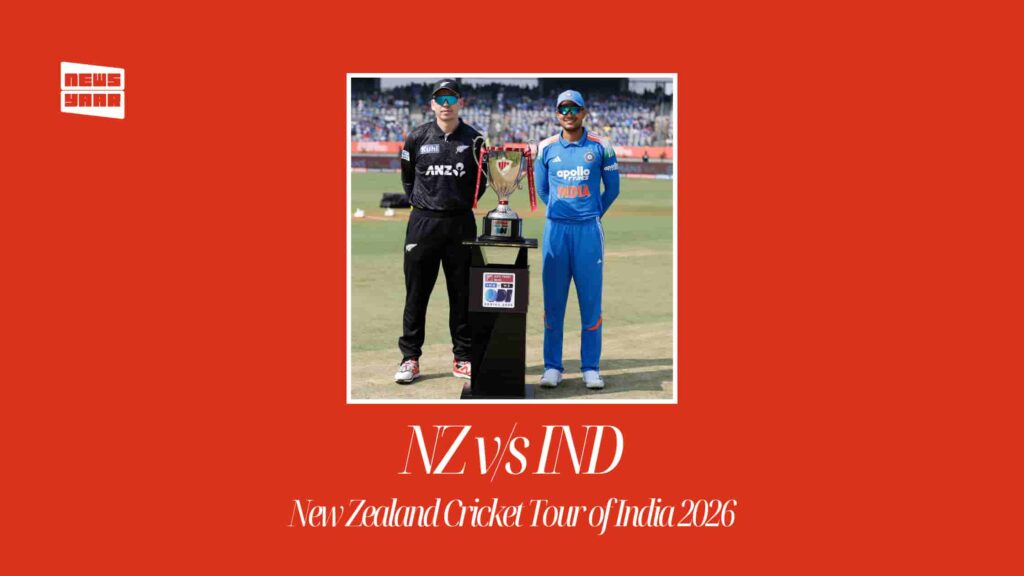
The New Zealand cricket team’s 2026 tour of India has delivered high-voltage action, blending exciting performances, historic undertones and a tight contest between two top-ranked limited-overs sides. The tour — comprising three One-Day Internationals (ODIs) followed by five Twenty20 Internationals (T20Is) — is not just about results but also about momentum building ahead of the 2026 ICC Men’s T20 World Cup and the Indian home season. Series Schedule: Dates, Venues and Format The tour kicked off in January 2026 and is scheduled to run until the end of the month, featuring both ODI and T20I formats: ODI Series (3 matches): 1st ODI: January 11, 2026 — Kotambi Stadium, Vadodara 2nd ODI: January 14, 2026 — Niranjan Shah Stadium, Rajkot 3rd ODI: January 18, 2026 — Holkar Stadium, Indore T20I Series (5 matches): 1st T20I: January 21, 2026 — Vidarbha Cricket Association Stadium, Nagpur 2nd T20I: January 23, 2026 — Shaheed Veer Narayan Singh International Stadium, Raipur 3rd T20I: January 25, 2026 — Barsapara Cricket Stadium, Guwahati 4th T20I: January 28, 2026 — ACA-VDCA Stadium, Visakhapatnam 5th T20I: January 31, 2026 — Greenfield International Stadium, Thiruvananthapuram This format allows both teams to test combinations and build momentum across white-ball cricket formats with India preparing for global commitments later in the year. ODI Series Results So Far 1st ODI (Vadodara – January 11):India chased down 300/8 in a competitive contest, finishing on 306/6 with contributions from key batters, securing a four-wicket victory. 2nd ODI (Rajkot – January 14):New Zealand responded emphatically with a seven-wicket win, chasing India’s 284/7 with 286/3 on the board. Daryl Mitchell’s unbeaten 131 stood out as a match-defining innings as the series was levelled 1-1. 3rd ODI (Indore – January 18):The series decider is underway at Holkar Stadium in Indore, with New Zealand batting first after India elected to bowl. The match has captured attention not only for its result implications but also for tactical battles in batting and bowling. Key Performances and Milestones Daryl Mitchell (NZ) played a pivotal role in Rajkot, scoring an unbeaten 131 that helped New Zealand level the ODI series. KL Rahul (IND) became the first Indian wicket-keeper to score an ODI century against New Zealand, marking a notable record during the 2nd ODI at Rajkot. Virat Kohli (IND) showcased his enduring class with a crucial inning in Vadodara, driving India to victory in the first ODI. Ravindra Jadeja (IND) made headlines in Indore with an eye-catching flying-eagle style catch, highlighting the spirited fielding throughout the tour. Historical Context: NZ’s Hunt for First ODI Series Win in India New Zealand has LONG struggled to secure an ODI series victory on Indian soil. Despite competing in multiple bilateral series since 1989, the Black Caps have never won a full ODI series in India — a unique challenge they are attempting to overcome in 2026. Achieving this feat would be historic, especially considering New Zealand’s strong cricketing pedigree and adaptability across formats. How Fans Can Follow the Series The tour is widely covered across broadcast and streaming platforms: Star Sports & Disney+ Hotstar (India) Willow TV / Sling TV (USA) Sky Sport (New Zealand) TNT Sports (UK & Europe) Fox Sports / Kayo (Australia) Live telecasts, highlights, expert analysis, and on-field commentary ensure fans never miss a moment from this high-stakes bilateral showdown. Rankings and Bigger Picture Impact Beyond wins and losses, the series carries ranking implications, especially in ODIs, where both India and New Zealand are competing closely for top positions ahead of global tournaments. A series win for New Zealand would be particularly significant, not only historically but also in terms of: Confidence against Asian conditions Momentum heading into future ICC events Breaking long-standing away-series narratives For India, maintaining home dominance remains crucial to reinforcing their status as one of the most formidable limited-overs sides in the world. What the Tour Means for Cricket This tour is more than a series of matches — it’s a benchmark for both teams’ T20 and ODI preparations ahead of the ICC Men’s T20 World Cup 2026 later in the year. India’s depth in batting and bowling is being tested, while New Zealand’s evolving squad — featuring emerging players and seasoned performers — aims to consolidate confidence against strong opposition in foreign conditions. For Indian fans, the series provides a chance to see both established stars and rising talents perform at home. For New Zealand, it is an opportunity to write history by winning their first ODI series on Indian soil — a narrative that has kept cricket fans engaged throughout the tour.
Jallikattu 2026: Dates, Venues, Significance and How to Experience Tamil Nadu’s Bull-Taming Celebration

Jallikattu, a centuries-old bull-taming event deeply rooted in Tamil Nadu’s cultural fabric, is among India’s most iconic traditional sports. Celebrated as part of the Pongal harvest festival in January, Jallikattu blends sport, heritage and community identity, drawing enthusiastic participation from rural areas and spectators from across the state and beyond. What Is Jallikattu and Why It MattersJallikattu (also known as Sallikkattu or Manjuvirattu) is a traditional sport in which a bull, often of native breeds such as Pulikulam or Kangayam, is released into an open arena. Participants, known as tamers, attempt to grasp the bull’s hump and hold on long enough to bring the animal to a stop or cross a designated finish line. The sport is symbolic of valour, rural tradition and cattle conservation, traditionally practised in southern Tamil Nadu as part of Pongal celebrations. The sport also functions as a way for farming communities to maintain and honour native bull breeds, which are culturally and economically significant in agrarian life. When It Happens: Dates and DurationJallikattu events are typically held during the Pongal festival, which falls in mid-January each year. The main events are organised on Mattu Pongal day — the third day of the four-day Pongal celebration — with some competitions taking place before and after this date as part of the broader season. In recent seasons:The first Jallikattu of the year has been held as early as January 3 in districts such as Pudukottai. Major competitions like those in Avaniyapuram, Palamedu and Alanganallur are usually held between January 14 and 16, coinciding with Pongal festivities. Major Venues Where Jallikattu Is HeldJallikattu is organised in several traditional hotspots, particularly in southern Tamil Nadu:Avaniyapuram (Madurai district): One of the first and most popular stages of Jallikattu — often held on Pongal day — attracting hundreds of participants and thousands of spectators each year. Palamedu: Another historic venue with intense local participation. Alanganallur: Considered among the most famous Jallikattu arenas in the state with large crowd turnout. Suriyur (Trichy district): A permanent Jallikattu arena inaugurated recently to host this traditional sport during the season. Thatchankurichi (Pudukottai district): Hosts one of the opening events of the season, drawing participants from several districts. How to Reach and Experience JallikattuAir Travel:The nearest major airport for most Jallikattu venues is Madurai Airport (IXM), well connected to major Indian cities including Chennai, Bengaluru and Hyderabad. Rail Travel:Madurai Junction is the closest major railway station to Avaniyapuram, Palamedu and Alanganallur, with regular trains from key cities across India. Road Connectivity:Tamil Nadu’s road network links other districts such as Pudukottai, Tiruchirappalli and Theni to the Jallikattu venues. State buses, private taxis and shared vehicles are common options during the festival. What to Expect at the EventTraditional Spectacle:Each Jallikattu event begins with bulls being released from a designated enclosure (called vadivasal) into a field where tamers attempt to hold onto the animal’s hump or ride them. Success entails stopping or controlling the bull, which requires strength, skill and experience. Registration and Safety:Bull tamers and owners usually register with district authorities ahead of events, and bulls undergo veterinary checks to ensure fitness for participation. Medical and veterinary teams are typically stationed at arenas to handle injuries. Prizes and Recognition:In past years, winners have received significant prizes — including cars for top tamers and tractors or other awards for the best bulls — reflecting the prestige associated with the sport. Spectator Culture:Thousands of spectators, including local devotees and cultural tourists, gather at these arenas. Large crowds, local music and festive foods are part of the overall experience.Cultural and Historical SignificanceJallikattu’s origins date back over two millennia, with references to bull-taming activities in ancient Tamil literature. The sport is traditionally linked to the harvest festival of Pongal, where people express gratitude for agricultural bounty and honour livestock, which are central to rural livelihoods. Beyond sport, Jallikattu symbolizes community pride, bravery and rural identity. Despite controversies over animal welfare and safety in the past, it retains deep cultural resonance in Tamil Nadu and forms an integral part of the Pongal narrative.Visitor Tips and SafetyPlan Travel Early: January is peak season; book transport and accommodation well in advance.Stay Informed: Specific dates and registrations vary by district; check local administration notifications for schedules.Safety Precautions: While festive, Jallikattu involves large animals and crowds. Follow directions from officials and avoid entering restricted areas in arenas.Cultural Respect: The event is traditionally tied to local customs and community pride — respectful behaviour enhances the experience.In SummaryJallikattu is more than a sporting spectacle — it is a living tradition celebrated against the backdrop of harvest gratitude and local identity during the Pongal festival in Tamil Nadu. Combining cultural heritage, fierce competition and community participation, it offers an unforgettable experience for participants and spectators alike. With major venues such as Avaniyapuram, Palamedu and Alanganallur hosting events each January, the sport continues to draw attention both within India and abroad as an enduring symbol of Tamil rural culture.Video credit: YT@/Vikatan TV
Messi gets a Luxury Watch: Anant Ambani Richard Mille Watch Moment Goes Viral Online

In a moment that blended global sport, luxury, and Indian business legacy, Anant Ambani’s reported gift of an ultra-luxury Richard Mille watch to football legend Lionel Messi has set social media and lifestyle circles abuzz.The gesture, understated yet powerful, reflects the growing intersection of sports icons and global elite branding.Lionel Messi, widely regarded as one of the greatest footballers of all time, is no stranger to luxury watches. However, the Richard Mille timepiece gifted to him stands apart, not just for its craftsmanship but also for what it represents. Richard Mille watches are known for their aerospace-grade materials and limited production, making them symbols of exclusivity rather than mere accessories.The watch reportedly belongs to Richard Mille’s ultra-high-end collection, a brand long associated with elite athletes including Rafael Nadal, Lewis Hamilton, and Charles Leclerc.Messi himself has often been seen wearing rare timepieces, but this particular gift has drawn attention due to its association with Anant Ambani, the youngest son of industrialist Mukesh Ambani.Online Reactions to the News Online reactions to the news have been swift and divided, while many admire the elegance of the exchange, others see it as a reflection of how luxury brands and elite personalities operate in a shared ecosystem of influence. Regardless, the moment has undeniably captured attention worldwide.Sources close to the development suggest the gift was a mark of admiration and mutual respect, highlighting Messi’s impact on global sport and his inspirational journey from Rosario to football immortality.The Ambani family has frequently been associated with major international sporting events, athletes, and cultural icons, reinforcing India’s rising presence on the global luxury and influence map.In an era where gestures often speak louder than statements, this exchange between Anant Ambani and Lionel Messi stands as a symbol of global connection, where sport, luxury, and legacy converge seamlessly.