


Lohri 2026: What You Need to Know About Punjab’s Lohri
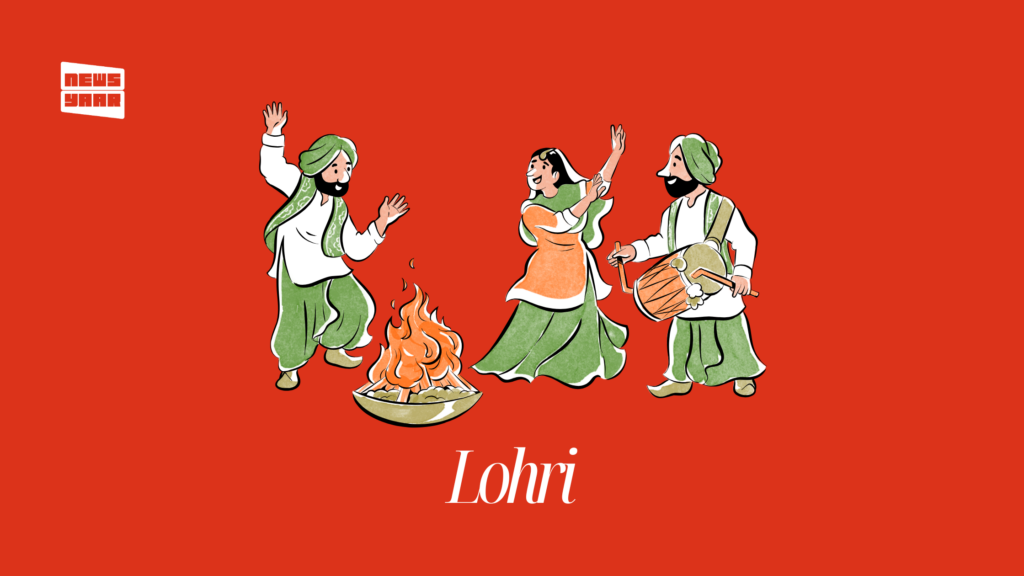
Lohri is one of the most vibrant and culturally rich festivals of North India, especially celebrated with great enthusiasm in Punjab, Haryana, Himachal Pradesh, and parts of Delhi.Observed every year on January 13, Lohri marks the end of winter and the arrival of longer days. Deeply rooted in Punjabi traditions, the festival is a celebration of warmth, harvest, community bonding, and gratitude. Why is Lohri celebrated? Lohri is closely associated with the harvest of rabi crops, particularly sugarcane and wheat. For farmers, it is a time to thank nature for a good harvest and pray for prosperity in the coming season.The festival also coincides with the solar movement before Makar Sankranti, symbolising the transition from cold, dark days to brighter and warmer times.Historically, Lohri is linked to folklore and legends, most notably the tale of Dulla Bhatti, remembered for helping young girls during difficult times. Folk songs sung around the bonfire often mention his bravery, keeping oral traditions alive across generations. The Bonfire: Heart of Lohri Celebrations The bonfire is the centrepiece of Lohri celebrations. Families and communities gather around it in the evening, offering rewri, gajak, peanuts, popcorn, and til to the fire. This ritual symbolises gratitude to the Sun God and the elements of nature.People walk around the fire, sing traditional songs, and offer prayers for happiness, good health, and abundance. The warmth of the fire reflects the spirit of togetherness that defines Lohri. Punjabi Traditions and Cultural Celebrations Lohri is incomplete without Punjabi folk music and dance. Men perform bhangra, while women dance gidda, dressed in colourful traditional attire. The beats of the dhol set the mood for celebration, turning villages and cities into lively cultural spaces.The festival holds special significance for newlyweds and newborns, as their first Lohri is celebrated with extra joy and rituals, symbolising new beginnings and blessings. More Than a Festival Lohri is more than just a seasonal celebration; it is a reflection of Punjabi identity, resilience, and joy. It brings people together, strengthens social bonds, and keeps cultural heritage alive in a rapidly modernising world.As Lohri approaches, the festival continues to remind communities of the importance of gratitude, unity, and celebrating life’s simple joys.
Makar Sankranti 2026: Know the Importance of the Festival
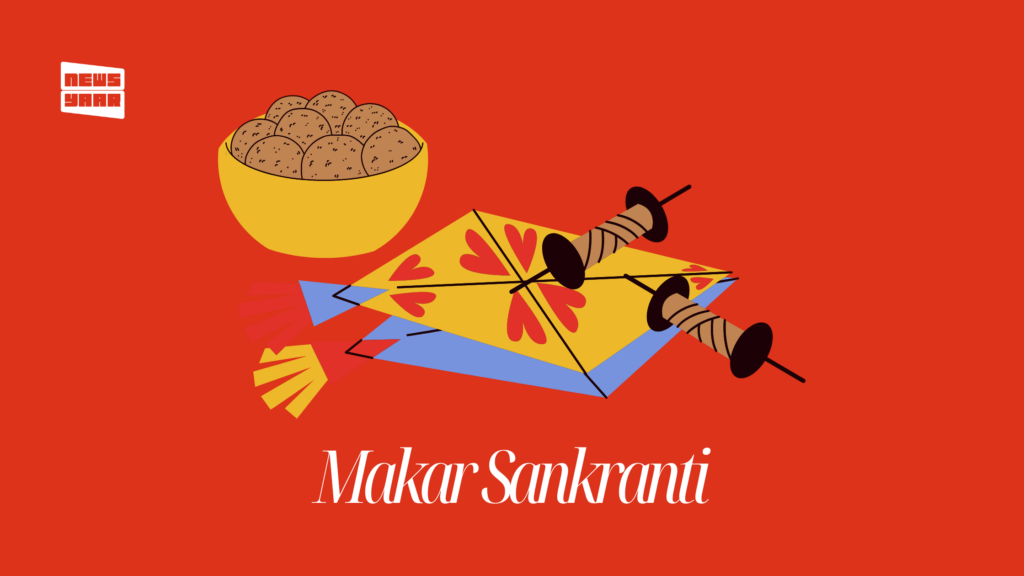
Makar Sankranti, one of India’s most widely celebrated harvest festivals, will be observed on January 14, 2026.Unlike many Hindu festivals that follow the lunar calendar, Makar Sankranti is based on the solar cycle, making its date largely fixed every year. The festival marks a significant event and holds deep cultural, spiritual, and agricultural importance across the country. Why Makar Sankranti Is Celebrated? Makar Sankranti signifies the Sun’s transition into the zodiac sign Capricorn (Makara). This movement marks the beginning of Uttarayan, the sun’s northward journey, which is considered highly auspicious in Hindu tradition.According to ancient beliefs, the period of Uttarayan symbolises light, positivity, and spiritual progress, while the previous phase, Dakshinayan, is associated with darkness and inactivity.The festival also marks the end of the winter solstice and the gradual lengthening of days, bringing warmth and renewed energy. Farmers across India celebrate it as a harvest festival, thanking nature for its bounty and welcoming a new agricultural cycle. Cultural Significance Across India Makar Sankranti is celebrated under different names in different regions, reflecting India’s cultural diversity.In Punjab, it is celebrated as Lohri, marked by bonfires and folk songs. Tamil Nadu observes it as Pongal, a four-day harvest festival. In Assam, it is known as Magh Bihu, while Gujarat celebrates with vibrant kite-flying festivals that fill the sky with colour.Despite regional variations, the essence of the festival remains the same: gratitude, renewal, and togetherness. Rituals and Traditions One of the most common rituals associated with Makar Sankranti is taking a holy dip in rivers such as the Ganga, Yamuna, and Godavari. It is believed that bathing on this day cleanses sins and brings spiritual merit.Another key tradition is the exchange of til (sesame) and jaggery sweets, symbolising unity, warmth, and harmony. The phrase “til-gud ghya ani god-god bola” reflects the spirit of speaking kindly and maintaining sweet relationships. Spiritual and Health Importance Makar Sankranti is not only spiritually significant but also aligned with seasonal health practices. Sesame seeds and jaggery, commonly consumed during this time, help generate warmth in the body and strengthen immunity during winter.Spiritually, the festival encourages people to move away from negativity and embrace discipline, charity, and self-reflection. Donating food, clothes, and essentials to the needy is considered highly auspicious. A Festival of Hope and Positivity As Makar Sankranti 2026 approaches, the festival serves as a reminder of the balance between nature, faith, and human life.It celebrates new beginnings, collective joy, and the timeless bond between tradition and daily living, making it one of the most meaningful festivals in India’s cultural calendar.
World Hindi Day: Connect Cultures Across Continents
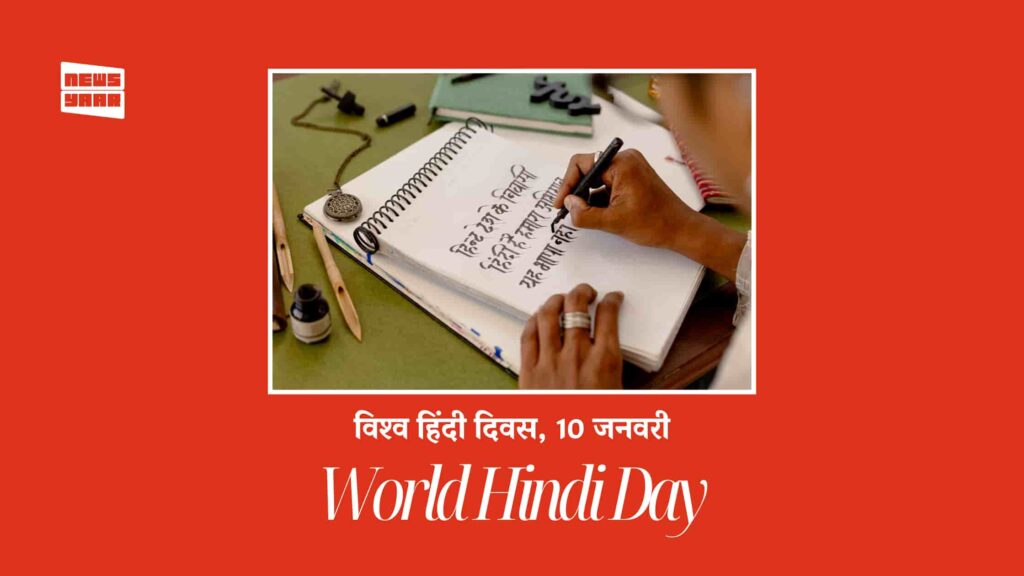
January 10 marks World Hindi Day, a global celebration of one of the world’s most widely spoken languages and a symbol of India’s cultural identity. The Preface World Hindi Day, observed every year on January 10, is dedicated to promoting the Hindi language at an international level.Unlike Hindi Diwas, which is celebrated in India on September 14, World Hindi Day focuses on strengthening Hindi’s presence beyond India’s borders and encouraging its use as a medium of global communication.Hindi is spoken by over 600 million people worldwide, either as a first or second language. Over the years, it has grown beyond a regional language to become a cultural bridge connecting communities across continents. How Did World Hindi Day Begin? The origins of World Hindi Day can be traced back to the First World Hindi Conference, held in Nagpur on January 10, 1975. The conference brought together scholars, writers and language experts from across the world to discuss the global future of Hindi.To commemorate this historic event and to underline the importance of Hindi on the international stage, the Government of India officially declared January 10 as World Hindi Day in 2006. Since then, it has been observed annually to expand the language’s global reach. Where and How Is It Celebrated? World Hindi Day is celebrated not only in India but also across Indian embassies, cultural centres and universities worldwide.Countries with significant Indian diaspora populations, such as Mauritius, Fiji, Suriname, Trinidad and Tobago, Nepal, the United States and the United Kingdom mark the day with seminars, literary events, poetry readings and cultural programmes.Digital platforms have also played a key role in recent years, allowing Hindi writers and speakers from different countries to connect and participate in global discussions. Final Insights The day highlights Hindi’s role as a unifying language that carries India’s history, philosophy, literature and social values.As the world becomes more interconnected, World Hindi Day reinforces the idea that language is not just a means of communication, but a powerful carrier of culture, thought and shared heritage.