


Magh Mela 2026: A Floating City of Faith Takes Shape at Prayagraj
Prayagraj once again transforms into a living canvas of devotion, discipline, and tradition as Magh Mela 2026 unfolds along the sacred banks of the Triveni Sangam. What sets this year’s Magh Mela apart is not just the scale of participation but the quiet yet powerful stories emerging from within this month-long spiritual congregation. A City That Appears Overnight One of the most striking sights at Magh Mela 2026 is the temporary city that rises almost overnight. Thousands of tents, pontoon bridges, electric poles, and water pipelines form a fully functional settlement on the riverbed.This seasonal city accommodates saints, Kalpvasis, pilgrims, and visitors, operating with roads, hospitals, security posts, and community kitchens, all designed to vanish once the Mela concludes. Officials say this year’s infrastructure is more eco-conscious, with improved waste management, river protection measures, and plastic-free zones near the Sangam. Kalpvasis: Living a Month of Renunciation At the heart of Magh Mela are the Kalpvasis, devotees who observe strict vows for the entire month of Magh. Living on minimal possessions, sleeping on the ground, and eating simple food, they dedicate their days to prayer, scripture reading, and ritual bathing.Interestingly, Magh Mela 2026 has seen a rise in young Kalpvasis, including students and working professionals seeking spiritual discipline amid modern chaos. Many describe it as a “mental detox” from digital life. Spiritual Discourse Meets Modern Curiosity This year’s Mela has also become a space where ancient philosophy meets modern inquiry. Spiritual discourses by saints and scholars are drawing not only devotees but also researchers, photographers, and international visitors curious about India’s living traditions.Drone visuals of sunrise snan rituals and the glowing Sangam aarti have gone viral, bringing global attention to the quieter yet profound nature of Magh Mela compared to the Kumbh. Faith, Food, and Folk Traditions Beyond rituals, Magh Mela remains a cultural experience. Community kitchens serve hot khichdi, roti,s and tea to thousands daily. Folk singers narrate mythological stories, while small stalls sell handmade diyas, rudraksha beads, and religious texts.Despite the simplicity, there is a strong sense of order and mutual respect, a reminder of how faith can organise society without excess. Safety and Administration in Focus Authorities have deployed enhanced river patrols, medical camps, and crowd-monitoring systems. With lakhs expected over the coming weeks, officials stress that safety, sanitation, and accessibility remain top priorities. More Than a Gathering Magh Mela 2026 is not just about ritual bathing or religious observance. It is a rare social phenomenon where discipline, devotion, and community coexist, quietly proving that faith, when lived sincerely, still has the power to shape collective life in modern India.
A Millennium of Faith and Civilisational Pride at the Somnath Swabhiman Parv 2026
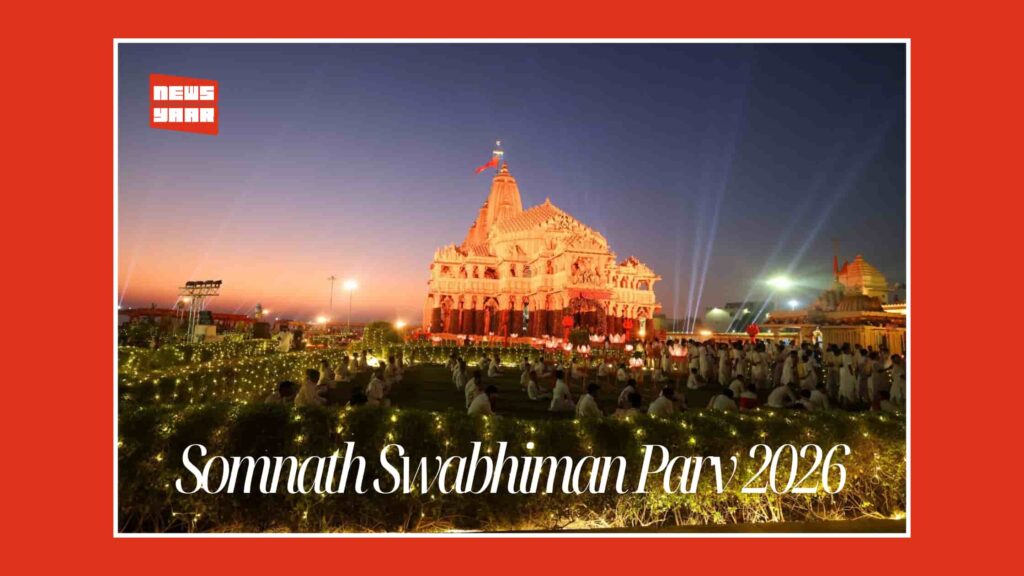
Somnath (Gujarat): The coastal town of Somnath is witnessing a grand national celebration as the Somnath Swabhiman Parv unfolds this year, honouring 1,000 years of unbroken faith and resilience tied to the iconic Somnath Temple.Observed from January 8–11, 2026, the event commemorates both a millennium since the first recorded attack on the temple and 75 years since its post-Independence reconstruction. It has drawn devotees, dignitaries and citizens from across India to reflect on India’s spiritual heritage and civilisational strength.Historic Significance Behind the CelebrationThe Somnath Swabhiman Parv marks a historic milestone in the temple’s long journey. In January 1026, the temple was attacked by Mahmud of Ghazni, initiating a series of invasions over centuries that repeatedly destroyed and tested this sacred shrine.Despite these challenges, the Somnath Temple was rebuilt numerous times, becoming a powerful symbol of Indian civilisation’s depth and resilience. This enduring spirit is central to the Parv’s celebrations, with organisers emphasising not the devastation of the past but the unbroken continuity of faith.The year 2026 is doubly significant because it also marks 75 years since the temple’s reconstruction was completed and opened to the public in 1951, following India’s independence. This intertwines the celebration with modern India’s journey of nation-building and cultural revival.Prime Minister Leads National ObservancePrime Minister Narendra Modi visited Somnath to participate in the Swabhiman Parv, highlighting the temple’s role as a symbol of civilisational courage and cultural pride.During his three-day visit, he took part in traditional rituals, offered prayers and addressed gatherings that reflected on the temple’s significance as a cornerstone of India’s spiritual identity. Modi also underscored that the Parv honours those who preserved the heritage and spirit of Somnath across the centuries.Spiritual and Cultural Activities Across the ParvThe four-day Parv featured a range of devotional and cultural events designed to engage visitors and deepen public appreciation of the temple’s legacy. A notable highlight was the 72-hour Akhand Omkar chanting, a continuous recitation symbolising unity and collective devotion. The temple town also hosted devotional music performances, cultural programmes, and spiritual discourses, creating an atmosphere of reflection and reverence.The celebrations have been so well-received that the Gujarat government extended the Parv until January 15, enabling more devotees to participate in the festivities and anniversary observances.A Symbol of Faith and National IdentityMore than a festival, the Somnath Swabhiman Parv is being viewed as a collective affirmation of India’s civilisational strength, spiritual continuity and cultural pride.As visitors from across the nation continue to join in the celebrations, the Parv reaffirms Somnath’s place not only as a revered pilgrimage site but also as a testament to the enduring faith and resilience that have defined the region across centuries.Video credit: YT@/NaMoVideo credit: YT@/NaMoVideo credit: YT@/NaMo
Ahmedabad International Flower Show 2026: A Celebration of Art, Culture, and Nature
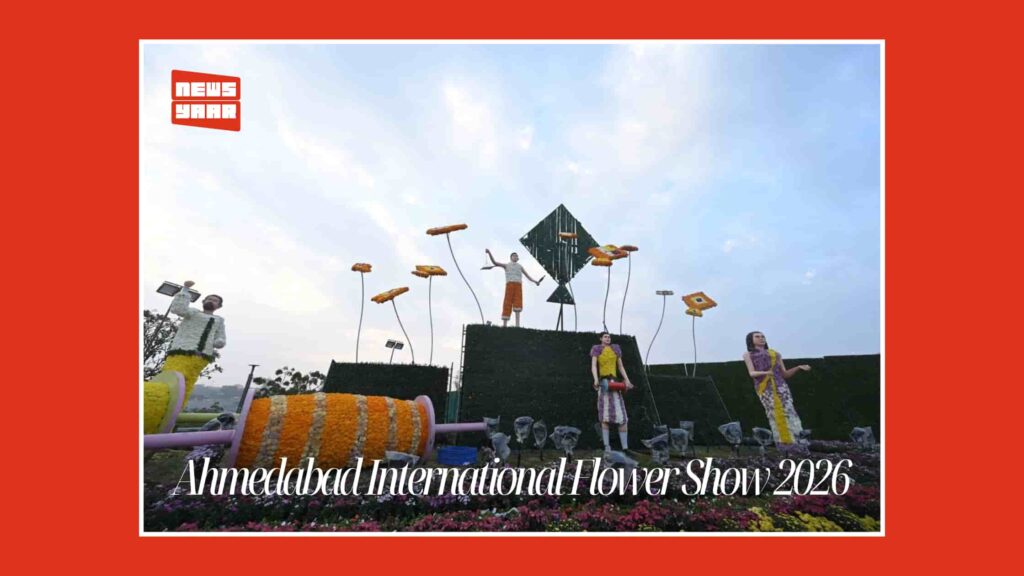
Ahmedabad has once again blossomed into a vibrant hub of creativity as the 14th International Flower Show 2026 opened at the Sabarmati Riverfront Event Centre.Organised by the Ahmedabad Municipal Corporation (AMC), this year’s spectacle, themed “Bharat Ek Gatha,” is on display from January 1 to January 22, 2026, inviting visitors from across India and around the world to witness a stunning fusion of floral art, culture, and history. A Floral Tale of India’s Journey The theme Bharat Ek Gatha aims to narrate the story of India’s civilisation from ancient roots to modern achievements, all through imaginative and artistic floral installations. Curators have designed the show to be more than a typical exhibition; it is a living narrative of the nation’s heritage and aspirations, expressed through millions of flowers arranged in thematic zones.These zones highlight everything from India’s spiritual traditions and festivals to its strides in science, technology, education, and innovation.Visitors can explore imaginative displays such as the “Sanatan Bharat” pavilion, which celebrates traditional knowledge, yoga, and classical arts, alongside floral structures that reflect India’s modern trajectory in sectors like renewable energy and digital technology. A specially dedicated floral arrangement on women’s empowerment (Stree Shaktikaran) graced the inauguration, adding depth and social context to the event’s storytelling. World Records and National Pride The 2026 edition of the Flower Show has drawn global attention by setting two Guinness World Records. One is for the world’s largest flower mandala, and the other for the world’s largest flower portrait of Sardar Vallabhbhai Patel.These accomplishments mark a hat-trick for the Ahmedabad Flower Show, following previous record-breaking floral achievements in 2024 and 2025. Prime Minister Narendra Modi lauded the spectacle, calling it “captivating” and an example of how creativity and public participation can elevate cultural expression.This year’s mega installations, including the expansive mandala and the striking portrait of Sardar Patel, reflect both a celebration of national unity and a tribute to India’s cultural icons, enhancing the show’s appeal as both an artistic and patriotic experience. What to See and Experience The exhibition covers a sprawling area along the riverfront and has been organised into multiple themed zones featuring more than a million flowers and plants from dozens of species. Classic floral art, intricate sculptures, fountains, and vibrant displays make the event a visual treat for families, artists, students, and tourists alike.Other attractions include themed sections dedicated to India’s festivals, landscapes, wildlife, and cultural motifs, ensuring that visitors enjoy both educational depth and aesthetic richness as they stroll the event grounds. Special children’s zones and interactive display areas add to the appeal for younger visitors and families. A Blooming Celebration of Culture The Ahmedabad International Flower Show is more than an exhibition; it has become a symbolic celebration of nature, creativity, community, and national pride. Blending artistic expression with cultural storytelling, the show continues to grow in scope, drawing large crowds and international attention year after year.As it runs through January 22, 2026, the event offers a unique opportunity for visitors to connect with India’s rich heritage through the universal beauty of flowers.
New Delhi Book Fair 2026: A Literary Celebration Bringing Readers and Writers Together
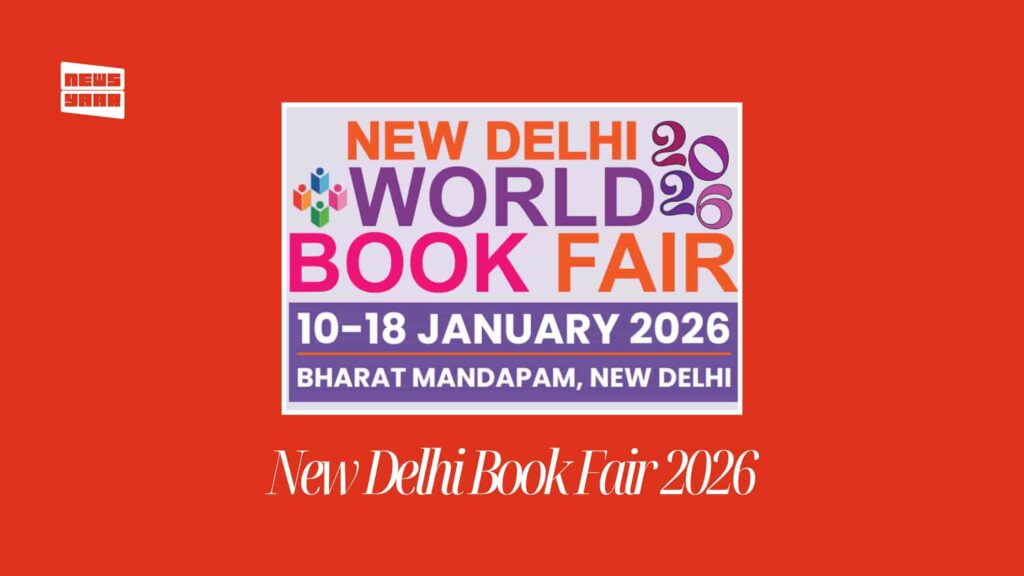
The Delhi Book Fair once again transformed the national capital into a vibrant hub of literature, ideas, and storytelling. Known as one of India’s most loved literary events, the fair attracted book lovers, authors, publishers, and students from across the country, reaffirming Delhi’s place as a cultural and intellectual centre. Event Details Dates: January 10–18, 2026 (9 days) Venue: Bharat Mandapam (Halls 2–6), Pragati Maidan, New Delhi Timings: 11:00 AM – 8:00 PM daily Entry: Free for all visitors Stepping into the fair felt like entering a world woven from stories, ideas, and imagination. The event showcased an incredible variety of books across genres, from fiction and non-fiction to academic texts, children’s books, self-help, and regional language publications, catering to readers of all ages and interests.An iconic venue, the fair offered a rich mix of books across genres, ranging from fiction, non-fiction, academic texts, children’s literature, self-help, and regional language publications. A Paradise for Book Lovers Walking into the Delhi Book Fair felt like stepping into a world made entirely of stories. Hundreds of stalls showcased books in English, Hindi, and several Indian languages, ensuring there was something for every reader. From bestselling novels and classic literature to competitive exam guides and research material, the fair catered to readers of all ages.Special sections dedicated to children remained a major attraction, with colourful books, comics, and activity corners encouraging young minds to develop a love for reading. Authors, Discussions, and Cultural Exchange Beyond book shopping, the Delhi Book Fair served as a platform for author interactions, panel discussions, and book launches. Renowned writers, emerging voices, and publishers engaged in conversations around literature, education, publishing trends, and the future of reading in a digital age.These sessions provided readers with a chance to connect directly with authors, understand their creative journeys, and gain insights into the evolving literary landscape.In a time when online content dominates, the fair stood as a reminder of the lasting value of printed books and structured learning. Keeping the Reading Culture Alive Despite the rise of e-books and digital platforms, the Delhi Book Fair highlighted that the charm of physical books remains strong. The event brought together people from diverse backgrounds, united by a shared love for reading, learning, and storytelling.Publishers also offered attractive discounts, making books more accessible and encouraging readers to build personal libraries. Delhi Book Fair: More Than Just an Event The Delhi Book Fair is not just about buying books; it is about celebrating ideas, creativity, and knowledge. It continues to inspire curiosity, promote literacy, and strengthen India’s reading culture.As the fair concludes, it leaves behind shelves full of new books and minds filled with fresh perspectives, proving once again that stories still matter, and always will.