


Bharat Ratna Karpoori Thakur Birth Anniversary: Nation Remembers Champion of Social Justice
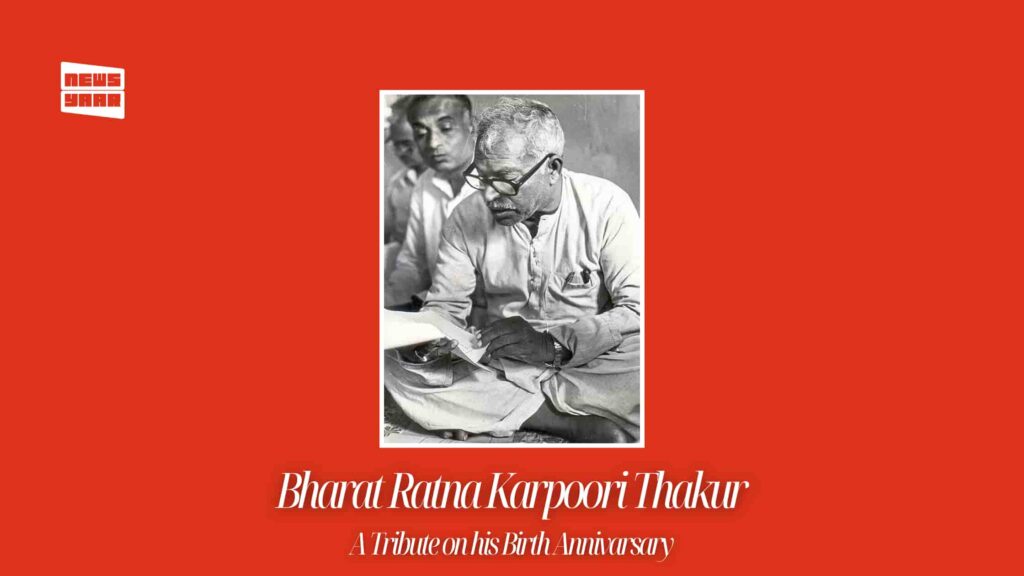
Tributes were paid across Bihar and the country on the birth anniversary of Bharat Ratna Karpoori Thakur, one of India’s most influential socialist leaders and a key architect of social justice politics in the Hindi heartland. Political leaders, social organisations and citizens remembered Thakur’s enduring contribution to inclusive governance, backward class empowerment and ethical public life. Born on January 24, 1924, in Samastipur district of Bihar, Karpoori Thakur rose from modest beginnings to become one of the most respected mass leaders of the state. His political life was shaped by the freedom movement, socialist ideology and a deep commitment to the upliftment of marginalised communities. He passed away in 1988, but his legacy continues to influence India’s political and social discourse decades later. On the occasion of his birth anniversary, leaders cutting across party lines highlighted Thakur’s role in institutionalising social justice policies at a time when such ideas faced strong resistance. Prime Minister Narendra Modi led the national tributes, recalling Thakur’s simplicity, integrity and lifelong dedication to the poor and backward classes. In a message, the Prime Minister described him as a visionary leader who devoted his life to empowering the marginalised and strengthening democratic values. Bihar Chief Minister Nitish Kumar, along with several senior state leaders, paid floral tributes at Karpoori Thakur’s memorial and emphasised that his policies laid the foundation for social equality in the state. Similar commemorative events were held in Patna, Samastipur and other parts of Bihar, with public meetings recalling his governance model and personal conduct in public office. Karpoori Thakur served as the Chief Minister of Bihar twice — first from 1970 to 1971 and again from 1977 to 1979. His tenure is particularly remembered for the implementation of reservations for backward classes in government jobs at the state level, a move that preceded and later informed national-level policy debates on affirmative action. His decision to include extremely backward classes within the reservation framework was considered path-breaking and remains central to Bihar’s social justice structure today. Often referred to as “Jan Nayak” (people’s leader), Karpoori Thakur was known for his austere lifestyle and incorruptible reputation. Despite holding high office, he lived simply and maintained close contact with grassroots workers and ordinary citizens. His refusal to accumulate personal wealth and his insistence on clean politics set him apart in an era marked by increasing political competition and power struggles. In recognition of his exceptional contribution to public life and social equity, the Government of India conferred the Bharat Ratna — the country’s highest civilian award — on Karpoori Thakur posthumously in 2024. The honour was widely seen as long overdue and was welcomed across the political spectrum, particularly by leaders and communities who regard Thakur as a symbol of empowerment and dignity. Political analysts note that Karpoori Thakur’s relevance has only grown over time, especially as debates around social justice, representation and inclusive growth continue to shape Indian politics. His emphasis on education, reservation, linguistic accessibility in administration and decentralised governance remains influential, particularly in Bihar and neighbouring states. As the nation marks his birth anniversary, Karpoori Thakur is remembered not only as a former chief minister or socialist leader, but as a statesman whose ideas were rooted in equity, humility and democratic participation. His life and work continue to serve as a moral and political reference point in contemporary India, reinforcing the values of social justice and public service.
Tata Mumbai Marathon 2026: Date, Winners, Route, Celebrities, Elite Runners and Why the Race Matters
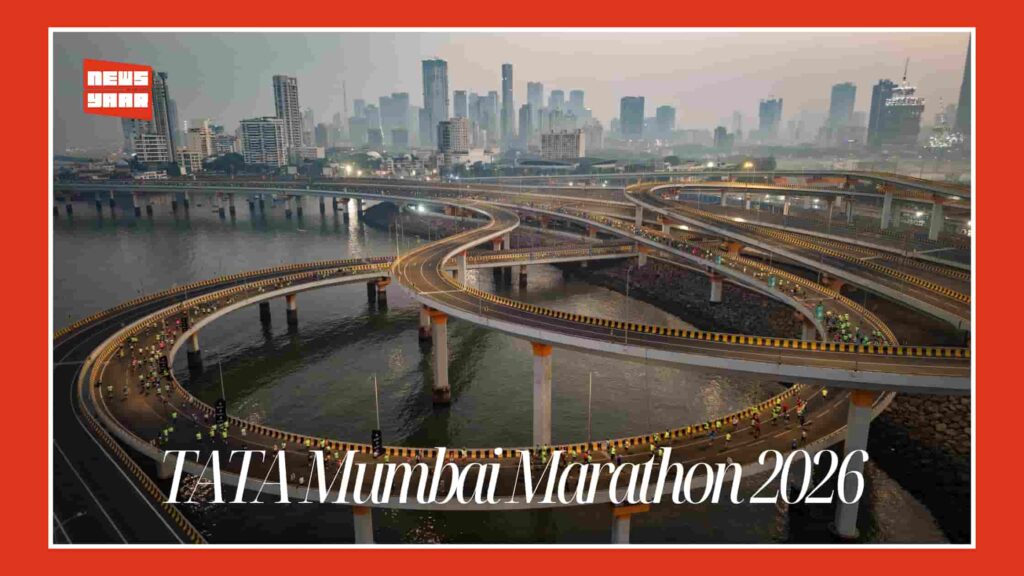
The Tata Mumbai Marathon 2026, one of Asia’s largest and most prestigious road races, was held on January 18, 2026, transforming Mumbai’s streets into a celebration of endurance, inclusivity and city pride. Thousands of runners from India and abroad participated across multiple categories, while elite athletes, celebrities and civic leaders reinforced the marathon’s position as a landmark sporting and cultural event. Organised by Procam International in association with the Tata Group, the Mumbai Marathon continues to be a key fixture on the global long-distance running calendar and a flagship event in India’s sports ecosystem. Tata Mumbai Marathon 2026: Race Categories and Distances The 2026 edition featured a wide range of race formats, allowing participation from professional athletes as well as first-time runners: 42.195 km Full Marathon (Elite & Open Category) 21.097 km Half Marathon 10 km Timed Run 5 km Run for All Senior Citizens’ Run This structure ensured that the Tata Mumbai Marathon remained both highly competitive and mass-participative, a defining feature of the event since its inception. Mumbai Marathon 2026 Route, Venue and Course Highlights The race commenced in the early hours near Chhatrapati Shivaji Maharaj Terminus (CSMT), with the route spanning some of Mumbai’s most recognisable landmarks. Runners passed through Marine Drive, Nariman Point and key arterial roads, experiencing a course that blends urban intensity with coastal beauty. The early morning schedule and sea-facing stretches helped maintain favourable running conditions, while strict traffic and safety protocols ensured smooth execution across the city. Elite Race at Tata Mumbai Marathon 2026: International and Indian Athletes The elite field at the Tata Mumbai Marathon 2026 featured top runners from Kenya, Ethiopia and other East African nations, continuing their strong presence in global distance running. Indian athletes also made their mark, with Kartik Karkera emerging as a notable performer in the men’s elite race. His effort was widely viewed as a significant step for Indian long-distance running, highlighting growing domestic competitiveness against established international runners. The elite races delivered tactical battles, fast pacing and strong finishes, reinforcing Mumbai Marathon’s standing as a serious international athletic contest. Celebrities at Tata Mumbai Marathon 2026: Aamir Khan Joins the Run Bollywood actor Aamir Khan joined thousands of runners on the streets of Mumbai, lending star presence to the event. Speaking during the marathon, Khan described the experience as a reflection of Mumbai’s resilience and collective spirit, praising participants for their enthusiasm and discipline. Celebrity participation has become an important element of the Mumbai Marathon, helping bridge the gap between elite sport and popular culture while motivating wider public participation. Sponsors and Support System: Bisleri and Event Infrastructure Bisleri, the Official Hydration Partner for Tata Mumbai Marathon 2026, ensured uninterrupted hydration support across the route. The event also featured: Medical aid and emergency response teams Volunteer-managed hydration and energy stations Live entertainment zones On-ground crowd and traffic coordination These measures played a crucial role in maintaining runner safety and enhancing the overall experience. Public Participation and Social Impact of Mumbai Marathon 2026 Beyond competition, the Tata Mumbai Marathon continues to function as a social movement. Corporate teams, schools, NGOs, fitness groups and charity runners participated in large numbers, using the platform to raise awareness for causes ranging from health and education to environmental sustainability. The Run for All and Senior Citizens’ Run segments underlined the marathon’s inclusive philosophy, making it accessible to participants across age groups and fitness levels. Tourism, Culture and the Mumbai Experience For international and out-of-city participants, the marathon doubled as a gateway to exploring Mumbai. Many runners extended their visits to experience the city’s heritage sites, coastal promenades and diverse cuisine. Spectators along the route added to the festive atmosphere with music, cheering zones and local flavour, turning the race into a city-wide celebration rather than a closed sporting event. Why the Tata Mumbai Marathon Is Important for India The Tata Mumbai Marathon plays a vital role in India’s sporting and civic landscape by: Promoting fitness and long-distance running culture Providing a global platform for Indian athletes Supporting charitable fundraising initiatives Strengthening Mumbai’s international sporting profile Encouraging community participation and inclusivity Its consistent growth reflects India’s increasing engagement with endurance sports and large-scale civic events. Conclusion The Tata Mumbai Marathon 2026 once again demonstrated why it is regarded as one of Asia’s premier road races. By seamlessly blending elite competition, mass participation, celebrity engagement and social purpose, the event captured the essence of Mumbai — energetic, resilient and inclusive. As runners crossed finish lines against the backdrop of the city’s skyline, the marathon reaffirmed its place not just as a sporting event, but as a symbol of India’s evolving fitness culture and global sporting ambition.
Bharat Taxi Launched: Government-Backed Cooperative Cab Platform Aims to Disrupt Ride-Hailing Market
The Government of India has extended institutional support to Bharat Taxi, a cooperative-owned digital mobility platform that seeks to offer an alternative to private ride-hailing aggregators by placing drivers at the centre of ownership and operations. Launched under the vision of “Sahakar se Samriddhi”, Bharat Taxi is being positioned as India’s first large-scale, cooperative-led cab service, focused on transparent pricing, fair earnings for drivers and affordable transport for commuters. What Is Bharat Taxi and Who Runs It Bharat Taxi operates under Sahakar Taxi Cooperative Limited, a Multi-State Cooperative Society registered under the Multi-State Cooperative Societies Act, 2002. Unlike conventional cab platforms, drivers on Bharat Taxi are not just service providers but cooperative members with ownership stakes. The initiative is supported by major national cooperative institutions, including the National Cooperative Development Corporation, NABARD, IFFCO, KRIBHCO, Amul, NAFED, the National Dairy Development Board and the National Cooperative Export Limited. While the government is not involved in daily operations, it is actively promoting the cooperative framework behind the platform. A Driver-First Alternative to Aggregator Models Bharat Taxi has been conceived as a community-owned alternative to commission-based ride-hailing services. The platform follows a zero-commission model, allowing drivers to retain the full fare earned from each ride. Under the cooperative structure, driver-members are expected to benefit from collective decision-making, profit-sharing mechanisms and long-term financial participation, moving away from high platform fees that have been a longstanding concern in the sector. For passengers, the platform promises safe, reliable and cost-effective mobility with upfront fare visibility and reduced dependence on surge pricing. Pilot Launch and Expansion Plans The service has been pilot-launched in Delhi–National Capital Region and parts of Gujarat’s Saurashtra region. Based on feedback and operational readiness, Bharat Taxi is expected to expand to major cities including Mumbai, Bengaluru, Chennai, Hyderabad and Kolkata, followed by tier-2 cities and semi-urban areas. The government has indicated that the platform is intended to strengthen last-mile and point-to-point connectivity, especially in regions where ride-hailing services remain inconsistent or limited. Booking, App and Accessibility Features Bharat Taxi is accessible through a mobile application available on both Android and iOS platforms. Users can register using their mobile number and book city rides, intercity travel and metro-linked services. The app includes features aimed at accessibility, allowing users to indicate specific needs, including disabilities, during registration. Real-time tracking, emergency support and customer assistance are expected to be part of the platform’s core offerings. Fare Structure and Transparency One of the key selling points of Bharat Taxi is its pricing model. The platform aims to offer transparent, upfront fares with minimal fluctuation during peak hours. While fares are expected to remain competitive with existing services like Ola and Uber, the emphasis is on predictability rather than aggressive discounting. For drivers, the absence of commission is expected to translate into higher take-home earnings and improved financial stability. Why Bharat Taxi Matters Bharat Taxi represents a significant policy experiment in applying cooperative principles to the digital economy. By extending the cooperative movement into urban mobility, the initiative aligns with broader government goals of inclusive growth, fair competition and sustainable livelihoods. If scaled successfully, Bharat Taxi could reshape how technology-enabled public services are delivered, proving that platform-based businesses do not have to rely solely on investor-driven models. The Road Ahead As India’s urban transport needs continue to grow, Bharat Taxi’s success will depend on execution, service quality and user trust. The coming months will be crucial in determining whether the cooperative-led model can compete effectively in a market dominated by private aggregators. For now, Bharat Taxi marks a notable shift in India’s mobility landscape, one that blends technology with community ownership and signals a new direction for platform-based public services.
Rann Utsav: What It Is, Why It Is Celebrated and Everything You Need to Know About Gujarat’s White Desert Festival
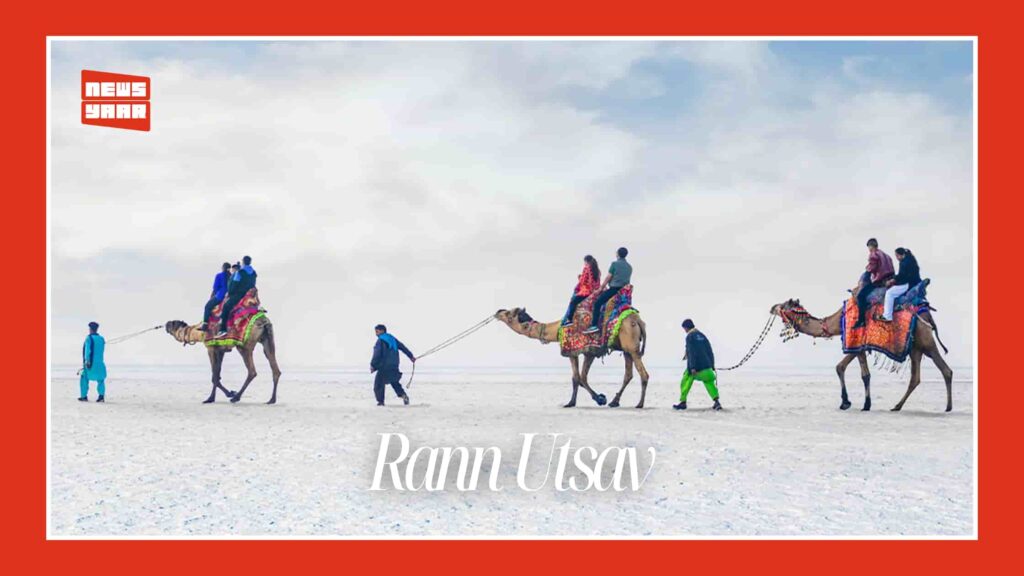
Rann Utsav is Gujarat’s iconic cultural and tourism festival held annually at the Great Rann of Kutch, one of India’s most extraordinary natural landscapes. Organised by the Gujarat Tourism Department, the festival celebrates the region’s rich heritage, crafts, music, food and desert life, while transforming the vast white salt desert into a globally recognised travel destination. For those unfamiliar with it, Rann Utsav is not just an event—it is a season-long cultural experience that brings together art, community and landscape in a setting found nowhere else in the country. What Is Rann Utsav and Why Is It Celebrated? The Great Rann of Kutch remains largely inaccessible during the monsoon season, but from winter onwards, the dried salt flats reveal a surreal white expanse. Rann Utsav was conceptualised to showcase this natural phenomenon while promoting Kutchi culture, rural livelihoods and sustainable tourism. The festival highlights local artisans, folk performers and traditional communities, allowing visitors to experience Gujarat’s cultural diversity beyond urban centres. Over the years, Rann Utsav has emerged as a symbol of India’s living heritage, blending tourism with cultural preservation. Rann Utsav Dates and Duration Rann Utsav is generally held from November to February, lasting nearly three to four months during the winter season. The official dates are announced by Gujarat Tourism every year, allowing travellers to plan visits across weekends, holidays and full moon nights. The long duration helps manage tourist flow while offering flexibility for visitors. Where Rann Utsav Takes Place The festival is hosted near Dhordo village, located about 80 kilometres from Bhuj. Dhordo serves as the main festival site and accommodation hub for visitors attending Rann Utsav. In recognition of its community-led tourism model, Dhordo village received the ‘Best Tourism Village’ award from the United Nations World Tourism Organization (UNWTO), highlighting India’s growing focus on sustainable and inclusive rural tourism. How to Reach Rann Utsav By Air:The nearest airport is Bhuj Airport, connected to major Indian cities like Ahmedabad, Mumbai and Delhi. Dhordo is approximately 80 km from Bhuj. By Rail:Bhuj Railway Station is the closest railhead, with regular trains from Ahmedabad and other cities. By Road:Bhuj is well connected via highways. From Bhuj, visitors can reach the Rann Utsav site by taxi, private vehicle or Gujarat Tourism transport services. Theme and Cultural Experience Each edition of Rann Utsav focuses on celebrating Kutchi traditions, including folk art, handicrafts and indigenous lifestyles. While the core theme remains cultural heritage, the festival also emphasises sustainability, community participation and responsible tourism. Entertainment, Music and Cultural Shows Key attractions include: Folk dance and music performances from Kutch and other regions of Gujarat Evening cultural shows under the open desert sky Live music events and traditional storytelling sessions Craft exhibitions featuring embroidery, mirror work, textiles and pottery Adventure, Fun and Desert Activities Rann Utsav offers a mix of leisure and adventure experiences: Camel rides and camel cart journeys across the white desert Desert safaris and guided exploration walks Adventure activities like ATV rides and paramotoring (subject to availability) Photography opportunities during sunrise, sunset and full moon nights Food and Culinary Experience Visitors can enjoy authentic Kutchi and Gujarati cuisine, along with multi-cuisine options. The festival promotes local flavours while catering to diverse tastes, making food an integral part of the experience. Accommodation and Stay Options The Rann Utsav Tent City at Dhordo offers multiple accommodation categories, combining comfort with traditional aesthetics. Hotels and guesthouses in Bhuj are also available for travellers preferring off-site stays. Places to Visit Around Rann Utsav A visit to Rann Utsav can be combined with nearby attractions in Kutch: Kala Dungar (Black Hill): The highest point in Kutch with panoramic views of the White Rann Dholavira: A UNESCO World Heritage Site and an important Harappan civilisation settlement Bhuj: Known for museums, palaces, temples and local markets Mandvi Beach: A coastal destination with historic shipyards and beach views Kutch Desert Wildlife Sanctuary: Famous for migratory birds during winter Why Rann Utsav Is Important for India’s Cultural Tourism Rann Utsav plays a crucial role in promoting India’s cultural tourism, rural livelihoods and heritage preservation. It has created sustainable income opportunities for local communities, artisans and performers, while placing Kutch on the global tourism map. The international recognition of Dhordo village further underlines how community participation and cultural pride can drive responsible tourism. In Summary Rann Utsav is not just a festival, but a window into India’s desert heritage, community spirit and artistic traditions. From the shimmering salt plains of the White Rann to the cultural richness of Dhordo village, the festival offers an experience that blends tourism with tradition. As India continues to highlight sustainable and inclusive travel, Rann Utsav stands out as a model of how cultural celebrations can preserve heritage while shaping modern tourism narratives.
BRICS India 2026: New Logo, Theme and Website Launched as Chairship Preparations Get Underway
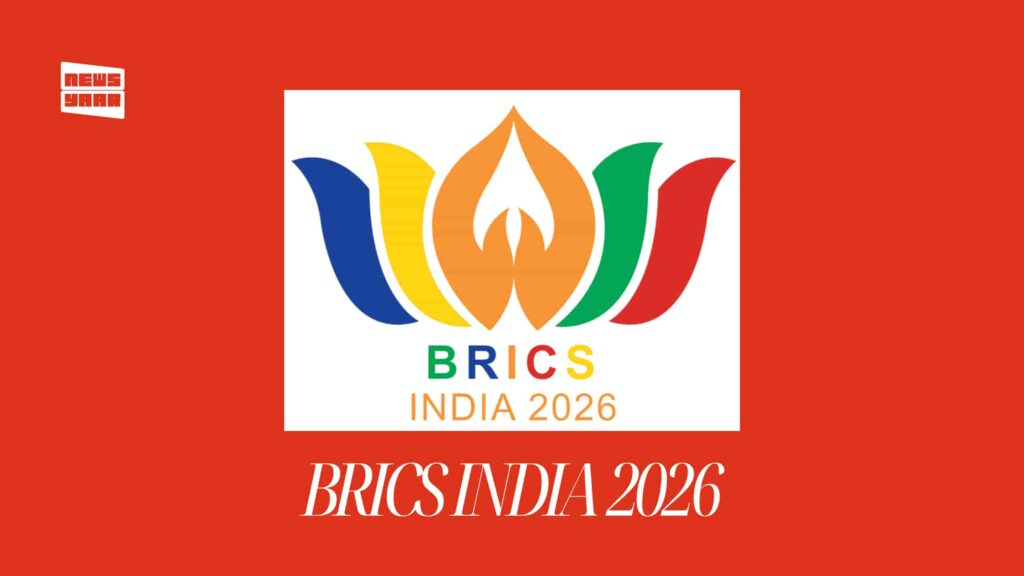
New Delhi, India, has officially launched the logo, theme and official website for its year-long BRICS Chairship in 2026, marking the start of its leadership of the influential multilateral grouping that brings together emerging markets and developing economies. The unveiling took place in New Delhi on January 13, 2026, with External Affairs Minister Dr S. Jaishankar presiding over the ceremony.A Symbol of Unity and Shared AspirationsThe newly showcased BRICS India 2026 logo draws its inspiration from the lotus flower, a symbol deeply rooted in Indian culture and widely associated with resilience, renewal and cultural heritage.The design incorporates petals in the vibrant colours of all BRICS member countries, highlighting the unity of diverse nations under a common purpose. At the centre of the emblem is the Namaste gesture, symbolising respect, warmth of partnership and a commitment to harmonious collaboration among nations.Accompanying the visual identity is the official theme for India’s chairship: “Building for Resilience, Innovation, Cooperation and Sustainability”. The theme reflects a people-centric and humanity-first approach, emphasising inclusive development, practical cooperation and mutual support. “The Indian government has said this vision is inspired by broader goals of shared growth and equitable progress across regions.”A Central Digital PlatformAlongside the logo and theme, India also launched the official BRICS 2026 website, brics2026.gov.in. The digital platform is expected to serve as a central source of information on BRICS initiatives, meetings, official documents and events scheduled during India’s chairship.The website is designed to enhance transparency, engagement and communication both among member countries and with the global public.Officials highlighted that the platform’s easy access and regular updates will allow stakeholders from across member nations, partner states and civil society to stay informed about key developments and collaborative efforts under the BRICS framework.Context and SignificanceIndia assumed the BRICS Chairship on January 1, 2026, coinciding with the 20th anniversary of the BRICS grouping, which was first formed in 2006 to foster cooperation among key emerging economies. Over the years, BRICS has expanded beyond its five founding members, Brazil, Russia, India, China and South Africa, to include Egypt, Ethiopia, Iran, the United Arab Emirates and Indonesia as full members, significantly broadening its global footprint.The launch ceremony in New Delhi was attended by senior officials from the Ministry of External Affairs and representatives from diplomatic missions, underlining the importance India places on using its chairship to strengthen global dialogue and cooperation.Looking Ahead: The Final InsightWith its theme focused on resilience and sustainability, India’s BRICS agenda in 2026 is expected to tackle key global challenges, including economic recovery, technological innovation, climate action and people-to-people exchanges.As preparations continue, the logo and website launch mark a pivotal early step in shaping India’s leadership year and the broader narrative of BRICS cooperation on the world stage.
PM Modi’s Inspiring Speech on National Youth Day at Viksit Bharat Young Leaders Dialogue 2026
PM Modi addresses Young Indians on National Youth Day. It is officially celebrated on 12th January every year.PM delivered the speech on concluding session of Viksit Bharat Young Leaders Dialogue 2026, a public event that was organised especially for the Youths of the nation. Video credit: @Youtube/Narendra Modi
New Labour Codes 2025: Opportunity or Outcry?

On 21 November 2025, India’s labour landscape changed forever: the government replaced 29 older laws with four comprehensive new labour codes, covering wages, industrial relations, social security, and workplace safety.What does that mean for workers? For many, it sounded like a win, especially for contract and fixed-term workers, who, under the updated rules, now qualify for gratuity after just one year of service, instead of the previous five.Add to that expanded definitions for “wage” (so allowances count more), protections for health, social security, and more inclusive job norms, and it seems like a long-awaited step toward modern labour reform. For many gig, contract, and temporary workers, long excluded from benefits, this appears to be a landmark shift. Suddenly, some of the perks traditionally reserved only for permanent staff are extended to a much larger pool. It is social security made more inclusive.The Political Backlash: Protests Outside ParliamentBut this reform didn’t sail smoothly. The moment the new codes were notified, alarm bells rang for many union leaders and opposition parties. On December 2, MPs, including Sonia Gandhi and Mallikarjun Kharge, staged a protest outside the Parliament complex, raising placards and slogans demanding that he new laws be rolled back.Their argument? These codes benefit corporations more than workers, allowing easier layoffs, diluting job security, and undermining collective bargaining rights. Trade unions across the country echo similar fears: what if “flexibility” becomes “exploitation”? What if temporary jobs, previously light on benefits, become even more vulnerable under the cloak of new definitions and frequent hiring-firing cycles? For them, this isn’t reform, it’s a disguised rollback of worker rights. Between Reform and Risk: What’s the Verdict?The new labour codes walk a tightrope. On one side, there’s a needed push toward inclusivity, protection for informal workers, and flexibility for modern businesses. On the other, a legitimate fear that under relaxed labour norms, job security and worker welfare might take a back seat.For contract workers, the cut in gratuity eligibility from five years to one is a game-changer. For millions of India’s unorganised workforce, it might mean a combination of dignity and safety. But for many unions and opposition leaders, the same laws signal a slippery slope.As politics rages on and protests echo through Parliament corridors, the real test will be in implementation, whether the laws reflect worker protection or corporate convenience. For now, the 2025 labour reforms remain India’s most ambitious overhaul in decades: hopeful for some, controversial for many, and undoubtedly the biggest labour conversation in recent memory.Video credit: DD News