Newsyaar

Advertisement

POLITICS

Mumbai BMC Election Results 2026: BJP Breaks Shiv Sena Stronghold, Fragmented Mandate Sets New Political Tone
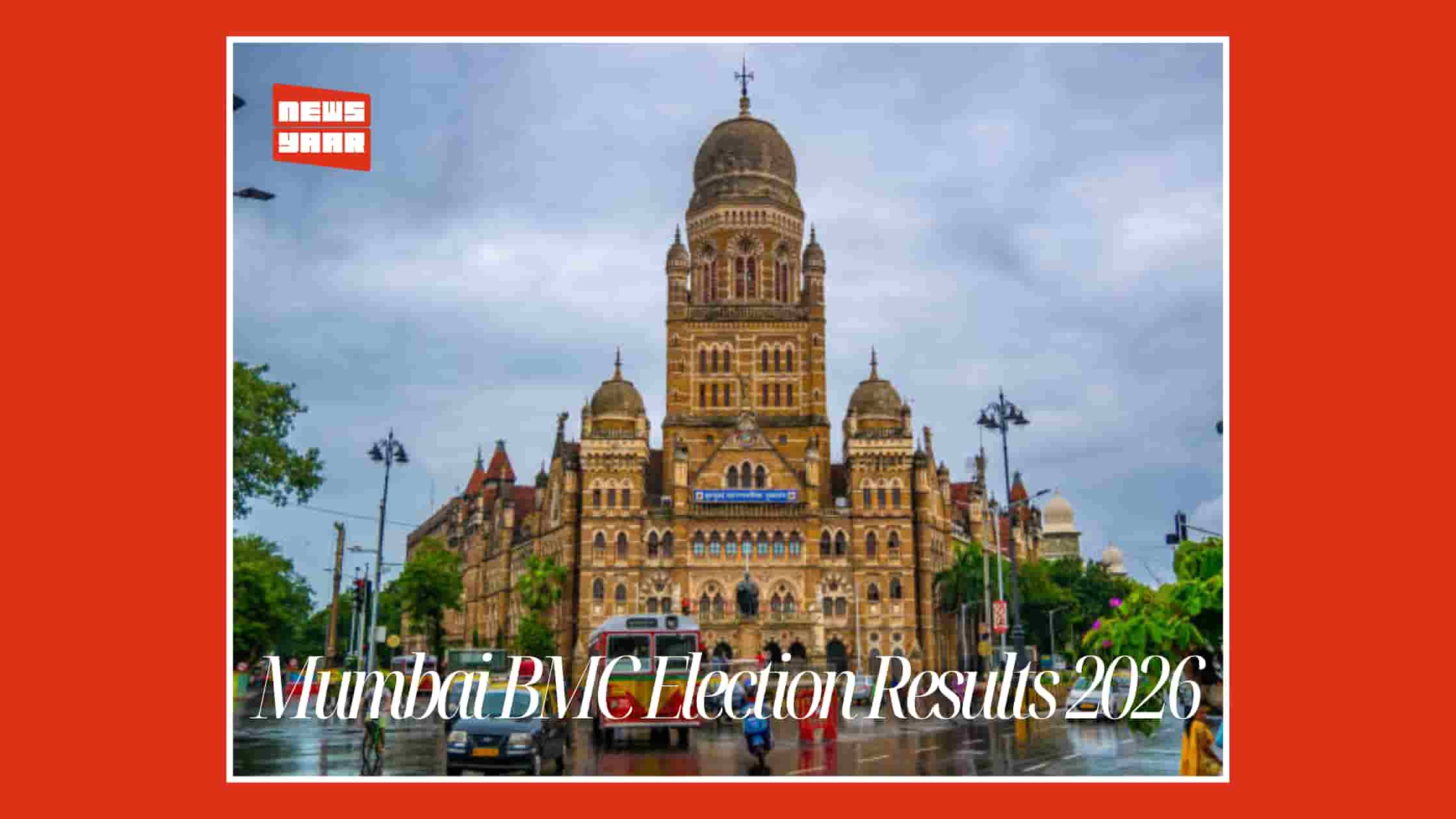


The results of the Brihanmumbai Municipal Corporation (BMC) elections 2026, declared late Friday night, have reconfigured civic politics in Mumbai after years of uncertainty. In a contest marked by shifting alliances and urban development themes, the Bharatiya Janata Party (BJP)-led Mahayuti alliance has emerged as the largest bloc in India’s richest municipal body, ending decades of dominance by the undivided Shiv Sena and reshaping the city’s political landscape.


What Is the BMC and Why This Election Matters


The Brihanmumbai Municipal Corporation is the administrative body responsible for civic services in Mumbai, including roads, hospitals, sanitation, water supply, and urban infrastructure. With an annual budget of over Rs 74,400 crore, it plays a crucial role in daily life for millions and sets the tone for urban policy in the Mumbai Metropolitan Region.


This election was especially significant because it was the first held after a four-year delay and the first civic poll since the Shiv Sena split in 2022, which divided the party into the Eknath Shinde-led faction allied with the BJP and the Uddhav Balasaheb Thackeray-led Shiv Sena (UBT).


Final Results: Seat Share and Winning Parties


No single party secured an outright majority in the 227-ward BMC, but results show a clear lead for the Mahayuti alliance.


Party-wise tally in BMC 2026:

  • Bharatiya Janata Party (BJP): 89 seats
  • Shiv Sena (Shinde faction): 29 seats
  • Shiv Sena (UBT): 65 seats
  • Congress: 24 seats
  • AIMIM: 8 seats
  • MNS: 6 seats
  • Nationalist Congress Party (NCP): 3 seats
  • Samajwadi Party: 2 seats
  • NCP (SP): 1 seat
    (Majority mark in BMC: 114


With the BJP–Shinde Sena alliance jointly leading in 118 wards, they are well-positioned to form the next civic administration.


Key Ward Victories and Local Players


Several notable victories across the city shaped the electoral narrative. Highlights include:


  • Ward 2 (BJP): Tejaswini Ghosalkar
  • Ward 214 (BJP): Ajay Patil
  • Ward 123 (UBT): Sunil More
  • Ward 182 (UBT): Milind Vaidya
  • Ward 183 (Congress): Asha Kale


These wins reflect how both national and local issues influenced voter decisions across diverse Mumbai neighbourhoods.


Political Reactions After the Results


Leaders from all major camps offered their perspectives soon after results were declared.


Maharashtra Chief Minister Devendra Fadnavis highlighted the alliance’s performance as a reflection of public trust in governance. According to him, the BJP’s share — around 45% vote share — demonstrated a broad urban mandate for development-oriented politics.


From the opposition, Shiv Sena (UBT) leader Sanjay Raut said the results showed continued support for the Thackeray brand in many traditional areas, even as the party lost its institutional hold.


Why This Is a Turning Point for Mumbai


BMC has historically been a bastion of regional identity politics, with the Shiv Sena’s rise intertwined with the ‘Marathi asmita’ narrative — emphasising local pride and mobilisation around regional interests. However, this election suggests a shift toward urban governance themes such as infrastructure, flood management, civic service delivery, and development outcomes, rather than purely identity-based politics.


Analysts note that the BJP’s success is the result of a “triple engine” strategy, combining support from the Centre, state leadership, and local organisational strength to appeal to voters focused on performance and delivery.


Broader Maharashtra Civic Sweep and Urban Impact


The BMC outcome was part of a wider civic sweep by the BJP-led alliance across Maharashtra. The party has secured dominant positions in multiple municipal corporations, including Pune and Pimpri-Chinchwad, further weakening rival factions and establishing itself as the leading force in urban local bodies ahead of future state and national contests.


What Comes Next: Leadership and Governance


With the alliance poised to control the BMC, the focus now shifts to:

  • Election of the Mayor
  • Formation of key standing committees (finance, public works, health)
  • Early policy signals on infrastructure upgrades, monsoon preparedness, housing redevelopment and sanitation


The new administration faces a range of civic challenges that will test its governance approach amidst high public expectations.


In Brief

  • BMC election 2026 held after a four-year gap ended long-standing political patterns in Mumbai.
  • The BJP-Shinde Sena alliance crossed the majority mark with 118 wards.
  • Shiv Sena (UBT) held on to 65 seats, showing resilience in core areas.
  • Congress, AIMIM, MNS and smaller parties maintained pockets of influence.
  • Urban governance and development issues appeared to outweigh traditional identity politics.


About the Author

Politics Reporter

Comments

Leave a Reply

Your email address will not be published. Required fields are marked *