


The Longest-Serving Indian PM: Narendra Modi Surpasses Nehru’s Record with 4,399 Days
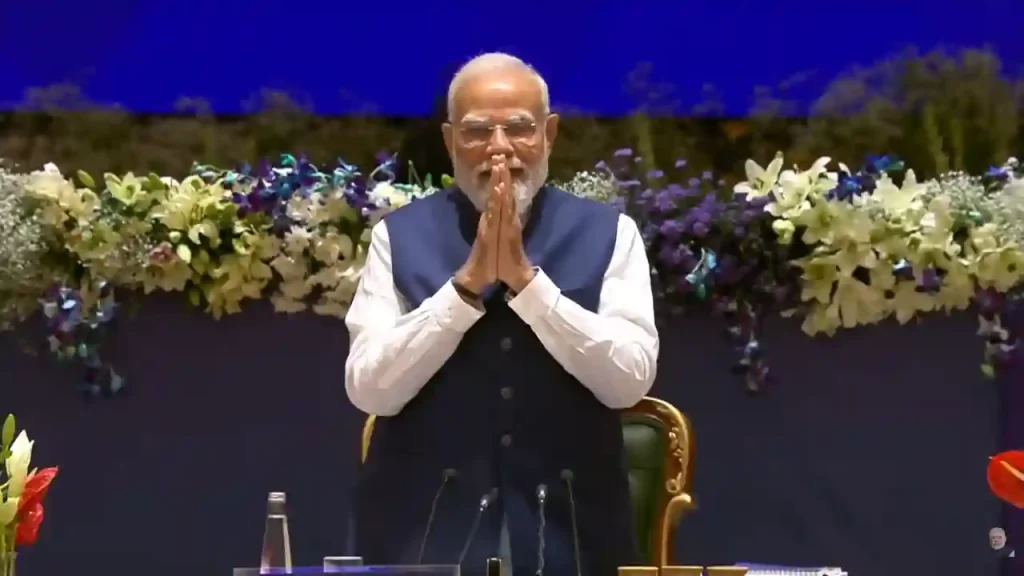
Prime Minister Narendra Modi has officially become India’s longest continuously serving elected Prime Minister, completing 4,399 consecutive days in office on June 10, 2026, surpassing the previous record of 4,398 days held by Jawaharlal Nehru after the country’s first general elections, with the Union Cabinet passing a historic resolution marking this milestone as a symbol of India’s democratic consciousness and public trust. Mr Modi took the oath of office on 26th May 2014 and has surpassed Pandit Jawaharlal Nehru, who first took the oath as an elected Prime Minister on 13th May 1952 and served until 27th May 1964, with Nehru’s tenure amounting to 4,398 days while Modi’s continuous tenure from 26th May 2014 to 10th June 2026 now stands at 4,399 days, making him the longest-serving elected Prime Minister in India’s history.The Historic Milestone: 4,399 Days of Continuous Service Surpassing Nehru’s 1952-1964 RecordThe achievement of Prime Minister Narendra Modi is particularly noteworthy given the scale and complexity of governance in India, a nation of over 1.4 billion people characterized by extraordinary diversity in language, culture, religion, and geography, making sustained leadership across three consecutive national mandates in the world’s largest democracy unprecedented in Indian political history. At a time when many countries have witnessed political churn, frequent changes in government, and policy uncertainty, India has experienced continuity in leadership and governance, reflecting sustained public trust across three consecutive national mandates that demonstrates the unprecedented support bestowed by the people upon a leader guided by the ‘Nation First’ resolve.The Union Cabinet today passed a resolution marking June 10, 2026, as an historic milestone in the journey of Indian democracy, applauding Shri Narendra Modi for becoming the longest-serving elected Prime Minister of the country by establishing a record of 4,399 days of continuous service as an elected PM, surpassing the previous record held by Shri Jawaharlal Nehru, who served for 4,398 continuous days from 1952 to 1964. This occasion stands as a symbol of India’s democratic consciousness, public trust, and the power of public participation, with the resolution extending heartfelt congratulations and best wishes to the Prime Minister while highlighting that this achievement coincides with the NDA government completing 12 years under his leadership.From Humble Beginnings to the Nation’s Highest OfficePrime Minister Modi’s rise from a humble socio-economic background to the highest elected office without the support of a political dynasty is widely seen as an illustration of the opportunities and social mobility offered by India’s democratic system, marking a departure from traditional political patterns where family connections often determined leadership trajectories. Shri Narendra Modi served as the Chief Minister of Gujarat for 14 years and was applauded for the economic growth and setting up advanced infrastructure in the state, among other key developments, before ascending to the nation’s highest office, where he is known for campaigns like Swachh Bharat, Make in India, Digital India, and many more.Amongst his several accolades, he is also famous for being the first Indian to win the Seoul Peace Prize award in 2018, while Independent global surveys have consistently ranked Prime Minister Modi among the world’s most popular democratic leaders, with him also being conferred with the highest civilian honours of more than 30 countries. Harivansh Narayan Singh, Deputy Chairman of the Rajya Sabha, praised PM Modi’s leadership, describing him as a “visionary” who has successfully translated ideas into action, remarking to ANI that “since independence, he is perhaps the first politician and a visionary who didn’t just dream but actually implemented those dreams, bringing them to reality on the ground”.Poverty Eradication and Inclusive Development:During Prime Minister Modi’s tenure, nearly 250 million Indians moved out of multidimensional poverty, with the resolution acknowledging that the welfare of the poor has been placed at the center of governance, detailing an unprecedented scale of amenities delivered including pucca houses, electricity, clean water, and direct benefit transfers, alongside free rations for over 80 crore citizens and free medical treatment for over 60 crore poor individuals. These efforts collectively boosted national self-confidence and enabled over 25 crore people to defeat poverty, expressing gratitude for the policies that have enabled more than 25 crore poor people in India to defeat poverty under his leadership.The resolution maps the empowerment of key demographics, recognizing the focus on youth power that propelled India into becoming the world’s third-largest startup ecosystem and a scientific power through Mission Chandrayaan, while a new chapter of ‘Women-Led Development’ is detailed through comprehensive policies ranging from smoke-free kitchens and the Lakhpati Didi campaign to the historic 33 percent reservation for women in legislative bodies. Affirming farmers as a core pillar of a ‘Viksit Bharat’, the text applauds initiatives like PM Kisan Samman Nidhi and the provision of Kisan Credit Cards to pastoralists and fishermen, which have helped propel agricultural exports past the Rs 5 lakh crore mark, appreciating his efforts directed towards inclusive growth and social justice.Digital Infrastructure and Economic TransformationDuring this period, India has strengthened its position as the world’s fastest-growing major economy, concluded major trade agreements with leading economies, and emerged as a more influential voice on global issues, including development, technology, climate action, and the priorities of the Global South, with people seeing rapid expansion of digital public infrastructure, large-scale infrastructure development, improvements in welfare delivery, and broad-based socio-economic progress. The resolution attributes the advancement of India’s manufacturing capabilities in sectors from defense to AI to the momentum gained by the ‘Make in India’ and ‘Aatmanirbhar Bharat’ campaigns, underlining that political stability, dynamic governance, and far-sighted policies of the last 12 years have transformed India into the world’s fastest-growing large economy.Union Minister Sukanta Majumdar also celebrated PM Modi’s historic milestone, emphasizing its significance in Indian political history, saying “There is a special day in the political history of India. Prime Minister Narendra Modi has set the record for the longest tenure as India’s Prime Minister.” Singh highlighted key policy initiatives under Modi’s tenure, including the introduction of a 33 per cent reservation for women in the Lok Sabha and State Legislative Assemblies, the implementation of
Pachpadra Refinery: India’s Most Delayed, Most Contested, and Most Important Energy Project
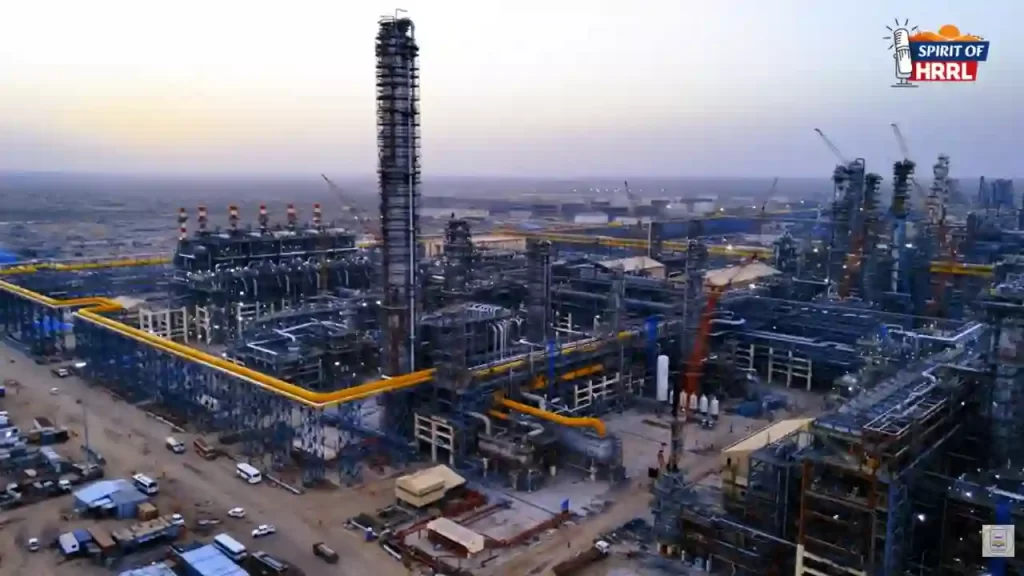
IntroductionFor over a decade, the Pachpadra refinery in Rajasthan’s Balotra district has been India’s most politically freighted infrastructure project — a facility that has had two foundation stones laid by two different prime ministers from two different parties, a cost that nearly doubled before a single barrel was processed, and an inauguration that was stopped one day before it was to happen by a fire that broke out in the Crude Distillation Unit.It is also, when you set aside the politics and the delays and the drama, one of the most consequential energy projects India has built in a generation.HPCL Rajasthan Refinery Limited, known as HRRL, is a 9 million metric tonnes per annum greenfield refinery-cum-petrochemical complex with 2.4 million metric tonnes per annum petrochemical production capacity, located in Pachpadra, Balotra district, Rajasthan. It is India’s first greenfield integrated refinery-cum-petrochemical complex, built at an estimated cost of nearly Rs 80,000 crore. It is spread across 4,400.4 acres of land in the Thar desert, operated by HPCL Rajasthan Refinery Limited, with HPCL holding 74 percent and the Government of Rajasthan holding 26 percent.When it becomes fully operational, it will be the first major refinery India has built from scratch since the 1990s — and the first one specifically designed to process the heavy, waxy crude oil that sits beneath Rajasthan’s Barmer basin, one of India’s most significant onshore oil reserves.The Origin Story: A Project That Belongs to Every PartyThe Pachpadra refinery’s political genealogy is unusual even by Indian standards. No single government can claim it. Every government has tried to.The story begins not with a foundation stone but with oil. The discovery of the Mangala oilfield in Barmer — the largest onshore oil discovery in India in more than 22 years at the time — created an obvious question: why is all this crude being pumped out of Rajasthan and sent to refineries in Gujarat and Maharashtra? Why is Rajasthan not refining its own oil?The project was first conceptualised under the Congress government. On September 18, 2013, then Congress president Sonia Gandhi laid the first foundation stone for the project, with an initial estimated cost of Rs 43,129 crore. The Ashok Gehlot government in Rajasthan was a co-signatory, and the project carried the political imprimatur of both the state and central Congress establishments.Then came 2014. The Congress lost the general election, Vasundhara Raje’s BJP government came to power in Rajasthan, and a project associated with the Congress went into the freezer — not officially abandoned, but quietly deprioritised. The joint venture structure was complicated, the land acquisition was incomplete, and the financing arrangements required renegotiation.Four years later, the BJP arrived to claim the project as its own. On January 16, 2018, Prime Minister Narendra Modi laid a second foundation stone for the same project, which now had two foundation stones from rival parties. Modi declared that the refinery would be ready by 2022 and would change the economic landscape of Rajasthan. He was wrong about 2022. He was not wrong about the economic landscape.The Project: What Is Actually Being BuiltThe refinery is operated by HPCL Rajasthan Refinery Limited, with HPCL holding 74 percent and the Government of Rajasthan holding 26 percent. An MoU for the project was signed between the state government and HPCL on April 18, 2017.The facility is not simply a refinery. The integrated nature of the project — combining refining with a large-scale petrochemical complex on the same site — is what makes it distinct from existing Indian refineries and from the original 2013 design.The refinery has a capacity of 9 million metric tonnes per annum of refining and 2.4 million metric tonnes per annum of petrochemical production. The Scheduled Commercial Operation Date is July 1, 2026.The petrochemical capacity is particularly significant. India is one of the world’s largest importers of petrochemical products — the plastic resins, synthetic fibres, rubber, adhesives, and industrial chemicals that feed into every sector of manufacturing. A domestic integrated complex reduces that import dependence and creates a foundation for downstream manufacturing investment in Rajasthan.The crude feedstock for the refinery will be Mangala crude from the Barmer basin — heavy and waxy crude that requires specialised handling including insulated pipelines and dedicated processing units. The Mangala field, discovered in January 2004, is the largest onshore oil discovery in India in more than two decades. It sits directly in Rajasthan’s backyard, and Pachpadra was designed specifically to process it, eliminating the need to transport it all the way to coastal refineries in Gujarat.HRRL is an important project considering the growing energy needs and petrochemical requirements of the country, thereby reducing the country’s dependence on imports, which will result in saving foreign exchange. The project will also contribute towards industrialisation of a backward area, usage of locally available Mangala crude and help promote India as a refining hub.The Cost: From Rs 43,129 Crore to Rs 79,459 CroreThe most uncomfortable aspect of the Pachpadra story is its cost trajectory. The initial estimated cost of the refinery was Rs 43,129 crore, and the work was scheduled to be completed by October 31, 2022. During the previous state government’s tenure, the project cost increased to Rs 72,937 crore by June 2, 2023. HPCL Rajasthan Refinery Limited submitted a proposal for a second revision of the refinery’s cost to the state government on July 24, 2025.The total project cost has been revised to Rs 79,459 crore. The Union Cabinet approved the revised cost on April 8, 2026 — just twelve days before the inauguration fire.That escalation — from Rs 43,129 crore to Rs 79,459 crore — represents an 84 percent increase from the original estimate. Several factors contributed to it: the construction delays caused by land acquisition disputes and coordination failures during the political transitions between Congress and BJP governments in both Rajasthan and at the centre; Covid-19 disruptions that halted construction for an extended period; global commodity price inflation that drove up the cost of steel, cement, and equipment; and the expansion of the petrochemical complex beyond the
Noida International Airport Officially Opens: Commercial Flights Begin June 15, Marking New Era for Viksit UP and Viksit Bharat
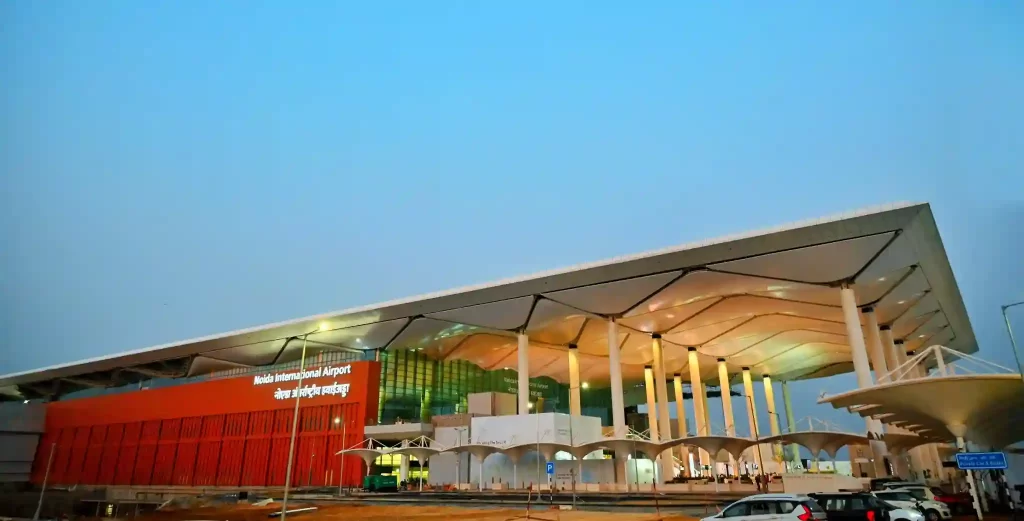
Noida, May 27, 2026 — Prime Minister Narendra Modi officially inaugurated Phase I of the Noida International Airport at Jewar in Gautam Buddha Nagar district of Uttar Pradesh on March 28, 2026, marking a transformative moment for India’s aviation sector and northern India’s connectivity. Noida International Airport at Jewar has officially opened for commercial operations, with flights scheduled to commence from June 15, 2026, marking a transformative moment for India’s aviation sector and northern India’s connectivity. Prime Minister Narendra Modi inaugurated the first phase of the airport earlier this month at Jewar in Gautam Buddha Nagar district of Uttar Pradesh, and the facility has now received final security clearance from the Bureau of Civil Aviation Security. The Prime Minister also laid the foundation stone for 40 acres of Maintenance, Repair, and Overhaul (MRO) facilities at the site during the inauguration ceremony. Speaking on the occasion, Modi declared this a new chapter for the Viksit UP and Viksit Bharat campaign, emphasizing that Uttar Pradesh has now emerged as one of the states with the highest number of international airports in India.Noida International Airport stands among the largest greenfield airport projects in the country, with Phase I developed at a total investment of approximately ₹11,200 crore under a Public-Private Partnership model. The airport will initially handle 12 million passengers per annum, with scalability up to 70 million passengers annually upon full development. Commercial flight operations officially begin June 15, following receipt of approval for its Aerodrome Security Programme from the Bureau of Civil Aviation Security, which certified that the airport’s security framework meets regulatory requirements for commercial operations. IndiGo will operate the first flight from NIA, marking the start of scheduled passenger services, followed shortly by Akasa Air and Air India Express.From Vision to Reality: A 23-Year Journey to CompletionThe airport project was first approved in 2003 during the tenure of former Prime Minister Atal Bihari Vajpayee, making this operational launch the culmination of a 23-year vision. Prime Minister Modi recalled that as soon as the current government was formed, the foundation was laid, construction happened, and now it has started operations. He expressed feeling doubly proud, first for having laid the foundation stone of this airport and now seeing it operational, and second because the name of this grand airport is linked to Uttar Pradesh, the state that chose him as its representative and made him a Member of Parliament.The airport will benefit numerous districts across western UP, including Agra, Mathura, Aligarh, Ghaziabad, Meerut, Etawah, Bulandshahr, and Faridabad, bringing new opportunities for farmers, small and medium enterprises, and the youth of the region. The site is positioned near freight corridors and logistics networks, supporting the movement of goods by air and rail. The area around Dadri, where freight routes converge, has been identified as a key logistics point for northern India. Prime Minister Modi pointed out that this area is becoming the hub of two major freight corridors with special railway tracks laid for goods trains, enhancing North India’s connectivity with the seas of Bengal and Gujarat.Economic Impact Connecting Western UP to Global MarketsPrime Minister Modi emphasized that airports are not just basic facilities in any country but give wings to progress. Due to the expansion of connectivity in the region, agricultural products of western UP will reach the global market in a much better way. The airport will bring numerous new opportunities for farmers, small and medium industries, and the youth of western Uttar Pradesh, with aircraft flying from here to the world, and the airport becoming a symbol of a developed Uttar Pradesh taking flight.The expansion of modern connectivity will further boost food processing prospects in western UP. Prime Minister Modi expressed gratitude to the farmers who gave up their lands to make this project a reality, noting that agriculture and farming hold great importance in the region’s economy. He highlighted that today, Noida is ready to welcome the entire world, and this whole area is strengthening the resolve of Aatmanirbhar Bharat. This multi-modal connectivity is making UP a major attraction for investors worldwide, as whatever farmers grow and industries produce here can now reach every corner of the world swiftly by land and by air.MRO Facility Lays Foundation for Aviation Self-RelianceAddressing a critical gap in India’s aviation ecosystem, Prime Minister Modi drew attention to the Maintenance, Repair, and Overhaul sector, noting that 85 percent of Indian aircraft still have to go abroad for MRO services. The government has resolved to make India self-reliant in the MRO sector, and the foundation stone of an MRO facility was laid at Jewar during the inauguration. When ready, it will serve aircraft from India and abroad, generating revenue for the country, keeping money within India, and creating numerous jobs for the youth.This facility will support aircraft servicing within India, where a significant share of such work is currently carried out overseas, reducing dependency on foreign MRO providers and saving foreign exchange. The government has decided to make India self-reliant in this sector as part of its broader economic policy framework, positioning India as a global hub for aircraft maintenance services.Operational Timeline and First Year ProjectionsThe airport will commence commercial flight operations from June 15 after appointing an Indian CEO, following the security regulator’s approval for its Aerodrome Security Programme. An airport official stated they are looking at 50-60 lakh passengers in the first year of operations. After domestic operations stabilize, they will launch international services, confident of going international before the end of 2026. The airport currently features one runway and one passenger terminal with a capacity to handle 12 million passengers annually, with its master plan including future expansion to accommodate over 70 million passengers each year.The launch follows the DGCA’s clearance granted in March, with PM Modi inaugurating the airport in late March. The airport said the June 15 start date marks the final stage of security clearance after regulatory concerns over a foreign CEO were addressed by appointing Chief Financial Officer Nitu Samra as interim CEO, replacing Swiss national
V.D. Satheesan Sworn In as Kerala’s 13th Chief Minister, Leading Congress-Led UDF to Landslide Victory
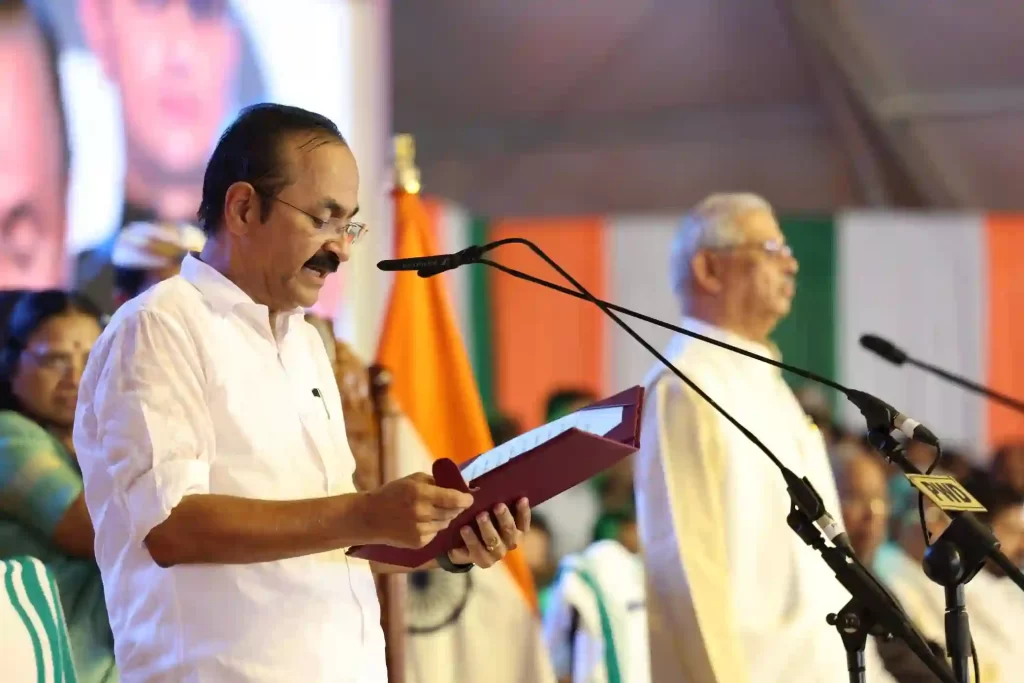
V.D. Satheesan was sworn in as the 13th Chief Minister of Kerala on May 18, 2026, at a grand ceremony held at the packed Central Stadium in Thiruvananthapuram. Governor Rajendra Vishwanath Arlekar administered the oath of office and secrecy to Satheesan and his 20-member council of ministers over a one-hour ceremony that commenced around 10:15 a.m. The Congress-led United Democratic Front (UDF) scripted a landslide victory over the CPI(M)-led Left Democratic Front in the April 9 Assembly elections, winning 102 of the 140 seats in the State Assembly, ending a decade of LDF rule and marking the UDF’s return to power.Satheesan, 61, who served as Leader of the Opposition during 2021–2026, became the first to be sworn in. The ceremony concluded around 11:30 a.m. with the recital of Vande Mataram followed by the National Anthem. Congress president Mallikarjun Kharge, senior leaders Rahul Gandhi and Priyanka Gandhi Vadra, along with several leaders from Congress-ruled states, including Karnataka Chief Minister Siddaramaiah, Telangana Chief Minister Revanth Reddy, and Himachal Pradesh Chief Minister Sukhvinder Singh Sukhu, attended the event. Outgoing Chief Minister Pinarayi Vijayan, who is set to become Kerala’s new Opposition Leader, was also present on stage along with BJP State president Rajeev Chandrasekhar.From Student Politics to Chief Minister: A Five-Decade JourneyV.D. Satheesan was born on May 31, 1964, at Nettoor in Ernakulam district (Maradu Municipality) as the fourth son of Vadassery Damodara Menon and Smt. V. Vilasini Amma. He entered public life through the Kerala Students Union (KSU), the student wing of the Indian National Congress, during his college days and rose to leadership ranks through student politics in Kerala. He served as University Union Councillor at Rajagiri College, Kalamassery, and later as Chairman of the Mahatma Gandhi University Union during 1986–1987. He was also actively associated as a Union Councillor in both Mahatma Gandhi University and the University of Kerala.Satheesan completed his primary education at Nettoor S.V.U.P School and passed SSLC from Panangad High School. He completed his Pre-Degree and Degree studies from Sacred Heart College, Thevara, and later obtained an MSW degree from Rajagiri College, Kalamassery. He earned his LL.B degree from Thiruvananthapuram Law Academy and obtained a Master’s Degree in Law from Government Law College. Alongside political activities, Satheesan practiced as an advocate in the Kerala High Court for nearly ten years and held leadership positions in several trade unions affiliated with the Indian National Trade Union Congress (INTUC).Historic Distinction: Sixth Leader to Become CM Without Prior Ministerial ExperienceSatheesan was first elected to the Kerala Legislative Assembly in 2001 from the Paravur Assembly Constituency and has been continuously re-elected in the Assembly elections held in 2006, 2011, 2016, 2021, and 2026. He holds the distinction of being the sixth political leader in Kerala to assume the office of Chief Minister without previously serving as a Minister in the State Cabinet. He is also the first Congress Chief Minister from Ernakulam district, representing a significant shift in the party’s leadership geography.In the 12th Kerala Legislative Assembly in 2006, he served as the Chief Whip of the Indian National Congress. In 2013, he was appointed as the AICC Secretary in charge of Tamil Nadu, and in 2014, he was appointed Vice President of the Kerala Pradesh Congress Committee (KPCC). Satheesan has emerged as a prominent public leader through his active involvement in student politics, the legal profession, organizational activities, and legislative responsibilities. Through his commitment to democratic values, social justice, and people-oriented development, he has secured a significant place in the public life of Kerala.A Complete Cabinet After 60 Years with Focus on AusteritySatheesan announced that a “complete Cabinet” was being sworn in at one go for the first time in 60 years. The Cabinet includes two women and two ministers from the Scheduled Castes, reflecting a commitment to social representation. The Congress has 12 members in the Cabinet, including the Chief Minister. The Indian Union Muslim League (IUML) has five Ministers, while Kerala Congress (Joseph), Kerala Congress (Jacob), RSP, and CMP have one each. As many as 14 members of the cabinet are new faces, bringing fresh energy to the government.Senior Congress figures in the cabinet include Ramesh Chennithala, K Muraleedharan, and Kerala Pradesh Congress Congress chief Sunny Joseph. The IUML ministers include P.K. Kunhalikutty, K.M. Shaji, P.K. Basheer, N. Shamsudheen, and V.E. Abdul Gafoor. Other ministers include Mons Joseph, Shibu Baby John (Revolutionary Socialist Party), Anoop Jacob (Kerala Congress-Jacob), C.P. John (Communist Marxist Party), A.P. Anil Kumar, P.C. Vishnunadh, Roji M. John, Bindu Krishna, M. Liju, T. Siddique, K.A. Thulasi, and O.J. Janeesh. All except Shibu Baby John and C.P. John took the oath in the name of God, with the two making solemn affirmation of their commitment.In keeping with austerity measures for the state, Satheesan has ordered that there be no convoys, security vehicles, or ambulances. He has also said he would not require a new vehicle, setting an example of frugal governance. The portfolios of the Chief Minister and Ministers were made public later on Monday, with Thiruvanchoor Radhakrishnan announced as Speaker and Shanimol Usman as Deputy Speaker.Building Puthuyuga Keralam: Vision for a New EraSatheesan stated that the UDF government was committed to working towards building a “Puthuyuga Keralam” (New Era Kerala). Following the declaration of election results on May 4, the Congress party took ten days to pick Satheesan over Ramesh Chennithala and AICC General Secretary K.C. Venugopal as the Congress Legislative Party leader and CM-designate. After that, the entire focus shifted to Cabinet formation, with discussions stretching into Sunday afternoon before Satheesan presented the list of ministers to the Governor on May 17 evening.The swearing-in ceremony witnessed huge crowds gathering at Central Stadium since early morning. Extensive arrangements, including traffic regulations, were in place across the State capital. Among those present were AICC General Secretaries K.C. Venugopal and Deepa Dasmunshi, CPI State secretary Binoy Viswam, and numerous other dignitaries. Rahul Gandhi greeted the new Chief Minister with a warm hug after Satheesan repeated the oath and signed the oath books.Satheesan’s Rise Reshapes Kerala Political
N. Rangaswamy: The Man Who Came Back Five Times
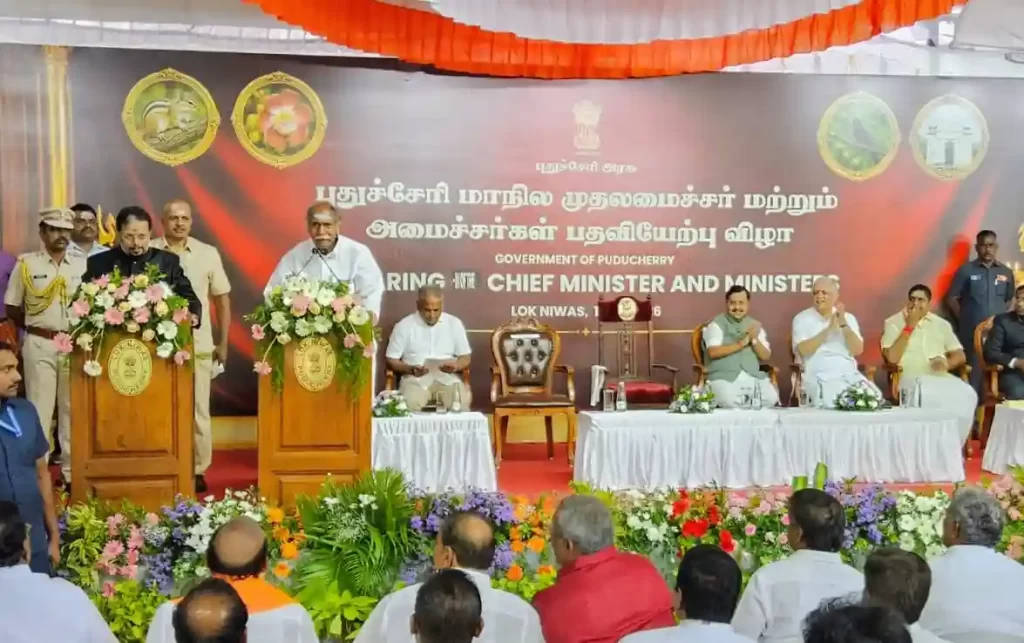
IntroductionIn a country where political careers are won and lost in single terms, N. Rangaswamy has done something that no other leader in Puducherry’s history has managed, and very few across India can claim. At 75 years old, he has been sworn in as Chief Minister of the Union Territory for the fifth time.Following the victory of the AINRC-led NDA combine in the recent assembly elections, N. Rangaswamy was sworn in as the Chief Minister of Puducherry for a record fifth term at Lok Nivas on May 13, 2026. The swearing-in ceremony was held at the Puducherry Lok Bhavan, where Lieutenant Governor K. Kailasanathan administered the oath of office and secrecy to Rangaswamy and the newly inducted ministers.PM Modi, in his message, said: “Congratulations to Thiru N. Rangaswamy on taking oath as Puducherry’s Chief Minister. He has made a mark as an experienced and effective administrator who has strengthened Puducherry’s growth journey. Looking forward to working with him for the people’s well-being.”Five terms. Two different parties. Three different political eras. One relentlessly resilient man. The story of N. Rangaswamy is, in many ways, the story of Puducherry itself.The Beginning: Born in Puducherry, Rooted in Its PeopleNatesan Krishnasamy Gounder Rangaswamy was born on 4 August 1950 in Puducherry to parents Natesan Krishnasamy and Panchali. He completed his Bachelor of Commerce from Tagore Arts College and Bachelor of Laws from Dr. Ambedkar Government Law College.He is a trained lawyer who never lost the habits of the courtroom: patience, precision, and the ability to read a room. Those qualities would serve him far better in the chamber of the Puducherry assembly than in any court.Rangaswamy began his political journey with the Congress, winning from Thattanchavady in 1991. He served as a cabinet minister for nearly a decade before becoming Chief Minister in 2001. He was elected again from the same constituency during the 1996, 2001, and 2006 assembly elections. In 1996, Rangaswamy was appointed as Co-operative Minister. In 2000, he became Education Minister.Those ministerial years were not glamorous. Education and cooperative affairs are not the portfolios that attract headlines. They are, however, the portfolios that build grassroots credibility. Rangaswamy used them to do exactly that, cultivating the kind of direct public relationship — house visits, welfare distributions, personal accessibility — that would sustain him through every political crisis that followed.The First Two Terms: Congress and the Dawn of Welfare PoliticsDuring his long stint as Chief Minister from 2001, Rangaswamy brought in developmental reforms in the tiny Union Territory. Housing subsidy for hut dwellers, free breakfast for school children, financial assistance for students in professional colleges, and a host of other infrastructural reforms consolidated his popularity.His approach was simple and had a clear logic: Puducherry is small. What it lacks in size, it compensates with the intensity of its political engagement. Welfare programmes that deliver tangible benefits directly and visibly to voters work here with a directness that is harder to achieve in larger states. Rangaswamy understood this instinctively and governed accordingly.He served as Chief Minister from 2001 to 2006 and again from 2006 to 2008 as a Congress leader. The back-to-back terms were a sign of confidence from both the Congress leadership and the Puducherry electorate. But the Congress gave, and the Congress could also take away.The Fall and the Reinvention: From Congress to AINRCRangaswamy stepped down as Chief Minister in August 2008 after internal issues within the party. Citing irreconcilable differences, he formed his own party, the AINRC.The departure from Congress was not merely a political move. It was, by every account of those who witnessed it, a deeply personal rupture. Rangaswamy had given the Congress party in Puducherry his best years, built its base, and won it elections. To be pushed out by internal maneuvering — by colleagues within his own party rather than by voters — was a humiliation that would have broken less resilient politicians.Instead, it produced something remarkable. He formed his own party, AINRC, and on 7 February 2011 launched the All India N.R. Congress as a breakaway from the Indian National Congress.The audacity of the move should not be understated. Puducherry’s political landscape at the time was dominated by the Congress and the DMK-aligned AIADMK. Breaking away from the Congress in a territory where it had deep roots, building a new party from scratch, and then winning an election within months — this is what political resilience looks like in practice.In the assembly elections held in April 2011, AINRC contested the elections in an alliance with the Jayalalithaa-led AIADMK and won 15 out of the 17 seats it contested. AINRC formed the government independently, with the support of an Independent, which enabled it to get a majority in the 30-seat assembly. Rangaswamy won from the Kadirkamam Assembly constituency and was sworn in as Chief Minister of Puducherry for the third time on 16 May 2011.The Setback of 2016 and the Road BackThe 2016 election was the low point of Rangaswamy’s career. AINRC, no longer in alliance with the AIADMK, contested alone. Though Rangaswamy won from the Indira Nagar Assembly constituency, the party won only eight seats in the assembly. Hence, Rangaswamy resigned as Chief Minister on 6 June 2016. He later served as the leader of the opposition in the Puducherry assembly from August 2016 to February 2021.Five years in opposition. For a man who had been Chief Minister three times, the leader of the opposition bench is a dramatically different vantage point. He used those years the way he had always used difficult periods — to rebuild the ground-level network, to remain accessible, and to wait.The wait ended in dramatic fashion. After the Puducherry government led by V. Narayanasamy lost a trust vote in the assembly in February 2021, the 2021 legislative assembly elections were held in April 2021. AINRC became part of the National Democratic Alliance and allied with the Bharatiya Janata Party and the AIADMK. The NDA won 16 seats, with AINRC winning 10 of the 16 seats it contested.Rangaswamy was sworn in
Himanta Biswa Sarma Sworn In as Assam Chief Minister for Second Term
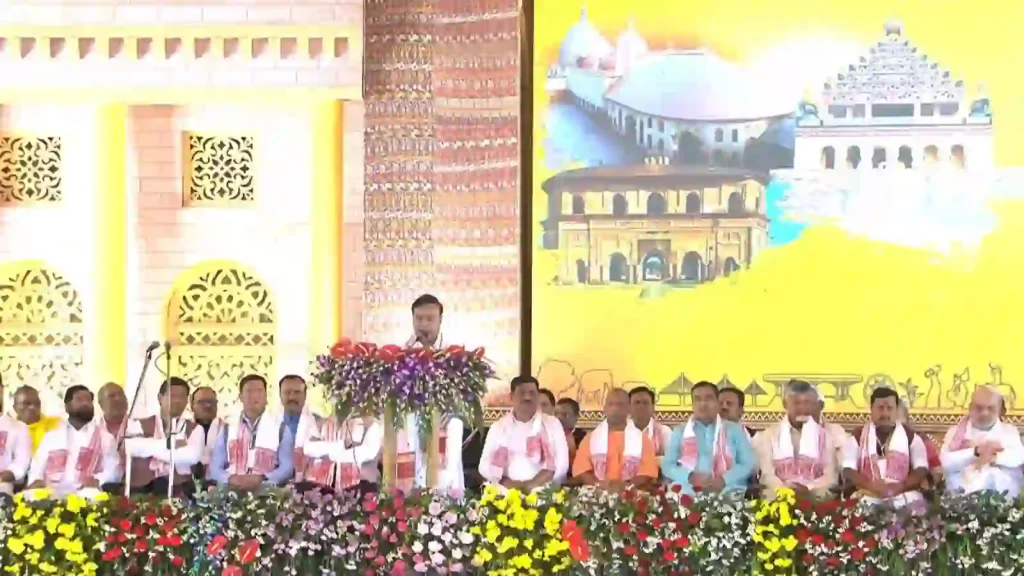
Himanta Biswa Sarma has taken oath as the Chief Minister of Assam for a second consecutive term. The swearing-in ceremony took place on May 12, 2026, in Guwahati. A large crowd gathered from across the state to witness the event. Prime Minister Narendra Modi, Union Home Minister Amit Shah, and BJP Chief Ministers from several states attended the ceremony. Sarma was elected as the leader of the BJP-led National Democratic Alliance (NDA) legislature party on May 10. Governor Lakshman Prasad Acharya administered the oath of office and secrecy. Along with Sarma, four new ministers were also sworn in. Two belong to the BJP, and two come from local alliance partners.The BJP-led NDA won a decisive victory in the Assam Assembly elections held on April 9. The party secured 82 seats out of 126 in the assembly. Its allies, the Asom Gana Parishad (AGP) and the Bodoland People’s Front (BPF), won 10 seats each. The NDA total reached 102 seats, giving it a two-thirds majority. This marks the third consecutive term for the BJP in Assam. The victory consolidates Sarma’s position as one of the most powerful leaders in India’s Northeast.From Congress to BJP: A Political Journey That Transformed AssamHimanta Biswa Sarma was born into a middle-class family in Assam. He started his political career with the Indian National Congress. He served as a minister in the Congress government led by former Chief Minister Tarun Gogoi. Gogoi’s son, Gaurav Gogoi, is now the main opposition leader in Assam. Gaurav lost the recent election in the Jorhat seat. Sarma has held the Jalukbari constituency seat near Guwahati since 2001. He won it despite changing political parties.Sarma’s move to the BJP in 2015 became a turning point for the party in the Northeast. He brought several loyal legislators with him. This defection weakened the Congress significantly. Many political observers call it the moment the BJP truly entered Assam politics. Before 2015, the BJP’s vote share in Assam was less than 12 percent. Today, it has grown to 38 percent. The BJP came to power in 2016 for the first time and has kept it since.During Sarbananda Sonowal’s tenure as Chief Minister from 2016, Sarma worked as a back-end organizer. He fueled the BJP’s expansion drive across the region. He helped build alliances with local groups in Arunachal Pradesh, Manipur, and Tripura. Sarma became the chief minister in 2021. His re-election in 2026 shows he has strengthened his position within the party. Colleagues credit his aggressive campaigns, welfare programs, and tight organizational control for his success.Sarma’s Winning Formula: Identity, Outreach, and DevelopmentPolitical scientists say Sarma’s strategy works on three levels. Professor Akhil Ranjan Dutta of Gauhati University explains these clearly. The first aspect is identity. The BJP brought indigenous communities closer to a broader Hindu identity. At the same time, the party portrayed some groups as outsiders. This approach resonated with many voters in Assam.The second aspect is targeted outreach. The BJP under Sarma engaged women, young people, farmers, and small business owners. Schemes and messaging were aimed directly at their needs. The Orunodoi program became the most popular initiative. It provides financial assistance to women from low-income households. Millions of women received monthly payments. This scheme created a direct link between the government and rural families.The third aspect is development. Sarma focused heavily on roads, bridges, and infrastructure. Remote villages got better connectivity. Schools and hospitals received upgrades. The government emphasized digital services and ease of living. Supporters call him an effective administrator who delivers results. They say his leadership brought stability and progress to Assam after decades of unrest.Controversies Around Migration, Identity, and Minority PoliciesCritics argue that Sarma’s rise came with divisive political messaging. Issues of migration and identity have dominated Assam politics for decades. Immigration from neighboring Bangladesh remains highly sensitive. Debates over language, land, and identity shape every election. Opposition parties and rights groups accuse the BJP government of targeting minorities. Bengali-speaking Muslims face particular criticism under Sarma’s administration.Sarma’s policies linked to Islamic schools sparked intense debate. The government announced that all government-run madrassas would be shut down. Supporters say this modernizes education. Critics call it an attack on Muslim culture. Policies on child marriage also drew attention. The government tightened rules to prevent early marriages. Many see this as social reform. Others view it as interference in religious practices.Earlier this year, an AI-generated video created controversy. The state BJP unit shared a video that appeared to show Sarma firing at images of political opponents wearing Muslim skull caps. The video was later deleted. Opposition parties and civil society groups condemned it. The Congress asked the judiciary to take action. Sarma and BJP leaders reject accusations of targeting minorities. They say their policies protect Assamese culture and address illegal immigration.Key Achievements and Popular Welfare SchemesThe Orunodoi scheme remains Sarma’s most beloved achievement. It provides direct cash transfer to women in poor households. Over 2.5 million families receive monthly support. The program empowers women financially. It reduces dependency on men. Rural women say the money helps buy food, medicine, and school supplies.Infrastructure development has improved significantly. New bridges connected remote villages. Roads reached areas that lacked motorable access for decades. The PMGSY scheme was expanded under Sarma’s leadership. Healthcare facilities improved in the districts. Mobile health units visit remote blocks. Education saw upgrades, too. Digital classrooms were introduced in government schools.Scheme implementation focused on transparency. Direct benefit transfers reduced corruption. Middlemen could not siphon funds. Technology helped track delivery. Sarma’s government used data to identify beneficiaries. This approach increased efficiency. People saw money reaching their accounts quickly. The administration promoted itself as technology-driven and result-oriented.Challenges Ahead: Governance, Unity, and National RoleSarma faces several challenges in his second term. He must balance development with social harmony. The state remains polarized along identity lines. Rebuilding trust with minority communities requires effort. The government must address unemployment among youth. Education-quality gaps persist in rural areas. Healthcare infrastructure needs further strengthening.Environmental concerns also matter. Assam faces floods almost every year. Climate change increases rainfall intensity.
Amaravati: Andhra Pradesh’s New Capital City Finally Coming to Life After Years of Drama
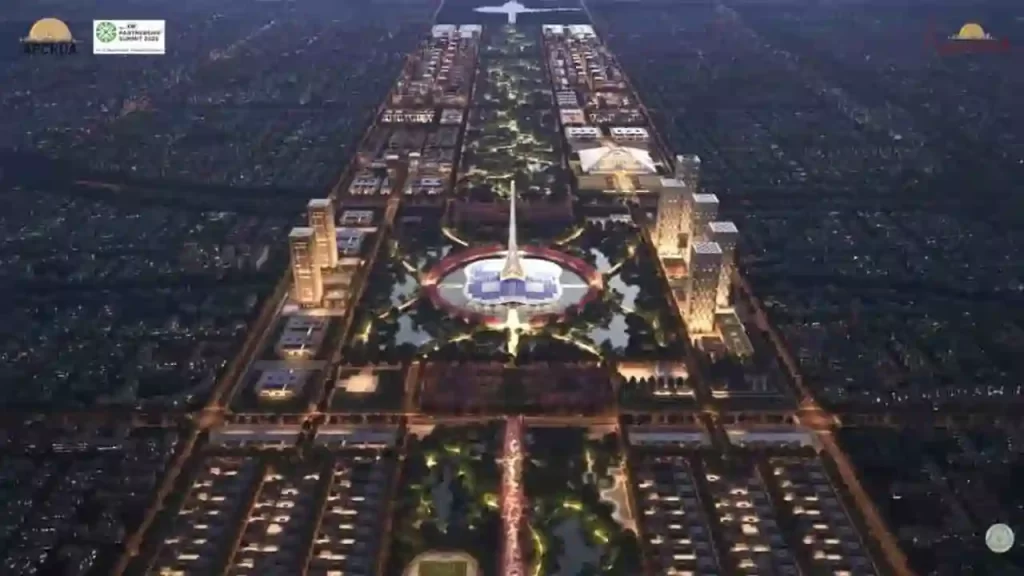
Imagine building a brand-new capital city from scratch – a modern wonder along a mighty river, designed by global experts, powered by green energy, and home to millions. That’s the dream of Amaravati, Andhra Pradesh’s greenfield capital project led by Chief Minister N. Chandrababu Naidu. Once stalled for five long years, this ambitious “people’s capital” or Praja Rajadhani is now buzzing with activity. As of April 2026, projects worth Rs 57,821 crore are underway, with Rs 50,943 crore already grounded. Prime Minister Narendra Modi laid the foundation stone recently, and Naidu promises that Phase 1 will be ready in months. After a decade of twists, turns, protests, and court battles, Amaravati is rising again on the Krishna River banks, ready to be India’s most sustainable city.A Dream Born in 2014: From Bifurcation Blues to Bold VisionAndhra Pradesh lost Hyderabad as its capital after the 2014 bifurcation with Telangana. The state needed a fresh start. Naidu, then Chief Minister, picked Amaravati, a 2,300-year-old site in Guntur district with deep history. Ancient Satavahanas ruled here around 225 BCE, and Emperor Ashoka’s Buddhist stupa (Amaravati Mahachaitya) still whispers of Gautama Buddha’s visits. In the 18th century, zamindar Raja Vasireddy Venkatadri Naidu revived it as a thriving town, building palaces amid fertile Krishna delta lands.Why here? Perfect spot, central, near Vijayawada and Guntur, with great roads, rails, and river views. Naidu announced it on October 22, 2015, with Modi’s foundation stone. The name “Amaravati” means “abode of immortals,” linked to the Amareswara Shiva temple. Singapore’s experts (like Foster + Partners) crafted the masterplan: 217 square km of nine themed sub-cities, Government, Justice, Knowledge, Finance, Health, Sports, Culture, Tourism, and Electronics. At the heart? A green spine like New York’s Central Park, with the Assembly as a 250-meter lily-shaped tower.The Land Pooling Magic: Farmers as True PartnersNo forced takeovers, that’s Naidu’s genius Land Pooling Scheme (LPS) from 2015. Over 27,000 farmers voluntarily gave 33,000 acres. In return:Wet land owners: 1,000 sq yd residential + 450 sq yd commercial plots per acre, plus Rs 50,000/year annuity (rising 10% yearly for 10 years).Dry land owners: 250 sq yd commercial plots per acre + Rs 30,000/year annuity.Landless farmers: Rs 2,500/month pension for 10 years.The Andhra Pradesh Capital Region Development Authority (APCRDA) manages it. Bhoomi puja happened in June 2015; the secretariat and assembly moved to temporary sites by 2017. The Big Halt: Politics, Protests, and a Three-Capitals Twist (2019-2024)Joy turned to pain in 2019. YSR Congress’s Jagan Mohan Reddy won, suspended annuities for 2,903 farmers, canceled pensions for 4,422 families, and ditched LPS for 33,000 acres. He pushed a “three capitals” plan: Amaravati (legislative), Visakhapatnam (executive), Kurnool (judicial). World Bank and AIIB pulled $1 billion in funding. Farmers protested 1,630 days straight, facing lathi charges. The High Court ruled in 2022: Amaravati stays the sole capital. Reddy withdrew the bill in 2021 amid legal heat.The five-year freeze? Cost overruns of 40-45%, roads up 25-28%, buildings 35-55%. The original Rs 51,000 crore budget swelled to Rs 64,910 crore. Infrastructure rusted; investors fled.Revival Under Naidu 2.0: Money Flows, Work Speeds Up (2024-Now)Naidu’s TDP won big in June 2024. He restarted annuities, pensions, and bank loans for plots. Farmers invited to events, Naidu calls them “heroes.” Parliament passed the Andhra Pradesh Reorganisation (Amendment) Bill 2026 on April 1, making Amaravati the permanent sole capital.Funding floodgates opened:World Bank: $800M (first $205M in March 2025) for urban infra, jobs, flood-proofing.ADB: $788.8M loan + $3.64B commitment (2025-2029) via Results-Based Lending.HUDCO: Rs 11,000 crore loan.Centre: Rs 4,200 crore released; state budget Rs 15,000 crore (2024-25), Rs 6,000 crore (2026-27).Land monetization for more cash. A World-Class Green Dream City: What’s PlannedAmaravati won’t just be offices, a smart, carbon-neutral hub for 3.5 million people and 1.5 million jobs by 2050:Renewable power: 2,700 MW from solar, wind, hydro – world’s first 100% green capital. Rooftop solar is mandatory.Transport: Metro, e-buses, EV stations, cycle paths.Tech: Smart grids, IoT traffic, flood drains.Layout: 13 plazas for districts; themed hubs like Knowledge City (universities) and Finance City (banks).Inspired by Amsterdam (canals), Singapore (gardens), and Tokyo (efficiency).Naidu: “Rome wasn’t built in a day, but Amaravati will be India’s growth engine.” Economic survey 2025-26 calls it AP’s powerhouse.Main Features of Amaravati’s Master Plan It is an ambitious blueprint for a world-class, sustainable capital city in Andhra Pradesh. Designed by global experts like Singapore’s Housing and Development Board (HDB) and Foster + Partners, it transforms 217 square kilometers along the Krishna River into a “people’s capital” called Praja Rajadhani. The plan focuses on green living, smart technology, and economic growth for 3.5 million people by 2050. Here are the main features, explained simply.1. Nine Themed Sub-Cities for Balanced GrowthThe city is divided into nine specialized zones, each with a clear purpose:Government City: Core hub with assembly, high court, and offices.Justice City: Courts, legal institutions, and related services.Knowledge City: Universities, research centers, and schools.Finance City: Banks, stock exchanges, and business towers.Health City: Hospitals, medical research, and wellness centers.Sports City: Stadiums, training facilities, and parks.Culture and Tourism City: Museums, heritage sites, and hotels.Electronics and IT City: Tech parks and innovation hubs.Recreational and Residential Zones: Homes, shopping, and leisure areas.These clusters group jobs and homes smartly, cutting travel time and boosting efficiency.2. Central Green Spine: The City’s LungsA massive green spine runs north-south through the heart, like New York’s Central Park or Lutyens’ Delhi. This 5.5 km long, 1 km wide corridor includes:Parks, lakes, and gardens covering at least 60% greenery or water.Walking paths, cycle tracks, and shaded streets.Waterfront development along the Krishna River with promenades and water taxis.It cools the city naturally and hosts events.3. Iconic Architecture and Urban GridGovernment Complex: Star attraction with a 250-meter lily-shaped Assembly tower (inverted lotus symbolizing democracy). High Court and secretariats nearby.13 Urban Plazas: One for each of Andhra’s districts, public squares for markets and festivals.Grid road network: Wide avenues (up to 60 meters), underground utilities (no messy wires), and elevated expressways.Mixed-use neighborhoods blend homes, shops, and offices. 4. 100% Green Energy and SustainabilityAmaravati aims to be the world’s first fully renewable-powered capital:2,700 MW clean power
Suvendu Adhikari Sworn In as West Bengal’s First BJP Chief Minister
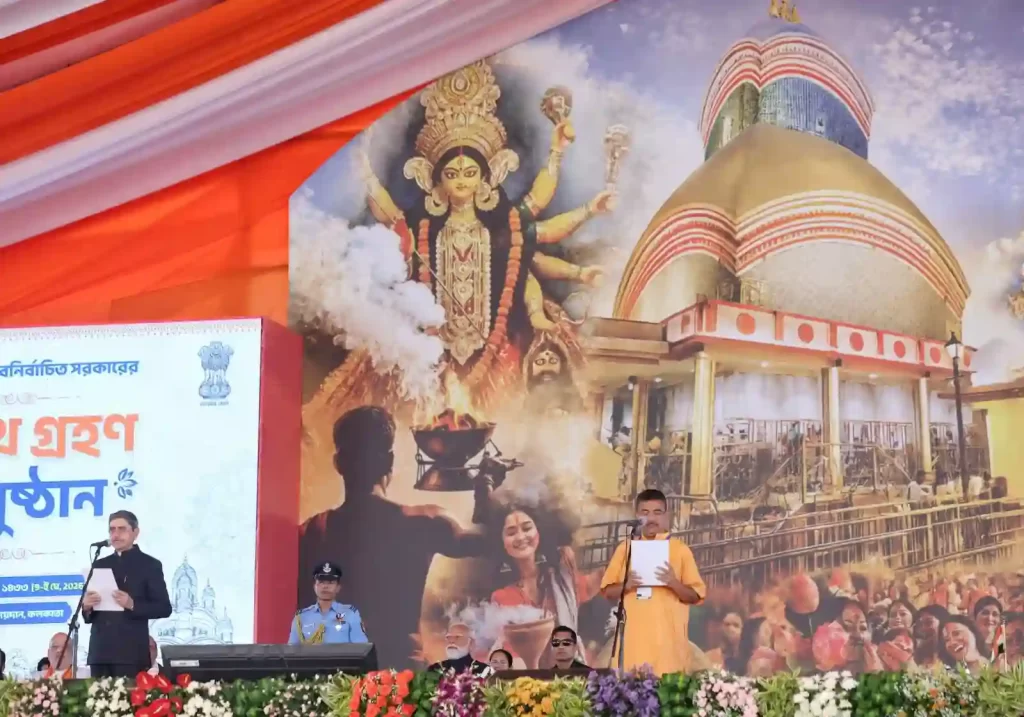
Suvendu Adhikari took the oath as the Chief Minister of West Bengal on May 9, 2026. This marked a historic moment for the state. The Bharatiya Janata Party (BJP) won 207 out of 294 assembly seats in the recent elections. This landslide victory ended the 15-year rule of Mamata Banerjee’s Trinamool Congress (TMC). Prime Minister Narendra Modi and Home Minister Amit Shah attended the swearing-in ceremony at Kolkata’s Brigade Parade Ground. Governor R. N. Ravi administered the oath. Five other BJP MLAs, Dilip Ghosh, Agnimitra Paul, Ashok Kirtania, Kshudiram Tudu, and Nisith Pramanik, also took oath as ministers.Adhikari’s rise ends TMC’s long dominance in West Bengal. Once a close ally of Mamata Banerjee, he switched to the BJP in 2020. His combative style and grassroots work helped the BJP break into the state’s politics. Supporters see him as a local hero who turned the tide. Critics call him divisive due to past remarks. Now, he leads a polarized state with big promises and tough challenges ahead.Early Life and Family Roots in PoliticsSuvendu Adhikari was born in 1970 in Purba Medinipur district. He comes from one of West Bengal’s most powerful political families. His father, Sisir Adhikari, served as a veteran Member of Parliament. The family built strong networks across coastal Bengal. Relatives held many elected posts over the years. This base gave Suvendu an early edge in politics.He started his career with the Congress party. Later, he joined TMC when it fought the Left Front government. Adhikari quickly rose through the ranks. He became known for his organizational skills and sharp political instincts. His family’s influence and personal drive made him a key player in local politics.Rise to Fame: The Nandigram Turning PointAdhikari’s big break came in 2007 in Nandigram. Farmers there protested a proposed chemical hub project by the Left Front government. The land acquisition plan sparked violent clashes. Adhikari organized much of the ground movement. He rallied villagers and led the resistance. The protests weakened the Left’s grip on power.This agitation paved the way for TMC’s 2011 victory. Mamata Banerjee swept to power, ending 34 years of Left rule. Adhikari emerged as a hero from Nandigram. He earned a reputation as Bengal’s top political organizer. Banerjee saw him as her trusted lieutenant. He won elections and held key posts in TMC, including transport minister.Fallout with TMC and Bold Switch to BJPTies with Banerjee soured over time. A 2016 Narada sting operation hurt his image. Videos showed TMC leaders, including Adhikari, allegedly taking cash from a fake investor. He denied the charges and questioned the footage’s authenticity. The scandal strained relations within TMC.By 2020, cracks widened. Adhikari resigned from TMC and joined BJP. It was a dramatic defection just before the 2021 assembly polls. He contested from Nandigram against Banerjee herself. In a nail-biter, Adhikari won by 1,956 votes. Though BJP lost the state, his personal win made him Banerjee’s main rival. It boosted his stature in the party.In 2026, he repeated the feat. BJP swept the polls. Adhikari defeated Banerjee in her Bhabanipur stronghold while retaining Nandigram. This double victory symbolized BJP’s takeover of TMC bastions.Key Role in BJP’s Historic Landslide VictoryAdhikari played a central role in BJP’s Bengal breakthrough. The party was marginal in the state for decades. TMC held a strong grip with welfare schemes and muscle power. Adhikari changed that with aggressive campaigning. He tapped into local issues like jobs, development, and alleged TMC corruption.His street-level networks mobilized voters in rural and coastal areas. Adhikari led charges against TMC’s “syndicate raj” and cut-money culture. He focused on Hindu consolidation in key seats. BJP promised industrial revival and safety from violence. Adhikari’s wins in Nandigram and Bhabanipur broke TMC’s psychological hold.The 207 seats gave BJP a clear majority. Adhikari became leader of the legislature party on May 8. His elevation shows PM Modi’s trust. Adhikari credits the victory to “people’s mandate against TMC misrule.” He vows to end “goonda raj” and bring “double-engine growth” with Delhi’s help.Controversies and Criticism Along the WayAdhikari’s journey faced storms. Critics accuse him of communal rhetoric. In 2021, the Election Commission warned him for calling Banerjee “Begum” and linking her win to a “mini-Pakistan.” In 2025, he said BJP would “throw out Muslim MLAs physically” if it won. TMC called it hate speech. He faced assembly suspension.He also alleged TMC medical camps pushed “birth control” to cut Hindu numbers. Opponents labeled it conspiratorial. Post-poll violence added tension. Days before swearing-in, Adhikari’s aide was shot dead near his home. BJP blamed TMC workers. Police probe unidentified attackers. These issues paint him as a polarizing figure.Vision for West Bengal: Jobs, Growth, and StabilityAdhikari promises big changes. His vision centers on “Viksit Bengal” by 2047. Key goals include attracting investment, creating youth jobs, and boosting industry. West Bengal lags in private investment. He plans “single-window clearance” for businesses. Focus areas: manufacturing, IT, and tourism.His eyes reviving stalled projects like Singur and Nayagram. Agriculture gets priority with better irrigation and markets. Women’s safety and law and order top the list. Adhikari pledges zero tolerance for violence. He wants to end political clashes that plague polls.Cultural revival features too. Promote Bengal’s heritage while integrating with national schemes. “Poribortan” (change) was the BJP’s slogan. Adhikari says it means jobs over doles, development over division.Challenges Ahead as New CMAdhikari faces tough tests. The state economy struggles. Unemployment haunts youth. Factories fled under TMC due to red tape and unions. Investors fear unrest. He must balance the Hindutva base with inclusive governance.Political rivals won’t fade. TMC remains strong in pockets. Mamata Banerjee vows opposition fight. Post-poll violence lingers. Healing divides need care. Adhikari must shift from agitator to administrator. Deliver results fast or risk backlash.Neutral bureaucracy and judiciary cooperation matter. Center-state ties help, but local execution decides.Road Ahead: From Firebrand to State BuilderAdhikari’s journey from TMC boy to BJP CM inspires supporters. At 56, he leads West Bengal’s first non-Left, non-TMC government since 1977. Modi walked him to the stage, signaling strong backing. Ministers like Dilip Ghosh add
Assembly Election Results 2026: Five States, Four Verdicts, One Seismic Political Shift
IntroductionThe verdict is in. The five simultaneous assembly elections held across India in April 2026 — in Assam, Kerala, Tamil Nadu, West Bengal, and the Union Territory of Puducherry — delivered their final results on counting day, May 4, 2026, and the political map of India looks meaningfully different today from what it did a month ago.Three of the five contests produced changes of government. Two of the three changes were historic by any measure. In West Bengal, 15 years of Trinamool Congress rule ended as the BJP swept to a majority of 206 seats in one of the most dramatic transfers of power any Indian state has witnessed since the early 1980s. In Tamil Nadu, a film star’s two-year-old party destroyed the 59-year dominance of the Dravidian duopoly, producing the state’s first-ever hung assembly. In Kerala, the Congress-led United Democratic Front routed a two-term Left government and returned to power with its best result since 1977. Assam and Puducherry returned their incumbents with comfortable margins.Together, the five results carry consequences for Indian politics that will be felt well beyond state boundaries, with the 2029 general election now firmly in view.West Bengal: The Fall of a 15-Year FortressThe ResultThe BJP won 206 seats in the 294-member West Bengal Legislative Assembly, clearing the 148-seat majority mark by a margin of 58 seats. The Trinamool Congress, which had governed the state continuously since 2011, was reduced to 76 seats — a collapse from the 213 seats it had won in 2021. Congress and the Left together won the remaining seats.The Election Commission ordered a repoll in the Falta constituency due to EVM tampering, scheduled for May 21, with results on May 24. One seat, Falta in South 24 Parganas, has results pending.What HappenedMamata Banerjee won her own Bhabanipur constituency, surviving a challenge from Suvendu Adhikari in a closely watched count that saw multiple lead reversals through the day before she eventually held on by a margin of 7,184 votes. Adhir Ranjan Chowdhury, the veteran Congress leader, lost from his traditional Baharampur stronghold, one of the starkest individual reversals of the day.The voter turnout was a record 92.6 percent across both phases. That extraordinary participation figure produced a result that defied most pre-election predictions of a close contest. The BJP crossed the majority mark in early counting and never looked back.The BJP’s Salt Lake headquarters in Kolkata broke into celebrations well before the afternoon counts were completed. The Election Commission, anticipating violence, banned all victory processions and rallies across the state following the result. Despite that ban, incidents of unrest were reported in multiple districts, with a TMC office vandalized and set alight in the Barabani constituency as counting trends turned heavily against the ruling party.A VVPAT slip controversy had emerged the night before counting, when hundreds of printed slips were found discarded near a roadside in the Subhashnagar area of Madhyamgram, from booth number 29 of the Noapara constituency. The incident prompted demands for an inquiry but did not delay counting.Why It HappenedAnti-incumbency after 15 years in power was the structural force underlying the result. Several compounding factors sharpened its impact. A recruitment scandal in government examinations, concerns about law and order, and questions about job creation had eroded public confidence during the incumbent government’s final two years. The Special Intensive Revision of electoral rolls, which resulted in the deletion of 91 lakh voters from West Bengal’s rolls, became the most politically charged controversy of the campaign, with the TMC accusing the BJP of engineering the exercise and the BJP counter-alleging that the TMC’s opposition to SIR was motivated by its dependence on undocumented voters. The controversy turned citizenship and identity into the dominant electoral themes, replacing the governance record debate that the TMC had wanted to fight on.Why It MattersWest Bengal holds 42 Lok Sabha seats. It is one of the largest states in India by parliamentary representation, and the BJP has historically underperformed in its Lok Sabha tally relative to its assembly vote share in the state. A government in Kolkata changes that structural equation ahead of 2029 in a way nothing else could.Tamil Nadu: The End of a 59-Year Dynasty — and a Hung AssemblyThe ResultTamil Nadu produced the most extraordinary result of the five elections. The final seat count in the 234-member assembly was:Tamilaga Vettri Kazhagam (TVK): 108 seatsDMK-led Secular Progressive Alliance (SPA): 73 seats (DMK: 59, INC: 5, others: 9)NDA led by AIADMK: 53 seats (AIADMK: 47, BJP: 1, others: 5)The majority mark is 118. No party or alliance crossed it. Tamil Nadu produced a hung assembly for the first time in its history.TVK, a party formed in February 2024 and contesting its first election, emerged as the single largest party. It beat both the DMK and AIADMK alliances in seat count but fell 10 seats short of forming a government on its own.Government FormationFollowing the declaration of results, Vijay invited the Indian National Congress to join a coalition government. Congress, which had won only 5 seats as part of the DMK-led SPA, accepted the invitation and formally left the DMK-led Secular Progressive Alliance, entering a new TVK-INC alliance. On May 6, 2026, Vijay met the Governor of Tamil Nadu, Rajendra Vishwanath Arlekar, and staked claim to form the government. He is expected to be sworn in as Chief Minister in the coming days.The Individual StoryThe personal stories from the counting day deserve particular mention. Vijay himself won both constituencies he contested, Perambur and Tiruchirappalli East, making him the clear face of government formation. Outgoing Chief Minister M. K. Stalin lost his Kolathur seat, which he had won three times consecutively. Deputy CM Udhayanidhi Stalin also lost his constituency. Fifteen ministers from the outgoing DMK cabinet were defeated. AIADMK general secretary Edappadi K. Palaniswami, however, retained his Edappadi seat with the widest winning margin in the state.Why It HappenedAnalysts identified several factors. TVK successfully targeted the youth vote, women voters, urban voters, and first-time voters across caste and religious lines. Anti-incumbency against the DMK government, widely
Mumbai-Pune Missing Link Now Open: World’s Widest Tunnel Ends Ghat Nightmares
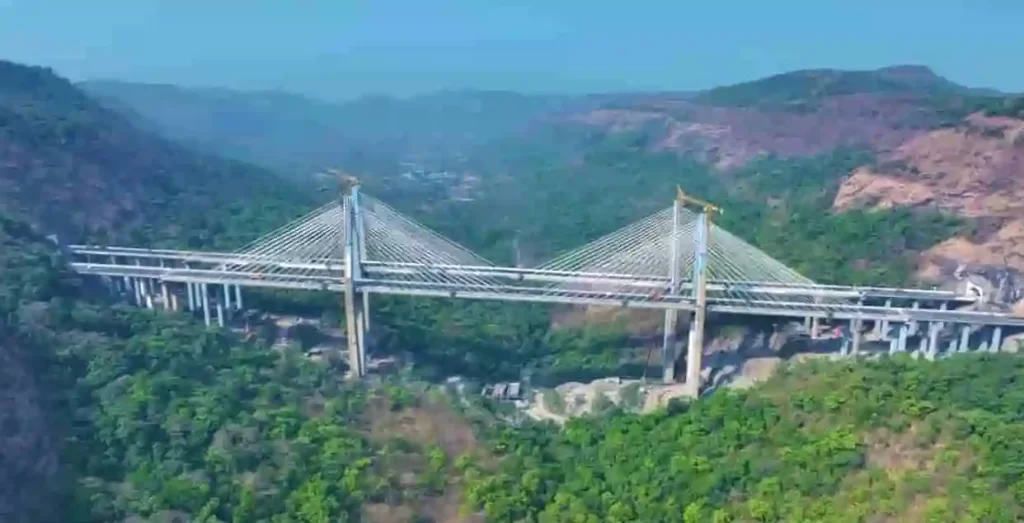
The Mumbai-Pune Expressway’s Missing Link opened on May 2, 2026. This 13.3-km engineering marvel now carries traffic smoothly. It skips the dangerous Khandala Ghat with its hairpin turns and traffic jams. The Maharashtra State Road Development Corporation (MSRDC) finished the project just in time for Maharashtra Day. Deputy Chief Minister Eknath Shinde cut the ribbon. Vehicles now zip through in 25-30 minutes less time. Safe speeds reach 120 km/h. The main tunnel holds a Guinness World Record as the widest highway tunnel on the planet. The old ghat section tortured drivers for years. Trucks clogged narrow lanes. Families slept in cars overnight. Ambulances crawled slowly. Landslides hit during monsoons. The new link brings huge relief. It starts at Khalapur toll plaza on the Mumbai side. It ends at Kusgaon near Lonavala and Sinhagad Institute. Total distance shortens by 6 km. Over 50,000 vehicles use the expressway daily. This bypass makes travel faster and safer for everyone.Stunning Engineering: Tunnels, Bridges, and Safety FeaturesThe Missing Link blends cuts, tunnels, viaducts, and flyovers. It features eight lanes with full access control. No more slow trucks in the way.Twin Tunnels Shine BrightTunnel 1 stretches 8.7 km long. Its internal width measures 23.5 meters. This makes it the world’s widest highway tunnel. Guinness confirmed the record after inspectors visited. Tunnel 2 runs 1.67 km. Both handle bidirectional traffic. Each side has four lanes plus shoulders and emergency areas. Fire-proof walls protect users. Jet fans ventilate air. CCTV watches every spot. SOS phones sit every 500 meters. Teams finished electrical and mechanical testing right before opening.Cable-Stayed Bridge Steals the ShowThis bridge spans 650 to 950 meters. Its deck sits 100-125 meters high. The pylon towers 183 meters total. It withstands winds up to 250 km/h. Workers erected the girder in March 2026. They completed 98% of the deck slab. It’s now Maharashtra’s tallest bridge of this type.Other Key PartsA 900-meter viaduct rises 60 meters high. Cut-and-cover tunnels ease tight spots. Flyovers speed up joins. Toll plazas at Khalapur, Talegaon, and Shedung got wider. Hazardous cargo bans keep tunnels safe. No heavy trucks or gas tankers allowed inside.ComponentLength/SizeStatus (May 2026)Key FactMain Tunnel8.7 km, 23.5m wideFully OpenGuinness World RecordEscape Tunnel1.67 kmFully OpenTop Safety FeatureCable Bridge650-950m, 183m tallFully OpenTallest in MaharashtraViaduct900mFully Open60m HighOverall Project13.3 km100% CompleteOpen Since May 1Long Road of Delays Ends in TriumphPlanning started in 2018 with a budget of Rs 6,695 crore. Delays piled up from weather, tough terrain, and COVID. Targets slipped from March 2024 to January 2025, then September and December 2025. Finally, April 30 marked civil works done. Trials followed quickly. MSRDC pushed 2,000 workers hard. Over 1,500 focused on tunnels alone. They worked round the clock.Recent chaos sped things up. Ram Navami traffic jams and tanker flips trapped thousands. MNS chief Raj Thackeray criticized slow work. Deputy CM Shinde ordered emergency plans. MSRDC MD Anilkumar Gaikwad promised action. “Civil works wrap by April 30; trials follow,” he said. The team delivered.Toll collection starts in 2030 for 15 years. It recovers costs over time. Slight toll hikes come with the expressway upgrade. Drivers agree the value beats the price.Relief Replaces Ghat Horror StoriesThe 19.8-km Khopoli-Khandala Ghat had 24 sharp bends. Narrow lanes mixed cars and trucks. Monsoon landslides closed roads often. Kids missed school. Patients reached hospitals late. Ambulances fought for space. One tanker crash blocked traffic for 32 hours. Families ran out of food and water.Now, the Missing Link changes everything. No more ghat climbs. Straighter inland paths replace twists. Safer barriers and lighting guide drivers. Higher speeds cut travel time. Pune-bound lanes opened first. Mumbai-bound finished the final 6 meters on time. Families cheer the smooth ride.Part of Maharashtra’s Road BoomThis project fits Deputy CM Devendra Fadnavis’ big infra plans. The Samruddhi Mahamarg sets records too. MSRDC leads India’s road revolution. The Missing Link connects futures. It saves time, cuts accidents, and boosts business. Trucks move goods faster. Tourists reach Lonavala easy. Daily commuters gain hours weekly.Two days after opening, drivers share joy online. No jams. Quick trips. Safe paths. The ghat nightmare fades. Concrete and steel reclaimed lives. Maharashtra celebrates a new era of fast, safe travel. The world’s widest tunnel proves Indian engineering rules the road.