


Kerala Passes Nativity Card Bill to Prove State Residency Amid National Identity Debates
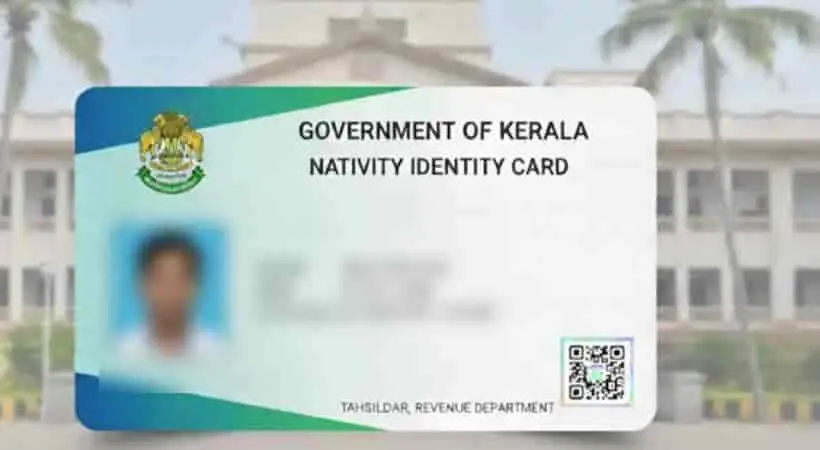
Thiruvananthapuram, February 23, 2026 – The Kerala Legislative Assembly has passed the Nativity Card Bill, introducing a new official document to help residents prove their connection to the state. This move comes as national discussions on identity and citizenship create tension across India.The Kerala Cabinet approved the bill on Wednesday, February 18, paving the way for its quick passage in the Assembly on Monday. Finance Minister K.N. Balagopal called it a “historic moment.” He said the card aims to protect minority communities and make it easier for people to prove their identity and residency without hassle.Chief Minister Pinarayi Vijayan highlighted this need last month. He stressed that no one in Kerala should struggle to show who they are or where they live, especially with ongoing national debates over citizenship rules.Who Qualifies for the Nativity Card?The government defines a “native of Kerala” simply and clearly:Someone born in Kerala.A person with at least one ancestor (like a parent or grandparent) born in the state.Individuals born outside Kerala if their parents were working elsewhere at the time, as long as they have not taken foreign citizenship.The Nativity Card will follow the same rules as the existing nativity certificate. It acts like an official ID to confirm long-term ties to Kerala.Opposition Boycotts, BJP CriticizesThe Congress-led United Democratic Front (UDF) boycotted the Assembly session. Balagopal accused them of skipping debates to stir controversy instead of joining the process. With no opposition present, the bill passed without discussion.The Bharatiya Janata Party (BJP) slammed the move as “dangerous separatist politics.” They worry it could divide people along state lines.Other Bills Passed on the Same DayThe Assembly also approved three other bills smoothly:Abkari (Amendment) Bill, 2026 (related to liquor laws).Kerala Advocates’ Clerks Welfare Fund (Amendment) Bill, 2026.Kerala Advocates’ Welfare Fund (Amendment) Bill, 2026.Subject committee reports were reviewed, and proposed changes were accepted.This Nativity Card is Kerala’s response to wider national issues on identity proofs. It seeks to simplify life for locals while sparking debate on state versus national priorities. More details will emerge as the government rolls it out.
Vadhavan Port: India’s Next Mega Deep-Sea Gateway
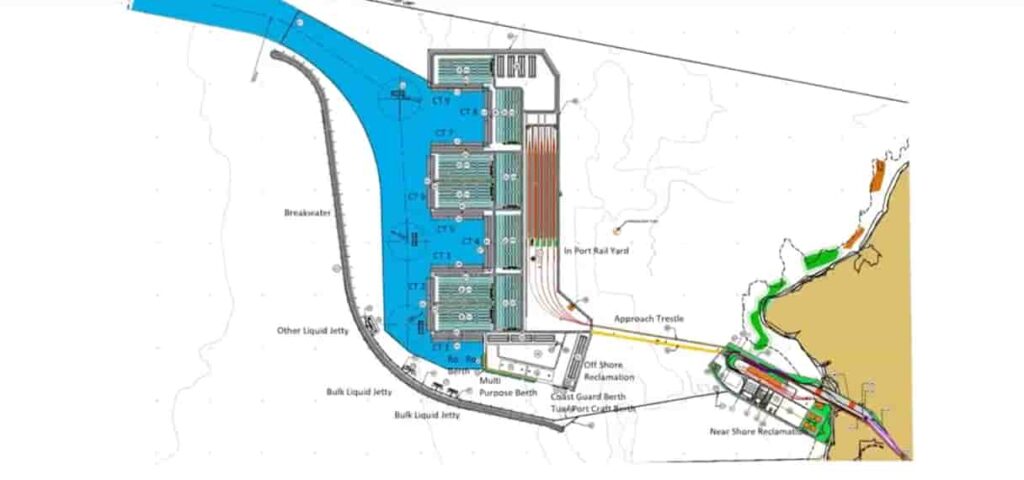
IntroductionThe Vadhavan Port Project is one of the most ambitious port development initiatives currently underway in the country. Planned along the western coastline near Dahanu, the project is being positioned as a world-class deep-sea port that will significantly enhance India’s maritime capacity and global trade competitiveness.At a time when India is aiming to become a major player in global supply chains, Vadhavan Port is expected to play a transformative role by handling ultra-large cargo vessels and reducing dependence on foreign transshipment hubs.Background and Strategic NeedIndia’s growing economy and increasing trade volumes have highlighted the limitations of existing ports, particularly in handling large container ships. A significant portion of India’s cargo is still transshipped through ports in countries like Singapore and Sri Lanka.The Vadhavan Port Project was conceptualised to address these gaps by creating a deep-draft port capable of accommodating next-generation container vessels. Its development aligns with national initiatives such as the Sagarmala Programme, which focuses on port-led development.Location and Project LayoutThe port is being developed near Dahanu in Maharashtra, strategically located along the Arabian Sea and close to major industrial and commercial hubs like Mumbai and Gujarat.The project is being executed by Jawaharlal Nehru Port Authority (JNPA), which already operates India’s largest container port at Nhava Sheva.Key aspects of the project include:Development of deep-draft berthsLarge-scale land reclamationModern cargo handling infrastructureRail and road connectivity to hinterland regionsKey Features and CapacityDeep-Sea CapabilityOne of the defining features of Vadhavan Port is its natural deep draft, which allows it to handle ultra-large container vessels (ULCVs) with capacities exceeding 20,000 TEUs. This will place the port among the most advanced in the world.Massive Cargo Handling CapacityOnce completed, the port is expected to have a capacity of over 200 million tonnes per annum, making it one of India’s largest ports.Advanced InfrastructureThe port will be equipped with:Automated cargo handling systemsSmart logistics and digital trackingDedicated freight corridorsThese features aim to ensure efficiency, speed, and global competitiveness.Economic SignificanceThe Vadhavan Port Project is expected to have far-reaching economic implications.Reduction in Logistics CostsBy enabling direct handling of large vessels, the port will reduce the need for transshipment through foreign ports, lowering logistics costs and saving time.Boost to Exports and TradeImproved port capacity and efficiency will strengthen India’s export capabilities and integration into global trade networks.Employment and Industrial GrowthThe project is expected to generate significant employment opportunities during both construction and operational phases. It will also promote industrial development in surrounding regions.Connectivity and IntegrationThe port is being designed with strong connectivity to major transport networks, including:National highwaysRailway freight corridorsIndustrial clustersThis integrated approach ensures seamless movement of goods from ports to inland markets.Environmental Concerns and OppositionDespite its economic potential, the project has faced strong opposition from environmental groups and local communities.Ecological ImpactConcerns have been raised about:Impact on marine biodiversityDamage to coastal ecosystemsEffects on fishing communitiesDahanu is considered an ecologically sensitive zone, which has intensified debates around the project.Legal and Regulatory ChallengesThe project has undergone extensive environmental scrutiny and regulatory processes. Balancing development with environmental sustainability remains a key challenge.Progress and Current StatusAs of 2026, the Vadhavan Port Project has received key approvals and is moving through various stages of planning and early development. Land acquisition, environmental clearances, and infrastructure planning are ongoing.The project is expected to be developed in phases over the coming years.Strategic Importance for IndiaVadhavan Port is not just another infrastructure project—it is a strategic initiative aimed at positioning India as a major maritime and logistics hub.By reducing dependence on foreign ports and enhancing domestic capacity, the project strengthens India’s economic sovereignty in global trade.It also complements other major infrastructure initiatives, including port modernisation and logistics reforms under national programmes.Final PerspectiveThe Vadhavan Port Project represents India’s long-term vision of building world-class maritime infrastructure capable of competing on a global scale. While it promises significant economic and strategic benefits, it also highlights the complexities of developing large-scale projects in environmentally sensitive regions.As the project progresses, its success will depend on how effectively it balances growth, sustainability, and the interests of local communities—making it one of the most closely watched infrastructure developments in the country.
TVK and Actor Vijay: How a New Political Entry Challenged DMK Ahead of Tamil Nadu Elections
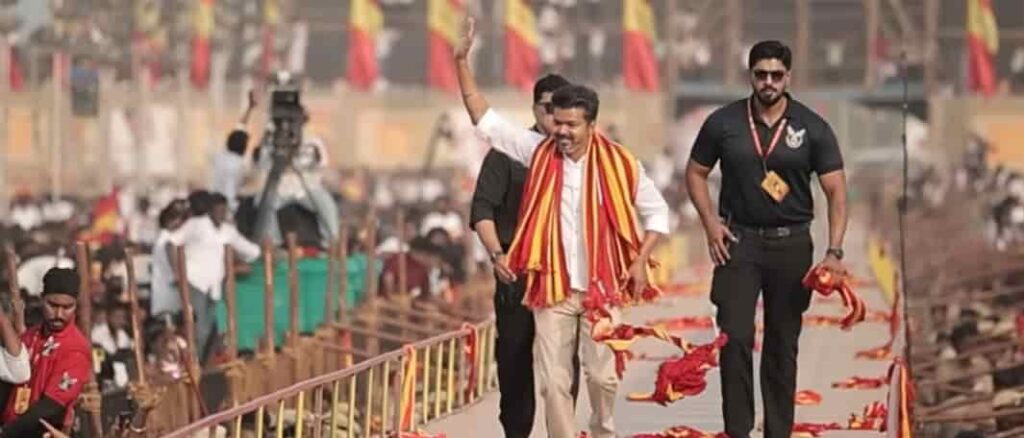
The political landscape of Tamil Nadu saw a noticeable shift after actor Vijay formally entered active politics with the launch of his party, Tamilaga Vettri Kazhagam (TVK). His entry came at a time when the state’s politics had largely been dominated by established players like the ruling Dravida Munnetra Kazhagam (DMK) led by Chief Minister M. K. Stalin.While the DMK continued to hold a strong organisational and electoral position, Vijay’s political move introduced a fresh layer of competition, particularly among younger voters and first-time participants in the electoral process.From Cinema Influence to Political MobilisationVijay’s transition into politics did not come abruptly. Over the years, his fan clubs had actively participated in social work, gradually building a grassroots presence across Tamil Nadu. This network later became the foundation for TVK’s early organisational structure.When Tamilaga Vettri Kazhagam was formally announced, it marked a shift from indirect public influence to structured political participation. Vijay positioned the party around governance issues, accountability, and people-centric policies, attempting to create a distinct space separate from traditional Dravidian party narratives.How TVK Positioned Itself Against the DMKInstead of direct confrontation in its initial phase, TVK adopted a measured approach in shaping its political messaging. Vijay raised concerns around governance efficiency, employment opportunities, and the need for greater transparency, which indirectly placed the party in contrast with the ruling DMK government.The focus remained on:Youth employment and skill developmentEducation and equitable accessAdministrative accountabilityAnti-corruption positioningThis approach allowed TVK to build a narrative without immediately engaging in aggressive political attacks.Youth Connect and Grassroots EnergyOne of the most defining aspects of Vijay’s political entry was the scale of youth engagement it generated. His popularity translated into strong mobilisation, particularly in urban and semi-urban regions.Fan clubs, which had earlier functioned as cultural and social groups, were reorganised into local-level political units. This gave TVK an initial advantage in terms of visibility and outreach, especially on digital platforms where Vijay already had a strong following.The party’s messaging resonated with a section of voters looking for alternatives outside the traditional political framework.The DMK’s Continued DominanceDespite the emergence of TVK, the DMK retained its stronghold, backed by a well-established cadre system, governance record, and welfare-driven policies. Under M. K. Stalin’s leadership, the party continued to emphasise its development initiatives and administrative stability.Rather than reacting aggressively to Vijay’s entry, the DMK maintained its focus on governance and voter outreach, relying on its long-standing political base.Challenges Faced by TVKWhile Vijay’s entry generated significant attention, translating popularity into electoral success remained a complex task.TVK faced key challenges such as:Converting fan following into consistent voter supportBuilding a structured party organisation across constituenciesEstablishing policy depth beyond campaign messagingCompeting with deeply rooted political networksThese factors highlighted the difference between public popularity and electoral viability in a state with a strong political legacy.A Shift in Political ConversationEven without immediate electoral outcomes, Vijay’s political entry influenced the broader political discourse in Tamil Nadu. It brought renewed focus on youth participation, governance expectations, and the role of new-age leadership in state politics.The presence of TVK added a third dimension to what had traditionally been a bipolar contest, making the political environment more competitive and dynamic.Vijay’s move from cinema to politics, through Tamilaga Vettri Kazhagam, did not just introduce a new party—it reshaped conversations around leadership, representation, and voter expectations in Tamil Nadu. While the DMK continued to hold its ground, the emergence of TVK ensured that the political landscape was no longer as predictable as before, setting the stage for a more contested and evolving electoral environment.
India’s Upcoming State Elections 2026: High Stakes Showdowns Across Key States
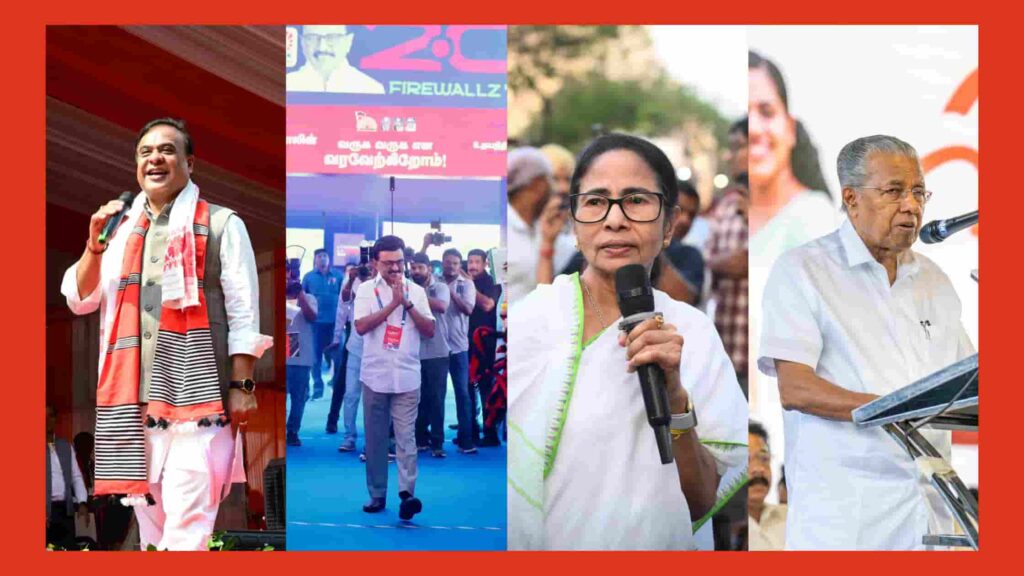
As 2026 unfolds as a major electoral year in India, several state assemblies are set to go to polls, with political parties gearing up for high-profile battles that will shape regional and national political dynamics ahead of the 2029 general elections. The Election Commission of India has already intensified preparations, including voter-roll revisions and finalisation of electoral lists, as competition rises among alliances and regional players.Key States and Territories Headed to the PollsFive major state and union territory elections are scheduled in March–April 2026, with official dates expected to be announced by the Election Commission in mid-March. These elections are critical tests for both national and regional parties.Assam — All 126 seats of the Legislative Assembly will be contested on completion of the incumbent government’s term.Tamil Nadu — Polling is expected for all 234 assembly seats before the current assembly’s term ends in May.West Bengal — Elections for the 294-member Legislative Assembly are due in March–April, with the term ending in May.Kerala — The assembly polls will take place after the final electoral roll of 2.69 crore voters was released, reflecting sustained preparations.Puducherry — The Union Territory’s 30 assembly seats will also be in contention, completing the cycle of polls in these regions.Assam 2026: Ruling NDA Faces Consolidated OppositionThe Assam Legislative Assembly election is expected to be held in March–April 2026 for all 126 seats, with the incumbent National Democratic Alliance (NDA) led by Chief Minister Himanta Biswa Sarma seeking a fresh mandate.The NDA — comprising the Bharatiya Janata Party (BJP), Asom Gana Parishad (AGP), United People’s Party Liberal (UPPL) and Bodoland People’s Front (BPF) — has shown relative unity ahead of the polls, with party leaders asserting strong confidence. Opposition groupings, led by the Indian National Congress and regional allies (such as the All India United Democratic Front), are contesting seat-sharing arrangements and campaign strategies to consolidate anti-incumbency sentiment.Assam’s election context is shaped by issues of development, identity politics, border security and infrastructure spending, with parties highlighting governance records and local socio-economic priorities to appeal to voters.Tamil Nadu: Major Showdown Between AlliancesThe 2026 Tamil Nadu Assembly election will see all 234 assembly seats contested as the incumbent Dravida Munnetra Kazhagam-led Secular Progressive Alliance government, led by M. K. Stalin, seeks re-election. The principal challengers will be the National Democratic Alliance (NDA), driven by a All India Anna Dravida Munnetra Kazhagam-BJP alliance, and various regional fronts.Seat-sharing discussions are underway months ahead of the polls, with significant negotiations involving major allies such as the Manithaneya Makkal Katchi and other partners.Tamil Nadu’s electorate of over 56.7 million voters will decide on governance related to economic growth, social welfare, infrastructure, education and employment issues.West Bengal: TMC, BJP and Opposition Contest in a High-Profile PollWest Bengal is poised for a closely watched assembly election for all 294 seats, likely to be held between March and April 2026. While detailed polling dates are awaited, the polls are expected to be a litmus test of regional party strength against national contenders.The All India Trinamool Congress (TMC) continues to consolidate support amidst challenges from the NDA and other opposition parties. The election outcome in West Bengal will play a crucial role in demonstrating political momentum for various alliances ahead of national elections.Kerala: Assembly Polls With Nuanced Electoral DynamicsKerala’s assembly polls, set for April–May 2026, will see all 140 legislative seats contested. The election environment has been shaped by demographic shifts, as reflected in Kerala’s newly published voter list of over 2.69 crore electors, with women outnumbering men and inclusive representation of third gender and persons with disabilities.Political parties are focusing on traditional issues of social welfare, employment and public services, with rising discussions around state identity and cultural assertions ahead of the elections. Political observers note that regional alliances and local narratives will be significant in shaping voter preferences.Puducherry: Assembly Race in a Union TerritoryPuducherry’s assembly polls, involving 30 seats, are also scheduled for 2026, marking a critical electoral contest in the Union Territory. The small but strategically important electorate has often seen closely contested elections between national and regional fronts.Voter List Revision and PreparationsAcross these states, the Election Commission has undertaken final media roll updates and voter list preparations to ensure clean and updated electoral rolls ahead of the polls. For example, voter list revisions in Tamil Nadu resulted in significant updates to the final electoral roll, impacting millions of names.Rajya Sabha Elections and Legislative ImplicationsIn addition to assembly polls, the **biennial elections to the Rajya Sabha will be held on March 16, 2026, to fill 37 seats across ten states whose members’ terms expire in April. The schedule includes notification on February 26, nomination deadlines on March 5, scrutiny on March 6 and counting on March 16.This phase of Rajya Sabha elections is expected to influence parliamentary arithmetic and party strength in the Upper House ahead of future legislative sessions.Political Stakes and Broader ImpactThe 2026 state elections are critical for political parties as they seek to secure influence ahead of the general elections, projected for 2029. States like Assam, Tamil Nadu, West Bengal, Kerala and Puducherry are not only regional power centres but also reflect broader national narratives around governance, development and coalition politics.Parties are deploying extensive campaign strategies, alliance negotiations and policy platforms tailored to local priorities. Analysts indicate that the outcomes of these polls will not just determine regional governance but also shape political momentum, alliances and discourse on national priorities in the coming years.
Manipur Gets New Chief Minister: Yumnam Khemchand Singh Takes Oath, Pledges Peace and Stability After President’s Rule
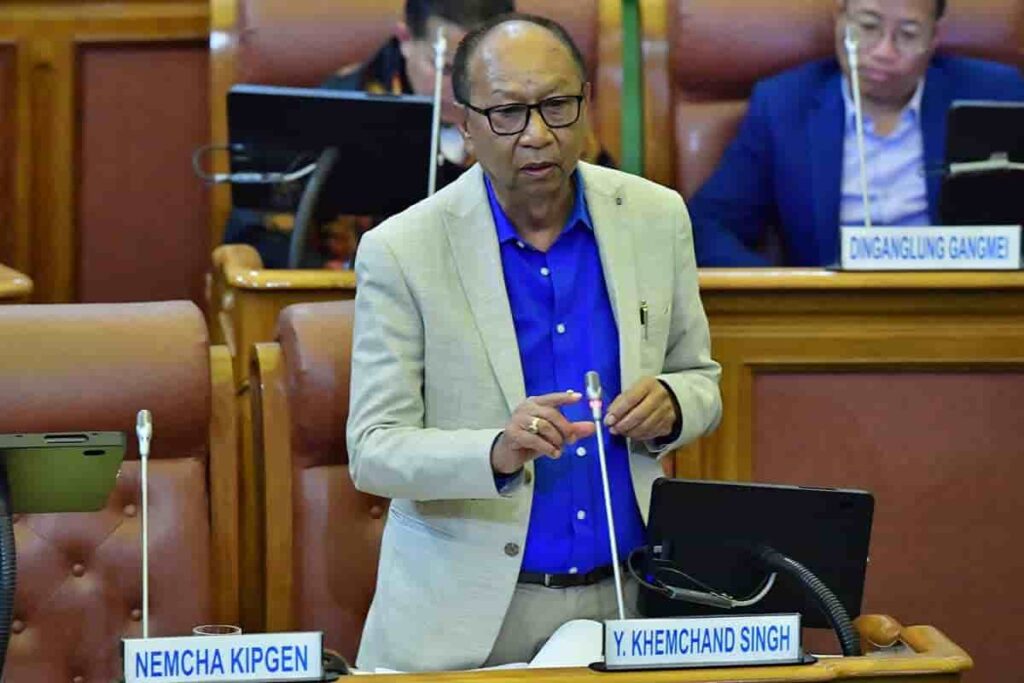
Imphal: Manipur returned to elected governance on February 4, 2026, with Yumnam Khemchand Singh taking oath as the Chief Minister of Manipur, formally ending months of President’s Rule in the state. The swearing-in marked a politically significant moment for Manipur, which has witnessed prolonged instability and administrative uncertainty.The oath of office and secrecy was administered by Governor Anusuiya Uikey at a ceremony in Imphal, attended by senior political leaders, legislators, officials and party representatives. The ceremony symbolised the restoration of democratic authority in the northeastern state after a period of direct central administration.President’s Rule Ends After Political UncertaintyPresident’s Rule was imposed in Manipur in 2025 after no political formation was able to demonstrate a stable majority in the 60-member Manipur Legislative Assembly. The prolonged deadlock followed political realignments after the 2022 Assembly elections, leading to governance being carried out directly by the Centre under Article 356 of the Constitution.Following renewed consultations and shifts in legislative support, Yumnam Khemchand Singh was invited to form the government after he staked claim with the backing of a majority of MLAs, crossing the required 31-member majority mark.With the swearing-in on February 4, President’s Rule was officially revoked, restoring legislative and executive authority to an elected government.‘Peace Is the First Priority’: Chief Minister’s MessageIn his first remarks after assuming office, Chief Minister Yumnam Khemchand Singh placed peace and stability at the centre of his government’s agenda, reflecting the gravity of the situation Manipur has faced in recent years.Singh emphasised that restoring peace and normalcy would be the topmost priority of his administration, stating that development and progress are not possible without social harmony. He called upon all sections of society to work together, stressing dialogue, cooperation and restraint.“The people of Manipur want peace. Without peace, there can be no development,” Singh said, underlining his commitment to maintaining law and order while addressing the concerns of all communities.He also assured that his government would govern in an inclusive manner and would take every step necessary to rebuild trust between citizens and institutions.Political Background and Leadership ProfileA senior leader of the Bharatiya Janata Party (BJP), Yumnam Khemchand Singh has been an experienced political figure in Manipur, with years of involvement in organisational and legislative roles. Known for his grassroots connect, Singh has played a key role in navigating complex political situations within the state.His elevation to the chief minister’s post comes at a time when Manipur requires firm leadership capable of balancing security, reconciliation and governance. Party leaders have described his appointment as a step towards stability and continuity.Governance Challenges AheadThe new government assumes office amid significant challenges. Apart from restoring political stability, Singh’s administration is expected to focus on:Maintaining law and order and ensuring peaceful coexistence across communitiesRebuilding administrative momentum after months of President’s RuleRestarting stalled development projects and infrastructure initiativesStrengthening welfare delivery, healthcare, education and employmentWorking closely with the Centre on security and development mattersObservers note that early decisions taken by the new government will be crucial in shaping public confidence.Political Reactions and Public SentimentThe swearing-in was welcomed by leaders of the ruling coalition, who described the end of President’s Rule as a return to democratic normalcy. Opposition parties acknowledged the transition while urging the new government to prioritise transparency, accountability and peace.Civil society organisations and residents expressed cautious optimism, with many hoping that the emphasis on peace would translate into sustained stability and improved governance.Why This Transition MattersThe appointment of Yumnam Khemchand Singh as Chief Minister marks a decisive moment for Manipur. Beyond the political change, it signals an attempt to move past uncertainty and focus on reconciliation, governance and development.As the state moves forward, Singh’s repeated emphasis on peace sets the tone for his administration. How effectively his government balances security concerns with inclusive governance will determine Manipur’s political and social trajectory in the months ahead.
New Mayors Take Charge in Mumbai, Pune, and 27 Other Maharashtra Cities
In a big win for the ruling Bharatiya Janata Party (BJP), the party has grabbed 20 out of 28 mayoral posts in Maharashtra’s municipal corporations. This comes after elections in 29 cities, with results from 28 announced so far. The BJP also won 17 deputy mayor posts. Only Bhiwandi Nizampur waits, its mayor poll is on February 20. This sweep shows the BJP’s strong hold in urban areas after winning most seats in the January 2026 civic polls. The polls covered 29 municipal corporations (MCs), including big ones like Mumbai (BMC), Pune, Nagpur, Thane, Nashik, and Pimpri-Chinchwad. BJP-led Mahayuti alliance (BJP + Shinde Shiv Sena + Ajit NCP) took control of 25 MCs, including cash-rich BMC. BJP alone won 1,425 of 2,869 seats statewide—a clear majority in many places. How the Mayor Elections Went Mayors are picked from elected corporators. In 28 MCs, BJP got 20 mayors (71%). Others: Shiv Sena (Shinde faction) 3, Shiv Sena UBT 1, Congress 1, NCP 1, Bahujan Vikas Aghadi (BVA) 1, Samajwadi Party 1 (Malegaon). For deputy mayors: BJP 17, Shiv Sena 4, Congress 2, and 1 each for NCP, UBT, BVA, RPI(A), Yuva Swabhiman, Samajwadi Party. Key wins: Mumbai (BMC): Mayor Ritu Tawde (BJP). BJP got 89/227 seats, alliance 118 (majority 114). Ends Thackeray’s rule after 25 years. Pune: Mayor Manjusha Nagpure (BJP). BJP won 110+ seats alone—unopposed in spots. Focus on roads, water. Nagpur: Mayor Samir Rajurkar (BJP), Deputy Rajendra Janjal (Shiv Sena-Shinde). BJP took ~100/150 wards. RSS base stays solid; general quota. Thane: Mayor Nita Thakre (BJP), Deputy Vilas Shinde? (Shiv Sena-Shinde). BJP majority (70+ seats); SC reservation, but alliance win. Thakre family rivalry (BJP vs UBT). Nashik: Mayor Himagauri Adke-Aher (BJP), Deputy Manoj Chaudhary (Shiv Sena-Shinde). BJP 72/122 seats; women’s general quota. Minister Girish Mahajan backs; Kumbh prep ahead. Bhiwandi (90 seats, majority 46) has 10 mayoral candidates, 7 for deputy, tense contest ahead. Reservation Lottery Sparks Row On February 19 (or Thursday per reports), the Urban Development Department ran a lottery for mayor seats in all 29 MCs. Based on the 2011 census quotas: 1 ST, 3 SC (2 women SC), 8 OBC (4 women), 17 General (9 women).Mumbai, Navi Mumbai, Mira-Bhayandar, and Nagpur are among 15 cities getting women mayors. Shiv Sena (UBT) cried foul, calling it “rigged” to favour rulers. They said the draw helpedthe BJP-Shinde picks. BJP dismissed it as sour grapes after poll loss. Nagpur: BJP’s Samir Rajurkar as Mayor Mayor: Samir Rajurkar (BJP). Deputy Mayor: Rajendra Janjal (Shiv Sena-Shinde faction). Details: BJP swept the Nagpur Municipal Corporation (NMC) with around 100 of 150 wards. Rajurkar, a seasoned BJP leader, was elected unopposed or with alliance support. Nagpur (orange city, RSS base) remains a BJP stronghold. Reservations favored general category; the process was smooth. Thane: BJP’s Nita Thakre as Mayor Mayor: Nita Thakre (BJP). Deputy Mayor: Process ongoing or Vilas Shinde (Shiv Sena-Shinde). Details: Thane MC was reserved for the SC category, but the BJP’s majority (over 70 seats) secured it. Thakre, a BJP corporator, takes charge amid Mahayuti control. Thakre brothers’ rivalry (BJP vs UBT) played out, with the BJP winning big. Nashik: BJP’s Himagauri Adke (or Deepmala Kale?) as Frontrunner Mayor: Himagauri Adke-Aher (BJP, likely; reports mention Deepmala Kale or process). Deputy Mayor: Manoj Chaudhary (Shiv Sena-Shinde). Details: Nashik MC is reserved for the general woman category. BJP won 72 of 122 seats, a clear majority. Adke-Aher (ex-standing committee chair) leads the race, backed by Minister Girish Mahajan. Names like Deepali Kulkarni floated; final call soon. BJP eyes Kumbh Mela prep. Background: Civic Polls Shake-Up Polls held January 15, 2026 (results Jan 16), first in 9 years for BMC, delayed by court cases. Turnout 46-50%. BJP’s solo strategy in Pune paid off; Thackeray brothers allied vs BJP-Shinde but lost BMC. AIMIM grabbed 125 seats, mostly in Mumbai. Mahayuti won 25/29 MCs; BJP chief Chandrashekhar Bawankule hailed it “historic.” State Election Commission data: BJP 1,372-1,425 seats statewide; Shiv Sena 394, Congress 315, UBT 149. What It Means BJP’s urban dominance boosts CM Devendra Fadnavis ahead of state polls. Funds control (BMC’s ₹60,000 crore budget) means more development push—roads, water, waste. Opposition warns of “one-party rule.” New mayors face trash piles, flooding, and slums, but the BJP eyes quick wins. For Pune’s Manjusha Nagpure (elected unopposed?), It’s development time.
Modi Calls Nitin Nabin His ‘Boss’ as New BJP President Takes Charge
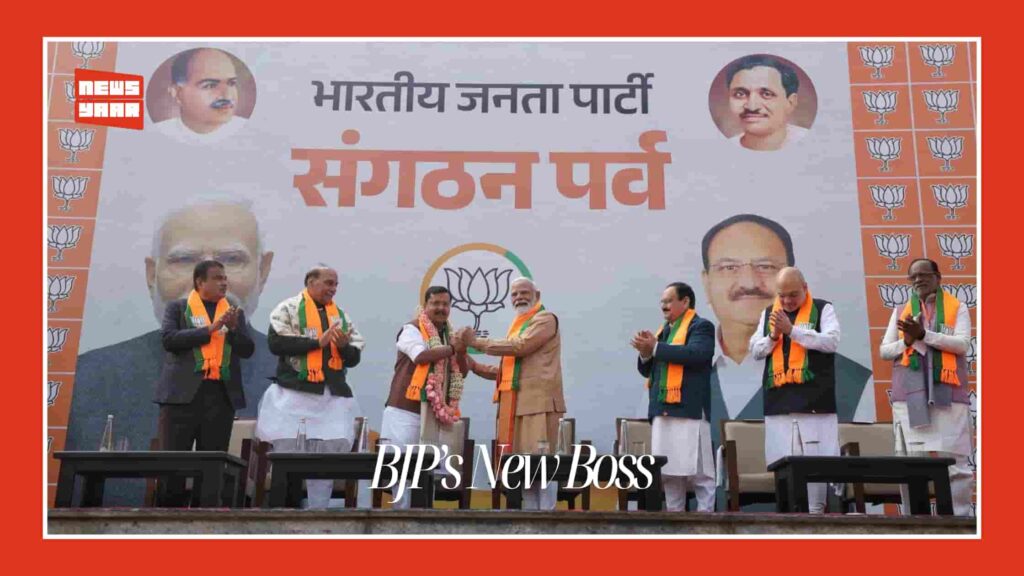
New Delhi:In a moment rich with symbolism and political messaging, Prime Minister Narendra Modi on Tuesday formally welcomed Nitin Nabin as the new national president of the Bharatiya Janata Party (BJP), declaring that in party matters, the newly appointed chief would be his “boss”. The remark, made at a felicitation event on January 20, 2026, with the BJP’s emphasis on organisational discipline and a clear separation between the party and the government.Nitin Nabin, 45, officially assumed charge in the presence of senior party leaders and Prime Minister Modi, marking the beginning of a new phase for the BJP’s organisational leadership. Addressing party workers, Modi said he had presented an account of his own work to the new president, adding with a touch of humour that he now awaited Nabin’s “guidance” and confidential report.“When it comes to party matters, honourable Nitin Nabin ji is my boss. I am a worker,” Modi said, drawing applause from the audience. The Prime Minister had made a similar statement in 2019 alongside then BJP president Amit Shah, reiterating a long-standing message within the party that the organisation functions independently of the government.Highlighting Nabin’s generational outlook, Modi pointed to the new president’s ability to bridge tradition and modernity. He remarked that while he himself grew up listening to news on the radio, Nabin represents a generation comfortable with technology and artificial intelligence, an implicit nod to the BJP’s evolving political strategies in a digital age.Nitin Nabin was officially declared the BJP national president on January 19, following the completion of an extensive internal organisational election process. According to party sources, 37 nominations were filed in his support, all of which were found valid.While the event largely focused on organisational unity, Modi also touched upon broader political issues. He reiterated the BJP’s position on national security, stating that infiltrators posed a serious threat to the country and must be identified and deported. He stressed the importance of learning from the mistakes of other political parties, a veiled reference to the Congress, and urged BJP workers to remain disciplined and connected to grassroots concerns.As Nitin Nabin steps into his new role, he faces the challenge of steering the BJP through complex electoral terrain and internal expectations. His relatively young age and organisational mandate signal a leadership style that blends experience with adaptability, qualities the party believes are essential for navigating the evolving political landscape.The transition, marked by Modi’s symbolic deference, reinforces the BJP’s core message: strong leadership thrives on organisational clarity, collective responsibility, and disciplined separation between party and power.
Mumbai BMC Election Results 2026: BJP Breaks Shiv Sena Stronghold, Fragmented Mandate Sets New Political Tone
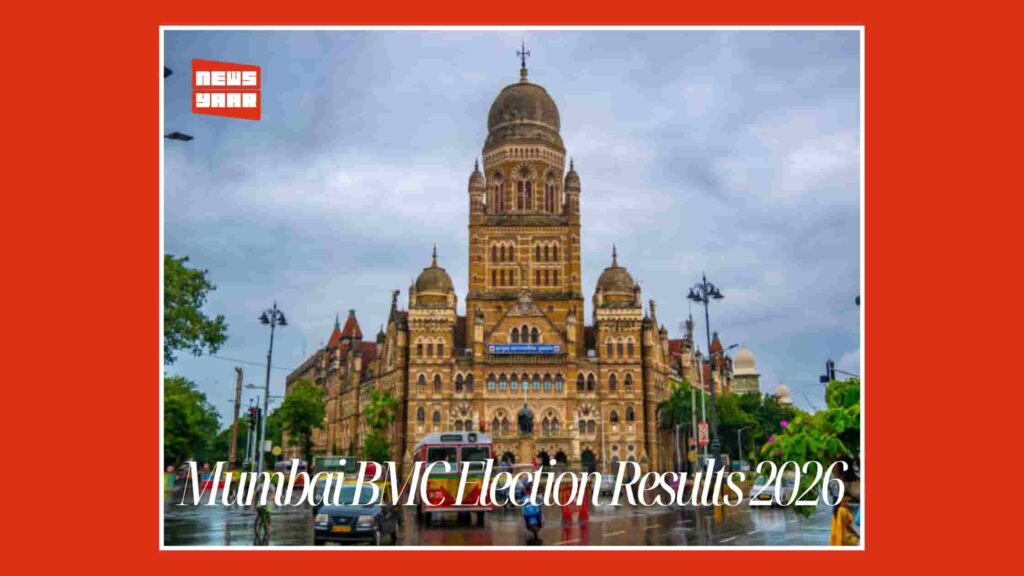
The results of the Brihanmumbai Municipal Corporation (BMC) elections 2026, declared late Friday night, have reconfigured civic politics in Mumbai after years of uncertainty. In a contest marked by shifting alliances and urban development themes, the Bharatiya Janata Party (BJP)-led Mahayuti alliance has emerged as the largest bloc in India’s richest municipal body, ending decades of dominance by the undivided Shiv Sena and reshaping the city’s political landscape. What Is the BMC and Why This Election Matters The Brihanmumbai Municipal Corporation is the administrative body responsible for civic services in Mumbai, including roads, hospitals, sanitation, water supply, and urban infrastructure. With an annual budget of over Rs 74,400 crore, it plays a crucial role in daily life for millions and sets the tone for urban policy in the Mumbai Metropolitan Region. This election was especially significant because it was the first held after a four-year delay and the first civic poll since the Shiv Sena split in 2022, which divided the party into the Eknath Shinde-led faction allied with the BJP and the Uddhav Balasaheb Thackeray-led Shiv Sena (UBT). Final Results: Seat Share and Winning Parties No single party secured an outright majority in the 227-ward BMC, but results show a clear lead for the Mahayuti alliance. Party-wise tally in BMC 2026: Bharatiya Janata Party (BJP): 89 seats Shiv Sena (Shinde faction): 29 seats Shiv Sena (UBT): 65 seats Congress: 24 seats AIMIM: 8 seats MNS: 6 seats Nationalist Congress Party (NCP): 3 seats Samajwadi Party: 2 seats NCP (SP): 1 seat(Majority mark in BMC: 114) With the BJP–Shinde Sena alliance jointly leading in 118 wards, they are well-positioned to form the next civic administration. Key Ward Victories and Local Players Several notable victories across the city shaped the electoral narrative. Highlights include: Ward 2 (BJP): Tejaswini Ghosalkar Ward 214 (BJP): Ajay Patil Ward 123 (UBT): Sunil More Ward 182 (UBT): Milind Vaidya Ward 183 (Congress): Asha Kale These wins reflect how both national and local issues influenced voter decisions across diverse Mumbai neighbourhoods. Political Reactions After the Results Leaders from all major camps offered their perspectives soon after results were declared. Maharashtra Chief Minister Devendra Fadnavis highlighted the alliance’s performance as a reflection of public trust in governance. According to him, the BJP’s share — around 45% vote share — demonstrated a broad urban mandate for development-oriented politics. From the opposition, Shiv Sena (UBT) leader Sanjay Raut said the results showed continued support for the Thackeray brand in many traditional areas, even as the party lost its institutional hold. Why This Is a Turning Point for Mumbai BMC has historically been a bastion of regional identity politics, with the Shiv Sena’s rise intertwined with the ‘Marathi asmita’ narrative — emphasising local pride and mobilisation around regional interests. However, this election suggests a shift toward urban governance themes such as infrastructure, flood management, civic service delivery, and development outcomes, rather than purely identity-based politics. Analysts note that the BJP’s success is the result of a “triple engine” strategy, combining support from the Centre, state leadership, and local organisational strength to appeal to voters focused on performance and delivery. Broader Maharashtra Civic Sweep and Urban Impact The BMC outcome was part of a wider civic sweep by the BJP-led alliance across Maharashtra. The party has secured dominant positions in multiple municipal corporations, including Pune and Pimpri-Chinchwad, further weakening rival factions and establishing itself as the leading force in urban local bodies ahead of future state and national contests. What Comes Next: Leadership and Governance With the alliance poised to control the BMC, the focus now shifts to: Election of the Mayor Formation of key standing committees (finance, public works, health) Early policy signals on infrastructure upgrades, monsoon preparedness, housing redevelopment and sanitation The new administration faces a range of civic challenges that will test its governance approach amidst high public expectations. In Brief BMC election 2026 held after a four-year gap ended long-standing political patterns in Mumbai. The BJP-Shinde Sena alliance crossed the majority mark with 118 wards. Shiv Sena (UBT) held on to 65 seats, showing resilience in core areas. Congress, AIMIM, MNS and smaller parties maintained pockets of influence. Urban governance and development issues appeared to outweigh traditional identity politics.
Nitin Nabin Appointed BJP National Working President in Major Leadership Move
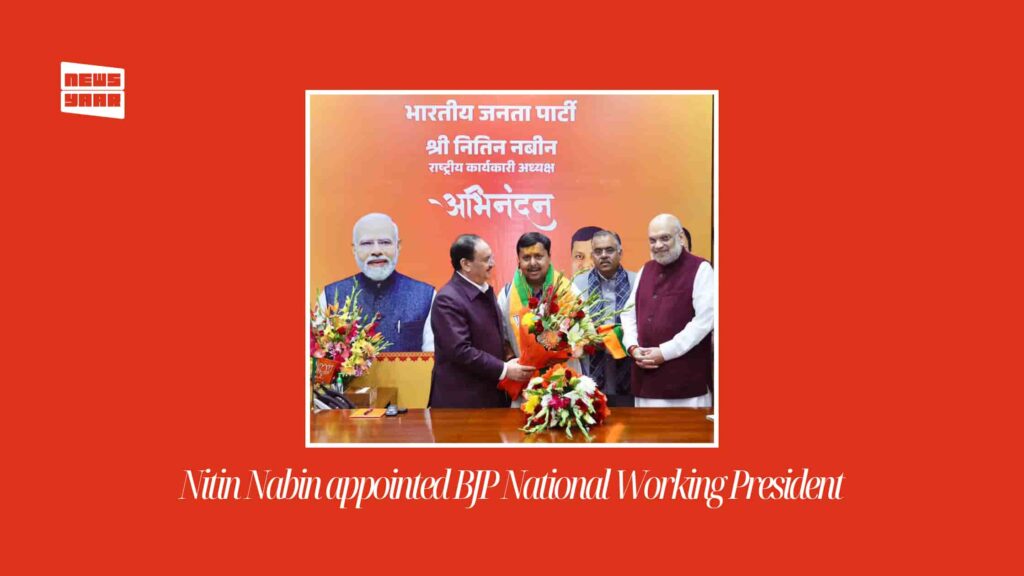
In a significant organisational shift, the Bharatiya Janata Party (BJP) has appointed Nitin Nabin as its National Working President, marking a key moment in the party’s leadership strategy as India approaches a politically important period.The appointment was made by the BJP Parliamentary Board on 14 December 2025, and Nabin formally assumed charge at the party’s headquarters in New Delhi in the presence of senior leaders, including Home Minister Amit Shah and outgoing national president J.P. Nadda. A Generational Change in BJP LeadershipAt 45 years of age, Nitin Nabin becomes one of the youngest leaders to hold the post of National Working President, signalling a deliberate generational shift within the party’s top ranks. The BJP has described the appointment as recognition of his long organisational experience and grassroots work.Nabin is a five-term MLA from the Bankipur Assembly constituency in Patna and has held multiple ministerial portfolios in the Bihar government, including road construction and urban development.Shortly after taking on his national role, he resigned from his Bihar cabinet positions, adhering to the BJP’s “one person, one post” policy, reinforcing his full-time commitment to the party organisation. Political Outreach and Organisational WorkSince his appointment, Nitin Nabin has embarked on an active outreach programme. He was recently seen leading a large roadshow in Patna, where thousands of party workers and supporters greeted him with slogans and flower showers, highlighting his strong support base in his home state.He has also travelled to Assam as part of the BJP’s national campaign to strengthen grassroots engagement under the party’s “Mera Booth Sabse Majboot” initiative, a key organisational push ahead of upcoming state elections.New Delhi Moves and StatusIn New Delhi, Nitin Nabin has also been allocated a government bungalow in the prestigious Lutyens’ Delhi area, underlining his elevated status within the party and the central leadership’s support.His visibility has risen sharply, with meetings reported with senior political figures and government dignitaries. Within a short span in his new role, he has been actively engaging with party workers and planning organisational strategy for future electoral battles.Future Prospects and Party DirectionPolitical analysts see Nitin Nabin’s appointment as part of the BJP’s broader strategy to strengthen organisational coherence and nurture younger leadership ahead of major elections.There is also speculation that he could be elevated further within the party structure in early 2026, potentially positioning him as a future BJP national president.As Nabin settles into the role, party insiders say his blend of experience, organisational work, and ground presence will be central to the BJP’s efforts to reinforce its political footprint across India.