Introduction
The Vadhavan Port Project is one of the most ambitious port development initiatives currently underway in the country. Planned along the western coastline near Dahanu, the project is being positioned as a world-class deep-sea port that will significantly enhance India’s maritime capacity and global trade competitiveness.
At a time when India is aiming to become a major player in global supply chains, Vadhavan Port is expected to play a transformative role by handling ultra-large cargo vessels and reducing dependence on foreign transshipment hubs.
Background and Strategic Need
India’s growing economy and increasing trade volumes have highlighted the limitations of existing ports, particularly in handling large container ships. A significant portion of India’s cargo is still transshipped through ports in countries like Singapore and Sri Lanka.
The Vadhavan Port Project was conceptualised to address these gaps by creating a deep-draft port capable of accommodating next-generation container vessels. Its development aligns with national initiatives such as the Sagarmala Programme, which focuses on port-led development.
Location and Project Layout
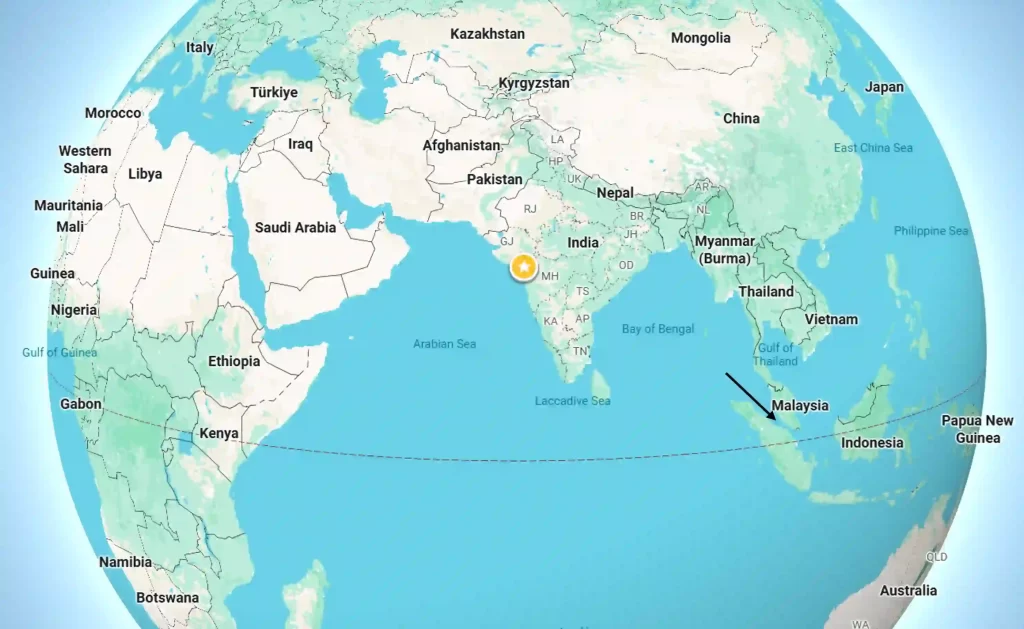
The port is being developed near Dahanu in Maharashtra, strategically located along the Arabian Sea and close to major industrial and commercial hubs like Mumbai and Gujarat.
The project is being executed by Jawaharlal Nehru Port Authority (JNPA), which already operates India’s largest container port at Nhava Sheva.
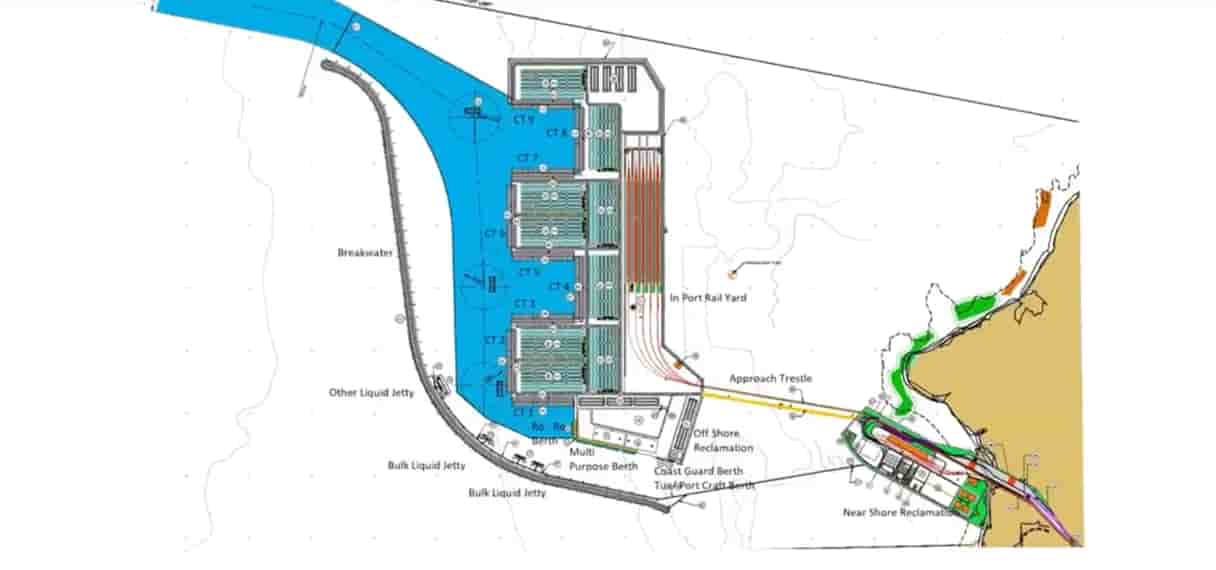
Key aspects of the project include:
- Development of deep-draft berths
- Large-scale land reclamation
- Modern cargo handling infrastructure
- Rail and road connectivity to hinterland regions
Key Features and Capacity
Deep-Sea Capability
One of the defining features of Vadhavan Port is its natural deep draft, which allows it to handle ultra-large container vessels (ULCVs) with capacities exceeding 20,000 TEUs. This will place the port among the most advanced in the world.
Massive Cargo Handling Capacity
Once completed, the port is expected to have a capacity of over 200 million tonnes per annum, making it one of India’s largest ports.
Advanced Infrastructure
The port will be equipped with:
- Automated cargo handling systems
- Smart logistics and digital tracking
- Dedicated freight corridors
These features aim to ensure efficiency, speed, and global competitiveness.
Economic Significance
The Vadhavan Port Project is expected to have far-reaching economic implications.
Reduction in Logistics Costs
By enabling direct handling of large vessels, the port will reduce the need for transshipment through foreign ports, lowering logistics costs and saving time.
Boost to Exports and Trade
Improved port capacity and efficiency will strengthen India’s export capabilities and integration into global trade networks.
Employment and Industrial Growth
The project is expected to generate significant employment opportunities during both construction and operational phases. It will also promote industrial development in surrounding regions.
Connectivity and Integration
The port is being designed with strong connectivity to major transport networks, including:
- National highways
- Railway freight corridors
- Industrial clusters
This integrated approach ensures seamless movement of goods from ports to inland markets.
Environmental Concerns and Opposition
Despite its economic potential, the project has faced strong opposition from environmental groups and local communities.
Ecological Impact
Concerns have been raised about:
- Impact on marine biodiversity
- Damage to coastal ecosystems
- Effects on fishing communities
Dahanu is considered an ecologically sensitive zone, which has intensified debates around the project.
Legal and Regulatory Challenges
The project has undergone extensive environmental scrutiny and regulatory processes. Balancing development with environmental sustainability remains a key challenge.
Progress and Current Status
As of 2026, the Vadhavan Port Project has received key approvals and is moving through various stages of planning and early development. Land acquisition, environmental clearances, and infrastructure planning are ongoing.
The project is expected to be developed in phases over the coming years.
Strategic Importance for India
Vadhavan Port is not just another infrastructure project—it is a strategic initiative aimed at positioning India as a major maritime and logistics hub.
By reducing dependence on foreign ports and enhancing domestic capacity, the project strengthens India’s economic sovereignty in global trade.
It also complements other major infrastructure initiatives, including port modernisation and logistics reforms under national programmes.
Final Perspective
The Vadhavan Port Project represents India’s long-term vision of building world-class maritime infrastructure capable of competing on a global scale. While it promises significant economic and strategic benefits, it also highlights the complexities of developing large-scale projects in environmentally sensitive regions.
As the project progresses, its success will depend on how effectively it balances growth, sustainability, and the interests of local communities—making it one of the most closely watched infrastructure developments in the country.