


Vande Bharat Cargo: India’s Push to Build a Faster, Modern Freight Rail Network
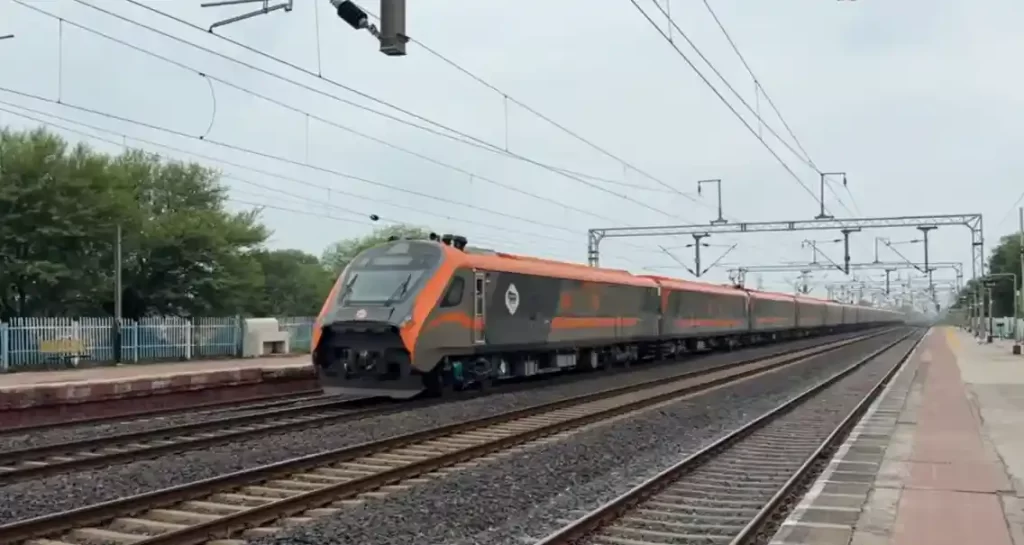
Indian Railways is looking beyond passenger trains as it expands its next generation of railway services. Alongside the rapid rollout of Vande Bharat passenger trains, the railways is also exploring a new generation of faster, more modern freight services designed to move high-value and time-sensitive goods more efficiently.This effort has brought the Vande Bharat Cargo concept into focus.Unlike conventional freight trains, which are primarily designed to move large volumes of bulk commodities, a Vande Bharat-style cargo train is intended for a different segment of the logistics market: time-sensitive, high-value and relatively lightweight cargo. The idea is to use modern train technology and dedicated logistics infrastructure to make rail more competitive with road and air transport for certain categories of goods.The concept is part of a broader transformation underway in Indian Railways, where freight is increasingly being viewed not simply as a source of railway revenue but as a critical component of India’s logistics and supply-chain infrastructure.What Is Vande Bharat Cargo?Vande Bharat Cargo refers to the development of a dedicated freight version of the Vande Bharat train platform, designed specifically for cargo movement rather than passenger transportation.The concept builds on the technology and design philosophy of the Vande Bharat trainsets, including modern propulsion, faster acceleration and efficient use of railway infrastructure.The fundamental difference is the interior.Instead of passenger seats, a cargo train would use its available space for transporting goods. The configuration can be designed around loading and unloading efficiency, cargo protection and rapid turnaround at terminals.The objective is not to replace conventional freight trains.India will continue to depend on long, heavy freight trains to transport coal, iron ore, cement, foodgrains, fertilisers, petroleum products and other bulk commodities. Vande Bharat Cargo is aimed at a different market: goods where speed, reliability and delivery time are more important than simply moving the largest possible tonnage.Why Does India Need Faster Cargo Trains?India’s logistics sector remains heavily dependent on road transport.Roads offer the flexibility of door-to-door delivery and can reach destinations that are not connected directly to railway lines. However, road freight can be affected by congestion, fuel costs, weather conditions and unpredictable travel times.Rail transport, on the other hand, can move large quantities over long distances with comparatively high energy efficiency.The challenge is that traditional freight rail is often optimised for bulk cargo rather than speed.This creates a gap between rail and road for time-sensitive shipments.A faster cargo train could potentially fill that gap.For example, products such as electronics, pharmaceuticals, automobile components, e-commerce shipments, perishables and other high-value goods may benefit from a predictable rail service that offers shorter transit times than conventional freight trains.The Vande Bharat Technology AdvantageThe Vande Bharat platform was developed as a modern self-propelled trainset rather than a conventional locomotive-hauled passenger train.One of its key characteristics is distributed propulsion, with traction equipment distributed across the trainset rather than concentrated entirely in a locomotive.This configuration allows the train to accelerate quickly and makes better use of its available track time.For a cargo application, faster acceleration could be particularly useful because freight trains frequently need to start, stop and operate around other railway services.A modern trainset could potentially reduce turnaround times and improve schedule reliability.However, speed alone does not determine whether a freight service will be commercially successful. Loading and unloading time, terminal infrastructure, cargo handling, route availability and pricing will be equally important.What Kind of Cargo Could It Carry?A Vande Bharat Cargo service would be best suited to goods that have a relatively high value compared with their weight and need to reach their destination quickly.Potential categories include:E-commerce shipments: India’s online retail market generates enormous volumes of parcels that need predictable delivery times.Electronics: Smartphones, computers, components and other electronic goods are relatively high-value and can benefit from secure transportation.Pharmaceuticals: Medicines and medical products can be time-sensitive and, in some cases, require controlled transportation conditions.Automobile components: Manufacturers increasingly operate integrated supply chains in which delays in receiving components can disrupt production.Perishable goods: Fruits, vegetables, dairy products, seafood and other perishables can lose value rapidly if transportation takes too long.Express parcels: Courier and logistics companies could potentially use dedicated rail services for inter-city movement.High-value industrial goods: Precision equipment, machinery components and other specialised products could also be candidates.The key consideration is that the cargo must justify paying a premium for faster and more predictable rail transportation.How It Would Differ From Conventional Freight TrainsThe distinction between Vande Bharat Cargo and traditional freight services is important.Conventional freight trains are designed primarily around capacity and haulage efficiency. Their strength is the ability to move thousands of tonnes of cargo over long distances.A Vande Bharat Cargo service would focus more heavily on speed and turnaround time.A conventional freight train carrying coal, for instance, may consist of dozens of wagons and be hauled by one or more powerful locomotives.A cargo train designed around the Vande Bharat platform would instead operate as a dedicated trainset, with cargo space integrated into the train.This makes the two services complementary rather than competing.India needs both.Heavy freight trains will remain essential for the country’s industrial economy, while faster services could target the rapidly expanding express logistics market.The E-Commerce OpportunityThe growth of e-commerce has fundamentally changed India’s logistics requirements.Consumers increasingly expect products to be delivered within one or two days, particularly on routes connecting major cities.This has created enormous demand for faster inter-city logistics.Most e-commerce deliveries currently depend heavily on road transportation for the middle-mile segment.A dedicated rail cargo service could potentially provide a faster and more predictable alternative for certain long-distance routes.For example, parcels could be consolidated at a logistics hub, transported overnight by rail between major cities and then transferred to local delivery networks for the final mile.Such a model would essentially turn railways into a high-speed middle-mile logistics network.The Perishables MarketAgricultural products present another potential opportunity.India is one of the world’s largest producers of fruits, vegetables, dairy products and other agricultural commodities. However, post-harvest losses remain a significant concern, particularly for products with short shelf lives.Faster transportation can help reduce the time between production and consumption.A dedicated cargo train
Jodhpur Airport’s New Terminal: A Royal Gateway for the Blue City
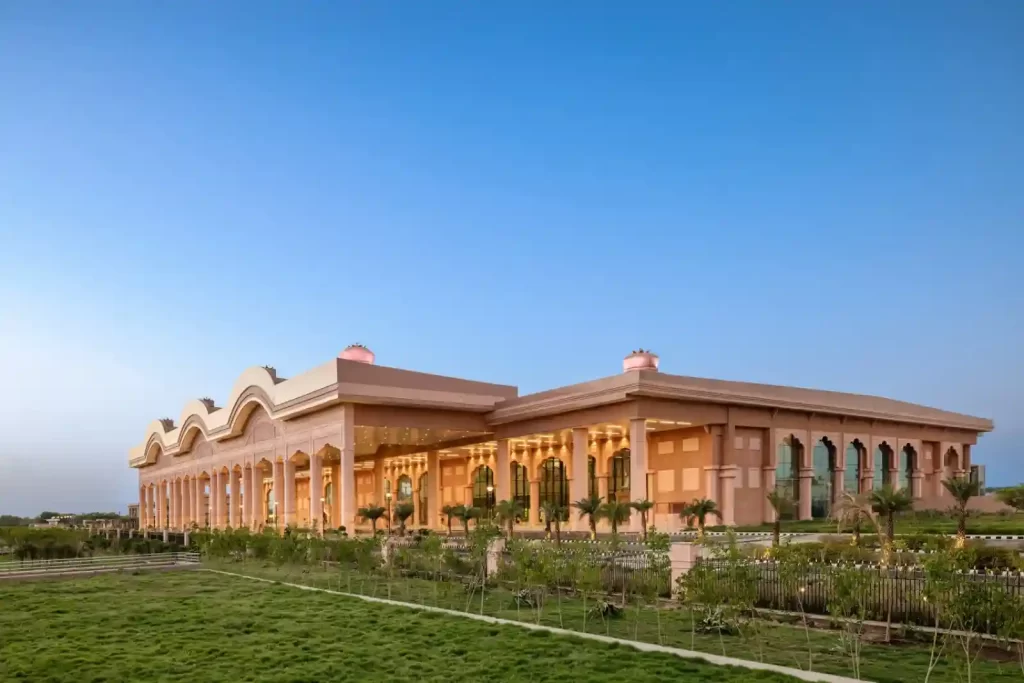
Jodhpur has always been a city that announces itself through its architecture. From the towering Mehrangarh Fort to the indigo-washed lanes of the old city, the built environment here tells a story of heritage, resilience, and royal grandeur. Now, that story has a new chapter: the newly inaugurated passenger terminal at Jodhpur Airport, a structure that manages to feel both thoroughly modern and unmistakably Rajasthani, turning a functional infrastructure project into a civic landmark that honours the city’s identity. Inaugurated by Prime Minister Narendra Modi on July 4, 2026, the new terminal replaces an older facility that had become a bottleneck for a city whose tourism and business travel were growing faster than its airport could handle. The previous setup was designed for around four lakh passengers annually; the new building, spread over 23,000–25,000 square metres (about 2.52 lakh sq ft), is engineered to handle two million passengers a year and up to 1,500 during peak hours, giving Jodhpur an airport that matches its aspirations as the gateway to Western Rajasthan. Why Jodhpur Needed a New TerminalFor years, Jodhpur Airport operated as a civil enclave within a military airfield, an arrangement that worked when passenger numbers were modest but began to strain under the weight of rising demand. The old terminal’s limited capacity meant congested check-in areas, constrained baggage handling, and restricted scope for adding more flights or larger aircraft, which in turn capped the city’s connectivity and tourism potential. The new terminal changes that equation. With 20 check-in counters, six aerobridges, and upgraded security and baggage-handling systems, it allows airlines to operate more smoothly and scale up frequency without the operational friction that comes from working in a cramped facility. Both Air India and IndiGo have already moved their operations to the new building, signalling that the airport is ready for a busier, more connected future. Architecture That Feels Like JodhpurWhat makes this terminal stand out is not just its capacity, but the way it looks and feels. Designed by the architecture firm STHAPATI, the building draws heavily from Jodhpur and Rajasthan’s heritage, translating royal motifs into a contemporary transportation hub. The grand entrance is marked by a rounded, ridged roof canopy inspired by palace architecture, while the façade features multifoil arches, carved columns, domes, and jharokhas that echo the region’s historic gateways and forts. At the centre of the façade sits a kalash, a sacred pot on a lotus base, a symbol traditionally associated with welcome and new beginnings in Indian architecture. For a building defined by arrivals and departures, the choice is both poetic and purposeful, rooting the journey in a sense of place before passengers even step inside. Inside, the sense of place continues through curated murals, regional artworks, and craft-inspired interventions developed with local artists. Peacock motifs, scenes from royal courts, and other elements from Rajasthani painting and decorative arts appear throughout, turning the terminal into a kind of gallery that introduces travellers to the essence of Marwar as soon as they land. Sustainability and Smart DesignThe terminal is not just aesthetically distinctive; it is also designed to be efficient. Passive environmental strategies, energy-efficient systems, and resource-monitoring technologies have been integrated to reduce operational demand while enhancing passenger comfort. Energy simulations indicate that the building consumes more than 50% less energy than the benchmark for comparable airport terminals, a significant achievement for a structure of this scale. Water conservation measures and green building practices are part of the design as well, with the project aiming for a 5-Star GRIHA rating. In a desert region where resource management is critical, this focus on sustainability ensures that the terminal’s growth does not come at the expense of environmental responsibility. Retail and Passenger ExperienceThe passenger experience extends beyond check-in and security into the retail and lounge areas, where the brief was clear: the retail should feel like Jodhpur, not like every other airport. Orchid Ent Outfit, led by entrepreneur Dhruv Jain, has been awarded the master retail concession and is developing a curated mix of national brands and local Marwari craft, ensuring that the shopping experience reflects the region’s identity rather than a generic airport template. This approach matters because airports are often the first and last impression a city leaves on a traveller. By embedding local craft, art, and design into the retail ecosystem, Jodhpur’s terminal turns a routine transit point into a cultural introduction, reinforcing the city’s brand as a destination worth exploring. Connectivity and Regional ImpactThe new terminal is expected to significantly boost tourism, trade, and employment in the region by enabling more flights, better connectivity, and a smoother travel experience. Jodhpur is already a key hub for Western Rajasthan, with tourists using it as a base for visits to Jaisalmer, Bikaner, and the Thar Desert. A modern airport strengthens that role, making it easier for domestic and international travellers to access the region without relying solely on road or rail. The inauguration also coincided with the launch of a modified UDAN (Ude Desh ka Aam Nagrik) scheme, which allocates around ₹28,840 crore over the next decade to enhance regional air connectivity. For a state like Rajasthan, where distances between cities are large and road travel can be time-consuming, improved aviation links can be a game-changer for business, tourism, and access to services. A Terminal That Feels Like a GiftFor Jodhpur, the new terminal is more than an infrastructure upgrade; it is a statement that the city’s growth is being taken seriously at the national level. Chief Minister Bhajanlal Sharma called it a “significant gift” to Rajasthan, while Deputy Chief Minister Diya Kumari highlighted the employment and connectivity benefits that will follow. At the same time, the terminal sets a benchmark for how regional airports in India can be designed, not as interchangeable glass boxes, but as structures that reflect local culture, climate, and craft while meeting modern operational standards. In that sense, Jodhpur’s new terminal is not just for Jodhpur; it is a model for how India’s smaller cities can build airports that feel like home. ConclusionJodhpur Airport’s new terminal is a rare example of
Kargil Vijay Diwas: A Day of Remembrance, Gratitude, and National Resolve
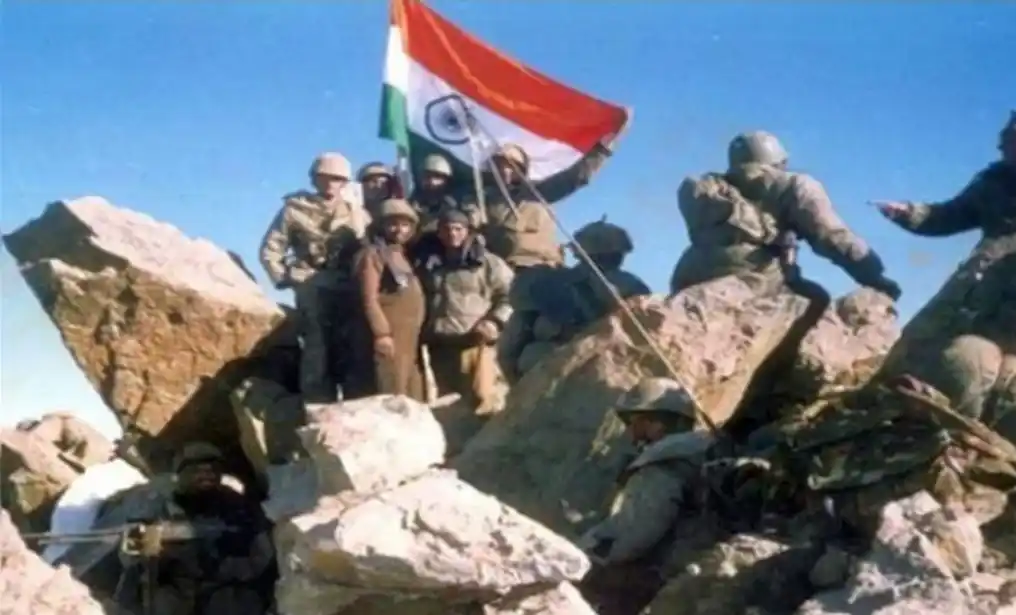
Kargil Vijay Diwas is one of India’s most solemn national observances, marked every year to honour the soldiers who fought in the Kargil War of 1999 and to remember the extraordinary cost of reclaiming India’s territory in the Himalayas. On the 27th anniversary of Operation Vijay, commemorations across the country once again placed the focus on courage, sacrifice, and the enduring responsibility to protect the nation’s sovereignty. This year’s observance carried special emotional weight in places like Drass, Shimla, Belagavi, Bhaderwah, and Lucknow, where wreath-laying ceremonies, military tributes, and public remembrance events brought together serving officers, veterans, families of martyrs, cadets, and citizens in a shared act of gratitude. The Meaning of Kargil Vijay DiwasKargil Vijay Diwas marks India’s victory in the Kargil conflict, which culminated in the successful execution of Operation Vijay and the recovery of territory in the Kargil district of Jammu and Kashmir that had been infiltrated by Pakistani soldiers and militants. The day is not simply about military success; it is about remembering the harsh conditions in which the war was fought, the high altitude at which soldiers operated, and the discipline and determination that made the eventual victory possible. Photo: PIBThe anniversary matters because it reminds the country that national security is often secured in places that most citizens will never see, on mountain heights where every advance is costly and every act of bravery carries real risk. It is also a reminder that freedom and territorial integrity are preserved not in abstract terms, but through sacrifice, planning, and unflinching commitment by the armed forces. Tributes Across the CountryAt the Kargil War Memorial in Drass, the main national ceremony was held in a deeply solemn atmosphere, with Defence Minister Rajnath Singh leading the commemorations by paying floral tributes at the cenotaph in honour of the bravehearts of Operation Vijay. He also inaugurated the Virtual Walkthrough Portal of the Kargil War Memorial, visited the Hut of Remembrance and Veer Bhoomi, interacted with Veer Naris and Veer Matas, and flagged off the Shaurya Vijay Yatra motorcycle rally. In Shimla, Army Training Command commemorated the 27th anniversary of the day with a wreath-laying ceremony at Shradhanjali Sthal in Annandale, followed by two minutes of silence and the sounding of the Last Post. The ceremony ended with all ranks of ARTRAC taking a pledge to uphold patriotism, courage, and selfless service, underscoring how the memory of Kargil continues to shape military ethos even decades later. Belagavi also saw an emotional observance, where officers and personnel of the Maratha Light Infantry Regimental Centre marked the day with a wreath-laying ceremony at the war memorial. Such regimental commemorations matter because they connect the memory of Kargil not only to the nation at large, but also to the traditions, identities, and inherited sense of duty within India’s military units.Drass and the National Centre of MemoryDrass remains the symbolic heart of Kargil Vijay Diwas because it is where the nation gathers most visibly to remember the war. The Kargil War Memorial there stands not only as a site of tribute, but also as a physical expression of collective memory, where names, stones, and ceremonial rituals help translate history into lived remembrance. The memorial’s significance grows each year because the war itself has become part of India’s national narrative of resilience. The presence of soldiers’ families, veterans, young cadets, and public officials creates a powerful bridge between the generation that fought in 1999 and the generations that now inherit the duty of remembering what was won and what was lost. The Voices of National LeadersPublic tributes from national leaders have reinforced the day’s seriousness. Rajnath Singh described the soldiers who fought on the inaccessible heights of Kargil as examples of indomitable bravery, supreme sacrifice, and unwavering resolve, saying the nation would remain forever grateful for their service. Amit Shah called Kargil Vijay Diwas a symbol of the Army’s indomitable courage, while S. Jaishankar emphasized that the service and sacrifice of those who laid down their lives to protect India’s unity and integrity would always be remembered. Dr. L. Murugan also paid tribute, urging people to remember the valour and dedication of the soldiers not only on this day but every day. [user-provided]These statements are more than ceremonial language. They reflect the way Kargil Vijay Diwas has become part of India’s civic calendar, a day when public remembrance, military pride, and national unity are brought together through ritual and reflection. The Human Cost of VictoryThe Kargil War is often remembered through strategy and geography, but the deeper reality is human. Soldiers fought under extreme cold, difficult terrain, and the strategic advantage held by enemy positions on higher ground, and they did so with the knowledge that many would not return. That human cost is why observances such as the felicitation of Veer Naris, Veer Matas, and families of martyrs carry such emotional force. In Lucknow, for instance, the municipal corporation honoured the families of soldiers who sacrificed their lives, while officials were instructed to create a database of military families and resolve their grievances on priority. These acts of recognition help ensure that remembrance is not just symbolic, but also practical and humane. Why the Day Still MattersKargil Vijay Diwas remains relevant because it speaks to values that do not age: duty, sacrifice, discipline, and loyalty to the nation. In an era when public attention can move quickly from one event to another, the day insists on memory and gratitude, asking citizens to pause and reflect on the people who secured the country’s safety in one of its most difficult military conflicts.It also carries a lesson about preparedness. The war showed how quickly high-altitude infiltration and strategic surprise can create danger, and how crucial it is for armed forces to have the resilience, equipment, training, and national support needed to respond effectively. That lesson remains important even today, because sovereignty is never protected only by sentiment; it is protected by readiness.A Legacy Passed ForwardThe enduring power of Kargil Vijay Diwas lies in the way it connects past sacrifice to present responsibility. Students performing patriotic songs in
Lucknow-Kanpur Expressway: Uttar Pradesh’s New High-Speed Corridor
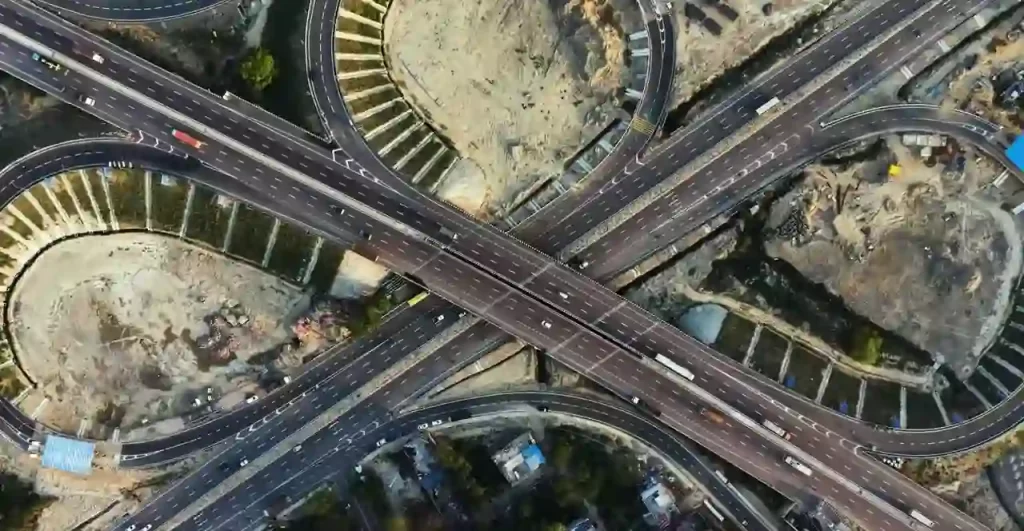
The Lucknow-Kanpur Expressway is one of the most important road infrastructure projects to come out of Uttar Pradesh in recent years, and its opening marks a major shift in how people, goods, and economic activity will move between the state’s two biggest urban centres. Built as a six-lane, access-controlled corridor with advanced traffic systems and a substantial elevated stretch, it is designed to cut travel time dramatically while also easing pressure on the older and more congested routes that commuters have relied on for decades.For travelers, the biggest change is simple and immediate: what used to be a tiring, unpredictable journey of well over two hours can now be completed in a fraction of that time. For the state, the expressway is more than a convenience project; it is a growth corridor that connects Lucknow, Kanpur, Unnao, and surrounding districts through faster mobility, smarter highway management, and stronger investment potential.A Long-Awaited CorridorThe Lucknow-Kanpur road link has been a long-standing demand, and the expressway finally gives that connection a modern, high-capacity form. The project has been completed by the National Highways Authority of India, with construction handled by PNC Infratech, and it runs for about 62.76 km between Amausi in Lucknow and Shuklaganj near Kanpur.What makes the corridor especially significant is that it combines greenfield and brownfield development, meaning it was built both on new land and through upgraded sections near existing urban areas. That blend allowed planners to create a faster, more direct route while still dealing with the practical realities of dense settlements, traffic pressure, and urban connectivity.Route and StructureThe expressway is not just a straight strip of asphalt; it is a carefully engineered corridor with multiple layers of mobility planning built into it. Around 45 km of the route is greenfield alignment, while about 18 km is elevated, making it one of the more advanced highway projects in the state.Its key stretches pass through or near Nawabganj, Banthara, Bani, and Unnao, with integration planned toward the upcoming Ganga Expressway at Unnao. The route includes major bridges, minor bridges, underpasses, flyovers, and interchanges, all of which help the expressway function as an access-controlled corridor rather than a conventional road with frequent interruptions.Faster Travel, Smarter AccessThe main promise of the expressway is time savings. Reports indicate that travel between Lucknow and Kanpur, which currently takes roughly 1.5 to 2.5 hours and sometimes more in heavy traffic, may be reduced to around 45 to 60 minutes, with some early reporting even suggesting a 35- to 45-minute range under ideal conditions.That kind of reduction matters because the corridor links two cities that are central to Uttar Pradesh’s economy, administration, education, and industry. A commuter, logistics operator, or business traveler using the route regularly does not just save time; they gain predictability, and in transport planning, predictability is often as valuable as speed.Elevated Section and Urban ReliefOne of the most impressive engineering features of the project is the elevated stretch through the Lucknow side of the corridor. This section helps vehicles bypass some of the worst congestion around areas such as Amausi, Sarojininagar, and parts of NH-27, which is crucial in a region where urban traffic often slows even fast roads to a crawl.The elevated corridor also shows how expressway planning has evolved in India. Instead of simply widening roads and hoping for better flow, modern projects increasingly try to separate through-traffic from local traffic, allowing long-distance vehicles to move efficiently while reducing conflict with city movement.Technology on the HighwayWhat sets the Lucknow-Kanpur Expressway apart from older highways is its heavy use of intelligent transport systems. The corridor has been equipped with surveillance cameras, variable message signs, video incident detection systems, emergency call boxes, speed radars, and other digital safety tools intended to make the road not just faster, but more manageable and safer.It is also described as India’s first barrier-free expressway, using Automatic Number Plate Recognition technology alongside FASTag-based tolling so vehicles can move without the stop-and-go experience of conventional toll booths. That barrier-free model is important because it reduces delay, lowers congestion at toll points, and creates a more modern highway experience overall.Tolling and User CostsThe expressway’s toll structure is an important part of the public conversation because affordability always shapes how widely such infrastructure is used. Available project details indicate that regular cars may be charged around ₹275 for a one-way trip, with a return trip within 24 hours costing around ₹415, while higher rates apply to light commercial vehicles, buses, trucks, and heavy vehicles.There are also notes that annual FASTag users may benefit from lower effective charges on eligible trips, although final toll notifications are issued by the authorities before public operations begin. For many users, the key question will be whether the time saved and fuel efficiency gained justify the toll cost, especially for frequent intercity travel.Why the Project Matters EconomicallyThe Lucknow-Kanpur Expressway is expected to influence land values, logistics activity, and regional business development along the corridor. Areas near interchanges and access points, particularly around Amausi, Unnao, and Shuklaganj, are likely to draw investor interest as improved connectivity makes them more attractive for residential and commercial development.This kind of effect is common around major highways, but the scale here could be especially notable because the expressway ties into industrial and administrative centres rather than only passing through remote land. Faster movement between airports, highways, warehouses, and city markets can encourage warehousing, manufacturing support services, and new township development in surrounding districts.Engineering College FlyoverAlong with the expressway inauguration, the government is also laying the foundation stone for a four-lane flyover at Engineering College intersection in Lucknow, reportedly at a cost of ₹108 crore. That project is meant to reduce a major local bottleneck and improve access in northern parts of the city, which shows that the highway program is not being treated as a standalone corridor but as part of a wider urban mobility plan.This matters because highway success often depends on what happens at the edges. If entry and exit zones remain congested, the road’s benefits
The Longest-Serving Indian PM: Narendra Modi Surpasses Nehru’s Record with 4,399 Days
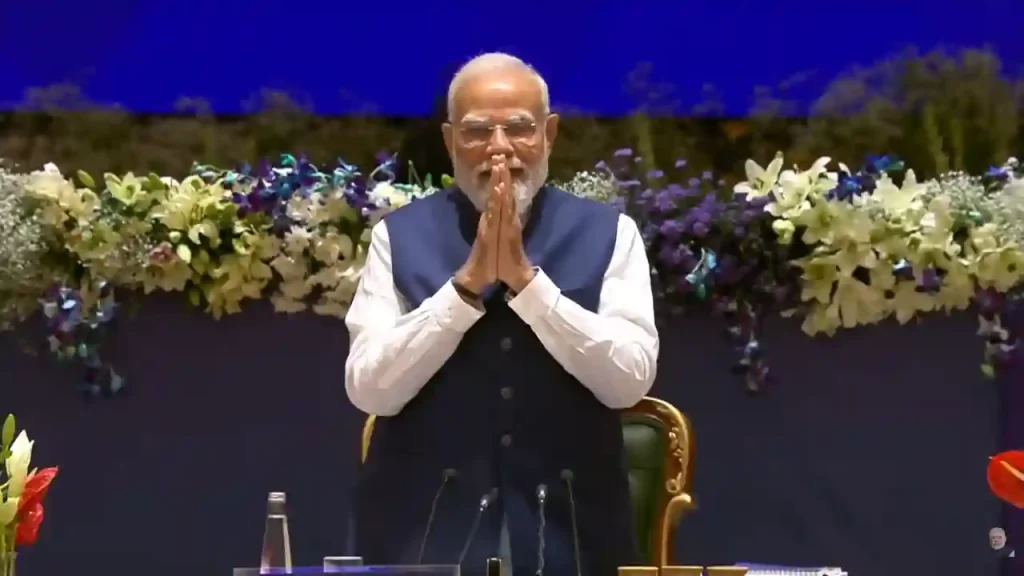
Prime Minister Narendra Modi has officially become India’s longest continuously serving elected Prime Minister, completing 4,399 consecutive days in office on June 10, 2026, surpassing the previous record of 4,398 days held by Jawaharlal Nehru after the country’s first general elections, with the Union Cabinet passing a historic resolution marking this milestone as a symbol of India’s democratic consciousness and public trust. Mr Modi took the oath of office on 26th May 2014 and has surpassed Pandit Jawaharlal Nehru, who first took the oath as an elected Prime Minister on 13th May 1952 and served until 27th May 1964, with Nehru’s tenure amounting to 4,398 days while Modi’s continuous tenure from 26th May 2014 to 10th June 2026 now stands at 4,399 days, making him the longest-serving elected Prime Minister in India’s history.The Historic Milestone: 4,399 Days of Continuous Service Surpassing Nehru’s 1952-1964 RecordThe achievement of Prime Minister Narendra Modi is particularly noteworthy given the scale and complexity of governance in India, a nation of over 1.4 billion people characterized by extraordinary diversity in language, culture, religion, and geography, making sustained leadership across three consecutive national mandates in the world’s largest democracy unprecedented in Indian political history. At a time when many countries have witnessed political churn, frequent changes in government, and policy uncertainty, India has experienced continuity in leadership and governance, reflecting sustained public trust across three consecutive national mandates that demonstrates the unprecedented support bestowed by the people upon a leader guided by the ‘Nation First’ resolve.The Union Cabinet today passed a resolution marking June 10, 2026, as an historic milestone in the journey of Indian democracy, applauding Shri Narendra Modi for becoming the longest-serving elected Prime Minister of the country by establishing a record of 4,399 days of continuous service as an elected PM, surpassing the previous record held by Shri Jawaharlal Nehru, who served for 4,398 continuous days from 1952 to 1964. This occasion stands as a symbol of India’s democratic consciousness, public trust, and the power of public participation, with the resolution extending heartfelt congratulations and best wishes to the Prime Minister while highlighting that this achievement coincides with the NDA government completing 12 years under his leadership.From Humble Beginnings to the Nation’s Highest OfficePrime Minister Modi’s rise from a humble socio-economic background to the highest elected office without the support of a political dynasty is widely seen as an illustration of the opportunities and social mobility offered by India’s democratic system, marking a departure from traditional political patterns where family connections often determined leadership trajectories. Shri Narendra Modi served as the Chief Minister of Gujarat for 14 years and was applauded for the economic growth and setting up advanced infrastructure in the state, among other key developments, before ascending to the nation’s highest office, where he is known for campaigns like Swachh Bharat, Make in India, Digital India, and many more.Amongst his several accolades, he is also famous for being the first Indian to win the Seoul Peace Prize award in 2018, while Independent global surveys have consistently ranked Prime Minister Modi among the world’s most popular democratic leaders, with him also being conferred with the highest civilian honours of more than 30 countries. Harivansh Narayan Singh, Deputy Chairman of the Rajya Sabha, praised PM Modi’s leadership, describing him as a “visionary” who has successfully translated ideas into action, remarking to ANI that “since independence, he is perhaps the first politician and a visionary who didn’t just dream but actually implemented those dreams, bringing them to reality on the ground”.Poverty Eradication and Inclusive Development:During Prime Minister Modi’s tenure, nearly 250 million Indians moved out of multidimensional poverty, with the resolution acknowledging that the welfare of the poor has been placed at the center of governance, detailing an unprecedented scale of amenities delivered including pucca houses, electricity, clean water, and direct benefit transfers, alongside free rations for over 80 crore citizens and free medical treatment for over 60 crore poor individuals. These efforts collectively boosted national self-confidence and enabled over 25 crore people to defeat poverty, expressing gratitude for the policies that have enabled more than 25 crore poor people in India to defeat poverty under his leadership.The resolution maps the empowerment of key demographics, recognizing the focus on youth power that propelled India into becoming the world’s third-largest startup ecosystem and a scientific power through Mission Chandrayaan, while a new chapter of ‘Women-Led Development’ is detailed through comprehensive policies ranging from smoke-free kitchens and the Lakhpati Didi campaign to the historic 33 percent reservation for women in legislative bodies. Affirming farmers as a core pillar of a ‘Viksit Bharat’, the text applauds initiatives like PM Kisan Samman Nidhi and the provision of Kisan Credit Cards to pastoralists and fishermen, which have helped propel agricultural exports past the Rs 5 lakh crore mark, appreciating his efforts directed towards inclusive growth and social justice.Digital Infrastructure and Economic TransformationDuring this period, India has strengthened its position as the world’s fastest-growing major economy, concluded major trade agreements with leading economies, and emerged as a more influential voice on global issues, including development, technology, climate action, and the priorities of the Global South, with people seeing rapid expansion of digital public infrastructure, large-scale infrastructure development, improvements in welfare delivery, and broad-based socio-economic progress. The resolution attributes the advancement of India’s manufacturing capabilities in sectors from defense to AI to the momentum gained by the ‘Make in India’ and ‘Aatmanirbhar Bharat’ campaigns, underlining that political stability, dynamic governance, and far-sighted policies of the last 12 years have transformed India into the world’s fastest-growing large economy.Union Minister Sukanta Majumdar also celebrated PM Modi’s historic milestone, emphasizing its significance in Indian political history, saying “There is a special day in the political history of India. Prime Minister Narendra Modi has set the record for the longest tenure as India’s Prime Minister.” Singh highlighted key policy initiatives under Modi’s tenure, including the introduction of a 33 per cent reservation for women in the Lok Sabha and State Legislative Assemblies, the implementation of
Pachpadra Refinery: India’s Most Delayed, Most Contested, and Most Important Energy Project
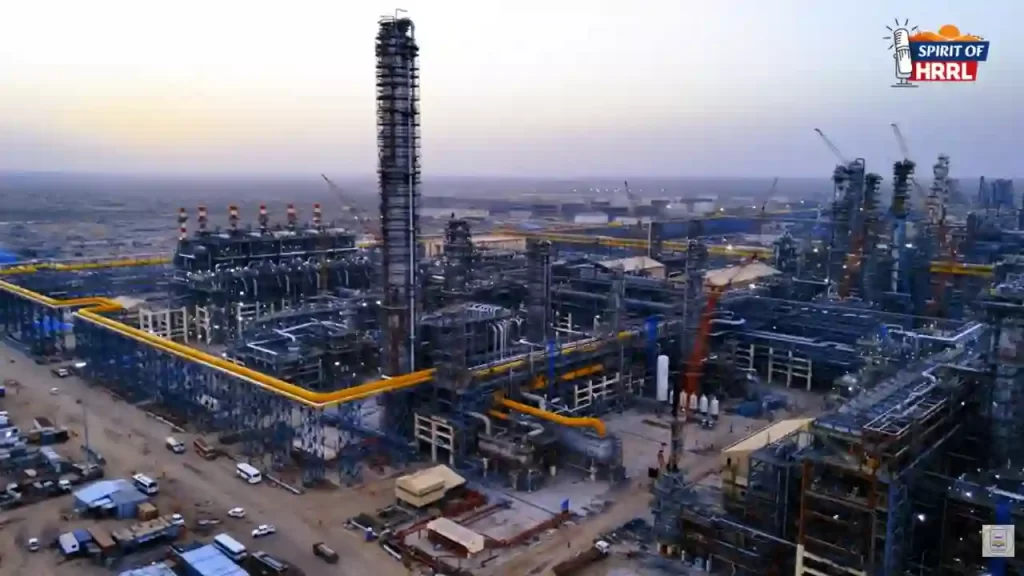
IntroductionFor over a decade, the Pachpadra refinery in Rajasthan’s Balotra district has been India’s most politically freighted infrastructure project — a facility that has had two foundation stones laid by two different prime ministers from two different parties, a cost that nearly doubled before a single barrel was processed, and an inauguration that was stopped one day before it was to happen by a fire that broke out in the Crude Distillation Unit.It is also, when you set aside the politics and the delays and the drama, one of the most consequential energy projects India has built in a generation.HPCL Rajasthan Refinery Limited, known as HRRL, is a 9 million metric tonnes per annum greenfield refinery-cum-petrochemical complex with 2.4 million metric tonnes per annum petrochemical production capacity, located in Pachpadra, Balotra district, Rajasthan. It is India’s first greenfield integrated refinery-cum-petrochemical complex, built at an estimated cost of nearly Rs 80,000 crore. It is spread across 4,400.4 acres of land in the Thar desert, operated by HPCL Rajasthan Refinery Limited, with HPCL holding 74 percent and the Government of Rajasthan holding 26 percent.When it becomes fully operational, it will be the first major refinery India has built from scratch since the 1990s — and the first one specifically designed to process the heavy, waxy crude oil that sits beneath Rajasthan’s Barmer basin, one of India’s most significant onshore oil reserves.The Origin Story: A Project That Belongs to Every PartyThe Pachpadra refinery’s political genealogy is unusual even by Indian standards. No single government can claim it. Every government has tried to.The story begins not with a foundation stone but with oil. The discovery of the Mangala oilfield in Barmer — the largest onshore oil discovery in India in more than 22 years at the time — created an obvious question: why is all this crude being pumped out of Rajasthan and sent to refineries in Gujarat and Maharashtra? Why is Rajasthan not refining its own oil?The project was first conceptualised under the Congress government. On September 18, 2013, then Congress president Sonia Gandhi laid the first foundation stone for the project, with an initial estimated cost of Rs 43,129 crore. The Ashok Gehlot government in Rajasthan was a co-signatory, and the project carried the political imprimatur of both the state and central Congress establishments.Then came 2014. The Congress lost the general election, Vasundhara Raje’s BJP government came to power in Rajasthan, and a project associated with the Congress went into the freezer — not officially abandoned, but quietly deprioritised. The joint venture structure was complicated, the land acquisition was incomplete, and the financing arrangements required renegotiation.Four years later, the BJP arrived to claim the project as its own. On January 16, 2018, Prime Minister Narendra Modi laid a second foundation stone for the same project, which now had two foundation stones from rival parties. Modi declared that the refinery would be ready by 2022 and would change the economic landscape of Rajasthan. He was wrong about 2022. He was not wrong about the economic landscape.The Project: What Is Actually Being BuiltThe refinery is operated by HPCL Rajasthan Refinery Limited, with HPCL holding 74 percent and the Government of Rajasthan holding 26 percent. An MoU for the project was signed between the state government and HPCL on April 18, 2017.The facility is not simply a refinery. The integrated nature of the project — combining refining with a large-scale petrochemical complex on the same site — is what makes it distinct from existing Indian refineries and from the original 2013 design.The refinery has a capacity of 9 million metric tonnes per annum of refining and 2.4 million metric tonnes per annum of petrochemical production. The Scheduled Commercial Operation Date is July 1, 2026.The petrochemical capacity is particularly significant. India is one of the world’s largest importers of petrochemical products — the plastic resins, synthetic fibres, rubber, adhesives, and industrial chemicals that feed into every sector of manufacturing. A domestic integrated complex reduces that import dependence and creates a foundation for downstream manufacturing investment in Rajasthan.The crude feedstock for the refinery will be Mangala crude from the Barmer basin — heavy and waxy crude that requires specialised handling including insulated pipelines and dedicated processing units. The Mangala field, discovered in January 2004, is the largest onshore oil discovery in India in more than two decades. It sits directly in Rajasthan’s backyard, and Pachpadra was designed specifically to process it, eliminating the need to transport it all the way to coastal refineries in Gujarat.HRRL is an important project considering the growing energy needs and petrochemical requirements of the country, thereby reducing the country’s dependence on imports, which will result in saving foreign exchange. The project will also contribute towards industrialisation of a backward area, usage of locally available Mangala crude and help promote India as a refining hub.The Cost: From Rs 43,129 Crore to Rs 79,459 CroreThe most uncomfortable aspect of the Pachpadra story is its cost trajectory. The initial estimated cost of the refinery was Rs 43,129 crore, and the work was scheduled to be completed by October 31, 2022. During the previous state government’s tenure, the project cost increased to Rs 72,937 crore by June 2, 2023. HPCL Rajasthan Refinery Limited submitted a proposal for a second revision of the refinery’s cost to the state government on July 24, 2025.The total project cost has been revised to Rs 79,459 crore. The Union Cabinet approved the revised cost on April 8, 2026 — just twelve days before the inauguration fire.That escalation — from Rs 43,129 crore to Rs 79,459 crore — represents an 84 percent increase from the original estimate. Several factors contributed to it: the construction delays caused by land acquisition disputes and coordination failures during the political transitions between Congress and BJP governments in both Rajasthan and at the centre; Covid-19 disruptions that halted construction for an extended period; global commodity price inflation that drove up the cost of steel, cement, and equipment; and the expansion of the petrochemical complex beyond the
Borivali–Thane Tunnel Project: Mumbai’s Underground Connectivity Revolution
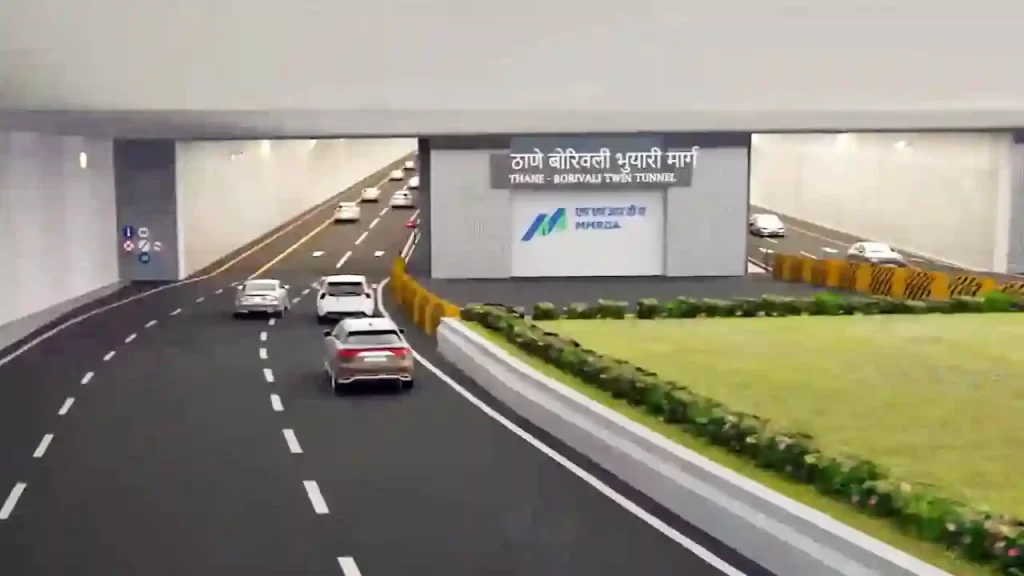
IntroductionThe Borivali–Thane Tunnel Project has emerged as one of the most ambitious urban infrastructure initiatives in India, promising to redefine mobility across the Mumbai Metropolitan Region (MMR). Designed to establish a direct underground road link between Borivali in Mumbai’s western suburbs and Thane city, the project aims to address one of the region’s most persistent transportation challenges—long travel times caused by severe traffic congestion.For decades, commuters travelling between Mumbai’s western suburbs and Thane have depended largely on Ghodbunder Road, a corridor that has become synonymous with bottlenecks, delays, and increasing traffic pressure. As residential development expanded rapidly in both Thane and the western suburbs, existing road infrastructure struggled to keep pace with growing demand.The Borivali–Thane Tunnel Project was conceived as a transformative solution to this problem. By creating a direct underground route beneath the Sanjay Gandhi National Park, the project seeks to reduce travel time dramatically while enhancing regional connectivity and supporting future urban growth.Infrastructure experts have described the tunnel as a game-changing project that could reshape commuting patterns across the Mumbai Metropolitan Region in much the same way that metro rail networks and expressways have transformed mobility in other major cities.Why the Project Became NecessaryMumbai and Thane together form one of India’s largest urban agglomerations. Every day, lakhs of people travel between the two cities for employment, education, business, healthcare, and other purposes.However, despite their geographical proximity, road connectivity between Borivali and Thane has historically been inadequate.The primary route connecting the two locations passes through Ghodbunder Road, a stretch that experiences some of the highest traffic volumes in the region. During peak hours, commuters often spend more than an hour travelling between the two destinations, with travel times occasionally extending beyond ninety minutes due to congestion.The situation has worsened over the years because of rapid urbanisation. Areas such as Thane, Mira-Bhayandar, Borivali, Kandivali, and Dahisar have witnessed substantial residential and commercial growth, leading to a significant increase in vehicular traffic.Urban planners recognised that simply widening existing roads would not be sufficient to address future transportation needs. A new high-capacity corridor was required—one that could bypass congested surface roads while preserving environmentally sensitive areas.This led to the concept of an underground tunnel connecting Borivali and Thane.Project Design and Technical SpecificationsThe tunnel system will be equippeThe project is being implemented by the Mumbai Metropolitan Region Development Authority (MMRDA) and represents one of the most technically complex road infrastructure projects currently underway in India.The tunnel will consist of twin underground tubes carrying traffic in opposite directions. Each tunnel has been designed to accommodate multiple lanes, allowing a large volume of vehicles to move efficiently between Mumbai and Thane.The alignment has been planned carefully to minimise disruption to existing urban areas while ensuring the shortest possible route between the two destinations.One of the most notable features of the project is that it passes beneath the Sanjay Gandhi National Park, enabling a direct connection without disturbing large portions of the protected forest at the surface level.The tunnel system will be equipped with state-of-the-art infrastructure, including: Modern ventilation systemsIntelligent traffic management systemsHigh-definition surveillance camerasEmergency communication networksFire detection and suppression mechanismsDedicated evacuation passagesAdvanced lighting systemsReal-time monitoring and control centresThese features are intended to ensure both operational efficiency and passenger safety. The Engineering Challenge Beneath a National ParkConstructing a tunnel beneath a protected national park presents extraordinary engineering challenges.The Sanjay Gandhi National Park is one of the few national parks located within a major metropolitan area and serves as an important ecological zone. It is home to diverse flora and fauna, including leopards and numerous bird species.Engineers must therefore ensure that tunnelling activities do not adversely affect wildlife habitats or destabilise the geological structure of the region.Extensive geotechnical surveys were conducted before finalising the alignment. These studies examined rock formations, soil characteristics, groundwater movement, and seismic conditions.The project is expected to rely on advanced Tunnel Boring Machines (TBMs), which allow underground excavation with minimal surface disturbance. These machines can cut through rock and soil while simultaneously installing tunnel lining segments, making construction safer and more efficient.Experts have noted that the project represents one of the most sophisticated applications of underground transportation engineering in India.Travel Time Reduction: The Biggest BenefitPerhaps the most significant advantage of the Borivali–Thane Tunnel Project is the dramatic reduction in travel time it promises.At present, a journey between Borivali and Thane can take anywhere between 60 and 90 minutes depending on traffic conditions.Once operational, the tunnel is expected to reduce travel time to approximately 15–20 minutes.This reduction will fundamentally change commuting patterns across the region.For daily commuters, it means:Less time spent in trafficReduced fuel consumptionLower transportation costsImproved productivityBetter work-life balanceFor businesses, faster connectivity translates into improved logistics, reduced delays, and greater operational efficiency.Environmental Debate and ConcernsDespite its expected benefits, the project has attracted considerable environmental scrutiny.The Sanjay Gandhi National Park is regarded as one of Mumbai’s most important green lungs, and environmental groups have raised concerns regarding potential impacts on biodiversity and ecological balance.Project authorities have argued that the underground alignment was specifically chosen to minimise ecological disruption.Compared with conventional road construction through forest land, tunnelling offers several advantages:Reduced tree cuttingMinimal disturbance to wildlife movementLower land acquisition requirementsPreservation of surface ecosystemsNevertheless, environmental clearances were subject to detailed assessments, and various mitigation measures have been incorporated into project planning.Balancing infrastructure development with environmental conservation remains one of the most closely watched aspects of the project.Economic Significance for the Mumbai Metropolitan RegionThe Borivali–Thane Tunnel is expected to generate substantial economic benefits extending far beyond transportation.Improved connectivity often acts as a catalyst for economic activity. Regions that become easier to access typically attract higher levels of investment, commercial development, and real estate growth.The tunnel is expected to strengthen economic integration between Mumbai’s western suburbs and Thane, creating new opportunities for businesses and industries.Real estate experts anticipate that enhanced connectivity could increase demand for residential and commercial properties in both regions.The project is also expected to create employment opportunities during construction and operation, benefiting multiple sectors including engineering, construction, materials manufacturing, and services.Integration with Mumbai’s Expanding Infrastructure NetworkThe tunnel
Himanta Biswa Sarma Sworn In as Assam Chief Minister for Second Term
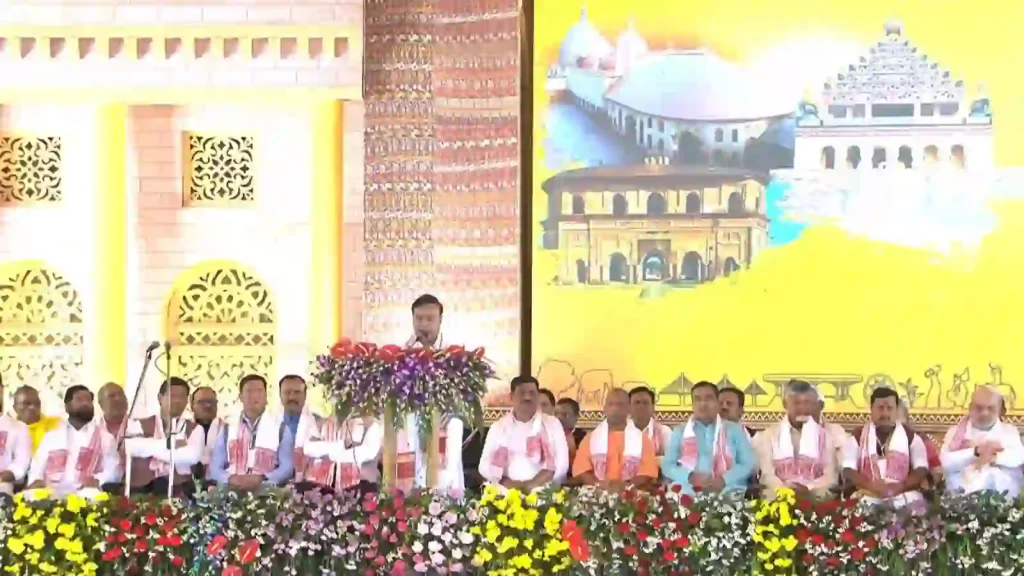
Himanta Biswa Sarma has taken oath as the Chief Minister of Assam for a second consecutive term. The swearing-in ceremony took place on May 12, 2026, in Guwahati. A large crowd gathered from across the state to witness the event. Prime Minister Narendra Modi, Union Home Minister Amit Shah, and BJP Chief Ministers from several states attended the ceremony. Sarma was elected as the leader of the BJP-led National Democratic Alliance (NDA) legislature party on May 10. Governor Lakshman Prasad Acharya administered the oath of office and secrecy. Along with Sarma, four new ministers were also sworn in. Two belong to the BJP, and two come from local alliance partners.The BJP-led NDA won a decisive victory in the Assam Assembly elections held on April 9. The party secured 82 seats out of 126 in the assembly. Its allies, the Asom Gana Parishad (AGP) and the Bodoland People’s Front (BPF), won 10 seats each. The NDA total reached 102 seats, giving it a two-thirds majority. This marks the third consecutive term for the BJP in Assam. The victory consolidates Sarma’s position as one of the most powerful leaders in India’s Northeast.From Congress to BJP: A Political Journey That Transformed AssamHimanta Biswa Sarma was born into a middle-class family in Assam. He started his political career with the Indian National Congress. He served as a minister in the Congress government led by former Chief Minister Tarun Gogoi. Gogoi’s son, Gaurav Gogoi, is now the main opposition leader in Assam. Gaurav lost the recent election in the Jorhat seat. Sarma has held the Jalukbari constituency seat near Guwahati since 2001. He won it despite changing political parties.Sarma’s move to the BJP in 2015 became a turning point for the party in the Northeast. He brought several loyal legislators with him. This defection weakened the Congress significantly. Many political observers call it the moment the BJP truly entered Assam politics. Before 2015, the BJP’s vote share in Assam was less than 12 percent. Today, it has grown to 38 percent. The BJP came to power in 2016 for the first time and has kept it since.During Sarbananda Sonowal’s tenure as Chief Minister from 2016, Sarma worked as a back-end organizer. He fueled the BJP’s expansion drive across the region. He helped build alliances with local groups in Arunachal Pradesh, Manipur, and Tripura. Sarma became the chief minister in 2021. His re-election in 2026 shows he has strengthened his position within the party. Colleagues credit his aggressive campaigns, welfare programs, and tight organizational control for his success.Sarma’s Winning Formula: Identity, Outreach, and DevelopmentPolitical scientists say Sarma’s strategy works on three levels. Professor Akhil Ranjan Dutta of Gauhati University explains these clearly. The first aspect is identity. The BJP brought indigenous communities closer to a broader Hindu identity. At the same time, the party portrayed some groups as outsiders. This approach resonated with many voters in Assam.The second aspect is targeted outreach. The BJP under Sarma engaged women, young people, farmers, and small business owners. Schemes and messaging were aimed directly at their needs. The Orunodoi program became the most popular initiative. It provides financial assistance to women from low-income households. Millions of women received monthly payments. This scheme created a direct link between the government and rural families.The third aspect is development. Sarma focused heavily on roads, bridges, and infrastructure. Remote villages got better connectivity. Schools and hospitals received upgrades. The government emphasized digital services and ease of living. Supporters call him an effective administrator who delivers results. They say his leadership brought stability and progress to Assam after decades of unrest.Controversies Around Migration, Identity, and Minority PoliciesCritics argue that Sarma’s rise came with divisive political messaging. Issues of migration and identity have dominated Assam politics for decades. Immigration from neighboring Bangladesh remains highly sensitive. Debates over language, land, and identity shape every election. Opposition parties and rights groups accuse the BJP government of targeting minorities. Bengali-speaking Muslims face particular criticism under Sarma’s administration.Sarma’s policies linked to Islamic schools sparked intense debate. The government announced that all government-run madrassas would be shut down. Supporters say this modernizes education. Critics call it an attack on Muslim culture. Policies on child marriage also drew attention. The government tightened rules to prevent early marriages. Many see this as social reform. Others view it as interference in religious practices.Earlier this year, an AI-generated video created controversy. The state BJP unit shared a video that appeared to show Sarma firing at images of political opponents wearing Muslim skull caps. The video was later deleted. Opposition parties and civil society groups condemned it. The Congress asked the judiciary to take action. Sarma and BJP leaders reject accusations of targeting minorities. They say their policies protect Assamese culture and address illegal immigration.Key Achievements and Popular Welfare SchemesThe Orunodoi scheme remains Sarma’s most beloved achievement. It provides direct cash transfer to women in poor households. Over 2.5 million families receive monthly support. The program empowers women financially. It reduces dependency on men. Rural women say the money helps buy food, medicine, and school supplies.Infrastructure development has improved significantly. New bridges connected remote villages. Roads reached areas that lacked motorable access for decades. The PMGSY scheme was expanded under Sarma’s leadership. Healthcare facilities improved in the districts. Mobile health units visit remote blocks. Education saw upgrades, too. Digital classrooms were introduced in government schools.Scheme implementation focused on transparency. Direct benefit transfers reduced corruption. Middlemen could not siphon funds. Technology helped track delivery. Sarma’s government used data to identify beneficiaries. This approach increased efficiency. People saw money reaching their accounts quickly. The administration promoted itself as technology-driven and result-oriented.Challenges Ahead: Governance, Unity, and National RoleSarma faces several challenges in his second term. He must balance development with social harmony. The state remains polarized along identity lines. Rebuilding trust with minority communities requires effort. The government must address unemployment among youth. Education-quality gaps persist in rural areas. Healthcare infrastructure needs further strengthening.Environmental concerns also matter. Assam faces floods almost every year. Climate change increases rainfall intensity.
Mumbai’s Mahalaxmi Racecourse Transforms into a Giant Central Park
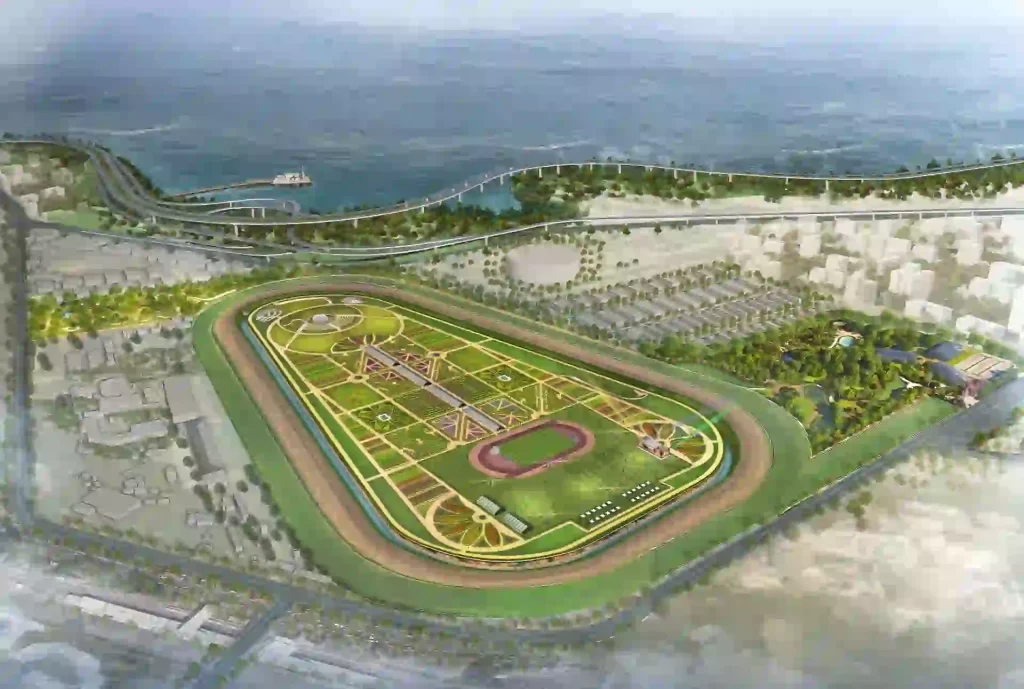
Mumbai, a city famous for its crowded streets and tall buildings, is about to gain a massive green escape. The historic Mahalaxmi Racecourse, a 211-acre colonial-era landmark leased to the Royal Western India Turf Club (RWITC), will become Mumbai Central Park. This ambitious project promises to create India’s largest urban park at 295 acres, blending vast green spaces, world-class sports facilities, and entertainment hubs. Deputy Chief Minister Eknath Shinde announced the plan, calling it the “biggest central park in Indian city history.” The now controls 120 acres of racecourse land after the old lease expired, adding 175 acres from the nearby Coastal Road project. No buildings will rise on the surface, just eco-friendly greenery modeled after New York’s and London’s iconic Central Parks.A Historic Site Gets a Green RebirthThe Mahalaxmi Racecourse opened in 1883 as Mumbai’s premier horse-racing venue, facing the Arabian Sea with grandstands and stables. The BMC owns the land but leases it long-term to RWITC. That lease ended recently, sparking a new 30-year deal from June 2023 to May 2053 for RWITC’s 91 remaining acres, keeping the racing track, stables, and heritage clubhouse intact. Architect Hafeez Contractor submitted the blueprint to BMC in August 2025, envisioning a park that honors history while serving millions.The park expands Mumbai’s green cover from 3,917 acres to 4,212 acres. Shinde stressed: “No construction on the racecourse. It will be a pure oxygen park for Mumbaikars.” An underpass links it to Annie Besant Road at Haji Ali, making it walkable from Worli to Breach Candy.Vast Green Spaces and Themed GardensAt the heart lies 125 acres of racecourse greens turning into lush landscapes:70-acre Topiary Garden: Artfully clipped shrubs, hedges, and sculptures.31-acre Botanical Garden: Medicinal trees/herbs, giant water-lily pond, palm grove, hillock, arboretum, kids’ play area, food kiosks.Diverse gardens: Perennial, annual, monsoon, seasonal, aquatic, succulent, organic farm, and a fun maze.Add an amphitheatre for 900 people, events lawn, stage, perfect for festivals, yoga, concerts. Coastal Road land adds wetlands, lakes, jogging tracks, and cycle paths. Imagine families picnicking under banyans, seniors strolling shaded paths, amid Mumbai’s concrete jungle.Underground Wonders: Sports and Parking GaloreSurface stays green, but below ground? High-tech action:10 lakh sq ft Sports Complex (Olympic-standard): 11 volleyball courts, 4 basketball/handball, 14 cricket nets, 2 gymnastics, 6 kho-kho, 14 badminton, 18 squash courts, 2 skating rinks, velodrome.Three-level Parking: Space for 5,000 cars, easing traffic.9-acre Convention Centre: Three 7,440 sq m halls, 50,000 sq ft pre-function area for expos, weddings, global summits.These stay hidden, preserving open skies. RWITC gets Rs 100 crore from the government for stable upgrades, no BMC burden.Political Fire and Public DebateNot everyone cheers. Shiv Sena (UBT) leader Aaditya Thackeray slammed it as a “BJP-mindhe regime” ploy to favor builders. He accused forced terms on RWITC’s 1,718 members, vowed probes if MVA returns: No underground builds, protect heritage, scrap “bribe-like” membership clauses, BMC-free stables. RWITC’s January 2025 vote approved a new clubhouse and repairs, but critics fear open-space grabs.Why Mumbai Needs This Oxygen BoostMumbai’s air chokes on pollution; lungs like Shivaji Park strain under 2 crore people. This park fights climate change, cools heat islands, and boosts biodiversity. Health perks: Sports for youth, walks for elders. Economy: Conventions draw business; tourism spikes with sea views. RWITC races continue uninterrupted.Hafeez Contractor’s vision: “A game-changer.” From horses to habitats, Mahalaxmi evolves, green, active, alive. If built right, Mumbai Central Park becomes the city’s beating heart, rivaling global icons.
Mumbai Water Metro: Sailing to Ease Traffic and Revive Island City’s Waterways
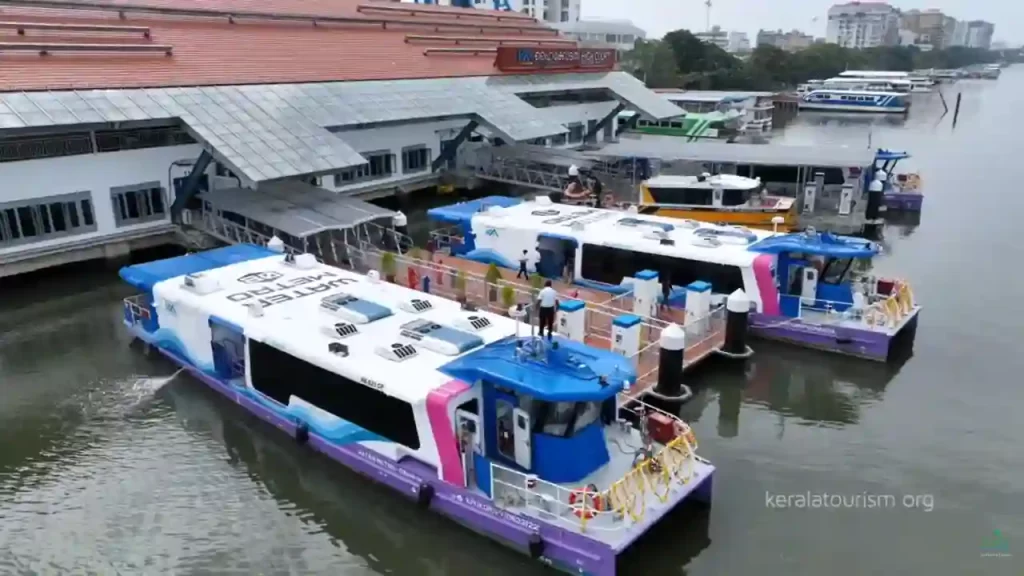
Mumbai, India’s bustling financial hub built on seven islands, faces daily chaos from overcrowded trains, jammed roads, and rising seas of cars. Commuters waste hours in gridlock, while ferries, once a lifeline, faded after failed tries like 1990s hovercrafts and a short-lived Belapur-Gateway run. Enter the Mumbai Water Metro: an ambitious 36-route network across the Mumbai Metropolitan Region (MMR) to ferry up to 18 million passengers yearly. Chief Minister Devendra Fadnavis gave in-principle nod on March 17, 2026, calling it a “coastal transport revolution.” Modelled on Kerala’s hit Kochi system, this Rs 6,592-crore plan taps Mumbai’s 340 km of waterways for scenic, green rides, slashing commute times, boosting tourism, and building shipyards.A Vision to Turn Tides on CongestionMumbai’s locals pack 75 lakh daily; roads choke with 40 lakh vehicles. Water Metro offers breezy escapes: 21 initial routes over 125-340 km (Phase 1: 215 km new + 125 km upgraded), with 25-44 terminals. Daily riders: 44,000; yearly: 18 million, rising to 75 million by 2031. Electric ferries zip between islands, bypassing potholes for sea views of Marine Drive, Bandra-Worli Sea Link.Fadnavis envisions it as the world’s largest water transport network, easing suburban rail pressure (already 1.6 crore water passengers yearly). Ports Minister Nitesh Rane: Start Mumbai city core, expand MMR, linking to Navi Mumbai Airport in 40 minutes from Gateway jetty.Key Routes: From Commutes to CruisesPhase 1 spotlights high-demand hops (6-10 initially):City Core: Nariman Point-Worli-Bandra-Juhu-Versova (coastal buzz).North Links: Versova-Madh, Marve-Manori, Gorai-Borivali (beaches, suburbs).Harbour Hops: Gateway-Mandwa, Belapur-Elephanta (tourist gems).Creek Crossings: Thal-Khanderi, Vasai Creek, Thane Creek, Ulhas River.Airport Express: Gateway to Navi Mumbai International Airport.Outer Reaches: Vasai-Kalyan-Kalher-Bandra-Vashi-Nariman Point.Later: Ro-Pax (car ferries), tourism circuits to Vasai Fort, bird sanctuaries, and parks. Fixed schedules like metro: Peak-hour frequency, digital tickets, rail-metro links.Green Fleet and Smart Tech for Smooth Sails207 vessels mix electrics (zero emissions), hydrofoils (fast), hovercrafts, hybrids, handling 3.5m tides. Private ops under PPP: Govt funds Rs 3,436 crore (civils, safety, jetties); privates Rs 3,156 crore (boats). Operations Control Centre at Kalher (Bhiwandi), backup Fountain Junction (Mira-Bhayandar); dedicated boatyard for local builds.Phases roll steadily:Phase 1 (by 2029): Rs 1,500 crore core network.Phase 2 (2030): Expansion.Phase 3 (2036): Full glory.Kochi Metro Rail Ltd’s DPR (submitted early 2026) guides; the consultant will be appointed in 4 months, then clearances, tenders.Kochi Model: Mumbai’s Fare GuideMumbai Water Metro ticket costs are not yet finalized, as the project is in planning (DPR stage, rollout eyed December 2026 onward). Officials aim for affordable fares like Kochi’s model (its blueprint), to beat past flops from high prices. Expect Rs 10-50 per short hop (e.g., 5-10 km), scaling with distance, cheaper than taxis (Rs 200+), on par with buses (Rs 10-30), and scenic vs. trains. Daily passes, monthly options, and UPI/app tickets planned.Kochi Water Metro (Mumbai’s inspiration) sets the benchmark:Single journey: Rs 20 minimum to Rs 40-50 maximum (e.g., Vytilla-High Court: Rs 40; Fort Kochi: Rs 40).Kochi1 Card: Rechargeable smart card (metro+water), 20% discount.Passes:Pass TypeCostValidityWeeklyRs 1807 daysMonthlyRs 60030 daysQuarterlyRs 1,50090 daysPast Flops to Future Wins: Learning from Waves1990s hovercrafts sank on costs; 2024 Belapur-Gateway fizzled on low uptake. This time? Affordable fares (Rs 20-50?), eco-focus, integration fix it. Kochi’s success (78 boats, 5 lakh riders/month) proves demand; Mumbai’s waterways are unused despite island roots.Hurdles and HorizonsEco-clearances, tides, and monsoons challenge, but tidal-proof jetties and weather-resilient boats are ready. By 2036, imagine: Skip Virar trains, sail Versova-Bandra in 20 minutes; tourists yacht Worli sunsets. Mumbai sails again, cleaner, calmer, connected.