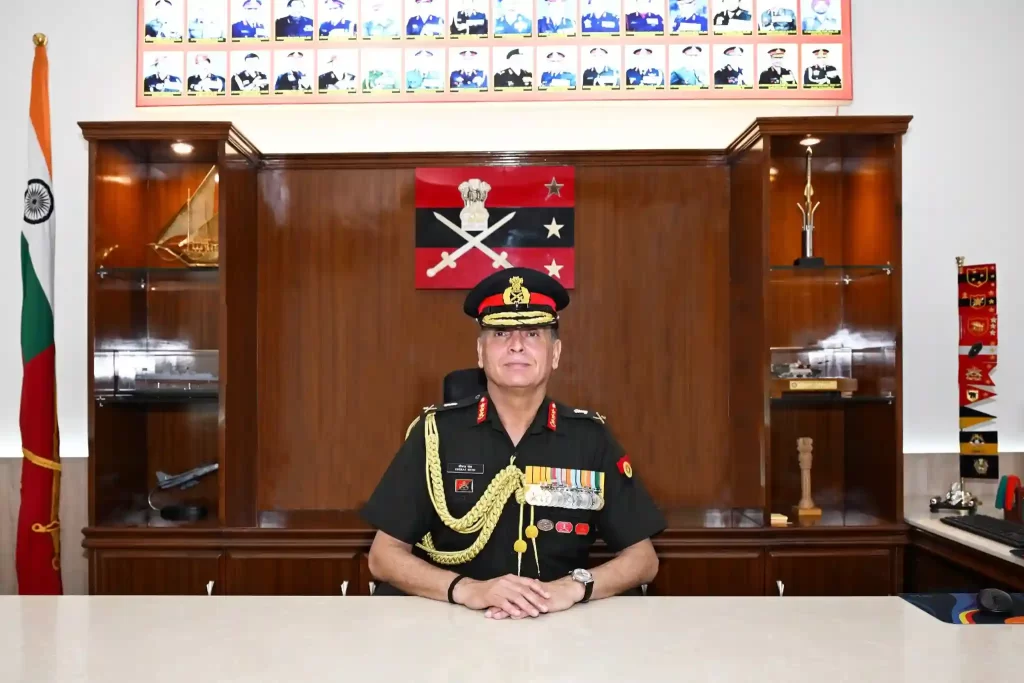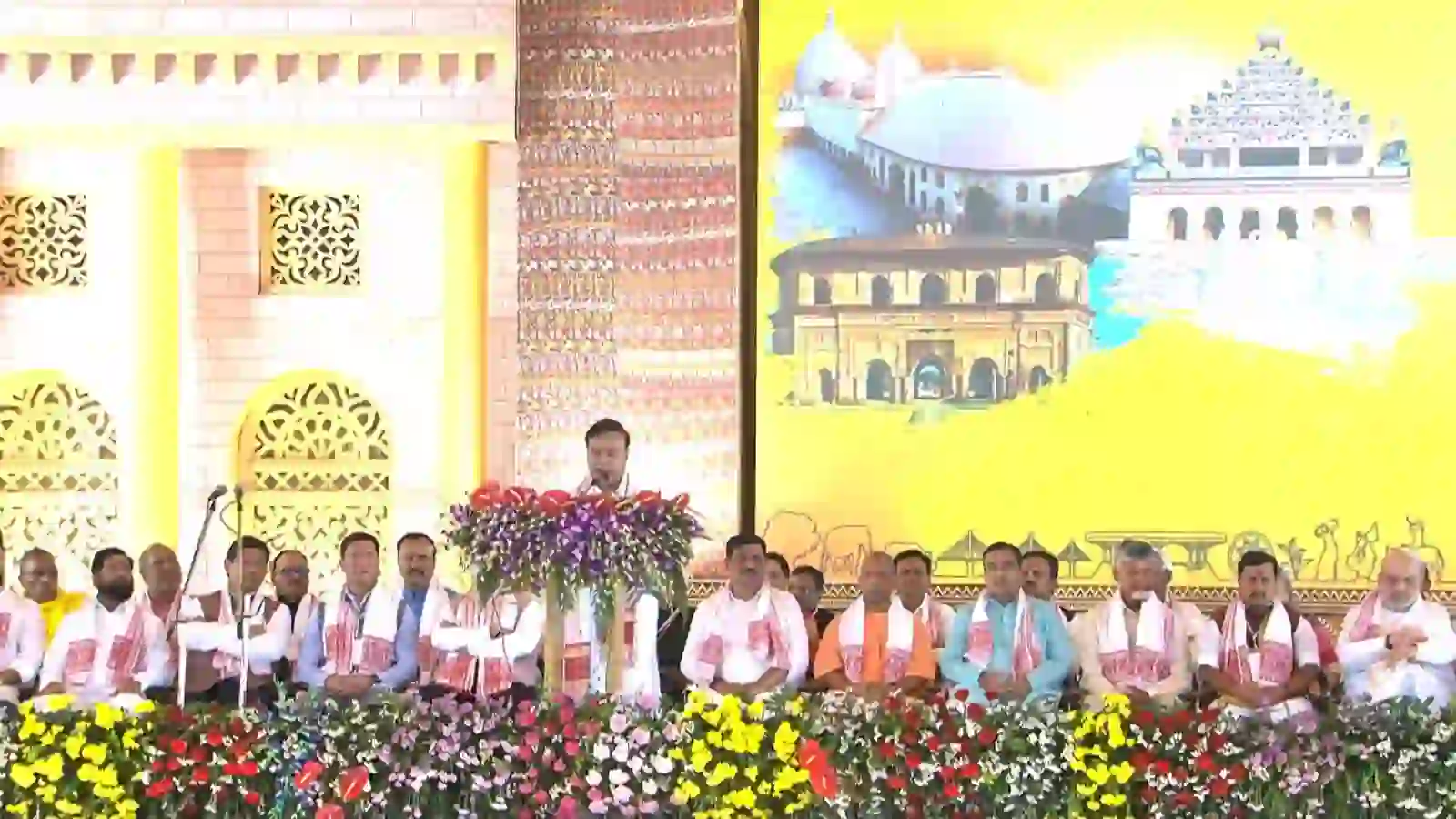
Himanta Biswa Sarma has taken oath as the Chief Minister of Assam for a second consecutive term. The swearing-in ceremony took place on May 12, 2026, in Guwahati. A large crowd gathered from across the state to witness the event. Prime Minister Narendra Modi, Union Home Minister Amit Shah, and BJP Chief Ministers from several states attended the ceremony. Sarma was elected as the leader of the BJP-led National Democratic Alliance (NDA) legislature party on May 10. Governor Lakshman Prasad Acharya administered the oath of office and secrecy. Along with Sarma, four new ministers were also sworn in. Two belong to the BJP, and two come from local alliance partners.
The BJP-led NDA won a decisive victory in the Assam Assembly elections held on April 9. The party secured 82 seats out of 126 in the assembly. Its allies, the Asom Gana Parishad (AGP) and the Bodoland People's Front (BPF), won 10 seats each. The NDA total reached 102 seats, giving it a two-thirds majority. This marks the third consecutive term for the BJP in Assam. The victory consolidates Sarma's position as one of the most powerful leaders in India's Northeast.
From Congress to BJP: A Political Journey That Transformed Assam
Himanta Biswa Sarma was born into a middle-class family in Assam. He started his political career with the Indian National Congress. He served as a minister in the Congress government led by former Chief Minister Tarun Gogoi. Gogoi's son, Gaurav Gogoi, is now the main opposition leader in Assam. Gaurav lost the recent election in the Jorhat seat. Sarma has held the Jalukbari constituency seat near Guwahati since 2001. He won it despite changing political parties.
Sarma's move to the BJP in 2015 became a turning point for the party in the Northeast. He brought several loyal legislators with him. This defection weakened the Congress significantly. Many political observers call it the moment the BJP truly entered Assam politics. Before 2015, the BJP's vote share in Assam was less than 12 percent. Today, it has grown to 38 percent. The BJP came to power in 2016 for the first time and has kept it since.
During Sarbananda Sonowal's tenure as Chief Minister from 2016, Sarma worked as a back-end organizer. He fueled the BJP's expansion drive across the region. He helped build alliances with local groups in Arunachal Pradesh, Manipur, and Tripura. Sarma became the chief minister in 2021. His re-election in 2026 shows he has strengthened his position within the party. Colleagues credit his aggressive campaigns, welfare programs, and tight organizational control for his success.
Sarma's Winning Formula: Identity, Outreach, and Development
Political scientists say Sarma's strategy works on three levels. Professor Akhil Ranjan Dutta of Gauhati University explains these clearly. The first aspect is identity. The BJP brought indigenous communities closer to a broader Hindu identity. At the same time, the party portrayed some groups as outsiders. This approach resonated with many voters in Assam.
The second aspect is targeted outreach. The BJP under Sarma engaged women, young people, farmers, and small business owners. Schemes and messaging were aimed directly at their needs. The Orunodoi program became the most popular initiative. It provides financial assistance to women from low-income households. Millions of women received monthly payments. This scheme created a direct link between the government and rural families.
The third aspect is development. Sarma focused heavily on roads, bridges, and infrastructure.
Remote villages got better connectivity. Schools and hospitals received upgrades. The government emphasized digital services and ease of living. Supporters call him an effective administrator who delivers results. They say his leadership brought stability and progress to Assam after decades of unrest.
Controversies Around Migration, Identity, and Minority Policies
Critics argue that Sarma's rise came with divisive political messaging. Issues of migration and identity have dominated Assam politics for decades. Immigration from neighboring Bangladesh remains highly sensitive. Debates over language, land, and identity shape every election. Opposition parties and rights groups accuse the BJP government of targeting minorities. Bengali-speaking Muslims face particular criticism under Sarma's administration.
Sarma's policies linked to Islamic schools sparked intense debate. The government announced that all government-run madrassas would be shut down. Supporters say this modernizes education. Critics call it an attack on Muslim culture. Policies on child marriage also drew attention. The government tightened rules to prevent early marriages. Many see this as social reform. Others view it as interference in religious practices.
Earlier this year, an AI-generated video created controversy. The state BJP unit shared a video that appeared to show Sarma firing at images of political opponents wearing Muslim skull caps. The video was later deleted. Opposition parties and civil society groups condemned it. The Congress asked the judiciary to take action. Sarma and BJP leaders reject accusations of targeting minorities. They say their policies protect Assamese culture and address illegal immigration.
Key Achievements and Popular Welfare Schemes
The Orunodoi scheme remains Sarma's most beloved achievement. It provides direct cash transfer to women in poor households. Over 2.5 million families receive monthly support. The program empowers women financially. It reduces dependency on men. Rural women say the money helps buy food, medicine, and school supplies.
Infrastructure development has improved significantly. New bridges connected remote villages. Roads reached areas that lacked motorable access for decades. The PMGSY scheme was expanded under Sarma's leadership. Healthcare facilities improved in the districts. Mobile health units visit remote blocks. Education saw upgrades, too. Digital classrooms were introduced in government schools.
Scheme implementation focused on transparency. Direct benefit transfers reduced corruption. Middlemen could not siphon funds. Technology helped track delivery. Sarma's government used data to identify beneficiaries. This approach increased efficiency. People saw money reaching their accounts quickly. The administration promoted itself as technology-driven and result-oriented.
Challenges Ahead: Governance, Unity, and National Role
Sarma faces several challenges in his second term. He must balance development with social harmony. The state remains polarized along identity lines. Rebuilding trust with minority communities requires effort. The government must address unemployment among youth. Education-quality gaps persist in rural areas. Healthcare infrastructure needs further strengthening.
Environmental concerns also matter. Assam faces floods almost every year. Climate change increases rainfall intensity. The government must invest in flood control measures. River erosion displaces thousands of families annually. Sustainable solutions are required. Agricultural productivity must improve. Farmers face market access problems. Cold storage and processing units are scarce.
Sarma's role within the BJP is growing nationally. He is now one of the party's most influential leaders in eastern India. He plays a key role in election campaigns across the country. His experience in the Northeast helps the BJP understand tribal and minority voters. Sarma represents a new generation of BJP leaders. He combines organizational strength with managerial skills.
The Road Forward: Viksit Assam and Double-Engine Governance
Sarma expressed gratitude to Prime Minister Modi, Amit Shah, and JP Nadda after becoming the leader. He thanked NDA MLAs for their support. He said the mandate reflects people's faith in development and stability. Sarma reaffirmed his commitment to serve Assam. He promised to build "Viksit Assam" alongside "Viksit Bharat."
This ensures the smooth implementation of schemes.
Union Minister JP Nadda congratulated Sarma warmly. Nadda said eight BJP legislators proposed Sarma's name as the legislature party leader. He wrote that the people of Assam blessed development, stability, and public welfare for the third time. Nadda emphasized that the double-engine government will help realize the resolve of Viksit Assam. The vision includes modern infrastructure, a skilled workforce, and inclusive growth.
Sarma's strategies worked on multiple levels. Identity politics brought indigenous communities together. Welfare schemes won over women and the poor. Development projects impressed voters seeking progress. The combination created a winning formula. As Assam moves forward, the people will judge success by results. Employment, education, health, and harmony matter most. Sarma's second term will define whether his vision becomes reality for all Assamese people.