
Introduction
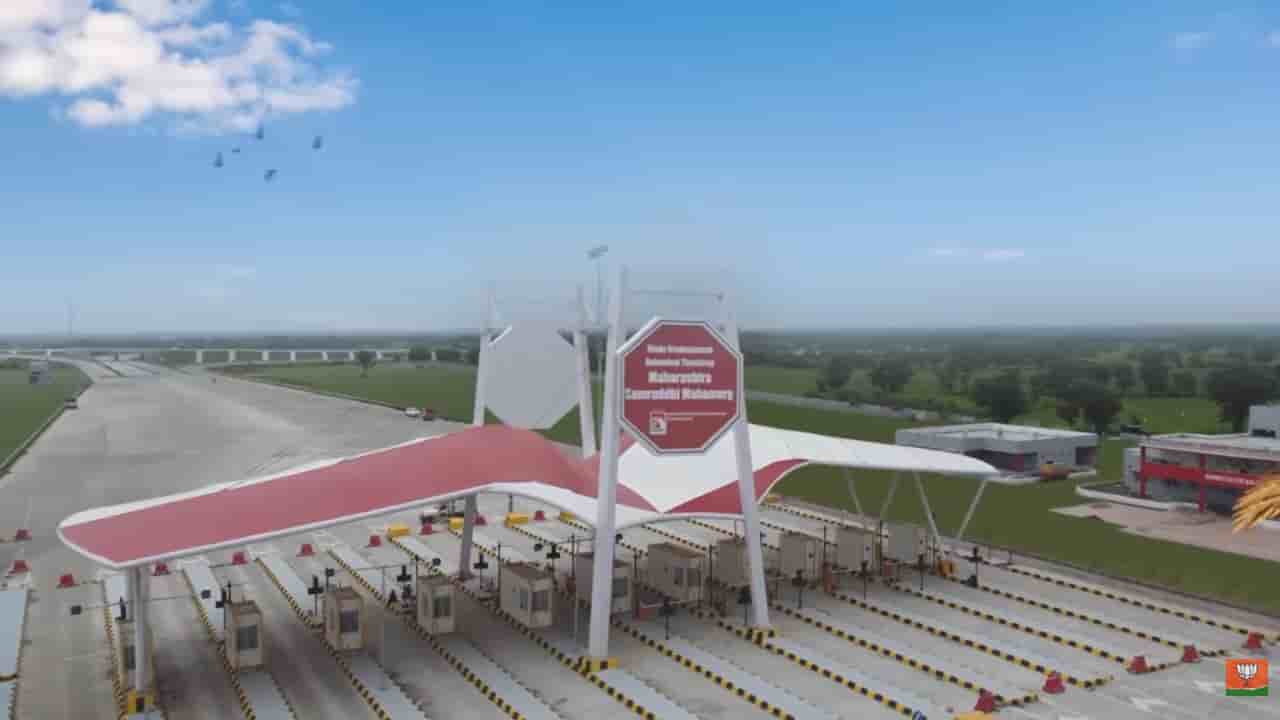
The Hindu Hrudaysamrat Balasaheb Thackeray Maharashtra Samruddhi Mahamarg, commonly known as the Samruddhi Mahamarg, is one of India’s most ambitious expressway projects aimed at transforming connectivity and economic development across Maharashtra. Designed as a high-speed, access-controlled corridor, the expressway connects the state capital Mumbai with Nagpur, significantly reducing travel time and boosting regional growth.
The project represents a major step in strengthening infrastructure while promoting balanced development across urban and rural regions of the state.
Project Overview and Route
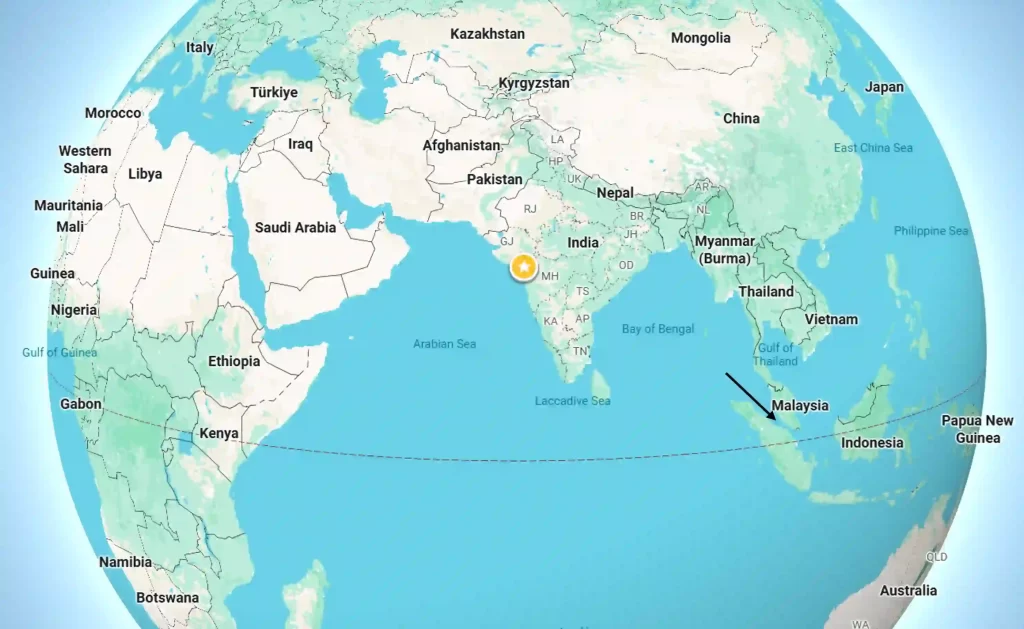
The Samruddhi Mahamarg spans approximately 701 kilometres, making it one of the longest expressways in India. It passes through 10 districts and connects key regions including Nashik, Aurangabad (now Chhatrapati Sambhajinagar), and Amravati.
The expressway has been developed by the Maharashtra State Road Development Corporation and is designed for high-speed vehicular movement, with a maximum speed limit of up to 120 km/h.
The corridor begins near Mumbai and stretches eastward to Nagpur, creating a direct and efficient link between the two major cities.
Need and Vision Behind the Project
Before the construction of the Samruddhi Mahamarg, travel between Mumbai and Nagpur could take up to 16–18 hours due to traffic congestion and road conditions. The need for a faster, safer, and more efficient route was critical for both passenger and freight movement.
The vision behind the project goes beyond connectivity. It aims to create an “economic corridor” by:
- Linking underdeveloped regions with major markets
- Promoting industrial and agricultural growth
- Encouraging investment along the route
The expressway is expected to serve as a backbone for regional development in Maharashtra.
Key Features and Design
The Samruddhi Mahamarg incorporates modern infrastructure and safety features to ensure smooth and secure travel.
Access-Controlled Expressway
The highway is fully access-controlled, meaning vehicles can enter and exit only at designated interchanges. This reduces traffic interruptions and enhances safety.
High-Speed Corridor
With multiple lanes and a high design speed, the expressway enables faster travel compared to traditional highways.
Advanced Safety Measures
The project includes:
- Wildlife crossings and underpasses
- Emergency response systems
- Surveillance and monitoring infrastructure
These measures aim to minimise accidents and ensure passenger safety.
Smart Infrastructure
The expressway is equipped with intelligent traffic management systems, making it one of the technologically advanced road projects in India.
Economic Impact and Development Potential
The Samruddhi Mahamarg is expected to have a transformative impact on Maharashtra’s economy.
Boost to Trade and Logistics
By reducing travel time and transportation costs, the expressway enhances the efficiency of goods movement across the state.
Industrial Growth
The government has planned the development of industrial hubs, logistics parks, and smart cities along the corridor. These developments are expected to attract investment and generate employment.
Agricultural Benefits
Farmers in rural regions will gain better access to markets, reducing wastage and increasing income opportunities.
Progress and Implementation
The expressway has been opened in phases, with major sections becoming operational between 2022 and 2024. By 2024, the full stretch connecting Mumbai and Nagpur was largely completed and made accessible to the public.
The phased approach allowed for gradual integration of the expressway into the state’s transport network while ensuring quality construction.
Environmental and Social Considerations
Given the scale of the project, environmental and social impacts have been closely monitored.
Land Acquisition
The project required acquisition of land across multiple districts, which involved compensation and rehabilitation of affected communities.
Environmental Measures
Efforts have been made to:
- Develop green belts along the expressway
- Provide wildlife crossings in forest areas
- Minimise ecological disruption
Despite these efforts, concerns have been raised about environmental impact and land use changes.
Challenges Faced
The development of the Samruddhi Mahamarg encountered several challenges:
- Large-scale land acquisition
- Coordination across multiple districts
- Environmental clearances
- Construction during the COVID-19 pandemic
However, the project was completed through coordinated efforts between government agencies and contractors.
Strategic Importance
The expressway is not just a transport project but a strategic infrastructure initiative that strengthens Maharashtra’s position as an economic powerhouse.
By connecting major cities and emerging regions, it supports:
- Balanced regional development
- Improved connectivity to ports and industrial zones
- Integration with national highway networks
Final Perspective
The Samruddhi Mahamarg stands as a landmark achievement in India’s infrastructure development. By drastically reducing travel time between Mumbai and Nagpur and creating new economic opportunities along its route, the project has redefined connectivity in Maharashtra.
More importantly, it reflects a broader shift towards building infrastructure that not only facilitates movement but also drives inclusive growth, linking cities, industries, and rural communities into a unified economic corridor.