


Pandharpur Wari 2026: Maharashtra’s Great Pilgrimage of Faith, Equality, and Shared Devotion
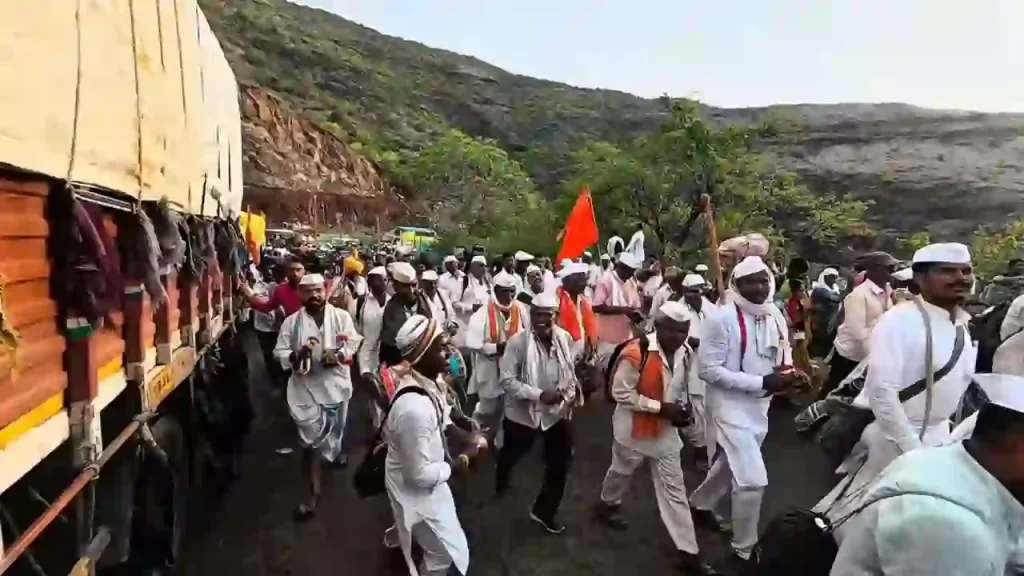
Pandharpur Wari is one of Maharashtra’s most enduring and emotionally powerful traditions, a centuries-old walking pilgrimage that transforms faith into movement and devotion into community. In 2026, the Wari runs from July 7 to July 25, culminating on Ashadhi Ekadashi, with the Sant Tukaram Maharaj Palkhi departing Dehu on July 7 and the Sant Dnyaneshwar Maharaj Palkhi leaving Alandi on July 8 before both streams converge at Pandharpur after nearly three weeks on foot.What Makes Wari SpecialThe Pandharpur Wari is not just a religious event; it is a living expression of Maharashtra’s Bhakti tradition, where Warkaris walk together singing abhangs, chanting “Vitthal Vitthal” and “Dnyanoba Tukaram,” and carrying saffron flags as they make their way to the Vitthal-Rukmini temple in Pandharpur. Its deeper power lies in its inclusive spirit, because the pilgrimage transcends caste, class, and region, bringing together lakhs of people in a shared discipline of prayer, service, and endurance.The route itself becomes part of the experience. Villages and towns along the way welcome the pilgrims with food, water, medical aid, music, and volunteer support, turning the road into a moving festival of hospitality and collective care. For many participants, the journey is as important as the destination, because the slow walk, the group chants, and the shared hardship create a sense of spiritual purification that a single temple visit cannot match.Routes and Key DatesThe 2026 pilgrimage follows the traditional twin-procession structure that has defined the Ashadhi Wari for generations. Sant Tukaram Maharaj’s palkhi leaves Dehu on July 7, Sant Dnyaneshwar Maharaj’s palkhi departs Alandi on July 8, both reach Wakhri on July 23, arrive in Pandharpur on July 24, and culminate on Ashadhi Ekadashi on July 25.These processions are the heart of the Wari because they carry the padukas, or sacred sandals, of the saint-poets whose writings and teachings gave the Warkari tradition its distinctive spiritual identity. The structure of the pilgrimage, with fixed stopping points and a disciplined timetable, is not accidental; historical reform in the early 19th century helped formalize the route and rhythm, giving the Wari its modern shape.Roots in the Bhakti TraditionThe Wari is closely tied to the Warkari panth, a devotional movement within Maharashtra’s Vaishnav tradition that emphasizes humility, collective worship, and the direct remembrance of Lord Vitthal. The tradition is more than 700 years old, and in some accounts it is traced to 700–800 years of continuous practice, making it one of India’s oldest living pilgrimage cultures.Sant Dnyaneshwar, who wrote the Dnyaneshwari, a Marathi rendering of the Bhagavad Gita, and Sant Tukaram, known for his powerful abhangs, are central to this spiritual world. Their teachings turned devotion into daily practice, and the Wari became the most visible annual embodiment of that philosophy, a journey where songs, discipline, and community service all became forms of worship.Lord Vitthal and PandharpurAt the end of the journey stands the Vitthal-Rukmini temple in Pandharpur, where devotees seek blessings from Lord Vitthal, whose black stone image stands in a distinctive posture with hands on the waist. The iconic form is linked in tradition to the legend of Pundalik, the devoted son who is said to have asked the deity to wait on a brick while he tended to his parents, giving the god his signature standing pose.This story gives the Wari much of its emotional power because it combines divine presence with ordinary duty, teaching that devotion is not separate from family responsibility and lived ethics. The pilgrimage therefore feels both intensely sacred and deeply humane, rooted in the idea that God walks with those who walk in service, discipline, and love.The Wari is physically demanding, often stretching over about 21 days and covering nearly 250 kilometres on foot, yet devotees embrace the hardship as part of the vow. Most Warkaris travel in dindis, or organized groups, and many come from agricultural villages where the rhythm of life is shaped by seasons, faith, and community support.Along the route, bhajans, kirtans, folk dance, and the famous ringan horse ritual sustain the pilgrims and transform exhaustion into collective energy. The rainy monsoon landscape adds another layer to the journey, making the pilgrimage visually dramatic but also practically challenging, which is why charitable support and volunteer aid are such essential parts of the experience.Modern Support for an Ancient JourneyThe 2026 Wari is also showing how modern brands and local communities are adapting to support an ancient tradition. Gemini, for example, has introduced four Seva Vans from Pune equipped with charging stations for pilgrims, while also supplying oil to restaurant partners, distributing one lakh transparent utility pouches, pocket aartis, and commemorative keychains to make the journey more comfortable.That kind of support matters because it reflects how the Wari continues to evolve without losing its soul. The pilgrimage remains rooted in faith, but it now also involves logistics, safety, hydration, connectivity, and monsoon preparedness, proving that living traditions survive not by freezing in time but by adapting to the needs of each generation.ConclusionPandharpur Wari 2026 is more than a religious calendar event; it is a centuries-old social institution that turns walking into worship, community into discipline, and devotion into a shared public ethic. Its power lies in the way it unites saint-poetry, temple ritual, rural culture, and collective service into one moving tradition, one that still draws lakhs of devotees every year to the holy land of Vitthal.As the Dehu and Alandi palkhis begin their journey and converge at Pandharpur for Ashadhi Ekadashi on July 25, the Wari once again reminds Maharashtra, and India, that faith can be both personal and communal, ancient and modern, demanding and joyful. In an age of speed, the Wari’s slow walk remains its greatest strength, because it asks people not only to arrive, but to become something better along the way.Video: YT/@DevendraFadnavis
Borivali–Thane Tunnel Project: Mumbai’s Underground Connectivity Revolution
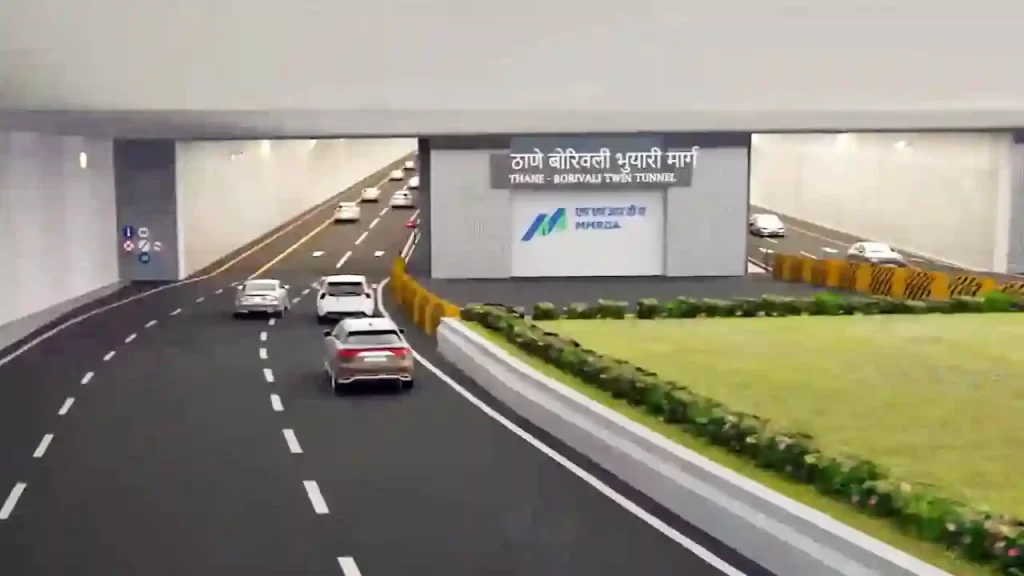
IntroductionThe Borivali–Thane Tunnel Project has emerged as one of the most ambitious urban infrastructure initiatives in India, promising to redefine mobility across the Mumbai Metropolitan Region (MMR). Designed to establish a direct underground road link between Borivali in Mumbai’s western suburbs and Thane city, the project aims to address one of the region’s most persistent transportation challenges—long travel times caused by severe traffic congestion.For decades, commuters travelling between Mumbai’s western suburbs and Thane have depended largely on Ghodbunder Road, a corridor that has become synonymous with bottlenecks, delays, and increasing traffic pressure. As residential development expanded rapidly in both Thane and the western suburbs, existing road infrastructure struggled to keep pace with growing demand.The Borivali–Thane Tunnel Project was conceived as a transformative solution to this problem. By creating a direct underground route beneath the Sanjay Gandhi National Park, the project seeks to reduce travel time dramatically while enhancing regional connectivity and supporting future urban growth.Infrastructure experts have described the tunnel as a game-changing project that could reshape commuting patterns across the Mumbai Metropolitan Region in much the same way that metro rail networks and expressways have transformed mobility in other major cities.Why the Project Became NecessaryMumbai and Thane together form one of India’s largest urban agglomerations. Every day, lakhs of people travel between the two cities for employment, education, business, healthcare, and other purposes.However, despite their geographical proximity, road connectivity between Borivali and Thane has historically been inadequate.The primary route connecting the two locations passes through Ghodbunder Road, a stretch that experiences some of the highest traffic volumes in the region. During peak hours, commuters often spend more than an hour travelling between the two destinations, with travel times occasionally extending beyond ninety minutes due to congestion.The situation has worsened over the years because of rapid urbanisation. Areas such as Thane, Mira-Bhayandar, Borivali, Kandivali, and Dahisar have witnessed substantial residential and commercial growth, leading to a significant increase in vehicular traffic.Urban planners recognised that simply widening existing roads would not be sufficient to address future transportation needs. A new high-capacity corridor was required—one that could bypass congested surface roads while preserving environmentally sensitive areas.This led to the concept of an underground tunnel connecting Borivali and Thane.Project Design and Technical SpecificationsThe tunnel system will be equippeThe project is being implemented by the Mumbai Metropolitan Region Development Authority (MMRDA) and represents one of the most technically complex road infrastructure projects currently underway in India.The tunnel will consist of twin underground tubes carrying traffic in opposite directions. Each tunnel has been designed to accommodate multiple lanes, allowing a large volume of vehicles to move efficiently between Mumbai and Thane.The alignment has been planned carefully to minimise disruption to existing urban areas while ensuring the shortest possible route between the two destinations.One of the most notable features of the project is that it passes beneath the Sanjay Gandhi National Park, enabling a direct connection without disturbing large portions of the protected forest at the surface level.The tunnel system will be equipped with state-of-the-art infrastructure, including: Modern ventilation systemsIntelligent traffic management systemsHigh-definition surveillance camerasEmergency communication networksFire detection and suppression mechanismsDedicated evacuation passagesAdvanced lighting systemsReal-time monitoring and control centresThese features are intended to ensure both operational efficiency and passenger safety. The Engineering Challenge Beneath a National ParkConstructing a tunnel beneath a protected national park presents extraordinary engineering challenges.The Sanjay Gandhi National Park is one of the few national parks located within a major metropolitan area and serves as an important ecological zone. It is home to diverse flora and fauna, including leopards and numerous bird species.Engineers must therefore ensure that tunnelling activities do not adversely affect wildlife habitats or destabilise the geological structure of the region.Extensive geotechnical surveys were conducted before finalising the alignment. These studies examined rock formations, soil characteristics, groundwater movement, and seismic conditions.The project is expected to rely on advanced Tunnel Boring Machines (TBMs), which allow underground excavation with minimal surface disturbance. These machines can cut through rock and soil while simultaneously installing tunnel lining segments, making construction safer and more efficient.Experts have noted that the project represents one of the most sophisticated applications of underground transportation engineering in India.Travel Time Reduction: The Biggest BenefitPerhaps the most significant advantage of the Borivali–Thane Tunnel Project is the dramatic reduction in travel time it promises.At present, a journey between Borivali and Thane can take anywhere between 60 and 90 minutes depending on traffic conditions.Once operational, the tunnel is expected to reduce travel time to approximately 15–20 minutes.This reduction will fundamentally change commuting patterns across the region.For daily commuters, it means:Less time spent in trafficReduced fuel consumptionLower transportation costsImproved productivityBetter work-life balanceFor businesses, faster connectivity translates into improved logistics, reduced delays, and greater operational efficiency.Environmental Debate and ConcernsDespite its expected benefits, the project has attracted considerable environmental scrutiny.The Sanjay Gandhi National Park is regarded as one of Mumbai’s most important green lungs, and environmental groups have raised concerns regarding potential impacts on biodiversity and ecological balance.Project authorities have argued that the underground alignment was specifically chosen to minimise ecological disruption.Compared with conventional road construction through forest land, tunnelling offers several advantages:Reduced tree cuttingMinimal disturbance to wildlife movementLower land acquisition requirementsPreservation of surface ecosystemsNevertheless, environmental clearances were subject to detailed assessments, and various mitigation measures have been incorporated into project planning.Balancing infrastructure development with environmental conservation remains one of the most closely watched aspects of the project.Economic Significance for the Mumbai Metropolitan RegionThe Borivali–Thane Tunnel is expected to generate substantial economic benefits extending far beyond transportation.Improved connectivity often acts as a catalyst for economic activity. Regions that become easier to access typically attract higher levels of investment, commercial development, and real estate growth.The tunnel is expected to strengthen economic integration between Mumbai’s western suburbs and Thane, creating new opportunities for businesses and industries.Real estate experts anticipate that enhanced connectivity could increase demand for residential and commercial properties in both regions.The project is also expected to create employment opportunities during construction and operation, benefiting multiple sectors including engineering, construction, materials manufacturing, and services.Integration with Mumbai’s Expanding Infrastructure NetworkThe tunnel
Mumbai’s Mahalaxmi Racecourse Transforms into a Giant Central Park
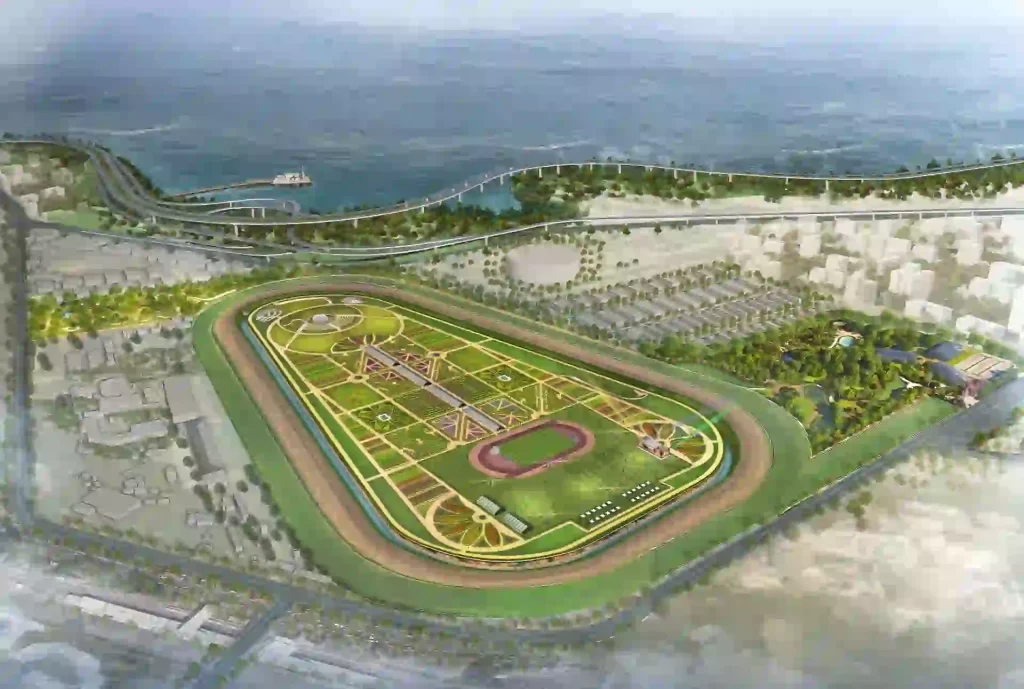
Mumbai, a city famous for its crowded streets and tall buildings, is about to gain a massive green escape. The historic Mahalaxmi Racecourse, a 211-acre colonial-era landmark leased to the Royal Western India Turf Club (RWITC), will become Mumbai Central Park. This ambitious project promises to create India’s largest urban park at 295 acres, blending vast green spaces, world-class sports facilities, and entertainment hubs. Deputy Chief Minister Eknath Shinde announced the plan, calling it the “biggest central park in Indian city history.” The now controls 120 acres of racecourse land after the old lease expired, adding 175 acres from the nearby Coastal Road project. No buildings will rise on the surface, just eco-friendly greenery modeled after New York’s and London’s iconic Central Parks.A Historic Site Gets a Green RebirthThe Mahalaxmi Racecourse opened in 1883 as Mumbai’s premier horse-racing venue, facing the Arabian Sea with grandstands and stables. The BMC owns the land but leases it long-term to RWITC. That lease ended recently, sparking a new 30-year deal from June 2023 to May 2053 for RWITC’s 91 remaining acres, keeping the racing track, stables, and heritage clubhouse intact. Architect Hafeez Contractor submitted the blueprint to BMC in August 2025, envisioning a park that honors history while serving millions.The park expands Mumbai’s green cover from 3,917 acres to 4,212 acres. Shinde stressed: “No construction on the racecourse. It will be a pure oxygen park for Mumbaikars.” An underpass links it to Annie Besant Road at Haji Ali, making it walkable from Worli to Breach Candy.Vast Green Spaces and Themed GardensAt the heart lies 125 acres of racecourse greens turning into lush landscapes:70-acre Topiary Garden: Artfully clipped shrubs, hedges, and sculptures.31-acre Botanical Garden: Medicinal trees/herbs, giant water-lily pond, palm grove, hillock, arboretum, kids’ play area, food kiosks.Diverse gardens: Perennial, annual, monsoon, seasonal, aquatic, succulent, organic farm, and a fun maze.Add an amphitheatre for 900 people, events lawn, stage, perfect for festivals, yoga, concerts. Coastal Road land adds wetlands, lakes, jogging tracks, and cycle paths. Imagine families picnicking under banyans, seniors strolling shaded paths, amid Mumbai’s concrete jungle.Underground Wonders: Sports and Parking GaloreSurface stays green, but below ground? High-tech action:10 lakh sq ft Sports Complex (Olympic-standard): 11 volleyball courts, 4 basketball/handball, 14 cricket nets, 2 gymnastics, 6 kho-kho, 14 badminton, 18 squash courts, 2 skating rinks, velodrome.Three-level Parking: Space for 5,000 cars, easing traffic.9-acre Convention Centre: Three 7,440 sq m halls, 50,000 sq ft pre-function area for expos, weddings, global summits.These stay hidden, preserving open skies. RWITC gets Rs 100 crore from the government for stable upgrades, no BMC burden.Political Fire and Public DebateNot everyone cheers. Shiv Sena (UBT) leader Aaditya Thackeray slammed it as a “BJP-mindhe regime” ploy to favor builders. He accused forced terms on RWITC’s 1,718 members, vowed probes if MVA returns: No underground builds, protect heritage, scrap “bribe-like” membership clauses, BMC-free stables. RWITC’s January 2025 vote approved a new clubhouse and repairs, but critics fear open-space grabs.Why Mumbai Needs This Oxygen BoostMumbai’s air chokes on pollution; lungs like Shivaji Park strain under 2 crore people. This park fights climate change, cools heat islands, and boosts biodiversity. Health perks: Sports for youth, walks for elders. Economy: Conventions draw business; tourism spikes with sea views. RWITC races continue uninterrupted.Hafeez Contractor’s vision: “A game-changer.” From horses to habitats, Mahalaxmi evolves, green, active, alive. If built right, Mumbai Central Park becomes the city’s beating heart, rivaling global icons.
Mumbai Water Metro: Sailing to Ease Traffic and Revive Island City’s Waterways
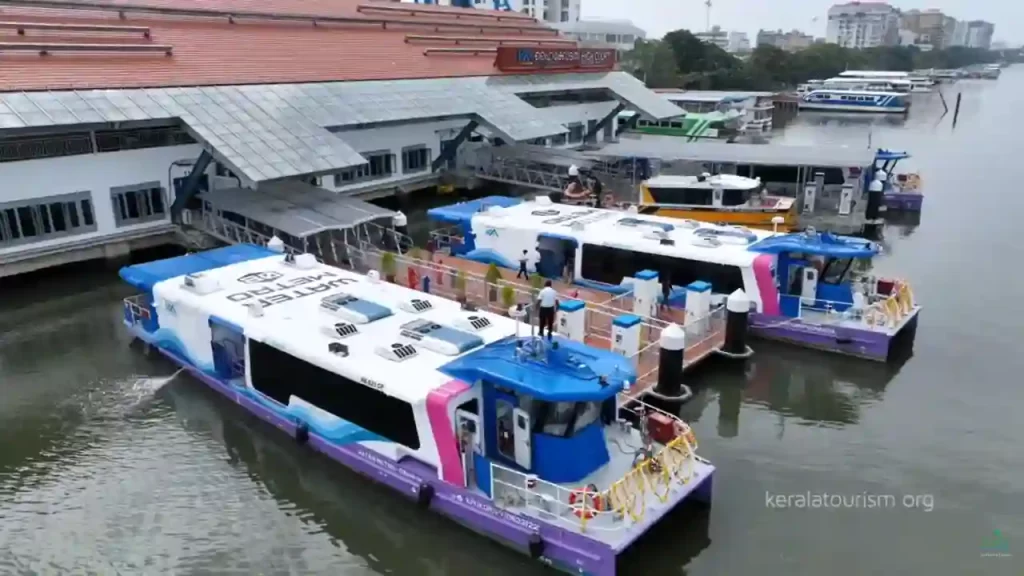
Mumbai, India’s bustling financial hub built on seven islands, faces daily chaos from overcrowded trains, jammed roads, and rising seas of cars. Commuters waste hours in gridlock, while ferries, once a lifeline, faded after failed tries like 1990s hovercrafts and a short-lived Belapur-Gateway run. Enter the Mumbai Water Metro: an ambitious 36-route network across the Mumbai Metropolitan Region (MMR) to ferry up to 18 million passengers yearly. Chief Minister Devendra Fadnavis gave in-principle nod on March 17, 2026, calling it a “coastal transport revolution.” Modelled on Kerala’s hit Kochi system, this Rs 6,592-crore plan taps Mumbai’s 340 km of waterways for scenic, green rides, slashing commute times, boosting tourism, and building shipyards.A Vision to Turn Tides on CongestionMumbai’s locals pack 75 lakh daily; roads choke with 40 lakh vehicles. Water Metro offers breezy escapes: 21 initial routes over 125-340 km (Phase 1: 215 km new + 125 km upgraded), with 25-44 terminals. Daily riders: 44,000; yearly: 18 million, rising to 75 million by 2031. Electric ferries zip between islands, bypassing potholes for sea views of Marine Drive, Bandra-Worli Sea Link.Fadnavis envisions it as the world’s largest water transport network, easing suburban rail pressure (already 1.6 crore water passengers yearly). Ports Minister Nitesh Rane: Start Mumbai city core, expand MMR, linking to Navi Mumbai Airport in 40 minutes from Gateway jetty.Key Routes: From Commutes to CruisesPhase 1 spotlights high-demand hops (6-10 initially):City Core: Nariman Point-Worli-Bandra-Juhu-Versova (coastal buzz).North Links: Versova-Madh, Marve-Manori, Gorai-Borivali (beaches, suburbs).Harbour Hops: Gateway-Mandwa, Belapur-Elephanta (tourist gems).Creek Crossings: Thal-Khanderi, Vasai Creek, Thane Creek, Ulhas River.Airport Express: Gateway to Navi Mumbai International Airport.Outer Reaches: Vasai-Kalyan-Kalher-Bandra-Vashi-Nariman Point.Later: Ro-Pax (car ferries), tourism circuits to Vasai Fort, bird sanctuaries, and parks. Fixed schedules like metro: Peak-hour frequency, digital tickets, rail-metro links.Green Fleet and Smart Tech for Smooth Sails207 vessels mix electrics (zero emissions), hydrofoils (fast), hovercrafts, hybrids, handling 3.5m tides. Private ops under PPP: Govt funds Rs 3,436 crore (civils, safety, jetties); privates Rs 3,156 crore (boats). Operations Control Centre at Kalher (Bhiwandi), backup Fountain Junction (Mira-Bhayandar); dedicated boatyard for local builds.Phases roll steadily:Phase 1 (by 2029): Rs 1,500 crore core network.Phase 2 (2030): Expansion.Phase 3 (2036): Full glory.Kochi Metro Rail Ltd’s DPR (submitted early 2026) guides; the consultant will be appointed in 4 months, then clearances, tenders.Kochi Model: Mumbai’s Fare GuideMumbai Water Metro ticket costs are not yet finalized, as the project is in planning (DPR stage, rollout eyed December 2026 onward). Officials aim for affordable fares like Kochi’s model (its blueprint), to beat past flops from high prices. Expect Rs 10-50 per short hop (e.g., 5-10 km), scaling with distance, cheaper than taxis (Rs 200+), on par with buses (Rs 10-30), and scenic vs. trains. Daily passes, monthly options, and UPI/app tickets planned.Kochi Water Metro (Mumbai’s inspiration) sets the benchmark:Single journey: Rs 20 minimum to Rs 40-50 maximum (e.g., Vytilla-High Court: Rs 40; Fort Kochi: Rs 40).Kochi1 Card: Rechargeable smart card (metro+water), 20% discount.Passes:Pass TypeCostValidityWeeklyRs 1807 daysMonthlyRs 60030 daysQuarterlyRs 1,50090 daysPast Flops to Future Wins: Learning from Waves1990s hovercrafts sank on costs; 2024 Belapur-Gateway fizzled on low uptake. This time? Affordable fares (Rs 20-50?), eco-focus, integration fix it. Kochi’s success (78 boats, 5 lakh riders/month) proves demand; Mumbai’s waterways are unused despite island roots.Hurdles and HorizonsEco-clearances, tides, and monsoons challenge, but tidal-proof jetties and weather-resilient boats are ready. By 2036, imagine: Skip Virar trains, sail Versova-Bandra in 20 minutes; tourists yacht Worli sunsets. Mumbai sails again, cleaner, calmer, connected.
Mumbai-Pune Missing Link Now Open: World’s Widest Tunnel Ends Ghat Nightmares
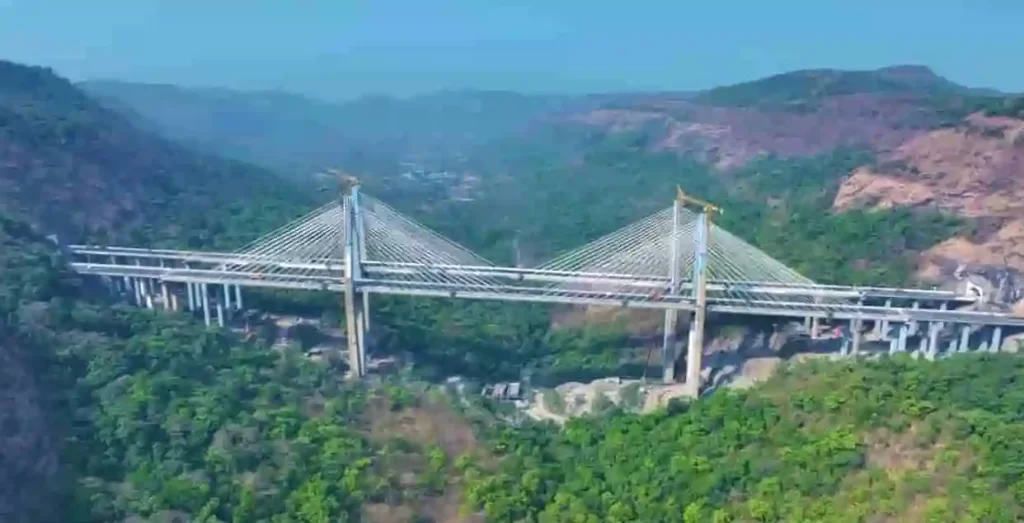
The Mumbai-Pune Expressway’s Missing Link opened on May 2, 2026. This 13.3-km engineering marvel now carries traffic smoothly. It skips the dangerous Khandala Ghat with its hairpin turns and traffic jams. The Maharashtra State Road Development Corporation (MSRDC) finished the project just in time for Maharashtra Day. Deputy Chief Minister Eknath Shinde cut the ribbon. Vehicles now zip through in 25-30 minutes less time. Safe speeds reach 120 km/h. The main tunnel holds a Guinness World Record as the widest highway tunnel on the planet. The old ghat section tortured drivers for years. Trucks clogged narrow lanes. Families slept in cars overnight. Ambulances crawled slowly. Landslides hit during monsoons. The new link brings huge relief. It starts at Khalapur toll plaza on the Mumbai side. It ends at Kusgaon near Lonavala and Sinhagad Institute. Total distance shortens by 6 km. Over 50,000 vehicles use the expressway daily. This bypass makes travel faster and safer for everyone.Stunning Engineering: Tunnels, Bridges, and Safety FeaturesThe Missing Link blends cuts, tunnels, viaducts, and flyovers. It features eight lanes with full access control. No more slow trucks in the way.Twin Tunnels Shine BrightTunnel 1 stretches 8.7 km long. Its internal width measures 23.5 meters. This makes it the world’s widest highway tunnel. Guinness confirmed the record after inspectors visited. Tunnel 2 runs 1.67 km. Both handle bidirectional traffic. Each side has four lanes plus shoulders and emergency areas. Fire-proof walls protect users. Jet fans ventilate air. CCTV watches every spot. SOS phones sit every 500 meters. Teams finished electrical and mechanical testing right before opening.Cable-Stayed Bridge Steals the ShowThis bridge spans 650 to 950 meters. Its deck sits 100-125 meters high. The pylon towers 183 meters total. It withstands winds up to 250 km/h. Workers erected the girder in March 2026. They completed 98% of the deck slab. It’s now Maharashtra’s tallest bridge of this type.Other Key PartsA 900-meter viaduct rises 60 meters high. Cut-and-cover tunnels ease tight spots. Flyovers speed up joins. Toll plazas at Khalapur, Talegaon, and Shedung got wider. Hazardous cargo bans keep tunnels safe. No heavy trucks or gas tankers allowed inside.ComponentLength/SizeStatus (May 2026)Key FactMain Tunnel8.7 km, 23.5m wideFully OpenGuinness World RecordEscape Tunnel1.67 kmFully OpenTop Safety FeatureCable Bridge650-950m, 183m tallFully OpenTallest in MaharashtraViaduct900mFully Open60m HighOverall Project13.3 km100% CompleteOpen Since May 1Long Road of Delays Ends in TriumphPlanning started in 2018 with a budget of Rs 6,695 crore. Delays piled up from weather, tough terrain, and COVID. Targets slipped from March 2024 to January 2025, then September and December 2025. Finally, April 30 marked civil works done. Trials followed quickly. MSRDC pushed 2,000 workers hard. Over 1,500 focused on tunnels alone. They worked round the clock.Recent chaos sped things up. Ram Navami traffic jams and tanker flips trapped thousands. MNS chief Raj Thackeray criticized slow work. Deputy CM Shinde ordered emergency plans. MSRDC MD Anilkumar Gaikwad promised action. “Civil works wrap by April 30; trials follow,” he said. The team delivered.Toll collection starts in 2030 for 15 years. It recovers costs over time. Slight toll hikes come with the expressway upgrade. Drivers agree the value beats the price.Relief Replaces Ghat Horror StoriesThe 19.8-km Khopoli-Khandala Ghat had 24 sharp bends. Narrow lanes mixed cars and trucks. Monsoon landslides closed roads often. Kids missed school. Patients reached hospitals late. Ambulances fought for space. One tanker crash blocked traffic for 32 hours. Families ran out of food and water.Now, the Missing Link changes everything. No more ghat climbs. Straighter inland paths replace twists. Safer barriers and lighting guide drivers. Higher speeds cut travel time. Pune-bound lanes opened first. Mumbai-bound finished the final 6 meters on time. Families cheer the smooth ride.Part of Maharashtra’s Road BoomThis project fits Deputy CM Devendra Fadnavis’ big infra plans. The Samruddhi Mahamarg sets records too. MSRDC leads India’s road revolution. The Missing Link connects futures. It saves time, cuts accidents, and boosts business. Trucks move goods faster. Tourists reach Lonavala easy. Daily commuters gain hours weekly.Two days after opening, drivers share joy online. No jams. Quick trips. Safe paths. The ghat nightmare fades. Concrete and steel reclaimed lives. Maharashtra celebrates a new era of fast, safe travel. The world’s widest tunnel proves Indian engineering rules the road.
Vadhavan Port: India’s Next Mega Deep-Sea Gateway
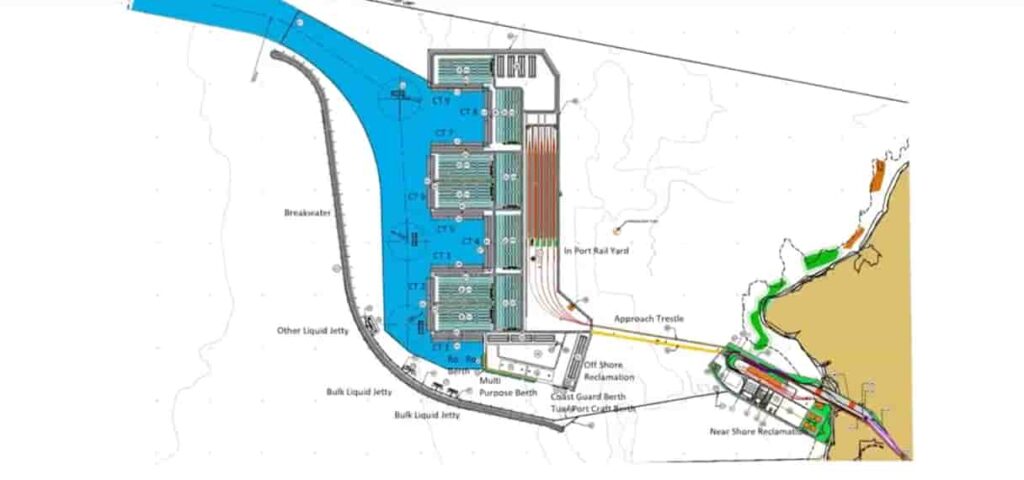
IntroductionThe Vadhavan Port Project is one of the most ambitious port development initiatives currently underway in the country. Planned along the western coastline near Dahanu, the project is being positioned as a world-class deep-sea port that will significantly enhance India’s maritime capacity and global trade competitiveness.At a time when India is aiming to become a major player in global supply chains, Vadhavan Port is expected to play a transformative role by handling ultra-large cargo vessels and reducing dependence on foreign transshipment hubs.Background and Strategic NeedIndia’s growing economy and increasing trade volumes have highlighted the limitations of existing ports, particularly in handling large container ships. A significant portion of India’s cargo is still transshipped through ports in countries like Singapore and Sri Lanka.The Vadhavan Port Project was conceptualised to address these gaps by creating a deep-draft port capable of accommodating next-generation container vessels. Its development aligns with national initiatives such as the Sagarmala Programme, which focuses on port-led development.Location and Project LayoutThe port is being developed near Dahanu in Maharashtra, strategically located along the Arabian Sea and close to major industrial and commercial hubs like Mumbai and Gujarat.The project is being executed by Jawaharlal Nehru Port Authority (JNPA), which already operates India’s largest container port at Nhava Sheva.Key aspects of the project include:Development of deep-draft berthsLarge-scale land reclamationModern cargo handling infrastructureRail and road connectivity to hinterland regionsKey Features and CapacityDeep-Sea CapabilityOne of the defining features of Vadhavan Port is its natural deep draft, which allows it to handle ultra-large container vessels (ULCVs) with capacities exceeding 20,000 TEUs. This will place the port among the most advanced in the world.Massive Cargo Handling CapacityOnce completed, the port is expected to have a capacity of over 200 million tonnes per annum, making it one of India’s largest ports.Advanced InfrastructureThe port will be equipped with:Automated cargo handling systemsSmart logistics and digital trackingDedicated freight corridorsThese features aim to ensure efficiency, speed, and global competitiveness.Economic SignificanceThe Vadhavan Port Project is expected to have far-reaching economic implications.Reduction in Logistics CostsBy enabling direct handling of large vessels, the port will reduce the need for transshipment through foreign ports, lowering logistics costs and saving time.Boost to Exports and TradeImproved port capacity and efficiency will strengthen India’s export capabilities and integration into global trade networks.Employment and Industrial GrowthThe project is expected to generate significant employment opportunities during both construction and operational phases. It will also promote industrial development in surrounding regions.Connectivity and IntegrationThe port is being designed with strong connectivity to major transport networks, including:National highwaysRailway freight corridorsIndustrial clustersThis integrated approach ensures seamless movement of goods from ports to inland markets.Environmental Concerns and OppositionDespite its economic potential, the project has faced strong opposition from environmental groups and local communities.Ecological ImpactConcerns have been raised about:Impact on marine biodiversityDamage to coastal ecosystemsEffects on fishing communitiesDahanu is considered an ecologically sensitive zone, which has intensified debates around the project.Legal and Regulatory ChallengesThe project has undergone extensive environmental scrutiny and regulatory processes. Balancing development with environmental sustainability remains a key challenge.Progress and Current StatusAs of 2026, the Vadhavan Port Project has received key approvals and is moving through various stages of planning and early development. Land acquisition, environmental clearances, and infrastructure planning are ongoing.The project is expected to be developed in phases over the coming years.Strategic Importance for IndiaVadhavan Port is not just another infrastructure project—it is a strategic initiative aimed at positioning India as a major maritime and logistics hub.By reducing dependence on foreign ports and enhancing domestic capacity, the project strengthens India’s economic sovereignty in global trade.It also complements other major infrastructure initiatives, including port modernisation and logistics reforms under national programmes.Final PerspectiveThe Vadhavan Port Project represents India’s long-term vision of building world-class maritime infrastructure capable of competing on a global scale. While it promises significant economic and strategic benefits, it also highlights the complexities of developing large-scale projects in environmentally sensitive regions.As the project progresses, its success will depend on how effectively it balances growth, sustainability, and the interests of local communities—making it one of the most closely watched infrastructure developments in the country.
Samruddhi Mahamarg: Maharashtra’s High-Speed Economic Corridor
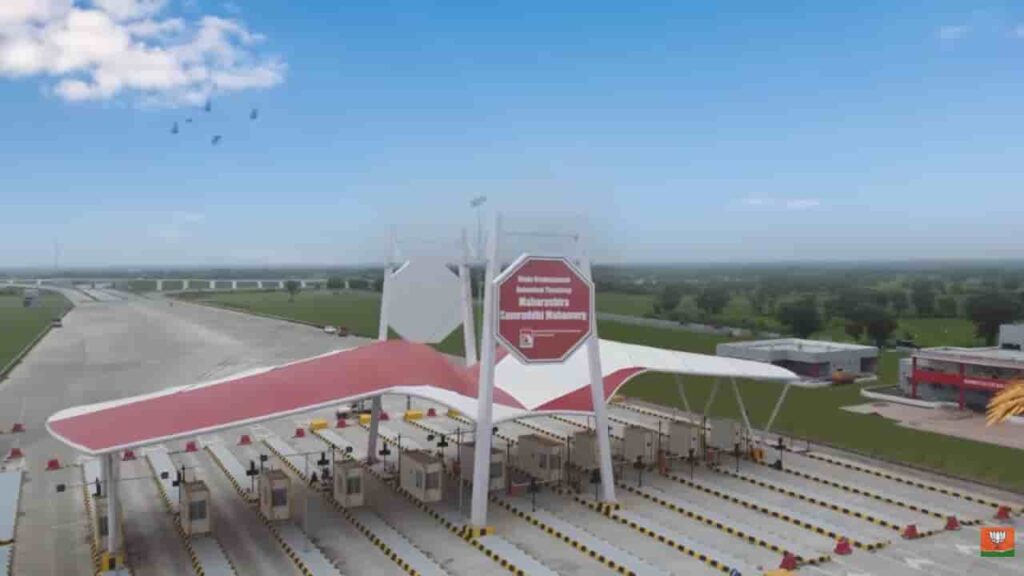
IntroductionThe Hindu Hrudaysamrat Balasaheb Thackeray Maharashtra Samruddhi Mahamarg, commonly known as the Samruddhi Mahamarg, is one of India’s most ambitious expressway projects aimed at transforming connectivity and economic development across Maharashtra. Designed as a high-speed, access-controlled corridor, the expressway connects the state capital Mumbai with Nagpur, significantly reducing travel time and boosting regional growth.The project represents a major step in strengthening infrastructure while promoting balanced development across urban and rural regions of the state.Project Overview and RouteThe Samruddhi Mahamarg spans approximately 701 kilometres, making it one of the longest expressways in India. It passes through 10 districts and connects key regions including Nashik, Aurangabad (now Chhatrapati Sambhajinagar), and Amravati.The expressway has been developed by the Maharashtra State Road Development Corporation and is designed for high-speed vehicular movement, with a maximum speed limit of up to 120 km/h.The corridor begins near Mumbai and stretches eastward to Nagpur, creating a direct and efficient link between the two major cities.Need and Vision Behind the ProjectBefore the construction of the Samruddhi Mahamarg, travel between Mumbai and Nagpur could take up to 16–18 hours due to traffic congestion and road conditions. The need for a faster, safer, and more efficient route was critical for both passenger and freight movement.The vision behind the project goes beyond connectivity. It aims to create an “economic corridor” by:Linking underdeveloped regions with major marketsPromoting industrial and agricultural growthEncouraging investment along the routeThe expressway is expected to serve as a backbone for regional development in Maharashtra.Key Features and DesignThe Samruddhi Mahamarg incorporates modern infrastructure and safety features to ensure smooth and secure travel.Access-Controlled ExpresswayThe highway is fully access-controlled, meaning vehicles can enter and exit only at designated interchanges. This reduces traffic interruptions and enhances safety.High-Speed CorridorWith multiple lanes and a high design speed, the expressway enables faster travel compared to traditional highways.Advanced Safety MeasuresThe project includes:Wildlife crossings and underpassesEmergency response systemsSurveillance and monitoring infrastructureThese measures aim to minimise accidents and ensure passenger safety.Smart InfrastructureThe expressway is equipped with intelligent traffic management systems, making it one of the technologically advanced road projects in India.Economic Impact and Development PotentialThe Samruddhi Mahamarg is expected to have a transformative impact on Maharashtra’s economy.Boost to Trade and LogisticsBy reducing travel time and transportation costs, the expressway enhances the efficiency of goods movement across the state.Industrial GrowthThe government has planned the development of industrial hubs, logistics parks, and smart cities along the corridor. These developments are expected to attract investment and generate employment.Agricultural BenefitsFarmers in rural regions will gain better access to markets, reducing wastage and increasing income opportunities.Progress and ImplementationThe expressway has been opened in phases, with major sections becoming operational between 2022 and 2024. By 2024, the full stretch connecting Mumbai and Nagpur was largely completed and made accessible to the public.The phased approach allowed for gradual integration of the expressway into the state’s transport network while ensuring quality construction.Environmental and Social ConsiderationsGiven the scale of the project, environmental and social impacts have been closely monitored.Land AcquisitionThe project required acquisition of land across multiple districts, which involved compensation and rehabilitation of affected communities.Environmental MeasuresEfforts have been made to:Develop green belts along the expresswayProvide wildlife crossings in forest areasMinimise ecological disruptionDespite these efforts, concerns have been raised about environmental impact and land use changes.Challenges FacedThe development of the Samruddhi Mahamarg encountered several challenges:Large-scale land acquisitionCoordination across multiple districtsEnvironmental clearancesConstruction during the COVID-19 pandemicHowever, the project was completed through coordinated efforts between government agencies and contractors.Strategic ImportanceThe expressway is not just a transport project but a strategic infrastructure initiative that strengthens Maharashtra’s position as an economic powerhouse.By connecting major cities and emerging regions, it supports:Balanced regional developmentImproved connectivity to ports and industrial zonesIntegration with national highway networksFinal PerspectiveThe Samruddhi Mahamarg stands as a landmark achievement in India’s infrastructure development. By drastically reducing travel time between Mumbai and Nagpur and creating new economic opportunities along its route, the project has redefined connectivity in Maharashtra.More importantly, it reflects a broader shift towards building infrastructure that not only facilitates movement but also drives inclusive growth, linking cities, industries, and rural communities into a unified economic corridor.
New Mayors Take Charge in Mumbai, Pune, and 27 Other Maharashtra Cities
In a big win for the ruling Bharatiya Janata Party (BJP), the party has grabbed 20 out of 28 mayoral posts in Maharashtra’s municipal corporations. This comes after elections in 29 cities, with results from 28 announced so far. The BJP also won 17 deputy mayor posts. Only Bhiwandi Nizampur waits, its mayor poll is on February 20. This sweep shows the BJP’s strong hold in urban areas after winning most seats in the January 2026 civic polls. The polls covered 29 municipal corporations (MCs), including big ones like Mumbai (BMC), Pune, Nagpur, Thane, Nashik, and Pimpri-Chinchwad. BJP-led Mahayuti alliance (BJP + Shinde Shiv Sena + Ajit NCP) took control of 25 MCs, including cash-rich BMC. BJP alone won 1,425 of 2,869 seats statewide—a clear majority in many places. How the Mayor Elections Went Mayors are picked from elected corporators. In 28 MCs, BJP got 20 mayors (71%). Others: Shiv Sena (Shinde faction) 3, Shiv Sena UBT 1, Congress 1, NCP 1, Bahujan Vikas Aghadi (BVA) 1, Samajwadi Party 1 (Malegaon). For deputy mayors: BJP 17, Shiv Sena 4, Congress 2, and 1 each for NCP, UBT, BVA, RPI(A), Yuva Swabhiman, Samajwadi Party. Key wins: Mumbai (BMC): Mayor Ritu Tawde (BJP). BJP got 89/227 seats, alliance 118 (majority 114). Ends Thackeray’s rule after 25 years. Pune: Mayor Manjusha Nagpure (BJP). BJP won 110+ seats alone—unopposed in spots. Focus on roads, water. Nagpur: Mayor Samir Rajurkar (BJP), Deputy Rajendra Janjal (Shiv Sena-Shinde). BJP took ~100/150 wards. RSS base stays solid; general quota. Thane: Mayor Nita Thakre (BJP), Deputy Vilas Shinde? (Shiv Sena-Shinde). BJP majority (70+ seats); SC reservation, but alliance win. Thakre family rivalry (BJP vs UBT). Nashik: Mayor Himagauri Adke-Aher (BJP), Deputy Manoj Chaudhary (Shiv Sena-Shinde). BJP 72/122 seats; women’s general quota. Minister Girish Mahajan backs; Kumbh prep ahead. Bhiwandi (90 seats, majority 46) has 10 mayoral candidates, 7 for deputy, tense contest ahead. Reservation Lottery Sparks Row On February 19 (or Thursday per reports), the Urban Development Department ran a lottery for mayor seats in all 29 MCs. Based on the 2011 census quotas: 1 ST, 3 SC (2 women SC), 8 OBC (4 women), 17 General (9 women).Mumbai, Navi Mumbai, Mira-Bhayandar, and Nagpur are among 15 cities getting women mayors. Shiv Sena (UBT) cried foul, calling it “rigged” to favour rulers. They said the draw helpedthe BJP-Shinde picks. BJP dismissed it as sour grapes after poll loss. Nagpur: BJP’s Samir Rajurkar as Mayor Mayor: Samir Rajurkar (BJP). Deputy Mayor: Rajendra Janjal (Shiv Sena-Shinde faction). Details: BJP swept the Nagpur Municipal Corporation (NMC) with around 100 of 150 wards. Rajurkar, a seasoned BJP leader, was elected unopposed or with alliance support. Nagpur (orange city, RSS base) remains a BJP stronghold. Reservations favored general category; the process was smooth. Thane: BJP’s Nita Thakre as Mayor Mayor: Nita Thakre (BJP). Deputy Mayor: Process ongoing or Vilas Shinde (Shiv Sena-Shinde). Details: Thane MC was reserved for the SC category, but the BJP’s majority (over 70 seats) secured it. Thakre, a BJP corporator, takes charge amid Mahayuti control. Thakre brothers’ rivalry (BJP vs UBT) played out, with the BJP winning big. Nashik: BJP’s Himagauri Adke (or Deepmala Kale?) as Frontrunner Mayor: Himagauri Adke-Aher (BJP, likely; reports mention Deepmala Kale or process). Deputy Mayor: Manoj Chaudhary (Shiv Sena-Shinde). Details: Nashik MC is reserved for the general woman category. BJP won 72 of 122 seats, a clear majority. Adke-Aher (ex-standing committee chair) leads the race, backed by Minister Girish Mahajan. Names like Deepali Kulkarni floated; final call soon. BJP eyes Kumbh Mela prep. Background: Civic Polls Shake-Up Polls held January 15, 2026 (results Jan 16), first in 9 years for BMC, delayed by court cases. Turnout 46-50%. BJP’s solo strategy in Pune paid off; Thackeray brothers allied vs BJP-Shinde but lost BMC. AIMIM grabbed 125 seats, mostly in Mumbai. Mahayuti won 25/29 MCs; BJP chief Chandrashekhar Bawankule hailed it “historic.” State Election Commission data: BJP 1,372-1,425 seats statewide; Shiv Sena 394, Congress 315, UBT 149. What It Means BJP’s urban dominance boosts CM Devendra Fadnavis ahead of state polls. Funds control (BMC’s ₹60,000 crore budget) means more development push—roads, water, waste. Opposition warns of “one-party rule.” New mayors face trash piles, flooding, and slums, but the BJP eyes quick wins. For Pune’s Manjusha Nagpure (elected unopposed?), It’s development time.
Official Start of Passenger Flights from Navi Mumbai International Airport: A New Era for Regional Aviation
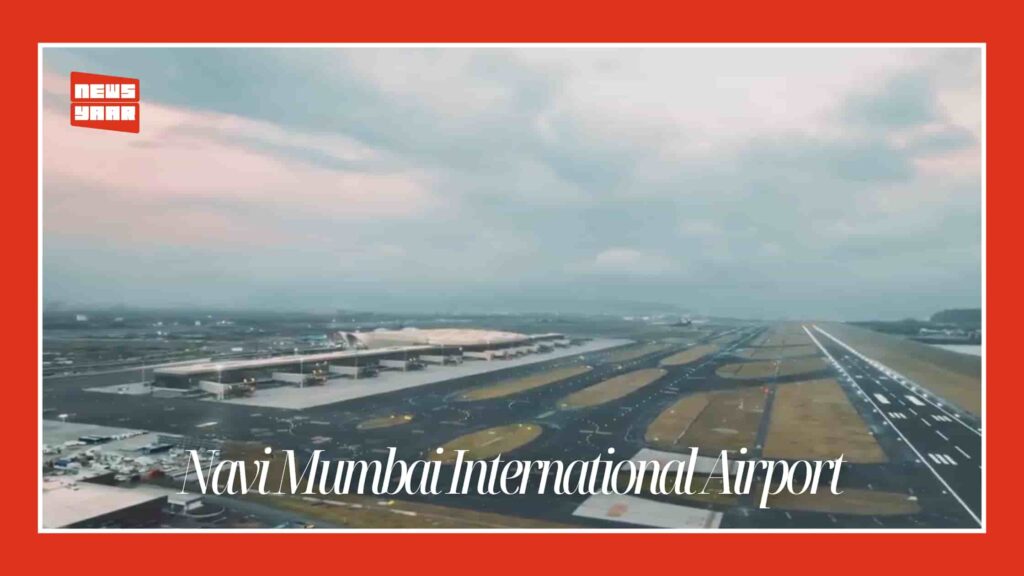
Navi Mumbai / Mumbai: The long-awaited Navi Mumbai International Airport (NMIA) has officially opened its passenger flight operations, marking a major milestone in India’s civil aviation landscape. Backed by the Adani Group, the new international gateway welcomed its first commercial travellers on Thursday, signalling the beginning of full-scale flight services from the strategically located airport.In its first 19 days of operations, NMIA recorded over 100,000 passengers, highlighting strong early demand and adding momentum to the region’s aviation growth. The early passenger traffic underscores the confidence that travellers, airlines and the broader aviation ecosystem place in the new facility as a major alternative to the congested Chhatrapati Shivaji Maharaj International Airport (CSMIA).The commissioning of NMIA comes as part of a broader effort to ease pressure on Mumbai’s primary airport, long plagued by capacity constraints. Located in Ulwa, Navi Mumbai, the new airport is expected to handle both domestic and international flights, offering enhanced connectivity and reducing congestion in one of India’s busiest airspaces. Passenger Experience and Early Reception Early reports from passengers travelling through NMIA have been overwhelmingly positive. Commuters pointed to the airport’s spacious terminals, streamlined check-in processes and clear signage as key improvements over older facilities. Many highlighted the convenience of the airport’s location for those living in Navi Mumbai and surrounding areas, with easier access than the traditional Mumbai airport.“We had no idea the airport was this smooth and comfortable,” said one traveller who flew out on a weekday morning. “Check-in was quick, security was efficient, and everything felt brand new.” Airline Operations and Flight Routes Several domestic carriers have already begun scheduling flights from NMIA, connecting key metros and regional hubs.As flight operations continue to ramp up, airlines are expected to expand their route portfolios based on demand. Industry analysts suggest that the airport’s growth could attract international carriers in the near future once regulatory clearances and bilateral agreements are in place.The operational launch of NMIA is not only an aviation milestone but also a boost for the broader Maharashtra economy. The airport is expected to catalyse job creation in sectors ranging from hospitality and logistics to retail and ground services. Local businesses have welcomed the development, anticipating increased footfall and commercial opportunities in the region.Infrastructure planners also foresee improvements in last-mile connectivity, including dedicated access roads, metro extensions and bus networks that will link NMIA efficiently with central Mumbai and other areas. Looking Ahead As passenger flights officially take off from the Navi Mumbai International Airport, the aviation sector and travelling public alike are watching closely to see how the new facility evolves.With strong initial numbers and a strategic location, NMIA is poised to become a key node in India’s rapidly growing aviation network, offering relief to existing hubs while setting new benchmarks for passenger comfort and operational excellence.
Mumbai BMC Election Results 2026: BJP Breaks Shiv Sena Stronghold, Fragmented Mandate Sets New Political Tone
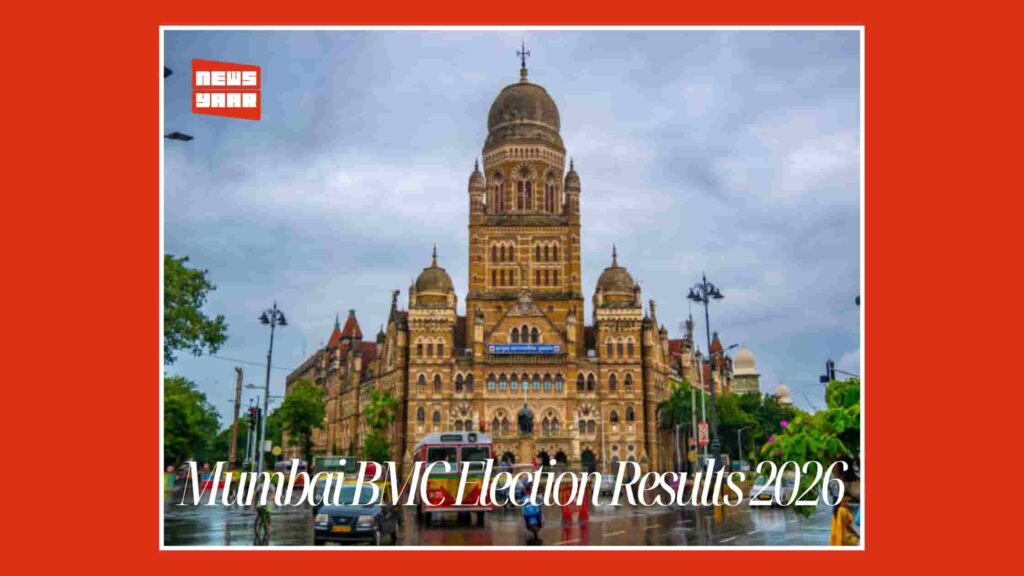
The results of the Brihanmumbai Municipal Corporation (BMC) elections 2026, declared late Friday night, have reconfigured civic politics in Mumbai after years of uncertainty. In a contest marked by shifting alliances and urban development themes, the Bharatiya Janata Party (BJP)-led Mahayuti alliance has emerged as the largest bloc in India’s richest municipal body, ending decades of dominance by the undivided Shiv Sena and reshaping the city’s political landscape. What Is the BMC and Why This Election Matters The Brihanmumbai Municipal Corporation is the administrative body responsible for civic services in Mumbai, including roads, hospitals, sanitation, water supply, and urban infrastructure. With an annual budget of over Rs 74,400 crore, it plays a crucial role in daily life for millions and sets the tone for urban policy in the Mumbai Metropolitan Region. This election was especially significant because it was the first held after a four-year delay and the first civic poll since the Shiv Sena split in 2022, which divided the party into the Eknath Shinde-led faction allied with the BJP and the Uddhav Balasaheb Thackeray-led Shiv Sena (UBT). Final Results: Seat Share and Winning Parties No single party secured an outright majority in the 227-ward BMC, but results show a clear lead for the Mahayuti alliance. Party-wise tally in BMC 2026: Bharatiya Janata Party (BJP): 89 seats Shiv Sena (Shinde faction): 29 seats Shiv Sena (UBT): 65 seats Congress: 24 seats AIMIM: 8 seats MNS: 6 seats Nationalist Congress Party (NCP): 3 seats Samajwadi Party: 2 seats NCP (SP): 1 seat(Majority mark in BMC: 114) With the BJP–Shinde Sena alliance jointly leading in 118 wards, they are well-positioned to form the next civic administration. Key Ward Victories and Local Players Several notable victories across the city shaped the electoral narrative. Highlights include: Ward 2 (BJP): Tejaswini Ghosalkar Ward 214 (BJP): Ajay Patil Ward 123 (UBT): Sunil More Ward 182 (UBT): Milind Vaidya Ward 183 (Congress): Asha Kale These wins reflect how both national and local issues influenced voter decisions across diverse Mumbai neighbourhoods. Political Reactions After the Results Leaders from all major camps offered their perspectives soon after results were declared. Maharashtra Chief Minister Devendra Fadnavis highlighted the alliance’s performance as a reflection of public trust in governance. According to him, the BJP’s share — around 45% vote share — demonstrated a broad urban mandate for development-oriented politics. From the opposition, Shiv Sena (UBT) leader Sanjay Raut said the results showed continued support for the Thackeray brand in many traditional areas, even as the party lost its institutional hold. Why This Is a Turning Point for Mumbai BMC has historically been a bastion of regional identity politics, with the Shiv Sena’s rise intertwined with the ‘Marathi asmita’ narrative — emphasising local pride and mobilisation around regional interests. However, this election suggests a shift toward urban governance themes such as infrastructure, flood management, civic service delivery, and development outcomes, rather than purely identity-based politics. Analysts note that the BJP’s success is the result of a “triple engine” strategy, combining support from the Centre, state leadership, and local organisational strength to appeal to voters focused on performance and delivery. Broader Maharashtra Civic Sweep and Urban Impact The BMC outcome was part of a wider civic sweep by the BJP-led alliance across Maharashtra. The party has secured dominant positions in multiple municipal corporations, including Pune and Pimpri-Chinchwad, further weakening rival factions and establishing itself as the leading force in urban local bodies ahead of future state and national contests. What Comes Next: Leadership and Governance With the alliance poised to control the BMC, the focus now shifts to: Election of the Mayor Formation of key standing committees (finance, public works, health) Early policy signals on infrastructure upgrades, monsoon preparedness, housing redevelopment and sanitation The new administration faces a range of civic challenges that will test its governance approach amidst high public expectations. In Brief BMC election 2026 held after a four-year gap ended long-standing political patterns in Mumbai. The BJP-Shinde Sena alliance crossed the majority mark with 118 wards. Shiv Sena (UBT) held on to 65 seats, showing resilience in core areas. Congress, AIMIM, MNS and smaller parties maintained pockets of influence. Urban governance and development issues appeared to outweigh traditional identity politics.