
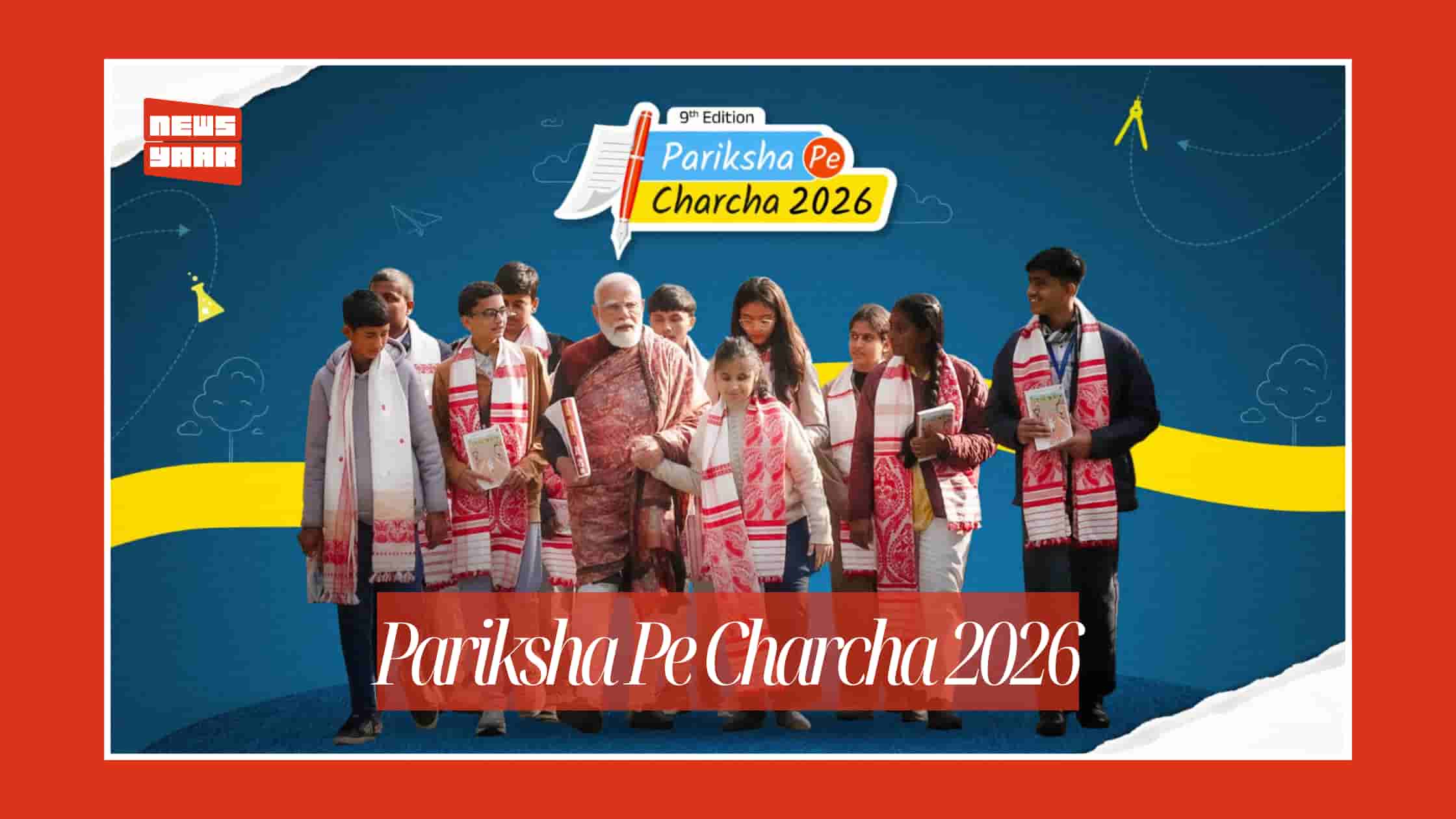
The 9th edition of Pariksha Pe Charcha (PPC) — India’s annual interactive session between Prime Minister Narendra Modi and students, parents and teachers — was held on Friday, February 6, 2026. The event, broadcast live across television and digital platforms, marked a flagship national initiative that addresses examination stress, learning strategies, mental well-being and life skills for learners in the run-up to major board and competitive exams.
Organised by the Department of School Education and Literacy under the Ministry of Education, PPC has evolved into one of the most widely followed educational outreach programmes in the country, reaching millions of students across urban and rural India.
What Is Pariksha Pe Charcha?
Pariksha Pe Charcha — literally “Discussion on Examinations” — is an annual interactive dialogue in which the Prime Minister addresses the concerns of students, parents and teachers about exams, study practices, stress management and future aspirations. First launched in 2018, the initiative aims to transform examination stress into a celebration of learning, encourage confidence and promote a balanced approach to academic life.
Over the years, PPC has become a popular platform that reinforces mental well-being and purposeful learning, extending its relevance beyond just study tips to include broader life skills such as time management, resilience, discipline and digital awareness.
Date, Format and Participation
- Event: Pariksha Pe Charcha 2026
- Edition: 9th
- Date of Main Interaction: 6 February 2026
- Organiser: Department of School Education and Literacy, Ministry of Education, Government of India
- Mode: Live broadcast and digital streaming across Doordarshan channels (DD National, DD News, DD India), All India Radio, MyGov.in, official Ministry of Education channels, YouTube, Facebook Live and other portals.
The event was conducted in a hybrid and pan-India format, with interactive segments connecting the Prime Minister to learners in multiple cities including Delhi, Coimbatore (Tamil Nadu), Raipur (Chhattisgarh), Devmogra (Gujarat) and Guwahati (Assam), reflecting the nationwide reach of the initiative.
Registration and Nationwide Participation
The registration process for Pariksha Pe Charcha 2026 opened on 1 December 2025 on the MyGov portal, where students, teachers and parents could apply to participate and submit questions. The registration window closed on 11 January 2026.
This year’s edition witnessed a record turnout, with over 4.5 crore registrations from students, parents and teachers. In addition, more than 2.26 crore people participated in associated school-based activities such as debates, quizzes and workshops, taking the overall engagement to approximately 6.76 crore participants nationwide.
Educational institutions organised preparatory and follow-up activities such as quizzes, storytelling sessions, motivational talks and awareness programmes as part of the broader run-up to PPC, reinforcing its impact beyond the live broadcast.
Key Themes and Messages
During the 2026 interaction, Prime Minister Modi addressed a wide range of topics relevant to students’ academic journeys and personal development. The session did not focus solely on examination techniques, but also on holistic growth, well-being and future opportunities:
1. Exam Preparation and Strategic Learning
PM Modi advised students on effective preparation techniques that emphasised consistent effort, understanding concepts and time management rather than last-minute preparation. He spoke about the importance of building a solid daily routine, disciplined revision and active engagement with study material.
2. Stress Management and Mental Well-Being
A central thread of PPC 2026 was the discussion on exam anxiety and stress. The Prime Minister encouraged learners to view exams as milestones in learning rather than stress points, and urged them to maintain a calm, confident mindset. He highlighted practices such as regular breaks, physical exercise, sleep hygiene and supportive family environments to support mental well-being.
3. Responsible Use of Technology and Artificial Intelligence (AI)
A significant topic for 2026 was the role of technology and AI in education. PM Modi emphasised that students should use AI as a guidance tool to enhance learning, creativity and problem-solving, but warned against over-dependence that might erode independent thinking and effort. He reiterated that discipline, focus and human judgment remain critical to academic success.
4. Career Choices and Personal Growth
Responding to student and parent queries about career decisions, the Prime Minister advised learners to explore fields based on their interests, strengths and passions, rather than merely following popular trends. He encouraged self-awareness and thoughtful exploration before choosing professional pathways, highlighting that personal satisfaction and purposeful work contribute to long-term success.
5. Broader Life Skills and Values
Beyond exams, the session touched on broader skills such as leadership, time management, emotional balance, discipline and community contribution — urging students to approach life with curiosity, resilience and empathy. In addressing parents, PM Modi called for supportive, pressure-free environments that allow children to thrive without excessive stress.
Interactive Format and Question Selection
Students and teachers submitted questions through official platforms ahead of the event, allowing the Prime Minister to respond to real concerns from multiple regions and educational backgrounds. The hybrid format enabled live participation from multiple locations, enabling similar levels of engagement across geographic and linguistic diversity.
School events and live-streaming sessions, such as those organised in Kamrup Metropolitan district in Assam, facilitated shared viewing experiences, underscoring PPC’s role in fostering community dialogue and collective motivation ahead of examinations.
Public and Media Engagement
Pariksha Pe Charcha continues to attract broad media attention, with national and regional channels covering the event extensively. News outlets provided live coverage, summaries, thematic highlights and expert analysis, ensuring the session’s key messages reached students who were unable to participate live. Social media platforms were abuzz with clips, quotes, study tips and reflections, making PPC both a live conversation and a catalyst for follow-up discussions in classrooms and homes.
Why Pariksha Pe Charcha Matters
Pariksha Pe Charcha has grown into a signature national initiative for several reasons:
- Nationwide Accessibility: Through free broadcasts on television, radio and digital platforms, PPC ensures that students from all parts of India, including remote and rural areas, can participate.
- Holistic Focus: The programme combines study tips with guidance on mental health, balanced lifestyles and future readiness, making it relevant beyond examinations.
- Youth Engagement: By directly involving students in dialogue with the Prime Minister, PPC encourages active engagement, questions and shared learning.
- Community Impact: Schools and families use PPC as a springboard for broader discussions on stress, career planning and educational values.
- Scale and Reach: The 2026 edition’s millions-strong participation reflects the event’s evolution into a pan-India educational movement.
Looking Ahead
As Pariksha Pe Charcha evolves year after year, it continues to adapt to emerging educational trends, technological shifts and student needs. The 2026 edition reinforced the programme’s core mission — to promote confidence, cultivate resilience and transform examinations from a source of fear into an opportunity for joyful, reflective learning.
With its expansive reach and growing influence, PPC remains a central fixture in India’s academic and cultural landscape — not merely as a pre-exam pep talk but as a national conversation on learning, well-being and purposeful living.Video credit: YT@/NaMo
Video credit: YT@/NaMo