


New Tata Punch EV: What Has Changed, How the Battery Options Work, and Why Tata Is Repositioning Its Entry-Level Electric SUV
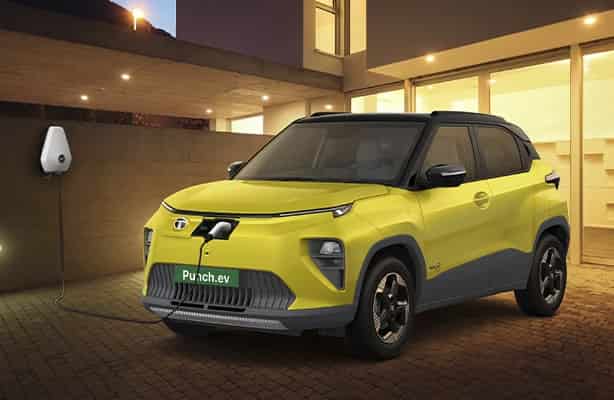
Image: TATA MotorsTata Motors has rolled out an updated version of the Tata Punch EV, strengthening its position in India’s fast-evolving electric vehicle market. The update is not a cosmetic refresh alone; it is part of a broader strategy to make electric mobility more flexible, more affordable at entry, and less intimidating for first-time EV buyers.The Punch EV continues to sit at the entry level of Tata’s electric portfolio, below the Nexon EV, but the latest changes indicate a clear effort to address two persistent concerns among buyers: range anxiety and long-term battery ownership costs.Battery Options Explained: Which Variant Gets WhatA key update in the new Punch EV is the clearer separation of battery options across variants, allowing buyers to choose based on usage rather than paying for excess capacity upfront.The model is offered with two battery pack choices:A smaller battery pack, aimed primarily at city users with predictable daily commutes.A larger battery pack, intended for buyers who want extended real-world range and greater flexibility for longer drives.Each battery option is tied to specific variants rather than being freely configurable. This helps Tata streamline pricing while guiding buyers toward a battery size that realistically matches their needs. The smaller battery is positioned as a practical urban solution, while the larger pack targets customers transitioning fully away from internal combustion vehicles.Range, Performance and Urban FocusWhile Tata continues to quote competitive certified range figures, the company’s emphasis with the Punch EV remains on real-world usability rather than headline numbers. The vehicle is engineered for:Daily city commutesStop-start traffic efficiencyPredictable charging cyclesThe electric motor output and tuning are designed to prioritise smooth acceleration and ease of driving rather than outright performance, aligning with the Punch EV’s role as an everyday compact SUV.Design Updates and Cabin ChangesVisually, the updated Punch EV receives subtle exterior revisions rather than a complete redesign. The front fascia, lighting elements and alloy wheel designs have been refreshed to align with Tata’s newer EV design language, giving the car a slightly more premium and contemporary look without altering its familiar proportions.Inside the cabin, the focus is on technology and ease of use. Updates include:A larger touchscreen infotainment system in higher variantsAn improved digital instrument clusterConnected-car features that allow users to monitor vehicle status remotelyThe cabin layout continues to emphasise space efficiency, upright seating and practicality, which have been strong selling points of the Punch platform.Lifetime Battery Warranty: Addressing Long-Term EV AnxietyOne of the most significant announcements with the new Punch EV is the introduction of a lifetime battery warranty under Tata’s Battery Assurance and Support System (BAAS).This move directly addresses concerns around:Battery degradation over timeReplacement costs after warranty expiryResale value of electric vehiclesBy offering long-term battery coverage, Tata Motors is attempting to reduce psychological barriers for buyers who are hesitant about EV ownership beyond the first few years.Dual Loan Scheme: How It WorksTo further improve affordability, Tata has introduced a dual-loan financing structure. Under this system:One loan covers the vehicle excluding the batteryA second, separate loan is taken for the battery packThis structure lowers the initial loan amount for the car itself and can result in reduced monthly EMIs, especially for buyers opting for the larger battery. It also provides flexibility for future financing and ownership decisions.Market Positioning and CompetitionThe Punch EV operates in a highly competitive and rapidly expanding segment. Tata Motors already leads India’s EV market, and the updated Punch EV is designed to:Attract first-time EV buyersServe as a second car for urban householdsOffer a safer and more robust alternative to smaller city EVsIts closest competition comes from compact electric offerings and upcoming entry-level EVs, but Tata’s advantage lies in its charging ecosystem, brand trust, and after-sales network.Why the Updated Punch EV MattersThe changes to the Punch EV reflect a broader shift in India’s EV market. Buyers are no longer asking only about range; they are asking about ownership clarity, long-term costs, and reliability. By restructuring battery options, offering lifetime warranty coverage and introducing flexible financing, Tata Motors is redefining what an entry-level electric SUV can offer.The Punch EV is no longer positioned merely as the cheapest way into Tata’s EV lineup. Instead, it is being presented as a thoughtfully engineered, long-term urban mobility solution.
Maruti Suzuki e-Vitara Launched: India’s EV Game-Changer Hits Roads at ₹10.99 Lakh BaaS
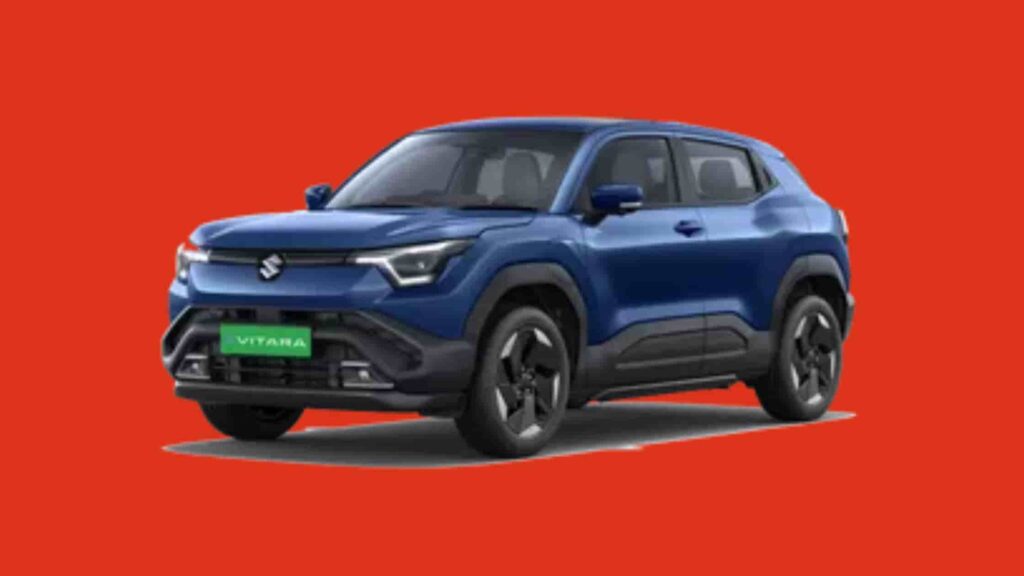
Maruti Suzuki, India’s top carmaker, has electrified the SUV segment with the e Vitara launch, deliveries underway at an introductory Battery-as-a-Service (BaaS) price of ₹10.99 lakh + ₹3.99/km battery EMI (49kWh Delta trim), undercutting rivals like Tata Curvv EV and Mahindra BE 6 while offering up to 543km range.Pricing & Ownership RevolutionBookings from ₹21,000 open now (full list pending); offers valid till March 31, 2026. BaaS splits costs (dual-loan), with e Flex matching existing EMI for upgrades. Assured buybacks shine:3-yr/45,000km: 60% value4-yr/60,000km: 50% valueTrims: Delta (49kWh, 440km ARAI), Zeta/Alpha (61kWh, 543km). WLTP: 344-461km real-world.Powertrain & PerformanceMaruti Suzuki e-Vitara packs two LFP battery options and efficient motors into its HEARTECT-e platform, delivering strong performance for urban and highway EV duties.HEARTECT-e platform (60%+ high-tensile steel) with LFP packs:49kWh: 142hp FWD, 189Nm61kWh: 172hp FWD/300Nm 4WD (ALLGRIP-e)Motor & DrivetrainPermanent Magnet Synchronous Motors (PMSM) with integrated eAxle:49kWh FWD: 142hp (105.8kW), 193Nm torque.61kWh FWD: 172-174hp (128kW), 193Nm.61kWh ALLGRIP-e AWD: Dual motors (~181hp total), up to 300Nm, grip for monsoons/hills.Top speed: 160kmph; 0-100kmph ~9 secs (tested). Regen braking, single-speed auto gearbox ensures smooth one-pedal efficiency; 5-star Bharat NCAP body shields packs.Safety & Features Standouts5-star Bharat NCAP with Level-2 ADAS (AEB, Lane Keep, Adaptive Cruise, Blind Spot), 7 airbags (knee incl.), Suzuki Connect (60+ features). Dual 10.1-inch screens, ventilated seats, panoramic sunroof, 18-inch alloys, 10 colors (4 dual-tone).Ecosystem Edge: NEXA Exclusives1,500+ EV-ready centers, trained managers.₹250 cr investment for 1L chargers by 2030.8-yr/1.6L km battery warranty; 3-yr vehicle (extend to 8 yrs).Delhi-Chandigarh: 63 chargers demo range confidence.Exports: 13,000 units to 28 countries post-Aug 2025 Gujarat plant ramp-up (Toyota collab).Competitive PositioningMaruti eyes mass EV adoption amid 2% market share (Jan 2026 debut post-Auto Expo 2025 eVX concept). Vs Hyundai Creta EV/MG Windsor: BaaS affordability, vast network win for first-timers. CEO Hisashi Takeuchi: “e Vitara mirrors Maruti reliability for EV peace-of-mind.” Book at NEXA; expect 50,000+ annual sales, scaling India’s green shift.
Bajaj Chetak 2026 Electric Scooter Launched in India: Price, Range, Features and What You Need to Know
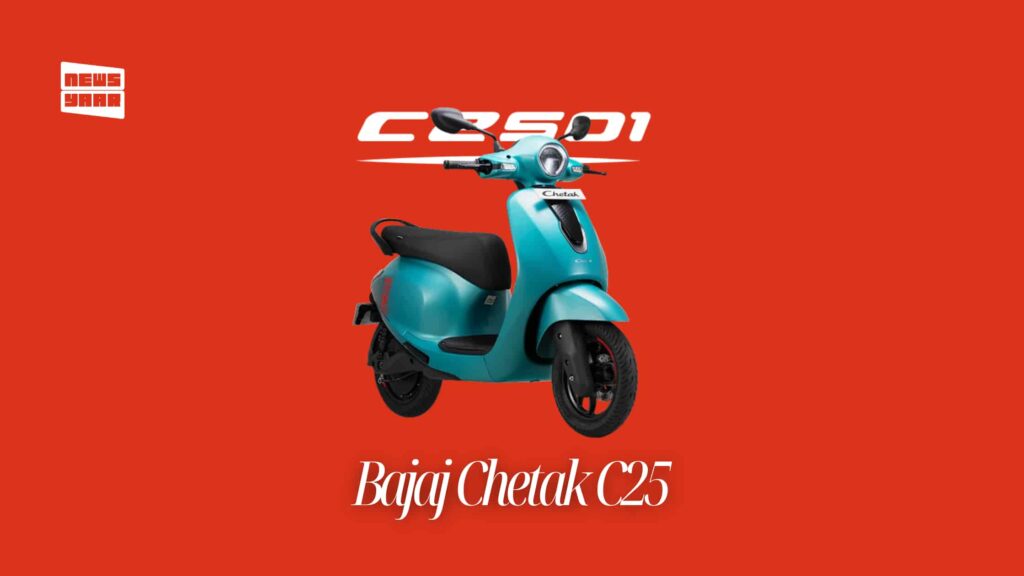
Bajaj Auto has expanded its electric scooter portfolio with the launch of the Bajaj Chetak C25 in India, bringing a more accessible and city-focused variant to its popular Chetak electric lineup. The new model, priced competitively in the growing electric two-wheeler segment, is designed specifically for urban commuters and daily use. Entry-Level Electric Mobility: What’s New in 2026On 14 January 2026, Bajaj Auto officially introduced the Bajaj Chetak C25, marking a strategic push to make electric scooters more affordable without compromising core Chetak attributes such as build quality and reliability. The C25 model joins the existing 35 Series and other Chetak variants as part of Bajaj’s effort to capture a larger share of India’s rapidly growing EV market. With competition intensifying from brands like Ola, Hero and TVS, Bajaj’s move towards budget-friendly electrics targets everyday riders who want a dependable city commuter. Price, Battery and RangeEx-showroom price: ₹91,399 (Bengaluru)Battery capacity: 2.5 kWhClaimed range: Up to 113 km on a single charge (IDC certified)Charging time: Approximately 80% in about 2 hours 25 minutes using a suitable charger This range and pricing position the Chetak C25 as one of the most affordable electric scooters in its category, making it attractive for daily city travel and short commutes. Performance and DesignThe Chetak C25 retains many of the styling cues and build philosophy of earlier Chetak models while introducing features tailored for urban ease:Motor: Hub-mounted electric motor designed for city cruisingTop speed: Around 55 km/hBody: Metal frame construction, characteristic of Chetak’s durabilityDisplay: LCD instrument console with essential ride informationStorage: Around 25 litres under-seat space Bajaj Auto has retained the signature metal body and sturdy build quality that Chetak is known for, even as it aims for a lighter, more agile feel suited to dense city traffic. Features and TechnologyWhile not as feature-rich as higher-end models, the C25 offers practical kit for daily use:Hill Hold Assist for easier starts on slopesGuide-Me-Home lighting for safety at nightBluetooth and LCD display with basic connectivityUSB charging port for mobile devices These features are aimed at balancing practicality with value, ensuring riders get essential EV tech without paying a premium.Availability and BookingThe Bajaj Chetak C25 is available for booking online and at official dealerships across India. As stocks reach showrooms, deliveries are expected to begin soon, giving early adopters an advantage in a segment where demand continues to grow. How it Compares with Other ModelsThe new Chetak wariant sits below the established 35 Series in both price and specifications, making it a strong competitor to other affordable electric scooters such as the Hero Vida VX2 Go and TVS Orbiter in the sub-₹1 lakh category. Compared to more premium Chetak variants (which offer larger batteries, longer range and advanced features), the C25 focuses on efficiency and everyday practicality, making it ideal for 9-to-5 commuters and urban families looking for a reliable second vehicle.What This Launch Means for the EV MarketWith this launch, Bajaj Auto aims to strengthen its position in the electric two-wheeler ecosystem. The company has previously held significant market presence with its older combustion-engine scooters, and the Chetak name carries strong brand equity among Indian riders.The C25’s accessible pricing and competitive range are likely to attract first-time EV buyers and riders seeking an upgrade from conventional scooters, reinforcing the shift toward electrification in India’s personal mobility landscape.Video credit: YT@/ChetakOfficial
New 2026 Tata Punch Facelift Launched in India: Prices, Features, Powertrains and Booking Details
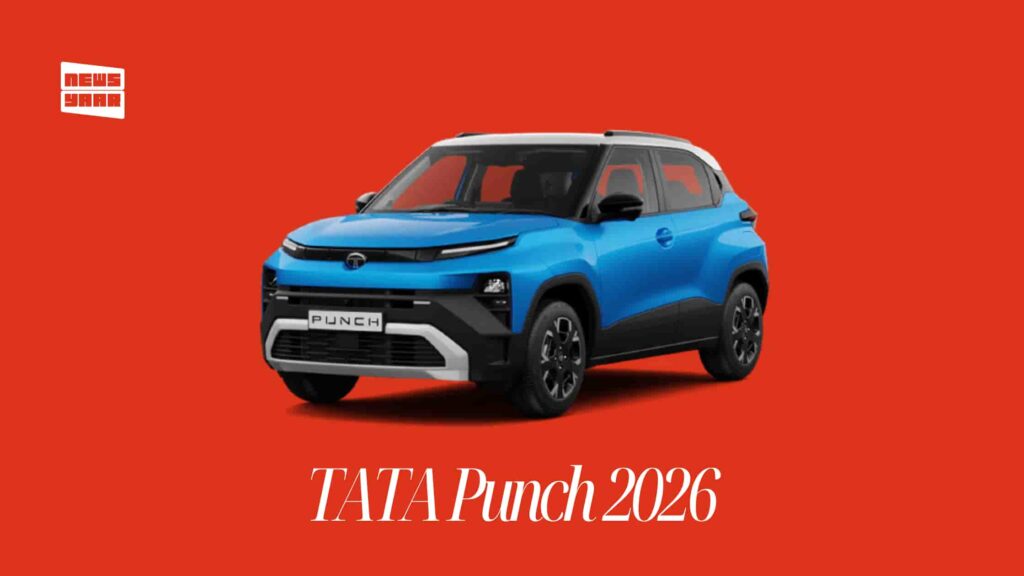
New Delhi: Tata Motors has officially launched the 2026 Tata Punch facelift in India, giving its popular micro SUV a fresh design update, expanded feature list and revised powertrain options.Bookings for the updated Punch are already open, and the model has now started arriving at dealerships across the country, signalling deliveries to begin soon. Prices and Variants The 2026 Tata Punch facelift has been priced between Rs 5.59 lakh and Rs 10.54 lakh (introductory, ex-showroom New Delhi).Tata Motors has reworked the variant lineup, offering the SUV in six broad trims: Smart, Pure, Pure Plus, Adventure, Accomplished, and Accomplished Plus S. Buyers can choose from multiple fuel and transmission combinations across these variants. What’s New in Design? With the facelift, the Punch now looks more aligned with Tata’s newer SUVs. It gets updated LED lighting elements, a revised front fascia inspired by the Punch EV, and new 16-inch dual-tone alloy wheels.While the overall silhouette remains familiar, the subtle updates give the micro SUV a more premium and contemporary appeal. Interior and Features Inside, the cabin layout remains largely unchanged, but Tata has added new touches to enhance comfort and technology.Key highlights include a 10.25-inch touchscreen infotainment system with slimmer bezels, a 7-inch fully digital driver’s display, an 8-speaker sound system, wireless phone charging, cruise control, and an auto-dimming IRVM. Select variants also get a single-pane sunroof, adding to the Punch’s appeal in the segment. Safety Package Safety continues to be a strong focus for Tata Motors. The 2026 Punch comes with six airbags as standard, along with ISOFIX child seat mounts, a 360-degree camera, rain-sensing wipers and other essential safety aids, reinforcing Tata’s reputation for offering robust safety features even in entry-level SUVs. Engine and Powertrain Options One of the biggest updates comes under the hood. The facelifted Punch now offers three powertrain options: 1.2-litre naturally aspirated petrol producing 88 PS and 115 Nm, paired with a 5-speed manual or AMT 1.2-litre turbo-petrol engine delivering 120 PS and 170 Nm, mated to a 6-speed manual gearbox 1.2-litre petrol with CNG outputting 73.4 PS and 103 Nm, available with a 5-speed manual or AMT Notably, the Punch becomes India’s first SUV to offer a CNG-AMT combination, expanding choice for urban buyers focused on fuel efficiency. Booking Process and Colour Options Customers can book the new Tata Punch either online through Tata Motors’ official website or by visiting authorised dealerships.The process involves selecting the preferred variant, powertrain and colour, followed by payment of the booking amount. The 2026 Punch is available in six colour options, including dual-tone combinations, depending on the variant. Rivals and Market Position The updated Tata Punch competes with models like the Hyundai Exter and Citroen C3, while also serving as an alternative to sub-4-metre SUVs such as the Maruti Fronx, Nissan Magnite, Renault Kiger and Hyundai Venue.With improved styling, more features and a wider range of powertrains, the 2026 Tata Punch facelift aims to strengthen its position as one of India’s most versatile and value-driven micro SUVs.
Mahindra XUV 3XO EV Launch: Affordable Electric SUV for Indian Roads
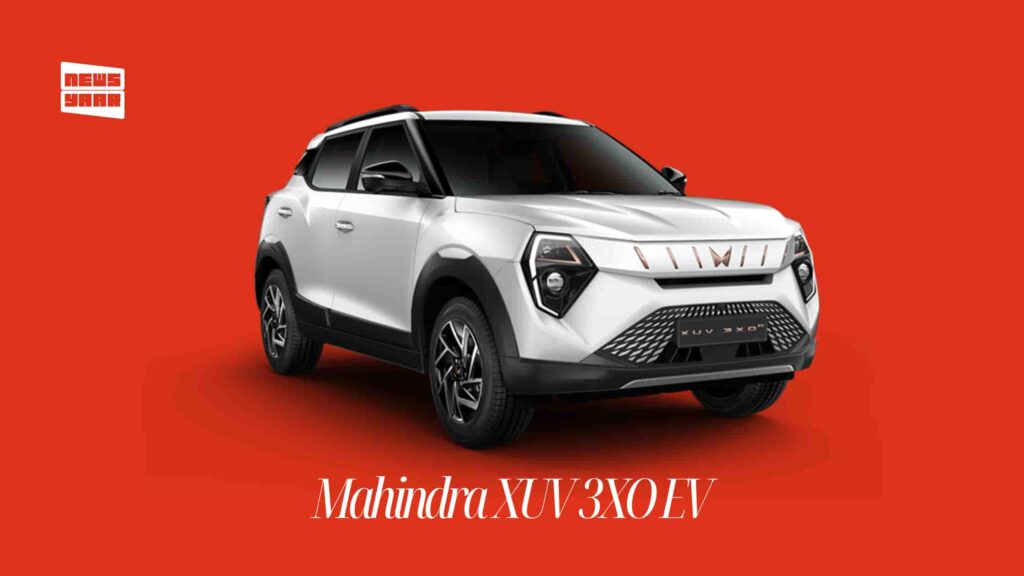
Mahindra & Mahindra has expanded its electric vehicle portfolio with the launch of the Mahindra XUV 3XO EV in India, underlining its strategic push into electrified mobility. The electric variant of the popular sub-compact SUV was unveiled with prices starting at ₹13.89 lakh (ex-showroom) for the base AX5 variant, while the top-end AX7L is priced at around ₹14.96 lakh, positioning it as one of the most accessible electric SUVs in the Indian market. Powertrain, Performance, and RangePowered by a 39.4 kWh battery pack paired with a single electric motor, the XUV 3XO EV produces 110 kW of power and 310 Nm of torque, enabling brisk performance and responsiveness tailored for everyday driving. The SUV delivers a claimed real-world range of up to 285 km on a single charge, making it suitable for urban and peri-urban commutes.Mahindra rates the electric SUV’s 0–100 km/h sprint at around 8.3 seconds, a performance figure that rivals or surpasses many competitors in the segment. Quick DC fast-charging capability allows the battery to be charged from 0 to 80% in around 50 minutes using a 50 kW charger.Features, Safety, and ConnectivityThe XUV 3XO EV arrives with a strong feature set that includes Level 2 Advanced Driver Assistance Systems (ADAS) in the top variant, offering adaptive cruise control, lane assist, forward collision warning, and autonomous emergency braking, enhancing both safety and convenience.Interior features include a panoramic sunroof, dual-zone automatic climate control, and premium infotainment with Harman Kardon audio systems in higher trims. Mahindra’s Adrenox connected tech provides over 80 connected car features, including built-in Alexa support, remote vehicle control, and onboard navigation.Additional comfort amenities include passive keyless entry, electronic parking brake, wireless Android Auto and Apple CarPlay, and a 360-degree surround-view camera, making the 3XO EV a compelling package for urban families and EV adopters. Market Impact: The Final Review The launch of the XUV 3XO EV builds on the success of the ICE XUV 3XO lineup, which has sold nearly 1.8 lakh units since its debut. With deliveries slated to begin from February 23, 2026, Mahindra is betting that the combination of value pricing, daily usability, and advanced tech will attract first-time EV buyers and strengthen its foothold in India’s electrifying automotive landscape.With rapid growth in EV adoption driven by government incentives and expanding charging infrastructure, the XUV 3XO EV is poised to be a key contender in the mass-market electric SUV segment, challenging rivals like the Tata Nexon EV and MG Windsor EV.Video credit: Mahindra
Mahindra XUV 7XO Debut Launch: What do we know?
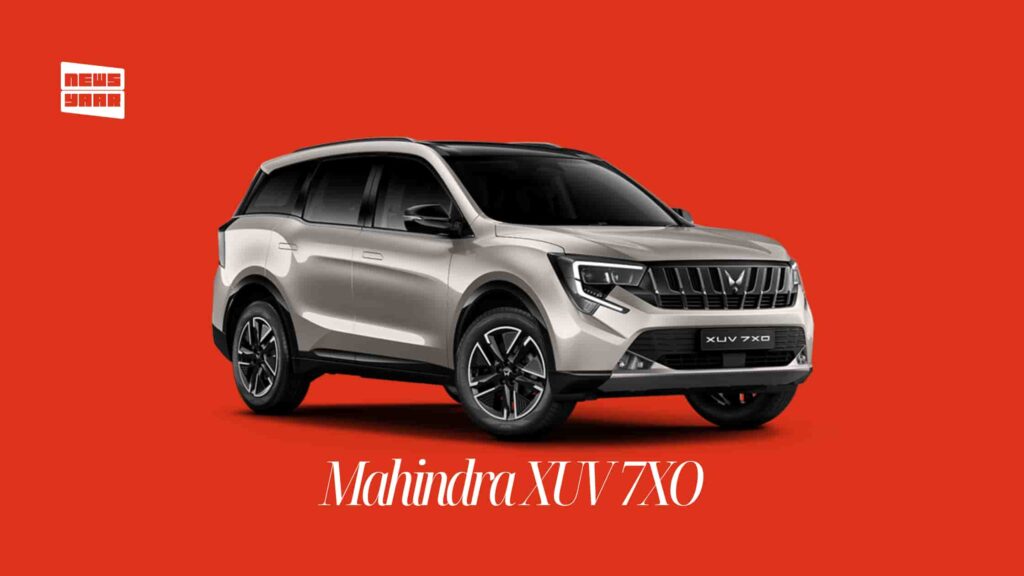
Mahindra & Mahindra has officially launched the Mahindra XUV 7XO in India, marking a significant update to its popular mid-size SUV lineup. Positioned as the modern successor to the long-running XUV700 nameplate, the new 7XO blends refreshed design, advanced technology, and enhanced comfort to meet growing customer expectations in the highly competitive SUV segment.Priced from around ₹13.66 lakh (ex-showroom), the XUV 7XO aims to deliver premium SUV experiences at an accessible price point. Early bookings opened recently, with select high-end variants scheduled to begin deliveries in mid-January 2026 and others expected in the first quarter of the year.Design, Comfort, and Premium FeaturesOne of the most noticeable upgrades in the XUV 7XO is its triple-screen cabin layout, which includes separate displays for the driver, central infotainment, and front passenger. This bold interior move signals Mahindra’s push toward a more connected and tech-rich environment, rivaling offerings in both compact and mid-size segments.The SUV also boasts several premium creature comforts, such as ventilated seats, a panoramic sunroof, wireless charging, and a 16-speaker Harman Kardon audio system with immersive sound. Exterior enhancements include modern LED lighting, refreshed grille styling, and connected taillights that give the 7XO a more contemporary and assertive road presence. Performance and SafetyUnder the hood, the XUV 7XO continues with proven engine options, including a 2.0-litre turbo petrol unit (around 200 hp) and a 2.2-litre diesel engine (about 185 hp). Both engines are offered with manual and automatic options, while the diesel variant can be had with all-wheel drive, a feature appreciated by SUV buyers seeking versatility.Safety features have also been elevated, with Level 2 Advanced Driver Assistance Systems (ADAS), including lane-keeping assist and adaptive cruise control, as standard or optional depending on the variant. The inclusion of a 540-degree camera system enhances parking and off-road confidence, while a 5-star safety rating reinforces Mahindra’s commitment to occupant protection. Market Position and OutlookWith the launch of the XUV 7XO, Mahindra is doubling down on its SUV leadership in India, blending affordability with premium technology and comfort. The new SUV looks set to rival key competitors such as the Tata Safari, MG Hector, and Hyundai Alcazar, especially among buyers seeking a value-driven yet feature-packed package.In essence, the 7XO represents a major step for Mahindra’s mid-size SUV strategy, modernising one of its best-selling models to meet evolving customer expectations in the fast-growing SUV market.Video credit: Mahindra
ICOTY 2026: Maruti Suzuki Victoris Crowned Indian Car of the Year
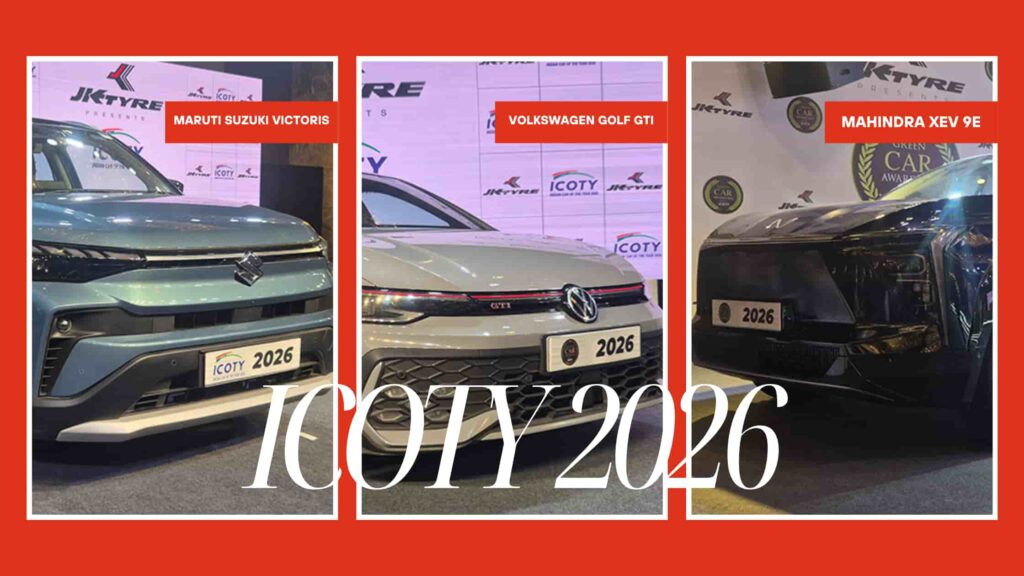
In one of the most anticipated announcements in the Indian automotive calendar, the Indian Car of the Year (ICOTY) 2026 awards have been revealed, with the Maruti Suzuki Victoris taking home the coveted top honour.This year’s winners were selected by a distinguished panel of automotive journalists from across the country, recognising vehicles that excel in performance, innovation, safety, practicality, and value for money.Maruti Suzuki Victoris: A Well-Rounded WinnerThe Maruti Suzuki Victoris ‘Got It All’ SUV stood out among a strong lineup of contenders to clinch the ICOTY 2026 Indian Car of the Year title. Judges praised the Victoris for its balanced blend of efficiency, technological features, safety credentials, and broad market appeal, making it a standout choice in a competitive field.The Victoris impressed the jury with a versatile powertrain lineup, including petrol, strong hybrid, and CNG options, offering choices to a wide range of buyers. It pairs modern conveniences, such as Level 2 ADAS, a large touchscreen infotainment system, and premium comfort features, with solid fuel efficiency and a practical design tailored for Indian roads.Competing against vehicles such as the Skoda Kylaq, Mahindra XEV 9e, Hyundai Creta Electric, Kia Carens Clavis EV, Kia Syros, Tata Harrier EV, and Hyundai Venue, the Victoris earned its title through a comprehensive package that appealed to both critics and everyday drivers. Other Notable Winners at ICOTY 2026Alongside the Indian Car of the Year, ICOTY also recognised excellence in other categories:Green Car of the Year: The Mahindra XEV 9e claimed this title for its strong performance, impressive electric range, advanced technology features, and eco-friendly design.Premium Car of the Year: The Volkswagen Golf GTI earned this award for its exceptional driving dynamics, engineering excellence, and overall performance, standing out among a field of luxury and performance-oriented vehicles.What ICOTY Means for the Indian Auto Industry?Since its inception in 2005, the Indian Car of the Year award has become one of the most respected honours in India’s automotive sector.A jury of seasoned automotive journalists evaluates cars across important parameters, including performance, safety, design, fuel efficiency, value for money, and suitability for Indian driving conditions.The 2026 winners reflect a broader shift in the industry, balancing traditional strengths like reliability and fuel efficiency with growing interests in electrification, advanced safety tech, and hybrid performance.The rise of vehicles like the Victoris and XEV 9e underscores how manufacturers are innovating to meet evolving consumer preferences.Video credit: JK Tyre
2026 Kia Seltos India Launch: A Reboot for the Compact-SUV Segment

The 2026 model of the Kia Seltos has officially made its debut in India, and it’s not just a mild facelift. Kia has overhauled the design, expanded dimensions, bolstered the cabin with premium features, and updated its powertrain lineup, positioning this second-generation Seltos to take on rivals such as Hyundai Creta, Tata Sierra and Maruti Suzuki Victoris.Exterior & Dimensions: A More Muscular PresenceThe 2026 Seltos grows in nearly all dimensions: it now measures 4,460 mm in length, 1,830 mm in width, with a 2,690 mm wheelbase. This makes it 95 mm longer and 30 mm wider than its predecessor, resulting in a more imposing road presence.Up front, the SUV sports Kia’s new “tiger-nose” grille in high-gloss black with dark gunmetal accents, with squared-off LED headlamps and vertically stacked DRLs. The bumper is more rugged, with black cladding and integrated fog-lamp housings. The side profile gets chunkier wheel arches, new 18-inch alloy wheels, and flush-mounted door handles for a sleeker silhouette. At the rear, an inverted L-shaped LED tail-lamp signature spans the width, and the number plate has been relocated to the bumper for a cleaner tailgate design.Interior & Features: Tech, Comfort and Premium TouchesStep inside, and the 2026 Seltos feels like a different vehicle altogether. The cabin boasts a sweeping digital dashboard: dual 12.3-inch screens for the instrument cluster and infotainment system, along with a dedicated climate control display. Some of the headline features include:Panoramic dual-pane sunroof Ventilated front seats, power-adjustable driver seat with memory, and rear sunshadesWireless Apple CarPlay / Android Auto & wireless charging 360-degree camera, ambient lighting (64 colours), and connected-car capabilities. Also notable is the increased boot space, which now measures 447 litres, while rear-seat legroom and overall cabin space have improved due to the extended wheelbase.Safety, ADAS & Driving Aids: Level-Up for a New EraThe 2026 Seltos introduces significant safety and driver-assist enhancements. Base safety kit includes 6 airbags, all-wheel disc brakes, ABS + EBD, ESC, hill-start assist, ISOFIX anchors, and more. On higher trims, buyers get Level-2 ADAS features including lane-keeping assist, adaptive cruise control, blind-spot monitoring, collision avoidance support, and even a 360-degree camera, a commendable move to bring semi-advanced driving aids to a mid-size SUV in India.Market Positioning and OutlookWith these sweeping changes, the 2026 Kia Seltos emerges not as a mere upgrade, but as a redefined product, one aimed at buyers seeking a more premium, tech-laden, larger SUV packed with convenience and safety.Booking opens from 11 December 2025, but Kia India has announced that official pricing will only be revealed on 2 January 2026. This relaunch comes at a time when competition from rivals like Hyundai Creta is heating up, yet the 2026 Seltos seems well-equipped to reclaim its strong position in the compact-SUV marketVideo credit: Kia IndiaVideo credit: Kia India
Tata Sierra 2025: Retro nameplate meets modern SUV
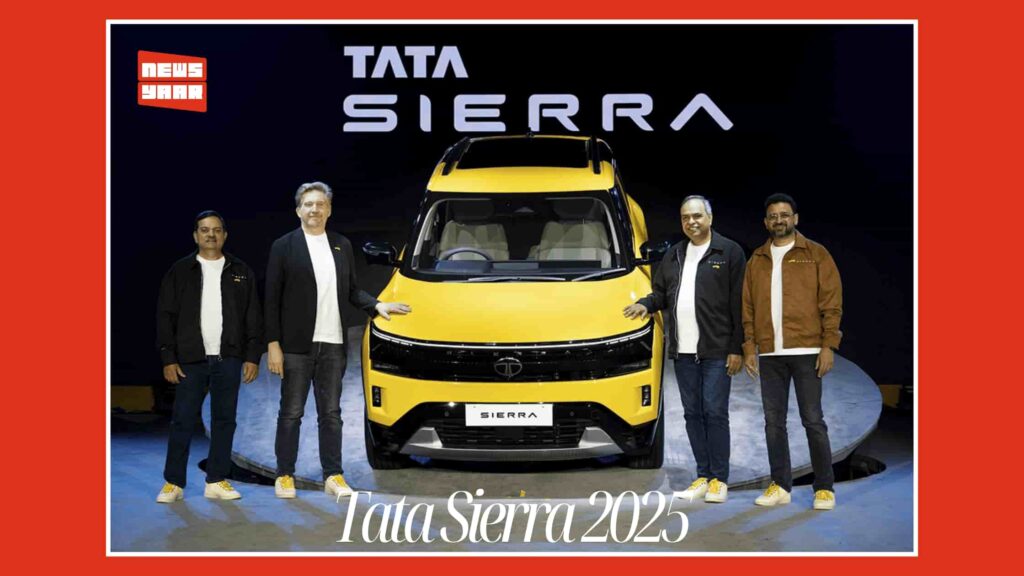
The 2025 edition of Tata Sierra brings back a legendary name from the 1990s, but this time, in a thoroughly modern, feature‑packed avatar aimed at India’s mid‑size SUV crowd.Launched at a starting ex‑showroom price of ₹ 11.49 lakh for the base variant, the new Sierra marks a strong comeback for the brand, as it attempts to re-establish itself in the SUV space. Design & Exterior: Classic feel with modern touchesTata has retained some of the classic SUV cues that made the original Sierra popular: a robust, boxy silhouette, upright stance, and an overall rugged appeal. But to match 2025 sensibilities, the new Sierra brings modern touches: full‑LED lighting, flush door handles, black cladding, sleek 19‑inch alloy wheels, and a contrasting roof band, giving it a “modern heritage” look.The rear features a clamshell‑style tailgate and full‑width light bar, echoing contemporary SUV styling, while the overall proportions make it useful for both city driving and occasional highway/family trips. Interior & Cabin FeaturesOn the inside, Sierra aims high.Its cabin adapts what Tata calls the “Life Space” philosophy, with spacious dimensions, ample headroom, legroom, shoulder room, a flat floor, and smart packaging for both comfort and convenience.The interior layout is premium: a triple‑screen setup with instrument cluster, infotainment and passenger screen, soft‑touch materials, ambient lighting, and a large panoramic sunroof. Ventilated & power‑adjustable seats, rear AC vents, sun‑shades, adjustable headrests and a reclinable rear bench are expected to appeal well to families.For infotainment and convenience: wireless Apple/Android connectivity, wireless charging / USB‑C fast charging ports, 12‑speaker JBL sound system, and multiple storage/grab‑hold points make it practical for long drives or vacations.Powertrains & Performance: Balanced choicesAt launch, Sierra offers multiple ICE engine options, including a turbo‑petrol engine delivering healthy power & torque, and a 1.5‑litre diesel for efficiency‑focused buyers. Transmission and drive options include both manual and automatic variants, enabling flexibility depending on buyer preferences. The SUV’s chassis and suspension setup make it suitable for both city commuting and occasional rough-road / long-distance use.What It Means For buyers & for the marketFor many Indian buyers, the new Sierra offers a compelling blend: classic‑SUV DNA and modern comfort, technology and practicality, at a competitive price point. For families seeking a comfortable mid‑size SUV that isn’t too heavy on the wallet yet doesn’t compromise on features, the Sierra becomes a very attractive option.At a time when competition in the mid‑size SUV segment is heating up, Sierra’s arrival challenges popular models, giving buyers another strong, value‑for‑money alternative.Furthermore, with Tata hinting at a future EV version of Sierra (likely in FY 2026), the SUV may double down on relevance as India slowly pivots toward electrification, offering both ICE convenience now and EV readiness later.Video credit: Tata MotorsVideo credit: Tata MotorsVideo credit: Tata Motors