


Vrindavan’s Historic Gopinath Mandir Leads Emotional Widows’ Holi Amid Braj’s Vibrant 2026 Celebrations
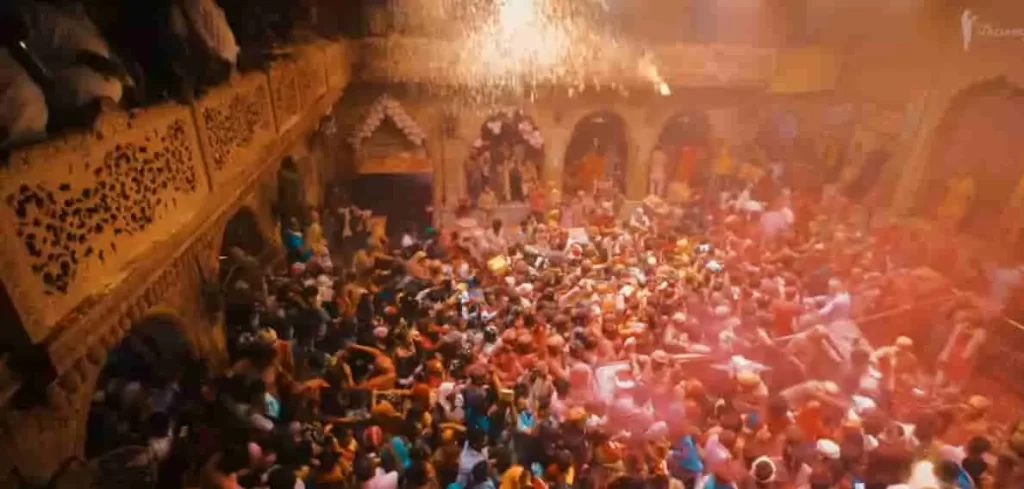
Vrindavan/Mathura, March 15, 2026 – As the sacred Braj Bhoomi region explodes in a kaleidoscope of gulal, drumbeats, and devotion, the Gopinath Temple in Vrindavan stands as a poignant beacon of inclusion during this year’s Holi festivities. Once sidelined from joy, widows gathered here on March 2 for their annual “Widows’ Holi,” hurling colors and songs skyward in a powerful symbol of social evolution. This event, part of a week-long frenzy from late February to mid-March, draws lakhs to Mathura-Vrindavan, blending ancient Krishna lore with modern inclusivity.Unlike the single-day Holi elsewhere in India, Braj’s celebrations stretch over 10-15 days, rooted in legends of Krishna’s playful leelas with Radha and the gopis. This year, festivities peaked around March 4 (Rangwali Holi/Dhulandi), but the Gopinath Mandir’s Widows’ Holi, typically 4-5 days prior, sets a tone of healing amid the chaos. Devotees in white saris, often residents of Vrindavan’s ashrams, danced with flower petals and herbal gulal, their laughter echoing against temple walls. “From exclusion to embrace, this Holi restores dignity,” said one participant, reflecting a tradition revived just over a decade ago by activists challenging orthodox norms.Braj Holi 2026: A Day-by-Day Calendar of Colors and RitualsThe 2026 schedule, aligned with Phalguna Purnima, unfolded across Vrindavan, Mathura, Barsana, Nandgaon, and Baldeo. Here’s the complete timeline pieced from temple announcements and local guides:Feb 24: Laddu Mar Holi (Barsana’s Shriji Temple) – Festivities kick off sweetly, with laddus (sweets) and flowers showered on Radha-Krishna idols, then devotees. A gentle prelude blending piety and play.Feb 25: Lathmar Holi (Barsana) – Radha’s village erupts as women wield lathis (sticks) to “beat” teasing men from Nandgaon, reenacting Krishna’s youthful pranks. Shields fly, colors splash, and dhol beats pulse, drawing massive crowds.Feb 26: Nandgaon Lathmar Holi – Revenge time! Nandgaon women chase Barsana men in this friendly village rivalry, turning streets into riotous arenas of laughter and gulal.Feb 27: Phoolon Ki Holi (Banke Bihari Temple, Vrindavan) – A divine twist: Priests shower rose petals and marigolds instead of powders (8-11 AM). Bhajans fill the air, offering a serene, flower-scented devotion ideal for families.Feb 27: Mathura Temple Holi (Krishna Janmabhoomi) – Parallel colors at Krishna’s birthplace.March 1: Gokul Chhadimaar Holi (Raman Reti) – Men playfully “strip” each other amid colors, echoing rustic Krishna tales.March 2: Widows’ Holi (Gopinath Temple, Vrindavan) – The emotional core: Widows, long barred from festivities, now lead with songs and gulal, symbolizing inclusivity.March 3: Holika Dahan – Bonfires blaze at Vishram Ghat (Mathura) and Dwarkadhish Temple, burning evil’s effigy. Evening parikramas (circumambulations) build spiritual fervor.March 4: Rangwali Holi/Dhulandi (Banke Bihari, ISKCON, Dwarkadheesh Temples) – Peak pandemonium: Streets drown in gulal, water balloons, and bhang-thandai. Processions from Mathura’s Vishram Ghat to Holi Gate feature child “Krishna-Radha” on chariots.March 5: Post-Holi at Prem Mandir – Lingering lights, dances, and colors extend the vibe.March 15: Huranga (Daoji Temple, Baldeo) – Grand finale: Men stripped and “beaten” with color-soaked cloth in a bhang-fueled frenzy.Iconic Temples and Traditions Lighting Up the FestivitiesBanke Bihari Temple (Vrindavan): Epicenter for Phoolon Ki (Feb 27) and Rangbhari (March 4) Holi. Priests splash colors; crowds surge—arrive pre-dawn for darshan.Dwarkadheesh Temple (Mathura): Dhulandi hub with non-stop music and processions.Gopinath Temple (Vrindavan): Widows’ Holi’s spiritual home, emphasizing equality.Others: Radha Raman, ISKCON, and Prem Mandir host parallel events, with floral Gulal Kund adding petal showers.Braj Holi fuses spirituality (bhajans, aastha) with revelry, Lathmar’s playful “battles,” processions of mini-Krishnas, and cuisine like gujiya (khoya dumplings), thandai (spiced milk), makhan mishri (butter-jaggery), and kachori-sabzi. Traveler Surge and Safety Amid ColorsLakhs flock annually, boosting the local economy via tour packages (SOTC, UP Tourism). Trains to Mathura Jn. fill fast; Mathura-Vrindavan shuttles run 24/7. Tips: Use herbal gulal, respect consent (“bura na mano, Holi hai!”), secure valuables, hydrate, wear old clothes, and opt for guided tours. Women travelers: Stick to temples/groups; avoid isolated spots. Metro/rail best over roads clogged by festivities.Why Gopinath Mandir’s Holi Resonates GloballyIn a festival of chaos, Widows’ Holi at Gopinath, quiet yet revolutionary, captures Braj’s soul: Krishna’s inclusive love triumphing over taboo. As one sadhu noted, “Holi here isn’t just color; it’s prema (divine love) washing away sorrow.” Amid 2026’s vibrant tapestry, this historic temple reminds us:
PM Modi’s Mann Ki Baat E-133 | 26th April, 2026
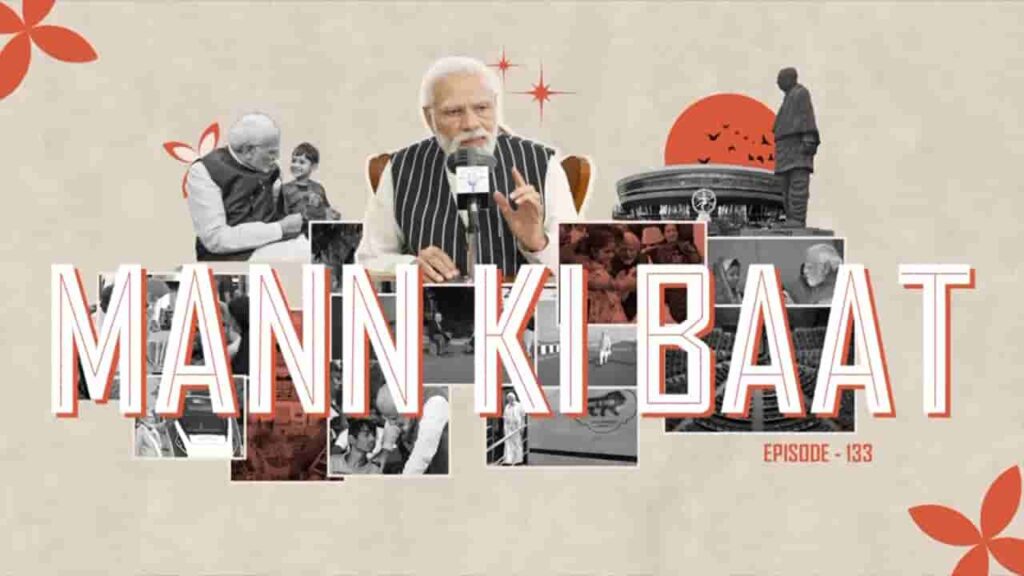
PM Modi’s Mann Ki Baat E-133 | 26th April, 2026 Video: YT/@NaMo
World Radio Day 2026: A Timeless Medium That Continues to Speak to the World

World Radio Day 2026 was observed globally on February 13, reaffirming the enduring relevance of radio as one of the world’s most trusted and accessible forms of communication. Even as digital platforms redefine how audiences consume information, radio continues to hold its ground as a medium built on credibility, immediacy and human connection. The day is marked every year under the aegis of UNESCO, which proclaimed February 13 as World Radio Day in 2011 to commemorate the founding of United Nations Radio in 1946. Since then, the observance has served as a global reminder of radio’s role in strengthening democracy, encouraging free expression and ensuring access to information for all. Reflecting on radio’s enduring power, UNESCO has often underlined that “radio remains the most reliable and widely consumed medium in the world, capable of reaching people wherever they are, whatever their circumstances.” The sentiment resonated strongly in 2026, as broadcasters across continents marked the day with special programming and discussions on radio’s evolving relevance. A Medium That Reaches Where Others Cannot Radio’s significance lies in its unparalleled reach. It cuts across barriers of geography, literacy and technology, making it a lifeline in remote regions and during emergencies when internet and mobile networks falter. From disaster warnings and public health advisories to election coverage and educational broadcasts, radio continues to perform a vital public service role. World Radio Day 2026 drew attention to this resilience, with broadcasters revisiting moments where radio played a decisive role — whether in crisis communication, community mobilisation or preserving cultural heritage through local languages and storytelling. Adapting Without Losing Its Soul While digital media has transformed audience behaviour, radio has adapted without losing its essence. Today’s radio operates across FM, AM, satellite, mobile apps, live streams and podcasts, blending traditional broadcasting with digital innovation. Interactive shows, listener call-ins and social media integration have further expanded engagement, especially among younger audiences. Yet, as one veteran broadcaster noted during a World Radio Day discussion, “radio’s greatest strength is not technology, but trust — a voice people believe, especially when it matters most.” India’s Radio Landscape In India, World Radio Day 2026 was observed by public and private broadcasters with special segments celebrating radio presenters, producers and ground-level reporters. Community radio stations, in particular, highlighted their role in empowering rural populations, spreading agricultural awareness and amplifying local voices often absent from mainstream media. With broadcasts in multiple languages and dialects, radio remains a unifying force in India’s diverse social and cultural fabric. Looking Ahead As the media ecosystem becomes increasingly fragmented, World Radio Day 2026 reinforced the need to protect independent broadcasting and invest in sustainable radio infrastructure. At a time when misinformation spreads rapidly online, radio’s commitment to verified information and public trust stands out as more relevant than ever. In the words of UNESCO’s message for the day, “radio is not just a medium of the past — it is a voice of the present and a bridge to the future.” World Radio Day 2026 thus served as both a celebration and a reminder: in an age driven by screens and algorithms, radio continues to speak — clearly, credibly and humanly — to the world.
Valentine’s Day 2026: How Love Was Celebrated, Questioned, and Reimagined This Year

Valentine’s Day this year didn’t arrive with loud declarations alone; it came quietly too — in pauses, in small gestures, in moments that didn’t need to be posted to feel real. Celebrated on February 14 and spilling into conversations well beyond the date, Valentine’s Day 2026 reflected how the idea of love itself is evolving — layered, thoughtful, and far less performative than it once was. Across cities and small towns alike, the day saw a familiar rhythm: cafés filled early, flower sellers doing brisk business, last-minute gift counters crowded by the evening. Roses, chocolates and handwritten notes remained classics, but what stood out this year was the shift in intent. Love was no longer just about grand gestures; it was about presence. Couples chose quieter celebrations — shared meals, long walks, unhurried conversations — opting for connection over spectacle. Social media, often the loudest mirror of Valentine’s Day, also told a different story this year. While there were still curated photographs and carefully framed moments, there was a noticeable rise in honesty. Posts spoke of gratitude, healing, companionship, and growth. Many users moved away from the idea of romantic perfection and instead embraced vulnerability. One widely shared sentiment summed it up simply: “Love doesn’t have to look perfect to feel true.” For many, Valentine’s Day 2026 was not just about romantic partnerships. Friendships were celebrated openly, self-love took centre stage, and families found their own ways to mark the day. Bookstores hosted poetry readings, cafés organised open-mic evenings, and wellness spaces saw people choosing solitude without apology. The definition of love expanded — not diluted, but deepened. Market trends echoed this emotional shift. Experiences overtook objects. Reservations for workshops, intimate dinners, travel getaways, and wellness sessions saw a rise compared to traditional luxury gifting. Consumers leaned toward meaning — gifts that carried stories rather than price tags. As one shopper put it, “I didn’t want to buy something expensive. I wanted to give something that would stay.” Interestingly, Valentine’s Day also became a moment of reflection for those nursing heartbreak or choosing distance. Instead of exclusion, there was acknowledgment. The day allowed space for those who were single, healing, or redefining their relationship with love altogether. Quotes like “Being alone is not the opposite of love; it’s often where it begins”resonated strongly this year. What made Valentine’s Day 2026 stand out was its emotional maturity. It wasn’t louder — it was wiser. It didn’t insist on celebration; it invited intention. Love was expressed in showing up, in staying gentle, in choosing honesty over illusion. As conversations continue beyond the day itself, one thing is clear: Valentine’s Day this year wasn’t about proving love to the world. It was about understanding it better — quietly, sincerely, and on one’s own terms. And perhaps that’s what made it memorable.
Alex Honnold’s Historic Free Solo: Conquering Taipei 101
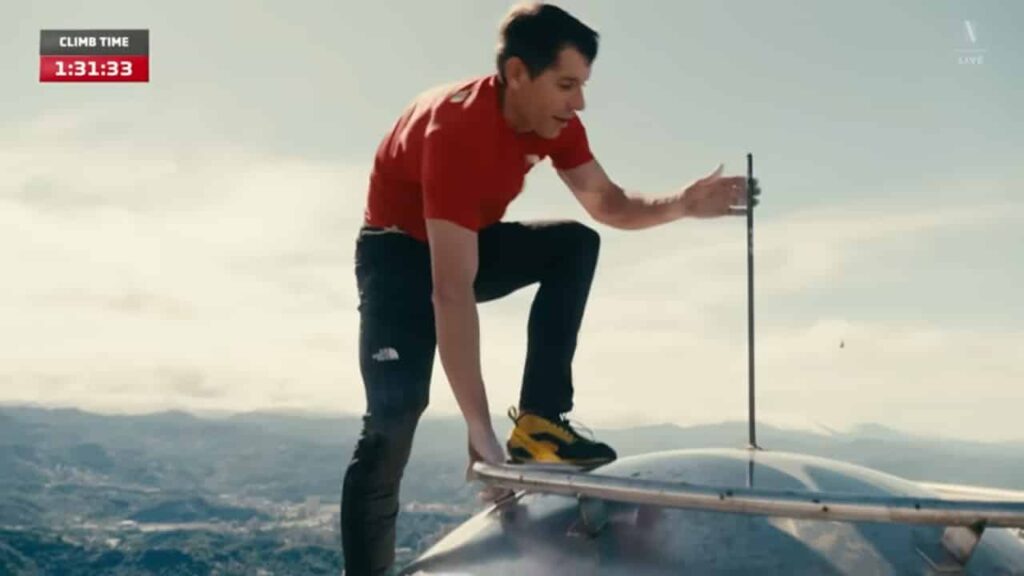
Alex Honnold has achieved a historic feat by free-soloing Taipei 101, one of Asia’s tallest skyscrapers, captivating global audiences with his ropeless ascent. The 40-year-old American climber scaled the 508-meter (1,667-foot) structure in Taiwan’s capital in just 92 minutes on a sunny Sunday morning, shattering the previous record.Climb DetailsHonnold began his ascent at around 9 a.m. local time after a one-day delay due to wet weather, gripping metal beams, ledges, and balconies on the bamboo-inspired steel-and-glass tower. He wore a red short-sleeve shirt, a chalk bag for grip, and no ropes, harnesses, or safety gear, true free soloing, relying solely on precision and endurance. At the top, he grinned, waved to cheering crowds below, and later called it “unbelievable,” noting the crowd’s energy made it intense but fun as he relaxed into the rhythm.Background and TrainingRenowned for his 2017 free solo of Yosemite’s 915-meter El Capitan, immortalized in the Oscar-winning Netflix documentary Free Solo, Honnold had eyed Taipei 101 for over a decade. The 101-story building, opened in 2004 with offices, a mall, and observatories, offers predictable holds like balconies every eight floors, testing stamina more than sheer technical difficulty. He trained for three months in Taipei, including rope-assisted runs amid sirens and drizzle, with city government approval.Record ComparisonHonnold’s time of 1 hour, 31 minutes, and 43 seconds more than halved the mark set by French climber Alain Robert, aka “Spiderman,” who topped out in over four hours in 2004 using ropes on the then-world’s tallest building. Robert, recovering from surgery amid wind and rain, praised Honnold’s preparation, saying there’s “not even a one-in-100-million chance” of failure.ClimberYearTimeEquipment UsedAlex Honnold20261:31:43None (free solo)Alain Robert20044+ hoursRopes and harnessLive Broadcast and ReactionsNetflix streamed the event live as Skyscraper Live, with a 10-second delay to cut away if needed, drawing massive viewership alongside a small on-site crowd and expert panel. Bets poured in on platforms like Polymarket for his success and timing. While fans erupted in cheers, some climbers criticized it as “voyeuristic” amid recent free-solo deaths, fearing commercialization over safety, though Honnold stayed calm, pausing to wave from balconies.Training FocusHonnold prepped for Taipei with urban-specific grips like box-pinch pull-ups for window edges and mental visualization amid city chaos, emphasizing fatigue from repeated moves. El Cap demanded broader rock mastery, thousands of practice laps, and handling route-specific cruxes like dynamic slabs. Climbers widely view El Cap as riskier and harder technically, though Taipei’s visibility amplified its mental toll.Legacy and ReflectionsThis marks the biggest urban free solo ever, blending Honnold’s mental prep, visualization, and self-talk, with the building’s forgiving design. Post-climb, he rappelled down with a harness, met his wife, and glowed about the thrill, solidifying his legend while sparking debates on risk in live sports.
Kerala’s ‘Kumbh Mela’ Revival at Thirunavaya: Spiritual Spectacle or Contested Rebranding?
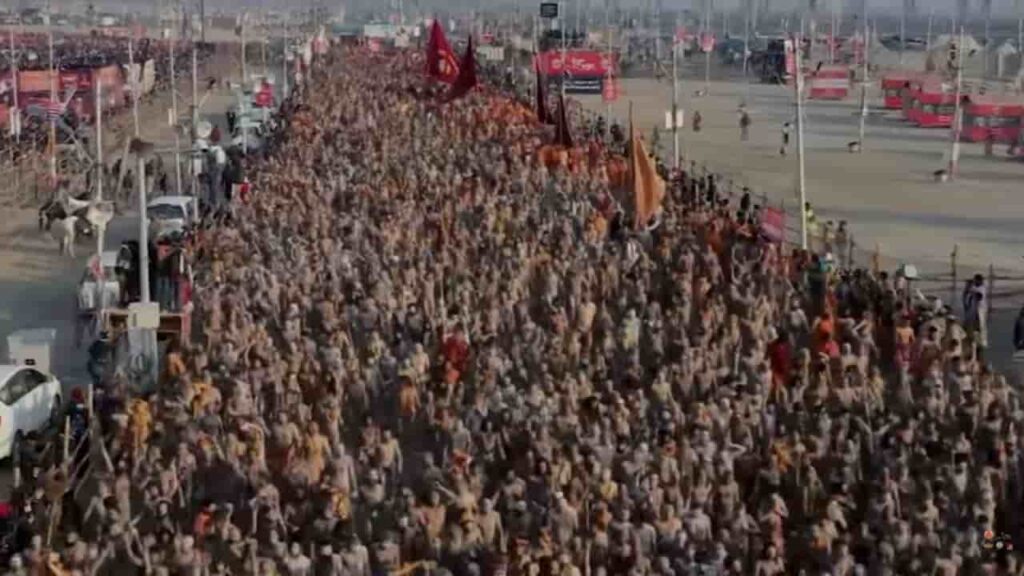
Thirunavaya’s Bharathapuzha (Nila) riverbanks hosted the Mahamagha Mahotsavam, dubbed Kerala’s Kumbh Mela, from January 18 to February 3, 2026, drawing over 3.5 lakh daily devotees at its peak. Organized by Varanasi’s Juna Akhada with Mohanji Foundation and Mata Amritanandamayi Math, the 17-day event peaked February 2-3 with Naga sanyasis’ arrival, blending Vedic dips, Nila aarti by Varanasi priests, and tribal rites, but sparked debate over history, politics, and ecology.Event Highlights and RitualsHeld at Trimurti Sangama (Brahma-Vishnu-Shiva temples triangle), the festival revived rituals absent for ~250-270 years:Holy Dips (Snana Mahotsavam): Believed to energize souls, equivalent to Ganga baths.Nila Aarti: 15-member Varanasi team’s evening fire rituals, evoking Kashi ghats.Inclusivity: Vedic yajnas, tantra, Paniya/Kattunayakan tribal practices alongside Brahmin rites; discourses, bhajans.Processions: Mahameru Rath Yatra from Tamil Nadu’s Trimurtimala; Naga sanyasis’ dips/meditations.Special trains stopped at Kuttipuram/Tirur; crowds from Kerala, Tamil Nadu, Andhra, and North India. Logistics: Parking/security robust; stays in Kottakkal/Perinthalmanna (accommodation scarce onsite).Phase/DateHighlights & SignificanceJan 18: Inaugural SnanaFestival launch; initial mass dips, poojas at Navamukunda Temple.Jan 19-22: Rathayatra PeriodChariot arrival; heightened dips amid processions, yajnas.Feb 2: Naga Sanyasi ArrivalAsh-smeared avadhoots’ ritual dips via special trains (Kuttipuram/Tirur stops); awe-inspiring for devotees.Feb 3: Mahamagha CulminationFinal peak snana; grand aarti, homams, festival close; max crowds for soul purification.Brahma Muhurta (4-5:30 AM) is ideal for dips; post-bath charity/meditation amplified merits. No exact parallels to Prayagraj’s Paush Purnima/Mauni Amavasya, but Feb 3 evoked “king of snans” vibe.Key Leaders and RolesThirunavaya’s Mahamagha event (Jan 18–Feb 3, 2026) drew key figures from Juna Akhada, Kerala mathas, and reformist lineages, blending north-south traditions. Led by Varanasi’s Juna Akhada with Mohanji Foundation and Mata Amritanandamayi Math, attendees included Naga sanyasis, Aghori babas, and matha heads for dips, aartis, and poojas.Leader/TitleAffiliation/RoleHighlightsMahamandaleshwar Swami Anandavanam BharatiJuna Akhada (Sabhapati); ex-SFI/journalist turned Mahamandaleshwar (2025 Maha Kumbh).Led inaugural Magha Snana (Jan 19); presided over all rituals; public face promoting “Kerala Kumbh.” Mata Amritanandamayi (Amma)Chief Patron (Mata Amritanandamayi Math).Symbolic patron since 2018 revivals; inclusivity focus. Acharya Mahamandaleshwar Avadheshananda Giri Ji MaharajJuna Akhada Supreme Head; Co-Chief Patron.Oversaw organizational revival.Swami Satyananda SaraswatiFoundation Managing Trustee; Shriramdas Mission National Gen Secy.Inaugural presence (Jan 18). Sri Shakti Shantanananda MaharshiShriramdas Mission; with Swami Satyananda.Day 1 ceremonies. Mooppil Swamis (Kerala Shankara Mathas)Thrissur Thekke (Vasudevananda Brahmanandabhuti), Kasaragod Idaneer (Sachidananda Bharathi), Thrissur Naduvil (Achyuta Bharathi), Thanur Thrikkaikattu (Narayana Brahmananda Theertha), Ilamura (Parthasarathy Bharathi).Special poojas (Jan 30); sanctified event. Acharyan Arun PrabhakarjiGayatri Gurukulam.Led Vedic chanting for Magha Snana. Ivarmatham Ramesh KorappathjiVedic ritual leader.Shmashana Shraddha (Jan 18). Naga Sanyasis & Aghori BabasJuna Akhada ashrams (Kashi/Varanasi).Arrived Feb 2 for dips/meditations; mystic draw.Additional ContextInaugural Dignitaries: Kerala Governor Rajendra Vishwanath Arlekar (Chief Guest, Dharmadhwaja hoisting Jan 19); Zamorin rep K.C. Dileep Raja Arikkara, Sudheer Namboothiri.Reformist Homage: Honored Adi Shankaracharya, Sree Narayana Guru, Chattampi Swamikal, Ayyankali, Ayya Vaikunda Swamikal, Swami Chinmayananda, Nijananda/Satchidananda Saraswati—inclusivity across sects.Coordination: Swami Chidanandapuri (earlier patron); BJP leaders/Seva Bharati volunteers supported.These figures amplified the event’s pan-Hindu appeal, drawing 3.5 lakh/day peaks despite historical debates.Historical Context: Mamankam vs. Kumbh RebrandRooted in medieval Mamankam (Maha-Makham, every 12 years till 1755), a Chera-era trade/political arena where Zamorin-Valluvakonathiri clashed via chaver suicide squads. Sites: Nilapadu Thara (Zamorin throne), Manikkinar well, Changampally Kalari. Legends tie to Parashurama’s yajna at Thavunur.Organizers (Sabhapati Swami Anandavanam Bharati, ex-SFI/journalist turned Mahamandaleshwar) frame as prehistoric Magha Mela revival—Bṛhaspati-led, post-Palazhi Mathanam myth. But historians diverge:Supporters (VV Haridas): River festival akin to Kumbh; Mamakam=Magha Utsavam.Critics (Rajan Gurukkal, KN Ganesh): Distinct—nakshatra (Makam) vs. Jupiter-Sun rāśi alignments; martial/multicultural (Muslim Kozhikotu Koya on platform, Mappila guards/traders), not purely religious. No Kerala Kumbh tradition; Hindutva overlay erases secular history.Revival attempts: 2016 (Thirur Dinesh), 2018+ (Swami Chidanandapuri, Amma); 2025 Juna Akhada scale-up. 2028 promises a fuller 12-year cycle.Controversies: Hindutva, Politics, EcologyRebranding Critique: Historians (Shibi Thekkeyil, PK Michael Tharakan) call it Hindutva appropriation, Brahminical north-Indian narrative overwriting Dravidian/secular Mamankam in Muslim-majority Malappuram (75%+ local Muslims). RSS visitors’ eyes “Hindu unity.”Permissions Clash: Jan 2026 stop-memo (river conservation/safety) resolved via Collector; TN denied TN-Kerala rathayatra stops—framed as anti-Hindu bias by Swami (communal remarks on LDF/UDF vs. Muslim events).Environmental Alarm: Drought-prone Bharathapuzha (dries summers; coliform pollution, sand-mining); NGOs (Re-Echo, Friends of Bharathapuzha) fear crowds exacerbate scarcity (444 water projects dependent). CPCB post-2025 Prayagraj report warns of pilgrim impacts. Organizers counter: Tradition reveres nature.State aid: Police (hundreds), Haritha Sena (waste), KSRTC buses, despite BJP gripes.Broader ImplicationsIn poll-bound Kerala, the event fuses local lore with pan-Indian Hindu revivalism, attracting lakhs yet polarizing: Devotees hail spiritual homecoming; critics see imported north-Indian violence/majoritarianism. As Bharathapuzha’s ecology strains, balancing faith and sustainability looms large for 2028’s sequel.
Halda Festival: A Traditional Himalayan Celebration of Community, Culture and New Beginnings
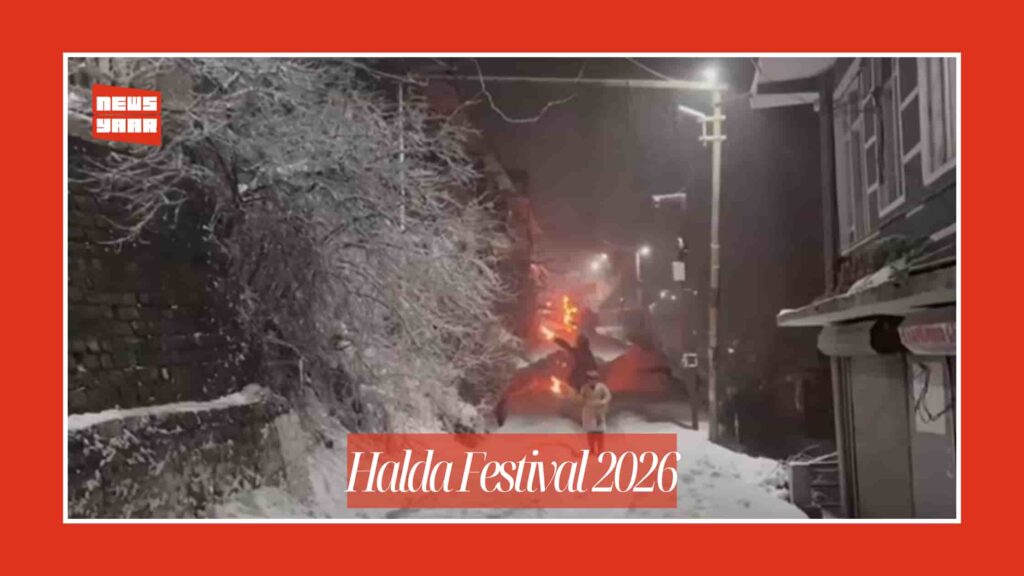
The Halda Festival is an ancient cultural festival observed in the Lahaul-Spiti district of Himachal Pradesh, celebrated each year in January to mark the New Year, strengthen community bonds and seek blessings for prosperity, good harvests and protection against misfortune. The festival holds deep significance for the tribal communities of the region, blending rituals, folklore, music, dance, community gatherings and symbolic fire ceremonies that have been preserved across generations. When and Where It Happens Unlike many fixed-date festivals, the precise dates of the Halda Festival are determined by local spiritual leaders — the Lamas — each year based on traditional observances. The celebrations typically occur during the second and third weeks of January, when Lahaul Valley communities come together to perform age-old customs amid the region’s snowy winter landscape. The festival is especially prominent in the Gahar, Chandra and Pattan valleys of Lahaul-Spiti, which lie along the Chandra and Bhaga river systems. These valleys become vibrant centres of traditional activity as residents participate in Halda’s rituals and social celebrations. In 2026, local administrations and community leaders prepared for the festival’s start around mid-January, with areas like Koksar and Sissu temporarily closing to tourism and non-residents so the festival could proceed without disruption to sacred practices. Origins and Cultural Significance Halda is rooted in the Indigenous Himalayan traditions of the Lahaul-Spiti region, where harsh winters, geographic isolation and agrarian cycles have shaped the cultural calendar over centuries. It is generally understood as a New Year’s festival, a time when communities come together at the peak of winter to renew social ties, offer devotions and symbolically seek protection and abundance for the coming year. The festival is dedicated to Shashikar Apa, a Goddess of Wealth in the local Lamaistic pantheon, revered for bestowing prosperity and well-being upon the community. Families invoke her blessings in traditional rituals and collective gatherings. Rituals, Customs and Celebrations At the heart of Halda is a set of distinctive rituals, most of which revolve around fire, community gatherings and symbolic offerings: Lighting the Halda Torch: Each family cuts branches of pencil cedar (a local conifer) and binds them into bundles called “Halda” — essentially large, hand-made torches. On the festival day, these torches are lit to form a ceremonial fire, which serves as a focal point for community prayers, rituals and collective gatherings in homes or village spaces. Families often prepare a number of torches corresponding to male members in the household, underscoring the personalised and family-centric nature of the ritual. Once lit, residents gather around the fire to sing traditional songs, perform rituals and share food and stories. Music, Dance and Folklore: Halda is marked by vibrant folk music, communal dancing and song, which reflect the cultural heritage of the valley peoples. One of the most distinctive traditional performances is the Asur Dance, presented in some villages (such as Khangsar in the Chandra Valley) on the concluding day. This performance involves dancers wearing masks representing demons (Asur) — a symbolic ritual rooted in local folklore about warding off evil forces. Ritual Offerings and Community Prayers: Residents perform prayers to local deities and ancestral spirits to ensure prosperity, protection and a good agricultural season ahead, even as the stark winter persists. These rites are considered vital for maintaining spiritual harmony and community cohesion. Festive Atmosphere and Social Elements Though the festival is deeply traditional and spiritual, Halda also resembles a period of communal unity and social celebration. Despite the extreme cold and snow that blankets Lahaul in January, people gather to share food, socialize, and celebrate their shared culture. Visitors from other parts of Himachal Pradesh and neighbouring regions often attend the festivities, drawn by the music, dance and unique rituals. In contrast to more commercialised national festivals, Halda remains largely a community-driven cultural observance, with emphasis on shared participation and continuity of local heritage rather than tourism-focused activities. Social and Symbolic Importance The Halda Festival serves several deep cultural and social purposes: Preservation of Indigenous Traditions: Its rituals, music and community practices are a living repository of the traditional values, mythologies and spiritual outlook of the mountain people. Community Solidarity: The collective lighting of the Halda fire, shared songs and communal dances reinforce social unity, mutual support and intergenerational bonds at a time when isolation and harsh climate can strain everyday life. Seasonal Transition Symbolism: Held mid-winter, the festival symbolically marks a moment of hope, renewal and cultural resilience, anticipating the return of spring and the season of growth. Why Halda Festival Matters In an era of rapid cultural change and globalization, the Halda Festival represents a vibrant thread of continuity for Lahaul-Spiti’s unique cultural identity. It preserves ancient rituals, promotes collective memory and sustains traditions that have been passed down through generations. By anchoring community life and seasonal cycles, Halda helps ensure that local customs remain alive even as younger generations navigate the pressures of modern life. For cultural scholars, anthropologists and travellers interested in Himalayan heritage, Halda offers insight into how festival practices, spiritual symbolism and communal cohesion intersect in one of India’s most remote and resilient regions. How to Experience Halda While Halda remains primarily a local observance rooted in tribal and village communities, those wishing to witness aspects of the festival should respect its traditional and spiritual context. Visitors are encouraged to engage respectfully with local practices, understand community norms and appreciate the symbolic significance of rituals rather than treat the festival as mere spectacle.
Guru Ravidas Jayanti 2026: Know History, Significance, Dates, and more
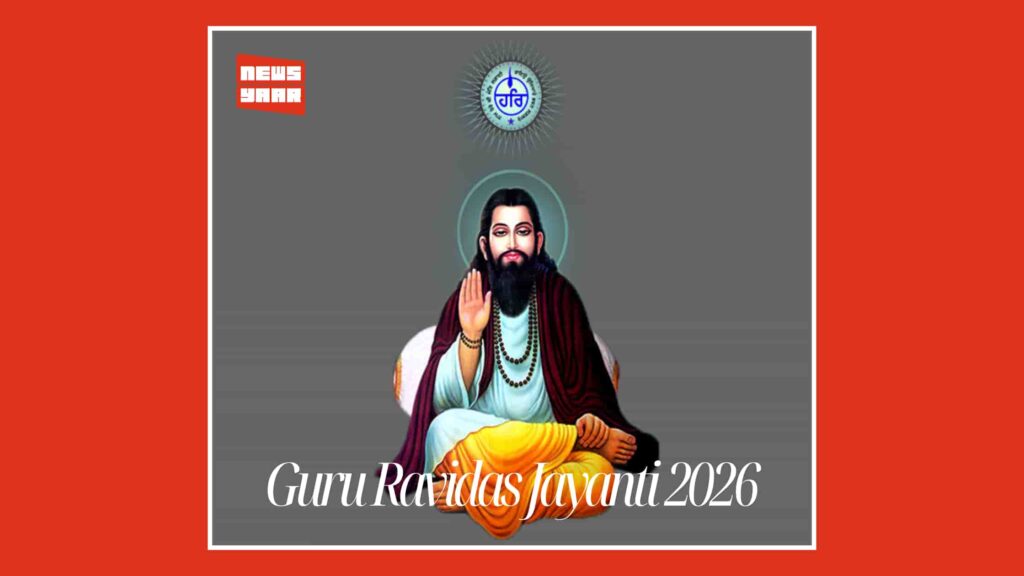
This year marks the 649th birth anniversary of Sant Guru Ravidas Ji, whose timeless teachings of equality and spiritual wisdom continue to inspire millions Guru Ravidas Jayanti 2026 was celebrated on Sunday, February 1, 2026, marking the 649th birth anniversary of Sant Guru Ravidas Ji, a revered 15th-century saint, poet, and social reformer whose vision of an egalitarian society remains profoundly relevant today. Date and Timings Celebrated annually on Magha Purnima, the full moon day of the Hindu month of Magha, the festival is observed with great devotion across India, particularly in Punjab, Uttar Pradesh, and Haryana. As per religious tradition, the festival is celebrated on the day the Purnima tithi begins, hence Guru Ravidas Jayanti falls on February 1, 2026. Who Was Guru Ravidas? Born in the village of Seer Goverdhanpur near Varanasi, Uttar Pradesh, Guru Ravidas emerged as a prominent figure in the Bhakti Movement, a spiritual revolution that emphasized personal devotion to the divine over rigid ritualistic practices. A contemporary of Saint Kabir, Guru Ravidas’s influence transcended social boundaries. He is believed to have been the spiritual guide to Meera Bai, the celebrated Rajput princess and devotional poetess. Despite being born into a community of leather workers, traditionally considered among the lowest in the caste hierarchy, Guru Ravidas rose above social discrimination through his spiritual wisdom and compassionate teachings. Philosophy and Teachings The cornerstone of Guru Ravidas’s philosophy was the rejection of the caste system and the promotion of human dignity and equality. He envisioned an ideal society called ‘Beghumpura’ (literally, “a city without sorrow”), a utopian realm free from suffering, fear, and discrimination, where all people could live with equal rights and dignity. His spiritual contributions are immortalized in the Guru Granth Sahib, the holy scripture of Sikhism, which contains 41 of his hymns. These verses emphasize that God resides in every heart and that true devotion is found not in caste or ritual, but in: Inner purity Compassion Selfless service (Sewa) Guru Ravidas’s teachings also emphasize simplicity, humility, and the unity of all humanity under one divine power. Significance of Guru Ravidas Jayanti Guru Ravidas Jayanti is not merely a religious festival but a celebration of social justice, equality, and human values. His message challenged the oppressive caste structures of medieval India and advocated for a society built on mutual respect and spiritual equality. In today’s world, his teachings serve as a powerful reminder to rise above discrimination based on caste, religion, wealth, or status. His vision of Beghumpura inspires movements for social reform and continues to guide those working toward a more just and compassionate society. How Is Guru Ravidas Jayanti Celebrated? Preparations for Guru Ravidas Jayanti 2026 are in full swing across the country, with elaborate arrangements being made, especially in Uttar Pradesh. In Varanasi Thousands of devotees gather at the Shri Guru Ravidas Janam Asthan Mandir in Varanasi, the birthplace of the saint. Key rituals include: Taking a holy dip in the Ganges River, believed to purify the soul Offering prayers and flowers at the temple Lighting diyas (oil lamps) at Sant Ravidas Park Nagar Kirtans (Processions) Vibrant processions are organized in cities across Punjab, Uttar Pradesh, Haryana, and other states. Devotees: Carry portraits and images of Guru Ravidas Sing devotional songs (bhajans) and perform kirtan Use traditional instruments to create a spiritually charged atmosphere Religious Gatherings In Gurdwaras and temples dedicated to the saint: Special prayer meetings are held The Amritbani Guru Ravidas Ji (a collection of his teachings) is recited Scholars deliver discourses on his philosophy and social contributions A Message for Modern Times As India prepares to celebrate Guru Ravidas Jayanti 2026, the occasion serves as a powerful reminder of the values that can unite society: compassion, equality, and spiritual devotion. In an era still grappling with social divisions, Guru Ravidas’s 649-year-old vision of Beghumpura offers a blueprint for a more harmonious and just world. His life exemplifies that true greatness lies not in one’s birth or social status, but in the purity of one’s heart and the service rendered to humanity. This Guru Ravidas Jayanti, devotees across the nation will gather to honor this extraordinary saint whose words continue to light the path toward a better tomorrow.
Republic Day 2026: India Celebrates 77 Years of the Constitution with a Grand Display of Unity and Aspirations
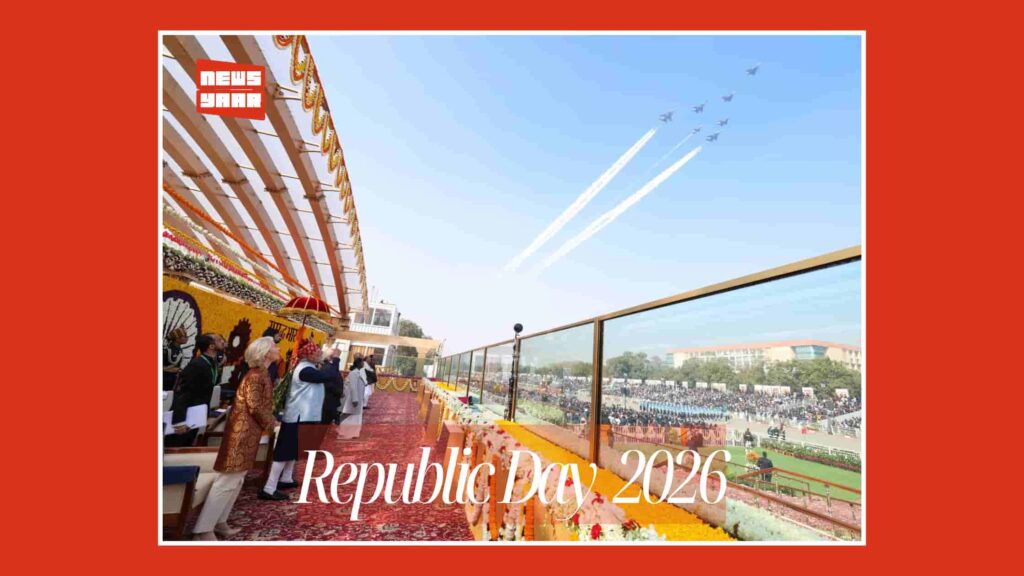
New Delhi: India celebrated its 77th Republic Day on January 26, 2026, with a majestic ceremonial parade at Kartavya Path, showcasing the country’s constitutional ethos, democratic resilience and evolving national priorities. The occasion marked 77 years since the Constitution of India came into force in 1950, laying the foundation of a republic built on justice, liberty, equality and fraternity.The celebrations were graced by the Republic Day Chief Guest, a distinguished head of state from a key strategic partner nation, underlining India’s growing global stature and its emphasis on international cooperation in a rapidly changing world.Chief GuestsThe celebrations were graced by two distinguished chief guests: President of the European Commission Ursula von der Leyen and President of the European Council António Costa, underscoring India’s strategic partnership with the European Union. Their presence highlighted international cooperation amid global challenges.Ceremonial Traditions and National HomageThe day commenced with the President of India unfurling the national flag, followed by the traditional 21-gun salute, symbolising the sovereignty of the republic. Earlier in the morning, Prime Minister Narendra Modi paid tribute to fallen soldiers at the National War Memorial, reaffirming the nation’s gratitude to the armed forces for their sacrifice and service.Parade Highlights: Military Might and Indigenous CapabilityThe Republic Day parade unfolded as a powerful demonstration of discipline, preparedness and national resolve. The parade featured marching contingents from the Army, Navy, Air Force, and paramilitary forces, including 18 contingents and 13 bands, with a new “phased battle array” format mimicking battlefield deployment for realism. A debut animal contingent from the Remount & Veterinary Corps showcased camels, ponies, raptors, and dogs.A major highlight was the display of indigenously developed defence platforms, reinforcing India’s push towards Aatmanirbhar Bharat in defence manufacturing. From advanced weapon systems to next-generation mobility platforms, the parade reflected India’s transition from an importer to a producer of defence technology.Tableaux: India’s Diversity, Development and VisionThe state and Union Territory tableaux remained among the most visually striking segments of Republic Day 2026. Each tableau told a distinct story, blending cultural heritage with development priorities.Thirty tableaux participated: 17 from states/UTs depicting culture, freedom struggle, and self-reliance (e.g., Uttar Pradesh, Maharashtra, Tamil Nadu), and 13 from ministries on defence, education reforms, skill development, and urban transformation. A special Ministry of Culture tableau celebrated “150 Years of Vande Mataram.”Themes ranged from traditional art forms and indigenous knowledge systems to modern infrastructure, digital governance, green energy initiatives and social welfare programmes. Together, the tableaux offered a snapshot of how India’s regions are preserving identity while embracing transformation.Notable Performances and Special SegmentsThis year’s celebrations placed special emphasis on youth and women-led participation. Performances highlighted achievements in science, innovation, education, sports and entrepreneurship, underscoring the role of the next generation in shaping India’s future.The growing presence of women in the armed forces and leadership roles stood out during the parade, symbolising changing social norms and expanding opportunities across sectors.Aerial Display & Sky ShowThe parade culminated in a spectacular flypast by the Indian Air Force, with fighter jets, transport aircraft and helicopters soaring across Kartavya Path. The tricolour smoke trails across the winter sky provided a dramatic finale, drawing applause from spectators and reinforcing national pride.The Indian Air Force flypast featured Rafale, Sukhoi, and Tejas jets in formations like “Trishul,” painting tricolour trails, followed by a spectacular fireworks and drone show finale.Republic Day Beyond CelebrationRepublic Day is more than a ceremonial occasion; it is a reaffirmation of India’s constitutional identity. As the world’s largest democracy, India’s Constitution continues to function as a living document, guiding governance while adapting to societal change.Leaders across political and institutional lines used the occasion to reiterate their commitment to constitutional values, democratic institutions and inclusive growth. Messages centred on balancing economic expansion with social justice, sustainability and technological advancement.A Nation Reflects and Looks AheadAcross the country, Republic Day was observed with flag-hoisting ceremonies, cultural programmes and community gatherings, allowing citizens to reconnect with the ideals that define the republic.As India steps into its 78th year as a republic, Republic Day 2026 reflected a nation confident in its achievements, conscious of its challenges, and committed to progress that leaves no one behind.Above all, the celebrations reaffirmed a timeless truth: India’s strength lies in its people and their enduring faith in the Constitution that binds the nation together.
Doomsday Clock Explained: Why Humanity Remains 90 Seconds from Midnight
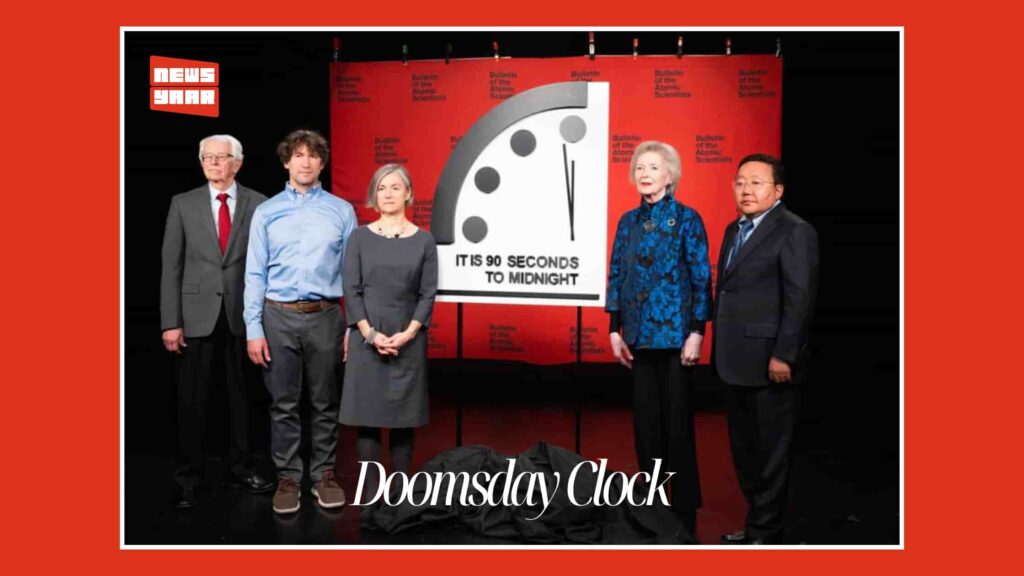
The Doomsday Clock, a symbolic measure of humanity’s proximity to global catastrophe, remains set at 90 seconds to midnight, the closest it has ever been to the point representing irreversible disaster. Maintained by the Bulletin of the Atomic Scientists, the clock reflects the collective judgement of leading scientists, security experts and Nobel laureates on the state of existential threats facing the world.First unveiled in 1947, the Doomsday Clock was conceived by scientists who had worked on the Manhattan Project and later became deeply concerned about the consequences of nuclear weapons. What began as a warning about atomic warfare has since evolved into a broader indicator that incorporates multiple human-driven risks, including nuclear conflict, climate change, biological threats, disruptive technologies and geopolitical instability.Midnight on the clock does not represent a specific event or date. Instead, it symbolises a threshold beyond which civilisation could face irreversible damage. The clock’s movement toward or away from midnight is recalibrated periodically based on global developments, policy decisions and emerging scientific assessments.Why the Clock Is Still at 90 SecondsThe decision to keep the Doomsday Clock at 90 seconds to midnight reflects the Bulletin’s view that the global risk environment remains exceptionally dangerous, with no meaningful improvement across major threat categories.At the centre of this assessment lies the continued risk of nuclear confrontation. More than three decades after the end of the Cold War, nuclear weapons remain deeply embedded in global security doctrines. Approximately 12,000 nuclear warheads exist worldwide, many on high alert. The erosion of arms control frameworks, combined with heightened geopolitical tensions, has increased the risk of miscalculation, misunderstanding or unintended escalation.The ongoing conflict in Ukraine, now entering a prolonged phase with no clear resolution, has brought nuclear rhetoric back into mainstream strategic discourse. Relations between nuclear-armed states have grown more confrontational, while communication channels that once helped manage crises have weakened. Experts warn that even a limited nuclear exchange would have catastrophic humanitarian, environmental and economic consequences far beyond national borders.Climate Change as a Risk MultiplierClimate change is another central reason for the clock’s position. Scientists associated with the Bulletin consistently describe climate disruption as a threat multiplier, exacerbating existing political, economic and social stresses. Rising global temperatures, intensifying extreme weather events, melting glaciers and sea-level rise are no longer future projections but present realities.Despite international agreements and climate pledges, global greenhouse gas emissions continue at levels incompatible with limiting warming to safer thresholds. The failure to translate commitments into action has raised concerns that climate impacts could trigger large-scale displacement, food insecurity and conflict, further destabilising fragile regions.The Bulletin has emphasised that climate risks intersect with nuclear and geopolitical dangers, creating complex feedback loops that make crises harder to manage and resolve.Biological Risks and Global Health VulnerabilitiesThe COVID-19 pandemic reshaped global thinking around biological threats, exposing weaknesses in health systems, international coordination and crisis response mechanisms. While the immediate emergency has passed, experts caution that the world remains underprepared for future pandemics.Advances in biotechnology, while offering immense benefits, also raise concerns about accidental releases, laboratory safety and the potential misuse of biological agents. The Bulletin notes that insufficient global governance in this area increases the likelihood that biological risks could escalate rapidly before adequate countermeasures are deployed.Technology, AI and Unintended ConsequencesEmerging technologies, particularly artificial intelligence, have become an increasingly important factor in the Doomsday Clock’s assessment. Rapid advances in AI, autonomous systems and cyber capabilities are transforming economies and militaries alike, often faster than regulatory or ethical frameworks can adapt.Of particular concern is the integration of AI into military decision-making systems, where reduced human oversight could increase the risk of unintended escalation during crises. The spread of AI-driven misinformation and deepfake technologies has also undermined trust in institutions, media and democratic processes, contributing to political polarisation and instability.The Bulletin has warned that technological innovation without adequate safeguards could amplify existing threats rather than mitigate them.The Role of Geopolitics and Global FragmentationA defining feature of the current era is the fragmentation of global cooperation. Multilateral institutions face growing pressure, while geopolitical rivalries increasingly shape international engagement. Trade disputes, sanctions regimes and strategic competition have narrowed the space for collective problem-solving.The Doomsday Clock reflects this reality by highlighting not just the presence of risks, but the absence of effective global responses. According to the Bulletin, many of today’s dangers are exacerbated by mistrust between states and the prioritisation of short-term national interests over long-term global stability.A Warning, Not a PredictionCrucially, the Bulletin of the Atomic Scientists stresses that the Doomsday Clock is not a forecast of inevitable disaster. Rather, it is a warning signal intended to prompt reflection, debate and action. The clock’s hands have moved away from midnight in the past, most notably after the Cold War, demonstrating that political choices and international cooperation can reduce existential risk.The current setting at 90 seconds to midnight is meant to convey urgency. It reflects a judgement that humanity is operating with a dangerously narrow margin for error — but not that catastrophe is unavoidable.Why the Doomsday Clock Still Matters TodayIn an era of constant news cycles and competing crises, the Doomsday Clock endures because it offers a unified framework for understanding global risk. It reminds policymakers and the public alike that nuclear weapons, climate change, pandemics and disruptive technologies are interconnected challenges requiring coordinated responses.The Bulletin argues that humanity possesses the knowledge and resources needed to address these threats. What remains uncertain is whether there is sufficient political will to act decisively and collectively before risks escalate further.As the world navigates an increasingly complex and volatile landscape, the Doomsday Clock’s position serves as both a mirror and a message — reflecting the consequences of current choices and urging leaders to recognise that the future is still shaped by decisions made today.