

Four Stars of Destiny: The Autobiography of General Manoj Mukund Naravane
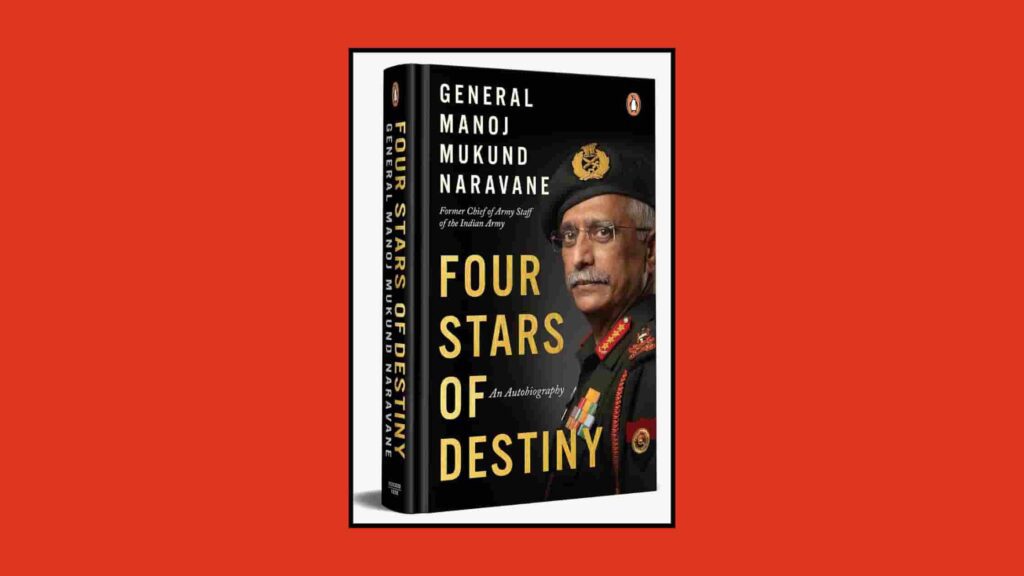
Four Stars of Destiny is the autobiography of Manoj Mukund Naravane, the former Chief of the Indian Army. The book offers a detailed account of Naravane’s personal life, military career, leadership experiences, and the strategic challenges he faced during his decades of service in the armed forces. The memoir traces his journey from his early years and training as a young cadet to eventually becoming the 28th Chief of the Indian Army, a position he held from December 2019 to April 2022.The book is considered an important narrative of modern Indian military leadership, providing readers with insights into the functioning of the Indian Army, strategic decision-making at the highest levels, and the complexities of managing national security challenges in the twenty-first century.About the AuthorGeneral Manoj Mukund Naravane was born on 22 April 1960 in Pune, Maharashtra. He comes from a family with a background in public service—his father served as an officer in the Indian Air Force while his mother worked with All India Radio. Naravane received his education in Pune before joining the National Defence Academy and later the Indian Military Academy, where he began his professional military journey.He was commissioned into the 7th Battalion of the Sikh Light Infantry in June 1980, beginning a career that would span more than four decades. Over the years, he served in a wide range of operational, command, and staff roles across India and abroad. His service included counter-insurgency operations in Jammu and Kashmir and the Northeast, as well as participation in the Indian Peace Keeping Force in Sri Lanka.These experiences shaped his leadership style and strategic understanding, themes that are extensively discussed in his autobiography.Journey from Cadet to Army ChiefA central theme of Four Stars of Destiny is Naravane’s professional journey through the ranks of the Indian Army. The memoir describes how discipline, training, and operational experience helped shape his character and leadership philosophy.The book recounts his early days as a young officer and his exposure to challenging military environments. It highlights how officers are trained to make difficult decisions under pressure while maintaining responsibility for the lives of their soldiers.Naravane gradually rose through the ranks, commanding various units and formations and holding several senior positions in the Indian Army. His leadership roles included command of an infantry brigade, senior operational responsibilities in counter-insurgency areas, and high-level appointments in the defence establishment.Eventually, he rose to become the Chief of the Army Staff, the highest position in the Indian Army. His tenure as army chief coincided with several significant national security developments and military challenges.Insights into Military LeadershipOne of the key aspects of the memoir is its discussion of leadership and decision-making in the armed forces. Naravane reflects on the values of discipline, professionalism, and responsibility that define military leadership.Through personal anecdotes and experiences, he explains how officers must balance strategic planning with ground-level realities. The book also explores the importance of teamwork, trust within the chain of command, and the ethical responsibilities associated with leadership in the military.The memoir also offers lessons on management and leadership that extend beyond the armed forces, showing how military principles such as preparedness, resilience, and clarity of command can be applied in other professional fields as well.Key Military Events Discussed in the BookFour Stars of Destiny also provides an insider’s perspective on several important security developments that took place during Naravane’s career.Among the most significant is the India-China military standoff in eastern Ladakh in 2020, one of the most serious confrontations between the two countries since the 1962 war. The memoir discusses the strategic decisions taken by the Indian military leadership during the crisis and the measures implemented to manage tensions along the Line of Actual Control (LAC).The book also touches upon other policy and organisational changes within the armed forces, including reforms related to recruitment and military preparedness.Publication and ControversyAlthough the memoir was originally scheduled for publication in 2024 by Penguin Random House India, its release has been delayed due to the review process required for books written by former senior military officials.In India, manuscripts written by senior defence personnel often undergo scrutiny by the Ministry of Defence before publication to ensure that sensitive information related to national security is not disclosed.The book also became the subject of political debate in Parliament after excerpts from the manuscript were cited during discussions on national security issues. This controversy brought renewed public attention to the memoir even before its official release.Significance of the MemoirDespite the publication delays, Four Stars of Destiny has generated considerable interest among readers, military analysts, and policymakers. The memoir is expected to provide valuable insights into the workings of India’s military leadership and the challenges faced by the armed forces in an evolving geopolitical environment.More than just a record of personal achievements, the book is also seen as a reflection on the values and responsibilities associated with serving in the armed forces. It highlights how decades of dedication, discipline, and leadership can shape both an individual career and the broader institution of the military.ConclusionFour Stars of Destiny stands as an important account of the life and career of General Manoj Mukund Naravane. By narrating his journey from a young cadet to the head of the Indian Army, the autobiography provides readers with a deeper understanding of military service, leadership, and national security.The memoir not only documents a distinguished military career but also offers lessons on perseverance, duty, and leadership—qualities that remain central to the ethos of the Indian armed forces.
Valley of Words (VoW), Dehradun: India’s Himalayan Literary & Arts Festival
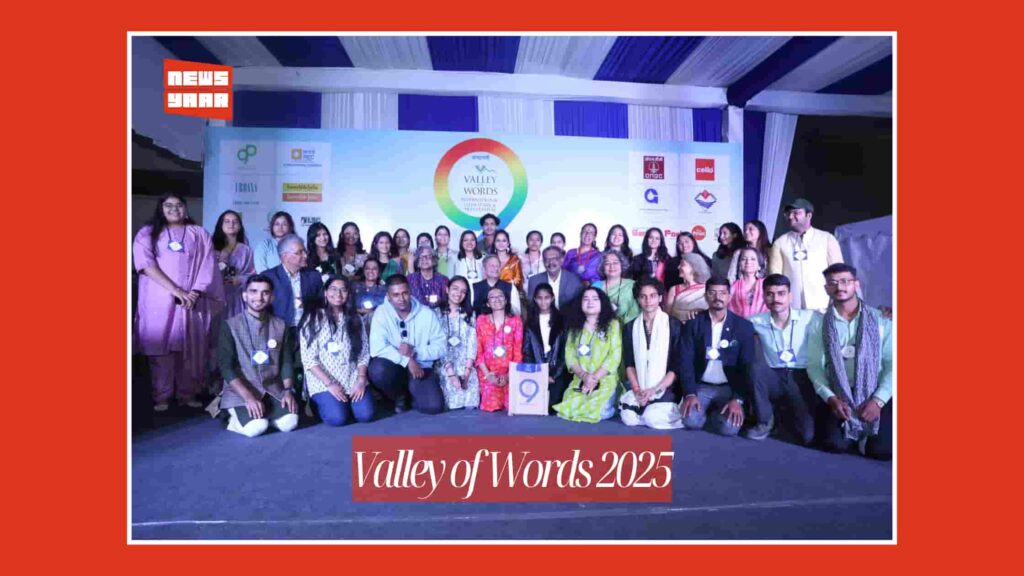
Dehradun, Uttarakhand — Situated in the foothills of the Himalayas, the Valley of Words (VoW) has emerged as one of India’s most distinctive and engaging literature and arts festivals, blending storytelling, artistic expression, debate and critical thought into a rich cultural tapestry that resonates across generations. Launched in 2017 as a not-for-profit, volunteer-driven initiative of The Valley of Words Foundation Trust, the festival has steadily grown into a pan-Indian celebration of literature, arts, ideas and dialogue that draws writers, artists, performers, scholars, students and readers from across the country and beyond. Origins, Mission and Vision Valley of Words — also known as VoW Shabdavali — is rooted in the belief that words matter and that literature and art have the power to challenge assumptions, broaden perspectives, stimulate empathy and foster critical thinking. The festival’s mission emphasises engaging diverse audiences — particularly students and youth — in dynamic conversations that encourage curiosity, creativity and intergenerational exchange, inviting participants to explore ideas that transcend boundaries of language, culture and discipline. Over the last decade, VoW’s programming has embraced a wide spectrum of voices, encompassing fiction, non-fiction, poetry, translation, philosophy, culture, sustainability, history, theatre, music and visual arts. Through this inclusive approach, the festival has become a platform where literature and life intersect — offering spaces where artistic imagination meets social reflection and community engagement. Flagship Festival and Literary Gathering The heart of the Valley of Words initiative is its annual international literature and arts festival in Dehradun, typically held in October each year, though the organisation also hosts year-round events, workshops and thematic sessions to sustain literary engagement throughout the calendar. The festival attracts acclaimed authors, poets, translators, journalists, critics, artists, civil society figures and students for a series of discussions, debates, performances and creative exchanges. The most recent full edition — the 9th Valley of Words International Literature & Arts Festival — took place on October 25–26, 2025, at Hotel Madhuban, Dehradun, commemorating two and a half decades of Uttarakhand’s statehood and underscoring the region’s rich cultural heritage. It was inaugurated by Uttarakhand Governor Lt Gen Gurmit Singh (Retd), who highlighted the festival’s role in elevating regional creativity while fostering national and global cultural dialogue. Festival Features and Programming The Valley of Words festival is not merely a sequence of book readings; it is a multi-faceted cultural experience where ideas, art and performance come together. Its programming typically includes: Panel discussions and conversations on literature, public policy, culture, identity and contemporary issues Poetry readings and storytelling sessions featuring voices in English, Hindi and other Indian languages Book launches, author dialogues and translation forums that explore how stories travel across linguistic and cultural borders Workshops and masterclasses for aspiring writers, translators and students Art exhibitions and showcase events highlighting visual arts, craft and sustainable creatives Music, theatre and performance arts that amplify literary themes through rhythm, movement and performative expression Youth participation initiatives, including debates and interactive forums designed to nurture critical thinking and creative expression among young audiences. A unique feature of VoW has been its exhibitions and curated spaces such as Iti Kriti (sustainable arts and crafts), Iti Smriti (ethical memorabilia) and Iti Lekh (book bazaars and curated reading lists), which blend artistic exploration with cultural dialogue. REC-VoW Book Awards and Literary Recognition A highlight of the festival is the REC-VoW Book Awards, a nationally recognised literary honour that celebrates excellence across genres, languages and age groups. In 2025, more than 600 nominations from over 75 publishing houses were received, and eight authors across categories including English Fiction, Hindi Fiction, Translation, Children’s & Young Adult Literature were selected as winners to be felicitated during the festival. Each award includes a prestigious citation and a cash prize of ₹1 lakh, underscoring the festival’s commitment to recognising and promoting creative excellence in India’s diverse literary landscape. Cultural Impact and Community Engagement Valley of Words stands out for its commitment to inclusive cultural dialogue, ensuring that discussions are accessible not only to literary connoisseurs but also to students, educators, artists and community members. With sessions that often cut across age, language and disciplinary lines, the festival creates an environment where debate, reflection and artistic exchange are central. Beyond its annual flagship event, VoW conducts year-round outreach programmes, including debates, author-at-work sessions, café dialogues and digital engagements, helping sustain an active literary community in Dehradun and beyond. Over 10,000 students join VoW debate platforms annually, and the festival has cumulatively hosted over 365 sessions across multiple years, reflecting its depth and reach. Why Valley of Words Matters In an era of rapid digital consumption and compressed attention, the Valley of Words festival reminds audiences of the transformative power of deep listening, thoughtful dialogue and story-driven inquiry. By bringing together voices from across India and the world, VoW facilitates cross-cultural understanding, intellectual engagement and creative expression — essentials for a society that seeks to think deeply about its past, present and future. The festival’s location in the Himalayan foothills of Dehradun — a city known for its natural beauty, academic institutions and cultural diversity — further enriches the experience, creating a space where ideas can be explored in peace, reflection and community camaraderie. Looking Ahead As Valley of Words continues to grow in stature and scope, organisers are expanding its footprint with satellite events in other cities, thematic literature initiatives and collaborations with educational institutions, cultural organisations and international partners. For lovers of literature and art, the festival remains a must-attend annual gathering, where stories are celebrated, ideas take flight, and the written word continues to shape collective imagination.
Kalinga Literary Festival 2026: Four Days of Ideas, Culture and Literary Confluence in Bhubaneswar
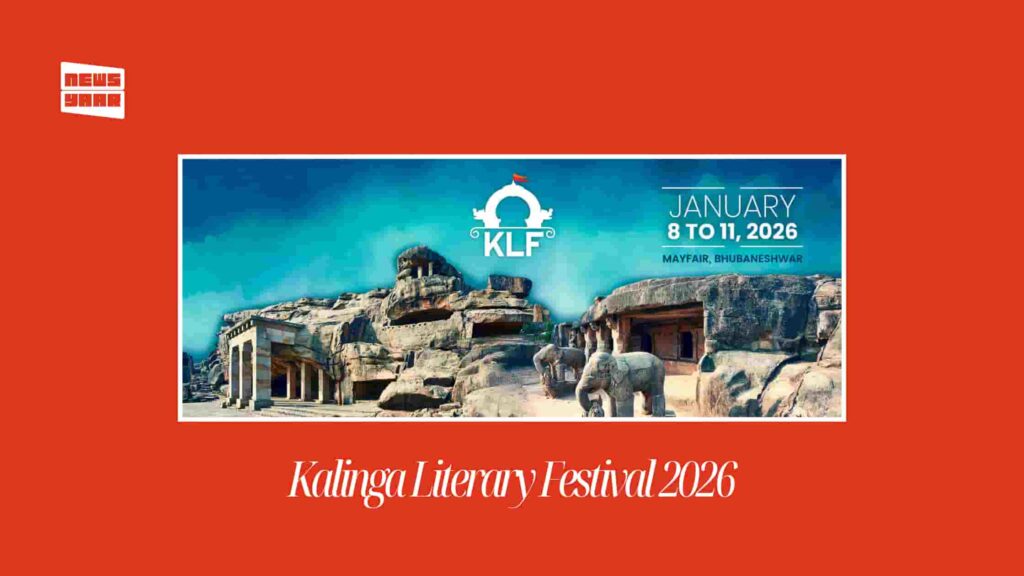
Bhubaneswar, Odisha — January 8–11, 2026: The 12th edition of the Kalinga Literary Festival (KLF) concluded in Bhubaneswar with an expansive celebration of literature, culture and intellectual dialogue, bringing together hundreds of authors, thinkers, poets, translators, artists and public intellectuals from India and abroad. Organised by the Kalinga Literary Festival Pvt. Ltd. under the stewardship of Founder & Director Rashmi Ranjan Parida, the annual gathering has grown into one of India’s most significant literary platforms, bridging regional narratives with global conversations.A Festival with Global Reach and Cultural DepthHeld across multiple venues within Mayfair Lagoon, Bhubaneswar, the four-day festival positioned itself at the intersection of literature, culture, public policy, technology and civilisational thought. With the overarching theme “Stories That Shape Humanity: Translating Worlds, Transforming Futures,” KLF 2026 emphasised translation, narrative power, cross-cultural exchange and the contemporary relevance of storytelling — inviting audiences to explore how literature interacts with identity, technology, democracy, sustainability and performance arts.This edition was also notable for its integration of the 10th Kalinga Art Festival, showcasing visual and performative arts alongside literary dialogues, making the event a richly layered cultural experience.Inauguration and Distinguished GuestsThe festival’s inauguration on January 8, 2026 featured an impressive array of dignitaries and cultural figures:Shri Kanak Vardhan Singh Deo, Deputy Chief Minister of Odisha — Chief GuestDr. Upali Pannilage, Minister of Rural Development, Sri Lanka — Guest of HonourShri Harivansh Narayan Singh, Deputy Chairman, Rajya Sabha — Guest of HonourShri Suryabanshi Suraj, Minister of Culture & Sports, OdishaAmbassador Philip Green OAM, Australia’s High Commissioner to IndiaShri Sujeet Kumar, MP, OdishaDr. Binod Chaudhury, Nepalese industrialist & philanthropistShri Sudarshan Sahoo, Padma Vibhushan awardeeDr. Pratibha Ray, Padma Bhushan awardeeMs. Tanaya Patnaik, Executive Director, Sambad GroupShri Ashok Kumar Bal served as CEO & Patron of KLF, welcoming attendees, while Rashmi Ranjan Parida outlined the vision and cultural significance of the festival.Extensive Speaker Line-up and Influential VoicesKLF 2026 featured a distinguished roster of more than 400 speakers, blending international award-winning figures with prominent Indian writers, artists, commentators and thought leaders. Some of the notable speakers and contributors included:Padma Shri Malini Awasthi – celebrated Indian folk singer and cultural ambassador, anchoring performances that blended literature with music.Daisy Rockwell – award-winning artist, writer and translator whose translations have won international honours.Banu Mushtaq – International Booker Prize winner.Deepa Bhasthi – Booker Prize–winning author and cultural critic.Ram Madhav – strategic thinker, author and political voice.Acharya Prashant – spiritual leader and speaker drawing large audiences.Sudhir Mishra – acclaimed filmmaker engaging on cinema and narrative culture.Tuhin A. Sinha – author and political commentator.Arun Lal – former Indian cricketer and writer, presenting on life, sport and narrative history.Amit Lodha – IPS officer and author known for Bihar Diaries.Priya Arora, Sushil Doshi, Dr. Sajjan Singh Yadav, Swati Pandey, Madhuchhanda Bal and many more talents spanning journalism, poetry, translation, essay, art and cultural criticism.This eclectic mix ensured a multi-disciplinary engagement, encouraging dialogue beyond literature into public policy, society, technology, gender, sustainability and more.Sessions and Programmes: Diverse Ideas in ConversationAcross its four days, KLF 2026 facilitated a rich array of formats — panel discussions, interviews, conversational salons, poetry readings, translation forums, and masterclasses. Highlights included:International Storytelling Panels that explored how translation bridges voices across cultures and languagesGender, Identity & Feminism Discussions led by writers and scholars investigating contemporary literary narrativesPolitics, Democracy & Public Policy Conversations with authors and commentators analysing India’s socio-political frameworkWriting for the Future & AI Forums where evolving technologies and literature intersectedCinema and Story Culture Sessions illuminating how narrative art forms shape public imaginationPoetry and Multilingual Workshops celebrating Indian languages alongside world literaturesThe festival also dedicated space to regional literary traditions, including a focus on Odia literature, storytelling practices, and poetry across borders, acknowledging the cultural depth of India’s myriad languages.Awards, Art and RecognitionAt the opening ceremony, several prestigious honours were conferred in recognition of literary achievement and cultural contribution:International Living Legend Award: Dr. Binod ChaudharyKalinga Literary Award: Shri Achyutananda PatiKalinga International Literary Award: Daisy RockwellKalinga Literary Award (Youth): Ranjana NiraulaOdisha Living Legend Awards: Pandit Harmohan Khuntia, Shri Govardhan DoraSpecial awards including the KLF-Penguin Review Project and KLF-Sambad Book Review AwardsThese recognitions underscored the festival’s commitment to honouring excellence across genres, generations and geographies.Cultural Fusion: Music, Performance, and EngagementBeyond discussions, KLF 2026 integrated music and performance arts. Evening programmes featured performances by Padma Shri Malini Awasthi and other artists, weaving literary themes with folk and classical traditions — a reminder that literature and performance often co-create cultural memory.The festival’s inclusive format also embraced workshops, heritage walks and book launches, turning Bhubaneswar into a vibrant hub of ideas and creative exchange for readers, students and practitioners alike.Why KLF 2026 Holds Special SignificanceThe Kalinga Literary Festival has, over the years, transformed from a regional gathering into a global literary forum where ideas intersect with lived experience and cultural imagination. Rooted in Odisha’s civilisational heritage, KLF continues to expand its reach internationally, with initiatives and editions planned beyond India’s borders, reconnecting ancient cultural ties with contemporary creative discourse.As founder Rashmi Ranjan Parida articulated, the festival reflects a belief that stories do more than entertain — they shape empathy, influence thought and help societies imagine better futures.With its rich programming, diverse voices and deep engagement with literary and cultural themes, KLF 2026 has once again cemented its role as a cornerstone event in India’s literary calendar. The festival not only created spaces for dialogue but also fostered cross-cultural appreciation, making Bhubaneswar a focal point for global conversations on literature and ideas.
Delhi Literature Festival 2026: Three Days of Ideas, Culture and Dialogue in the Capital
The 14th edition of the Delhi Literature Festival (DLF) 2026 — one of India’s most vibrant annual literary events — was held from 6 February to 8 February 2026 at the Indira Gandhi National Centre for the Arts (IGNCA) Amphitheatre on Janpath in New Delhi. Spread over three days, the festival served as a confluence of literature, culture, art and public discourse, featuring a rich programme of author interactions, panel discussions, book launches, poetry sessions, performances and special thematic conversations. It is recognised as a key platform for nurturing literary talent, promoting creative expression, and fostering dialogue between writers, thinkers and readers. Origins and Purpose of the Festival First launched in 2013, the Delhi Literature Festival was conceived with the aim of celebrating India’s varied literary heritage and providing an inclusive space for thought leadership and cultural exchange. Over the years it has evolved into a major winter literary gathering that attracts authors, poets, journalists, policy experts, academics, cultural practitioners and enthusiastic readers from across India and abroad. The festival’s programming spans panel discussions, book readings, creative writing workshops, theatre and music performances, poetry recitals, debates, live interviews and thematic sessions that explore literature in its many forms. The festival emphasises the interplay between literature and public life, encouraging discussions that reflect the complexities of contemporary Indian society while also showcasing artistic and narrative innovation. It draws inspiration from Delhi’s long tradition as a cultural and intellectual hub, making it an ideal venue for literary exchange. Dates, Venue and Organisation Festival Name: Delhi Literature Festival 2026 Edition: 14th Dates: 6 February – 8 February 2026 Venue: Indira Gandhi National Centre for the Arts (IGNCA) Amphitheatre, Janpath, New Delhi Organisers: Delhi Literature Festival Organising Committee with support from cultural partners and sponsors The festival was open to the public with free registration, reinforcing its mission to make literature and cultural dialogue accessible to all sections of society. Theme and Programming The 2026 edition was held under the broad theme of “Literature, Culture and Prosperity”, acknowledging the role of literary engagement in shaping cultural understanding, public debate and intellectual flourishing. The festival’s sessions were designed to showcase diverse perspectives while exploring how stories and ideas connect to broader social, artistic and philosophical contexts. Programming was spread across the three days and included a balance of formal discussions and interactive sessions: Panel Discussions and Conversations: Authors, poets, literary critics and scholars participated in in-depth discussions on topics ranging from contemporary fiction and narrative style to cultural heritage, social issues and the future of publishing. Thematic Sessions: Special thematic talks gave voice to pressing subjects at the intersection of literature and society, such as the evolving role of storytelling in a digital era, the political dimensions of writing, and creative responses to cultural change. Cybercrime Awareness Session: Reflecting the festival’s engagement with contemporary realities beyond traditional literary boundaries, a notable session focused on cybercrime awareness, particularly the rise of “digital arrest” scams and online financial fraud. The session featured Nishant Kumar, Director of the Indian Cybercrime Coordination Centre (I4C), in conversation with RJ Purkhaa Tak, underscoring the importance of digital literacy and public vigilance in a rapidly evolving technological environment. Book Launches and Author Interactions: Several book launches and author meet-and-greet sessions were held, allowing readers to engage directly with writers and learn about their creative processes and recent work. Poetry and Performance: Poetry readings and live performances highlighted the expressive dimensions of language and narrative, bringing together established and emerging voices in verse and spoken word. Notable Participants and Voices While the official speakers’ list for DLF 2026 included a range of distinguished authors, thinkers, journalists and artists from across India, some sessions stood out for their depth and public engagement: Literary figures and cultural commentators Journalists and media personalities Policy experts and public intellectuals Emerging writers and poets The festival provided an important space for cross-generational dialogue, with established voices engaging with rising talent and new ideas. Public Engagement and Support The Delhi Literature Festival is supported by cultural organisations, literary associations, sponsor partners and volunteers who contribute to its efficient organisation and outreach. By offering free or accessible entry and a diverse programme, the festival has cultivated a broad audience, including students, professionals, senior citizens and families. Session formats were designed to encourage audience participation through question-and-answer segments, open debates and interactive workshops, making it not just a platform for listening but also for engaging. Why the Festival Matters The Delhi Literature Festival holds a unique place in India’s cultural calendar for several reasons: Promotion of Creative Expression: It celebrates literary creativity in its widest sense — from fiction and poetry to essays and public discourse — and supports writers in sharing their work beyond conventional publishing spaces. Cross-Disciplinary Dialogue: By incorporating contemporary issues such as digital literacy, technology and social questions into its programming, the festival underscores the relevance of literature to everyday public life. Audience Inclusivity: Free and open sessions attract a diverse audience, encouraging an active reading and discussion culture among people from different regions, age groups and backgrounds. Platform for Emerging Voices: Workshops, open mic formats and interactive panels provide opportunities for emerging writers and young thinkers to connect with established figures and build literary communities. Legacy and Future Outlook Since its inception in 2013, the Delhi Literature Festival has grown in influence and scope, becoming a hallmark of India’s literary landscape. The 2026 edition reinforced its commitment to evolving with the times — integrating contemporary subjects, forging new partnerships and encouraging participatory public engagement. As it looks forward to future editions, the festival continues to embrace literature as a space for cultural exchange, critical thinking and collective imagination, reaffirming the enduring power of ideas and storytelling in shaping society.
Hyderabad Literary Festival 2026: A Confluence of Culture, Ideas and Storytelling
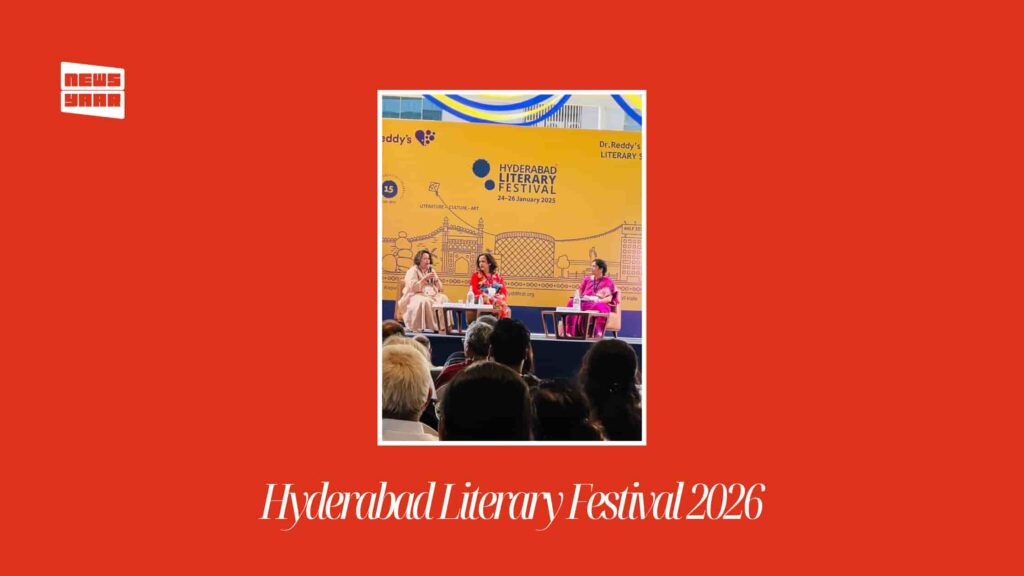
The Hyderabad Literary Festival 2026 — one of South India’s most dynamic and inclusive literary events — was held from January 24 to January 26, 2026, in Hyderabad, Telangana. The annual festival brought together authors, poets, journalists, scholars, artists, translators and readers for three days of conversations, performances, workshops and community engagement revolving around literature, culture, cinema, history, social issues and the arts. The festival’s programming underscored its commitment to diversity, regional voices, multilingual storytelling and public dialogue. Organised by the Hyderabad Literary Trust, the festival has become a cornerstone of the city’s cultural calendar. It invites audiences not only from Hyderabad and other Indian states but also from abroad, positioning the city as a vibrant literary hub that celebrates both regional and global narratives. About the Festival The Hyderabad Literary Festival (HLF) is an annual event initiated with the purpose of promoting reading and writing, nurturing literary talent, fostering cross-cultural exchange, and creating an inclusive space where ideas and stories flourish. Since its inception, the festival has expanded in scale and scope, integrating a wide range of programmes including panel discussions, one-on-one conversations, book launches, poetry recitals, theatre presentations, film screenings, children’s literature sessions and writing workshops. The festival’s charter emphasises multilingual engagement, reflecting Hyderabad’s cosmopolitan ethos. Sessions at the festival are conducted in English as well as other Indian languages — particularly Telugu, Urdu and Hindi — ensuring accessibility for diverse audiences and literary communities. Dates and Venue (2026 Edition) Festival Name: Hyderabad Literary Festival 2026 Edition: Annual literary festival Dates: January 24–26, 2026 Location: Hyderabad (multiple cultural venues across the city) Organiser: Hyderabad Literary Trust For 2026, the festival took place at several venues in Hyderabad, including auditoriums, public libraries, literary centres and cultural institutions. These spaces enabled both curated programmes and interactive audience participation, accommodating literary events for all age groups. Key Highlights of HLF 2026 The 2026 edition of the Hyderabad Literary Festival featured an eclectic mix of sessions and activities. Major highlights included: Conversations with Renowned Authors: Established and emerging writers participated in in-depth discussions about their work, creative processes and the broader role of literature in society. Themes ranged from fiction and poetry to biography and reportage. Panel Discussions on Contemporary Issues: Festival sessions examined pressing social, political and cultural topics, including freedom of expression, climate narratives, migration and identity, digital media’s impact on storytelling, and historical memory. Regional Language Focus: True to its ethos of multilingual inclusivity, HLF 2026 amplified regional language voices — with sessions in Telugu, Urdu and Hindi alongside English. These included poetry recitals, translations showcases and dialogues on local literary traditions. Book Launches and Author Meet-and-Greets: Several new titles were launched during the festival, giving audiences the opportunity to interact with authors directly, participate in Q&A sessions and engage with creative communities. Workshops and Masterclasses: The festival offered a series of workshops aimed at aspiring writers, poets and students. Topics included creative writing techniques, translation skills, narrative structure, publishing insights and editorial craft. Children’s Literature Programme: With dedicated sessions for young readers, storytelling hours, interactive activities and workshops tailored for children and teenagers, the festival encouraged early literary engagement and fostered a reading culture among youth. Performances and Cultural Presentations: Poetry slams, theatre presentations and musical performances complemented the literary offerings, demonstrating how literature intersects with other art forms and live expression. Notable Participants and Voices While the festival featured a wide array of contributors, some notable participants in 2026 included: Indian authors and poets whose works have shaped contemporary discourse Regional language writers celebrated for their contributions to Telugu, Urdu and Hindi literature Journalists and cultural commentators addressing social change and media landscapes Academics and critics offering analytical perspectives on national and global themes Children’s authors and educators engaging young audiences through interactive sessions The diversity of participants underscored HLF’s commitment to providing platforms for both established voices and emerging talent. Why the Festival Matters The Hyderabad Literary Festival matters for a number of reasons: Promotion of Reading Culture: By drawing together writers, readers and cultural enthusiasts, the festival fosters a vibrant environment that encourages reading and literary appreciation across age groups. Multilingual and Inclusive Engagement: HLF’s focus on sessions in multiple languages acknowledges India’s rich linguistic landscape and promotes inclusivity in literary dialogue. Cultural and Intellectual Exchange: With discussions that cross disciplines — from literature and philosophy to social justice and technology — the festival stimulates intellectual exchange and public engagement with complex ideas. Support for Emerging Writers: Workshops, masterclasses and interactive forums provide emerging writers with mentorship opportunities and peer learning experiences, supporting the next generation of creative voices. City as Cultural Hub: For Hyderabad, the festival reinforces the city’s reputation as a thriving centre for culture, arts and literary expression. It contributes to the city’s cultural identity and encourages tourism, academic discourse and community participation. Audience Experience and Participation The 2026 festival welcomed readers, students, families, scholars and visitors from different parts of India. The inclusive programming ensured that sessions were accessible to a wide audience, with free or affordable tickets for select events and open-air activities designed to appeal to casual attendees and serious literature enthusiasts alike. Local institutions — including universities, cultural organisations and libraries — collaborated with the festival to support community outreach, extend programming into public spaces and integrate educational events into school and college schedules. Looking Forward As the Hyderabad Literary Festival continues to grow, its future promises enhanced engagement with national and international literary communities, deeper collaborations across cultures and greater emphasis on digital outreach and hybrid participation. By championing storytelling in all its forms, HLF remains a vital platform for ideas, identity and cultural dialogue in contemporary India.
The Hindu Lit For Life 2026: 14th Edition Brings Literature and Public Discourse to Chennai
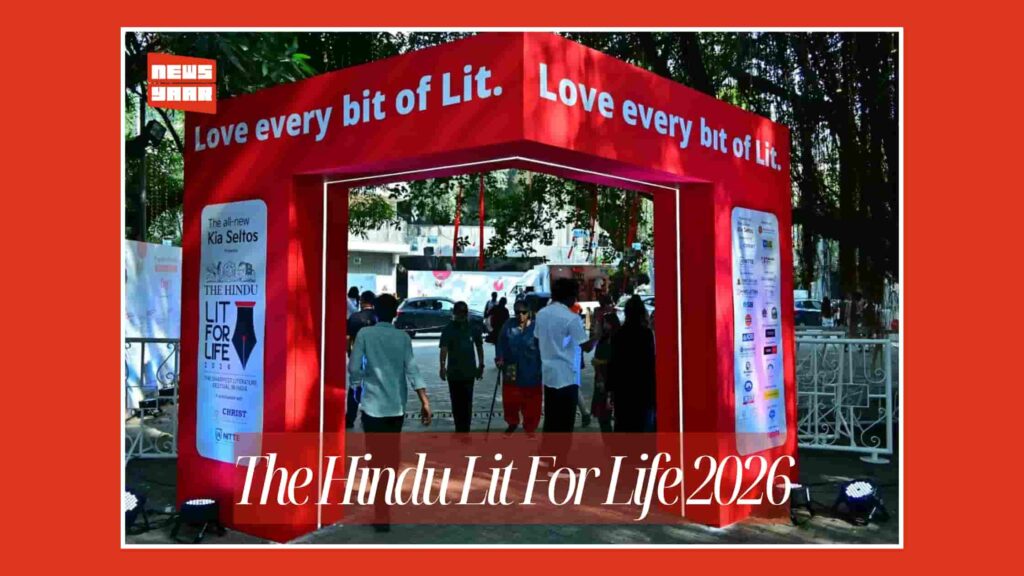
The 14th edition of The Hindu Lit For Life Festival 2026 will be held on January 17 and 18, 2026, at the Sir Mutha Venkatasubba Rao Concert Hall, located within the Music Academy complex in Chennai. Organised by The Hindu Group, the annual literary festival continues its long-standing tradition of bringing together leading writers, thinkers, journalists, artists and public intellectuals for conversations on literature, culture, politics and contemporary society. Over the years, Lit For Life has established itself as one of India’s most respected literary platforms, known for its focus on ideas, public dialogue and intellectual engagement rather than purely commercial book promotion. The 2026 edition marks the festival’s 14th year, reinforcing its position as a key fixture on India’s cultural calendar. About the Festival The Hindu Lit For Life was launched in 2013 as a space for meaningful literary and cultural conversations. Curated and hosted by The Hindu, the festival reflects the publication’s editorial ethos of informed debate, critical thinking and public interest journalism. Each year, the festival brings together voices from diverse fields — literature, politics, cinema, history, journalism, science and the arts — encouraging dialogue across disciplines and perspectives. The Chennai edition has traditionally been a central pillar of the festival, drawing audiences ranging from students and academics to avid readers and cultural practitioners. Dates, Venue and Format Event: The Hindu Lit For Life 2026 Edition: 14th Dates: January 17–18, 2026 Venue: Sir Mutha Venkatasubba Rao Concert Hall, Music Academy, Chennai Organiser: The Hindu Group The festival will feature panel discussions, author interactions, keynote conversations, poetry readings and thematic sessions, spread across two full days. Sessions are designed to encourage audience participation, with ample scope for questions and discussion. Themes and Focus Areas Lit For Life 2026 will focus on the evolving role of literature and ideas in a rapidly changing world. Discussions will span themes such as: Literature and democracy Media, truth and public trust Writing across languages and cultures Memory, history and identity Gender, society and representation The intersection of literature, cinema and popular culture The festival’s programming aims to connect literary discourse with real-world concerns, making it relevant not only to writers and scholars but also to a wider public audience. Speakers and Participants As in previous years, the 2026 edition is expected to feature a diverse lineup of prominent Indian and international writers, journalists, academics and cultural figures. The Hindu traditionally curates sessions that bring together contrasting viewpoints, encouraging nuanced debate rather than consensus-driven discussion. Detailed speaker line-ups and session schedules are released closer to the event. Why Lit For Life Matters At a time when public discourse is increasingly fragmented, The Hindu Lit For Life serves as an important forum for thoughtful, evidence-based conversations. The festival provides space for long-form discussion, critical engagement and intellectual exchange — values that are often underrepresented in fast-paced digital media environments. By hosting the festival in Chennai, a city with a deep literary and cultural legacy, The Hindu reinforces the importance of regional cultural hubs in shaping national conversations. Public Engagement and Accessibility The festival is open to the public, with entry passes available through official channels. Over the years, Lit For Life has attracted a wide demographic — from college students and first-time readers to senior academics and cultural professionals — making it one of the more inclusive literary events in the country. Select sessions are also typically covered extensively by The Hindu, ensuring wider access through news reports, interviews and digital content. Looking Ahead As The Hindu Lit For Life enters its 14th edition, it continues to evolve while staying rooted in its core mission — fostering informed dialogue through literature and ideas. The 2026 edition is expected to further strengthen the festival’s role as a space where literature engages directly with the social, political and cultural questions of the present.
Mathrubhumi International Festival of Letters (MBIFL) 2026: A Global Platform for Literature, Ideas and Cultural Dialogue
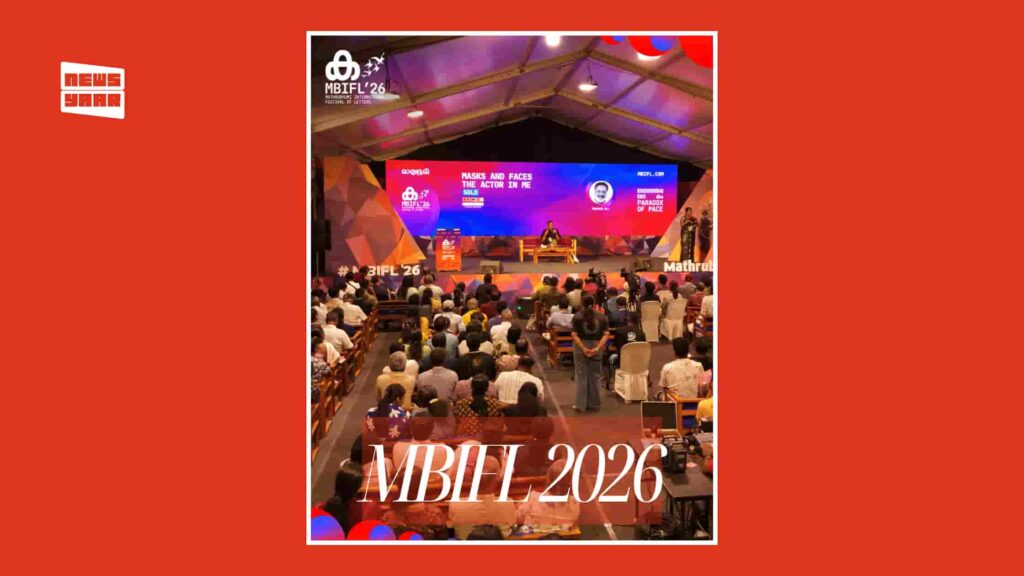
The Mathrubhumi International Festival of Letters (MBIFL) is one of India’s most prominent literary and cultural festivals, conceived as a forum where literature intersects with ideas, society, politics, art and contemporary global discourse. Since its inception, the festival has positioned itself not merely as a celebration of books, but as a festival of conversations, bringing together writers, thinkers, artists, translators, journalists and readers from across India and the world. Organisers and Vision MBIFL is organised by the Mathrubhumi Group, one of India’s oldest and most respected media and publishing houses, with a legacy rooted deeply in Kerala’s literary and socio-political history. Founded in 1923, Mathrubhumi has played a formative role in shaping public discourse in India through journalism, publishing and cultural initiatives. The festival is curated and managed by Mathrubhumi Books and Mathrubhumi Event Division, with the objective of creating a global intellectual space rooted in Indian linguistic and cultural traditions. The organisers have consistently emphasised inclusivity, multilingualism and critical dialogue as the core pillars of the festival. By hosting MBIFL annually in Kozhikode — a city historically known for its openness, trade links and literary heritage — the organisers aim to position Kerala as a global destination for literary exchange and cultural thought. What the Festival Represents Unlike conventional literature festivals focused primarily on book launches or author readings, MBIFL is designed as an idea-driven platform. The festival foregrounds: Literature as a tool for social and political reflection Dialogue between Indian languages and global literatures Translation as cultural mediation rather than mere linguistic conversion Intersections between literature, history, science, cinema, philosophy, environment and democracy The festival actively brings together voices from diverse backgrounds, ensuring representation across geographies, languages, disciplines and generations. MBIFL 2026: 7th Edition — Dates, Venue and Structure The 7th edition of the Mathrubhumi International Festival of Letters (MBIFL 2026) was held from January 29 to February 1, 2026, in Kozhikode (Calicut), Kerala. Spanning four days, the festival featured an extensive programme of discussions, author interactions, panel sessions, workshops and performances hosted across multiple venues in the city. These included auditoriums, cultural centres, academic institutions and public spaces, enabling broad public access. Key Highlights of MBIFL 2026 Global Participation:The 2026 edition featured a strong international presence, with writers, scholars and cultural commentators from Asia, Europe, Africa and the Americas participating alongside leading Indian authors and intellectuals. Multilingual Focus:A defining highlight of MBIFL 2026 was its continued emphasis on Indian languages, particularly Malayalam, alongside English and other global languages. Several sessions focused on translation, linguistic identity and the future of regional literatures in a globalised world. Thematic Conversations:The festival curated discussions around themes such as: Literature and democracy Memory, history and identity Climate change and ecological narratives Migration, borders and belonging The evolving role of storytelling in the digital age These sessions brought together novelists, poets, historians, journalists and activists, encouraging cross-disciplinary dialogue. Translation and Cultural Exchange:Special sessions were dedicated to translation as both a creative and political act, examining how stories move across languages and cultures and how translation shapes global literary circulation. Youth and Student Engagement:MBIFL 2026 placed strong emphasis on engaging young readers and writers through interactive workshops, campus-linked programmes and student-focused discussions, strengthening the festival’s outreach beyond elite literary circles. Performative and Artistic Elements:In addition to discussions, the festival featured poetry readings, literary performances and cultural presentations that blended literature with music, theatre and oral storytelling traditions. Public Access and Media Engagement Many sessions at MBIFL 2026 were open to the public, reinforcing the festival’s democratic ethos. Select discussions were also livestreamed, allowing national and international audiences to engage with the festival remotely. The event attracted significant attention from national and regional media, literary publications and cultural platforms, underlining its growing importance in India’s cultural calendar. Cultural Significance and Impact Over the years, MBIFL has emerged as a key cultural institution that bridges regional and global literary ecosystems. Its impact extends beyond the festival days, influencing reading cultures, translation initiatives and intellectual debates within and beyond Kerala. For Kozhikode, the festival has become a defining annual event, boosting cultural tourism and reinforcing the city’s identity as a centre of ideas, literature and dialogue. Why MBIFL Matters The Mathrubhumi International Festival of Letters stands out because it treats literature not as an isolated art form, but as a living, questioning practice deeply connected to society. In an era marked by polarisation and information overload, MBIFL’s insistence on dialogue, nuance and critical engagement gives it renewed relevance. The 7th edition in 2026 reaffirmed the festival’s role as a space where stories, ideas and languages meet — not to compete, but to converse.
Kerala Literature Festival 2026: A Celebration of Ideas in an Age of Change
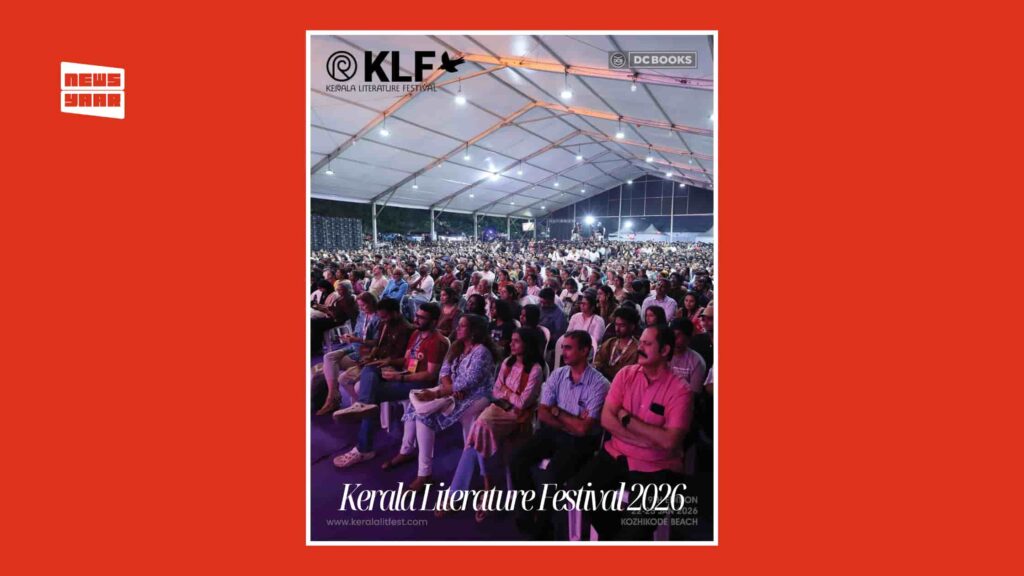
Kozhikode:As the world grapples with rapid political, social, and technological shifts, the Kerala Literature Festival (KLF) 2026 is set to offer a rare space for reflection, dialogue, and debate. Over the years, KLF has grown into a global literary landmark, known not just for books but for conversations that shape public thought.The 2026 edition is expected to bring together renowned authors, thinkers, journalists, and cultural voices from India and abroad. True to its spirit, the festival will explore themes ranging from free expression and identity to the climate crisis and the future of storytelling.What distinguishes KLF is its deep connection to Kerala’s intellectual traditions. Malayalam literature, regional storytelling, and indigenous voices continue to anchor the festival, ensuring global ideas remain rooted in local realities.With a growing emphasis on young writers, translation, and literature in the digital age, KLF 2026 is likely to focus on how stories evolve without losing their soul. More than a festival, KLF has become a cultural movement, one that celebrates dialogue, disagreement, and the enduring power of words.Key AttendeesNASA astronaut Sunita Williams delivered the keynote and inaugurated the event alongside Kerala Tourism Minister Mohammed Riyas, sharing insights on space resilience, leadership, and Earth’s fragility in packed sessions like “Dreams Reach Orbit.” Other luminaries included over 400 speakers from 17 countries, Nobel laureates, business leaders, authors, and activists. Besides Sunita Williams, prominent figures included Nobel Prize winners Abdulrazak Gurnah (Literature), Olga Tokarczuk (Literature), and Abhijit Banerjee (Economics).What to Expect at KLF 2026KLF 2026 will feature a mix of panel discussions, book launches, poetry readings, performances, film conversations, and interactive sessions. While global names draw attention, Malayalam literature and regional narratives will remain at the heart of the festival, reflecting Kerala’s deep-rooted intellectual and cultural traditions.A key focus this year is expected to be on youth participation, translation of regional works, and how literature adapts in the digital era. The festival’s open-access format continues to make it inclusive, allowing audiences from diverse backgrounds to engage directly with ideas and creators.Book Launches & AwardsA highlight was the launch of the Malayalam translation of Abhay K’s “Nalanda: How it Changed the World” by Benyamin, following a discussion on Nalanda’s legacy of Buddhism and debate.KLF announced shortlists for its Book of the Year Awards in fiction and nonfiction, with winners revealed during the festival; fiction included works like Vivek Shanbhag’s “Sakina’s Kiss,” while nonfiction featured Sunitha Krishnan’s memoir.Why KLF 2026 MattersAt a time when public discourse is increasingly polarised, KLF offers a rare space for thoughtful dialogue and disagreement. It celebrates literature not just as art, but as a tool for understanding society, questioning power, and imagining better futures.As Kozhikode prepares to host KLF 2026, the festival once again promises to be more than an event, it will be a meeting ground for ideas that shape culture, politics, and public thought.
Jaipur Literature Festival 2026 Reinforces Jaipur’s Global Cultural Identity
The Jaipur Literature Festival (JLF) 2026 concluded earlier this month, reaffirming its status as the world’s largest free literary gathering and one of India’s most influential cultural events. Held at the historic Diggi Palace in Jaipur, the five-day festival brought together authors, poets, thinkers, artists and performers from across the world, transforming the Pink City into a vibrant hub of ideas, debate and artistic expression. Over the years, JLF has grown beyond a literary festival into a cultural phenomenon, and its 2026 edition once again reflected that evolution by blending literature with music, dance, storytelling and public discourse. When and Where JLF 2026 Took Place The Jaipur Literature Festival 2026 was held from January 15 to January 19, 2026, at Diggi Palace, a heritage venue in the heart of Jaipur. The centrally located venue allowed easy access for both domestic and international visitors and offered a unique setting where historical architecture met contemporary dialogue. What Is the Jaipur Literature Festival? Founded in 2006, the Jaipur Literature Festival is an annual celebration of books, ideas and free speech. Known for its open-access format, the festival brings together voices from diverse backgrounds including fiction and non-fiction writers, historians, journalists, poets, philosophers, economists, policymakers and artists. JLF has earned global recognition for encouraging open debate, cultural exchange and intellectual engagement while remaining accessible to the general public. Key Highlights of JLF 2026 The 2026 edition featured a packed programme of panel discussions, book launches, readings and conversations covering themes such as global politics, history, climate change, gender, technology, identity and contemporary society. Prominent Indian and international authors shared stages with emerging voices, creating a balance between established thought leadership and new perspectives. One of the defining features of JLF 2026 was its emphasis on cross-cultural dialogue. Sessions explored the intersection of literature with global events, regional narratives and evolving social realities. Music, Dance and Cultural Performances Beyond literature, JLF 2026 offered an immersive cultural experience. The Jaipur Music Stage attracted large crowds with performances by celebrated Indian and international artists. From folk and classical music to contemporary fusion and independent bands, the music programme added a festive dimension to the event. Dance performances, spoken-word poetry and visual storytelling further enriched the festival, making it appealing not just to readers but to cultural enthusiasts and tourists alike. Tourism and Economic Impact The festival significantly boosted tourism in Jaipur, with hotels, local markets and heritage sites witnessing increased footfall throughout the event. Visitors combined festival attendance with sightseeing, exploring Jaipur’s forts, bazaars and culinary offerings. Cultural tourism linked to JLF continues to play an important role in promoting Rajasthan as a destination for heritage-driven experiences, especially among international travellers. How Visitors Reached Jaipur Jaipur is well connected by air, rail and road, making it easily accessible for festival attendees. By Air: Jaipur International Airport connects the city with major Indian cities and select international destinations. By Rail: Jaipur Junction serves as a major railhead with frequent trains from Delhi, Mumbai, Kolkata and other metros. By Road: National highways and state transport buses connect Jaipur with Delhi, Agra, Udaipur and other key cities. Local transport options including cabs, autos and app-based services made commuting to Diggi Palace convenient during the festival. Why JLF Matters The Jaipur Literature Festival continues to stand out for its commitment to free expression, inclusivity and cultural dialogue. At a time when public discourse globally is often polarised, JLF provides a rare platform for nuanced conversations and respectful exchange of ideas. As one participating author noted during the festival, “Jaipur remains one of the few places where literature still feels like a public celebration rather than a closed-door conversation.” Conclusion As Jaipur Literature Festival 2026 came to a close, it left behind more than just packed auditoriums and headline sessions. The festival once again demonstrated how literature, music and culture can coexist as powerful tools of connection, drawing people across borders, languages and generations. By turning Jaipur into a living canvas of ideas and creativity, JLF 2026 reinforced the city’s position as a global cultural destination and highlighted the enduring relevance of literature in shaping conversations that extend far beyond the festival grounds.
New Delhi Book Fair 2026: A Literary Celebration Bringing Readers and Writers Together
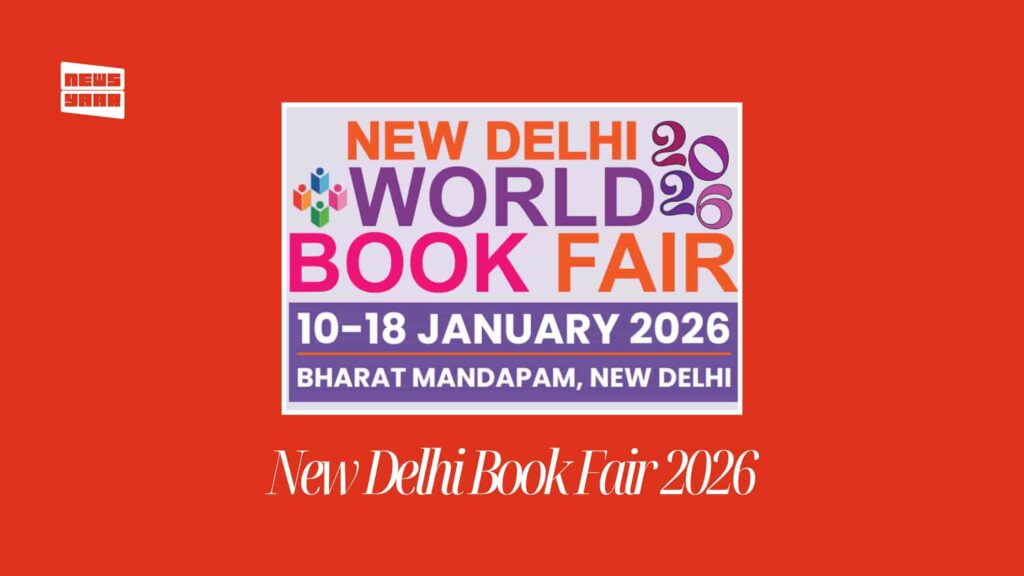
The Delhi Book Fair once again transformed the national capital into a vibrant hub of literature, ideas, and storytelling. Known as one of India’s most loved literary events, the fair attracted book lovers, authors, publishers, and students from across the country, reaffirming Delhi’s place as a cultural and intellectual centre. Event Details Dates: January 10–18, 2026 (9 days) Venue: Bharat Mandapam (Halls 2–6), Pragati Maidan, New Delhi Timings: 11:00 AM – 8:00 PM daily Entry: Free for all visitors Stepping into the fair felt like entering a world woven from stories, ideas, and imagination. The event showcased an incredible variety of books across genres, from fiction and non-fiction to academic texts, children’s books, self-help, and regional language publications, catering to readers of all ages and interests.An iconic venue, the fair offered a rich mix of books across genres, ranging from fiction, non-fiction, academic texts, children’s literature, self-help, and regional language publications. A Paradise for Book Lovers Walking into the Delhi Book Fair felt like stepping into a world made entirely of stories. Hundreds of stalls showcased books in English, Hindi, and several Indian languages, ensuring there was something for every reader. From bestselling novels and classic literature to competitive exam guides and research material, the fair catered to readers of all ages.Special sections dedicated to children remained a major attraction, with colourful books, comics, and activity corners encouraging young minds to develop a love for reading. Authors, Discussions, and Cultural Exchange Beyond book shopping, the Delhi Book Fair served as a platform for author interactions, panel discussions, and book launches. Renowned writers, emerging voices, and publishers engaged in conversations around literature, education, publishing trends, and the future of reading in a digital age.These sessions provided readers with a chance to connect directly with authors, understand their creative journeys, and gain insights into the evolving literary landscape.In a time when online content dominates, the fair stood as a reminder of the lasting value of printed books and structured learning. Keeping the Reading Culture Alive Despite the rise of e-books and digital platforms, the Delhi Book Fair highlighted that the charm of physical books remains strong. The event brought together people from diverse backgrounds, united by a shared love for reading, learning, and storytelling.Publishers also offered attractive discounts, making books more accessible and encouraging readers to build personal libraries. Delhi Book Fair: More Than Just an Event The Delhi Book Fair is not just about buying books; it is about celebrating ideas, creativity, and knowledge. It continues to inspire curiosity, promote literacy, and strengthen India’s reading culture.As the fair concludes, it leaves behind shelves full of new books and minds filled with fresh perspectives, proving once again that stories still matter, and always will.