


Apple’s Retail Journey in India: From First Stores to a Growing Network of Tech Hubs
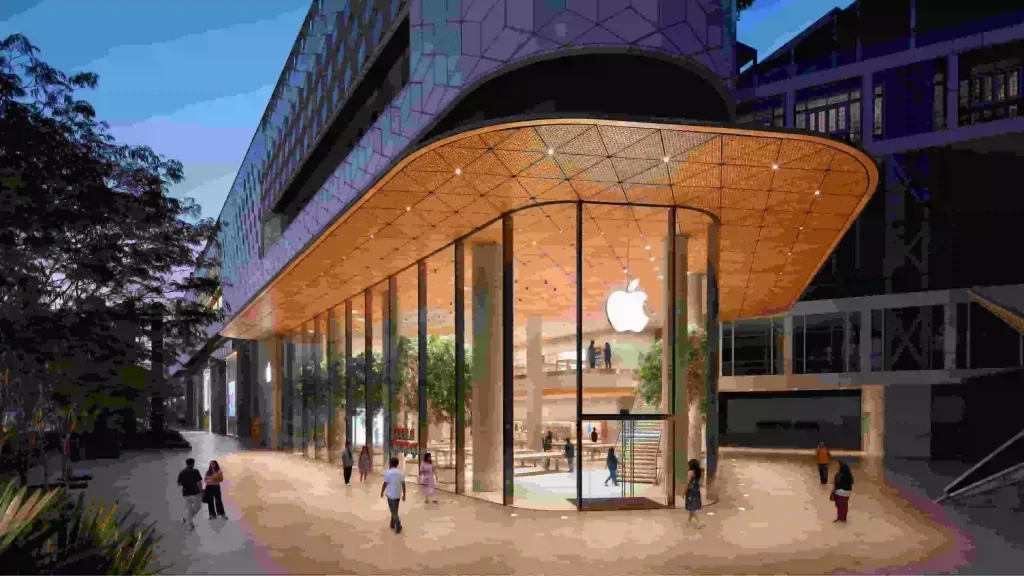
Apple, the world’s most valuable company known for its iPhones, MacBooks, and sleek designs, has made India a key part of its global growth story. Over the past few years, Apple has opened official retail stores across major cities, moving beyond online sales and small authorized shops. These stores are not just places to buy gadgets; they are modern spaces where customers can test products, get expert help, learn new skills, and feel part of the Apple community. As of April 2026, Apple runs six flagship stores in India, with more likely on the way. This expansion shows Apple’s big bet on India’s young, tech-savvy buyers and its fast-growing middle class. Let’s take a simple, step-by-step look at this exciting retail story.The Big Start: First Two Stores in 2023Apple’s official retail adventure in India kicked off in April 2023 with not one, but two grand openings. The very first was Apple BKC in Mumbai’s upscale Bandra Kurla Complex (BKC), inside the Jio World Drive mall. This two-story store welcomed customers with shiny product displays, Genius Bar support for repairs, and free “Today at Apple” sessions—like learning to edit photos on iPhone or make music on iPad.Just days later, Apple Saket opened in New Delhi at the Select CITYWALK mall in Saket. Deirdre O’Brien, Apple’s Senior Vice President of Retail, called these launches a “milestone” for connecting directly with Indian customers. Each store hired local teams from across India, many of whom spoke Hindi, Tamil, and other languages, to offer personal setup assistance, trade-ins for old devices, and financing options. These stores run on 100% renewable energy and are carbon-neutral, aligning with Apple’s green goals.From day one, crowds flocked in. Indians loved hands-on demos of the latest iPhones, Apple Watches, and AirPods. Sales boomed as “Make in India” iPhones (assembled locally by Foxconn and Tata) made devices more affordable.Rapid Growth in 2025: Bengaluru, Pune, and Noida Join the PartyApple didn’t stop. In 2025, the company added three more stores, reaching five. First up was Apple Hebbal in Bengaluru on September 2, 2025. Located in the massive Phoenix Mall of Asia on Bellary Road, its barricade featured stunning peacock-inspired artwork—India’s national bird in vibrant feathers, symbolizing pride and creativity. The store’s 70 team members came from 15 Indian states. Customers raved about the Genius Bar fixes and free sessions on everything from photo editing to coding basics.Just two days later, on September 4, 2025, Apple Koregaon Park opened in Pune at The KOPA mall (G8-G10, Koregaon Park). This was Apple’s first store in Pune, a city famous for education, history, and startups. Deirdre O’Brien praised it as a “destination for creativity.” With 68 team members from 11 states, it offers the full Apple lineup—like iPhone 16, M4 MacBook Air, and iPad Air with Apple Pencil Pro. Walk in for trade-ins, iOS switch help, Apple Music trials, or business tools for small companies. A special pickup area makes online orders easy—just grab and go.Then came Apple Noida at DLF Mall of India (D123-D128). This fifth store brought Apple to the Delhi-NCR suburbs, serving tech workers and families. Like others, it focuses on personal service, Today at Apple classes, and eco-friendly operations.The Latest: Apple Borivali Makes It Six in February 2026Apple hit six stores with Apple Borivali in Mumbai on February 26, 2026, at 1 PM. Located at G4, Sky City Mall off Western Express Highway (Borivali, Mumbai 400066), it’s the second Apple store in Mumbai after BKC. Its eye-catching peacock design (first seen in Hebbal and Pune) signals “confidence and creativity.” Inside, explore iPhones, iPads, Macs, and services like Apple TV+. Get help from Specialists, Creatives, Geniuses, and business teams. Free daily sessions teach skills, and perks like trade-ins, financing, and iOS setup await. Ahead of launch, Apple shared Mumbai-inspired playlists and wallpapers. “Namaskar, Borivali,” their site cheered.What Makes These Stores Special? A Full Apple ExperienceEvery Apple Store feels like a premium lounge, not a shop. Here’s what you get:Hands-On Shopping: Test iPhone 16 cameras, MacBook speed, or Watch fitness tracking.Expert Help: Genius Bar for repairs; one-on-one setup for new users.Learning Fun: Free “Today at Apple” sessions—make movies, draw with Apple Pencil, or code.Services Galore: Trade old phones for credit, easy financing, business support.Green Vibes: 100% renewable energy, carbon neutral.Local Touch: Teams speak regional languages; designs nod to India (peacock motifs).These stores pair with Apple’s online shop, app, and pickup options for seamless buying.Quick List of All Six Apple Stores in India (April 2026)Apple BKC – G1-G2, Jio World Drive, Bandra Kurla Complex, Mumbai.Apple Saket – F-11, Select CITYWALK, Saket, New Delhi.Apple Hebbal – F-39-F-43, Phoenix Mall of Asia, Bengaluru.Apple Koregaon Park – G8-G10, The KOPA, Pune.Apple Noida – D123-D128, DLF Mall of India, Noida.Apple Borivali – G4, Sky City Mall, Borivali, Mumbai.What’s Next? More Cities on the HorizonTim Cook hinted at Delhi-NCR, more Mumbai/Pune/Bengaluru spots. With iPhone 17 rumors and AI features coming, stores will showcase them first. India’s Apple journey is just starting, blending global tech with local pride.If you’re near one, drop in. It’s more than shopping; it’s inspiration. Apple isn’t selling products, it’s building a community, one store at a time.
Nothing’s First Store in Bengaluru: A Fun, Hands-On Tech Adventure Awaits

On a sunny Saturday, February 14, 2026, something exciting happened in Bengaluru. Nothing, the trendy London-based tech company known for its see-through smartphones and cool designs, opened its very first flagship store in India. The location? Right in the heart of Indiranagar’s bustling 100 Feet Road, a spot perfect for tech lovers and shoppers. Nothing’s CEO, Carl Pei (who also co-founded OnePlus), and co-founder and India President, Akis Evangelidis, personally cut the ribbon. They greeted hundreds of fans who lined up to be among the first inside. This store marks Nothing’s big leap into physical retail in India, its largest and fastest-growing market. The store stays open every day from 11 AM to 9 PM, welcoming everyone to explore.Why Bengaluru? India’s Tech Heart Loves Nothing’s StyleAccording to market research from IDC, Nothing holds over 2% of India’s smartphone market. In Q2 2025 alone, their sales jumped 85% compared to the previous year, making them the fastest-growing brand in the country. Counterpoint Research notes steady growth over many quarters. “India is our strongest market,” Pei has said. “A huge part of our users live here.” Evangelidis added, “Opening this store is a major milestone. We didn’t build a regular shop. We created an immersive space to build trust, spark curiosity, and host community events.” This is Nothing’s second store worldwide after their London flagship. Tokyo and New York are next, but India gets the honor of being first in Asia.Nothing, founded in 2020 and backed by investors like Tiger Global, raised $450 million total, including a $200 million Series C round in 2025 that valued the company at $1.3 billion. Their budget sub-brand, CMF (spun off last year and headquartered in India with a joint venture partner Optiemus), targets everyday buyers, while Nothing focuses on premium, niche gadgets.Walk Inside: It’s Like Stepping Into a Factory PlaygroundPicture this: You enter a massive 5,032-square-foot, two-story wonderland that feels like a 1970s industrial workshop mixed with a futuristic lab. No boring glass shelves here. Instead, raw concrete walls, shiny steel beams, aluminum frames, and clear glass show off the building’s “guts.” This matches Nothing’s famous transparency theme, remember their phones with see-through backs? On Day 1, over 2,000 people visited, sipping free coffee and chatting excitedly.Hands-on zones let you try everything:Nothing smartphones like the Phone 3a Pro, with glyph LED lights for notifications and super-clean Nothing OS software.CMF accessories – affordable earbuds, smartwatches, and more for budget fans.Custom options: Personalize cases or engravings.Merch corner: Hoodies, stickers, and limited-edition items.The vibe? Playful teamwork and community. “We wanted a fun space inspired by our factory world,” Pei explained. Over 2,000 visitors on launch day proved it worked, social media exploded with photos and stories.Nothing’s Meteoric Rise in India: From Online Buzz to Real StoresNothing started as an online-only brand, selling through Flipkart and their site. Their secret? Unique designs, no bloatware, and affordable prices (CMF under Rs 10,000, Nothing around Rs 20,000+). Indian YouTubers and reviewers raved about the glyph interface (fun lights for calls) and battery life. India became their top market quickly. Now, with rising component costs (Pei warned of price hikes), physical stores help build loyalty.They’re joining giants like Apple, which opened its sixth India store in Mumbai’s Borivali on February 26. Samsung and Xiaomi have experience centers too. Nothing stands out by focusing on “experiential retail”, not just buying, but belonging.Challenges Ahead and What’s NextCompetition is tough, prices may rise due to chip shortages. But Nothing plans more India stores (Mumbai? Delhi?). Rumors swirl of Phone 4 and CMF Watch Pro 2. Their goal: Make tech joyful, community-driven.If you’re in Bengaluru, head to Indiranagar. Test a phone, grab coffee, play a game, discover why Nothing feels different.
India’s Semiconductor Leap: 2 nm Chips Designed from India Signal a Strategic Technological Shift
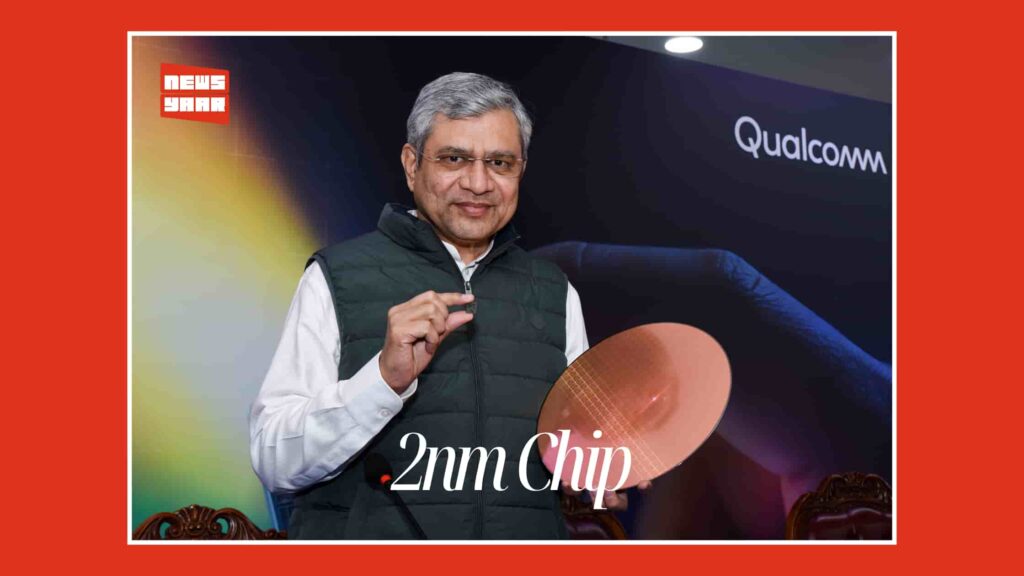
In a development being widely recognised as a milestone for India’s semiconductor ambitions, engineers based in the country have played a central role in designing 2 nanometre (nm) semiconductor chips — one of the most advanced chip technologies in existence today. This achievement, marked by a successful 2 nm chip tape-out at a leading global chipmaker’s Indian facilities, underscores a significant shift in India’s role in the global semiconductor value chain from primarily back-office support to end-to-end engineering and advanced chip design.What Is a 2 nm Chip and Why It MattersIn semiconductor terminology, the “nanometre (nm)” designation refers to the scale of the technology node — essentially the size of the features etched onto a chip. As technology nodes shrink, chips become more power-efficient, faster and capable of packing more transistors in the same physical space. The 2 nm node represents one of the most cutting-edge levels of chip design, sitting at the forefront of global semiconductor innovation alongside 3 nm and 4 nm processes.These advanced chips are expected to power future generations of smartphones, artificial intelligence (AI) systems, edge devices, data centre hardware, autonomous systems and high-performance computing applications. The density and complexity at this level — with tens of billions of transistors on a single die — enable significant improvements in performance and energy efficiency over earlier generations.The India Breakthrough: Design in Bengaluru and BeyondThe chip design milestone was publicly showcased at **Qualcomm Technologies’ engineering centre in Bengaluru, where the company completed the **tape-out of its 2 nm semiconductor design, with development contributions distributed across its Indian engineering hubs in Bengaluru, Chennai and Hyderabad. “Tape-out” refers to the stage in chip development where the final design is completed and ready for manufacturing at a wafer fab — a critical endpoint of the design phase.While the actual manufacturing (fabrication) of the 2 nm chips will continue to be handled by specialised semiconductor foundries overseas due to the extremely capital- and technology-intensive infrastructure required, the fact that high-end design work is being led from India reflects a meaningful advance in the country’s engineering capabilities.Government Perspectives and Industry InterpretationUnion Minister for Electronics and Information Technology, Ashwini Vaishnaw, highlighted this development as a marker of India’s transition toward holistic semiconductor capabilities, emphasising that the country is moving beyond “back-office development work” toward complete engineering cycles — from product definition, design and silicon layout to tape-out and validation — all conducted within Indian talent pools.At a press conference during the event, Minister Vaishnaw noted that this achievement demonstrates how India’s semiconductor design ecosystem has matured and is now integral to global engineering efforts. He indicated that the next strategic target would be to establish semiconductor “fabs” (fabrication facilities) in India, which would enable domestic production of advanced chips.Experts emphasise that such milestones are not merely technical achievements but also symbolic markers of India’s growing integration into the global semiconductor landscape, particularly in high-end design work that drives product performance and innovation.India as a Growing Engineering HubThe development also puts into sharp focus India’s rapidly expanding semiconductor ecosystem — one that combines a deep talent pipeline with increasing participation from global chipmakers. India hosts one of the largest engineering workforces outside the United States for companies like Qualcomm, which have invested in design, validation, system-level optimisation and AI integration efforts for next-generation chip platforms.Indian engineering teams contribute across multiple stages of semiconductor development, including architecture implementation, system integration and advanced feature validation — competencies that are critical in designing chips competitive at global levels.Policy Momentum: Semicon Mission 2.0 and Indigenous Design FocusThe Government of India’s semiconductor policy framework, particularly Semicon Mission 2.0, prioritises indigenous chip design as a key objective alongside talent development, equipment and material ecosystem building, and eventual manufacturing capacity expansion. The revised mission includes funding and incentives for design-led startups, R&D centres, industry collaborations and skill development, aimed at creating a future-ready semiconductor workforce.Under this framework, global companies setting up design operations in India — including multinational firms like Arm — reflect international confidence in Indian engineering capabilities. Such initiatives help build intellectual property (IP), research expertise and design capability at a world-class level.Broader Strategic and Economic ImplicationsThe design of 2 nm chips from Indian engineering centres carries significance beyond technology alone. It contributes to:Enhanced strategic positioning in global semiconductor supply chainsAttraction of further foreign direct investment (FDI) in high-tech R&DUpskilling of engineering talent and creation of advanced tech jobsFoundation for future advanced manufacturing and fab developmentIntegration with AI, edge computing and next-gen connectivity sectorsBy enabling Indian engineers to work at the forefront of semiconductor design, the country is positioning itself as a competitor and collaborator in the high-performance chip ecosystem — a space historically dominated by a handful of global players.Conclusion: A Step Toward a Global Semiconductor RoleWhile India’s semiconductor journey — from design to full-scale manufacturing — remains a multi-decade endeavour, the successful 2 nm chip tape-out driven by Indian talent and engineering operations represents a strategic inflection point. It reinforces the narrative that India is not just a consumer of cutting-edge technologies but a contributor and innovator, capable of playing a meaningful role in one of the most consequential fields of modern technology.This milestone, achieved through collaboration between global industry leaders and Indian engineers under supportive policy frameworks, signals that the country is steadily moving up the semiconductor value chain — from design and verification to eventual productisation and broader ecosystem participation.Video credit: YT@/ANI
Indian Startups at CES 2026: Homegrown Innovation Takes Global Spotlight in Las Vegas

Indian startups and technology firms significantly expanded their presence at CES 2026 — the world’s largest technology showcase held in Las Vegas from January 6 to 9, 2026 — reflecting the country’s evolving tech ambitions and increasing global competitiveness. The annual event, organised by the Consumer Technology Association (CTA), attracted more than 4,100 exhibitors from around 150 countries, underscoring its role as a launchpad for next-generation innovations spanning artificial intelligence (AI), digital health, robotics, mobility, enterprise technology and immersive entertainment.According to CTA executives, Indian participation has steadily grown, with a broader range of startups and established firms using the platform to showcase their products, engage with global partners and position themselves for international expansion. Indian delegations this year included innovators from healthtech, wearables, robotics and automotive systems, signalling the ecosystem’s transition from domestic focus to global impact.Ultrahuman: Metabolic Health and WearablesOne of the headline Indian participants at CES 2026 was Ultrahuman, a Bengaluru-based health technology firm co-founded by Mohit Kumar, Vinay Bhargava and Vatsal Singhal. The company displayed its suite of wearable health devices and preventive care platforms, including what it bills as the world’s lightest sleep-tracking wearable, a continuous glucose monitoring (CGM) system and a preventive blood testing solution designed to empower users with metabolic insights. Ultrahuman’s presence marked India’s growing footprint in consumer health tech at global forums.Noise: Smart Wearables Designed for Global MarketsNoise, headquartered in Gurugram and led by founders Amit Khatri and Gaurav Khatri, was another major Indian exhibitor. The company, recognised as one of the third-largest smartwatch brands in the world, showcased its latest wearable technologies at CES, emphasising advanced health metrics, design innovation and global compatibility. Noise’s participation highlighted India’s emergence not only as a producer of affordable wearables but as a designer and manufacturer capable of competing with established global brands.“We are proud to come here and compete on a world stage,” said Hamish Patel, Vice President – Product Devices at Noise, noting that the company’s R&D and manufacturing are largely based in India, enabling it to present products that match global benchmarks.aabo: MedTech InnovationsAmong the Indian startups at CES 2026 was aabo, a MedTech firm focused on AI-driven health solutions. Although not a household name, its technology emphasises the intersection of machine intelligence and healthcare delivery, an area of rising relevance as global health systems integrate data-led diagnostics and monitoring. The specifics of aabo’s product suite were highlighted among Indian exhibitors but details on founders and product characteristics are linked to its positioning as a healthtech innovator on the CES show floor.ArvyaX Technologies: Robotics and Pseudo-RealityArvyaX Technologies, founded by Shalabh Bhatnagar, showcased its robotics and pseudo-reality solutions at CES’s Eureka Park — an innovation zone dedicated to emerging startups. The Bhopal-based firm has developed technologies that blend digital and physical environments, targeting enterprise sectors such as industrial training, simulation and collaborative experiences. Shalabh Bhatnagar described participating at CES as a moment of pride, emphasising that ArvyaX’s innovations were both made and innovated in India, reflecting the nation’s rising capabilities in robotics and immersive technologies.Sona Comstar: Automotive Technology and EV SystemsThe automotive technology company Sona Comstar was another Indian participant at CES 2026, presenting its advanced electric vehicle (EV) components and systems. With a strong focus on R&D in high-power density EV motors, differential assemblies and lightweight drivetrain systems, Sona Comstar’s technology underscores India’s potential in automotive core technology development and global mobility solutions. The company’s products cater to modern EV performance requirements and highlight a broader shift toward electrification and smart mobility.Zoondia and Industry CollaborationsIn addition to standalone startups, Indian participation included Zoondia, a global technology partner offering enterprise solutions and services. Though not a startup in the strictest sense, Zoondia’s presence further reflects the breadth of Indian engagement at CES, spanning early-stage innovation to established tech services with global delivery capabilities.The Significance of Indian ParticipationExecutives at CES 2026 noted that India’s presence was broader and deeper than in previous years, building on momentum from the first dedicated Indian pavilion introduced on the CES show floor in 2024. This year’s participation spanned startups, industry bodies such as the CMAI Association of India, and firms showcasing products that compete with global innovations rather than just representing emerging market offerings.Industry observers have highlighted several key implications of India’s growing CES footprint:Global Visibility: Participation at CES elevates Indian startups to international buyers, investors and collaborators, helping them secure partnerships, pilot projects and market entry opportunities.Innovation Credibility: Demonstrating products at a major global venue signals maturity and readiness to compete on performance and design quality.Ecosystem Confidence: The increasing number of Indian participants reflects confidence among founders and investors in showcasing innovations on a global stage.Cross-Sector Representation: Startups at CES 2026 represented health tech, wearables, robotics and automotive systems, indicating that India’s startup ecosystem is diversifying beyond software into deep tech and hardware innovation.What This Means for India’s Startup EcosystemThe rising participation of Indian startups at CES 2026 comes at a time when the country’s broader startup ecosystem is experiencing structural shifts. India is now recognised as one of the largest startup ecosystems globally, with a growing emphasis on deep tech, AI, robotics and hardware innovation rather than only digital services. Initiatives such as startup support missions, increased R&D investment and industry collaborations are catalysing this transformation, enabling more Indian founders to engage in global innovation discourse and market expansion.Indian founders and CEOs attending CES emphasised that events like CES are not merely showcases but strategic platforms for networking, validation, investment engagement and collaboration, helping elevate India’s technology brands to global audiences and potential customers.Looking ForwardAs CES continues to be a global stage for breakthrough technologies, the increasing presence of Indian startups at CES 2026 reflects a broader narrative of India’s evolution from a predominantly software and services economy to a hardware and deep-tech innovator on the world stage. With continued participation in global technology showcases, Indian founders aim to build enduring technology brands that are recognised not only domestically but across markets in North America, Europe and Asia.The momentum generated at CES 2026 is expected
Rajasthan DigiFest 2026: Jaipur to Host Regional AI Impact Conference Ahead of India AI Summit
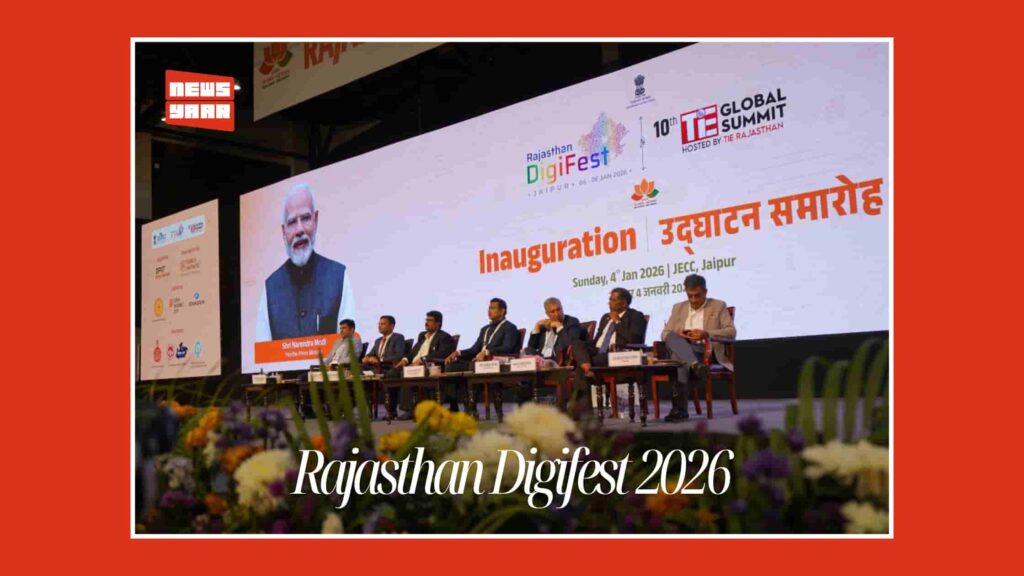
Jaipur is set to become a major hub for artificial intelligence discussions as Rajasthan hosts the Regional AI Impact Conference 2026 on January 6, marking a significant step in India’s journey towards AI-driven governance and innovation.The conference will be held as part of Rajasthan DigiFest 2026, in collaboration with the TiE Global Summit 2026, and will serve as a crucial regional engagement leading up to the India AI Impact Summit 2026, scheduled for February this year.The high-profile event will witness the presence of Union Minister for Electronics and Information Technology Ashwini Vaishnaw and Minister of State for Electronics and Information Technology Jitin Prasada, underlining the Centre’s strong focus on accelerating AI adoption across states and sectors.A Platform for AI-Led Governance and GrowthAccording to the Ministry of Electronics and Information Technology (MeitY), the Regional AI Impact Conference in Jaipur will act as a key platform to explore how Artificial Intelligence can transform governance systems, boost economic growth, encourage innovation, and support inclusive development. The discussions are expected to focus on both policy and practice, highlighting how AI can be effectively integrated into public administration and service delivery.One of the central themes of the conference will be AI for Public Service Delivery and Governance, examining the role of emerging technologies in improving efficiency, transparency, and citizen engagement. Sessions will also address Ethical and Responsible AI, reflecting growing concerns around data privacy, algorithmic bias, and accountability in AI-driven systems.As AI continues to reshape the global workforce, the conference will feature dedicated discussions on AI and the Future of Employment and Skills. Policymakers and industry experts are expected to deliberate on reskilling, upskilling, and preparing India’s workforce for technology-driven changes.AI Conversations Extend to GuwahatiParallel to the Jaipur conference, Guwahati will host a Human Capital Working Group Meeting over the next two days. The meeting will be chaired by Prof. T. G. Sitharam, Chair of the Human Capital Working Group, and will bring together senior policymakers, academic leaders, industry experts, and practitioners.The discussions in Guwahati will focus on the future of education, skilling, and workforce readiness in the age of Artificial Intelligence, complementing the broader objectives of the AI Impact Conference. Together, these engagements underline the government’s emphasis on aligning technology advancement with human capital development.Building Momentum Towards India AI Impact Summit 2026The Regional AI Impact Conference under Rajasthan DigiFest 2026 is part of a nationwide series of dialogues aimed at building momentum for the India AI Impact Summit 2026. By bringing AI conversations closer to regional ecosystems, the initiative seeks to ensure that technological growth remains inclusive, balanced, and aligned with India’s development priorities.With Jaipur hosting this significant gathering, Rajasthan is positioning itself as an active participant in India’s AI transformation, reinforcing its role in shaping the country’s digital and innovation-led future.Video credit: YT@/DoIT&C Government of RajasthanVideo credit: YT@/DoIT&C Government of Rajasthan
CES 2026: From Dexterous Robots to Smart Living, A Glimpse Into the Future of Technology
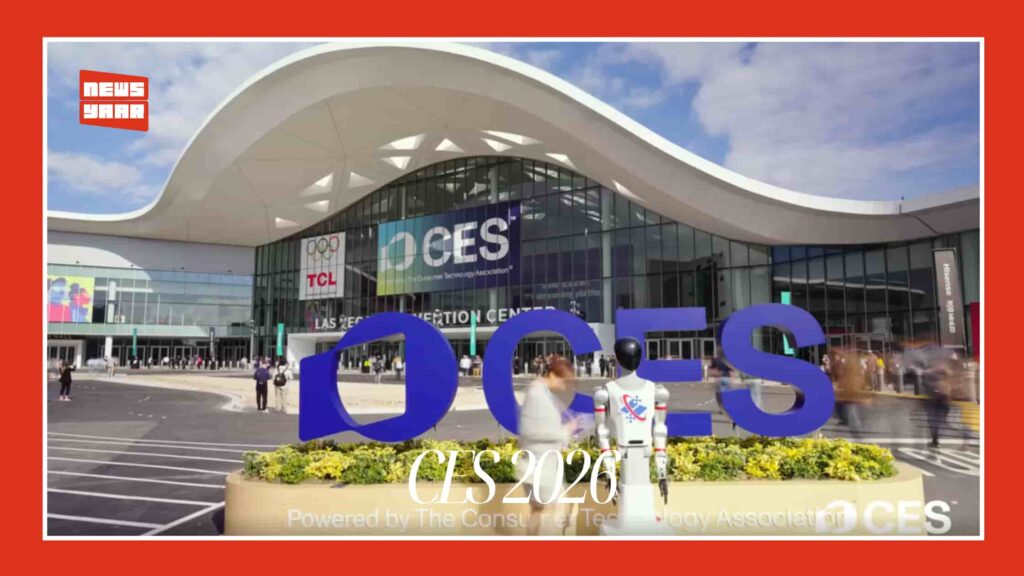
The Consumer Electronics Show (CES) 2026 once again proved why it is considered the world’s biggest stage for innovation. Held in Las Vegas, the annual tech showcase brought together global technology leaders, startups, and innovators to present ideas that could shape how people live, work, and interact with machines in the coming years.This year’s edition marked a clear shift in focus, from flashy concepts to practical, usable technologies that address real-world needs.Robots Get Smarter, Not Just TallerOne of the most talked-about highlights of CES 2026 was the rapid evolution of robotic technology. Unlike earlier years that focused on full humanoid robots, this time the spotlight was on dexterous robotic hands.These advanced systems demonstrated delicate tasks such as folding laundry, playing musical instruments, and even origami, showing how precision and control have improved significantly.Experts noted a strong presence from South Korean and Chinese companies, signalling growing competition in the robotics sector. The progress suggests robots are moving closer to assisting humans in homes, healthcare, and manufacturing environments.AI Takes Centre Stage Across CategoriesArtificial Intelligence was everywhere at CES 2026, not just as a feature, but as the foundation of innovation. From AI-powered home ecosystems to health monitoring devices, companies showcased how machine learning is being integrated seamlessly into daily life.HealthTech innovations stood out, including wearable devices that track vital signs, AI-driven wellness tools, and smart systems designed to improve long-term health outcomes. Industry experts estimate that AI-driven healthcare could become a multi-trillion-dollar market in the coming years.Smarter Homes, Cleaner LivingSmart home technology saw major upgrades at CES 2026. Brands showcased AI-powered cleaning systems, automated home management platforms, and energy-efficient appliances designed to reduce human effort while improving sustainability.Several companies also showcased whole-home ecosystems, where lighting, security, climate control, and cleaning devices communicate with each other through a single intelligent platform. This signals a future where homes don’t just respond, but anticipate needs.Displays, Gadgets, and the Rise of E-PaperDisplay technology also evolved, with innovations in e-paper and flexible screens drawing attention. Lightweight, energy-efficient displays are expected to redefine how information is consumed, especially in portable devices and smart signage.Meanwhile, consumer gadgets, from compact chargers to next-generation laptops, balanced futuristic design with immediate usability, reflecting a trend toward tech that consumers can adopt right away.CES 2026 Sets the Tone for the Year AheadCES 2026 highlighted a clear message: technology is becoming more human-centric. Instead of focusing solely on speed or power, innovation is now centred on usability, accessibility, and meaningful impact.As industries continue to adopt AI, robotics, and smart systems, CES 2026 has set the tone for a future where technology quietly blends into everyday life, making it smarter, simpler, and more connected than ever before.
India’s DHRUV64: The First 1 GHz, 64-Bit Dual-Core Microprocessor
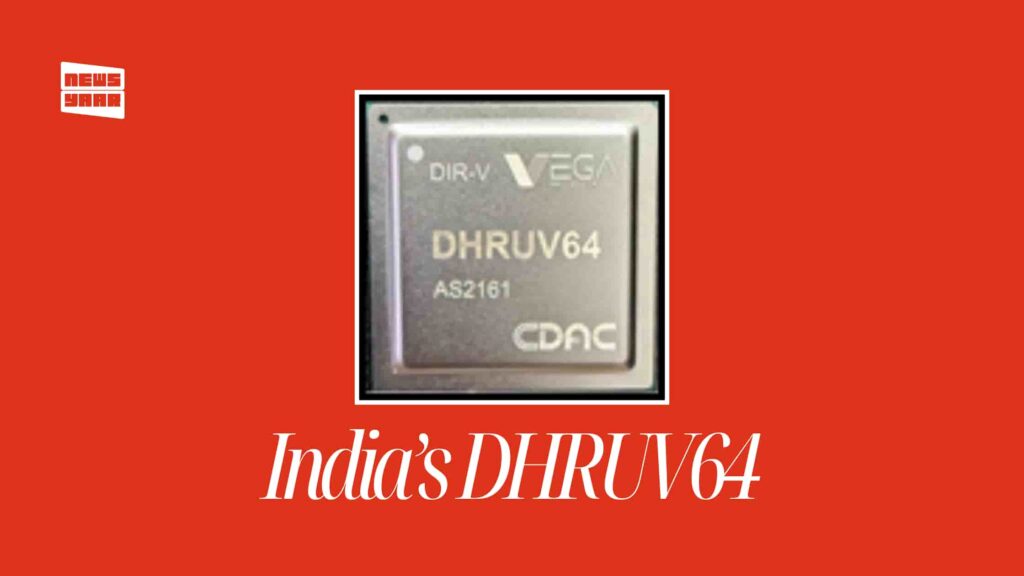
In a landmark moment for India’s semiconductor ambitions, the Centre for Development of Advanced Computing (C-DAC) has unveiled DHRUV64, the country’s first 1 GHz, 64-bit dual-core microprocessor.Developed under the government’s Microprocessor Development Programme and showcased as part of the Digital India RISC-V (DIR-V) initiative, DHRUV64 represents a major stride toward self-reliance in advanced chip design and computing technology. A Milestone in Indigenous Chip DesignDHRUV64 is built on an open-source RISC-V architecture, an increasingly popular set of instructions that allows chip designers to innovate without costly licensing fees from foreign companies.Operating at a clock speed of 1.0 GHz with dual processing cores and 64-bit capability, it brings India into the realm of gigahertz-class embedded processors, a class previously dominated by global players.Unlike earlier academic or specialised chips, DHRUV64 is designed for broader strategic and commercial applications, including industrial automation, automotive electronics, 5G infrastructure, consumer devices, and Internet of Things (IoT) systems. It supports modern operating systems, integrates with diverse hardware systems, and provides multitasking efficiency suited for a range of real-world deployments. How Does It Matter?India currently consumes roughly 20 percent of the world’s microprocessors, yet historically has relied heavily on imports for core computing technology.Developing a homegrown processor like DHRUV64 is significant not only for technological sovereignty but also for enhancing security, reducing supply-chain vulnerabilities, and building local expertise in semiconductor design.By creating a platform that domestic startups, researchers, and established companies can build upon, DHRUV64 is expected to boost innovation across the electronics ecosystem and support cheaper prototyping and product development.It also provides a foundation for a growing pipeline of skilled chip design professionals, further energising India’s tech sector.A Step Toward Aatmanirbhar Bharat in TechnologyDHRUV64 marks a continuation of India’s journey toward an Aatmanirbhar (self-reliant) semiconductor ecosystem. The chip follows earlier indigenous designs such as SHAKTI, AJIT, VIKRAM, and THEJAS64, and sits alongside future variants like Dhanush and Dhanush+ in the development pipeline.While India still relies on global fabrication technologies for manufacturing, the design and strategic deployment of processors like DHRUV64 signal a slow but steady shift toward autonomous capabilities in core computing technologies, a critical competitiveness marker in the global tech landscape.
Sanchar Saathi App: How India Is Empowering Citizens Against Telecom Fraud
Understanding the Sanchar Saathi InitiativeSanchar Saathi is a government-backed digital initiative aimed at protecting telecom users from fraud, identity theft, and the misuse of mobile connections. The app aims to bring transparency and control directly into the hands of citizens.Why the App Was Needed?India has witnessed a sharp rise in cyber fraud, fake SIM usage, and unauthorised mobile connections. Many users were unaware of the number of numbers issued in their name, making them vulnerable to misuse.Key Features Explained SimplyThe Sanchar Saathi app allows users to check mobile connections linked to their Aadhaar, block lost or stolen phones, and report suspected fraud. These features reduce dependency on telecom offices and speed up action.How It Helps Ordinary UsersFor common citizens, the app provides peace of mind. Users can instantly identify unknown connections, prevent misuse, and take quick corrective steps without technical knowledge.The launch of Sanchar Saathi reflects the government’s broader focus on digital safety and citizen empowerment. It aligns with initiatives aimed at securing India’s rapidly expanding digital ecosystem.Final WordsAs awareness grows, Sanchar Saathi could become a key tool in fighting telecom fraud nationwide. Experts believe regular updates and public education will determine its long-term success.