


Cheetahs Run Free Again: The Full Story of India’s Project Cheetah
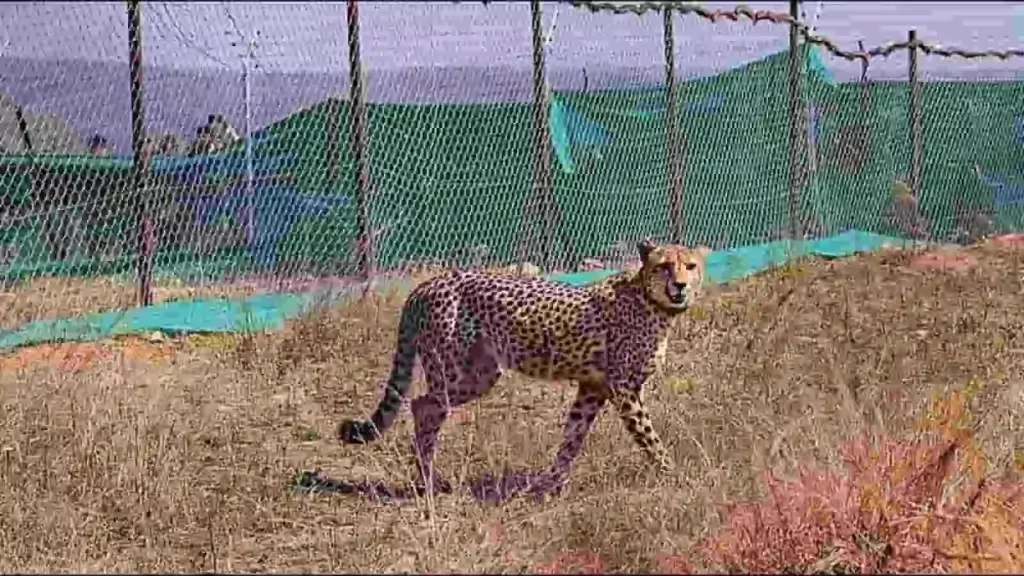
Kuno National Park, Madhya Pradesh- Cheetahs disappeared from India 70 years ago. Now they are back and growing in number. Project Cheetah is the world’s first project to move big cats across continents. Prime Minister Narendra Modi started it in 2022. Today, India has over 50 cheetahs, with many cubs born here. This simple story covers everything from history to the latest news.A Lost Past: Cheetahs in Indian HistoryCheetahs once lived all over India. They ran in grasslands from Punjab in the north to Tamil Nadu in the south. They also lived in Gujarat, Rajasthan, and Bengal. These cats liked open lands, scrub forests, and dry areas.Kings and Mughals used them to hunt deer like blackbuck. Old drawings show nobles with cheetahs on leashes. But too much hunting, stealing of land for farms, fewer animals to eat, and hot weather ended their story. The last three wild cheetahs were killed in 1947 in Chhattisgarh. India said they were extinct in 1952.The Dream Comes True: Starting Project CheetahThe project began on September 17, 2022. It comes from a 2013 plan to bring back cheetahs. Courts said yes. The Environment Ministry, Tiger Authority, and Madhya Pradesh forest teams run it.The goal is to make cheetahs a star animal again. They help keep grasslands healthy by controlling deer numbers. This helps all plants and animals. It matches the world goals to save nature.Kuno Park: A Safe New HomeKuno National Park was chosen because it has wide open grass. No lions or tigers live there to fight the cheetahs. Teams moved 24 villages away so people and cats live apart. This gave 6,000 hectares of free space.The next park is Gandhi Sagar. The plan covers 17,000 square kilometers for 60 to 70 cheetahs by 203Bringing Cheetahs Home: Flights from Far AwayCheetah walks across a grassy field following its release into Kuno National Park in September 2022. India brought cheetahs from Africa in steps.First, eight came from Namibia in September 2022. Five females and three males flew on an Air Force plane. PM Modi let them out himself.Next, 12 from South Africa arrived in February 2023. Five females and seven males.In late 2025, nine from Botswana joined. Six females and three males. They stayed in quarantine for one month.More are coming: Eight from Botswana in early 2026 and 20 from South Africa soon.A cheetah takes its first steps free in Kuno after release.Babies Bring Hope: The Growing FamilyAn 1812 engraving of Mughal aristocrats hunting blackbuck with an Asiatic cheetah. Cheetahs started having cubs fast. This shows they like their new home.India’s first cub, Mukhi, was born on March 29, 2023, to mother Jwala from Namibia. Her mom left her alone. Heat killed her brothers and sister. Forest workers raised her like family. Now Mukhi is three years old. In November 2025, she had five cubs – the first babies from an India-born mom!Jwala had more litters, too. In March 2026, she gave birth to five more cubs.Other moms like Aasha and Gamini had nine cubs in February 2026.Of the 20 adults brought over, 39 cubs were born. About 27 lived. As of March 2026, India has 53 cheetahs. Kuno holds most, with a few at Gandhi Sagar.What Comes NextIndia wants a strong group of 60 to 70 cheetahs that live on their own. More parks will join. Teams will link lands so cats move freely. This makes India a leader in saving big wild cats.Project Cheetah shows hard work can fix old wrongs. Cheetahs sprint again, and nature thanks India.
Delhi Launches EV Policy 2.0 to Fight Pollution and Boost Electric Vehicles
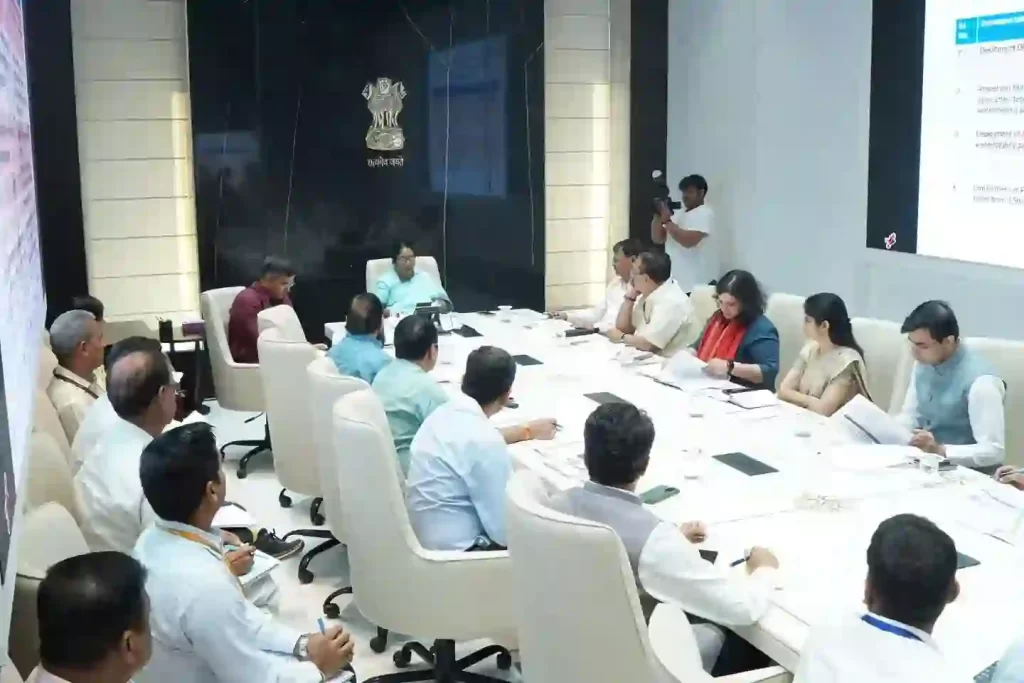
The Delhi government has put up a bold new plan to clean up the city’s air. They released the draft Electric Vehicle Policy 2.0 for 2026 to 2030 on April 11, 2026. This policy, called EV Policy 2.0, offers big cash incentives, tax breaks, and strict rules on petrol vehicles. The Transport Department’s EV Cell put it out for public feedback. People can send comments by email or post for 30 days. The goal is to make Delhi a leader in electric vehicles and cut down on dirty air from cars and bikes. Delhi wants one in every four new vehicles sold to be electric, building on its old policy from 2020.This new draft comes at a time when Delhi battles severe pollution. Vehicles cause a large part of the smog. Two-wheelers make up 67 percent of all vehicles on Delhi roads. The policy targets them first with bans and money help. It mixes rewards for buyers with deadlines to stop old fuel types. Experts call it one of India’s most forward-thinking plans. It aims to turn Delhi into a green transport hub by 2030.Big Cash Incentives for Electric Vehicle BuyersThe policy gives direct money to people who buy electric vehicles. Incentives drop over three years to push fast change. Buyers claim them online and get bank transfers after checks. They tie into the national PM E-DRIVE scheme.For electric two-wheelers up to Rs 2.25 lakh, help starts high. In year one, buyers get Rs 10,000 per kWh of battery, up to Rs 30,000 max. Year two drops to Rs 6,600 per kWh, max Rs 20,000. Year three gives Rs 3,300 per kWh, max Rs 10,000. This makes cheap EV scooters affordable for daily commuters.Electric three-wheelers like auto-rickshaws get fixed amounts. Year one pays Rs 50,000. Year two gives Rs 40,000. Year three offers Rs 30,000. These help drivers switch from CNG to clean power.For N1 goods vehicles up to 3.5 tonnes, incentives hit Rs 1 lakh in year one. Year two pays Rs 75,000. Year three gives Rs 50,000. Small trucks and vans benefit most here.Electric cars up to Rs 30 lakh ex-showroom qualify for extra perks if owners scrap old BS-IV or older cars. First 100,000 buyers get a Rs 1 lakh scrappage bonus. They must scrap within six months of the certificate. This clears old polluters fast. Tax Breaks and Scrappage Bonuses Make EVs CheaperElectric vehicles skip all road tax and registration fees until March 31, 2030. Cars up to Rs 30 lakh get a 100 percent waiver. Strong hybrids get 50 percent off. Luxury EVs over Rs 30 lakh pay full.Scrappage adds more savings. Two-wheeler owners get Rs 10,000 for old petrol or CNG bikes. Three-wheeler drivers earn Rs 25,000. N1 truck buyers pocket Rs 50,000. These bonuses reward people who ditch dirty vehicles for electric ones. The push clears roads of high-emission machines.Strict Bans and Mandates to Force the SwitchThe policy sets hard deadlines for petrol and diesel. No new petrol two-wheeler registrations after April 1, 2028. Only electric bikes and scooters are allowed then. New three-wheeler registrations must be electric from January 1, 2027. No more CNG autos.Commercial fleets face tougher rules. From January 1, 2026, ride-hailing and delivery firms cannot add new petrol or diesel two-wheelers or light goods vehicles up to 3.5 tonnes. BS-VI two-wheelers last until the end of 2026.Government leads by example. All leased or hired official cars will turn electric in 12 months. Delhi runs 3,535 electric buses now. Plans add 2,800 more in phase one and 3,330 in phase two. The goal is to hit 7,500 e-buses by the end of 2026 and 11,000 by 2028. Public transport shows the way.Charging Stations Grow to Support More EVsNo good policy without places to charge. Delhi wants a public charger every 3 km. From hundreds in 2020, it reached 9,000 stations by early 2026. Battery swap spots hit 234. Target will jump to 30,000 chargers soon.The government helps installers with cheap land in parking lots. It reimburses 100 percent of the state GST on advanced batteries for swaps. New buildings must have EV-ready spots in 20 percent of parking. Lower power rates for charging make it cheap. Sellers must add chargers at dealerships. These fights range from fear to speed in daily use.Past Success and Road AheadDelhi’s first EV policy from 2020 worked well. EVs now make 14 percent of new sales, above India’s 8 percent average. Over 86,000 EVs registered since the start. Two and three-wheelers lead uptake. Charging grew fast, too. The Transport Department runs the show with an EV Cell. A State EV Board checks progress. Funds come from pollution fines and the Air Ambience Fund. Central FAME money flows through local schemes.Challenges remain. Old subsidy delays frustrated buyers. New rules fix that with fast claims. Land scarcity slows chargers. Retrofitting old cars raises safety concerns. Policy adapts with open data on stations and loan help.Delhi beats many states in EV share and chargers. It teaches others: mix money, rules, and infra. National goals like PM E-DRIVE align perfectly. By 2030, Delhi eyes top global spot for green rides.
Anant Ambani Launches Vantara University for Wildlife Conservation
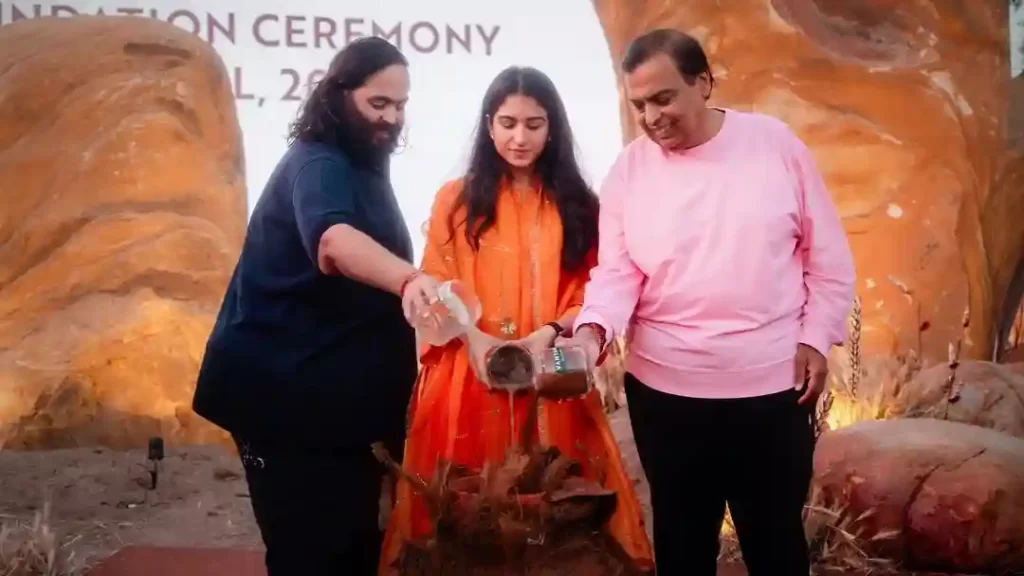
Anant Ambani, Executive Director of Reliance Industries, has launched Vantara University in Jamnagar, Gujarat. This new university focuses entirely on wildlife and veterinary sciences. He started it at the 3,000-acre Vantara wildlife rescue and rehabilitation centre. The launch happened during a foundation ceremony on his 31st birthday. Anant laid the foundation stone with his wife, Radhika and father Mukesh Ambani, Chairman of Reliance Industries.Anant Ambani calls this a “1,000-year vision for the planet.” He wants the university to train veterinarians and scientists from around the world. Right now, there is a big shortage of experts in wildlife health, disease control, and conservation. The university will fill this gap. It will create skilled people to fight problems like loss of animals, plants, and new diseases that jump from animals to humans.Why Vantara University Matters NowThe world faces more ecological problems every day. Biodiversity is disappearing fast. Zoonotic diseases, like those that spread from animals to people, are becoming common. Many countries lack trained professionals to handle these issues. Anant Ambani built this university to solve that. He says conservation needs more than money or land. It needs smart minds and strong skills.Vantara started as a rescue centre for hurt and endangered animals. Now, it grows into a full learning hub. The university sits right inside this vast facility. Students will work hands-on with real animals every day. This mix of school learning and field work makes it special.What Programs Will the University Offer?Vantara University plans many courses for different levels. These include undergraduate degrees, postgraduate studies, fellowships, and special training. The main areas cover key parts of wildlife care. Here is what they focus on:Wildlife medicine and surgery. Students learn to treat sick or injured wild animals.Animal behaviour and genetics. They study how animals act and pass on traits.Epidemiology. This teaches how diseases spread in animal groups.Conservation policy. Trainees learn rules and plans to protect nature.All programs blend classroom lessons with real work. Students use Vantara’s hospitals, rescue teams, and labs. They will help save animals, study their health, and plan for the future.Hands-On Learning at Vantara CentreThe 3,000-acre Vantara site gives perfect training grounds. It has advanced veterinary clinics for big and small animals. Rescue teams bring in hurt wildlife from India and abroad. Rehabilitation areas help animals get strong again before release. Research labs test new treatments.Students will join daily operations. They might help a rescued elephant with surgery. Or track diseases in bird groups. Or study genes to save rare species. This real-world practice builds experts fast. Anant Ambani says it turns book knowledge into life-saving action.A Global Hub with Indian RootsVantara University wants to lead worldwide. It plans partnerships with top schools and groups abroad. This brings in global experts and shares India’s know-how. At the same time, it uses India’s old wisdom. Ancient texts and traditions teach harmony with nature. The university mixes this with modern science for a unique style.Anant Ambani stresses compassion in all work. He says care for animals must come from the heart, backed by knowledge. The goal is a “purpose-led” education. Graduates will work in zoos, forests, research centres, and governments everywhere.Long-Term Vision for ConservationThis launch marks a big change in wildlife efforts. Past projects built zoos or parks. Vantara University builds people. It invests in talent for generations. Anant Ambani sees it as a civilizational step.Conservation will rely on trained hands as much as good intentions.The university supports Vantara’s full mission. That includes rescue, rehab, research, and now education. Together, they form one strong system. Over time, it will train thousands. This helps save species and ecosystems worldwide.India’s Jamnagar now hosts the world’s first university just for wildlife sciences. Vantara University promises hope amid global crises. It shows that one family’s big dream can spark worldwide change.
World Wildlife Day 2026: India’s Mega-Biodiversity Efforts Take Center Stage Amid Global Calls for Conservation
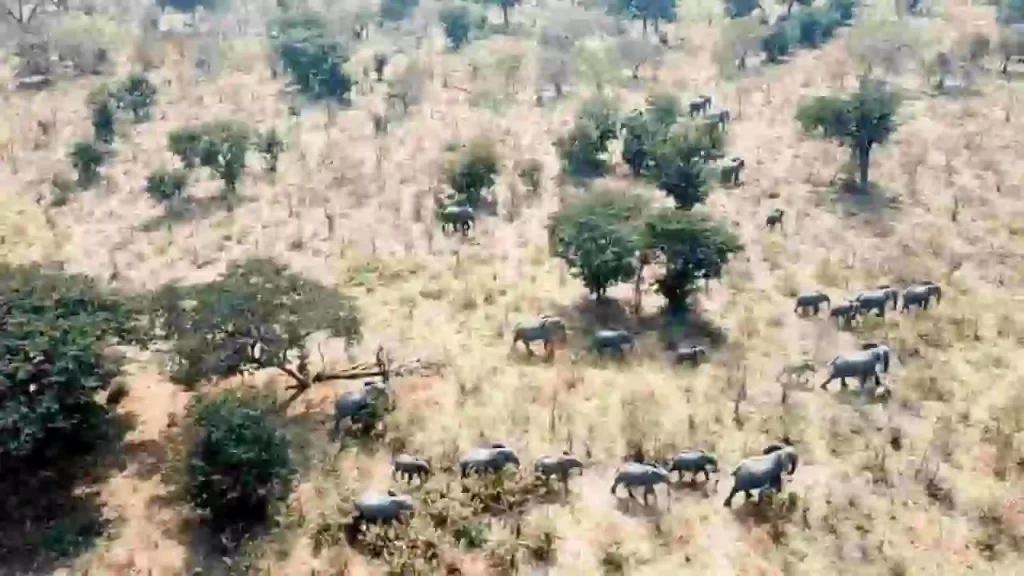
New Delhi, March 15, 2026 – World Wildlife Day 2026, observed on March 3, shifted the conservation spotlight from charismatic megafauna to the unsung heroes of ecosystems: medicinal and aromatic plants. Under the theme “Medicinal and Aromatic Plants: Conserving Health, Heritage and Livelihoods,” the global event commemorated the 1973 adoption of the Convention on International Trade in Endangered Species of Wild Fauna and Flora (CITES). Proclaimed by the UN General Assembly in 2013, the day underscores plants’ vital role in healthcare, culture, and economies, while warning of threats like overharvesting and habitat lossIndia, a mega-biodiverse powerhouse harboring 7% of global biodiversity, including 45,000 plant species and 15,000 medicinal ones—led domestic observances with renewed focus on sustainable practices. About 8,000 species fuel Ayurveda, Siddha, Unani, and folk medicine, with 70% thriving in hotspots like the Western Ghats, Eastern Ghats, Himalayas, and Aravalli ranges.Global Virtual Gala: Stories, Stamps, and Stakeholder VoicesCITES hosted a star-studded virtual celebration moderated by Secretary-General Ivonne Higuero. High-profile speakers included UNEP’s Inger Andersen, UNDP’s Francine Pickup, and ministers from Mexico, Laos, Colombia, Somalia, and France. Highlights:Lightning Talks: Experts on chamomile (Hungary), frankincense (Ethiopia), jatamansi (Nepal), and candelilla (global).Stakeholder Stories: From Amazonian indigenous guides to African traditional leaders and U.S. herbal firms.Cultural Touches: Helen Anahita Wilson’s musical performance using medicinal plants; launch of UN Endangered Species Stamps; youth art winners and Jackson Wild films.The event emphasized sustainable trade, community stewardship, and youth involvement, echoing CITES’ 50-year legacy.India’s Robust Conservation ArsenalIndia’s response blends policy, infrastructure, and innovation:In-Situ & Ex-Situ Networks: 115 Medicinal Plant Conservation Areas (MPCAs) protect wild habitats; National Gene Bank (New Delhi) stores seeds.National Medicinal Plants Board (NMPB): Under the Ministry of Ayush, its Central Sector Scheme funds conservation, cultivation, R&D, and markets.Key Missions: National Ayush Mission (NAM, 2014) and Mission for Integrated Development of Horticulture (MIDH) integrate medicinal crops into farming.Digital & Recognition Tools: e-CHARAK app tracks prices of 100 plants in 25 markets (multi-language); Aushadhi Vanaspati Mitra Program (AVMP) honors conservators; Medicinal Plants Business Centres (MPBCs) aid post-harvest quality.GI Protections: Safeguards like Nagauri Ashwagandha (Rajasthan, Nov 2025), Saffron (J&K), Green Cardamom (Kerala/Karnataka), Navara Rice (Kerala), and Ganjam Kewda Flower (Odisha).These efforts support 70% rural reliance on traditional medicine, preserving heritage while boosting livelihoods.InitiativeFocusImpactNMPB Central SchemeConservation & CultivationFunds MPCAs, R&D, infrastructureNAM & MIDHIntegration with AgricultureScalable farming of medicinal plantse-CHARAKMarket LinkageFortnightly prices for 100 plantsAVMP & MPBCsRecognition & QualityHonors stewards; storage/testingGI Tags (Recent)Heritage ProtectionNagauri Ashwagandha, Saffron, etc. Global Echoes: Zambia’s Community Radio & Bangladesh’s Reform CryIn Zambia, the EU-funded Sustainable Wildlife Management (SWM) Programme aired a Namwianga Radio discussion linking plant conservation to wildlife. CIFOR-ICRAF’s Penias Banda and DNPW’s Moses Mbewe stressed: Healthy ecosystems sustain both animals and plants vital for 60% global traditional healthcare. SWM’s biodiversity baselines (e.g., Mize-Lukuni Conservancy) empower communities via CBNRM.Bangladesh, facing wildlife decline despite laws like the 2012 Wildlife Act, urged a Bangladesh Wildlife Service (BWS) and National Wildlife Policy (2026–2040). Proposals target habitat fragmentation, crime, and EIAs, aligning with Article 18A and CBD/CITES commitments.Challenges and Path ForwardOverexploitation, deforestation, and climate change threaten species like jatamansi and ashwagandha. Yet, integrated approaches, science, policy, communities, offer hope. As Dr. Grethel Aguilar (IUCN) noted in takeaways, “Conserving plants secures health, heritage, livelihoods for generations.”India’s model, from gene banks to GI tags, exemplifies scalable action. World Wildlife Day 2026 reminds: Plants aren’t backdrops, they’re the foundation of life.
India’s First Wildlife-Friendly Highway Stretch Developed on NH-45 in Madhya Pradesh
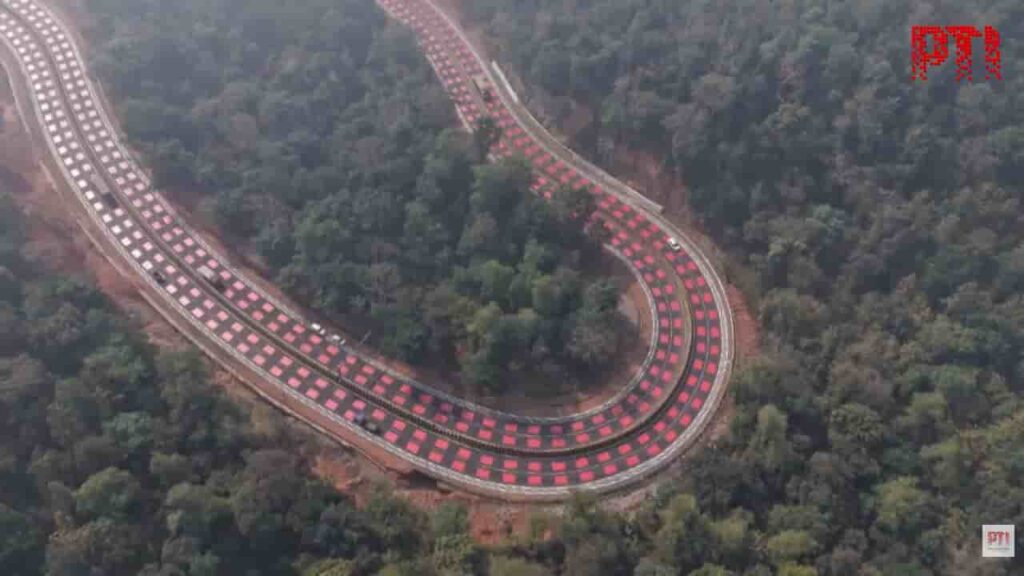
Image: PTIIndia has introduced its first wildlife-friendly highway stretch on National Highway-45 (NH-45) in Madhya Pradesh, marking an important step toward balancing infrastructure development with wildlife conservation. The initiative has been implemented by the National Highways Authority of India to reduce animal-vehicle collisions in ecologically sensitive forest corridors.The project covers an 11.96-kilometre stretch on the Hiran–Sindoor section of NH-45, which connects Bhopal and Jabalpur and passes through the Veerangana Durgavati Tiger Reserve. The corridor also lies close to the Nauradehi Wildlife Sanctuary, making it an important route for wildlife movement between forest habitats.Innovative “Table-Top” Red MarkingsA key feature of the wildlife-friendly highway is the introduction of “table-top red road markings.” These markings consist of 5-millimetre thick thermoplastic red layers applied across the road surface in areas where wildlife movement is frequent.The raised texture of these markings creates mild vibrations and audible feedback when vehicles pass over them. This tactile and visual cue encourages drivers to slow down naturally without requiring abrupt braking. The bright red colour also serves as a warning that the vehicle is entering a wildlife-sensitive zone.The design was inspired by similar traffic-calming techniques used on the Sheikh Zayed Road in Dubai, where road engineering solutions are used to control vehicle speeds in specific areas.Infrastructure for Wildlife ProtectionIn addition to the innovative road markings, the highway corridor includes several other features aimed at protecting wildlife.Authorities have constructed 25 dedicated wildlife underpasses along the stretch to allow animals to move safely beneath the road. Continuous fencing has also been installed along both sides of the highway to guide animals toward these crossing points and prevent them from wandering onto the roadway.Cameras and monitoring systems have also been installed at certain locations to track wildlife movement and ensure that the safety measures remain effective.Importance of the InitiativeThe NH-45 corridor passes through a forest ecosystem that supports a variety of wildlife species, including tigers, deer, sambar and jackals. Increased traffic on highways running through such habitats often leads to animal-vehicle collisions, posing risks both to wildlife and motorists.The wildlife-friendly highway design aims to reduce these incidents by encouraging slower driving and providing safe crossing infrastructure for animals.A Model for Sustainable Highway DevelopmentThe project is part of the government’s broader push toward environmentally responsible infrastructure under initiatives such as the Green Highways Policy. If successful, the model could be replicated on other national highways that pass through wildlife corridors and protected forest areas.Experts believe that integrating wildlife-friendly features into road design is essential as India continues expanding its highway network while also preserving its biodiversity.
Barefoot Warriors of the Thar: The 725-Km Fight to Save Rajasthan’s Sacred Sands

In the blazing heart of Rajasthan’s Thar Desert, where the sun scorches the earth and mirages dance on endless dunes, a remarkable movement is in making. It’s the Oran Bachao Yatra, a massive 725-kilometer barefoot march from Jaisalmer to Jaipur. Started on January 21, 2026, at the holy Tanot Rai Mata Temple (just 30 km from the Pakistan border), this isn’t just a protest. It’s a pilgrimage of faith, culture, and survival. Hundreds of villagers, farmers, camel herders, women, children as young as 10, and elders up to 75 – walk daily under the relentless sun. They shout slogans like “Oran bachao, gochar bachao!” (Save the Oran, save the pastures!) and sing bhajans at night. Why? To stop solar companies from swallowing sacred “Oran” lands that hold their gods, animals, and future.What Exactly is Oran? A Desert LifelineImagine patches of green in a sea of sand – that’s Oran. In western Rajasthan, especially Jaisalmer and Barmer, villages have set aside these lands for centuries. No one farms here. No trees get cut. They’re holy spots for folk gods like Ramdevji, Pabuji, and local deities. Khejri trees (Rajasthan’s state tree) provide life-saving shade and fodder. Ponds catch rainwater, keeping groundwater alive. Rare wildlife thrives: Great Indian Bustards (near extinction), chinkaras (deer), foxes, jackals, pelicans, cranes, and desert birds.Oran isn’t “waste” land, it’s the desert’s beating heart. It supports livestock (key for herders), stops soil erosion, and fights climate change. After 15 years of local struggles, only 300,000 bighas (about 75,000 hectares) are officially registered as Oran in the revenue records. But 2.5 million more bighas across Jaisalmer alone are at risk – labeled “gair mumkin” (uncultivable) or “banjar” (barren) by officials. Without protection, they’re easy prey for “development.”Solar Dreams vs. Desert Reality: The Spark of AngerRajasthan leads India in solar power, with over 22,000 MW installed, and 41,000 hectares more for new projects. Great for clean energy! But locals cry foul. Governments (Congress earlier, now the current one) hand over the Oran lands to companies. Examples: 745 hectares allotted in Jaisalmer’s Ramgarh tehsil recently. Trees uprooted, ponds filled, temples demolished. Leader Sumer Singh Sawanta of Team Oran fumes: “Cows’ grazing spots and deity lands vanish overnight.”Past betrayals sting. Officials once promised fixes in three months, but nothing happened. Herders lose pastures, so animals starve, forcing migration. Biodiversity crumbles: No Bustards means lost eco-tourism. Water tables drop without ponds. Women, remembering 1730’s Amrita Devi Bishnoi (who hugged Khejri trees to death against choppers), now lead the charge. It’s not anti-development, it’s a call for sustainable growth.The Epic Journey: Feet on Fire, Hearts AblazeDay by day, the yatra moves. Sunrise prayers at temples kick off barefoot walks. Drums beat, flags wave. They cover villages, explaining Oran’s role in water, forests, faith, and food. By evening: Chaupals (village squares) for bhajans, songs to gods give strength. “This fuels us,” says marcher Harish Dhandev.Covered 400 km so far! Highlights: Jodhpur stop. Shiv Sena MLA Ravindra Singh Bhati joined, carrying Sawanta on his shoulders for 1.5 km. Massive rally at Rajput Sabha Bhawan, then march to Collectorate. Hundreds submitted a memorandum demanding 17,562 bighas registered in Jaisalmer. Mahant Satyamani warned: “Public anger boils – protect forests now!”Bhopal Singh, 35: “We’ve met collectors everywhere, woken villages.” No full-time politicians walk, but support grows from all sides. Multi-state backing shows it’s bigger than party lines.Voices from the Sands: Real Stories, Raw PassionSumer Singh Sawanta (Team Oran leader): “Govt tests our patience. Temples razed, wrong! Both parties did this.”Mahant Satyamani: “Issue orders fast. Register grazing lands, people are furious.”Harish Dhandev: “Kids to grannies join. We love progress, but save our heritage first.”Women marchers: Echo Amrita Devi, carrying water pots as symbols of life-giving Orans.Why This Matters – A Wake-Up for IndiaOran Bachao isn’t local; it’s a green alert. Solar boom is vital against climate change, but at what cost? Lose Orans, lose desert balance: Herders flee, wildlife vanishes, culture fades. This yatra revives folk pride, unites faiths, and empowers women.
NGT Greenlights Great Nicobar Mega-Project: Strategic Lifeline or Ecological Gamble?
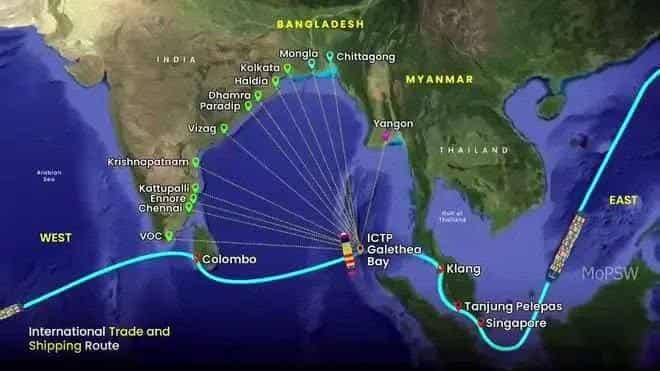
In a landmark ruling, the National Green Tribunal (NGT) on February 16, 2026, upheld environmental clearances for the ₹81,000-92,000 crore Great Nicobar Island development, dismissing petitions citing “strategic importance” and “adequate safeguards,” paving the way for India’s ambitious Bay of Bengal hub amid fierce eco-debates.Project Blueprint: Four Pillars of TransformationSpanning 166 sq km on the 910 sq km island (India’s southernmost at Indira Point), led by Andaman and Nicobar Islands Integrated Development Corp Ltd (ANIIDCO) and NITI Aayog:Dual-Use Airport: Greenfield civil-military strip east of Galathea Bay (4.2 sq km, displacing 379 families); runway north-south over the sea for surveillance near the Six Degree Channel, cutting Port Blair response time by 500+ km; eyes Singapore/Vietnam routes.Transshipment Port: Galathea Bay ICTP challenges Colombo’s monopoly; Leatherback turtle nesting site concerns flagged.Integrated Township: Residential/commercial/tourism/logistics/defense zones; power plant (450 MVA gas-solar).Population Boom: From 6,500 to 3.25L by 2040, 13-15L by 2075, 1L+ jobs projected.NGT bench (Justice Prakash Shrivastava) relied on HPC (ex-secy Leena Nandan) findings: No ICRZ violations, strict compliance mandated.Strategic Imperative in Indo-Pacific Chessboard9km from Sumatra, hugging Malacca Strait trade lanes (80% of India’s oil), Great Nicobar bolsters QUAD/Andaman chain vs. China’s String of Pearls. Dual-use airport enables fighter ops, quick IOR response; port slashes foreign transshipment reliance (₹50,000 cr savings/yr est.). Eco-tourism/scientific hubs eyed, with DPR noting minimal low-alt hill flights.Key Directives on Construction & CoastlineNo Erosion or Shoreline Changes: All activities, including foreshore development, must prevent erosion or adverse coastal alterations across project areas and nearby islands.Preserve Sandy Beaches: Absolute protection for turtle/bird nesting sites, no loss permitted, recognizing their role as natural barriers.Wildlife & Species ProtectionEnvironmental clearance conditions explicitly shield:Leatherback sea turtles (Galathea Bay nesting).Nicobar megapode, saltwater crocodiles, robber crabs, Nicobar macaques, and endemic birds.Long-term monitoring is required for forests, coral reefs, and water quality.Compliance & Tribal MeasuresBinding EC Conditions: Government must enforce all original safeguards without violation at any stage, HPC verified adequacy.Tribal Safeguards: Resettlement honoring pre-tsunami patterns; restricted construction access; include Tribal Councils (Great/Little Nicobar) per Forest Rights Act 2006.Ongoing OversightIndependent ecological audits are mandated.Violations trigger penalties/remediation.NGT emphasized these as non-negotiable for the ₹81,000 cr airport/port/township push on 130 sq km forest land.Ecological & Social StormForest/Wildlife Hit: 130 sq km diversion (14% island), ~1M trees felled; Great Nicobar Biosphere Reserve impacts, Shompen/Nicobarese tribes (84 sq km land) at risk.Critics Cry Foul: Petitions highlighted turtle bays, river deltas; NGT deems safeguards (e.g., no CRZ breaches) sufficient.Population Pressure: 6.5L by 2050 strains fragile marine/forest ecosystems.ANIIDCO insists on mitigation: Site grading, sea-path flights. NGT: “Strategic needs outweigh; monitor compliance.NGT safeguards for the Great Nicobar project aim to protect the vulnerable Shompen tribe—a Particularly Vulnerable Tribal Group (PVTG) of ~200 semi-nomadic hunter-gatherers—primarily by enforcing spatial, surveillance, and legal isolation from project activities, though critics argue enforcement gaps persist.Core Spatial & Access ProtectionsNo Habitat Disturbance: Project explicitly bans encroachment into Shompen settlements, core zones (Galathea/Alexandrina Rivers), or traditional foraging areas—130 sq km forest diversion excludes their 84 sq km reserve.greentribunal+1Geo-Fencing & Surveillance: Towers and restricted entry zones encircle tribal habitats to prevent outsider contact, minimizing disease transmission risks (past epidemics decimated PVTGs like Jarawas).Oversight & Welfare MandatesDepartment of Tribal Welfare (DTW) Lead: Monitors safety, provisions (non-invasive food at Campbell Bay hospital), and rights under Andaman & Nicobar (Protection of Aboriginal Tribes) Regulation 1956, no exploitation of reserve resources by non-tribals.NCST Consultation: Article 338A(9) compliance verified; Forest Rights Act 2006 gram sabha inclusion for PVTGs, though implementation historically lags (“Nil” FRA progress reported).Isolation Protocols: No permanent non-tribal/Govt residences in reserve; temporary camps only for welfare/research; cross-infection barriers in healthcare.Legal & Compliance BackboneNGT/HPC upheld 2022 EC conditions as “adequate”: Independent audits, penalties for violations, tribal council involvement (Great/Little Nicobar). Pre-tsunami resettlement patterns honored; Shompen rights (hunting under Wildlife Act amendment) preserved.Lingering ConcernsAnthropologists warn of indirect threats (fragmented forests, population influx to 3L+ by 2040, disrupting semi-nomadic life); NGT mandates monitoring but lacks PVTG-specific veto power, compliance now pivotal for ~181 Shompen across 56 households.Path ForwardClears legal logjam post-2022 EC; HPC revisited 2023 concerns. Investments (₹1L cr+) promise jobs/hotels but hinge on tribal consent, monitoring.As “India’s Hong Kong,” Great Nicobar eyes global tourism map, balancing security surge with island fragility.
Amrit Udyan 2026 Opens: Rashtrapati Bhavan’s Floral Paradise Welcomes Visitors from February 3

New Delhi, February 9, 2026 – President Droupadi Murmu inaugurated the Winter Annuals Edition of Amrit Udyan on February 1, throwing open the gates of Rashtrapati Bhavan’s iconic 15-acre gardens to the public from February 3 to March 31. Renamed from the historic Mughal Gardens, this “soul of Rashtrapati Bhavan” promises a breathtaking display of 85 flower species, including 145 rose varieties like ‘Bheem’, ‘Arjun’, and ‘Mother Teresa’, alongside tulips, the cascading Babbling Brook, and new reflexology paths in the Banyan Garden. Spanning East Lawn, Central Lawn, Long Garden, and Circular Garden, enhanced by additions like Herbal Garden, Tactile Garden, Bonsai Garden, and Arogya Vanam during Presidents APJ Abdul Kalam and Ram Nath Kovind’s tenures, Amrit Udyan blends Mughal symmetry with modern horticultural innovation. This year’s highlights include the landscaped Banyan Garden and a serene water stream, offering therapeutic walks amid nature’s splendor. Visitor Essentials: Timings, Booking, and Access Open Tuesday to Sunday, 10:00 AM to 6:00 PM (last entry 5:00-5:15 PM), the gardens close Mondays for maintenance and on March 4 for Holi. Entry is free, but mandatory online booking via https://visit.rashtrapatibhavan.gov.in/ ensures smooth access, with no on-the-spot registrations. Slots (hourly from 10 AM-4 PM) book up to six people per ticket and close at 10 AM the previous day; planning is advised. Entry/Exit: Gate No. 35, President’s Estate (near North Avenue). Shuttle buses run every 30 minutes from Central Secretariat Metro Station (9:30 AM-6:00 PM, last from the metro at 4:00 PM), marked “Shuttle Service for Amrit Udyan”. The self-guided route: Bal Vatika → Plumeria Garden → Banyan Garden → Bonsai Garden → Babbling Brook → Central Lawn → Long Garden → Circular Garden. Permitted items include mobiles, keys, purses, water bottles, baby milk bottles, and umbrellas. On-site amenities: drinking water, restrooms, and first aid. Special Access Days for Inclusivity March 3: Defence Personnel March 5: Senior Citizens March 10: Women and Tribal Women’s SHGs March 13: Divyangjan (persons with disabilities) Main Gardens in Amrit Udyan Amrit Udyan (formerly Mughal Gardens) at Rashtrapati Bhavan spans 15 acres with these core sections, enhanced over time: Central Lawn: Vast manicured expanse, central to the layout. Long Garden: Elongated walled stretch with water channels, roses, and bougainvillea. Circular Garden (Pearl/Sunken/Butterfly Garden): Amphitheater-style with ringed flower beds (stock, phlox, pansies, marigolds), lotus pond, bubble fountain, and nearby apiary. East Lawn: Original formal section with lotus fountains and stepped geometry. Bal Vatika: Children’s garden featuring a 225-year-old Sheesham tree, treehouse, and nature classroom. Bonsai Garden: Collection of miniature trees (some 80+ years old). Banyan Garden: Landscaped with reflexology paths. Plumeria Garden: Fragrant flowering section. Herbal Garden / Arogya Vanam: Medicinal plants and herbs. Tactile/Sensory Garden: Textured plants for touch. Musical Garden: Fountains synced to music. Spiritual Garden: Serene herbs from ancient texts. Visitor Route (self-guided): Bal Vatika → Plumeria → Banyan → Bonsai → Babbling Brook → Central Lawn → Long Garden → Circular Garden [prior article]. Key Flowers (2026 Highlights)85 species total, with 145 rose varieties like ‘Bheem’, ‘Arjun’, and ‘Mother Teresa’. Seasonal stars: tulips, daffodils, Asiatic/Oriental lilies, calendula, viola, alyssum, marigolds, phlox, pansies, stock, lotus. Musical Garden in Amrit Udyan: Unique Features The Musical Garden at Rashtrapati Bhavan’s Amrit Udyan stands out for its innovative fusion of music, science, and nature. Key Unique Elements: Inaugurated in 2006 by President APJ Abdul Kalam, transforming a former nursery into a high-tech sensory space. Dancing Fountains: Three large water fountains showcase digital electronics, electromagnetism, hydrodynamics, and hydrostatics, synchronized perfectly with music via computerized controllers. Tunes and Lights: Plays classical Indian instruments (shehnai, veena) and patriotic songs like Vande Mataram, with colorful lights shifting from white to red for a magical effect. Surroundings: Nestled amid tennis courts, biodiversity park, Bonsai Garden, and Herbal Garden; often frequented by peacocks, adding natural liveliness. Interactive Science: Exemplifies “human creativity through contact between music and science,” breaking the gardens’ tranquility with rhythmic water shows. Beyond the Gardens: Full Rashtrapati Bhavan Experience Pair your visit with Rashtrapati Bhavan tours, the Museum, or Saturday’s Change-of-Guard Ceremony (Forecourt). Combine tickets for a full day exploring India’s presidential heritage. Amrit Udyan isn’t just flora, it’s a living testament to India’s gardening legacy, drawing lakhs annually. Deputy Press Secretary Navika Gupta and garden in-charge Avneesh Banswal highlighted this season’s vibrant blooms during media previews, urging families to book early. As Delhi’s winter blooms, don’t miss this free oasis of tranquility amid urban hustle, perfect for photos, picnics, and peace. Video credit: YT@/President of India Video credit: YT@/President of India
Aravalli Issue: The Slow Disappearance of India’s Oldest Mountain Range
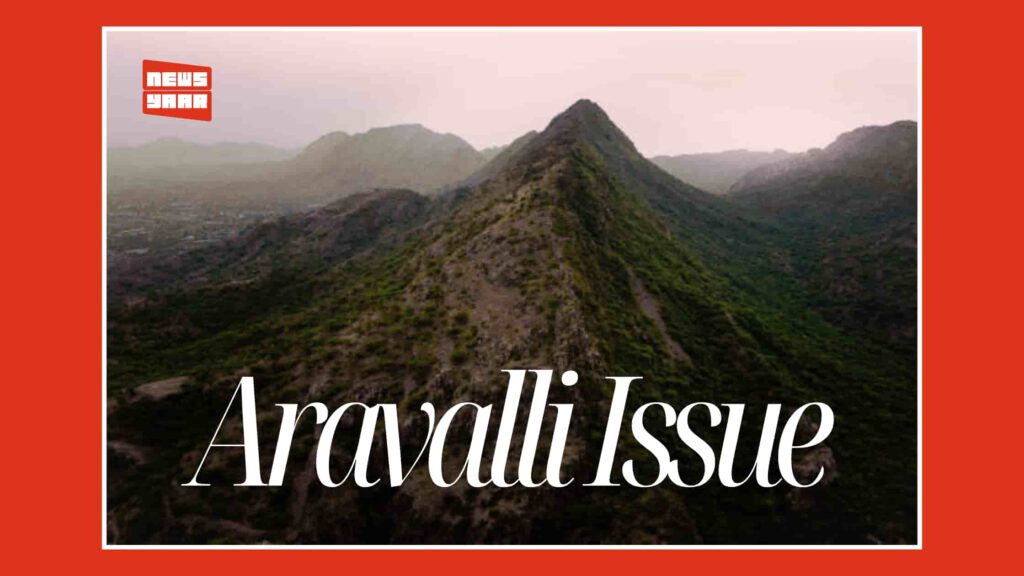
Stretching across Rajasthan, Haryana, and Delhi, the Aravalli range is among the oldest mountain systems in the world. For centuries, it has acted as a natural shield against desertification, helped regulate groundwater, and supported diverse ecosystems.Yet today, the Aravallis are facing an existential threat, one that has intensified following a recent Supreme Court judgement. What Triggered the Current Aravalli Debate? The Aravalli issue has resurfaced as a major public concern after the Supreme Court approved a new, stricter definition of the Aravalli Hills. According to this ruling, only landforms rising 100 metres or more above the local relief will now qualify as Aravallis. This reclassification effectively removes legal protection from over 90% of areas that were previously considered part of the Aravalli range.The judgment has sparked widespread criticism from environmentalists, scientists, and civil society groups, who argue that the decision ignores geological realities and decades of conservation efforts. Protests and public campaigns have since emerged, demanding stronger protection for the fragile ecosystem. Mining, Construction, and Urban Pressure Even before the judgment, the Aravallis were under severe pressure from illegal mining, real estate development, and deforestation. The new definition is feared to further open vast stretches of land to mining and construction, particularly around the National Capital Region (NCR), where urban expansion is already aggressive.Experts warn that narrowing the legal definition provides a loophole that could legitimize activities earlier deemed illegal, accelerating environmental degradation. Impact on Climate and Water Resources The consequences of Aravalli degradation are far-reaching. The range plays a crucial role in groundwater recharge, especially in semi-arid regions. Its destruction has been linked to declining water tables, rising temperatures, dust storms, and worsening air pollution across North India.Environmentalists caution that weakening protections could worsen climate vulnerability in cities like Delhi, Gurugram, and Jaipur. Legal Battles and Policy Challenges Over the years, multiple court orders and environmental regulations sought to safeguard the Aravallis. However, ambiguous land classifications, conflicting state policies, and weak enforcement have consistently diluted these protections.The recent Supreme Court ruling has further complicated the legal landscape, prompting calls for a review and clearer conservation-focused policies. What Needs to Be Done? Experts stress that protecting the Aravallis requires scientifically sound definitions, stronger enforcement, and coordinated policy action across states. Public participation and transparency are equally critical.As protests grow louder, the debate is no longer just environmental; it is about sustainable development and the future of millions who depend on this ancient mountain range.