


Spiritual Immersion at Isha’s Adiyogi: From Chikkaballapur to Coimbatore’s Mahashivratri
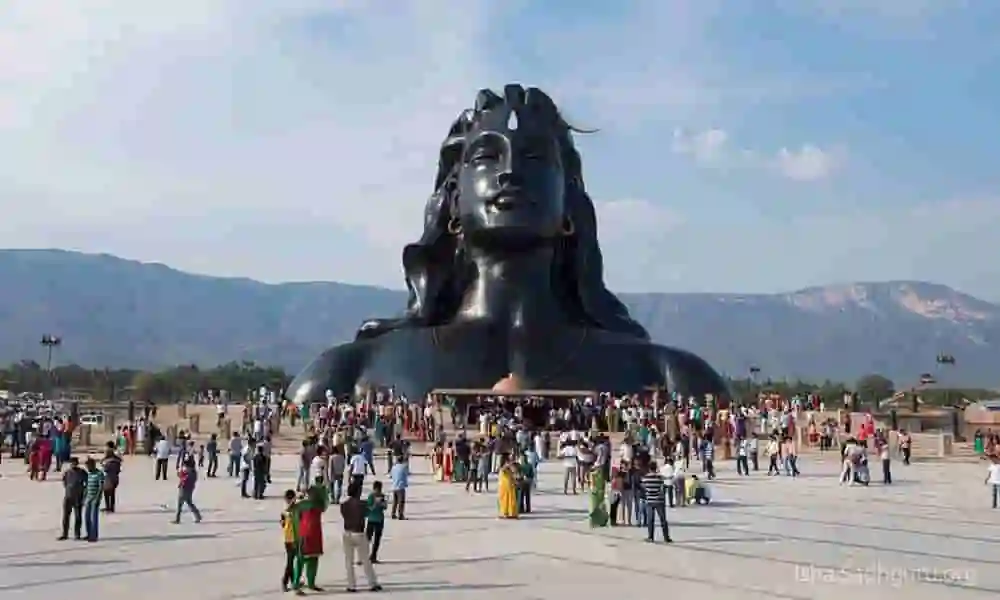
In the shadow of the 112-foot Adiyogi Shiva statue, the world’s largest bust of the Yogeshwara, a spontaneous road trip from Bengaluru unveils a cinematic tapestry of devotion, chants, and cosmic energy. From barefoot pilgrimages at Isha Foundation’s Chikkaballapur outpost, featuring the mesmerizing Adiyogi Light & Sound Show, to the temple realms of Linga Bhairavi, one day here transcends time, blending ancient wisdom with modern spectacle. This journey mirrors the grander spiritual vortex at Coimbatore’s Isha Yoga Centre, where Mahashivratri draws lakhs, dignitaries, and Sadhguru’s transformative rituals, as seen in past epics with President Droupadi Murmu and Defence Minister Rajnath Singh.Picture this: a midnight drive from Bengaluru’s bustle to Chikkaballapur’s serene foothills, 60 km away, where Isha’s Adiyogi replica beckons under starlit skies. The air hums with Sanskrit chants as devotees gather barefoot, shedding worldly weights at the threshold. The highlight? Adiyogi’s Light & Sound Show, a symphony of lasers, music, and narration tracing Shiva’s 84 prime yogas, from stillness to ecstatic tandav. Colors dance across the towering black steel form, evoking the Adiyogi’s Coimbatore original: 112 feet tall, weighing 500 tons, handcrafted over five years by 100 artisans using advanced alloy tech for seismic resilience. Unveiled in 2017 by PM Narendra Modi, it’s Guinness-recognized as yoga’s source, symbolizing the 7 chakras via its meditative gaze.The pilgrimage deepens at Linga Bhairavi Temple nearby, Isha’s consecrated powerhouse for the fierce Divine Feminine. Devotees offer coconuts amid flickering lamps, experiencing prasadam rituals that Sadhguru designed as energy elixirs, amplifying inner fire amid the yantra-charged sanctum. From dawn treks through mist-shrouded paths to communal yoga under Adiyogi’s watchful eyes, these 24 hours foster surreal calm: silent meditations dissolve ego, while group bhajans ignite unity. It’s no mere visit; it’s a reset, echoing Sadhguru’s vision of Adiyogi as humanity’s first yogi, gifting tools for self-realization.This intimate odyssey connects to Isha’s global beacon: the Coimbatore Yoga Centre, where Mahashivratri, next on February 15, 2026, erupts into a night-long vigil. Past editions set the template: Defence Minister Rajnath Singh as chief guest, Maharashtra CM Devendra Fadnavis, and ministers like L. Murugan joining lakhs from 6 PM to 6 AM. Sadhguru leads powerhouse sessions, midnight Sandhya meditations tapping planetary alignments for life-force surges, mantra chants, and musical feasts by top artists. A 2026 highlight? The first-ever Maha Abhishekam to the Yogeshwara Linga, with public registration for free immersion in sacred waters, mantras, and dedications amplifying its blessings.In 2023, President Droupadi Murmu served as Guest of Honour, received by Sadhguru for Pancha Bhutha Kriya at Dhyanalinga – a consecrated energy form for liberation. “I feel especially blessed… in Adiyogi’s presence,” she reflected, alongside Tamil Nadu Governor RN Ravi and Minister Thiru Mano Thangaraj. Shivratri’s Masi-month timing, per tradition, harnesses cosmic support for sadhana, turning all-night vigils into portals for transcendence.Why Adiyogi Captivates: Engineering Meets EternityAdiyogi isn’t just sculpture; it’s a technological marvel fused with mysticism. The Coimbatore colossus symbolizes 114 chakras (84 accessible via yoga), its jatamakuta cradling a crescent moon, eyes half-closed in kriya. Isha’s ecosystem – Dhyanalinga, Theerthakunds, and Bhairavi, forms a self-sustaining spiritual campus, drawing global seekers for programs like Inner Engineering.A Day’s Transformative RhythmDawn: Barefoot arrival, yoga amid hills, Adiyogi’s meditative aura dissolving dawn fog.Midday: Linga Bhairavi darshan, prasadam-fueled energy surges.Dusk: Light show spectacle – lights pulse like Shiva’s breath, sounds invoke 84 postures.Night: Chants fade into silence, mirroring Mahashivratri’s vigil blueprint.For the Bengaluru devotee, it’s “surreal calm” after urban chaos; for pilgrims worldwide, a call to yoga’s source. As Chikkaballapur’s Adiyogi lights up, it heralds Coimbatore’s 33rd Mahashivratri, a meaningful reminder: in Shiva’s gaze, every moment is eternal practice.
World Wildlife Day 2026: India’s Mega-Biodiversity Efforts Take Center Stage Amid Global Calls for Conservation
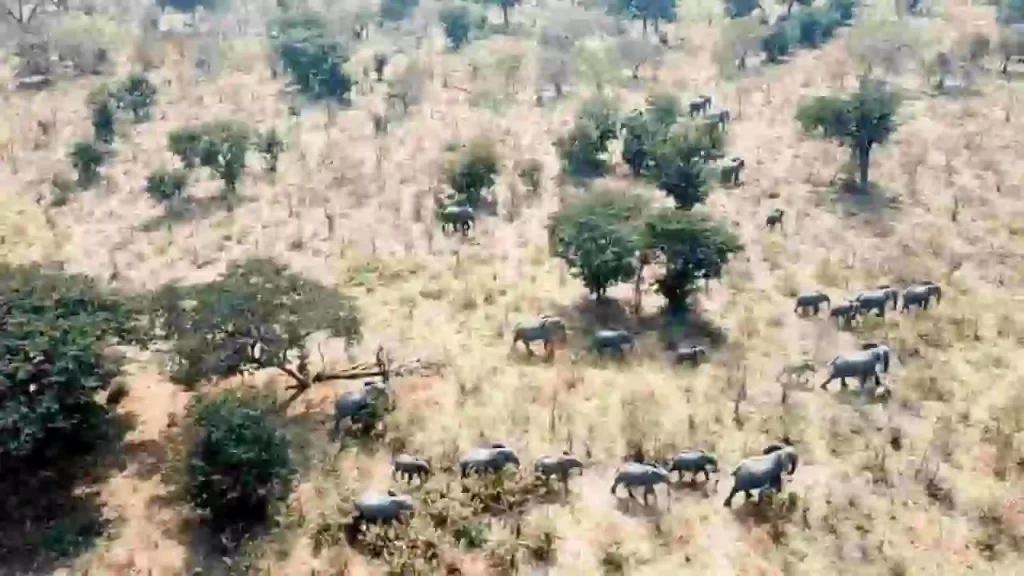
New Delhi, March 15, 2026 – World Wildlife Day 2026, observed on March 3, shifted the conservation spotlight from charismatic megafauna to the unsung heroes of ecosystems: medicinal and aromatic plants. Under the theme “Medicinal and Aromatic Plants: Conserving Health, Heritage and Livelihoods,” the global event commemorated the 1973 adoption of the Convention on International Trade in Endangered Species of Wild Fauna and Flora (CITES). Proclaimed by the UN General Assembly in 2013, the day underscores plants’ vital role in healthcare, culture, and economies, while warning of threats like overharvesting and habitat lossIndia, a mega-biodiverse powerhouse harboring 7% of global biodiversity, including 45,000 plant species and 15,000 medicinal ones—led domestic observances with renewed focus on sustainable practices. About 8,000 species fuel Ayurveda, Siddha, Unani, and folk medicine, with 70% thriving in hotspots like the Western Ghats, Eastern Ghats, Himalayas, and Aravalli ranges.Global Virtual Gala: Stories, Stamps, and Stakeholder VoicesCITES hosted a star-studded virtual celebration moderated by Secretary-General Ivonne Higuero. High-profile speakers included UNEP’s Inger Andersen, UNDP’s Francine Pickup, and ministers from Mexico, Laos, Colombia, Somalia, and France. Highlights:Lightning Talks: Experts on chamomile (Hungary), frankincense (Ethiopia), jatamansi (Nepal), and candelilla (global).Stakeholder Stories: From Amazonian indigenous guides to African traditional leaders and U.S. herbal firms.Cultural Touches: Helen Anahita Wilson’s musical performance using medicinal plants; launch of UN Endangered Species Stamps; youth art winners and Jackson Wild films.The event emphasized sustainable trade, community stewardship, and youth involvement, echoing CITES’ 50-year legacy.India’s Robust Conservation ArsenalIndia’s response blends policy, infrastructure, and innovation:In-Situ & Ex-Situ Networks: 115 Medicinal Plant Conservation Areas (MPCAs) protect wild habitats; National Gene Bank (New Delhi) stores seeds.National Medicinal Plants Board (NMPB): Under the Ministry of Ayush, its Central Sector Scheme funds conservation, cultivation, R&D, and markets.Key Missions: National Ayush Mission (NAM, 2014) and Mission for Integrated Development of Horticulture (MIDH) integrate medicinal crops into farming.Digital & Recognition Tools: e-CHARAK app tracks prices of 100 plants in 25 markets (multi-language); Aushadhi Vanaspati Mitra Program (AVMP) honors conservators; Medicinal Plants Business Centres (MPBCs) aid post-harvest quality.GI Protections: Safeguards like Nagauri Ashwagandha (Rajasthan, Nov 2025), Saffron (J&K), Green Cardamom (Kerala/Karnataka), Navara Rice (Kerala), and Ganjam Kewda Flower (Odisha).These efforts support 70% rural reliance on traditional medicine, preserving heritage while boosting livelihoods.InitiativeFocusImpactNMPB Central SchemeConservation & CultivationFunds MPCAs, R&D, infrastructureNAM & MIDHIntegration with AgricultureScalable farming of medicinal plantse-CHARAKMarket LinkageFortnightly prices for 100 plantsAVMP & MPBCsRecognition & QualityHonors stewards; storage/testingGI Tags (Recent)Heritage ProtectionNagauri Ashwagandha, Saffron, etc. Global Echoes: Zambia’s Community Radio & Bangladesh’s Reform CryIn Zambia, the EU-funded Sustainable Wildlife Management (SWM) Programme aired a Namwianga Radio discussion linking plant conservation to wildlife. CIFOR-ICRAF’s Penias Banda and DNPW’s Moses Mbewe stressed: Healthy ecosystems sustain both animals and plants vital for 60% global traditional healthcare. SWM’s biodiversity baselines (e.g., Mize-Lukuni Conservancy) empower communities via CBNRM.Bangladesh, facing wildlife decline despite laws like the 2012 Wildlife Act, urged a Bangladesh Wildlife Service (BWS) and National Wildlife Policy (2026–2040). Proposals target habitat fragmentation, crime, and EIAs, aligning with Article 18A and CBD/CITES commitments.Challenges and Path ForwardOverexploitation, deforestation, and climate change threaten species like jatamansi and ashwagandha. Yet, integrated approaches, science, policy, communities, offer hope. As Dr. Grethel Aguilar (IUCN) noted in takeaways, “Conserving plants secures health, heritage, livelihoods for generations.”India’s model, from gene banks to GI tags, exemplifies scalable action. World Wildlife Day 2026 reminds: Plants aren’t backdrops, they’re the foundation of life.
Satinder Sartaaj’s Heritage India Tour: A Poetic Odyssey Weaving Soulful Sufi into Stadium Spectacles
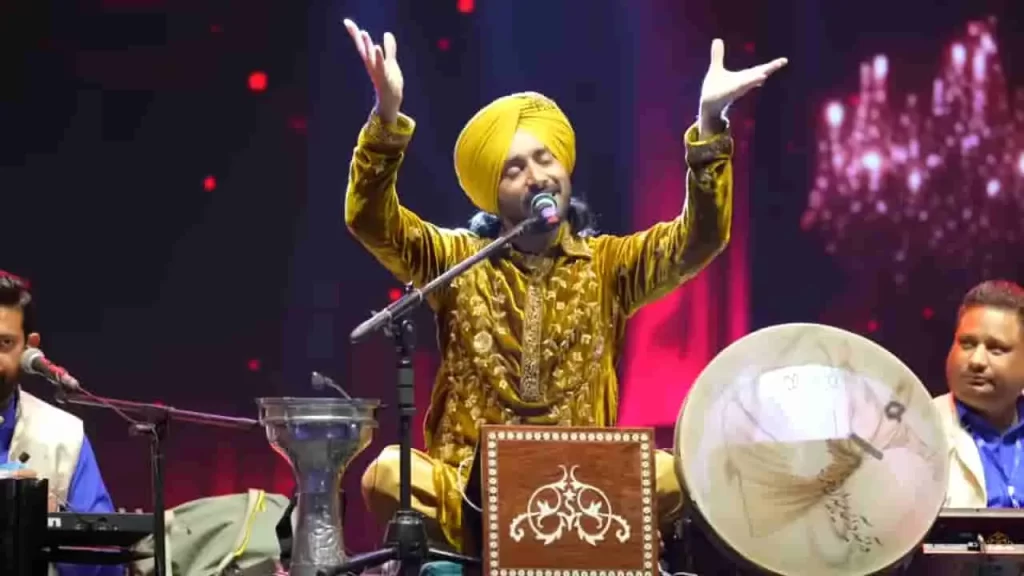
In an era where live music often thunders with pyrotechnics and pulsating bass, Dr. Satinder Sartaaj emerges like a gentle monsoon breeze, subtle, profound, and drenched in the poetry of Punjab’s soul. This scholar-poet-singer, whose voice has long bridged the ancient and the contemporary, is on a mission with his Heritage India Tour 2025-26: to reclaim India’s artistic legacy, one heartfelt ghazal at a time. Spanning over 30 cities nationwide, the tour transforms massive venues into intimate gatherings of the spirit, where lyrics linger like incense smoke long after the final note fades.The crown jewel of this journey? A grand homecoming to Delhi on February 14, 2026, Valentine’s Day, at the iconic Jawaharlal Nehru Stadium in Lodhi Colony. Picture this: 35,000 souls under the open sky, from 4:00 PM to 10:00 PM (with performances kicking off around 6-7 PM), swaying to a three-hour tapestry of Punjabi folk, Sufi rhythms, high-energy Bhangra, Hindi, and Urdu melodies. It’s not just a concert; it’s a cultural pilgrimage, curated by Fever Live in partnership with Aura Vibes and Firdaus, blending scale with The Maestro Behind the Magic: Satinder Sartaaj’s Storied LegacyBorn Satinder Pal Singh in Punjab, Dr. Sartaaj, affectionately called the “Sufi Sikandar”, is no fleeting pop sensation. A PhD holder with a deep dive into Punjabi literature and philosophy, he crafts songs that are verses first, music second. Hits like Udaarian (BAMA Music Video of the Year 2018), Sai (Punjabi Music Awards for Best Video and Most Popular Song 2011), Rangrez (Sufi Sikander of the Year 2014), and Sift Sardaar Ji (Best Religious Video 2016) have etched him into global lore. International accolades include Best International Act at BAMA 2011, Best Songwriter 2017, and a historic Royal Albert Hall performance in 2014.”In harsh times, marriages carried dignity, weight, permanence,” he once mused about vintage aesthetics, a philosophy that infuses his live shows. Fans don’t just attend; they experience, dancing wildly to Bhangra one moment, tears streaming during soul-stirring kalaams the Heritage India Tour: A Nationwide Tapestry of TriumphsLaunched as a tribute to India’s poetic heritage, this tour defies the “bigger is louder” mantra. Kicking off late 2025, it has already conquered hearts in cities like Mumbai (January 18, 2026, at Dome SVP Stadium, Worli), where Punjabi star Sonam Bajwa was spotted in the crowd, amplifying its star power. Packed venues nationwide echo with sold-out cheers, proving poetic storytelling’s timeless pull in a TikTok world.The full itinerary weaves through 30+ stops—think Chandigarh (April 4, 2026, Dusshera Ground, Panchkula), Gurugram, Panchkula, and beyond—each a node in a cultural revival. Internationally, it extends to Australia (Brisbane May 1, Sydney May 9), New Zealand (Auckland May 10), and North America (LA June 20, New York July 11). Tickets start affordably: Delhi’s general entry from ₹499 (North/South stands), VIP ₹1,000-₹1,250, up to platinum/diamond ₹25,000 for prime views. Kid-friendly (5+ needs tickets), but leave pets at home. Book via District by Zomato or official sites.Delhi Spectacle: Logistics, Traffic, and Transformative VibesDelhi’s edition at JLN Stadium—a venue synonymous with sporting epics—promises poetic ones. Entry gates: General (8, 13, 14, 21), VIP (5), Artists/Organizers (10), Emergencies (1 & 10). Parking: VIP inside (Gate 1 West Block); public at Sewa Nagar/Sunheri Pulla Bus Depots, CGO/SCOPE Complexes.Delhi Traffic Police’s advisory (issued February 13) flags diversions from 4-10 PM: JLN Red Light, Sewa Nagar, 5th Avenue (Dhobi Ghat), Pragati Vihar, Lala Lajpat Rai Marg T-Point. No heavy vehicles on BP Marg/Lodhi Road; service roads and Barapullah restricted. Pro tips: Metro to JLN Stadium (Violet Line), leave early for airports/hospitals, prioritize public transport.Why It Matters: A Cultural Counterpoint in Concert ChaosIn a landscape dominated by EDM raves and Bollywood bling, Sartaaj’s tour is a rebellion of the refined. It honors Punjab’s kissa tradition, storytelling epics, while nodding to Sufi saints like Bulleh Shah. Mumbai’s rave reviews (“jaws dropped at the energy,” per social buzz) and celebrity sightings underscore its momentum. For Delhiites, it’s Valentine’s poetry in motion: introspective romance amid February chill.As the Heritage India Tour marches on, Dr. Satinder Sartaaj isn’t just performing, he’s preserving. In stadiums turned sanctuaries, he reminds: true spectacle blooms from the heart’s quiet verses.
Karan Aujla’s P-Pop Culture India Tour 2026: A Musical Wave Sweeping Across the Country
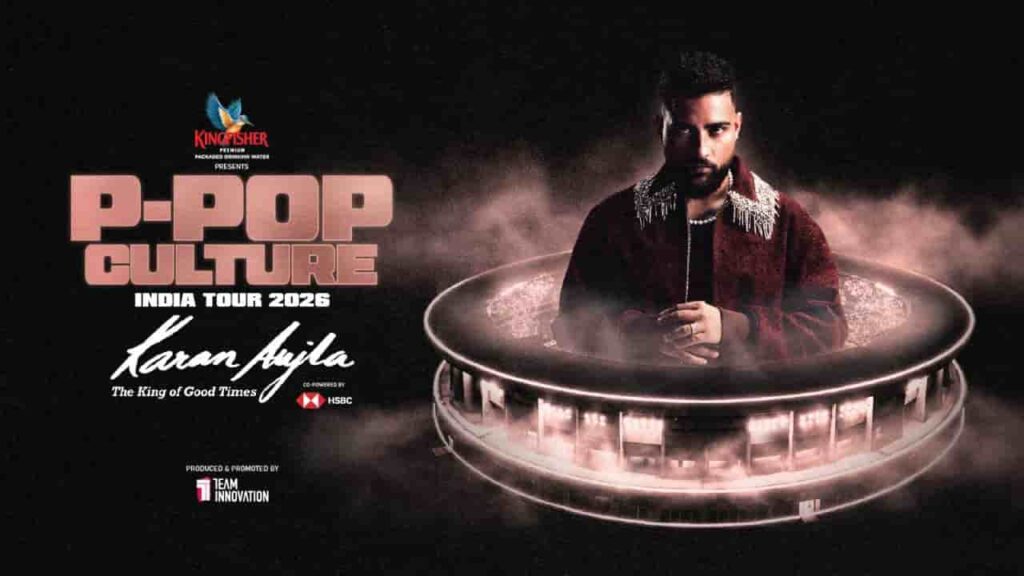
Punjabi music has steadily grown into one of the most powerful cultural movements in India’s entertainment landscape, and in 2026, singer-songwriter Karan Aujla is taking that energy to stadiums across the country with his much-anticipated P-Pop Culture India Tour 2026.The tour, which began in late February, is already creating massive excitement among fans. From packed stadiums and electrifying stage production to thousands of people singing along to every lyric, Aujla’s tour is quickly becoming one of the most talked-about live music events of the year.Celebrating what Aujla calls “P-Pop Culture”—a vibrant blend of Punjabi music, global hip-hop influences, and modern pop production—the tour represents the growing power of Punjabi music on the national stage.As of 10 March 2026, the tour has already kicked off in spectacular fashion and is continuing to travel across India with several cities still waiting to witness the musical phenomenon.A Historic Opening Night in DelhiThe tour began on 28 February 2026 in New Delhi, where Aujla delivered a jaw-dropping performance at the iconic Jawaharlal Nehru Stadium.The opening night was nothing short of historic. Nearly 70,000 fans filled the stadium, turning the venue into a sea of lights, music, and excitement. The atmosphere resembled a massive festival rather than just a concert, as fans waved flashlights, danced to every beat, and sang along to Aujla’s biggest hits.With towering LED screens, dramatic lighting effects, and thunderous sound systems, the Delhi concert set the tone for the rest of the tour—bold, energetic, and unforgettable.Holi Celebrations Turn Musical in Mumbai and PuneFrom Delhi, the tour travelled to Mumbai and Pune on 3 March 2026, where special Holi edition concerts were organised.The Mumbai show took place at MMRDA Grounds, where thousands of fans gathered to celebrate both music and the festival of colours. The concert became a vibrant spectacle filled with dance, colours, and pulsating Punjabi beats.The same day, Pune hosted another energetic show, continuing the Holi celebrations with fans dancing late into the night.Ahmedabad Welcomes the Punjabi SuperstarThe P-Pop Culture tour continued its journey to Ahmedabad, where Aujla performed on 7 March 2026.The Gujarat audience responded with immense enthusiasm, proving once again that Punjabi music has grown far beyond regional boundaries. Fans travelled from nearby cities to attend the concert, making the event one of the most energetic musical gatherings in the city.Cities on the P-Pop Culture India TourThe tour spans several major cities across India, taking Aujla’s music to fans nationwide. The confirmed tour schedule includes:28 February 2026 — New Delhi • 3 March 2026 — Mumbai (Holi Special Concert) • 3 March 2026 — Pune (Holi Special Concert) • 7 March 2026 — Ahmedabad • 14 March 2026 — Chandigarh • 21 March 2026 — Indore • 29 March 2026 — Bengaluru • 3 April 2026 — Kolkata • 5 April 2026 — Jaipur • 10 April 2026 — Lucknow • 14 April 2026 — LudhianaEach city is expected to host thousands of fans, many of whom travel long distances to witness the performances live.Mumbai 2.0: A Second Night for the FansOne of the biggest talking points of the tour has been Aujla’s decision to host another concert in Mumbai.After fans raised concerns about overcrowding and arrangements during the earlier Mumbai show, the singer announced a second Mumbai concert on 12 April 2026, often referred to as “Mumbai 2.0.”In a gesture that won the hearts of fans, Aujla revealed that people who had already purchased tickets for the earlier Mumbai concert would be allowed to attend the new show free of cost.The announcement quickly went viral on social media and strengthened Aujla’s reputation for staying connected with his fanbase.A Global-Scale Concert ExperienceWhat makes the P-Pop Culture tour stand out is its massive production scale. Each concert features a 50-foot stage, huge LED screens, advanced lighting technology, and an international production crew working behind the scenes.The concerts are designed to deliver a stadium-level experience similar to global music tours. From laser lights and synchronized visuals to powerful sound systems, every element of the show is built to immerse the audience in music.The Rise of Punjabi PopOver the past decade, Punjabi music has transformed from a regional genre into a global phenomenon. Artists like Karan Aujla are at the forefront of this movement.Known for chart-topping hits such as Softly, Winning Speech, and Admiring You, Aujla has built a massive international fanbase across India, Canada, the United Kingdom, and beyond.Through the P-Pop Culture tour, he is showcasing how Punjabi music can command stadium crowds and compete with the biggest global music acts.A Tour That Feels Like a FestivalMore than just a series of concerts, the P-Pop Culture India Tour 2026 feels like a travelling music festival. Every city brings its own energy, its own crowd, and its own unforgettable moments.From the roaring crowds in Delhi to the colourful Holi concerts in Mumbai and Pune, and with many cities still waiting for their turn, the tour is proving that Punjabi music today is louder, bigger, and more influential than ever.As the tour continues through March and April, one thing is clear—wherever Karan Aujla performs, thousands of fans are ready to turn the night into a celebration of music, culture, and pure concert energy.
Dhanda Nyoliwala’s Electrifying Jaipur Concert Celebrates Haryanvi Culture
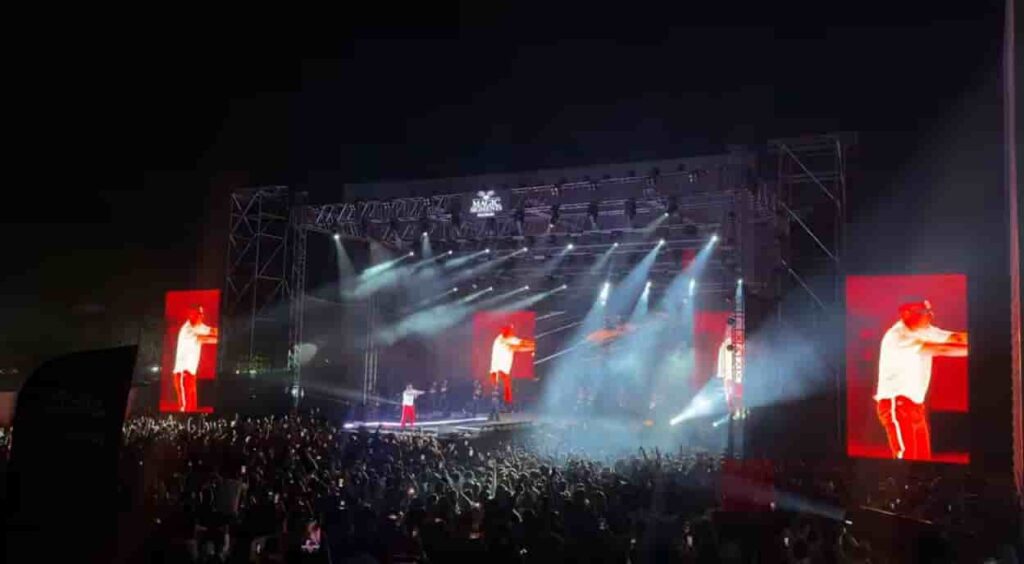
The city of Jaipur recently witnessed an energetic musical celebration as Haryanvi rapper Dhanda Nyoliwala brought his powerful stage presence to Rajasthan with a high-octane live concert that highlighted regional music and cultural identity. The concert turned into an unforgettable cultural spectacle when actor Randeep Hooda joined him on stage, transforming the performance into a vibrant celebration of Haryanvi pride and artistic expression.Held as part of Nyoliwala’s ongoing music tour, the Jaipur show attracted a large crowd of fans who gathered to experience the rising popularity of Haryanvi rap and contemporary regional music. The event stood out not only for its high-energy performances but also for the deeper cultural message it carried—showcasing the language, rhythm, and identity of Haryana on a wider national platform.A Celebration of Haryanvi Identity Through MusicDhanda Nyoliwala has rapidly emerged as one of the most recognizable voices in the Haryanvi independent music scene. Known for his distinctive rap style that blends modern hip-hop beats with raw Haryanvi dialect and storytelling, his performances often reflect everyday life, regional pride, and cultural authenticity.At the Jaipur concert, Nyoliwala performed several of his popular tracks that resonate strongly with young audiences across northern India. His music, often characterized by bold lyrics and energetic rhythms, created an electrifying atmosphere as the crowd enthusiastically sang along to his verses.The concert formed part of a broader effort by regional artists to bring local music traditions into mainstream entertainment spaces. Over the past few years, Haryanvi music has gained significant attention beyond its home state, and performers like Nyoliwala are playing a key role in pushing the genre to national and global audiences.Randeep Hooda’s Surprise Appearance on StageOne of the most memorable moments of the evening came when actor Randeep Hooda made a surprise appearance on stage alongside Dhanda Nyoliwala. Known for proudly representing his Haryanvi roots, Hooda’s presence added a new dimension to the performance and was met with loud cheers from the audience.As Nyoliwala delivered his signature rap verses infused with Haryanvi flavour, Hooda joined him in an energetic performance that blended cinema and music. The actor matched the rhythm with spirited dance moves and traditional Haryanvi expressions, creating an atmosphere that felt both authentic and celebratory.For many fans, this moment symbolised a rare and powerful collaboration between regional music and mainstream cinema. Hooda’s participation was not merely a celebrity cameo but a personal expression of cultural pride, reflecting his long-standing commitment to promoting Haryanvi language and traditions.A Cultural Spectacle Beyond a ConcertWhat began as a musical performance gradually transformed into a larger cultural event. The stage showcased a blend of contemporary rap and traditional Haryanvi spirit, creating a fusion that resonated strongly with the audience.Observers noted that the chemistry between Dhanda Nyoliwala and Randeep Hooda felt natural and spontaneous. Both artists share deep connections to Haryana’s culture, and their collaboration reflected a shared desire to bring regional voices to broader audiences.During the performance, Hooda embraced the lively atmosphere by dancing in classic Haryanvi style while Nyoliwala continued delivering his powerful rap sequences. The combination of music, cultural expression, and stage energy created a memorable experience for fans attending the concert.Audience Response and Social Media BuzzThe Jaipur concert quickly became a trending topic on social media as clips from the event circulated widely online. Videos capturing Hooda’s surprise entry and his energetic participation alongside Nyoliwala generated significant excitement among fans.Audience members described the show as one of the most vibrant musical events in Jaipur in recent months. The crowd’s enthusiastic response demonstrated the growing popularity of regional music genres that reflect local identity while appealing to younger listeners.The concert also highlighted how regional artists are increasingly using live performances to strengthen their connection with audiences beyond their home states.Growing Influence of Haryanvi MusicThe Jaipur concert underscored a broader trend in the Indian music industry: the rising influence of regional languages and independent artists. While Punjabi music has long enjoyed national popularity, Haryanvi music has recently begun carving its own space in mainstream entertainment.Artists like Dhanda Nyoliwala represent a new generation of performers who combine local storytelling with global musical influences such as hip-hop and rap. Their music resonates strongly with young audiences who connect with its authenticity and cultural roots.Collaborations with well-known public figures like Randeep Hooda further help amplify this cultural movement, bringing greater visibility to regional art forms.A Moment of Cultural PrideBeyond the music and entertainment, the Jaipur concert served as a reminder of how art and performance can celebrate identity and heritage. By bringing together contemporary rap and cinematic charisma, Dhanda Nyoliwala and Randeep Hooda created a moment that felt both entertaining and meaningful.The event reflected a growing confidence among regional artists who are proudly presenting their language and traditions to wider audiences. As more musicians and performers continue to explore these cultural roots, concerts like the one in Jaipur demonstrate the evolving landscape of India’s music scene—where regional voices are gaining recognition and influence far beyond their local origins.
Ramadan 2026: The Holy Month of Fasting, Faith, and Reflection Begins
Image: iStockThe sacred month of Ramadan has begun, bringing with it a period of spiritual reflection, devotion, and community for millions of Muslims around the world. For believers, Ramadan is not simply a religious observance but a deeply meaningful time dedicated to strengthening faith, practicing self-discipline, and reconnecting with the values of compassion and generosity.Observed as the ninth month of the Islamic lunar calendar, Ramadan holds immense significance in Islam. It is the month in which the first verses of the Qur’an were revealed to Prophet Muhammad, marking the beginning of divine guidance for humanity. Because of this historic event, the month is regarded as the holiest period in the Islamic calendar.For Muslims across continents—from South Asia and the Middle East to Europe, Africa, and the Americas—the beginning of Ramadan signals the start of a month devoted to fasting, prayer, charity, and spiritual renewal.Ramadan 2026: Dates and Beginning of the Holy MonthIn 2026, Ramadan began after the sighting of the crescent moon on the evening of February 18, with the first fast observed on February 19. The holy month will continue for approximately 29 to 30 days depending on lunar observations, and is expected to conclude around March 19, 2026.The completion of Ramadan will be celebrated with Eid al-Fitr, one of the most joyous festivals in Islam, marking the end of the month-long fast.Why Muslims Observe RamadanFasting during Ramadan is one of the Five Pillars of Islam, which are the core acts of worship that guide the faith and practice of Muslims. The act of fasting is meant to cultivate taqwa, a state of mindfulness and consciousness of God.Throughout the month, adult Muslims abstain from food, drink, smoking, and marital relations from dawn until sunset. However, the purpose of fasting extends beyond physical abstinence. Ramadan encourages believers to purify their hearts, practice patience, and refrain from negative behaviour such as anger, gossip, or dishonesty.The fast becomes a reminder of humility and gratitude, helping Muslims empathize with those who face hunger and hardship.Sehri: The Beginning of the FastEach day during Ramadan begins before sunrise with a pre-dawn meal known as Sehri (or Suhoor). Families wake up early to share this meal together before the first prayer of the day.Sehri is considered a blessed meal in Islamic tradition, as it prepares individuals for the long hours of fasting ahead. It usually includes nutritious foods, fruits, grains, and plenty of water to sustain energy throughout the day.The time for Sehri ends at the call for the Fajr prayer, which marks the official start of the fast.A Day of Fasting and ReflectionFrom dawn until sunset, Muslims observe the fast while continuing their daily responsibilities. Many people attend work, school, or other activities while maintaining the discipline required during Ramadan.At the same time, the month encourages believers to increase their acts of worship. Many Muslims dedicate more time to reading and reflecting on the Qur’an, performing additional prayers, and engaging in acts of kindness.Fasting during Ramadan is obligatory for healthy adult Muslims. However, Islam provides exemptions for those who may not be physically able to fast, including young children, elderly individuals, menstruating, pregnant or breastfeeding women, the sick, and travelers.Those who are unable to fast may compensate by making up the fast later or by feeding those in need.Iftar: Breaking the FastThe fast is broken at sunset with a meal known as Iftar. This moment is one of the most anticipated parts of the day, as families and communities gather to break their fast together.Traditionally, Muslims open their fast by eating dates and drinking water, following the example of Prophet Muhammad. The time of Iftar coincides with the call for the Maghrib prayer, which is offered shortly after sunset.Iftar meals often vary from region to region, but they usually include fruits, soups, traditional snacks, and hearty dishes prepared for family and guests. In many cities, mosques and community organizations also arrange public Iftar gatherings, ensuring that everyone—including the less fortunate—can share the blessings of the meal.Taraweeh Prayers: Nights of DevotionThe nights of Ramadan hold special significance. After the Isha prayer, Muslims gather in mosques to perform Taraweeh, special nightly prayers unique to Ramadan.During Taraweeh, long portions of the Qur’an are recited. In many mosques, the entire Qur’an is completed over the course of the month. These prayers bring communities together and create a deeply spiritual atmosphere during the nights of Ramadan.For many believers, the peaceful nights spent in prayer and reflection become some of the most cherished moments of the month.Laylat al-Qadr: The Most Sacred NightOne of the most spiritually significant moments of Ramadan is Laylat al-Qadr, also known as the Night of Power. According to Islamic belief, this is the night when the first verses of the Qur’an were revealed.The night is described in Islamic tradition as being more rewarding than a thousand months of worship. Muslims spend the last ten nights of Ramadan in increased prayer, seeking forgiveness and blessings.Although the exact date of Laylat al-Qadr is unknown, it is believed to fall on one of the odd-numbered nights during the final ten days of the month.Charity and Helping the Less FortunateRamadan strongly emphasizes generosity and compassion toward others. Muslims are encouraged to support the needy through acts of charity.One of the important obligations during Ramadan is Zakat, a form of mandatory charity given annually to help the poor. Another important charity is Zakat al-Fitr, which is given before the Eid prayer to ensure that even the most disadvantaged members of society can participate in the celebrations.Across many communities, people distribute food packages, organize charity drives, and sponsor meals for those in need.A Month of Community and Spiritual JoyBeyond its religious obligations, Ramadan is also a time that brings families and communities closer together. The shared experience of fasting, praying, and breaking the fast fosters a strong sense of unity.Mosques become vibrant centers of worship and community life, while homes are filled with the warmth of family gatherings and the preparation of traditional meals.For many Muslims, Ramadan is the most spiritually fulfilling
Sitaar for Mental Health India Tour ft. Rishab Rikhiram Sharma
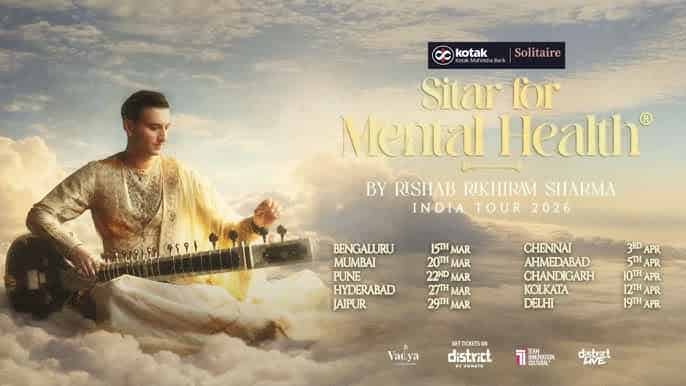
In recent years, conversations around mental health have become increasingly important across the world. Stress, anxiety, depression, and emotional burnout have emerged as significant challenges, particularly among younger generations navigating a fast-paced digital and professional environment. Against this backdrop, innovative approaches that combine art, culture, and therapy have begun to gain recognition. One such initiative is the “Sitar for Mental Health” India Tour, led by acclaimed sitarist Rishab Rikhiram Sharma, which aims to harness the healing power of music to promote emotional well-being and mindfulness.The tour represents a unique intersection of Indian classical music, modern sound design, meditation practices, and mental health awareness. By using the traditional instrument of the sitar as a tool for introspection and emotional healing, the initiative attempts to reconnect audiences with the therapeutic potential of music.About Rishab Rikhiram SharmaRishab Rikhiram Sharma is widely regarded as one of the most prominent young sitarists of his generation. Born into the renowned Rikhi Ram family of instrument makers in Delhi, he grew up surrounded by Indian classical music and craftsmanship. He began learning the sitar at the age of ten under the guidance of his father before eventually becoming the youngest disciple of legendary sitar maestro Ravi Shankar.Over the years, Sharma has built a global reputation as a neo-classical musician who blends traditional ragas with contemporary sounds and digital elements. His performances have been staged in prestigious venues around the world, and he has attracted millions of followers across social media platforms. Beyond his musical achievements, Sharma is also known for openly discussing his personal experiences with anxiety and emotional struggles, which inspired him to launch a mental health initiative through music.In 2020, he founded the “Sitar for Mental Health” movement, an initiative that uses music therapy and live performances to encourage mindfulness and emotional healing.The Concept Behind “Sitar for Mental Health”The core philosophy of the “Sitar for Mental Health” project is rooted in the belief that music possesses the power to heal, calm, and restore emotional balance. The initiative draws inspiration from ancient Indian traditions that associate musical vibrations with emotional and psychological well-being.Through immersive performances, Sharma combines classical sitar compositions with guided breathing, meditative listening, and ambient soundscapes. The experience encourages audiences to slow down, disconnect from external noise, and reconnect with their inner emotional state.Unlike conventional music concerts, these performances are structured as reflective experiences where sound becomes a medium for relaxation and introspection. The concerts often integrate elements such as:Guided breathing sessionsMeditative soundscapesTraditional ragas performed on sitarAmbient and electronic musical layersVisual and sensory elements designed to create a calm atmosphereThe goal is not merely entertainment but a deeper emotional and mental engagement that allows audiences to experience music as a form of therapy.The 2026 India TourAs part of the Asia leg of the global “Sitar for Mental Health” initiative, Sharma announced a 10-city India tour in 2026, bringing his immersive musical experience to audiences across the country.The tour is scheduled to begin in Bengaluru on March 15, 2026, and will travel across major Indian cities before concluding in New Delhi on April 19, 2026.Cities included in the tourThe performances will take place in the following cities:BengaluruMumbaiPuneHyderabadJaipurChennaiAhmedabadChandigarhKolkataNew DelhiEach event is designed as a multi-sensory experience lasting around two hours, allowing audiences to immerse themselves in calming sound environments and introspective musical journeys.A Global InitiativeThe India tour forms part of a larger international journey that has taken the “Sitar for Mental Health” concept to audiences in multiple countries. Sharma has previously performed the project across regions including North America, Europe, and Asia.The initiative gained momentum through digital sessions during the pandemic, where Sharma streamed live sitar performances and discussions about emotional well-being. Over time, these sessions evolved into large-scale live events attended by thousands of people.The tour has now become one of the most distinctive music-based wellness initiatives globally, redefining how audiences interact with classical music.Music as a Tool for Emotional HealingThe concept of using music for emotional healing is not entirely new. In Indian tradition, the ancient practice of Raga Chikitsa suggests that specific ragas can influence emotional states and psychological well-being. Sharma’s project draws inspiration from this idea while presenting it in a contemporary format that resonates with modern audiences.Through slow tempo compositions, deep resonant tones of the sitar, and immersive acoustic environments, the performances aim to stimulate calmness, reduce stress, and encourage mindfulness. The sound vibrations of the sitar, combined with ambient elements, are intended to create a deeply introspective experience.This approach has attracted audiences beyond traditional classical music enthusiasts, particularly among young people who are increasingly exploring mindfulness practices such as meditation and yoga.Growing Importance of Mental Health AwarenessThe launch of the “Sitar for Mental Health” India tour comes at a time when mental health awareness is becoming a central global concern. Increasing work pressure, digital overstimulation, social isolation, and economic uncertainty have contributed to rising levels of stress and anxiety.Initiatives like Sharma’s tour play an important role in normalizing conversations around mental health while providing accessible ways for people to engage with emotional well-being.By combining art with advocacy, the project highlights how cultural traditions can contribute to contemporary discussions about mental health.Bridging Tradition and Modern InnovationOne of the most distinctive aspects of Sharma’s work is his ability to bridge centuries-old musical traditions with modern creative expression. While deeply rooted in Indian classical music, his performances incorporate experimental sound design and contemporary storytelling.This fusion allows the sitar—an instrument with a long historical legacy—to remain relevant for modern audiences while preserving its cultural essence.Through “Sitar for Mental Health,” Sharma demonstrates how traditional art forms can evolve to address modern challenges such as emotional well-being and psychological resilience.SummaryThe “Sitar for Mental Health” India Tour by Rishab Rikhiram Sharma represents a unique cultural initiative that blends Indian classical music with mental health awareness. Rooted in the healing traditions of sound and mindfulness, the tour offers audiences an immersive musical experience designed to promote calmness, reflection, and emotional balance.Spanning ten major cities across India, the tour brings together music, meditation, and storytelling to create a
Dubai’s World Governments Summit 2026: Global Leaders Shape Tomorrow’s Governance
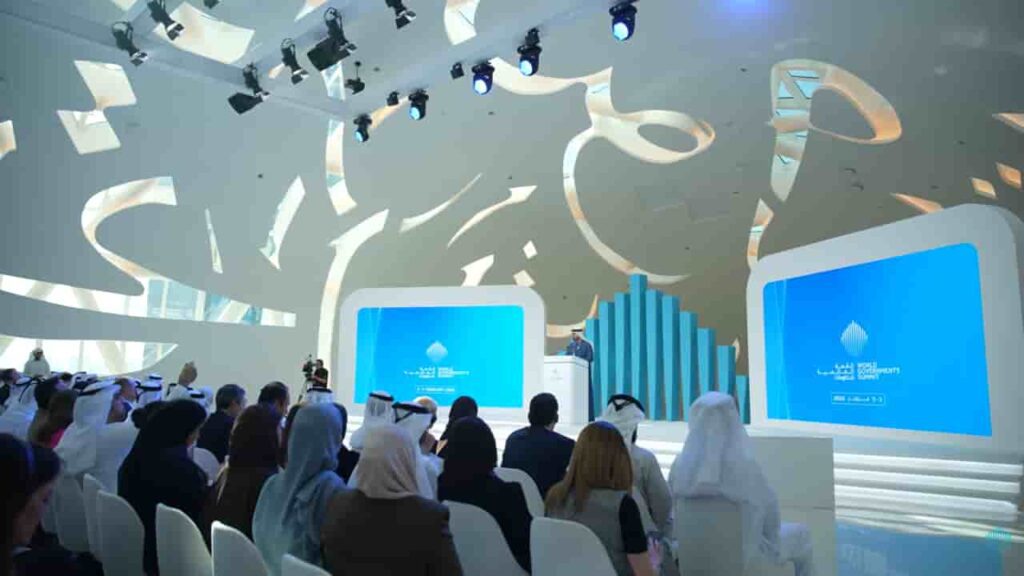
Dubai hosted the landmark World Governments Summit (WGS) 2026 from February 3-5, drawing record crowds under the theme “Shaping Future Governments.” Over 6,000 leaders from 150+ countries gathered for 320+ sessions, creating solutions for AI, sustainability, and resilient economies.Record-Breaking ParticipationThe summit featured more than 35 heads of state, 500+ ministers, and 450+ experts, including delegations from the IMF, IFC, and World Bank. It marked the largest international turnout in WGS history, with 100+ organizations collaborating on 24 specialized forums. Key forums included the New Silk Road Forum, IFC’s Latin America & Caribbean Investment Forum, the 10th International Cooperation Conference with the Association of Caribbean States, and the Future of Economy Forum.Debuting outside Shanghai, the World Laureates Summit (WLS) united Nobel, Turing, and Fields Medal winners like Michael Levitt (2013 Chemistry Nobel), Kip Thorne (2017 Physics Nobel), and John Hopcroft (1986 Turing Award) to tackle global challenges.Star-Studded Speakers LineupCategoryExamplesPresidents/PMsJoko Widodo (Indonesia), William Ruto (Kenya), Mostafa Madbouly (Egypt), Masrour Barzani (Kurdistan Region), Macky Sall (former Senegal)Global Org LeadersNgozi Okonjo-Iweala (WTO), Ajay Banga (World Bank), Catherine Russell (UNICEF), Haitham Al Ghais (OPEC)Tech/BusinessElon Musk, Alexander Karp (Palantir), Klaus SchwabOtherSanjay Gupta (CNN), Idris Elba, Aaron Ciechanover (Nobel Laureate)Speakers spanned presidents, CEOs, and laureates. Heads of government included Indonesia’s Joko Widodo, Kenya’s William Ruto, Egypt’s Mostafa Madbouly, Kurdistan Region’s Masrour Barzani, and the Maldives’ Mohamed Muizzu.Global organization heads: WTO’s Ngozi Okonjo-Iweala, World Bank’s Ajay Banga, UNICEF’s Catherine Russell, OPEC’s Haitham Al Ghais, and NDB’s Dilma Rousseff.Tech and business icons: Elon Musk (Tesla, SpaceX, X), Palantir’s Alexander Karp, WEF’s Klaus Schwab, CNN’s Sanjay Gupta, actor Idris Elba, PepsiCo’s Aamer Sheikh, and Nobel chemist Aaron Ciechanover.Others: Former Senegal President Macky Sall, Cuba’s Manuel Cruz, Sierra Leone’s David Sengeh, Indonesia’s Asman Abnur, Warwick economist Andrew Oswald, and NEA’s William Magwood IV.PwC’s Strategic RolePwC continued as Knowledge Partner, spotlighting the Best Minister Award and Global Ministers Survey. Executives joined closed-door roundtables: Hani Ashkar on Apple’s “AI in Manufacturing” (Day 1), Laurent Depolla on Agility’s “Partnerships for a Sustainable, Intelligent Economy” (Day 2), and Khaled Bin Braik on “The Future of HR in the Era of AI” (Day 3). PwC launched three reports: Anchoring Degrees, Accelerating Skills, Policies Towards a Stackable, Skills-First Ecosystem, Smart Trade Diplomacy, Transport and Logistics Alliances in a Multipolar World, and Harnessing AI to Build Whole-of-Society Resilience, A Blueprint for Governments of the Future.Outcomes and ImpactDiscussions emphasized international cooperation, innovative policies, and empowering next-gen governments amid economic and tech shifts. WLS outcomes were announced on-site, highlighting science-driven fixes for pressing issues.The event reinforced Dubai’s hub status, blending policy discourse with actionable insights for resilient societies.
World Radio Day 2026: A Timeless Medium That Continues to Speak to the World

World Radio Day 2026 was observed globally on February 13, reaffirming the enduring relevance of radio as one of the world’s most trusted and accessible forms of communication. Even as digital platforms redefine how audiences consume information, radio continues to hold its ground as a medium built on credibility, immediacy and human connection. The day is marked every year under the aegis of UNESCO, which proclaimed February 13 as World Radio Day in 2011 to commemorate the founding of United Nations Radio in 1946. Since then, the observance has served as a global reminder of radio’s role in strengthening democracy, encouraging free expression and ensuring access to information for all. Reflecting on radio’s enduring power, UNESCO has often underlined that “radio remains the most reliable and widely consumed medium in the world, capable of reaching people wherever they are, whatever their circumstances.” The sentiment resonated strongly in 2026, as broadcasters across continents marked the day with special programming and discussions on radio’s evolving relevance. A Medium That Reaches Where Others Cannot Radio’s significance lies in its unparalleled reach. It cuts across barriers of geography, literacy and technology, making it a lifeline in remote regions and during emergencies when internet and mobile networks falter. From disaster warnings and public health advisories to election coverage and educational broadcasts, radio continues to perform a vital public service role. World Radio Day 2026 drew attention to this resilience, with broadcasters revisiting moments where radio played a decisive role — whether in crisis communication, community mobilisation or preserving cultural heritage through local languages and storytelling. Adapting Without Losing Its Soul While digital media has transformed audience behaviour, radio has adapted without losing its essence. Today’s radio operates across FM, AM, satellite, mobile apps, live streams and podcasts, blending traditional broadcasting with digital innovation. Interactive shows, listener call-ins and social media integration have further expanded engagement, especially among younger audiences. Yet, as one veteran broadcaster noted during a World Radio Day discussion, “radio’s greatest strength is not technology, but trust — a voice people believe, especially when it matters most.” India’s Radio Landscape In India, World Radio Day 2026 was observed by public and private broadcasters with special segments celebrating radio presenters, producers and ground-level reporters. Community radio stations, in particular, highlighted their role in empowering rural populations, spreading agricultural awareness and amplifying local voices often absent from mainstream media. With broadcasts in multiple languages and dialects, radio remains a unifying force in India’s diverse social and cultural fabric. Looking Ahead As the media ecosystem becomes increasingly fragmented, World Radio Day 2026 reinforced the need to protect independent broadcasting and invest in sustainable radio infrastructure. At a time when misinformation spreads rapidly online, radio’s commitment to verified information and public trust stands out as more relevant than ever. In the words of UNESCO’s message for the day, “radio is not just a medium of the past — it is a voice of the present and a bridge to the future.” World Radio Day 2026 thus served as both a celebration and a reminder: in an age driven by screens and algorithms, radio continues to speak — clearly, credibly and humanly — to the world.
Valentine’s Day 2026: How Love Was Celebrated, Questioned, and Reimagined This Year

Valentine’s Day this year didn’t arrive with loud declarations alone; it came quietly too — in pauses, in small gestures, in moments that didn’t need to be posted to feel real. Celebrated on February 14 and spilling into conversations well beyond the date, Valentine’s Day 2026 reflected how the idea of love itself is evolving — layered, thoughtful, and far less performative than it once was. Across cities and small towns alike, the day saw a familiar rhythm: cafés filled early, flower sellers doing brisk business, last-minute gift counters crowded by the evening. Roses, chocolates and handwritten notes remained classics, but what stood out this year was the shift in intent. Love was no longer just about grand gestures; it was about presence. Couples chose quieter celebrations — shared meals, long walks, unhurried conversations — opting for connection over spectacle. Social media, often the loudest mirror of Valentine’s Day, also told a different story this year. While there were still curated photographs and carefully framed moments, there was a noticeable rise in honesty. Posts spoke of gratitude, healing, companionship, and growth. Many users moved away from the idea of romantic perfection and instead embraced vulnerability. One widely shared sentiment summed it up simply: “Love doesn’t have to look perfect to feel true.” For many, Valentine’s Day 2026 was not just about romantic partnerships. Friendships were celebrated openly, self-love took centre stage, and families found their own ways to mark the day. Bookstores hosted poetry readings, cafés organised open-mic evenings, and wellness spaces saw people choosing solitude without apology. The definition of love expanded — not diluted, but deepened. Market trends echoed this emotional shift. Experiences overtook objects. Reservations for workshops, intimate dinners, travel getaways, and wellness sessions saw a rise compared to traditional luxury gifting. Consumers leaned toward meaning — gifts that carried stories rather than price tags. As one shopper put it, “I didn’t want to buy something expensive. I wanted to give something that would stay.” Interestingly, Valentine’s Day also became a moment of reflection for those nursing heartbreak or choosing distance. Instead of exclusion, there was acknowledgment. The day allowed space for those who were single, healing, or redefining their relationship with love altogether. Quotes like “Being alone is not the opposite of love; it’s often where it begins”resonated strongly this year. What made Valentine’s Day 2026 stand out was its emotional maturity. It wasn’t louder — it was wiser. It didn’t insist on celebration; it invited intention. Love was expressed in showing up, in staying gentle, in choosing honesty over illusion. As conversations continue beyond the day itself, one thing is clear: Valentine’s Day this year wasn’t about proving love to the world. It was about understanding it better — quietly, sincerely, and on one’s own terms. And perhaps that’s what made it memorable.