


PM Modi’s Mann Ki Baat: Episode – 134th

PM Modi’s Mann Ki Baat: Episode – 134thVideo: YT/NaMo
Pachpadra Refinery: India’s Most Delayed, Most Contested, and Most Important Energy Project
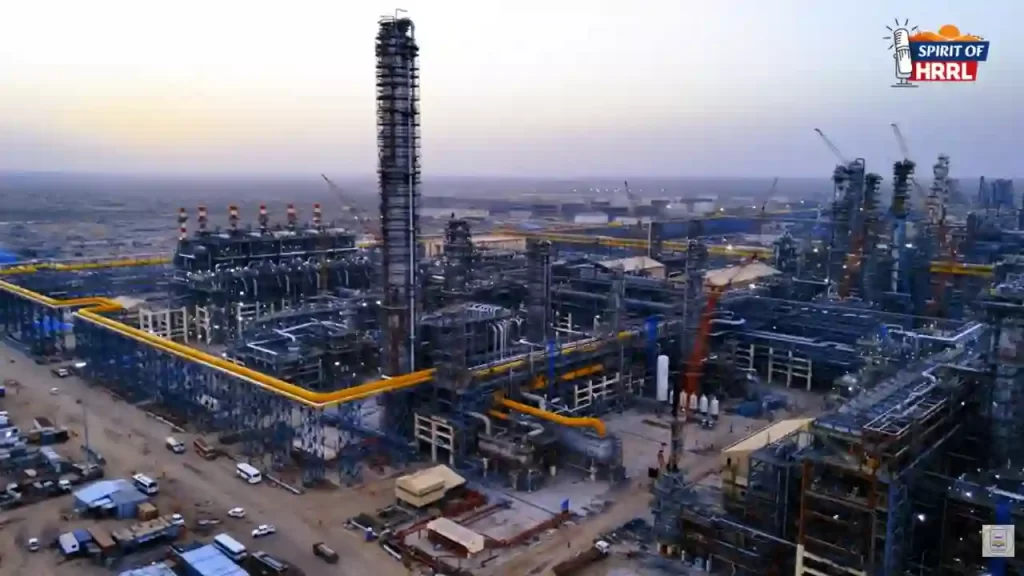
IntroductionFor over a decade, the Pachpadra refinery in Rajasthan’s Balotra district has been India’s most politically freighted infrastructure project — a facility that has had two foundation stones laid by two different prime ministers from two different parties, a cost that nearly doubled before a single barrel was processed, and an inauguration that was stopped one day before it was to happen by a fire that broke out in the Crude Distillation Unit.It is also, when you set aside the politics and the delays and the drama, one of the most consequential energy projects India has built in a generation.HPCL Rajasthan Refinery Limited, known as HRRL, is a 9 million metric tonnes per annum greenfield refinery-cum-petrochemical complex with 2.4 million metric tonnes per annum petrochemical production capacity, located in Pachpadra, Balotra district, Rajasthan. It is India’s first greenfield integrated refinery-cum-petrochemical complex, built at an estimated cost of nearly Rs 80,000 crore. It is spread across 4,400.4 acres of land in the Thar desert, operated by HPCL Rajasthan Refinery Limited, with HPCL holding 74 percent and the Government of Rajasthan holding 26 percent.When it becomes fully operational, it will be the first major refinery India has built from scratch since the 1990s — and the first one specifically designed to process the heavy, waxy crude oil that sits beneath Rajasthan’s Barmer basin, one of India’s most significant onshore oil reserves.The Origin Story: A Project That Belongs to Every PartyThe Pachpadra refinery’s political genealogy is unusual even by Indian standards. No single government can claim it. Every government has tried to.The story begins not with a foundation stone but with oil. The discovery of the Mangala oilfield in Barmer — the largest onshore oil discovery in India in more than 22 years at the time — created an obvious question: why is all this crude being pumped out of Rajasthan and sent to refineries in Gujarat and Maharashtra? Why is Rajasthan not refining its own oil?The project was first conceptualised under the Congress government. On September 18, 2013, then Congress president Sonia Gandhi laid the first foundation stone for the project, with an initial estimated cost of Rs 43,129 crore. The Ashok Gehlot government in Rajasthan was a co-signatory, and the project carried the political imprimatur of both the state and central Congress establishments.Then came 2014. The Congress lost the general election, Vasundhara Raje’s BJP government came to power in Rajasthan, and a project associated with the Congress went into the freezer — not officially abandoned, but quietly deprioritised. The joint venture structure was complicated, the land acquisition was incomplete, and the financing arrangements required renegotiation.Four years later, the BJP arrived to claim the project as its own. On January 16, 2018, Prime Minister Narendra Modi laid a second foundation stone for the same project, which now had two foundation stones from rival parties. Modi declared that the refinery would be ready by 2022 and would change the economic landscape of Rajasthan. He was wrong about 2022. He was not wrong about the economic landscape.The Project: What Is Actually Being BuiltThe refinery is operated by HPCL Rajasthan Refinery Limited, with HPCL holding 74 percent and the Government of Rajasthan holding 26 percent. An MoU for the project was signed between the state government and HPCL on April 18, 2017.The facility is not simply a refinery. The integrated nature of the project — combining refining with a large-scale petrochemical complex on the same site — is what makes it distinct from existing Indian refineries and from the original 2013 design.The refinery has a capacity of 9 million metric tonnes per annum of refining and 2.4 million metric tonnes per annum of petrochemical production. The Scheduled Commercial Operation Date is July 1, 2026.The petrochemical capacity is particularly significant. India is one of the world’s largest importers of petrochemical products — the plastic resins, synthetic fibres, rubber, adhesives, and industrial chemicals that feed into every sector of manufacturing. A domestic integrated complex reduces that import dependence and creates a foundation for downstream manufacturing investment in Rajasthan.The crude feedstock for the refinery will be Mangala crude from the Barmer basin — heavy and waxy crude that requires specialised handling including insulated pipelines and dedicated processing units. The Mangala field, discovered in January 2004, is the largest onshore oil discovery in India in more than two decades. It sits directly in Rajasthan’s backyard, and Pachpadra was designed specifically to process it, eliminating the need to transport it all the way to coastal refineries in Gujarat.HRRL is an important project considering the growing energy needs and petrochemical requirements of the country, thereby reducing the country’s dependence on imports, which will result in saving foreign exchange. The project will also contribute towards industrialisation of a backward area, usage of locally available Mangala crude and help promote India as a refining hub.The Cost: From Rs 43,129 Crore to Rs 79,459 CroreThe most uncomfortable aspect of the Pachpadra story is its cost trajectory. The initial estimated cost of the refinery was Rs 43,129 crore, and the work was scheduled to be completed by October 31, 2022. During the previous state government’s tenure, the project cost increased to Rs 72,937 crore by June 2, 2023. HPCL Rajasthan Refinery Limited submitted a proposal for a second revision of the refinery’s cost to the state government on July 24, 2025.The total project cost has been revised to Rs 79,459 crore. The Union Cabinet approved the revised cost on April 8, 2026 — just twelve days before the inauguration fire.That escalation — from Rs 43,129 crore to Rs 79,459 crore — represents an 84 percent increase from the original estimate. Several factors contributed to it: the construction delays caused by land acquisition disputes and coordination failures during the political transitions between Congress and BJP governments in both Rajasthan and at the centre; Covid-19 disruptions that halted construction for an extended period; global commodity price inflation that drove up the cost of steel, cement, and equipment; and the expansion of the petrochemical complex beyond the
NexCAR19: How India Built the World’s Most Affordable Cancer Therapy — and Changed the Rules for the Global South
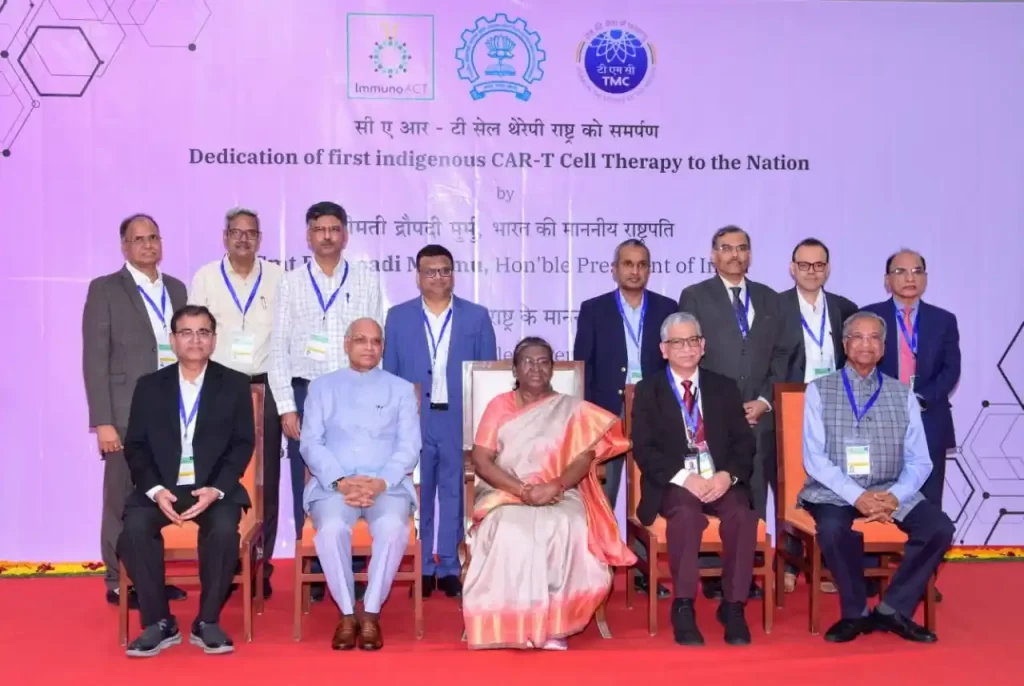
IntroductionFor most of human history, a cancer diagnosis in a low-income or middle-income country meant one of two things: treatment with whatever the public health system could afford, or no treatment at all. The world’s most advanced cancer therapies — the ones that could put terminal patients into complete remission — existed only in American and European hospitals, at price tags that put them beyond the reach of 90 percent of the world’s cancer patients.That equation began to change in October 2023, when India’s Central Drugs Standard Control Organisation approved NexCAR19 — the country’s first indigenous CAR-T cell therapy, developed by ImmunoACT, a spinoff from the Indian Institute of Technology Bombay in collaboration with the Tata Memorial Centre in Mumbai. It changed further when the therapy entered commercial use in April 2024. And it changed decisively when the numbers from that first year of commercial operations came in: over 350 patients treated across 70 hospitals, revenue of Rs 62 crore, and a profit before tax of Rs 12 crore in FY25 — marking rare profitability for an Indian biotech startup in its first full year of operations.A therapy that costs $400,000 in the United States. The same category of therapy, built entirely in India, costing Rs 30 lakh — approximately $36,000 — and falling. This is not incremental progress. This is a structural disruption of one of the most expensive categories of medicine ever created.What CAR-T Cell Therapy Actually IsBefore understanding why NexCAR19 matters, it helps to understand what CAR-T therapy is and why it has been so transformative — and so inaccessible.CAR-T stands for Chimeric Antigen Receptor T-cell therapy. It is a form of immunotherapy that does not use drugs in the conventional sense. Instead, it reprograms the patient’s own immune system to become the weapon.The process works as follows. A sample of T-cells — the immune system’s primary fighters — is extracted from the patient’s blood. These cells are then genetically engineered in a laboratory to express a Chimeric Antigen Receptor on their surface, a specially designed protein that enables them to recognise and bind to a specific marker on cancer cells. The modified cells are then multiplied into tens of millions and reinfused into the patient’s body, where they seek out and destroy cancer cells bearing that marker with a precision that conventional chemotherapy cannot approach.CAR-T therapy is not a treatment that reduces tumour size. In many cases, it eliminates tumours entirely. For patients with relapsed or refractory blood cancers — patients who have already failed multiple rounds of chemotherapy and have essentially run out of conventional options — it has produced complete remission rates that were previously considered impossible.The problem is the cost. Every step of the process — extracting T-cells, engineering them, manufacturing the viral vectors used to introduce the new genetic instructions, multiplying the cells under sterile conditions, quality-testing the final product, and infusing it — requires specialised equipment, expertise, and infrastructure that, until recently, existed only in a handful of countries.The Journey: A Decade from Research Lab to PatientImmunoACT was established in 2018 as a spinoff from IIT Bombay’s Biosciences and Bioengineering department, built on research that began in 2013. That five-year gap between research and company formation is itself a story. ImmunoACT was founded by immunologist Dr. Rahul Purwar following his research experience in the United States and Germany.Dr. Alka Dwivedi, along with her colleague Rahul Purwar and Gaurav Narula, sought guidance from the National Cancer Institute in Bethesda, Maryland, to advance their research. Through collaboration with leading experts at NCI’s Center for Cancer Research, including Dr. Nirali Shah, the team gained valuable insights and training in designing an effective CAR-T cell therapy suitable for the Indian healthcare system.The collaboration with Tata Memorial Centre — India’s premier cancer hospital — gave the research its clinical backbone. The CAR-T cell therapy was developed by Prof. Rahul Purwar and his team, with clinical investigations and translational studies led by Dr. Hasmukh Jain and Dr. Gaurav Narula and their teams at Tata Memorial Hospital.Atharva Karulkar, Alka Dwivedi and the team led by Rahul Purwar, IIT Bombay associate professor, designed and developed NexCAR19, which subsequently underwent integrative process development and manufacturing under current Good Manufacturing Practice, or cGMP, at ImmunoACT.The result of that decade of work was an indigenously developed CD19-targeted CAR-T cell therapy — meaning it targets the CD19 protein on the surface of B-cells, which is the marker present on the cancer cells in B-cell lymphomas and leukemias.The Clinical Trials: Results That Surprised the WorldThe multi-centre Phase I and Phase II pivotal clinical trial for NexCAR19 was led by Dr. Hasmukh Jain.The trial was conducted with 60 patients of relapsed or refractory B-cell lymphomas and leukemia. The clinical data indicated approximately 70 percent overall response rate.Clinical trials involving 64 patients with advanced lymphoma or leukemia showed promising results, with 67 percent experiencing significant cancer reduction and about half achieving complete remission.But the headline clinical achievement was not just the efficacy. It was the safety profile. Unlike US-approved therapies that use mouse-derived antibody fragments, India’s “humanised” CAR-T cells caused fewer severe side effects, with no reported neurologic complications and only 5 percent experiencing severe cytokine release syndrome.This distinction requires explanation. Cytokine release syndrome — essentially an immune system overreaction triggered by the infusion of millions of activated CAR-T cells — is the most dangerous side effect of CAR-T therapy and has historically required intensive care unit admission for many patients in US-based treatments. Neurological toxicity has also been a documented concern. The safety profile in terms of cytokine release syndrome and absence of neurotoxicity indicates a significant improvement over other commercially approved CD19-directed CAR-T cell therapies.Dr. Hasmukh Jain said: “NexCAR19 has shown an excellent balance of efficacy and low-toxicity, which is a significant advantage in clinical management of patients in our resource-constrained settings.”The humanised design of the CAR construct — using human antibody fragments rather than the mouse-derived sequences used in the original American CAR-T products — is believed to be a significant factor
India’s EV Revolution: Still Gathering Speed, But the Direction Is Unmistakable
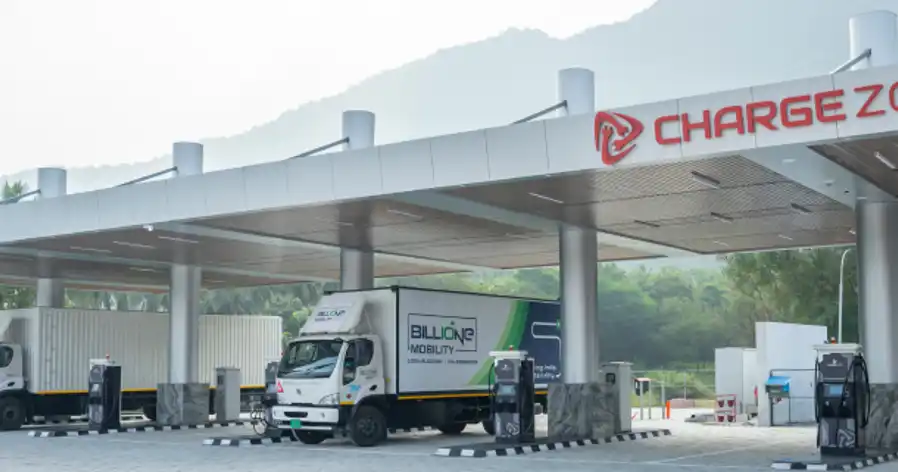
The Numbers Tell the Story FirstIn 2020, India sold roughly 156,000 electric vehicles of all categories. In 2025, it sold 2.36 million. That is a fifteen-fold increase in five years, and it happened without the kind of aggressive government subsidies that drove adoption in China, without the dense network of home chargers that made EVs viable in Europe, and in a market where a significant portion of buyers are choosing their first vehicle and price is the dominant consideration.India’s total EV sales surpassed 2.36 million units in 2025, representing 8.36 percent of overall automobile sales. The sector recorded year-on-year growth of 16.62 percent, moving beyond early adoption into a phase of diverse, segment-led expansion.According to data from the government’s Vahan Portal, a report by the India Energy Storage Alliance said electric two-wheelers remained the biggest driver of growth, with sales of 1.28 million units, making up 57 percent of total EV sales. Electric three-wheelers, including L3 and L5 categories, followed with 0.8 million units, or 35 percent of the market. Electric four-wheeler sales stood at around 1.75 lakh units during the year.Those proportions matter. India’s EV story is not, at its core, a car story. It is a two-wheeler and three-wheeler story. And that makes it a story about the 1.4 billion people who actually travel on Indian roads every day, not just the fraction who buy passenger cars.Who Is Actually Buying and WhereThe adoption map is as uneven as India’s geography suggests it would be.EV adoption is not uniform across India. Uttar Pradesh remains the top contributor to total Indian EV sales, accounting for 17.15 percent of total sales, largely due to its massive e-rickshaw base. For the highest EV penetration relative to total sales, Tripura leads at 18.27 percent, followed by Assam at 14.3 percent and Delhi at 13.91 percent. West Bengal exhibited the highest year-on-year EV sales growth of 121.3 percent among the top ten states. Bengaluru solidified its status as the electric two-wheeler capital with 90,215 sales.These numbers reveal something important. The states with the highest EV penetration by percentage — Tripura, Assam, Delhi — are very different places with very different reasons for being early adopters. Delhi’s adoption is policy-driven: the capital has one of India’s most aggressive EV incentive programmes and a severe air quality crisis that makes the case for cleaner transport viscerally obvious to every resident. Tripura and Assam’s adoption, by contrast, reflects a practical reality: in states with high fuel costs due to distance from refining centres, an electric two-wheeler that runs on grid power simply costs less per kilometre to operate, regardless of ideology or policy.In January 2026, electric car sales surged to 30,314 units — a 51 percent jump from 20,088 units a year earlier and a 27 percent month-on-month growth. The four-wheeler segment is accelerating, but from a smaller base.The electric goods carrier segment recorded a 77.52 percent year-on-year sales increase, with Maharashtra leading among all states. The commercial logistics sector’s turn toward electrification is arguably the most structurally significant development in the 2025 data. Fleet operators — particularly those running last-mile delivery vehicles in dense urban areas — have a clearer return-on-investment calculation for EVs than individual consumers. Fuel savings are predictable, usage patterns are consistent, and charging can be centrally managed overnight. When logistics companies electrify their fleets, they do not do it for reasons of environmentalism. They do it because the numbers work.The Vehicles Driving Growth: Tata, Mahindra, Ola, TVS, BajajIndia’s EV market is being built by Indian companies, which is itself one of the more consequential industrial stories of this decade.Domestic manufacturers Tata and Mahindra account for around 60 percent of India’s electric car sales. Tata Motors was effectively the pioneer of the mass-market electric car in India with the Nexon EV, followed by the Tiago EV which brought the entry price for an electric car closer to the price of a conventional hatchback. In February 2026, Tata Motors expanded its electric passenger vehicle portfolio with new long-range models aimed at improving affordability and adoption, incorporating enhanced battery management systems and localised lithium-ion battery packs.In September 2025, Mahindra Electric introduced new electric commercial vehicles targeting last-mile delivery and logistics operations, integrating telematics systems and fleet management platforms to improve operational efficiency. Mahindra’s BE and XEV series of electric SUVs have added a premium dimension to India’s electric car market that creates aspirational pull at the higher end while Tata holds the volume end.In the two-wheeler segment, the competitive picture changed significantly through 2025. Top players for April 2026 are TVS Motors, Bajaj Auto, and Ather Energy. The emergence of Bajaj Auto — one of India’s most traditional and largest two-wheeler manufacturers — as a top EV player is symbolically important. Bajaj built its brand on petrol two-wheelers for six decades. Its aggressive entry into electric scooters confirms that the mainstream motorcycle industry now treats electrification as an operational necessity, not a niche experiment.In November 2025, Ola Electric commissioned a large-scale battery manufacturing facility to strengthen domestic supply chains, focusing on cell manufacturing capabilities and advanced battery chemistry development for cost reduction and performance improvement. In June 2025, Ather Energy launched next-generation electric two-wheelers with improved battery range and fast-charging capability, utilising upgraded lithium-ion battery architecture and smart connectivity features for urban mobility.The Policy Architecture: Three Layers Working SimultaneouslyIndia’s EV momentum did not emerge purely from market forces. It was shaped, deliberately and over time, by a layered policy architecture that has become the most comprehensive framework India has built for any industrial transition.Three layers of policy support are simultaneously active in 2026 — the strongest combined push since FAME-I launched in 2015. The PM E-DRIVE scheme, the ACC PLI Scheme, and the Auto and Components PLI collectively represent over Rs 54,000 crore in government support committed to the EV transition.The PM E-DRIVE scheme replaced FAME-II when the latter was discontinued in September 2024. Active from October 2024, the scheme allocates Rs 3,679 crore for vehicle subsidies, Rs 2,000 crore for 72,300 charging points,
Dhurandhar 2: The Revenge — How Aditya Dhar’s Spy Epic Rewrote Indian Box Office History

The Numbers Are Not NormalForty-eight days into its theatrical run, Dhurandhar 2: The Revenge is still selling between 20,000 and 65,000 tickets a day on BookMyShow alone. Six weeks in, most films are wrapping up their last stray shows in a handful of screens. This one is still peaking at 65,000 bookings on a Saturday. That is not a box office run. That is a cultural event that simply refused to end.Dhurandhar: The Revenge grossed over Rs 1,837 crore worldwide, becoming the second-highest-grossing Indian film of all time. It collected Rs 1,361 crore in India and Rs 475.93 crore in overseas markets — without releasing in GCC countries and China. That last point matters more than it might seem. Since China is not a regular market for most Indian releases, many analysts treat its contribution to Dangal’s total as a separate case. Dhurandhar 2 achieved what it did on its own, in open markets, without either of the two biggest supplementary territories available to Indian cinema.What the Film IsIn the film, an undercover Indian intelligence agent continues infiltrating Karachi’s criminal syndicates and political power structures in Pakistan while avenging the 26/11 attacks and confronting bigger threats. It is a direct sequel to the 2025 film Dhurandhar, which introduced the character and the world. Shot back-to-back alongside the first part, principal photography began in July 2024 in Bangkok, Thailand, and wrapped in October 2025. Filming took place across Punjab, Chandigarh, Maharashtra, Ladakh, and Himachal Pradesh in India, and Thailand, with some areas doubling for Pakistan-set sequences.The film is directed by Aditya Dhar and produced by Jio Studios and B62 Studios, and stars Ranveer Singh, Sara Arjun, Akshaye Khanna, Sanjay Dutt, Arjun Rampal, R. Madhavan, Danish Pandor, Yami Gautam, and Rakesh Bedi.The Opening: Records Before the Weekend Even StartedThe film grossed Rs 75 crore from paid previews on March 18, 2026, a day before the official release, breaking the previous Indian record held by Stree 2. That single number announced the scale of what was coming.The film earned Rs 130-174 crore on its opening day on March 19, 2026, and Rs 196-240 crore worldwide including the previous day’s premieres. This marked the highest opening day for a Bollywood film, surpassing Adipurush. The film became the first Indian film to earn more than Rs 100 crore in a single day of Hindi net collections.By the end of its opening weekend, the film had earned Rs 759.91 crore worldwide, with overseas earnings of around Rs 209.60 crore. The global opening weekend gross was over USD 80 million, only behind Project Hail Mary. An Indian film outgrossed by a single Hollywood release globally in opening weekend terms — and that Hollywood release happened to be one of the most anticipated sci-fi films in years. That is the company Dhurandhar 2 kept in its very first week.Dhurandhar 2 crossed Rs 1,006 crore worldwide in its first week. One thousand crore in seven days. Only a handful of Indian films have ever done it in their lifetime. This one did it before the second Friday.The Records That Followed, One After AnotherThe film earned USD 20.80 million in North America within nine days, surpassing Baahubali 2: The Conclusion’s USD 20.78 million lifetime record in the region. It became the highest-grossing Indian film in Australia.On April 5, 2026, the film became the first Indian film to cross USD 25 million in North America and the highest-grossing Indian film in Germany.On April 6, it became the first Hindi film to cross Rs 1,000 crore net collections in India across all languages. By April 8, it became the first Indian film to cross Rs 1,000 crore in Hindi net collections alone, making it the highest-grossing Indian film in Hindi net domestically.By the end of its fourth weekend, the film crossed Rs 1,700 crore worldwide. In its fifth week of release, it became the highest-grossing Indian film in the UK, Australia, and New Zealand.As of May 3, with a total worldwide collection of Rs 1,783.66 crore — comprising Rs 1,358.51 crore in India gross and Rs 425.15 crore from overseas — Dhurandhar 2 was within Rs 5 crore of the lifetime worldwide collection of Baahubali 2. It has since crossed that figure, becoming the second-highest-grossing Indian film of all time.The Franchise Dimension: A Once-in-a-Generation Back-to-BackWhat makes the Dhurandhar story even more remarkable is what the first film did. The first part earned Rs 894.49 crore net in India, becoming the highest grosser of 2025. The sequel repeated the same milestone in 2026 with a net collection of Rs 1,175.73 crore.Both Dhurandhar and Dhurandhar 2 became the biggest blockbusters Hindi cinema has ever seen in back-to-back years — a rare milestone to become the highest-grossing franchise of each year consecutively.The combined worldwide gross of the Dhurandhar duology surpassed Rs 3,000 crore, earning it the title of the highest-grossing Indian film franchise. Not the highest-grossing franchise this year. All time. The Dhurandhar franchise has, in two films, crossed a number that no other series in Indian cinema history has reached.The first part, Dhurandhar, currently occupies the fifth spot on the all-time global Indian box office charts with a lifetime collection of Rs 1,307.35 crore. The Dhurandhar franchise now holds two distinct spots in the top five highest-grossing Indian films of all time. Both spots were earned in consecutive years, by the same director, with the same lead actor.The Longevity: A Film That Would Not Let GoWhat separates genuine blockbusters from opening-weekend phenomena is how they hold. Dhurandhar 2 held.In its sixth week, Dhurandhar 2 collected Rs 12.40 crore in India, placing it fourth on the all-time highest sixth-week collection list behind the original Dhurandhar (Rs 26.35 crore), Stree 2 (Rs 18.60 crore), and Chhaava (Rs 16.30 crore). Sitting in the same sentence as Stree 2 and Chhaava in sixth-week performance tells you everything about the kind of audience loyalty this film generated.Even in its sixth week, daily ticket sales on BookMyShow stayed in a solid range between 20,000 and 65,000 tickets, with a
India’s Semiconductor Manufacturing Story: How New Chip Plants Are Transforming the Country’s Technological Future
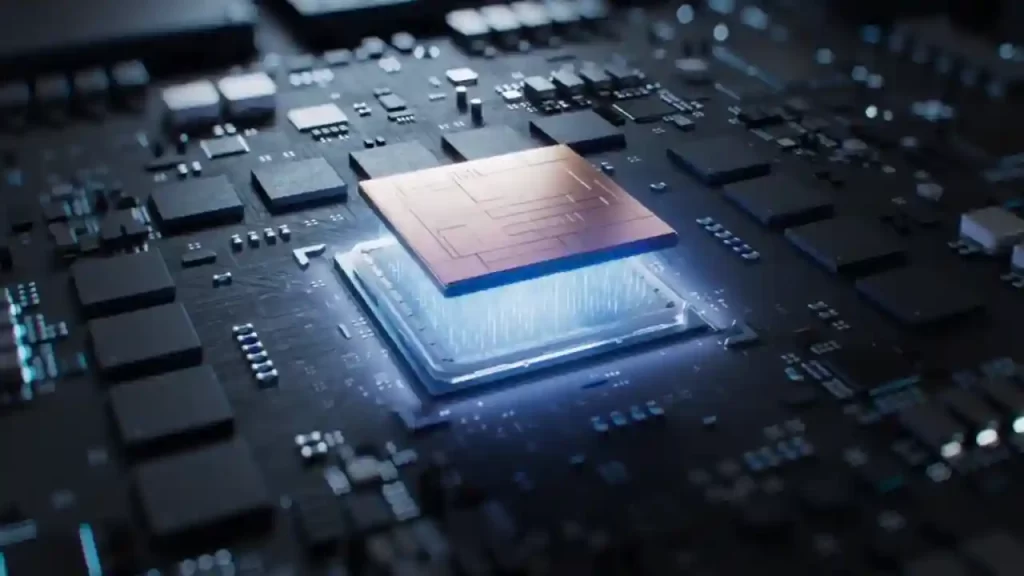
IntroductionSemiconductors are often described as the “new oil” of the digital economy. These tiny electronic chips serve as the brains behind modern technology, powering smartphones, computers, automobiles, telecommunications equipment, medical devices, defence systems, artificial intelligence platforms, and industrial machinery. In an increasingly digital world, access to semiconductors has become a matter not only of economic growth but also of national security and technological sovereignty.For years, India remained heavily dependent on imported semiconductors despite being one of the world’s largest consumers of electronic products and a major hub for chip design services. While Indian engineers contributed significantly to global semiconductor design, the country lacked large-scale manufacturing facilities capable of producing chips domestically.The global semiconductor shortage that emerged during and after the COVID-19 pandemic exposed the vulnerabilities of this dependence. Supply chain disruptions affected industries worldwide, delaying automobile production, consumer electronics manufacturing, and critical infrastructure projects. The crisis prompted governments across the globe to invest heavily in domestic semiconductor capabilities.India responded by launching an ambitious strategy aimed at building a complete semiconductor ecosystem. Over the last few years, this vision has begun to materialise through a series of major investments, policy initiatives, and the launch of new semiconductor manufacturing and packaging facilities across the country.Today, India’s semiconductor story is no longer about future possibilities—it is increasingly about projects under construction, facilities being established, and the emergence of a domestic chip manufacturing ecosystem.Why Semiconductors MatterModern economies run on semiconductors. Every smartphone contains multiple chips. Electric vehicles depend on semiconductors for battery management, safety systems, and autonomous features. Data centres, cloud computing infrastructure, artificial intelligence applications, telecommunications networks, and defence technologies all rely on advanced semiconductor components.As digitalisation accelerates worldwide, demand for semiconductors continues to grow rapidly.Industry estimates suggest that India’s semiconductor consumption could exceed $100 billion annually in the coming years. This growth is being driven by:Expansion of the electronics manufacturing sectorRising smartphone penetrationGrowth of electric vehiclesDeployment of 5G networksArtificial intelligence and cloud computing adoptionIncreasing digitisation of public servicesWithout domestic manufacturing capabilities, India would remain vulnerable to external supply disruptions and geopolitical uncertainties.The Semiconductor Mission: India’s Strategic PushRecognising the strategic importance of semiconductors, the Government of India launched the India Semiconductor Mission (ISM) as part of a broader effort to strengthen the country’s electronics manufacturing sector.The government announced incentive packages worth tens of thousands of crores aimed at attracting investments in semiconductor fabrication, assembly, testing, packaging, and display manufacturing.The objective was not merely to establish individual factories but to create a complete semiconductor ecosystem involving:Chip fabrication plants (fabs)Assembly and packaging facilitiesDesign centresResearch and development infrastructureTalent development programsSupply chain networksThe initiative marked one of the largest industrial policy interventions in India’s recent history.Tata Electronics and the Dholera Semiconductor FabOne of the most significant milestones in India’s semiconductor journey came with the announcement of a semiconductor fabrication facility by Tata Electronics in partnership with Taiwan-based Powerchip Semiconductor Manufacturing Corporation (PSMC).The facility is being established at Dholera in Gujarat, a location that has emerged as a key industrial hub under India’s infrastructure development plans.The project represents India’s first major commercial semiconductor fabrication plant and involves an investment estimated at over ₹91,000 crore.The facility is expected to manufacture chips used in:AutomobilesConsumer electronicsCommunication systemsComputing devicesIndustrial applicationsIndustry experts consider the Dholera fab a landmark development because semiconductor fabrication represents the most technologically complex and capital-intensive segment of the semiconductor value chain.For decades, only a handful of countries such as Taiwan, South Korea, the United States, Japan, and China have possessed significant semiconductor fabrication capabilities.The Dholera project signals India’s entry into this highly strategic domain.Micron Technology’s Semiconductor Facility in GujaratAnother major development has been the investment by American semiconductor giant Micron Technology.Micron announced a substantial investment in a semiconductor assembly and testing facility in Sanand, Gujarat.The facility focuses on:AssemblyTestingMarkingPackaging (ATMP)These activities are critical parts of semiconductor manufacturing and represent an important step toward building a complete semiconductor ecosystem.The project has attracted significant attention because it marks one of the largest semiconductor investments by a global company in India.Commercial production is expected to play a crucial role in integrating India into global semiconductor supply chains.Semiconductor Expansion in AssamIndia’s semiconductor ambitions are not limited to western India.The Tata Group has also announced a semiconductor assembly and testing facility in Assam, making the northeastern state an unexpected but important participant in the country’s technology manufacturing push.The project is expected to generate thousands of direct and indirect jobs while promoting industrial development in a region historically less associated with high-technology manufacturing.The facility demonstrates the government’s effort to geographically diversify semiconductor investments rather than concentrating them in a few industrial clusters.For Assam, the project represents one of the most significant industrial investments in recent history.Additional Semiconductor Projects Across IndiaRecent years have witnessed multiple semiconductor-related announcements involving both domestic and international players.Several projects have been proposed in areas such as:Semiconductor packagingCompound semiconductorsDisplay manufacturingAdvanced electronics productionCompanies have expressed interest in participating across different stages of the semiconductor value chain, creating the foundations of a broader manufacturing ecosystem.These investments indicate growing confidence in India’s policy framework and long-term market potential.Why Global Companies Are Looking at IndiaSeveral factors have contributed to India’s emergence as a preferred destination for semiconductor investments.Growing Domestic MarketIndia is among the world’s fastest-growing markets for electronics and digital technologies.The rapid adoption of smartphones, connected devices, electric vehicles, and digital services creates substantial domestic demand for semiconductors.China Plus One StrategyGlobal companies are increasingly seeking to diversify manufacturing operations beyond China.The strategy, often referred to as “China Plus One,” has encouraged businesses to establish additional production bases in countries such as India, Vietnam, and Mexico.India has emerged as a major beneficiary of this shift.Government IncentivesGenerous fiscal incentives, capital subsidies, and infrastructure support have significantly improved the attractiveness of semiconductor investments.The government has committed substantial financial resources to reduce the high costs associated with semiconductor manufacturing.Skilled WorkforceIndia already possesses one of the world’s largest pools of semiconductor design talent.Many global semiconductor companies operate research and design centres in cities such as Bengaluru, Hyderabad, Noida, and Pune.This existing talent base provides a strong foundation for manufacturing expansion.Challenges Facing
Amit Kshatriya: The NASA Lifer Who Became America’s Point Man for the Moon
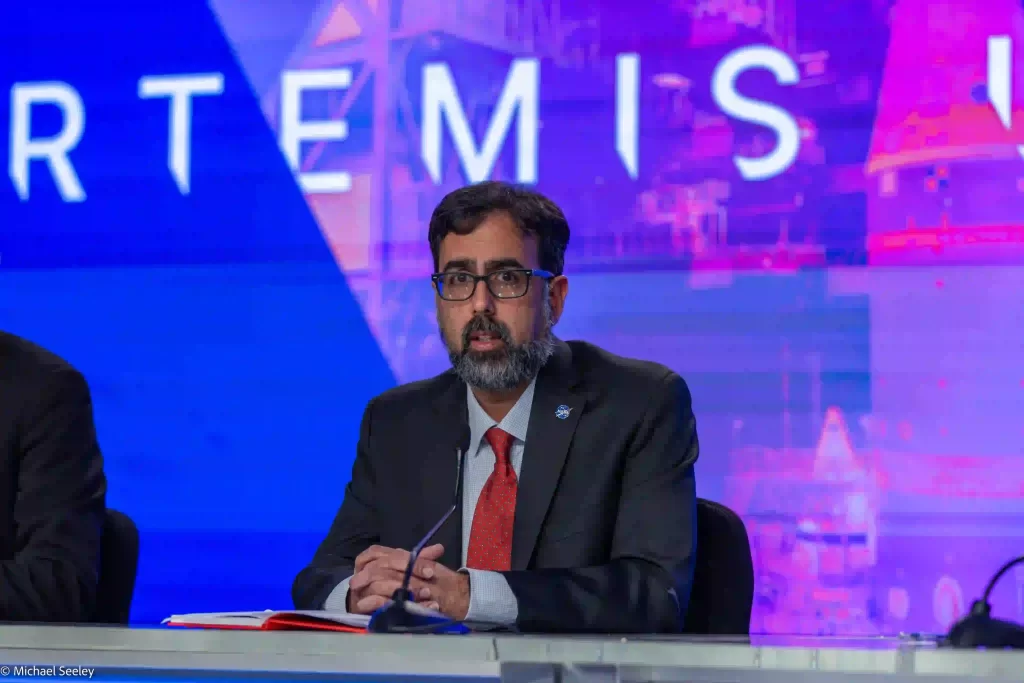
A Wisconsin Kid Who Grew Up to Run NASAThere is a particular kind of American origin story that begins in the heartland and ends somewhere extraordinary. Amit Kshatriya’s version goes from Wisconsin to the highest civil service position in the United States space agency — and the path between those two points runs through twenty-two years of calculated, relentless work at the place he always wanted to be.Kshatriya was born in Wisconsin to first-generation Indian immigrants. Growing up in Houston, he admired rocket launches as a child — which, given that Houston is home to NASA’s Johnson Space Center, meant he was watching the real thing, not television footage. That proximity to actual space operations made a future at NASA feel less like a fantasy and more like a direction.He holds a Bachelor of Science in mathematics from the California Institute of Technology in Pasadena, California, and a Master of Arts in mathematics from the University of Texas at Austin. Two degrees in mathematics. No aerospace engineering, no physics at the undergraduate level. Just the discipline that underlies all of it, pursued at two of the most demanding institutions in the United States.On September 3, 2025, acting NASA Administrator Sean P. Duffy named Amit Kshatriya as the new Associate Administrator of NASA, the agency’s top civil service role. He was, at that moment, the highest-ranking civil servant in the history of the American space agency to have Indian roots. More importantly, he was the person now responsible for making sure humans get back to the Moon.Twenty-Two Years: How You Actually Get to Run NASAThe title of NASA Associate Administrator does not come from a single impressive moment. It comes from two decades of doing every job in front of you extremely well. Kshatriya’s career at NASA is worth tracing in detail because it explains not just who he is, but how the most complex human endeavour on earth actually functions — one competent, patient professional at a time.Beginning his time at the space agency in 2003, he worked as a software engineer, robotics engineer, and spacecraft operator, primarily focused on the robotic assembly of the International Space Station. Robotic assembly of the ISS is not a glamorous assignment. It is exacting, technically demanding work with zero margin for error and very little public visibility. It is exactly the kind of work that tells you whether someone actually understands how spacecraft systems integrate, or whether they just understand the theory.From 2014 to 2017, he served as a space station flight director, where he led global teams in the operations and execution of the space station during all phases of flight. The flight director role at NASA is one of the most pressure-intensive jobs in any industry. The flight director is the person in Mission Control who, when something goes wrong, makes the call. Every system, every trade-off, every risk assessment on a mission runs through the flight director’s judgment. Kshatriya did this job for three years.He was awarded the NASA Outstanding Leadership Medal for his actions as the lead flight director for the 50th expedition to the space station. Kshatriya is also the recipient of a Silver Snoopy, an award that astronauts themselves bestow for outstanding performance contributing to flight safety. The Silver Snoopy is unusual among NASA’s many awards because it comes from the astronauts — the people whose lives depend on the quality of work done on the ground. Getting one means the people in the most dangerous seats trusted you with their lives and wanted you to know it.He also served as lead robotics officer for the SpaceX Dragon demonstration mission under the Commercial Orbital Transportation Services programme. That assignment placed him at the intersection of NASA and the commercial space industry at the precise moment that intersection became the most consequential territory in space policy. Understanding both the agency’s institutional culture and the operational culture of commercial partners is a skill set that very few people in NASA had developed at the time.From 2017 to 2021, he became deputy, and then acting manager, of the ISS Vehicle Office, where he was responsible for sustaining engineering, logistics, and hardware programme management.Then the biggest assignment of his career arrived.Moon to Mars: The Job That Defined HimIn 2021, Kshatriya was assigned to the Exploration Systems Development Mission Directorate at NASA Headquarters in Washington, D.C., where he became deputy associate administrator for the Moon to Mars Programme. In this role, he was responsible for programme planning and implementation for human missions to the Moon and Mars. He directed and led the programmes to ensure Artemis and Mars planning, development, and operations were consistent with ESDMD requirements, and served as the single point of focus for risk management.Prior to his ESDMD role, Kshatriya served as the acting deputy associate administrator for the Common Exploration Systems Development Division, where he directed and provided leadership and integration for the Space Launch System, Orion, and Exploration Ground Systems programmes, as well as associated Artemis Campaign Development Division initiatives linking the agency’s Moon to Mars objectives.In practical terms, this means Kshatriya was the person overseeing the three most expensive and technically complex elements of Artemis: the Space Launch System rocket, the Orion capsule, and the ground systems at Kennedy Space Center. The fact that those systems worked on Artemis I — the uncrewed test mission that circled the Moon in November 2022 and returned safely — reflected, among other things, the quality of the programme management he had led.In 2021, Kshatriya was assigned to NASA Headquarters as an assistant deputy associate administrator for the Exploration Systems Development Mission Directorate, where he was an integral part of the team that returned a spacecraft designed to carry humans to the Moon during the Artemis I mission.The Appointment: Why His Elevation Sent a MessageThe announcement was made by Acting NASA Administrator Sean P. Duffy: “Amit has spent more than two decades as a dedicated public servant at NASA, working to advance American leadership in space. Under his leadership,
The Cockroach Janta Party: How a Judge’s Insult Became India’s Loudest Youth Protest in Years

One Remark. One Week. Twenty Million Followers.It started with a judge. It became a movement. And then the government tried to shut it down — which, as anyone who has followed internet culture for five minutes could have predicted, only made it louder.The Cockroach Janta Party, or CJP, is an Indian satirical political movement founded on May 16, 2026 by Abhijeet Dipke, a political communications strategist who formerly worked with the Aam Aadmi Party. Within days of its launch, the fake party had garnered more followers on some social media platforms than India’s main political parties. The CJP’s Instagram account surpassed the BJP’s 8.7 million Instagram followers within four days of launch, reaching 10.9 million by May 21, over 14 million by May 22, and 22.8 million as of May 26.To put that in perspective: the BJP has been around for over 40 years. The CJP has been around for less than two weeks.Where It All Started: A Judge, a Courtroom, and a Word That DetonatedOn May 15, 2026, Chief Justice of India Surya Kant compared some unemployed youth to “cockroaches” and “parasites of society” during a Supreme Court hearing on fake professional credentials, according to The Wire.The context, as the Chief Justice later clarified, was specific. Kant tried to put a lid on the controversy, insisting he hadn’t referred to unemployed youth in general as vermin, just those who get jobs by faking degrees. “What I had specifically criticized were those who have entered professions like the bar with the aid of fake and bogus degrees,” he said.The clarification was accurate. The damage was already done.Gen Z and millennial social media users adopted the moniker as a satirical badge of protest against unemployment and inflation. Because here is the thing about calling India’s unemployed youth cockroaches in 2026: the youth unemployment crisis is not a fringe issue. It is the defining economic anxiety of an entire generation. When you hand that generation a slur and a Wi-Fi connection, you do not get contrition. You get a movement.The Man Who Built the Movement in 24 HoursAbhijeet Dipke, an Indian student studying public relations at Boston University, launched the online party on May 16 — turning the judge’s purported insult into a symbol of youth anger. The pseudo-party describes itself as a “political front of the youth, by the youth, for the youth” and a “Voice of the Lazy and Unemployed.”The party’s website went live on May 16 under the tagline “Voice of the Lazy and Unemployed.” Dipke used artificial intelligence tools like Claude and ChatGPT to design the website and the manifesto. AI-generated images were used to promote the movement across issues.The name “Cockroach Janta Party” is a play on the ruling party, the Bharatiya Janata Party. The founder claims that CJP is not affiliated with any political organisation. That last point matters. This is not Congress in disguise. It is not an AAP operation. It is not an opposition front. It is something that established political commentary in India genuinely does not have a framework for: a purely organic, social media-native, Gen Z-first satirical movement that is angry at everyone.Dipke said: “We have to understand that five years ago nobody was ready to speak up against Modi or the government. The times are changing.”The Manifesto: Satire With Real Demands InsideThe CJP is self-described satire. But its manifesto is not a joke. The Cockroach Janta Party manifesto has five demands: first, no Rajya Sabha seat for any retiring Chief Justice; second, the Chief Election Commissioner to be held accountable under UAPA for deleted voter rolls; third, women’s reservation raised to 55 percent; fourth, time-bound Election Commission action on vote deletion; and fifth, political literacy for India’s youth.In its manifesto, the Cockroach Janta Party said it will cancel the licences of “all media houses owned by Ambani and Adani” — referring to two of India’s richest men, Mukesh Ambani and Gautam Adani, who own prominent television channels and are seen as being close to Modi — “to make way for a truly independent media.”Read that list again. The SIR voter roll deletions that dominated the West Bengal and Tamil Nadu election campaigns. Women’s reservation, which Parliament passed but failed to implement. Judicial accountability. Media independence. Political literacy. These are not troll demands. These are the actual policy grievances of a generation that watched the 2026 elections unfold and concluded that the system was not working for them.The movement has also engaged in offline activities, with volunteers participating in protests and clean-up drives dressed in cockroach costumes. A cockroach cleaning up a city. The metaphor practically writes itself.The Government’s Response: A Masterclass in How Not to Handle SatireHere is where the story pivots from funny to serious.On May 21, 2026, MeitY directed X to withhold the CJP’s @CJP_2029 account under Section 69A of the Information Technology Act, 2000, citing Intelligence Bureau inputs on national security. No public order was issued. The blocking order remains confidential under Rule 16 of the Information Technology Blocking Rules.The IB cited “national security concerns” and a threat to the “sovereignty of India.”Union Minister Sukanta Majumdar alleged that 49 percent of CJP followers are from Pakistan and only 9 percent are from India. However, a screen recording from Dipke shows that over 94 percent of the audience is Indian.The government did not ban the manifesto text directly, but it blocked every platform the manifesto was published on: X withheld under Section 69A on May 21, the Instagram account hacked on May 23, and the .org website blocked by MeitY on May 23. The CJP continues to operate at an alternative domain.By moving to block the account, the government ended up validating the very criticism the satire sought to make. A parody page that might otherwise have remained a passing internet joke suddenly acquired political significance because of official intervention. In trying to suppress ridicule, the authorities amplified it.This is a lesson as old as the internet and apparently still being learned: nothing makes a meme go more
Quad Foreign Ministers’ Meeting 2026: Reinforcing Indo-Pacific Unity Amid Global Turbulence
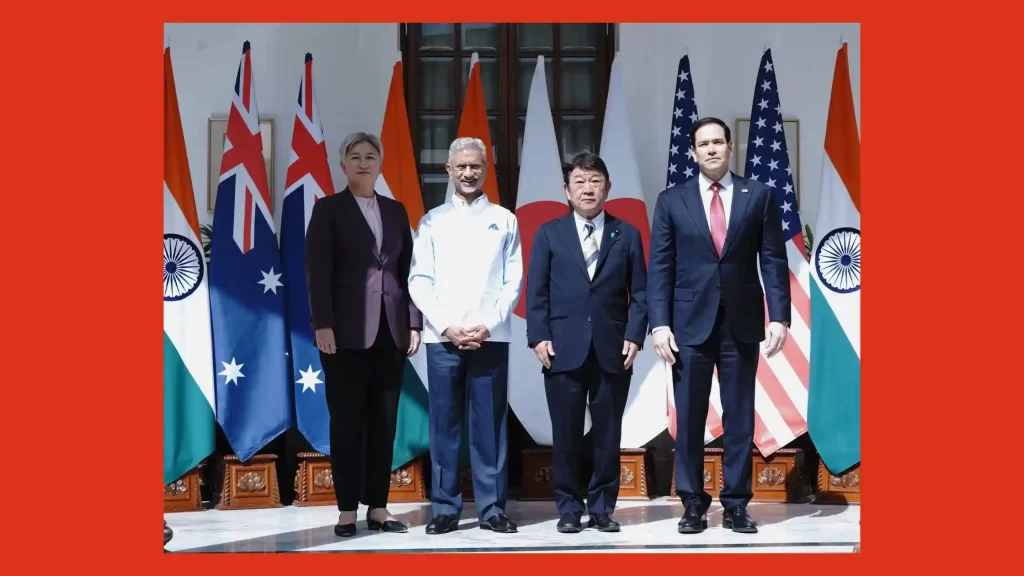
The Quad Foreign Ministers’ Meeting convened in New Delhi on May 26, 2026, bringing together the Foreign Ministers of Australia, India, and Japan, along with U.S. Secretary of State Marco Rubio, for a critical dialogue amid unprecedented global challenges and opportunities. Hosted by India’s External Affairs Minister S. Jaishankar, the third such engagement since President Donald Trump began his tenure reaffirmed the grouping’s continued relevance despite rapid geopolitical developments. The ministers agreed to firm up numerous initiatives spanning maritime security, critical minerals cooperation, energy security, and the first-ever Quad infrastructure project to build a port in Fiji, demonstrating that the Quad remains valid and viable as a cornerstone of Indo-Pacific stability.The meeting took place after a 10-month hiatus, following earlier speculation about the Quad’s continued survival. Before the gathering, analysts debated whether the grouping had become moribund without summit-level engagement, with some comparing its architecture to the Five Eyes intelligence-sharing group and arguing that sub-leader meetings create vital “habits of cooperation” essential for sustaining momentum. The successful conclusion of this four-way ministerial proved these concerns unfounded, as the four nations reaffirmed traditional areas of emphasis while addressing new challenges, including the proliferation of online scam centres in Southeast Asia, repercussions from the West Asia crisis, and rising tensions in the East and South China Seas.A Free and Open Indo-Pacific: Reaffirming Core PrinciplesThe Joint Statement opened with a powerful acknowledgment that the Quad convenes at a time of not only great challenges but also unprecedented opportunities. In the midst of conflicts, geopolitical tensions, and strains on global supply chains, the ministers reaffirmed that peace, stability, and prosperity of the Indo-Pacific hinge on upholding international law and the peaceful resolution of disputes. They committed to defending the rule of law, sovereignty, and territorial integrity while recognizing the immense potential of innovation, emerging technologies, and trusted partnerships to drive economic prosperity across the Indo-Pacific and beyond. The statement strongly opposed any destabilizing or unilateral actions seeking to change the status quo, including by force or coercion, which escalate tensions and undermine regional peace and stability.The ministers affirmed support for a free and open Indo-Pacific that allows countries to develop resilience and strengthen capacity to determine their own paths. Developments in key maritime regions underscored the vulnerability of critical sea lanes and risks posed to uninterrupted commerce flow, with disruptions carrying significant implications for global fuel, food, and fertilizer security as well as seafarer safety. The Quad discussed the West Asia situation, reaffirming support for ongoing diplomatic efforts and hope for lasting peace while reiterating the importance of adhering to UNCLOS regarding navigational rights, freedoms, and safety of global commerce through the Strait of Hormuz and Red Sea.Maritime Security: Three New Initiatives Strengthen Domain AwarenessOn Indo-Pacific maritime security, the Quad agreed on three groundbreaking initiatives, including the Indo-Pacific Maritime Surveillance Collaboration (IPMSC), the Quad Indo-Pacific Partnership for Maritime Domain Awareness (IPMDA), and continuation of the Quad-at-Sea Ship Observer Mission. India operationalized the Indian Ocean Region programme of IPMDA through the Information Fusion Centre – Indian Ocean Region in Gurugram, and partners will work to develop a Common Operational Picture across the Indo-Pacific by drawing upon existing IPMDA efforts. The IPMSC, integrating the latest technological developments, will augment IPMDA by enabling Quad partners to share real-time information and provide enhanced vessel pictures supporting a free and open Indo-Pacific region.Following the success of the first-ever Quad-at-Sea Ship Observer Mission from Palau to Guam in July 2025, India will host the next edition to strengthen interoperability and knowledge-sharing for addressing unlawful maritime activities. The ministers expressed serious concerns about developments in the East China Sea and South China Sea, opposing destabilizing unilateral actions, including force or coercion, threatening regional peace. They expressed grave concern regarding dangerous and coercive actions, including interference with offshore resource development, repeated obstruction of freedom of navigation and overflight, dangerous military aircraft and coast guard maneuvers, unsafe use of water cannons and flares, and ramming or blocking actions in the South China Sea, alongside deep concern about militarization of disputed features.Critical Minerals and Energy Security: Building Resilient Supply ChainsThe Quad announced the Quad Critical Minerals Framework, guiding how partners can leverage economic policy tools and coordinate investment with the private sector to strengthen critical minerals supply chains, including mining, processing, and recycling. The ministers reiterated grave concerns over economic coercion and non-market policies, including arbitrary export restrictions, price manipulation, and disruptions, particularly on critical minerals impacting global supply chains and critical industrial sectors. They underscored the importance of diversified and reliable global supply chains and the need to avoid reliance on any one country, recognizing that economic security is fundamental to Quad partners and the Indo-Pacific region.Recognizing shifts in the global energy landscape, the Quad launched the Quad Initiative on Indo-Pacific Energy Security to cooperate on energy security and resilience. Partners will work together to ensure open, well-functioning, and stable energy markets with resilient and diversified supply chains. Disruptions to global energy product markets and important downstream derivatives like fertilizers fall heavily on the Indo-Pacific region, making maintaining open trade flows in essential goods critical for regional security and prosperity. Following the successful Quad Ports of the Future Partnership Conference hosted by India in October 2025, the Quad countries will work with Fiji’s government to advance port infrastructure and associated activities in the country, marking the first-ever Quad infrastructural project.Humanitarian Assistance and Terrorism: Condemning Attacks, Strengthening ResponseThe Quad unequivocally condemned terrorism in all its forms, including cross-border terrorism and the horrific terrorist attacks perpetrated at Pahalgam in India on April 22, 2025, and Bondi Beach in Australia on December 14, 2025. The ministers called for decisive and sustained international efforts to combat terrorism according to international law, including action against globally proscribed terrorists and terror entities and their proxies, affiliates, sponsors, and financiers. They remain deeply concerned about the proliferation of online scam centres within Southeast Asia linked to transnational crime, including human trafficking, drug trafficking, sexual extortion, illicit financing, and cybercrime, committing to deepening cooperation, particularly in law enforcement and regulatory engagement.The Quad
ASSOCHAM’s India Business Reform Summit 2026: The Measurable Outcomes for Viksit Bharat
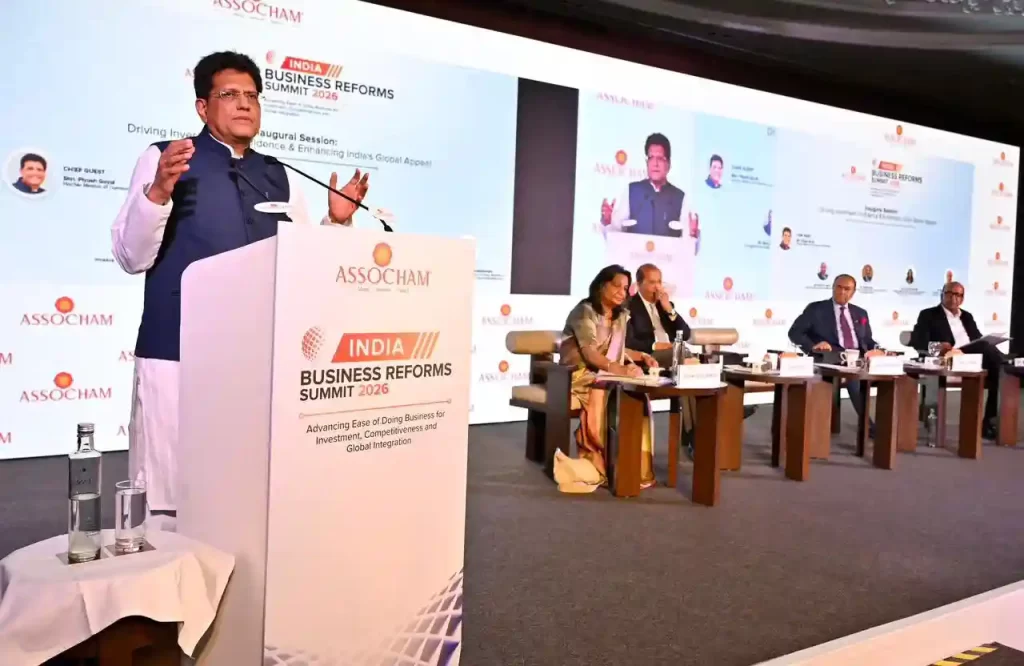
The Associated Chambers of Commerce and Industry of India (ASSOCHAM) successfully convened the India Business Reform Summit 2026 on May 19, 2026, in New Delhi, bringing together policymakers, senior bureaucrats, center-state government representatives, and industry leaders under the theme “Advancing Ease of Doing Business for Investment, Competitiveness and Global Integration.” The summit marked a critical juncture in India’s economic journey, focusing on the essential transition from reform intent to reform outcomes as the country advances towards becoming a developed economy by 2047. Over the past decade, India has undertaken significant reforms to simplify regulatory processes, reduce compliance burden, digitize approvals, and strengthen investor facilitation, but as the nation advances towards becoming a globally competitive manufacturing hub and preferred investment destination, the next phase must focus on implementation efficiency, policy predictability, and measurable outcomes.Commerce and Industry Minister Piyush Goyal delivered the keynote address as chief guest, urging Indian businesses to turn current global economic uncertainties into opportunities for growth rather than panicking over the situation. “India and Prime Minister Narendra Modi have never let a crisis go by, and the situation in the world is truly an opportunity, a moment of uncertainty that we should engage more deeply with,” Goyal remarked at the summit. “Find ways to strengthen our business processes and prepare ourselves for these uncertain times for a brighter and better future.” His address set the tone for deliberations that would explore how India could leverage global challenges to strengthen business processes, undertake faster reforms, build greater resilience, and fortify supply chains.From Reform Intent to Execution: The Next Phase of India’s Business TransformationThe summit’s core deliberations centered on moving from reform intent to execution efficiency, supply chain resilience, and making India a globally competitive manufacturing hub. In the context of evolving global supply chains, increasing private sector participation, and growing emphasis on manufacturing and MSME development, the summit provided a platform to discuss key priorities for strengthening India’s business ecosystem. The discussions highlighted the importance of strengthening Center-State cooperation for consistent policy execution and showcasing state-level investment facilitation, recognizing that successful implementation requires coordinated efforts across all levels of government.Despite global challenges such as tariffs, the Ukraine conflict, and the West Asia crisis, India’s exports reached an all-time high of USD 863 billion last fiscal year, with growth recorded in both merchandise and services exports. Minister Goyal pointed to this achievement as proof that Indian businesses could thrive even amid global turbulence. “The present global situation and geopolitical uncertainties should be viewed as an opportunity for India to strengthen business processes, undertake faster reforms, build greater resilience, and strengthen supply chains,” he emphasized. Free trade agreements finalized by India are opening doors for greater engagement, which needs to be leveraged for attracting investments and increasing exports rather than allowing imports alone to rise.MSME Empowerment: Simplifying Compliance and Enabling GrowthA significant focus of the summit was placed on targeted interventions to reduce the compliance burden on micro, small, and medium enterprises, which form the backbone of India’s economy. The final panel discussion brought together perspectives on strengthening enterprise growth, faster execution, and competitiveness across MSMEs and services-led sectors. Chaired by Smt. Mercy Epao, Joint Secretary, Ministry of Micro, Small and Medium Enterprises, Government of India, the session focused on simplified compliance frameworks, improved access to credit, stronger value chain integration, regulatory efficiency, and reforms needed to help businesses scale with greater confidence.The discussion reinforced the need for a more agile and enabling business environment that supports India’s enterprise ecosystem in its journey towards Viksit Bharat. Speaking on suggestions received during discussions with industry representatives, Minister Goyal said the government is examining the possibility of establishing a single body at industrial parks to function as a one-stop shop for all central and state approvals. This initiative, part of the “Bhavya” program for developing 100 new industrial parks with centralized clearance bodies, aims to drastically reduce the time and complexity involved in obtaining multiple approvals from different agencies.Digital Integration and One-Stop Service CentersMinister Goyal highlighted that lessons learned during the COVID period had demonstrated the effectiveness of digital engagement and remote working models. “In such a situation, we do not need to panic,” he said, adding that the West Asia crisis and emerging technologies like AI bring opportunities for the Indian industry to seize. The ministry, which has 482 offices across 216 cities under 46 organizations, is working towards consolidating operations into single-point contact centers in state capitals and major cities. This would enable businesses to access services related to organizations such as DGFT, Coffee Board, Spices Board, GeM, and other bodies through integrated and digitally connected systems.Goyal urged greater engagement from the private sector in improving government systems, while expressing concern that the national single-window system had not received adequate participation and feedback from the industry. He called upon businesses to work with the government in identifying specific pain points and improving the ease of doing business through collaborative efforts. India is now targeting exports worth USD 1 trillion, and exporters should proactively leverage upcoming FTAs by exploring new markets, conducting sampling and trial orders, and increasing global engagement even before the agreements formally come into effect.Global Opportunities Amid Uncertainty: AI, Manufacturing, and Supply Chain ResilienceThe minister urged the industry to adopt greater efficiency and reduce waste by learning from global best practices, including Japanese manufacturing systems. Referring to emerging technologies, Goyal noted that AI brings significant opportunities for the Indian industry to seize, particularly in manufacturing optimization, supply chain management, and predictive analytics. The summit brought together eminent speakers from government, industry, and leading institutions to share insights on accelerating investment, enhancing competitiveness, and improving ease of operating businesses in India.Manufacturing transformation, state-led investment facilitation, and enabling MSMEs through simplified regulatory frameworks and improved access to opportunities emerged as key priorities during the deliberations. The discussions recognized that India’s demographic dividend, combined with improving infrastructure and digital infrastructure, positions the country uniquely to benefit from global supply chain diversification as multinational corporations seek to reduce dependency on single-source manufacturing hubs.A