


Asha Bhosle (1933 – 2026): The Voice That Defined Eight Decades of Indian Music
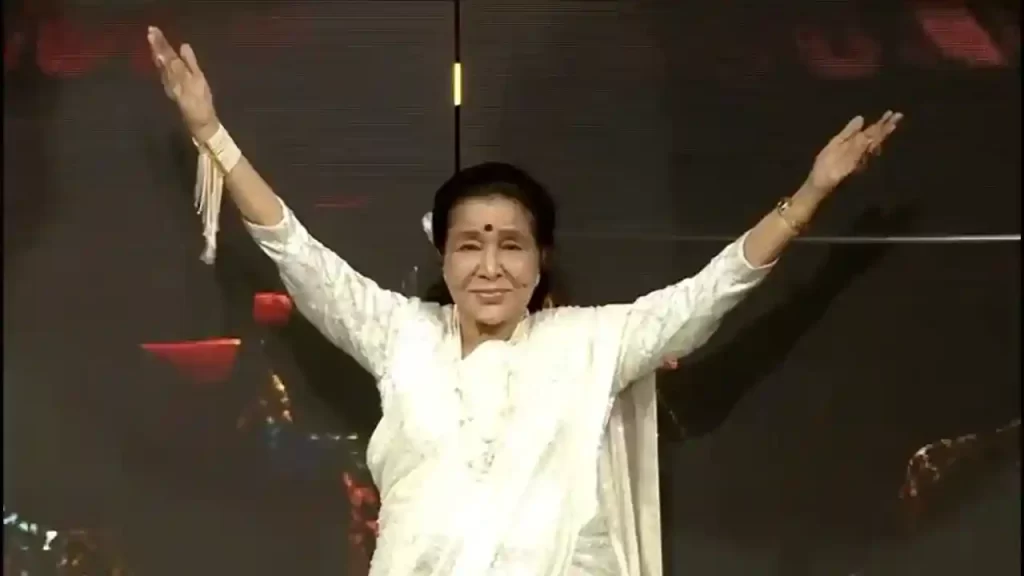
IntroductionIndia fell silent on the morning of April 12, 2026, when the news arrived that Asha Bhosle had died. She was 92 years old. For most of those 92 years, she had been singing — for films, for concerts, for studios, for the world. She leaves behind more than 12,000 recorded songs in over 20 Indian languages, a Guinness World Record as the most recorded artist in music history, and a voice so indelibly woven into the fabric of Indian life that generations who never saw her perform can still hum her melodies from memory.She was born Asha Mangeshkar on September 8, 1933, in Sangli, in what was then the Bombay Presidency of British India. She died in Mumbai’s Breach Candy Hospital, where she had been admitted the previous day following extreme exhaustion and a pulmonary chest infection. Dr Pratit Samdani from Breach Candy Hospital confirmed that she passed away due to multiple organ failure.Her son Anand Bhosle, speaking to ANI and PTI, confirmed her death and said: “My mother passed away today. People can pay their last respects to her at 11 AM tomorrow at Casa Grande, Lower Parel, where she lived. Her last rites will be performed at 4 PM tomorrow at Shivaji Park.” Her last rites were performed with full state honours at Shivaji Park on April 13, 2026.Early Life: Born Into Music, Thrown Into StruggleAsha Bhosle was born into one of India’s most extraordinary musical families. Her father, Dinanath Mangeshkar, was a classical singer and theatre actor of considerable repute in Maharashtra. When he died in 1942, Asha was just eight years old. The family, with no income, relocated from Pune to Kolhapur and then to Mumbai. Her elder sister Lata Mangeshkar, barely in her teens, began singing for films to support the family. Asha followed.She made her singing debut as a child, appearing in the Marathi film Majha Bal in 1943 singing Chala Chala Nav Bala. She also made an early onscreen acting appearance in Badi Maa in 1945. But the defining break that determined the shape of her life came not from music, but from a decision that shattered the family.At the age of 16, Asha eloped with Ganpatrao Bhosle, who was 31 years old and Lata Mangeshkar’s personal secretary. The Mangeshkar family cast her out after this incident. The marriage was troubled and abusive. In her biography, Bhosle described traumatic experiences from those years, including being forced out of her home while pregnant and, at one point, attempting suicide. The couple had three children: Hemant, Varsha, and Anand. The marriage ended in divorce in 1960.She emerged from those years alone, raising three children, with no family support structure, and with the most competitive female voice in Indian film music, her own elder sister Lata Mangeshkar, already firmly established as the dominant playback singer in Bollywood. In any other career, that context would have defined the ceiling. Asha Bhosle turned it into a foundation.Building an Identity: O. P. Nayyar and the Bold Voice of the 1950sThe early years of Asha Bhosle’s professional career were marked by work that was, by her own description, whatever she could get. She sang devotional songs, film numbers, minor assignments. The industry treated her largely as an alternative to her sister, to be used when Lata was unavailable.That changed when she began working with music director O. P. Nayyar, who first encountered her in 1952 at the recording of Chham Chhama Chham. Nayyar had a different aesthetic from the dominant classical-influenced style of the era. He wanted something bolder, more rhythmic, more modern. He saw in Asha’s slightly husky, earthier timbre precisely the voice that could carry the kind of songs he wanted to compose.Nayyar never worked with Lata Mangeshkar. That decision, almost unique in the industry of that era, gave Asha Bhosle an entire musical landscape to herself. Under his direction, she found her distinct identity: a voice that could be playful, flirtatious, mischievous, and deeply sensual, in ways that the more classically constrained female singing of the era rarely permitted.Her breakout came with B. R. Chopra’s Naya Daur in 1957. She became a regular presence in Chopra’s subsequent films, with major songs in Gumrah in 1963, Waqt in 1965, Hamraaz in 1967, and Dhund in 1973.In 1954, Raj Kapoor signed her to sing Nanhe Munne Bachche in Boot Polish with Mohammed Rafi, which brought her wider recognition. Across the mid-to-late 1950s and the 1960s, she was establishing herself as one of the most versatile voices in Hindi cinema.The R. D. Burman Era: A Partnership That Redefined Indian Popular MusicIf Asha Bhosle’s early career established her as a distinctive voice, her collaboration with music director Rahul Dev Burman, known universally as R. D. Burman or Pancham, transformed her into a legend.She first met R. D. Burman when she was already a mother of two and he was still in school, having dropped out of the tenth grade to pursue music. She would call him Bubs. Their first collaboration came with the 1958 film Chalti Ka Naam Gaadi, a comedy classic. What followed over the next three decades was one of the most creative partnerships in the history of Indian popular music. D. Burman’s compositions were unlike anything Indian film music had heard before. He incorporated Latin rhythms, Afro-Caribbean music, jazz, rock, and experimental orchestration. He required a voice that could carry all of it without flinching. Asha Bhosle not only kept pace but pushed those ideas further.The songs from this collaboration read like a catalogue of India’s most loved film music moments. Piya Tu Ab To Aaja from Caravan in 1971 was an extraordinary fusion of blues and Indian idiom. Chura Liya Hai Tumne Jo Dil Ko from Yaadon Ki Baaraat in 1973 with Mohammed Rafi became one of the most beloved duets in Hindi film history. Yeh Mera Dil from Don in 1978 brought a disco sensibility to Hindi film music that no one had attempted before. Duniya Mein Logon Ko from Apna Desh, Hum Kisise
Met Gala 2026 Celebrates Costume Art with Bold Stars and Epic Looks
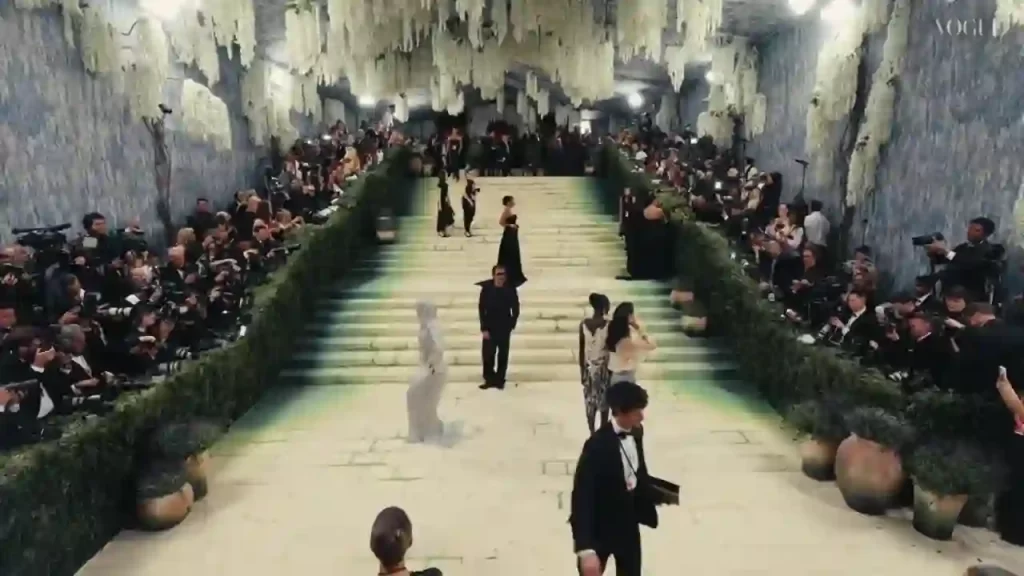
The Met Gala 2026 took place on Monday, May 4, 2026, at the Metropolitan Museum of Art in New York City. This glamorous event raised funds for the museum’s Costume Institute. Stars from music, film, sports, and fashion gathered on the red carpet. The theme was “Costume Art,” tied to a new exhibit of the same name. Guests interpreted the dress code “Fashion is Art” with creative outfits. Co-chairs Beyoncé, Nicole Kidman, Venus Williams, and Anna Wintour led the night. The steps looked like mossy bricks in a lush garden, setting a dramatic scene.Broadway star Joshua Henry opened the carpet with a lively performance. He sang “I Wanna Dance With Somebody” with a band and dancers. The energy matched the night’s artistic vibe. The exhibit opens to the public on May 10 and runs until January 10, 2027. It fills the new 12,000-square-foot Condé Nast Galleries. Hundreds of pieces mix fashion, art, and sculpture. They explore the dressed body across history, from ancient times to today. Curator Andrew Bolton calls it a celebration of the body’s beauty, flaws, and diversity. Sections cover the naked body, abstract body, aging body, and pregnant body. Designers like Rei Kawakubo and Riccardo Tisci feature prominently.Star-Studded Co-Chairs Set the ToneBeyoncé returned after 10 years, stunning in a custom Olivier Rousteing gown. It featured an embellished skeleton design with a giant feathered cape in cream and dust blue. She wore a diamond crown as “Queen Bey.” Beyoncé arrived with husband Jay-Z and daughter Blue Ivy, who at 14 became one of the youngest guests ever. She told reporters it felt great to be back with her family. Nicole Kidman, Venus Williams, and Anna Wintour co-chaired, too. Wintour wore a feathery custom Chanel look. It marked her first Gala since stepping down as American Vogue’s editor-in-chief. She has co-chaired nearly every year since 1995.Host committee members included Anthony Vaccarello and Zoë Kravitz. Other big names were Sabrina Carpenter, Doja Cat, Naomi Osaka, Madonna, Rihanna, and Bad Bunny. Serena Williams, Katy Perry, Heidi Klum, and Cardi B turned heads. Some went bold, referencing famous artists or artworks. Rihanna arrived fashionably late with A$AP Rocky, closing the carpet as tradition demands. She sparkled in a custom Maison Margiela gown by Glenn Martens, covered in thousands of jewels and beads. Rocky wore a custom Chanel with a pink coat and black satin lapels. Naomi Osaka stunned in a Robert Wun white sculptural dress. It had exaggerated shoulders, red feathers, a matching headpiece, and two-toned red gloves. A similar piece sits in the exhibit. Katy Perry and Heidi Klum went nearly unrecognizable with theme-driven transformations.Sabrina Carpenter, Kylie Jenner, Hailey Bieber, Kendall Jenner, Gigi Hadid, and Margot Robbie posed dramatically. Cher, SZA, and Bad Bunny brought unique flair. Indian attendees shone too. Filmmaker Karan Johar debuted, earning a witty Amul ad tribute. Isha Ambani wore a structured gold tissue sari by Gaurav Gupta, styled by Anaita Shroff Adjania. It evoked Raja Ravi Varma’s paintings, like Padmini, the Lotus Lady. The pallu arched over her head like a sculpture. A mango purse nodded to Varma’s “Woman Holding a Fruit.” Critics debated the look of Bhavitha Mandava’s Chanel outfit, but the night buzzed with creativity.Exhibit Blends Fashion and Fine Art”Costume Art” pairs clothing with art from the Met’s vast collection. It spans 5,000 years, showing how dress adorns, protects, and depicts the body. Garments by Mariano Fortuny and Charles James mix with sculptures and portraits. Custom mannequins highlight diverse bodies often ignored in fashion. The new galleries, designed by Paterson Rich Office, sit near the Great Hall. Condé Montrose Nast sponsors it. Past exhibits like “Sleeping Beauties” (2024) and “Superfine: Tailoring Black Style” (2025) drew millions. This one promises fresh talks on body, art, and style.The Gala raised millions for the Institute. Cameras captured every step, but no photos inside. Live streams from Vogue and others covered arrivals. It remains fashion’s biggest night, blending spectacle, culture, and charity.Indian Stars Bring Ravi Varma VibesRaja Ravi Varma’s influence appeared strongly. Known as the Father of Modern Indian Art, his sari-clad women shaped how India sees femininity. His lithographs spread globally. Isha Ambani’s look fixed the drape in suspension, like his poised figures. Fashion nods to his archive in cinema and ads. Karan Johar’s debut added Bollywood flair. Amul’s topical ad celebrated him with humor. Indian presence grows each year, mixing heritage with high fashion.The 2026 Met Gala proved fashion equals art. Stars turned the carpet into a canvas. From Beyoncé’s skeleton queen to Ambani’s sculpted sari, creativity ruled. The exhibit invites deeper looks at the dressed body. Fashion’s Oscars delivered again, leaving us eager for next year.
Ranabaali: Vijay Deverakonda and Rashmika Mandanna Resume Shoot After Wedding: First Look Sparks Historical Epic Buzz
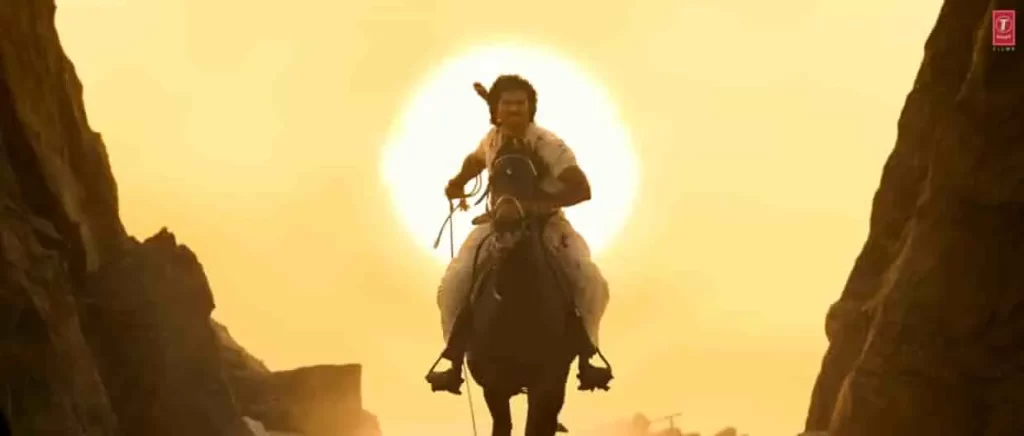
Hyderabad, March 9, 2026 – Newlyweds Vijay Deverakonda and Rashmika Mandanna are back on set for their upcoming Telugu historical drama Ranabaali (also known as VD14). Production restarts today, with the lead pair joining from March 12. Fans are excited as this marks their first film work together after their February 26 wedding in Udaipur.Directed by Rahul Sankrityan (Taxiwaala, Shyam Singha Roy), Ranabaali promises a gripping tale of courage, rebellion, and survival. The first look video, released on Monday, shows Vijay in a fierce warrior avatar amid rugged southern Indian landscapes.Story and Historical SettingSet in the late 1800s, the film draws from the Great Famine of 1876–1878, a deadly crisis that hit southern India hard, including Rayalaseema in present-day Andhra Pradesh. It portrays ordinary people fighting colonial oppression, violence, and hardship.Vijay Deverakonda plays Ranabaali, a fearless freedom fighter. Rashmika Mandanna stars as Jayamma, his devoted wife, adding emotional depth. South African actor Arnold Vosloo plays the antagonist, Sir Theodore Hector, a colonial officer.The duo’s on-screen chemistry shines in the latest song, Endhayya Saami.Cast and Crew HighlightsLeads: Vijay (his 14th film) and Rashmika (third pairing after Geetha Govindam and Dear Comrade ).Antagonist: Arnold Vosloo (The Mummy fame) as Sir Theodore Hector, embodying colonial oppression.Director: Rahul Sankrityan, known for genre-bending films like Taxiwaala (2018, horror-comedy) and Shyam Singha Roy (2021, period drama).Music: Features Endhayya Saami, showcasing the leads’ chemistry.Viral Wedding Poster: Behind-the-Scenes FactsA black-and-white “wedding poster” released on February 28 went viral due to its timing post the actors’ real wedding. Director Sankrityan explained on X:Not a planned poster; a spontaneous photo during costume fitting.Styled as a late-1800s vintage portrait: minimal setup, natural poses, evoking the era’s “dignity and permanence.”Captured “stillness and presence,” reflecting famine-era simplicity amid survival struggles.Sankrityan noted the surreal overlap: “Some bonds are eternal… like their marriage picture from past lives.”Production Timeline and Release OutlookTitle Reveal: Monday (exact date from first look video).Shoot Status: Resumes March 9; leads from March 12. Aiming for completion soon.Genre: Historical epic with folk-noir elements, shot in rugged Rayalaseema landscapes.OTT Buzz: Post-theatrical streaming reported, platform TBD.This film positions Ranabaali as a timely exploration of colonial-era resilience, amplified by the stars’ off-screen romance.Wedding Poster Goes Viral – Director Reveals the Story Behind ItA recent “wedding poster” featuring Vijay and Rashmika in traditional attire exploded online, especially timed just days after their real wedding. Director Rahul Sankrityan clarified on social media (X) that it wasn’t planned as a promotion.”This wasn’t designed as a poster. It was a moment,” he wrote. Inspired by vintage 1800s photos, Sankrityan captured the actors in simple wedding costumes on set – no fancy lights or poses. “They looked like they had travelled through time,” he said.He described the era’s harshness but noted marriages carried “dignity, weight, permanence.” The image feels surreal now, blending reel and real life. “Sometimes cinema and life nod at each other,” Sankrityan added. Fans see it as their “past life marriage picture.”This is the couple’s third film together after Geetha Govindam and Dear Comrade.Production Update and Fan ExcitementShooting paused briefly for their wedding, but picks up soon. The team aims to wrap up key schedules. An OTT release is rumored post-theatrical run, though details are unconfirmed.Fans buzz about the leads’ real-life bond translating to screen magic, set against a powerful historical backdrop.
O Romeo: A Contemporary Take on Love and Modern Relationships
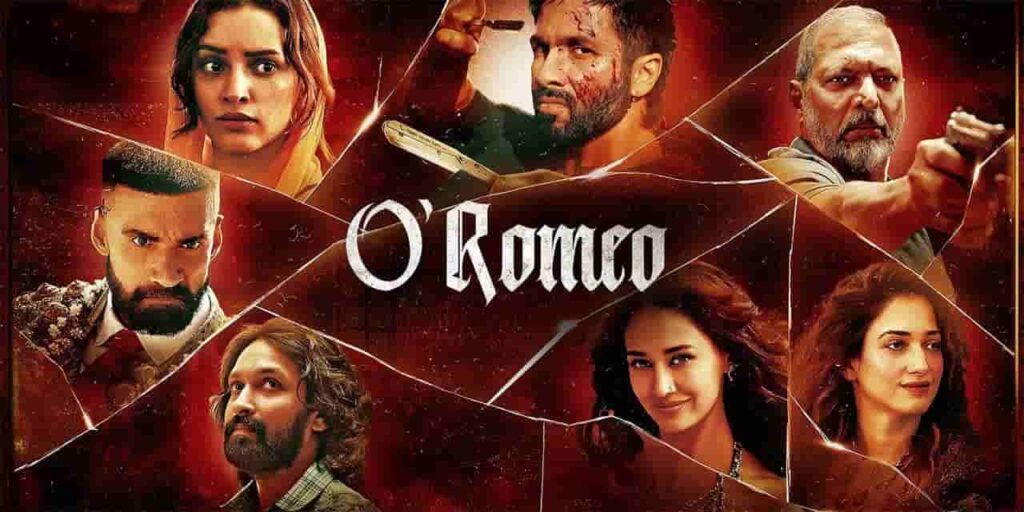
O Romeo emerged as a romantic drama that attempts to reinterpret the idea of love in today’s fast-paced, emotionally complex world. Drawing inspiration from the timeless theme of passionate romance—echoing the essence of Shakespeare’s Romeo and Juliet—the film presents a modern narrative shaped by urban relationships, individual aspirations, and emotional vulnerability.Positioned as a youth-centric film, O Romeo explores how love is experienced, expressed, and often challenged in contemporary society.Storyline and Narrative ApproachAt its core, O Romeo revolves around the journey of a young man navigating love, heartbreak, and self-discovery. The narrative follows his emotional evolution as he encounters relationships that test his understanding of commitment and identity.Unlike traditional romantic films that rely heavily on idealised love stories, O Romeo leans towards a more realistic portrayal of relationships, where misunderstandings, personal struggles, and societal expectations play a significant role.The film captures:The intensity of first loveThe confusion and vulnerability that come with emotional attachmentThe impact of external pressures on personal relationshipsThrough its storytelling, the film attempts to reflect the emotional landscape of modern youth.Themes and Emotional DepthOne of the defining aspects of O Romeo is its focus on emotional realism. The film does not present love as a flawless experience but rather as something that evolves through challenges.Key themes explored in the film include:The fragility of modern relationshipsThe conflict between personal ambition and emotional commitmentThe idea of love in the age of independence and self-identityThe narrative also touches upon heartbreak and healing, portraying how individuals cope with emotional setbacks and grow through them.Performances and Character PortrayalThe performances in O Romeo contribute significantly to its storytelling. The lead character’s journey is portrayed with a sense of relatability, capturing the confusion and intensity often associated with young love.The supporting cast adds depth to the narrative, representing different perspectives on relationships and life choices. Together, the characters create a layered portrayal of contemporary social dynamics.Music and Visual ToneAs with many romantic dramas, music plays an important role in O Romeo. The soundtrack complements the emotional tone of the film, enhancing moments of love, longing, and introspection.Visually, the film adopts a modern aesthetic, with urban settings and stylised cinematography reflecting the lifestyle and environment of its characters. The use of lighting and framing helps convey mood shifts, particularly during emotionally charged scenes.Reception and Audience ConnectO Romeo has been positioned as a film that resonates primarily with younger audiences. Its attempt to depict realistic relationships and emotional struggles makes it relatable to viewers navigating similar experiences.While it draws inspiration from classical romantic themes, its treatment is distinctly contemporary, focusing more on internal conflicts than external drama.A Modern Interpretation of Timeless LoveThe film’s title itself reflects a connection to the idea of a “Romeo”—a symbol of passionate love—but reimagined in a present-day context. Instead of grand gestures and idealised romance, O Romeo presents a more grounded and introspective view of relationships.O Romeo stands as a reflection of how love stories are evolving in modern cinema. By blending emotional realism with relatable storytelling, it attempts to capture the complexities of relationships in today’s world, offering audiences a narrative that feels both familiar and introspective.Video: YT/@NadiadwalaGrandson
Ponniyin Selvan – II: A Grand Historical Saga Concludes in Cinematic Glory
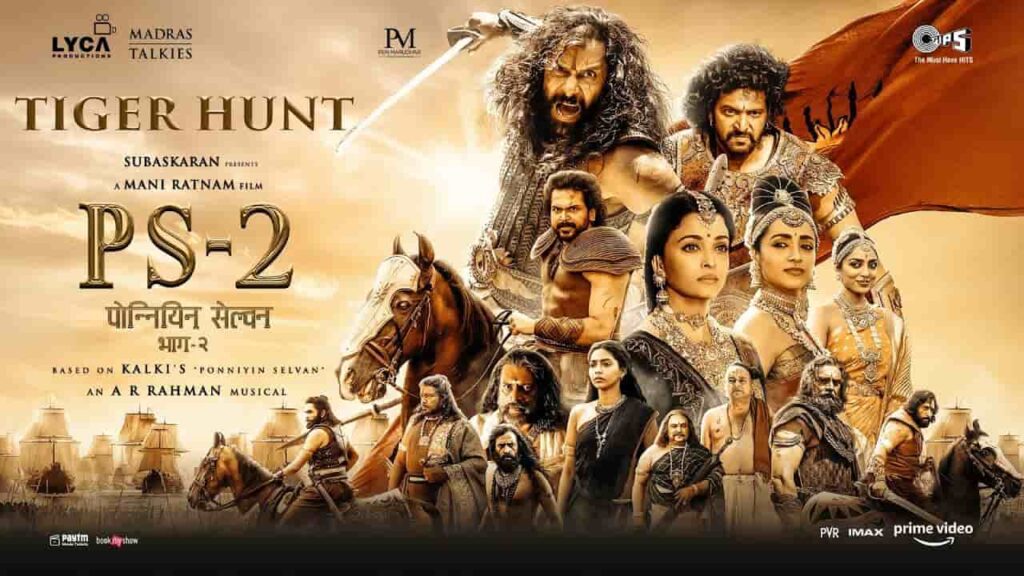
Ponniyin Selvan: II marked the powerful conclusion to one of Indian cinema’s most ambitious historical epics, directed by acclaimed filmmaker Mani Ratnam. Released in April 2023, the film served as the second instalment of the two-part adaptation of Ponniyin Selvan, a celebrated Tamil literary work that chronicles the rise of the Chola dynasty.With its rich storytelling, intricate political drama, and visually stunning presentation, the film brought together history, emotion, and spectacle in a way that resonated strongly with audiences across the country.Continuing the Saga of the CholasPicking up from where the first part left off, Ponniyin Selvan – II delved deeper into the power struggles, conspiracies, and personal conflicts within the Chola empire. The narrative revolved around the journey of Prince Arulmozhi Varman, who would later become the great Rajaraja Chola I, and the complex political dynamics surrounding his ascension.The film explored themes of loyalty, betrayal, love, and ambition, weaving together multiple character arcs into a cohesive and engaging storyline. Unlike the first part, which focused on setting up the world and its characters, the second instalment provided emotional closure and resolution to the long-standing conflicts.Stellar Cast and PerformancesThe film featured a strong ensemble cast, including Vikram, Aishwarya Rai Bachchan, Jayam Ravi, Karthi, and Trisha Krishnan.Each actor brought depth and intensity to their roles. Vikram’s portrayal of Aditya Karikalan stood out for its emotional complexity, while Aishwarya Rai Bachchan’s dual role added layers of mystery and intrigue to the narrative. Jayam Ravi, as Arulmozhi Varman, delivered a composed and dignified performance, embodying the qualities of a future king.Visual Grandeur and Cinematic ExcellenceOne of the defining aspects of Ponniyin Selvan – II was its visual scale. From grand palaces to expansive battle sequences, the film captured the richness of the Chola era with remarkable attention to detail.The cinematography and production design played a crucial role in bringing the historical setting to life, while the music composed by A. R. Rahman added emotional depth and grandeur to the storytelling. The background score, in particular, enhanced the intensity of key moments throughout the film.Adaptation of a Literary ClassicAdapting Ponniyin Selvan, a novel deeply rooted in Tamil culture and history, was a challenging task. The story spans multiple volumes and features a wide array of characters and subplots.Mani Ratnam’s approach focused on simplifying the narrative while retaining its essence. The second part, in particular, balanced political intrigue with emotional storytelling, ensuring that even audiences unfamiliar with the original novel could follow the plot.Box Office Performance and ReceptionUpon its release, Ponniyin Selvan – II received a strong response from both critics and audiences. It was praised for its storytelling, performances, and technical excellence.The film performed well at the box office, especially in South India, and contributed to the growing success of large-scale historical films in Indian cinema. While some viewers felt the narrative required familiarity with the first part, the overall reception remained largely positive.Cultural and Cinematic ImpactPonniyin Selvan – II is not just a film but a significant cultural milestone. It brought renewed attention to Tamil literature and history, introducing a wider audience to the legacy of the Chola dynasty.The film also demonstrated the potential of Indian cinema to produce large-scale historical epics that can compete with global productions in terms of scale and storytelling.Bringing together history, literature, and cinematic craft, Ponniyin Selvan – II successfully concluded a story that had been cherished for decades. With its blend of political drama, emotional depth, and visual spectacle, the film left a lasting impression and reinforced its place as one of the most notable historical films in Indian cinema.
Ek Din Movie: A Reflective Tale of Love, Timing and the Weight of Unsaid Emotions
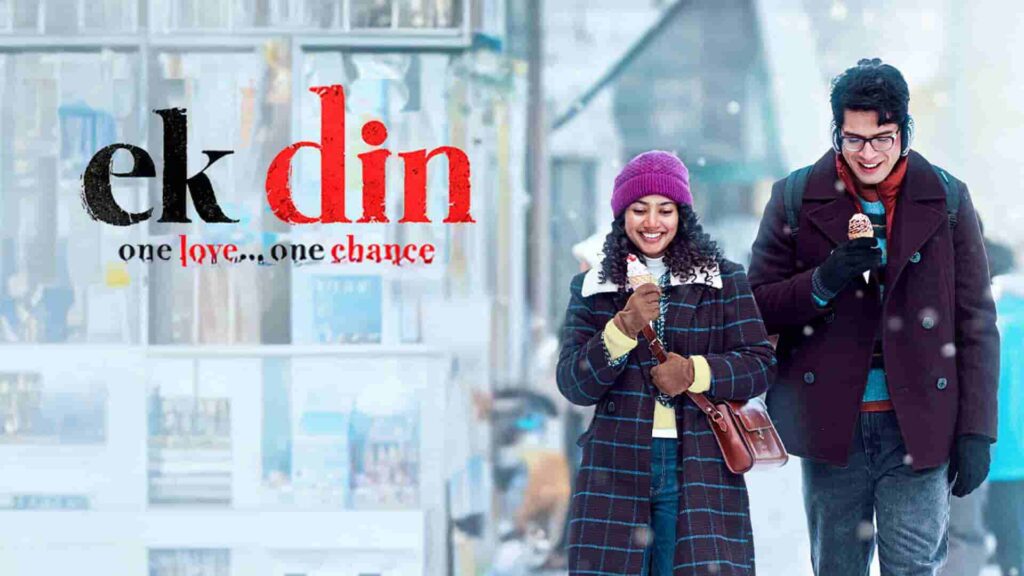
The film Ek Din emerged as a quiet yet emotionally resonant addition to contemporary cinema, offering a narrative that moves away from spectacle and instead focuses on the subtleties of human relationships. Built around the idea that a single day can alter perspectives and reopen buried emotions, the film presents a deeply personal and introspective story that unfolds with restraint and realism.Positioned as a character-driven drama, Ek Din does not rely on conventional cinematic highs but instead draws strength from its writing, performances, and its ability to capture the complexity of emotions in everyday life.Plot Overview and Narrative StructureAt its core, Ek Din is structured around a limited timeframe, with the story unfolding over the course of a single day. This narrative choice allows the film to intensify emotional interactions between characters while maintaining a sense of immediacy and realism.The story typically revolves around two individuals—often with a shared past—who cross paths after a long time. As the day progresses, conversations that begin casually gradually evolve into deeper reflections on their relationship, life choices, and the paths they did or did not take.Rather than presenting a linear or event-heavy storyline, the film leans heavily on dialogue and silence, using both as tools to reveal character depth. Flashbacks or emotional references to the past are subtly woven into the present, giving viewers insight into the history that shapes the characters’ current state of mind.Exploration of ThemesOne of the strongest aspects of Ek Din is its thematic depth. The film explores multiple layers of human emotion without overt dramatization, making it relatable and thought-provoking.A central theme is timing in relationships—how circumstances, decisions, and missed opportunities can influence the course of people’s lives. The narrative reflects on the idea that love alone is not always enough; timing often determines whether relationships flourish or fade.The film also delves into unspoken emotions, highlighting how individuals often carry unresolved feelings over time. Through subtle interactions, the story portrays the weight of words left unsaid and the emotional burden of “what ifs.”Another key theme is the passage of time and its transformative effect on people. Characters in the film are shown to have evolved, yet certain emotions remain unchanged, creating a contrast between who they were and who they have become.Characterisation and PerformancesThe effectiveness of Ek Din largely depends on its characters, who are portrayed with nuance and authenticity. The film avoids exaggerated character arcs, instead presenting individuals who feel real and grounded.Performances are intentionally restrained, allowing emotions to surface naturally. Small gestures, pauses in conversation, and expressions carry significant meaning, often conveying more than dialogue itself.The chemistry between the lead characters plays a crucial role in sustaining the narrative. Their interactions—sometimes warm, sometimes awkward—reflect the complexity of reconnecting after time and distance.Direction and Storytelling StyleThe direction of Ek Din adopts a minimalistic and observational approach. The filmmaker allows scenes to unfold at their own pace, without rushing emotional beats. This slow-burn style may not appeal to all audiences, but it effectively immerses viewers in the characters’ emotional journeys.The storytelling relies heavily on realism, avoiding melodrama while still delivering emotional impact. By focusing on everyday moments, the film creates a sense of intimacy that draws the audience closer to the narrative.Cinematography and Visual LanguageVisually, Ek Din complements its narrative with a simple yet effective aesthetic. The cinematography often uses natural lighting and real locations, reinforcing the film’s grounded tone.Close-up shots and intimate framing are frequently employed to capture subtle emotional shifts. The camera lingers on expressions and silences, allowing viewers to interpret the underlying emotions.The visual language of the film aligns with its thematic core—quiet, reflective, and deeply personal.Music and Sound DesignThe background score in Ek Din is understated, serving to enhance rather than dominate the narrative. Music is used sparingly, often appearing at key emotional moments to support the storytelling.Silence, in many instances, becomes a powerful tool. The absence of sound amplifies the emotional weight of scenes, making conversations and pauses more impactful.Reception and Audience PerspectiveEk Din has been appreciated primarily by audiences who prefer content-driven cinema. Its realistic portrayal of relationships and emotions has resonated with viewers who seek depth and relatability in storytelling.Critically, the film has been noted for its ability to engage without relying on dramatic plot devices. While it may not cater to mainstream expectations of entertainment, it has carved a space among films that prioritise narrative and emotional authenticity.Place in Contemporary CinemaIn the current cinematic landscape, where large-scale productions often dominate, Ek Din represents a growing segment of films that focus on intimate storytelling. It reflects a shift towards narratives that explore human emotions with subtlety rather than exaggeration.Such films contribute to diversifying the industry, offering audiences stories that are closer to real life and personal experiences.Ek Din ultimately stands as a reminder of how fleeting moments can carry lasting significance. By focusing on a single day and the emotions it holds, the film captures the essence of relationships shaped by time, choices, and thewords that remain unspoken, leaving the audience with a lingering sense of reflection long after the story concludes.Video Credit: Aamir Khan Talkies
Shatak: A Gritty Narrative Exploring Power, Morality and Consequences
The film Shatak emerged as a notable addition to the evolving landscape of Indian cinema, drawing attention for its intense narrative, grounded storytelling, and strong thematic focus. Positioned within the space of serious, content-driven films, Shatak moved away from conventional commercial formulas and instead centred on a story shaped by conflict, moral dilemmas, and human vulnerability.At a time when audiences have increasingly shown interest in layered narratives, the film stood out for its attempt to blend realism with dramatic tension, creating a story that unfolds gradually while keeping viewers engaged.Plot and Narrative ApproachShatak followed a storyline rooted in themes of power, justice, and personal choices. Rather than relying on fast-paced spectacle, the film adopted a more measured narrative style, allowing the story to develop through character interactions and situational conflicts.The plot revolved around individuals caught in circumstances that tested their ethics and resilience. As the narrative progressed, it explored how decisions—often taken under pressure—shaped the course of events, leading to consequences that were both personal and far-reaching.The storytelling avoided excessive dramatization, instead focusing on authenticity and emotional depth, which gave the film a grounded tone.Performances and CharacterisationOne of the defining strengths of Shatak lay in its performances. The cast delivered restrained yet impactful portrayals, allowing the characters to feel real and relatable.Rather than relying on exaggerated expressions, the performances were marked by subtlety—expressing conflict, tension, and emotion through controlled acting. This approach aligned well with the film’s overall tone, enhancing its credibility.Each character contributed meaningfully to the narrative, ensuring that the story remained cohesive and immersive.Direction and Cinematic TreatmentThe direction of Shatak reflected a clear focus on storytelling over spectacle. The filmmaker adopted a realistic visual style, using natural settings, minimalistic framing, and controlled pacing to build the film’s atmosphere.The use of lighting, background score, and camera work supported the narrative without overpowering it. Instead of dramatic visual flourishes, the film relied on quiet intensity, allowing scenes to unfold organically.This restrained approach helped maintain consistency in tone, making the film more engaging for audiences seeking content-driven cinema.Themes and Social UndertonesAt its core, Shatak explored themes that resonate beyond the immediate storyline. Issues such as power dynamics, ethical conflict, and the consequences of individual actions were central to the film’s narrative.The story also touched upon broader social realities, subtly reflecting the complexities of systems and institutions. By doing so, the film moved beyond entertainment, offering viewers a perspective on real-world challenges.The layered storytelling encouraged audiences to interpret the narrative in their own way, adding to its depth.Audience Reception and ImpactFollowing its release, Shatak generated discussion among viewers who appreciated its serious tone and storytelling approach. While it may not have followed the structure of mainstream commercial films, it found its audience among those who prefer meaningful and thought-provoking cinema.The film contributed to the growing trend of content-focused projects in the Indian film industry, where storytelling and performance are given precedence over scale.Position in Contemporary CinemaShatak reflected a broader shift in audience preferences, where viewers are increasingly open to films that challenge traditional formats. Its emphasis on realism, character depth, and thematic exploration placed it within the category of films that prioritise substance over spectacle.In a cinematic environment that continues to evolve, such films play an important role in expanding the scope of storytelling and encouraging experimentation.Shatak ultimately stood as a film driven by its narrative strength and emotional depth—one that relied on storytelling, performances, and realism to leave a lasting impression rather than conventional cinematic formulae.Video Credit: Panorama Studios
BAFTA Awards 2026: A Landmark Celebration of Global Cinema, Storytelling and Artistic Excellence
The 2026 edition of the BAFTA Awards, organised by the British Academy of Film and Television Arts, stood out as one of the most closely watched events in the international film calendar. Held in London, the ceremony brought together leading actors, filmmakers, and creators from across the world, recognising excellence in cinema across a wide spectrum of categories.Over the years, the BAFTA Awards have built a reputation not just as a British honour, but as a global benchmark for cinematic achievement. The 2026 ceremony continued that tradition, reflecting both the scale of mainstream cinema and the depth of independent storytelling.A Crucial Moment in the Awards SeasonThe BAFTA Awards have consistently held a significant position in the global awards circuit, often seen as a key indicator ahead of the Academy Awards. As a result, the outcomes of the ceremony were closely analysed by industry experts, critics, and audiences alike.Films that received recognition at BAFTA often gained momentum in the awards season, influencing both public perception and industry conversations. The 2026 edition was no different, as it highlighted performances and productions that had already generated strong critical buzz.Films and Performances That Defined the YearThe awards celebrated a diverse mix of films, ranging from large-scale productions to nuanced, character-driven narratives. The Best Film category, along with awards for direction, acting, and screenplay, showcased the evolving nature of storytelling in global cinema.Actors who delivered layered, emotionally resonant performances were recognised, reflecting a shift toward more grounded and realistic portrayals on screen. At the same time, directors who experimented with form, structure, and narrative style were also acknowledged, indicating a growing acceptance of creative risk-taking within the industry.The acting categories remained among the most discussed, with winners being chosen not only for their popularity but for the depth and authenticity they brought to their roles.Recognition Beyond the MainstreamOne of the defining aspects of the 2026 BAFTA Awards was its continued focus on recognising films beyond mainstream commercial success. Independent films and international productions found a place alongside major studio releases, underlining the Academy’s commitment to diverse storytelling.This broader representation ensured that cinema from different cultures and regions received visibility on a global platform. It also reflected changing audience preferences, where viewers are increasingly engaging with content beyond language and geographical boundaries.Technical Brilliance and CraftsmanshipWhile acting and direction often dominate headlines, the BAFTA Awards also placed strong emphasis on the technical aspects of filmmaking. Categories such as cinematography, editing, sound design, production design, and visual effects highlighted the collaborative effort behind every film.The 2026 ceremony saw recognition for projects that demonstrated innovation in visual storytelling, whether through advanced technology or meticulous attention to detail. These awards reinforced the idea that cinema is as much about craft as it is about performance.Representation and Industry ShiftsIn recent years, the BAFTA Awards have undergone significant changes to improve inclusivity and representation, and the 2026 edition reflected those efforts. The nominations and winners included a wider range of voices, backgrounds, and perspectives, indicating a gradual shift within the industry.This evolution has been driven by ongoing discussions around diversity, access, and equal opportunity in filmmaking. By recognising talent from varied backgrounds, BAFTA has continued to position itself as an institution that adapts to the changing realities of global cinema.The Red Carpet and Cultural ImpactBeyond the awards themselves, the BAFTA ceremony remained a major cultural event. The red carpet saw the presence of leading global celebrities, filmmakers, and emerging talent, making it a focal point for fashion, public appearances, and media coverage.The event generated significant attention across social media platforms, with moments from the ceremony being widely shared and discussed. From acceptance speeches to unexpected wins, the BAFTA Awards once again became a talking point far beyond the film industry.Influence on Global CinemaRecognition at the BAFTA Awards often extends beyond the night of the ceremony. Winning or even being nominated can elevate a film’s global reach, increase its audience base, and enhance its critical standing.For filmmakers, the awards serve as validation of their work, while for audiences, they act as a guide to some of the most impactful films of the year. The 2026 edition continued this trend, shaping conversations around cinema and influencing viewing choices worldwide.The BAFTA Awards 2026 ultimately reflected a year of cinema that was both expansive and introspective—balancing large productions with intimate storytelling, and tradition with innovation. By bringing together talent from across the world and recognising excellence in all aspects of filmmaking, the ceremony once again reinforced its role as a defining platform in the global film industry.
‘Laalo’ Makes History: First Gujarati Film to Cross ₹100 Crore Globally, Redefines Regional Cinema Success
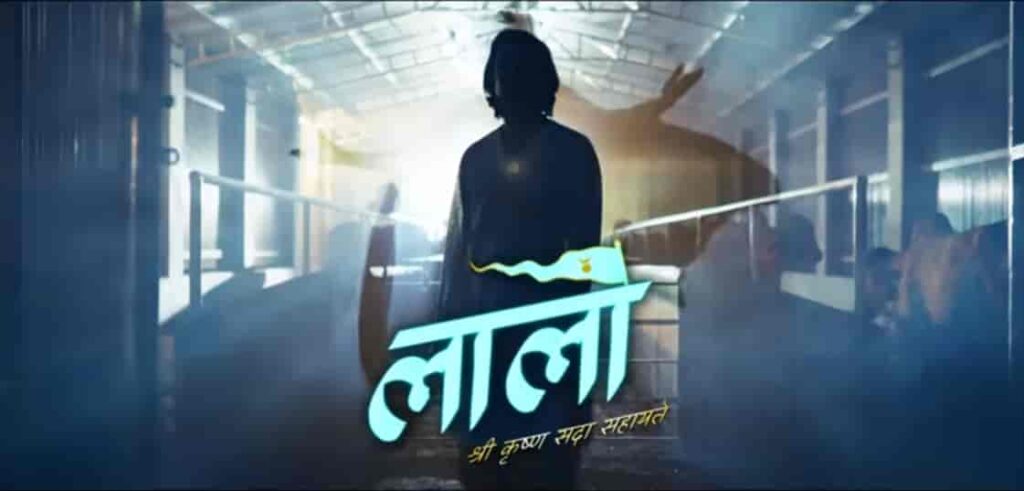
In a landmark achievement for regional Indian cinema, the Gujarati film Laalo has become the first Gujarati movie to surpass ₹100 crore in global box office collections, rewriting the commercial playbook for cinema produced outside the Hindi, Telugu and Tamil film industries. The film’s extraordinary performance — driven by audience enthusiasm, extended theatrical runs and strong word-of-mouth — signals a new chapter in the emergence of Gujarati cinema as a formidable player on the commercial map.Released with modest expectations and a limited budget of around ₹50 lakh, Laalo has earned more than ₹100 crore worldwide, delivering what industry sources describe as an “unprecedented return on investment” and a record-breaking return rate exceeding 16,000 percent. The film’s rise from a low-cost production to a blockbuster underscores the transformative potential of compelling storytelling and strategic audience engagement.Origins and ProductionLaalo was produced on a shoestring budget, typical of many regional films that often prioritise storytelling over scale. Despite financial constraints, the creative team focused on authenticity, cultural specificity and narrative depth. That emphasis helped Laalo resonate deeply with audiences across urban, semi-urban and rural centres — a feat rarely achieved by Gujarati films at this scale.The film also benefited from a distribution strategy that extended well beyond the Gujarati heartland. While its initial release centered on Gujarat and adjacent markets, strong demand from the diaspora and regional film enthusiasts prompted distributors to expand screenings to other Indian states and select overseas markets, including the United States, UK and Gulf countries — regions with significant Gujarati-speaking populations.Box Office BreakthroughLaalo’s journey from a ₹50 lakh budget to ₹100 crore in global collections has become one of the most talked-about stories in Indian cinema. The box-office trajectory was fuelled by:Extended theatrical runs, with the film continuing to draw audiences weeks after releaseMassive word-of-mouth, amplified through social media and community viewing culturesExpanding screen counts domestically and internationally, beyond traditional Gujarati cinema circuitsIndustry analysts highlight that Laalo’s return on investment — more than 16,000 percent — is unprecedented not only in regional cinema but across Indian film industries. Such high ROI underscores both the film’s commercial viability and the untapped market potential for regionally rooted stories that connect with viewers beyond language barriers.Why Audiences Embraced ‘Laalo’The film’s success is not just numerical — it reflects a deeper connection with audiences. Several factors contributed to Laalo’s resonance: Authentic Cultural Narrative: The storyline and character arcs were rooted in regional ethos while addressing themes relatable to broader Indian sensibilities. This balance allowed non-Gujarati viewers to engage with the material without feeling excluded. Strong Word-of-Mouth: Early viewers — particularly community audiences in Gujarat — shared overwhelmingly positive feedback on social media platforms, contributing to sustained interest and repeat viewership. Strategic Release Expansion: Responding to demand from the Gujarati diaspora, distributors widened the film’s reach to key international markets, ensuring that overseas collections became a meaningful part of the film’s total gross. Community Support: The film became a cultural talking point within Gujarati communities nationwide, inspiring group outings, family viewings and promotional support at the grassroots level.Industry and Critical ReactionFilm trade experts and local industry stakeholders were quick to note Laalo’s commercial impact. Many see its performance as a transformative moment for Gujarati cinema’s economic prospects.“The success of Laalo is not just about numbers — it’s about inspiring confidence in investors, distributors and creators,” said a regional film trade analyst. “When a film made on ₹50 lakh can perform like a major studio release, it changes industry calculus.”Critics also gave credit to the film’s ability to balance entertainment with cultural specificity. Reviews highlighted the film’s emotional core and accessible storytelling, noting that Laalo managed to be both regionally authentic and widely appealing.Impact on Gujarati Cinema and BeyondThe success of Laalo has several important implications:Commercial Confidence: Investors and producers are now more likely to back Gujarati projects with higher budgets and wider release plans, expecting viable returns.Distribution Shifts: The industry may see a push for broader distribution networks for regional films, including screenings in non-Gujarati regions.Inspirational Benchmark: Filmmakers in other regional languages may view Laalo’s success as proof that local narratives can become national and international commercial hits.Rise of Regional Content: As audiences seek diverse content, regional films with strong storytelling have a clear opportunity to capture significant market share.Cultural SignificanceBeyond the box office, Laalo has cultural significance. It reflects a broader shift in Indian cinema where regional stories are no longer confined to local markets but are increasingly embraced by diverse audiences. The film’s success amplifies the idea that strong narratives — especially those anchored in distinctive social or cultural textures — can transcend language and geography.For the Gujarati film fraternity, Laalo has become a symbol of possibility — proof that movies rooted in regional identity can make a lasting impact both commercially and critically.Looking AheadEncouraged by Laalo’s unprecedented success, filmmakers and industry stakeholders are recalibrating expectations for regional cinema. Projects with strong scripts, relatable themes and smart distribution strategies are now viewed as capable of competing with mainstream offerings.The milestone achieved by Laalo may well be remembered as the moment Gujarati cinema stepped confidently onto the national stage, reshaping perceptions of what regional films can accomplish at the box office and beyond.
SS Rajamouli’s Varanasi: Inside the Making of India’s Most Anticipated Cinematic Epic

When filmmaker S.S. Rajamouli announces a new project, it is no longer treated as just another film launch — it becomes a national and global cinema event. His upcoming film, widely known as Varanasi (also referred to in industry circles as SSMB29), has already generated extraordinary anticipation, years ahead of its release. The excitement stems not only from its scale, but from the creative forces, thematic ambition and cultural resonance that underpin the project.The Film and Its Creative BackgroundVaranasi is directed by S.S. Rajamouli, India’s most internationally recognised filmmaker, whose previous works Baahubali and RRR redefined the global perception of Indian cinema. The story is written by V. Vijayendra Prasad, Rajamouli’s father and long-time collaborator, known for crafting mythologically rooted narratives that blend emotion, scale and philosophical depth.The film is produced by K.L. Narayana under Sri Durga Arts, with S.S. Karthikeya also attached as producer. Music is composed by M.M. Keeravani, whose long association with Rajamouli culminated in an Academy Award for Naatu Naatu. This core creative team — often described as Rajamouli’s “inner circle” — has consistently delivered landmark cinema, making expectations for Varanasi exceptionally high.Why the Title ‘Varanasi’ MattersThe title itself carries immense symbolic weight. Varanasi, one of the world’s oldest continuously inhabited cities, is deeply embedded in India’s spiritual, philosophical and civilisational consciousness. Often described as a city where life, death, time and faith intersect, Varanasi provides fertile ground for storytelling that transcends linear narratives.While the makers have remained deliberately guarded about plot specifics, official material and early promotional cues indicate that the film draws heavily from Indian mythology, metaphysics and the idea of time as a cyclical force rather than a linear one. This aligns closely with Rajamouli’s filmmaking philosophy — using spectacle not as an end in itself, but as a vessel for larger cultural and emotional ideas.Mahesh Babu in the Lead: A Career-Defining RoleAt the centre of Varanasi is Mahesh Babu, one of Telugu cinema’s biggest stars, making his first collaboration with Rajamouli. This casting alone has amplified anticipation to unprecedented levels. Known for his restrained screen presence and mass appeal, Mahesh Babu is expected to be presented in a radically transformed avatar.According to official descriptions, he plays Rudra, a character whose journey forms the backbone of the narrative. While the exact contours of the role remain undisclosed, Rajamouli has indicated that the character arc is unlike anything Mahesh Babu has portrayed before — both physically and emotionally. Industry observers widely view this as a potential turning point in the actor’s career, positioning him firmly on a global stage.A Global Cast and Pan-Indian VisionAdding to the film’s reach is the inclusion of Priyanka Chopra Jonas, marking her return to Indian cinema in a major theatrical project. Her casting reinforces the film’s global ambition and cross-cultural appeal. Prithviraj Sukumaran is also part of the ensemble, reportedly in a pivotal role, further strengthening the film’s pan-Indian credentials.Rajamouli has consistently emphasised that Varanasi is not confined to a single industry or linguistic identity. The film is being mounted as a pan-Indian and international release, with plans for multiple language versions to ensure broad accessibility.Scale, Technology and Cinematic AmbitionFrom a production standpoint, Varanasi is among the most ambitious Indian films ever attempted. The project is being designed for large-format theatrical experiences, with the makers openly discussing premium visual presentation and immersive storytelling. Extensive pre-production work, advanced visual effects planning and long-term scheduling reflect Rajamouli’s methodical approach to scale.Rather than relying purely on spectacle, the filmmaker has repeatedly stated that technology will serve the story — a principle that has defined his previous successes.Why the Hype Is UnmatchedThe anticipation around Varanasi is driven by several converging factors:Rajamouli’s global credibility following the international success of RRRA mythologically rooted narrative anchored in one of India’s most symbolically powerful citiesMahesh Babu’s transformation in a role crafted specifically for a global audienceA creative team with a proven track record of delivering culturally resonant blockbustersLong-term planning and secrecy, which has only fuelled public curiosityEarly promotional events and visual teasasers have already drawn massive crowds and online engagement, indicating that audience interest is not limited to traditional fan bases.More Than a FilmVaranasi is shaping up to be more than a cinematic release — it represents a broader moment in Indian cinema’s evolution. By blending mythology, philosophy, action and global storytelling grammar, Rajamouli appears poised to once again challenge how Indian stories are told and received worldwide.As production progresses and details gradually emerge, Varanasi continues to stand at the intersection of expectation and ambition — a film that many believe could redefine the scale, scope and global positioning of Indian cinema in the years to come.Video credit: YT@/T-SeriesVideo credit: YT@/T-Series