


Satinder Sartaaj’s Heritage India Tour: A Poetic Odyssey Weaving Soulful Sufi into Stadium Spectacles
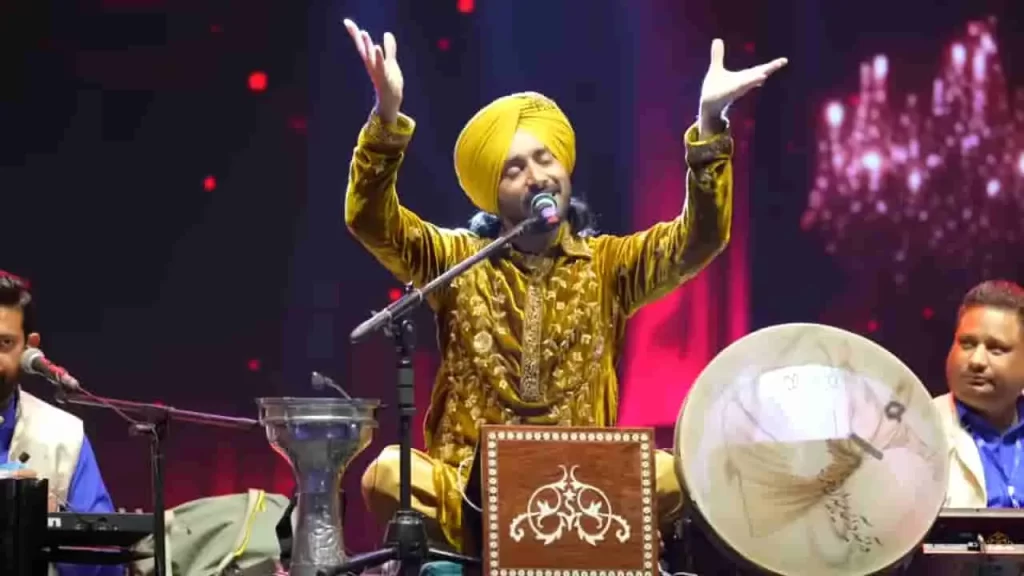
In an era where live music often thunders with pyrotechnics and pulsating bass, Dr. Satinder Sartaaj emerges like a gentle monsoon breeze, subtle, profound, and drenched in the poetry of Punjab’s soul. This scholar-poet-singer, whose voice has long bridged the ancient and the contemporary, is on a mission with his Heritage India Tour 2025-26: to reclaim India’s artistic legacy, one heartfelt ghazal at a time. Spanning over 30 cities nationwide, the tour transforms massive venues into intimate gatherings of the spirit, where lyrics linger like incense smoke long after the final note fades.The crown jewel of this journey? A grand homecoming to Delhi on February 14, 2026, Valentine’s Day, at the iconic Jawaharlal Nehru Stadium in Lodhi Colony. Picture this: 35,000 souls under the open sky, from 4:00 PM to 10:00 PM (with performances kicking off around 6-7 PM), swaying to a three-hour tapestry of Punjabi folk, Sufi rhythms, high-energy Bhangra, Hindi, and Urdu melodies. It’s not just a concert; it’s a cultural pilgrimage, curated by Fever Live in partnership with Aura Vibes and Firdaus, blending scale with The Maestro Behind the Magic: Satinder Sartaaj’s Storied LegacyBorn Satinder Pal Singh in Punjab, Dr. Sartaaj, affectionately called the “Sufi Sikandar”, is no fleeting pop sensation. A PhD holder with a deep dive into Punjabi literature and philosophy, he crafts songs that are verses first, music second. Hits like Udaarian (BAMA Music Video of the Year 2018), Sai (Punjabi Music Awards for Best Video and Most Popular Song 2011), Rangrez (Sufi Sikander of the Year 2014), and Sift Sardaar Ji (Best Religious Video 2016) have etched him into global lore. International accolades include Best International Act at BAMA 2011, Best Songwriter 2017, and a historic Royal Albert Hall performance in 2014.”In harsh times, marriages carried dignity, weight, permanence,” he once mused about vintage aesthetics, a philosophy that infuses his live shows. Fans don’t just attend; they experience, dancing wildly to Bhangra one moment, tears streaming during soul-stirring kalaams the Heritage India Tour: A Nationwide Tapestry of TriumphsLaunched as a tribute to India’s poetic heritage, this tour defies the “bigger is louder” mantra. Kicking off late 2025, it has already conquered hearts in cities like Mumbai (January 18, 2026, at Dome SVP Stadium, Worli), where Punjabi star Sonam Bajwa was spotted in the crowd, amplifying its star power. Packed venues nationwide echo with sold-out cheers, proving poetic storytelling’s timeless pull in a TikTok world.The full itinerary weaves through 30+ stops—think Chandigarh (April 4, 2026, Dusshera Ground, Panchkula), Gurugram, Panchkula, and beyond—each a node in a cultural revival. Internationally, it extends to Australia (Brisbane May 1, Sydney May 9), New Zealand (Auckland May 10), and North America (LA June 20, New York July 11). Tickets start affordably: Delhi’s general entry from ₹499 (North/South stands), VIP ₹1,000-₹1,250, up to platinum/diamond ₹25,000 for prime views. Kid-friendly (5+ needs tickets), but leave pets at home. Book via District by Zomato or official sites.Delhi Spectacle: Logistics, Traffic, and Transformative VibesDelhi’s edition at JLN Stadium—a venue synonymous with sporting epics—promises poetic ones. Entry gates: General (8, 13, 14, 21), VIP (5), Artists/Organizers (10), Emergencies (1 & 10). Parking: VIP inside (Gate 1 West Block); public at Sewa Nagar/Sunheri Pulla Bus Depots, CGO/SCOPE Complexes.Delhi Traffic Police’s advisory (issued February 13) flags diversions from 4-10 PM: JLN Red Light, Sewa Nagar, 5th Avenue (Dhobi Ghat), Pragati Vihar, Lala Lajpat Rai Marg T-Point. No heavy vehicles on BP Marg/Lodhi Road; service roads and Barapullah restricted. Pro tips: Metro to JLN Stadium (Violet Line), leave early for airports/hospitals, prioritize public transport.Why It Matters: A Cultural Counterpoint in Concert ChaosIn a landscape dominated by EDM raves and Bollywood bling, Sartaaj’s tour is a rebellion of the refined. It honors Punjab’s kissa tradition, storytelling epics, while nodding to Sufi saints like Bulleh Shah. Mumbai’s rave reviews (“jaws dropped at the energy,” per social buzz) and celebrity sightings underscore its momentum. For Delhiites, it’s Valentine’s poetry in motion: introspective romance amid February chill.As the Heritage India Tour marches on, Dr. Satinder Sartaaj isn’t just performing, he’s preserving. In stadiums turned sanctuaries, he reminds: true spectacle blooms from the heart’s quiet verses.
Karan Aujla’s P-Pop Culture India Tour 2026: A Musical Wave Sweeping Across the Country
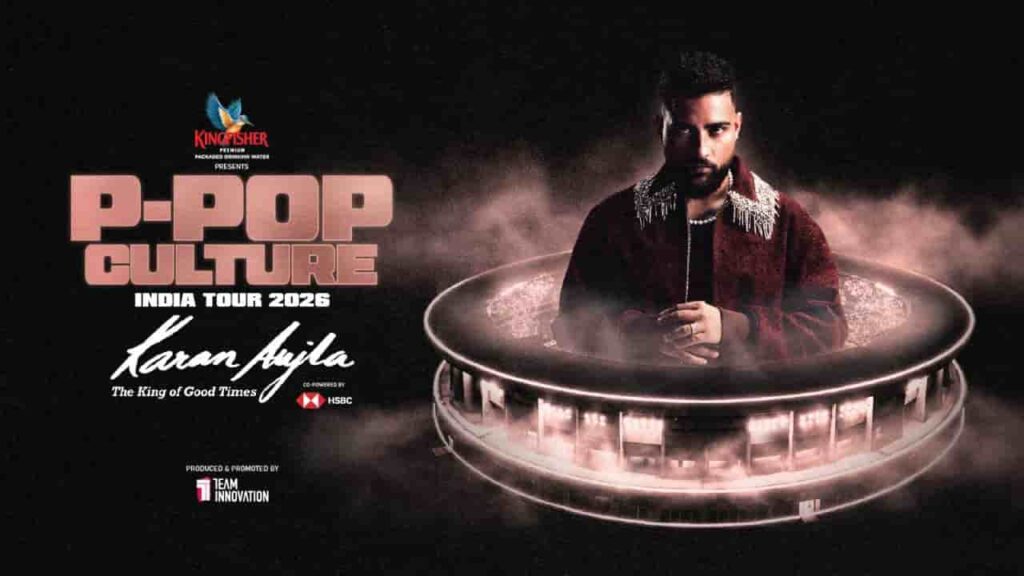
Punjabi music has steadily grown into one of the most powerful cultural movements in India’s entertainment landscape, and in 2026, singer-songwriter Karan Aujla is taking that energy to stadiums across the country with his much-anticipated P-Pop Culture India Tour 2026.The tour, which began in late February, is already creating massive excitement among fans. From packed stadiums and electrifying stage production to thousands of people singing along to every lyric, Aujla’s tour is quickly becoming one of the most talked-about live music events of the year.Celebrating what Aujla calls “P-Pop Culture”—a vibrant blend of Punjabi music, global hip-hop influences, and modern pop production—the tour represents the growing power of Punjabi music on the national stage.As of 10 March 2026, the tour has already kicked off in spectacular fashion and is continuing to travel across India with several cities still waiting to witness the musical phenomenon.A Historic Opening Night in DelhiThe tour began on 28 February 2026 in New Delhi, where Aujla delivered a jaw-dropping performance at the iconic Jawaharlal Nehru Stadium.The opening night was nothing short of historic. Nearly 70,000 fans filled the stadium, turning the venue into a sea of lights, music, and excitement. The atmosphere resembled a massive festival rather than just a concert, as fans waved flashlights, danced to every beat, and sang along to Aujla’s biggest hits.With towering LED screens, dramatic lighting effects, and thunderous sound systems, the Delhi concert set the tone for the rest of the tour—bold, energetic, and unforgettable.Holi Celebrations Turn Musical in Mumbai and PuneFrom Delhi, the tour travelled to Mumbai and Pune on 3 March 2026, where special Holi edition concerts were organised.The Mumbai show took place at MMRDA Grounds, where thousands of fans gathered to celebrate both music and the festival of colours. The concert became a vibrant spectacle filled with dance, colours, and pulsating Punjabi beats.The same day, Pune hosted another energetic show, continuing the Holi celebrations with fans dancing late into the night.Ahmedabad Welcomes the Punjabi SuperstarThe P-Pop Culture tour continued its journey to Ahmedabad, where Aujla performed on 7 March 2026.The Gujarat audience responded with immense enthusiasm, proving once again that Punjabi music has grown far beyond regional boundaries. Fans travelled from nearby cities to attend the concert, making the event one of the most energetic musical gatherings in the city.Cities on the P-Pop Culture India TourThe tour spans several major cities across India, taking Aujla’s music to fans nationwide. The confirmed tour schedule includes:28 February 2026 — New Delhi • 3 March 2026 — Mumbai (Holi Special Concert) • 3 March 2026 — Pune (Holi Special Concert) • 7 March 2026 — Ahmedabad • 14 March 2026 — Chandigarh • 21 March 2026 — Indore • 29 March 2026 — Bengaluru • 3 April 2026 — Kolkata • 5 April 2026 — Jaipur • 10 April 2026 — Lucknow • 14 April 2026 — LudhianaEach city is expected to host thousands of fans, many of whom travel long distances to witness the performances live.Mumbai 2.0: A Second Night for the FansOne of the biggest talking points of the tour has been Aujla’s decision to host another concert in Mumbai.After fans raised concerns about overcrowding and arrangements during the earlier Mumbai show, the singer announced a second Mumbai concert on 12 April 2026, often referred to as “Mumbai 2.0.”In a gesture that won the hearts of fans, Aujla revealed that people who had already purchased tickets for the earlier Mumbai concert would be allowed to attend the new show free of cost.The announcement quickly went viral on social media and strengthened Aujla’s reputation for staying connected with his fanbase.A Global-Scale Concert ExperienceWhat makes the P-Pop Culture tour stand out is its massive production scale. Each concert features a 50-foot stage, huge LED screens, advanced lighting technology, and an international production crew working behind the scenes.The concerts are designed to deliver a stadium-level experience similar to global music tours. From laser lights and synchronized visuals to powerful sound systems, every element of the show is built to immerse the audience in music.The Rise of Punjabi PopOver the past decade, Punjabi music has transformed from a regional genre into a global phenomenon. Artists like Karan Aujla are at the forefront of this movement.Known for chart-topping hits such as Softly, Winning Speech, and Admiring You, Aujla has built a massive international fanbase across India, Canada, the United Kingdom, and beyond.Through the P-Pop Culture tour, he is showcasing how Punjabi music can command stadium crowds and compete with the biggest global music acts.A Tour That Feels Like a FestivalMore than just a series of concerts, the P-Pop Culture India Tour 2026 feels like a travelling music festival. Every city brings its own energy, its own crowd, and its own unforgettable moments.From the roaring crowds in Delhi to the colourful Holi concerts in Mumbai and Pune, and with many cities still waiting for their turn, the tour is proving that Punjabi music today is louder, bigger, and more influential than ever.As the tour continues through March and April, one thing is clear—wherever Karan Aujla performs, thousands of fans are ready to turn the night into a celebration of music, culture, and pure concert energy.
Dhanda Nyoliwala’s Electrifying Jaipur Concert Celebrates Haryanvi Culture
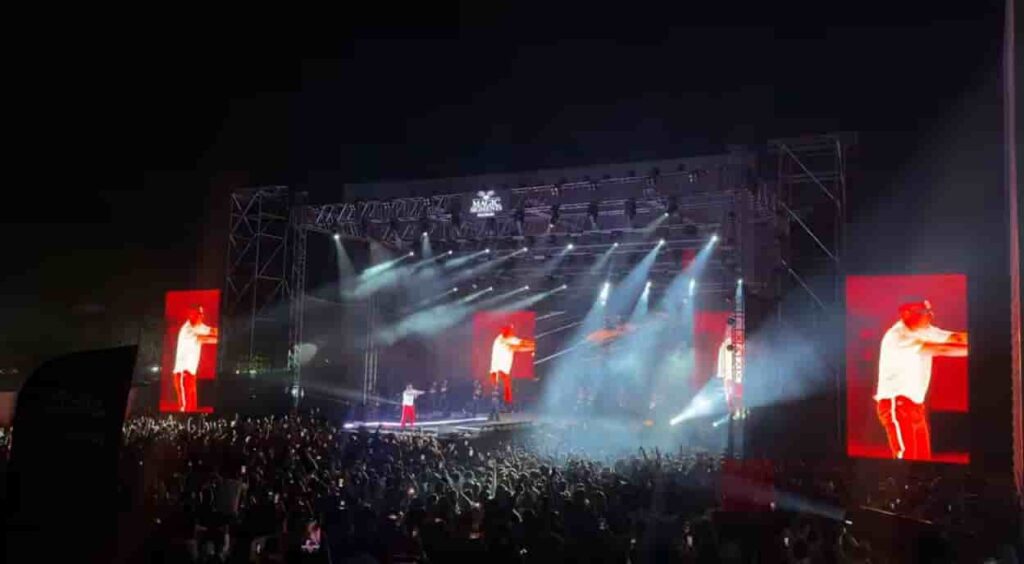
The city of Jaipur recently witnessed an energetic musical celebration as Haryanvi rapper Dhanda Nyoliwala brought his powerful stage presence to Rajasthan with a high-octane live concert that highlighted regional music and cultural identity. The concert turned into an unforgettable cultural spectacle when actor Randeep Hooda joined him on stage, transforming the performance into a vibrant celebration of Haryanvi pride and artistic expression.Held as part of Nyoliwala’s ongoing music tour, the Jaipur show attracted a large crowd of fans who gathered to experience the rising popularity of Haryanvi rap and contemporary regional music. The event stood out not only for its high-energy performances but also for the deeper cultural message it carried—showcasing the language, rhythm, and identity of Haryana on a wider national platform.A Celebration of Haryanvi Identity Through MusicDhanda Nyoliwala has rapidly emerged as one of the most recognizable voices in the Haryanvi independent music scene. Known for his distinctive rap style that blends modern hip-hop beats with raw Haryanvi dialect and storytelling, his performances often reflect everyday life, regional pride, and cultural authenticity.At the Jaipur concert, Nyoliwala performed several of his popular tracks that resonate strongly with young audiences across northern India. His music, often characterized by bold lyrics and energetic rhythms, created an electrifying atmosphere as the crowd enthusiastically sang along to his verses.The concert formed part of a broader effort by regional artists to bring local music traditions into mainstream entertainment spaces. Over the past few years, Haryanvi music has gained significant attention beyond its home state, and performers like Nyoliwala are playing a key role in pushing the genre to national and global audiences.Randeep Hooda’s Surprise Appearance on StageOne of the most memorable moments of the evening came when actor Randeep Hooda made a surprise appearance on stage alongside Dhanda Nyoliwala. Known for proudly representing his Haryanvi roots, Hooda’s presence added a new dimension to the performance and was met with loud cheers from the audience.As Nyoliwala delivered his signature rap verses infused with Haryanvi flavour, Hooda joined him in an energetic performance that blended cinema and music. The actor matched the rhythm with spirited dance moves and traditional Haryanvi expressions, creating an atmosphere that felt both authentic and celebratory.For many fans, this moment symbolised a rare and powerful collaboration between regional music and mainstream cinema. Hooda’s participation was not merely a celebrity cameo but a personal expression of cultural pride, reflecting his long-standing commitment to promoting Haryanvi language and traditions.A Cultural Spectacle Beyond a ConcertWhat began as a musical performance gradually transformed into a larger cultural event. The stage showcased a blend of contemporary rap and traditional Haryanvi spirit, creating a fusion that resonated strongly with the audience.Observers noted that the chemistry between Dhanda Nyoliwala and Randeep Hooda felt natural and spontaneous. Both artists share deep connections to Haryana’s culture, and their collaboration reflected a shared desire to bring regional voices to broader audiences.During the performance, Hooda embraced the lively atmosphere by dancing in classic Haryanvi style while Nyoliwala continued delivering his powerful rap sequences. The combination of music, cultural expression, and stage energy created a memorable experience for fans attending the concert.Audience Response and Social Media BuzzThe Jaipur concert quickly became a trending topic on social media as clips from the event circulated widely online. Videos capturing Hooda’s surprise entry and his energetic participation alongside Nyoliwala generated significant excitement among fans.Audience members described the show as one of the most vibrant musical events in Jaipur in recent months. The crowd’s enthusiastic response demonstrated the growing popularity of regional music genres that reflect local identity while appealing to younger listeners.The concert also highlighted how regional artists are increasingly using live performances to strengthen their connection with audiences beyond their home states.Growing Influence of Haryanvi MusicThe Jaipur concert underscored a broader trend in the Indian music industry: the rising influence of regional languages and independent artists. While Punjabi music has long enjoyed national popularity, Haryanvi music has recently begun carving its own space in mainstream entertainment.Artists like Dhanda Nyoliwala represent a new generation of performers who combine local storytelling with global musical influences such as hip-hop and rap. Their music resonates strongly with young audiences who connect with its authenticity and cultural roots.Collaborations with well-known public figures like Randeep Hooda further help amplify this cultural movement, bringing greater visibility to regional art forms.A Moment of Cultural PrideBeyond the music and entertainment, the Jaipur concert served as a reminder of how art and performance can celebrate identity and heritage. By bringing together contemporary rap and cinematic charisma, Dhanda Nyoliwala and Randeep Hooda created a moment that felt both entertaining and meaningful.The event reflected a growing confidence among regional artists who are proudly presenting their language and traditions to wider audiences. As more musicians and performers continue to explore these cultural roots, concerts like the one in Jaipur demonstrate the evolving landscape of India’s music scene—where regional voices are gaining recognition and influence far beyond their local origins.
Sitaar for Mental Health India Tour ft. Rishab Rikhiram Sharma
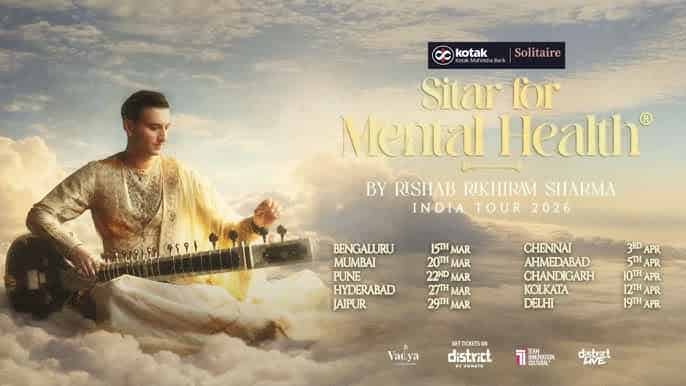
In recent years, conversations around mental health have become increasingly important across the world. Stress, anxiety, depression, and emotional burnout have emerged as significant challenges, particularly among younger generations navigating a fast-paced digital and professional environment. Against this backdrop, innovative approaches that combine art, culture, and therapy have begun to gain recognition. One such initiative is the “Sitar for Mental Health” India Tour, led by acclaimed sitarist Rishab Rikhiram Sharma, which aims to harness the healing power of music to promote emotional well-being and mindfulness.The tour represents a unique intersection of Indian classical music, modern sound design, meditation practices, and mental health awareness. By using the traditional instrument of the sitar as a tool for introspection and emotional healing, the initiative attempts to reconnect audiences with the therapeutic potential of music.About Rishab Rikhiram SharmaRishab Rikhiram Sharma is widely regarded as one of the most prominent young sitarists of his generation. Born into the renowned Rikhi Ram family of instrument makers in Delhi, he grew up surrounded by Indian classical music and craftsmanship. He began learning the sitar at the age of ten under the guidance of his father before eventually becoming the youngest disciple of legendary sitar maestro Ravi Shankar.Over the years, Sharma has built a global reputation as a neo-classical musician who blends traditional ragas with contemporary sounds and digital elements. His performances have been staged in prestigious venues around the world, and he has attracted millions of followers across social media platforms. Beyond his musical achievements, Sharma is also known for openly discussing his personal experiences with anxiety and emotional struggles, which inspired him to launch a mental health initiative through music.In 2020, he founded the “Sitar for Mental Health” movement, an initiative that uses music therapy and live performances to encourage mindfulness and emotional healing.The Concept Behind “Sitar for Mental Health”The core philosophy of the “Sitar for Mental Health” project is rooted in the belief that music possesses the power to heal, calm, and restore emotional balance. The initiative draws inspiration from ancient Indian traditions that associate musical vibrations with emotional and psychological well-being.Through immersive performances, Sharma combines classical sitar compositions with guided breathing, meditative listening, and ambient soundscapes. The experience encourages audiences to slow down, disconnect from external noise, and reconnect with their inner emotional state.Unlike conventional music concerts, these performances are structured as reflective experiences where sound becomes a medium for relaxation and introspection. The concerts often integrate elements such as:Guided breathing sessionsMeditative soundscapesTraditional ragas performed on sitarAmbient and electronic musical layersVisual and sensory elements designed to create a calm atmosphereThe goal is not merely entertainment but a deeper emotional and mental engagement that allows audiences to experience music as a form of therapy.The 2026 India TourAs part of the Asia leg of the global “Sitar for Mental Health” initiative, Sharma announced a 10-city India tour in 2026, bringing his immersive musical experience to audiences across the country.The tour is scheduled to begin in Bengaluru on March 15, 2026, and will travel across major Indian cities before concluding in New Delhi on April 19, 2026.Cities included in the tourThe performances will take place in the following cities:BengaluruMumbaiPuneHyderabadJaipurChennaiAhmedabadChandigarhKolkataNew DelhiEach event is designed as a multi-sensory experience lasting around two hours, allowing audiences to immerse themselves in calming sound environments and introspective musical journeys.A Global InitiativeThe India tour forms part of a larger international journey that has taken the “Sitar for Mental Health” concept to audiences in multiple countries. Sharma has previously performed the project across regions including North America, Europe, and Asia.The initiative gained momentum through digital sessions during the pandemic, where Sharma streamed live sitar performances and discussions about emotional well-being. Over time, these sessions evolved into large-scale live events attended by thousands of people.The tour has now become one of the most distinctive music-based wellness initiatives globally, redefining how audiences interact with classical music.Music as a Tool for Emotional HealingThe concept of using music for emotional healing is not entirely new. In Indian tradition, the ancient practice of Raga Chikitsa suggests that specific ragas can influence emotional states and psychological well-being. Sharma’s project draws inspiration from this idea while presenting it in a contemporary format that resonates with modern audiences.Through slow tempo compositions, deep resonant tones of the sitar, and immersive acoustic environments, the performances aim to stimulate calmness, reduce stress, and encourage mindfulness. The sound vibrations of the sitar, combined with ambient elements, are intended to create a deeply introspective experience.This approach has attracted audiences beyond traditional classical music enthusiasts, particularly among young people who are increasingly exploring mindfulness practices such as meditation and yoga.Growing Importance of Mental Health AwarenessThe launch of the “Sitar for Mental Health” India tour comes at a time when mental health awareness is becoming a central global concern. Increasing work pressure, digital overstimulation, social isolation, and economic uncertainty have contributed to rising levels of stress and anxiety.Initiatives like Sharma’s tour play an important role in normalizing conversations around mental health while providing accessible ways for people to engage with emotional well-being.By combining art with advocacy, the project highlights how cultural traditions can contribute to contemporary discussions about mental health.Bridging Tradition and Modern InnovationOne of the most distinctive aspects of Sharma’s work is his ability to bridge centuries-old musical traditions with modern creative expression. While deeply rooted in Indian classical music, his performances incorporate experimental sound design and contemporary storytelling.This fusion allows the sitar—an instrument with a long historical legacy—to remain relevant for modern audiences while preserving its cultural essence.Through “Sitar for Mental Health,” Sharma demonstrates how traditional art forms can evolve to address modern challenges such as emotional well-being and psychological resilience.SummaryThe “Sitar for Mental Health” India Tour by Rishab Rikhiram Sharma represents a unique cultural initiative that blends Indian classical music with mental health awareness. Rooted in the healing traditions of sound and mindfulness, the tour offers audiences an immersive musical experience designed to promote calmness, reflection, and emotional balance.Spanning ten major cities across India, the tour brings together music, meditation, and storytelling to create a
Sunidhi Chauhan I Am Home India Tour 2025 – 26: Here’s Everything You Need to Know
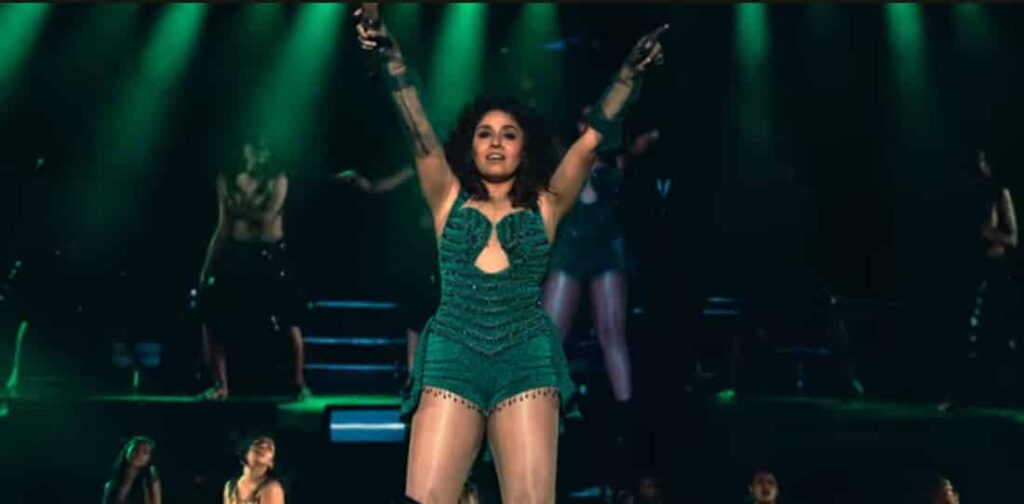
Sunidhi Chauhan’s “I Am Home India Tour 2025-26” electrifies stages across 11 cities, blending her powerhouse vocals with Bollywood hits in a high-energy homecoming after global triumphs. This multi-city spectacle, powered by Mastercard and organized by BAE (ABP Network’s live arm), promises immersive live experiences via District by Zomato tickets.Sunidhi’s Storied CareerIndian playback sensation Sunidhi Chauhan, with over 50 million records sold worldwide, debuted at 13 and exploded with “Ruki Ruki Si Zindagi” from Mast (1999). She’s bagged 3 Filmfare Awards (12 nominations), 2 IIFA, 2 Star Screen, and Zee Cine honors for hits like “Dhoom Machale Dhoom,” “Desi Girl,” “Sheila Ki Jawani,” “Kamli,” “Chhaliya,” and “Beedi Jalaile.” Judging Indian Idol (two seasons) and The Voice India, she’s mentored stars while collaborating globally; 2008’s superhits earned her GR8! FLO Women Award.”I Am Home” Tour LegacyLaunched internationally in 2023, the series sold out Dubai’s Coca-Cola Arena, London’s Wembley (OVO Arena), and Singapore, as well as US spots like Long Beach Convention Center and Hard Rock Live Hollywood. It traces her journey via classics and fresh takes, famed for vibrant energy, live bands, choreography, and bass-heavy immersion.India Tour 2025-26: Full ScheduleKicking off Mumbai (20,000+ crowd, celebs like Imtiaz Ali, Zakir Khan, Nushrratt Bharuccha, Sunil Grover; Alisha Chinai guest), the 11-city run spans Dec 2025–Mar 2026. Three-hour sets mix anthems, ballads, and regional surprises.CityDateVenue (if announced)MumbaiDec 24, 2025Hall No. 6, Nesco Center DelhiDec 27, 2025JLN Stadium (Gate 14) BengaluruJan 17, 2026TBA AhmedabadJan 31, 2026TBA (Gujarati garba hit) ChennaiFeb 7, 2026TBA JaipurFeb 14, 2026TBA ChandigarhFeb 21, 2026TBA IndoreFeb 28, 2026TBA LucknowMar 7, 2026TBA KolkataMar 14, 2026TBA Confirmed Special GuestsSunidhi Chauhan’s “I Am Home India Tour 2025-26” has featured surprise special guests in early shows, elevating the high-energy Bollywood sets. So far, only Mumbai and Ahmedabad have confirmed performers amid the ongoing 11-city run.Mumbai (Dec 24, 2025, Nesco Center): Veteran singer Alisha Chinai made a surprise appearance, performing nostalgic hits like “Tinka Tinka” and “Aaj Ki Raat.” The 20,000+ crowd, including celebs (Imtiaz Ali, Zakir Khan, Nushrratt Bharuccha, Sunil Grover, Avinash Tiwary, Dhvani Bhanushali, Asees Kaur, Salim Merchant), went wild; Alisha later shared her joy on social media.Ahmedabad (Jan 31, 2026): No formal onstage guests, but Gujarati stars Puja Joshi and Geetaben Rabari grooved front-row to Sunidhi’s viral rendition of “Mahisagar ni Aare Dhol Vaage Se,” sparking spontaneous garba, clip exploded online.Official Booking Steps (District by Zomato)Tickets for Sunidhi Chauhan’s “I Am Home India Tour 2025-26” are available exclusively through the District by Zomato platform, with some resellers offering alternatives.Follow these simple steps for most cities (Delhi, Bengaluru, Lucknow, etc.):Download the District by Zomato app (iOS/Android) or visit district.in/events/sunidhi-chauhan/artist.Log in with your phone number, email, or Google/Zomato account; select your city if prompted.Search “Sunidhi Chauhan I Am Home” or pick your city/date from the tour page.Choose seats/tier (e.g., ₹1,500–₹10,000+; varies by city), add-ons like food/drink packages.Complete payment (UPI, cards, wallets); e-tickets emailed instantly—show QR at venue.Presales (e.g., HDFC/Mastercard) may apply early; general sale live since Oct 30, 2025. Expect quick sell-outs post-Mumbai buzz.Tips and AvailabilityAs of Feb 2026, early shows (Mumbai Dec 24, Delhi Dec 27, Bengaluru Jan 17, Ahmedabad Jan 31) likely sold out; later ones (Chennai Feb 7, Jaipur Feb 14, Chandigarh Feb 21, Indore Feb 28, Lucknow Mar 7, Kolkata Mar 14) still have tickets from ₹1,500. Venues serve food/beverages/alcohol on-site. Refunds rare, buy from official sources to avoid fakes.What to Expect?Electric vibes: Nostalgic Bollywood medleys, dance numbers, emotional highs, regional nods (e.g., Ahmedabad’s “Mahisagar ni Aare,” garba dance with Puja Joshi/Geetaben Rabari cheers). Full production, unfiltered Sunidhi, “unstoppable, untamed”, redefining live entertainment via BAE’s “experience-first” ethos.
Chai Over Cocktails: Bhajan Beats and Sober Raves Redefine South Asian Nightlife
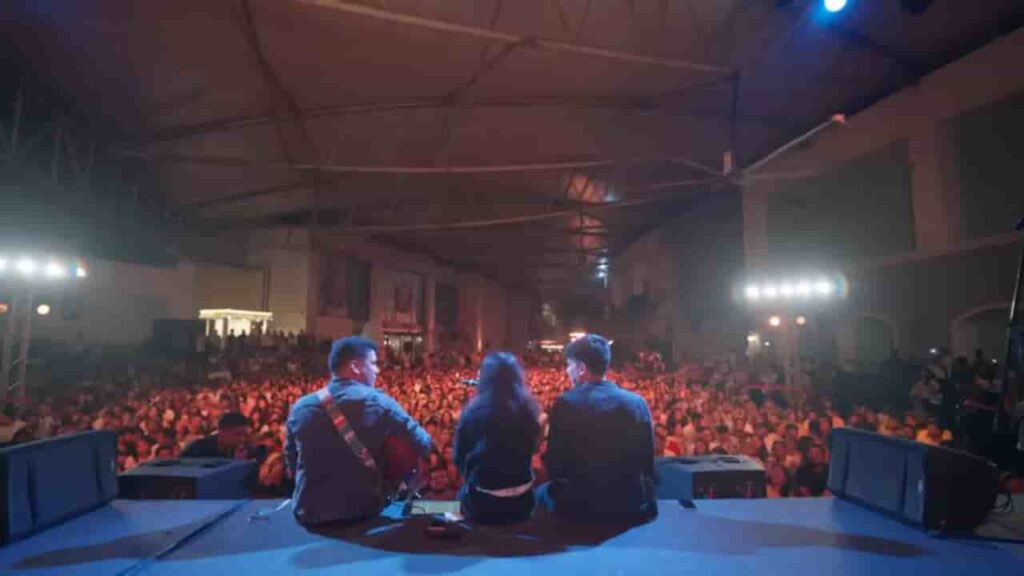
From chai-fueled dance floors in Karachi to devotional DJ drops in Delhi, Gen Z across South Asia is ditching hangovers for halos in a nightlife revolution. This sober, spiritual wave, blending ancient chants with modern beats, is drawing thousands, offering community without chaos and vibes with values.Bhajan Clubbing Takes India by StormIn Visakhapatnam, over 2,000 young fans packed a recent event, grooving to kirtan remixed with electronic percussion, no booze, just pure energy from “Om Namah Shivaya” and Hanuman Chalisa beats. Delhi’s Indira Gandhi Sports Complex hosted the city’s biggest bash in December 2025, with 3,000 attendees under strobes chanting for Shiva, Ram, and Krishna in a three-hour “satsang 2.0.” From Mumbai’s Kallol Café to Lucknow’s Rangreza Festival on Maha Shivaratri, where hundreds fasted and danced to dholak-infused bhajans, the trend is exploding, ticketed, lit-up, and viral on reels.Karachi’s Sober Raves Glow UpPakistan’s scene thrives in regulated spots like sports clubs and cafes, where neon-lit padel courts double as dance floors and events wrap at 10 p.m. sharp under cameras and drones. Women-only nights at places like Third Culture Coffee pack in crowds for desi remixes, fostering safety and shareable joy, tickets at 3,000-7,000 PKR signal real demand. Soft drinks sales surged 27% from 2020-2025, fueling this alcohol-free shift aligned with cultural norms.Trend LocationKey FeaturesCrowd Size (Recent Events)India (Delhi/Vizag)Bhajans + EDM, chai stations2,000-3,000KarachiTechno/des mixes, padel breaksHundreds per venueWhy Gen Z Vibes with ItExperts like psychologist Raksha Rajesh call it “neurological relief”, repetitive chants calm overstimulation from digital life, while psychiatrist Dr. Ashima Ranjan links it to mental health wins: no regrets, genuine bonds, and vagus nerve boosts. Sociologist Gulshan Sihag dubs it “cultural hybridity,” remixing jagratas and Garba for Instagram poets craving rootedness amid chaos. Globally sober-leaning youth find perfect sync here: faith-fueled fun in India, boundary-honoring parties in Pakistan.Past Events for ContextRecent Vizag shows include a January 25, 2026, Art of Living-organized night and a post-2,500-attendee recap hinting at more “bhakti meets beats” sessions soon. No exact venues or tickets listed yet, check local organizers like Bhavika Patel or Instagram for updates as March nears.Known VenuesMoon Bar and Kitchen, VIP Road: Hosted a BhaZen Clubbing debut with DJ sets and devotional beats; RSVPs via 9587192999 for entry.Beach Road: Featured highlights from a major session, drawing crowds for open-air chanting and dancing.Event TrendsPast gatherings linked to Art of Living and Nirvana Station Band suggest indoor sports arenas or large halls for the 2,000+ crowds, with chai stations replacing bars, no fixed “home base” yet, as pop-ups rotate for safety and buzz. A Shared South Asian ShiftFrom DU students picking bhajan dates over dinners, inspired by Virat Kohli reels, to Karachi’s safe, early-end raves, this is presence over escapism. Bhajan clubbing events are gaining popularity in the Vizag area, with specific upcoming dates confirmed for nearby districts. Organizers plan expansions following recent successes drawing thousands.Confirmed DatesVizianagaram District: March 21, 2026 – A state-wide expansion event featuring high-energy bhajans by Nirvana Station Band, blending traditional chants like “Om Namah Shivaya” with electronic beats and prasadam.Visakhapatnam (Vizag): May 2026 – Another major gathering anticipated, building on the viral February event that packed 2,000+ youth.
Bikaner Camel Festival 2026: A Majestic Celebration of Desert Culture and Heritage
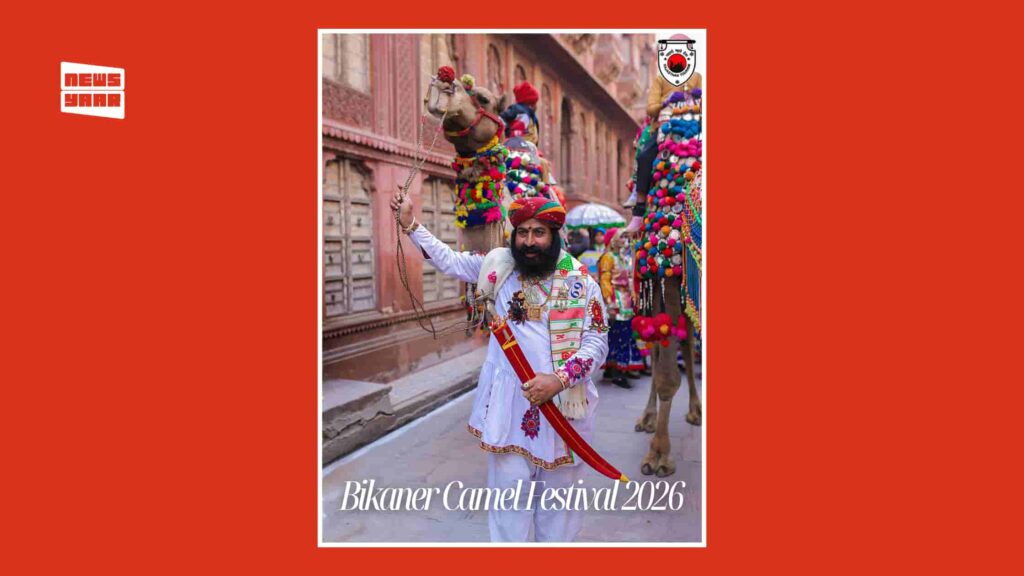
The Bikaner Camel Festival 2026 — one of Rajasthan’s most iconic cultural events — was held from January 9 to January 11, 2026, in Bikaner, Rajasthan, celebrating the camel as the enduring “Ship of the Desert” and a living emblem of the region’s history, community and traditions. Organised by the Rajasthan Tourism Department, the three-day festival drew enthusiastic participation from domestic and international visitors, camel breeders, cultural performers and artisans, transforming the historic desert city into a vibrant tapestry of colour, heritage and folk celebration. Dates, Venue and Significance Festival: Bikaner Camel Festival 2026 Dates: January 9–11, 2026 Location: Bikaner, Rajasthan — with key events across Junagarh Fort, Dr. Karni Singh Stadium, Camel Farm, Raisar Sand Dunes and Old City Grounds Organised by: Rajasthan Tourism Department Held annually in January, when the cool desert climate is ideal for outdoor festivities, the festival celebrates the deep bond between the desert communities and the camel, an animal that has sustained trade, transport and cultural continuity in the Thar region for centuries. Cultural Roots and Historical Context The camel is not merely a domestic animal in Rajasthan; it is symbolic of survival, resilience and identity in one of India’s most challenging landscapes. Historically, camel corps were esteemed for their role in regional defence and trade routes — from the terrain of the Thar Desert to campaigns beyond. Today, the festival honors this legacy through artistic expression, competitive displays and community celebrations. Highlights of the 2026 Edition The 2026 festival offered a rich blend of tradition, competition, culture, art and entertainment spread across three action-packed days: Day 1 — Friday, January 9: Heritage and Local Flavor The festivities kicked off with the “Hamari Virasat” Heritage Walk, a vibrant procession of beautifully decorated camels and handlers that wound through the historic lanes from Laxminath Temple to Rampuria Haveli in Bikaner’s Old City. Later in the day, the Bikaneri Food Festival celebrated the unique flavours of Rajasthan — from Bikaneri bhujia to rich thalis and local sweets — offering visitors an authentic taste of Thar cuisine. The afternoon featured Mr. Bikana and Miss Marwan contests at the Dr. Karni Singh Stadium, where participants showcased traditional attire and cultural pride. Day 2 — Saturday, January 10: Camel Artistry and Folk Nights The second day moved to the National Research Centre on Camel (NRCC), where visitors enjoyed a range of spectacular camel-centric events, including: Camel Fur Cutting Competitions — intricate designs trimmed into camel coats reflecting centuries-old artistry. Camel Dance Performances — animals moving rhythmically to traditional beats. The evening culminated in a Folk Night featuring traditional Rajasthani music and dance under the desert sky, amplifying the cultural heartbeat of the festival. Day 3 — Sunday, January 11: Desert Adventure & Finale The final day’s events took place against the scenic backdrop of the Raisar Sand Dunes, incorporating: Rural Sports Events such as tug-of-war and wrestling. Camel Races showcasing speed and agility. Camel Safaris that allowed visitors to experience the desert firsthand. Fire Dance Performances by the legendary Jasnath Sampradaya, a dramatic cultural feature as night fell. Camel Art, Craft and Celebration One of the festival’s signature attractions was the camel decoration and artistry on display. Handlers adorned the animals with bright tassels, mirrors, embroidered saddles, ornamental bridles and jingling bells — transforming camels into living works of traditional art and reflecting the folk creativity of desert communities. From camel races to folk music and dance, the festival also highlighted Rajasthani cultural heritage, featuring performers in vibrant regional attire, musicians using traditional instruments and displays of local handicrafts. Tourism, Experience and Local Engagement The festival has become a significant tourism magnet, drawing travellers eager to witness the unique spectacle of living desert culture. Many visitors combined the festival experience with tours of Bikaner’s historic attractions — including Junagarh Fort, Rampuria Haveli and the Camel Farm — and sampling regional cuisine. Local artisans and craftsmen also benefitted from the festival’s footfall, selling handicrafts, textiles, leather goods and souvenirs that showcase Rajasthan’s artistic traditions. Weather and Travel Tips Held in the heart of winter, the Camel Festival’s January dates offer pleasant daytime temperatures perfect for outdoor festivities, though nights in the desert can be cold, often dropping into single digits — so visitors are advised to carry warm clothing for evening events. Bikaner is well connected by rail and road, with Bikaner Junction providing train links to major cities, and Nal Airport serving domestic flights, making the festival accessible for travellers from across India and abroad. Cultural Significance and Legacy The Bikaner Camel Festival celebrates more than just animal beauty or competition — it honours the enduring partnership between humans and camels in one of India’s most challenging landscapes. The festival preserves traditional knowledge, supports rural economies and reinforces a sense of pride among herder communities who have stewarded this heritage over generations. By bringing together music, sport, food, art and ritual, the festival upholds a dynamic desert culture that continues to thrive in the 21st century, making it a standout event in Rajasthan’s rich calendar of fairs and festivals.
Grammy Awards 2026: Historic Wins, Major Moments and Full Winners List

The 68th Annual Grammy Awards — the most prestigious honours in the global music industry — were held on February 1, 2026, at the Crypto.com Arena in Los Angeles, California, celebrating outstanding achievements in music released between August 31, 2024, and August 30, 2025. The ceremony was broadcast live on CBS and streamed on Paramount+, marking the final year on these platforms before the broadcast moves to new partners under a long-term agreement beginning in 2027. South African comedian Trevor Noah hosted the event for the sixth and final time, closing a defining chapter in Grammy hosting history. The Grammys are presented annually by the Recording Academy, recognising excellence in recordings, performances, compositions and technical artistry across widespread genres. This year’s event drew major global attention for its historic milestones, genre diversity and broad musical representation spanning rap, pop, Latin, R&B, rock, country and international music. Big Night, Big Winners: Major Awards and Historic FirstsOne of the most notable outcomes of the 2026 ceremony was the Album of the Year award going to Bad Bunny for Debí Tirar Más Fotos, marking the first time a primarily Spanish-language album has won the Grammys’ most coveted prize. The triumph was widely viewed as a cultural milestone, illustrating the expanding global influence of Latin urban music. Record of the Year, which honours the performance and production of a single recording, went to “luther” by Kendrick Lamar and SZA, highlighting one of the year’s most acclaimed songs. Song of the Year, awarded to songwriters, was won by Billie Eilish and Finneas O’Connell for “Wildflower”. Meanwhile, Olivia Dean was named Best New Artist, acknowledging a breakthrough year in her career. Leadership in Nominations and AwardsRap powerhouse Kendrick Lamar led all nominees with nine nominations heading into the night, tying with artists such as Lady Gaga, Jack Antonoff and producer Cirkut in multiple categories. Lamar went on to capture five Grammy wins, the most of any artist at the ceremony, including Best Rap Album for GNX and a second consecutive win for Record of the Year. His victories also extended his standing as the most awarded rapper in Grammy history, surpassing previous record holders through sustained artistic excellence. Full Winners Snapshot: Major CategoriesWhile the Grammys encompass 95 categories covering both popular and specialised areas, the following represents a condensed overview of key awards and winners from the 2026 ceremony:Album of the Year — Debí Tirar Más Fotos (Bad Bunny)Record of the Year — “luther” (Kendrick Lamar & SZA)Song of the Year — “Wildflower” (Billie Eilish & Finneas)Best New Artist — Olivia DeanBest Pop Vocal Album — Mayhem (Lady Gaga)Best Pop Solo Performance — “Messy” (Lola Young)Best Pop Duo/Group Performance — “Defying Gravity” (Cynthia Erivo & Ariana Grande)Best Rap Album — GNX (Kendrick Lamar)Best R&B Album — MUTT (Leon Thomas)Best Rock Album — Songs of a Lost World (The Cure)Best Country Solo Performance — “Bad As I Used to Be” (Chris Stapleton)Best African Music Performance — “Water” (Tyla)(Other winners and full lists are available from Recording Academy sources.) Diverse Recognition Across GenresThe 2026 Grammys celebrated genre diversity and global music influence. Lady Gaga secured wins in both Best Pop Vocal Album and Best Dance Pop Recording for Abracadabra, while artists like Tyler, The Creator and Turnstile were recognised in rock and alternative categories. R&B and hip-hop saw standout wins for Kehlani and Leon Thomas, reinforcing the continued crossover appeal of those genres. Latin, African and reggae music also featured in winners’ circles, reflecting the Recording Academy’s broader emphasis on inclusivity within music’s evolving landscape. Notable moments also emerged outside typical categories; the documentary Music by John Williams, produced by Steven Spielberg and collaborators, earned a win for Best Music Film, crowning him an EGOT recipient — an artist who has collectively won an Emmy, Grammy, Oscar and Tony Award. Additionally, the song “Golden” from KPop Demon Hunters captured Best Song Written for Visual Media, marking a landmark moment for Korean pop integration into major Grammy recognition. Performances, Red Carpet and Broader Cultural ImpactThe 2026 ceremony featured a lineup of performances and presentations spanning multiple music styles and eras. High-profile artists such as Lady Gaga, Justin Bieber, Sabrina Carpenter and others took to the stage, bridging mainstream pop with experimental and genre-blending sounds. The red carpet was equally vibrant, with nominees and attendees showcasing fashion and expression that added to the cultural resonance of the event. While the Grammys are inherently competitive, the 2026 edition was marked by artist statements and moments that transcended music alone, with some performers using their acceptance speeches to touch on social commentary and advocacy, underlining the intersection of art and contemporary issues.Why the 2026 Grammys MatterThe 68th Annual Grammy Awards reaffirmed the ceremony’s position as a bellwether for global music trends, celebrating both commercial success and artistic innovation. From Bad Bunny’s historic Spanish-language Album of the Year to Kendrick Lamar’s record-setting achievements, the event highlighted the industry’s dynamic evolution and the broadening reach of diverse musical voices.As the music world looks ahead, the 2026 Grammys will be remembered for its blend of historic wins, genre-crossing recognition and cultural expression — a testament to the ever-expanding landscape of global music.Video credit: YT@/Recording Academy / GRAMMYsVideo credit: YT@/Recording Academy / GRAMMYs
AP Dhillon’s “One of One India Tour” Sweeps the Country, Turning Concerts into Cultural Events
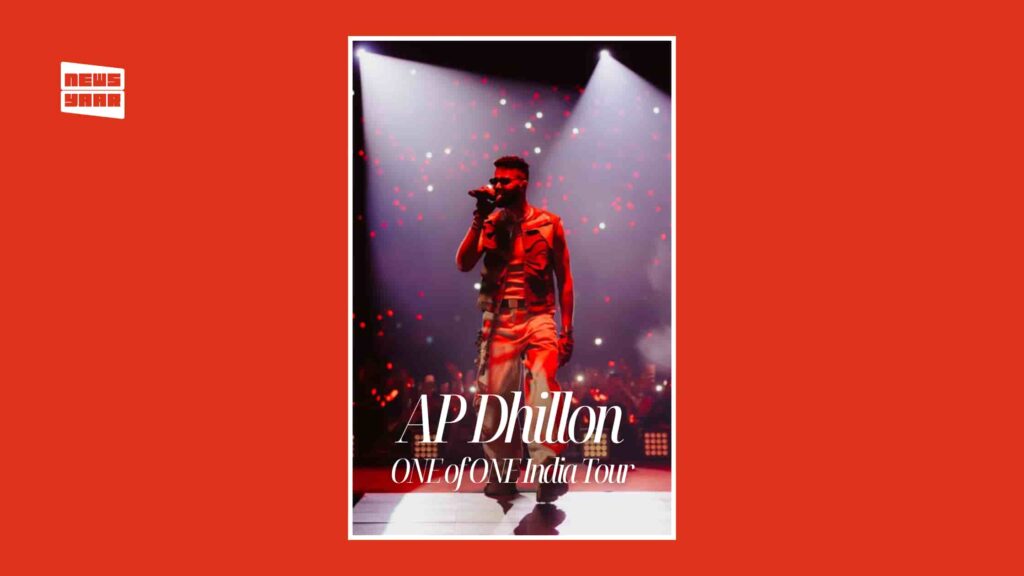
Punjabi-Canadian global star AP Dhillon wrapped up his ambitious “One of One India Tour” after a multi-city run that cut across regions, languages and fan cultures, reaffirming his status as one of the most influential live performers in India’s contemporary music scene. Spanning metros and emerging cultural hubs alike, the tour transformed concert venues into shared spaces of music, identity and youthful expression.More than a string of sold-out shows, the tour unfolded as a pan-India cultural movement, reflecting how Dhillon’s sound — rooted in Punjabi music yet shaped by global hip-hop and R&B — has found resonance far beyond linguistic boundaries. A Nationwide Tour with City-Specific Energy The One of One India Tour 2025–26 covered multiple states and major cities, each responding to Dhillon’s music in its own distinct way.In Mumbai, one of the tour’s most high-profile stops, the concert drew a dense mix of music lovers, industry figures and celebrities. Actress Tara Sutaria’s presence at the Mumbai show added to the buzz, underlining the tour’s crossover appeal beyond music circles. The city’s crowd responded with near-constant sing-alongs, turning tracks like Excuses and Insane into collective anthems.Delhi-NCR witnessed one of the loudest receptions of the tour, with fans arriving hours early and filling the venue to capacity. The capital’s stop stood out for its raw energy and intense fan interaction, with Dhillon frequently pausing to acknowledge placards, flags and fan chants.In Bengaluru, the show reflected the city’s cosmopolitan character, attracting a diverse audience that mirrored Dhillon’s global following. The performance leaned heavily into production finesse — lighting, visuals and sound — creating an immersive experience that resonated strongly with the city’s young, tech-savvy crowd.Hyderabad and Pune saw packed venues as well, reinforcing Dhillon’s growing footprint in India’s non-traditional Punjabi music markets. Fans in these cities responded enthusiastically to both his chartbusters and newer material, underscoring how his appeal has moved well beyond niche audiences.The eastern leg of the tour, particularly Kolkata, stood out for its emotional intensity. Fans from neighbouring states travelled to attend the show, turning it into a regional gathering. Dhillon’s engagement with the crowd here became one of the most shared moments on social media during the tour.The tour concluded in Jaipur, where the finale took on a celebratory tone. The Rajasthan capital witnessed one of the tour’s most talked-about moments when Indian cricketer Abhishek Sharma made a surprise appearance on stage, blending sport and music fandom into a single spectacle and amplifying the concert’s cultural reach.Other cities on the tour included Ahmedabad, Chandigarh and select regional hubs, each adding to the tour’s geographic and cultural spread. Music, Performance and Fan Connection At the heart of the tour was Dhillon’s ability to convert studio hits into high-impact live experiences. Setlists featured fan favourites such as Brown Munde, Summer High, Dil Nu and With You, delivered through tightly choreographed lighting, sharp visuals and controlled stagecraft.Yet what truly distinguished the tour was its fan engagement. Dhillon repeatedly acknowledged the role of Indian audiences in shaping his career, often addressing crowds directly and responding to fan-led chants and moments. This mutual exchange — rather than a one-way performance — gave the concerts a sense of intimacy despite their scale. Digital Buzz and Cultural Visibility The One of One India Tour dominated social media timelines throughout its run. Clips from Mumbai, Delhi, Kolkata and Jaipur trended across platforms, while fan-shot videos, outfit recreations and live reactions extended the tour’s impact far beyond the venues themselves.This digital amplification reinforced Dhillon’s role in normalising Punjabi-led global pop culture within India’s mainstream youth ecosystem, where language barriers increasingly matter less than authenticity and sound. Economic and Cultural Ripple Effect Beyond music, the tour contributed to local event economies, driving footfall for hotels, transport services and nightlife in host cities. For many fans, concerts became weekend travel plans, blending music with urban exploration.Culturally, the tour highlighted how contemporary Indian audiences are embracing artists who operate at the intersection of diaspora identity and homegrown culture, signalling a shift in how Indian pop culture defines success and relevance. A Defining Chapter in AP Dhillon’s India Story By the time the final notes rang out in Jaipur, the One of One India Tour had firmly established itself as more than a promotional run. It stood as a statement of scale, influence and connection — a reminder that live music, when executed with intent, can still create moments that feel personal even in packed arenas. As AP Dhillon looks ahead to new music and future global tours, the India leg of One of One will be remembered as a defining chapter — one that captured a country singing back, city after city, in its own voice.