


Amaravati: Andhra Pradesh’s New Capital City Finally Coming to Life After Years of Drama
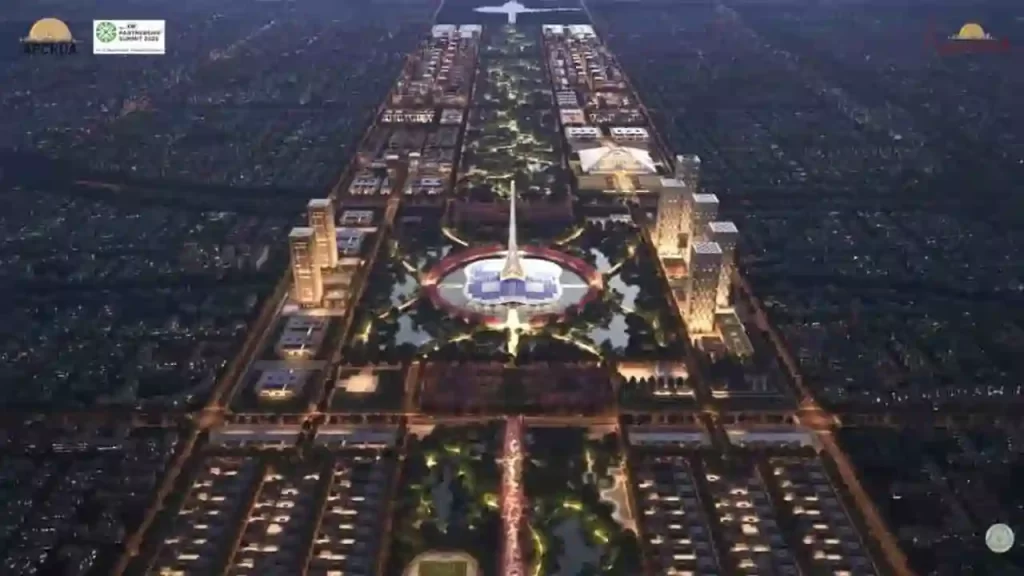
Imagine building a brand-new capital city from scratch – a modern wonder along a mighty river, designed by global experts, powered by green energy, and home to millions. That’s the dream of Amaravati, Andhra Pradesh’s greenfield capital project led by Chief Minister N. Chandrababu Naidu. Once stalled for five long years, this ambitious “people’s capital” or Praja Rajadhani is now buzzing with activity. As of April 2026, projects worth Rs 57,821 crore are underway, with Rs 50,943 crore already grounded. Prime Minister Narendra Modi laid the foundation stone recently, and Naidu promises that Phase 1 will be ready in months. After a decade of twists, turns, protests, and court battles, Amaravati is rising again on the Krishna River banks, ready to be India’s most sustainable city.A Dream Born in 2014: From Bifurcation Blues to Bold VisionAndhra Pradesh lost Hyderabad as its capital after the 2014 bifurcation with Telangana. The state needed a fresh start. Naidu, then Chief Minister, picked Amaravati, a 2,300-year-old site in Guntur district with deep history. Ancient Satavahanas ruled here around 225 BCE, and Emperor Ashoka’s Buddhist stupa (Amaravati Mahachaitya) still whispers of Gautama Buddha’s visits. In the 18th century, zamindar Raja Vasireddy Venkatadri Naidu revived it as a thriving town, building palaces amid fertile Krishna delta lands.Why here? Perfect spot, central, near Vijayawada and Guntur, with great roads, rails, and river views. Naidu announced it on October 22, 2015, with Modi’s foundation stone. The name “Amaravati” means “abode of immortals,” linked to the Amareswara Shiva temple. Singapore’s experts (like Foster + Partners) crafted the masterplan: 217 square km of nine themed sub-cities, Government, Justice, Knowledge, Finance, Health, Sports, Culture, Tourism, and Electronics. At the heart? A green spine like New York’s Central Park, with the Assembly as a 250-meter lily-shaped tower.The Land Pooling Magic: Farmers as True PartnersNo forced takeovers, that’s Naidu’s genius Land Pooling Scheme (LPS) from 2015. Over 27,000 farmers voluntarily gave 33,000 acres. In return:Wet land owners: 1,000 sq yd residential + 450 sq yd commercial plots per acre, plus Rs 50,000/year annuity (rising 10% yearly for 10 years).Dry land owners: 250 sq yd commercial plots per acre + Rs 30,000/year annuity.Landless farmers: Rs 2,500/month pension for 10 years.The Andhra Pradesh Capital Region Development Authority (APCRDA) manages it. Bhoomi puja happened in June 2015; the secretariat and assembly moved to temporary sites by 2017. The Big Halt: Politics, Protests, and a Three-Capitals Twist (2019-2024)Joy turned to pain in 2019. YSR Congress’s Jagan Mohan Reddy won, suspended annuities for 2,903 farmers, canceled pensions for 4,422 families, and ditched LPS for 33,000 acres. He pushed a “three capitals” plan: Amaravati (legislative), Visakhapatnam (executive), Kurnool (judicial). World Bank and AIIB pulled $1 billion in funding. Farmers protested 1,630 days straight, facing lathi charges. The High Court ruled in 2022: Amaravati stays the sole capital. Reddy withdrew the bill in 2021 amid legal heat.The five-year freeze? Cost overruns of 40-45%, roads up 25-28%, buildings 35-55%. The original Rs 51,000 crore budget swelled to Rs 64,910 crore. Infrastructure rusted; investors fled.Revival Under Naidu 2.0: Money Flows, Work Speeds Up (2024-Now)Naidu’s TDP won big in June 2024. He restarted annuities, pensions, and bank loans for plots. Farmers invited to events, Naidu calls them “heroes.” Parliament passed the Andhra Pradesh Reorganisation (Amendment) Bill 2026 on April 1, making Amaravati the permanent sole capital.Funding floodgates opened:World Bank: $800M (first $205M in March 2025) for urban infra, jobs, flood-proofing.ADB: $788.8M loan + $3.64B commitment (2025-2029) via Results-Based Lending.HUDCO: Rs 11,000 crore loan.Centre: Rs 4,200 crore released; state budget Rs 15,000 crore (2024-25), Rs 6,000 crore (2026-27).Land monetization for more cash. A World-Class Green Dream City: What’s PlannedAmaravati won’t just be offices, a smart, carbon-neutral hub for 3.5 million people and 1.5 million jobs by 2050:Renewable power: 2,700 MW from solar, wind, hydro – world’s first 100% green capital. Rooftop solar is mandatory.Transport: Metro, e-buses, EV stations, cycle paths.Tech: Smart grids, IoT traffic, flood drains.Layout: 13 plazas for districts; themed hubs like Knowledge City (universities) and Finance City (banks).Inspired by Amsterdam (canals), Singapore (gardens), and Tokyo (efficiency).Naidu: “Rome wasn’t built in a day, but Amaravati will be India’s growth engine.” Economic survey 2025-26 calls it AP’s powerhouse.Main Features of Amaravati’s Master Plan It is an ambitious blueprint for a world-class, sustainable capital city in Andhra Pradesh. Designed by global experts like Singapore’s Housing and Development Board (HDB) and Foster + Partners, it transforms 217 square kilometers along the Krishna River into a “people’s capital” called Praja Rajadhani. The plan focuses on green living, smart technology, and economic growth for 3.5 million people by 2050. Here are the main features, explained simply.1. Nine Themed Sub-Cities for Balanced GrowthThe city is divided into nine specialized zones, each with a clear purpose:Government City: Core hub with assembly, high court, and offices.Justice City: Courts, legal institutions, and related services.Knowledge City: Universities, research centers, and schools.Finance City: Banks, stock exchanges, and business towers.Health City: Hospitals, medical research, and wellness centers.Sports City: Stadiums, training facilities, and parks.Culture and Tourism City: Museums, heritage sites, and hotels.Electronics and IT City: Tech parks and innovation hubs.Recreational and Residential Zones: Homes, shopping, and leisure areas.These clusters group jobs and homes smartly, cutting travel time and boosting efficiency.2. Central Green Spine: The City’s LungsA massive green spine runs north-south through the heart, like New York’s Central Park or Lutyens’ Delhi. This 5.5 km long, 1 km wide corridor includes:Parks, lakes, and gardens covering at least 60% greenery or water.Walking paths, cycle tracks, and shaded streets.Waterfront development along the Krishna River with promenades and water taxis.It cools the city naturally and hosts events.3. Iconic Architecture and Urban GridGovernment Complex: Star attraction with a 250-meter lily-shaped Assembly tower (inverted lotus symbolizing democracy). High Court and secretariats nearby.13 Urban Plazas: One for each of Andhra’s districts, public squares for markets and festivals.Grid road network: Wide avenues (up to 60 meters), underground utilities (no messy wires), and elevated expressways.Mixed-use neighborhoods blend homes, shops, and offices. 4. 100% Green Energy and SustainabilityAmaravati aims to be the world’s first fully renewable-powered capital:2,700 MW clean power
French President Macron’s India Visit Strengthens Tech and Defense Ties
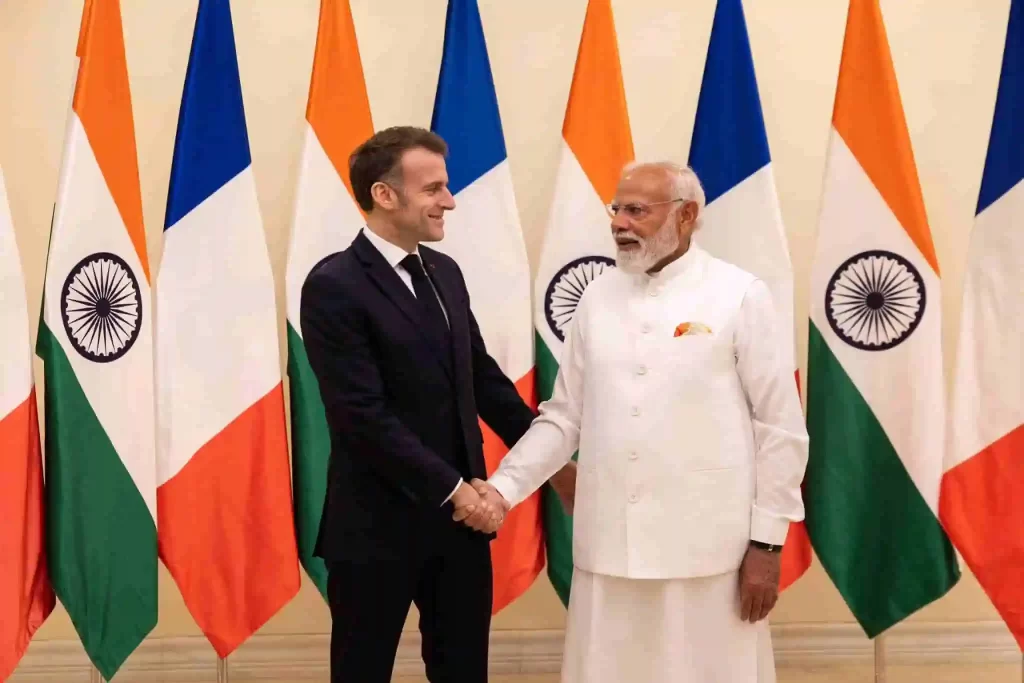
French President Emmanuel Macron and his wife, Brigitte Macron, completed a successful three-day official visit to India from February 17 to 19, 2026. This marked President Macron’s fourth trip to India since 2017 and built on the strong friendship between the two nations. The visit highlighted shared goals in technology, defense, and innovation. It followed Prime Minister Narendra Modi’s trip to France in February 2025 and came one year after the AI Action Summit in Paris. Both leaders focused on the Horizon 2047 Roadmap, a plan set in 2023 to guide ties until India’s 100th Independence anniversary.Mumbai Welcomes Leaders with Tribute and Cultural LaunchThe visit kicked off in Mumbai, India’s bustling financial hub, on February 17. President Macron and Mrs. Macron first paid heartfelt tribute to the victims of the 2008 terrorist attacks at the iconic Taj Mahal Palace hotel. This emotional moment honored those lost in the tragic events and underscored the shared commitment to fight terrorism. Later that morning, they joined a special lunch focused on the film industry. Indian and French cultural figures, filmmakers, and Bollywood stars gathered to celebrate creative exchanges between the two countries.In the afternoon, President Macron met Prime Minister Modi for in-depth bilateral talks at the Residence of the Governor of Maharashtra in Lok Bhavan. The leaders reviewed progress in their strategic partnership and discussed ways to expand it into new areas like defense, space, and digital technology. They addressed regional and global issues, including cooperation in the Indo-Pacific region. Around 5:15 PM, they jointly inaugurated the India-France Year of Innovation 2026 at the majestic Gateway of India. This year-long initiative will feature events across both nations to boost collaboration in innovation, research, startups, and people-to-people ties. The two leaders then addressed a lively gathering of business leaders, innovators, researchers, and entrepreneurs from India and France.On February 18, President Macron engaged with Indian investors during a dynamic round-table discussion. He shared insights on economic opportunities and partnership potential. He also gave an exclusive interview to popular Indian podcaster Raj Shamani, reaching young audiences with talks on leadership and global challenges. That evening, he flew to New Delhi for the next phase of the visit. Business France and Mission French Tech brought over 100 French companies to explore collaborations, signaling strong economic momentum.New Delhi Hosts AI Impact Summit and Strategic DialoguesThe visit shifted to New Delhi on February 19, where President Macron participated in the AI Impact Summit. Hosted by India, this was the first major global AI summit in the Global South. It revolved around three guiding principles: People, Planet, and Progress, structured across seven key focus areas or “chakras.” The summit showcased cutting-edge discussions on artificial intelligence’s role in solving global problems. President Macron’s presence highlighted France and India’s leadership in AI governance and ethical tech development.During the Delhi leg, the leaders continued their bilateral engagements. They exchanged views on pressing issues like climate action, sustainable development, and security. The talks elevated the India-France relationship to a “Special Global Strategic Partnership.” This upgrade expands cooperation in defense, civil nuclear energy, space, AI, and multilateral affairs. Bilateral trade had already reached €12.67 billion, boosted by the recent India-EU Free Trade Agreement and rising investments.Raj Shammi Podcast with the President Raj Shamani’s Historic Podcast with French President Emmanuel Macron (FO473) stands out as a groundbreaking episode of his popular “Figuring Out” series. Recorded on February 18, 2026, in Mumbai during President Macron’s official visit to India, this marked the French leader’s first-ever podcast appearance worldwide. At just 28 years old, Raj Shamani, host of one of India’s top-ranked global podcasts, bypassed traditional media to secure this exclusive, reaching millions of young viewers directly through digital platforms. The 40-minute conversation went viral instantly, blending diplomacy, tech vision, and personal insights.Horizon 2047 Roadmap Drives Ambitious Future PlansThe Horizon 2047 Roadmap forms the backbone of this partnership. Launched on July 14, 2023, by President Macron and Prime Minister Modi, it sets bold targets for the next two decades. The plan focuses on three pillars. First, Partnership for Security and Sovereignty covers defense, space, civil nuclear energy, digital tech, emerging technologies, the Indo-Pacific, and counter-terrorism. Second, Partnership for the Planet addresses environment, climate, health, energy transitions, and sustainable development. Third, Partnership for the People promotes student and professional mobility, as well as cultural exchanges.In defense, exciting developments include India’s clearance for 114 Rafale fighter jets from France’s Dassault Aviation, potentially worth €30 billion, the “contract of the century.” Most jets will be manufactured in India, reducing reliance on imports and boosting local production. This adds to the 62 Rafales already in service. The leaders also inaugurated India’s first helicopter final assembly line via videoconference. A Tata Group-Airbus joint venture in Karnataka near Bengaluru will produce the H125 single-engine helicopter, Airbus’s bestseller. Ongoing Scorpène submarine projects and co-development of advanced military tech further deepen ties.Space cooperation shines bright too. The third India-France Strategic Space Dialogue is set for 2026. India will join the International Space Summit in France in July. New initiatives include the India-France Innovation Network, a binational center for digital sciences with France’s National Institute for Research in Digital Science and Technology, and a Joint Center for Advanced Materials.A Partnership for Global Stability and InnovationPresident Modi called the relationship a “partnership for global stability” in today’s turbulent world. President Macron praised the “remarkable acceleration” of ties amid a changing international order. They referred to each other as “dear friends” on social media, reflecting personal rapport. The visit celebrated 25 years of strategic cooperation and 100 years of diplomatic relations approaching in 2047.France sees India as a key player in demographics, economy, science, and diplomacy. The trip consolidated diplomatic, economic, and civil society links. It addressed G20 outcomes from New Delhi in 2023, security challenges, and growth in defense, space, and cyber sectors. Over 100 French firms joined to tap India’s vibrant market. Challenges like defense delays, AI regulations, trade barriers, and geopolitical differences persist, but momentum is strong.This visit reinforces India and France as forces for good. From Mumbai’s cultural
Delhi Launches EV Policy 2.0 to Fight Pollution and Boost Electric Vehicles
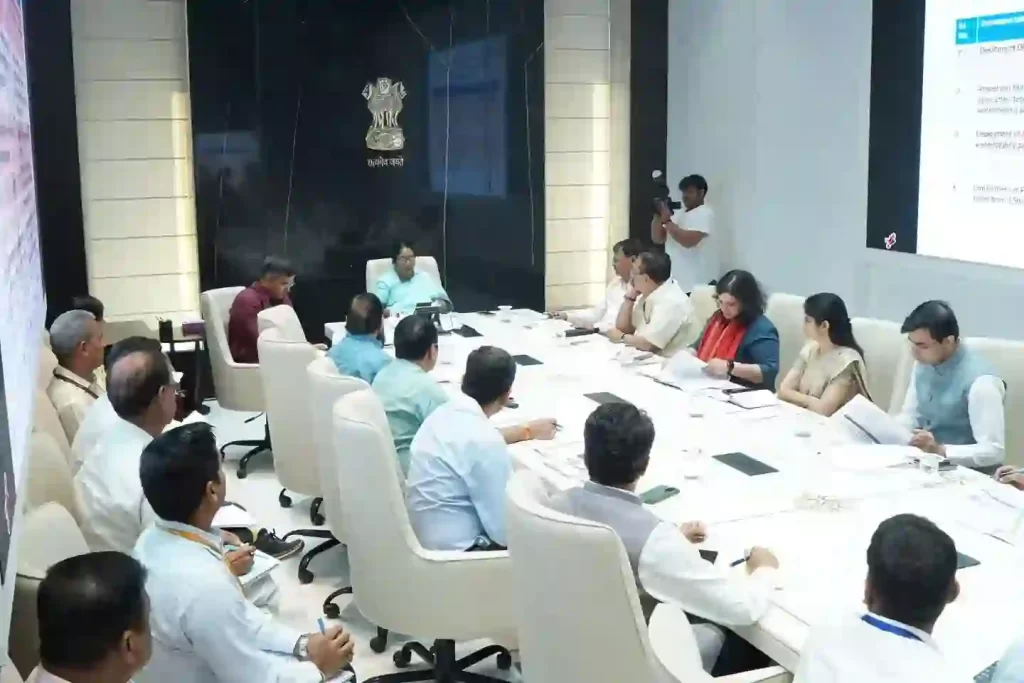
The Delhi government has put up a bold new plan to clean up the city’s air. They released the draft Electric Vehicle Policy 2.0 for 2026 to 2030 on April 11, 2026. This policy, called EV Policy 2.0, offers big cash incentives, tax breaks, and strict rules on petrol vehicles. The Transport Department’s EV Cell put it out for public feedback. People can send comments by email or post for 30 days. The goal is to make Delhi a leader in electric vehicles and cut down on dirty air from cars and bikes. Delhi wants one in every four new vehicles sold to be electric, building on its old policy from 2020.This new draft comes at a time when Delhi battles severe pollution. Vehicles cause a large part of the smog. Two-wheelers make up 67 percent of all vehicles on Delhi roads. The policy targets them first with bans and money help. It mixes rewards for buyers with deadlines to stop old fuel types. Experts call it one of India’s most forward-thinking plans. It aims to turn Delhi into a green transport hub by 2030.Big Cash Incentives for Electric Vehicle BuyersThe policy gives direct money to people who buy electric vehicles. Incentives drop over three years to push fast change. Buyers claim them online and get bank transfers after checks. They tie into the national PM E-DRIVE scheme.For electric two-wheelers up to Rs 2.25 lakh, help starts high. In year one, buyers get Rs 10,000 per kWh of battery, up to Rs 30,000 max. Year two drops to Rs 6,600 per kWh, max Rs 20,000. Year three gives Rs 3,300 per kWh, max Rs 10,000. This makes cheap EV scooters affordable for daily commuters.Electric three-wheelers like auto-rickshaws get fixed amounts. Year one pays Rs 50,000. Year two gives Rs 40,000. Year three offers Rs 30,000. These help drivers switch from CNG to clean power.For N1 goods vehicles up to 3.5 tonnes, incentives hit Rs 1 lakh in year one. Year two pays Rs 75,000. Year three gives Rs 50,000. Small trucks and vans benefit most here.Electric cars up to Rs 30 lakh ex-showroom qualify for extra perks if owners scrap old BS-IV or older cars. First 100,000 buyers get a Rs 1 lakh scrappage bonus. They must scrap within six months of the certificate. This clears old polluters fast. Tax Breaks and Scrappage Bonuses Make EVs CheaperElectric vehicles skip all road tax and registration fees until March 31, 2030. Cars up to Rs 30 lakh get a 100 percent waiver. Strong hybrids get 50 percent off. Luxury EVs over Rs 30 lakh pay full.Scrappage adds more savings. Two-wheeler owners get Rs 10,000 for old petrol or CNG bikes. Three-wheeler drivers earn Rs 25,000. N1 truck buyers pocket Rs 50,000. These bonuses reward people who ditch dirty vehicles for electric ones. The push clears roads of high-emission machines.Strict Bans and Mandates to Force the SwitchThe policy sets hard deadlines for petrol and diesel. No new petrol two-wheeler registrations after April 1, 2028. Only electric bikes and scooters are allowed then. New three-wheeler registrations must be electric from January 1, 2027. No more CNG autos.Commercial fleets face tougher rules. From January 1, 2026, ride-hailing and delivery firms cannot add new petrol or diesel two-wheelers or light goods vehicles up to 3.5 tonnes. BS-VI two-wheelers last until the end of 2026.Government leads by example. All leased or hired official cars will turn electric in 12 months. Delhi runs 3,535 electric buses now. Plans add 2,800 more in phase one and 3,330 in phase two. The goal is to hit 7,500 e-buses by the end of 2026 and 11,000 by 2028. Public transport shows the way.Charging Stations Grow to Support More EVsNo good policy without places to charge. Delhi wants a public charger every 3 km. From hundreds in 2020, it reached 9,000 stations by early 2026. Battery swap spots hit 234. Target will jump to 30,000 chargers soon.The government helps installers with cheap land in parking lots. It reimburses 100 percent of the state GST on advanced batteries for swaps. New buildings must have EV-ready spots in 20 percent of parking. Lower power rates for charging make it cheap. Sellers must add chargers at dealerships. These fights range from fear to speed in daily use.Past Success and Road AheadDelhi’s first EV policy from 2020 worked well. EVs now make 14 percent of new sales, above India’s 8 percent average. Over 86,000 EVs registered since the start. Two and three-wheelers lead uptake. Charging grew fast, too. The Transport Department runs the show with an EV Cell. A State EV Board checks progress. Funds come from pollution fines and the Air Ambience Fund. Central FAME money flows through local schemes.Challenges remain. Old subsidy delays frustrated buyers. New rules fix that with fast claims. Land scarcity slows chargers. Retrofitting old cars raises safety concerns. Policy adapts with open data on stations and loan help.Delhi beats many states in EV share and chargers. It teaches others: mix money, rules, and infra. National goals like PM E-DRIVE align perfectly. By 2030, Delhi eyes top global spot for green rides.
PM Modi Inaugurates Micron’s Semiconductor ATMP Facility in Sanand
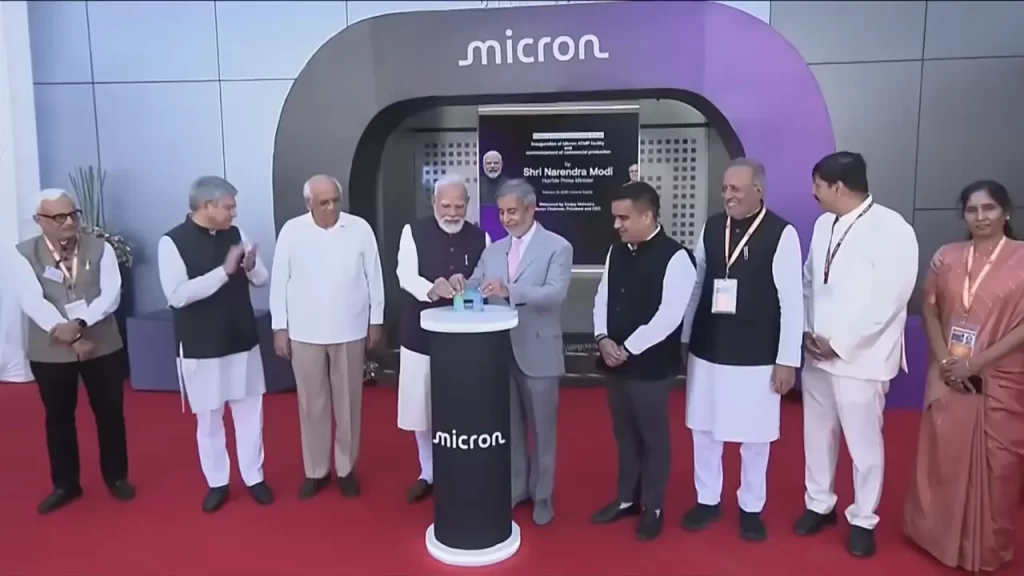
Prime Minister Narendra Modi inaugurated Micron Technology’s state-of-the-art Semiconductor Assembly, Test, and Packaging (ATMP) facility in Sanand, Gujarat, on February 28, 2026, marking India’s entry into commercial semiconductor production. This $2.75 billion milestone, the first of its kind in the country, converts advanced DRAM and NAND wafers into finished memory products for AI, data centers, and mobiles, positioning India as a key player in the global chip value chain.From MoU to Production: Lightning-Fast ExecutionThe project’s speed exemplifies India’s “New India” mindset. Signed in June 2023, groundbreaking occurred in September 2023, pilot machines installed by February 2024, and commercial production began in February 2026, just 33 months end-to-end. PM Modi highlighted streamlined regulations, like Advanced Pricing Agreements (APAs) cleared in months versus 3-5 years elsewhere, crediting clear intent and nation-first dedication.The Sanand plant boasts over 500,000 sq ft of cleanroom, one of the world’s largest single-floor ATMP cleanrooms, ISO 9001:2015 certified, LEED Gold-bound, and zero-liquid discharge via water-saving tech. First made-in-India memory modules shipped to Dell for local laptops, with tens of millions of chips expected in 2026, scaling to hundreds of millions in 2027.Micron CEO Sanjay Mehrotra, at the event with Gujarat CM Bhupendra Patel, Union Minister Ashwini Vaishnaw, and US Ambassador Sergio Gor, called it a “proud moment” building resilient AI ecosystems. Vaishnaw termed it “historic,” shifting India from chip consumer to manufacturing hub under PM Modi’s leadership.Microchips: The Oil of the 21st CenturyPM Modi framed semiconductors as the bridge from the Industrial Revolution to the AI era: “If oil regulated the last century, microchips will regulate this one.” Launched amid COVID chaos via the Semiconductor Mission, early seeds now yield fruit. India approved 10 projects under Semicon India; three more ramp up soon in Uttar Pradesh, Assam, Odisha, and Punjab, creating a pan-India ecosystem beyond factories, encompassing machines, design, R&D, logistics, and skills.Budget 2026’s India Semiconductor Mission 2.0 targets the full value chain, spurring domestic demand for materials amid booming gadget adoption. Electronics production and exports surged manifold in 11 years; “Make in India” now powers automobiles, mobiles, and tech.Sanand mirrors its auto-hub transformation, now anchoring semiconductors alongside chemicals, petrochemicals, and skill centers. Gujarat’s policies on approvals, land, and utilities boost investor faith; Dholera and Sanand emerge as Western India’s chip clusters.India-US Partnership Powers Global Supply ResilienceThe facility underscores deepening India-US ties in AI and chips, including the Pax Silica agreement from the recent AI Summit for critical minerals. The two largest democracies secure supply chains amid geopolitical flux. PM Modi messaged investors: “India is ready, reliable, delivers, capable, competitive, committed.”Micron’s Gujarat push builds talent via PDEU, Namtech, nationwide universities, and govt skills programs, focusing on STEM, advanced manufacturing, digital/AI literacy. Sustainability integrates health, safety, and eco-commitments.Broader Semiconductor Ecosystem BoomThis ATMP unit complements fabs like Tata’s in Dholera and others, addressing AI-driven memory demand. India’s electronics journey, from IT services to hardware, accelerates Viksit Bharat. Key Project MetricsDetailsKey Project MetricsDetailsInvestment$2.75B (Micron + govt)Cleanroom Size500,000+ sq ft (world’s largest single-floor ATMP)Output 2026Tens of millions of chipsOutput 2027Hundreds of millionsTimelineMoU Jun’23 → Production Feb’26States InvolvedGujarat, UP, Assam, Odisha, PunjabGlobal PartnersUS (Micron, Dell), via Pax SilicaA Tech Leadership LeapFrom software superpower to hardware contender, the nation builds self-reliant ecosystems fueling AI, mobiles, EVs. As PM Modi envisioned post-AI Summit, this hardware milestone cements technology leadership, inviting the world to co-create in a reliable, scalable hub.
Soaring Heights: How Tata-Airbus H-125 Facility Marks India’s Aerospace Leap

India’s aerospace ambitions just touched new heights, literally. On February 17, 2026, Prime Minister Narendra Modi and French President Emmanuel Macron virtually inaugurated the Tata Advanced Systems Limited (TASL) Final Assembly Line (FAL) for Airbus H-125 light utility helicopters in Vemagal, Karnataka, from Mumbai. This isn’t mere infrastructure; it’s a fusion of strategic trust, technological prowess, and economic firepower, propelling India’s Make-in-India and Aatmanirbhar Bharat visions skyward.A Historic Virtual Ribbon-CuttingPicture this: Leaders from two global powers, Modi and Macron, hitting the digital button to unveil a facility that symbolises Indo-French synergy. Raksha Mantri Rajnath Singh, on-site at Vemagal, called it a “milestone in the strategic partnership between India and France,” quipping that “even the sky is not the limit.” Joining him were French Minister of Armed Forces and Veterans Affairs Catherine Vautrin, Union Civil Aviation Minister KR Naidu, Karnataka’s Minister for Large & Medium Industries MB Patil, Chief of Air Staff Air Chief Marshal AP Singh, Defence Secretary Rajesh Kumar Singh, and Secretary (Defence Production) Sanjeev Kumar.This event builds directly on TASL-Airbus’ prior triumph: the C-295 military transport aircraft FAL, India’s first private-sector final assembly for military planes. Now, the H-125 line cements a full-spectrum military aerospace ecosystem, blending French engineering with Indian manufacturing muscle.H-125: The Everest-Conquering WorkhorseAt its core, the H-125 is no ordinary chopper; it’s the world’s most trusted single-engine light utility helicopter, with unmatched reliability across brutal conditions. The military-optimised H-125M variant acts as a high-altitude force multiplier: stealthy low acoustic and thermal signatures enable tactical reconnaissance and surveillance. It delivers logistics to remote frontline outposts, rushes search-and-rescue (SAR) or medical evacuations (MEDEVAC), and thrives where others falter.Why? It’s the only helicopter to land on Mount Everest’s summit, proof of its extreme performance ceiling. For India’s armed forces, battling “hot-and-high” terrains from Ladakh’s icy peaks to Siachen’s glaciers, this is gold. Traditional fleets struggle above 6,000 meters; the H-125 powers through, ensuring supply drops, troop insertions, and rapid response in oxygen-starved zones. Globally, over 9,000 H-125 family units fly missions, from VIP transport to firefighting, logging 45+ million flight hours.PM Modi captured the pride: “We take pride in manufacturing in India the world’s only helicopter capable of flying to the heights of Mount Everest and exporting it worldwide.” Raksha Mantri echoed, praising its “exceptional reliability, versatility, and outstanding performance.”Economic Engine: Jobs, Investment, and ExportsThis FAL isn’t just about rotors; it’s an economic turbocharger. Projected investment surpasses ₹1,000 crore, igniting direct and indirect jobs for India’s “skilled and hardworking youth.” It supercharges the MSME ecosystem, now boasting 16,000+ defence-linked units supplying global giants.Since 2014, under Modi, reforms have flipped the script: Ordnance Factories corporatised into seven DPSUs, liberalised FDI (up to 74% on the automatic route), and twin Defence Industrial Corridors (Uttar Pradesh-Tamil Nadu). Private sector share? A robust 25% of total defence production. Exports? Multi-fold surge, ranking India among the top global defence exporters. Foreign OEMs now tap Indian MSMEs for components, with Rajnath Singh inviting deeper tech transfers to fuel security solutions worldwide.Schemes like Production Linked Incentives (PLI), massive infrastructure (roads, ports), and startup boosts have slashed gestation periods, drawing high-capital plays like this. Result: Holistic growth, from domestic self-reliance to export powerhouse.Economic Impact MetricsDetailsInvestment>₹1,000 croreEmploymentDirect + indirect jobs for youth; boosts 16,000+ MSMEsDefence ReformsPrivate share at 25%; exports up manifoldBroader EcosystemPLI schemes, FDI liberalisation, industrial corridorsGlobal ReachComponent sourcing by foreign firms; export-ready H-125sMake-in-India’s Aerospace AscentLaunched in 2014, Make-in-India targeted manufacturing revival; Aatmanirbhar Bharat amplified it post-COVID, prioritising critical tech. Defence exemplifies: From 65% import dependence, India now produces 70%+ indigenously. Private players like TASL lead, absorbing complex tech via offsets and partnerships.This H-125 FAL exemplifies “mutually beneficial partnerships.” Airbus gains India as a low-cost hub; TASL masters final assembly, testing, and avionics integration. Future? Potential exports to friendly nations, plus civilian H-125 variants for tourism, charters, and disaster relief. Karnataka’s Vemagal, near Bengaluru’s aerospace cluster, optimises logistics, skills, and supply chains.Indo-French Ties: Boundless HorizonsIndia-France defence bonds run deep: Rafale jets, Scorpene submarines, joint exercises. Macron’s visit layered geopolitics, countering China in Indo-Pacific, onto tech ties. Vautrin’s presence signals sustained commitment. As Singh noted, collaborations are “limitless,” eyeing AI, drones, and sixth-gen fighters.Charting the Future SkiesThe Vemagal FAL isn’t an endpoint; it’s a launchpad. For troops in unforgiving Himalayas, it means swifter rescues. For workers, stable careers. For India, a louder global voice in aerospace. As helicopters hum off the line, they carry more than passengers; they ferry self-reliance, innovation, and unbreakable partnerships into tomorrow’s skies.
ODOP – One District One Product: Transforming Local Economies into Global Opportunities
The One District One Product (ODOP) initiative has emerged as a key strategy in India’s effort to promote balanced regional development and strengthen local economies. The programme focuses on identifying and promoting a unique product from each district, with the aim of boosting manufacturing, generating employment, and enhancing exports.By linking traditional skills and local specialisations with modern market access, ODOP seeks to position India’s diverse district-level products on both national and global platforms.Concept and Origin of ODOPThe idea behind ODOP is rooted in the principle that every district has a distinct product, craft, or agricultural strength that can be developed into a competitive economic asset. The initiative was first implemented at the state level in Uttar Pradesh, where it gained considerable success in promoting local industries and artisans.Building on this model, the concept was later adopted at the national level to encourage districts across India to identify and develop their unique products. These include handicrafts, textiles, agricultural goods, processed foods, and industrial products.Objectives of the InitiativeODOP is designed to address multiple economic and developmental challenges through a focused approach. The initiative aims to promote indigenous products, support local artisans and manufacturers, and create sustainable employment opportunities at the district level.Another key objective is to reduce regional imbalances by ensuring that economic growth is not limited to major urban centres but is distributed across smaller districts. By strengthening local industries, ODOP also contributes to increasing exports and enhancing India’s global trade presence.Implementation and Institutional FrameworkThe ODOP initiative is implemented through coordination between central ministries, state governments, and district administrations. Each district identifies its flagship product based on factors such as historical significance, availability of raw materials, and existing skill sets.Once identified, support is provided in areas such as production, processing, packaging, branding, and marketing. Financial assistance, training programmes, and infrastructure development are also part of the implementation framework.The initiative is closely aligned with broader national programmes aimed at promoting self-reliance and entrepreneurship.Focus on Skill Development and Capacity BuildingA significant component of ODOP is the emphasis on skill development. Artisans and producers are trained in modern techniques, quality control, and business practices to improve productivity and competitiveness.Capacity-building programmes also focus on enhancing design, innovation, and value addition, enabling local products to meet global standards. This approach helps traditional industries adapt to changing market demands without losing their authenticity.Market Linkages and Export PromotionOne of the major challenges faced by local producers has been access to markets. ODOP addresses this by facilitating market linkages through exhibitions, e-commerce platforms, and export channels.Products identified under the initiative are promoted through various trade fairs and government-supported platforms, helping them reach a wider audience. The focus on branding and packaging has further improved the visibility and appeal of these products in international markets.Economic and Social ImpactThe ODOP initiative has contributed to strengthening local economies by creating employment opportunities and increasing income levels in districts. By promoting district-specific industries, it has encouraged entrepreneurship and reduced migration to urban areas.Socially, the initiative has helped preserve traditional crafts and cultural heritage, providing recognition and support to artisans who were previously operating in informal sectors.Integration with National Development GoalsODOP aligns with India’s broader vision of self-reliance and inclusive growth, complementing initiatives focused on manufacturing and exports. It also supports the development of micro, small, and medium enterprises (MSMEs), which play a crucial role in the country’s economy.The initiative contributes to the goal of making India a global manufacturing hub by leveraging local strengths and diversifying production bases.Challenges and the Way ForwardDespite its potential, the implementation of ODOP faces certain challenges. These include issues related to infrastructure, supply chain inefficiencies, and limited awareness among producers in some regions.Ensuring consistent quality, scaling production, and maintaining competitiveness in global markets are also areas that require continued attention. Strengthening digital platforms and improving logistics will be crucial for the initiative’s long-term success.The One District One Product initiative represents a strategic approach to decentralised economic development. By focusing on local strengths and connecting them to larger markets, it is creating new opportunities for growth while preserving India’s rich cultural and industrial diversity.
PM Modi’s Mann Ki Baat E-133 | 26th April, 2026
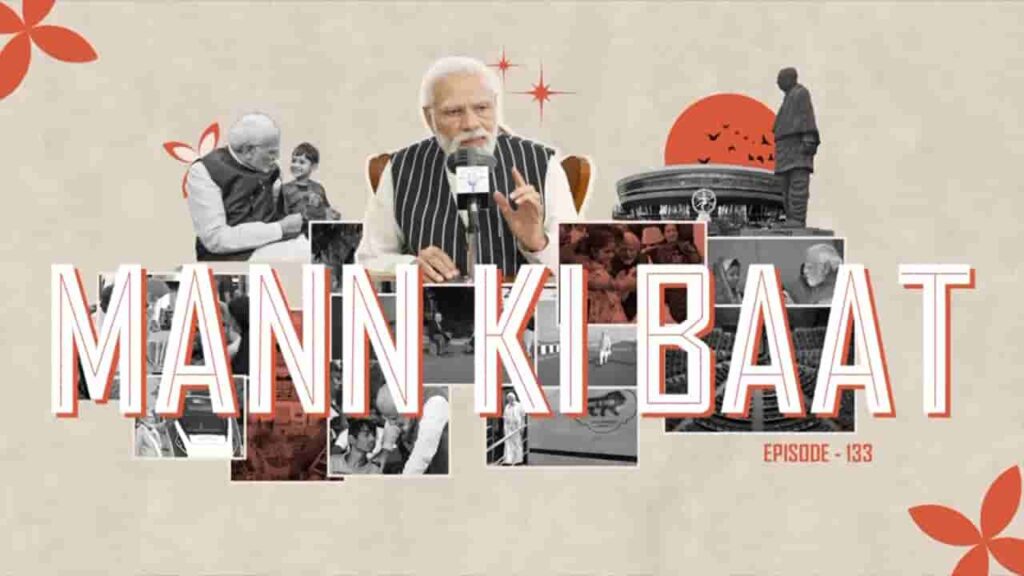
PM Modi’s Mann Ki Baat E-133 | 26th April, 2026 Video: YT/@NaMo
UP Chief Minister Yogi Adityanath’s Singapore and Japan Visit: A Landmark Investment Roadshow
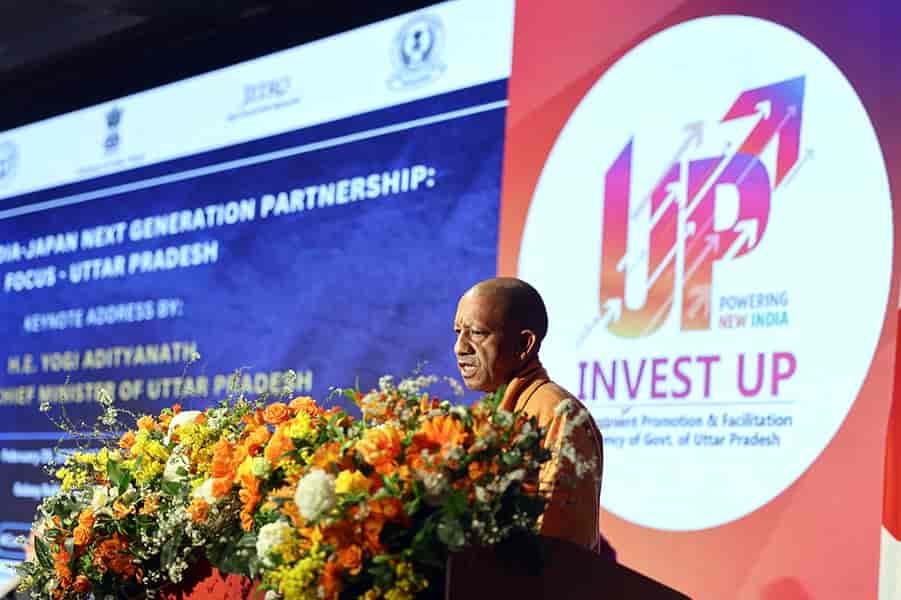
IntroductionUttar Pradesh Chief Minister Yogi Adityanath’s official visit to Singapore (February 22–24) and Japan (February 25–26) has emerged as one of the most consequential investment outreach efforts undertaken by any Indian state government in recent years. Undertaken as part of the UP Invest Roadshow, the twin-country visit generated MoUs worth ₹1.5 lakh crore and fresh investment proposals amounting to ₹2.5 lakh crore, spanning sectors ranging from semiconductors and data centres to green hydrogen and advanced manufacturing.The visit is expected to serve as a key milestone in Uttar Pradesh’s stated goal of becoming a one-trillion-dollar economy by 2029–30. With a Gross State Domestic Product of ₹30.25 lakh crore in 2024–25, projected to reach approximately ₹36 lakh crore in 2025–26, UP is positioning itself as one of India’s most competitive destinations for global capital.Singapore Visit (February 22–24, 2026)High-Level Government EngagementsThe Singapore leg of the visit was anchored in high-level political diplomacy. Chief Minister Yogi Adityanath held meetings with Singapore’s top leadership, including:President Tharman Shanmugaratnam (meeting took place on February 24)Prime Minister Lawrence Wong, who described UP as India’s third-largest economy and noted that Singaporean companies are actively investing in the state, particularly in logistics, connectivity, and infrastructureMinister for Foreign Affairs Vivian Balakrishnan, who described Uttar Pradesh as “India’s most populous state and among its fastest-growing economies, with a young and dynamic workforce”Minister for Manpower and Minister-in-charge of Energy and Science and Technology Tan See LengThe discussions were framed within the India–Singapore Comprehensive Strategic Partnership (CSP) Roadmap, which identifies priority collaboration areas including economic cooperation, digitalisation, skills development, sustainability, connectivity, and advanced manufacturing.Investor Meetings and Business EngagementsBeyond governmental meetings, the Chief Minister held substantive discussions with leaders from Singapore’s top financial and infrastructure institutions:Tan Su Shan, CEO, DBS Group — financial cooperation and infrastructure project financing for UPLim Chow Kiat, CEO, GIC — long-term institutional investments in infrastructure, logistics, and sustainable urban development; GIC is already a partner in projects such as the Ganga ExpresswayTeo Chee Hean, Chairman, Temasek — sovereign investment opportunities in data centres, renewable energy, and industrial infrastructureKerry Mok, President and CEO, SATS Ltd. — aviation sector collaborationLeaders from Mapletree, PSA India, Greenfield Ventures, AVPN, Kaizenvest, and the Private Infrastructure Development Group — covering logistics, green energy, sustainable infrastructure, and impact investmentSkill Development and Vocational TrainingThe Chief Minister reviewed Singapore’s technical and vocational education model at the ITE College Central campus, including its Aviation Hub facilities. MoUs were signed to strengthen collaboration in technical and vocational education, aviation skills, and industry-aligned training programmes.UP Investors’ Roadshow — Singapore Business FederationCM Yogi addressed business leaders at the UP Investors’ Roadshow organised by the Singapore Business Federation. He described the “new Uttar Pradesh” as offering safety, stability, and speed to investors.On the first day alone, UP secured total investment commitments of ₹19,877 crore. The single largest proposal came from Universal Success Group, which committed ₹6,650 crore for group housing, a logistics park, and a data centre.Sectoral Focus AreasKey sectors covered during the Singapore engagements included:MRO (Maintenance, Repair & Overhaul) and cargo hubs — positive discussions were held on developing the Noida International Airport at Jewar as an MRO and cargo hubSemiconductors and data centres — UP is positioning land parcels near Jewar Airport as potential sites for hyperscale and AI-enabled data infrastructureLogistics and fintechSkill development and digital economySingapore is India’s largest source of Foreign Direct Investment, contributing USD 14.94 billion in FY 2024–25.Japan Visit (February 25–26, 2026)UP Investment Roadshow, TokyoFollowing Singapore, Chief Minister Yogi Adityanath arrived in Tokyo to host the UP Investment Road Show, where he invited Japanese industrialists and investors to explore opportunities in Uttar Pradesh. He stated that “Uttar Pradesh has emerged as the most preferred state for investment in India due to its secure environment, strong infrastructure, large market potential, and young workforce.”He also referred to Japan as the “Land of the Rising Sun”, and drew a cultural connection by noting that Uttar Pradesh is the birthplace of Lord Ram and a significant node of India’s Buddhist heritage.MoUs Signed — Day One: ₹11,000 CroreOn the first day of the Japan visit, MoUs worth approximately ₹11,000 crore were signed with a range of Japanese companies. The companies included:CompanySectorKubota CorporationAgricultural machinery and equipmentMinda Corporation (with Toyo Denso)Automobiles and auto componentsJapan Aviation Electronics IndustryElectronics and defenceNagase & Co. Ltd.Chemicals and technologySeiko AdvanceIndustrial printing and graphicsO&O GroupHospitality and real estateFuji Partnership / Fuji Silvertech ConcreteIndustrial infrastructureB2G (Business-to-Government) MeetingsIn separate B2G interactions, senior representatives from the following corporations engaged with the UP government:Suzuki Motor CorporationHonda Cars India Ltd.Konoike Transport Co. Ltd.Mitsui & Co. Ltd. — discussions centred on renewable energy, ICT, semiconductor manufacturing, data centres, and logisticsRapidus CorporationMarubeni CorporationSumitomo Realty & Development Co. Ltd.MUFG BankJapan City in YEIDA RegionA centrepiece announcement of the Japan visit was the confirmation that a dedicated 500-acre “Japan City” will be developed in the Yamuna Expressway Industrial Development Authority (YEIDA) region, near the upcoming Noida International Airport. The township is envisioned as an exclusive industrial ecosystem for Japanese companies, with dedicated auto clusters and R&D facilities for OEMs and component manufacturers.The Japan Desk at Invest UP will be further strengthened, with direct monitoring by the Chief Minister’s Office (CMO), to ensure seamless facilitation of Japanese investment.Green Hydrogen Centre of ExcellenceA significant announcement on clean energy was the establishment of a Green Hydrogen Centre of Excellence, to be developed collaboratively between:University of Yamanashi (Japan)Yamanashi Hydrogen Company (Japan)IIT KanpurHarcourt Butler Technical University (HBTU)IIT BHUMadan Mohan Malaviya University of Technology (MMMUT)Technology and Industrial VisitsChief Minister Yogi Adityanath visited the L0-Series Maglev Train Station and experienced a ride on the high-speed train, exploring possibilities for collaboration in advanced transport technologies.He also inspected FANUC Corporation’s industrial robot and factory automation plant. FANUC expressed interest in investing in UP and supporting technological upgradation of the state’s MSME sector.Tourism and Cultural CollaborationBoth sides agreed to strengthen tourism ties by linking UP’s globally significant Buddhist Circuit and Ramayana Circuit with Japan’s cultural interest in these heritage routes, promoting spiritual, cultural, and heritage tourism between the two regions.Cumulative Investment OutcomesCategoryAmountMoUs Signed (Singapore + Japan combined)₹1.5 lakh croreFresh
Beti Bachao, Beti Padhao: A National Campaign for Gender Equality and Girls’ Education
The Beti Bachao, Beti Padhao (BBBP) scheme is one of India’s flagship social initiatives aimed at addressing the declining child sex ratio and promoting the education and empowerment of the girl child. Launched in January 2015, the campaign marked a coordinated effort by the government to tackle deep-rooted gender bias and discrimination that have historically affected girls across various parts of the country.Over the years, the programme has evolved into a nationwide movement, combining policy intervention with behavioural change campaigns to improve the status of girls in society.Background and Need for the InitiativeThe launch of Beti Bachao, Beti Padhao was driven by growing concerns over the declining child sex ratio (CSR) in India. Census data and various reports had highlighted a worrying trend of fewer girls being born and surviving due to practices such as gender-biased sex selection and neglect of girl children.This imbalance not only reflected social discrimination but also posed long-term demographic and societal challenges. The need of the hour was not just legal enforcement but also a shift in societal mindset, which became a core focus of the BBBP campaign.Objectives of the SchemeThe Beti Bachao, Beti Padhao initiative was designed with a multi-dimensional approach, focusing on survival, protection, and education of the girl child.Its key objectives include improving the child sex ratio, ensuring the survival and protection of girls, and promoting their education and participation in society. The campaign also aims to challenge gender stereotypes and encourage equal value for girls within families and communities.Implementation and Institutional FrameworkThe scheme is implemented through a convergence of three key ministries — the Ministry of Women and Child Development, the Ministry of Health and Family Welfare, and the Ministry of Education.This multi-sectoral approach ensures that interventions are carried out at different levels, including healthcare, education, and community awareness. The programme initially focused on districts with low child sex ratios but was later expanded to cover the entire country.At the district level, local administrations play a crucial role in executing awareness campaigns, monitoring progress, and engaging with communities.Key Components of the CampaignOne of the defining features of Beti Bachao, Beti Padhao is its strong emphasis on mass awareness and behavioural change. Campaigns are conducted at national, state, and local levels to challenge societal norms that favour male children.Efforts include promoting the value of the girl child, discouraging gender-biased practices, and encouraging families to invest in girls’ education. The initiative also supports the enforcement of laws such as the prohibition of sex-selective practices.In the education sector, the scheme works towards improving enrolment and retention of girls in schools, ensuring access to quality education, and creating a supportive learning environment.Progress and ImpactSince its launch, the Beti Bachao, Beti Padhao scheme has contributed to increased awareness about gender equality and the importance of educating girls. Several districts have reported improvements in the child sex ratio, along with higher school enrolment rates for girls.The campaign has also succeeded in bringing conversations about gender bias into the mainstream, encouraging communities to reflect on long-standing social practices.In many regions, local initiatives under the scheme have led to better monitoring of pregnancies, institutional deliveries, and early education for girls.Challenges and CriticismDespite its achievements, the scheme has faced criticism regarding its implementation and utilisation of funds. Reports have pointed out that a significant portion of the budget has been spent on publicity rather than direct interventions.There are also concerns about the uneven impact across states, with some regions showing better outcomes than others. Experts have emphasised the need for stronger ground-level implementation and measurable outcomes.Additionally, changing deep-rooted social attitudes remains a long-term challenge that requires sustained effort beyond policy measures.Broader SignificanceBeti Bachao, Beti Padhao goes beyond being a government scheme; it represents a societal campaign aimed at redefining the value of girls in India. By addressing issues of gender discrimination, education, and empowerment together, the initiative attempts to create a more balanced and inclusive society.The programme aligns with India’s broader goals of social justice, gender equality, and inclusive development, recognising that empowering girls is essential for national progress.The Beti Bachao, Beti Padhao initiative continues to play a crucial role in shaping public discourse around gender equality. While challenges remain, its focus on awareness, education, and protection has contributed to a gradual shift in attitudes, reinforcing the importance of valuing and empowering the girl child across the country.
Lakhpati Didi Initiative: Empowering Rural Women Through Sustainable Livelihoods
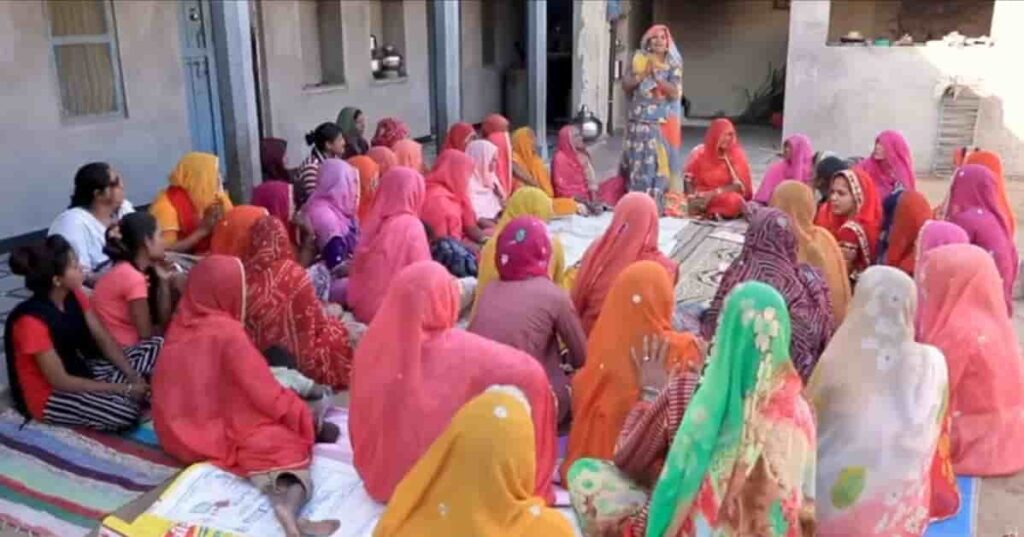
The Lakhpati Didi initiative has emerged as a significant step in India’s rural development framework, aimed at enabling women to achieve financial independence by earning an annual income of at least ₹1 lakh. Implemented under the umbrella of the Deendayal Antyodaya Yojana – National Rural Livelihoods Mission (DAY-NRLM), the programme focuses on strengthening self-help groups (SHGs) and promoting women-led economic activities across rural areas.Over time, the initiative has gained momentum as part of the government’s broader push for women-led development, shifting the focus from welfare support to income generation and entrepreneurship.Concept and ObjectiveThe core idea behind the Lakhpati Didi initiative is to transform rural women into economically self-reliant individuals by ensuring sustainable and diversified income sources. A “Lakhpati Didi” is defined as a woman who, through consistent livelihood activities, earns ₹1 lakh or more annually.The initiative emphasises not just income enhancement but also long-term financial stability. Women are encouraged to move beyond single-source earnings and adopt multiple livelihood options, reducing economic vulnerability and ensuring steady growth.Implementation Through Self-Help GroupsThe programme is primarily implemented through the extensive network of self-help groups formed under DAY-NRLM. These SHGs act as the backbone of the initiative, providing a platform for women to collaborate, access resources, and participate in economic activities.Through these groups, women receive institutional support, peer learning opportunities, and collective bargaining power. The community-based approach has played a crucial role in scaling the initiative across states.Livelihood Activities and Income GenerationWomen identified under the scheme are engaged in a wide range of livelihood activities depending on local resources and skills. These include agriculture and allied sectors such as dairy farming, poultry, and fisheries, along with non-farm activities like tailoring, handicrafts, food processing, and small retail businesses.The initiative promotes diversification of income sources, ensuring that women are not dependent on a single stream of earnings. This approach has helped create resilience against market fluctuations and seasonal uncertainties.Financial Inclusion and Credit AccessAccess to finance remains a critical component of the Lakhpati Didi initiative. Women associated with SHGs are linked to formal banking systems, enabling them to avail low-interest loans and credit facilities.This financial support allows beneficiaries to invest in their businesses, expand operations, and improve productivity. At the same time, the programme also focuses on improving financial literacy, helping women manage savings, credit, and expenditures effectively.Skill Development and Capacity BuildingTo ensure sustainability, the initiative places strong emphasis on skill development and training. Women are provided with technical knowledge related to their chosen livelihoods, along with training in entrepreneurship, business management, and digital literacy.This capacity-building approach enables women to not only generate income but also scale their activities and adapt to changing market demands.Government Push and ExpansionThe government has set ambitious targets to increase the number of Lakhpati Didis across the country, making it a central component of rural economic policy. Efforts are being made to strengthen training programmes, improve market linkages, and provide better infrastructure support.The initiative has also been integrated with other development schemes to maximise its reach and impact.Impact on Rural Economy and Social StructureThe Lakhpati Didi initiative has begun to show visible impact in several parts of rural India. Increased household incomes, reduced dependence on informal credit, and improved standards of living have been reported among beneficiaries.Beyond economic gains, the programme has contributed to enhancing the social status of women. Greater participation in financial decisions, improved confidence, and leadership roles within communities are some of the broader changes observed.Challenges and the Way ForwardDespite its progress, the initiative faces certain challenges, including uneven implementation across states, limited market access in remote areas, and the need for continuous skill upgradation. Ensuring consistent income levels and long-term sustainability remains a key focus area.Experts have highlighted that strengthening supply chains, improving infrastructure, and providing sustained support will be essential to scale the initiative effectively.The Lakhpati Didi initiative represents a shift in India’s rural development strategy, placing women at the centre of economic growth. By combining financial inclusion, skill development, and community support, it continues to build a pathway for sustainable livelihoods and grassroots-level transformation.